10 Fast-Food Habits Quietly Hiking Your Tab More Than You Realize
Fast food feels like a budget-friendly choice until you check your bank statement and wonder where all that money went. Those convenient drive-thru runs add up faster than you’d think, especially when small decisions quietly inflate your bill. I’ve been there—grabbing what seems like a simple meal only to realize I’ve spent twice what I planned.
The truth is, restaurants count on us making certain choices that boost their profits while draining our wallets. From seemingly innocent upgrades to timing tricks, these habits sneak extra dollars onto your receipt without you noticing. Understanding these patterns helps you make smarter decisions without sacrificing the occasional fast-food treat.
Breaking these habits doesn’t mean giving up convenience entirely. It means recognizing where your money goes and taking control of your spending. Small adjustments create significant savings over time, leaving more room in your budget for ingredients that matter—or simply keeping more cash in your pocket where it belongs.
Not Using Restaurant Apps and Rewards

You walk into your favorite fast-food spot, order your usual, pay full price, and head out—meanwhile, the person behind you just scored a free sandwich because they tapped a few buttons on their phone. Restaurant apps aren’t just digital menus anymore; they’re goldmines of discounts, exclusive deals, and rewards points that add up faster than you think. Most chains now offer sign-up bonuses, birthday freebies, and points for every dollar spent that translate into free food. Skipping these apps means you’re basically leaving money on the table every single time you order. I’ve watched friends rack up enough points in a month to cover an entire meal, simply by using the app instead of ordering at the counter.
The beauty of these programs is that they work quietly in the background while you eat what you were already planning to buy. No coupons to clip, no receipts to save—just automatic rewards that grow with each visit. Some apps even offer personalized deals based on your order history, like discounts on that chicken sandwich you always get or bonus points during slow hours. If you’re eating fast food regularly anyway, not downloading these apps is one of those quiet habits that steadily inflates your spending without you noticing. Take five minutes to set up accounts at your go-to spots, and you’ll start seeing real savings that make those occasional splurges feel a whole lot less guilty.
Dining During Peak Hours
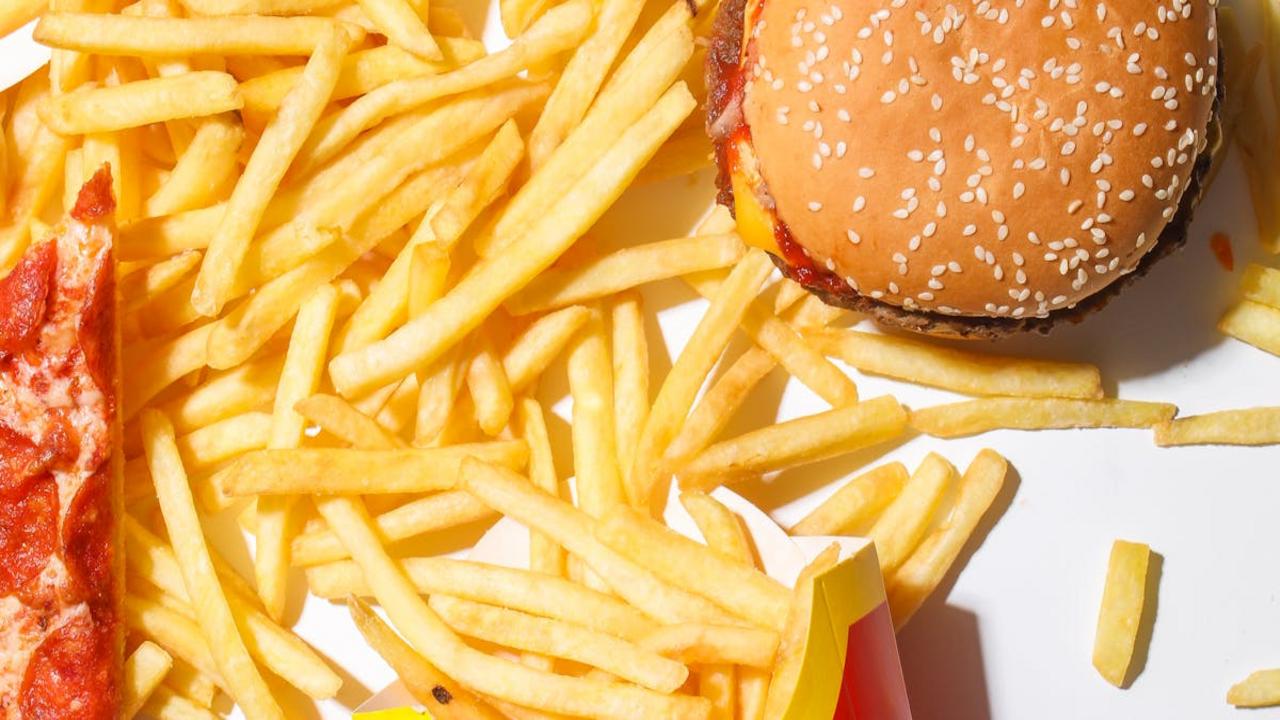
You walk into your favorite fast-food spot at noon on a Tuesday, and suddenly your usual $8 meal costs $10. Many chains now use dynamic pricing during lunch and dinner rushes, adjusting prices based on demand just like ride-sharing apps do. Some restaurants add surge charges between 11:30 AM and 1:30 PM, then again from 5:00 PM to 7:00 PM. That innocent decision to grab lunch when you’re hungriest might be costing you 15-25% more than if you’d waited an hour. Your wallet takes the hit because restaurants know crowds will pay premium prices when hunger strikes hardest and time feels tight.
Think about shifting your schedule by even thirty minutes—grab breakfast at 10:00 AM instead of 9:00 AM, or hit the drive-through at 2:00 PM rather than high noon. Those off-peak hours often bring promotional pricing that disappears once crowds arrive. I’ve started planning my occasional fast-food runs around quieter times, and the savings add up faster than you’d expect. Your lunch break flexibility might be limited, but weekend meals and dinner runs offer more control. Check your favorite chain’s app for real-time pricing—many show different costs throughout the day, making it easier to spot when you’re paying peak premiums for the same exact food.
Ordering Multiple Sauces and Dips
Those little containers of sauce add up faster than you’d think. Most fast-food places charge anywhere from 25 to 50 cents per extra sauce, and if you’re grabbing three or four different dips for your nuggets or fries, you’ve just tacked on an extra two dollars to your meal without even realizing it. I used to do this constantly—one ranch, one honey mustard, maybe a barbecue for good measure. Before I knew it, I’d spent more on condiments than I would have on making a whole batch of homemade sauce at home. The markup on these tiny packets is astronomical, and they’re banking on you not paying attention to those small charges that slip through.
Here’s what changed my perspective: I started keeping a small container of homemade dipping sauce in my bag when I knew I’d be eating out. Sounds extreme, but mixing Greek yogurt with herbs, or whisking together tahini with lemon and garlic takes five minutes max. You get better flavor, control over ingredients, and zero mystery additives. If bringing your own feels too unconventional, just ask for one sauce and use it strategically—a little goes a long way when you’re mindful about it. Breaking this habit saved me about ten dollars a month, which might not sound like much, but that’s a bag of quality chicken breasts or fresh produce for meals that actually nourish you.
Falling for Limited Time Offers
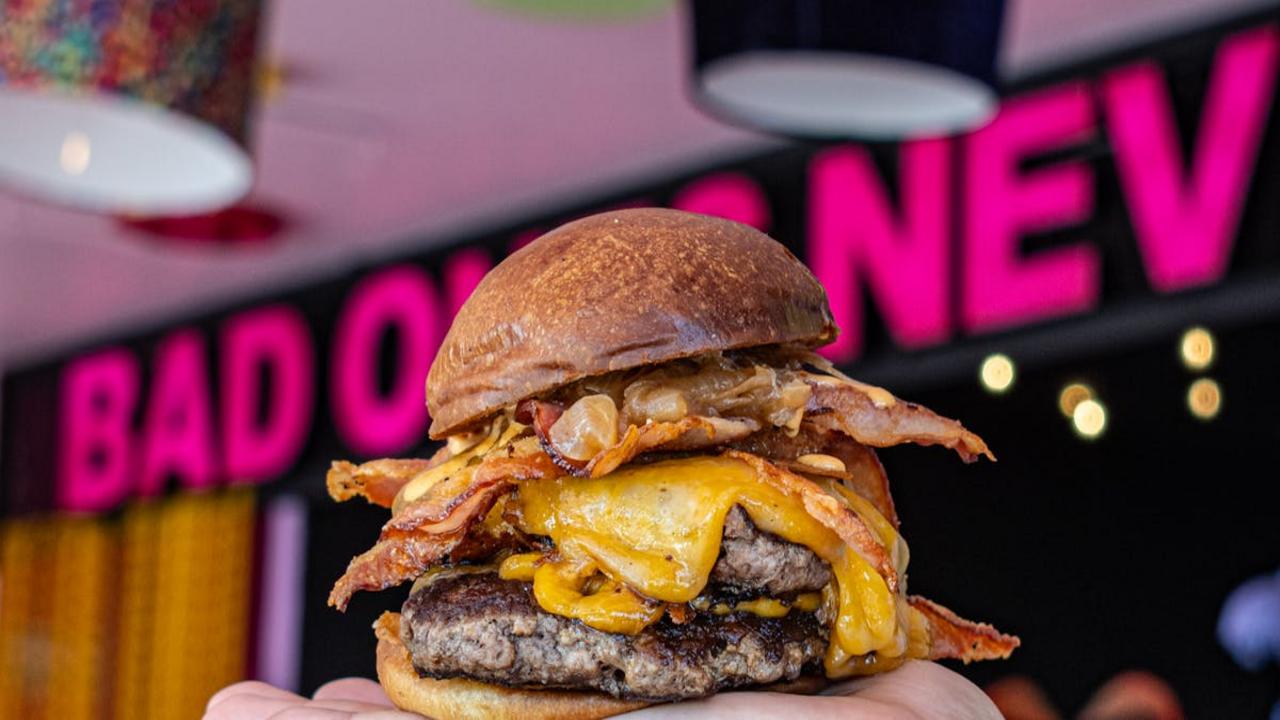
Limited time offers work like magic on your wallet, creating a false sense of urgency that makes you order things you never planned to buy. Fast-food chains know exactly what they’re doing when they flash those countdown timers and “only available for a short time” banners across their menus. You walk in planning to grab your usual order, but suddenly you’re adding a special burger or exclusive shake because you convince yourself it’s now or never. This psychological trick transforms a simple meal into an expensive experiment, and before you know it, you’ve spent double what you intended just because something had a temporary spotlight.
The truth is, these limited offerings rarely disappear forever—they cycle back around, sometimes with a different name or slight variation. Fast-food companies create artificial scarcity to drive sales, banking on your fear of missing out to boost their bottom line. Instead of jumping at every special promotion, stick to what you actually want to eat and what fits your budget. If something genuinely sounds appealing, wait a day and see if you still crave it. Most times, that urgency fades once the initial excitement wears off, and you’ll realize you were perfectly happy with your regular choices all along.
Choosing Premium Menu Items
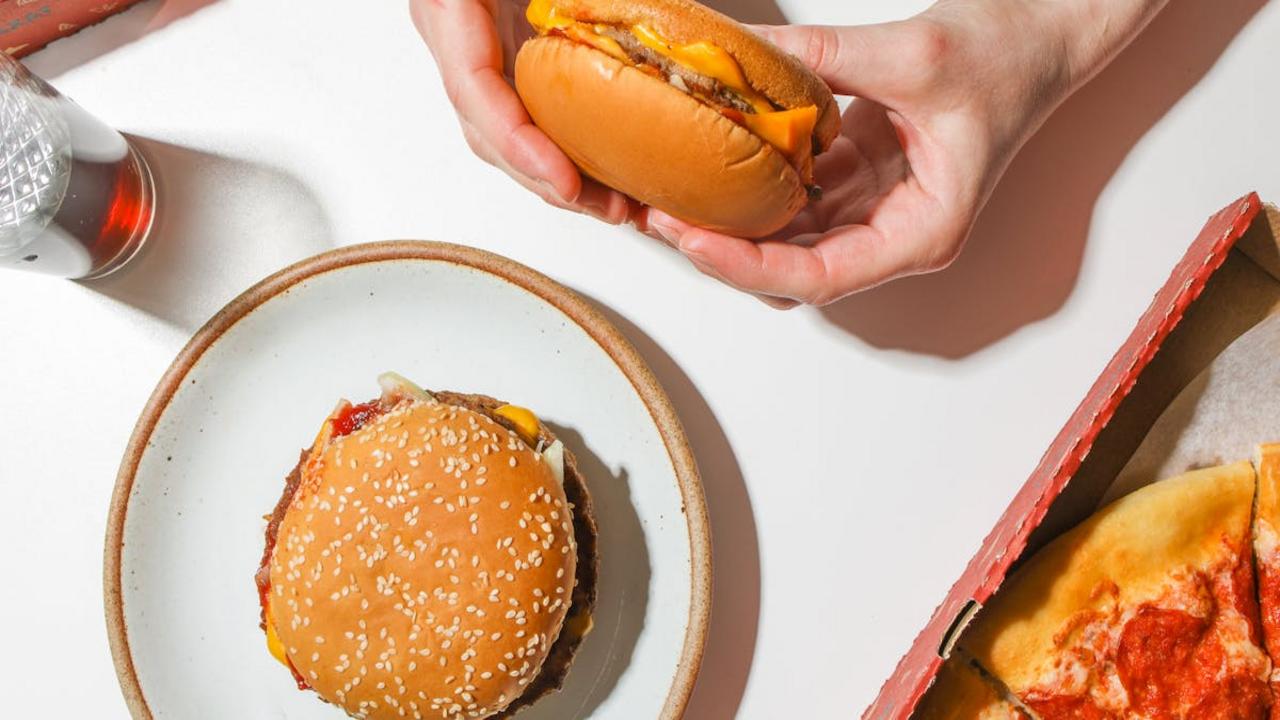
Premium menu items at fast-food chains come with a significant markup that quietly drains your wallet. When you opt for the “gourmet” burger with specialty toppings, artisan buns, or premium proteins like wagyu beef or lobster, you’re paying substantially more for what often amounts to marginal quality differences. These upscale options can cost two to three times more than standard menu items, yet the actual ingredient cost difference is minimal. Fast-food chains know customers associate higher prices with better quality, so they capitalize on this perception by creating luxury-branded items that feel special but deliver questionable value. That truffle aioli or aged cheddar might sound impressive, but you’re essentially paying restaurant prices for food that’s still prepared using fast-food methods and timelines.
Think about it—you could buy fresh, high-quality ingredients from your local market and create something genuinely premium at home for the same price or less. Instead of dropping fifteen dollars on a “premium” fast-food burger, invest that money in grass-fed beef, fresh vegetables, and real artisan bread from a bakery. You’ll get more food, better nutrition, and the satisfaction of knowing exactly what goes into your meal. The next time you’re tempted by those fancy menu descriptions, remember that fast-food restaurants rely on aspirational marketing rather than genuine ingredient quality. Save your money for meals that truly deserve the premium label, whether that means cooking at home or treating yourself to an actual restaurant where chefs prepare food with care and attention to detail.
Getting Delivery Instead of Pickup
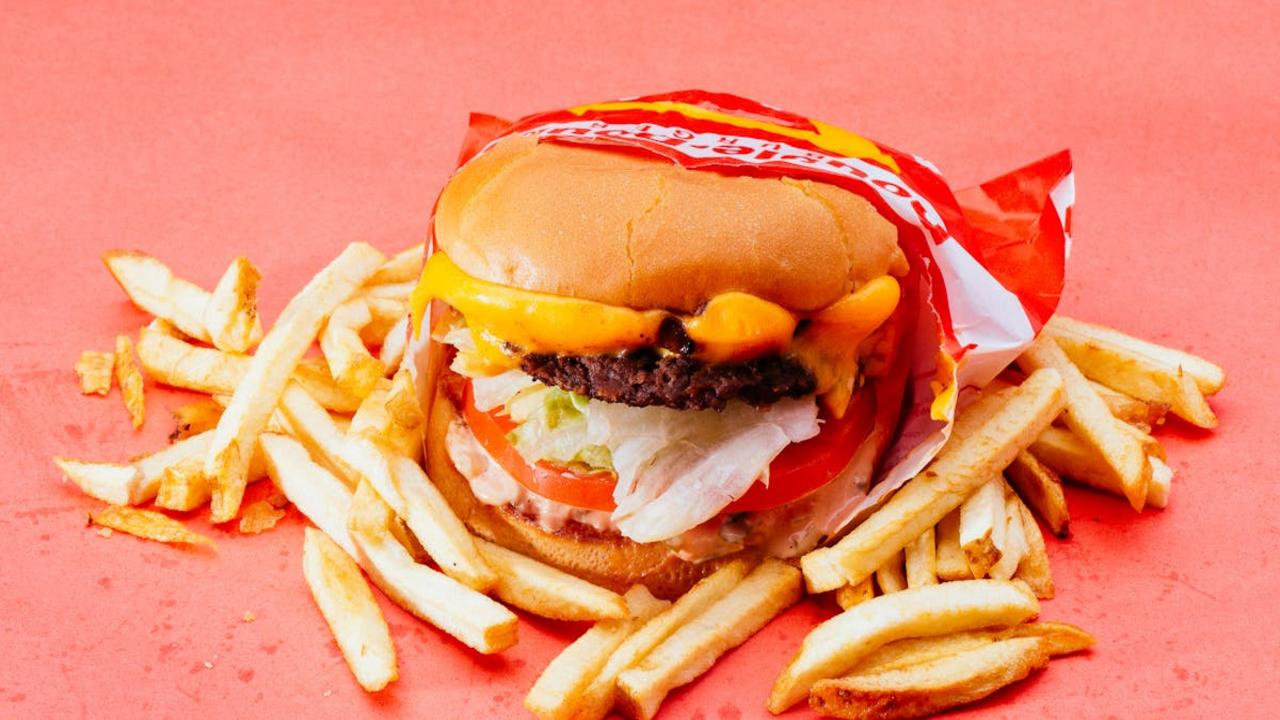
Ordering delivery might feel like a small convenience, but those extra fees stack up faster than you’d think. Between delivery charges, service fees, and the near-mandatory tip for your driver, you’re easily adding $8 to $15 on top of your actual food cost. What started as a $12 burger meal suddenly becomes $25, and you haven’t even upsized anything. I get it—some days you just want food to appear at your door without leaving the couch. But if this becomes your default habit several times a week, you’re hemorrhaging money that could go toward better ingredients at the grocery store or a proper restaurant experience where the service and ambiance justify the extra spend.
The solution is simpler than you might expect: pick up your order yourself. You’ll save all those delivery-related charges, and honestly, the 10-minute drive gives you a mental break from whatever you’re doing. Plus, your food arrives hotter and fresher when you control the transit time instead of waiting for a driver juggling multiple orders. I’ve made it a personal rule to only use delivery when I’m genuinely unable to leave—like when I’m sick or deep in a project deadline. Otherwise, I throw on shoes and grab it myself. That saved money adds up to hundreds of dollars annually, which buys a lot of quality olive oil, spices, and fresh produce for home cooking that actually nourishes you.
Buying Specialty Drinks and Shakes
Those vanilla bean frappes and cookies-and-cream shakes sitting pretty on the menu board? They’re gorgeous, I know. But here’s what nobody tells you: these drinks cost more than your actual meal in most cases. A large specialty shake can set you back anywhere from $5 to $7, sometimes even more depending on the chain. That’s the price of quality ingredients you could buy at the grocery store—real vanilla extract, fresh cream, good cocoa powder—to make treats at home for a week. Fast-food chains mark up these beverages to an astronomical degree because they know we’re vulnerable to the combination of sugar, ice, and convenience. The actual cost to make these drinks? Pennies on the dollar compared to what you’re paying.
I get the appeal completely. Sometimes you want something cold and sweet to wash down those fries. But consider this alternative: order water or unsweetened iced tea with your meal, then treat yourself to a homemade smoothie or shake later. Blend frozen bananas with a splash of milk and cocoa powder, or mix Greek yogurt with fresh berries and honey. You’ll save money, control exactly what goes into your drink, and avoid the high-fructose corn syrup that dominates most fast-food specialty beverages. If you really can’t resist ordering one occasionally, make it a true treat rather than a regular habit. Your wallet will thank you, and honestly, so will your body.
Adding Extra Toppings and Upgrades
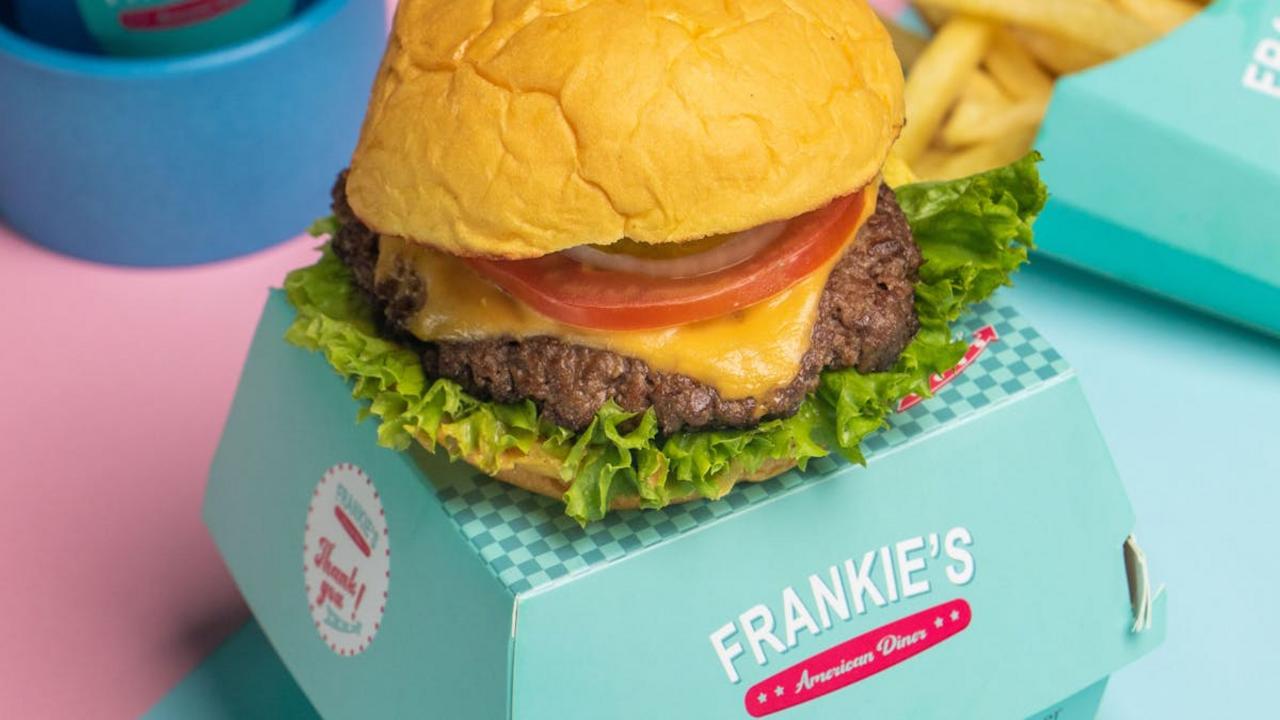
That innocent “would you like to add bacon?” question at the register can transform your budget-friendly meal into a pricey indulgence faster than you realize. Fast-food chains know exactly what they’re doing when they suggest those tempting extras—cheese here, avocado there, premium sauce on the side. Each addition might seem modest at 50 cents or a dollar, but stack three or four upgrades on a single order, and you’ve just doubled your bill without thinking twice. I’ve watched friends casually agree to extra cheese, bacon, and guacamole on their burger, then wonder why their receipt shows $15 instead of the advertised $7.99.
The psychology behind these upsells works because they frame each addition as a small splurge, making it feel insignificant in the moment. But if you’re grabbing fast food three times a week and adding $3-4 in extras each visit, you’re spending an additional $36-48 monthly on toppings alone. Instead of defaulting to yes every time, pause and consider whether you genuinely want that upgrade or if you’re just responding to suggestion. Better yet, recreate those loaded burgers at home where you control both the quality and quantity of ingredients without the markup. When you’re paying $2 for a handful of shredded cheese that costs pennies to add at home, you’re essentially funding their profit margins while convincing yourself you’re treating yourself to something special.
Ordering Combo Meals Without Checking Prices
Here’s something I learned the hard way during my broke college days: combo meals aren’t always the deal they promise to be. You walk up to that counter thinking you’re being smart by bundling everything together, but nobody’s stopping to do the math. I’ve caught myself doing this countless times—ordering the combo on autopilot because it feels convenient. But grab your phone’s calculator next time and add up the individual items. You’d be shocked how often buying à la carte actually costs less, especially if you skip the drink or downsize that oversized fries portion you weren’t going to finish anyway.
The fast-food industry banks on this autopilot ordering behavior. They design those combo boards with flashy photos and prominent pricing that makes your brain shut down its bargain-hunting instincts. I started treating these menus like I treat my grocery shopping—comparing unit prices and questioning whether I really need every component. Sometimes I’ll order just the burger and side, bringing my own water bottle from home. Other times, sharing one large fry between two people makes more sense than each getting a combo. This mindful approach has genuinely trimmed my fast-food spending by nearly thirty percent, and I’m eating exactly what I want rather than what some marketing team decided I should want.
Supersizing Every Meal
You know that moment at the counter when the cashier asks if you want to supersize? It feels like such a small upgrade—just a few cents more for extra fries and a bigger drink. But here’s what happens: those “small” upgrades add up faster than you’d expect. What started as a $6 meal suddenly becomes $8 or $9, and if you’re doing this three times a week, you’re looking at an extra $50 to $60 each month disappearing into portions you probably didn’t need in the first place. The psychology behind supersizing banks on your perception of value, making you feel like you’re getting more for your money when really, you’re just spending more money for more food than your body actually wants.
Think about it this way: that supersized portion often sits half-finished in your car or gets tossed in the trash because your stomach reached its limit. You’re not saving anything—you’re wasting both money and food. Instead of automatically saying yes to the upsize, stick with the regular portion and see how you feel afterward. Most times, the standard size satisfies your hunger just fine. If you’re genuinely still hungry, grab a piece of fruit or some nuts you’ve stashed in your bag. Your wallet will thank you, and your body won’t have to process all those extra calories it never asked for. Breaking the supersize habit means taking back control of both your spending and your eating patterns, and that’s a win worth celebrating.