14 Iconic US Foods You Love That Didn’t Exist 100 Years Ago
Think your great-grandparents munched on Cheetos or dunked chicken nuggets in ranch dressing? Think again! The American food landscape has transformed dramatically since the 1920s. Your pantry staples—from sliced bread to Cool Whip—are actually modern inventions that would seem like science fiction to folks a century ago.
We’ve packed more convenience and flavor into our diets than any generation before us. Instant ramen got college students through late-night study sessions, while TV dinners forever changed family mealtimes. Even American Singles cheese—that perfectly meltable burger topping—wasn’t wrapping sandwiches during the Roaring Twenties.
What’s most shocking? Many foods we consider “classic American” are babies in culinary years. Tater Tots only rolled onto plates in 1953, and Pop-Tarts didn’t jump from toasters until 1964. Your morning coffee routine with instant brew? Impossible before the 1930s. Our food timeline shows just how quickly American appetites adapt to—and then can’t live without—innovation.
American Singles Cheese
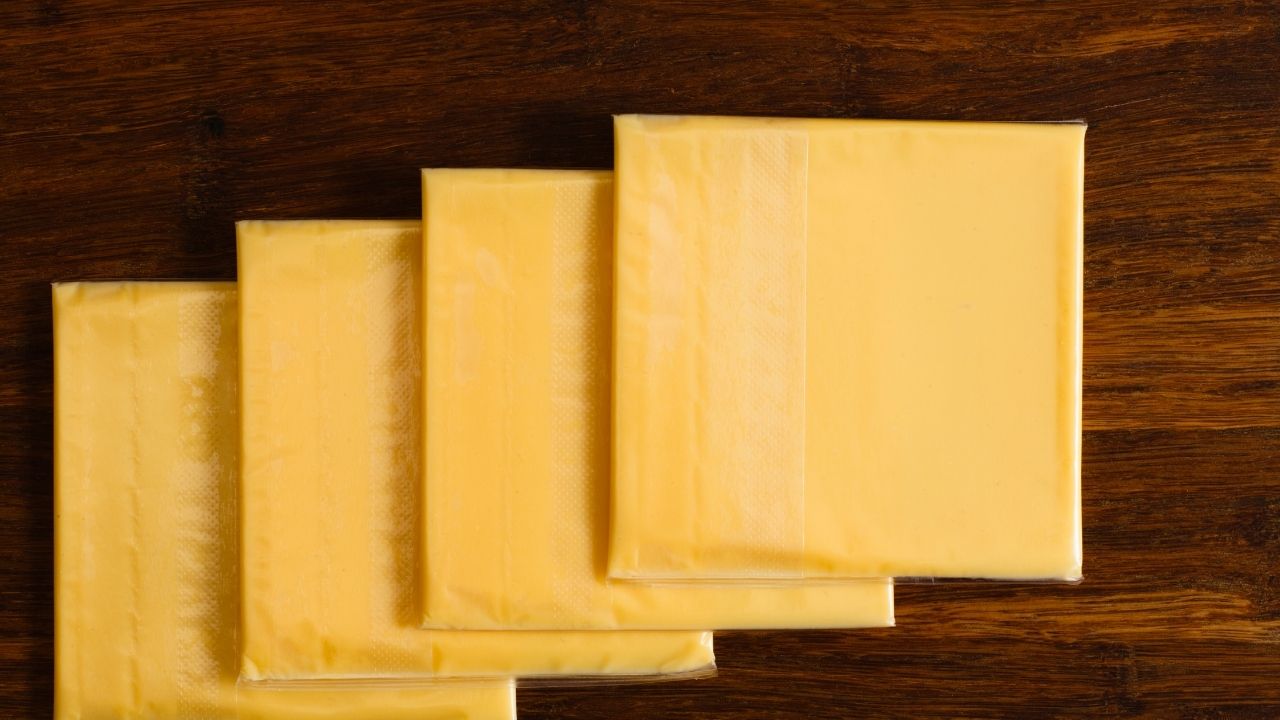
Picture this: It’s 1916, and some genius at Kraft decides that natural cheese is just too darn unpredictable. What if we could create something that melts perfectly every single time, never gets moldy, and has the shelf life of a Twinkie? Enter American Singles—the processed cheese product that would make grilled cheese sandwiches foolproof for generations of parents everywhere. James Lewis Kraft patented his pasteurization process, and suddenly America had a cheese that could survive a nuclear apocalypse while still maintaining that creamy, melty goodness we all secretly crave.
Now, cheese purists might turn their noses up at these individually wrapped squares of dairy engineering, but here’s the thing—American Singles became the backbone of comfort food across the nation. They’re the unsung heroes of late-night grilled cheese, the reliable stars of cheeseburgers, and the reason why mac and cheese sauce never breaks. Sure, they might not win any artisanal awards, but try making a perfect patty melt without one! These little orange squares taught an entire country that sometimes convenience and consistency trump complexity. Plus, they gave us the satisfying ritual of peeling away that plastic wrapper—a small moment of anticipation before cheesy bliss.
Cool Whip
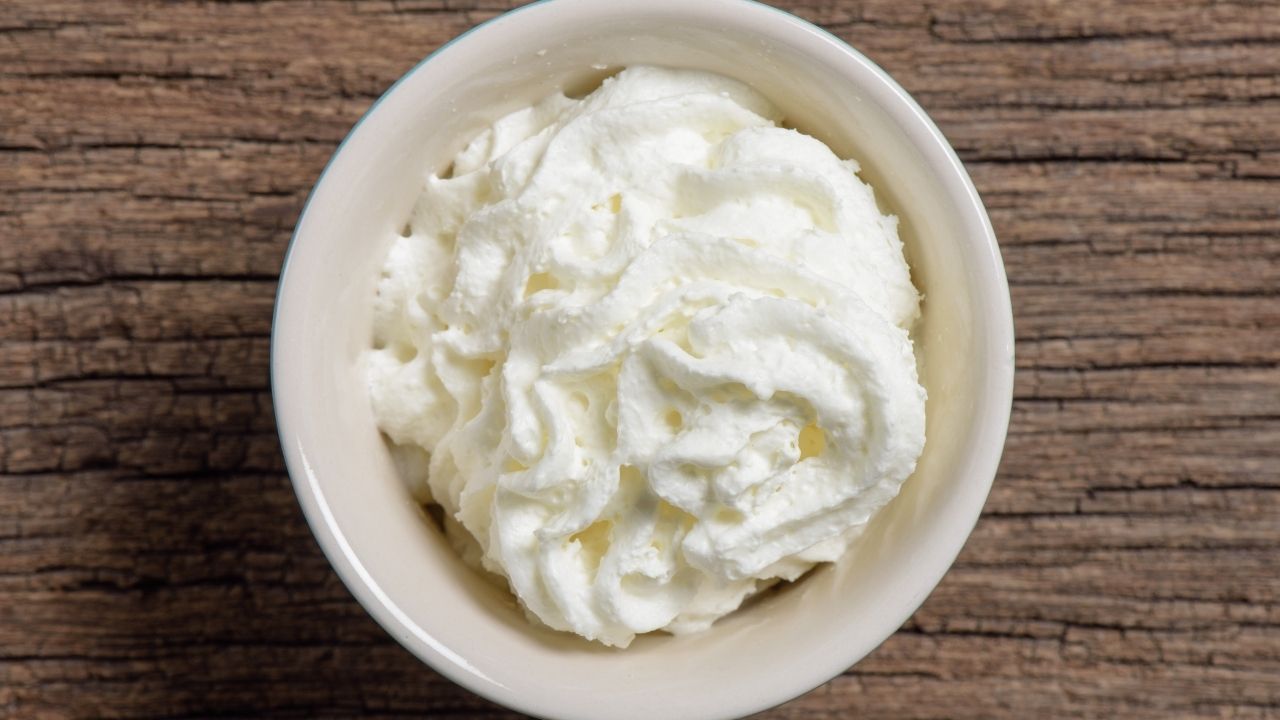
Picture this: it’s 1967, and Kraft scientists are busy creating what would become America’s most beloved fake whipped cream. Cool Whip didn’t just appear on grocery store shelves—it practically pirouetted into our hearts with its unnaturally perfect swirls and suspiciously long shelf life. This fluffy white concoction contains exactly zero cream, which seems like cheating until you realize it stays perfectly whippable for weeks without turning into sad, watery disappointment like real whipped cream does after approximately seventeen minutes.
What makes Cool Whip so mysteriously wonderful? The secret lies in its bizarre ingredient list that reads like a chemistry experiment: water, hydrogenated vegetable oil, corn syrup, and something called sodium caseinate. Yet somehow, this Frankenstein’s monster of dessert toppings became the star of countless Jell-O salads, fruit dips, and that magical creation known as “fluff” that graces every potluck table from Maine to California. Your grandmother probably has three containers in her freezer right now, and honestly, she’s living her best life because Cool Whip transforms any sad bowl of strawberries into a proper dessert worth bragging about.
Pop Tarts
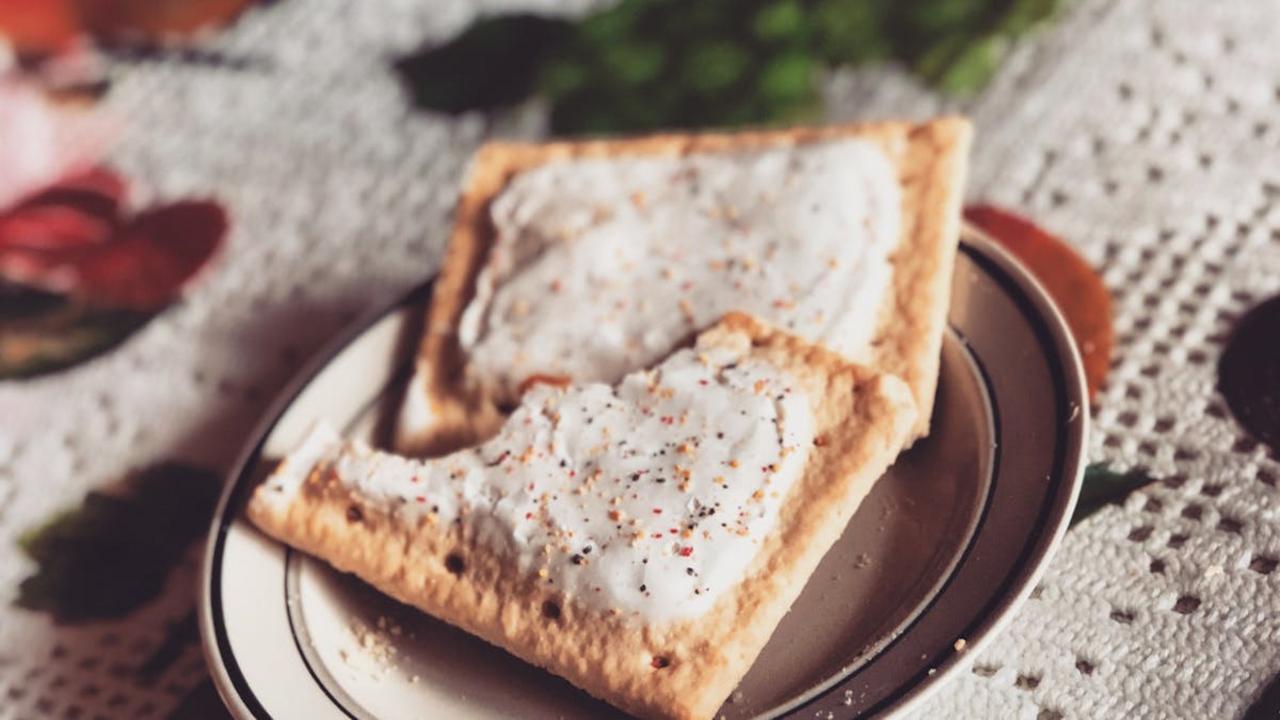
Picture this: you’re running late for school in 1964, and your mom tosses you a rectangular pastry that promises breakfast in under two minutes. That’s exactly how Pop-Tarts burst onto the American scene, thanks to Kellogg’s genius marketing team who realized busy families needed portable morning fuel. Originally called “Fruit Scones” during development (thank goodness they changed that snooze-fest name), these toaster pastries became an instant sensation when they hit shelves. The first flavors were strawberry, brown sugar cinnamon, apple currant, and blueberry – though let’s be honest, we all know strawberry was the real MVP from day one.
What makes Pop-Tarts absolutely brilliant isn’t just their convenience factor, but their rebellious nature. You can eat them cold straight from the package like some kind of breakfast anarchist, or toast them until the edges get slightly dangerous and the filling turns molten lava-hot. Fun fact: NASA actually considered sending Pop-Tarts to space because they’re so shelf-stable, though astronauts probably would’ve complained about crumb control in zero gravity. Today, with flavors ranging from classic brown sugar cinnamon to bizarre seasonal offerings like pumpkin pie, Pop-Tarts have become America’s favorite reason to pretend we’re eating actual breakfast while secretly enjoying what’s basically dessert in disguise.
Veggie Burgers
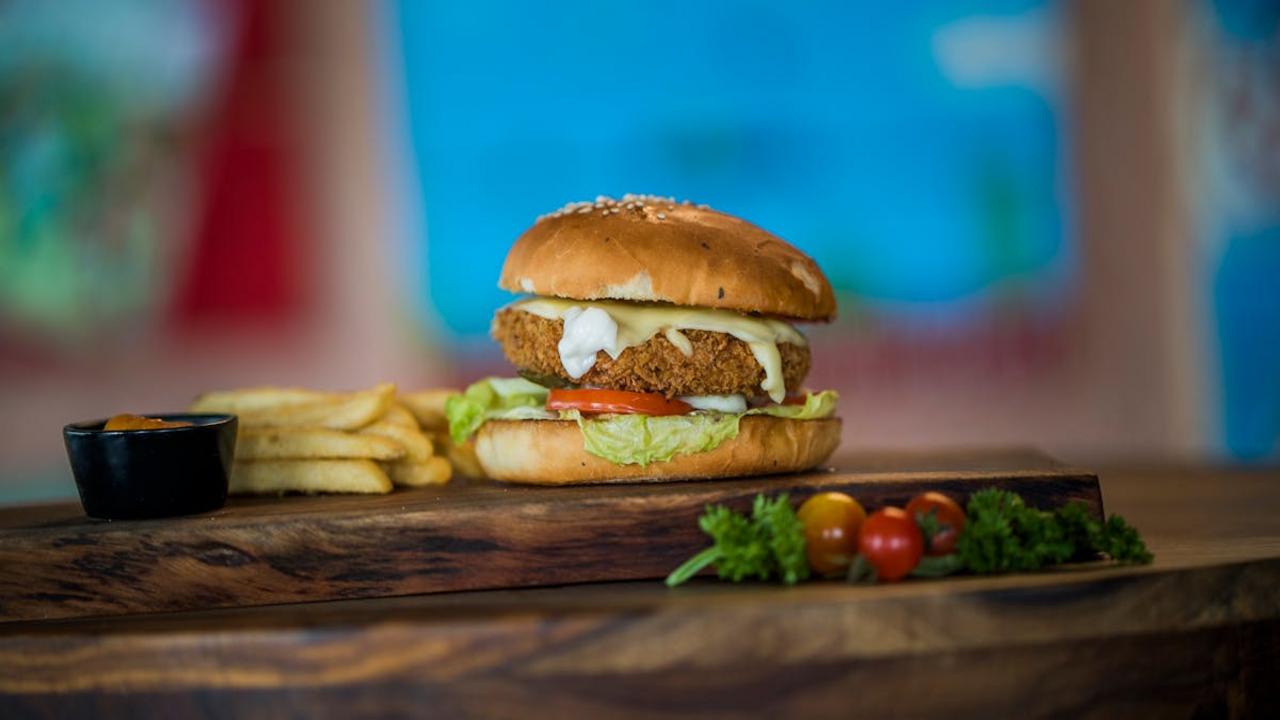
Picture this: your great-grandmother walks into a modern grocery store and spots a package labeled “plant-based burger patties.” She’d probably think someone was playing an elaborate prank! Back in 1924, the idea of creating a convincing meat substitute from vegetables, grains, and legumes would have seemed like pure fantasy. The closest thing to a veggie burger was perhaps a sad bean cake that nobody pretended tasted like beef.
The veggie burger revolution really kicked off in the 1980s when health-conscious Americans started questioning their relationship with red meat. Companies like Gardenburger and Boca began experimenting with combinations of mushrooms, onions, brown rice, and rolled oats to create patties that could hold their own on a grill. Today’s plant-based burgers have become so sophisticated that some actually “bleed” beet juice and sizzle convincingly on the barbecue. Your carnivorous uncle might unknowingly devour an Impossible Burger at the family cookout and ask for seconds – now that’s progress worth celebrating!
Chicken Nuggets
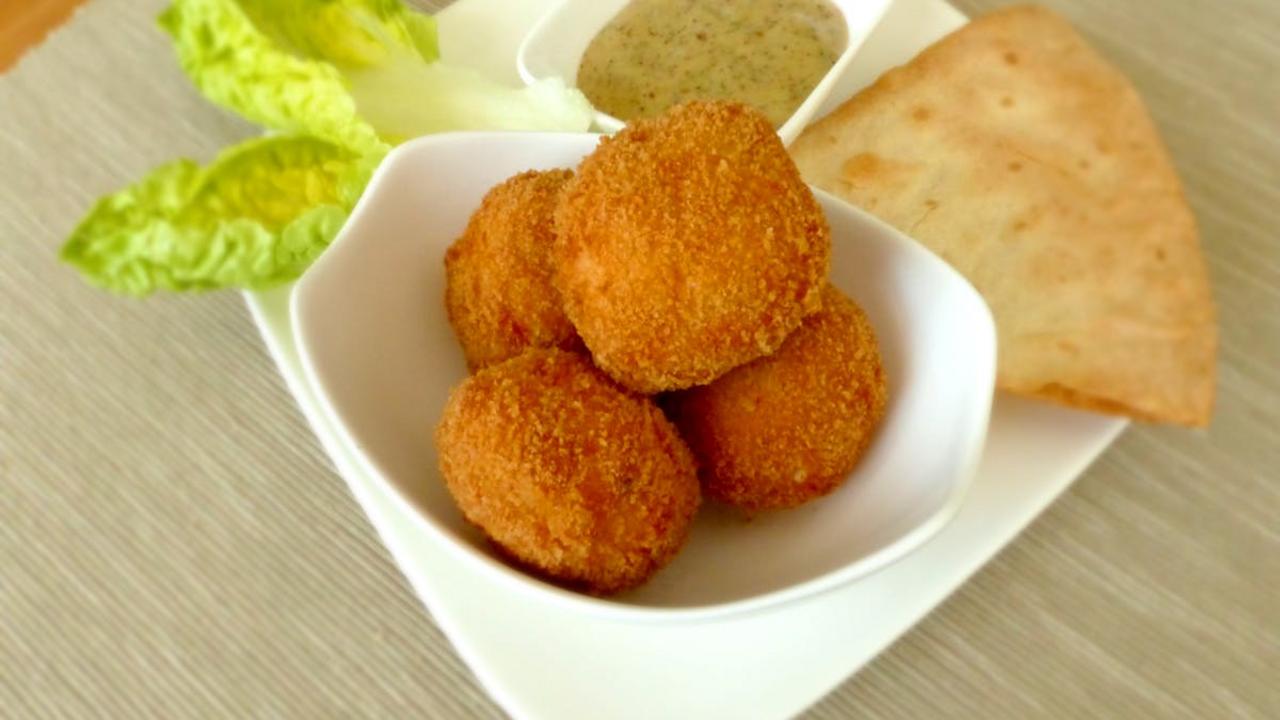
Picture this: you’re a kid in 1983, sitting in the backseat of your family’s wood-paneled station wagon, and your mom just pulled into the golden arches. You order those magical, bite-sized pieces of heaven called Chicken McNuggets, completely unaware that you’re witnessing food history in the making. Before this moment, chicken nuggets didn’t exist in the collective American consciousness. Sure, people had been breading and frying chicken for centuries, but those perfectly uniform, almost geometric nuggets? That’s pure 1980s innovation, baby! The credit goes to Tyson Foods, who developed these crispy little morsels specifically for McDonald’s, creating what would become one of the most beloved fast-food items of all time.
What makes chicken nuggets so brilliantly American is their complete disregard for traditional cooking methods. Instead of dealing with bones, skin, or any semblance of what a chicken actually looks like, food scientists ground up chicken meat, mixed it with seasonings and binders, shaped it into fun little nuggets, breaded them, and called it a day. It’s processed food at its finest – and most delicious. The genius lies in their versatility: you can dip them in honey mustard, barbecue sauce, sweet and sour, or if you’re feeling fancy, that mysterious “special sauce” that comes in those tiny containers. Today, chicken nuggets have transcended fast food, appearing in frozen food aisles, fancy restaurants, and even as dinosaur shapes that make vegetables suddenly seem acceptable to picky eaters everywhere.
Energy Drinks
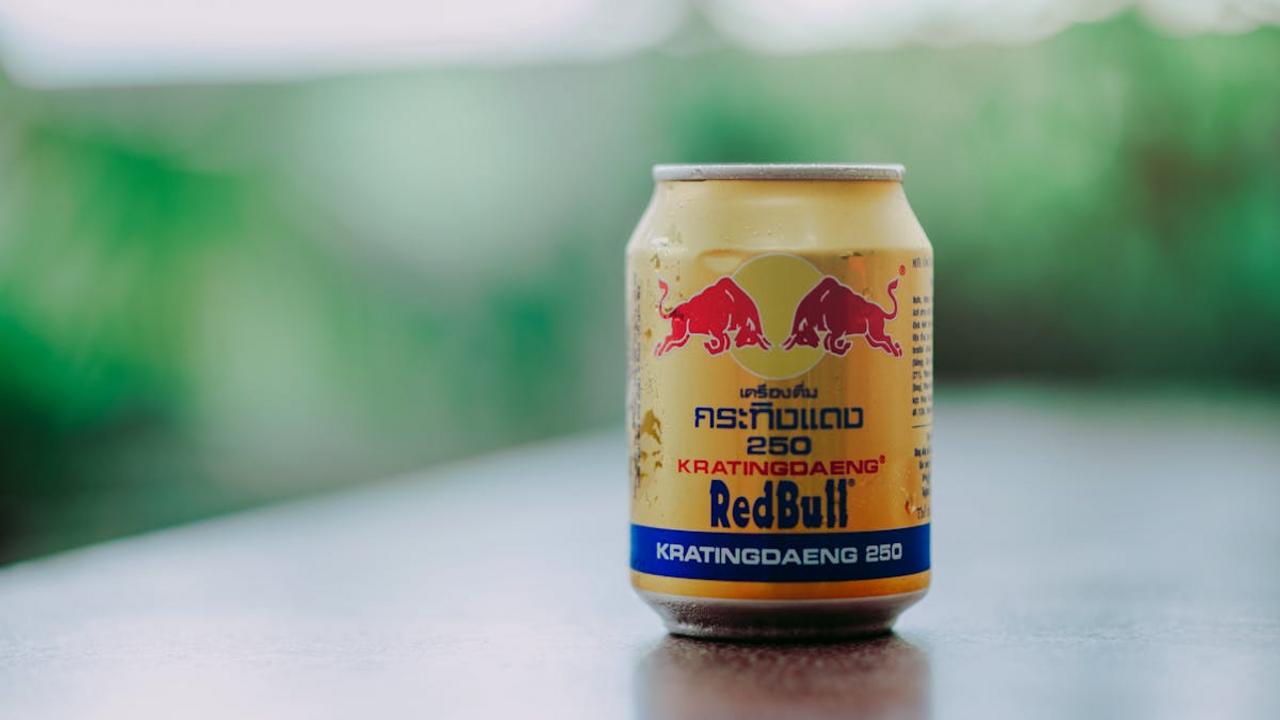
Picture this: your great-great-grandmother trying to crack open a can of Red Bull at 6 AM before milking the cows. Absolutely ridiculous, right? That’s because energy drinks are babies in the food world – these neon-colored liquid lightning bolts didn’t storm onto American shelves until the 1990s. Before then, if you needed a pick-me-up, you grabbed coffee, tea, or maybe chewed on some coca leaves if you were feeling particularly adventurous (and lived in South America). The whole concept of chugging something that tastes like liquid Smarties mixed with battery acid to stay awake was completely foreign to our ancestors.
Red Bull kicked off the American energy drink revolution in 1997, importing its Austrian recipe that was originally inspired by a Thai beverage called Krating Daeng. Now we’ve got Monster, Rockstar, Bang, and about seventeen thousand other brands promising to turn you into a caffeinated superhero. These drinks pack more caffeine than a cup of coffee and throw in B-vitamins, taurine, and enough sugar to make your dentist weep. Fun fact: Americans now gulp down over 3 billion energy drinks annually, which means somewhere out there, someone’s probably drinking one right now while reading this. The irony? Our great-grandparents probably had more natural energy than we do, despite never touching these electric-colored concoctions.
Tater Tots
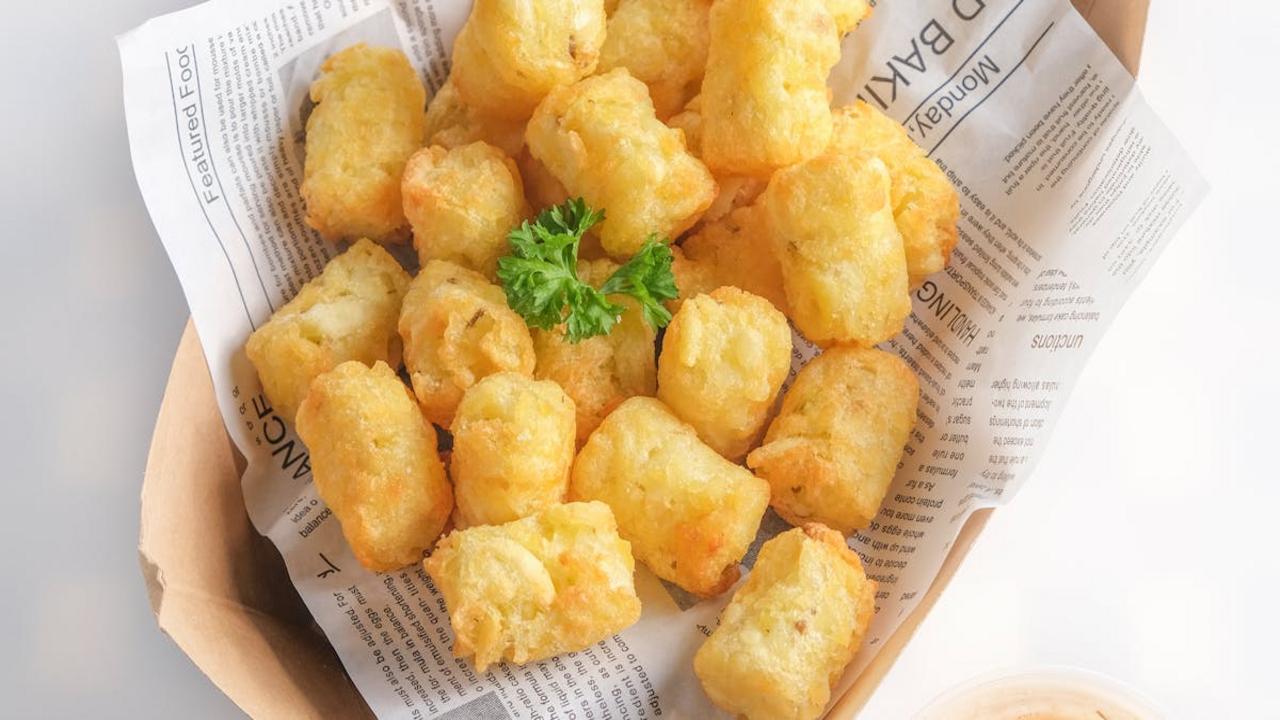
Picture this: it’s 1953, and two brothers named F. Nephi Grigg and Golden Grigg are staring at a mountain of leftover potato shavings at their Oregon food processing plant. Instead of tossing this “waste,” these brilliant minds decided to compress the scraps into tiny cylinders, freeze them, and create what would become America’s most beloved bite-sized potato creation. The Grigg brothers didn’t just invent a snack – they accidentally stumbled upon pure golden genius that would make school cafeterias nationwide infinitely more tolerable.
These crispy little nuggets of joy transformed from humble potato scraps into a cultural phenomenon that spans generations. You can’t walk into a diner, sports bar, or family kitchen without spotting these cylindrical champions hiding in freezers everywhere. What makes tater tots so irresistible isn’t just their perfect crunch-to-fluff ratio – it’s their democratic nature. Rich or poor, young or old, everyone can agree that these golden gems represent comfort food at its finest. They’re equally at home topped with cheese and bacon at a hipster brunch spot or served plain alongside a elementary school lunch tray, proving that sometimes the best inventions come from the most unexpected places.
Instant Coffee
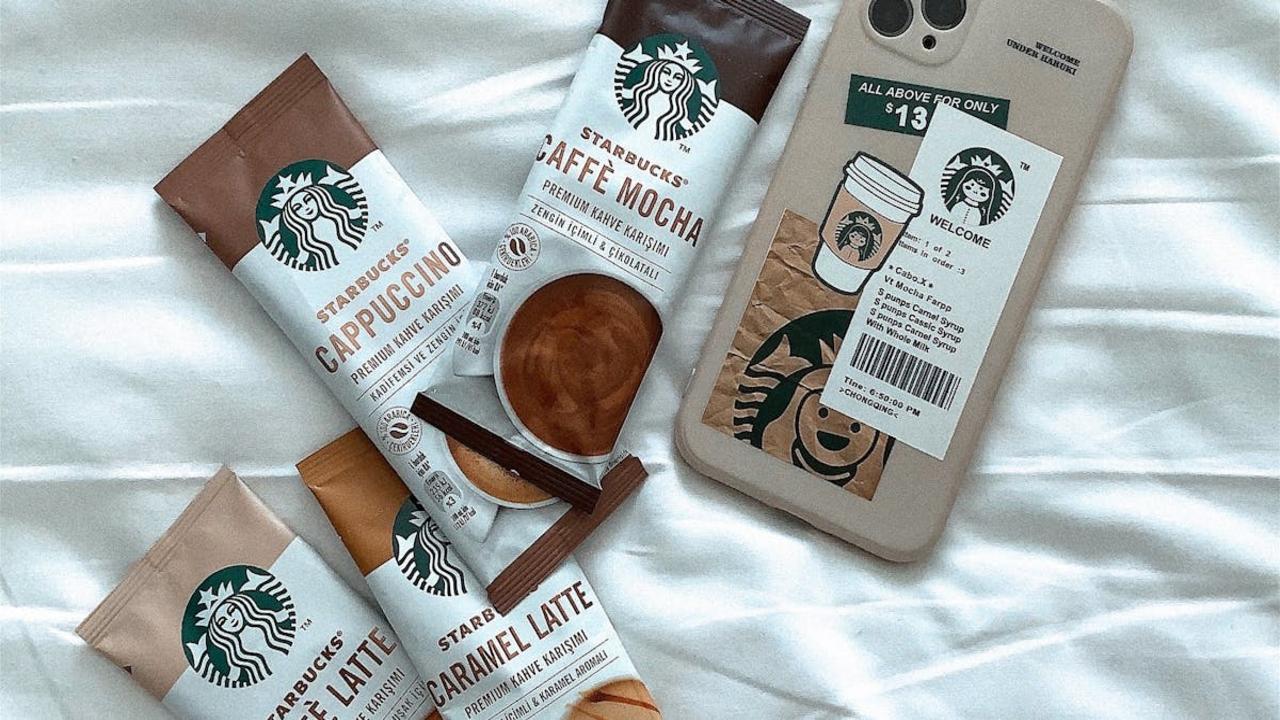
Picture this: you wake up groggy on a Tuesday morning, shuffle to your kitchen in pajamas, and within thirty seconds you’re clutching a steaming mug of coffee. Thank Japanese scientist Satori Kato for this modern miracle! In 1901, he created the first stable instant coffee powder, though it took decades for Americans to warm up to the idea. World War II changed everything when the military needed a quick caffeine fix for soldiers. Suddenly, instant coffee went from laboratory curiosity to battlefield necessity, and eventually to your grandmother’s pantry staple.
Sure, coffee snobs might wrinkle their noses at the crystalized granules, but instant coffee deserves respect for democratizing caffeine access across America. Maxwell House perfected freeze-drying techniques in the 1960s, creating those familiar jars that promised “good to the last drop” without the fuss of brewing. Today’s instant coffee has evolved far beyond the bitter brown dust of yesteryear – specialty brands now offer single-origin instant varieties that taste surprisingly complex. Whether you’re camping in the wilderness, pulling an all-nighter, or simply too tired to operate a coffee machine, instant coffee remains your reliable caffeinated companion, ready to transform hot water into liquid motivation at a moment’s notice.
Frozen Pizzas
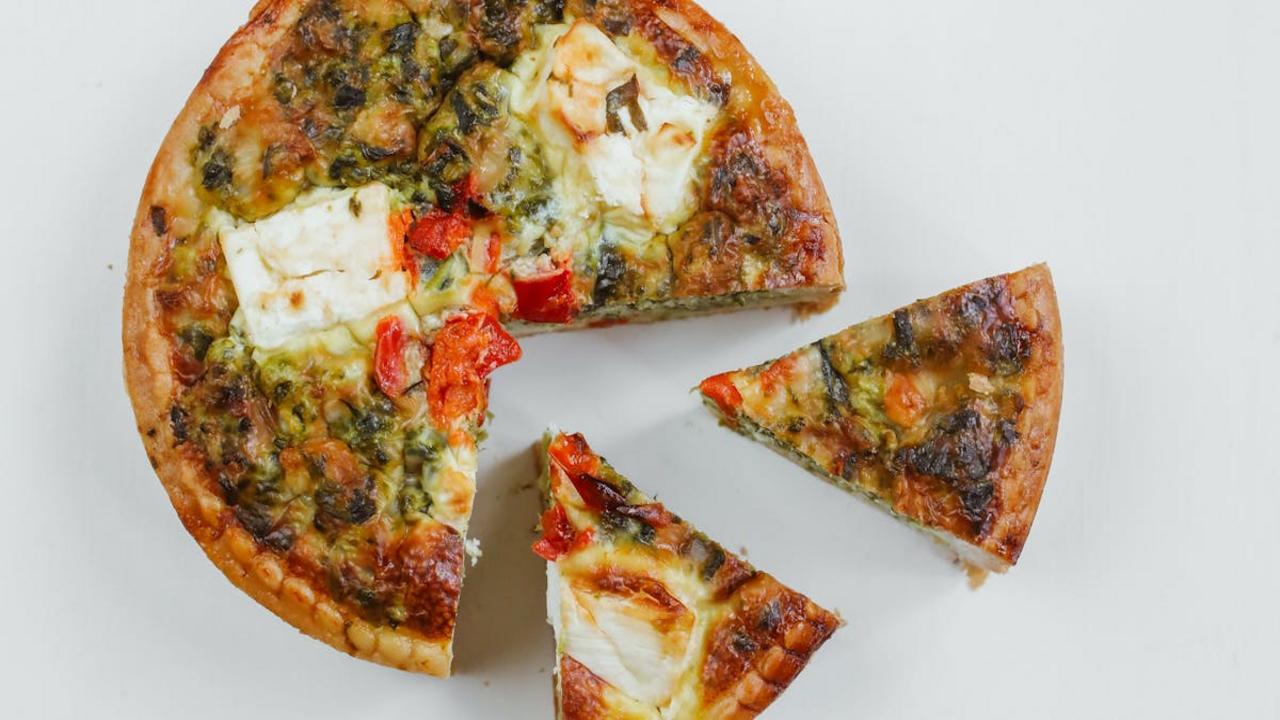
Picture this: you’re standing in your kitchen at 11 PM, wearing mismatched socks and yesterday’s shirt, staring into the freezer like it holds the secrets of the universe. Then you spot it—that cardboard box promising cheesy salvation in exactly 12 minutes. Frozen pizza didn’t magically appear to rescue our late-night munchies until 1957, when Celentano Brothers introduced the first commercially frozen pizza. Before that, if you wanted pizza at midnight, you better have had some serious dough-making skills or very understanding Italian neighbors.
The real frozen pizza revolution kicked off in 1962 when Rose and Jim Totino started selling their frozen creations from their Minneapolis pizzeria. Rose Totino became the unofficial queen of frozen convenience, and honestly, she deserves a statue made entirely of mozzarella. Today’s freezer aisles overflow with options that would make your great-grandmother’s head spin—stuffed crust, cauliflower bases, breakfast pizzas topped with scrambled eggs. Sure, food snobs might turn their noses up, but there’s something beautifully democratic about a meal that costs three dollars, requires zero cooking skills, and tastes pretty darn good when you’re watching Netflix in your pajamas.
Sliced Bread
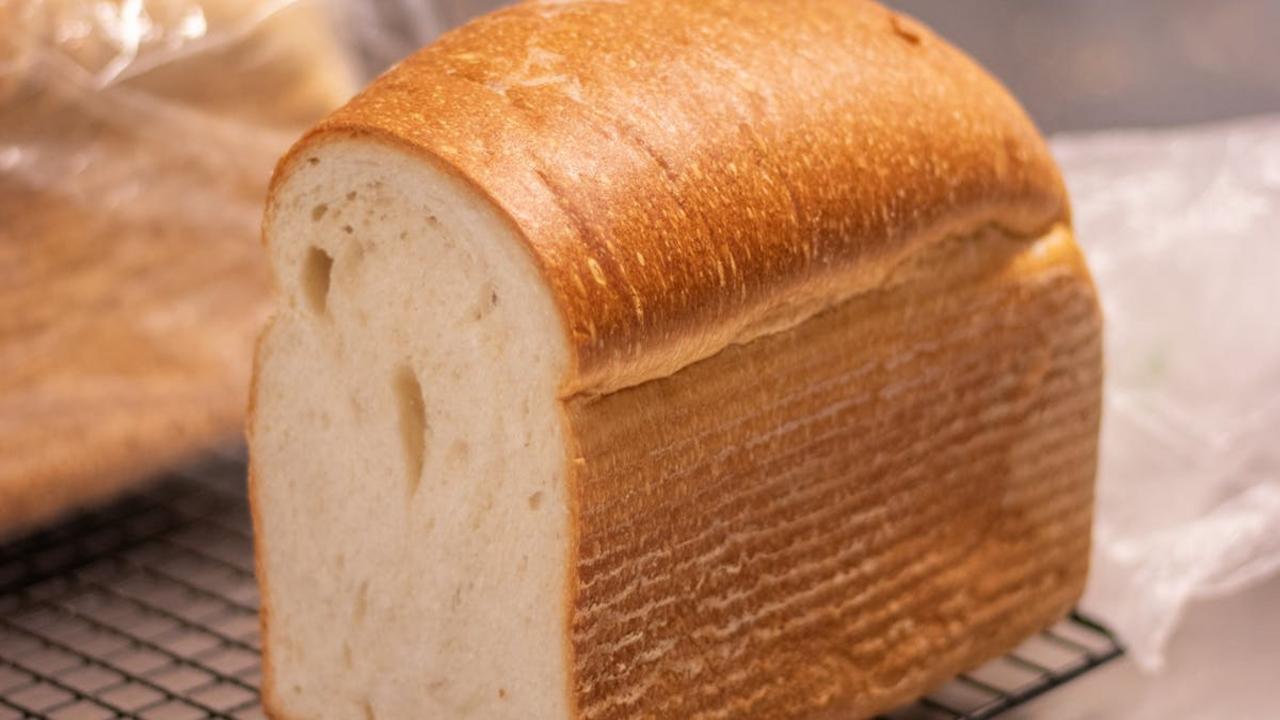
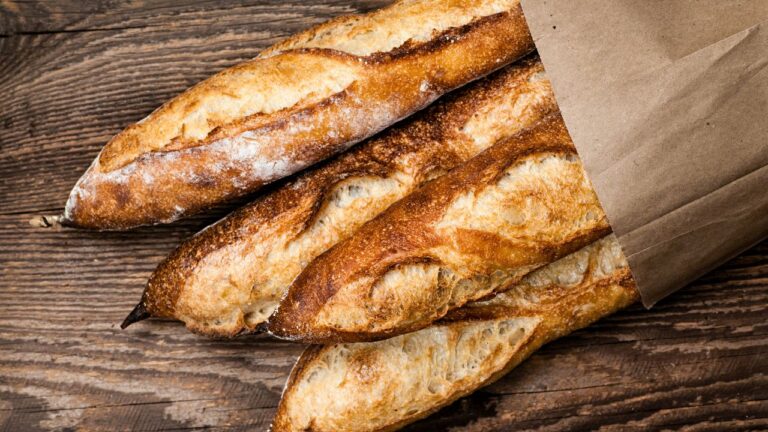
You know that phrase “the greatest thing since sliced bread”? Well, plot twist: sliced bread only hit the scene in 1928, which means our great-grandparents were out there wrestling with entire loaves like medieval peasants. Otto Frederick Rohwedder, bless his patient soul, spent 16 years perfecting his bread-slicing machine after a fire destroyed his first prototype in 1917. The bakeries initially thought he was nuts – who wants stale, pre-cut bread when you can hack away at a fresh loaf with a dull knife every morning?
Wonder Bread became the first commercially sold sliced bread, and honestly, the timing couldn’t have been more perfect for busy American families. Suddenly, making sandwiches went from a daily workout to a two-second assembly line operation. The machinery was so revolutionary that during World War II, the government actually banned sliced bread for a hot minute to save on metal and paper – and people were so outraged they reversed the decision within two months! Now we take our perfectly uniform slices for granted, but imagine trying to make a peanut butter and jelly sandwich with chunks of bread that look like they survived a small explosion.
Cheetos
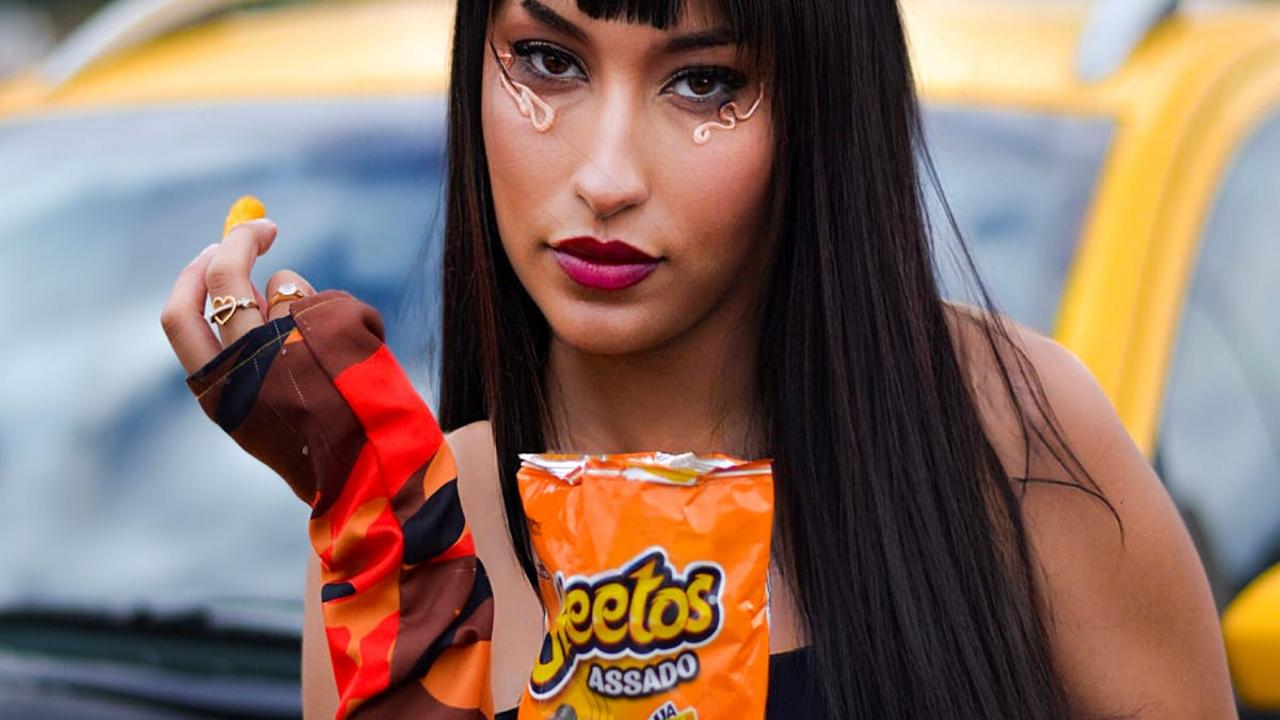
Picture this: Charles Elmer Doolin walking through a San Antonio airport in 1932, stumbling upon a beat-up old corn chip recipe that would eventually spawn the fluorescent orange monster we know and love today. But here’s the kicker—those original Fritos were just the warm-up act. It wasn’t until 1948 that the Frito Company (later Frito-Lay) cranked up the cheese factor and unleashed Cheetos upon the world. These crunchy, artificially orange tubes of pure joy became an instant sensation, proving that sometimes the most ridiculous-looking foods make the biggest impact.
What makes Cheetos truly special isn’t just their ability to turn your fingers into Day-Glo masterpieces—it’s their perfect storm of engineering and absurdity. The puffed corn gets its signature crunch from a process called extrusion, where cornmeal gets heated, pressurized, and shot out like edible confetti. Then comes the cheese dust bath, a proprietary blend so secret it makes the Colonel’s recipe look like an open book. Fun fact: Americans consume roughly 21 million pounds of Cheetos annually, which means we’re collectively creating enough orange fingerprints to paint the Golden Gate Bridge. Chester Cheetah would be proud of our dedication to his dangerously cheesy empire.
TV Dinners
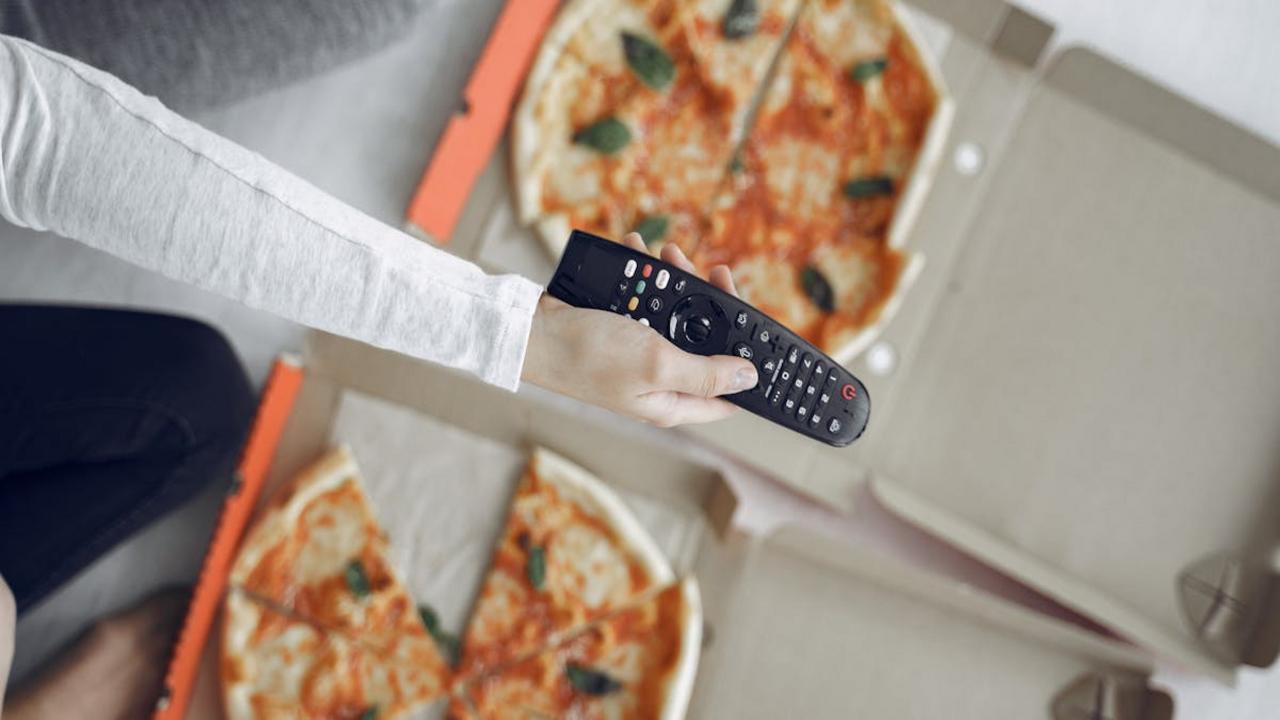
Picture this: you’re home from work, exhausted, and the last thing you want to do is cook a full meal from scratch. Enter the TV dinner – America’s brilliant solution to weeknight fatigue that arrived in 1953, courtesy of Swanson. The story goes that they had 260 tons of leftover Thanksgiving turkey and needed to do something creative with it fast. Someone suggested putting the turkey alongside some sides in neat little compartments, freezing the whole thing, and voilà – the TV dinner was born. Originally called “TV Brand Frozen Dinner,” it cost 98 cents and came with turkey, cornbread stuffing, peas, and sweet potatoes in that iconic aluminum tray.
You know what’s wild? Swanson sold 10 million TV dinners in their first year alone. Americans were absolutely smitten with the idea of eating a complete meal while watching “I Love Lucy” without missing a single punchline. The aluminum tray wasn’t just packaging – it was revolutionary technology that allowed even heating in those early ovens. Sure, food snobs might turn their noses up at these frozen rectangles of convenience, but let’s be honest: TV dinners democratized dinner time. They gave working parents, busy singles, and anyone who couldn’t boil water a chance to eat something resembling a home-cooked meal. Today’s frozen food aisle owes everything to that first turkey dinner that dared to make mealtime as easy as turning on the television.
Instant Ramen
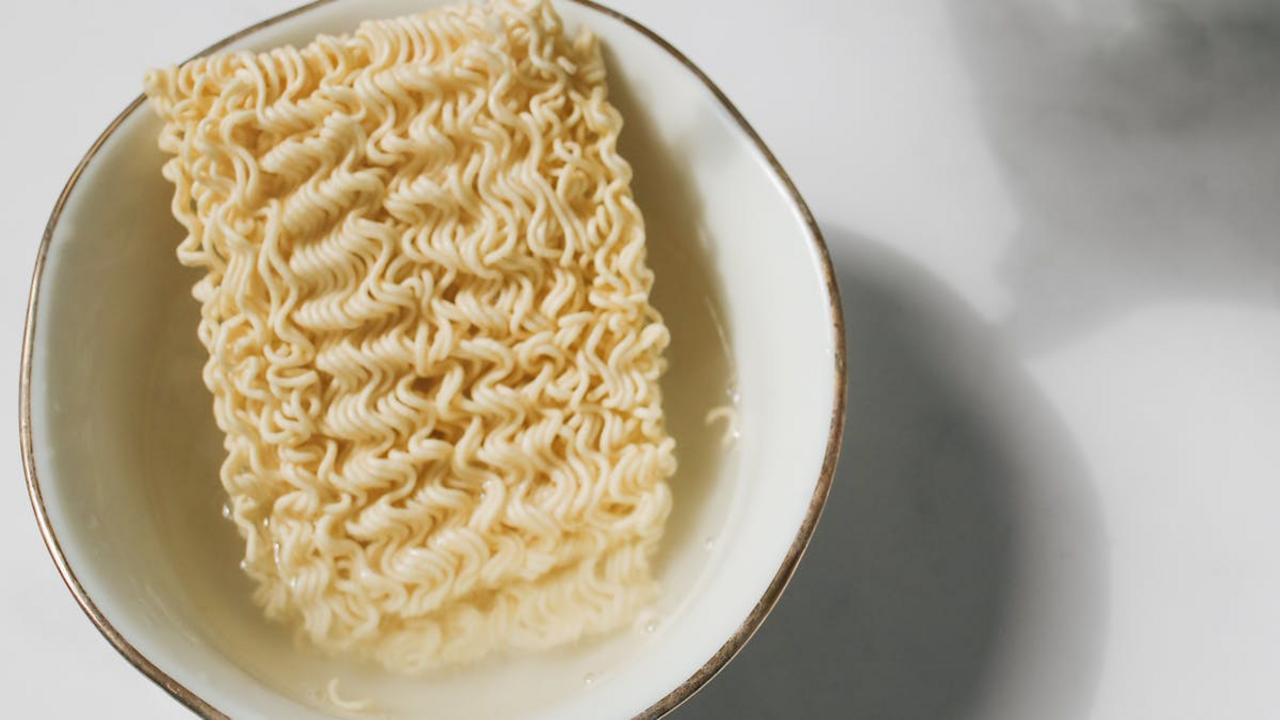
Picture this: you’re a broke college student at 2 AM, staring into an empty fridge with the dedication of someone searching for the meaning of life. Enter instant ramen – your knight in crinkly packaging! This miraculous invention didn’t grace American pantries until Momofuku Ando brought his flash-fried noodle genius to the world in 1958. Before then, hungry souls actually had to wait more than three minutes for their noodle fix. The audacity! Ando’s breakthrough came after watching his wife make tempura, realizing he could flash-fry noodles to remove moisture while creating those perfect little pockets that would later soak up boiling water like tiny sponges.
What started as Cup Noodles in 1971 quickly became America’s unofficial currency among students, late-night workers, and anyone who needed sustenance faster than you can say “sodium overload.” Those squiggly bricks have saved more midnight study sessions than coffee ever could. You can jazz them up with everything from a cracked egg to leftover vegetables, turning your humble packet into a steaming bowl of possibility. Sure, nutritionists might wince at the salt content, but sometimes you need food that costs less than a candy bar and cooks faster than your patience allows. Instant ramen proves that innovation often comes from the beautiful marriage of convenience and desperation – and honestly, we’re all better for it.
Ranch Dressing
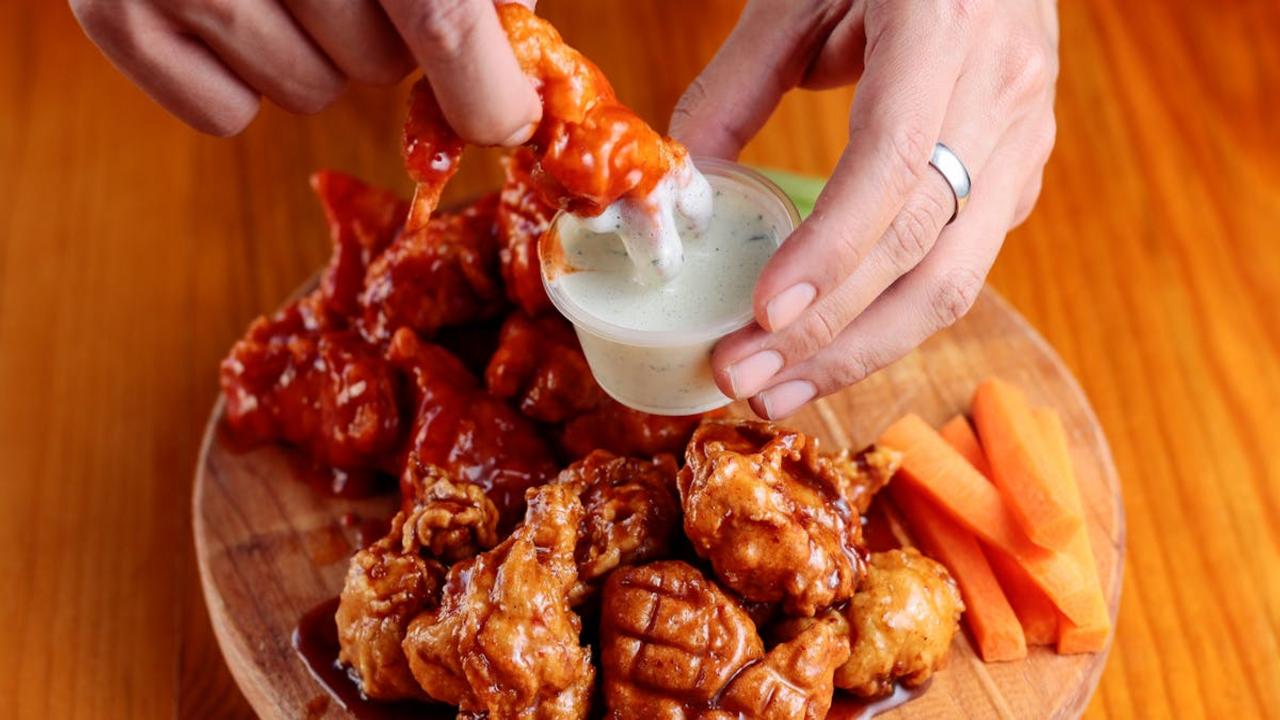
Picture this: you’re at a pizza joint in 1950, and you ask for ranch dressing to dip your crust. The waiter would stare at you like you’d just requested liquid moonbeams. That’s because ranch – America’s most beloved condiment – didn’t exist until Steve Henson whipped up his magical creation at Hidden Valley Ranch in California during the 1950s. This plumber-turned-cowboy was serving guests at his dude ranch when he mixed mayo, herbs, and buttermilk into what would become the white gold of American cuisine. Fun fact: Henson originally made his dressing in batches so small that he had to mix it by hand, never imagining he was creating a billion-dollar empire that would one day coat everything from pizza to vegetables.
Today, Americans consume more ranch than ketchup, which honestly makes perfect sense because ranch goes with literally everything. You can drizzle it on salads, dunk your chicken wings in it, spread it on sandwiches, or – if you’re feeling particularly adventurous – use it as a pizza topping (don’t knock it until you try it!). The original Hidden Valley Ranch mix became so popular that Henson eventually sold the brand to Clorox for $8 million in 1972. Now you can find dozens of ranch variations lining grocery store shelves, from spicy sriracha ranch to bacon ranch, proving that Americans will never get tired of this creamy, tangy miracle sauce that somehow makes broccoli taste like happiness.