15 Chef-Approved Cooking Hacks That Instantly Upgrade Any Meal
Ever watched professional chefs whip up amazing meals and thought, “I could never do that”? Turns out, you absolutely can! The gap between amateur cooking and restaurant-quality dishes often comes down to simple tricks that pros use daily. These chef-approved hacks don’t require fancy equipment or exotic ingredients—just smart techniques that make every bite better.
I’ve collected 15 game-changing tips from kitchen professionals who know how to transform ordinary meals into extraordinary experiences. From buying whole vegetables instead of pre-cut ones to mastering simple spice combinations, these shortcuts help you cook more efficiently while dramatically improving flavor. Your Thursday night chicken dinner might just become the best thing you’ve ever tasted.
The beauty of these cooking hacks? They work for everyone—whether you’re a kitchen newbie or someone who already knows your way around a sauté pan. Each tip builds on basic cooking principles to help you save money, reduce waste, and create food so good you’ll wonder why you ever ordered takeout. Ready to cook like a pro? Let’s jump in!
Keep Basic Pantry Essentials
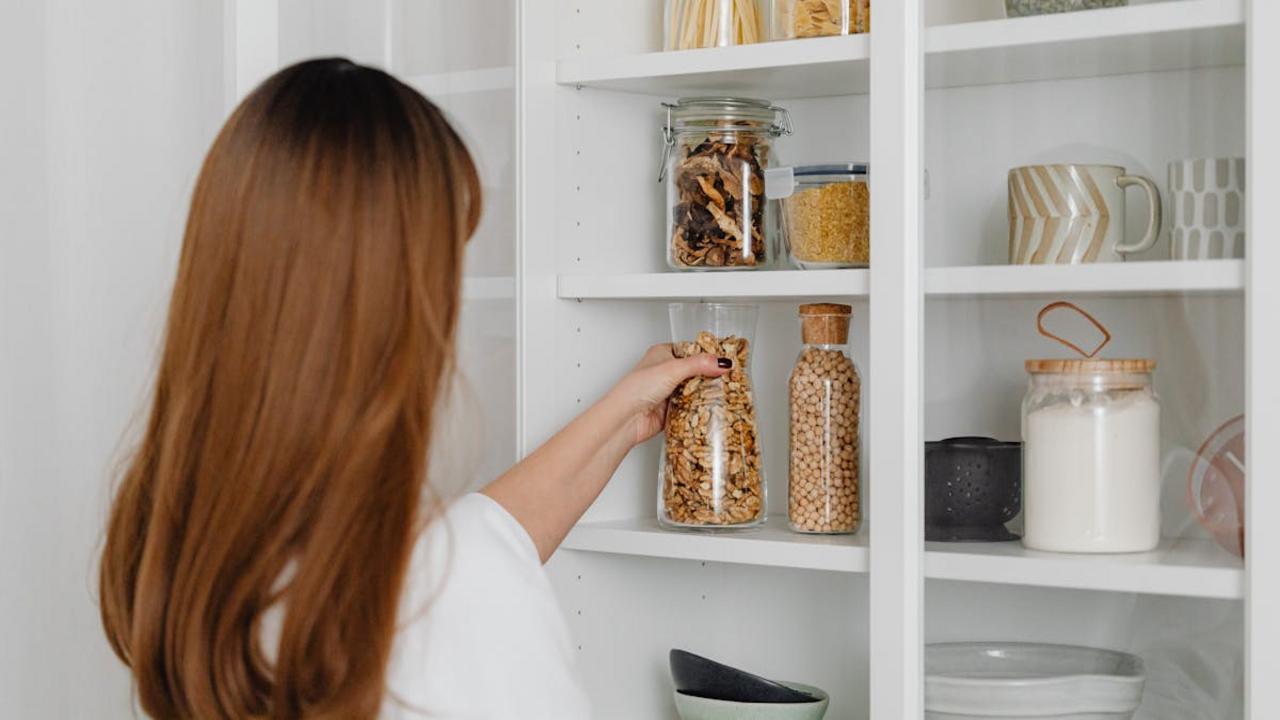
Your pantry acts like that reliable friend who always shows up when you need them most—stocked with the right basics, it can save any cooking disaster from turning into a takeout tragedy. I’m talking about the holy trinity of olive oil, garlic, and onions, plus backup dancers like canned tomatoes, dried herbs, and good-quality salt. These ingredients work harder than a reality TV contestant, transforming bland chicken breasts into Mediterranean magic or turning leftover rice into a fragrant pilaf that makes your neighbors peek over the fence. Think of your pantry as your culinary insurance policy—when you’ve got these staples on hand, you’re never more than twenty minutes away from something delicious.
Smart chefs know that a well-stocked pantry means freedom from the dreaded “What’s for dinner?” panic. Keep dried pasta shapes beyond spaghetti (penne and rigatoni are workhorses), a variety of vinegars for instant brightness, and spices that haven’t been sitting there since the Clinton administration. I once watched a chef friend whip up an incredible aglio e olio using nothing but garlic, olive oil, red pepper flakes, and pasta—five ingredients that probably cost less than a fancy coffee drink. The secret lies in buying quality basics and storing them properly; your future hungry self will thank you when you can create restaurant-worthy meals without stepping foot outside your door.
Time Your Grocery Shopping
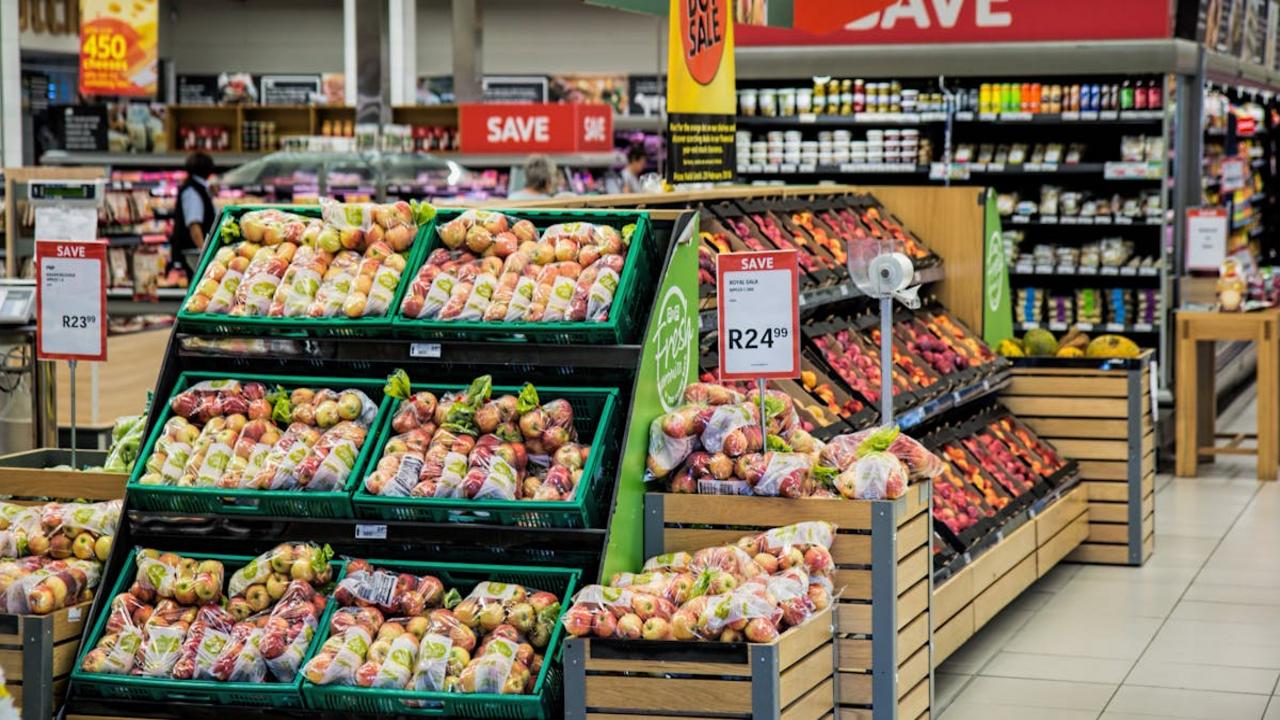
Picture this: you waltz into your local grocery store at 6 PM on a Tuesday, and suddenly you’re starring in your own personal version of “Supermarket Sweep” – except instead of racing for prizes, you’re dodging shopping carts wielded by hangry commuters and fighting over the last decent-looking avocado. Smart chefs know that timing your grocery runs can transform your entire cooking experience from chaotic nightmare to zen-like meditation. Hit the stores early morning (around 8-9 AM) or late evening (after 8 PM), and you’ll discover a magical world where you can actually see the produce without elbowing through crowds, where checkout lines move faster than molasses, and where the staff might even smile at you!
Here’s the kicker: grocery stores restock their freshest items overnight and first thing in the morning, which means early birds get access to the crispest lettuce, the most vibrant tomatoes, and fish so fresh it practically swims off the ice. Meanwhile, evening shoppers often score incredible markdowns on bakery items, prepared foods, and meat that’s approaching its sell-by date – perfect for that night’s dinner or tomorrow’s meal prep session. I once snagged premium steaks marked down 50% at 8:30 PM, and let me tell you, my wallet and my taste buds threw a little celebration dance right there in aisle seven. Bonus points: you’ll actually have time to read labels, compare prices, and make thoughtful choices instead of grabbing whatever’s within arm’s reach during the rush-hour grocery gladiator games.
Choose Cheaper Protein Alternatives
Your wallet doesn’t have to weep every time you crave protein! While ribeye steaks might make your mouth water, cheaper cuts like chuck roast, pork shoulder, and chicken thighs pack just as much flavor punch when you treat them right. These budget-friendly heroes need a little more love and time, but they reward you with incredible depth that expensive cuts simply can’t match. Chuck roast transforms into the most tender, fall-apart beef after a slow braise, while chicken thighs stay juicy even if you accidentally overcook them (unlike their prissy breast counterparts). Pork shoulder becomes pulled pork magic that’ll make your neighbors suddenly very friendly.
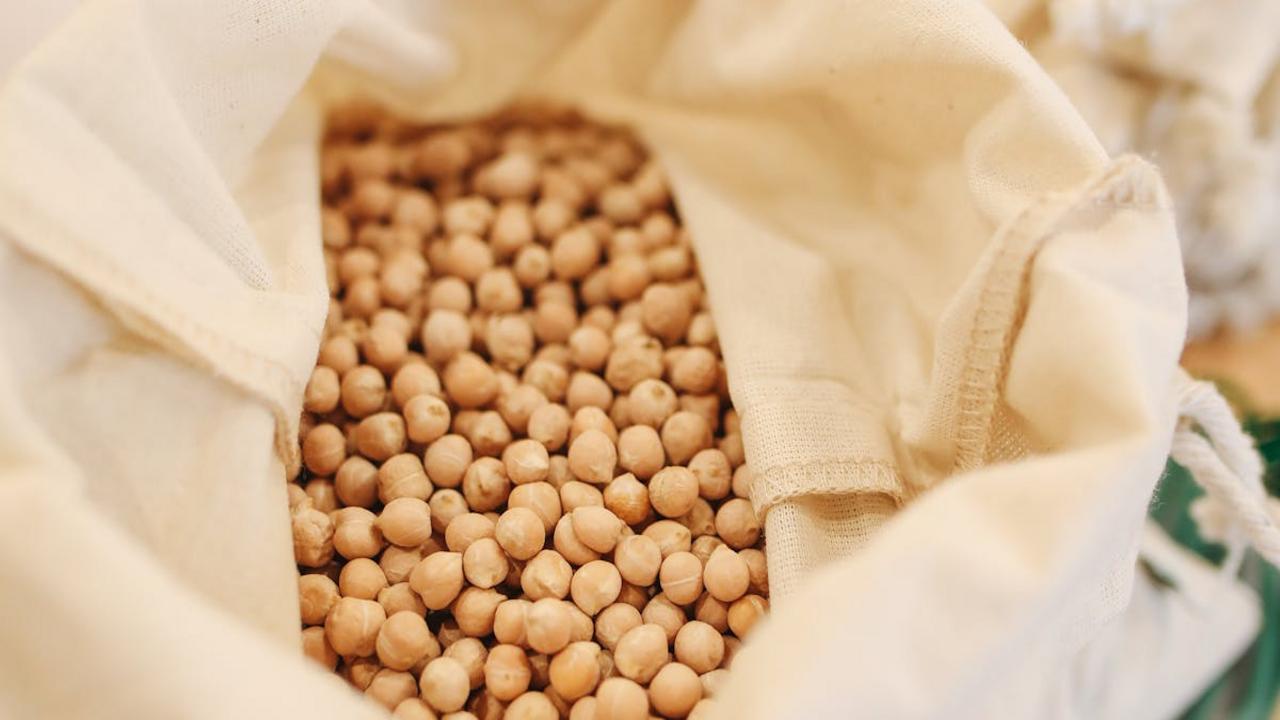
Don’t overlook the protein powerhouses hiding in your pantry either! Dried beans cost pennies per serving and contain more protein than most people realize – black beans pack about 15 grams per cup, while lentils cook up in just 20 minutes and absorb flavors like tiny flavor sponges. Eggs remain one of nature’s most perfect proteins at roughly 25 cents each, and canned fish like sardines and mackerel deliver omega-3s alongside serious protein content for less than premium tuna. Even tofu, when properly seasoned and crisped up, becomes a blank canvas that soaks up whatever bold flavors you throw at it, stretching your grocery budget while keeping your meals exciting and satisfying.
Use Simple Spice Combinations
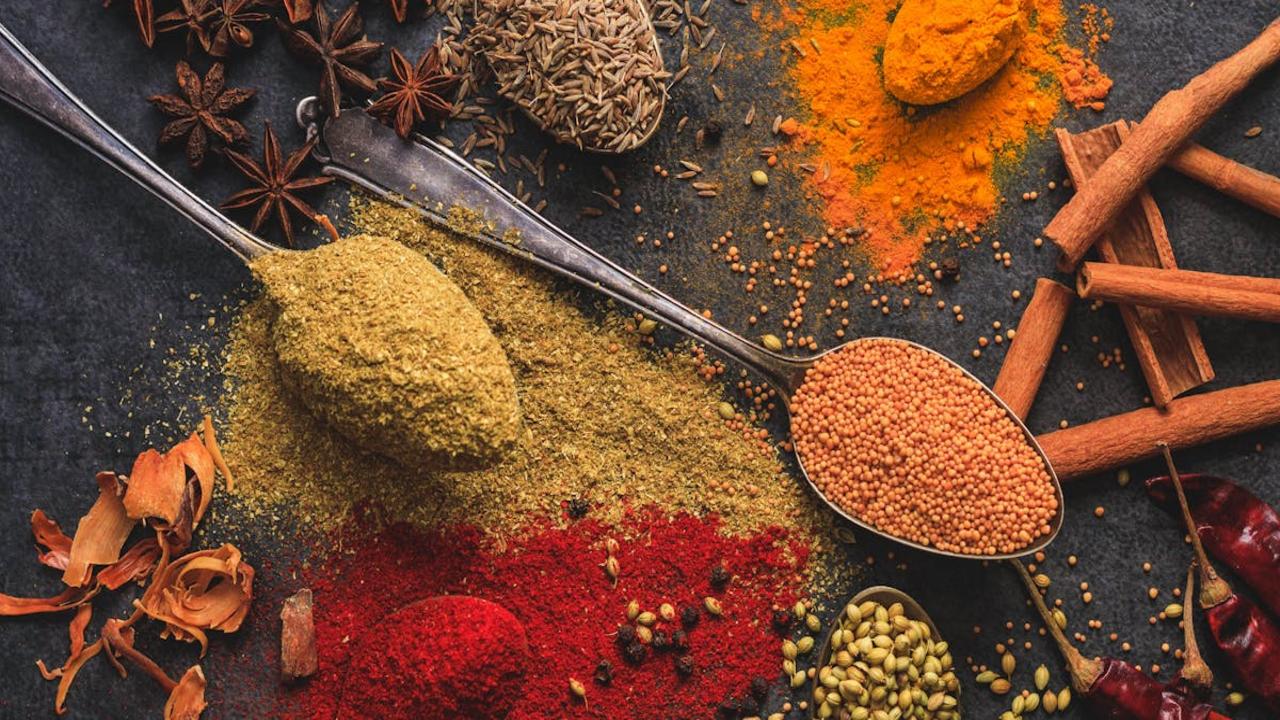
Stop staring at that intimidating spice rack like it’s some ancient hieroglyphic puzzle! Professional chefs don’t randomly throw seventeen different seasonings into a dish hoping for magic – they stick to brilliant, time-tested combinations that work every single time. Think of it like creating the perfect friend group: you want personalities that complement each other, not compete for attention. Cumin and paprika? They’re best friends who bring out each other’s smoky warmth. Garlic powder and oregano? That’s a Mediterranean power couple that can transform boring chicken into something your neighbors will smell three houses away.
Here’s your cheat sheet: rosemary and thyme make everything taste like you studied in Provence (even if you can’t pronounce Provence correctly), while cinnamon and nutmeg turn any dessert into a cozy autumn hug. My personal favorite duo is smoked paprika and brown sugar – sprinkle this magical combination on roasted vegetables, and suddenly you’re that friend who “just has a way with food.” The secret isn’t about owning fifty different spices; it’s about mastering five perfect pairs that you can mix and match like a capsule wardrobe for your kitchen. Trust me, your taste buds will thank you, and your dinner guests will start asking for your “secret recipe.”
Repurpose Leftovers
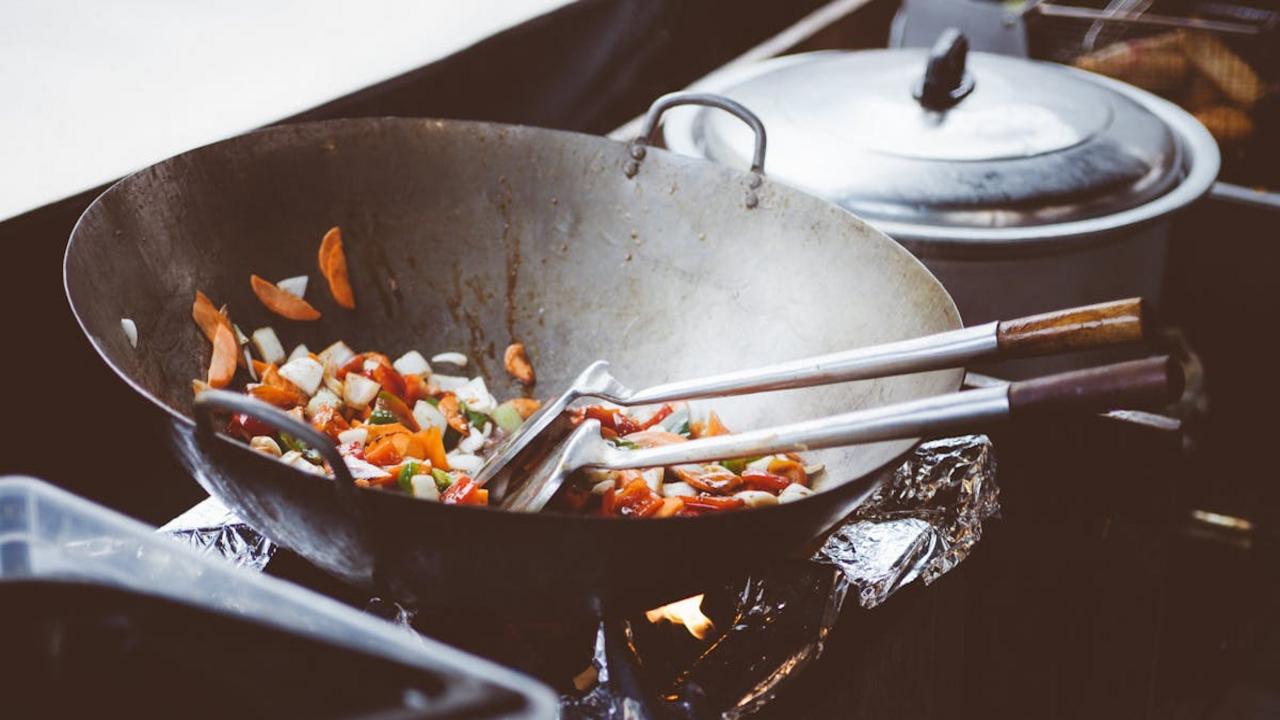
Your leftover roast chicken doesn’t need to sulk in the fridge like a forgotten middle child! Professional chefs know that yesterday’s dinner is today’s secret weapon. That sad-looking piece of salmon from Tuesday night? Transform it into crispy salmon cakes with just a fork, some breadcrumbs, and an egg. Your wilted vegetables become the star of tomorrow’s frittata, and that lonely cup of rice morphs into fried rice that’ll make you question why you ever ordered takeout. The magic happens when you stop seeing leftovers as sad remnants and start viewing them as puzzle pieces waiting for their perfect match.
Smart cooks keep a “leftover inventory” in their heads, mentally cataloging what needs rescuing from the refrigerator graveyard. That half portion of pasta becomes soup with added broth and vegetables, while leftover mashed potatoes get a second life as crispy potato pancakes on a hot skillet. Here’s a chef secret: day-old bread makes better French toast because it soaks up custard without falling apart, and yesterday’s pizza becomes breakfast when you crack an egg on top and slide it under the broiler. Your wallet will thank you, your creativity will soar, and you’ll feel like a kitchen wizard turning scraps into gold!
Cook Large Batches
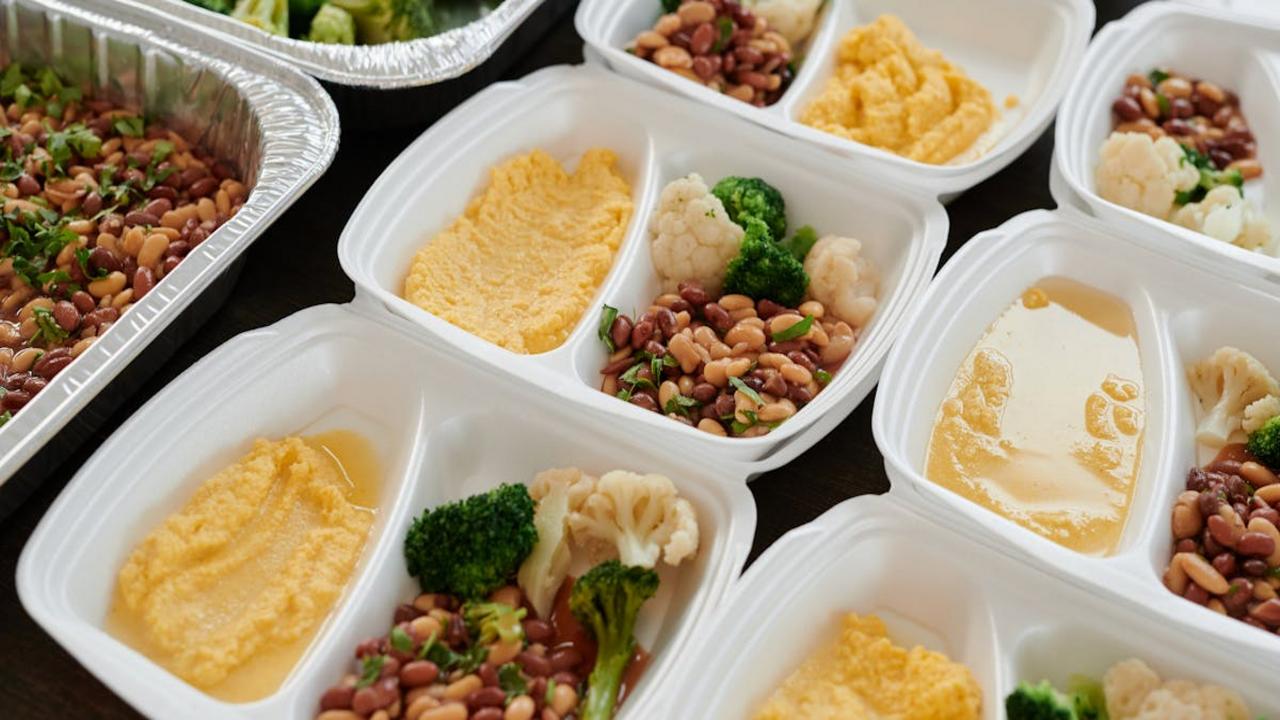
You know what separates the pros from us mere mortals scrambling around our kitchens at 6 PM? They think bigger—way bigger. Professional chefs don’t make one serving of marinara sauce; they make fifty gallons because they understand the beautiful economics of bulk cooking. When you cook large batches, you’re basically becoming your own meal prep superhero, cape optional but highly recommended. That massive pot of chili you make on Sunday? It transforms into Tuesday’s quick lunch, Wednesday’s loaded baked potato topping, and Friday’s emergency dinner when you realize you forgot to defrost anything again.
The magic happens because flavors actually improve with time—your stew tastes better on day three than day one, like a fine wine but with more carrots and potatoes. Plus, you’ll save money faster than a coupon-clipping grandmother at a double-discount sale. One whole chicken becomes soup stock, pulled chicken sandwiches, and chicken salad for the week. Your freezer becomes a treasure chest of future meals, each container labeled with masking tape and the optimistic hopes of past-you who actually had their life together. Double or triple your favorite recipes, portion them out, and watch your weeknight stress melt away like butter in a hot pan.
Master One Pot Meals
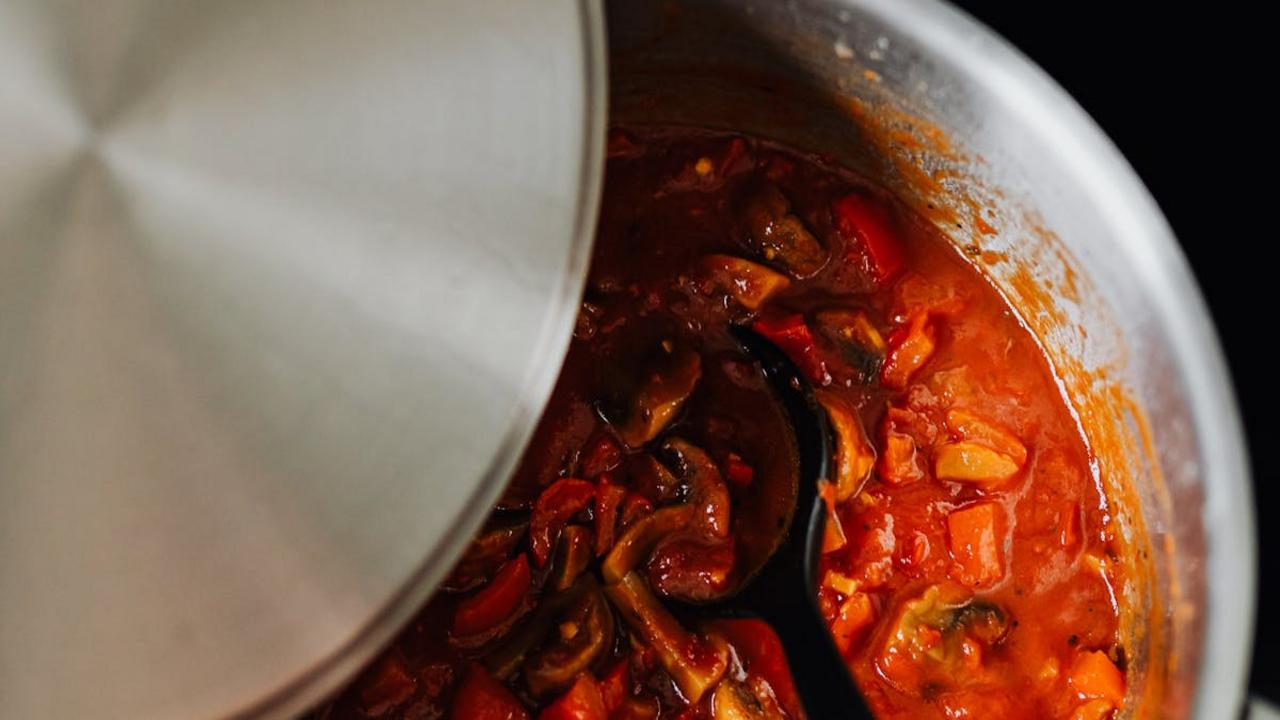
Listen, I’m about to share the secret that professional chefs have been whispering about in restaurant kitchens for decades: one pot meals aren’t just for lazy Tuesday nights when you can’t be bothered to dirty multiple pans. These magical creations actually pack more flavor than their multi-pot counterparts because every single ingredient gets to mingle and share its personality with the others. Think of it as a flavor party where everyone gets invited and nobody goes home early. The starches absorb the proteins’ juices, the vegetables release their essence into the cooking liquid, and before you know it, you’ve created a symphony of taste that would make your grandmother weep tears of pride.
The real genius behind mastering one pot meals lies in understanding the timing dance – and trust me, once you nail this choreography, you’ll feel like a kitchen wizard. Start with your longest-cooking ingredients (hello, tough cuts of meat and root vegetables), then gradually add the quicker-cooking elements in perfectly timed intervals. Rice goes in about 20 minutes before serving, delicate greens get tossed in during the final 3 minutes, and fresh herbs crown the whole production right before you serve. Pro chefs swear by building layers of flavor at each stage: brown your proteins first to create fond (those beautiful caramelized bits that stick to the bottom), sauté your aromatics until they smell like heaven, then add your liquids to deglaze and capture every drop of that concentrated goodness.
Learn Basic Knife Skills
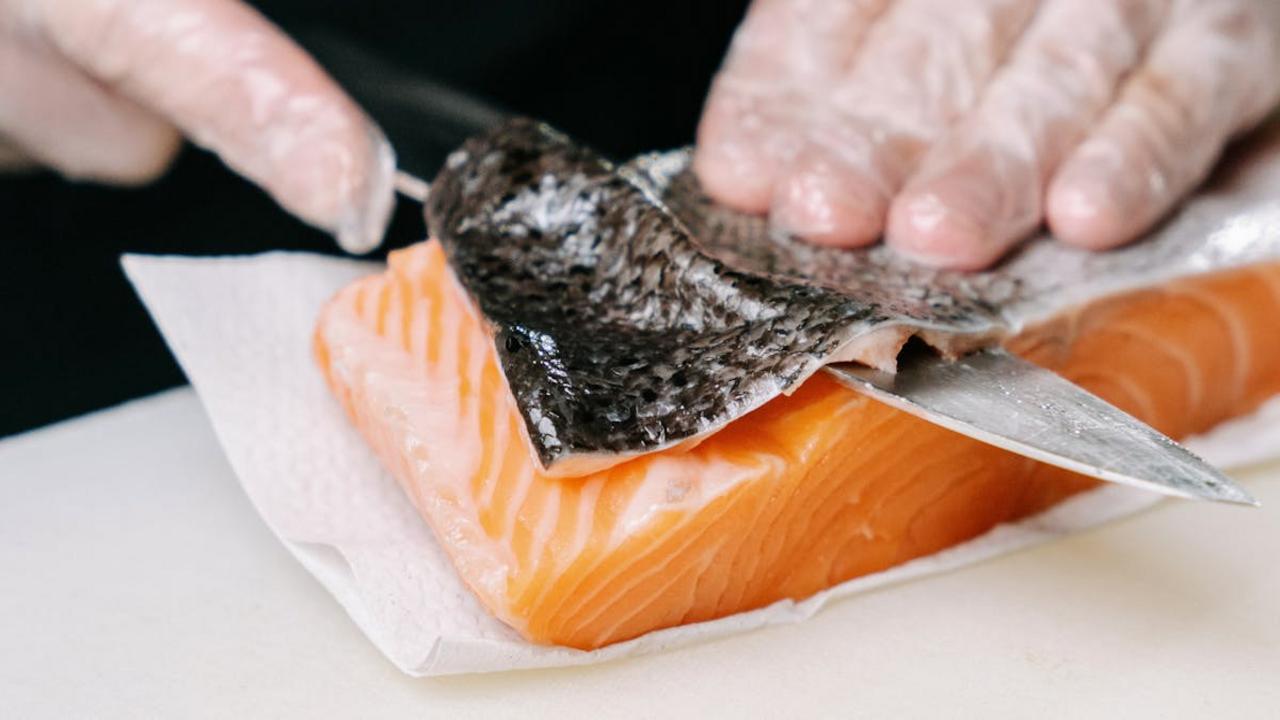
Your knife is your kitchen’s best friend, but most home cooks treat it like that acquaintance they awkwardly wave at from across the street. Here’s the thing: proper knife skills don’t just make you look cool (though you absolutely will), they transform your entire cooking experience. A sharp chef’s knife gliding through an onion with precision creates uniform pieces that cook evenly, while your old hack-and-slash method produces a chaotic mess of chunks that burn while others stay raw. Professional chefs spend years perfecting their knife work because it’s the foundation of everything they do – and honestly, watching a skilled chef dice vegetables is basically food poetry in motion.
Start with the basics: hold your knife with your dominant hand using a firm grip on the handle, never the blade (I learned this the hard way during a particularly enthusiastic garlic-chopping session). Your other hand becomes a claw – fingers curled under, knuckles forward to guide the blade. This “claw grip” protects your fingertips while giving you control over whatever you’re cutting. Practice on onions first since they’re cheap, forgiving, and you’ll cry tears of joy when you finally achieve those perfect, restaurant-style dice. Fun fact: professional cooks can dice an onion in under 20 seconds, but don’t worry – even at turtle speed, proper technique beats speed every single time.
Buy in Bulk Wisely
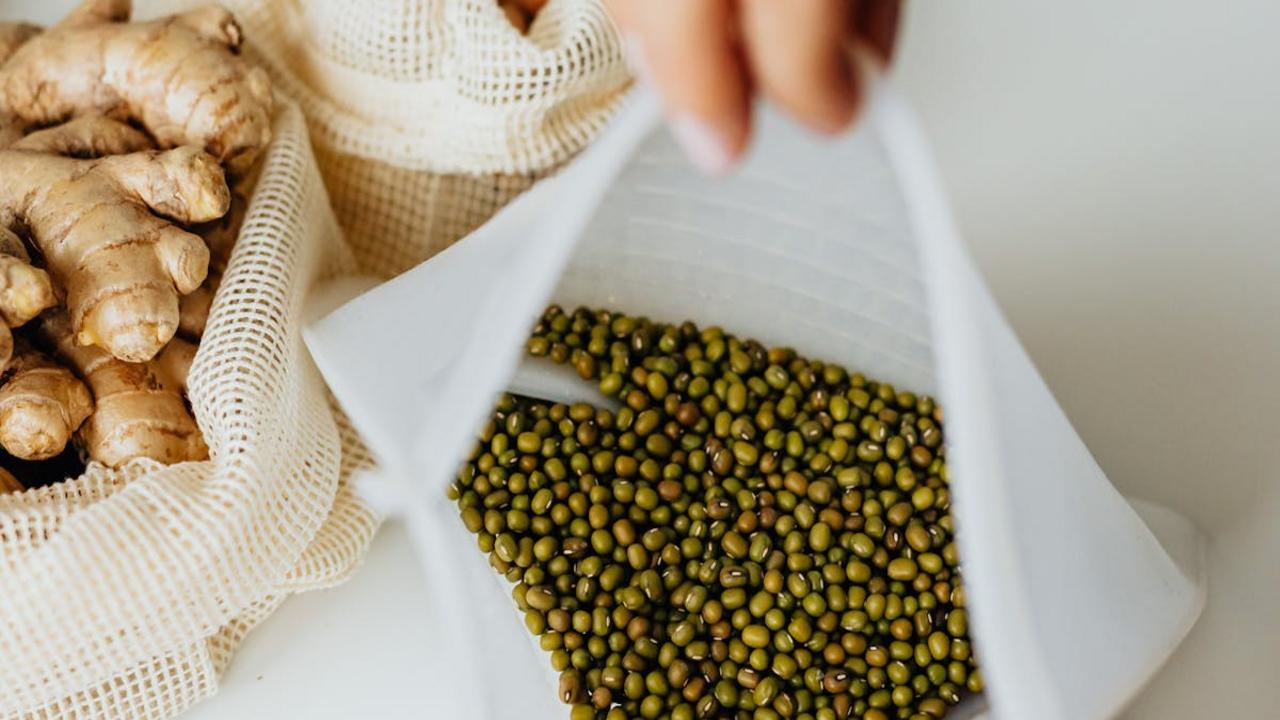
Listen, I get it—walking into Costco feels like entering a magical warehouse where everything screams “buy twenty pounds of me!” But here’s the chef secret that’ll save your wallet and your sanity: not everything needs the bulk treatment. Smart chefs know that spices lose their punch after about a year (that massive container of paprika will mock you from your pantry), while dried beans, rice, and pasta practically last forever. Think of it like dating—some ingredients are ready for long-term commitment, while others are better as short, passionate flings.
The real genius move? Focus your bulk buying on non-perishables that you actually use regularly. That five-pound bag of garlic powder makes sense if you’re seasoning everything from roasted vegetables to homemade bread, but buying bulk fresh herbs when you cook twice a week is just expensive compost. Pro tip: split bulk purchases with friends or neighbors—you get the savings without the storage nightmare. Your future self will thank you when you’re not playing Tetris with forty cans of tomatoes or discovering that prehistoric bag of flour that’s developed its own ecosystem.
Use Every Part of Ingredients

Your kitchen scraps are basically tiny treasure chests waiting to be cracked open, and professional chefs have been laughing at us home cooks for years while we toss perfectly good flavor into the compost bin. That carrot top you’re about to throw away? It’s basically free pesto waiting to happen! Blend those leafy greens with garlic, nuts, and olive oil, and suddenly you’ve got a vibrant sauce that costs nothing extra. Broccoli stems aren’t trash—they’re crunchy, sweet nuggets that belong in your stir-fry. Even that sad-looking parmesan rind sitting in your fridge transforms into liquid gold when you drop it into a simmering soup or risotto.
The math here is absolutely wild: most home cooks throw away about 30% of their vegetables, which means you’re literally tossing money into the garbage while simultaneously missing out on incredible flavors. Potato peels become crispy chips when roasted with salt and herbs. Herb stems pack more concentrated flavor than their leaves—toss them whole into your stocks and broths. Even citrus peels deserve better than the garbage disposal; zest them first, then candy the peels for desserts or steep them in hot water for the most aromatic tea you’ve ever sipped. This isn’t just about being thrifty—it’s about discovering flavors hiding in plain sight.
Store Food Properly
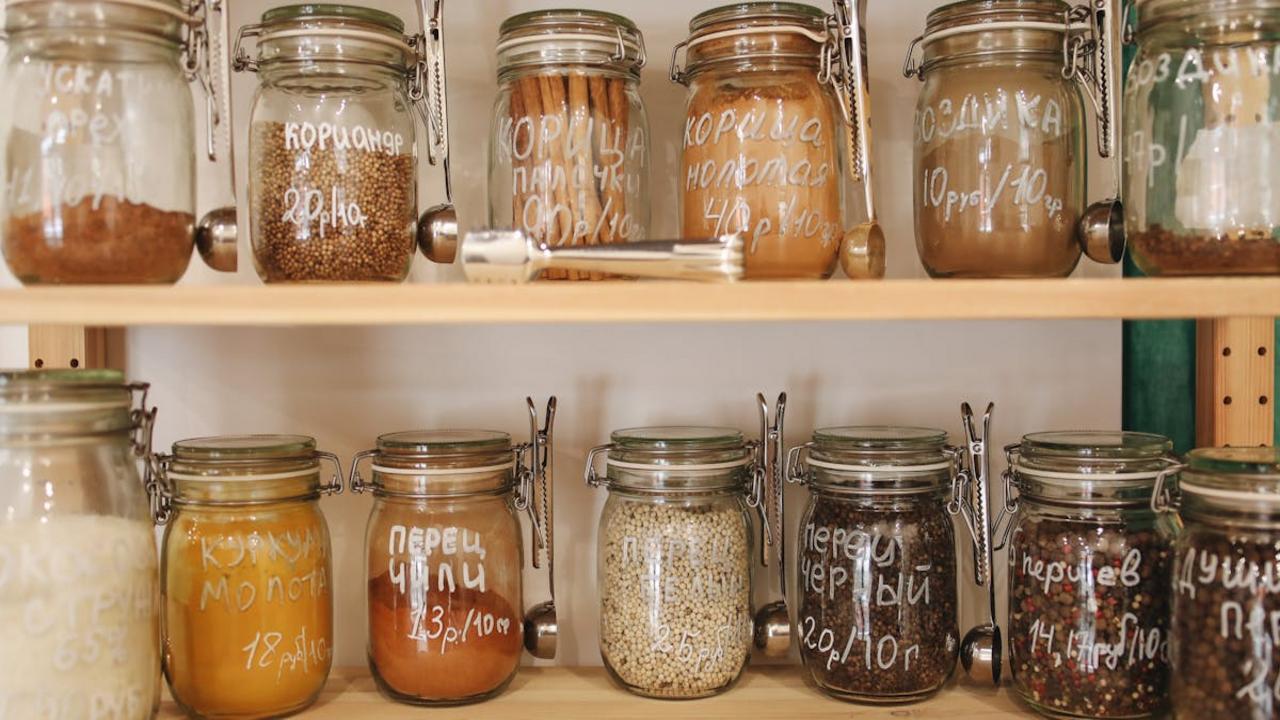
You know that heartbreaking moment when you open your fridge and find your beautiful bunch of cilantro has turned into a slimy green mess? Or when your gorgeous tomatoes have become wrinkled shadows of their former selves? Professional chefs didn’t build their reputations by tossing money into the trash can, and neither should you! The secret lies in understanding that different foods have wildly different storage personalities – some are social butterflies who love hanging out together, while others are total loners who prefer their own space.
Here’s where things get interesting: bananas are basically the drama queens of the produce world, releasing ethylene gas that makes everything around them ripen faster (keep them away from your other fruits unless you want a science experiment). Store your herbs like fresh flowers in water glasses, keep potatoes in dark, cool places because light turns them green and bitter, and never refrigerate tomatoes unless you enjoy the texture of wet cardboard. Onions and potatoes might seem like best friends, but store them together and you’ll speed up spoilage for both. Smart storage isn’t just about keeping things fresh longer – it’s about respecting each ingredient’s quirky needs so they can shine in your cooking.
Save Vegetable Scraps for Stock
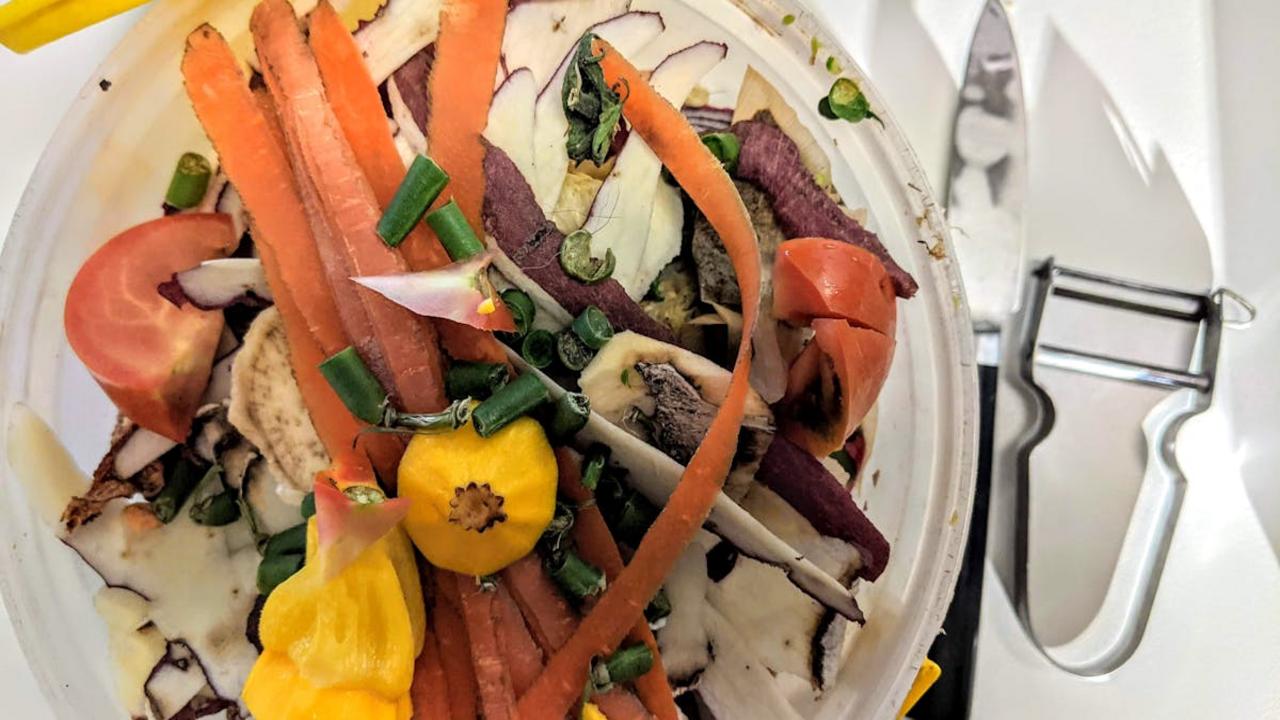
Your grandmother was onto something genius when she hoarded those onion peels and carrot tops like precious treasure. Every time you toss those celery leaves, potato skins, and mushroom stems into the trash, you’re literally throwing money down the drain – and frankly, Mother Earth gives you quite the side-eye for it. Professional chefs have been secretly laughing at home cooks who buy expensive stock from stores when they could create liquid gold from what most people consider garbage. Start collecting your clean vegetable scraps in a freezer bag: onion skins (they add incredible color!), carrot peels, herb stems, mushroom bits, and even that sad wilted lettuce you forgot about.
Here’s where the magic happens – once your scrap bag reaches capacity, dump everything into a large pot with water and simmer for about an hour. The result? A complex, flavorful vegetable stock that would make professional chefs weep with pride. Fun fact: onion skins contain more antioxidants than the actual onion, so you’re basically creating a superfood broth while being ridiculously economical. Your soups, risottos, and sauces will taste like you’ve been studying under French masters, when really you just stopped being wasteful. Pro tip: strain out the solids, freeze your stock in ice cube trays, and pop them into dishes whenever you need instant flavor bombs that cost you absolutely nothing.
Shop Seasonal Produce
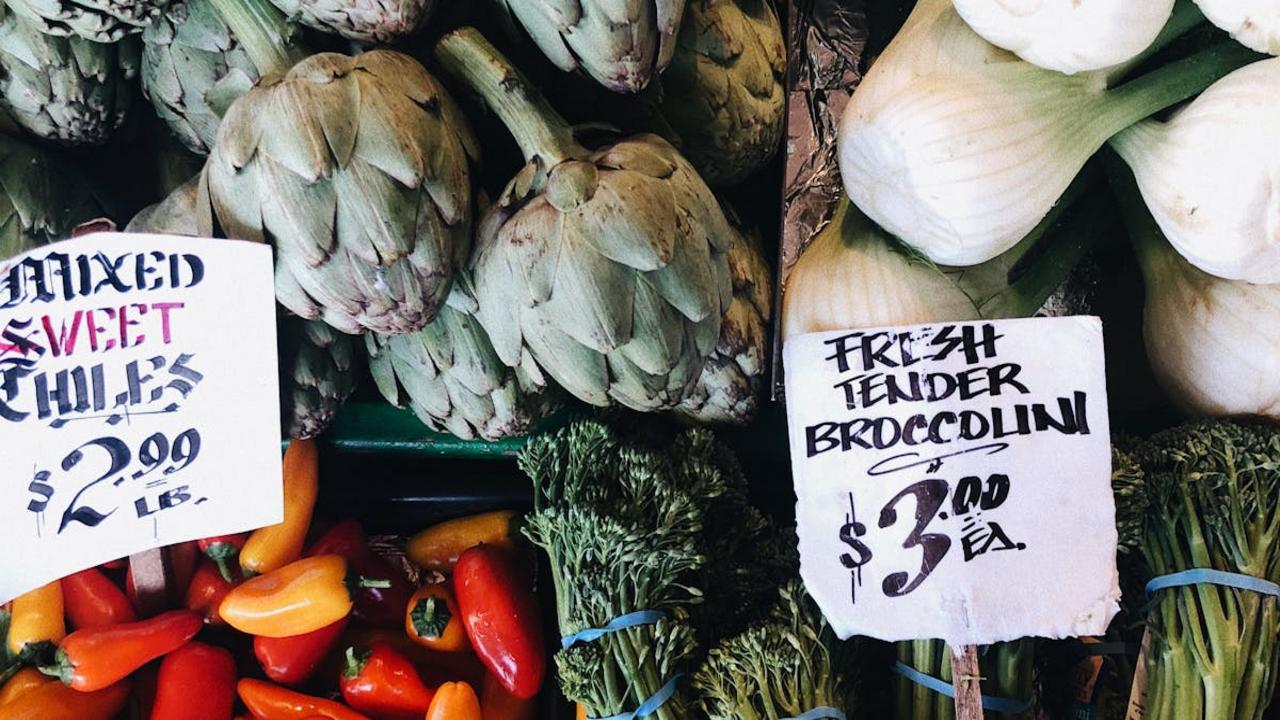
Picture this: you’re standing in the grocery store, staring at those sad, expensive strawberries in January that taste like disappointment wrapped in red packaging. Meanwhile, those gorgeous winter squashes are practically begging you to take them home, but you walk right past them because you’ve got strawberries on the brain. Here’s the thing your wallet and your dinner guests will thank you for knowing: seasonal shopping isn’t just some trendy farm-to-table nonsense—it’s pure culinary genius. When you buy what’s naturally growing right now, you get peak flavor at rock-bottom prices. Those August tomatoes? They’re bursting with sunshine and cost pennies compared to their January cousins that traveled 3,000 miles just to taste like water.
The secret sauce here is simple: Mother Nature knows what she’s doing, and she’s got impeccable timing. Spring asparagus snaps with crisp perfection, summer peaches drip with sticky-sweet juice, fall apples crunch like autumn leaves, and winter root vegetables turn into pure gold when roasted. Professional chefs build entire menus around what’s in season because they know that a perfectly ripe, seasonal ingredient needs minimal fussing to shine. Start small—swap those out-of-season blueberries for whatever fruit is having its moment, and watch your smoothies transform from bland to brilliant. Your taste buds will do a happy dance, and your bank account might actually recover from that grocery run.
Plan Weekly Menus
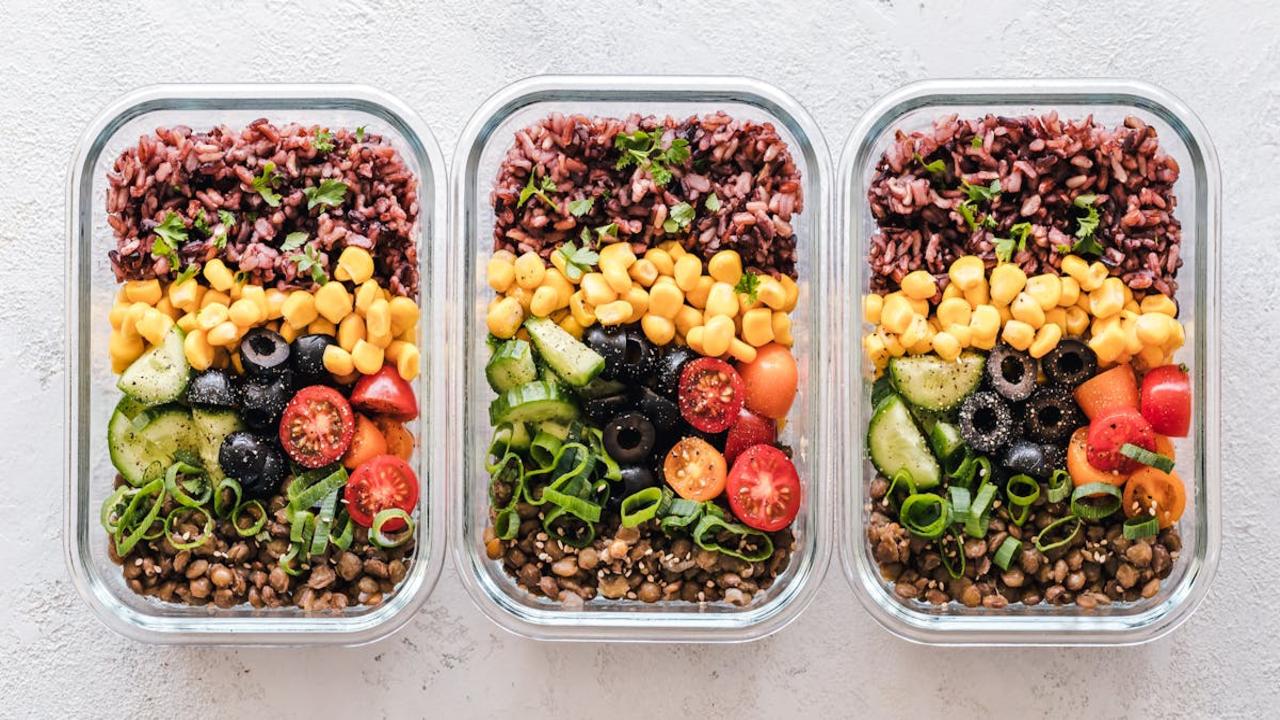
You know that Sunday evening panic when you stare into your fridge like it holds the secrets of the universe, only to find wilted lettuce and that mysterious leftover from three days ago? Professional chefs avoid this domestic tragedy by planning their weekly menus like military strategists plotting world domination—except with more garlic and significantly fewer explosions. They sit down with a cup of coffee, scan their pantry inventory, check what’s on sale at the market, and map out seven days of delicious possibilities. This simple ritual transforms chaotic weeknight cooking into a smooth operation where every ingredient has a purpose and nothing goes to waste.
The magic happens when you start connecting the dots between meals—that roast chicken on Monday becomes Tuesday’s soup stock and Wednesday’s chicken salad sandwich filling. Smart chefs always plan for ingredient overlap, buying one bunch of fresh herbs that stars in three different dishes throughout the week. They also build in flexibility with “wildcard nights” for experimenting with new recipes or using up random ingredients that somehow multiplied in the vegetable drawer. Fun fact: restaurants typically plan their menus weeks or even months in advance, but home cooks can achieve similar efficiency with just 15 minutes of weekly planning. Your future hangry self will thank you when dinner practically cooks itself!
Buy Whole Instead of Pre Cut
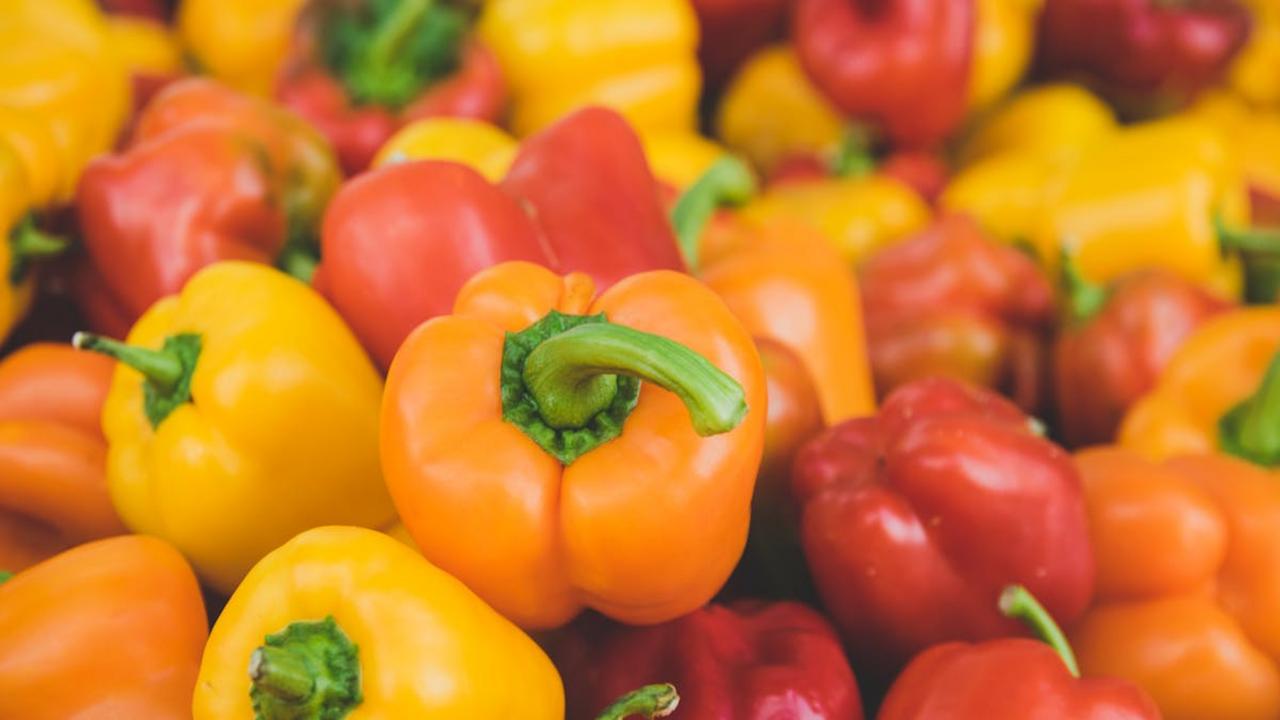
Your wallet will thank you, and your taste buds will throw a party when you ditch those overpriced pre-cut vegetables lurking in plastic containers. Those innocent-looking chunks of bell peppers and onions cost about three times more per pound than their whole counterparts, and here’s the kicker – they’ve been sitting around losing flavor and nutrients faster than a reality TV star loses credibility. Pre-cut produce starts oxidizing the moment it meets that knife, which means you’re paying premium prices for vegetables that have already passed their prime. Plus, those convenient little containers generate enough plastic waste to make Mother Earth weep into her organic kombucha.
Whole vegetables and fruits stay fresher longer because their protective skins act like nature’s own vacuum seal, keeping all those good vitamins and flavors locked inside where they belong. A whole onion can hang out in your pantry for weeks, but those pre-diced pieces in the fridge? They’ll turn into a science experiment within days. You also get way more control over your cuts – want paper-thin onion slices for caramelizing? Chunky pieces for soup? You’re the boss now. And here’s a fun fact: cutting your own vegetables actually makes them taste better because fresh cuts release more aromatic compounds that hit your nose before the food even reaches your mouth. Your ten minutes of knife work transforms into serious flavor upgrades that no factory processing can match.