10 Underrated Superfoods Nutritionists Want You to Add to Your Plate
Looking to jazz up your diet beyond kale and quinoa? You’re in luck! Nutritionists have been quietly raving about some lesser-known superfoods that pack a serious health punch without the celebrity status. From tiny tiger nuts to exotic dragon fruit, these nutritional powerhouses deserve a spot on your plate.
I’ve rounded up ten underdog foods that nutrition experts actually eat themselves—not just recommend to clients. Black garlic might sound like a vampire repellent, but it’s actually a fermented treasure with double the antioxidants of regular garlic. And natto? Sure, it’s slimy and funky, but this Japanese fermented soybean dish might just add years to your life.
The best part? You don’t need to empty your wallet at specialty health stores for most of these gems. Humble watercress tops the nutrient density charts beating spinach, while amaranth serves as a protein-packed grain alternative. Ready to shake up your shopping list? Your body will thank you for these nutritional upgrades.
Amaranth

Meet amaranth, the ancient grain that sounds like it belongs in a fantasy novel but actually deserves a starring role on your dinner table! This tiny seed—yes, it’s technically a seed, not a grain, which makes it the botanical equivalent of that friend who insists they’re “actually an artist, not a barista”—packs more protein than quinoa and contains all nine amino acids your body craves. The Aztecs called it “food of the gods,” and honestly, they weren’t wrong. One cup gives you 28 grams of protein, which means you can finally stop pretending that kale smoothie counts as breakfast.
Cooking amaranth feels like performing magic in your kitchen—you toss these pearl-sized seeds into boiling water, and within 20 minutes, they transform into a creamy, porridge-like wonder that tastes nutty and slightly sweet. Pop them in a dry skillet for a few minutes, and they’ll literally jump around like tiny popcorn kernels, creating a crunchy topping that makes every salad feel like a party. Try mixing cooked amaranth into your morning oatmeal, or fold it into veggie burgers for extra oomph. Pro tip: store it in an airtight container, because nothing ruins the “ancient superfood” vibe quite like pantry moths treating your amaranth like an all-you-can-eat buffet.
Tiger Nuts

Despite their fierce name, tiger nuts won’t bite back – they’re actually tiny tubers that pack more personality than your average snack food! These wrinkled little nuggets, which look like miniature potatoes that went through a rough patch, have been fueling humans since ancient Egyptian times. Cleopatra probably munched on these bad boys between pyramid inspections. You can find them in health food stores, and they taste like a cross between coconut and vanilla with a satisfying crunch that makes regular nuts jealous.
Here’s where tiger nuts get really interesting: they’re fiber powerhouses that contain more of the good stuff than most vegetables, plus they’re naturally sweet enough to satisfy your dessert cravings without sending your blood sugar on a roller coaster ride. Toss a handful into your morning yogurt, blend them into smoothies for extra creaminess, or eat them straight from the bag while binge-watching your favorite show. Fun fact: in Spain, they turn these little gems into horchata, a creamy drink that’s basically liquid heaven. Your digestive system will thank you, and your taste buds will wonder why you waited so long to discover these crunchy treasures!
Camu Camu
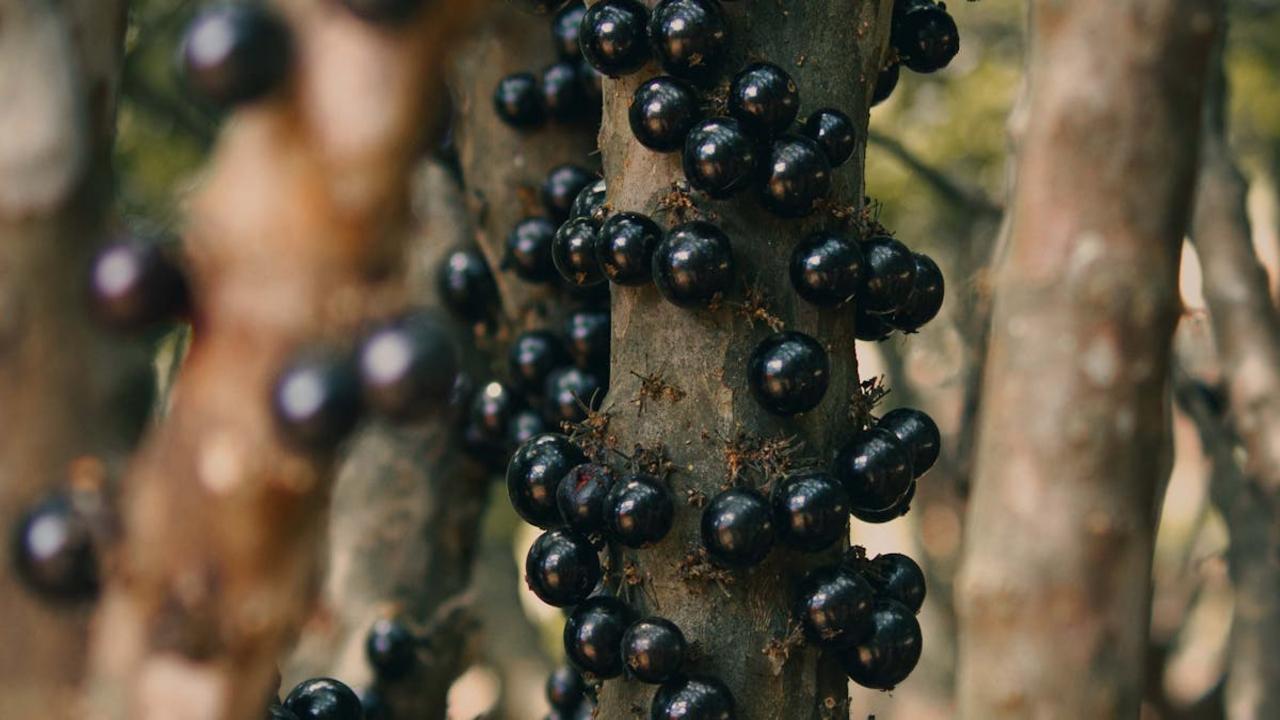
Meet camu camu, the tiny Amazonian berry that makes your morning orange juice look like amateur hour in the vitamin C department. This little purple powerhouse contains roughly 30 to 50 times more vitamin C than oranges – yes, you read that correctly! Native to Peru and Brazil, camu camu grows wild along riverbanks where locals have been munching on these tart treasures for centuries. The berry tastes like someone mixed cranberries with a lemon that’s having an attitude problem, which explains why you’ll mostly find it in powder form rather than whole fruit at your local health food store.
Beyond its ridiculous vitamin C content, camu camu brings serious antioxidant firepower and anti-inflammatory properties that your immune system will thank you for. Mix a teaspoon of the powder into your morning smoothie (trust me, you need other flavors to balance that intense tartness), or stir it into yogurt for a nutritional upgrade that’ll make your cells do a happy dance. Some adventurous souls even add it to homemade energy balls or sprinkle it over acai bowls for an extra superfood boost. Just remember: a little goes a long way with this concentrated berry – your taste buds and your wallet will appreciate moderation!
Watercress
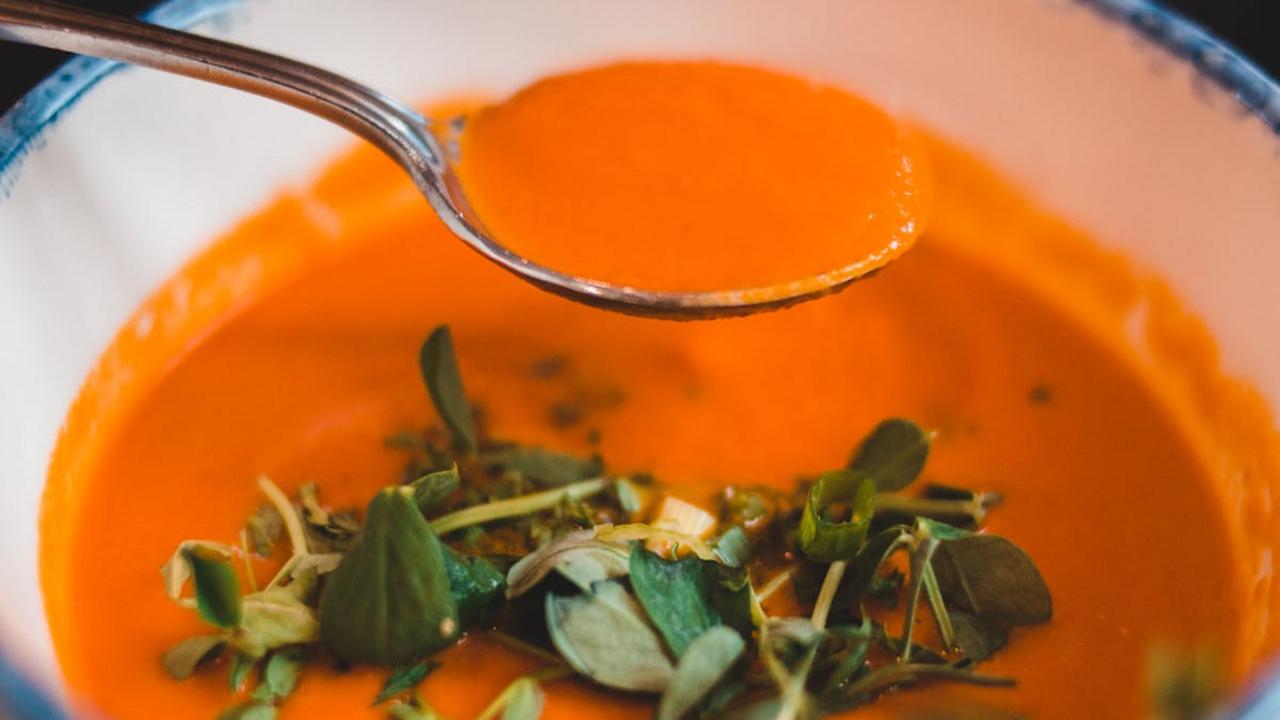
Meet watercress, the feisty little green that’s been throwing nutritional punches way above its weight class for centuries. This peppery powerhouse actually tops the CDC’s list of nutrient-dense foods, beating out kale, spinach, and every other green that’s ever graced your Instagram feed. With its sharp, mustard-like bite, watercress doesn’t just sit quietly on your plate—it announces itself with the confidence of someone who knows they’re packed with more vitamin K per serving than you’ll know what to do with. Plus, it delivers a hefty dose of vitamin C, folate, and calcium, all wrapped up in those delicate, coin-shaped leaves that look innocent but pack serious nutritional firepower.
You can find this spunky green growing wild near streams and springs, where it basically lives its best aquatic life, soaking up minerals from the water like a botanical spa treatment. Toss a handful into your salads for an instant wake-up call, blend it into smoothies (trust me on this one—it plays surprisingly well with apples and ginger), or throw it on top of soups and sandwiches for that extra zing your taste buds didn’t know they needed. The best part? Watercress doesn’t require any fancy preparation rituals—just give it a quick rinse and you’re ready to add some serious sass to whatever you’re eating. Your regular lettuce is officially put on notice.
Natto
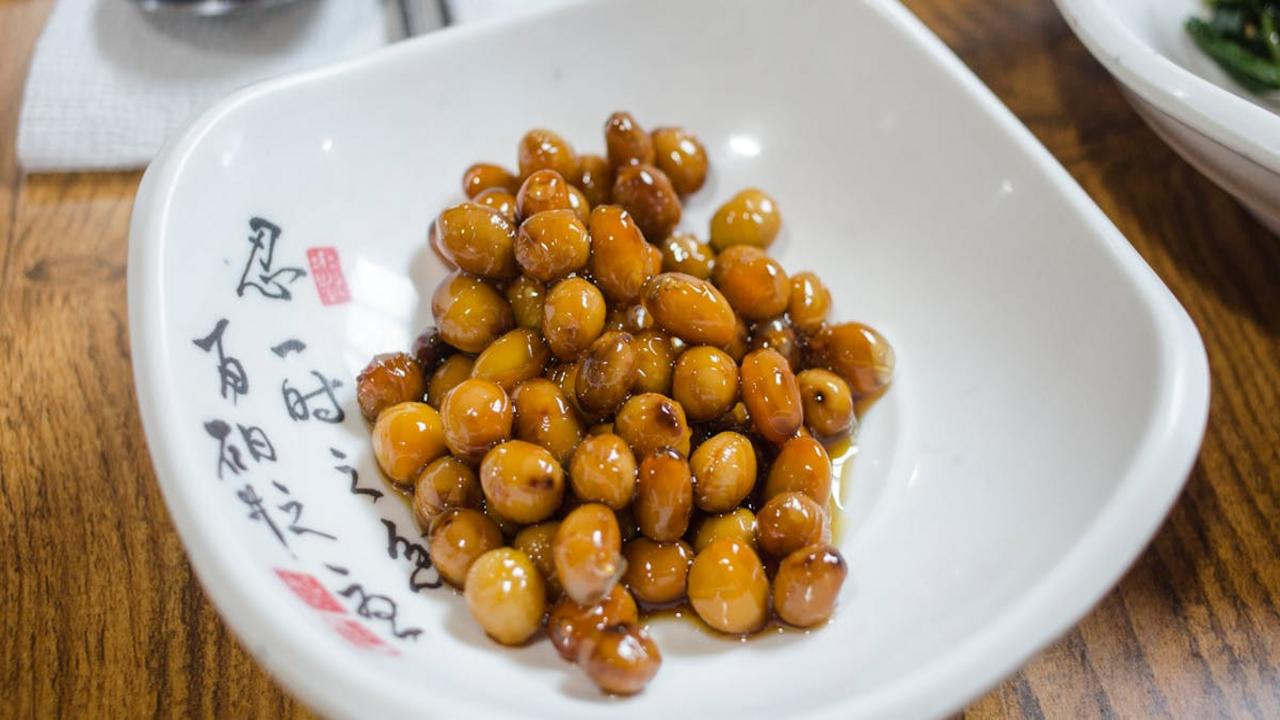
If you’ve never encountered natto, prepare yourself for what might be the most polarizing superfood on the planet. This traditional Japanese dish consists of fermented soybeans that have been transformed by a special bacteria called Bacillus subtilis into something that looks like beans covered in cosmic spider webs. The texture? Imagine the stretchiest cheese you’ve ever encountered, but make it beans. The smell? Well, let’s just say it’s an acquired appreciation that some describe as “gym socks meets aged cheese.” But here’s the kicker: nutritionists are absolutely obsessed with this funky fermented marvel because it packs more vitamin K2 than almost any other food on Earth, plus a hefty dose of probiotics that make your gut bacteria throw a celebration.
Don’t let natto’s intimidating reputation scare you away from its incredible health benefits. This stringy superfood supports bone health, cardiovascular function, and digestive wellness in ways that would make a multivitamin jealous. The secret lies in those slimy strings – they contain nattokinase, an enzyme that acts like a natural blood thinner and may help prevent blood clots. Japanese people have been eating this breakfast staple for over 1,000 years, often mixing it with rice, green onions, and a raw egg for the ultimate morning power bowl. If you’re feeling brave enough to try it, start small and mix it with familiar flavors like soy sauce and mustard. Pro tip: the freezer section of Asian grocery stores usually stocks it, and once you get past the initial shock, you might just discover your new favorite probiotic powerhouse.
Moringa Leaves

Meet moringa, the green superhero that’s been quietly saving the day in tropical regions while the rest of us were busy obsessing over kale. These feathery little leaves pack more nutritional punch than a heavyweight boxer on espresso – we’re talking seven times more vitamin C than oranges, four times more calcium than milk, and enough iron to make Popeye jealous of something other than spinach for once. Originally from India, moringa trees grow so fast they’re basically the overachievers of the plant kingdom, shooting up like teenagers during growth spurts and producing leaves year-round because apparently, they never got the memo about taking breaks.
The flavor profile? Think of a mild, earthy cross between spinach and green tea, with just enough horseradish-like kick to keep things interesting without making you reach for a glass of milk. You can toss fresh moringa leaves into soups, blend them into smoothies, or dry and powder them to sprinkle over just about anything that needs a nutritional upgrade. Pro tip: start with small amounts because this green powerhouse doesn’t mess around – a little goes a long way, and your body will thank you for the slow introduction to what might just become your new favorite leafy obsession.
Seabuckthorn Berries
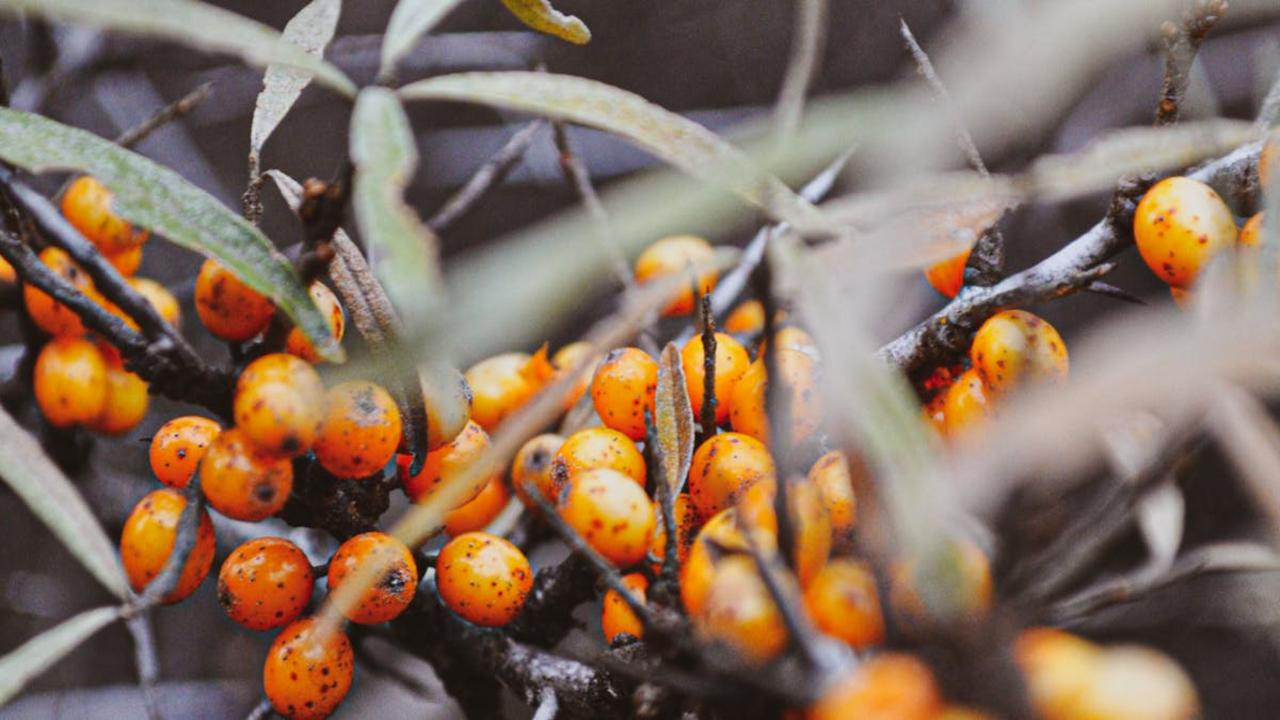
Picture this: you’re strolling through a Tibetan market, and someone hands you a tiny orange berry that looks like it escaped from a fairy tale. That’s seabuckthorn for you – nature’s little vitamin C bomb that packs more punch than your morning orange juice could ever dream of. These tart, tangy gems contain up to 15 times more vitamin C than oranges, plus they’re loaded with omega-7 fatty acids (yes, that’s a thing!). The name sounds like something from a pirate’s treasure map, but these berries have been treasured by mountain communities for centuries as their secret weapon against harsh winters.
Now, fair warning – eating raw seabuckthorn berries straight up might make your face scrunch like you just kissed a lemon wearing lipstick. They’re seriously tart! Your best bet is blending them into smoothies with sweeter fruits like mango or banana, or turning them into jams and sauces. I discovered seabuckthorn juice at a fancy health food store (where I paid embarrassingly too much), and it became my go-to mixer for both morning smoothies and evening cocktails – because who says superfoods can’t party? Fun fact: these hardy little berries can survive temperatures down to -40°F, which honestly makes me respect them more than most people I know.
Black Garlic
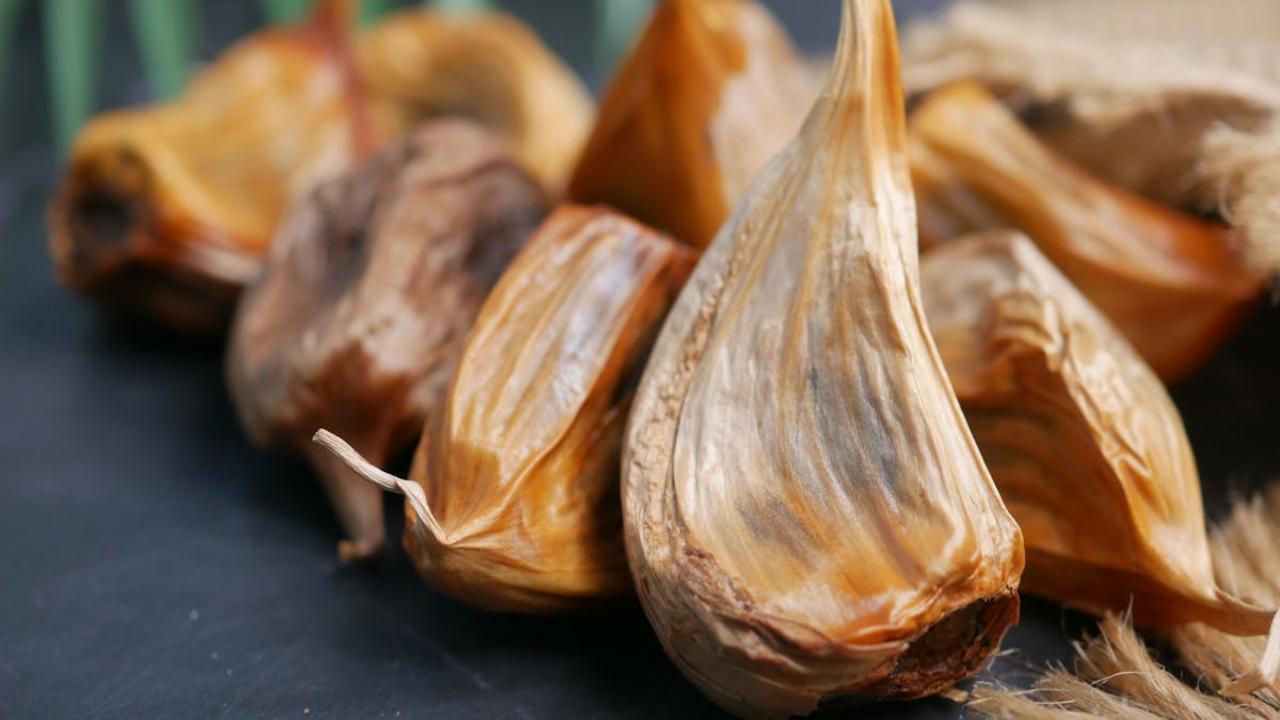
Picture regular garlic that decided to take a month-long spa vacation in a warm, humid environment—that’s black garlic for you! This mysterious dark beauty forms when white garlic gets the slow-aging treatment at controlled temperatures for weeks, transforming into something that looks like it belongs in a gothic cookbook. The process turns those sharp, pungent cloves into soft, molasses-colored gems with a flavor profile that’ll make your regular garlic weep with envy. Think sweet meets savory with hints of balsamic vinegar and a touch of licorice—it’s like garlic went to finishing school and came back sophisticated.
Nutritionally speaking, black garlic kicks regular garlic’s butt while wearing velvet gloves. The aging process doubles its antioxidant content and creates unique compounds that support heart health and boost your immune system. You can eat it straight from the clove (yes, really!), smash it into compound butter that’ll make your dinner guests question everything they thought they knew about flavor, or blend it into salad dressings for an umami punch. Korean and Japanese cooks have been keeping this secret weapon in their back pockets for ages, using it in everything from ramen broths to marinades that transform ordinary chicken into something transcendent.
Dragon Fruit
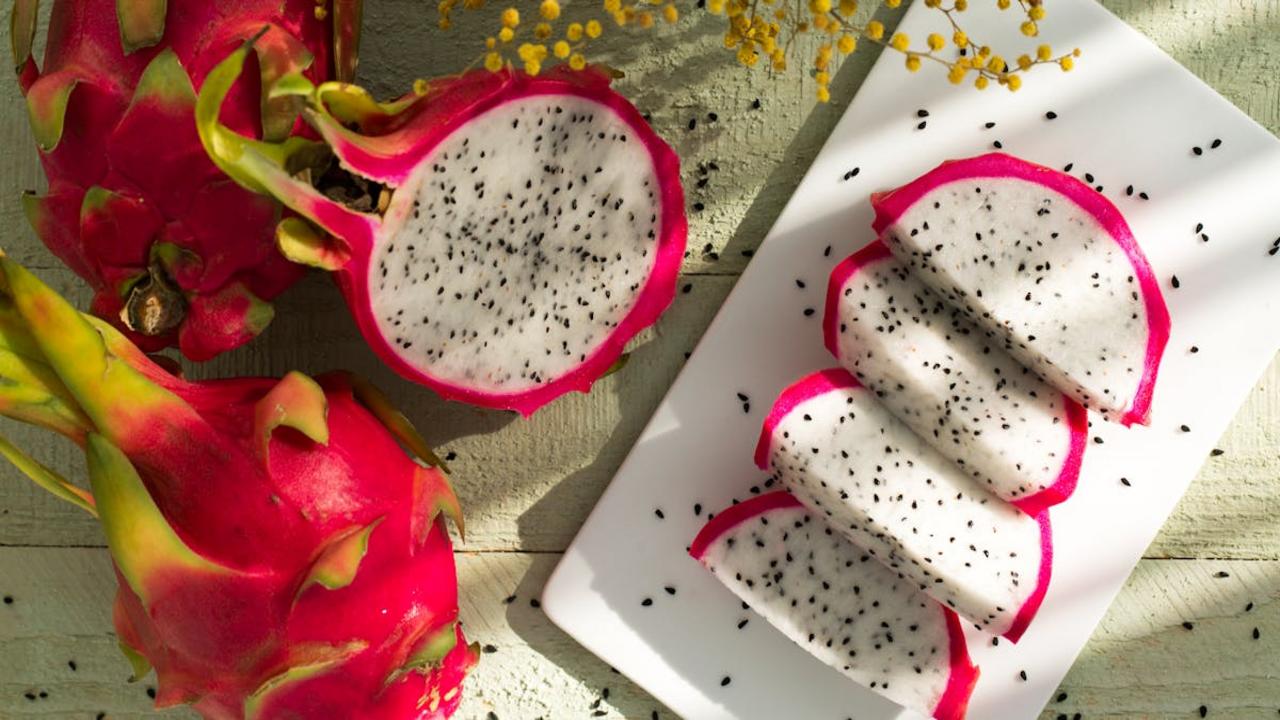
Picture this: you’re strolling through the produce section when BAM—this hot pink alien pod catches your eye, complete with green scales that would make any dragon jealous. That’s dragon fruit for you, also known as pitaya, and trust me, this tropical showstopper deserves way more credit than it gets. Despite looking like it crash-landed from another planet, dragon fruit tastes surprisingly mild—think kiwi meets pear with a whisper of watermelon. The white or magenta flesh speckled with tiny black seeds creates Instagram-worthy smoothie bowls that’ll make your friends wonder if you’ve suddenly become a food stylist.
Here’s where dragon fruit gets sneaky good: those tiny seeds pack omega-3 fatty acids, while the flesh delivers vitamin C, iron, and magnesium in spades. Plus, it’s ridiculously low in calories—about 60 per cup—so you can go wild without your pants staging a revolt. I love slicing it into rounds and tossing them into fruit salads, or blending the whole thing into smoothies for that gorgeous pink color (magenta variety) or pristine white backdrop (white variety). Pro tip: don’t expect fireworks of flavor—dragon fruit’s superpower lies in its subtle sweetness and incredible nutritional punch, not in knocking your socks off with taste.
Bee Pollen

Picture this: tiny golden granules that look like fairy dust but pack more nutritional punch than your favorite protein powder. Bee pollen is basically nature’s multivitamin, created when our buzzing friends collect pollen and mix it with their own enzymes and honey. These little nuggets contain all 22 amino acids your body needs, plus vitamins, minerals, and antioxidants that make spinach look like a slacker. Fun fact: it takes one bee working eight hours a day for an entire month to gather just one teaspoon of pollen. Talk about dedication to the craft!
Now, before you start sprinkling this golden treasure on everything, know that bee pollen tastes like a cross between floral honey and slightly bitter grass – think of it as nature’s way of reminding you that good things require commitment. Start with just a pinch (seriously, your stomach will thank you) and work up to a teaspoon. Sprinkle it on yogurt, blend it into smoothies, or mix it into your morning oatmeal for an instant upgrade. Just remember to buy from reputable sources because, unlike your college roommate’s questionable cooking experiments, you want this stuff to be pure and properly stored.