13 Cheesy Tricks That Won Over My Picky Eater Again
Watching my toddler push away another plate left me feeling defeated until cheese came to the rescue! After months of mealtime battles, I discovered that a little cheese magic could transform those rejected foods into clean-plate victories. Now I’m sharing my tested tricks that brought peace back to our dinner table.
Nothing breaks my heart more than cooking nutritious meals only to have them ignored. If you’re nodding along, you know that desperation feeling. Through trial and error, I found that cheese—in creative forms—can build bridges to vegetables, proteins, and fruits my little one previously refused.
These 13 cheese-based techniques aren’t just about hiding nutrition; they’re about making food fun and approachable. I’ve used each method multiple times with success, turning “yuck” into “yum” consistently. The best part? Many take just minutes to prepare, saving both your sanity and your cooking time.
Cheese art on plates
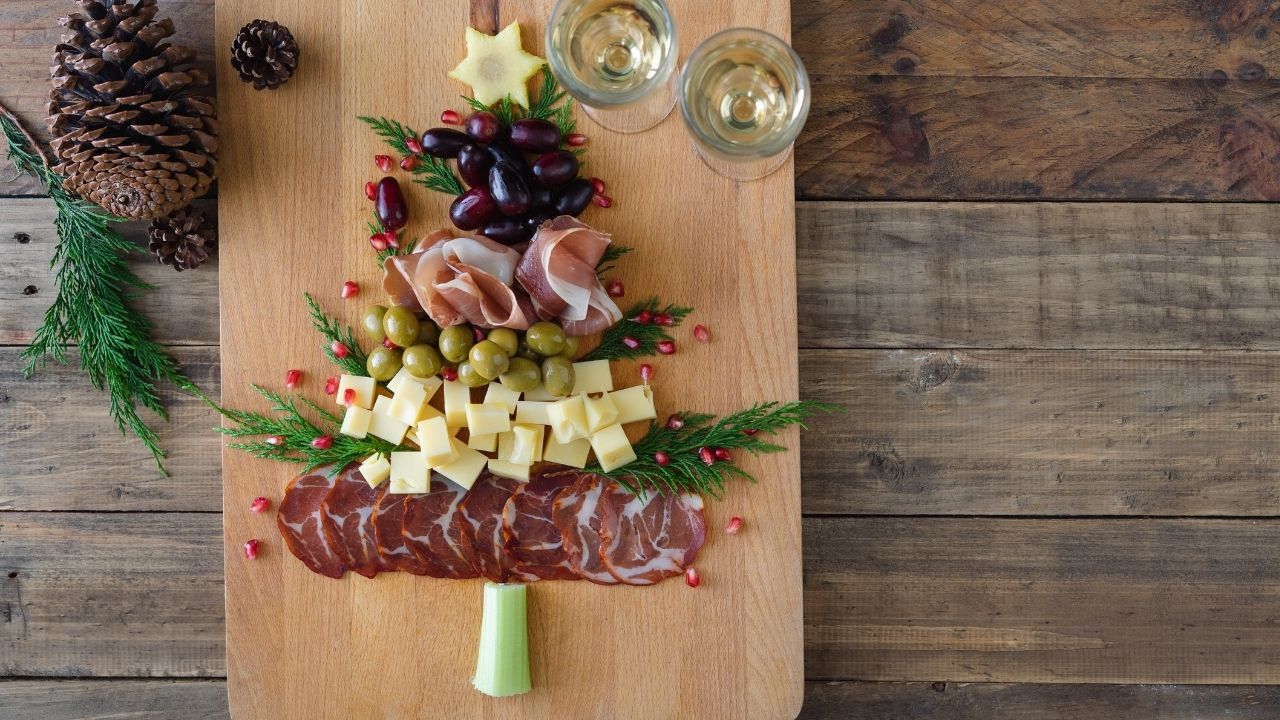
You know that moment when your child pushes their plate away before even trying a bite? I’ve been there countless times with my own picky eater. That’s when I discovered the magic of turning ordinary cheese into edible masterpieces right on their plate. I started simple—using a small cookie cutter to transform regular cheddar slices into stars, hearts, and dinosaur shapes. The transformation was immediate! Suddenly, the same cheese they’d refused yesterday became the highlight of their meal.
Now I take this concept further by creating entire scenes with different cheese varieties. I’ll use white cheese strips to make fence posts, yellow cheese circles for suns, and even grate fresh parmesan into “snow” across their plate. The key is involving them in the process—hand them the cookie cutters and watch their eyes light up as they help design their own edible canvas. This playful approach doesn’t just make mealtime fun; it connects them to their food in a completely new way. They’re not just eating cheese anymore; they’re experiencing something they helped create, and that ownership makes all the difference in getting them to actually take those first precious bites.
Cheese crystals as sprinkles
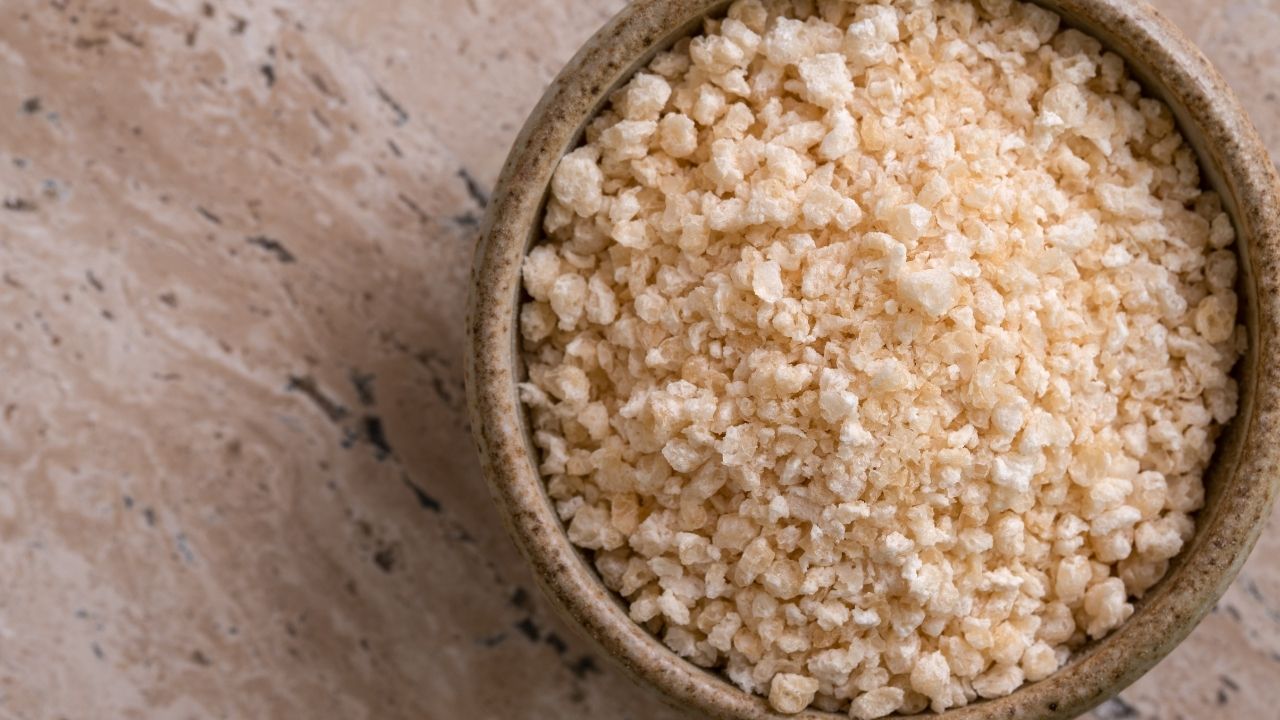
Picture this: your child stares at their dinner plate with that familiar look of skepticism, and then you pull out your secret weapon—a small bowl of aged parmesan crystals that look like tiny edible diamonds. These crunchy, salty gems transform any meal into something magical for picky eaters who need that extra bit of excitement on their plate. I discovered this trick when my nephew refused to touch his roasted vegetables, but the moment I sprinkled those cheese crystals on top, he suddenly became interested in every single piece.
You can find these crystallized pieces naturally in well-aged hard cheeses like parmesan, aged cheddar, or gouda—just scrape them off with a knife or buy them pre-packaged from specialty cheese shops. The beauty lies in their dual nature: they provide that satisfying crunch kids crave while delivering a concentrated burst of umami that makes even the plainest foods taste more complex. I sprinkle them over pasta, salads, soups, and even simple rice dishes. My picky eaters think they’re getting some special treat, but really, I’m just adding more protein and calcium to their meals in the most delicious way possible.
Cheese-infused bread crumbs
You know that moment when your picky eater pushes away their plate because the texture just doesn’t feel right? I discovered that mixing grated parmesan directly into homemade breadcrumbs creates this magical coating that transforms even the most rejected vegetables into something irresistible. Instead of buying those processed breadcrumb containers, I toast day-old sourdough until golden, then pulse it with aged cheddar or manchego in my food processor. The cheese melts slightly during the toasting process, creating these incredible pockets of flavor that cling to everything from roasted cauliflower to baked chicken thighs.
What really works here is the textural contrast—the crispy exterior gives way to that familiar cheese comfort, making unfamiliar foods feel safe and approachable. I’ve used this technique on everything from zucchini fritters inspired by Mediterranean flavors to coating fish fillets with a blend of pecorino and herbs from my garden. The beauty lies in how you can customize the cheese blend based on what your family already loves. Sharp cheddar works wonderfully for American palates, while a mix of gruyere and fresh thyme brings French bistro vibes to simple roasted vegetables. This approach turns the dreaded dinner battle into an opportunity for your little one to experience new flavors through something wonderfully familiar.
Cheese-based dips for fruits
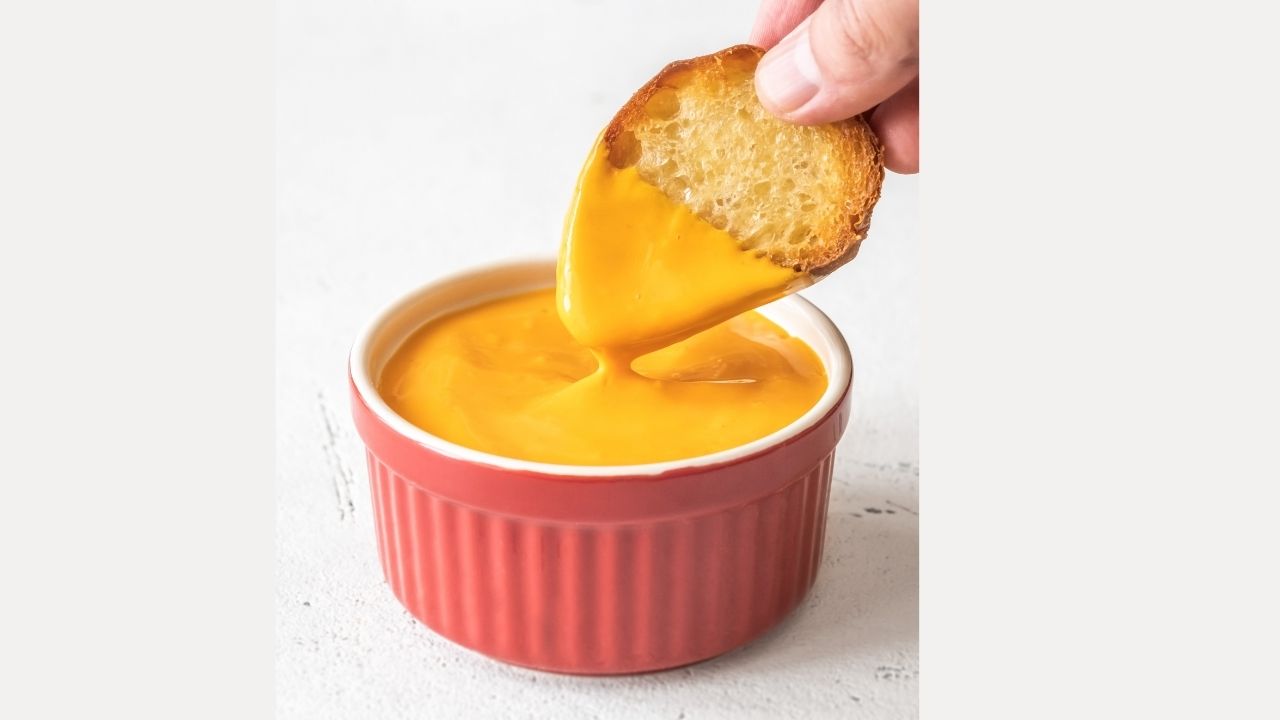
When my youngest started turning his nose up at fresh fruit, I knew I needed to get creative. That’s when I discovered the magic of pairing sweet, juicy fruits with creamy cheese dips. I started with a simple cream cheese base, mixing it with a touch of honey and vanilla, then gradually introduced more adventurous combinations. A ricotta dip with cinnamon and maple syrup became an instant hit with apple slices, while a mascarpone blend with lemon zest transformed strawberry snacking into something special. The beauty lies in how these dips mask any perceived “healthiness” while actually boosting the nutritional value of the snack.
My go-to formula involves soft cheeses as the foundation, then I build flavors from there. Greek yogurt mixed with cream cheese creates a protein-packed base that pairs beautifully with tropical fruits like mango and pineapple. For something more indulgent, I whip together goat cheese with honey and chopped fresh mint – it’s absolutely divine with pear slices. The key is keeping portions reasonable and letting the natural sweetness of the fruit shine through. These dips have completely changed our afternoon snack routine, turning what used to be a battle into a moment my kids actually look forward to.
String cheese wrapped proteins

You know that moment when your little one takes one look at chicken and immediately shakes their head? I’ve been there too many times to count. That’s when I discovered the magic of wrapping lean proteins like chicken strips or turkey slices around string cheese sticks. The cheese acts as both a flavor enhancer and a fun presentation that transforms ordinary protein into something that feels like a special treat. I started doing this with my own kids when they went through their “only cheese” phase, and honestly, it worked like a charm.
The beauty of this technique lies in its simplicity and versatility. You can season the protein with whatever spices your family enjoys – maybe some garlic powder and herbs, or even a pinch of cumin for warmth. As the protein cooks, the cheese melts slightly, creating this gorgeous, gooey center that kids can’t resist. I often prep several of these at once and keep them in the fridge for quick lunches or snacks. The protein gets its chance to shine while the familiar, comforting taste of cheese makes the whole experience feel safe and appealing to hesitant eaters.
Cheesy smoothie tricks
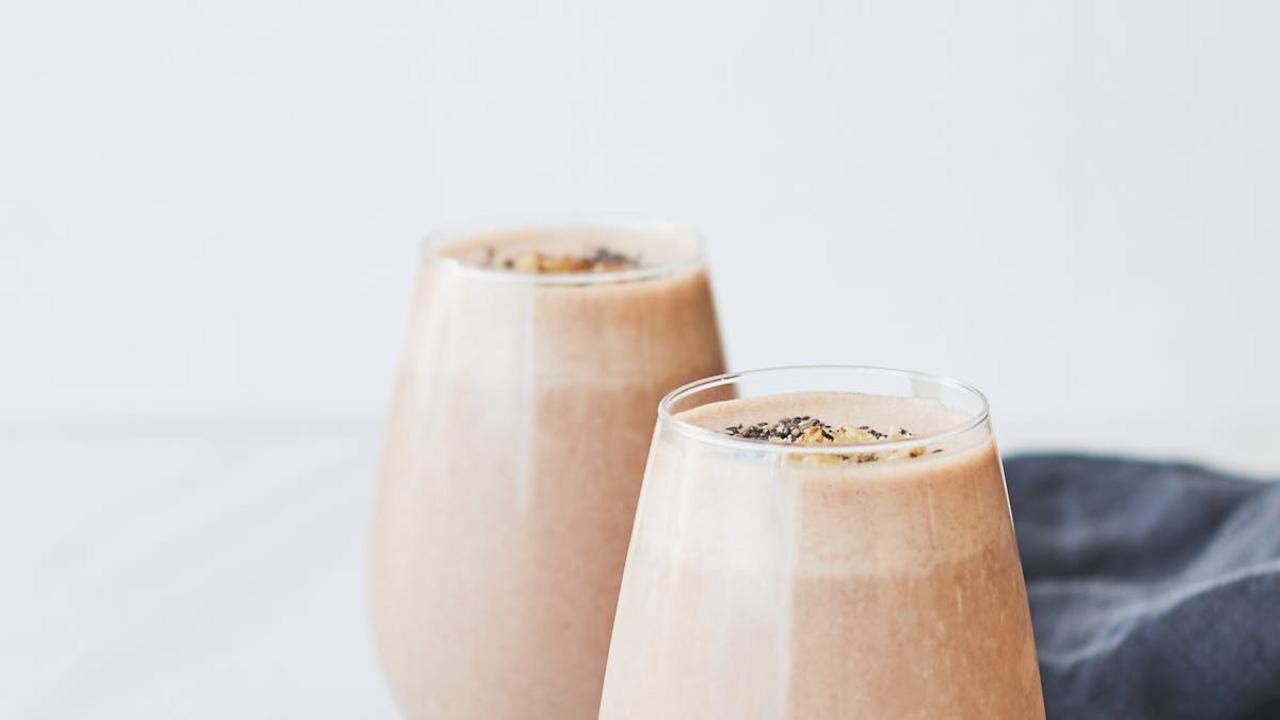
I know what you’re thinking – cheese in a smoothie sounds absolutely wild, right? But hear me out because this trick has saved so many breakfast battles in my house. Start with mild, creamy cheeses like ricotta or even a small piece of cream cheese blended into fruit smoothies. The ricotta adds incredible protein and makes the texture luxuriously thick, while the mild flavor gets completely masked by berries, banana, and a touch of honey. Your picky eater gets that familiar creamy mouthfeel they crave from dairy, plus you’re sneaking in extra calcium and protein without them even knowing.
The magic happens when you pair these cheesy smoothies with familiar flavors they already love. Try blending ricotta with strawberries and vanilla for something that tastes like a strawberry cheesecake milkshake, or go tropical with cream cheese, pineapple, and coconut milk for a piña colada vibe. I’ve found that frozen fruits work best because they create that thick, shake-like consistency kids expect. The key is starting with tiny amounts of cheese – maybe a tablespoon – and gradually increasing as they get used to the flavor. Before you know it, they’re drinking what’s basically a nutrition-packed breakfast disguised as dessert, and everybody wins.
Cheese wafers as cookies
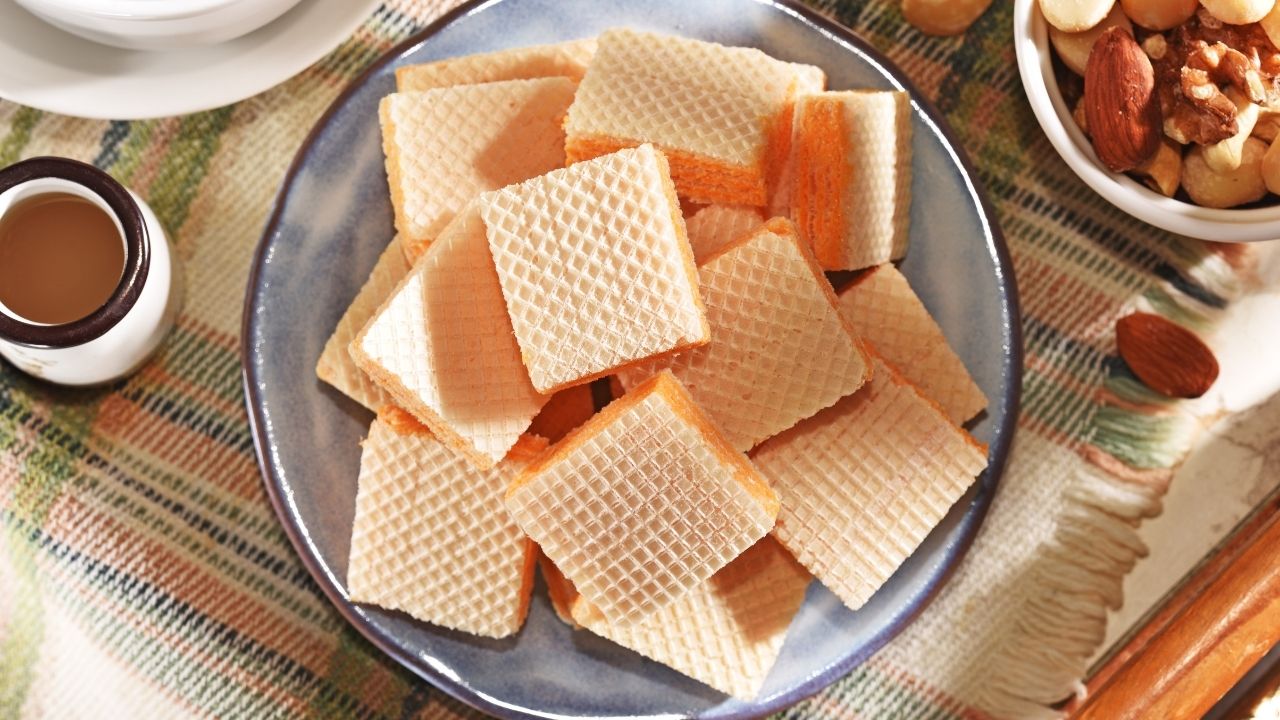
When my little one started turning his nose up at traditional cookies, I discovered something magical in my kitchen pantry. Those crispy cheese wafers I usually save for wine nights? They became my secret weapon for satisfying his sweet tooth cravings. I started offering them as “special cookies” during snack time, and suddenly my picky eater was asking for seconds. The salty-savory combination hits differently than sugary treats, and I love that he’s getting protein and calcium instead of empty calories from processed sweets.
Now I make homemade cheese wafers specifically for this purpose, mixing sharp cheddar with a touch of whole wheat flour and a hint of paprika for color. I roll the dough thin, cut them into fun shapes with cookie cutters, and bake until golden and crispy. The beauty lies in how these “cookies” satisfy his desire for something crunchy and special while sneaking in real nutrition. He gets excited about his cheese cookies, and I get peace of mind knowing he’s eating wholesome ingredients. Sometimes the best solutions hide in plain sight – right there in your regular rotation of adult snacks.
Cheese powder on popcorn

You know what transforms ordinary popcorn into pure magic for picky eaters? A generous dusting of cheese powder! I discovered this trick completely by accident when my little one rejected yet another snack attempt. I had some nutritional yeast sitting in my pantry—that golden, flaky powder that vegans swear by for its cheesy flavor—and decided to sprinkle it over freshly popped kernels. The transformation was instant. Suddenly, my child was munching away happily, and I realized I’d found something special.
Now I keep both nutritional yeast and real cheese powder on hand for snack emergencies. The beauty lies in how simple this method is—just pop your corn (I prefer using a stovetop method with a little coconut oil), then immediately toss with your chosen cheese powder while the kernels are still warm. The heat helps the powder stick perfectly to each piece. What makes this approach so successful with finicky eaters is the familiar, comforting taste of cheese combined with the satisfying crunch of popcorn. Plus, nutritional yeast adds B vitamins and protein, making this snack surprisingly nutritious while still feeling like a treat.
Cheese-filled fruit rolls
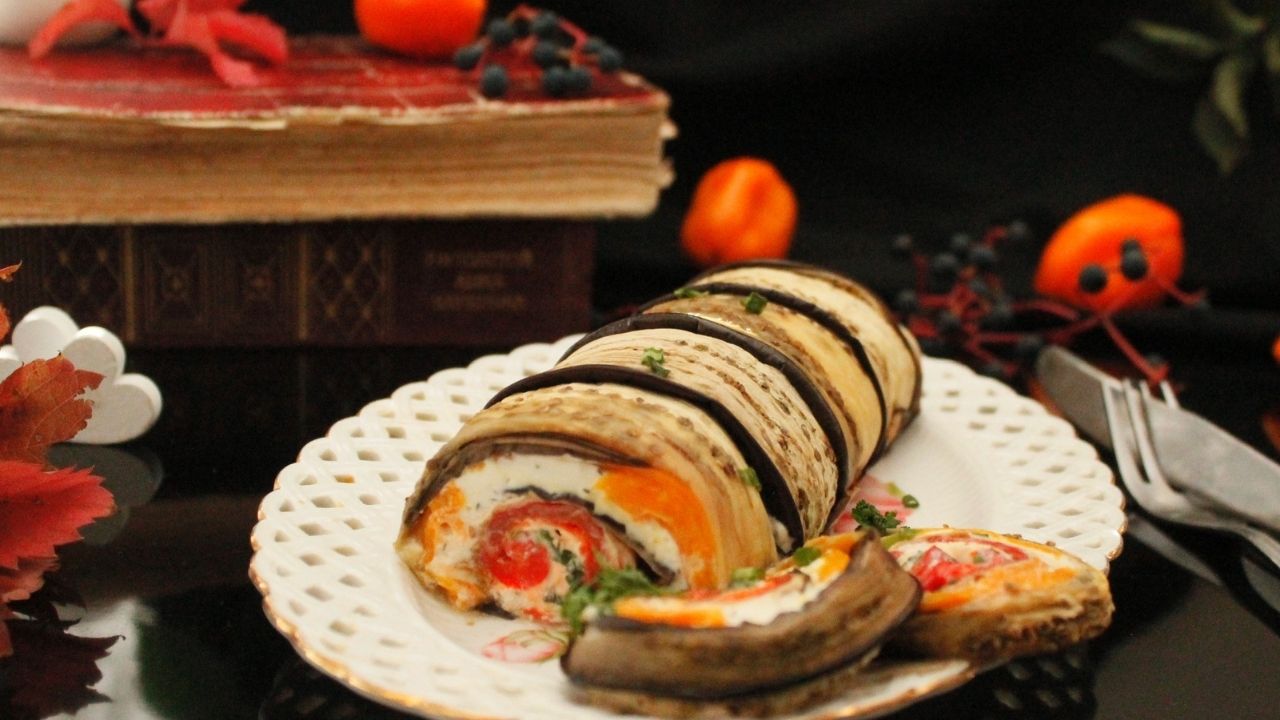
Sometimes the most brilliant ideas come from those moments when you’re staring into your fridge, wondering how to make your stubborn little one actually excited about eating something nutritious. I discovered this magical combination when I had some overripe mangoes and a block of mild goat cheese that needed using up. Instead of letting them go to waste, I decided to blend them together with a touch of honey and roll them into thin sheets using my dehydrator. The result? These incredible fruit leather rolls that pack protein, probiotics, and natural sweetness into one irresistible package.
What makes these rolls so special is how the tangy cheese balances the fruit’s sweetness while adding that creamy richness kids crave. I’ve experimented with different combinations – strawberry with cream cheese, peach with ricotta, even apple with a hint of sharp cheddar for my more adventurous eaters. The texture transforms from something that might seem strange on paper into these chewy, satisfying strips that remind me of the fruit roll-ups from my childhood, but infinitely better for growing bodies. My daughter now requests these as her go-to snack, and I love knowing she’s getting calcium and real fruit without any artificial colors or preservatives.
Cheese-crusted vegetables
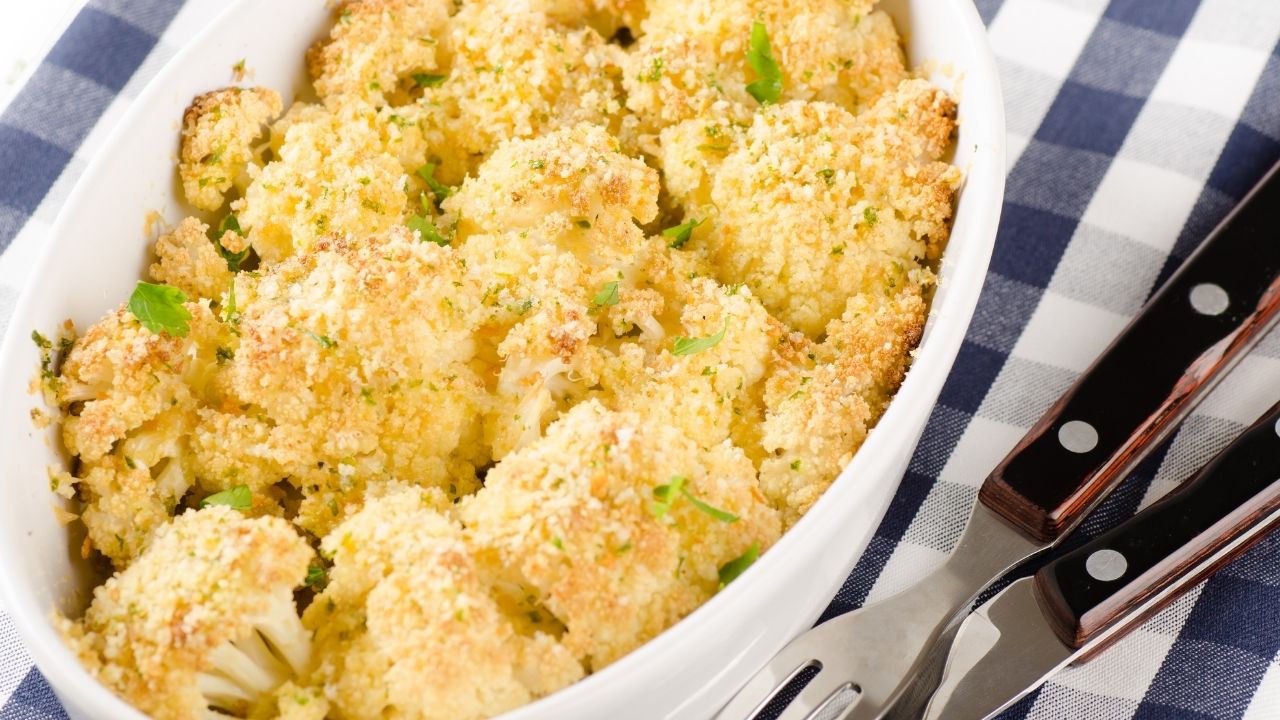
When my youngest declared war on every green thing on their plate, I knew I needed backup—and cheese became my secret weapon. I started pressing grated Parmesan directly onto roasted broccoli florets during the last five minutes of cooking, creating these incredible golden, crispy crowns that made vegetables irresistible. The magic happens when the cheese meets high heat, forming a crunchy shell that transforms boring vegetables into something that feels like a special treat rather than a healthy obligation.
Now I coat everything from cauliflower to Brussels sprouts with a mixture of sharp cheddar and a touch of garlic powder before roasting. The cheese creates this beautiful caramelized crust while the vegetables steam inside, staying tender and sweet. What started as desperate parenting has become one of our family’s favorite side dishes—my kids actually request “the cheesy vegetables” now. I love that I’m getting nutrient-dense food into them while they think they’re getting away with something indulgent. It’s pure genius disguised as comfort food.
Rainbow grilled cheese sandwiches
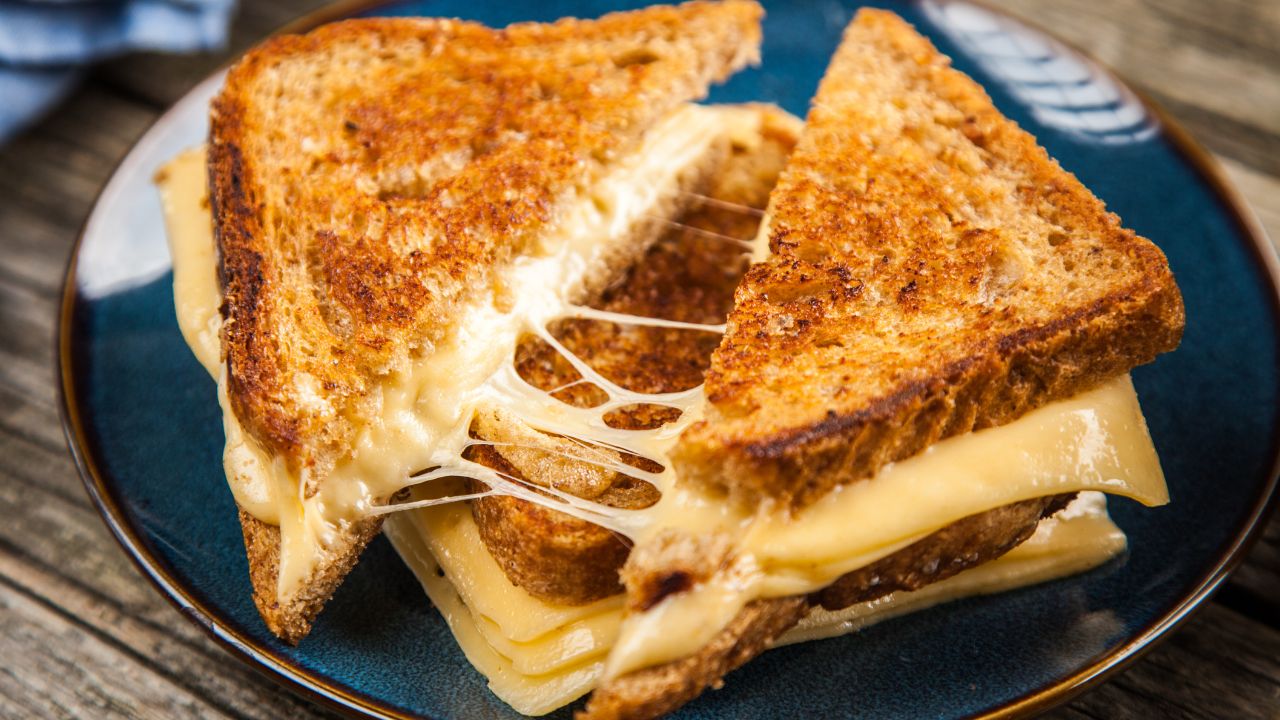
When my little one started turning their nose up at regular grilled cheese, I knew I needed to get creative. That’s when rainbow grilled cheese sandwiches became my secret weapon! I mix natural food coloring into cream cheese and spread thin layers of vibrant colors between slices of good sourdough bread with their favorite cheese. The result? A sandwich that looks like magic when you cut it open, revealing beautiful rainbow stripes that make even the pickiest eater gasp with delight.
What I love most about this trick is how simple it actually is behind all that visual wow factor. I use beetroot powder for red, turmeric for yellow, spirulina for green, and butterfly pea flower powder for blue – keeping everything natural while creating something that feels like pure fun. The cream cheese adds extra creaminess without overwhelming the familiar comfort of melted cheese, and I can sneak in some extra nutrition with those natural colorings. My kid now asks for “rainbow sandwiches” regularly, and I secretly smile knowing I’ve turned lunch into an adventure without any artificial additives.
Cheese-stuffed meatballs

Picture this: your picky eater bites into what looks like an ordinary meatball, only to discover molten cheese oozing from the center. That moment of surprise transforms dinner from a battleground into pure magic. I learned this trick during my time cooking with an Italian grandmother who believed every meal should hold a secret worth discovering. She’d tuck cubes of mozzarella right into the heart of seasoned ground turkey or beef, creating these incredible pockets of creamy goodness that made even my most stubborn dinner guests ask for seconds.
The beauty of cheese-stuffed meatballs lies in their simplicity and the element of surprise they bring to your table. I mix my ground meat with fresh herbs, a touch of grated Parmesan, and finely minced garlic, then wrap each portion around a small cube of your favorite melting cheese – manchego works wonderfully if you want something different from the classic mozzarella. The key is sealing the edges properly so the cheese stays contained during cooking. Pan-fry them until golden, then finish in a simple tomato sauce, and watch your picky eater’s face light up when they discover that gooey center waiting inside.
Hidden cheese sauce in pasta
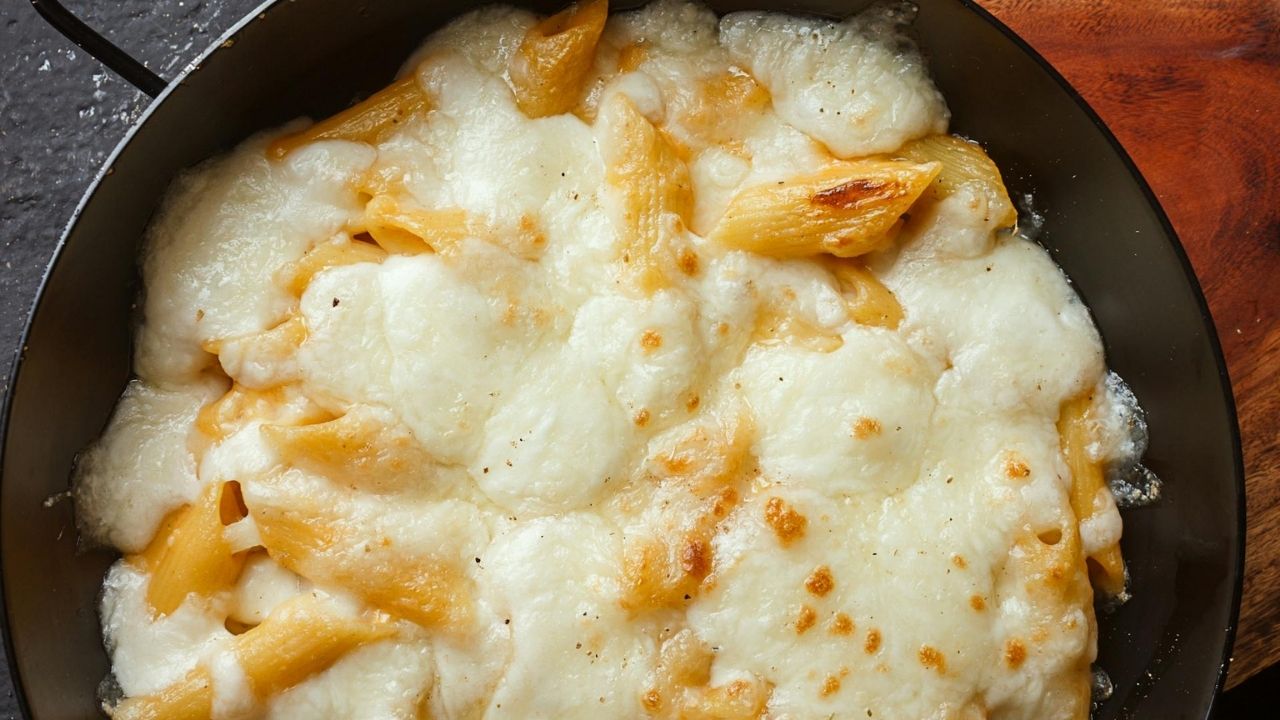
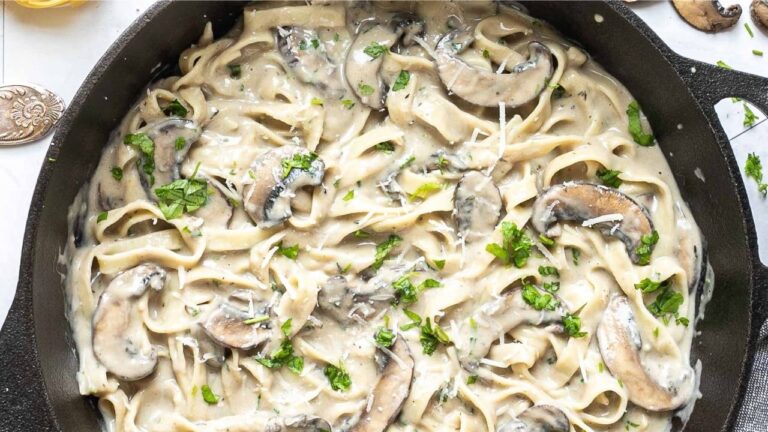
The secret weapon in my kitchen for winning over picky eaters starts with a simple cream-based pasta sauce that conceals its cheesy goodness. I begin by creating a smooth béchamel using butter, flour, and milk, then gradually whisk in a blend of mild cheeses like mozzarella and cream cheese until the mixture becomes velvety. The magic happens when I add just a whisper of garlic powder and a pinch of nutmeg – these subtle flavors create depth without overwhelming young palates. The key lies in keeping the cheese flavor gentle enough that even the most suspicious little food critics won’t detect what makes this sauce so irresistibly creamy.
What makes this approach brilliant is how you can sneak nutrition into every spoonful while maintaining that comforting, familiar taste kids crave. I often puree roasted cauliflower or butternut squash directly into the sauce, creating an even creamier texture that camouflages vegetables completely. The pasta becomes a vehicle for wholesome ingredients, transforming a simple dinner into a nutrient-dense meal without any complaints from the dining room. Once you master this base technique, you can experiment with different cheese combinations and hidden vegetables, creating countless variations that keep meals interesting while ensuring your picky eater gets the nourishment they need.