10 Beloved Dishes You Never Knew Were Invented in the USA
Think your favorite Chinese takeout dish came from Shanghai? Or that apple pie is as Dutch as wooden shoes? Think again! America’s food scene isn’t just burgers and hot dogs – we’ve secretly created some of the world’s most popular foods while letting other countries take the credit.
That General Tso’s Chicken you crave after a long day? Born right here in the USA, not in some ancient Chinese kitchen. Those fortune cookies that cap off your meal with words of wisdom? Thank American ingenuity, not Chinese tradition. And nachos? They might scream “Mexico,” but they’re actually a Tex-Mex creation that crossed the border heading south.
From the accidental discovery of chocolate chip cookies to the brilliant simplicity of Buffalo wings, American food innovation runs deeper than you’d guess. These ten dishes show how we’ve quietly shaped global cuisine while maintaining our talent for culinary disguise. Your “international” dinner tonight might be more American than apple pie – which, by the way, isn’t American either… or is it?
Green Bean Casserole
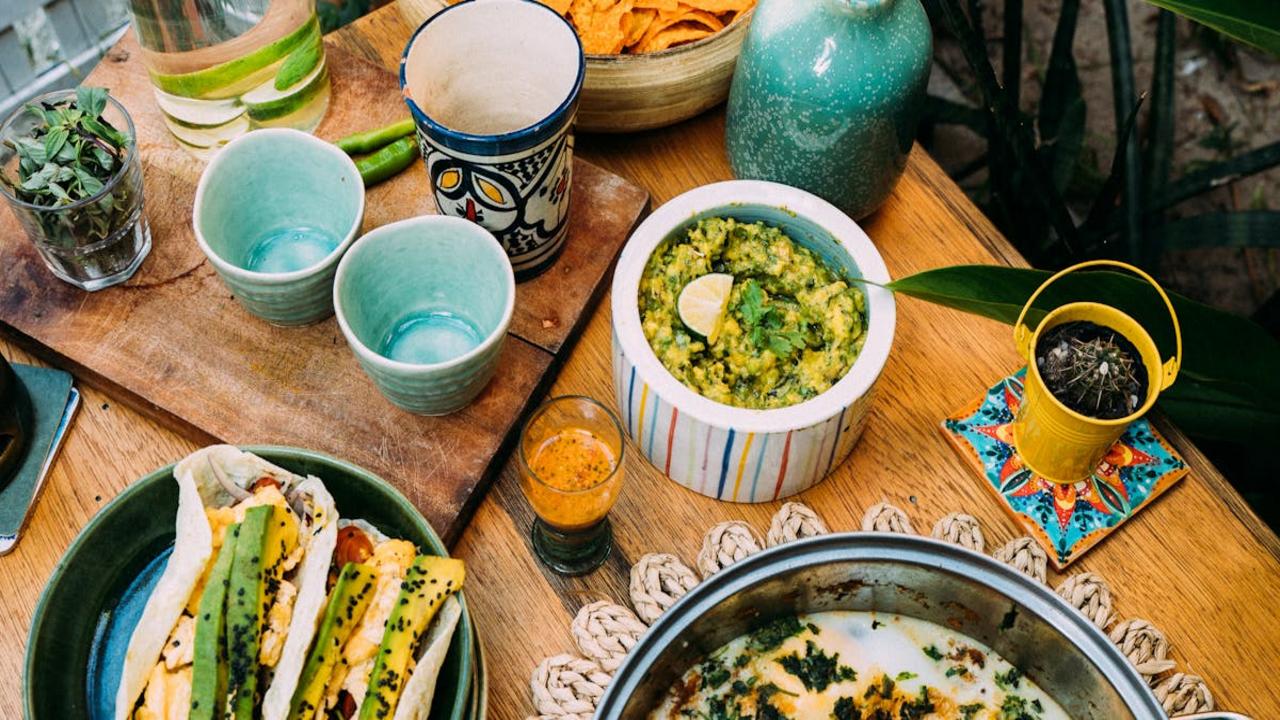
Picture this: you’re at Thanksgiving dinner, and there it sits on the table like a beige crown jewel of American ingenuity – the green bean casserole. This magnificent creation didn’t spring from some grandmother’s secret recipe passed down through generations. Nope! It was born in 1955 in the test kitchens of Campbell Soup Company, crafted by food scientist Dorcas Reilly. She mixed together green beans, cream of mushroom soup, and those glorious French fried onions, creating what would become the most requested recipe in Campbell’s history. The dish was originally called “Green Bean Bake,” but let’s be honest – “casserole” just sounds more sophisticated, doesn’t it?
What makes this dish so brilliantly American is its democratic nature – anyone can make it, and I mean anyone. You literally dump three ingredients into a baking dish, and boom, you’re a Thanksgiving hero. The recipe has appeared on billions of Campbell’s soup cans, making it possibly the most widely distributed recipe in American history. During peak holiday seasons, Americans buy enough French fried onions to circle the Earth twice if laid end to end. Sure, food snobs might turn their noses up at this humble casserole, but they’re missing the point entirely. This isn’t just food – it’s edible nostalgia that connects millions of families across the country every November, one crispy onion at a time.
Nachos
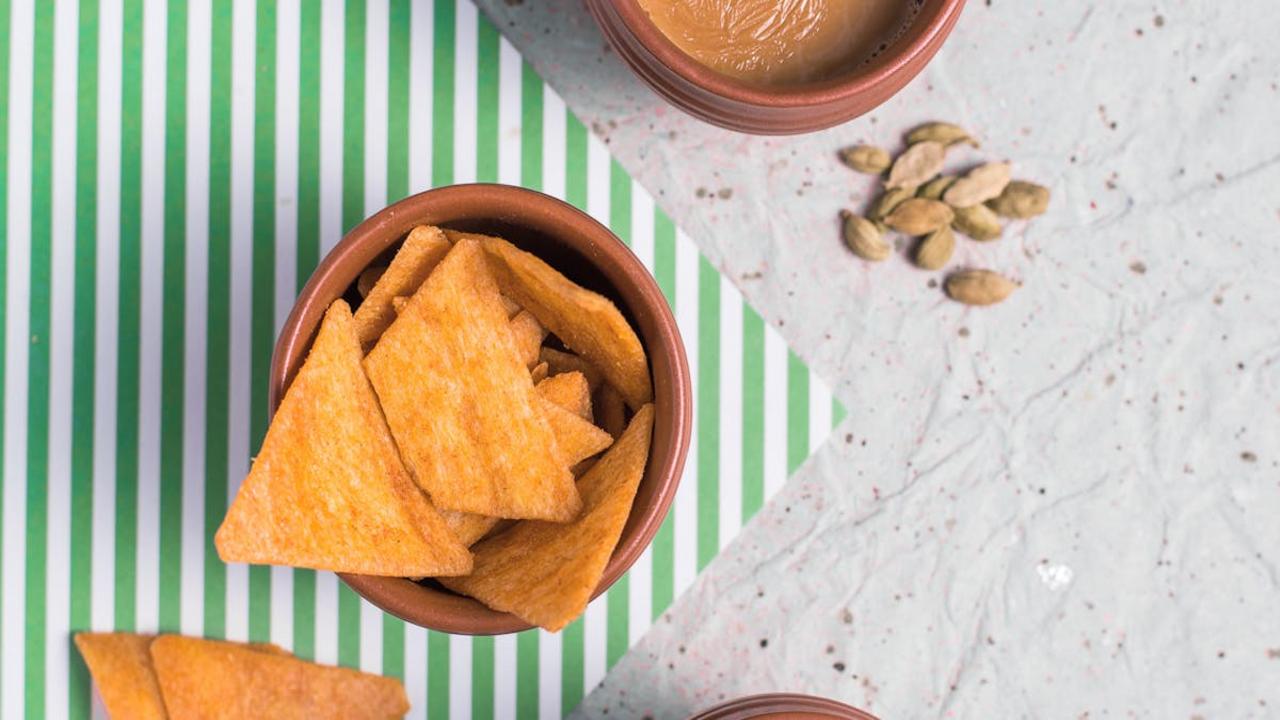
Picture this: it’s 1943, and Ignacio “Nacho” Anaya is working at a restaurant called the Victory Club in Piedras Negras, Mexico, just across the border from Eagle Pass, Texas. A group of military wives from the nearby U.S. base shows up after closing time, and instead of turning them away, our hero Nacho gets creative with whatever he can find in the kitchen. He grabs some tortilla chips, melts Wisconsin cheese over them, adds jalapeño slices, and creates what would become one of America’s most beloved snacks. The ladies loved it so much they named the dish after him, and soon every Texan worth their salt was crossing the border for “Nacho’s especiales.”
Here’s where things get deliciously American: those military wives brought the recipe back across the Rio Grande, and nachos quickly spread through Texas like wildfire at a barbecue pit. By the 1970s, Arlington Stadium started serving them at Texas Rangers games, and suddenly nachos became as American as apple pie and stadium hot dogs. The original recipe was beautifully simple – just chips, cheese, and jalapeños – but we Americans couldn’t leave well enough alone. Now you can find nachos topped with everything from pulled pork to lobster, because if there’s one thing we excel at, it’s taking a perfectly good idea and making it bigger, bolder, and more outrageous than anyone ever imagined possible.
Apple Pie
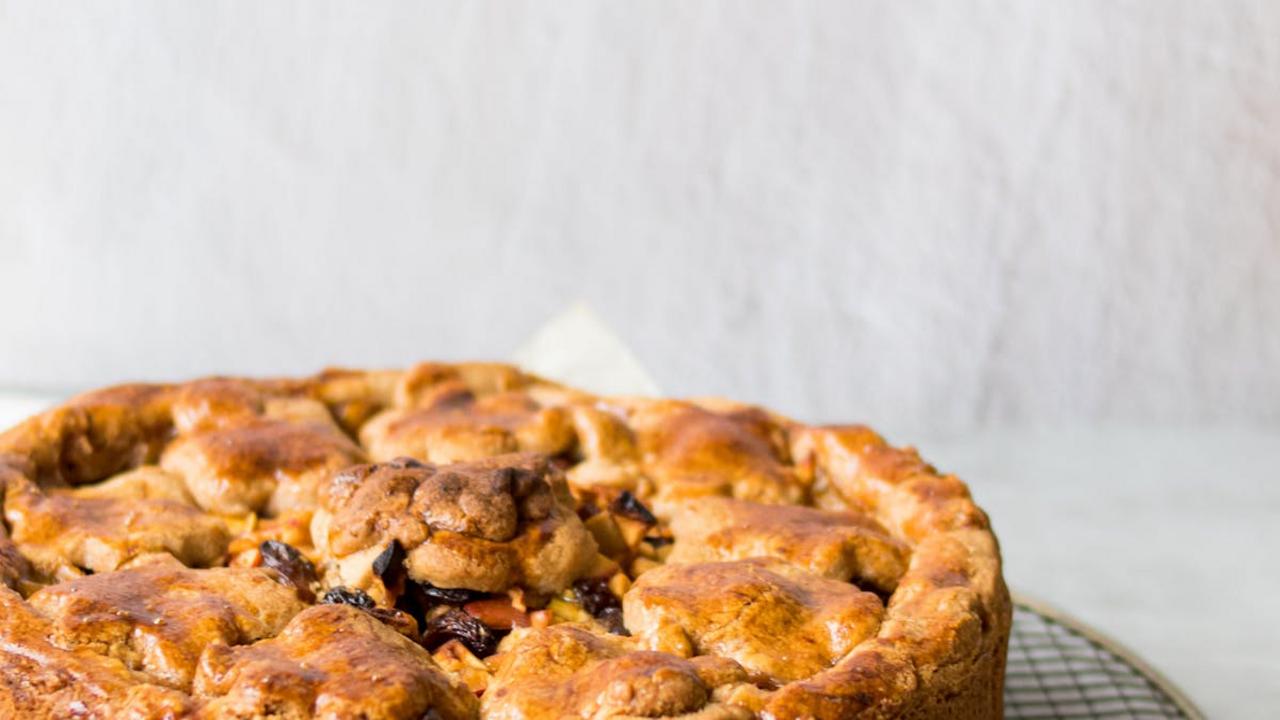
Wait, hold up—before you start waving that little American flag and humming “God Bless America,” let me blow your mind: apple pie isn’t actually American! I know, I know, it’s like finding out Santa Claus uses GPS instead of reindeer. The first apple pie recipes appeared in medieval England around 1381, and colonists brought their pie-making skills across the Atlantic. But here’s where it gets interesting—America took this humble English dessert and made it absolutely, undeniably ours through sheer force of patriotic will and really good marketing.
What happened next is pure American magic: we turned apple pie into our national dessert superhero. While the English were being all proper with their meat pies, Americans went wild with apples, creating countless regional variations from deep-dish Chicago styles to paper-thin Vermont versions. We’ve got more apple pie recipes than a small country has laws, and each grandmother swears hers is the original. The phrase “as American as apple pie” didn’t exist until the 1920s, proving that sometimes the best way to claim something is to just keep saying it’s yours until everyone believes it. Now excuse me while I go defend my apple pie’s honor with a fork.
Philly Cheesesteak
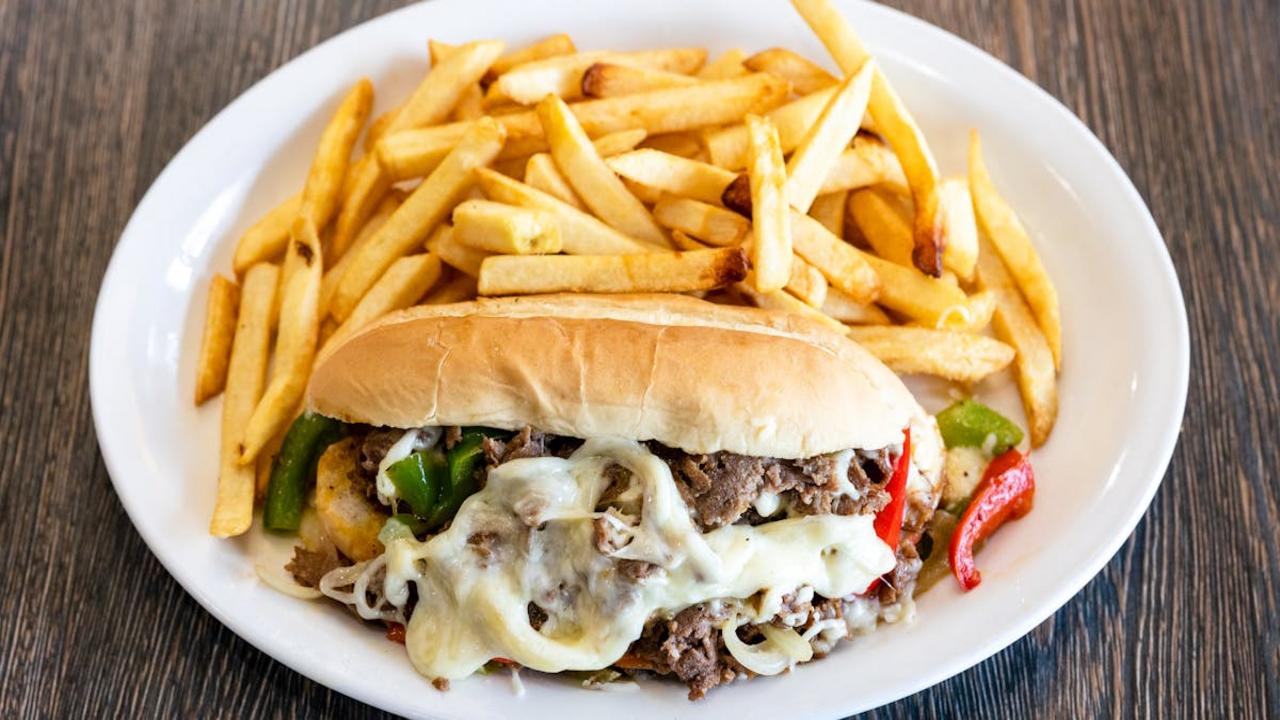
Picture this: it’s 1930, and Pat Olivieri is grilling up some beef on his South Philadelphia hot dog cart when a cab driver catches a whiff and demands whatever that heavenly smell is. Pat slaps the meat on an Italian roll, and boom—the Philly cheesesteak is born! What started as an impromptu lunch for one hungry cabbie turned into Philadelphia’s most iconic sandwich. The original didn’t even have cheese (gasp!), but Pat’s brother Harry later added provolone to the mix, creating the gooey masterpiece we know today.
Now, if you want to start a friendly riot in Philly, just mention the great cheese debate: Cheez Whiz versus provolone versus American. Die-hard locals swear by Whiz (yes, the processed stuff from a jar), while purists argue for provolone. The real magic happens when thin-sliced ribeye meets a scorching hot griddle, creating those crispy, caramelized edges that make your mouth water. Don’t even think about asking for peppers and onions everywhere—that’s “wit” in Philly speak. And here’s a pro tip: never, ever call it a “Philly cheesesteak” when you’re actually in Philadelphia. Just say “cheesesteak”—the locals will know you’re not a tourist!
Chocolate Chip Cookies
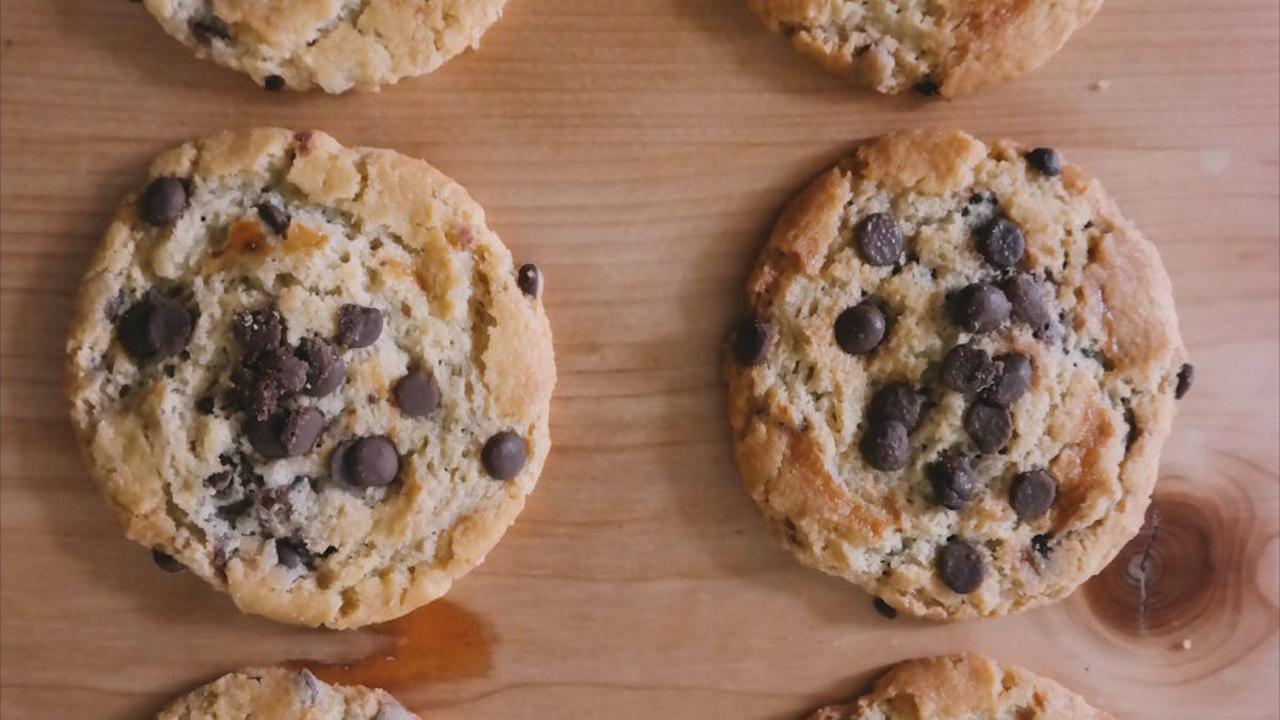
Picture this: you’re Ruth Wakefield in 1938, running the Toll House Inn in Massachusetts, and you’re making chocolate cookies for your guests. But wait—you’re out of baker’s chocolate! So you grab a semi-sweet chocolate bar, chop it up, and toss those chunks into your cookie dough, thinking they’ll melt and spread evenly. Plot twist: they don’t! Instead, you accidentally create what would become America’s most beloved cookie. Ruth probably had no idea she’d just invented something that would inspire countless midnight kitchen raids and become the gold standard for “homemade with love.”
What makes this story even better? Nestlé bought Ruth’s recipe and gave her a lifetime supply of chocolate in return. Talk about the sweetest deal ever! These cookies became so popular that chocolate chip cookie dough ice cream exists purely because we couldn’t resist eating the raw batter. You can spot a real chocolate chip cookie lover by their technique—they’ll eat around the chips first, saving them for last, or devour the whole thing in strategic bites to get the perfect chocolate-to-cookie ratio in every mouthful. Ruth’s happy accident proves that sometimes the best discoveries happen when your pantry doesn’t cooperate with your original plan!
Ranch Dressing
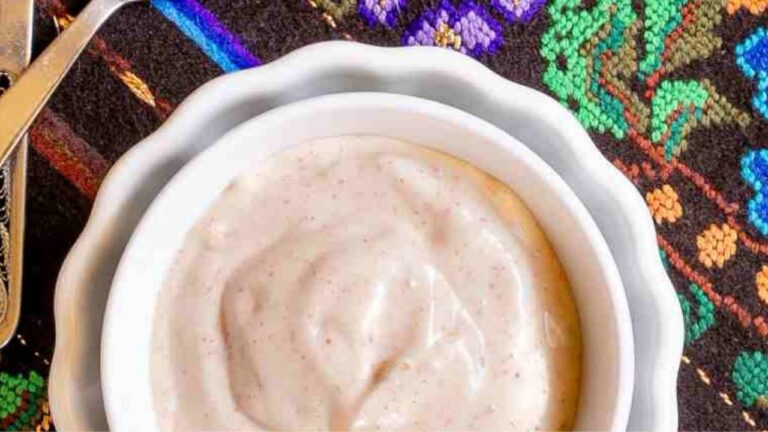
Picture this: you’re at Hidden Valley Ranch in Santa Barbara, California, circa 1954, and Steve Henson just whipped up something magical in his kitchen. This plumbing contractor turned dude ranch owner had no idea he was creating America’s most obsessive condiment when he mixed mayonnaise, herbs, and buttermilk into what would become the white gold we know today. Guests at his ranch went absolutely bonkers for this creamy concoction, begging him to bottle it up so they could take some home. Steve, being the smart cookie he was, started selling packets of his dry seasoning mix, and before you knew it, ranch fever had spread faster than gossip at a church potluck.
Here’s what’ll blow your mind: Americans consume more ranch dressing than ketchup, mustard, and barbecue sauce combined! We’re talking about a billion-dollar industry that started with one guy experimenting in his ranch kitchen. You can thank Steve for every pizza slice you’ve dunked, every carrot stick you’ve made tolerable, and every salad you’ve actually finished. The original recipe called for mayonnaise, sour cream, buttermilk, garlic powder, onion powder, dried herbs, and a splash of magic that made everything taste better. Today, ranch has become so quintessentially American that asking for it abroad might get you some puzzled looks, but hey, that just means more for us!
Buffalo Wings
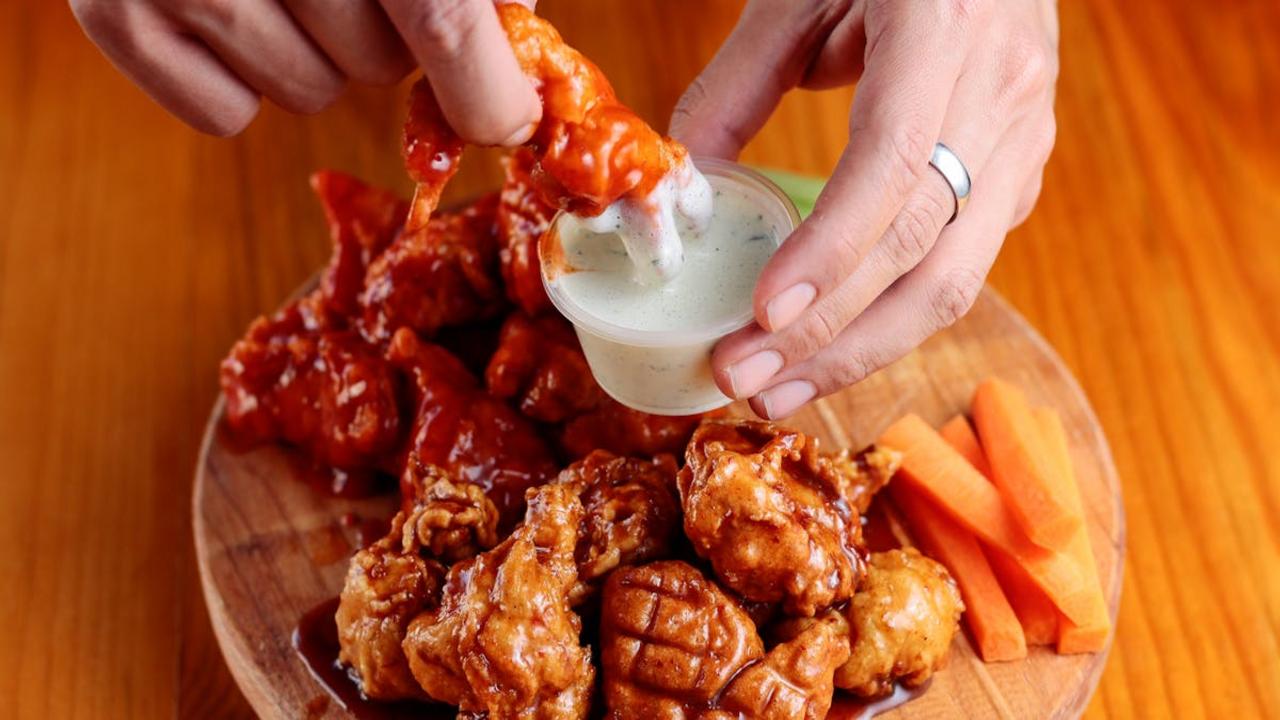
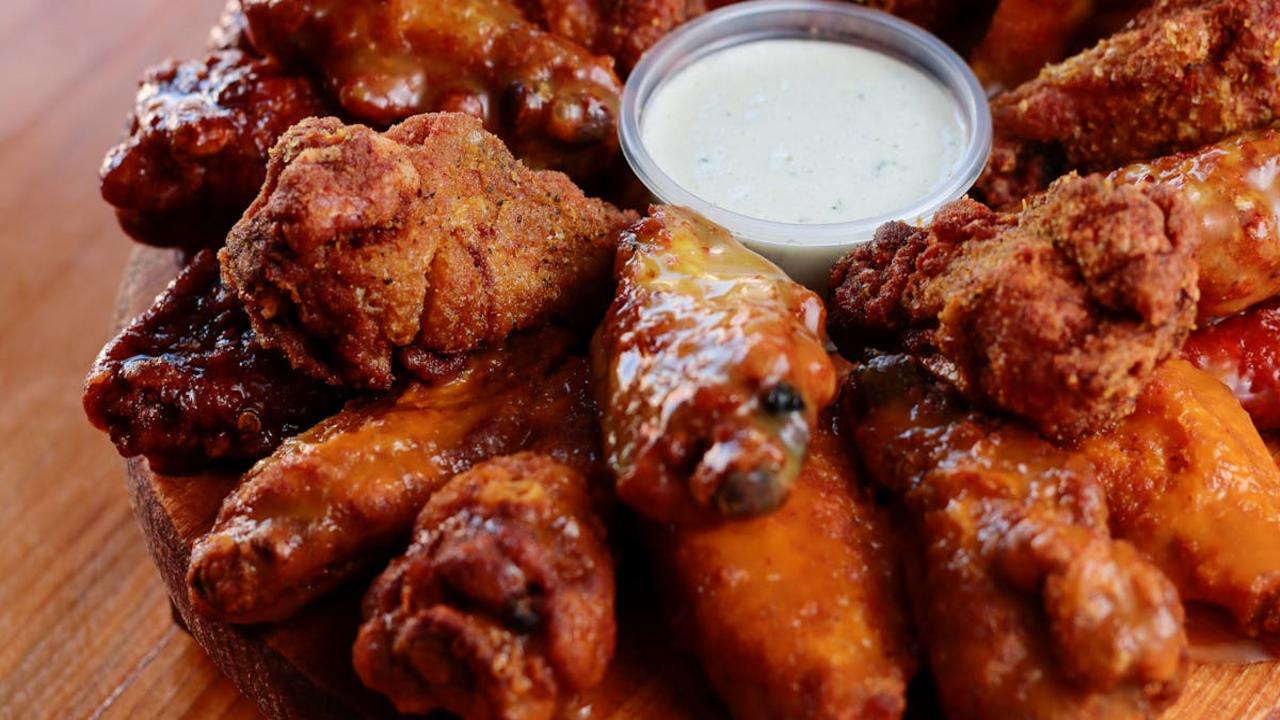
Picture this: it’s 1964 in Buffalo, New York, and Teressa Bellissimo is staring at her nearly empty kitchen at the Anchor Bar. Her son Dominic just called—he’s bringing friends over, and they’re hungry. What does she do? She grabs some chicken wings (which back then were mostly used for soup stock), tosses them in hot sauce mixed with butter, and serves them with celery sticks and blue cheese dressing. Why celery and blue cheese? Because that’s what she had in the fridge! Sometimes the most iconic foods are born from pure desperation and a mother’s determination to feed hungry college kids.
Now here’s where it gets interesting—before Teressa’s midnight snack invention, chicken wings were practically worthless. Butchers would sell them for pennies or give them away free with whole chicken purchases. Fast forward to today, and Americans consume over 1.4 billion wings during Super Bowl weekend alone! The original recipe was simple: Frank’s RedHot sauce mixed with butter, but now you can find wings drowning in everything from honey garlic to ghost pepper madness. Pro tip from someone who’s eaten wings in all 50 states: the best ones still stick close to that original Buffalo formula, and you absolutely must eat them with your hands—forks are for quitters and people who don’t understand wing culture.
Fortune Cookies
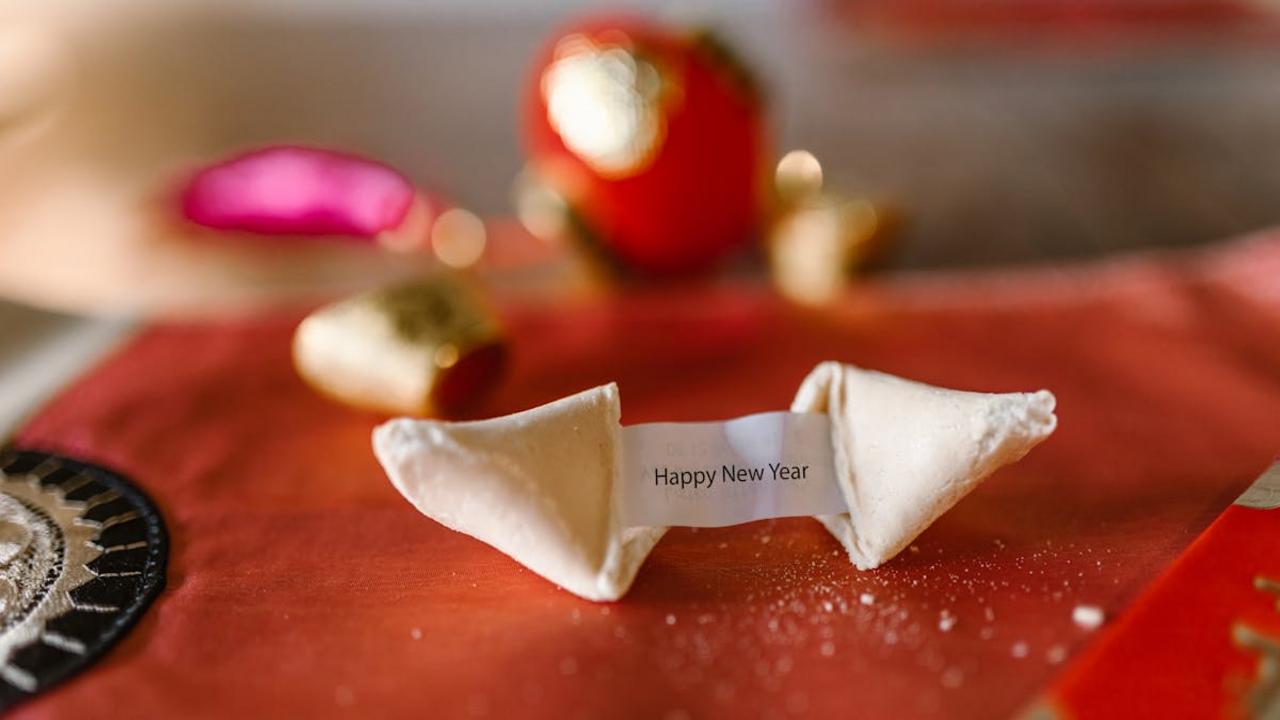
Plot twist! Those crispy golden crescents hiding mysterious messages at your favorite Chinese restaurant? They’re about as American as apple pie and baseball. Fortune cookies actually started right here in the good ol’ USA, probably somewhere in California during the early 1900s. The exact origin story gets muddier than a chocolate fountain at a kids’ party, with both Japanese and Chinese immigrants claiming bragging rights. Some food historians point to Makoto Hagiwara at San Francisco’s Japanese Tea Garden, while others credit David Jung’s Hong Kong Noodle Company in Los Angeles. Either way, these prophetic treats sprouted from American soil, not ancient Chinese wisdom.
Here’s the kicker that’ll blow your mind: walk into any restaurant in China and ask for fortune cookies, and you’ll get blank stares. They literally don’t exist there! These crunchy conversation starters became so synonymous with American Chinese food that we just assumed they traveled over with immigrants. The truth is, fortune cookies represent the beautiful melting pot that American cuisine truly is – taking inspiration from various cultures and creating something entirely new. Next time you crack one open and read “You will find happiness in small things,” remember you’re participating in a uniquely American tradition that’s been fooling people for over a century.
Chop Suey
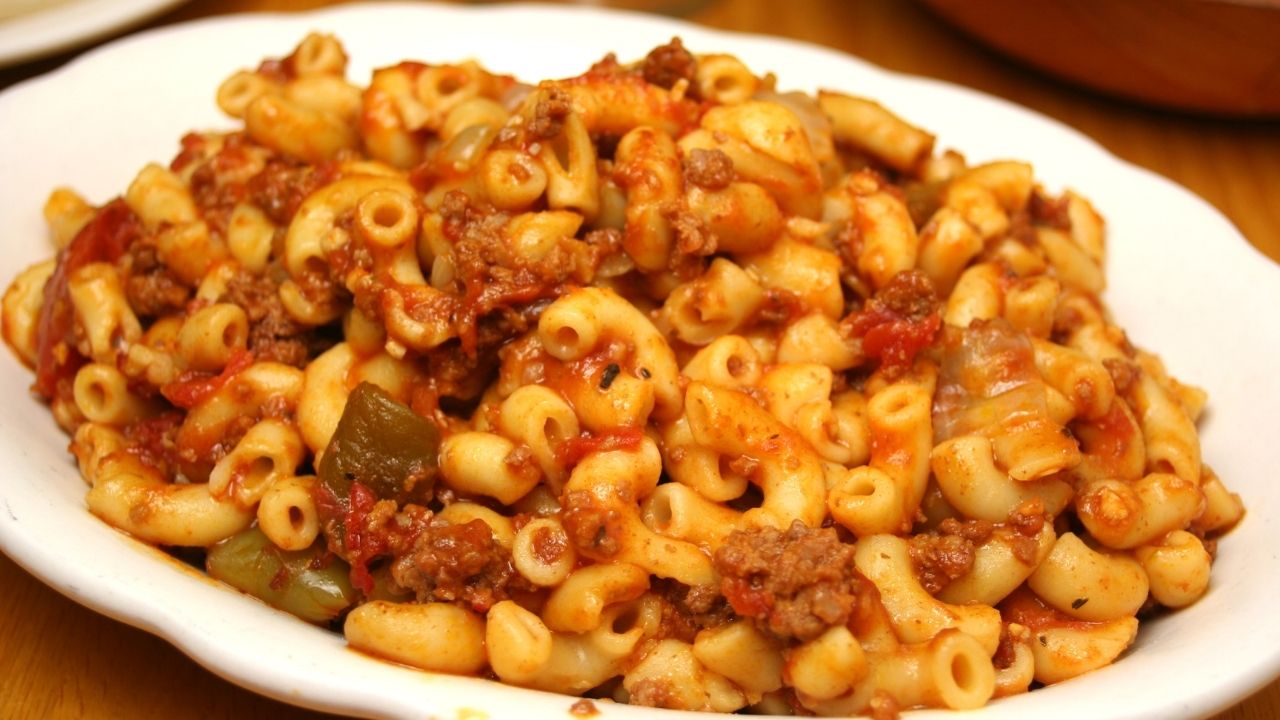
Picture this: you’re craving Chinese food, so you waltz into your local takeout joint and order chop suey, thinking you’re getting an authentic slice of ancient Chinese cuisine. Plot twist! You’re actually eating one of America’s most successful food pranks. This jumbled mix of vegetables, meat, and bean sprouts swimming in a glossy sauce wasn’t born in the bustling streets of Beijing or Shanghai – it was created right here in the good ol’ US of A, probably by Chinese immigrants who looked at American ingredients and said, “Well, let’s make this work somehow.”
The most popular origin story goes something like this: back in the 1850s, a Chinese cook in California found himself with a bunch of hungry miners and a nearly empty pantry. Instead of admitting defeat, this culinary MacGyver tossed together whatever scraps he had lying around – leftover meat, wilted vegetables, and some soy sauce – and called it “chop suey,” which literally translates to “mixed bits” or “odds and ends.” Those miners gobbled it up faster than you could say “gold rush,” and before you knew it, chop suey was spreading across America like wildfire. The dish became so popular that by the early 1900s, there were more chop suey restaurants in New York City than there were actual Chinese people! Talk about American ingenuity meeting immigrant resourcefulness.
General Tso Chicken
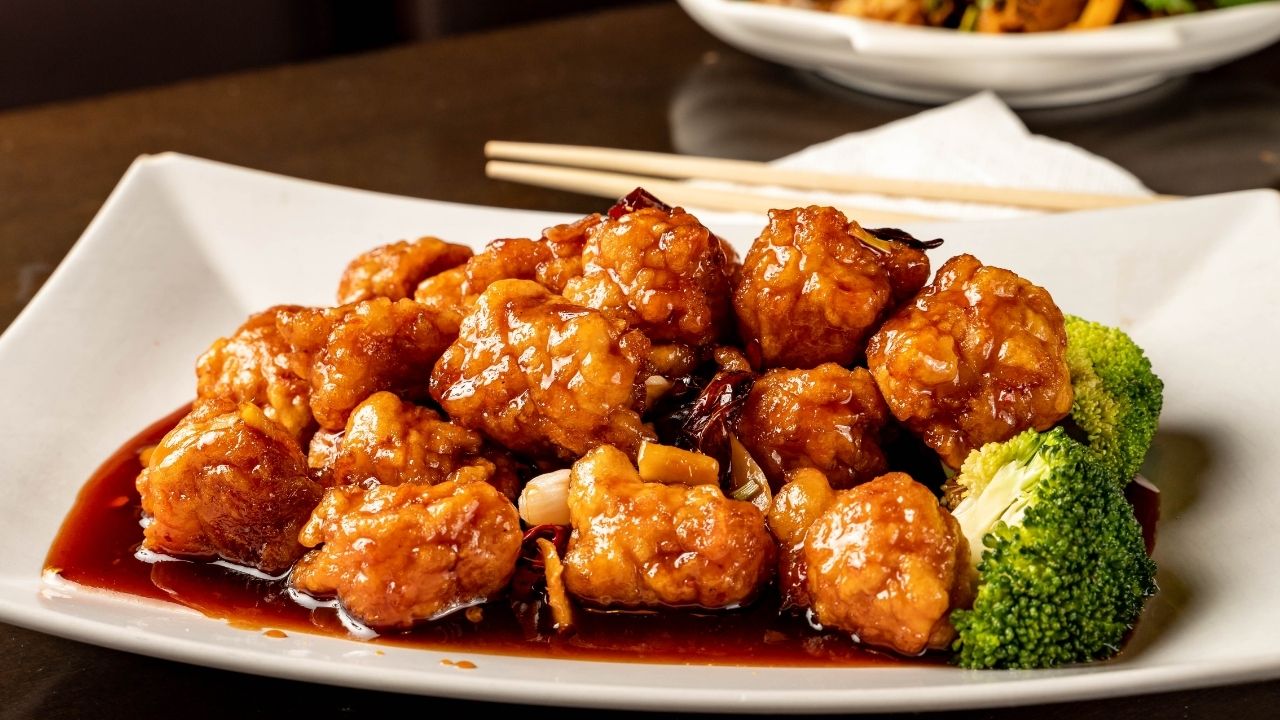
Picture this: you’re at your favorite Chinese restaurant, scanning the menu for something familiar yet exciting, when your eyes land on General Tso’s Chicken. That glossy, sweet-and-sour masterpiece practically screams comfort food, doesn’t it? Here’s the plot twist that’ll make you choke on your fortune cookie – this “authentic” Chinese dish was actually born right here in America! Chef Peng Chang-kuei created this crispy, saucy sensation in the 1970s at his restaurant in New York City, naming it after a 19th-century Chinese military leader who probably never saw a piece of battered chicken in his entire life.
The real kicker? When Chef Peng tried to serve his creation back in Taiwan, locals turned their noses up at it – too sweet, they said! Meanwhile, Americans couldn’t get enough of those sticky, caramelized chunks of chicken that somehow managed to be simultaneously crunchy and tender. Today, you’ll find this dish in practically every Chinese-American restaurant across the country, each kitchen adding their own spin to the sweet, tangy sauce that coats every morsel. It’s become so iconic that most people assume it’s been around for centuries, but nope – General Tso’s Chicken is younger than your parents’ wedding photos!