She Finished Her Starter. Then the Waiter Left Her Holding the Dirty Fork.
There are certain comforts we come to rely on as we get older, small certainties in a world that seems to be spinning faster every day. The pleasure of a well-set table, the simple, unspoken rules of good manners—these are the things that ground us, that make us feel the world is still an orderly, respectable place.
But what happens when those simple rules are broken, leaving you feeling like a stranger in a familiar setting? It’s a small hurt, perhaps, but it can feel like a crack in the very foundation of what we thought we knew, a quiet reminder that the standards we hold dear are fading away.

The Incident
One of our dear readers, a woman enjoying a lovely coach trip through Brittany, recently found herself in one of these bewildering moments. Her holiday was, by all accounts, delightful. She was staying in a pleasant hotel with large, airy rooms and good standards of cleanliness. It was all perfectly civilized, until dinner.
After her first course was cleared away, she was left holding her used knife and fork, with the expectation that she would keep them for her main meal.
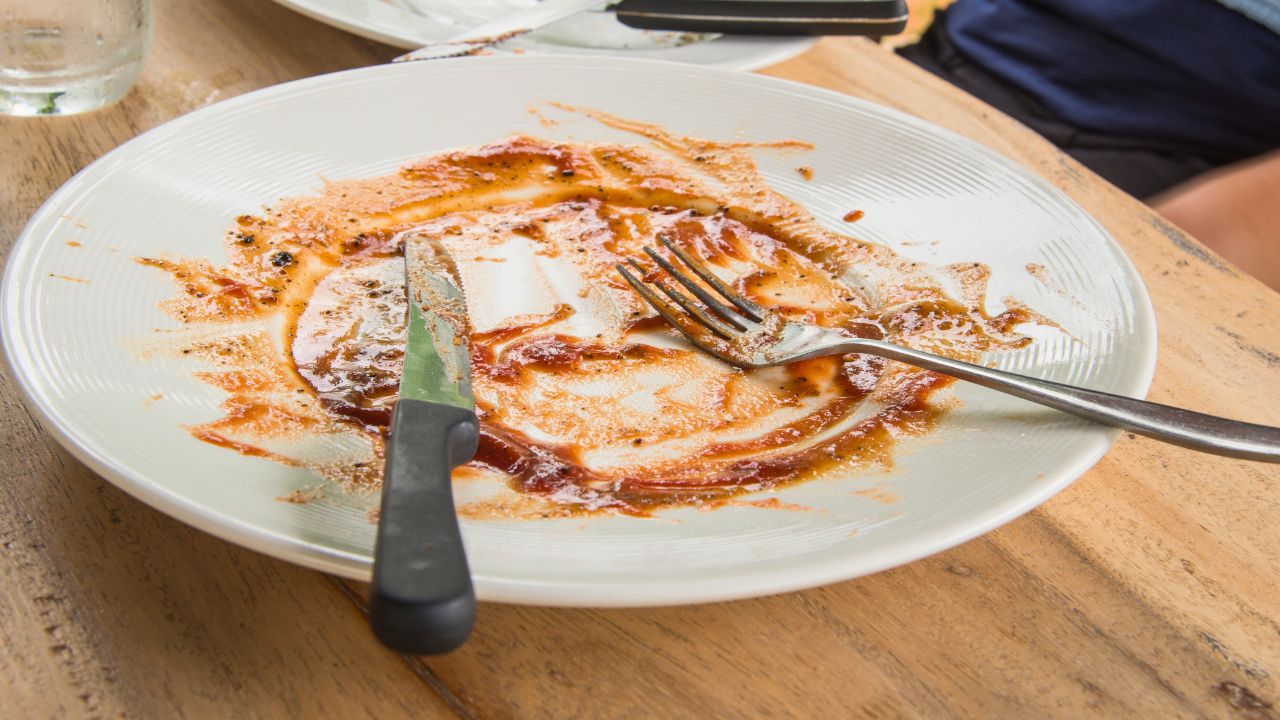
She was, in her own words, simply “surprised.” It’s a feeling many of us know well. That quiet confusion when faced with a situation for which the rules of a lifetime have not prepared you. As she described it, “There’s no where to put it other than back on the table, either on the cloth which it dirties or the table itself which doesn’t seem that hygienic.”
It’s not a grand tragedy, of course. She rightly noted, “It’s not a big deal.” But it is the small things, isn’t it? The little breaches of decorum that leave us feeling unsettled and out of step. It’s the quiet erosion of the standards we were raised to uphold, happening right before our eyes, leaving us holding our dirty forks and wondering where to put them down.
The Community Weighs In
Her quiet question to the internet—was she being unreasonable to be surprised?—was met with a wave of understanding and shared experience. It seems she had stumbled upon a modern shift in etiquette, and the community had plenty to say.
The Sympathetic Supporters
Many readers immediately validated her feelings, expressing their own distaste for this new custom. Their comments were a comforting balm, a reminder that she was not alone in her thinking. One woman put it simply: “Strange not very practical I wouldn’t like that.”

Another, who had encountered the same thing at a Harvester here in our own country, was firm in her assessment: “I do not like it.” Sometimes, just knowing that others share your standards is all the comfort you need.
The Worldly Wise
Then came the voices of experience, those who had traveled and seen this custom before. They didn’t scold, but gently explained that this was, in fact, quite normal in many places. “Normal in Françe,” one wrote, while another confirmed, “Certainly it’s fairly routine in France and Italy.”
This practice, it turns out, has been “ever thus” for some and is now becoming common in Greece and even the US. It was a gentle lesson that while our ways may feel universal, the world often operates by a different set of rules.
The Practical Problem-Solvers

Finally, a group emerged with gentle, practical advice, offering ways to navigate the situation with grace. One wise woman suggested, “Now you are prepared, you can wipe the cutlery on the side of the plate, or a piece of bread before the next course if you like.”
Another noted that in France, bread is the key, used to clean both the plate and the cutlery for the next course. These weren’t just tips; they were small acts of kindness, offering a way to adapt without sacrificing one’s dignity.
The Family Verdict
In the end, this small story about a knife and fork is about something much larger. It’s about navigating a world where the rules are quietly changing around us. It can be jarring and even a little heartbreaking to see the traditions we value being set aside, whether it’s at a dinner table in France or in our interactions with the younger generation.
The lesson here is one of grace—the grace to be surprised without being angry, and the grace to adapt when we must, perhaps with a helpful piece of bread.
What Do You Think?
When have you been caught off guard by a change in customs or manners that left you feeling a little lost? How do we hold onto our own standards while navigating a world that seems to have forgotten them?
Ready for the next level of insight? Discover more in my latest article here.