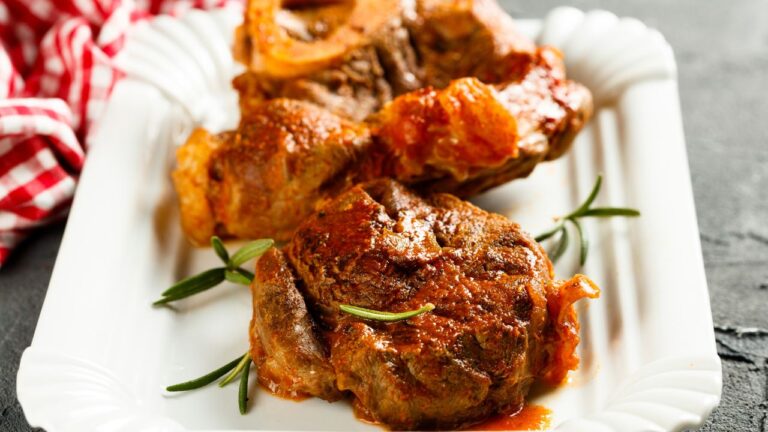
15 Staple Foods That Powered Life in the World’s Most Remote Places
Ever wondered what keeps people alive in Earth’s most isolated corners? While we dash to grocery stores for our meals, folks in remote regions rely on what nature provides. From frozen Arctic shores to scorching deserts, humans have found ingenious ways to nourish themselves with locally available foods.
These 15 staple foods tell stories of human adaptability and resourcefulness. Imagine chewing on dried fish in a Siberian winter or savoring wild honey in a mountain cave. These aren’t exotic vacation treats—they’re daily survival for communities who transformed their harsh surroundings into sustainable food systems.
What’s fascinating isn’t just what these isolated communities eat, but how they prepare it. Preservation techniques passed down through generations have turned potentially deadly plants into life-sustaining meals and extended the shelf life of precious proteins through brutal seasons. These foods don’t just fill stomachs—they shape entire cultures.
Acorns
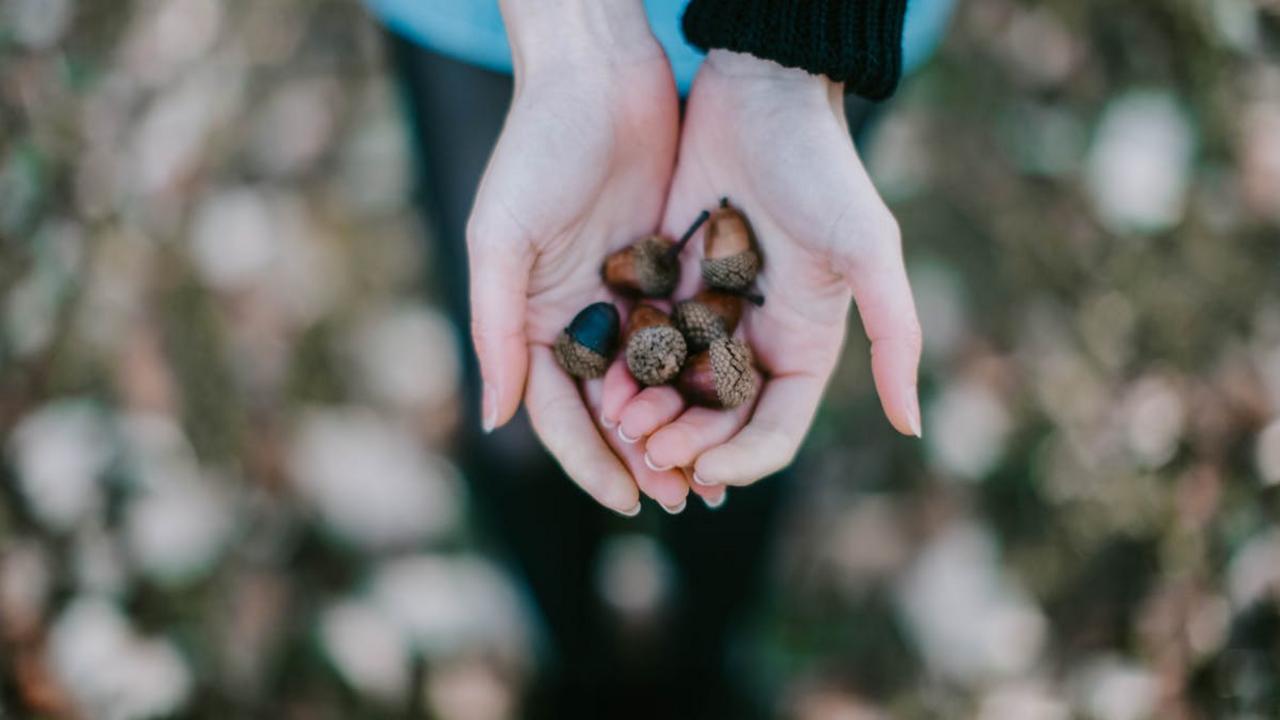
Picture this: you’re wandering through an ancient oak forest, and suddenly you realize you’re surrounded by what Native American tribes called “nature’s grocery store.” Those little nuts dropping from overhead? Pure gold! For centuries, acorns sustained entire communities from California to Korea, turning what most people consider squirrel food into hearty bread, nutritious porridge, and even coffee substitutes. The Yokuts tribe of California built their entire seasonal calendar around acorn harvests, gathering tons of these nuts each fall and storing them in massive granaries that could feed families through winter.
Now here’s where it gets interesting – acorns are naturally bitter thanks to tannins (the same compounds that make your mouth pucker when you drink strong tea), but indigenous peoples figured out how to leach these out using ingenious methods. They’d grind the nuts into flour, then rinse it repeatedly through woven baskets until the water ran clear. What remained was a sweet, nutty flour packed with protein and healthy fats. Modern foragers still use this technique today, though I’ll warn you – it’s a labor-intensive process that’ll make you appreciate your local grocery store! Try mixing acorn flour with regular wheat flour for pancakes that have an earthy, almost chocolatey flavor that’ll surprise you.
Fermented Milk

Picture this: you’re stuck in the middle of nowhere with nothing but a goat, some yak milk, and time on your hands. What do you do? If you’re living in Mongolia, Tibet, or the Arctic tundra, you turn that fresh milk into liquid gold through fermentation! Nomadic peoples discovered centuries ago that letting milk sit around and get funky wasn’t just acceptable—it was brilliant survival strategy. The process transforms ordinary milk into tangy, probiotic-rich beverages like kumis (fermented mare’s milk that’ll knock your socks off), kefir, or the Tibetan classic chhurpi. These drinks pack serious nutritional punch while lasting way longer than their fresh counterparts, which is pretty handy when your nearest grocery store is about 500 miles away.
The beauty of fermented milk lies in its rebellious nature—it refuses to spoil in the traditional sense, instead becoming something entirely new and wonderful. Mongolian herders still swear by airag, their fermented mare’s milk that’s slightly alcoholic and tastes like a cross between champagne and buttermilk (trust me, it’s way better than it sounds). Meanwhile, in Scandinavia, they’ve been chugging fermented milk products for so long that their digestive systems practically demand the stuff. The fermentation process breaks down lactose, making these drinks digestible for people who’d normally run screaming from a glass of regular milk. Plus, the beneficial bacteria work overtime to keep your gut happy, which is basically like having a tiny cheerleading squad living in your stomach.
Wild Honey
Picture this: you’re trekking through the remotest corners of Madagascar, the Himalayas, or the Australian Outback, and your stomach starts growling louder than a cranky bear. What do you do? Well, if you’re clever like our ancestors, you follow the buzz! Wild honey has been nature’s candy bar for millennia, and honey hunters in places like Nepal still risk their necks dangling from cliffs hundreds of feet high to snag those golden combs. The Gurung people have been doing this death-defying dance with giant Himalayan bees for over a thousand years, and honestly, watching them work makes free solo climbing look like child’s play.
But here’s where wild honey gets really fascinating – it’s not your average supermarket squeeze bear variety. This stuff packs more punch than a caffeinated prizefighter! Wild honey contains enzymes, pollen, and compounds you won’t find anywhere else, plus it never spoils (seriously, archaeologists have found 3,000-year-old honey that’s still perfectly edible). In remote communities, honey serves as medicine, preservative, and energy source all rolled into one sticky package. The Hadza people of Tanzania still hunt for honey using traditional methods, following honeyguide birds that literally lead them to bee colonies in exchange for a share of the spoils. Try getting that kind of cooperation from your GPS!
Cactus Fruit
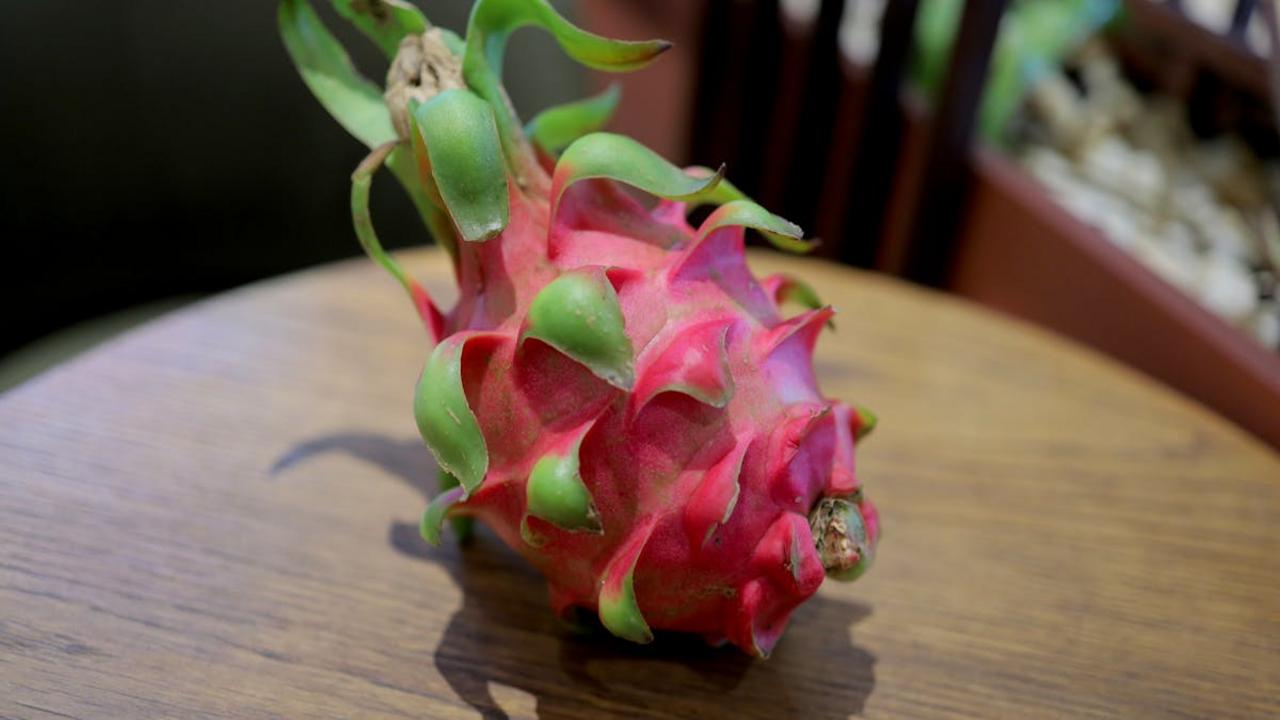
Picture this: you’re wandering through the Sonoran Desert, the sun beating down mercilessly, and your water bottle ran dry about three miles back. Suddenly, you spot a prickly pear cactus loaded with bright magenta fruits that look like tiny alien eggs. Those spiky little gems? They’re your ticket to survival! Desert dwellers from Mexico to Arizona have been munching on these colorful orbs for thousands of years, and honestly, they knew what they were doing. The Tohono O’odham people called them “bahidaj,” and they’d gather them with special wooden tongs (because nobody wants to play pincushion with their breakfast). These fruits pack more vitamin C than oranges and contain enough water to keep you going when the nearest 7-Eleven is about 200 miles away.
Now, here’s where things get interesting – and slightly terrifying for the uninitiated. Those innocent-looking fruits are covered in tiny, nearly invisible spines called glochids that will turn your fingers into porcupine impersonators faster than you can say “ouch.” Smart desert folks learned to roll the fruits in sand or burn off the spines over an open fire before chowing down. The flesh inside tastes like a cross between watermelon and bubble gum, with seeds that crunch like tiny pebbles between your teeth. You can eat them fresh, dry them into fruit leather, or ferment them into a mildly alcoholic drink that probably made those long desert nights a lot more bearable. Modern health nuts have caught on too – these fruits are loaded with antioxidants and fiber, proving that sometimes the best superfoods come with their own built-in security system!
Dried Seaweed
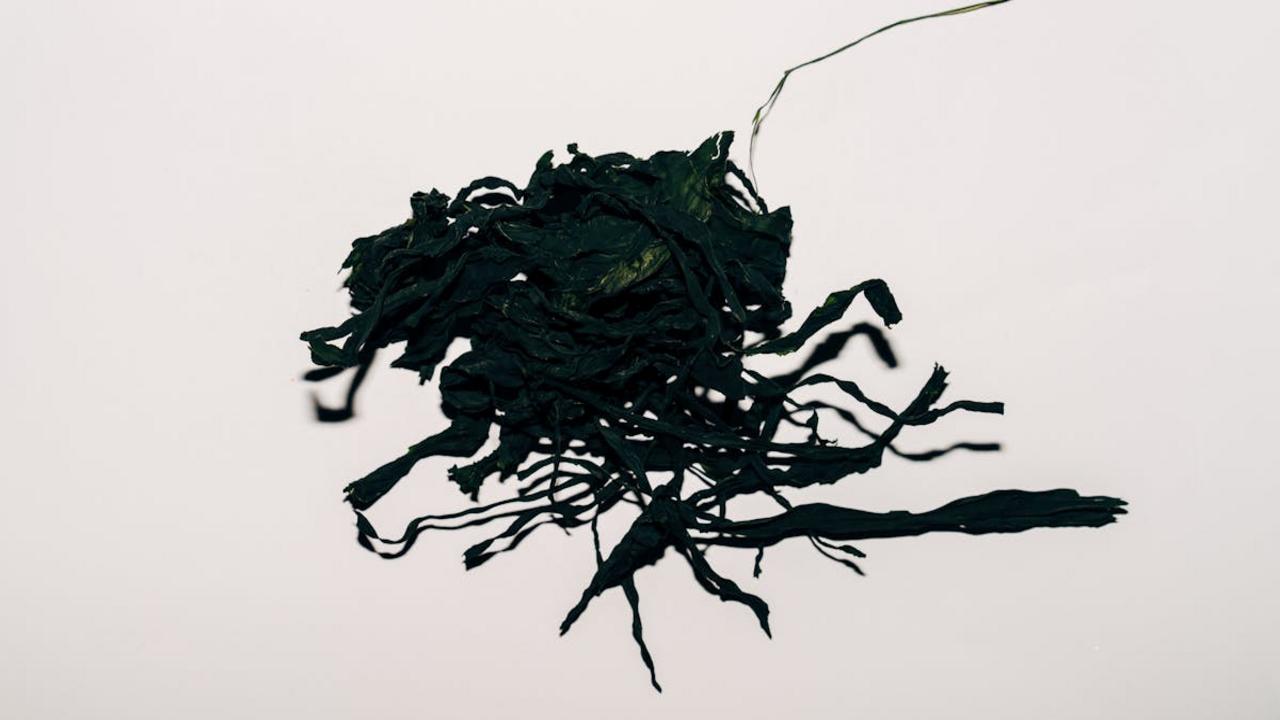
Picture this: you’re stuck on a windswept island where the nearest grocery store is about 500 miles away, and your stomach is growling louder than the crashing waves. What’s your move? If you’re smart (and desperate enough), you’ll do what coastal communities have done for thousands of years – head to the shore and harvest some slimy green gold! Dried seaweed might look like something your cat dragged in from the ocean, but this wrinkled, paper-thin superfood has kept entire civilizations alive when land crops failed them. From the rocky coasts of Scotland to remote Japanese fishing villages, people discovered that this oceanic vegetable packs more nutrition per square inch than most terrestrial plants dare to dream about.
The beauty of dried seaweed lies in its incredible shelf life – we’re talking years, not days – making it the ultimate backup plan for anyone living where fresh produce is as rare as a unicorn sighting. Korean grandmothers have been adding dried miyeok to birthday soups for centuries (because apparently, seaweed soup on your birthday brings good luck and strong bones), while Irish families survived famines by munching on dulse, which tastes surprisingly bacon-like when you pan-fry it. The iodine content alone could power a small thyroid factory, plus you get calcium, iron, and enough vitamins to make a multivitamin tablet weep with envy. Pro tip: if you ever find yourself stranded on a deserted island, remember that most seaweeds are edible – just rinse off the salt, dry them in the sun, and boom! You’ve got yourself a crunchy, mineral-rich snack that’s probably healthier than whatever you were eating before your impromptu island vacation.
Tree Bark Flour
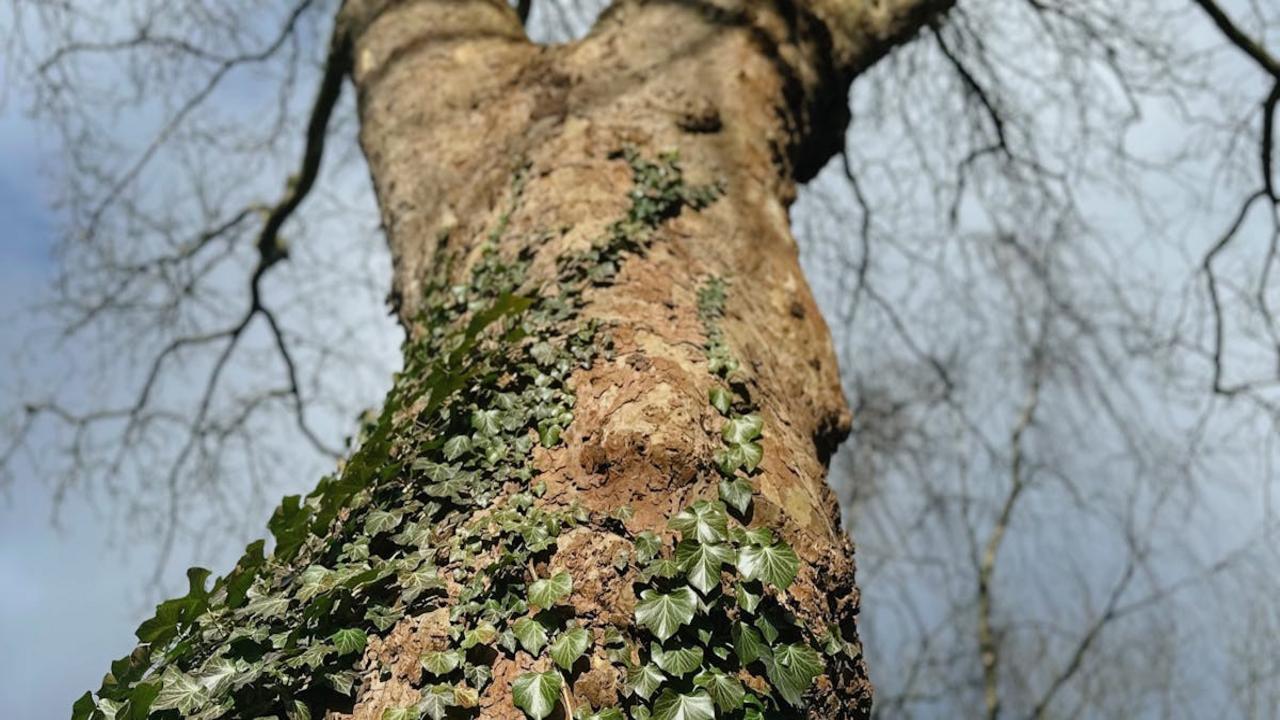
You know what they say about desperate times calling for desperate measures, but tree bark flour isn’t just about survival—it’s actually a pretty brilliant carbohydrate source that kept entire communities fed through harsh winters! Indigenous peoples across Scandinavia, Russia, and northern Canada figured out centuries ago that the inner bark (called cambium) of pine, birch, and aspen trees could be dried, ground up, and turned into a surprisingly nutritious flour substitute. I’ve tried bread made with birch bark flour, and honestly? It has this subtle, almost vanilla-like sweetness that makes your regular wheat flour seem boring by comparison.
The process itself is kind of magical—you peel away the rough outer bark to reveal this creamy, almost cheese-like layer underneath, then dry it until it’s crispy enough to grind into powder. Smart Nordic folks would mix this bark flour with whatever grains they had (usually rye or barley) to stretch their food stores through those brutal six-month winters when nothing else would grow. Modern foragers still make bark bread today, and some fancy restaurants have even started experimenting with it because, apparently, we’ve come full circle from “tree food is weird” to “tree food is artisanal.” The fiber content is through the roof, and it’s packed with calcium and vitamin C—which probably saved a lot of people from scurvy back in the day!
Wild Berries
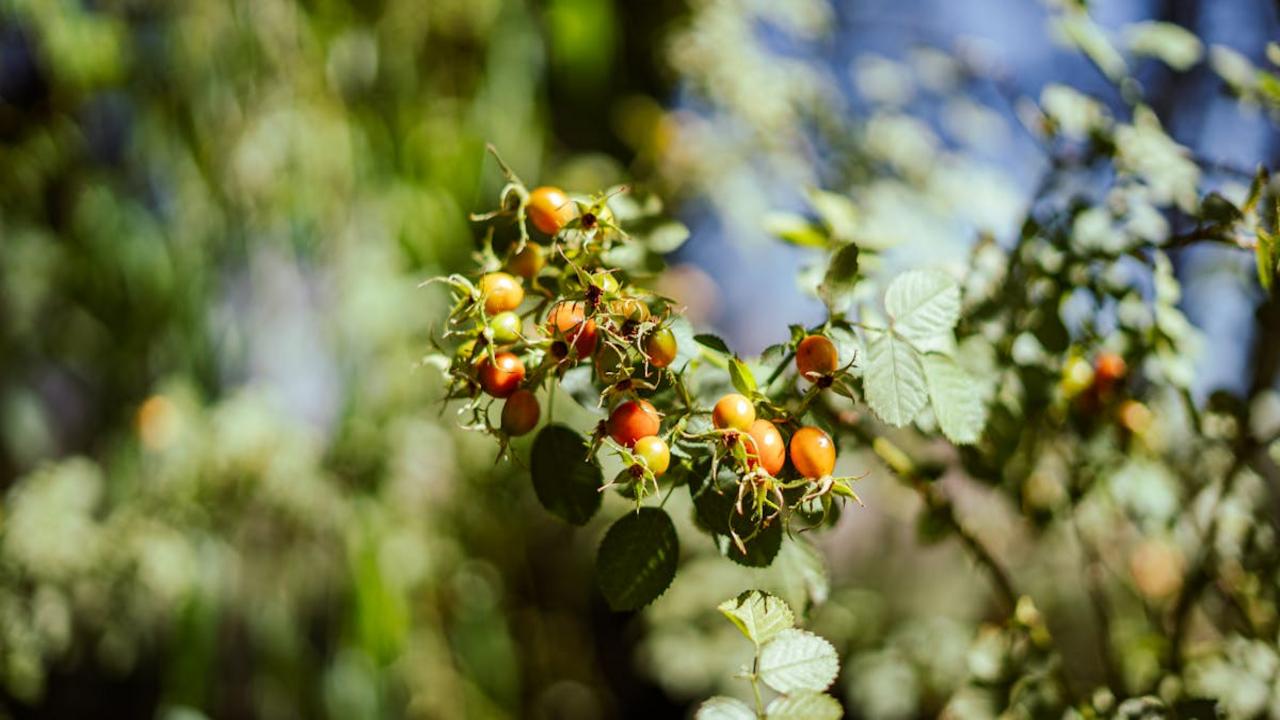
Picture yourself wandering through the Alaskan wilderness, stomach growling, when suddenly you spot tiny jewels scattered across low bushes—wild berries! These little purple, red, and blue treasures saved countless lives in remote regions where grocery stores were just a fantasy. Cloudberries, lingonberries, and blueberries became the candy store of the tundra, packed with vitamin C that prevented scurvy better than any medicine cabinet. Indigenous peoples knew exactly which berries to pick and when, turning berry-gathering into a survival science that modern foragers still try to master.
What makes wild berries absolutely brilliant is their natural preservation superpowers—many varieties naturally dry on the bush or can be mixed with fat to create pemmican that lasts for months. I once met an old trapper in northern Canada who swore his grandmother’s cloudberry jam could cure everything from homesickness to frostbite (though I suspect the homesickness cure worked better). These tiny fruits pack more antioxidants than most modern superfoods, and they grow in places so remote that helicopters struggle to reach them. Smart remote dwellers would harvest berries in late summer, storing them in cool caves or permafrost, creating nature’s own freezer system that kept communities healthy through brutal winters.
Mountain Goat Cheese

Picture this: you’re scaling rocky cliffs thousands of feet above sea level, and your biggest worry isn’t the altitude sickness—it’s whether the local mountain goats will share their milk for your next cheese-making adventure. High-altitude herders across the Himalayas, Andes, and remote mountain ranges have turned these sure-footed climbers into dairy goldmines. Mountain goat cheese isn’t your average supermarket find; it’s a dense, tangy powerhouse that packs more protein per ounce than most meats. The goats themselves are basically four-legged mountaineers, munching on alpine herbs that give their milk an earthy, almost wild flavor that’ll make you forget every bland cheese you’ve ever eaten.
What makes mountain goat cheese truly special is its incredible shelf life—these remote communities figured out centuries ago that properly aged goat cheese could last months without refrigeration, making it the perfect survival food for long mountain winters. The cheese has this amazing crystalline texture when aged, with tiny salt crystals that pop on your tongue like edible confetti. Plus, mountain goats produce milk that’s naturally higher in fat and minerals than their lowland cousins, thanks to their mineral-rich alpine diet. If you ever get your hands on authentic mountain goat cheese, try it with honey and nuts—the combination will transport you straight to those windswept peaks where survival meets surprisingly sophisticated flavor.
Cassava Root
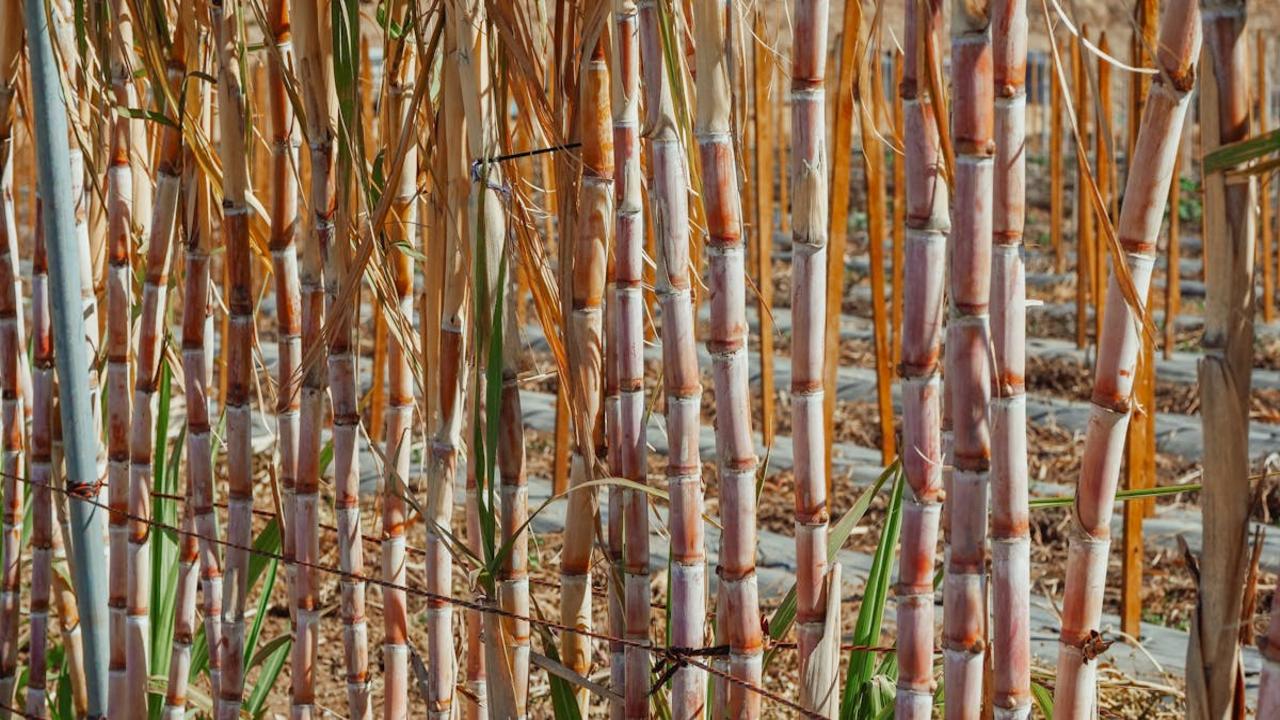
Picture this: you’re stranded in the Amazon rainforest, and your stomach starts growling louder than a howler monkey. Lucky for you, there’s probably a cassava plant within arm’s reach! This gnarly-looking root has been the MVP of tropical survival for thousands of years, feeding entire civilizations from Africa to South America. The locals call it yuca, mandioca, or tapioca root, but I like to think of it as nature’s ultimate backup plan. This starchy superhero can grow in soil so poor that even weeds would pack up and leave, making it the perfect food for places where “grocery store” is just a distant dream.
Now here’s where things get interesting – and slightly dangerous. Raw cassava contains cyanide compounds that could knock you flat, which means you can’t just bite into it like an apple (unless you enjoy playing Russian roulette with root vegetables). The smart folks who discovered this root figured out how to process it safely, turning what could be your last meal into your lifesaver. You can boil it, fry it, or grind it into flour for bread. In fact, that chewy tapioca in your bubble tea? Yep, that’s cassava too! One root feeds you three ways – now that’s what I call getting your money’s worth from a tuber that grows like a weed and stores underground for up to three years.
Palm Hearts
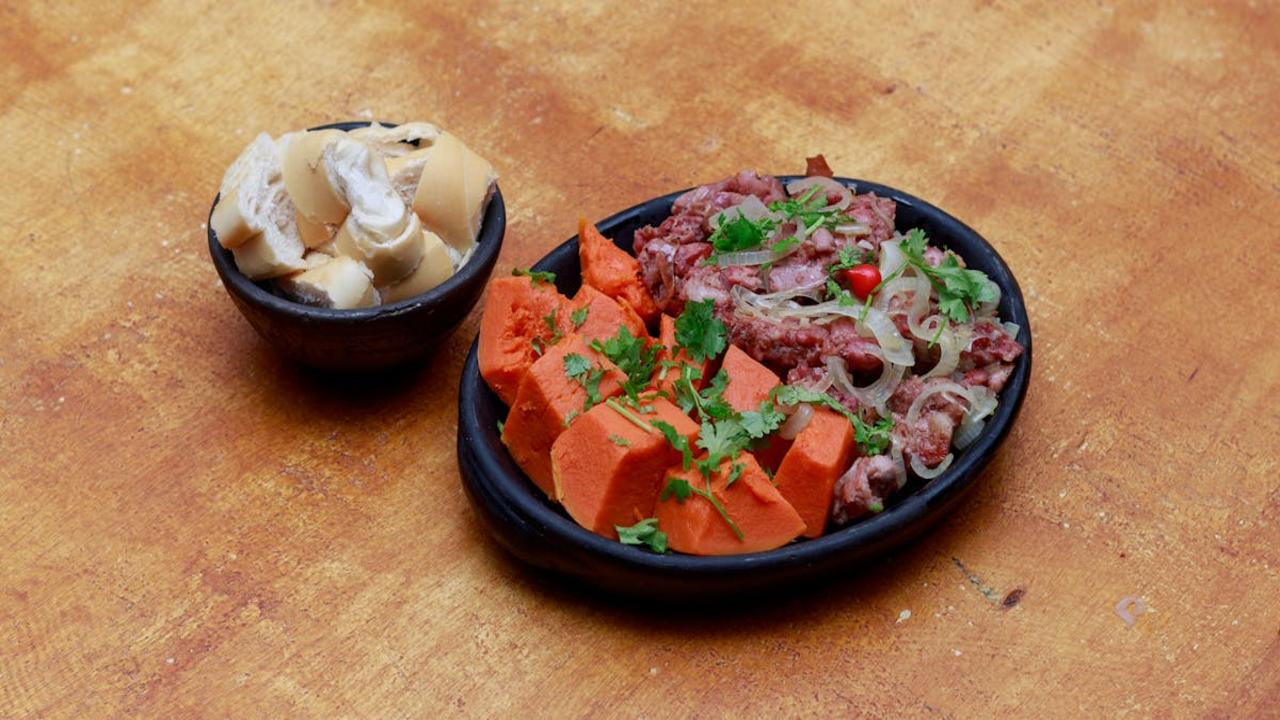
Picture this: you’re deep in the Amazon rainforest, miles from the nearest grocery store, and suddenly you spot what locals call “the millionaire’s salad.” Palm hearts – those tender, ivory-colored cores hidden inside palm trees – have kept remote jungle communities fed for centuries. But here’s the kicker: harvesting these beauties requires chopping down the entire palm tree! That’s why they earned their fancy nickname – only the wealthy could afford to sacrifice a whole tree for one meal. Indigenous tribes across South America, Southeast Asia, and the Pacific Islands mastered the art of selecting just the right palms, usually fast-growing species that wouldn’t devastate their forest homes.
Now, before you start eyeing that decorative palm in your backyard, hold up! These aren’t your average houseplant variety. The good stuff comes from species like the peach palm or açaí palm, and trust me, you want someone who knows what they’re doing to handle the extraction. Fresh palm hearts taste like a cross between artichoke and bamboo shoots – crisp, mild, and surprisingly satisfying. Remote communities would slice them thin and eat them raw, toss them into stews, or dry them for storage. Today, you can find canned versions in most supermarkets, but they’re about as exciting as cardboard compared to the fresh stuff. Pro tip: if you ever find yourself in Costa Rica or Brazil, hunt down some fresh palm heart salad – your mouth will thank you later!
Dried Yak Meat
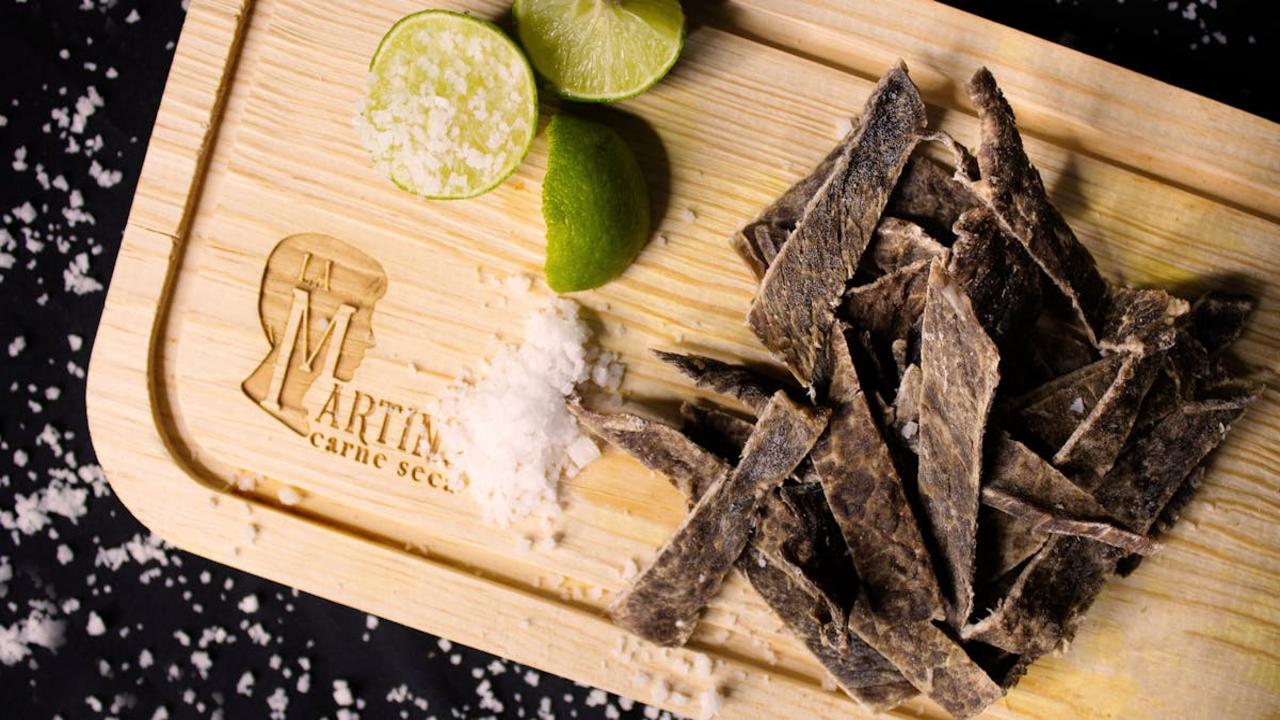
Picture this: you’re trekking through the Himalayas, oxygen thin as your patience after your third altitude headache, and suddenly you spot a Tibetan herder casually munching on what looks like leather jerky. That’s dried yak meat, my friend – the ultimate high-altitude power snack that makes your fancy protein bars look like candy floss. These magnificent, shaggy beasts roam at elevations where most people would need an oxygen tank just to tie their shoes, and their meat becomes the backbone of survival for communities living literally on top of the world.
The drying process is beautifully simple yet genius – thin strips of yak meat get hung up in the crisp mountain air, where freezing temperatures and low humidity work their preservation magic faster than you can say “altitude sickness.” The result? A concentrated protein bomb that’s saltier than a sailor’s vocabulary and chewier than explaining cryptocurrency to your grandmother. Tibetan families treat this stuff like edible gold, storing it for months and adding it to everything from hearty stews to butter tea (yes, butter tea is a thing, and yes, it’s exactly what it sounds like). One bite delivers enough energy to fuel a yak herder’s day, which typically involves chasing woolly beasts across terrain that would make mountain goats nervous.
Wild Rice
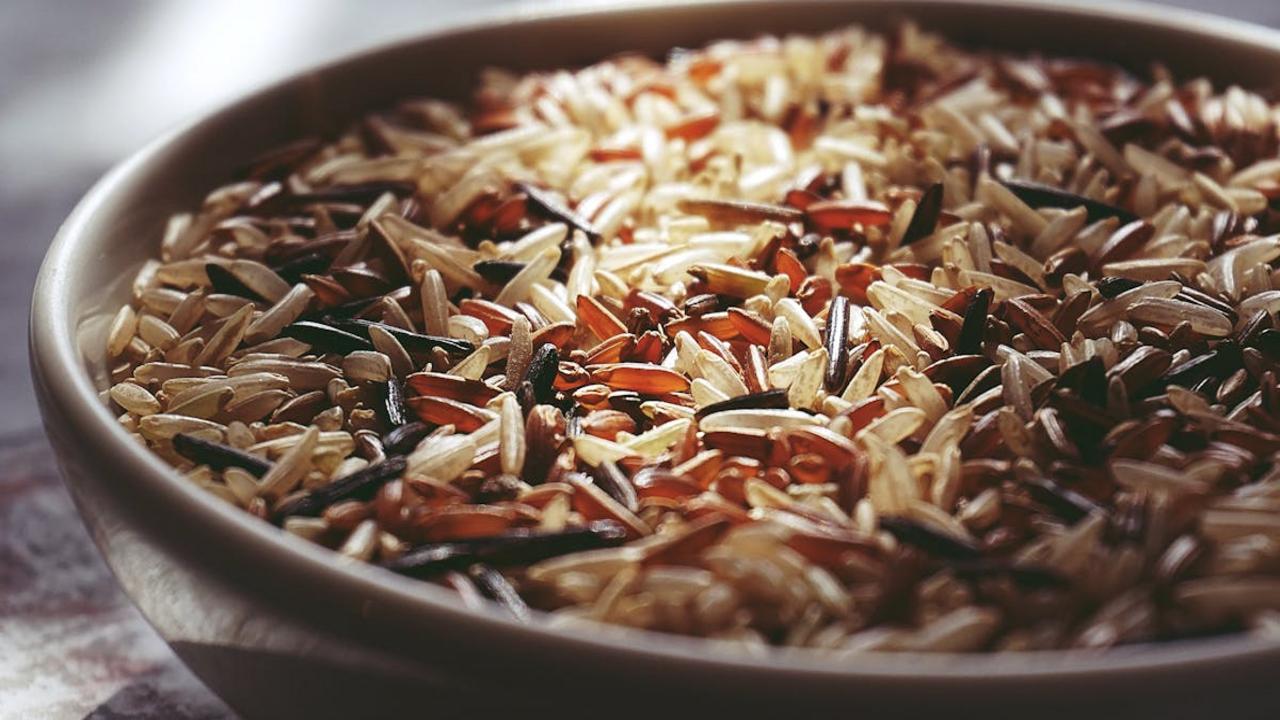
Picture this: you’re paddling through the pristine waters of northern Minnesota, and suddenly you spot what looks like tall grass swaying in the lake. But hold on—that’s not grass, my friend! That’s wild rice, or as the Ojibwe people call it, “manoomin,” which literally means “good berry.” And trust me, this aquatic grain has been keeping Indigenous communities fed and happy for over a thousand years. Unlike its domesticated cousin that grows in muddy fields, wild rice thrives in shallow lakes and slow-moving rivers, creating underwater meadows that would make any mermaid jealous. The grains are so precious that traditional harvesting involves canoes, wooden poles called “knockers,” and a whole lot of patience—because you can’t just march into a lake with a combine harvester!
What makes wild rice absolutely brilliant is its nutty, almost smoky flavor that puts regular white rice to shame. Each grain is like a tiny flavor bomb packed with protein, fiber, and enough B vitamins to make a nutritionist weep with joy. The traditional harvesting method is pure poetry: one person poles the canoe while another bends the rice stalks over the boat and gently knocks the ripe grains loose with wooden sticks. It’s like nature’s own piñata party! You can toss this gorgeous dark grain into soups, stuff it into wild turkey, or make a killer pilaf that’ll have your dinner guests asking for your secret. Fair warning though—once you try real wild rice (not that processed stuff from the store), you’ll never look at Uncle Ben the same way again.
Pine Nuts
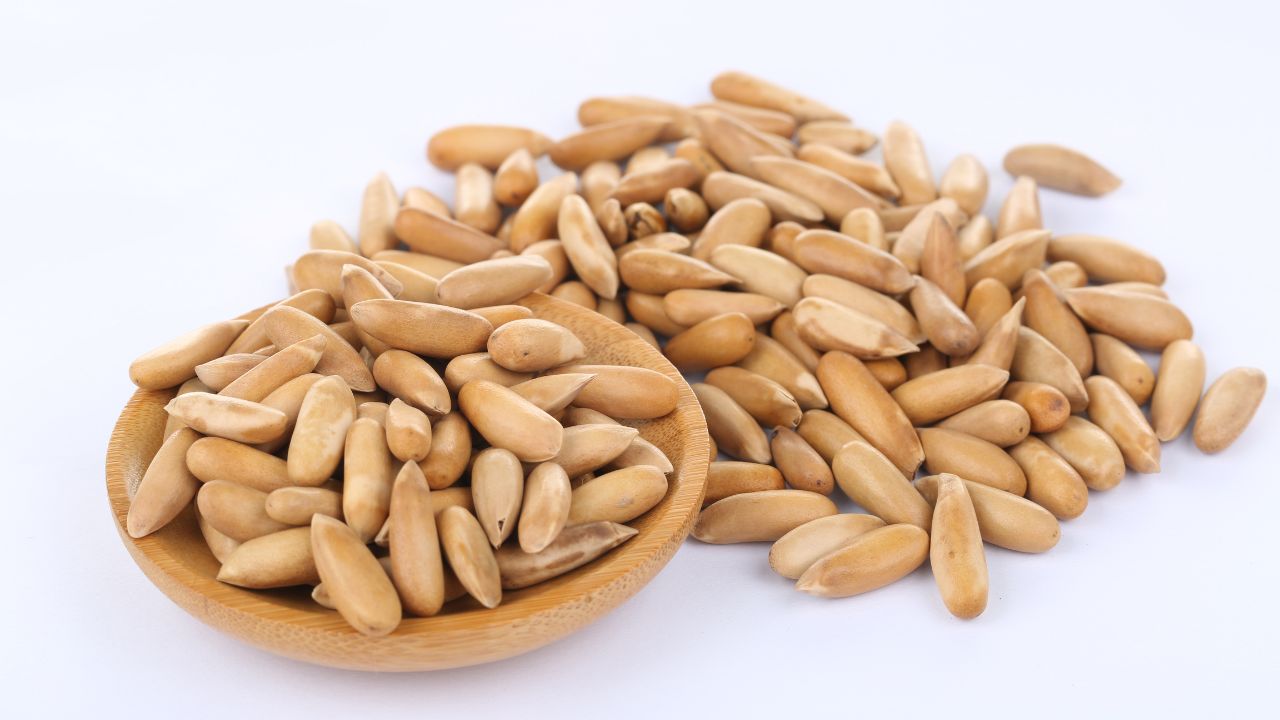
You know that expensive little bag of pine nuts sitting in your grocery store’s fancy section? Those buttery, delicate morsels have been keeping people alive in some of the world’s most unforgiving places for thousands of years. Native American tribes across the Great Basin—think Nevada, Utah, and parts of California—literally planned their entire year around pine nut harvests. The Paiute, Shoshone, and Washoe peoples would migrate seasonally to pinyon pine forests, gathering these protein-packed seeds that could sustain families through brutal winters. One good harvest year meant the difference between thriving and merely surviving, and tribal knowledge passed down through generations taught people exactly which trees would produce the fattest, most nutritious nuts.
Here’s the wild part: harvesting pine nuts requires the patience of a saint and the timing of a Swiss watch. These trees only produce substantial crops every three to seven years, making each harvest season absolutely precious. Indigenous families would knock cones from towering trees using long poles, then roast them over fires to open the tough shells and reveal the creamy treasures inside. A single family could gather hundreds of pounds during peak season, storing them in specially woven baskets for months of meals ahead. Modern foragers still hunt for these gems in places like the Sierra Nevada mountains, though good luck competing with squirrels who’ve perfected their own pine nut heist techniques over millennia!
Seal Blubber

Picture this: you’re stuck in the Arctic with temperatures that could freeze your eyeballs, and your local grocery store is approximately 500 miles of frozen wasteland away. What’s for dinner? If you’re Inuit, the answer might just be seal blubber – and honestly, it’s genius. This thick layer of fat beneath a seal’s skin isn’t just survival food; it’s a nutritional powerhouse that kept entire communities alive for thousands of years. Rich in omega-3 fatty acids, vitamins A and D, and enough calories to fuel a polar expedition, seal blubber provided everything needed to thrive in one of Earth’s most unforgiving environments. Plus, it burns like a candle, so dinner doubles as your heating system!
Now, before you wrinkle your nose, consider this: seal blubber tastes surprisingly mild, with a texture somewhere between butter and raw fish. The Inuit traditionally ate it raw, often dipped in seal blood (nature’s own dipping sauce, apparently), or rendered it down for cooking oil. They’d slice it thin, chew it like gum, or even ferment it for special occasions – because nothing says “party time” like aged blubber! Modern Arctic communities still consider it a delicacy, often serving it alongside more familiar foods at community feasts. And here’s a fun fact: one seal could provide enough blubber to keep a family fed and warm for weeks, making it the ultimate meal prep before meal prep was cool.
Dried Fish
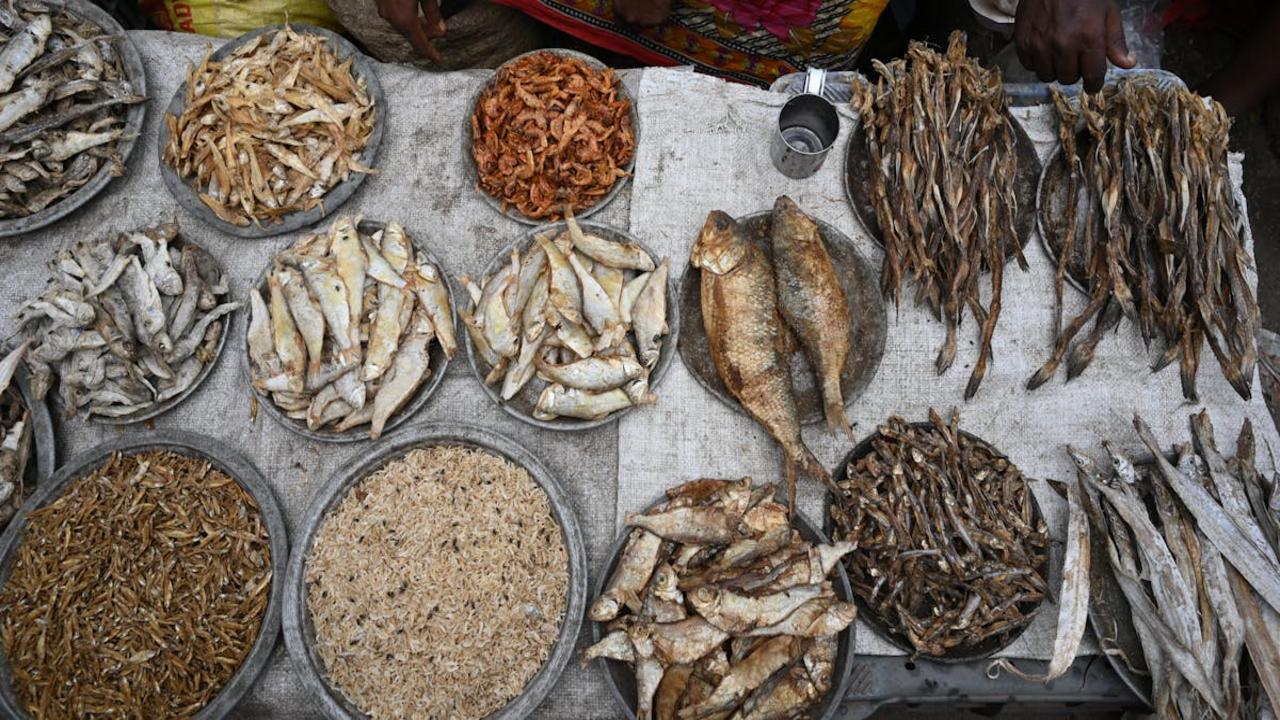
Picture this: you’re stuck on a windswept island where the nearest grocery store is approximately three thousand miles away, and your stomach is growling louder than a foghorn. What do you reach for? Dried fish, my friend! This leathery, salt-kissed protein has been the superhero of survival food for centuries, keeping coastal communities and intrepid travelers alive when fresh catches weren’t an option. From the Nordic fjords to remote Pacific atolls, people discovered that turning their daily catch into something resembling fishy jerky meant they could laugh in the face of winter storms and long sea voyages.
The magic happens through salt-curing and air-drying, transforming a floppy fish into something that could probably survive a nuclear apocalypse (okay, maybe I’m exaggerating, but you get the point). Scandinavians perfected this with their beloved stockfish – cod hung on wooden racks until they become harder than your ex’s heart. Meanwhile, Southeast Asian communities created their own versions, often pounding the dried fish into flakes that add umami punch to rice dishes. Pro tip: if you want to try making this at home, start with small fish like anchovies, coat them in coarse salt, and hang them in a breezy spot. Just warn your neighbors first – the aroma is, shall we say, assertive!