15 Foods That Burst With Flavor When You Grow Them Yourself
Growing your own food transforms ordinary ingredients into extraordinary experiences. That first bite of a sun-warmed tomato straight from the vine carries flavors no grocery store can match. When you nurture plants from seed to harvest, you control every aspect of their development, resulting in produce that’s fresher, more nutritious, and infinitely more satisfying.
Home-grown vegetables and herbs connect you to the seasons and remind you why cooking from scratch matters. Each plant tells its own story through unique textures, colors, and intense flavors that commercial farming often sacrifices for shelf life and shipping durability.
These fifteen crops prove that the best ingredients come from your own backyard. They’re forgiving for beginners yet rewarding enough to keep experienced gardeners excited about what’s growing next.
Cucumbers
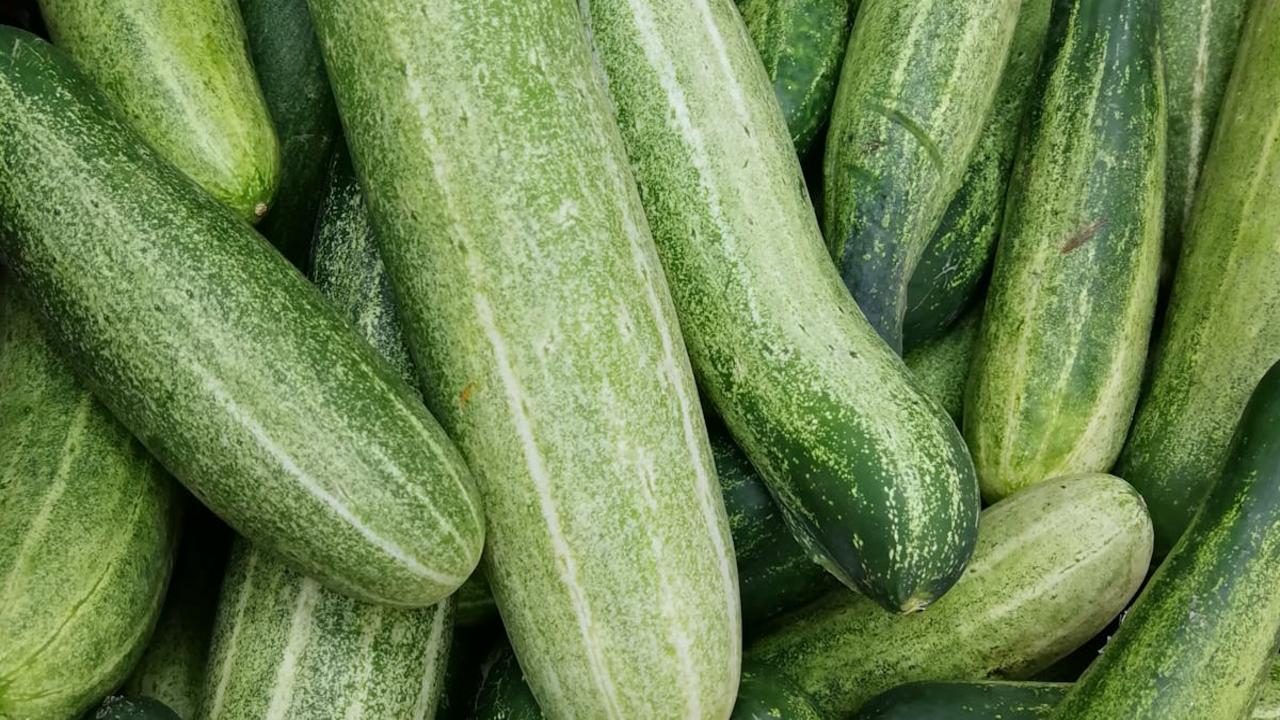
You know that watery, almost flavorless cucumber from the grocery store? Forget everything you think you know about cucumbers because growing your own transforms this humble vegetable into something extraordinary. Fresh-picked cucumbers deliver an incredible crunch that practically echoes in your mouth, paired with a clean, refreshing flavor that’s both subtle and complex. I grow several varieties in my garden – from the classic slicing types to the bumpy pickling varieties and even the long, slender Lebanese cucumbers that my grandmother used to grow back home.
The difference between store-bought and homegrown cucumbers feels like comparing cardboard to crisp morning air. When you slice into a cucumber straight from the vine, you’ll notice the flesh is firm and dense, not hollow and seedy like those shipped from distant farms. I love adding them to my cold soups during summer, where their natural cooling properties shine, or quickly pickling them with rice vinegar and a touch of honey for an instant side dish. The skins are tender enough to eat without peeling, and they carry concentrated flavor that adds depth to salads and grain bowls. Growing cucumbers also means you control what goes on them – no wax coatings or mysterious preservatives, just pure, wholesome vegetables that hydrate and nourish your body naturally.
Asparagus
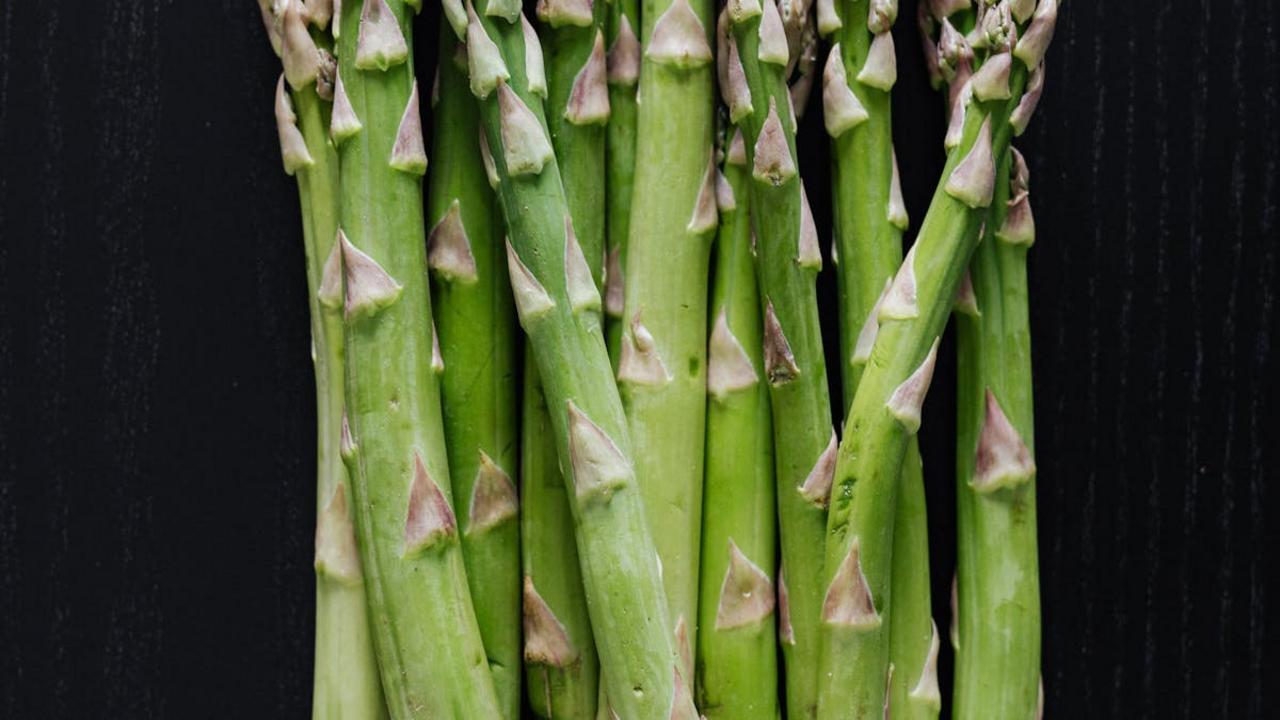
Growing your own asparagus transforms this elegant vegetable into something extraordinary. Fresh spears from your garden carry an intense, almost grassy sweetness that store-bought versions simply can’t match. I remember the first time I harvested my own asparagus – the difference was like comparing a whisper to a shout. The texture stays crisp and tender, never woody or bitter, and you can practically taste the earth and sunshine in every bite. When you grow asparagus yourself, you control the harvest timing, picking spears at their absolute peak instead of settling for ones that have traveled hundreds of miles and lost their vibrancy along the way.
The beauty of homegrown asparagus lies in its versatility and how it responds to simple preparations. I love grilling freshly cut spears with just olive oil, salt, and a squeeze of lemon – the natural flavors shine without any need for heavy sauces or complicated techniques. You can also enjoy them raw in salads when they’re young and tender, something I’d never recommend with store-bought varieties. From Asian-inspired stir-fries with ginger and garlic to Mediterranean preparations with herbs and parmesan, your homegrown asparagus becomes the star ingredient that elevates every dish. The investment in growing asparagus pays off for years, giving you access to this premium vegetable at a fraction of grocery store prices.
Cherry Tomatoes
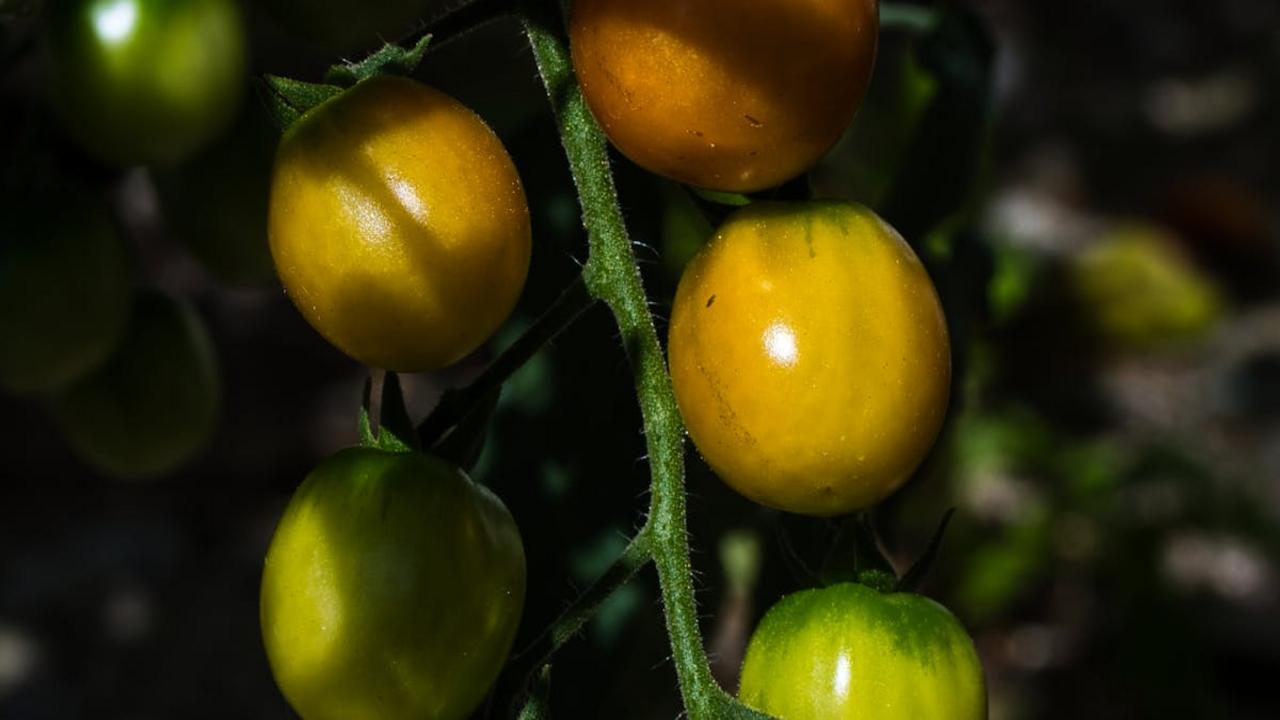
When you bite into a cherry tomato straight from your garden, the experience transforms everything you thought you knew about these little gems. The concentrated sweetness paired with that perfect acidic pop creates an intensity that store-bought versions simply can’t match. I grow several varieties each season – from the candy-sweet Surefire Red to the complex, almost wine-like flavor of Black Cherry – and each one brings something unique to my kitchen. The moment you taste a sun-warmed cherry tomato picked at peak ripeness, you understand why Italian nonnas insist on growing their own.
These prolific plants reward your patience with an abundance that keeps giving throughout the growing season. I love how versatile they become in my cooking – tossed whole into pasta with garlic and olive oil, roasted until they burst and caramelize, or simply eaten like candy while I work in the garden. The natural sugars concentrate as they ripen fully on the vine, creating a depth of flavor that elevates everything from simple salads to complex sauces. Growing your own means you control exactly when to harvest, ensuring that perfect balance of sweetness and acidity that makes each tomato a tiny burst of summer sunshine in your mouth.
Beans
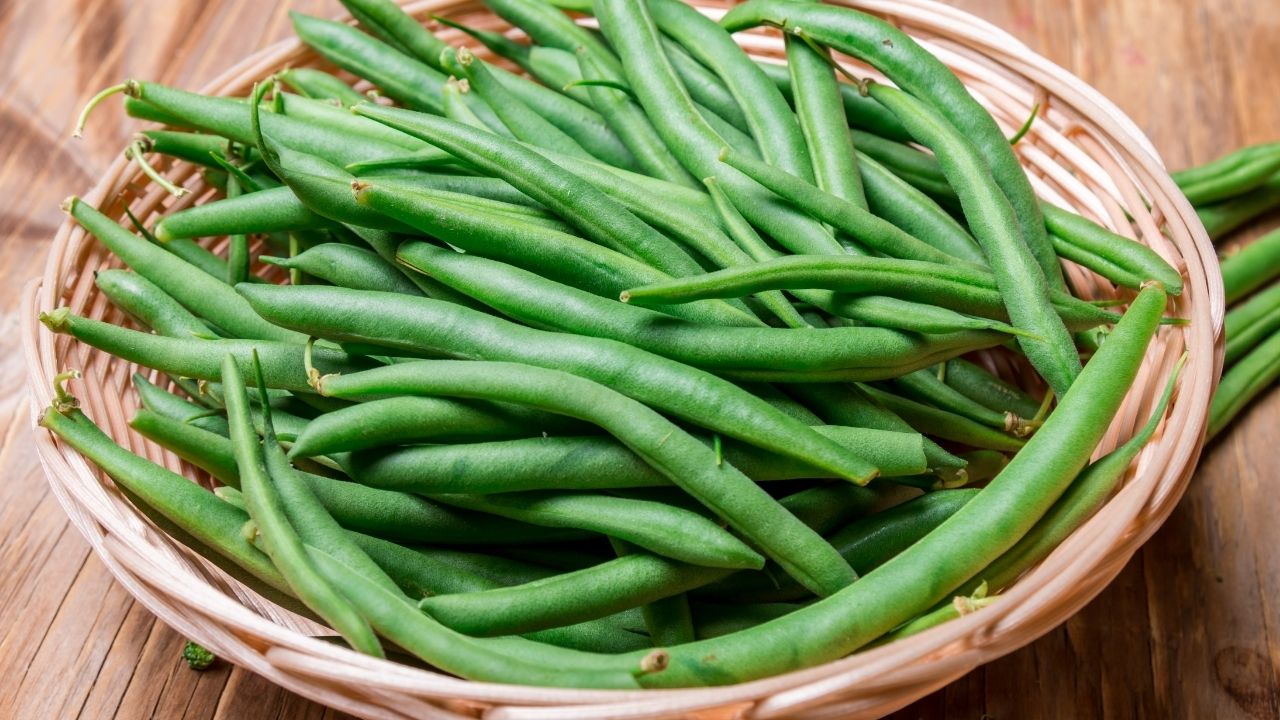
Growing your own beans transforms your cooking in ways that store-bought varieties simply can’t match. When you pick fresh beans straight from your garden, you’re getting vegetables at their absolute peak—crisp, sweet, and bursting with that bright, grassy flavor that disappears within hours of harvest. I love how homegrown green beans snap with such satisfying crunch, while fresh lima beans have this creamy, almost buttery quality that makes me want to eat them straight from the pod. The difference becomes crystal clear when you bite into a garden-fresh bean versus one that’s traveled hundreds of miles to reach your plate.
What excites me most about growing beans is how they open up your cooking repertoire beyond the typical steamed side dish. Fresh runner beans become the star of Mediterranean-inspired salads, while tender French beans shine in quick stir-fries with garlic and ginger. I often blanch my homegrown beans for just two minutes, then toss them with olive oil, lemon zest, and toasted almonds—simple ingredients that let their natural sweetness shine through. Growing different varieties like purple-podded beans or yellow wax beans adds visual excitement to your meals while giving you flavors that grocery stores rarely carry.
Broccoli
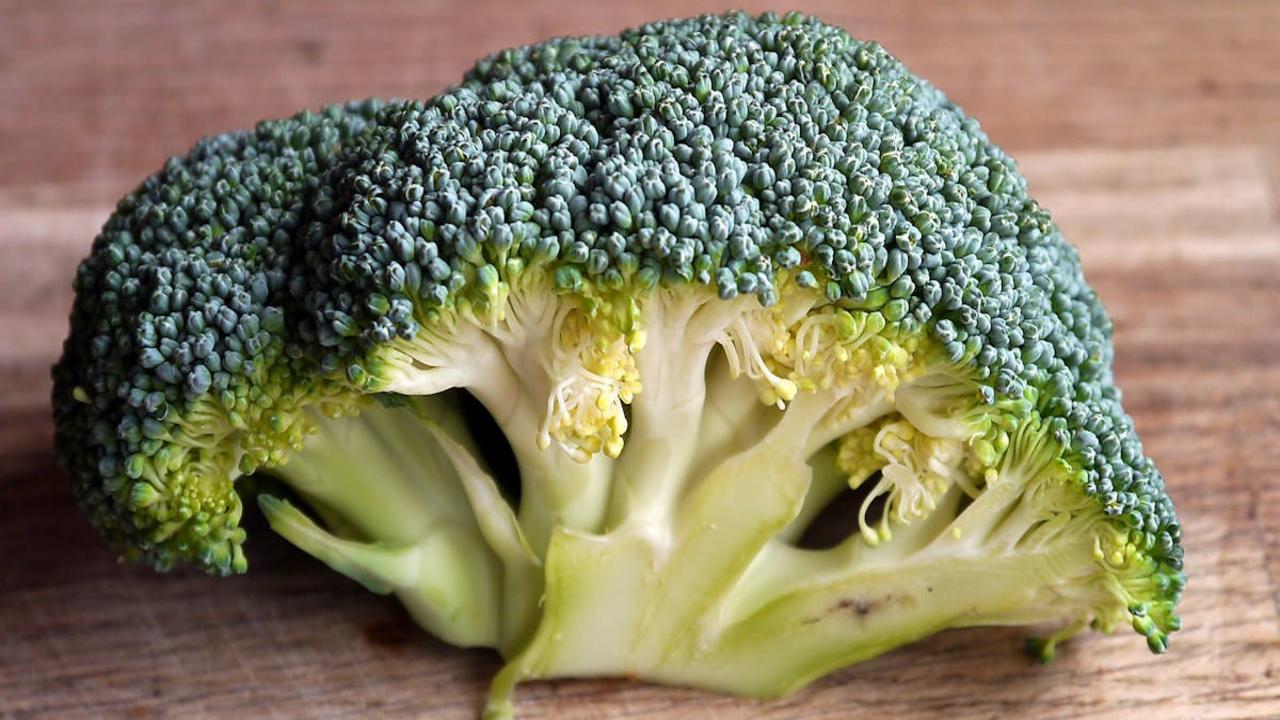
You know that slightly bitter, sometimes musty broccoli from the grocery store? Forget everything you think you know about this green powerhouse. When you grow broccoli in your own garden, you’re getting a completely different vegetable—one that’s sweet, nutty, and so tender you’ll want to eat the stems raw. I discovered this revelation when my neighbor shared some just-picked heads from her fall garden, and honestly, it changed my entire relationship with this cruciferous gem.
Fresh broccoli straight from the soil has this incredible sweetness that supermarket versions simply can’t match. The florets are firm but yielding, and the stalks become these crunchy, almost radish-like treats that I now slice thin for salads or roast with just olive oil and sea salt. You can pick the main head and then watch as smaller side shoots continue to develop throughout the growing season—it’s like having a continuous broccoli buffet right outside your door. I love tossing those tender baby shoots into stir-fries or quickly blanching them for a bright green addition to grain bowls. Growing your own means you control every aspect, from soil health to harvest timing, ensuring maximum flavor and nutritional density.
Swiss Chard
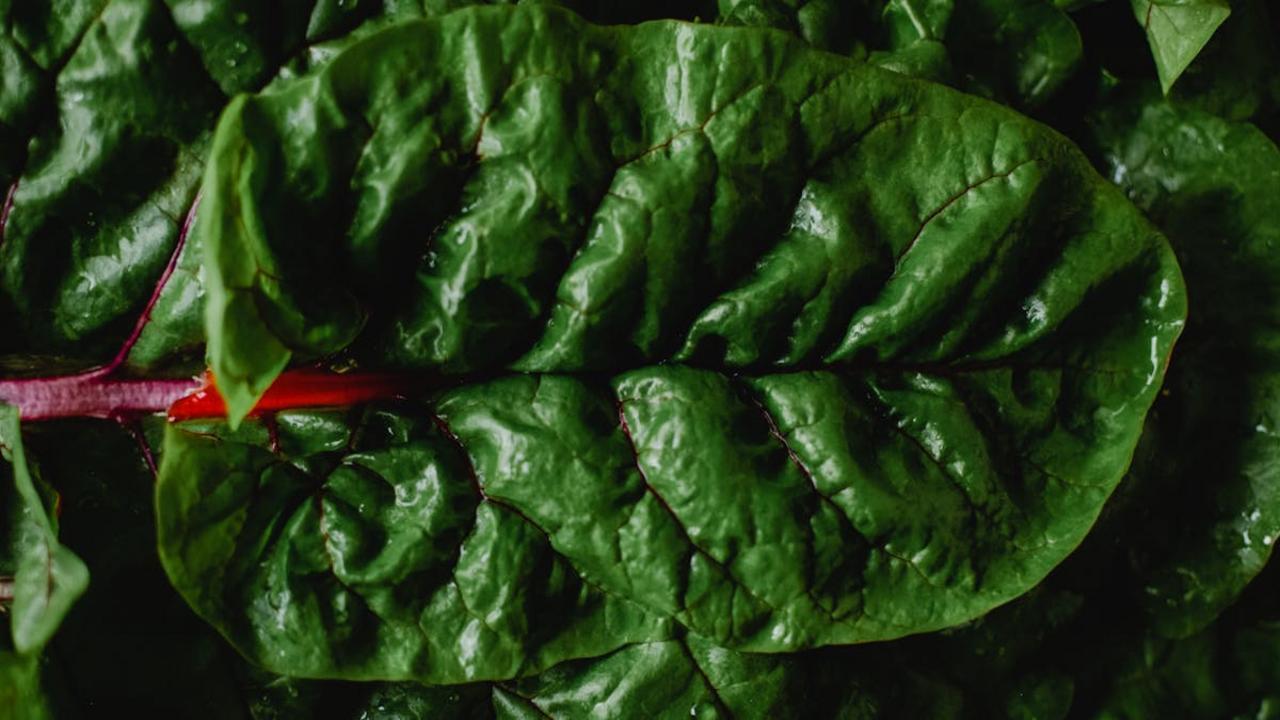
You know that moment when you bite into store-bought greens and they taste like… well, nothing? Swiss chard from your garden changes everything. Those vibrant stems—whether ruby red, golden yellow, or pristine white—pack an earthy sweetness that simply doesn’t survive the journey from commercial farm to supermarket shelf. When you grow your own, you control the harvest timing, picking leaves at their peak tenderness rather than settling for whatever wilted bunches made it through shipping.
I grow rainbow chard specifically because it gives me this incredible palette to work with in the kitchen. The stems become almost candy-like when sautéed slowly with garlic and a splash of balsamic, while the leaves hold their mineral-rich flavor beautifully in everything from my weeknight stir-fries to weekend frittatas. You can harvest outer leaves continuously throughout the season, which means fresh greens for months from a single planting. Try pairing homegrown chard with Middle Eastern flavors like sumac and lemon, or go Mediterranean with pine nuts and golden raisins—the robust flavor of garden-fresh chard stands up to bold seasonings in ways that grocery store versions never could.
Japanese Cucumbers
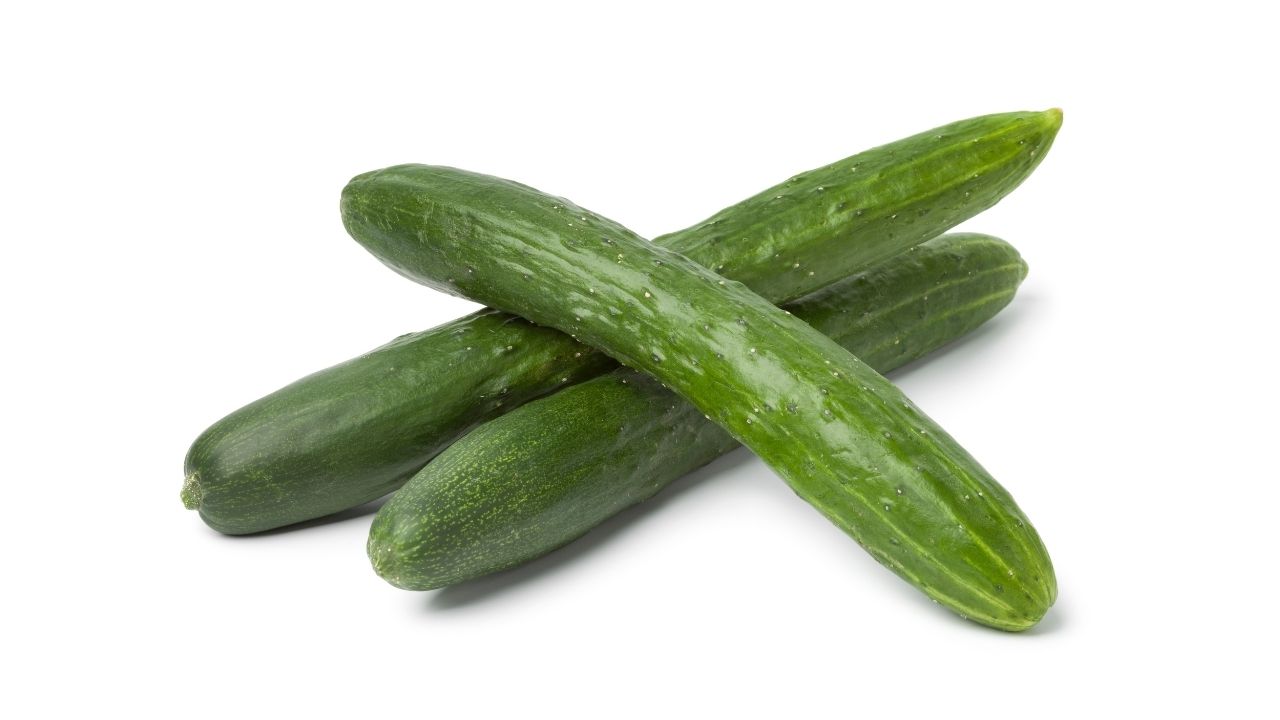
When you grow Japanese cucumbers in your garden, you discover what this crisp vegetable truly means to offer. These slender, thin-skinned beauties pack a refreshing crunch that store-bought varieties simply cannot match. The flavor hits differently—cleaner, more vibrant, with a subtle sweetness that makes every bite satisfying. I’ve found that homegrown Japanese cucumbers need minimal preparation since their tender skin requires no peeling, and their compact seed cavity means more flesh and less waste.
Your kitchen transforms with these versatile gems. I slice them paper-thin for quick pickles that brighten any meal, or chunk them into cooling salads that pair beautifully with sesame oil and rice vinegar. They work magic in cold soups during summer heat, and I often spiral-cut them into noodle-like ribbons for light, refreshing dishes. Growing them yourself means you control exactly when to harvest—pick them young for maximum crispness or let them mature slightly for a more pronounced cucumber flavor. The difference between garden-fresh and grocery store becomes unmistakable once you taste that first homegrown bite.
Sugar Snap Peas
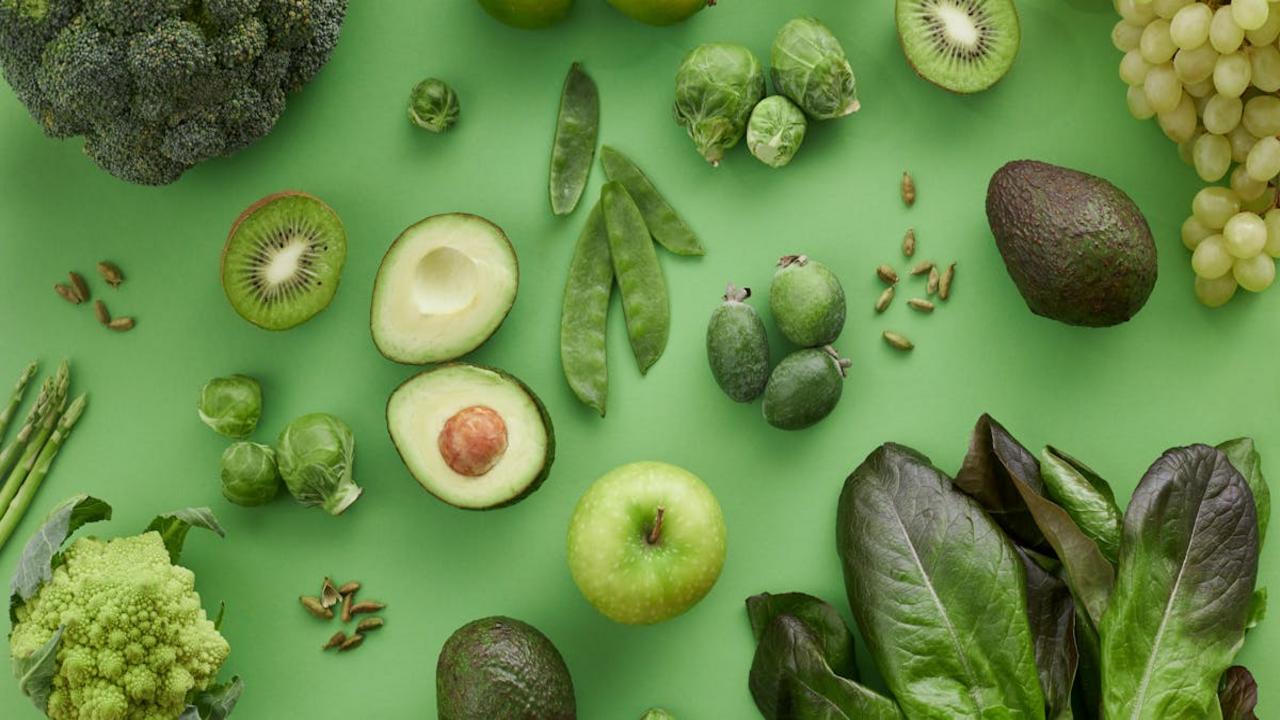
Growing sugar snap peas in your own garden transforms these crisp pods into something extraordinary. The difference between store-bought and homegrown sugar snaps hits you immediately—that satisfying crunch gives way to an intensely sweet flavor that commercial varieties simply cannot match. I pick mine straight from the vine during my morning garden rounds, often eating them right there among the climbing plants. The natural sugars concentrate beautifully when you harvest at peak ripeness, creating a vegetable that tastes more like nature’s candy than anything you’d expect from the produce aisle.
These versatile pods work brilliantly in my quick stir-fries with ginger and garlic, or I blanch them lightly and toss with sesame oil and a sprinkle of toasted seeds. Sometimes I add them raw to salads where their crunch provides wonderful texture against softer greens. The best part about growing your own sugar snaps lies in timing your harvest perfectly—you control exactly when to pick them, ensuring that perfect balance between tender pods and developed peas inside. This control over freshness means you’re getting maximum nutrition and flavor in every single bite.
Strawberries
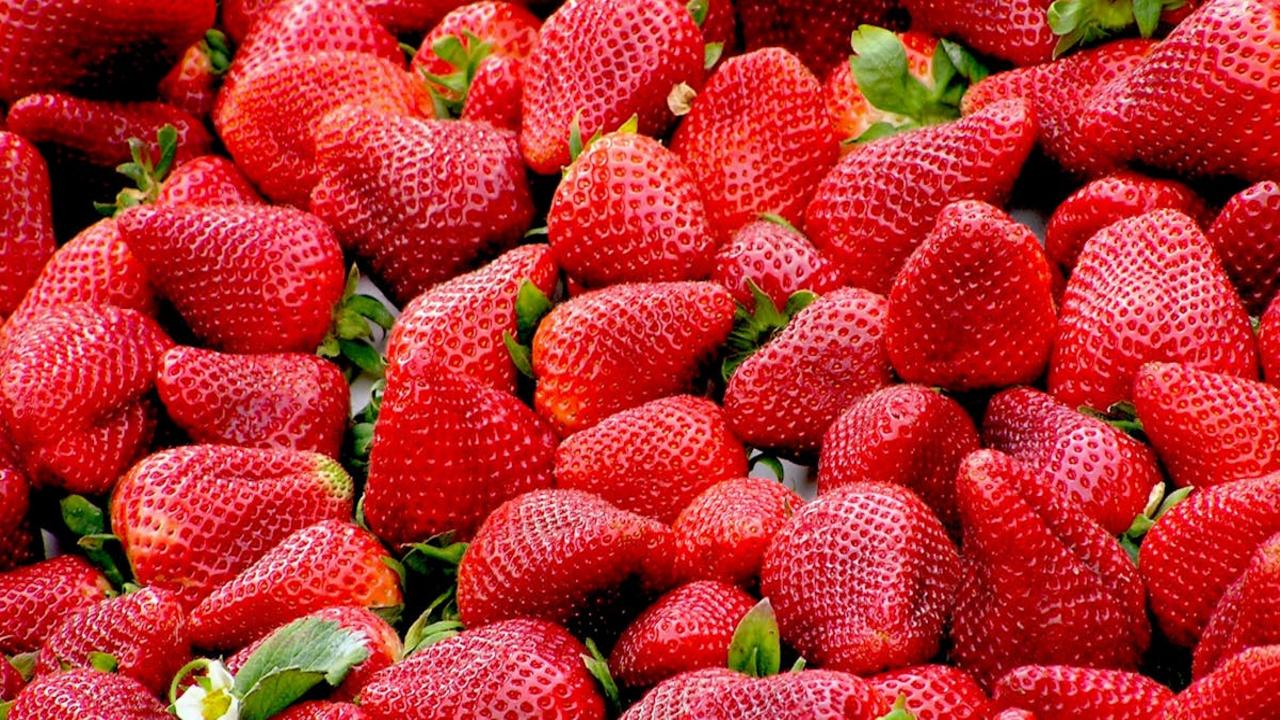
I grow strawberries in my backyard every spring, and trust me, nothing compares to picking a sun-warmed berry straight from the plant and biting into that explosion of sweetness. Store-bought strawberries often travel thousands of miles, getting picked before they’re fully ripe, which means they never develop that perfect balance of sugar and bright acidity. When you grow your own, you control everything – from the variety you choose to the exact moment of harvest when the fruit reaches its peak flavor.
My favorite varieties are the smaller alpine strawberries, which pack an incredible punch of concentrated flavor that makes regular strawberries seem bland by comparison. I love incorporating these homegrown gems into everything from morning yogurt bowls with a drizzle of honey to fresh salsas that pair beautifully with grilled fish. The difference becomes most obvious when you make strawberry jam – homegrown berries need less sugar because their natural sweetness shines through, creating a preserve that actually represents what strawberries should really taste like rather than the watery imitations we often settle for.
Arugula
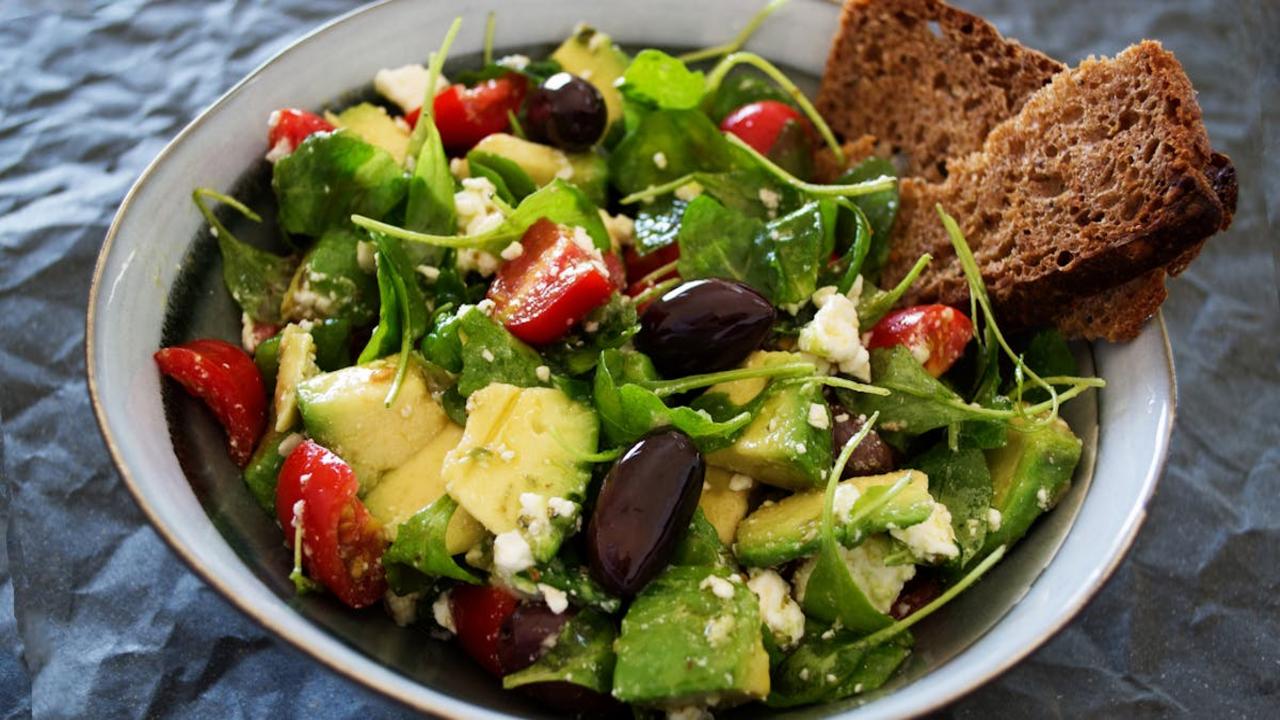
You know that peppery bite you get from store-bought arugula? Well, multiply that by ten when you grow your own! Fresh arugula from your garden delivers an intense, almost spicy flavor that makes your mouth wake up and pay attention. I grow mine in both spring and fall because it loves cooler weather, and trust me, once you taste homegrown arugula, you’ll never go back to those sad, wilted bags from the grocery store. The leaves stay tender and crisp, with a bold peppery punch that transforms any salad from boring to brilliant.
What I love most about growing arugula is how fast it grows – you can start harvesting baby leaves in just three weeks! I use it everywhere: tossed with warm pasta and good olive oil, layered in sandwiches for that extra kick, or mixed with milder greens to balance out salads. The flavor pairs beautifully with sweet elements like roasted pears or dried cranberries, and it stands up wonderfully to bold ingredients like aged cheeses and nuts. Plus, arugula keeps producing new leaves after you cut it, so one planting gives you weeks of fresh, spicy greens that cost pennies compared to buying them.
Fingerling Potatoes
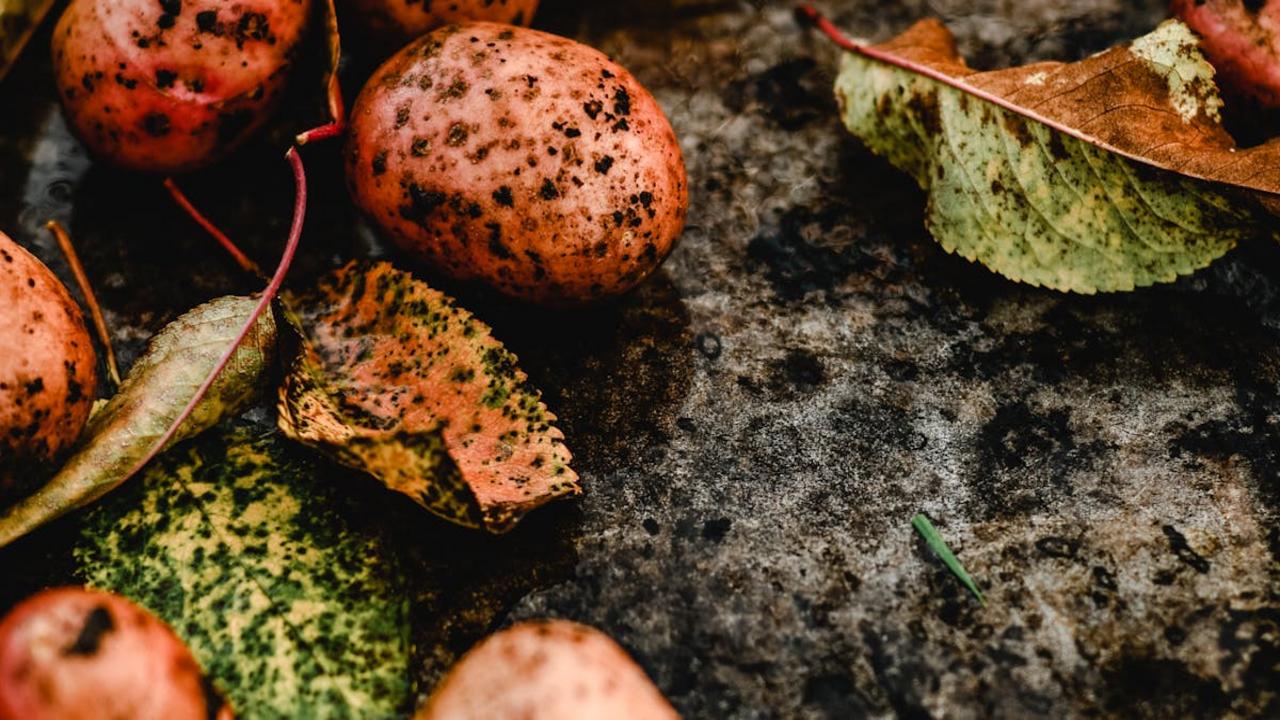
Picture this: you dig into the earth and uncover these gorgeous, elongated gems that look like tiny treasures. Fingerling potatoes grown in your own garden develop a complexity that store-bought versions simply can’t match. The soil-to-table connection creates an intensity of flavor that hits you immediately – earthy, nutty, and surprisingly sweet. I grow several varieties in my backyard, from the purple-skinned Purple Peruvian to the golden Russian Banana, and each one brings its own personality to my kitchen.
What makes homegrown fingerlings truly special is their creamy texture and concentrated potato flavor that develops when they ripen naturally in your soil. I love roasting them whole with just olive oil, sea salt, and fresh herbs from my garden – the skins become perfectly crispy while the flesh stays fluffy and rich. These little potatoes also work beautifully in global dishes; I toss them into Moroccan tagines, add them to Indian curries, or simply boil them for a classic European-style potato salad. The difference between homegrown and store-bought fingerlings is night and day – your garden varieties will have you questioning why you ever bought potatoes from anywhere else.
Carrots
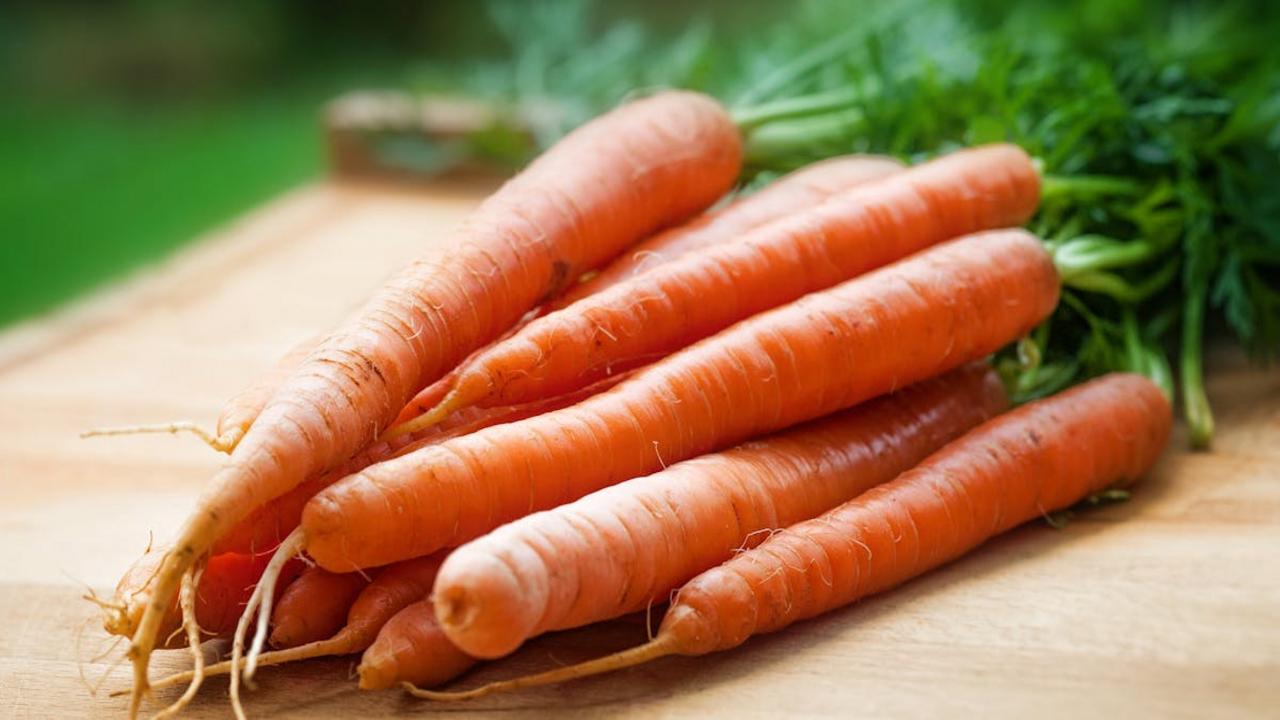
Growing your own carrots transforms this humble root vegetable into something extraordinary. Store-bought carrots often taste bland and woody, but homegrown ones burst with natural sweetness and an almost candy-like crispness that makes you wonder why you ever settled for anything else. The soil-to-table freshness creates layers of flavor – earthy undertones balanced with bright, clean notes that dance across your palate. You can harvest baby carrots for their tender texture or wait for full-sized ones that develop deep, complex flavors perfect for both raw snacking and cooking.
I love pulling fresh carrots from my garden and using them immediately in dishes where their natural sugars really shine. Try roasting them with just olive oil, salt, and fresh thyme – the caramelization brings out incredible depth. Or grate them raw into salads where their sweetness pairs beautifully with tangy vinaigrettes and sharp herbs. Homegrown carrots also work magic in soups and stews, releasing their concentrated flavors slowly as they cook. The difference between garden-fresh and grocery store carrots becomes obvious the moment you take that first bite – it’s like comparing sunshine to shadows.
Ground Cherries
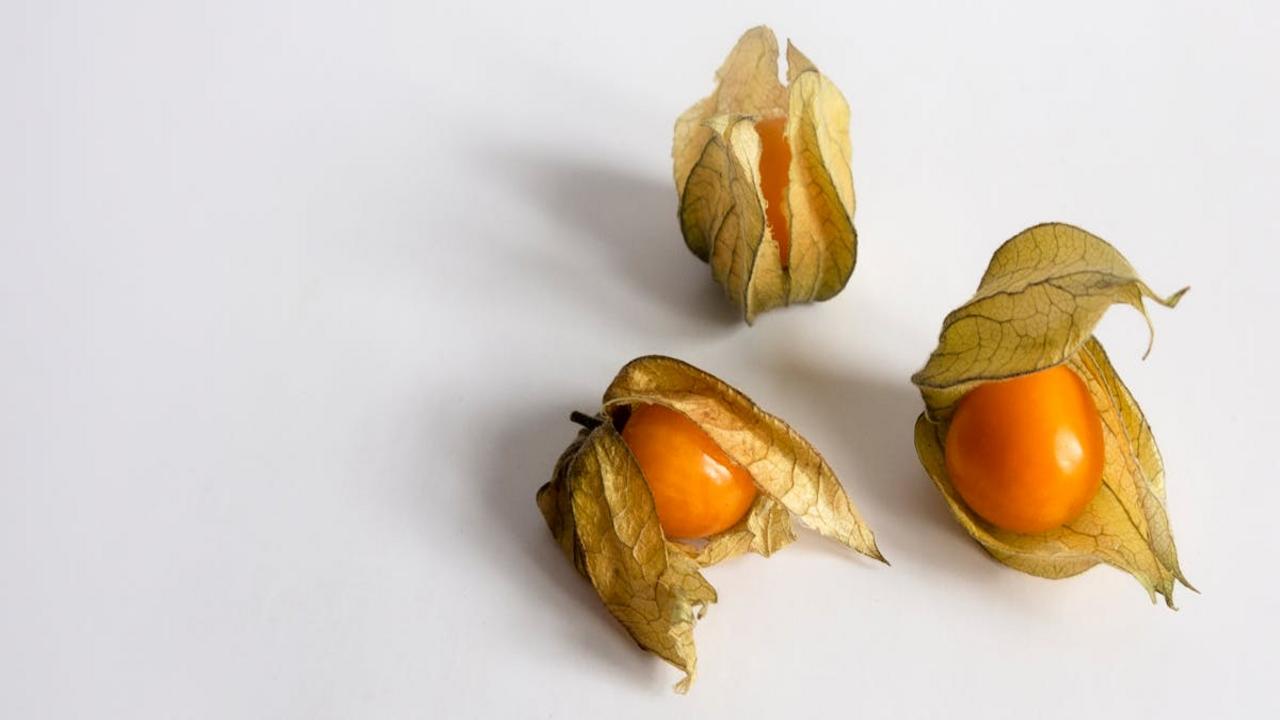
Picture this: you’re wandering through your garden and stumble upon these magical little paper-wrapped treasures hiding beneath sprawling green foliage. Ground cherries look like tiny Japanese lanterns, each fruit nestled inside its own delicate husk that crinkles between your fingers. When you peel back that papery wrapper, you reveal a golden orb that tastes like a cross between a cherry tomato and a pineapple – sweet, tart, and absolutely addictive. Growing your own means you get to experience that perfect moment of ripeness when the fruit practically falls into your hand, something you’ll never get from store-bought versions.
I toss these beauties into everything from summer salads to homemade salsas, and they bring this unexpected tropical twist that makes people stop mid-bite and ask what magic you’ve added. The plants practically grow themselves once established, sprawling across garden beds and producing fruit well into fall. What really gets me excited about ground cherries is how they bridge sweet and savory so effortlessly – I’ll fold them into grain bowls with roasted vegetables, blend them into chutneys, or simply pop them straight from the plant as the ultimate garden snack. Growing them yourself means you control everything from soil health to harvest timing, giving you fruit that bursts with concentrated flavor that makes grocery store versions seem like pale imitations.
Heirloom Tomatoes
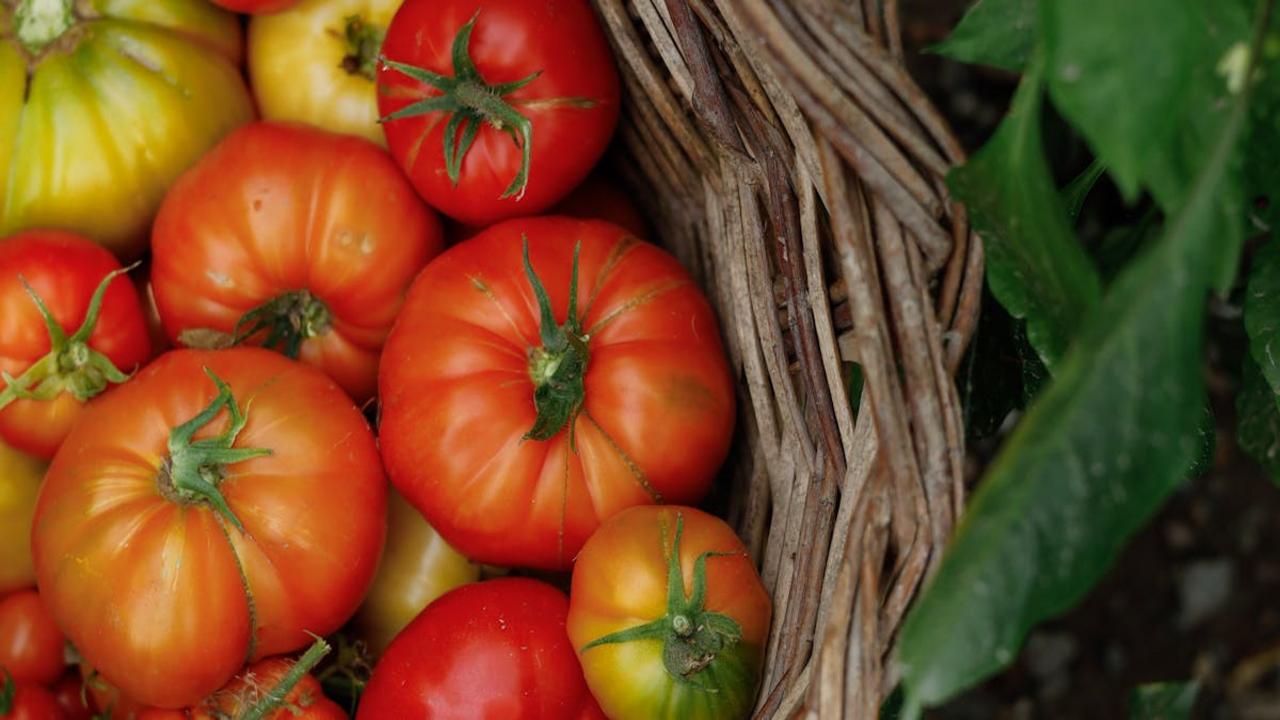
Growing heirloom tomatoes transforms your entire relationship with this humble fruit. The moment you bite into a Cherokee Purple or Brandywine that you’ve nurtured from seed, you understand why supermarket tomatoes pale in comparison. These varieties carry stories—some passed down through generations of gardeners who saved seeds because the flavors were too precious to lose. I plant at least six different heirloom varieties each season, from the sweet Black Cherry to the meaty Mortgage Lifter, and each one brings its own personality to my kitchen.
The difference goes beyond taste—it’s about texture, aroma, and the pure satisfaction of slicing into a tomato that actually smells like summer. My homegrown Cherokee Purples become the star of simple caprese salads, while the Brandywines get transformed into rich pasta sauces that need nothing more than garlic, basil, and good olive oil. When you grow your own heirlooms, you’re not just gardening; you’re preserving biodiversity and connecting with food traditions that industrial agriculture has nearly forgotten. Trust me, once you experience that first bite of a sun-warmed heirloom tomato straight from your garden, you’ll never look at store-bought tomatoes the same way again.
Fresh Herbs
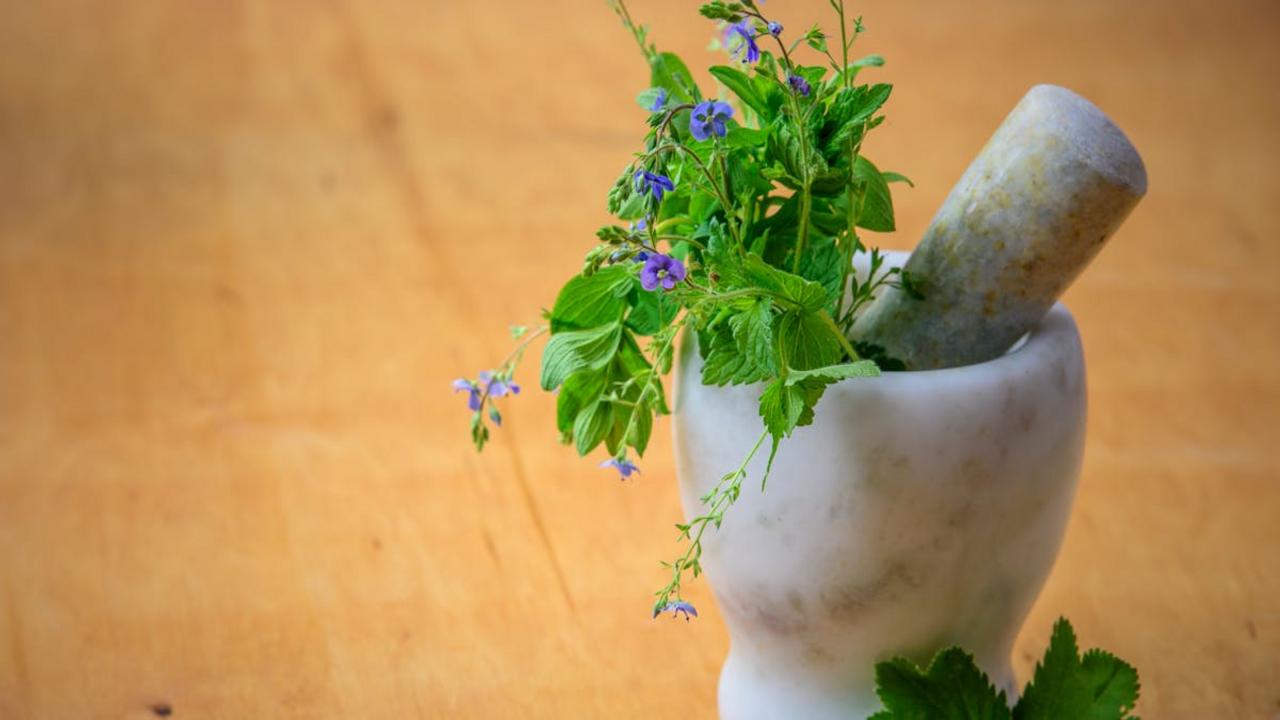
Growing your own herbs transforms your cooking in ways you never imagined possible. When you pluck fresh basil leaves directly from your plant, you get that intense, almost peppery aroma that dried herbs simply can’t match. I remember the first time I made pesto with homegrown basil – the vibrant green color was so much deeper, and the flavor had this brightness that made my pasta sing. Fresh cilantro from your garden carries that distinctive citrusy punch without any of the soapy undertones that sometimes plague store-bought bunches. Even simple herbs like parsley become powerhouses of flavor when you grow them yourself, adding a clean, grassy note that elevates everything from Mediterranean dishes to Asian stir-fries.
The beauty of growing herbs lies in their incredible versatility and how they connect you to cooking traditions from around the world. Fresh mint from your windowsill can transport you to Moroccan tagines or Vietnamese pho with just a few torn leaves. Homegrown oregano brings an earthy, almost pine-like intensity that makes your pizza sauce taste like it came straight from Naples. What I love most about fresh herbs is how they encourage intuitive cooking – you start throwing together combinations based on what’s thriving in your garden, creating unexpected flavor profiles that become your signature dishes. Plus, you’re getting maximum nutritional value since you’re harvesting at peak freshness, avoiding the long journey from farm to store that depletes those precious oils and compounds that make herbs so beneficial for our health.