15 Legendary Foods That Defined Each Decade from the 1920s to Today
Food trends tell incredible stories about American culture, innovation, and how we live. From the introduction of Pineapple Upside Down Cake in the roaring 20s to the rise of plant-based meats today, each decade brought distinctive flavors and products that captured our hearts and shaped our eating habits.
These 15 iconic foods showcase the evolution of convenience, health consciousness, and changing tastes across generations. Through war times, economic booms and busts, and social movements, these foods became more than just sustenance – they became cultural touchstones that defined their eras.
Looking at these beloved foods decade by decade reveals fascinating patterns in American food manufacturing, marketing, and consumer preferences. Some remained popular for years while others faded away, but each made its mark on how we eat and think about food.
Plant Based Meat
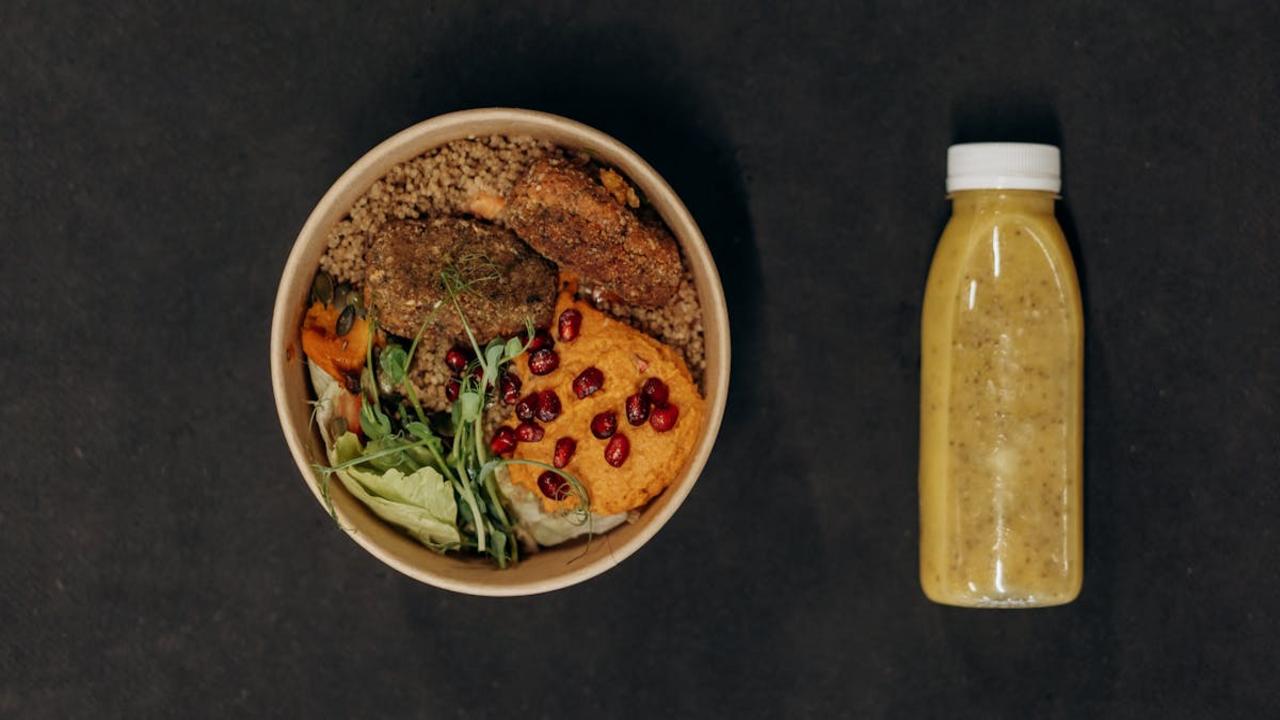
I remember the exact moment plant-based meat took over supermarket shelves in the late 2010s. Beyond Meat and Impossible Foods led the charge, creating alternatives that look, cook, and taste just like traditional meat. From juicy burgers to crispy nuggets, these innovative products changed how we think about meat-free options. The best part? You can now find these protein-packed alternatives at fast-food chains, restaurants, and corner stores across the country.
The rise of plant-based meat matches perfectly with our growing focus on health and environmental impact. Made from ingredients like pea protein, soy, and mushrooms, these products give you the same satisfying experience as traditional meat – minus the environmental footprint. I’ve seen countless meat-lovers switch to these alternatives after trying them in a blind taste test. While some folks stick to their traditional burgers, the plant-based movement keeps growing stronger each year, making it one of the most significant food trends of our time.
Bubble Tea
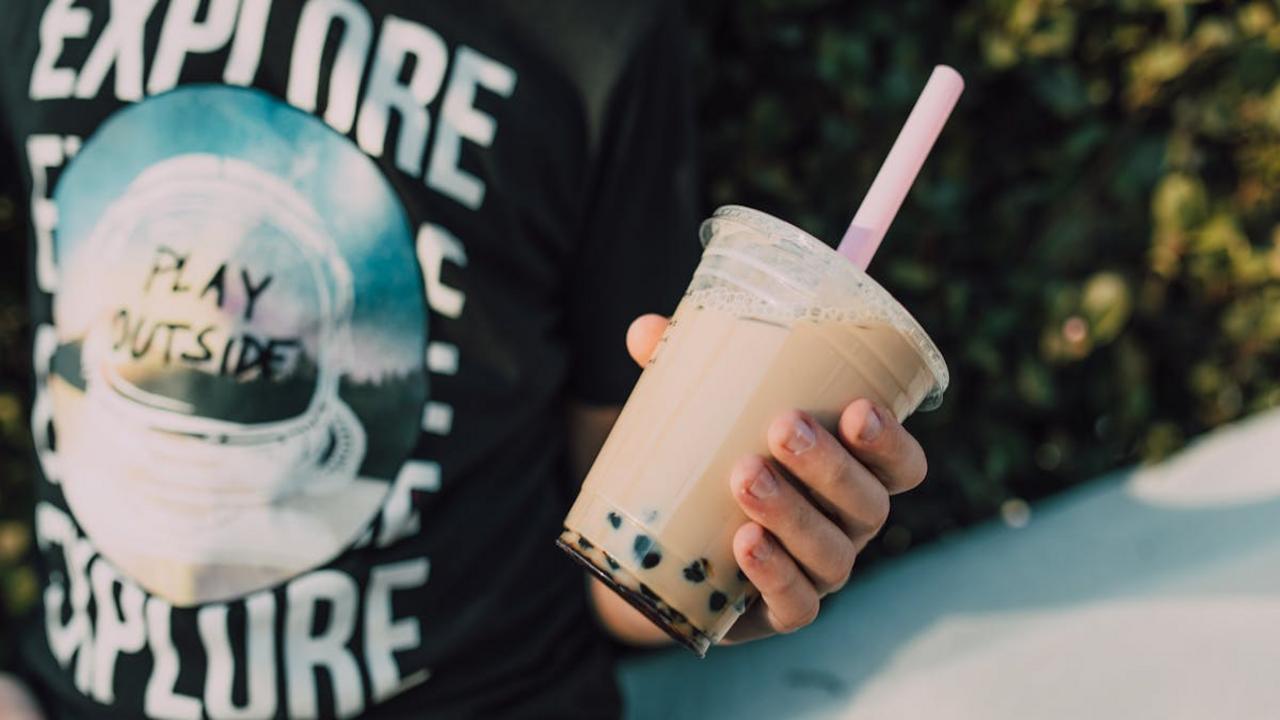
The 2010s brought us the worldwide bubble tea craze, turning this Taiwanese drink into a global phenomenon. What started as a simple tea-based drink with chewy tapioca pearls in Taiwan during the 1980s has become a customizable beverage experience. You’ll find countless variations featuring different tea bases, from classic black tea to matcha green tea, combined with milk or fruit flavors. The signature tapioca pearls, also known as boba, give this drink its unique texture and fun factor – who doesn’t love slurping up those chewy balls through an extra-wide straw?
I’ve watched bubble tea shops pop up on every corner, with lines of people eager to try the next trendy flavor combination. Beyond the classic tapioca pearls, you can now add jelly, pudding, or even cheese foam tops to your drink. The social media appeal of these colorful, photogenic drinks has helped fuel their popularity, especially among younger generations. My favorite part about bubble tea is how it brings people together – friends meet up for “boba dates,” sharing their favorite combinations and discovering new flavors. This drink represents how food trends in the 2010s became more globally connected and influenced by Asian cuisine.
Avocado Toast
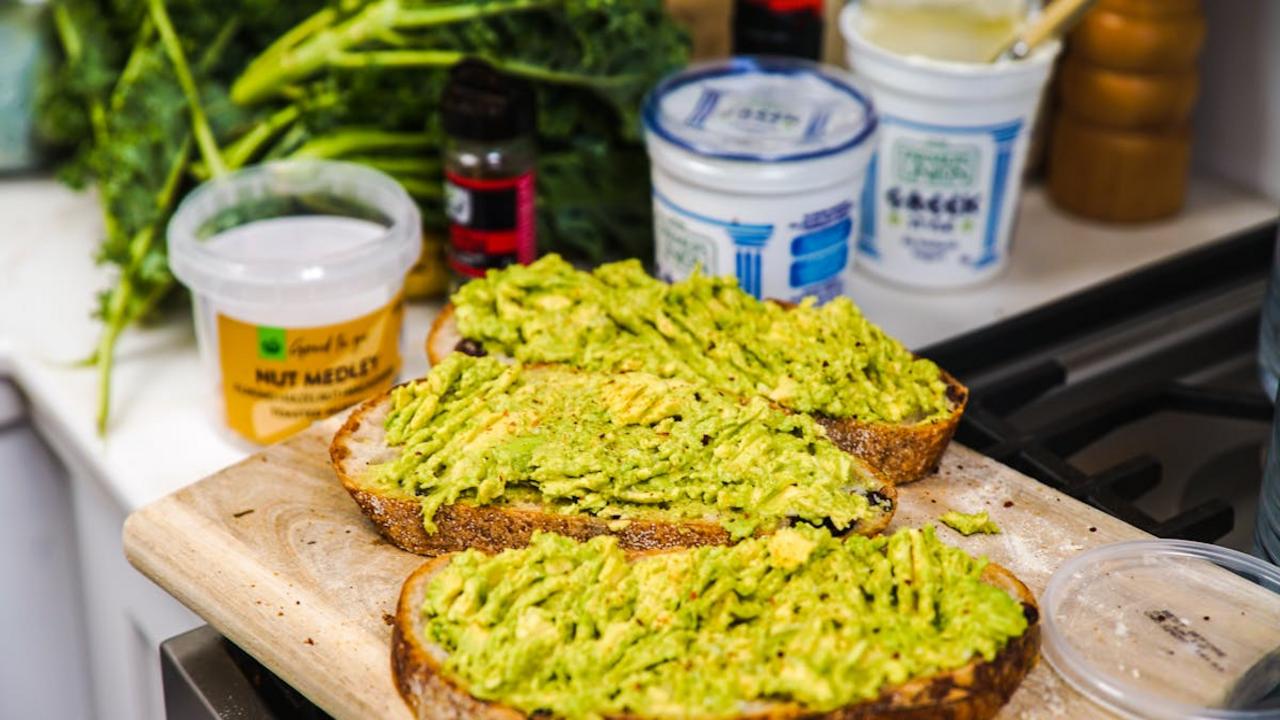
Who would have thought that smashing a ripe avocado on a piece of toasted bread would become such a defining food trend of the 2010s? This simple yet Instagram-worthy breakfast item took the world by storm around 2013, becoming a symbol of millennial dining culture. The combination of creamy avocado, crispy toast, and endless topping variations – from poached eggs to red pepper flakes – created a perfect balance of textures and flavors that resonated with health-conscious diners and brunch enthusiasts alike.
The popularity of avocado toast sparked a broader conversation about healthy eating habits and the role of social media in food trends. Small cafes and major restaurant chains added their own versions to their menus, while home cooks experimented with creative twists like adding microgreens, cherry tomatoes, or everything bagel seasoning. Despite occasional mockery about millennials spending too much money on fancy toast, this dish has maintained its status as a beloved breakfast staple, proving that sometimes the simplest combinations make the most lasting impact on food culture.
Cupcakes
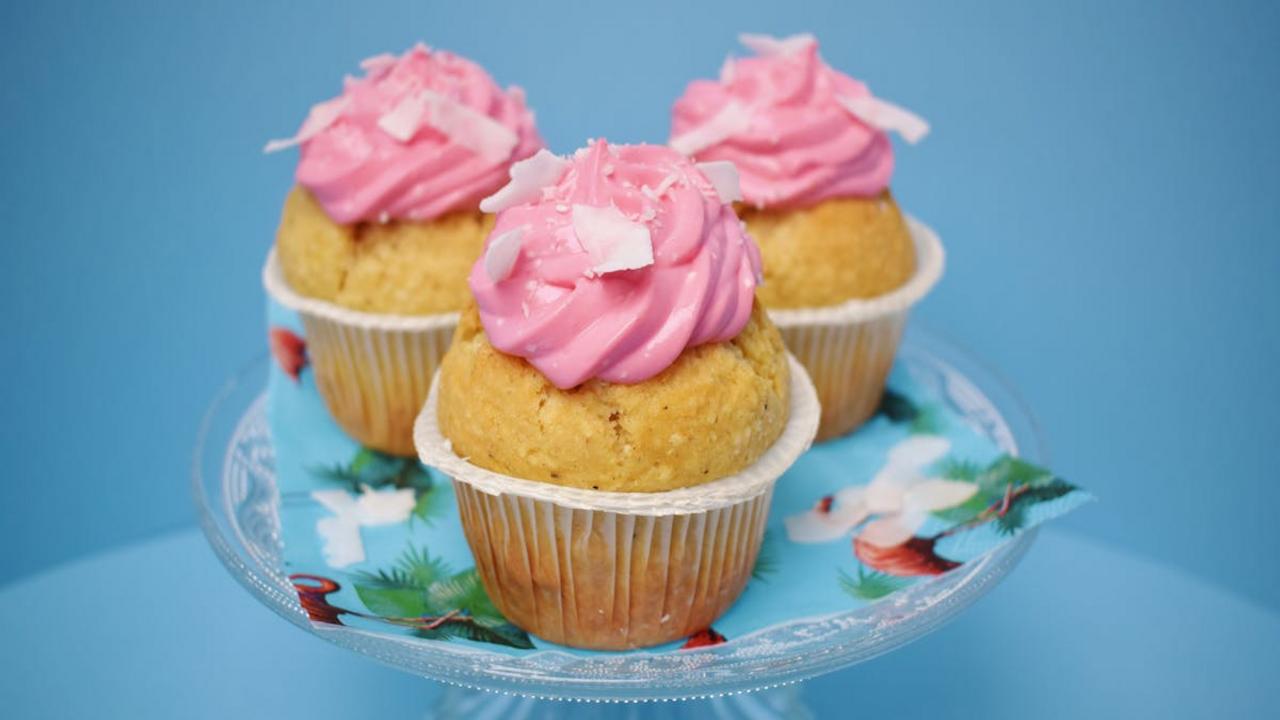
Remember those adorable frosted cupcakes that took over bakery windows and Instagram feeds in the early 2010s? What started as a simple sweet treat turned into a national phenomenon, with specialty cupcake shops popping up on every corner. Shows like “Cupcake Wars” fueled our obsession, while pioneers like Sprinkles and Magnolia Bakery transformed these handheld desserts into must-have status symbols. The craze peaked around 2011, with bakers competing to create the most unique and Instagram-worthy flavors – from maple bacon to lavender honey.
I saw countless home bakers jump on the cupcake bandwagon, experimenting with decorating techniques and flavor combinations in their kitchens. The cupcake boom sparked a wave of creativity in baking, encouraging people to try their hand at piping techniques and fondant work. While the intense hype has settled down, cupcakes remain a beloved dessert choice for celebrations and special occasions. Their perfect individual portions and endless customization options make them a go-to choice for parties, weddings, and everyday indulgence. The cupcake craze showed us how a simple dessert could bring so much joy and creativity to baking.
Kale Chips
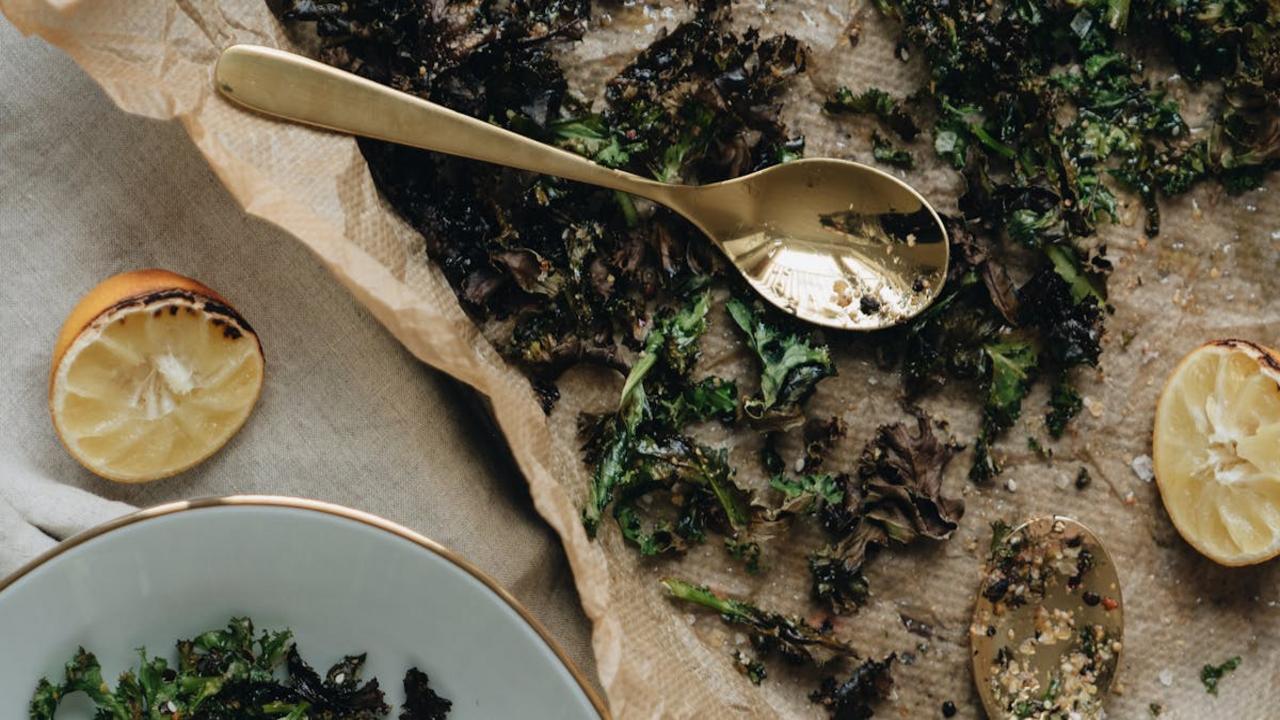
Remember when kale chips burst onto the health food scene in the early 2010s? This crispy, green snack quickly became the poster child for the clean eating movement, transforming an overlooked leafy vegetable into everyone’s favorite guilt-free munchie. I watched countless friends ditch their potato chips for these light-as-air alternatives, and soon found myself experimenting with different seasonings in my kitchen – from zesty ranch to spicy chipotle. The best part? You could actually feel good about eating the whole bowl!
What made kale chips so revolutionary was their simplicity – just tear up some kale, add a drizzle of olive oil and your favorite seasonings, then bake until crisp. They became a staple at health food stores and farmers’ markets, with brands like Brad’s Raw Foods leading the packaged revolution. Even skeptics who claimed they’d never touch kale found themselves reaching for seconds of these addictively crunchy snacks. While the initial kale chip craze has mellowed, these nutritious nibbles remain a go-to option for anyone wanting to add more greens to their diet without sacrificing that satisfying crunch.
Lunchables
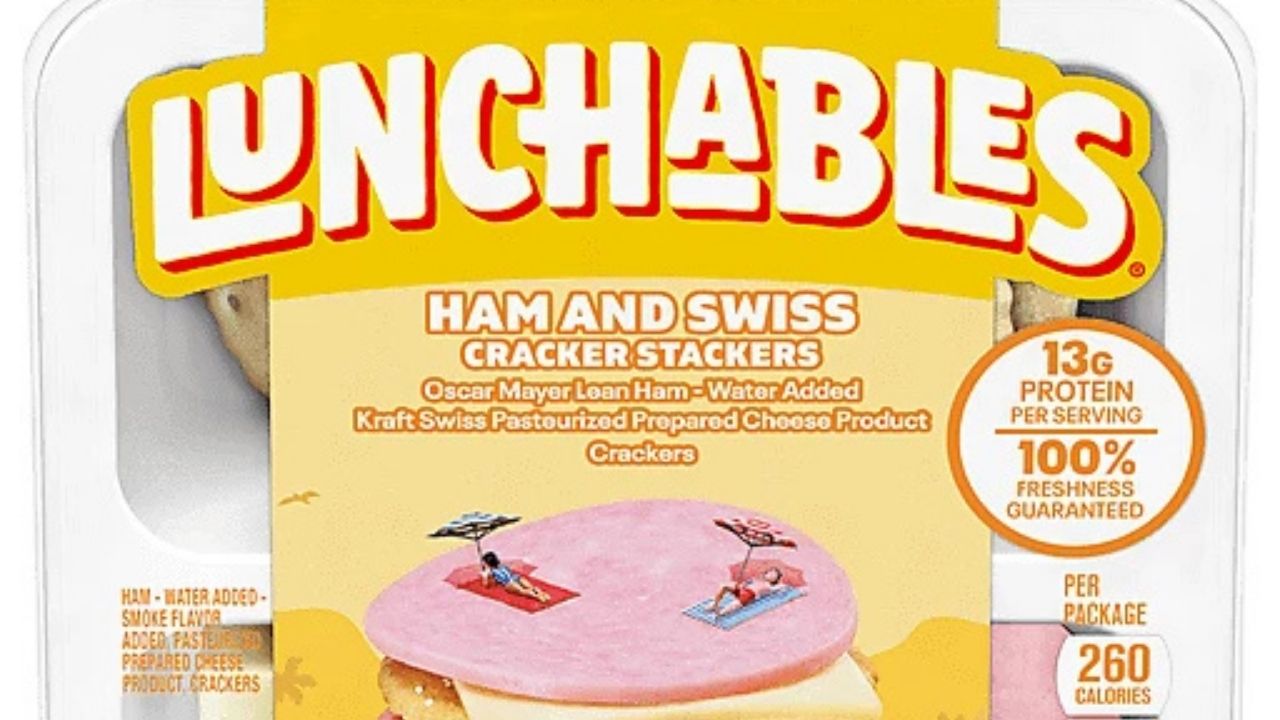
The 1980s brought us Lunchables, and they completely changed how kids ate lunch at school. Oscar Mayer created these convenient pre-packaged meals in 1988 after noticing that busy parents needed quick lunch solutions. The original version featured crackers, meat, and cheese that kids could stack themselves, making lunchtime fun and interactive. You’ll find more than 26 different varieties today, from pizza to nachos, which shows how much this brand has grown over the decades.
I remember the excitement in my classroom whenever someone pulled out a Lunchables box – it was like having a mini picnic right at your desk! While nutritionists have raised concerns about their processed ingredients and sodium content, Lunchables remain a nostalgic favorite for many 80s and 90s kids. The brand adapted to modern preferences by introducing healthier options with fresh fruits and whole grains. These convenient meal kits still bring smiles to kids’ faces and make parents’ morning routines just a little bit easier.
Fruit Roll Ups
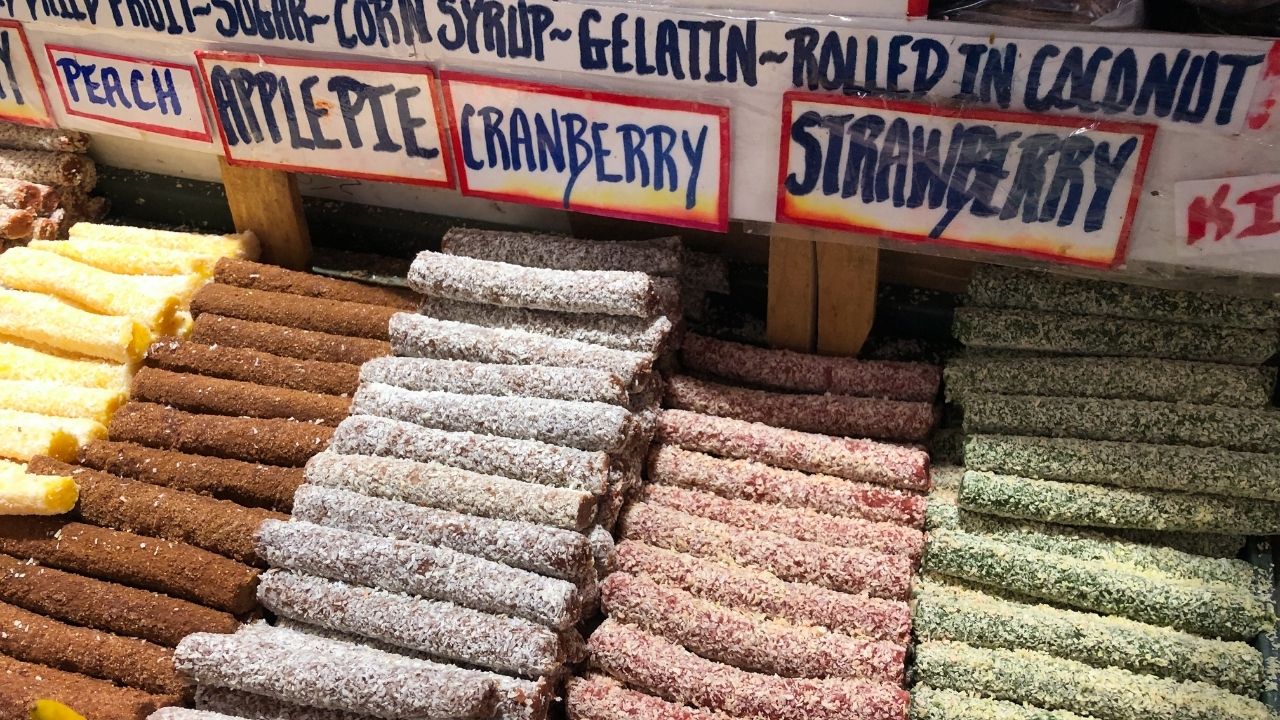
I remember the thrill of unrolling these sweet, chewy fruit snacks during my elementary school days in the 1980s. Fruit Roll-Ups hit the market in 1983 and quickly became the coolest lunchbox treat around. General Mills created these colorful, fun-to-eat strips that you could peel, twist, and wrap around your finger before eating. The best part? They came in bold flavors like strawberry, berry punch, and tropical tie-dye that would stain your tongue in the most delightful way.
While Fruit Roll-Ups weren’t exactly a health food (despite having “fruit” in the name), they captured the hearts of kids everywhere with their playful packaging and interactive eating experience. The snack’s popularity sparked numerous copycat products and even inspired a DIY movement of homemade fruit leather. Today, you’ll still find these nostalgic treats in grocery stores, but many parents now opt for natural alternatives made with real fruit puree. Still, nothing quite matches the pure joy of unrolling that clear plastic backing and diving into that sweet, stretchy strip of childhood memories.
Diet Coke
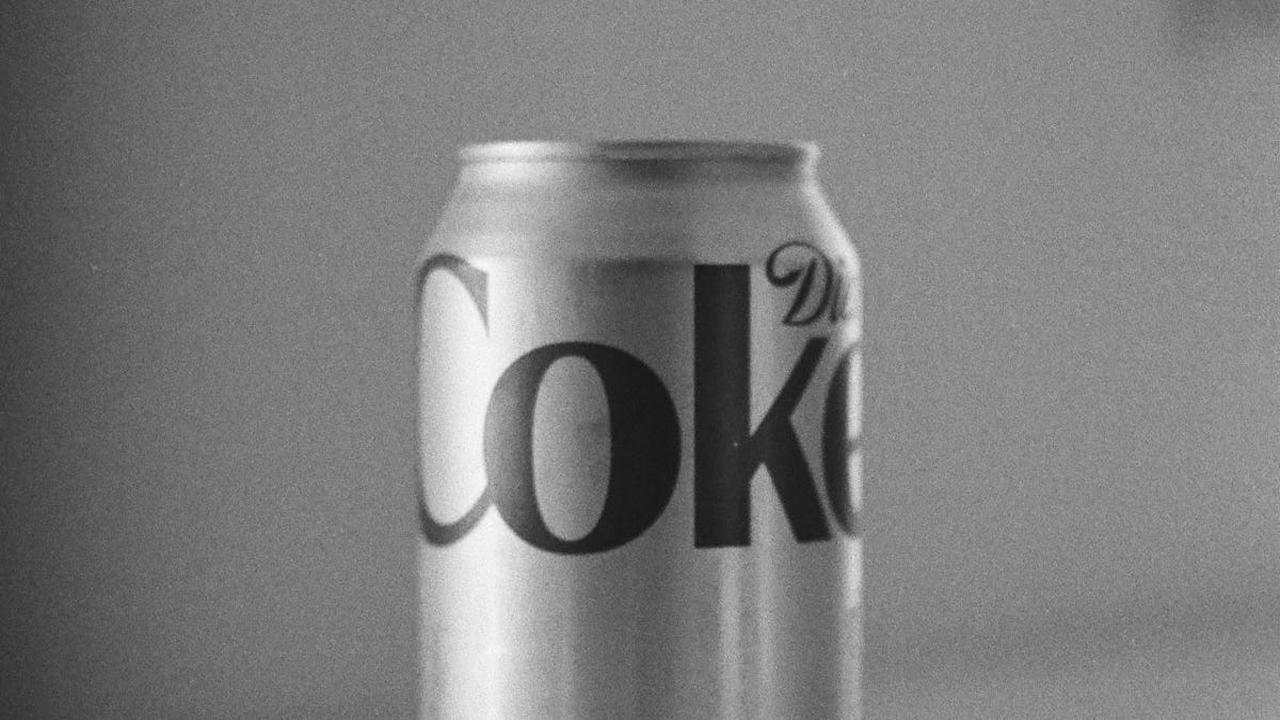
The 1980s brought us Diet Coke, which revolutionized the beverage industry and changed how Americans think about soft drinks. Coca-Cola launched this sugar-free alternative in 1982 after noticing a growing demand for low-calorie options. With its distinct flavor profile and zero calories, Diet Coke quickly became the drink of choice for health-conscious consumers who didn’t want to give up their cola fix. The beverage’s sleek silver can design and bold marketing campaigns helped establish it as a cultural icon.
Diet Coke remains one of the most popular diet sodas in the world, with millions of devoted fans who’ve made it part of their daily routine. The drink sparked countless debates about artificial sweeteners and kicked off a massive trend in diet beverages that continues today. You’ll find Diet Coke everywhere from office break rooms to celebrity Instagram posts, proving its staying power goes beyond just being a beverage – it’s become a lifestyle choice for many. The success of Diet Coke paved the way for dozens of other sugar-free alternatives across the beverage market.
Hamburger Helper
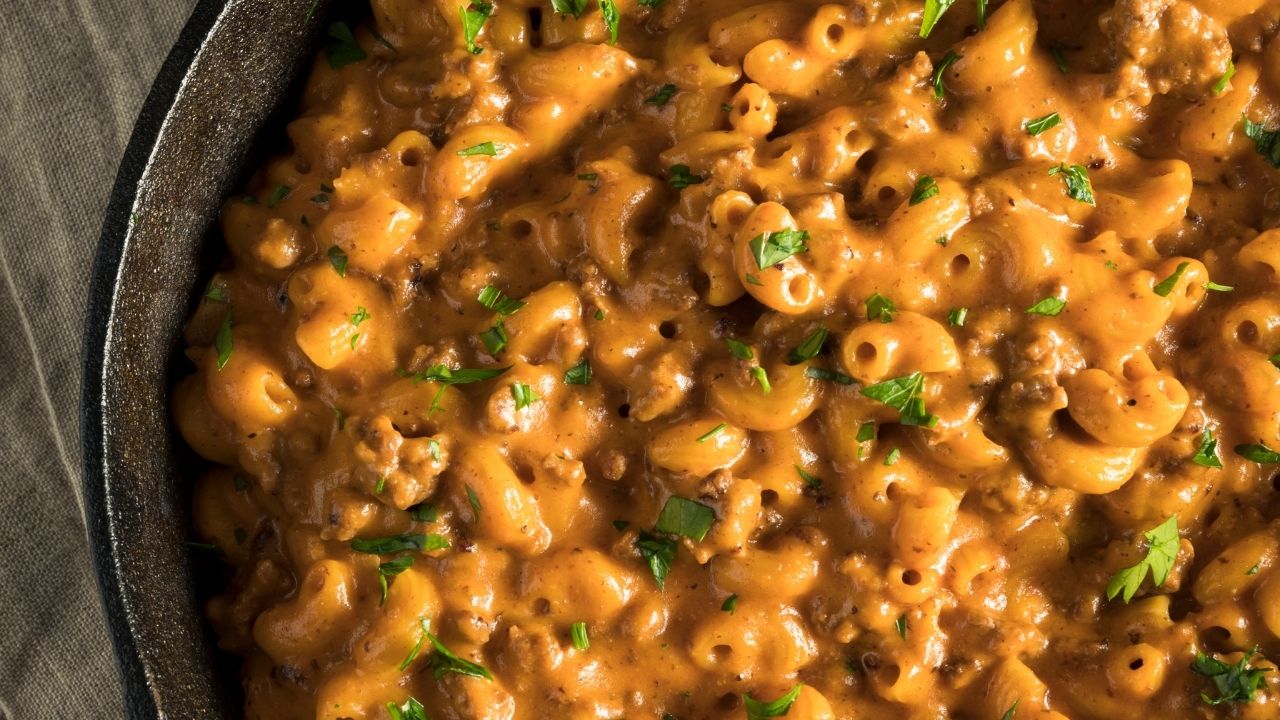
If you grew up in the 1970s, you’ll remember that familiar gloved hand mascot on boxes of Hamburger Helper in your kitchen cabinet. General Mills introduced this instant meal solution in 1971 during a meat shortage when beef prices skyrocketed. The clever concept helped families stretch a single pound of ground beef into a complete dinner for five people. By adding pasta, seasonings, and sauce packets to browned meat, busy moms could whip up filling meals like Cheesy Macaroni or Stroganoff in under 30 minutes.
The brand’s massive success sparked dozens of flavors and varieties over the decades – from the classic Cheeseburger Macaroni to Bold Southwestern Cheesy Jack. Hamburger Helper became such a cultural icon that it influenced how Americans cook at home, making one-skillet meals a weeknight dinner staple. Even today, while many home cooks opt for making similar dishes from scratch, the nostalgic comfort of that signature helping hand and those familiar flavors still brings back warm memories of satisfying family dinners around the table.
Pop Tarts
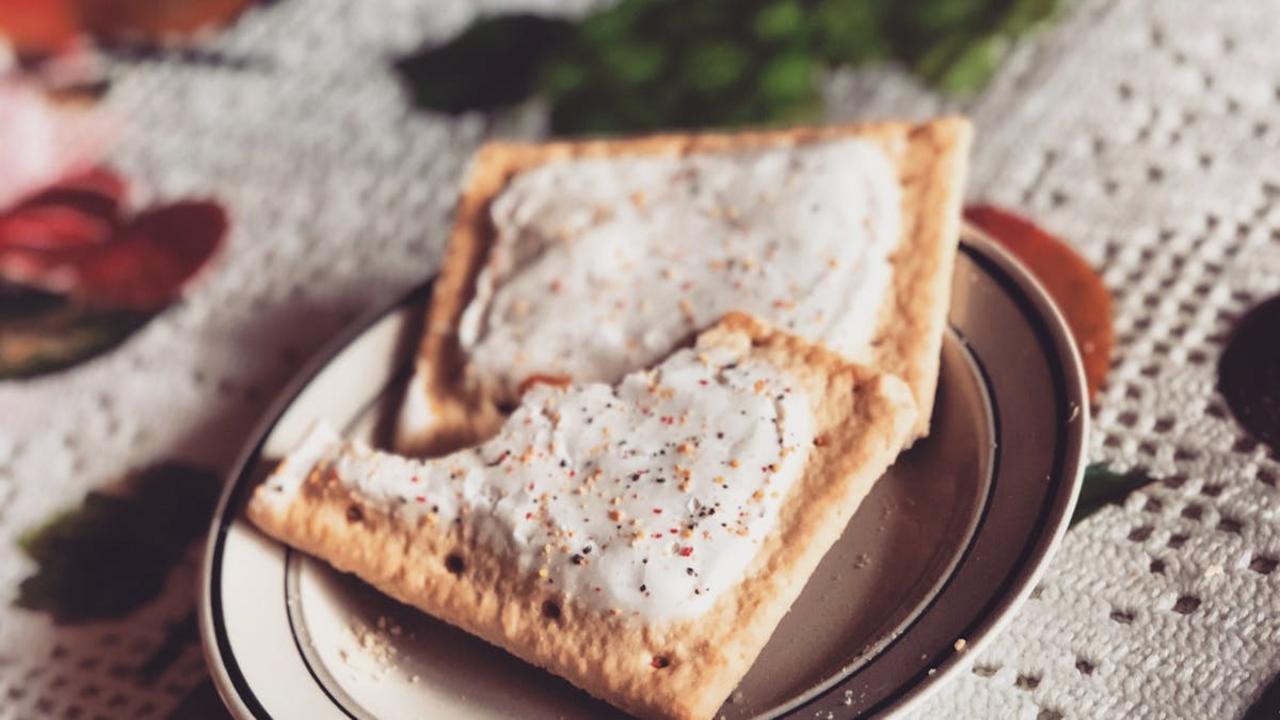
I’ll never forget the morning rush of my childhood – grabbing a Pop-Tart right out of the toaster while running to catch the school bus. These rectangular pastries hit the market in 1964 through Kellogg’s and quickly became a breakfast revolution for busy families across America. The first flavors, strawberry, blueberry, brown sugar cinnamon, and apple currant, won over kids and parents alike with their convenience and sweet, toasted goodness.
Though many nutritionists wouldn’t call Pop-Tarts the healthiest breakfast choice, they remain a cultural icon that shaped how Americans eat their morning meal. The brand keeps creating new flavors – from classic fruit fillings to wild combinations like Frosted Chocolate Fudge and S’mores. Today, Pop-Tarts sell over 2 billion units each year, proving their staying power through multiple generations. Whether you eat them straight from the package or perfectly toasted, these pastries continue to bring comfort and nostalgia to breakfast tables nationwide.
Fish Sticks
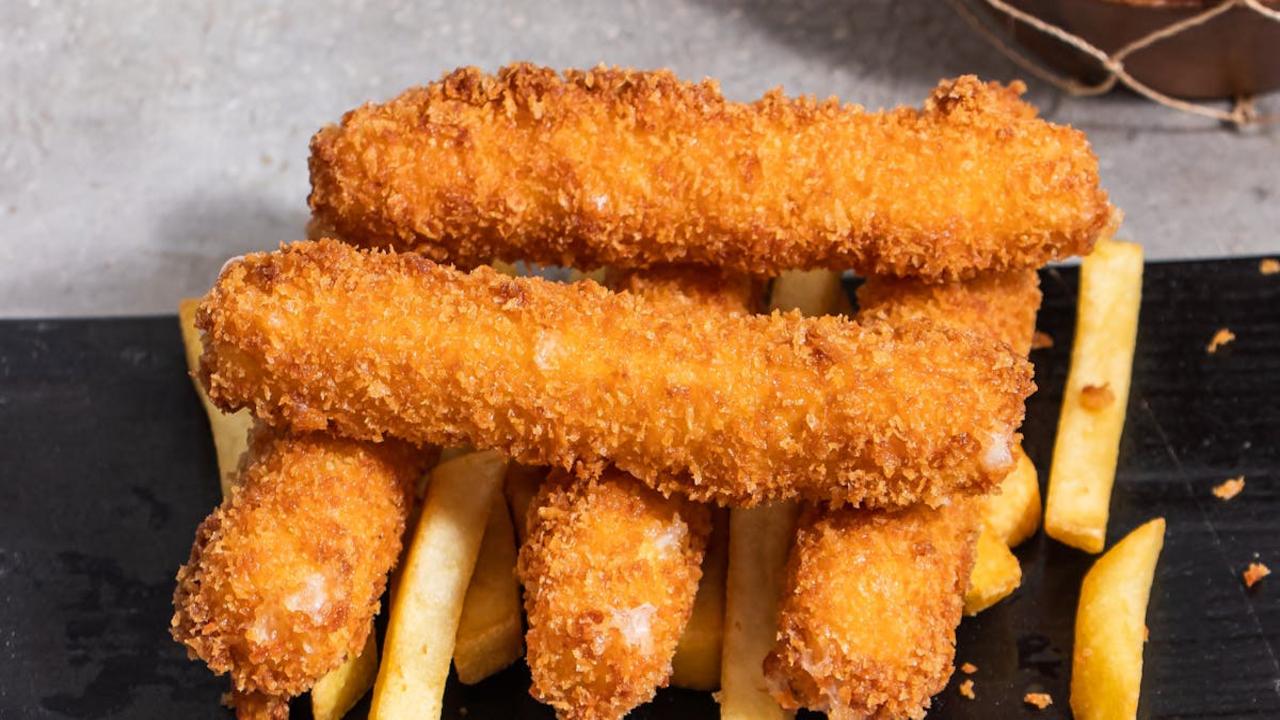
The 1950s brought us one of the most convenient frozen foods that would forever change family dinners – fish sticks! These crispy, golden-brown rectangles of breaded fish became an instant hit among busy moms who needed quick dinner solutions during the post-war boom. Birds Eye first introduced them in 1953, and the combination of new freezing technology with America’s growing love for convenient foods made them an overnight success. Kids especially loved the fun finger-food format, while parents appreciated the simple preparation and affordable price point.
I remember my grandmother telling me how fish sticks made fish more approachable for picky eaters in her household. The uniform shape and crispy coating helped mask the “fishy” taste that some children found off-putting. While the original fish sticks used cod or haddock, today’s versions include various white fish options. Though they might not be the fanciest seafood option, fish sticks remain a nostalgic comfort food that brings back memories of childhood dinners. You’ll still find them in freezers across America, ready to pair with tartar sauce and a side of mac and cheese for a quick weeknight meal.
Cheerios
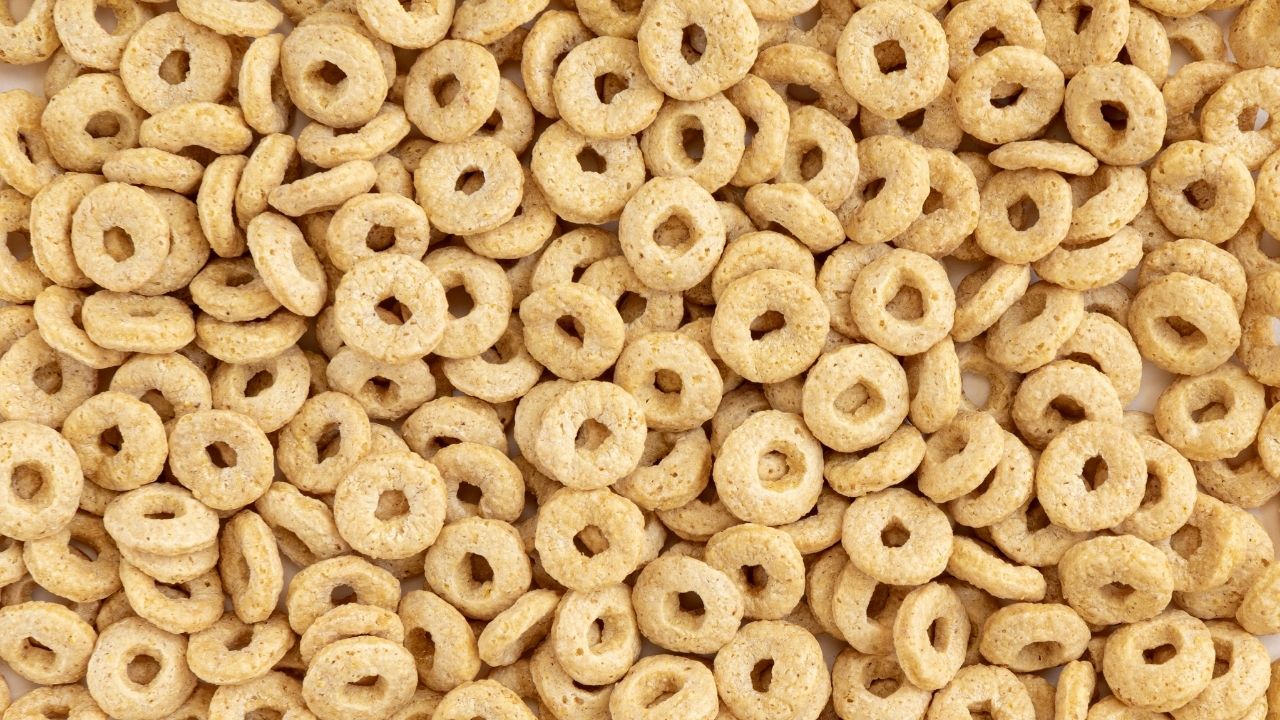
If you grew up in America after the 1940s, you’ve probably had Cheerios for breakfast at some point. Originally named “Cheerioats” when they debuted in 1941, this iconic cereal had to change its name due to a trademark dispute with Quaker Oats. The simple, wholesome combination of whole grain oats shaped into tiny Os quickly became a breakfast favorite. I love how Cheerios stood apart from the sugary cereals that dominated grocery shelves – offering a nutritious option that both kids and adults enjoyed.
The yellow box with its distinctive O-shaped cereal became a symbol of healthy breakfast choices, especially after research in the 1990s confirmed its heart-healthy benefits. From being one of the first finger foods for toddlers to becoming a go-to snack for adults watching their cholesterol, Cheerios maintained its popularity through smart marketing and genuine nutritional value. While the brand now offers many flavored varieties like Honey Nut and Apple Cinnamon, the original plain Cheerios remain a testament to how simple, good food can stand the test of time.
Kraft Macaroni & Cheese
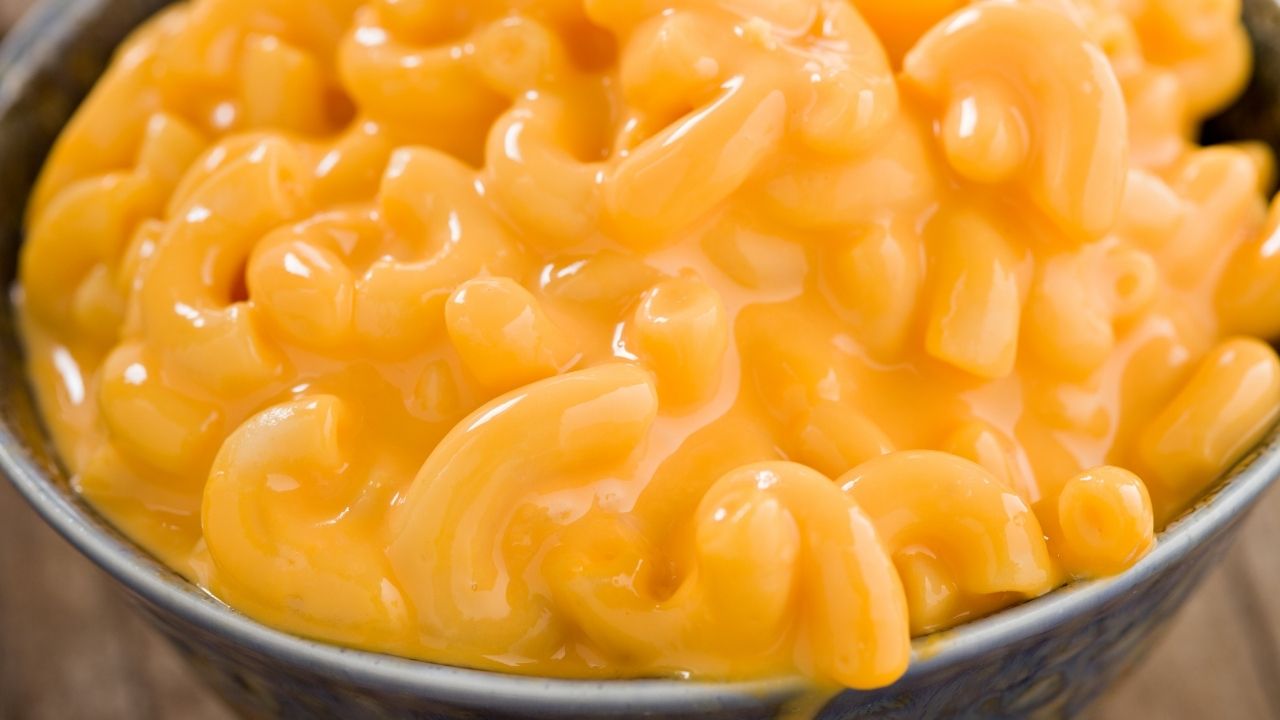
I remember making my first box of Kraft Macaroni & Cheese back in college – that familiar blue box became my go-to comfort food during late-night study sessions. Since its debut in 1937, this iconic comfort dish has brought smiles to millions of American families through the Great Depression and beyond. The genius idea came from James Lewis Kraft, who wanted to create an affordable meal by combining nonperishable pasta with his processed cheese. At just 19 cents per box, families could feed four people, making it the perfect budget-friendly dinner option.
Today, Kraft Macaroni & Cheese remains a beloved pantry staple, with Americans buying over 1 million boxes daily. The simple preparation – boiling pasta, adding butter, milk, and that signature orange cheese powder – has stayed virtually unchanged for decades. While many gourmet versions now exist, nothing quite matches the nostalgic appeal of the original blue box. The company has adapted to modern preferences by introducing organic options and removing artificial preservatives, but the classic taste we all know and love continues to bring comfort to new generations of mac and cheese fans.
Spam
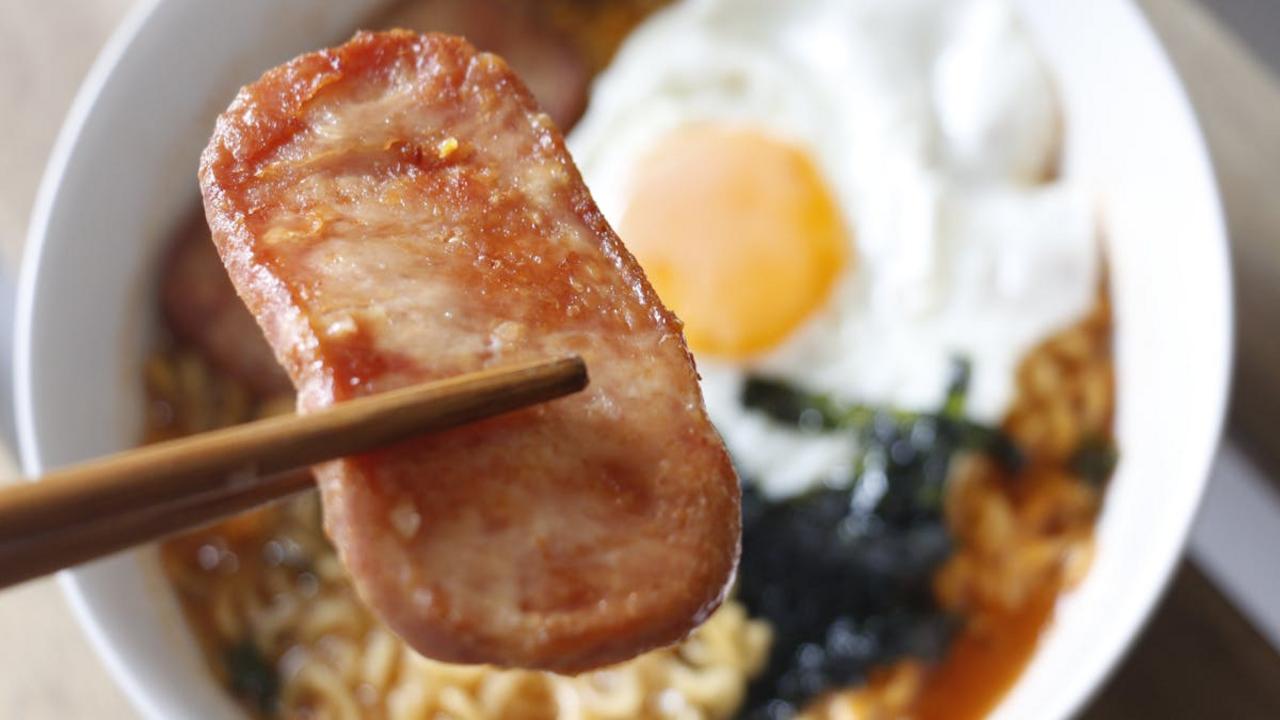
Who would have thought that a simple canned meat product would become such an iconic symbol of the 1940s? Hormel Foods introduced Spam in 1937, but this mix of pork, salt, water, sugar, potato starch, and sodium nitrite became a wartime necessity during World War II. The military needed a meat product that could stay fresh without refrigeration, making Spam the perfect solution. Over 150 million pounds of Spam went to Allied troops, giving them much-needed protein while fighting overseas.
Spam’s popularity continued long after the war ended, becoming a pantry staple in many American households. You’ll find this versatile meat product starring in everything from breakfast sandwiches to musubi (a Hawaiian favorite featuring grilled Spam on rice wrapped in nori). Today, Hormel produces more than 44,000 cans of Spam every hour, and the product has gained an almost cult-like following in many Asian countries, particularly South Korea, where it’s often given as a holiday gift. The Spam Museum in Austin, Minnesota, celebrates this humble canned meat that helped feed millions during wartime and continues to bring people together around the dinner table.
Pineapple Upside Down Cake
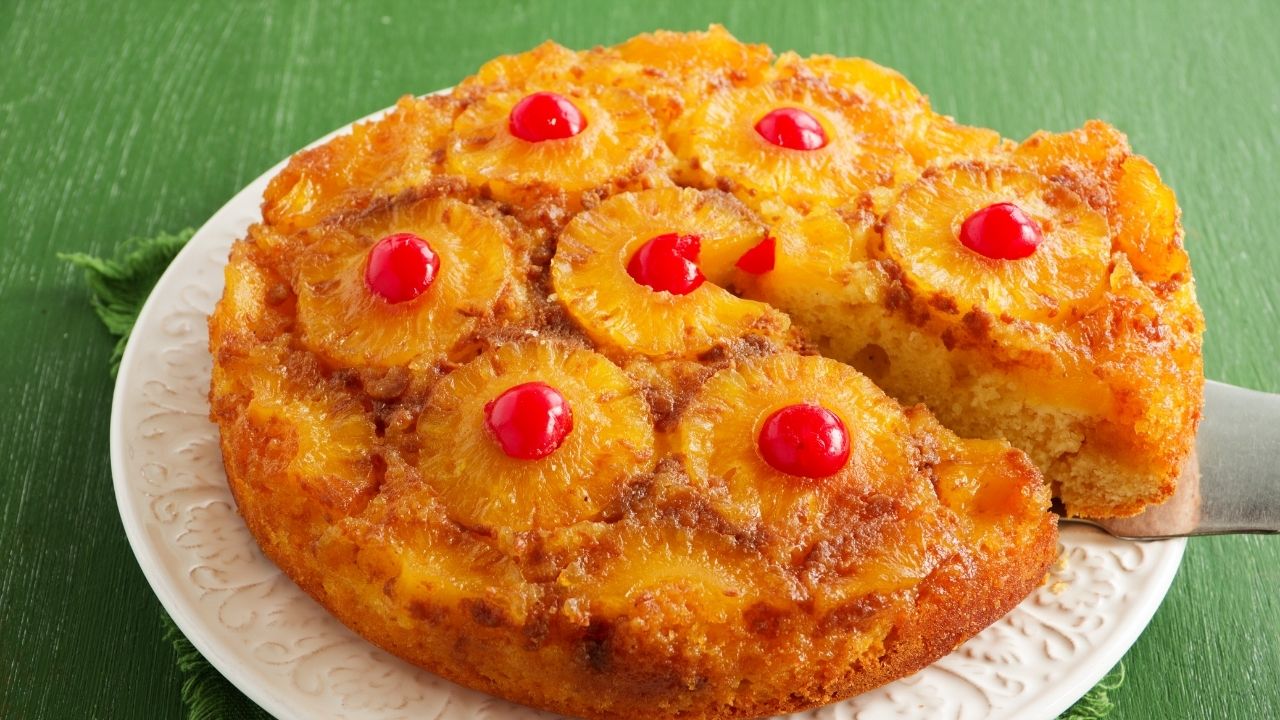
The 1920s brought us the glamorous Pineapple Upside Down Cake, a dessert that became an instant hit in American households. With the invention of canned pineapples and Maraschino cherries, home bakers could now create this stunning dessert year-round. The magic happens when you flip the cake to reveal a glistening arrangement of caramelized pineapple rings and bright red cherries – a presentation that still wows guests today. The buttery brown sugar topping melts into the fruit during baking, creating an irresistible caramel sauce that seeps into the tender yellow cake beneath.
This retro favorite owes its popularity to Dole Pineapple Company, which ran a contest calling for pineapple recipes in 1925. The flood of submissions featuring this upside-down technique sparked a nationwide craze. The dessert symbolized modern convenience and tropical luxury, making it a must-serve at dinner parties throughout the decade. Even today, this vintage cake maintains its charm with many families passing down their own versions through generations. The combination of sweet, buttery cake with tangy pineapple creates a nostalgic dessert that continues to shine at potlucks and holiday gatherings.