12 Fast Food Secrets Your Favorite Chains Don’t Want You to Know
Ever wondered what actually goes on behind those fast food counters? I’ve spent years uncovering the hidden truths about your favorite quick-service restaurants. From secret ingredients to surprising food preparation methods, these chains guard certain information closely—and for good reason.
Your McDonald’s order, Taco Bell craving, or Starbucks addiction comes with backstories you probably haven’t heard. The fast food industry thrives on consistency and speed, but that doesn’t always mean what you think. The reality behind your square Wendy’s patty or those oddly-named Starbucks cups might shock you.
I’m pulling back the curtain on 12 industry secrets these restaurant giants prefer to keep quiet. Some will make you think twice about your next drive-thru visit, while others might give you a new appreciation for the systems these companies have built. Ready for the unfiltered truth about what you’re really eating?
Chipotle Food Safety Protocols

Friend, you know how much I value fresh, wholesome ingredients in my cooking – and that’s exactly why Chipotle’s food safety story hits differently when you dig deeper. After those notorious E. coli outbreaks back in 2015, the company completely transformed their behind-the-scenes operations in ways they don’t advertise on those feel-good marketing campaigns. They now test every single ingredient before it enters their kitchens, implement DNA-based testing for pathogens, and require suppliers to meet standards stricter than most restaurants. Your burrito bowl goes through more safety checks than ingredients I pick up at my local farmer’s market.
What really gets me is how they’ve created this farm-to-restaurant traceability system that tracks every tomato, every piece of lettuce, right back to the specific field where it grew. They can tell you exactly which farm your cilantro came from and when it was harvested – something I wish I could do with half the produce in my own kitchen! The company invested over $10 million in new food safety technology and hired a former FDA associate commissioner to oversee their protocols. Every location now has dedicated food safety managers, and they’ve shortened ingredient shelf life requirements beyond industry standards. It’s like they’re running a mini laboratory disguised as a fast-casual restaurant.
Five Guys Fresh Cut Fries Method
Why Starbucks Cup Sizes Have Unusual Names

Domino’s Pizza Tracking Technology
The Truth About Chicken McNuggets
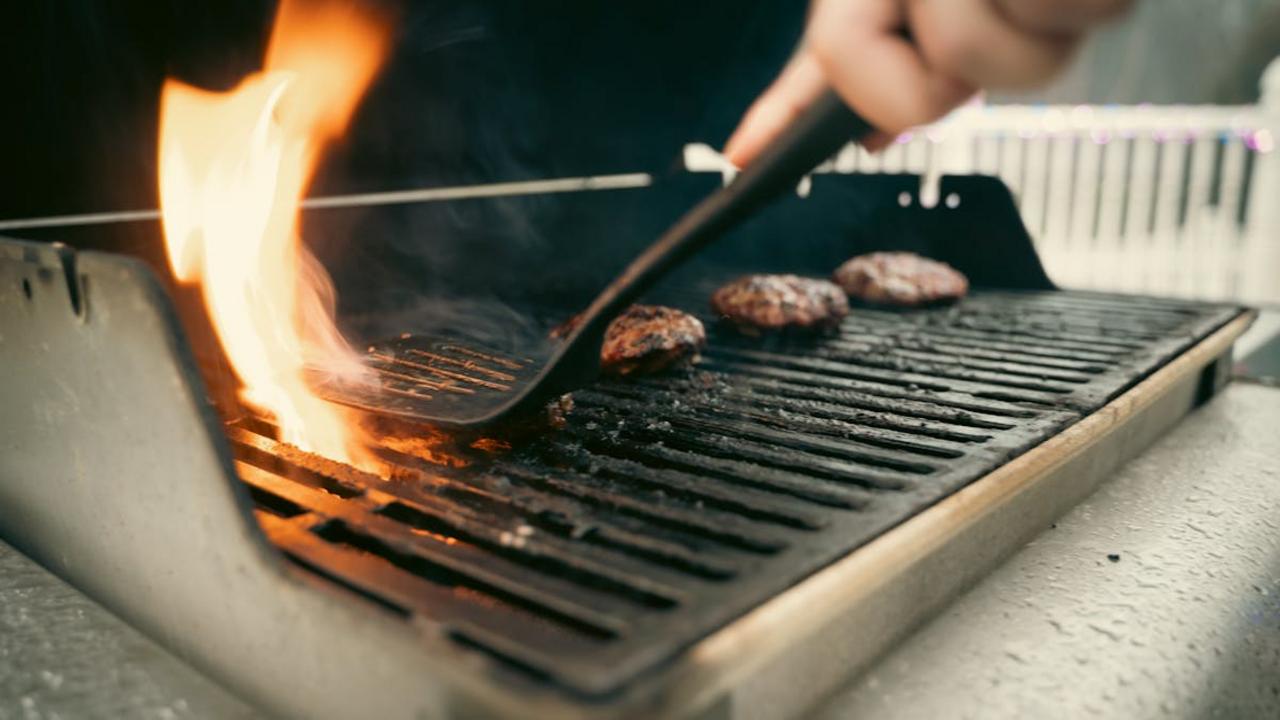
Burger King Flame Broiling Process
Hidden Calories in Subway Fresh Options

Taco Bell Meat Quality Standards
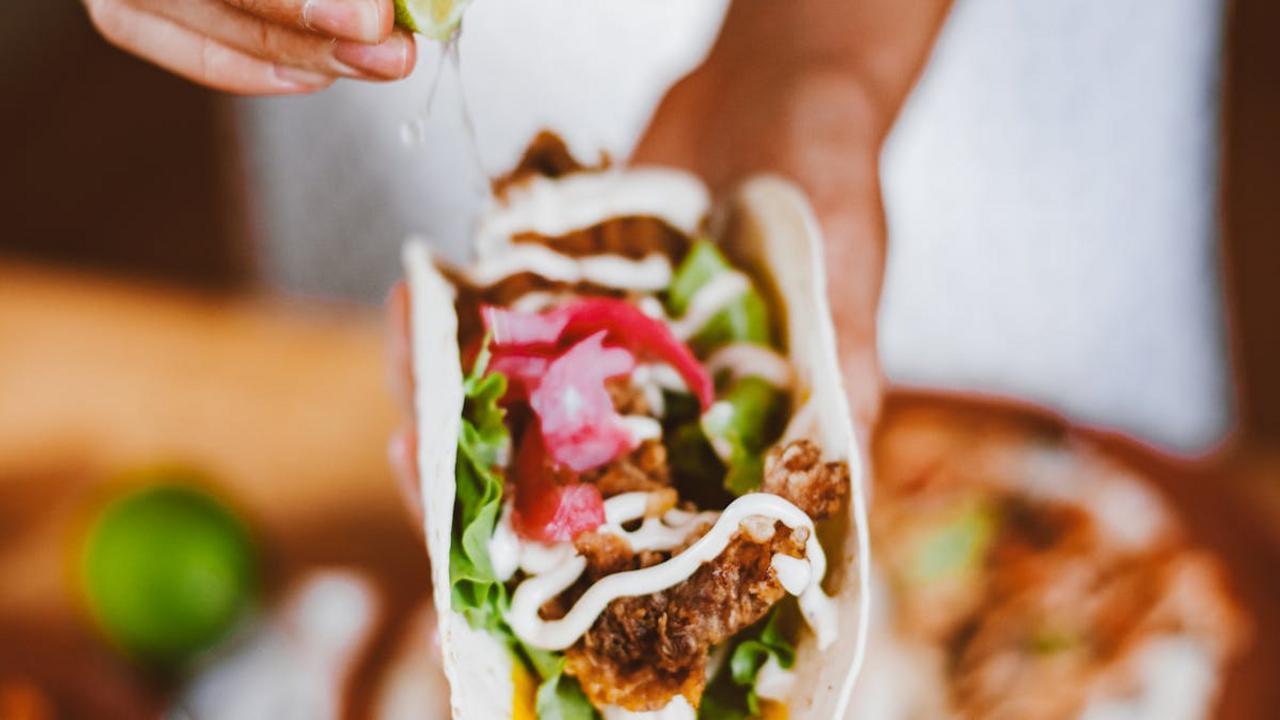
You know how I always tell you to read labels and know what goes into your food? Well, Taco Bell’s “seasoned beef” might surprise you more than my experimental fusion tacos do. Their meat contains only 88% actual beef, with the remaining 12% being a mix of water, seasoning, and what they call “signature recipe” – which includes ingredients like maltodextrin, silicon dioxide, and modified corn starch. These additives help bind the mixture and create that distinctive texture we recognize, but they’re far from the simple ground beef and spices you’d use in your own kitchen.
This revelation completely changed how I approach my own taco night creations. Instead of reaching for pre-seasoned ground meat, I now brown organic grass-fed beef with my own spice blend – cumin, chili powder, smoked paprika, and a touch of cocoa powder for depth. The difference is remarkable! You get pure, unadulterated flavor without any mysterious binding agents. Plus, when you control the seasoning, you can adjust the heat level and sodium content to match your family’s preferences. Your homemade version will taste cleaner, more vibrant, and you’ll know exactly what nourishes your body with every single bite.
How KFC Original Recipe Stays Secret
You know what fascinates me most about KFC’s Original Recipe? It’s not just the blend of 11 herbs and spices that Colonel Sanders created back in the 1940s—it’s the incredible lengths this company goes to keep those ingredients hidden. They split the recipe into two halves, with each half stored in separate bank vaults in different locations. Only a handful of executives know the complete formula, and they’re never allowed to travel together on the same plane. Can you imagine treating a recipe like nuclear launch codes?
What really gets me thinking as someone who loves creating recipes from scratch is how this secrecy actually works against home cooks like us. While we’re out here experimenting with paprika, garlic powder, and sage to recreate that famous flavor, KFC uses this mystery as pure marketing magic. The truth is, food scientists have analyzed the coating and found it’s likely just salt, pepper, MSG, and a handful of common spices you probably have in your pantry right now. But that vault-locked secrecy makes us believe there’s something mystical about it—when really, the magic might just be in the pressure frying technique and the perfect seasoning ratios that you can absolutely master in your own kitchen.
Why Wendy’s Burgers Are Square
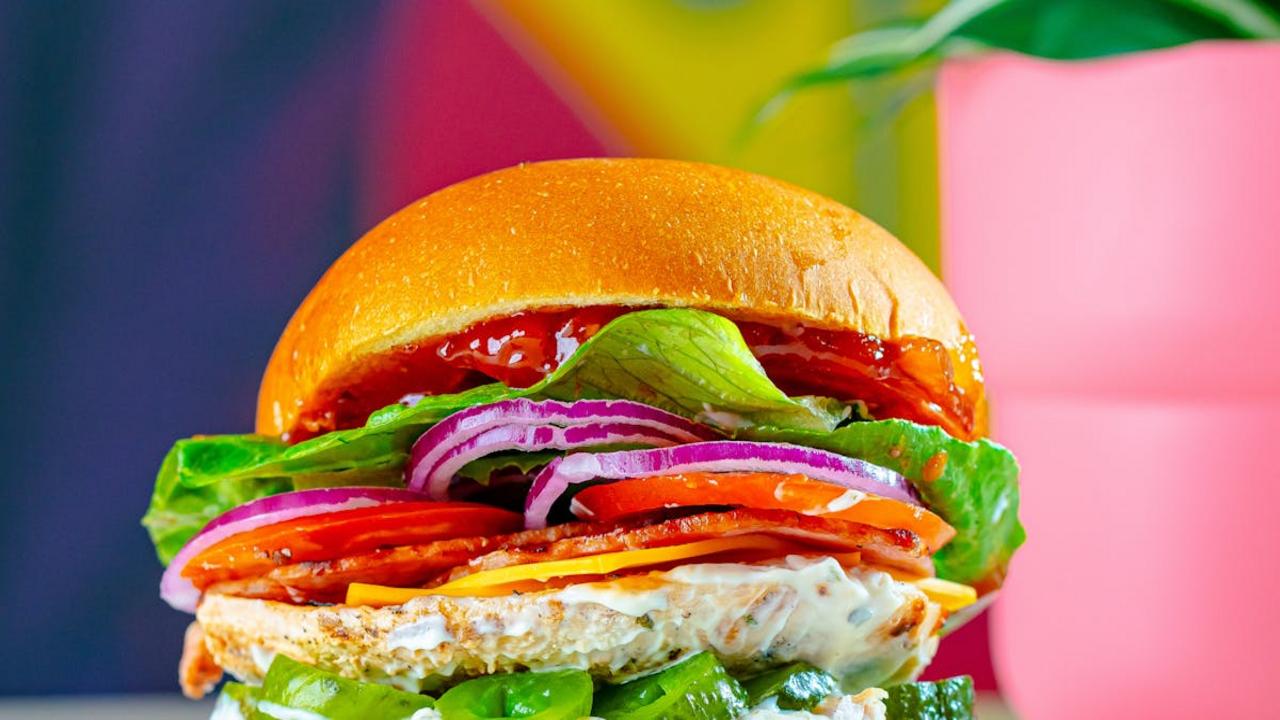
You know what always catches my eye at Wendy’s? Those distinctive square patties that somehow manage to peek out from every corner of the bun. This isn’t just a quirky design choice—it’s actually brilliant marketing psychology wrapped up in geometry. Dave Thomas, Wendy’s founder, wanted customers to see they were getting more meat for their money, and those square edges hanging over the round bun create that visual proof instantly. Every time you unwrap that burger, you’re getting a clear message: we don’t cut corners on quality, even if we cut corners on our patties.
From my perspective as someone who shapes countless patties at home, there’s something genuinely smart about this approach that goes beyond marketing. Square patties actually cook more evenly on a flat grill because they make better contact with the surface—no curved edges lifting away from the heat. When I’m making burgers in my own kitchen, I’ve started pressing mine into more rectangular shapes for the same reason. Plus, that extra surface area means more of those beautiful caramelized edges that add so much flavor. Wendy’s stumbled onto something that works both visually and functionally, proving that sometimes the most unconventional shapes make the most sense.
The Real Story Behind Pizza Hut Pan Pizza
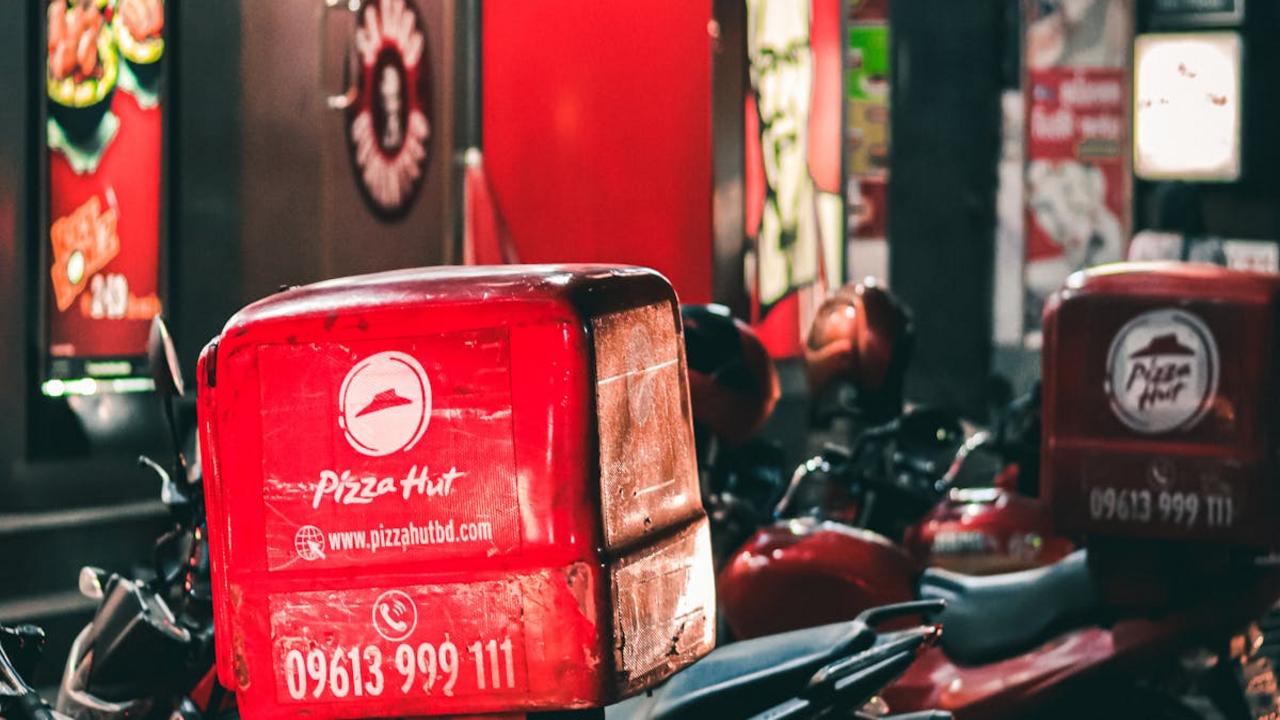
You know that iconic thick, buttery crust that makes Pizza Hut’s pan pizza so addictive? Here’s what they don’t advertise: those pans get coated with a heavy layer of oil before the dough goes in, creating that signature greasy bottom that we secretly crave. But here’s the kicker – that “special” dough isn’t made fresh in-store like you might expect. Most locations receive pre-made dough balls that sit in walk-in coolers for days, sometimes over a week, before they make it into your pizza. The extended fermentation actually develops more flavor, but it’s not the artisanal process their marketing suggests.
As someone who makes pizza from scratch regularly, I can tell you that recreating this at home is surprisingly simple and so much better for your body. Skip the processed dough and make your own with just flour, water, yeast, and a touch of honey for that subtle sweetness. Instead of drowning your pan in oil, brush it lightly with olive oil infused with garlic and herbs. You’ll get that crispy bottom without the excess grease, plus you control every ingredient that goes into your family’s meal. The best part? Your kitchen will smell incredible, and you’ll know exactly what you’re feeding the people you love.
Secret Menu Items at McDonald’s

3