15 Inflation-Busting Groceries Budget Shoppers Swear By
Grocery prices continue to soar, but your food budget doesn’t need to! I’ve rounded up 15 affordable staples that keep my pantry stocked without breaking the bank. These humble heroes pack serious nutritional punch while staying consistently budget-friendly, even as other items skyrocket in price.
You’ll notice many of these foods offer incredible versatility in the kitchen. From hearty breakfast oats to protein-packed legumes and nutrient-dense vegetables, each ingredient pulls its weight in multiple recipes. I rely on these staples weekly, transforming them into everything from quick weeknight dinners to satisfying meal preps.
The best part? Most of these foods keep exceptionally well, reducing waste and stretching your dollar further. Stock up during sales and learn a few simple cooking techniques to transform these affordable ingredients into truly delicious meals. Your wallet and your body will thank you!
Peanut Butter

You know that jar of peanut butter sitting in your pantry? It’s quietly working overtime as one of the most budget-friendly protein powerhouses you can buy. I grab the natural varieties whenever they go on sale—those simple ingredient lists with just peanuts and maybe a pinch of salt speak to my heart. A single tablespoon gives you about 8 grams of protein, healthy fats that keep you satisfied, and enough versatility to transform both sweet and savory dishes without breaking the bank.
I love how peanut butter bridges cultures in my kitchen—from Thai-inspired satay sauces that coat vegetables and noodles, to African groundnut stews that stretch a small amount of meat into a hearty family meal. You can whisk it into homemade salad dressings, blend it into smoothies for morning fuel, or simply spread it on toast with banana slices for a satisfying breakfast that costs pennies. The protein and fat content means a little goes a long way in keeping hunger at bay, making this humble ingredient a true inflation fighter that delivers both nutrition and flavor in every spoonful.
Greek Yogurt
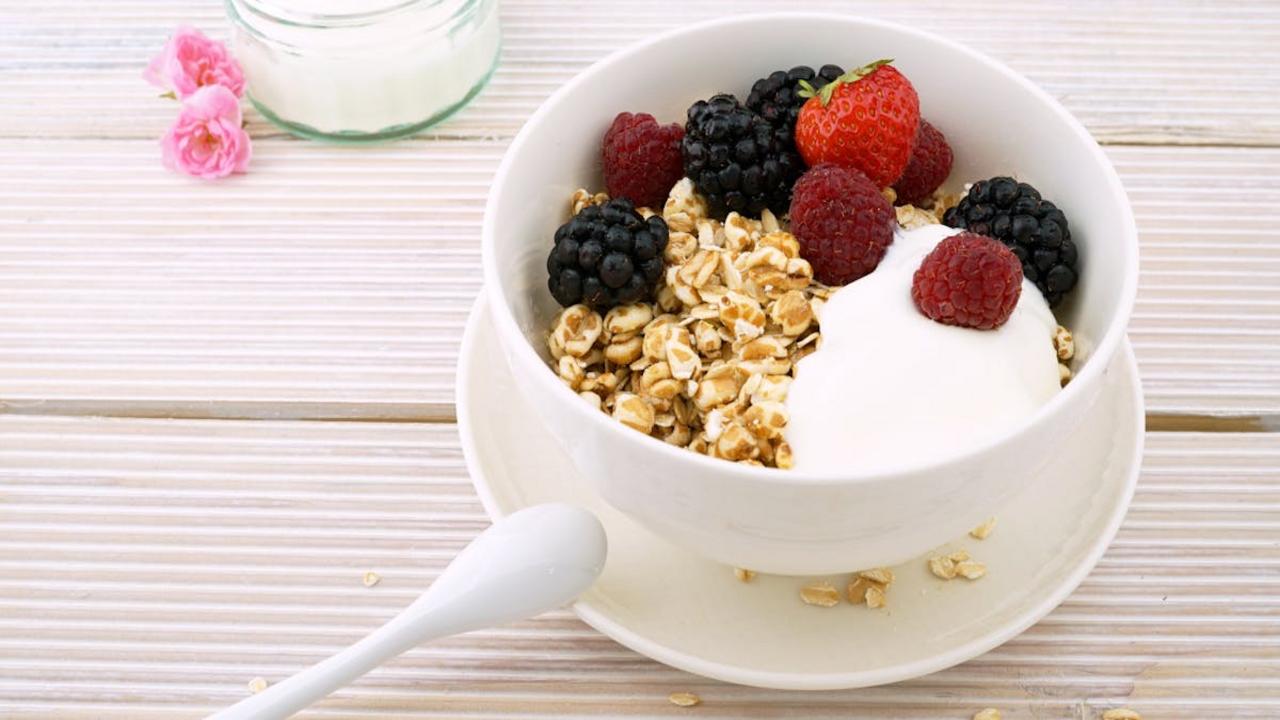
Greek yogurt sits in my fridge like a dependable friend—thick, creamy, and ready to transform whatever meal I’m creating. While regular yogurt prices climb higher each week, Greek yogurt delivers incredible bang for your buck when you consider its protein punch and versatility. I buy the large containers and watch them work magic across breakfast, lunch, and dinner. You can swap it for sour cream in tacos, blend it into smoothies with frozen fruit, or mix it with herbs for an instant sauce that costs pennies to make.
The beauty of Greek yogurt lies in how it stretches your grocery dollars while keeping you satisfied longer. That protein content—often double what you’d find in regular yogurt—means you won’t reach for expensive snacks an hour later. I love making overnight oats with Greek yogurt and whatever fruit is on sale, creating a filling breakfast that costs less than a fancy coffee drink. Mix it with garlic and lemon for a Mediterranean-inspired dip, or stir in some curry powder and use it as a marinade for chicken. Each container becomes the foundation for multiple meals, proving that smart shopping means thinking beyond the obvious uses.
Popcorn Kernels

You know what I love about popcorn kernels? They’re basically magic in your pantry. For less than two dollars, you can buy a bag that transforms into dozens of servings of snacks. I remember the first time I made popcorn from scratch on my stovetop – the sound of those first kernels popping felt like a small celebration. Unlike those expensive pre-packaged bags loaded with artificial flavors and preservatives, raw kernels give you complete control over your snack destiny.
My favorite way to prepare them involves heating a tablespoon of coconut oil in a heavy-bottomed pot, adding a few test kernels, then pouring in a quarter cup once they pop. The real fun starts with seasoning – I sprinkle everything from nutritional yeast and smoked paprika to cinnamon and a touch of maple syrup. Sometimes I’ll toss the hot popcorn with a drizzle of olive oil and za’atar for a Middle Eastern twist. Each batch costs pennies compared to store-bought alternatives, and you avoid all those unpronounceable ingredients while creating something fresh and wholesome for your family.
Tofu
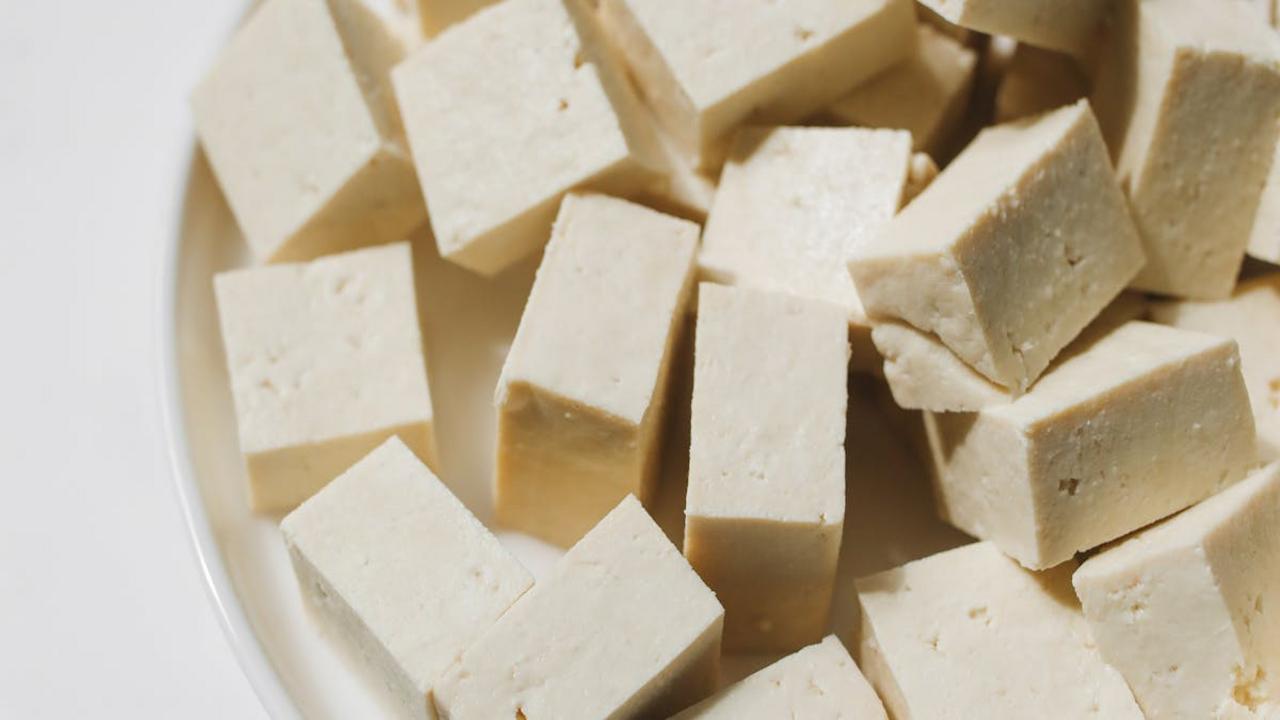
You know what makes me smile when I’m shopping on a tight budget? Spotting those blocks of tofu sitting quietly in the refrigerated section, often overlooked by other shoppers. This protein powerhouse costs a fraction of what you’d pay for meat, yet it transforms into whatever flavor profile you dream up. I grab extra-firm tofu for stir-fries where it soaks up every drop of ginger-soy sauce I throw at it, or silken tofu for creamy smoothies and desserts that rival any expensive dairy alternative. The beauty lies in tofu’s blank canvas nature—it becomes Korean with some gochujang, Mediterranean with herbs and olive oil, or Indian with turmeric and garam masala.
What really gets me excited about cooking with tofu is how it stretches a meal while keeping everyone satisfied. I press it, cube it, crumble it into scrambles, or blend it into sauces that make vegetables sing. One block feeds my family of four when I toss it with roasted vegetables and brown rice, creating a complete protein meal for under five dollars. Plus, tofu keeps well in the fridge for weeks, meaning you can stock up when it goes on sale. I’ve learned that the secret to great tofu isn’t complicated techniques—just good seasoning, proper pressing to remove excess water, and confidence to experiment with different cooking methods from pan-frying to grilling.
Bulk Quinoa
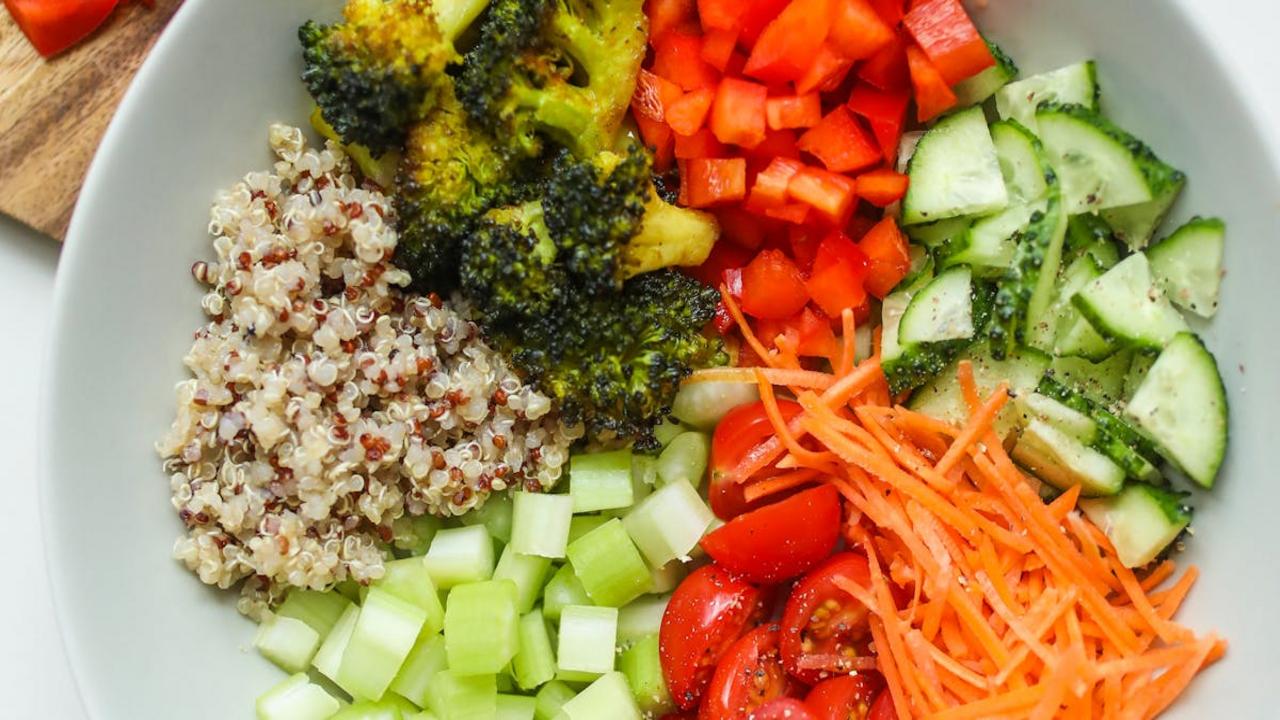
Listen, I know quinoa gets a bad reputation for being that trendy “superfood” everyone talks about, but hear me out – buying this ancient grain in bulk is one of the smartest moves you can make for your wallet and your health. When you purchase quinoa from bulk bins or in large bags, you’re looking at paying sometimes half the price of those fancy pre-packaged containers. I’ve found that buying a five-pound bag costs about the same as two small boxes, and trust me, this protein-packed grain stores beautifully in airtight containers for months.
What I love most about having quinoa on hand is how it transforms into completely different dishes depending on what flavors you throw at it. One night I’ll cook it with coconut milk and curry spices for a fragrant side dish, and the next morning I’m mixing leftover quinoa with almond milk and cinnamon for a warm breakfast bowl. The beauty lies in its versatility – you can toast it first for a nutty flavor, cook it in broth instead of water, or even sprout it for salads. With 8 grams of complete protein per cooked cup, quinoa keeps you satisfied longer than most grains, which means you’re actually eating less overall and stretching your grocery budget further.
Bulk Rice
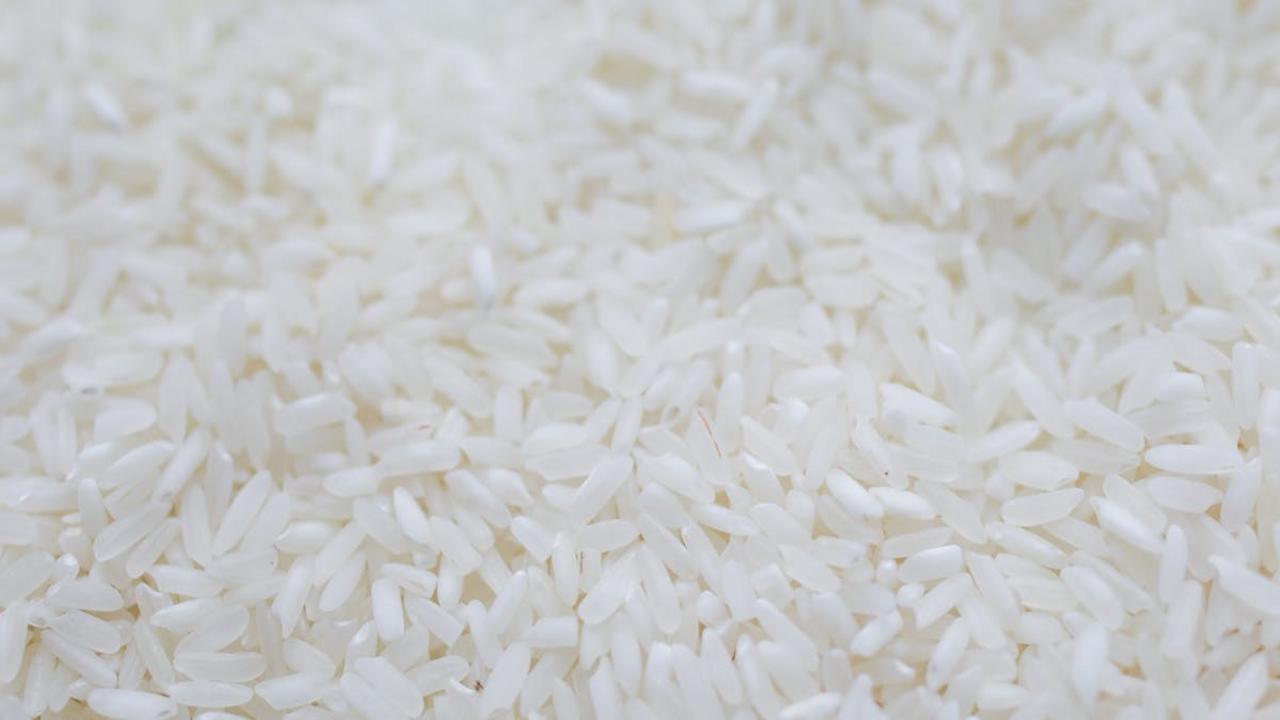
Rice becomes your secret weapon against inflation when you buy it in bulk. I grab those massive 20-pound bags from warehouse stores or Asian markets, and the per-pound savings make my budget sing. You’re looking at spending less than a dollar per pound versus the premium you pay for those tiny boxes at regular grocery stores. Brown rice, jasmine, basmati, short-grain for risotto—buying big means you can stock different varieties without breaking the bank.
What I love most about bulk rice is how it transforms simple weeknight meals into something special. Cook a big batch on Sunday, and you have the foundation for Korean bibimbap, Caribbean rice and peas, or a quick fried rice with whatever vegetables need using up. Store your bulk rice in airtight containers to keep it fresh, and you’ll always have a reliable base for nourishing meals. One bag feeds my family for months, making it one of the smartest grocery investments you can make right now.
Canned Tomatoes
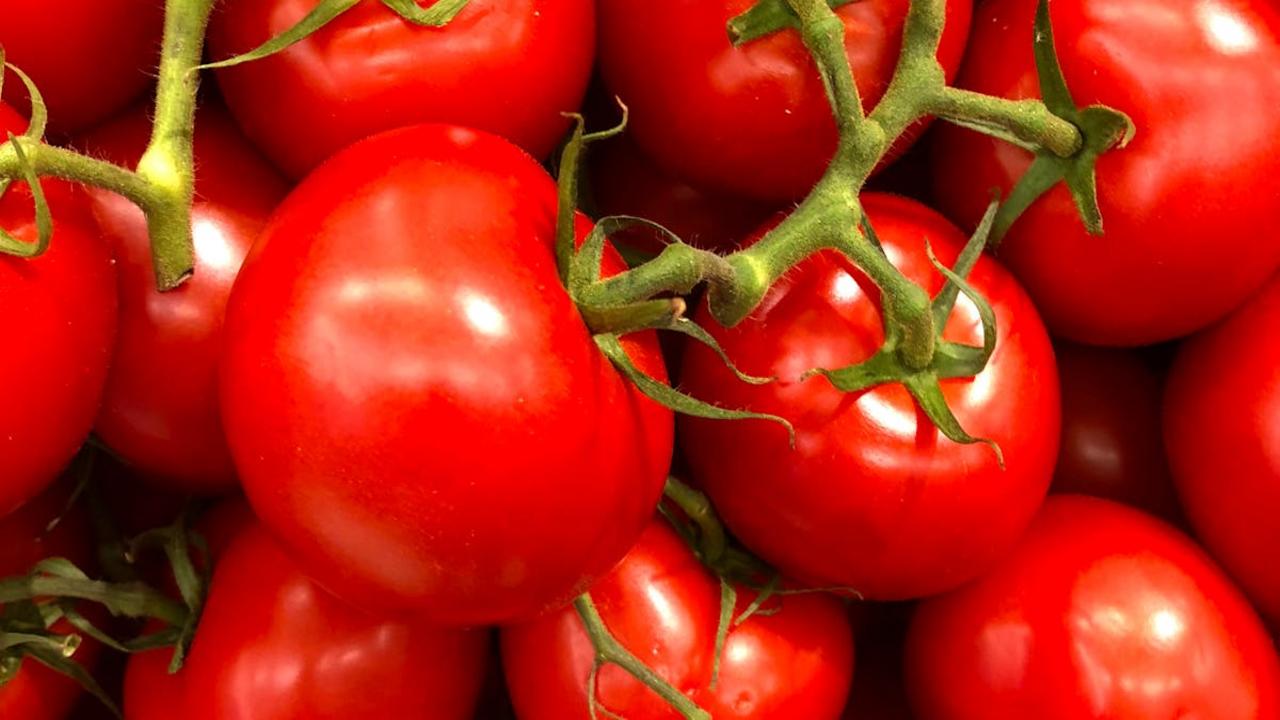
I keep multiple cans of tomatoes in my pantry at all times—they’re my secret weapon for creating rich, flavorful meals without breaking the budget. A single can transforms into the foundation for pasta sauces, curries, stews, and soups that taste like you’ve been simmering them for hours. San Marzano varieties offer restaurant-quality flavor, but even basic store brands work beautifully when you know how to coax out their potential with garlic, herbs, and a splash of good olive oil.
What makes canned tomatoes brilliant for budget cooking is their versatility across cuisines—I use them in my Nigerian pepper soup, Mediterranean shakshuka, and Mexican salsa verde variations. They provide concentrated umami and acidity that brightens any dish, plus they’re packed with lycopene and other nutrients that actually become more bioavailable through the canning process. One can easily feeds four people when combined with grains, legumes, or vegetables, making it an incredibly cost-effective protein partner that stretches your dollar while delivering serious nutritional value.
Frozen Spinach
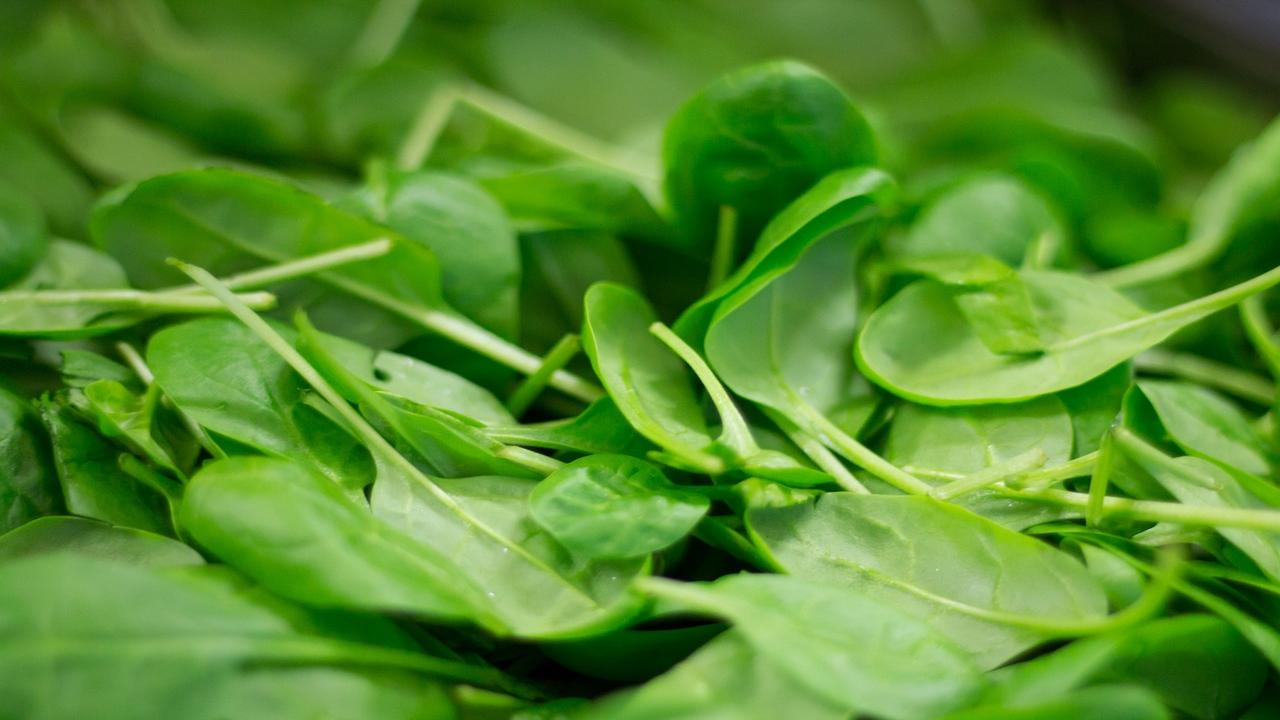
I keep bags of frozen spinach stocked in my freezer year-round because this budget-friendly powerhouse transforms ordinary meals into nutrient-dense feasts without breaking the bank. At under two dollars per bag, you get the equivalent of several bunches of fresh spinach that would cost three times more and spoil within days. The frozen version packs the same iron, folate, and vitamins as its fresh counterpart, but you can store it for months and use exactly what you need without waste.
What makes frozen spinach brilliant for budget cooking is its versatility across global cuisines – I fold it into Indian dal, Greek spanakopita filling, Italian pasta sauces, and Middle Eastern fatayer. You can quickly sauté it with garlic and olive oil for a simple side, blend it into smoothies for hidden greens, or mix it into scrambled eggs for extra nutrition. The key is always draining it well after thawing – I squeeze it in a clean kitchen towel to remove excess water before cooking. This prevents soggy dishes and concentrates the earthy, mineral-rich flavor that makes every bite more satisfying and wholesome.
Sweet Potatoes
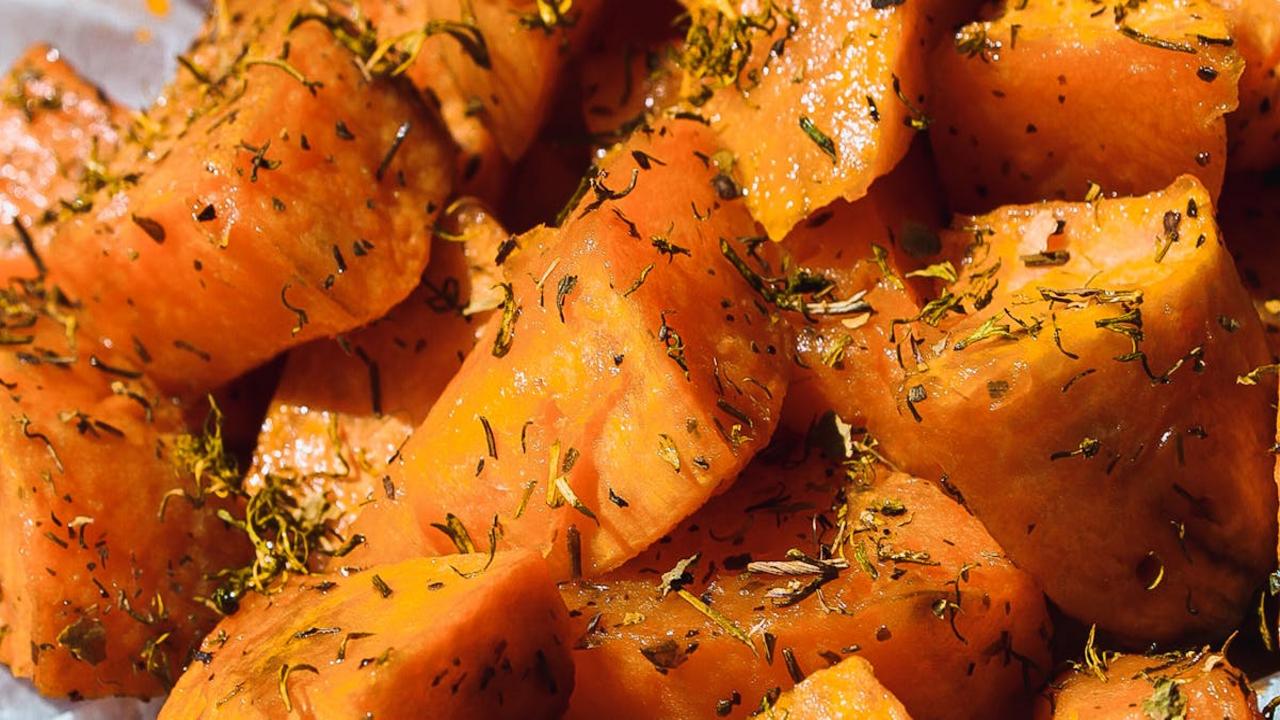
Sweet potatoes have become my secret weapon against rising grocery bills, and honestly, they should be yours too. At around $1-2 per pound, these vibrant orange powerhouses stretch your dollar further than almost any other vegetable while packing serious nutritional punch. I grab them by the bag because they store beautifully for weeks in a cool, dark spot – no fancy refrigeration required. What I love most is how they transform into completely different dishes depending on your mood and cultural cravings.
You can roast them whole for a simple weeknight side, mash them with coconut milk and ginger for an African-inspired twist, or slice them thin and bake into crispy chips that satisfy those snack cravings without the processed food guilt. I’ve turned them into everything from Thai-style curries to Mexican-spiced tacos, and they absorb flavors like magic. The natural sweetness means you need fewer expensive seasonings and sauces to make them sing. Plus, their fiber content keeps you full longer, which means you’re not reaching for costly snacks an hour later – now that’s smart budget cooking that actually nourishes your body.
Sardines

You know what gets me excited in the canned goods aisle? Those little tins of sardines sitting there, waiting to transform your meals without breaking the bank. These tiny fish pack more nutritional punch per dollar than almost anything else you can buy. We’re talking about complete protein, omega-3 fatty acids, calcium, and B vitamins all wrapped up in a shelf-stable package that costs less than a fancy coffee drink. I keep several cans in my pantry because they’re my secret weapon for creating satisfying meals when the grocery budget feels tight.
The beauty of sardines lies in their versatility – you can toss them into pasta with garlic and olive oil for a Mediterranean-inspired dinner, mash them onto toast with avocado for a protein-rich breakfast, or fold them into rice with herbs and lemon for a quick lunch. I particularly love making sardine cakes by mixing them with breadcrumbs, herbs, and a beaten egg, then pan-frying until golden. The key is treating them like the star ingredient they are rather than hiding their bold, oceanic flavor. Once you start experimenting with sardines, you’ll discover they’re not just budget-friendly – they’re genuinely delicious and incredibly convenient for busy weeknight cooking.
Bananas
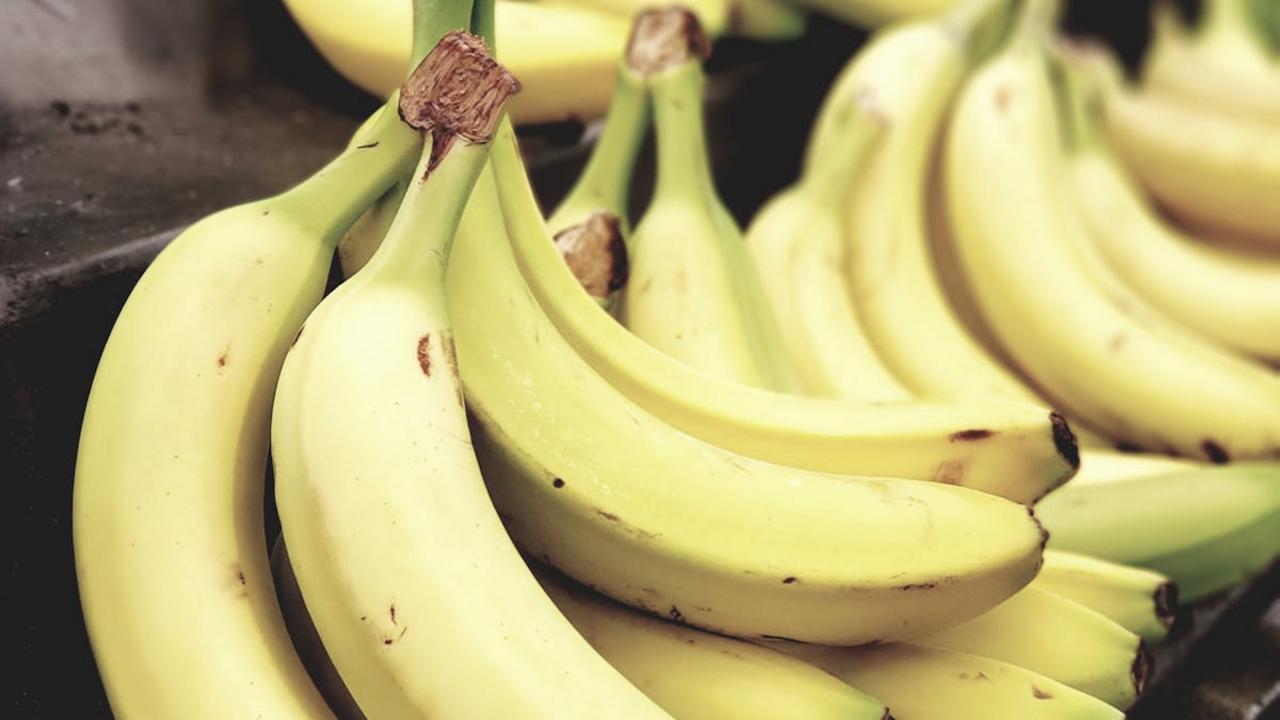
You know what I absolutely love about bananas? They’re the ultimate budget-friendly fruit that refuses to bow down to inflation! At around 60 cents per pound, these golden beauties have stayed remarkably affordable while other produce prices keep climbing. I always grab a bunch during my weekly grocery runs because they’re incredibly versatile – perfect for my morning smoothie bowls, quick banana bread when they get overripe, or simply sliced over oatmeal with a drizzle of honey. The natural sweetness means I can cut back on expensive sweeteners, and the potassium boost keeps me energized for long cooking sessions in the kitchen.
What really gets me excited about bananas is how they transform throughout their ripening stages, giving you multiple cooking opportunities from one purchase. Green bananas work beautifully in savory Caribbean-inspired dishes like mofongo or simply sautéed with garlic and herbs. As they ripen, they become perfect for baking – those brown-spotted ones make the most incredible pancakes and muffins. I’ve discovered that freezing overripe bananas creates the creamiest base for homemade ice cream without any dairy or added sugars. Plus, the peels don’t have to go to waste – I compost them to feed my herb garden, completing the circle of wholesome, scratch cooking that keeps both my family and wallet happy.
Cabbage
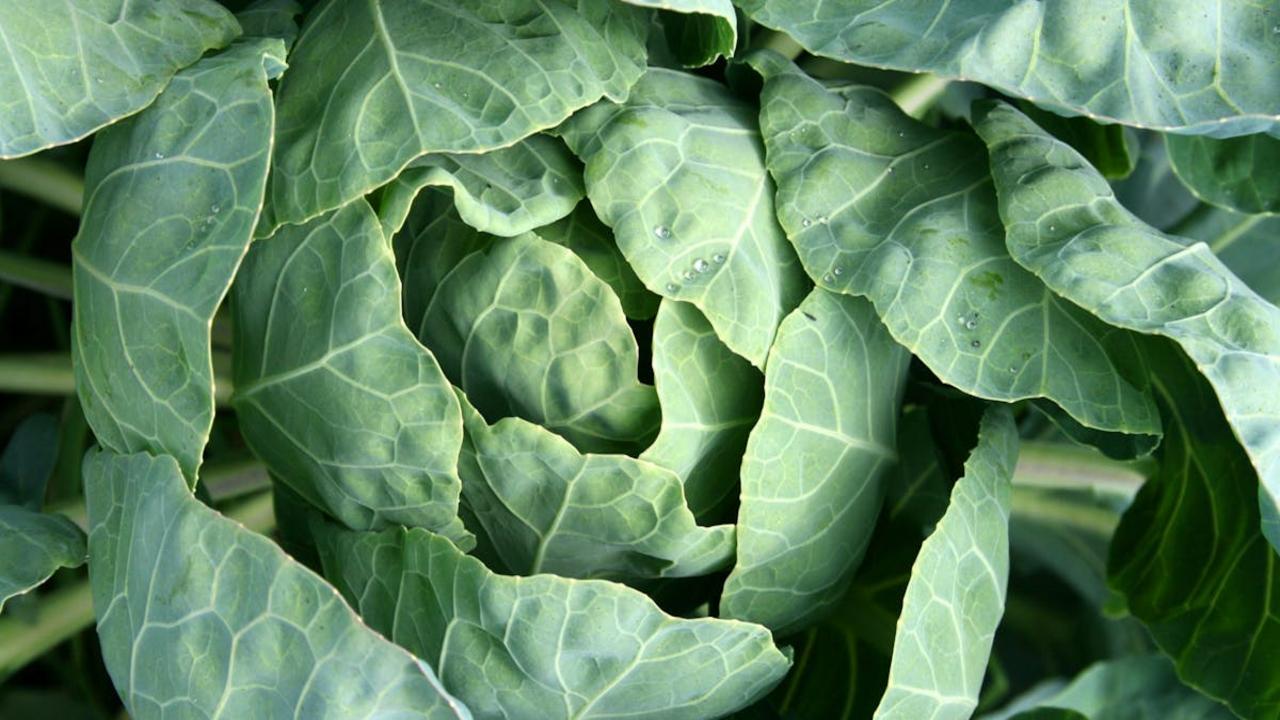
You know what makes me smile every time I walk through the produce section? Seeing those beautiful, dense heads of cabbage sitting there like little green treasures, usually priced at under a dollar. This humble vegetable has become my secret weapon against rising grocery costs, and honestly, I think more people need to discover just how versatile this budget champion can be. From Korean-inspired kimchi that ferments beautifully on your counter to hearty stuffed cabbage rolls that remind me of my grandmother’s kitchen, cabbage transforms into countless satisfying meals that stretch your dollar further than almost any other vegetable.
What I love most about cabbage is how it bridges cultures in my cooking – I’ll shred it into Vietnamese spring rolls one day, then braise it with apples and caraway seeds for a German-inspired side dish the next. The key is understanding that cabbage isn’t just for coleslaw (though my tangy, mayo-free version with ginger and lime dressing will change your mind about that too). You can roast thick wedges until they caramelize, add it to hearty soups that simmer for hours, or quickly sauté it with garlic and chili flakes for a simple side that pairs with everything. One medium head feeds my family of four for multiple meals, making it an absolute winner when you’re watching every penny but refuse to compromise on nutrition and flavor.
Lentils

Listen, lentils might look humble sitting in those bulk bins, but they’re absolute powerhouses for your grocery budget and your body. I keep at least three varieties in my pantry at all times—red, green, and black beluga—because each brings something different to the table. Red lentils cook down into creamy, golden perfection in just 15 minutes, making them perfect for quick dal or adding protein to soups. Green lentils hold their shape beautifully, so I toss them into salads, grain bowls, or simmer them with aromatics for hearty side dishes. At roughly $1.50 per pound, one bag feeds my family multiple meals.
What I love most about lentils is how they absorb flavors like little sponges. I’ll sauté onions, garlic, and whatever spices call to me—cumin and coriander for Middle Eastern vibes, or garam masala for Indian-inspired dishes—then add the lentils and watch them transform into something magical. They’re complete nutrition too: packed with protein, fiber, and folate, they keep you satisfied without breaking the bank. I’ve made everything from lentil “meatballs” to chocolate brownies with these versatile legumes, and my kids never suspect they’re eating something so incredibly good for them.
Chickpeas
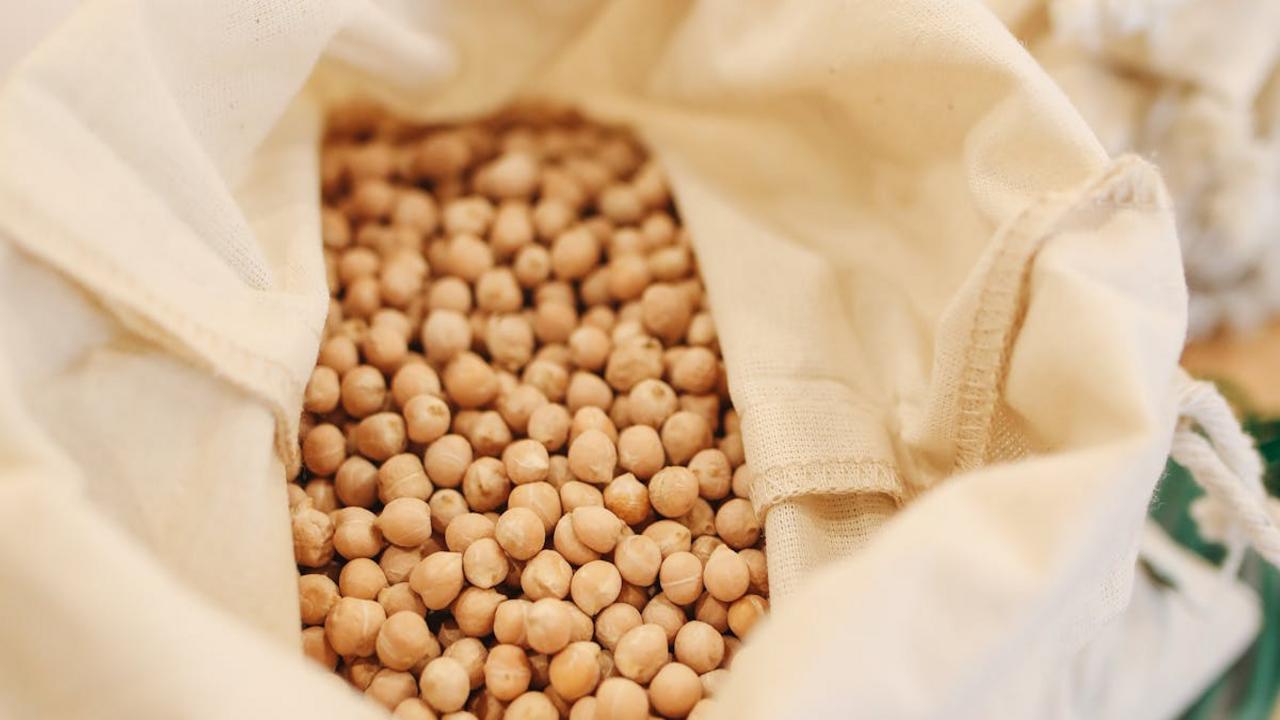
These humble little legumes pack an incredible punch for your wallet and your health! I keep cans of chickpeas stocked in my pantry at all times because they transform into so many different meals. You can roast them with cumin and paprika for a crunchy snack, blend them into creamy hummus, or toss them into curries and stews. What I love most about chickpeas is how they absorb whatever flavors you pair them with – whether that’s Middle Eastern spices, Indian aromatics, or Mediterranean herbs.
Fresh chickpeas cost significantly less per serving than meat, yet they provide substantial protein and fiber that keeps you satisfied for hours. I often make a big batch of chickpea curry on Sunday that feeds my family for days, stretching our grocery budget while delivering nutrition that processed convenience foods simply can’t match. Try mashing them with lemon juice and olive oil for a quick sandwich spread, or add them to grain bowls for extra substance. One can costs under a dollar and feeds multiple people – now that’s what I call smart shopping that doesn’t sacrifice flavor or health.
Oats
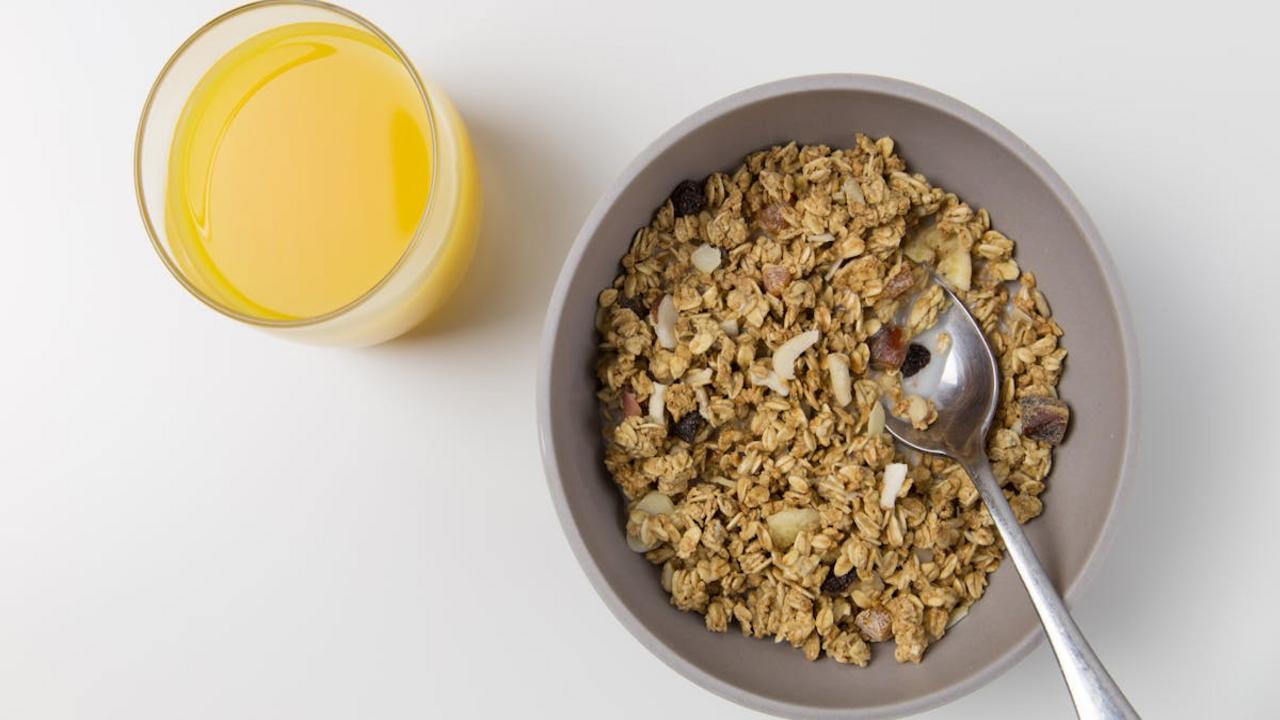
You know what I love about oats? They’re like that reliable friend who never lets you down, especially when your grocery budget feels tighter than usual. I buy them in bulk because they stretch so far – a single cup of rolled oats transforms into multiple servings of creamy porridge, and suddenly you’ve got breakfast sorted for days. But here’s where I get excited: oats aren’t just for morning bowls. I grind them into flour for pancakes, blend them into smoothies for extra fiber, and even use them as a breadcrumb substitute in my Nigerian-inspired meatballs.
The beauty of oats lies in their blank canvas nature – they absorb whatever flavors you throw at them. I’ll cook mine with coconut milk and cardamom for an Indian-spiced breakfast, or stir in some peanut butter and banana for that familiar comfort food feeling. Steel-cut oats become my base for savory dishes too; I’ll cook them risotto-style with vegetable broth and top with roasted vegetables. At around $3 for a container that lasts weeks, oats give you incredible nutritional bang for your buck – packed with protein, fiber, and those heart-healthy beta-glucans that keep you satisfied for hours.