They Boxed Up Their Leftovers Then Left a $0 Tip. A Week Later, I Publicly Shamed Them in a Bakery.
We all know there are certain unspoken rules of civility when dining out. You treat your server with respect, you are patient, and if there’s a genuine issue with your meal, you mention it at a time when something can be done to fix it. Above all, you tip fairly for the service you receive. It’s a simple system of decency.
However, one waiter recently took to the internet to share a story that proves not everyone plays by these rules, and it has everyone talking about what happens when good manners are left off the menu.
The Incident
A young man, new to his job as a waiter, shared his frustrating experience. Two men came in for dinner, and by all accounts, the meal went off without a hitch. He served them, boxed up their leftovers, and brought the check, asking the customary, “How was everything tonight?”
It was only then, with the meal finished and the bill on the table, that one of the diners mentioned, “The duck was a bit dry.” The waiter, ever the professional, apologized and promised to let the chef know. He wrote that he would have liked to offer a discount, but his manager was busy and the men seemed “anxious to leave.”
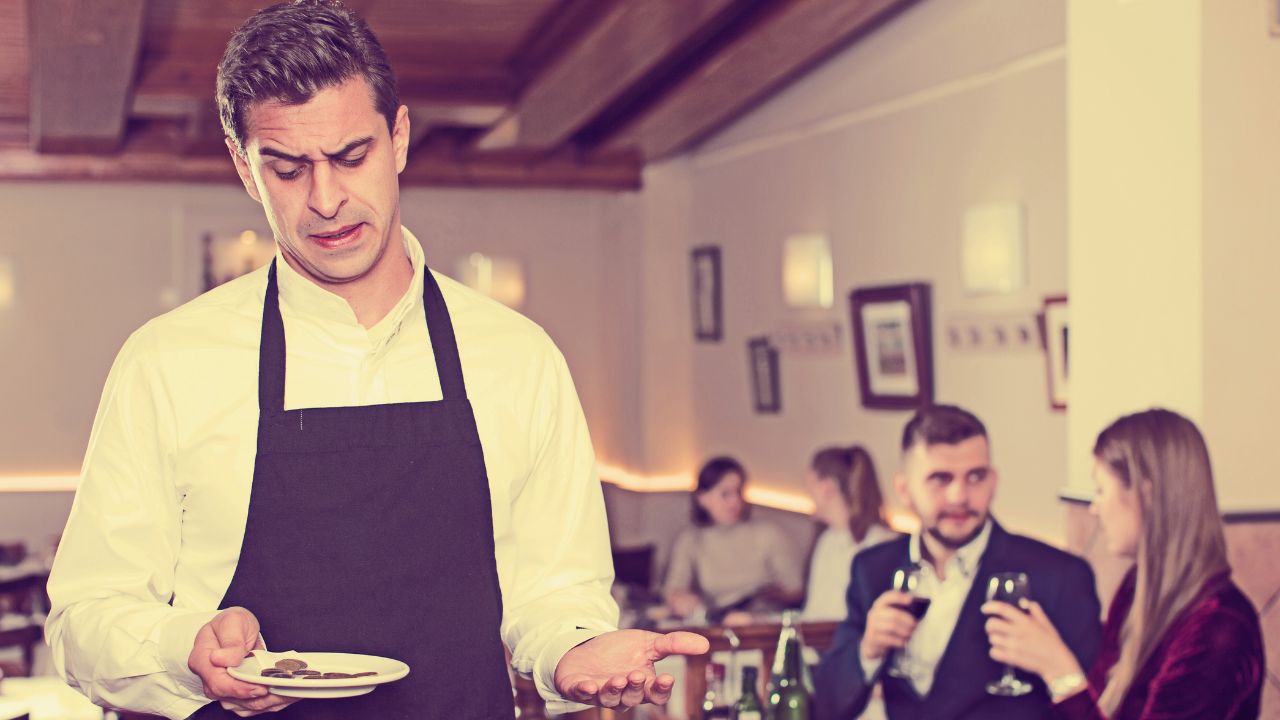
He thought nothing more of it until he went to clear the table. There, on a $65 bill, was a $0 tip. As he put it simply, “Ouch.”
A week later, in a twist of fate, the waiter was at a bakery with his family when he spotted the very same two men in line behind him. Seizing the opportunity, he took his order, turned to the men, and said with a smile, “Be sure to tip these folks better than me, alright?”
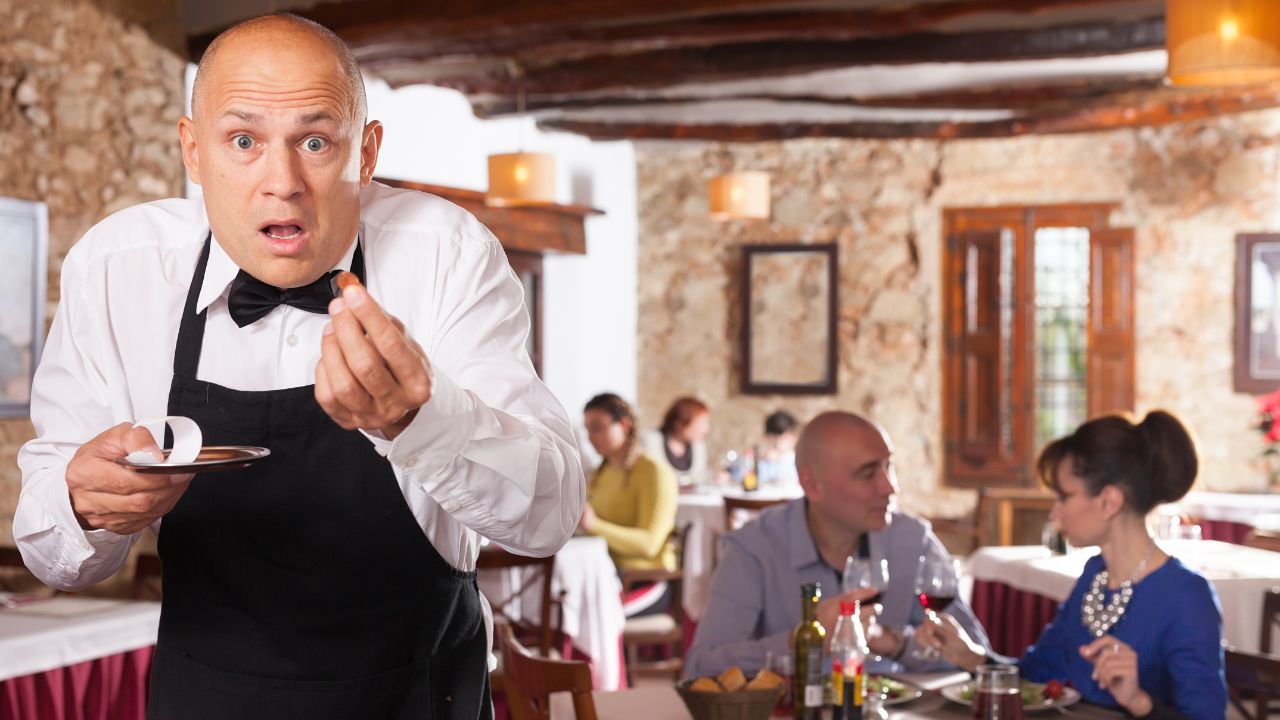
He walked away from their “ashen faces,” feeling a sense of justice. His family, however, felt it was a “terrible breach of decorum,” leaving him to wonder if he had gone too far.
The Internet Reacts
When the waiter shared his story, the internet erupted with opinions, quickly forming a few distinct camps on the matter.
First, there was the “Absolutely Not” crowd, who were furious on the waiter’s behalf. These commenters felt the diners were completely out of line for punishing the server for a kitchen issue. One person summed it up perfectly: “It is a [rude] move to not tip the server because the duck was dry.”
Another added that if you eat the entire meal without a real complaint, you can’t use a minor critique at the end to justify leaving no tip. As they put it, “If there’s something wrong with the food, ask for a manager before you chomp down the entire thing.”
Of course, there was also the “Devil’s Advocate” camp, who felt the waiter’s public comment was unprofessional. One critic wrote, “Maybe you are not as good a waiter as you think you are,” suggesting the service itself might have been the problem.
Another was harsher, stating, “Unprofessional. If I were them, I would return to the restaurant you work at and talk to your manager.” Some even suggested the men’s shocked faces were simply due to “the surprise of a complete stranger talking to them like that,” and that they likely didn’t even remember him.
Finally, a third group emerged, focusing on the bigger picture: the American tipping system itself. This “It’s the System’s Fault” camp debated the fairness of a culture where servers’ livelihoods depend on the whims of customers. Comments ranged from a simple “Tipping is a terrible practice” to a more nuanced take: “No, the US practice of exploiting workers so that tipping becomes a necessity is a terrible practice.”
But even within this debate, a clear rule of thumb emerged. As one commenter wisely stated, “Until the day the whole tipping culture is overturned, continue to generously tip the people who serve you.”
The Etiquette Verdict
Let’s be frank, the diners’ behavior was simply inexcusable. To enjoy a full meal, offer a minor, last-minute complaint, and then use that as a flimsy excuse to leave no tip is the height of poor taste. It’s punishing the messenger for a message you barely even delivered.
The server is not the chef, and their income shouldn’t suffer for it. While confronting them a week later may not be in the pages of Emily Post’s guide to etiquette, it’s hard to blame the waiter for wanting a moment of satisfaction after being treated so unfairly.
Your Thoughts
What do you think of this chance encounter? Did the waiter get the justice he deserved, or did he cross a line by confronting the customers in public?