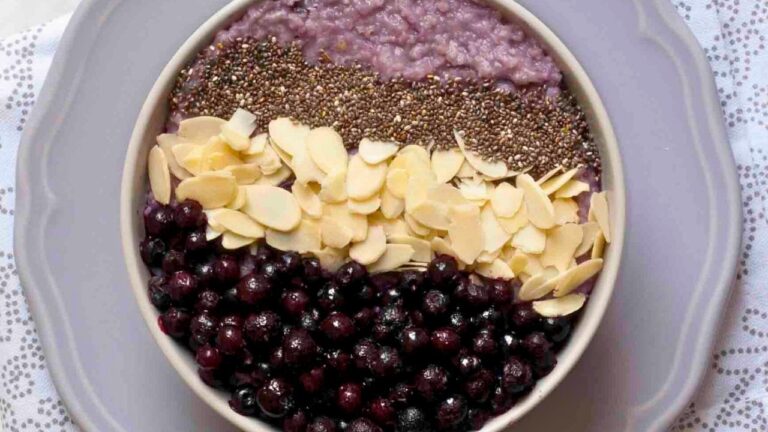
14 Healthy Grocery Staples Frugal Shoppers Never Skip
Wallet feeling lighter than your shopping bags? You’re not alone! Smart shoppers know the secret to eating well without breaking the bank lies in picking foods that pack both nutritional punch and budget-friendly value. I’ve spent years perfecting my grocery game, and these 14 staples form the backbone of countless cheap-yet-healthy meals in my kitchen.
Ever noticed how the healthiest carts often belong to the most budget-conscious shoppers? That’s no coincidence! The items on this list pull double duty—they’re incredibly good for your body while being kind to your bank account. From protein-rich beans to versatile frozen veggies, these foods stretch your dollar further than that yoga instructor at the front of the class.
Skip the processed snack aisle and head straight for these powerhouse foods. Your body will thank you, and so will your budget. The best part? These aren’t bland “diet” foods—they’re delicious building blocks for meals you’ll actually want to eat. Stock up on these 14 must-haves and watch how your cooking options expand while your grocery bill shrinks.
Seasonal Fruits
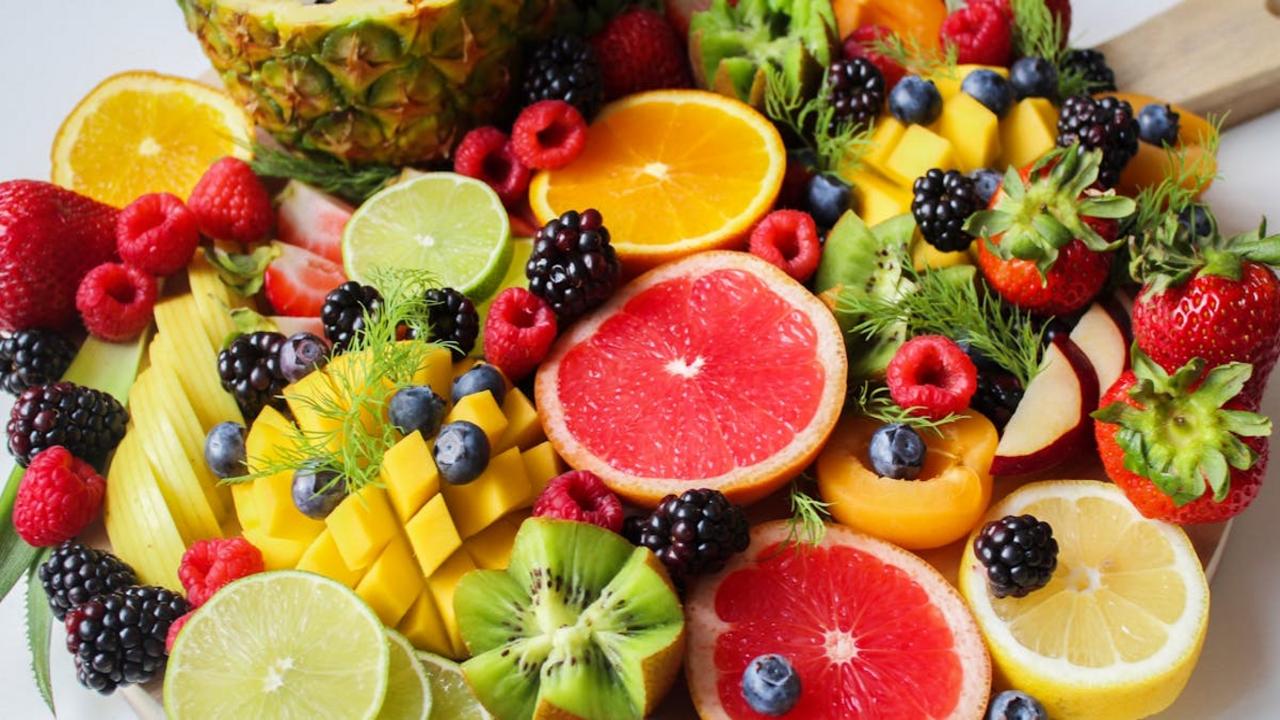
You know what separates the grocery shopping pros from the amateurs? They’ve cracked the code on seasonal fruit shopping, and honestly, it’s like watching a beautiful dance between Mother Nature and your wallet. While everyone else is paying premium prices for sad, flavorless strawberries in December, smart shoppers are loading up on whatever’s currently having its moment in the sun. Spring brings us those first tender strawberries that actually taste like sunshine instead of cardboard, summer delivers juicy peaches that drip down your chin in the most delightful way, fall gifts us with crisp apples that snap when you bite them, and winter surprises us with citrus fruits so bright they could power a small town.
Here’s the thing about seasonal shopping that makes my frugal heart sing: you’re not just saving money (though you absolutely are), you’re getting fruit at its absolute peak flavor. That August peach you buy for two bucks? It would cost you six dollars in February and taste like wet paper towel. Plus, seasonal fruits are packed with exactly the nutrients your body craves during that time of year – citrus vitamin C bombs right when cold season hits, hydrating summer melons when the heat’s unbearable. Stock up when prices drop, freeze what you can’t eat fresh, and suddenly you’re the genius who has homemade strawberry jam in January while everyone else is crying over their grocery bills.
Avocados
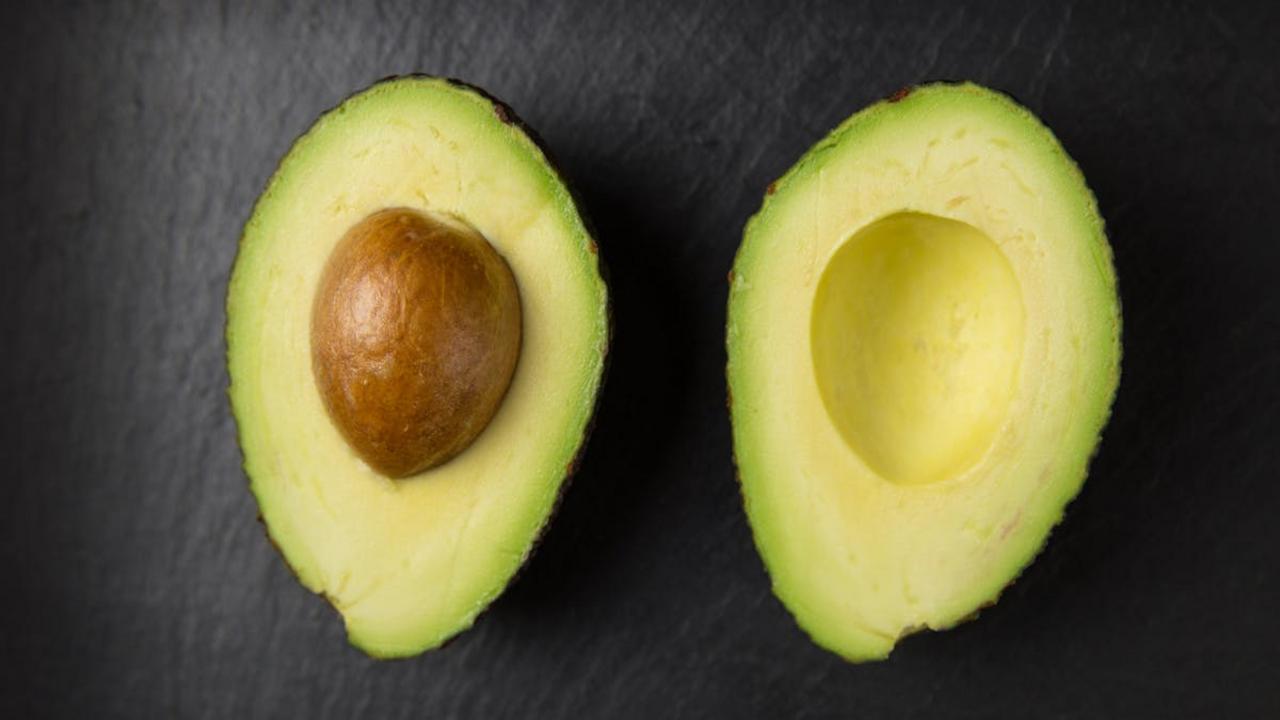
You know that moment when you’re standing in the produce section, gently cradling avocados like precious green gems, trying to decode their ripeness through mystical thumb pressure? Welcome to the avocado lottery, where timing is everything and patience pays off in creamy, buttery gold. These little green footballs have gone from exotic curiosity to absolute obsession, and honestly, I get it. One perfectly ripe avocado can transform your sad desk salad into something that makes your coworkers genuinely jealous. The trick is buying them at various stages of ripeness – grab some rock-hard ones for next week and a few that yield slightly to pressure for immediate gratification.
Here’s the thing about avocados that blows my mind: they’re technically berries, and they refuse to ripen on the tree like botanical rebels. They just hang there, waiting for you to pick them and then suddenly decide it’s showtime. You can speed up the ripening process by tucking them into a paper bag with a banana – the ethylene gas works like magic fairy dust. And let’s talk about their nutritional superpowers: they’re packed with healthy fats that actually help your body absorb fat-soluble vitamins from other foods. Smash one onto toast, blend it into smoothies for instant creaminess, or just eat it with a spoon and a sprinkle of salt like nature’s own ice cream.
Lentils
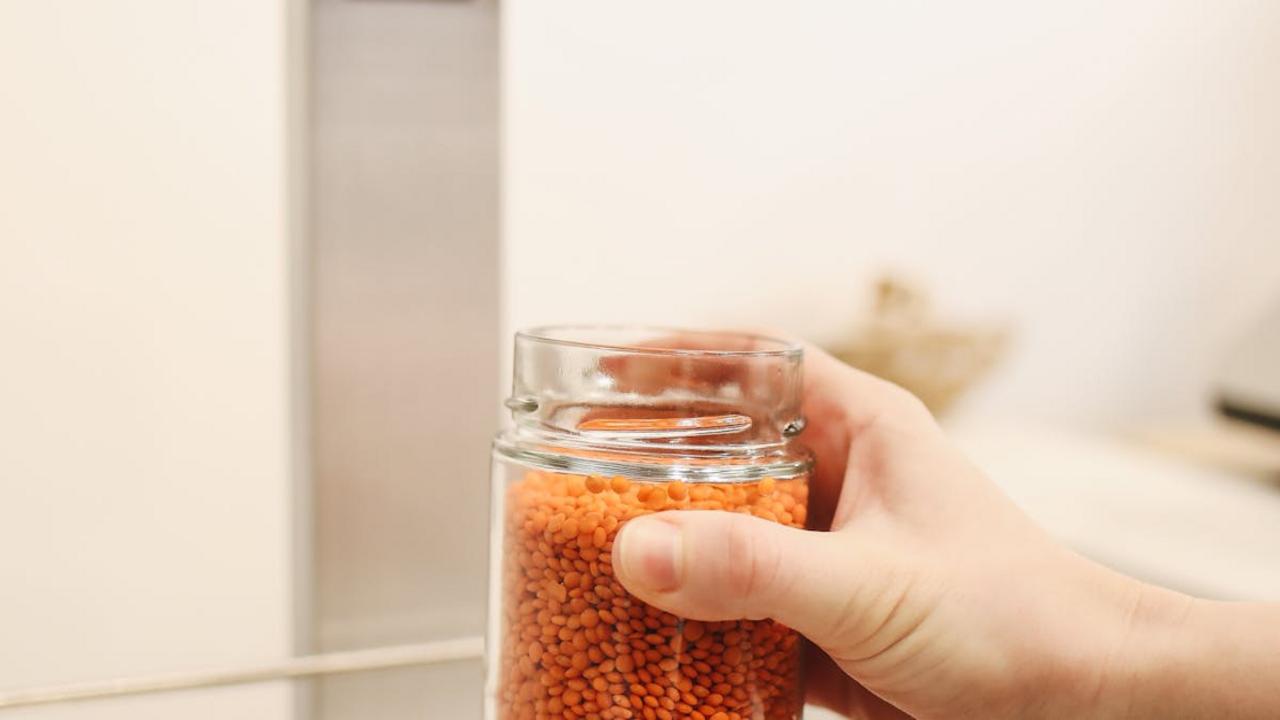
Listen, if lentils were a person, they’d be that unassuming friend who shows up to your dinner party with a casserole that somehow steals the entire show. These tiny legumes might look like colorful pebbles you’d skip across a pond, but don’t let their humble appearance fool you – they’re nutritional powerhouses disguised as budget-friendly pantry heroes. Red lentils cook in just 15 minutes and transform into creamy, golden perfection, while their green cousins hold their shape like little soldiers in soups and salads. Fun fact: ancient Egyptians were so obsessed with lentils that archaeologists found them buried alongside pharaohs, presumably for snacking in the afterlife.
At roughly a dollar per pound, lentils deliver more protein per penny than most meats, making them the MVP of frugal grocery shopping. You can toss them into literally anything – curries, soups, grain bowls, or even blend them into burger patties that’ll make your carnivorous uncle do a double-take. I once accidentally made lentil “bolognese” so convincing that my Italian neighbor asked for the recipe twice. Plus, they’re practically indestructible in your pantry, lasting years without going bad, which means you can stock up during sales and feel smugly prepared for whatever cooking mood strikes you next Tuesday.
Tinned Fish
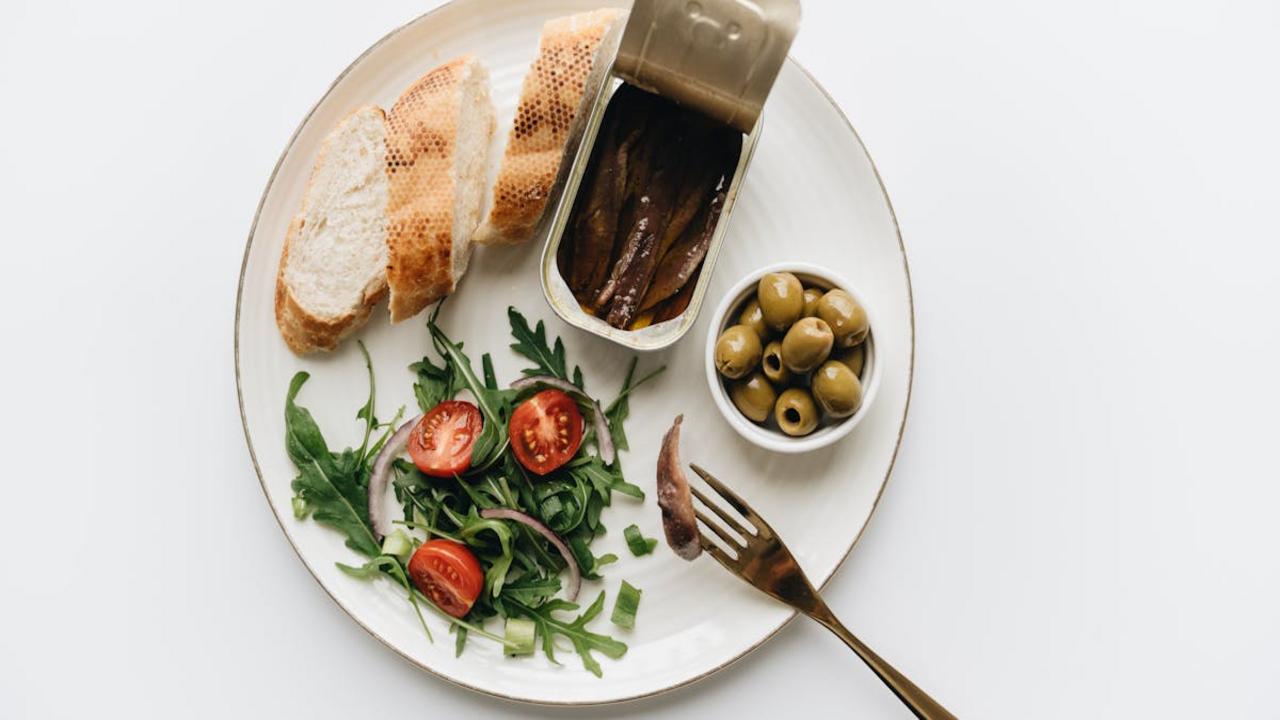
Forget everything you think you know about canned fish being sad desk lunch material. Those little metal treasures sitting quietly on grocery store shelves pack more nutritional punch per dollar than most foods dare dream of. Sardines, mackerel, salmon, and anchovies swim in omega-3 fatty acids that make your brain do happy dances while your wallet stays pleasantly heavy. These oily fish contain protein levels that would make a bodybuilder weep tears of joy, plus they’re loaded with calcium, vitamin D, and B12. The best part? They cost a fraction of fresh fish and last longer than most Hollywood marriages in your pantry.
Now here’s where things get interesting – Portuguese grandmothers have been treating tinned fish like liquid gold for centuries, and they’re onto something brilliant. A single can of quality sardines transforms boring pasta into a Mediterranean feast faster than you can say “budget gourmet.” Mash them with avocado for instant millennial approval, or throw them on crackers with hot sauce for a protein-packed snack that costs pennies. Smart shoppers know to stock up when these cans go on sale because they practically never expire, making them the ultimate insurance policy against both hunger and financial doom. Plus, sustainable fishing practices mean you’re saving both money and ocean ecosystems with every purchase.
Brown Rice
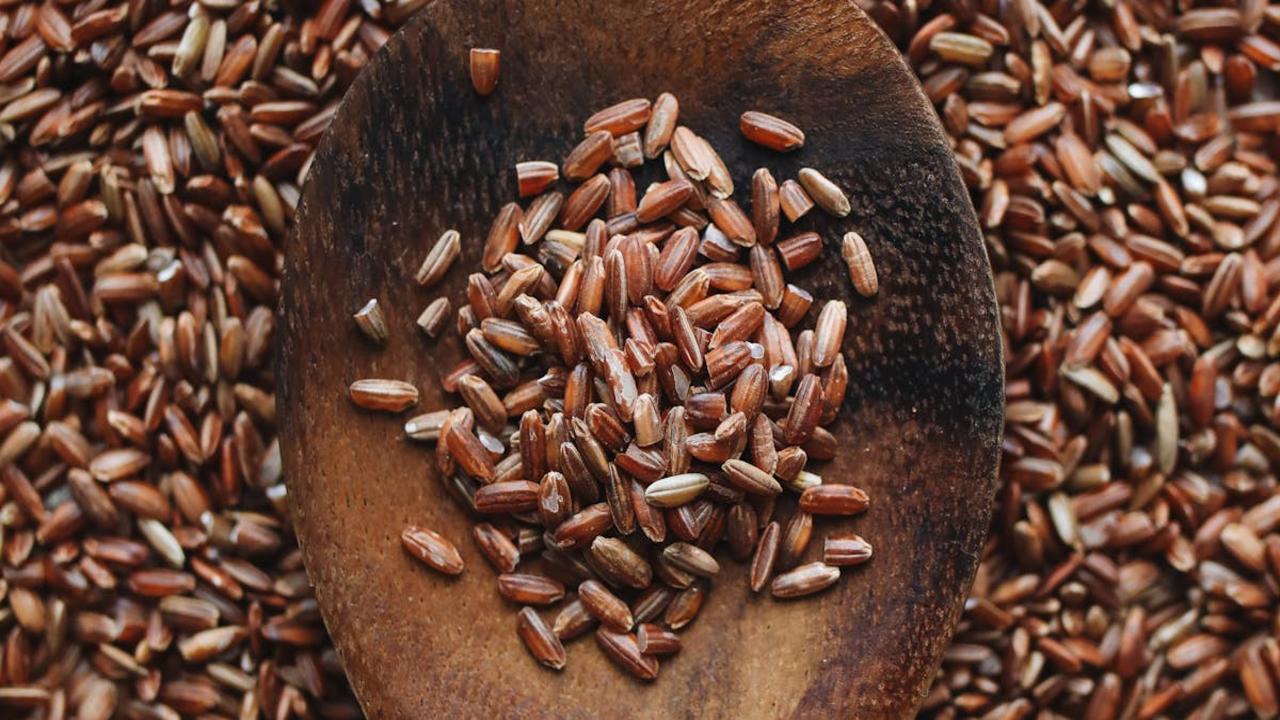
Brown rice sits quietly in the grain aisle like that reliable friend who never cancels plans—humble, dependable, and secretly way more interesting than you first thought. While white rice gets stripped of its nutritional goodness faster than a contestant on a reality show, brown rice keeps its bran and germ intact, making it a fiber-packed powerhouse that costs pennies per serving. You can buy a massive bag for the price of a fancy coffee drink, and it’ll feed you for weeks. Plus, here’s a fun fact that’ll make you the hit of your next dinner party: brown rice actually contains more protein than white rice, and it’s loaded with magnesium, which your muscles absolutely adore after those ambitious workout sessions you keep promising yourself you’ll stick to.
The beauty of brown rice lies in its chameleon-like ability to transform any leftover ingredients into a satisfying meal. Toss it with yesterday’s roasted vegetables and a drizzle of soy sauce, and suddenly you’re dining like royalty on a peasant’s budget. It keeps in your pantry for months without going bad (unlike that bag of spinach you bought with the best intentions), and once cooked, it refrigerates beautifully for quick weeknight dinners. Sure, it takes about 45 minutes to cook compared to white rice’s speedy 20-minute sprint, but think of it as meditation time—or perfect for catching up on that podcast you’ve been meaning to finish. Your wallet and your waistline will thank you for choosing this nutty, chewy grain that proves healthy eating doesn’t have to break the bank.
Chia Seeds
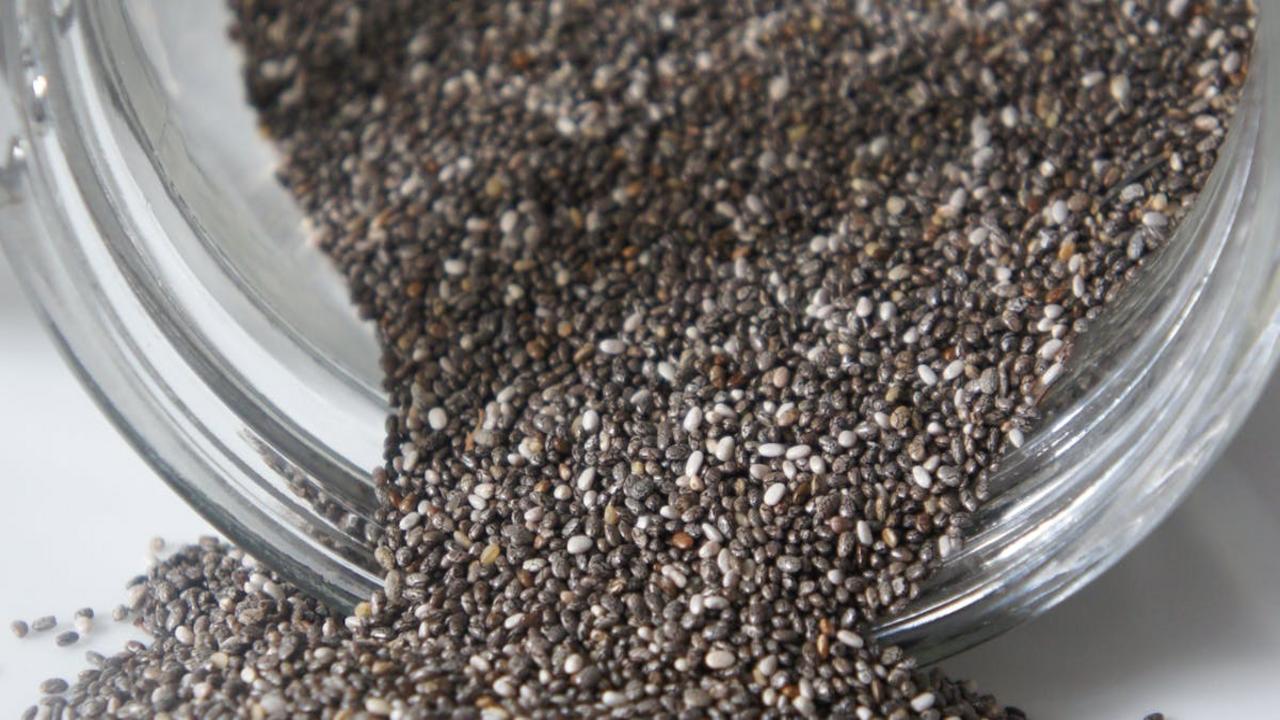
These tiny black specks might look like something you’d sprinkle on a sesame seed bun, but don’t let their modest appearance fool you – chia seeds pack more nutritional punch than a heavyweight boxer on espresso! Originally fueling Aztec warriors who could supposedly run for days on just a handful, these ancient powerhouses contain omega-3 fatty acids, fiber, protein, and calcium all wrapped up in packages smaller than your pinky nail. You’ll find them lounging in the health food aisle for around $3-5 per pound, making them one of the most budget-friendly superfoods that won’t require you to sell a kidney.
The magic happens when these little guys meet liquid – they transform into gelatinous orbs that remind me of tiny translucent alien eggs, but in the most delicious way possible! Mix two tablespoons with half a cup of milk (any kind works), add a drizzle of honey and vanilla, then watch them bloom overnight into a pudding that tastes like dessert but secretly delivers 10 grams of fiber and 5 grams of protein per serving. I’ve stirred them into smoothies where they add thickness without any weird flavors, sprinkled them on yogurt for extra crunch, and even used them as an egg substitute in baking (one tablespoon mixed with three tablespoons water equals one egg – science is wild!). Pro tip: buy them in bulk and store in airtight containers; they’ll stay fresh for years and save you serious cash.
Cottage Cheese
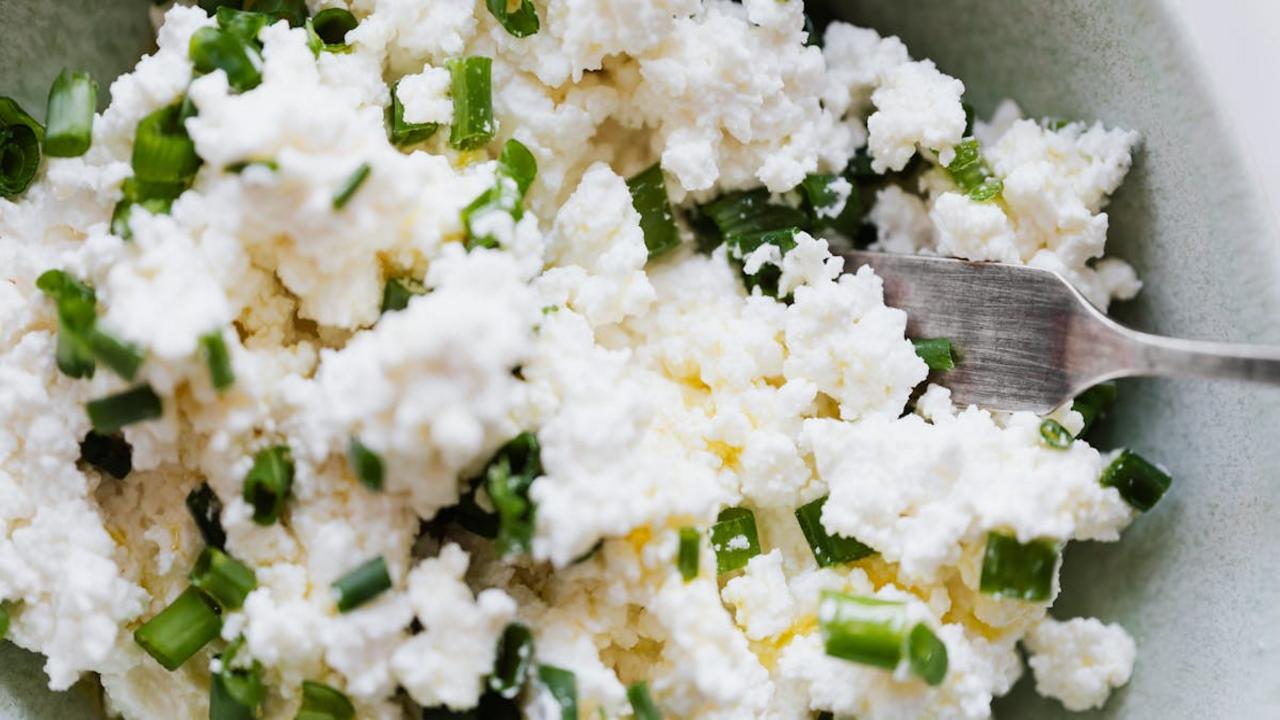
Cottage cheese has made the most spectacular comeback since low-rise jeans, except this time we’re actually happy about it! This lumpy, protein-packed wonder sits in your fridge like a nutritional superhero disguised as something your grandmother might have eaten with canned peaches. One cup delivers a whopping 25 grams of protein for less than three bucks, making it the MVP of budget-conscious muscle building. I love how cottage cheese refuses to be ashamed of its bumpy texture – it’s like the food equivalent of body positivity, proudly wearing its curds while secretly being more versatile than a Swiss Army knife.
You can transform this humble dairy champion into everything from a creamy pasta sauce to pancake batter that’ll make your taste buds do a happy dance. Mix it with herbs and garlic for an instant veggie dip, blend it smooth for the world’s easiest protein smoothie, or dollop it on toast with everything bagel seasoning for breakfast perfection. The beauty of cottage cheese lies in its chameleon-like ability to adapt – sweet with berries and honey, savory with tomatoes and black pepper, or downright indulgent when you stuff it into lasagna layers. Your wallet will thank you, your muscles will high-five you, and your meal prep game will never be the same.
Frozen Vegetables
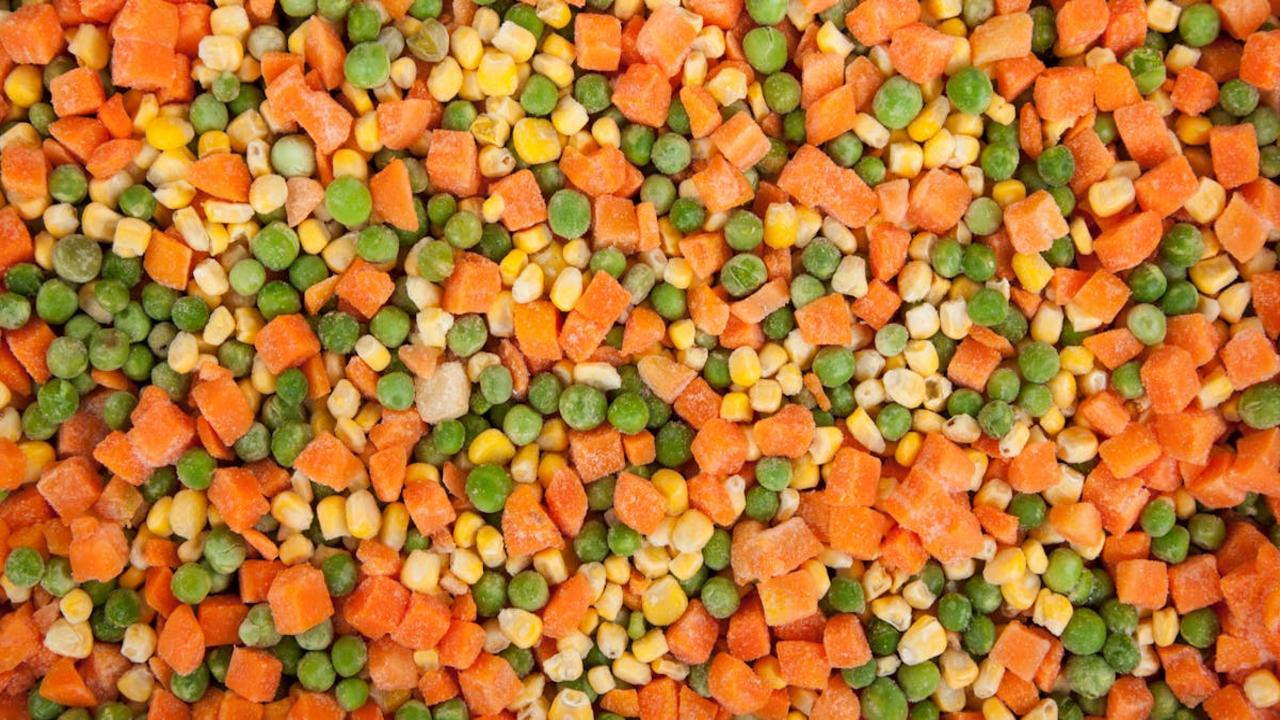
Listen, I used to be one of those people who turned my nose up at frozen vegetables, thinking fresh was the only way to go. Then I discovered that frozen veggies are basically time travelers from their peak ripeness – flash-frozen within hours of harvest while their fresh counterparts might have been lounging in trucks for days. That bag of frozen broccoli florets sitting in your freezer right now? It probably has more nutrients than the wilted crown you paid twice as much for in the produce section last week. The freezing process locks in vitamins and minerals like a nutritional time capsule, and here’s the kicker: studies show frozen vegetables often contain higher levels of vitamin C and antioxidants than their “fresh” counterparts that have been traveling the world.
Your wallet will thank you too – frozen vegetables cost about half as much as fresh ones and never go bad on you. I keep a stash of frozen spinach, peas, and mixed vegetables in my freezer like edible insurance policies. Toss them straight from freezer to pan for stir-fries, blend frozen spinach into smoothies (trust me, you won’t taste it), or throw frozen peas into pasta during the last minute of cooking. The convenience factor alone makes them heroes in my kitchen – no washing, chopping, or racing against the clock before they turn into expensive compost. Plus, they’re pre-portioned, so you can use exactly what you need without waste.
Nut Butters

You know that jar of peanut butter lurking in your pantry right now? It’s basically liquid gold disguised as a humble spread. Nut butters pack more protein per dollar than most fancy superfoods, and they’ll stick to your ribs longer than a clingy ex. Whether you’re team smooth or team crunchy (and yes, this is a hill people will die on), these creamy wonders transform everything from morning toast to midnight snacks into something worth getting excited about. Plus, here’s a fun fact that’ll blow your mind: Americans consume about 700 million pounds of peanut butter annually – that’s enough to cover the floor of the Grand Canyon!
Smart shoppers know that buying the big jars makes financial sense, especially since unopened nut butter can camp out in your pantry for months without going rogue. Beyond the classic peanut variety, almond and sunflower seed butters offer different nutritional profiles and flavors that keep your meals interesting. Mix a spoonful into your morning oatmeal for instant richness, swirl it into smoothies for protein power, or just grab a spoon and call it dessert – we won’t judge. The versatility factor alone makes nut butters worth their weight in grocery gold, turning simple ingredients into satisfying meals that won’t leave your wallet crying.
Greek Yogurt
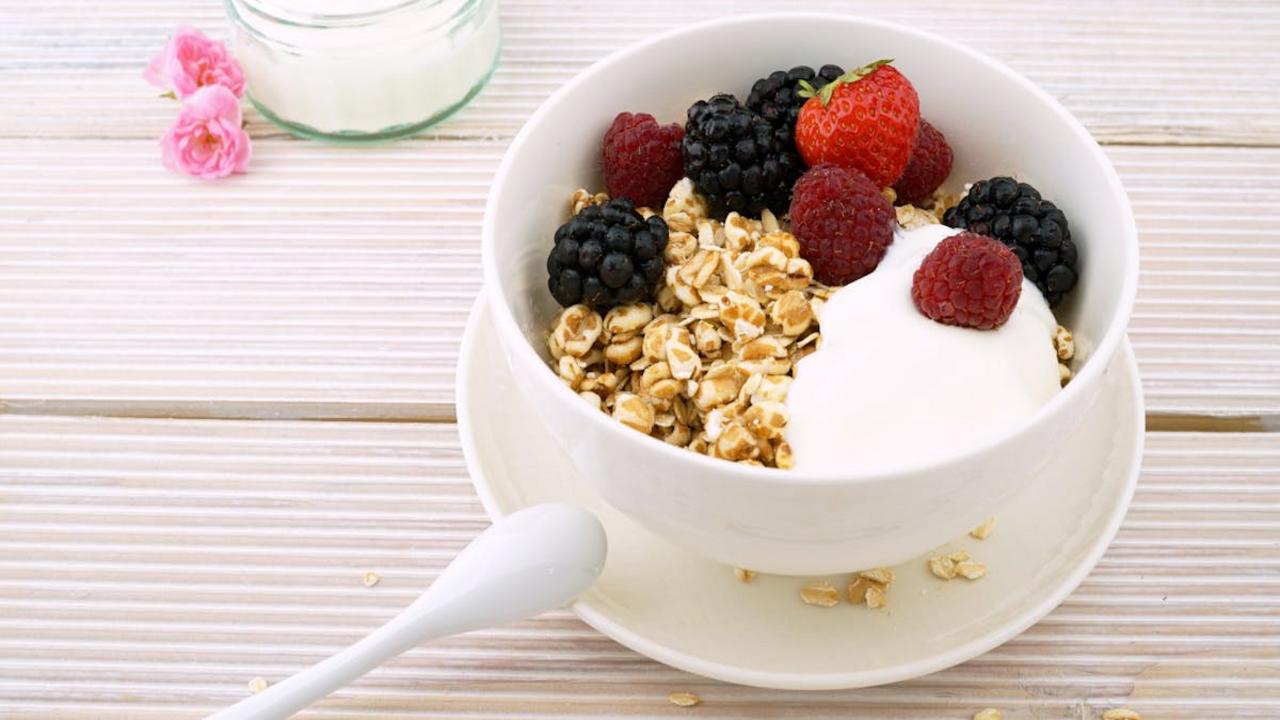
Picture this: you’re standing in the dairy aisle, wallet clutched tight, and there sits Greek yogurt like a creamy superhero ready to save your breakfast, your bank account, and possibly your sanity. This thick, tangy wonder isn’t just regular yogurt that went to the gym – it’s actually strained to remove whey, which concentrates the protein and creates that luxuriously dense texture that makes you feel fancy even when you’re eating it straight from the container at 2 AM. One cup packs around 20 grams of protein, which is more than three eggs, and costs roughly the same as a single overpriced coffee drink that’ll leave you hungry an hour later.
Smart shoppers know Greek yogurt transforms into a thousand different meals faster than you can say “probiotics.” Mix it with honey and granola for breakfast, swap it for sour cream on tacos (your digestive system will thank you), or blend it into smoothies for that protein punch that keeps you satisfied until lunch. The beauty lies in buying the plain variety in large containers – you control the sweetness and save money compared to those tiny flavored cups that cost more per ounce than premium ice cream. Fun fact: the ancient Greeks actually called it “oxygala,” which literally means “sour milk,” though I bet their marketing department would’ve chosen something snappier. Stock up when it’s on sale because this creamy goldmine keeps for weeks and refuses to quit on you.
Whole Oats
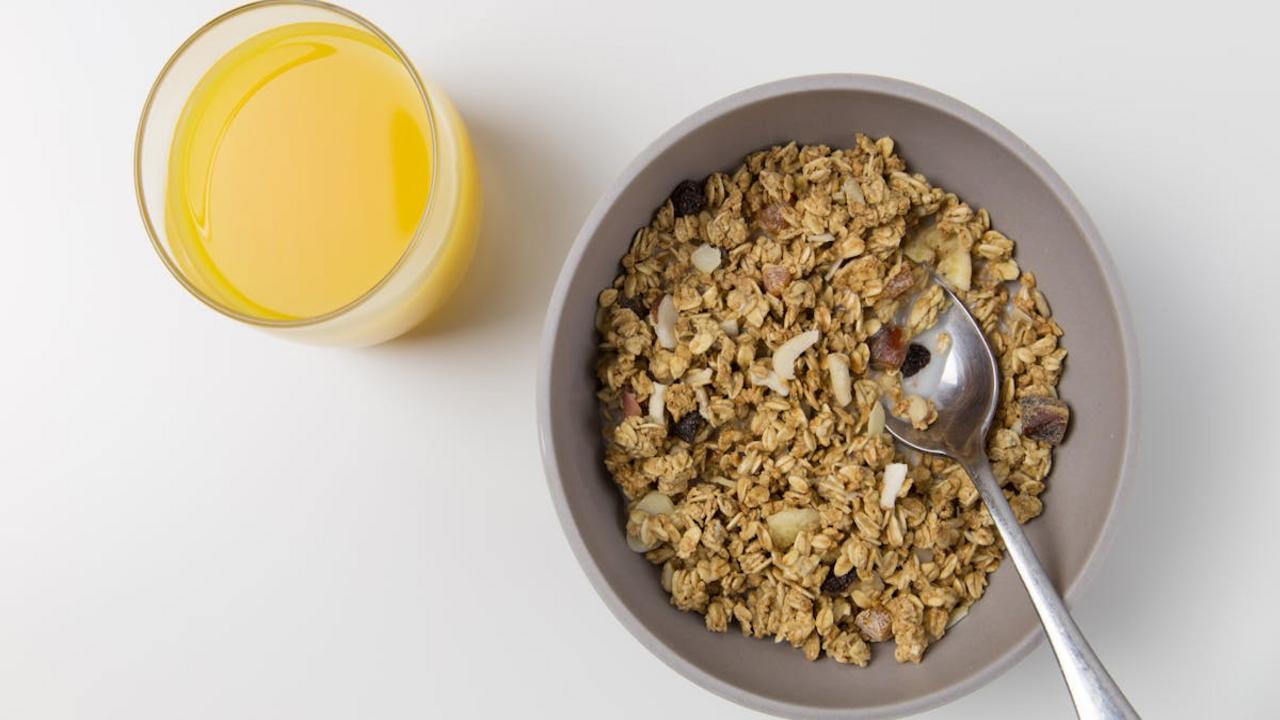
Whole oats are the unsung heroes of the breakfast table, sitting there patiently while flashy cereals with cartoon mascots steal all the attention. But here’s what those sugary imposters don’t want you to know: oats have been fueling civilizations since ancient times, and they’re basically the Swiss Army knife of grains. You can transform them into creamy oatmeal, blend them into flour for baking, or even use them as a face mask (though I personally prefer eating mine rather than wearing it). These humble grains pack serious nutritional punch with fiber that keeps you full, beta-glucan that helps lower cholesterol, and enough versatility to make even the most indecisive cook happy.
The beauty of buying whole oats lies in their incredible shelf life and budget-friendly price point – a single canister can last months and costs less than what you’d spend on fancy coffee in a week. I once discovered that my grandmother kept the same container of oats for what seemed like decades, and they were still perfectly good (oats are basically the cockroaches of the grain world, but in the best possible way). You can make overnight oats for busy mornings, throw them into smoothies for extra thickness, or even grind them up to make homemade granola bars. Plus, unlike their instant cousins that come in tiny packets with mysterious flavor powders, whole oats give you complete control over your breakfast destiny.
Canned Beans
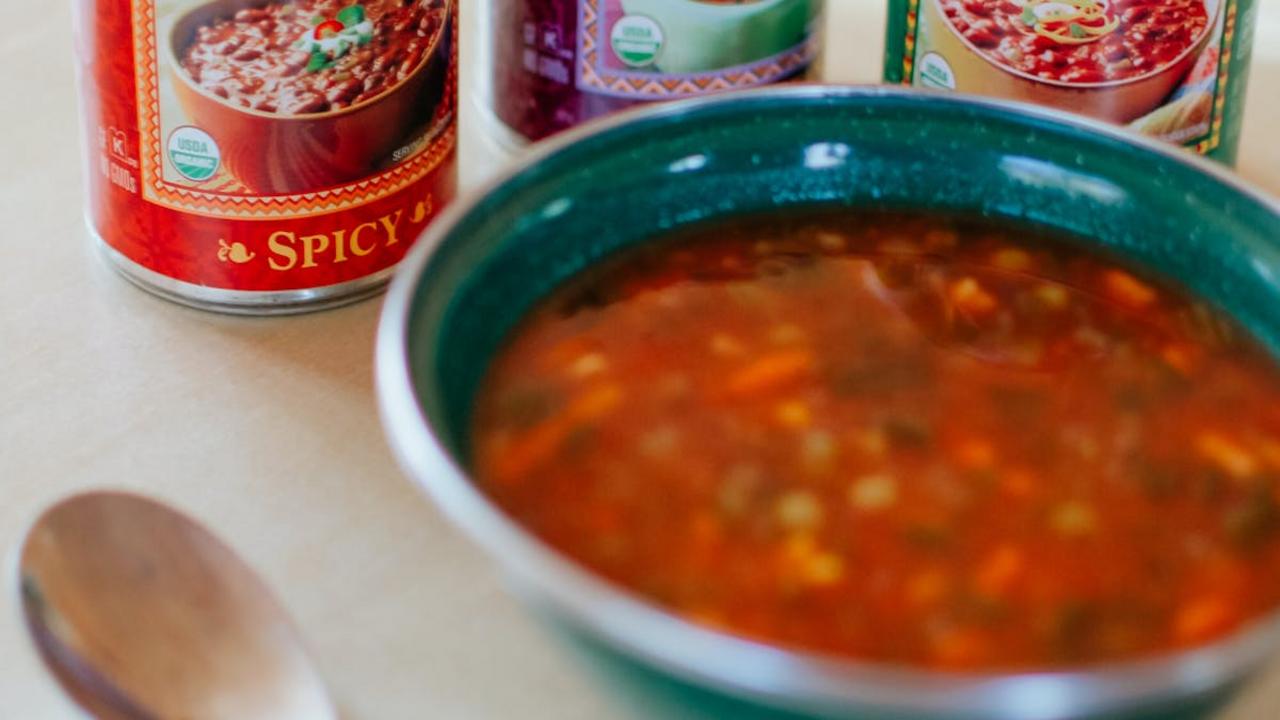
Listen, I know what you’re thinking – canned beans are about as exciting as watching paint dry on a rainy Tuesday. But hold up! These humble little legumes are basically the superheroes of the grocery store, disguised in their unassuming metal costumes. A single can packs more protein than a fancy energy bar and costs roughly the same as a pack of gum. Black beans, chickpeas, kidney beans – they’re all sitting there on the shelf, ready to transform your boring weeknight dinner into something that actually resembles real food. Plus, they last longer in your pantry than most Hollywood marriages, which is saying something.
Here’s a fun fact that’ll blow your mind: ancient Romans considered beans so sacred they used them as ballots for voting. These days, we just toss them into everything from salads to soups to that questionable three-bean chili your neighbor brings to every potluck. The fiber content alone will keep your digestive system happier than a golden retriever with a tennis ball, and the versatility means you can mash them into burgers, blend them into hummus, or just eat them straight from the can like the budget-conscious genius you are. Trust me, once you start keeping a few cans around, you’ll wonder how you ever survived those “there’s nothing to eat” moments without them.
Quinoa
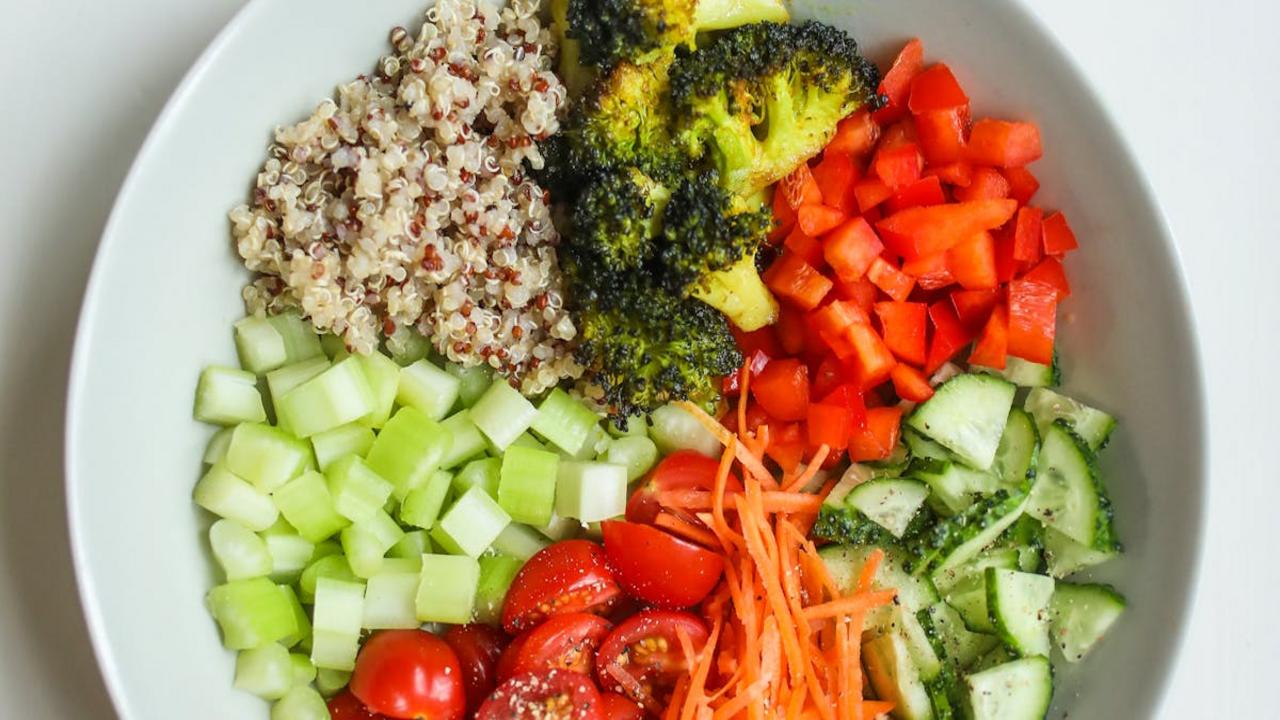
This tiny grain that sounds like “KEEN-wah” (not “kwin-OH-ah,” despite what half the grocery store shoppers seem to think) packs more protein than a bodybuilder’s breakfast smoothie. Quinoa contains all nine amino acids your body needs, making it a complete protein that’ll keep you satisfied longer than those sad desk salads. The ancient Incas called it “chisaya mama,” meaning “mother of all grains,” though technically quinoa isn’t even a grain—it’s a seed that’s masquerading as one with remarkable success. You can buy it in bulk for around $3-4 per pound, and since it doubles in size when cooked, that bag stretches further than your patience during holiday shopping.
What makes quinoa brilliant for budget-conscious shoppers is its chameleon-like ability to adapt to any flavor profile you throw at it. Toss it with Mediterranean herbs and feta for a Greek-inspired bowl, or mix it with black beans and salsa for a Tex-Mex fiesta in your mouth. I once accidentally made quinoa pudding by cooking it in coconut milk with cinnamon—and honestly, it wasn’t terrible! The nutty, slightly earthy flavor plays well with both sweet and savory ingredients, plus it cooks in just 15 minutes. Pro tip: rinse it before cooking unless you enjoy the bitter, soapy taste that comes from its natural coating called saponin (nature’s way of keeping bugs away, apparently).
Leafy Greens
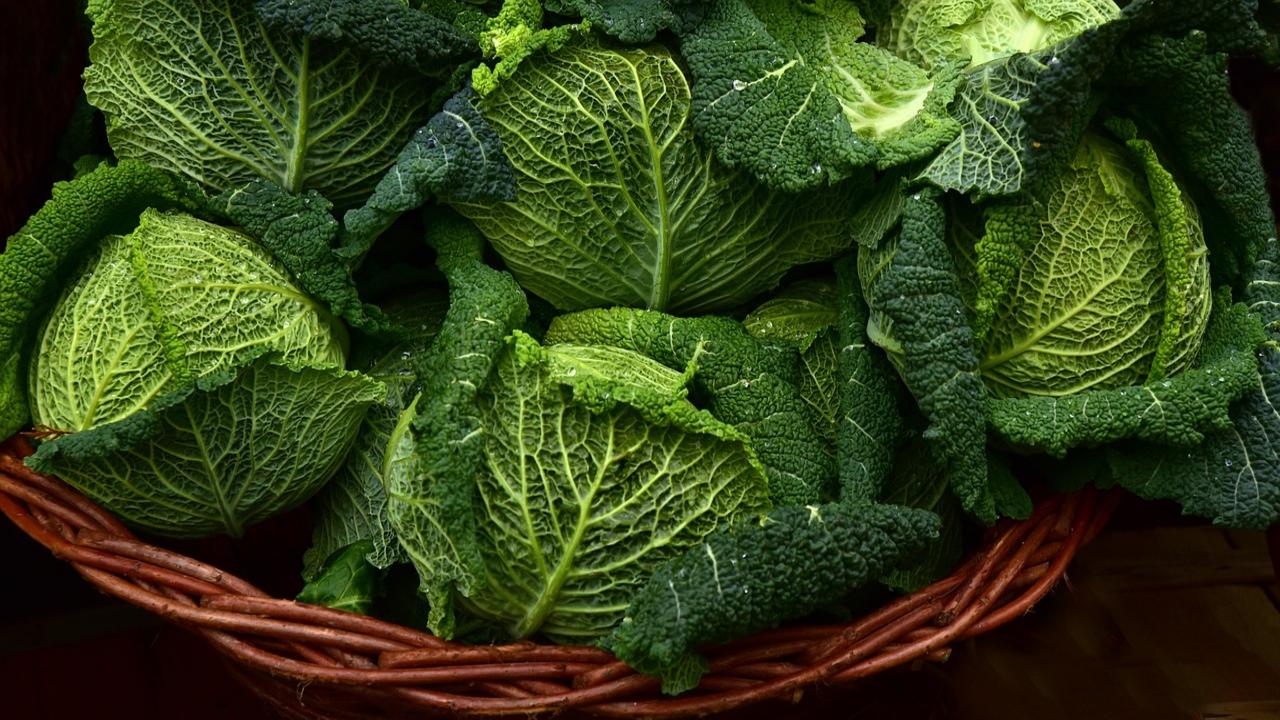
Listen, I get it – leafy greens sound about as exciting as watching paint dry on a Tuesday afternoon. But here’s the plot twist that’ll blow your mind: these crinkly, verdant powerhouses are basically nature’s multivitamins disguised as rabbit food, and they’re cheaper than your morning coffee habit. Spinach, kale, arugula, and their leafy cousins pack more nutritional punch per dollar than practically anything else in your cart. We’re talking folate, iron, vitamin K, and enough antioxidants to make your cells do a happy dance. Plus, did you know that one cup of raw spinach contains only seven calories? That’s fewer calories than the wrapper on your energy bar!
The beauty of leafy greens lies in their chameleon-like ability to sneak into absolutely everything without staging a flavor rebellion. Toss a handful of baby spinach into your morning smoothie (trust me, you won’t even taste it), pile arugula onto your pizza for a peppery kick, or massage some kale with olive oil and lemon juice until it transforms from tough-as-leather to silky perfection. Pro tip from someone who’s made every leafy green mistake in the book: store them properly by wrapping them in slightly damp paper towels before refrigerating, and they’ll stay fresh for over a week. Your future self will thank you when you’re not throwing away soggy, brown lettuce every few days like some kind of produce-wasting monster.