14 Dirt-Cheap Dishes That Taste Way More Expensive
You know that feeling when you create something amazing from practically nothing? That’s exactly what these fourteen dishes deliver. I’ve spent years discovering how simple, affordable ingredients can transform into meals that taste like they cost three times more than they actually do.
The secret lies in understanding flavor building and technique over expensive components. A perfectly seasoned lentil soup with the right aromatics tastes more satisfying than many restaurant dishes. Fresh herbs, proper seasoning, and cooking methods make all the difference between bland budget food and something spectacular.
These recipes prove you don’t need fancy ingredients to eat well. From fragrant shakshuka to soul-warming chili, each dish maximizes flavor while keeping your wallet happy. You’ll discover how pantry staples become restaurant-quality meals with just a little know-how and love.
Egg Fried Noodles
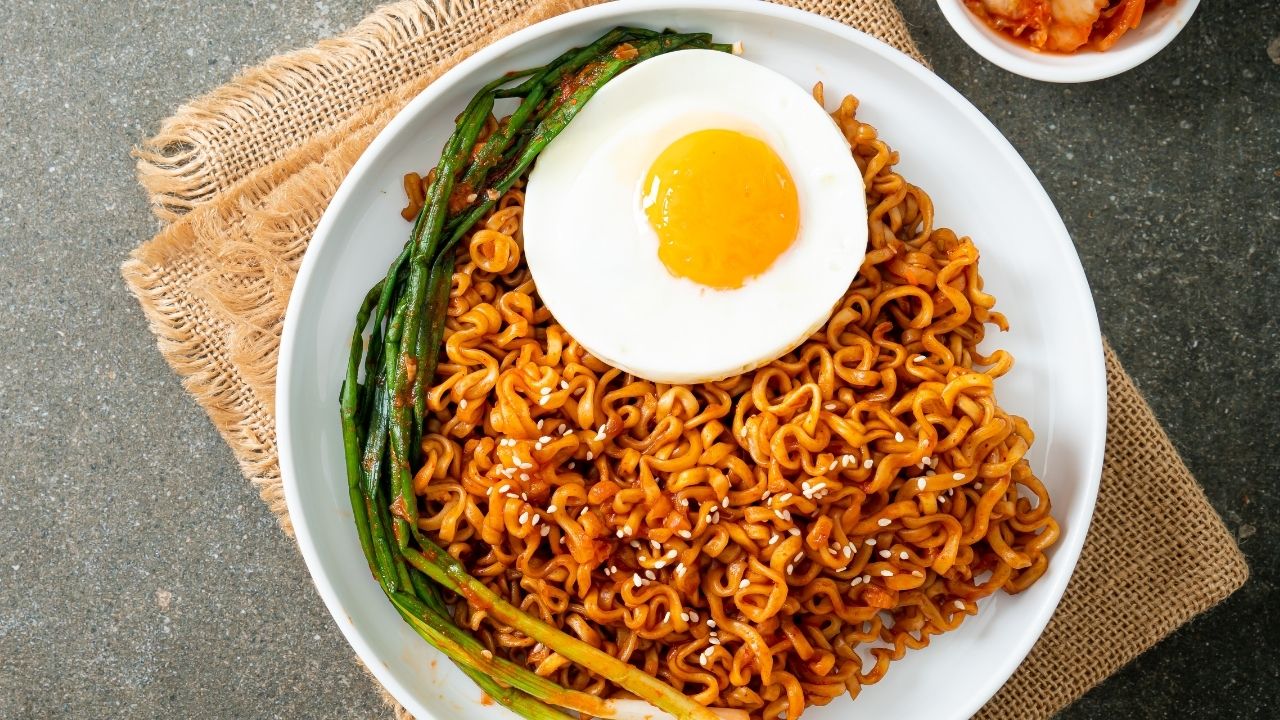
You know that feeling when you open your pantry and find a pack of instant noodles, some eggs, and maybe a few wilted vegetables? That’s exactly when egg fried noodles become your kitchen superhero. I love how this dish transforms the most basic ingredients into something that tastes like it came from your favorite Asian restaurant. The magic happens when you cook those noodles until they’re just shy of done, then toss them in a screaming hot pan with scrambled eggs and whatever vegetables you have on hand. The noodles get this beautiful golden color and slightly crispy texture that makes each bite incredibly satisfying.
What makes this dish feel so expensive is the technique—and honestly, it’s simpler than you think. I always cook my eggs first, keeping them soft and fluffy, then set them aside while I work on the noodles. A splash of soy sauce, a drizzle of sesame oil if you have it, and maybe some chopped scallions transform everything. The best part? You can customize this dish with whatever protein or vegetables you have lying around. Leftover roast chicken, frozen peas, or even that half bell pepper in your fridge all work beautifully. In less than ten minutes, you’ve created something that looks and tastes like you spent serious money on takeout.
Tomato Basil Pasta
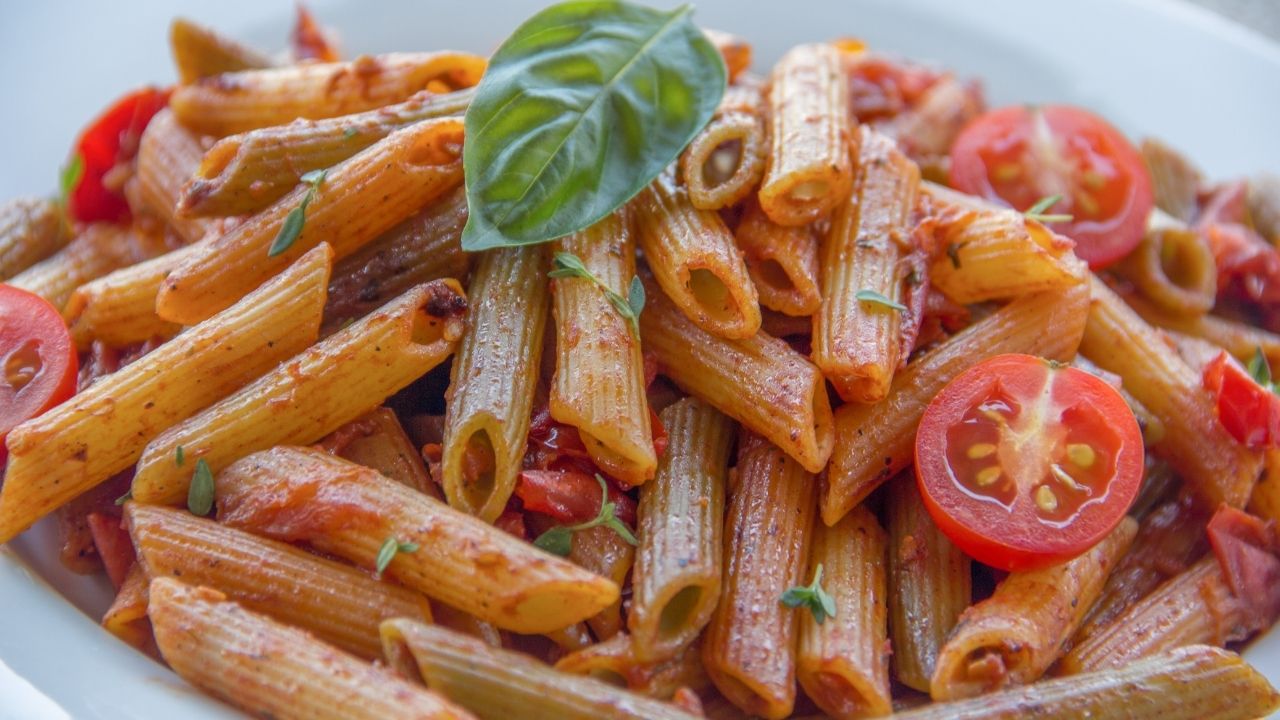
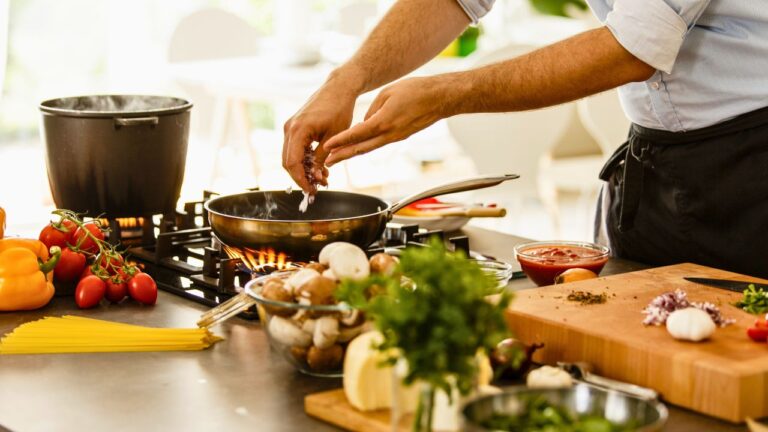
You know what I love about this simple tomato basil pasta? It’s one of those dishes that makes people think you spent hours in the kitchen, but really, you just need good tomatoes, fresh basil, and about twenty minutes. I make this when I want something comforting that doesn’t require a grocery store run – chances are, you already have everything you need. The secret is using canned San Marzano tomatoes (or any quality whole tomatoes) and letting them break down slowly with garlic and olive oil. Don’t rush this step – those tomatoes need time to concentrate their flavors and create that rich, silky sauce that clings perfectly to your pasta.
Here’s where the magic happens: I finish the pasta directly in the sauce with a splash of starchy pasta water, which creates this gorgeous, glossy coating that makes the dish taste like it came from an expensive Italian restaurant. Fresh basil goes in at the very end – never cook it too long or you’ll lose that bright, aromatic punch that makes this dish sing. A generous shower of good Parmesan cheese and a drizzle of your best olive oil, and suddenly you have this restaurant-quality meal that cost you maybe three dollars to make. The beauty of this dish is in its simplicity – when you use quality ingredients and treat them with respect, they reward you with flavors that taste far more expensive than they actually are.
Chana Masala
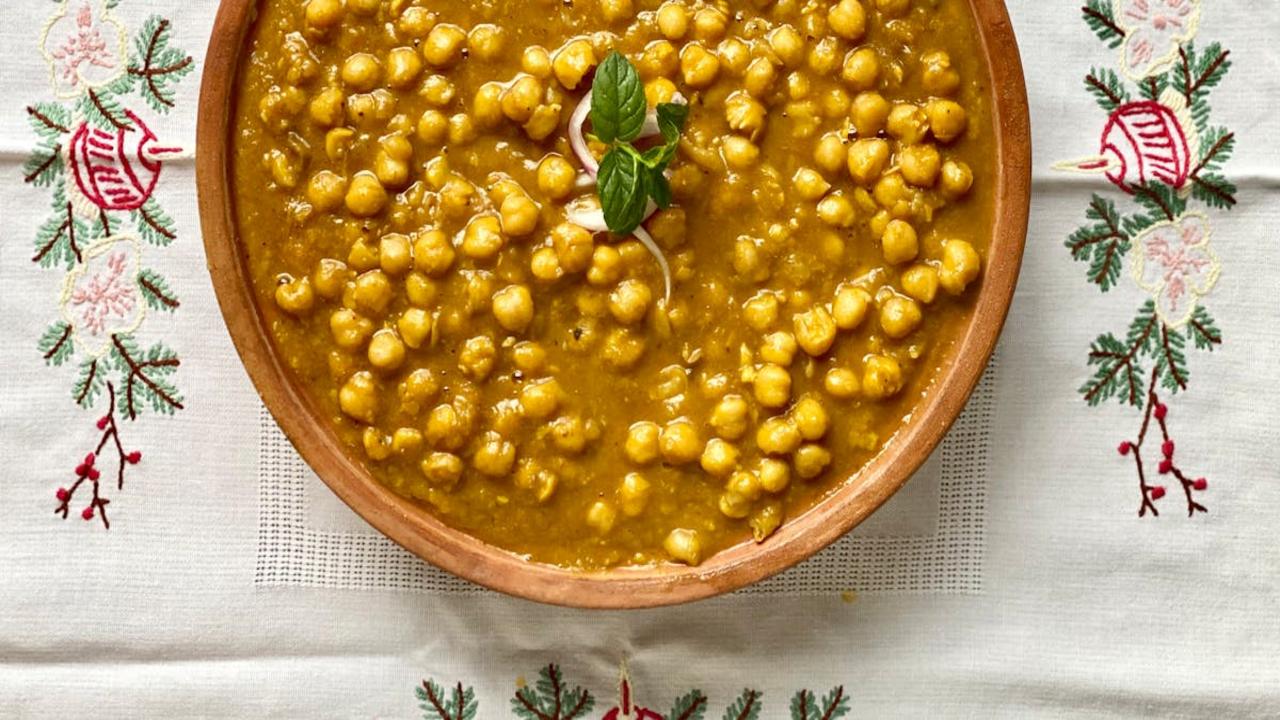
I remember the first time I made chana masala in my tiny apartment kitchen – the entire place smelled like a warm Indian spice market for days, and I couldn’t have been happier. This humble dish transforms basic canned chickpeas into something that tastes like it came from the most expensive Indian restaurant in town. The magic happens when you bloom whole spices like cumin seeds and cinnamon sticks in hot oil, then build layers of flavor with ginger, garlic, and a rainbow of ground spices. What makes this dish so brilliant is how forgiving it is – you can adjust the heat level, swap tomatoes for whatever’s in your pantry, and still end up with something absolutely incredible.
The beauty of chana masala lies in its accessibility and versatility. You probably already have most of the spices sitting in your cabinet, and if you don’t, buying them will cost you less than a single restaurant meal but provide enough flavor for months of cooking. I love adding a handful of fresh spinach or diced sweet potatoes to make it even more nutritious, and the leftovers actually taste better the next day. Serve it over fluffy basmati rice or with warm naan, and you’ve got a restaurant-quality meal for under five dollars that feeds a family. The best part? Your friends will think you spent hours slaving over the stove when really, most of the cooking time is hands-off simmering.
Cabbage Roll Casserole
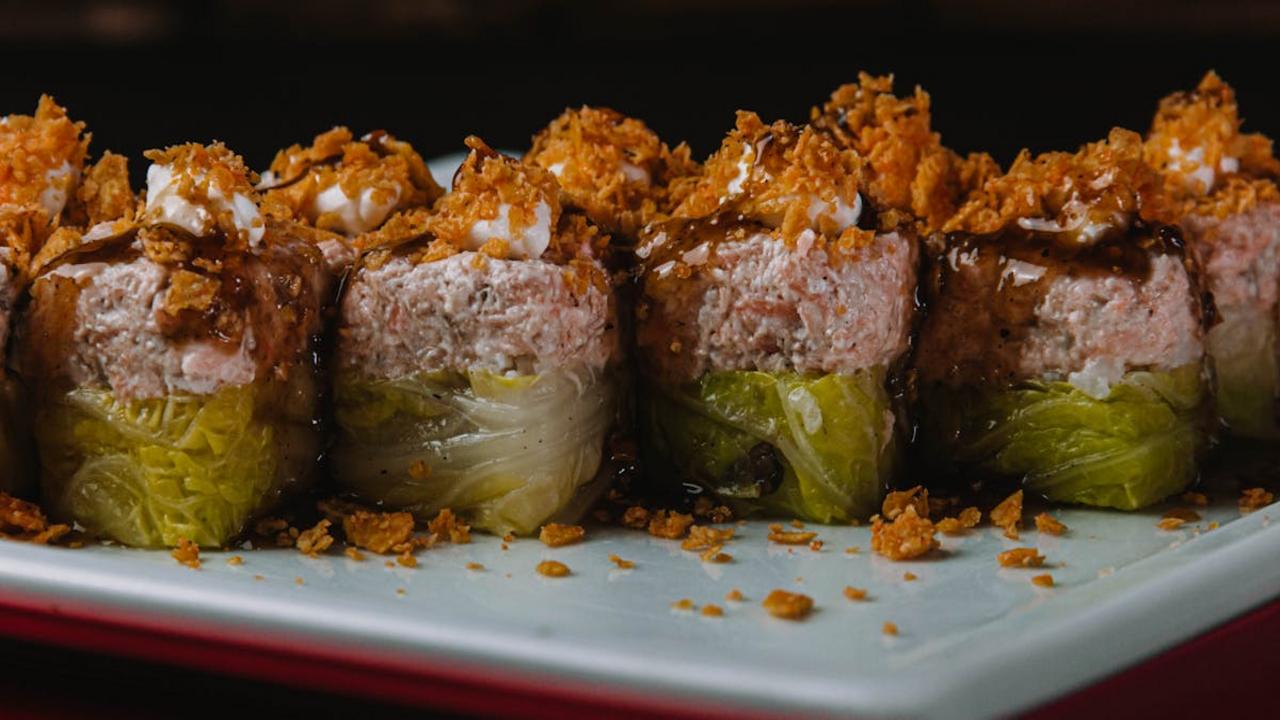
You know that moment when you crave traditional cabbage rolls but don’t have three hours to spend wrapping individual parcels? This casserole gives you all those comforting flavors in half the time and for a fraction of the cost. I take tender cabbage leaves, layer them with seasoned ground meat (beef, turkey, or even lentils work beautifully), and nestle everything in a rich tomato sauce with aromatic rice. The magic happens when these humble ingredients transform in the oven, creating layers of flavor that taste like you’ve been cooking all day.
What makes this dish so budget-friendly is how it stretches a small amount of protein across multiple servings while keeping you completely satisfied. Cabbage costs practically nothing, especially during winter months, and you can customize the filling based on what’s in your pantry. I often add diced onions, bell peppers, and fresh herbs from my garden to build complexity. The result? A hearty, soul-warming meal that feeds a family for under ten dollars but tastes like something you’d order at an upscale comfort food restaurant. Serve it with a dollop of sour cream and some crusty bread for the full experience.
Shakshuka
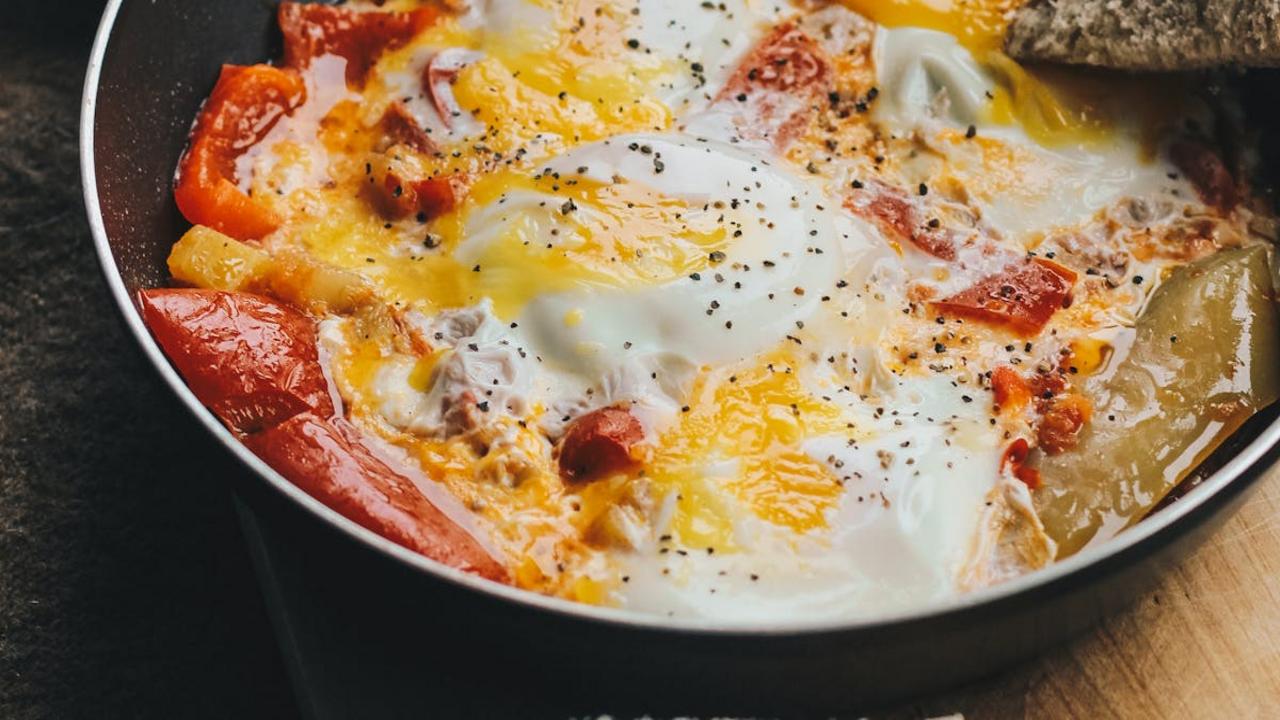
Picture this: you’re craving something that tastes like you spent hours in the kitchen, but your wallet and schedule say otherwise. Enter shakshuka – the North African wonder that transforms humble pantry staples into pure magic. I start with canned tomatoes (yes, canned!), onions, bell peppers, and a handful of spices that probably live in your cabinet right now. The secret lies in building layers of flavor – sautéing that onion until it’s golden, adding paprika and cumin until your kitchen smells like a Moroccan market, then letting those tomatoes bubble into a rich, silky sauce.
Here’s where shakshuka gets brilliant: you crack eggs directly into that bubbling tomato paradise and watch them gently poach in all that flavor. The result? A dish that looks like it belongs in a fancy brunch spot but costs you maybe three dollars to make. I love adding whatever vegetables need rescuing from my fridge – zucchini, spinach, even leftover roasted peppers work beautifully. Grab some crusty bread for dipping, and suddenly you’ve got a meal that feels special enough for weekend guests but simple enough for a Tuesday night dinner. The best part? It tastes even better than those expensive brunch plates, and you made it with your own hands.
Peanut Butter and Banana Sandwich
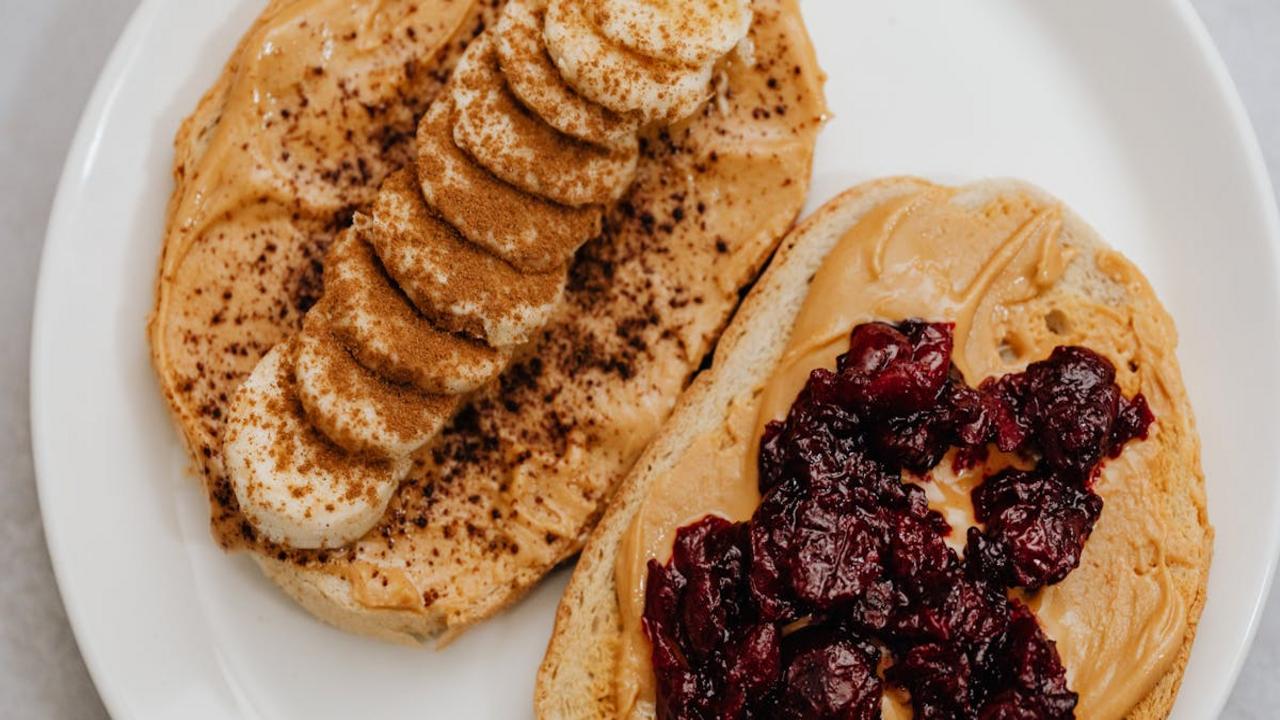
You know what gets me excited? Taking something as simple as a peanut butter and banana sandwich and watching people’s faces light up when they taste the magic happening between those two slices of bread. I make mine with thick, crusty sourdough that I toast until it’s golden and slightly crispy on the outside but still soft inside. Then comes the star treatment – I spread natural peanut butter (the kind where the oil separates on top) generously on both slices, and here’s my secret: I slice the banana into rounds and arrange them like little golden coins, then drizzle just a touch of honey and sprinkle a pinch of cinnamon.
What transforms this humble sandwich from childhood nostalgia into something that feels luxurious is the quality of your ingredients and how you treat them with respect. I source my peanut butter from a local maker who grinds fresh peanuts weekly, and those bananas? I wait until they have those perfect brown speckles that signal peak sweetness. Sometimes I’ll add a handful of chopped walnuts for crunch or swap the honey for a drizzle of pure maple syrup. The contrast between the creamy, nutty richness and the sweet, soft banana creates this incredible harmony that costs maybe two dollars to make but tastes like comfort food from an upscale café.
Black Bean Tacos
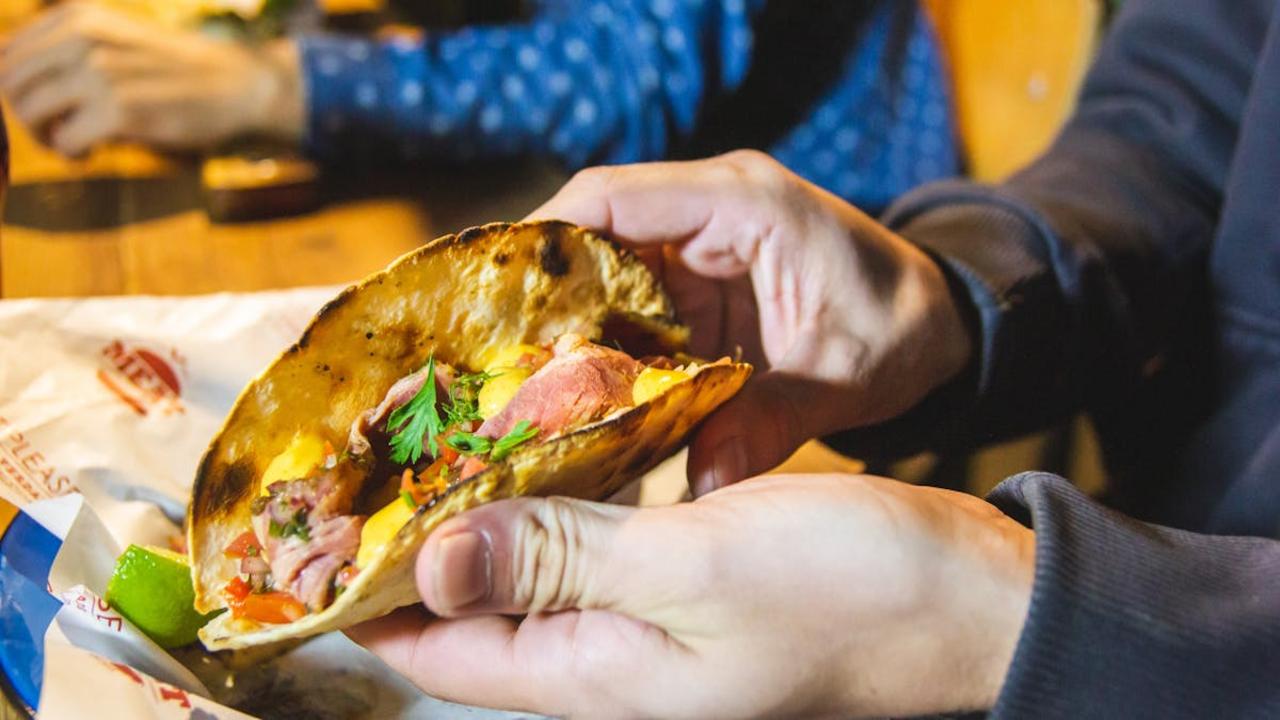
Black bean tacos prove that extraordinary flavor doesn’t require an expensive price tag. I transform humble canned black beans into something magical by sautéing them with cumin, smoked paprika, and a splash of lime juice. The key lies in mashing about half the beans while keeping the rest whole – this creates a creamy yet textured filling that rivals any restaurant version. Add diced onions, garlic, and a pinch of chipotle powder, and you’ve got a protein-packed base that costs mere pennies per serving yet delivers complex, satisfying flavors.
The beauty of these tacos extends beyond their affordability – they’re infinitely customizable with whatever fresh ingredients you have on hand. I love topping mine with crisp cabbage slaw, creamy avocado, and a drizzle of Greek yogurt mixed with lime zest. Fresh cilantro and pickled jalapeños add brightness and heat, while a sprinkle of cotija cheese provides that perfect salty finish. These tacos showcase how thoughtful seasoning and fresh accompaniments can transform basic ingredients into a meal that feels restaurant-worthy, proving that great food comes from technique and creativity, not expensive components.
French Toast
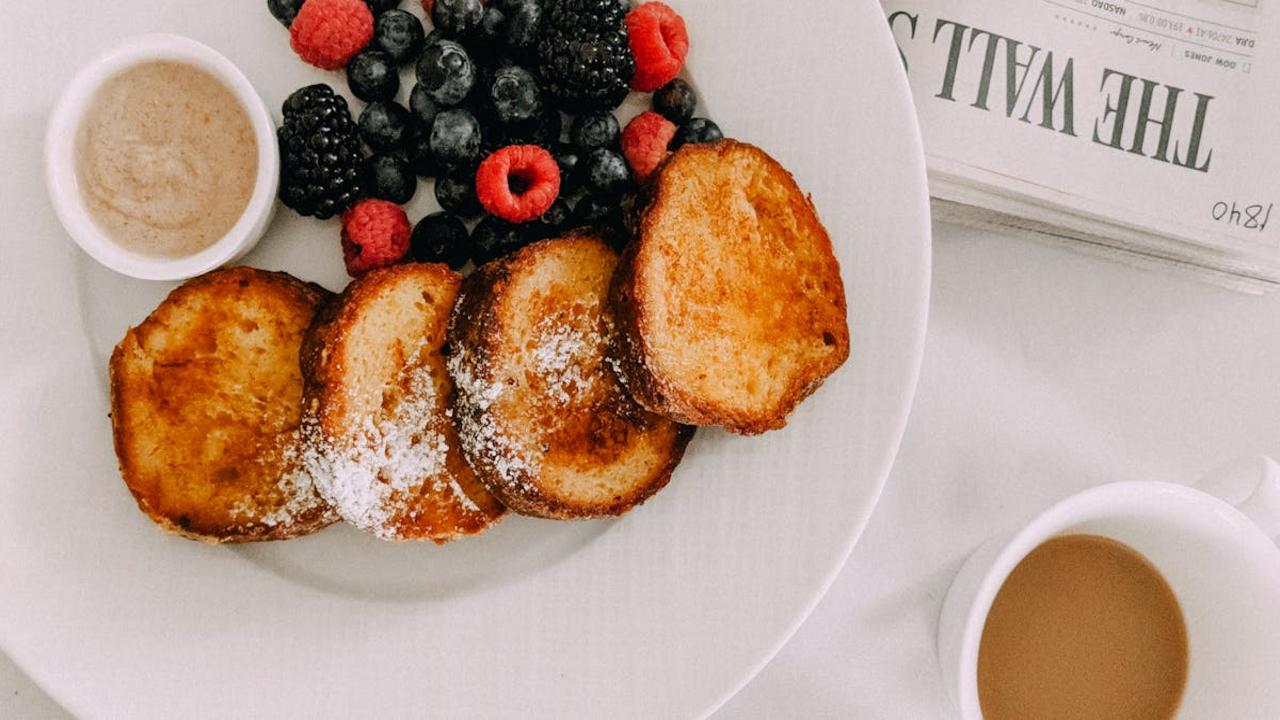
You know what gets me excited about French Toast? It’s basically fancy bread pudding’s breakfast cousin, and you can make magic happen with the most basic ingredients sitting in your kitchen right now. I grab day-old bread—the staler, the better—whisk up some eggs with milk, add a splash of vanilla and cinnamon, and suddenly I’m serving something that could easily cost fifteen dollars at a trendy brunch spot. The secret lies in treating your bread like it’s precious: let each slice soak up that custard mixture until it’s completely saturated, then cook it low and slow in butter until you get that perfect golden crust with a creamy, custardy center.
What really transforms this humble dish into restaurant-worthy territory is thinking beyond the basic recipe. I love mixing different spices into my egg mixture—cardamom for warmth, orange zest for brightness, or even a pinch of nutmeg for depth. Sometimes I’ll use coconut milk instead of regular milk, or swap in whole grain bread for extra nutrition. The toppings make all the difference too: fresh berries, a drizzle of real maple syrup, or even some Greek yogurt with honey can turn your simple French toast into something that looks and tastes like you ordered it from an upscale café. The best part? You’re probably spending less than three dollars to feed your whole family something absolutely divine.
Spaghetti Aglio e Olio
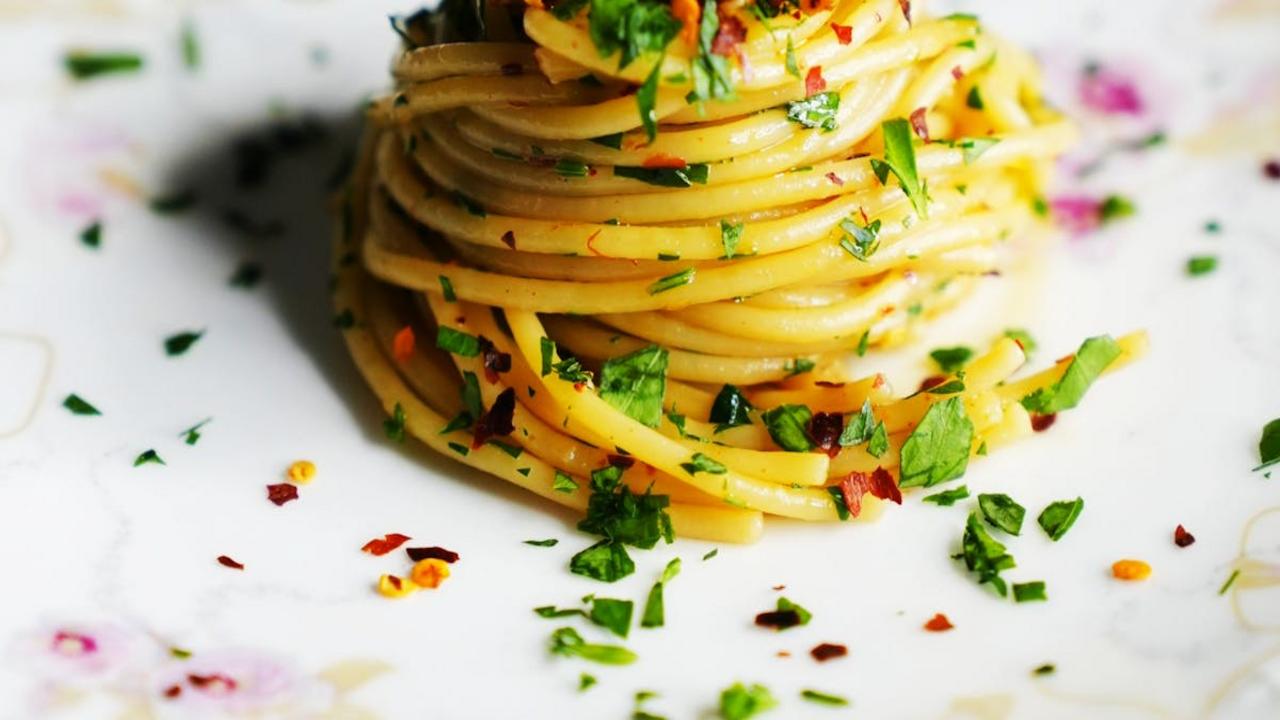
You know that moment when your pantry looks bare but you still need to create magic? That’s exactly when Spaghetti Aglio e Olio becomes your best friend. This classic Italian dish requires just five ingredients—spaghetti, garlic, olive oil, red pepper flakes, and parsley—yet it delivers sophistication that could fool any restaurant critic. I love how this recipe teaches you the fundamentals of building flavor through technique rather than expensive ingredients. The key lies in gently coaxing sweetness from thinly sliced garlic in good olive oil, creating an aromatic base that transforms simple pasta into something extraordinary.
What makes this dish so special is how it celebrates the Italian philosophy of doing more with less. You’re not masking flavors with heavy sauces or processed additions—instead, you’re highlighting each component’s natural character. The pasta water becomes your secret weapon, creating a silky emulsion that binds everything together beautifully. I always tell people that mastering Aglio e Olio means mastering the foundation of countless other pasta dishes. The technique translates perfectly to whatever vegetables or proteins you have on hand, making it an incredibly versatile base recipe that adapts to your creativity and what’s fresh in your kitchen.
Potato Pancakes

These crispy golden discs prove that sometimes the simplest ingredients create the most satisfying results. I grab russet potatoes, grate them coarsely, and squeeze out every drop of moisture—this step makes all the difference between soggy disappointment and restaurant-quality crispiness. A beaten egg binds everything together, while a whisper of flour creates structure. The magic happens when these humble shreds hit hot oil, transforming into lacy-edged pancakes with exteriors that shatter at first bite.
What makes potato pancakes feel expensive isn’t complexity—it’s technique and timing. I serve them immediately while the edges still sing with heat, topped with dollops of sour cream or homemade applesauce. The contrast between the crispy exterior and fluffy interior mirrors what you’d expect from an upscale brunch spot, yet your entire investment amounts to pennies per serving. Add fresh chives from your windowsill garden or a sprinkle of smoked paprika, and suddenly you’re presenting something that looks like it belongs on a $15 restaurant plate.
Chili
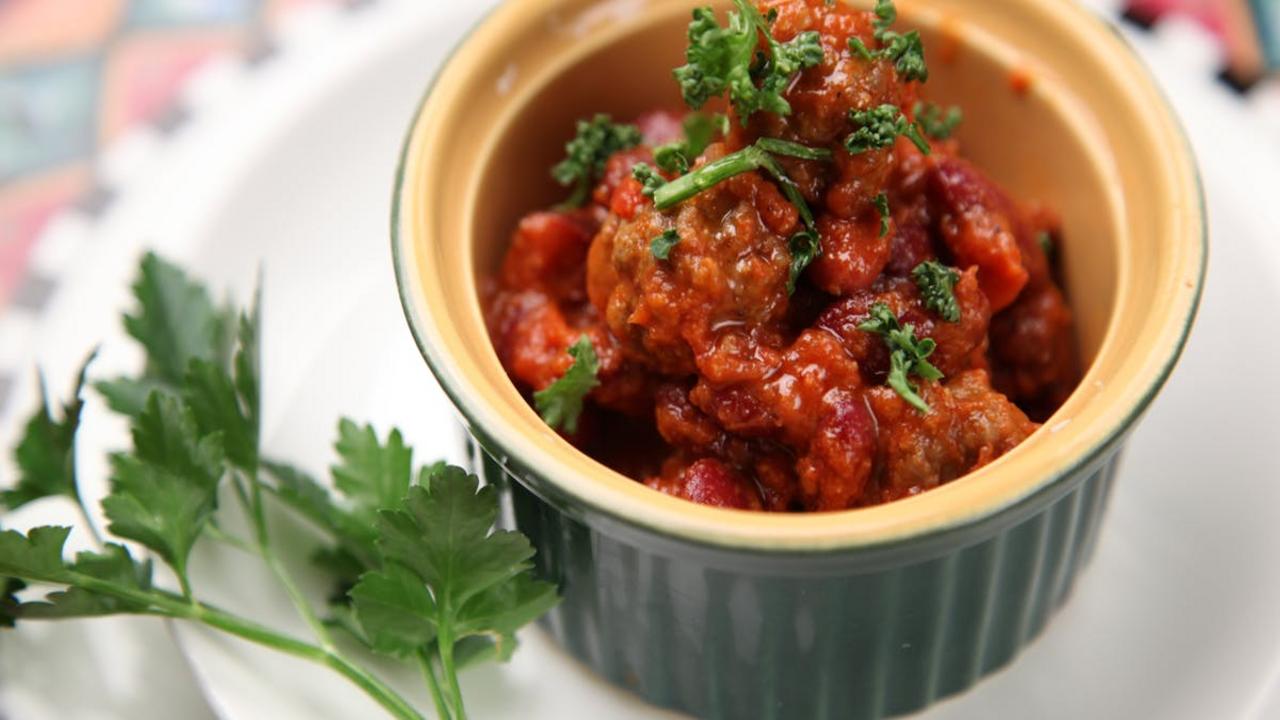
You know what gets me excited about chili? It’s the perfect canvas for your pantry odds and ends, and somehow every single pot turns into something that tastes like you spent hours crafting a gourmet masterpiece. I throw in whatever beans I have on hand – kidney, black, pinto, even lentils – along with crushed tomatoes, onions, and whatever spices are calling to me that day. The magic happens when you build those layers of flavor: cumin, smoked paprika, a hint of cinnamon, maybe some cocoa powder if you’re feeling adventurous. Ground meat is traditional, but I’ve made incredible versions with mushrooms, walnuts, or even jackfruit that fool everyone at the table.
The real secret is letting time do the work for you. After about thirty minutes of slow simmering, those humble ingredients transform into something rich, complex, and deeply satisfying. I love adding a splash of coffee or dark beer during cooking – it adds this incredible depth that makes people wonder what your secret ingredient is. Serve it over baked sweet potatoes, with cornbread, or just eat it straight from the bowl with some sharp cheddar melted on top. The best part? It gets better every day, and you can stretch one pot to feed your family for days while spending less than what you’d pay for a fancy coffee.
Vegetable Stir Fry
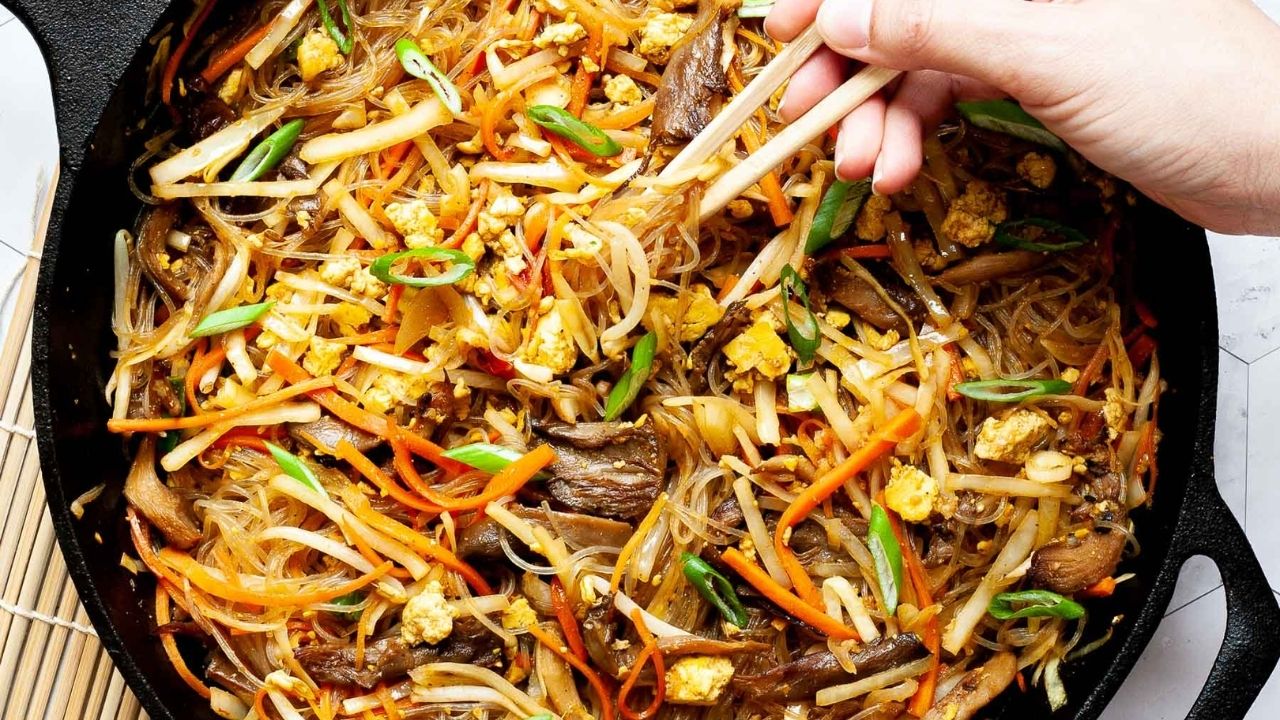
You know what amazes me every time I make vegetable stir fry? How something so ridiculously inexpensive can taste like it belongs on a restaurant menu. I grab whatever vegetables are about to turn sad in my fridge—maybe some bell peppers, broccoli, carrots, and snap peas—and transform them into something that feels luxurious and satisfying. The secret lives in building layers of flavor: I start with aromatics like garlic, ginger, and scallions, then add my harder vegetables first, followed by the tender ones. A simple sauce made from soy sauce, a touch of sesame oil, and maybe some rice vinegar or honey creates that glossy, restaurant-quality finish that makes people think you spent way more money and effort than you actually did.
The beauty of stir fry goes beyond just saving money—it connects you to cooking traditions from across Asia while giving you complete creative freedom. I love how this technique respects each vegetable’s natural texture and color, keeping everything vibrant and crisp-tender. Sometimes I’ll throw in leftover rice to make it heartier, or add some tofu or eggs for protein. The whole dish comes together in under fifteen minutes, but the combination of textures, colors, and that perfect balance of salty, sweet, and umami flavors creates something that feels special and intentional. Plus, you’re getting a rainbow of nutrients without any processed ingredients—just real food cooked with love and a hot pan.
Fried Rice
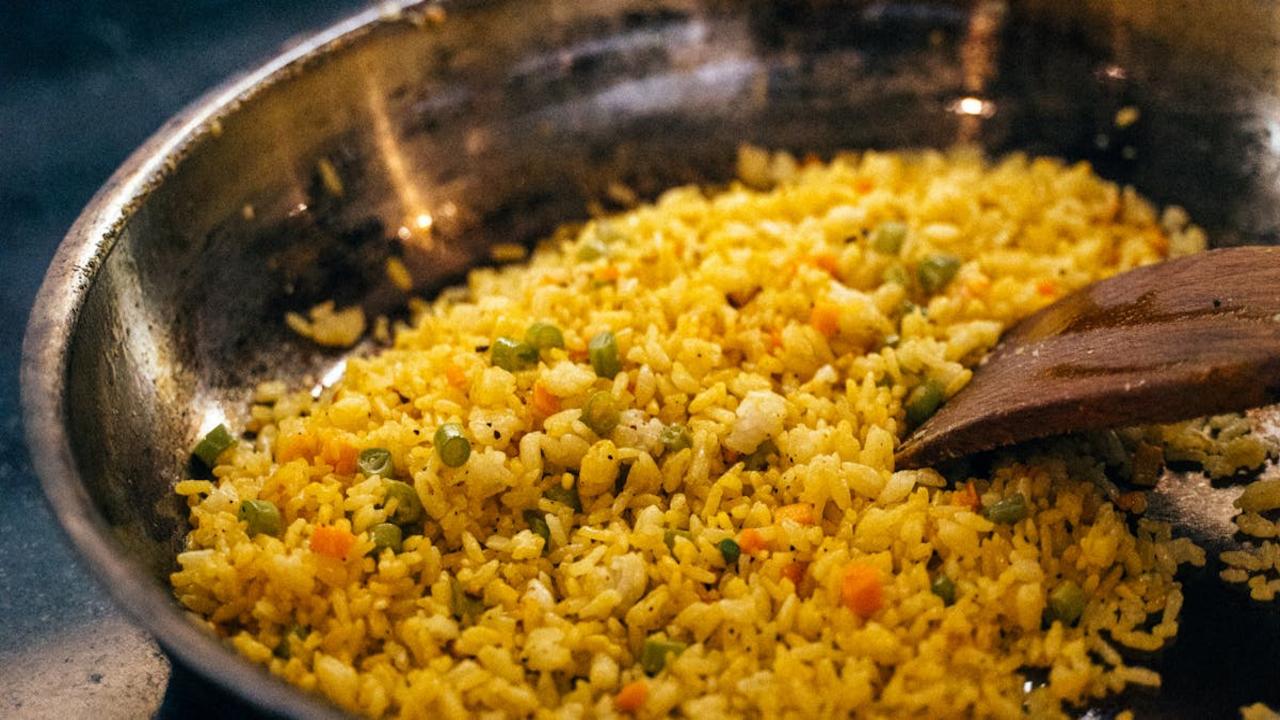
You know what makes my heart sing? Opening my fridge to find day-old rice and a handful of random vegetables, then turning them into something that tastes like it came from your favorite Asian restaurant. Fried rice is pure magic in a wok – it transforms leftover grains into golden, fragrant perfection that costs pennies but delivers flavors worth twenty times more. I love how this dish accepts whatever you have: wilted greens, that lonely carrot, half an onion, or even leftover roasted vegetables from last night’s dinner.
The secret lies in high heat and patience – let that rice get crispy and develop those beautiful golden edges before adding your aromatics like garlic, ginger, and scallions. I always keep soy sauce, sesame oil, and a bottle of rice vinegar handy because they create that restaurant-quality depth without breaking the bank. Add a scrambled egg for richness, maybe some frozen peas for color, and you’ve got a complete meal that nourishes your body and soul. This is exactly why I believe in cooking from scratch – you take simple, whole ingredients and create something extraordinary that feeds your family for under five dollars.
Lentil Soup

You know that feeling when you open your pantry and find nothing but dried lentils staring back at you? Don’t panic – you’re actually holding one of the most transformative ingredients in your kitchen. I remember the first time I made proper lentil soup from scratch, watching those humble little legumes bloom into something that tasted like I’d simmered bones for hours. The secret lies in building layers of flavor from the ground up: start with a good sofrito of onions, carrots, and celery, add warming spices like cumin and smoked paprika, then let those lentils slowly absorb every bit of that aromatic base.
What makes this soup feel so luxurious is the way it develops this rich, velvety texture without any cream or fancy ingredients. Red lentils break down beautifully and create natural thickness, while green or brown lentils hold their shape and give you satisfying bites. I love finishing mine with a splash of good olive oil, fresh herbs, and maybe a squeeze of lemon – suddenly you have this restaurant-worthy bowl that cost you maybe two dollars to make. The best part? It tastes even better the next day, and you can stretch it for days by adding different vegetables or grains you have on hand.