10 Secrets That Make Junk Food So Addictive
Ever wonder why you can’t stop at just one potato chip or why that chocolate bar calls your name at 3 AM? The answer lies in a clever mix of science, psychology, and marketing that makes junk food practically impossible to resist.
From the perfect balance of sugar and salt to colors that make your brain light up like a Christmas tree, food companies have mastered the art of creating snacks that hit all your pleasure buttons at once. Think of it as a tasty conspiracy – they know exactly what makes you tick, and more importantly, what makes you reach for another bite.
Your brain doesn’t stand a chance against this perfectly engineered combination of flavors, textures, and chemicals. Ready to uncover the sneaky tricks that keep you coming back for more? These 10 secrets will show you exactly why your favorite snacks have such a powerful hold over you.
Brain Chemistry
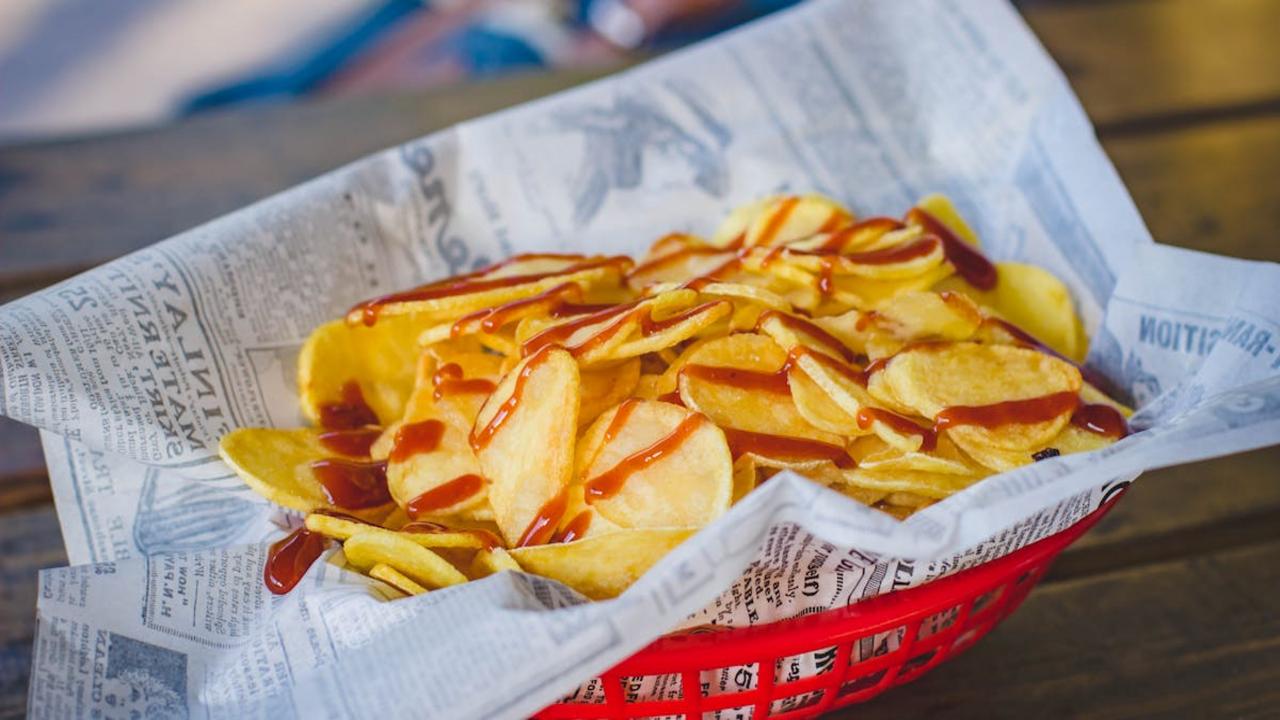
Your brain loves junk food like a kid loves puppies – it just can’t get enough! The secret lies in how these snacks trigger a flood of dopamine, your brain’s happy chemical. Think of dopamine as your internal cheerleader, throwing confetti every time you bite into a chocolate bar or munch on those perfectly salted chips. Food companies have figured out the exact combination of sugar, salt, and fat that makes your brain light up brighter than Times Square on New Year’s Eve.
This sneaky chemistry trick doesn’t stop at just one bite. The more junk food you eat, the more your brain demands it, creating a cycle that makes you reach for another bag of chips instead of that apple sitting in your fruit bowl. Your brain actually rewires itself to crave these processed treats, similar to how it responds to other pleasurable activities. The next time you can’t resist that donut calling your name from the break room, remember it’s not just your stomach talking – it’s your brain playing matchmaker between you and that sugary treat!
Emotional Comfort
You know that moment when you’ve had the worst day ever, and suddenly that bag of chips feels like your best friend? That’s no accident! Food companies have mastered the art of creating products that tap right into your emotional sweet spot. Those crispy, salty snacks and creamy chocolate bars trigger the release of feel-good chemicals like serotonin and dopamine in your brain, giving you an instant mood boost. I call it the “happy tummy, happy heart” effect – and boy, do those manufacturers know exactly what they’re doing!
Think about your childhood memories – maybe it’s grandma’s mac and cheese or that ice cream cone after winning a little league game. Food companies cleverly design their products to remind you of these comforting moments. They create textures, flavors, and aromas that hit those nostalgic notes perfectly. Take Oreos, for example – that perfect twist-and-dunk ritual has become a universal comfort move. And during stressful times, who hasn’t reached for their favorite candy bar? The combination of sugar, fat, and salt creates a powerful emotional connection that keeps you coming back for more, especially when you need a quick pick-me-up.
Colors and Packaging
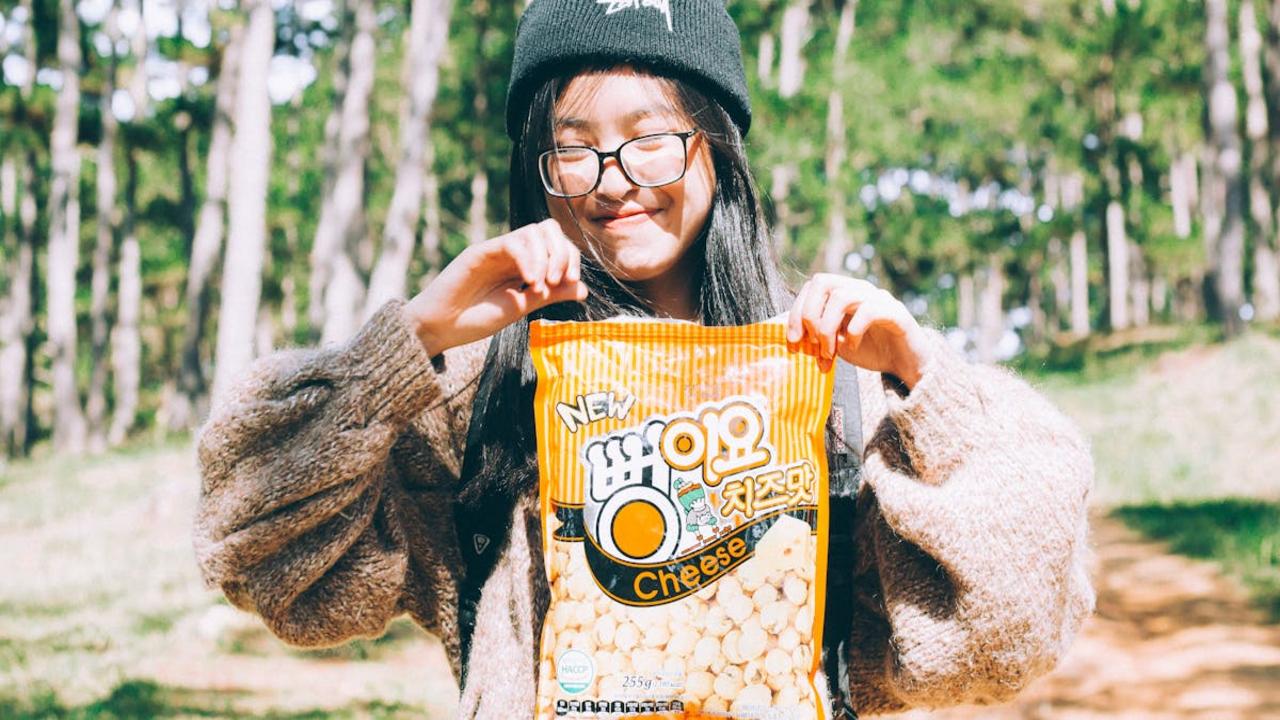
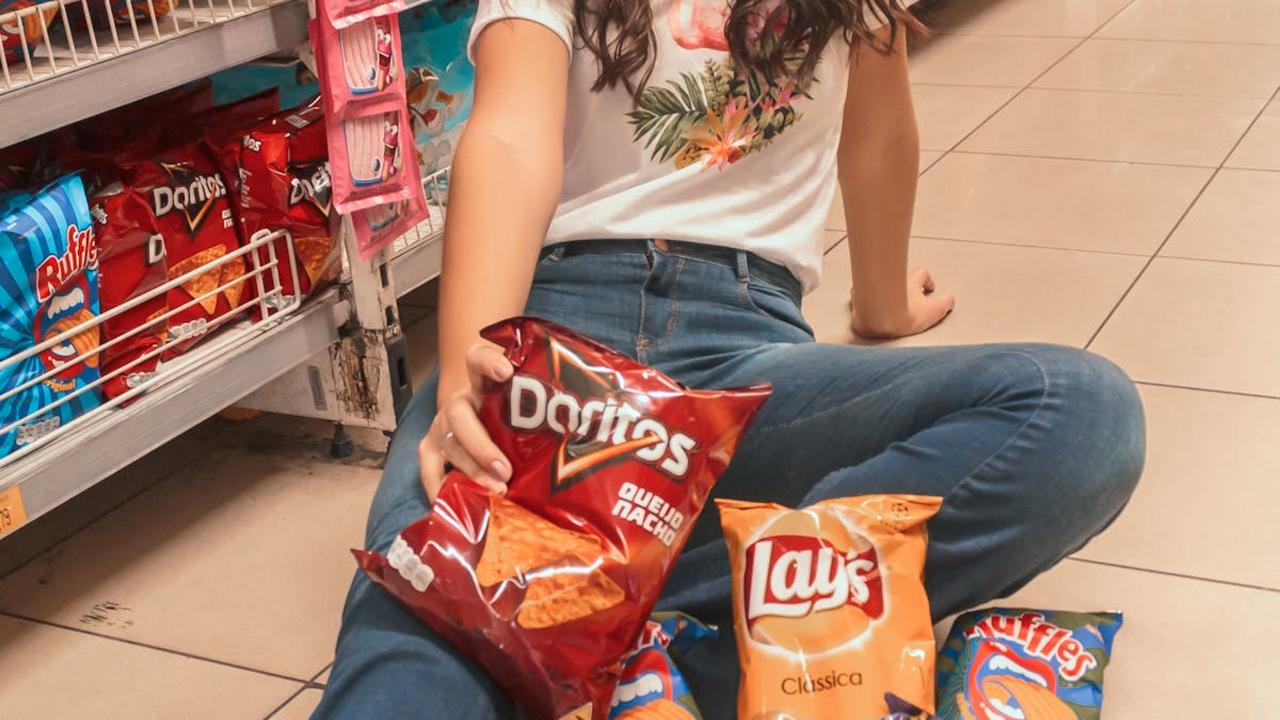
Have you ever noticed how those bright red Doritos bags practically jump off the shelf and into your cart? That’s no accident, my friend! Food companies spend millions studying how colors trigger our brains to want their products. Red and yellow make you hungry (hello, McDonald’s logo!), while bold patterns catch your eye from 20 feet away. I can’t count how many times I’ve bought a snack purely because the package looked so darn appealing – like those shiny purple Cadbury bars that seem to whisper “buy me” every time I’m in line at the grocery store.
The packaging wizards don’t stop at colors – they’ve mastered the art of making products look bigger, tastier, and more irresistible through clever design tricks. They’ll put a window on the package so you can see the perfectly arranged cookies inside, or use matte finishes to make premium chocolate bars feel fancy. And those mouth-watering photos of perfectly styled food on the front? They’re photographed by professionals who spend hours making every cheese curl and ice cream swirl look absolutely perfect. No wonder you can’t resist grabbing that bag of chips – your brain never had a chance!
Convenience Factor
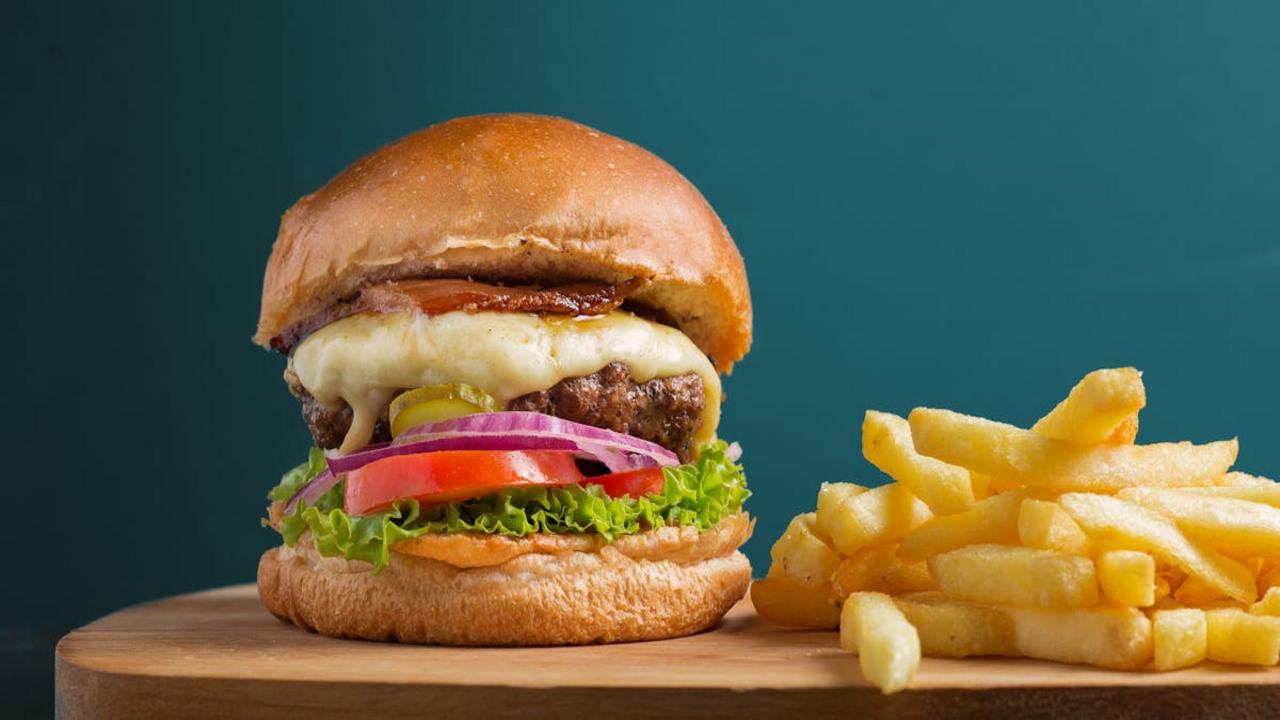
You know that moment when you’re exhausted after work, your stomach is growling, and the last thing you want to do is cook? That’s exactly when those bright fast-food signs and ready-to-eat snacks become your best friends. Food companies have mastered the art of making their products super accessible – they’re everywhere you look! From gas stations to vending machines, you’ll find chips, candy bars, and sodas ready to grab and munch. No washing, chopping, or cooking needed – just rip open that package and boom, instant satisfaction.
The genius behind junk food’s success lies in its grab-and-go nature. Think about it: while making a healthy meal takes planning, shopping, prep time, and cleanup, you can demolish a bag of cheese puffs in seconds with zero effort. Companies strategically place their products at checkout counters, knowing you’re likely to give in to temptation when you’re tired or hungry. Plus, most junk foods don’t need refrigeration or special storage, making them perfect companions for your car, desk drawer, or backpack. No wonder these convenient treats have become our go-to comfort foods!
Hunger Stimulants

Ever wonder why you can’t stop munching on those chips even when you’re not really hungry? Food companies add specific ingredients that trigger your appetite and make you want more – sneaky little devils! MSG (monosodium glutamate) ranks as one of the most common hunger stimulants they slip into your snacks. This flavor enhancer not only makes food more appealing but actually signals your brain to keep eating. I discovered this trick while reading food labels at 2 AM during a potato chip binge – talk about a lightbulb moment between mouthfuls!
The food industry doesn’t stop at MSG though – they’ve got a whole arsenal of appetite-boosting ingredients up their sleeve. Your favorite snacks might contain artificial sweeteners that mess with your body’s hunger signals, or sodium casein that makes you crave more dairy products. Companies even add specific fats and sugars in ratios that override your natural “I’m full” signals. Think of it like a magic trick – except instead of pulling rabbits out of hats, they’re pulling quarters out of your wallet while making you hungrier! No wonder that “just one chip” turns into an empty bag before you know what hit you.
Texture Combinations
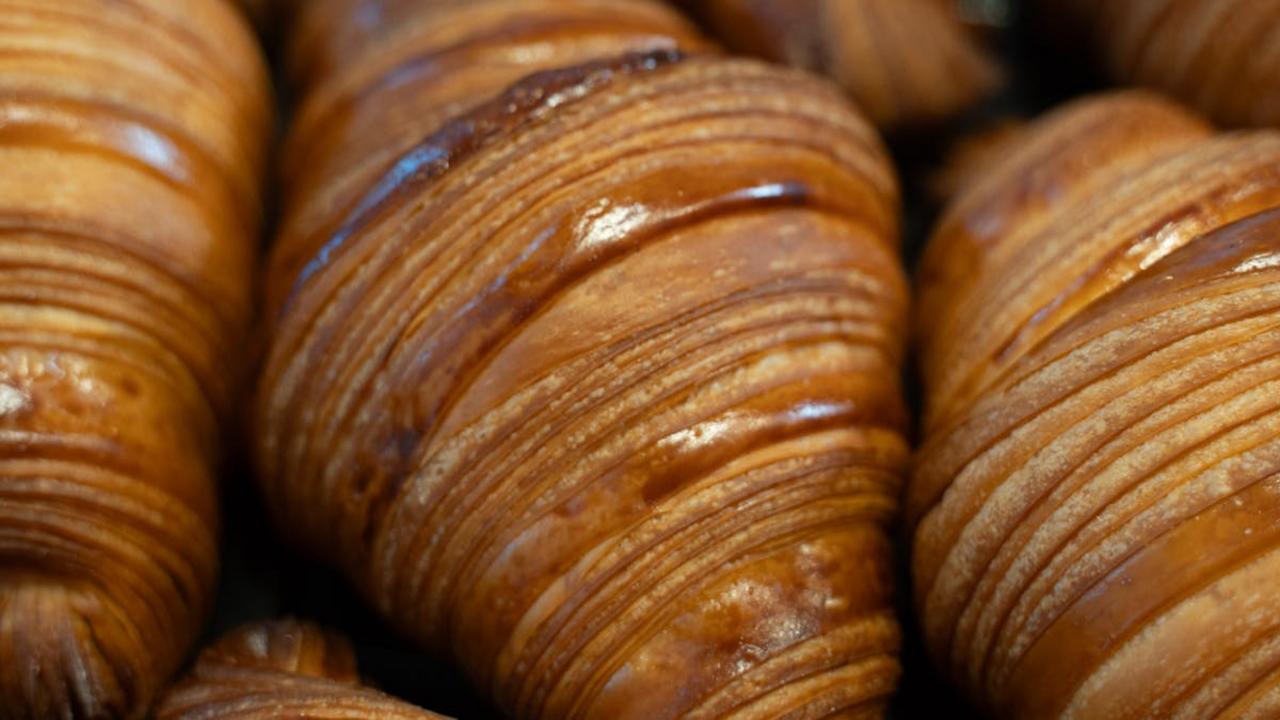
Ever noticed how you can’t stop munching on those perfectly crispy-yet-airy potato chips or that chocolate bar with crunchy nuts inside? Food scientists know exactly what they’re doing when they create these irresistible texture combos. Think about your favorite candy bar – the smooth chocolate coating breaks away to reveal a crispy wafer, maybe some chewy caramel, and crunchy nuts all in one bite. This magical mix triggers what food experts call “dynamic contrast,” making your brain light up like a Christmas tree with every different texture you experience.
Your brain goes wild for these texture parties because they keep you interested and wanting more. Picture biting into a plain chocolate bar versus one stuffed with crispy rice – boring versus exciting! Companies spend millions studying the perfect crunch-to-squish ratio that’ll make you reach for another bite. Next time you’re munching on some cheese puffs, notice how they start crunchy then melt away on your tongue, or how those chocolate-covered pretzels give you both snap and smooth in one go. These aren’t random combinations – they’re carefully engineered to keep your hand diving back into the bag!
Artificial Flavors
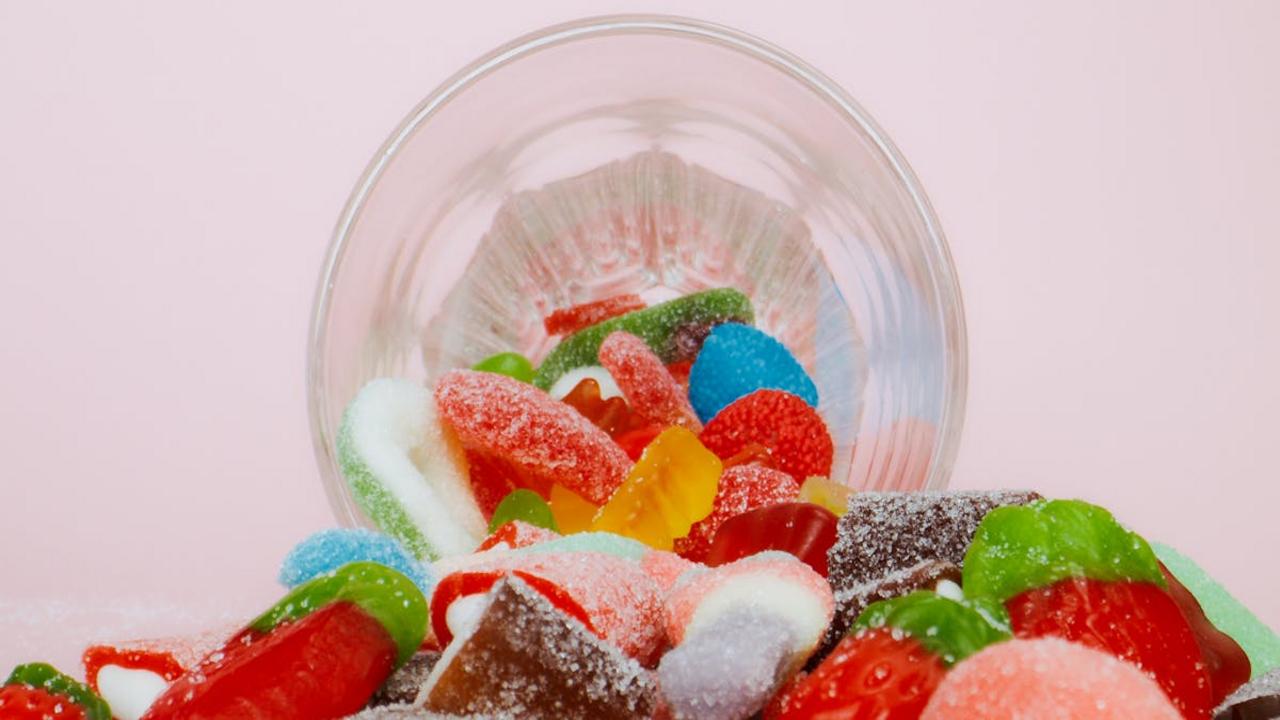
Ever wondered why you can’t stop munching those cheese-flavored snacks that don’t contain a single drop of real cheese? The secret lies in artificial flavors – those magical chemical compounds food scientists mix up in labs to make your brain think you’re eating something way more exciting than processed corn and potatoes. Think about it: that bright orange powder coating your fingers isn’t aged cheddar, but rather a precise blend of compounds that perfectly mimic the taste of cheese, triggering the same pleasure centers in your brain as the real deal.
What’s wild is how food companies have perfected these fake flavors to hit that sweet spot of “almost natural but better.” They’ve created flavors that don’t exist in nature – like blue raspberry (seriously, have you ever seen a blue raspberry in the wild?). These synthetic flavors work with your brain’s reward system, making you crave more and more. The best part? They can make these flavors stronger and more intense than anything found in nature, which explains why after eating artificially flavored snacks, real food sometimes feels bland and boring. It’s like cranking up the volume on your taste receptors until they can’t appreciate subtle flavors anymore.
Fat Content
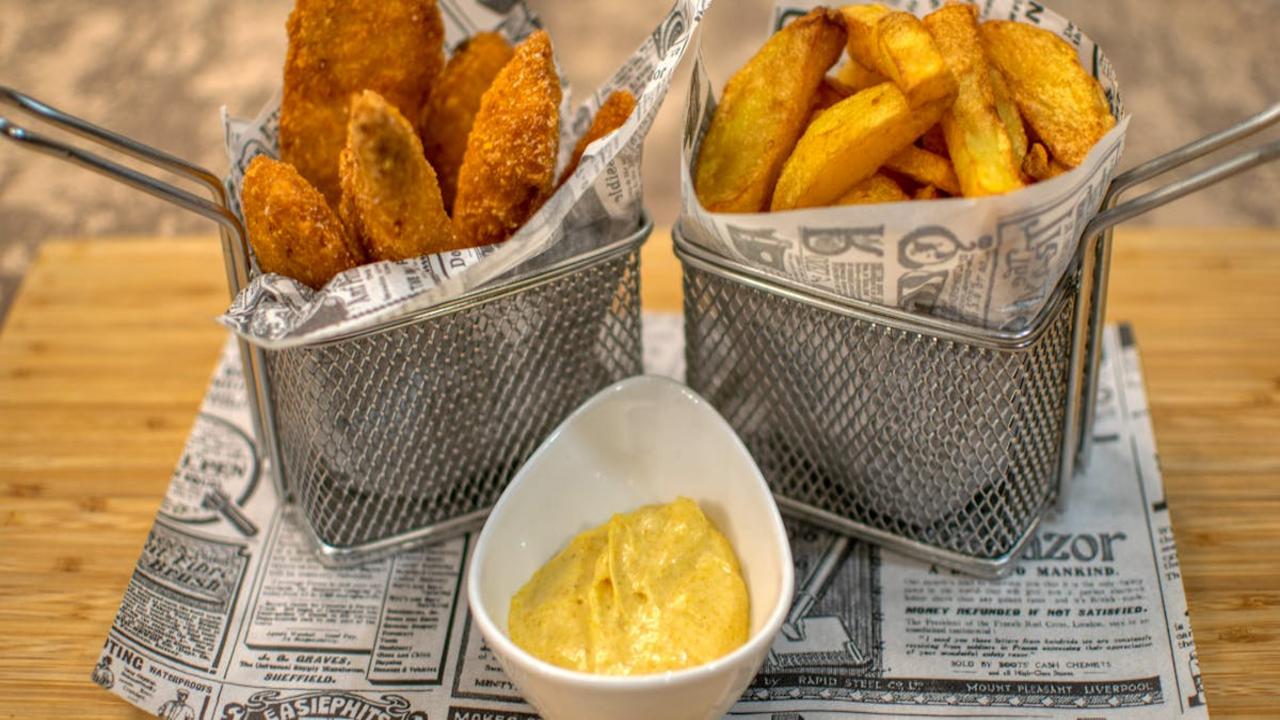
You know that feeling when you grab a handful of chips, and before you know it, the whole bag is gone? Blame it on fat – the sneaky ingredient that makes junk food completely irresistible! Your brain goes bananas for fatty foods because they pack more calories per bite than protein or carbs. Food manufacturers mix fat with sugar and salt to create what scientists call the “bliss point” – that perfect combo that keeps you coming back for more. Think about it: a plain potato is just starchy and bland, but slice it thin, fry it in oil, and suddenly you’ve got a crispy, golden masterpiece you can’t resist.
Here’s the kicker – your body evolved to crave fat because thousands of years ago, finding calorie-dense foods meant survival. Today, that same instinct makes us weak in the knees for deep-fried anything. The fat in junk food also carries flavors better than other ingredients and creates that smooth, creamy mouthfeel we love so much. Take ice cream, for example – the high fat content doesn’t just make it rich and creamy, it also helps deliver those sweet flavors straight to your taste receptors. No wonder you find yourself scraping the bottom of the carton!
Salt Cravings

You know that feeling when you just can’t stop munching on those salty chips? There’s a reason behind your unstoppable snacking – your brain actually craves salt like it craves drugs! Food companies have mastered the perfect salt-to-crunch ratio that keeps you reaching for more. The sodium in junk food triggers a dopamine release in your brain, creating a mini reward system that makes you want to keep eating. It’s the same mechanism that makes you feel good after exercise, except this time it’s encouraging you to demolish that entire bag of pretzels.
Scientists have found that your body needs sodium to function, but manufacturers add way more than necessary to their products. Most chips and snacks contain 150-300mg of sodium per serving – triple what you’d naturally crave! The extra salt also masks bitter flavors and enhances sweetness, creating an irresistible combo that hooks your brain. Next time you’re eyeing that bag of chips, remember they’re designed to make you crave more. I’ve started keeping cucumber slices with a tiny sprinkle of sea salt nearby when I need that salty fix – it works wonders without the guilt trip!
Sugar Rush
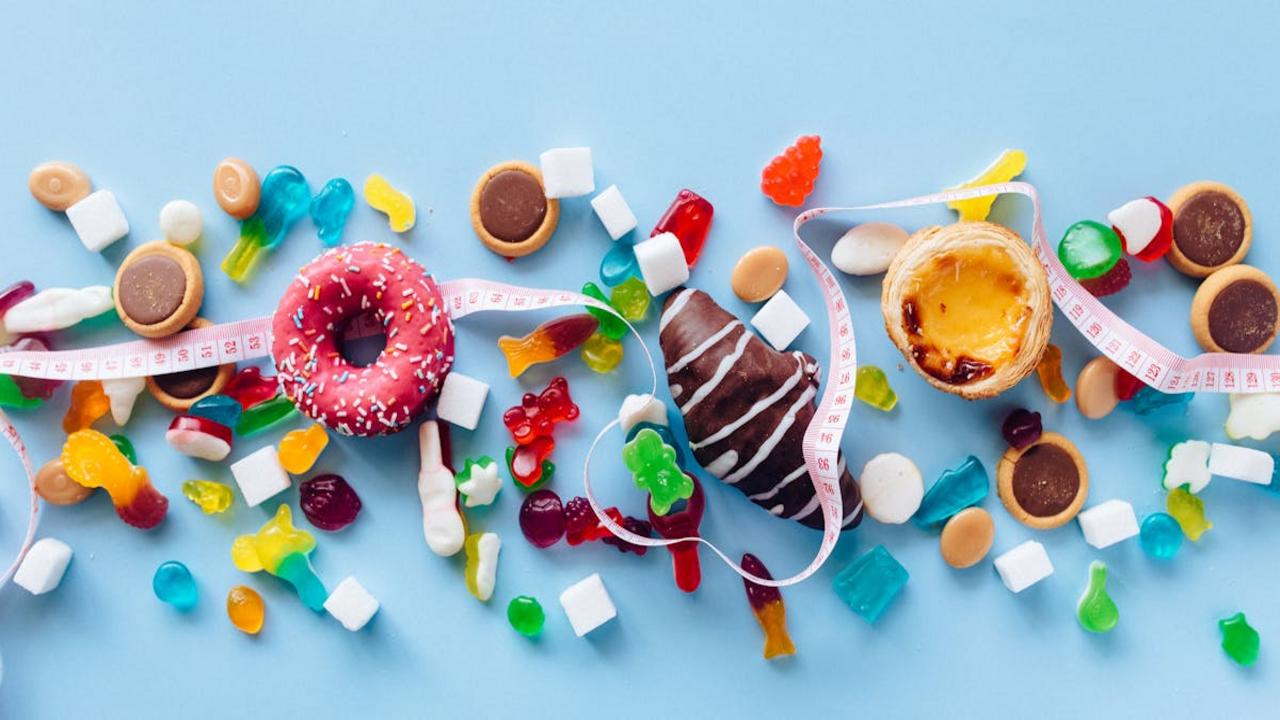
You know that incredible high you get from biting into a candy bar or slurping down a sugary soda? That’s your brain throwing a party, and sugar is the guest of honor! Your body responds to sugar like it just won the lottery – dopamine floods your system, giving you an instant mood boost and making you want more, more, more. Food companies have figured out the perfect sugar-to-everything-else ratio that keeps you coming back for seconds (and thirds). They’ve mastered this sweet science down to the molecule, creating that perfect “bliss point” that makes your brain light up like Times Square on New Year’s Eve.
But here’s the kicker – this sugar rush isn’t just about the sweetness. Your body processes refined sugar faster than it handles natural sugars from fruits, creating a rapid spike in blood glucose levels. Once that spike crashes (and it always does), you’re left feeling tired, cranky, and craving another hit of the sweet stuff. This roller coaster effect explains why you can demolish an entire package of cookies without blinking, but you’d never eat four apples in one sitting. The food scientists behind your favorite snacks know this perfectly well, and they’ve turned this biological response into a gold mine of repeat customers.