14 Retro Grocery Items That Were Total Game-Changers
The 1950s and 60s brought a revolution to American kitchens through convenient packaged foods that transformed how families ate. These innovative products saved time, extended shelf life, and created entirely new categories of food that we still enjoy today. From quick-prep meals to shelf-stable staples, these items made cooking faster and more accessible for busy households.
Many of these retro grocery products started as military rations or space program developments before making their way into everyday homes. Companies like Kraft, General Foods, and Campbell’s led the charge in food technology and convenience, turning novel concepts into household names that defined generations of American eating.
While some consider these processed foods less healthy than fresh alternatives, their impact on food culture remains significant. These 14 revolutionary items shaped modern grocery stores and continue to influence how we shop and eat. They represent an era when convenience and innovation merged to change American kitchens forever.
Frozen Fish Sticks
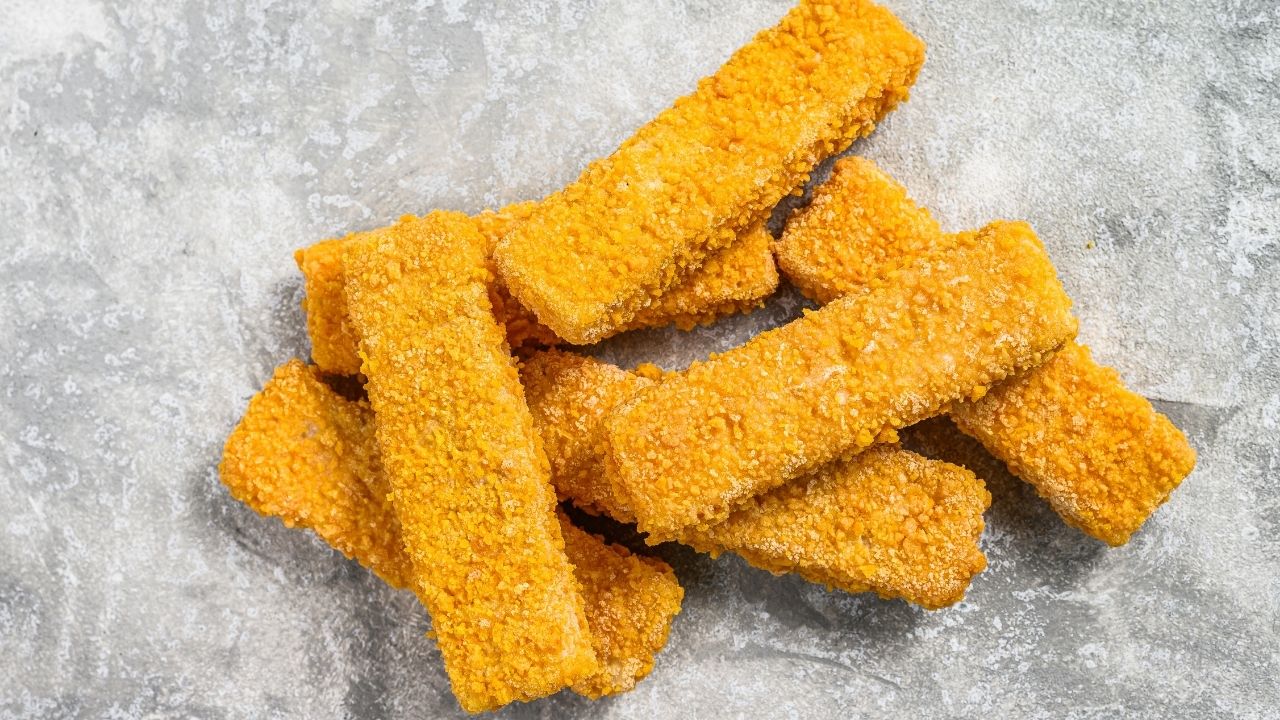
Remember those crispy, golden-brown fish sticks that made dinner time so much easier in the 1950s? These convenient seafood strips revolutionized family meals by bringing quick-prep protein options to freezers across America. I still recall my mom serving these crunchy delights with a side of tartar sauce and steamed vegetables – a dinner that took minutes to prepare but created lasting memories. The genius combination of breaded white fish and easy preparation made these frozen treats an instant hit with busy parents and picky kids alike.
The story of frozen fish sticks traces back to the post-war era when Gorton’s and Mrs. Paul’s transformed how families enjoyed seafood at home. They solved two common problems: making fish more appealing to children and creating a convenient meal option for working parents. The breading sealed in moisture while adding that irresistible crunch, and the portioned pieces made serving sizes a breeze. Today, while we have countless frozen dinner options, fish sticks remain a nostalgic favorite that continues to bring simplicity and satisfaction to dinner tables everywhere.
Instant Noodles
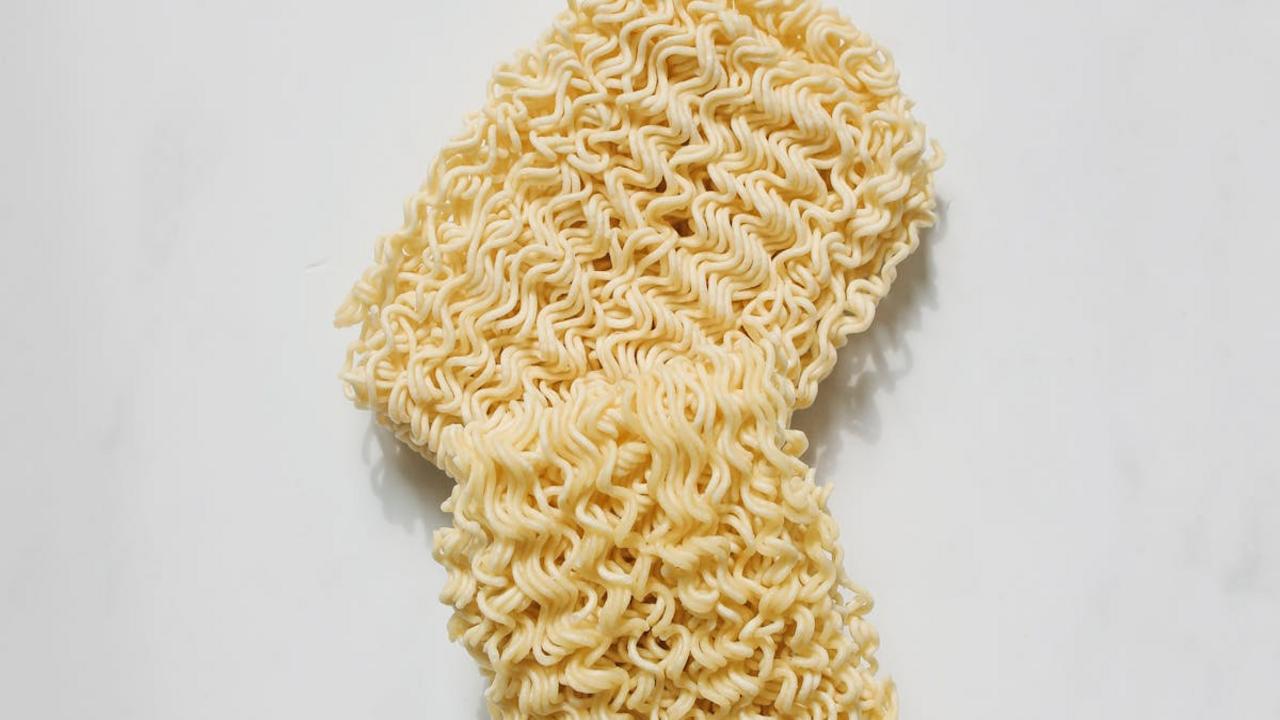
The introduction of instant noodles in the late 1950s brought a quick and satisfying meal option to kitchens worldwide. Created by Momofuku Ando in post-war Japan, these convenient noodles quickly became a pantry staple for busy families, college students, and anyone needing a fast meal. What made them revolutionary was their long shelf life and the simple preparation – just add hot water! The classic chicken flavor started it all, but soon dozens of varieties filled grocery store shelves, from beef and shrimp to spicy curry and vegetable flavors.
While instant noodles might not rank high on the nutrition scale, they’ve saved countless hungry moments and tight budgets over the decades. Their popularity sparked a whole industry of quick-prep meals and inspired food companies to create healthier versions with whole grains, reduced sodium, and real vegetable pieces. Today, you’ll find premium instant noodle brands offering restaurant-quality broths and authentic Asian flavors, proving that this humble grocery item continues to adapt to modern food preferences while maintaining its convenience factor.
Pop Tarts
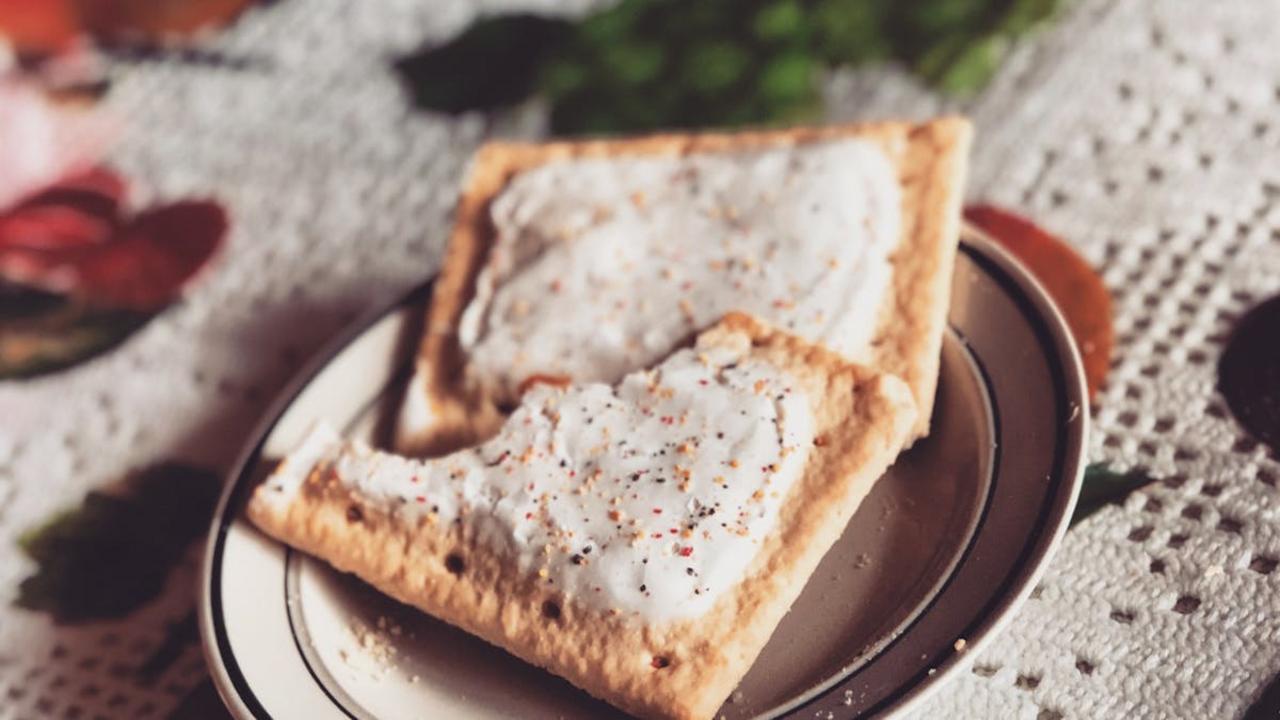
I still remember the magical morning in 1964 when Pop-Tarts first hit the breakfast scene, revolutionizing how Americans started their day. These rectangular pastries, filled with sweet fruit filling and wrapped in a flaky crust, brought convenience and fun to breakfast tables nationwide. The original flavors – strawberry, blueberry, brown sugar cinnamon, and apple currant – captured the hearts of families who wanted a quick yet satisfying morning meal. The frosted versions, introduced in 1967, made these treats even more irresistible to kids and adults alike.
The genius of Pop-Tarts lay in their perfect balance of portability and indulgence. You could toast them for a warm, crispy experience or eat them straight from the package. The aluminum foil wrapper kept them fresh and made them ideal for lunch boxes, camping trips, and after-school snacks. While modern health consciousness has shifted some breakfast preferences, Pop-Tarts remain a beloved icon of American food innovation, selling over 2 billion units annually. They’ve expanded into dozens of creative flavors while maintaining their original charm, making them a breakfast favorite across generations.
Velveeta Cheese
You might remember Velveeta as that bright orange block of melty goodness that made the best grilled cheese sandwiches ever! This processed cheese product revolutionized home cooking in the 1920s and became a staple in American households. Unlike traditional cheese that could turn stringy or grainy when heated, Velveeta melted into a smooth, creamy consistency that was perfect for making quick meals and dips. I still remember my mom adding cubes of it to her homemade mac and cheese – nothing else could create that signature silky texture!
What made Velveeta truly special was its versatility in the kitchen. You could spread it cold on sandwiches, melt it over nachos, or mix it into casseroles without worrying about separation or clumping. The product gained such popularity that it spawned numerous recipe collections and even had its own cookbook. Many families relied on it for quick, filling meals during busy weeknights. Though modern food preferences have shifted toward natural ingredients, Velveeta remains an iconic symbol of mid-century American convenience food that transformed how we approached everyday cooking.
Cool Whip
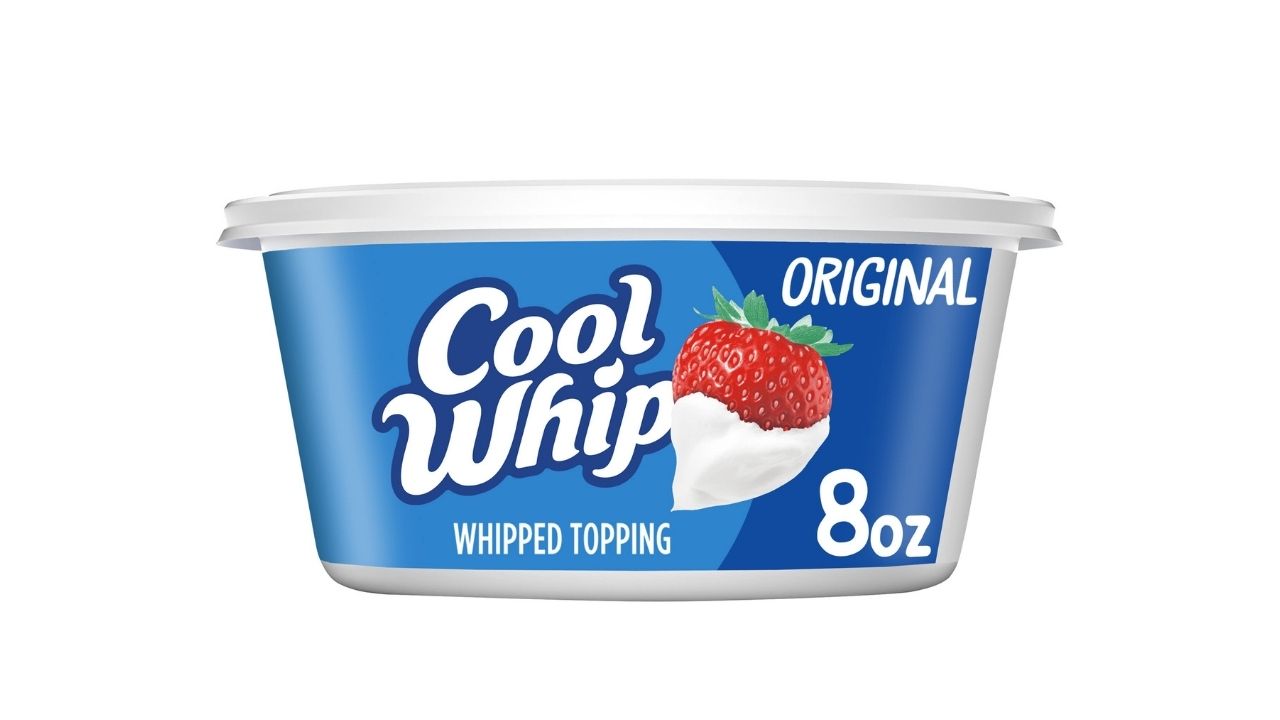
Who doesn’t remember the sweet, fluffy magic of Cool Whip? This whipped topping changed dessert-making forever when Kraft Foods brought it to our supermarkets in 1966. Before Cool Whip, you had to whip heavy cream by hand – a time-consuming process that didn’t always give consistent results. But with Cool Whip, you could grab a tub from the freezer, let it thaw, and have perfect whipped topping ready for your pies, puddings, and fruit desserts. The convenience factor made it an instant hit with home cooks across America.
Cool Whip became a key ingredient in countless no-bake dessert recipes during the 1970s and 1980s. From chocolate pudding pies to strawberry pretzel salads, this creamy topping added the perfect finishing touch. Its stability at room temperature and ability to hold its shape made it ideal for potlucks and family gatherings. Though today many people opt for natural whipped cream, Cool Whip maintains its place in many family recipes and continues to bring back sweet memories of childhood desserts shared around the kitchen table.
Cake Mix
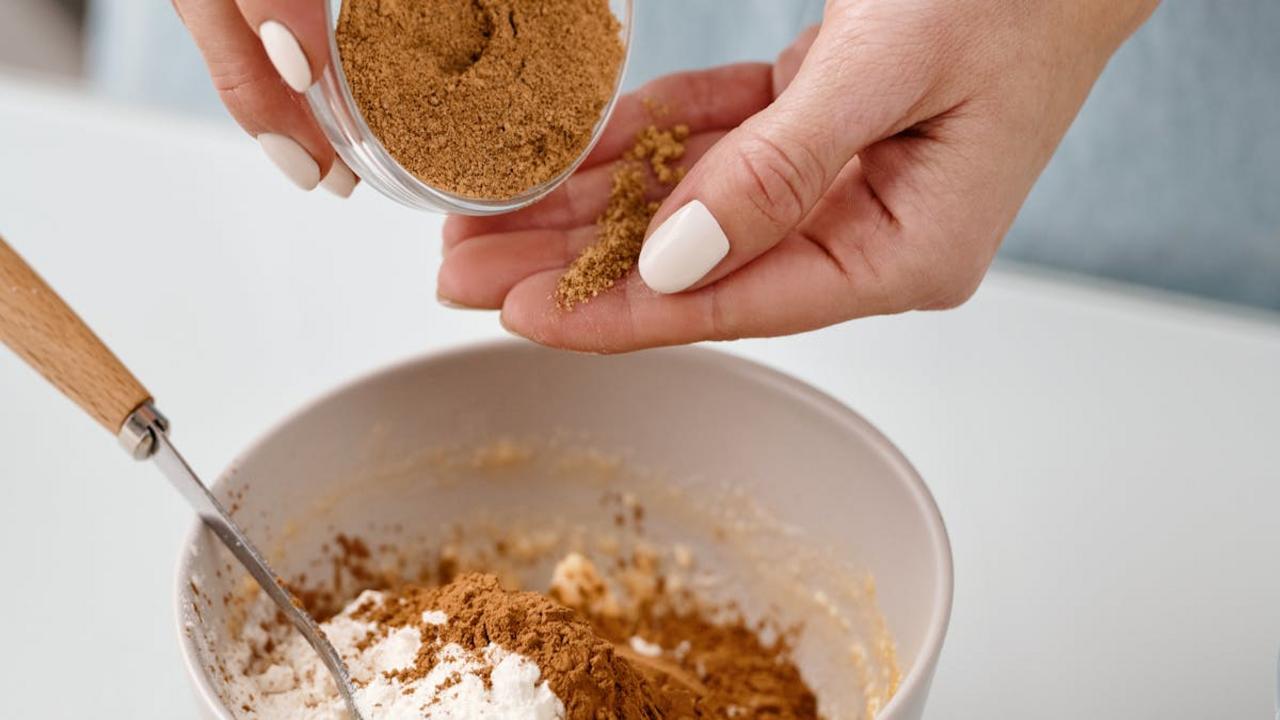
In the early 1930s, Betty Crocker introduced cake mix to American homes, and it revolutionized home baking forever. Before this magical powder in a box, making a cake meant measuring multiple ingredients, sifting flour, and hoping everything would turn out right. The convenience of combining just a few simple ingredients – typically eggs, water, and oil – with the pre-measured dry mix meant anyone could bake a perfect cake. This innovation gave busy moms and novice bakers the confidence to create delicious desserts without the stress of starting from scratch.
What made cake mix truly special was its consistent results and time-saving benefits. The precise blend of flour, sugar, leavening agents, and flavorings eliminated the guesswork from baking. Companies like Duncan Hines and Pillsbury soon joined the market, offering various flavors from classic vanilla to decadent chocolate. The rise of cake mix also sparked creativity in home kitchens, with bakers adding their personal touches through mix-ins, frostings, and decorations. This simple yet transformative product remains a pantry staple, bringing joy to countless celebrations and sweet moments.
Wonder Bread
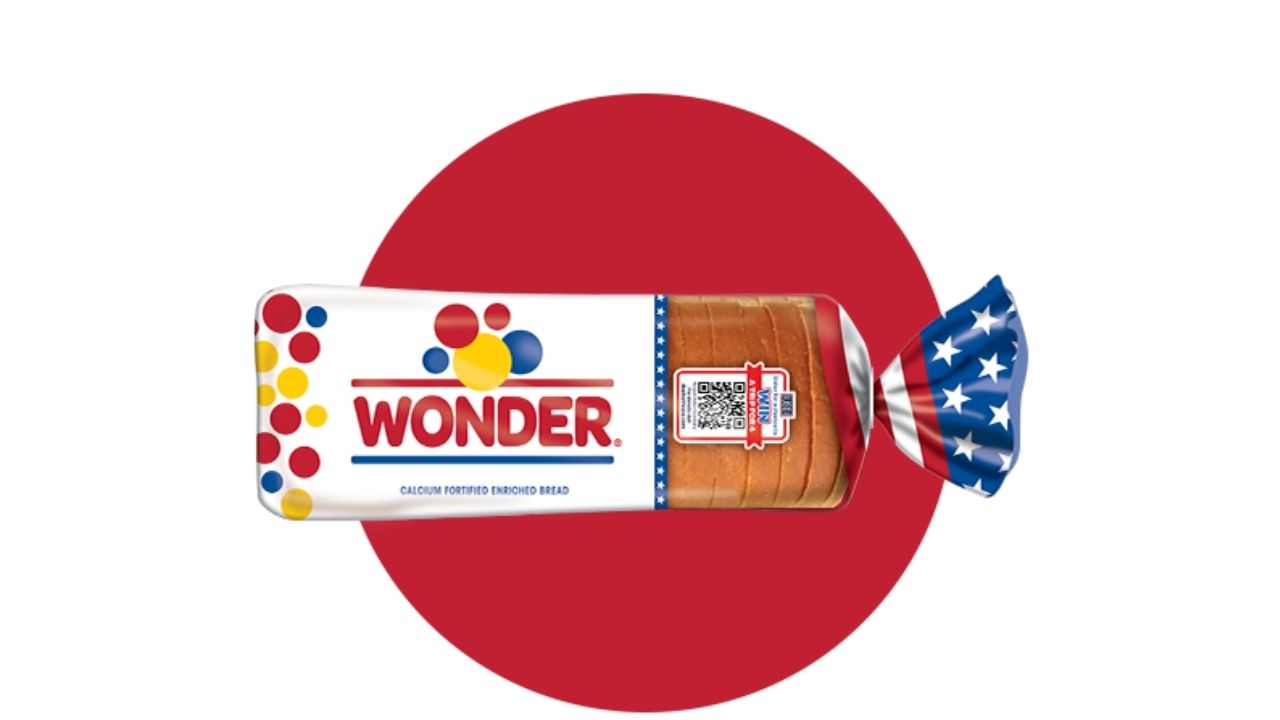
I remember the pure joy of opening a fresh bag of Wonder Bread as a kid – that soft, pillowy-white bread was a true icon of American households. The bread revolutionized the industry in 1921 with its uniquely consistent texture and pure white color, creating a new standard for what people wanted in their daily sandwich bread. The company’s innovative pre-slicing machine in 1928 gave us the famous phrase “the greatest thing since sliced bread,” making Wonder Bread the first commercially available pre-sliced bread in history.
Wonder Bread didn’t just change how Americans ate – it changed our entire food culture. The brand became synonymous with convenience and modernity, featuring enriched flour with added vitamins and minerals that many families relied on for nutrition. Throughout the decades, those distinctive red, yellow, and blue polka dots on the packaging became instantly recognizable in every grocery store across the nation. Today, while many opt for whole grain alternatives, Wonder Bread remains a nostalgic reminder of simpler times when a fresh peanut butter and jelly sandwich on cloud-soft white bread could make any day better.
Kraft Mac and Cheese
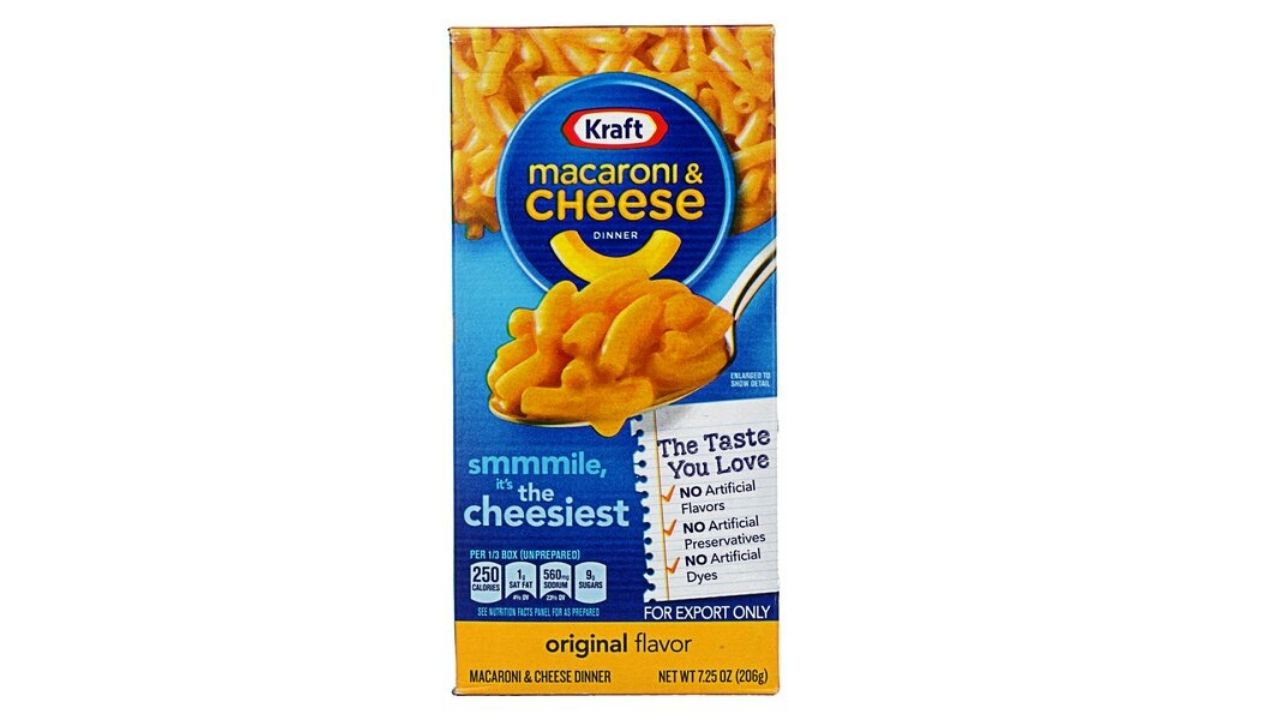
I can still picture those iconic blue boxes lining my mom’s pantry shelves in the 90s – Kraft Mac and Cheese was the ultimate comfort food that made dinnertime pure magic! This quick and simple meal won the hearts of families across America with its creamy cheese sauce and tender macaroni that came together in just minutes. The bright orange color and rich, satisfying taste created countless happy memories around dinner tables, making it a staple that defined childhood for many of us.
The genius of Kraft Mac and Cheese went beyond just being a convenient meal option. The company revolutionized how Americans thought about pasta by creating an affordable, shelf-stable product that delivered consistent results every time. Kids begged for it, parents relied on it, and college students survived on it. Even today, the classic blue box remains a nostalgic favorite that brings back warm memories of simpler times. The product’s lasting popularity proves that sometimes the most impactful innovations are the ones that make everyday life a little easier and more delicious.
Frozen Orange Juice

Nothing brings back childhood memories quite like frozen orange juice concentrate! Back in the 1940s and 50s, this simple innovation changed how American families enjoyed their morning OJ. Before frozen concentrate hit the shelves, you had to squeeze oranges by hand or buy expensive bottled juice that didn’t stay fresh for long. The compact frozen cylinders made fresh-tasting orange juice available year-round at a fraction of the cost, and moms everywhere rejoiced at the convenience of just adding water and stirring.
I remember watching my grandmother mix up frozen orange juice in her special plastic pitcher – she’d add three cans of water to one can of concentrate and use a wooden spoon to stir it just right. The frozen concentrate kept its bright, sweet flavor thanks to a special flash-freezing process developed by scientists working with Florida citrus growers. While fresh-squeezed juice has made a comeback today, those little frozen cans remain a nostalgic pantry staple that reminds many of us of simpler times around the breakfast table. The affordability and long shelf life of frozen concentrate made orange juice an everyday drink instead of a special occasion treat.
Tang
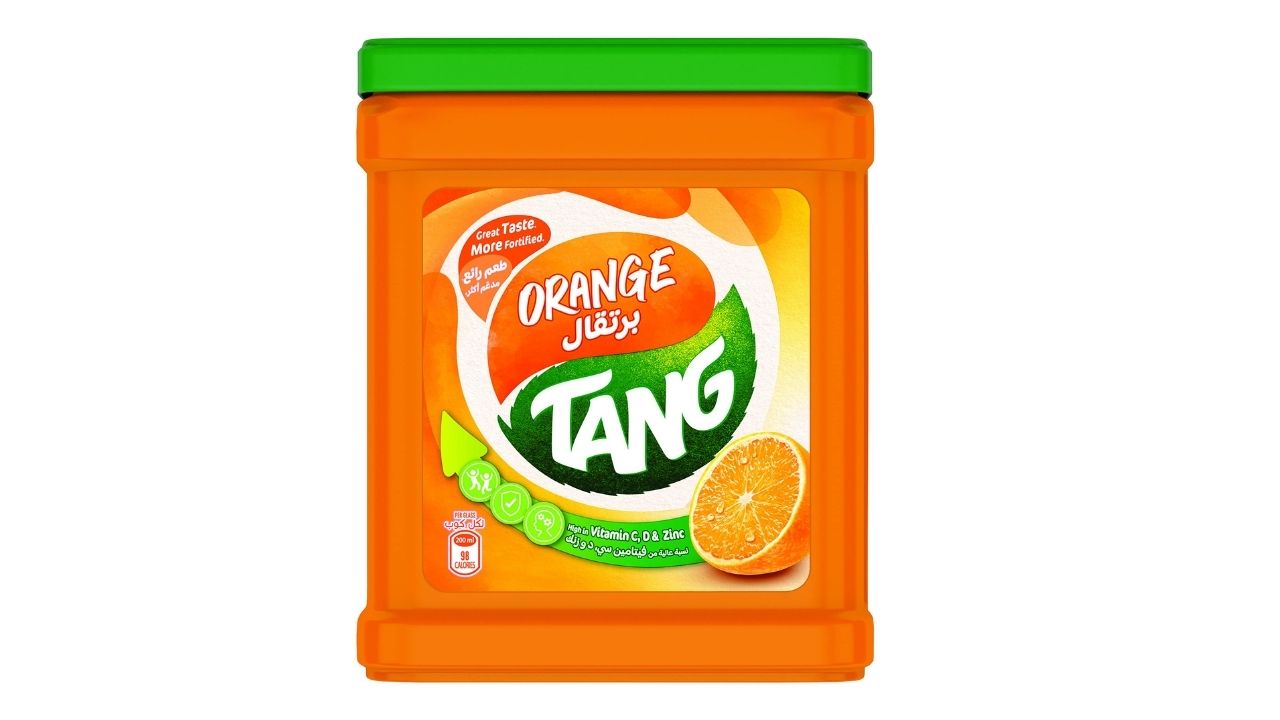
Remember that bright orange powdered drink that made you feel like an astronaut? Tang became a household name in the 1960s when NASA picked it for space missions, sending its popularity through the roof. The instant drink mix captured the imagination of kids and adults alike with its sweet, citrusy flavor and the promise of space-age innovation right in your kitchen. You could transform a simple glass of water into a vitamin C-packed beverage with just a few scoops of this magical orange powder.
The genius behind Tang wasn’t just its space connection – it offered convenience at a time when fresh oranges weren’t always available year-round in every part of the country. Created by General Foods chemist William Mitchell in 1957, Tang gave families an affordable way to give their kids vitamin C without worrying about fruit spoilage. The drink mix became so popular that it spawned numerous flavor variations beyond the original orange, including grape, lemon, and tropical punch. Today, Tang remains a nostalgic reminder of childhood memories and space exploration dreams.
Spam
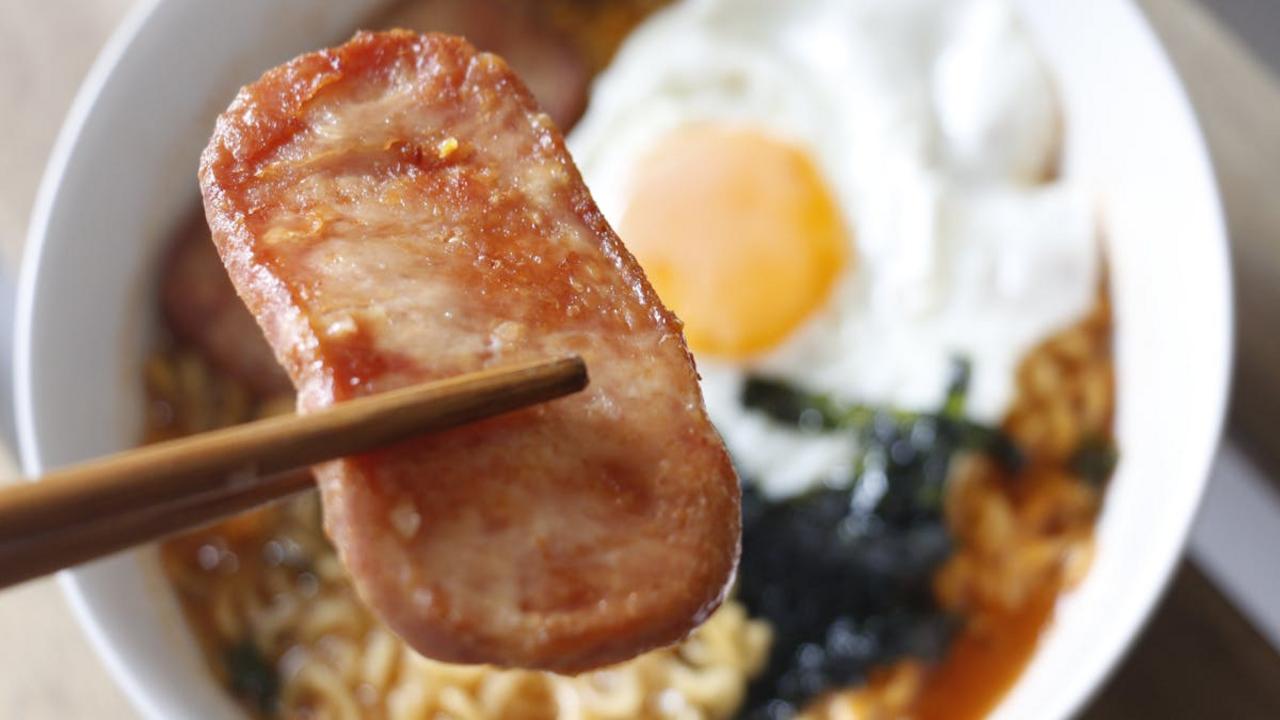
I still remember my grandmother’s stories about how Spam helped feed countless families during World War II. This simple canned meat product, introduced by Hormel Foods in 1937, became a lifeline during times of fresh meat shortages. The combination of pork shoulder meat, ham, salt, water, modified potato starch, and sodium nitrite created a ready-to-eat protein that could sit on shelves for years – perfect for military rations and home pantries alike.
Beyond its practical wartime uses, Spam went on to become a cultural icon and beloved ingredient in many international cuisines. In Hawaii, you’ll find it in popular dishes like Spam musubi – a sushi-style snack with grilled Spam on rice wrapped in nori. South Koreans incorporate it into budae jjigae (army stew), while in the Philippines, it’s a breakfast staple served with garlic rice and eggs. This humble canned meat transformed from a wartime necessity into a versatile ingredient that crossed cultural boundaries and created new food traditions worldwide.
Jello

Remember those wobbly, colorful squares of joy that made every dessert table more fun? Jello transformed the American dessert scene in the early 1900s by making gelatin accessible and exciting for home cooks. Before Jello hit the shelves, creating gelatin-based treats meant hours of boiling animal bones and straining – not exactly a quick after-dinner treat! The bright colors and fruity flavors of Jello made it an instant hit at parties, picnics, and family gatherings. From simple fruit-filled molds to elaborate layered creations, this jiggly treat opened up endless possibilities for creative desserts.
The real genius of Jello went beyond just desserts – it became a versatile ingredient in countless recipes. Home cooks mixed it into salads (yes, those famous Jello salads!), created no-bake cheesecakes, and whipped up light and airy mousses. The introduction of sugar-free varieties in the 1960s gave dieters a guilt-free sweet option, while pudding-Jello combinations added richness to simple parfaits. Today, you’ll still find Jello bringing smiles to kids’ faces and adding retro charm to potluck gatherings, proving that some food innovations never lose their magic.
TV Dinners
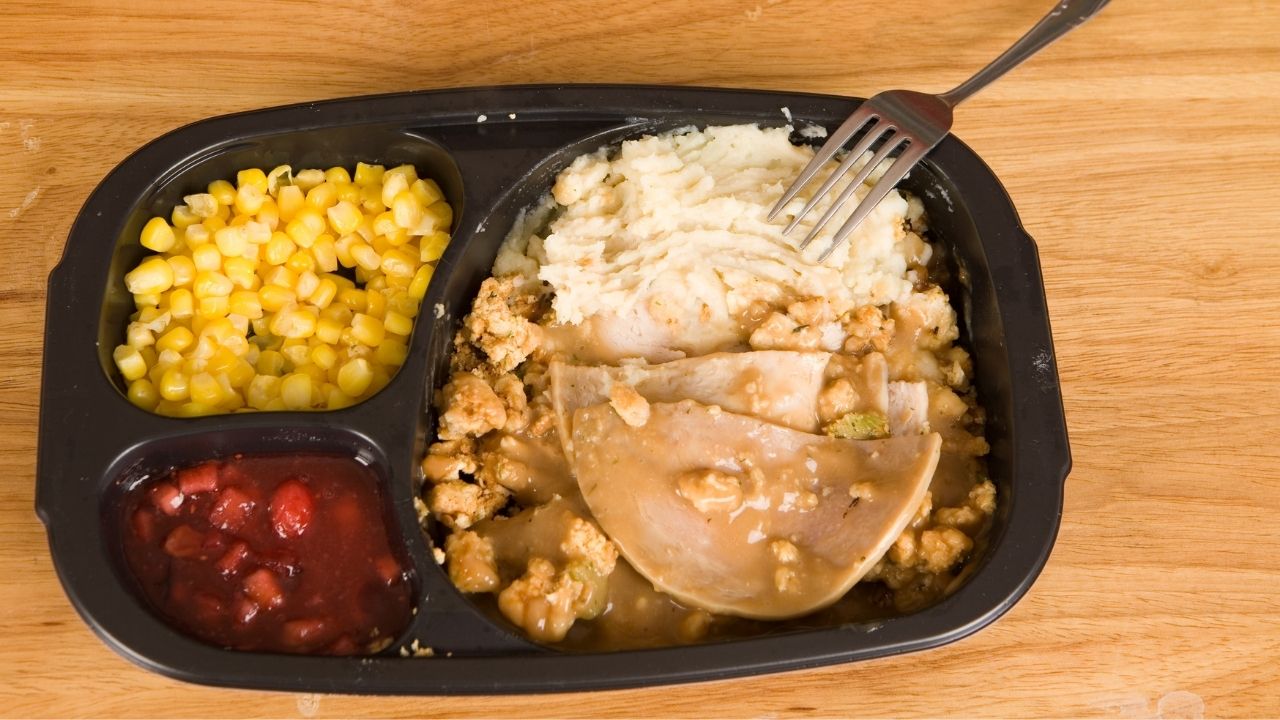
The first TV dinners hit grocery store freezers in 1954, and they completely changed how American families ate their meals. Swanson’s brilliant idea combined convenience with the growing popularity of television, creating pre-made meals you could heat up and enjoy while watching your favorite shows. These compartmentalized aluminum trays featured classic comfort foods like fried chicken, turkey with stuffing, or salisbury steak, paired with vegetables and dessert – all perfectly portioned and ready to eat after just 25 minutes in the oven.
What made TV dinners revolutionary was how they freed up time for busy moms and working families who needed quick meal solutions. No more hours of meal prep and cooking – just pop the tray in the oven and dinner was ready! The popularity exploded through the 1960s and 70s, with brands expanding their menus to include international dishes, breakfast options, and kid-friendly meals. Though today’s frozen meals look different from those original aluminum trays, TV dinners sparked the convenience food revolution that changed American dining forever.
Instant Coffee
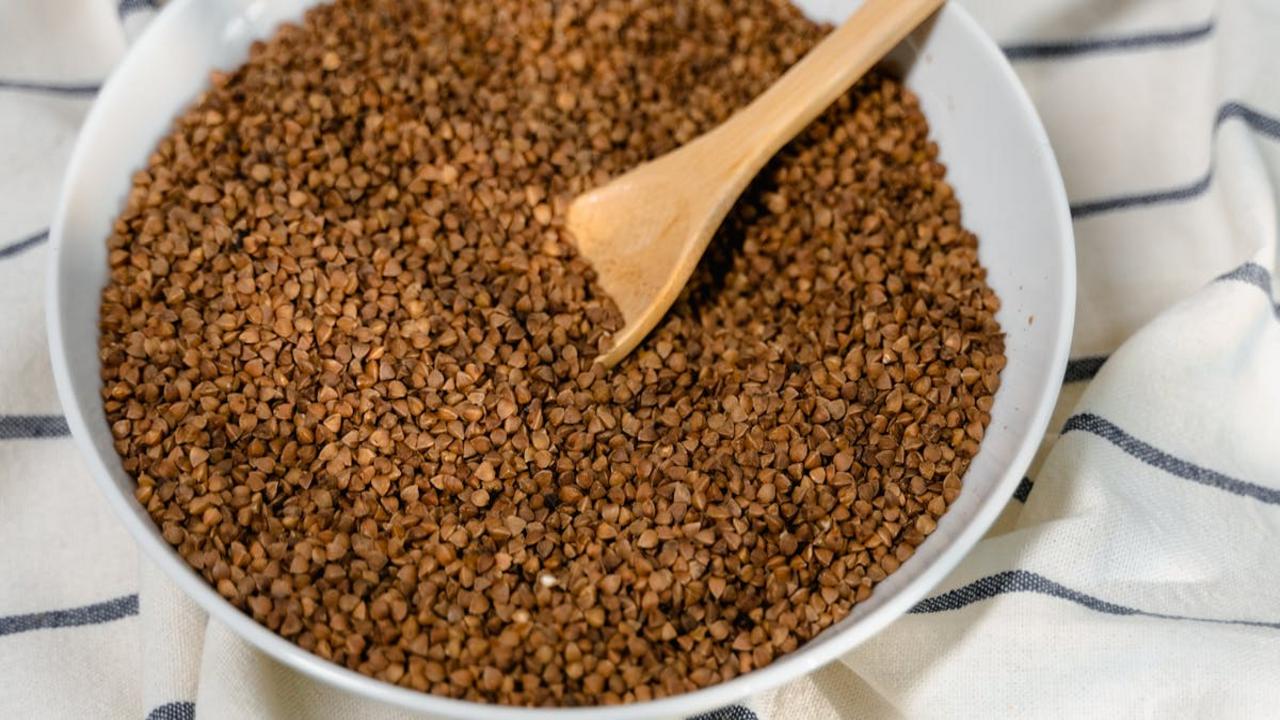
The arrival of instant coffee in American homes during the 1950s brought a quick and convenient way to enjoy a morning cup of joe. No more waiting for coffee to brew or dealing with messy grounds – just add hot water, and you had coffee ready in seconds! The practical innovation helped millions of busy Americans start their day with minimal fuss, making it a morning ritual that changed how we think about coffee preparation.
I remember my grandmother keeping those iconic glass jars of instant coffee in her pantry, ready to serve a hot cup to anyone who stopped by. While today’s coffee culture celebrates fresh-ground beans and artisanal brews, instant coffee remains a pantry staple for many. You’ll still find it giving rich coffee flavor to quick recipes, from mocha cakes to coffee-rubbed meats. The convenience factor of instant coffee sparked a revolution in how Americans consumed their daily caffeine fix, making it an undeniable milestone in grocery history.