14 Coffee Chain Menu Items You Should Never Buy
Coffee chains pull us in with their cozy vibes and extensive menus, but not everything deserves your hard-earned cash. I’ve spent years figuring out which items offer real value and which ones leave you with buyer’s remorse. Those fancy add-ons and grab-and-go items? Many cost pennies to make but come with premium price tags.
Your morning coffee run doesn’t need to break the bank. Many items—from syrup pumps to bottled water—can be prepared at home for a fraction of the cost. As someone who makes most foods from scratch, I’ve identified fourteen common coffee shop purchases that simply aren’t worth the markup.
Think twice before ordering these menu traps. Whether it’s pre-packaged snacks with questionable ingredients or decaf coffee that’s been sitting too long, knowing what to avoid makes your coffee experience better. Your wallet (and often your health) will thank you for skipping these overpriced, underwhelming options.
Protein boxes
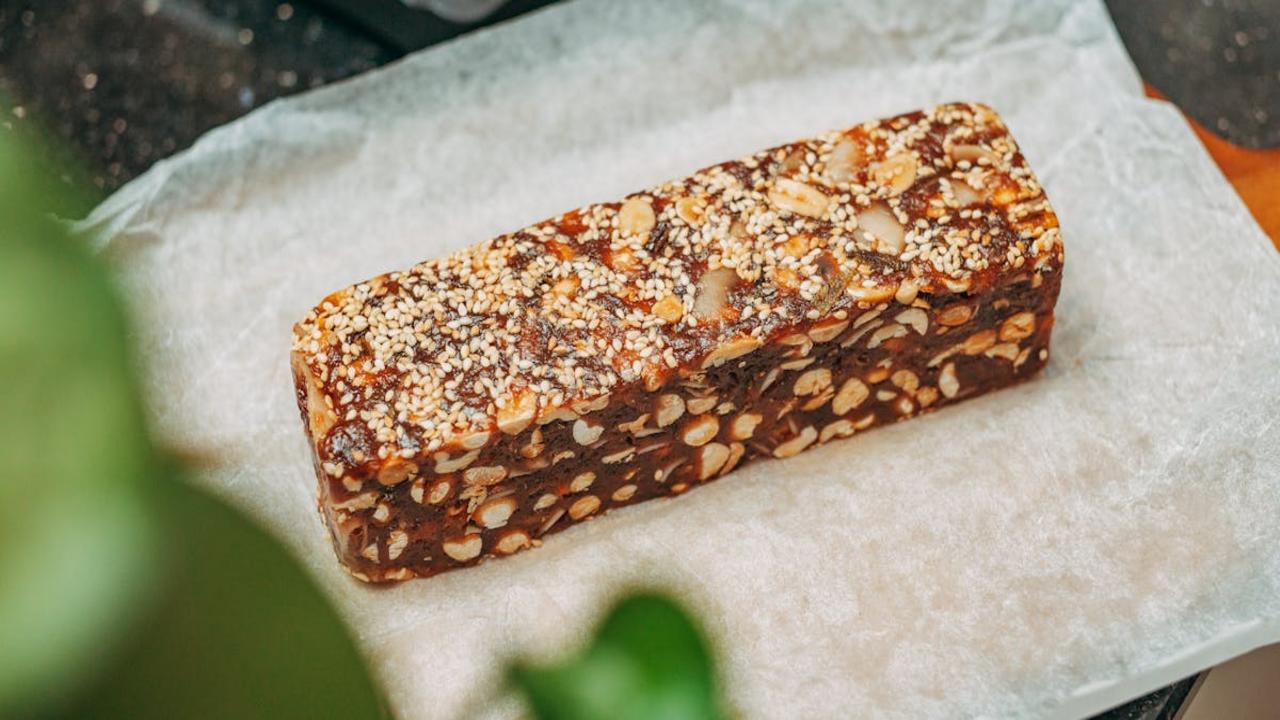
You know how I feel about shortcuts in the kitchen, and these protein boxes at coffee chains perfectly capture why I always encourage making your own snacks. Those little compartments filled with hard-boiled eggs, cheese cubes, and nuts might look convenient, but they’re charging you premium prices for basic ingredients you probably have at home. The eggs sit under fluorescent lights for who knows how long, the cheese tastes like it’s been vacuum-sealed since last month, and those nuts? They’re usually the cheapest variety available, often stale and lacking the richness you’d get from buying them fresh.
Instead of dropping eight to twelve dollars on these lackluster boxes, spend twenty minutes on Sunday preparing your own protein-packed snacks for the entire week. I love combining Greek yogurt with toasted walnuts and a drizzle of honey, or making my own spiced chickpeas that actually have flavor. You can hard-boil a dozen eggs at once, portion out good cheese from your local market, and create combinations that reflect your actual taste preferences. The difference in freshness, flavor, and cost will make you wonder why anyone settles for those overpriced, underwhelming boxes that taste like they were assembled by someone who’s never actually eaten food for pleasure.
Low-fat muffins
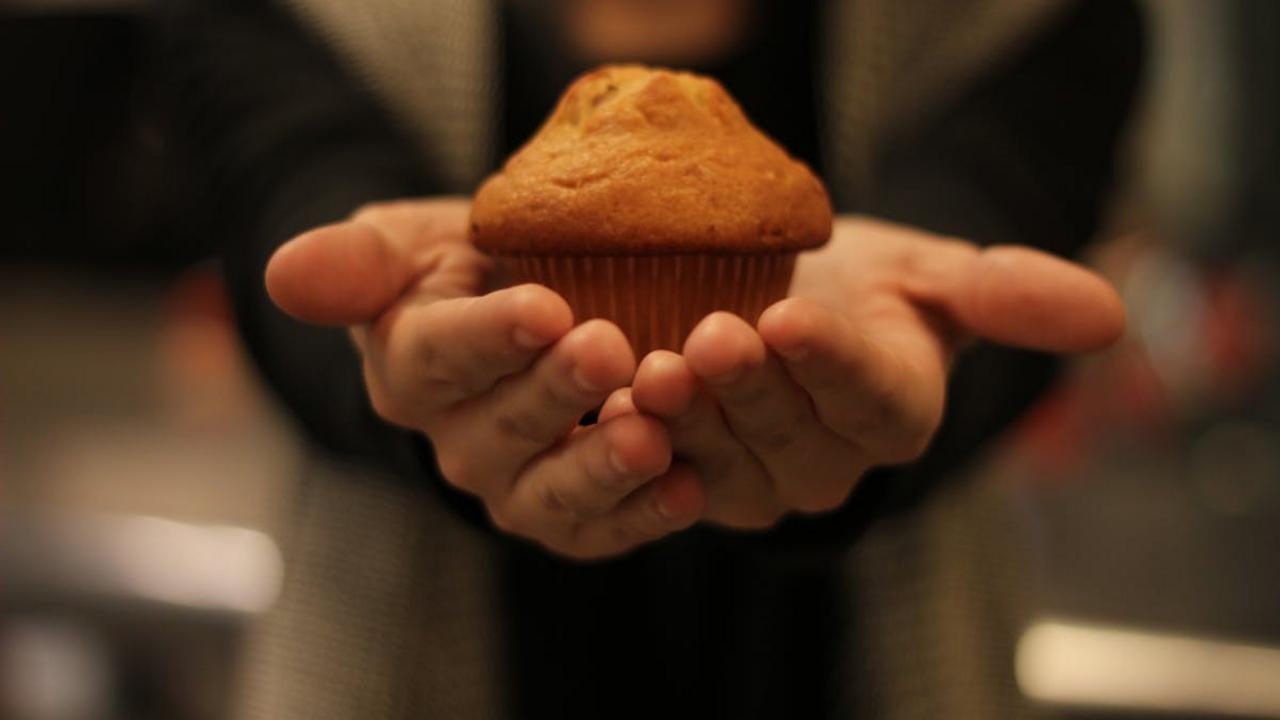
Oh friend, don’t let those “low-fat” labels fool you at coffee chains! These muffins might sound like the healthier choice, but they’re often packed with more sugar and artificial additives than their full-fat cousins. When manufacturers strip away the fat, they need to replace that flavor and moisture somehow – enter high-fructose corn syrup, artificial sweeteners, and a cocktail of preservatives that your grandmother wouldn’t recognize. I’ve seen ingredient lists on these things that read like chemistry experiments rather than baked goods.
Here’s what really gets me fired up about this: you can whip up a batch of genuinely nutritious muffins at home using whole ingredients like oat flour, mashed bananas, and Greek yogurt for moisture. Skip the coffee shop version and try my go-to weekend ritual – baking a dozen wholesome muffins with real ingredients you can pronounce. Add some chopped walnuts, fresh berries, or a touch of cinnamon, and you’ll have breakfast sorted for the week. Your body will thank you for choosing real food over processed imposters masquerading as healthy options.
Personalized tumblers

I see you eyeing those beautiful personalized tumblers at your favorite coffee chain, and trust me, I understand the appeal. There’s something magical about having your name etched on a sleek stainless steel cup, making every sip feel special. But here’s what I’ve learned from years of kitchen experience and countless coffee runs: these branded tumblers often cost three to four times more than equally functional alternatives you can find elsewhere. The markup on these items is astronomical, and you’re essentially paying premium prices for marketing rather than superior quality or design.
Instead of dropping $25-40 on a coffee shop tumbler, head to your local kitchen supply store or browse online for high-quality insulated cups that perform just as well. Many independent brands offer better insulation, more durable construction, and innovative features at half the price. You can even find local artisans who create custom pieces with more character than mass-produced chain store versions. Save that extra money and invest it in better quality coffee beans or brewing equipment for your home setup – your wallet and your morning routine will thank you for making this smarter choice.
Spices or condiments

You know what breaks my heart every time I see someone at a coffee shop? Watching them grab those little packets of cinnamon or sugar substitutes from the condiment station. Friend, those pre-packaged spices have been sitting there for who knows how long, losing their potency and flavor with each passing day. I keep a small jar of Ceylon cinnamon in my bag – it takes up barely any space but transforms any drink into something magical. The difference between fresh, aromatic cinnamon and those dusty packets is like comparing a vibrant sunset to a faded photograph.
Those artificial sweeteners and flavor syrups on the counter contain ingredients I can’t even pronounce, let alone want in my body. Instead of reaching for those chemical concoctions, I carry a tiny container of raw honey or maple syrup from home. Sometimes I’ll bring my own cardamom pods – just crush one between your fingers and drop it in your coffee for an instant upgrade that makes you feel like you’re sipping something from a cozy café in Istanbul. Your morning coffee becomes a moment of self-care rather than just another processed experience, and your body thanks you for choosing real ingredients over laboratory creations.
Decaf coffee
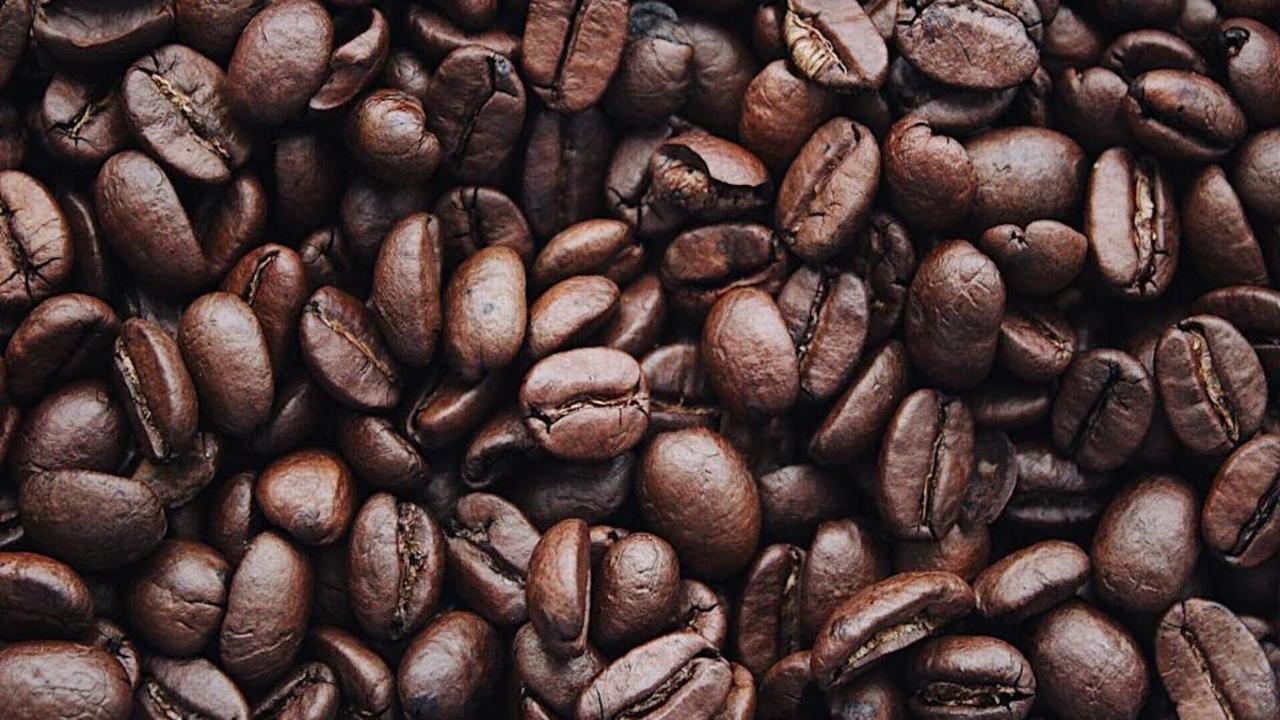
Listen, I get it—sometimes you want that coffee shop experience without the caffeine buzz keeping you up all night. But here’s the thing about decaf coffee from most chain stores: it’s often been sitting around for hours, sometimes even days, because it doesn’t move nearly as fast as regular coffee. This means you’re paying premium prices for what’s essentially stale, bitter liquid that barely resembles the coffee experience you’re craving. Most chains use chemical decaffeination processes that strip away not just the caffeine, but also many of the complex flavors that make coffee worth drinking in the first place.
Instead of settling for that disappointing cup, I’d encourage you to make your own decaf at home using high-quality beans processed through the Swiss Water method—it preserves so much more flavor! You can control the freshness, the strength, and even add your own touches like a dash of cinnamon or cardamom for warmth. If you absolutely need your coffee shop fix, ask when they last brewed their decaf batch. Fresh decaf can actually be quite good, but that hours-old pot sitting on the burner? That’s just expensive disappointment in a cup, and your taste buds deserve so much better than that.
Bottled juices

You know that moment when you’re standing in line at your favorite coffee chain, eyeing those colorful bottled juices in the refrigerated case? Those vibrant orange, green, and red drinks promise a quick vitamin boost, but I’m going to share something with you that might change your mind completely. Most of these bottled juices contain astronomical amounts of sugar – sometimes more than a can of soda – and they’re stripped of the fiber that makes whole fruits so beneficial for your body. The processing methods used to create shelf-stable juices destroy many of the nutrients you think you’re getting, leaving you with what’s essentially expensive sugar water.
Instead of reaching for that $4 bottle of processed juice, why not ask for a simple glass of water with fresh lemon or lime? Better yet, if you’re craving something fruity, grab a whole apple or banana from the pastry case – you’ll get actual fiber, vitamins, and minerals without the sugar crash that follows those bottled drinks. At home, I love making my own fresh juice blends using seasonal fruits and vegetables, but even then, I always include the pulp and drink them immediately to maximize the nutritional benefits. Your wallet and your blood sugar will thank you for skipping those overpriced bottles and choosing real, whole foods instead.
Breakfast sandwiches

I see you eyeing those breakfast sandwiches behind the glass counter, and I get it—they look convenient when you’re rushing to work. But friend, those sad little packages have been sitting there for hours, sometimes days, wrapped in plastic and pumped full of preservatives. The eggs taste like rubber, the cheese resembles processed plastic more than dairy, and that English muffin? It’s basically cardboard with artificial flavors. You’re paying premium prices for ingredients that cost pennies and contain enough sodium to make your blood pressure monitor weep.
Instead of grabbing that overpriced disappointment, spend five minutes at home creating something magical. Whisk fresh eggs with a splash of coconut milk, toast a slice of whole grain bread, and add sliced avocado with a sprinkle of everything bagel seasoning. Or try my favorite: scrambled eggs with sautéed spinach and feta cheese tucked into a whole wheat pita. You control every ingredient, avoid those mystery preservatives, and create a breakfast that actually nourishes your body. Trust me, your wallet and your health will thank you for skipping the coffee shop version and making your own morning masterpiece.
Hot chocolate

You walk into your favorite coffee chain craving that rich, comforting hot chocolate, but here’s what I want you to know—most commercial versions are sugar bombs disguised as cozy drinks. These store-bought hot chocolates often contain artificial flavors, high-fructose corn syrup, and enough sugar to make your blood glucose spike faster than a rocket. The powdered mixes they use lack the depth and complexity of real cocoa, leaving you with a one-dimensional sweetness that doesn’t satisfy your soul the way genuine chocolate should.
Instead of reaching for that overpriced, processed cup, consider making your own at home with unsweetened cocoa powder, a touch of pure maple syrup, and your choice of milk or plant-based alternative. Add a pinch of cinnamon or cardamom for warmth, maybe a dash of vanilla extract, and you’ve created something far superior to anything those chains offer. Your homemade version costs a fraction of the price, contains no mysterious additives, and you control every ingredient that goes into your mug. The difference in flavor and satisfaction will make you wonder why you ever settled for those artificial, overpriced alternatives.
Smoothies
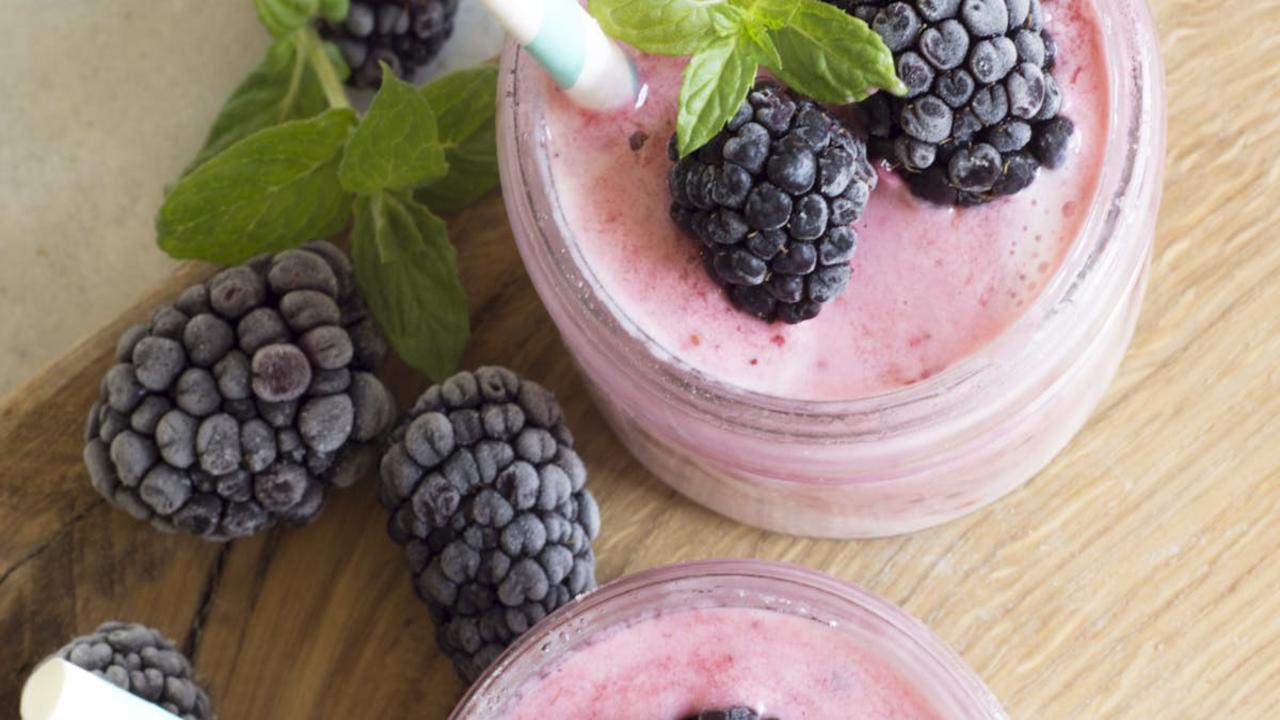
Listen, I get it – you walk into your favorite coffee chain and see those vibrant smoothies displayed in the cold case, thinking you’re making a healthy choice. But here’s what I’ve learned from years of making my own blends at home: those commercial smoothies are basically milkshakes in disguise. They’re packed with artificial syrups, processed fruit concentrates, and enough sugar to rival a dessert. The “mango-passion fruit” smoothie you’re eyeing probably contains more corn syrup than actual mango, and don’t even get me started on the preservatives they add to keep everything shelf-stable.
Instead of dropping six dollars on a sugar bomb, grab some frozen fruit from the grocery store and make your own magic at home. I love blending frozen mango chunks with coconut milk, a handful of spinach (trust me, you won’t taste it), and a squeeze of fresh lime. You control every ingredient, save money, and actually nourish your body with real food. My go-to morning blend uses frozen banana, almond butter, cinnamon, and plant milk – it tastes like liquid cookie dough but actually gives you sustained energy. These chain smoothies might seem convenient, but they’re setting you up for a sugar crash that’ll have you reaching for more caffeine within the hour.
Pastries

Those glass cases filled with croissants, muffins, and Danish pastries might look tempting, but I need to share something with you – these aren’t the fresh-baked treats your grandmother made. Most coffee chain pastries arrive frozen from industrial kitchens, loaded with preservatives, artificial flavors, and enough sugar to make your pancreas weep. The blueberry muffin that costs you $4? It probably contains more chemicals than actual blueberries, and those “buttery” croissants are made with hydrogenated oils that your body struggles to process.
Here’s what breaks my heart about this – making real pastries at home takes just a few wholesome ingredients and fills your kitchen with incredible aromas. I’ve taught countless friends to whip up quick banana bread or simple scones using ingredients they already have. You can control every component, from using real vanilla extract to adding fresh fruit instead of artificial flavoring. The money you save from skipping just two coffee shop muffins can buy enough flour, eggs, and butter to bake a week’s worth of genuinely nourishing breakfast treats that actually fuel your body instead of sending your blood sugar on a roller coaster ride.
Instant coffee blends
You know that moment when you’re standing in line at your favorite coffee chain, eyeing those instant coffee packets they keep near the register? I get it—they seem convenient and budget-friendly. But here’s what I’ve learned from years of experimenting with coffee in my kitchen: these instant blends are basically the processed food equivalent of the coffee world. They’re stripped of all the beautiful complexity that makes coffee magical, loaded with artificial flavors, and often contain more sugar and preservatives than actual coffee beans. The flavor profile? Think cardboard meets artificial vanilla with a side of regret.
Instead of reaching for those packets, consider this your invitation to create something better at home. I keep a small French press in my kitchen specifically for those quick coffee moments, and the difference is incredible. You can brew a proper cup in just four minutes using freshly ground beans, and the aroma alone will transport you to coffee heaven. If you’re genuinely short on time, try cold brew concentrate—make a batch on Sunday, store it in your fridge, and you’ll have rich, smooth coffee ready to mix with hot water all week long. Your taste buds and your body will thank you for choosing real coffee over those chemical-laden shortcuts.
Plastic bottled water

You know what breaks my heart every time I see someone at a coffee shop? Watching them pay premium prices for plastic bottled water when they could get the same hydration for free from the tap. Most coffee chains charge anywhere from $2 to $4 for something you can get at home for pennies. That markup is absolutely ridiculous, and honestly, it’s money that could go toward something truly special – like that single-origin Ethiopian pour-over that’ll transport you to coffee heaven.
Beyond the wallet damage, think about what you’re actually buying. That plastic bottle sat in a warehouse, possibly in heat, leaching chemicals into water that probably came from the same municipal source as your local tap anyway. I always carry my own reusable water bottle – it keeps my water cooler, tastes cleaner, and doesn’t contribute to the plastic waste problem. If you need something fancy, ask for ice water with lemon or mint. Most baristas will happily accommodate, and you’ll feel better knowing you made a choice that’s kinder to both your budget and the planet.
Pre-packaged snacks
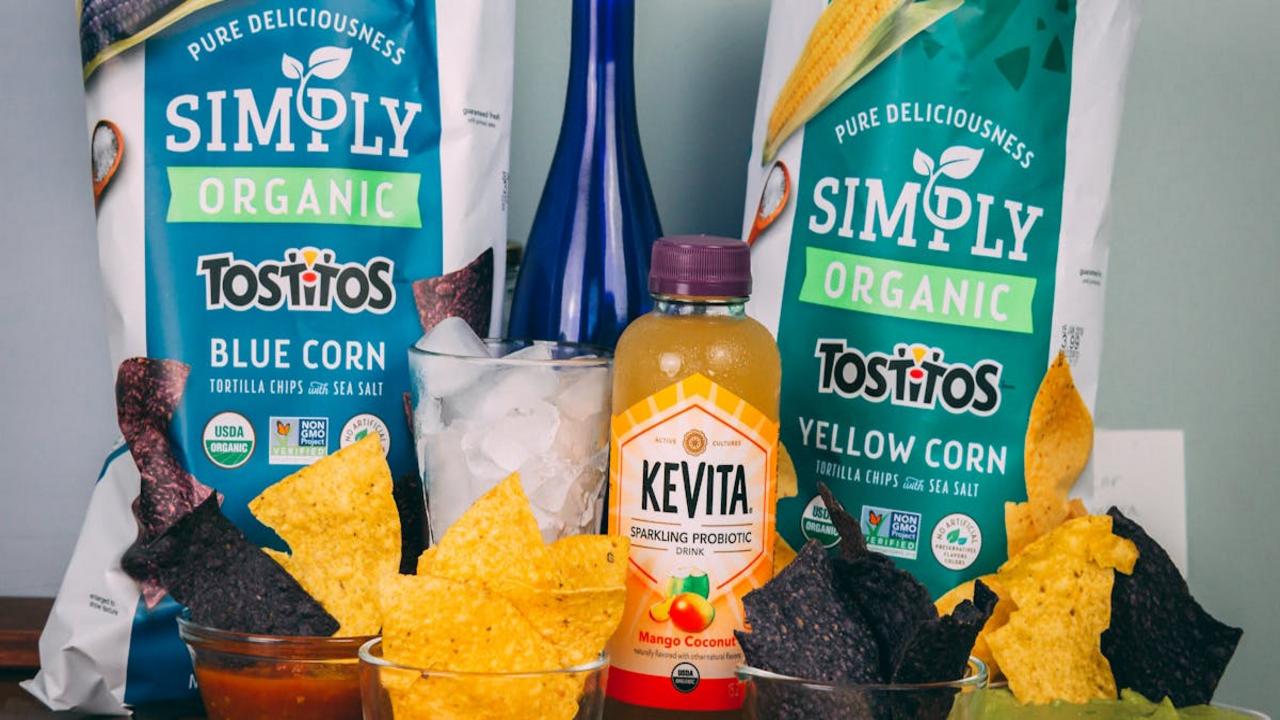
You know what breaks my heart every time I see someone grab those dusty, overpriced granola bars and stale muffins from coffee shop display cases? They’re paying premium prices for snacks that have been sitting there for who knows how long, loaded with preservatives and artificial ingredients. These pre-packaged items often cost three times what you’d pay at a regular grocery store, and the quality doesn’t justify the markup. I’ve seen people spend $4 on a tiny bag of nuts that would cost $1.50 elsewhere, simply because they’re caught hungry without better options.
Instead of falling into this trap, I always keep homemade energy balls or roasted chickpeas in my bag – they take minutes to make at home and provide real nutrition without the inflated coffee shop pricing. Mix dates, almonds, and a touch of cocoa powder for instant satisfaction, or toss chickpeas with cumin and paprika before roasting for a crunchy protein boost. Your wallet will thank you, and your body will actually get the fuel it needs rather than empty calories wrapped in fancy packaging. Trust me, once you start preparing your own snacks, you’ll never want to go back to those overpriced, under-nourishing coffee shop options.
Flavored syrup add-ons

Those colorful bottles lined up behind the counter might look tempting, but flavored syrups are basically liquid sugar bombs masquerading as coffee enhancement. I’ve watched friends dump three pumps of vanilla, two pumps of caramel, and a splash of hazelnut into their morning coffee, turning what could be a simple pleasure into a dessert disguised as breakfast. Each pump typically contains 15-20 grams of high fructose corn syrup, artificial flavors, and preservatives—ingredients I’d never keep in my own kitchen. You’re essentially paying premium prices for what amounts to candy in liquid form.
Instead of reaching for those processed syrups, I create my own flavor magic at home using real ingredients that actually nourish your body. A dash of pure vanilla extract, a sprinkle of cinnamon, or even a few drops of homemade date syrup can transform your coffee without the chemical overload. I love making cardamom-infused simple syrup with just water, raw sugar, and whole cardamom pods—it brings warmth and complexity that those artificial versions can’t match. Your coffee deserves better than factory-made sweeteners, and your body will thank you for choosing ingredients you can actually pronounce.