14 Healthy Grocery Essentials Smart Budget Shoppers Choose
Want to eat healthy without breaking the bank? You don’t need fancy superfoods or expensive supplements. The secret lies in picking smart, budget-friendly foods that pack a nutritional punch. These 14 grocery staples will keep your body and wallet happy.
From protein-rich quinoa to heart-healthy avocados, these kitchen heroes work double-duty – they’re both affordable and loaded with nutrients. The best part? You can mix and match them to create countless meals, from quick breakfasts to satisfying dinners.
Think of this list as your cheat sheet for smart shopping. Each item brings something special to your kitchen – fiber, protein, healthy fats, or vitamins. Plus, many of these foods last longer than their pricier counterparts, meaning less waste and more savings for you.
Seasonal Fruits
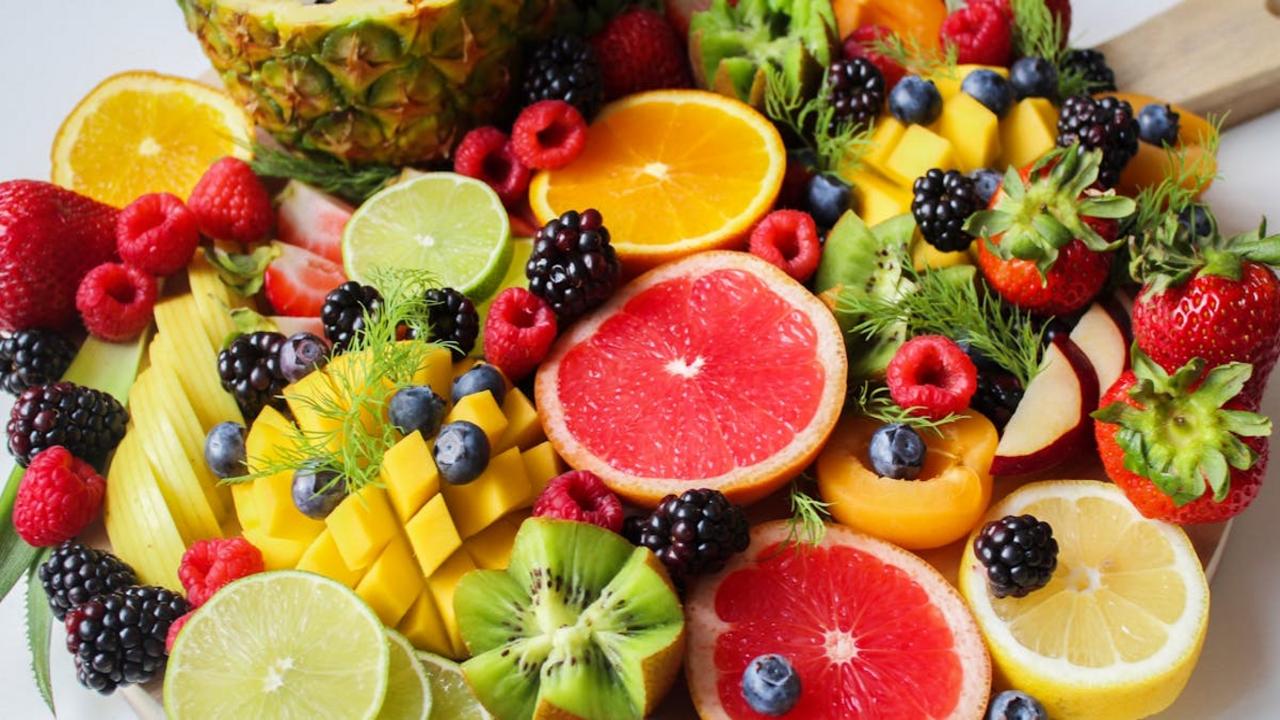
Want to save money while eating like royalty? Buy your fruits in season! Nature has this brilliant way of making certain fruits cheaper and more flavorful during specific months. Right now, you’ll find strawberries bursting with sweetness in spring, juicy peaches dripping down your chin in summer, crisp apples ready for picking in fall, and bright citrus fruits brightening up winter days. Your wallet will thank you – seasonal fruits often cost 30-50% less than their out-of-season counterparts.
I keep a magnetic fruit calendar on my fridge to track what’s ripening each month, and it’s become my shopping secret weapon. Did you know mangoes pack more vitamin C during their peak season? Or that locally grown berries contain higher antioxidant levels because they’re picked at perfect ripeness? Beyond the health perks, seasonal fruits simply shine in recipes – think fragrant summer berry pies, fall apple crisps, or winter citrus salads. Your budget stays happy, your body gets maximum nutrients, and your taste buds dance with joy. Now that’s what I call a triple win!
Avocados
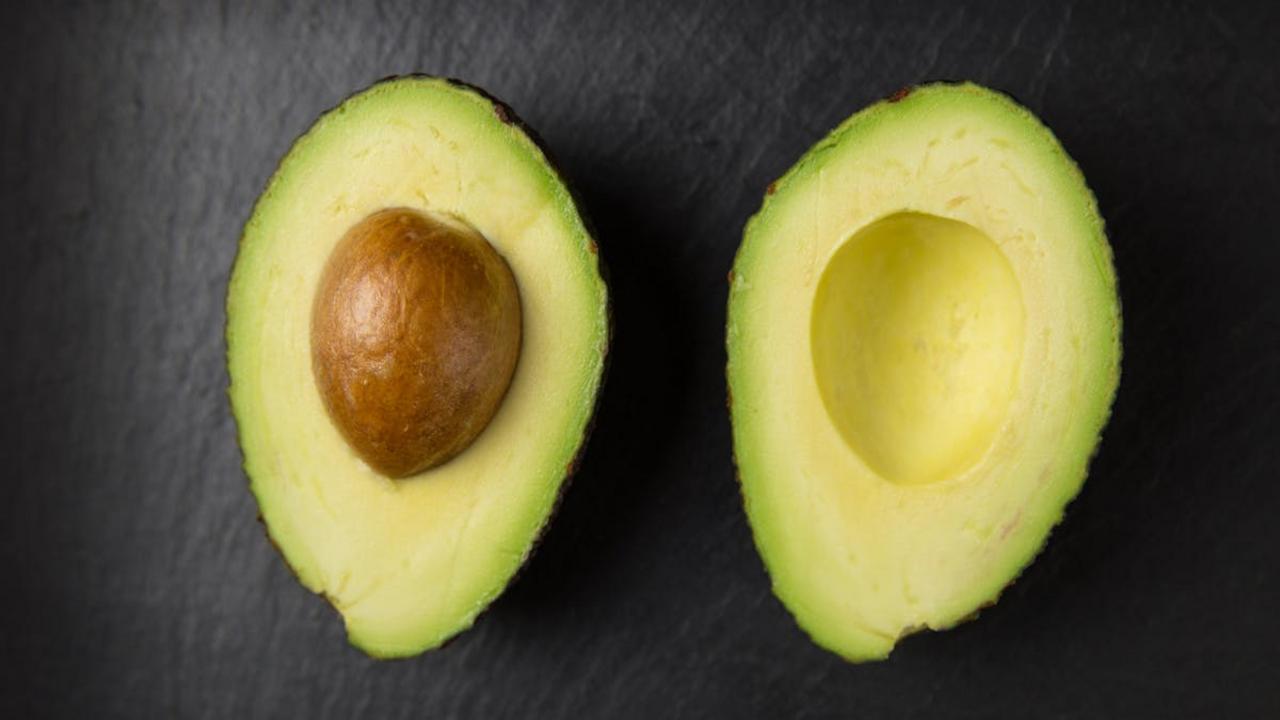
You know what’s funny about avocados? Everyone used to think they were just for guacamole at parties, but now these creamy green gems have become the rock stars of the produce aisle. I keep a few ripening on my counter at all times because they pack such a nutritious punch – we’re talking heart-healthy fats, fiber, potassium, and vitamins K, C, and B6. Plus, you can smoosh them on toast, blend them into smoothies, or dice them up for the world’s quickest salad topper. The best part? You can often find them on sale, and if you grab them while they’re still firm, they’ll last longer.
Here’s my money-saving avocado trick: I buy them slightly underripe when they’re cheaper, then let them ripen at home. Once they’re perfect, I pop them in the fridge to slow down the ripening process. This way, I can enjoy my avocados all week long without finding brown mush. And if you think one avocado is too much for a single serving, freeze the unused half! Just mash it with a bit of lime juice, store it in an airtight container, and you’ve got ready-to-use avocado that won’t turn brown. Your wallet and your body will thank you for making these green powerhouses a regular part of your shopping list.
Lentils
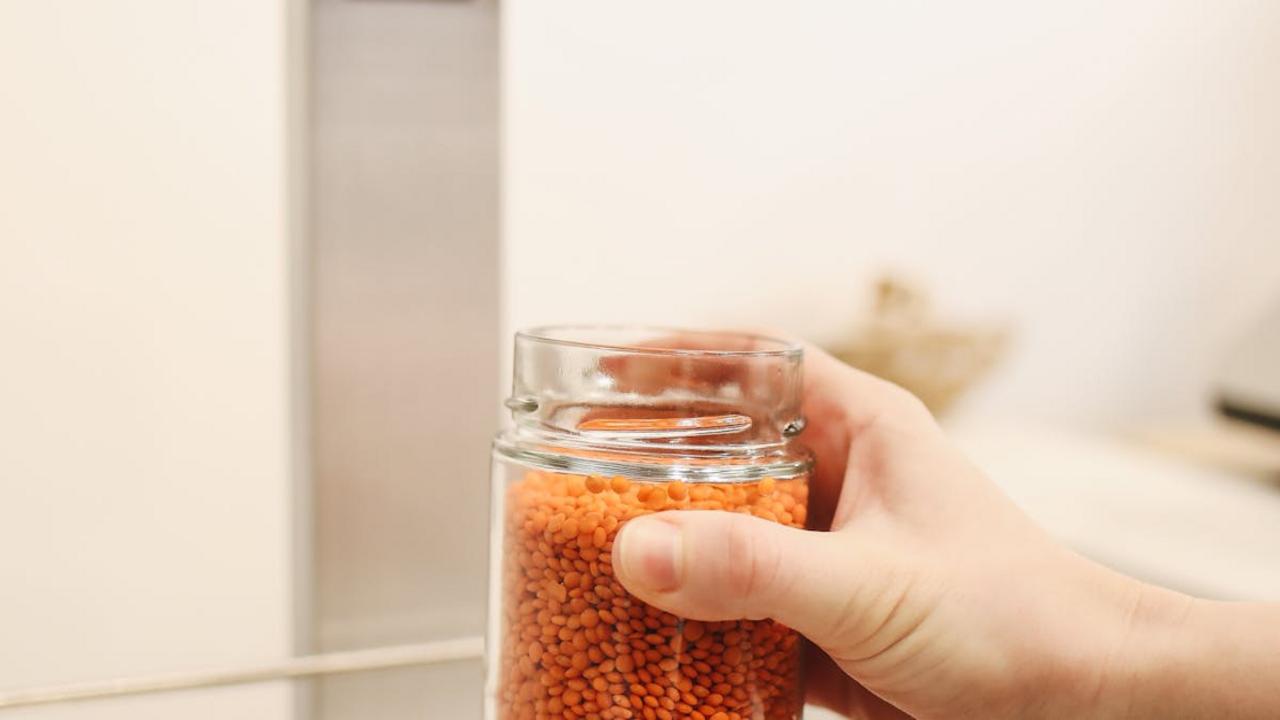
I’d bet my favorite cooking spoon that lentils are the most underappreciated protein powerhouse in your pantry! These tiny legumes pack a whopping 18 grams of protein per cup and cost mere pennies compared to meat. You’ll find them in red, green, brown, and even fancy black varieties – each bringing its own personality to your cooking. Mix them into soups, whip up a quick daal, or toss them cold in salads. The best part? They cook up in just 20-30 minutes without any pre-soaking drama (unlike their fussy bean cousins).
Your wallet will thank you for making lentils a regular guest at your dinner table. One pound usually runs under $2 and can stretch into multiple meals. I keep my pantry stocked with red lentils for quick-cooking soups, French green lentils for salads (they hold their shape like champs), and brown lentils for everything in between. Pro tip: Buy them in bulk if you can – they’ll stay fresh for ages in an airtight container, and you’ll save even more money. Just remember to give them a quick rinse and check for any tiny stones before cooking. Your dentist will appreciate that last bit of advice!
Tinned Fish
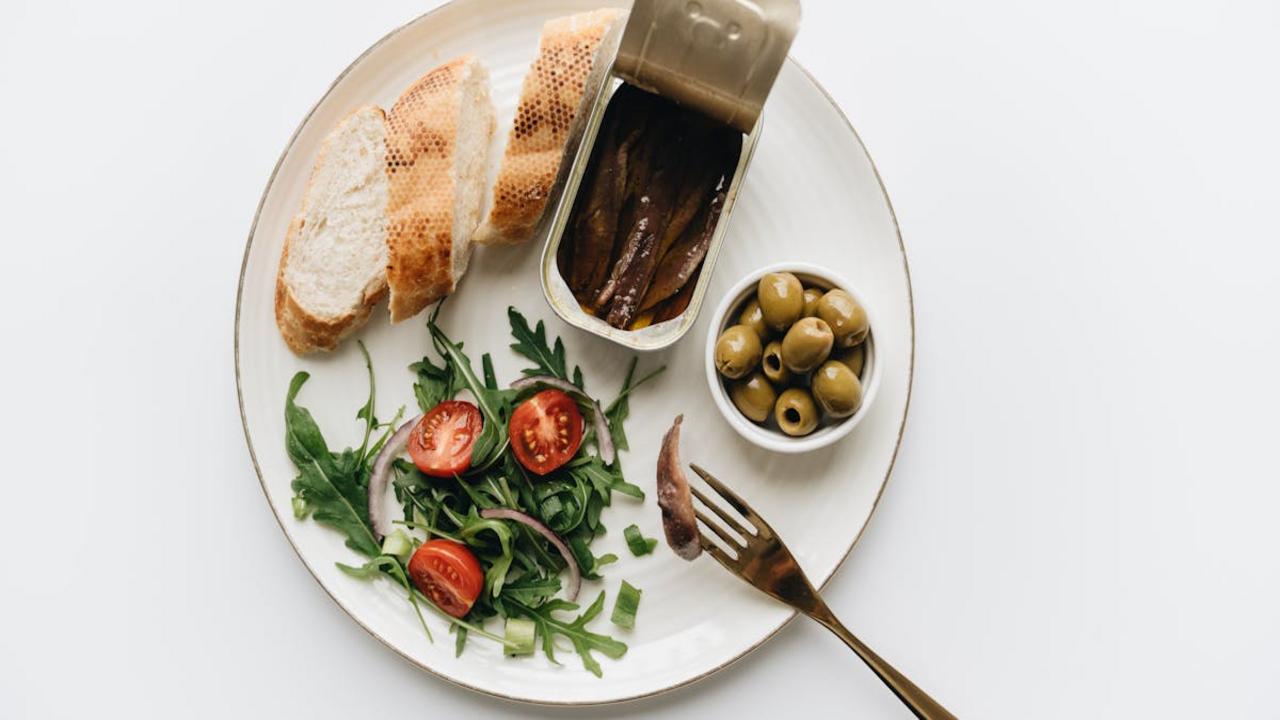
I keep a mini fortress of tinned fish in my pantry, and you should too! These budget-friendly protein powerhouses pack incredible nutrition into tiny cans. From sardines swimming in olive oil to chunk light tuna ready for your sandwich, tinned fish brings omega-3s, vitamin D, and calcium to your table without breaking the bank. My grandmother used to say “a can of sardines a day keeps the doctor away” – while I’m not sure about the daily part, she lived to 97 and swore by her tinned fish habit.
You’ll find endless ways to jazz up these affordable seafood gems. Mash some tinned salmon with mayo and capers for a quick lunch spread, or toss anchovies into your pasta sauce for an instant umami boost. My personal favorite? Mackerel on toast with sliced tomatoes and cracked black pepper – a 3-minute meal that makes me feel like I’m dining at a fancy café. Plus, these little swimmers stay fresh in your pantry for years, making them the perfect backup plan for those nights when cooking feels like climbing Mount Everest.
Brown Rice
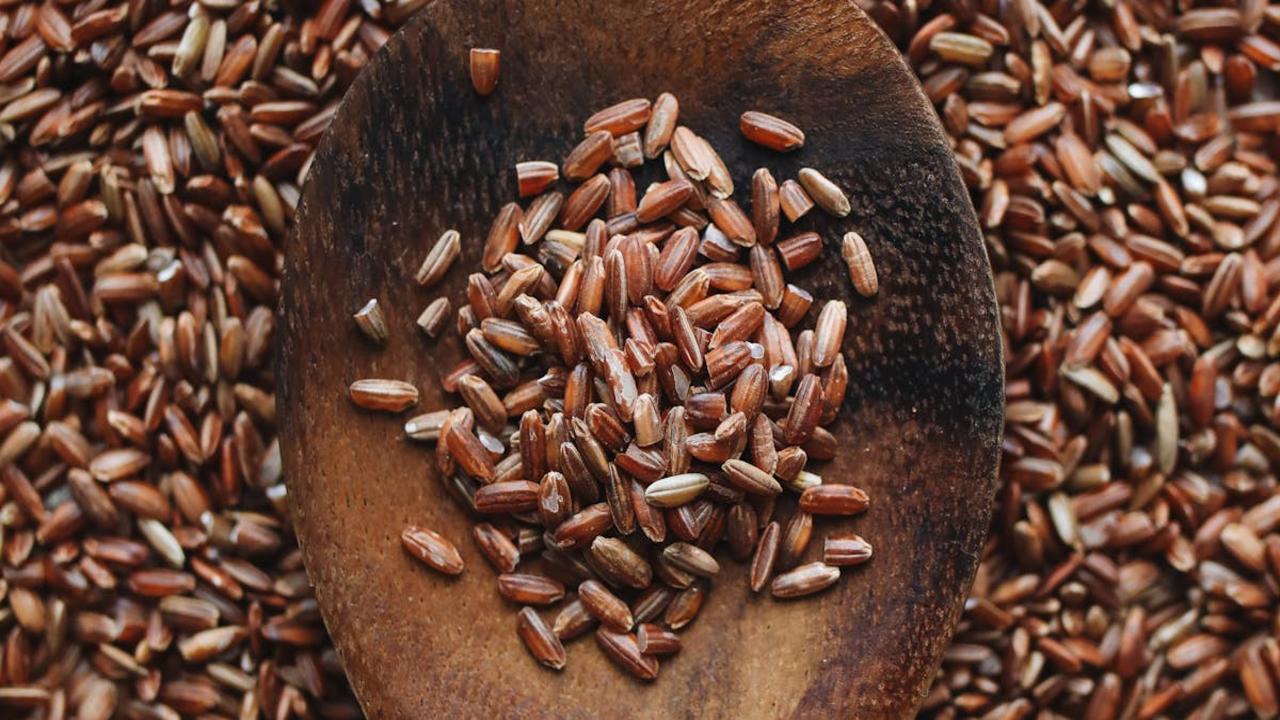
Your grocery cart needs brown rice – this whole grain superhero packs way more nutrition than its paler white cousin! I’ve switched almost completely to brown rice in my kitchen, and my body thanks me daily for the extra fiber, vitamins, and minerals. Each nutty-flavored grain keeps its nutritious bran and germ layers intact, giving you a hefty dose of magnesium, phosphorus, and B vitamins. Plus, the complex carbs in brown rice release energy slowly, keeping you fuller longer and your blood sugar steady.
You’ll save serious money buying brown rice in bulk – I grab the big bags and store them in airtight containers. While it takes about 45 minutes to cook (compared to 20 for white rice), I’ve found a perfect workaround: I make a big batch on Sunday and refrigerate portions for quick weekday meals. Pro tip: toast your brown rice in a dry pan for 5 minutes before cooking to bring out an amazing nutty flavor that’ll make you forget white rice ever existed. Your wallet and your body will high-five you for making this smart switch!
Chia Seeds
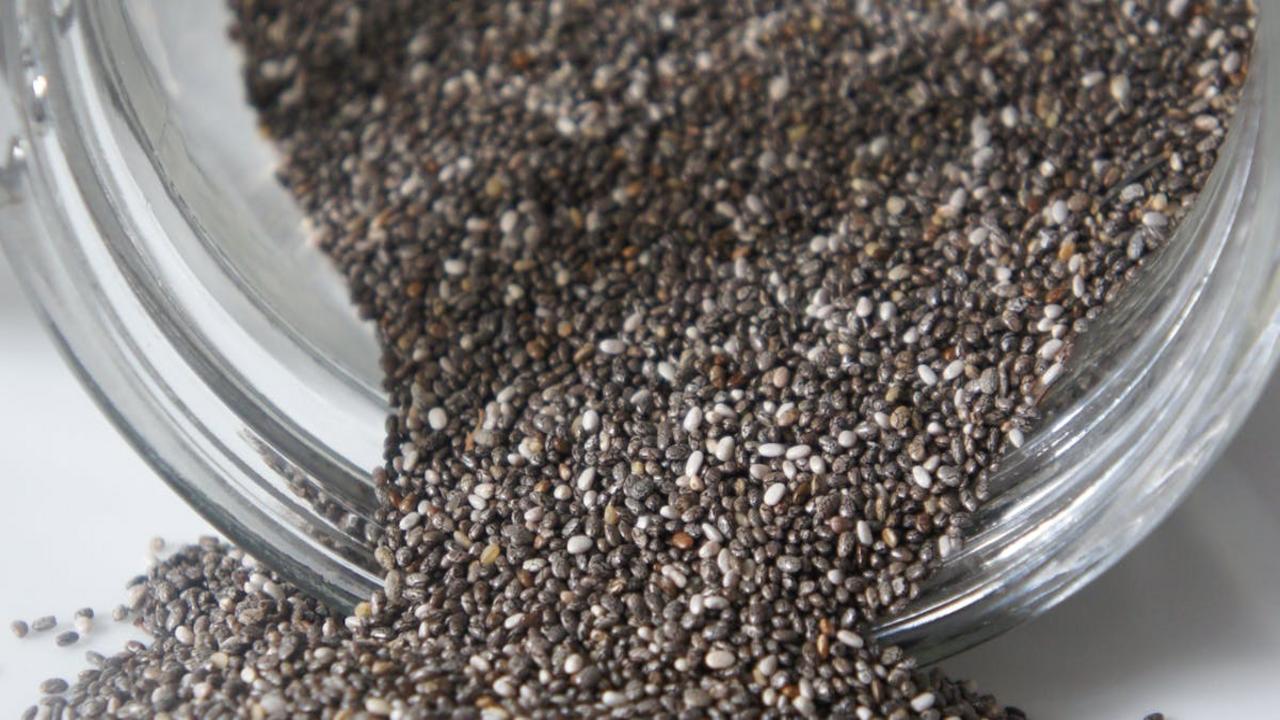
Who knew these tiny powerhouse seeds would become such a hit? I remember laughing at my first chia pet back in the ’90s, and now I’m sprinkling these nutrient-rich gems on everything from smoothie bowls to overnight oats. Packed with omega-3 fatty acids, fiber, and protein, chia seeds give you a serious bang for your buck. Just one tablespoon delivers 5 grams of fiber and 3 grams of protein – pretty impressive for something smaller than a sesame seed!
You’ll love how versatile these little guys are in the kitchen. Mix them with liquid, and they transform into a gel-like consistency perfect for making puddings or acting as an egg substitute in baking (1 tablespoon chia + 3 tablespoons water = 1 egg). I keep a big bag in my pantry and add them to my morning yogurt, blend them into smoothies, or sprinkle them on salads. The best part? They last for months in an airtight container, and you can find budget-friendly options at most grocery stores. Just watch out – they do like to get stuck in your teeth, so keep a mirror handy!
Cottage Cheese
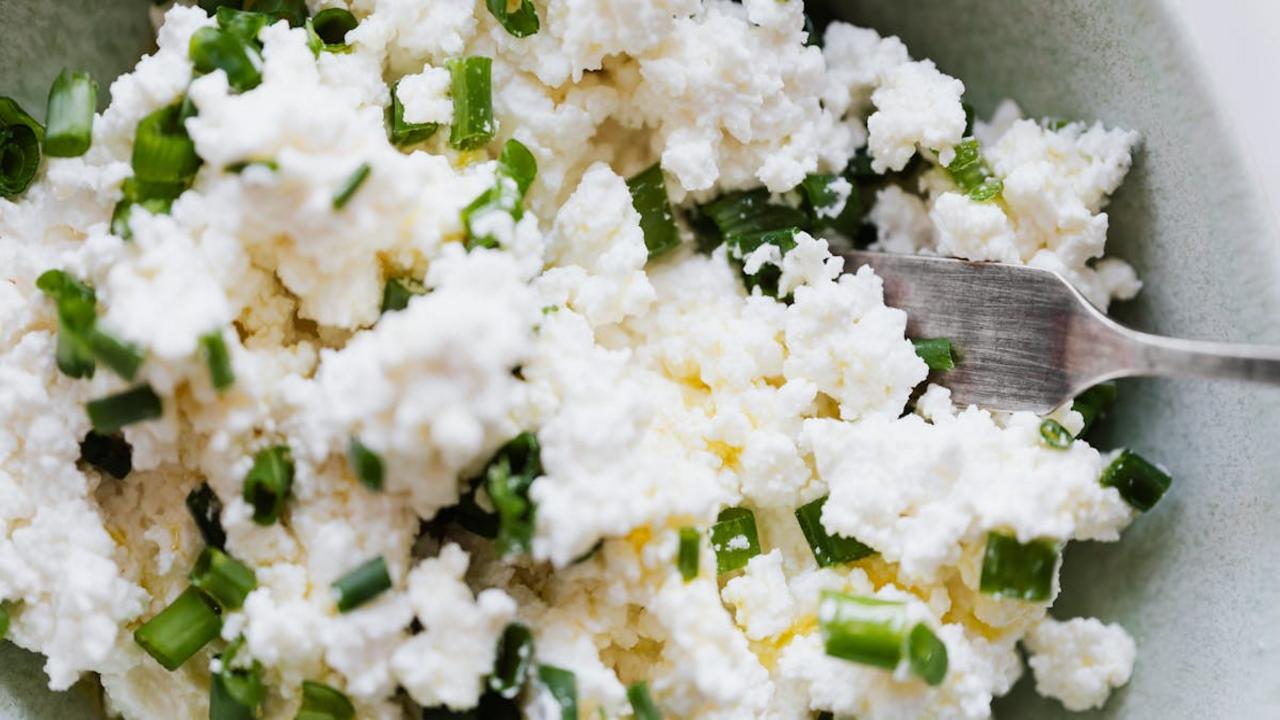
I’ll never forget my grandma’s secret to making the creamiest pancakes – she’d sneak cottage cheese into the batter! This protein-packed dairy superstar packs a whopping 14 grams of protein per half-cup serving, making it a budget-friendly powerhouse for anyone watching their wallet and waistline. Mix it with fresh fruit for breakfast, spread it on toast, or blend it into smoothies – cottage cheese brings a rich, satisfying texture to countless dishes while keeping your grocery bill low.
Beyond its versatility in recipes, cottage cheese stands out as a nutritional champion with calcium, phosphorus, and B vitamins. You’ll find it in various fat percentages – from fat-free to full-fat – letting you pick what fits your dietary needs. My favorite money-saving hack? Buy the large tubs and portion them into smaller containers. Add a drizzle of honey, a sprinkle of nuts, or a handful of berries, and you’ve got yourself a protein-rich snack that costs way less than those fancy yogurt parfaits at the coffee shop!
Frozen Vegetables
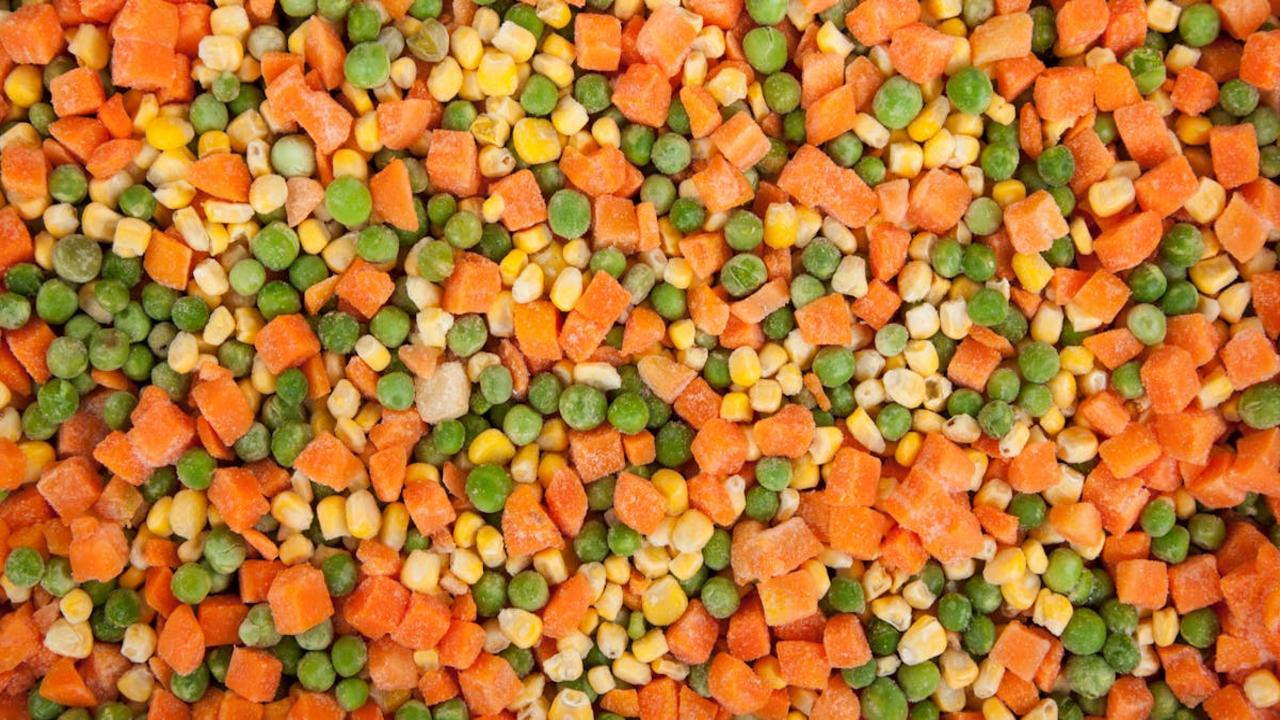
Listen, I’ll let you in on a little budget-savvy secret – frozen veggies deserve way more love than they get! While some folks turn their noses up at the freezer section, I’m always amazed at how these frosty gems pack the same (and sometimes more) nutrients than their fresh counterparts. That’s because they’re flash-frozen at peak ripeness, locking in all those good-for-you vitamins and minerals. Plus, you won’t find yourself guiltily tossing out that forgotten bag of spinach from your crisper drawer two weeks later – these babies last for months!
My go-to frozen veggie picks include broccoli, cauliflower, peas, and mixed pepper strips. You can toss them straight into soups, stir-fries, or casseroles without any prep work – no washing, chopping, or peeling needed! I keep at least five bags in my freezer at all times, and they’ve saved my dinner plans countless times. The best part? They’re usually about half the price of fresh vegetables, especially when they’re out of season. And here’s a pro tip: grab the store brand versions – they’re often packed in the same facilities as the name brands but cost even less.
Nut Butters

Who needs a jar of happiness? You do! Grab some nut butter from your grocery store – whether it’s almond, peanut, or cashew butter. These protein-packed powerhouses pack a serious nutritional punch with healthy fats, fiber, and minerals like magnesium and zinc. I keep at least two jars in my pantry at all times because they’re such flexible ingredients. You can spread them on toast, blend them into smoothies, whip up quick Thai-inspired sauces, or just eat them straight from the jar (hey, no judgment here – we’ve all done it at midnight).
The best part? Nut butters fit perfectly into a budget-conscious shopping list. While fancy varieties can get pricey, basic natural peanut butter remains incredibly affordable per serving. Just check the ingredients – you want ones with only nuts and maybe a pinch of salt. Skip the ones loaded with added oils and sugar. Pro tip: store your natural nut butter upside down in the fridge to prevent that annoying oil separation. And if you’re feeling adventurous, try making your own! Just toss your favorite nuts into a food processor and watch the magic happen. Your wallet and your taste buds will thank you.
Greek Yogurt
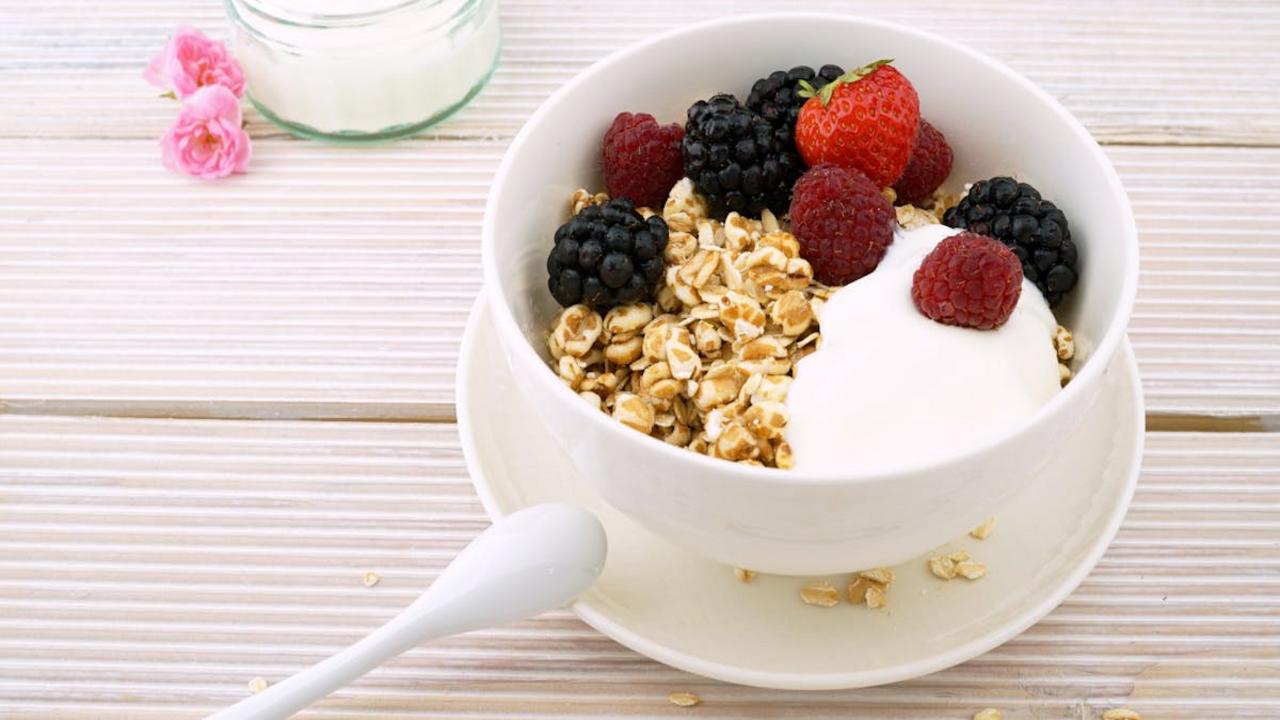
I can’t start my day without a big scoop of creamy Greek yogurt! This protein powerhouse packs twice the protein of regular yogurt, making it the perfect breakfast buddy or post-workout snack. You’ll find me mixing mine with honey, fresh berries, and a sprinkle of granola for a quick morning fix. The best part? Greek yogurt costs just a fraction of those fancy protein bars and shakes, while giving you the same protein punch. Plus, its thick, velvety texture makes it an amazing substitute for sour cream or mayo in dips and dressings.
Your wallet and gut will thank you for grabbing Greek yogurt at the store. Its live cultures support digestive health, while calcium and vitamin B12 keep your bones strong and energy levels high. I love buying the big tubs instead of individual portions – they’re way cheaper per serving and more eco-friendly too. Pro tip: stick to plain varieties and add your own fruits or honey. The pre-flavored ones often hide loads of added sugars that jack up both calories and cost. Keep an eye out for sales and stock up – Greek yogurt stays fresh for weeks past its “best by” date when properly refrigerated!
Whole Oats
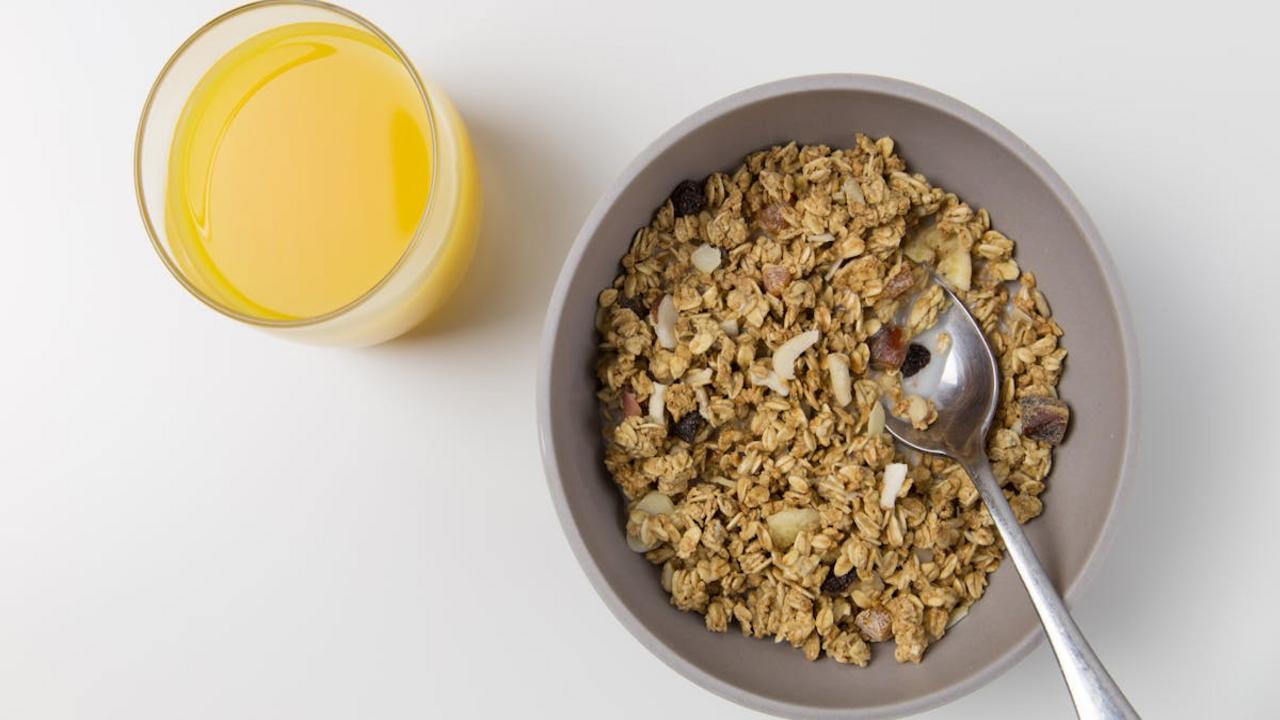
Your grandma knew what she was doing when she insisted on that morning bowl of oatmeal! Whole oats pack a serious nutritional punch while being ridiculously budget-friendly. A single serving costs pennies and fills you up with fiber, protein, and complex carbs that keep your energy steady throughout the morning. I mix mine with cinnamon, a dollop of peanut butter, and fresh berries for a breakfast that costs under a dollar but makes me feel like I’m dining at a fancy brunch spot.
Beyond breakfast, whole oats have become my secret weapon in the kitchen. You can grind them into flour for healthier baked goods, blend them into smoothies for extra thickness, or use them as a meat extender in burgers and meatloaves. The beta-glucan fiber in oats helps lower cholesterol levels, and their high antioxidant content fights inflammation. Pro tip: Buy them in bulk from the store’s bin section – you’ll save even more money and can get exactly the amount you need. Just remember to store them in an airtight container to maintain their nutty freshness!
Canned Beans
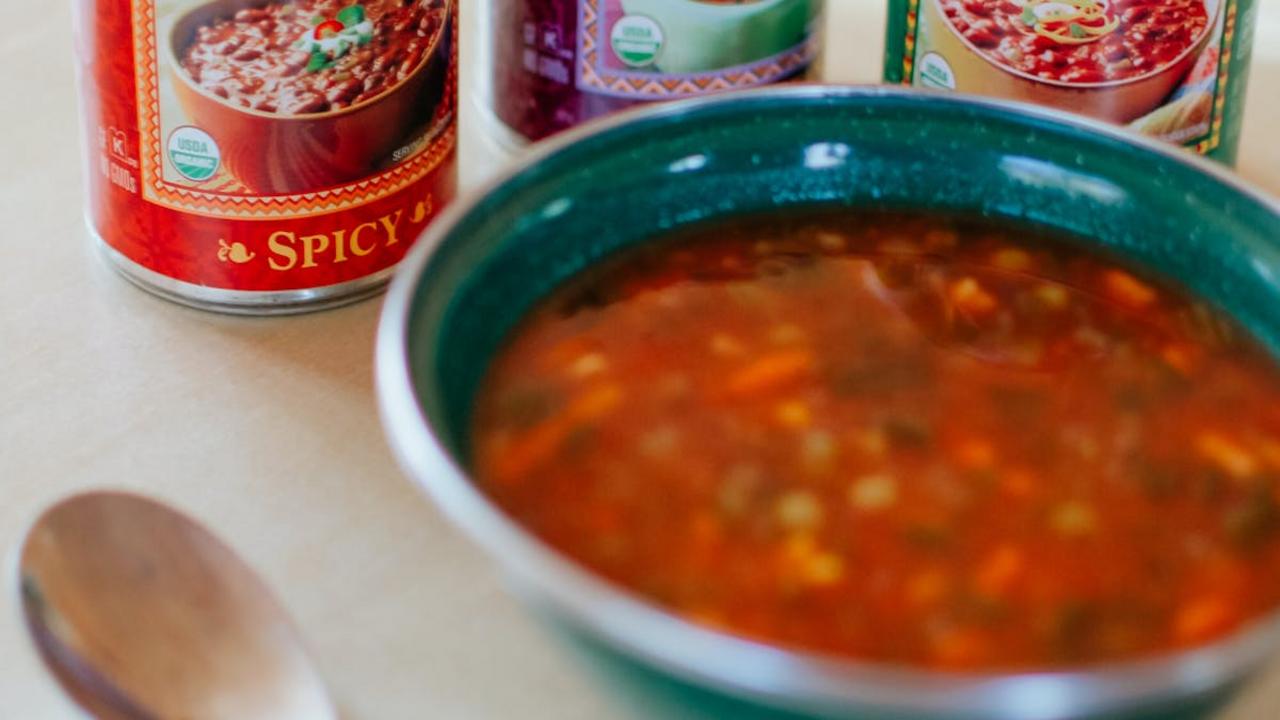
I keep at least ten cans of beans in my pantry at all times, and you should too! These humble legumes pack a protein punch that rivals meat, while costing just a fraction of the price. Black beans, kidney beans, chickpeas, and navy beans – each variety brings its own flavor and texture to your meals. Plus, they’re loaded with fiber, B vitamins, and minerals like iron and magnesium. You can whip up quick meals like bean burritos, throw them into soups, or mash them for the creamiest dips.
The best part? Canned beans skip the lengthy soaking and cooking process of dried beans, making them perfect for busy weeknight dinners. I’ve turned countless skeptical friends into bean believers with my 5-minute black bean dip (just drain, blend with garlic, lime juice, and cumin – boom!). They’re also incredibly versatile – toss them cold into salads, blend them into brownies (yes, really!), or create hearty vegetarian chili. My grocery bill dropped significantly when I started replacing some meat-based meals with bean-centered dishes, and my body thanked me for all the extra fiber and nutrients.
Quinoa
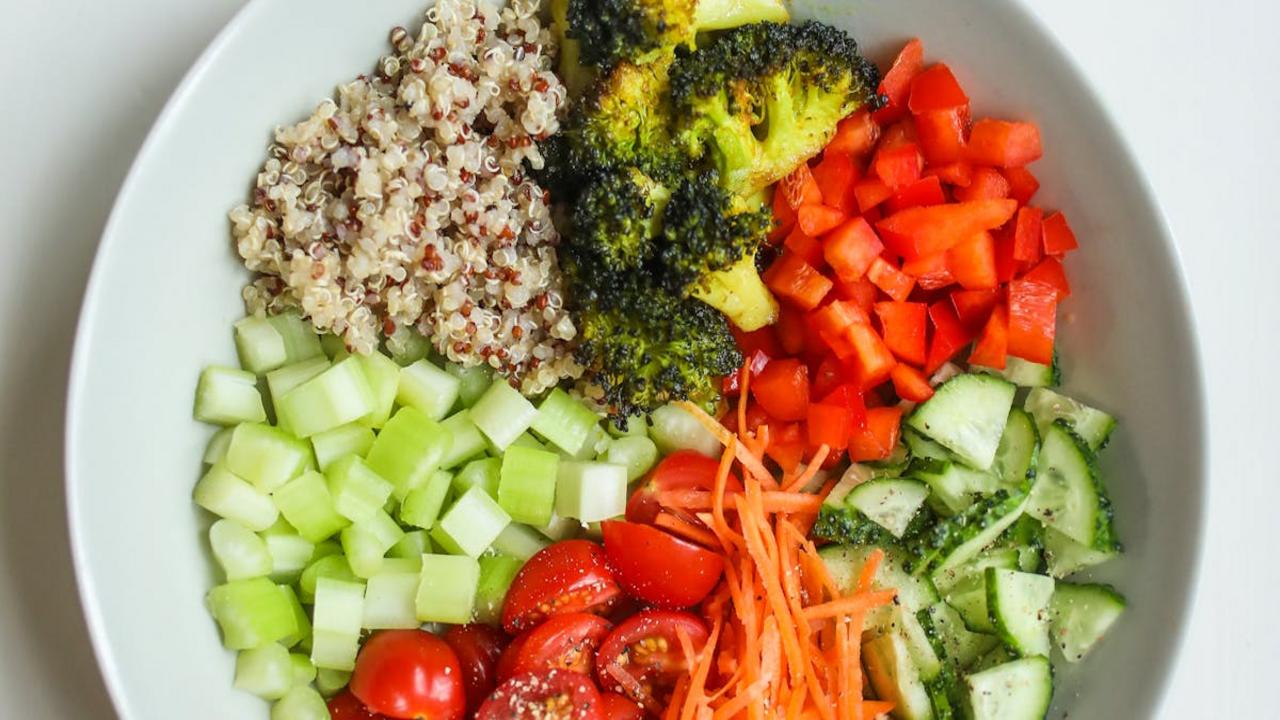
Meet quinoa, your grocery cart’s secret weapon! This tiny powerhouse grain packs more protein than rice and contains all nine amino acids your body needs. I spotted my neighbor lugging home bags of quinoa last week, and she swears by mixing it with roasted veggies for quick weeknight dinners that cost under $2 per serving. Plus, you’ll save money by buying it in bulk from the store’s bin section – I usually grab a month’s worth for about $8.
You can whip up quinoa faster than traditional grains – just 15 minutes of cooking time and you’re done! I love tossing cold quinoa into my lunch salads or heating it up with black beans and corn for a Mexican-inspired bowl. The best part? This ancient grain stays fresh in your pantry for months, so you won’t waste money on food that goes bad quickly. My favorite money-saving trick: I cook a big batch on Sunday and transform it throughout the week – from breakfast porridge with cinnamon and bananas to savory dinner side dishes.
Leafy Greens
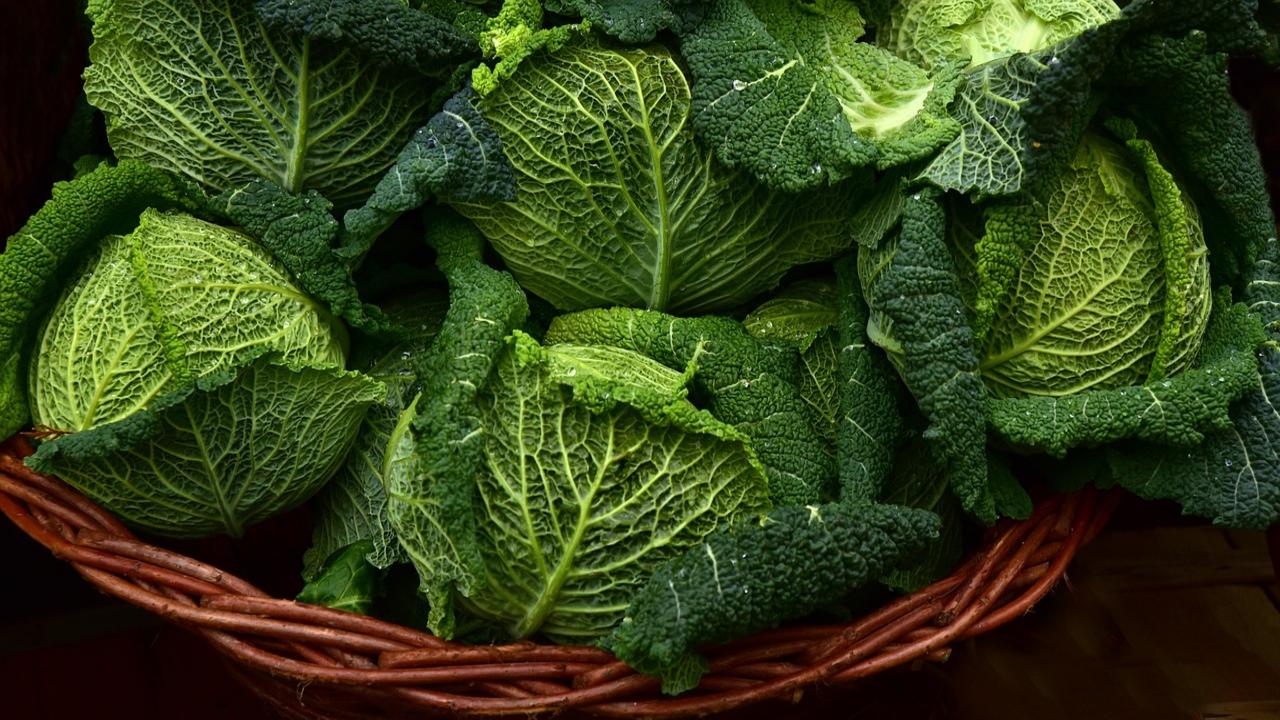
Your grocery cart needs dark leafy greens, and I’m not just talking about sad iceberg lettuce! Pack your basket with spinach, kale, Swiss chard, and collard greens – these nutrient powerhouses cost mere pennies per serving while delivering an incredible bang for your buck. A big bunch of kale often runs under $3 and can transform into multiple meals, from morning smoothies to crispy chips. Plus, these versatile veggies stay fresh longer than most produce, especially if you wrap them in slightly damp paper towels before refrigerating.
I love throwing handfuls of spinach into everything – it wilts down to practically nothing in hot dishes and sneaks extra nutrients into my meals without changing the flavor profile. Just this morning, I tossed a mountain of baby spinach into my scrambled eggs, and by dinner, those same greens made an appearance in my pasta sauce. The best part? These leafy champions pack more calcium than milk, more iron than beef, and enough vitamin C to make an orange jealous. Your wallet and your body will thank you for making these budget-friendly superfoods a regular part of your shopping list.