14 Common Groceries That Were Once Reserved for the Rich
Your weekly grocery haul probably includes items that once graced only the tables of royalty and wealthy merchants. Many foods we consider everyday staples were luxury items that required significant wealth to obtain. From exotic spices transported across continents to delicate seafood reserved for special occasions, these ingredients tell fascinating stories of trade, cultivation, and changing food systems.
What makes this transformation so remarkable is how dramatically accessibility has shifted over centuries. Improved transportation, agricultural innovations, and global trade networks have democratized foods that were once symbols of status and prosperity. Today, you can pick up ingredients that medieval kings could only dream of having regularly on their dinner tables.
Understanding this food history gives you fresh perspective on your grocery shopping. Each item represents centuries of human ingenuity in farming, preservation, and distribution. Next time you reach for these common ingredients, you’ll appreciate how they’ve traveled from exclusive luxury items to accessible pantry staples that make your home cooking both diverse and delicious.
Balsamic Vinegar
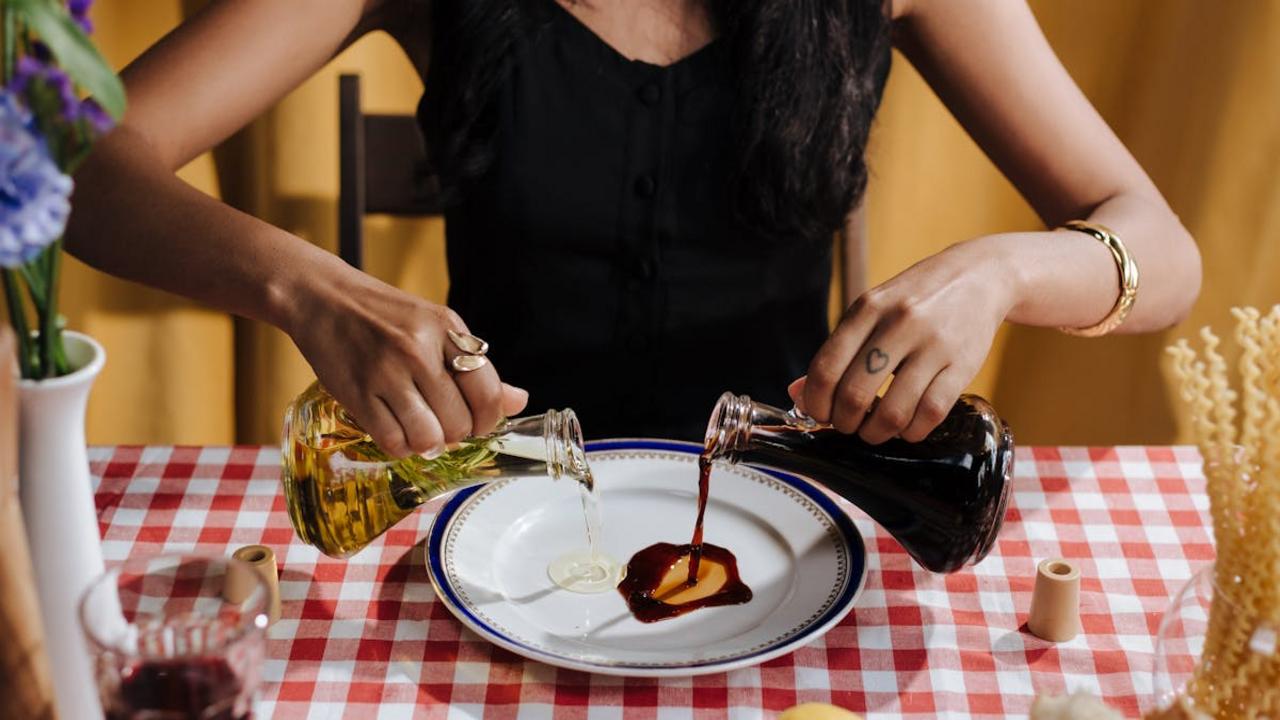
Picture this: you’re drizzling that glossy, dark balsamic vinegar over your caprese salad, and you’re actually using what was once liquid gold reserved for Italian nobility! Traditional balsamic vinegar from Modena wasn’t something you could just grab off any shelf centuries ago. The real deal required decades of aging in wooden barrels, with some varieties taking up to 25 years to reach perfection. Only wealthy families could afford to invest in this incredibly time-intensive process, passing down their precious vinegar collections through generations like family heirlooms.
What made this condiment so exclusive wasn’t just the lengthy aging process, but the meticulous craftsmanship involved. Master vinegar makers would carefully tend to their barrels, moving the liquid through different wood types to develop those complex, sweet-and-tangy notes we love today. The production was so limited and labor-intensive that balsamic vinegar became a status symbol at royal tables across Europe. Today, while you can find affordable versions at your local grocery store, authentic aged balsamic still commands high prices – but thankfully, even the more accessible options can transform your everyday cooking into something special!
Blueberries
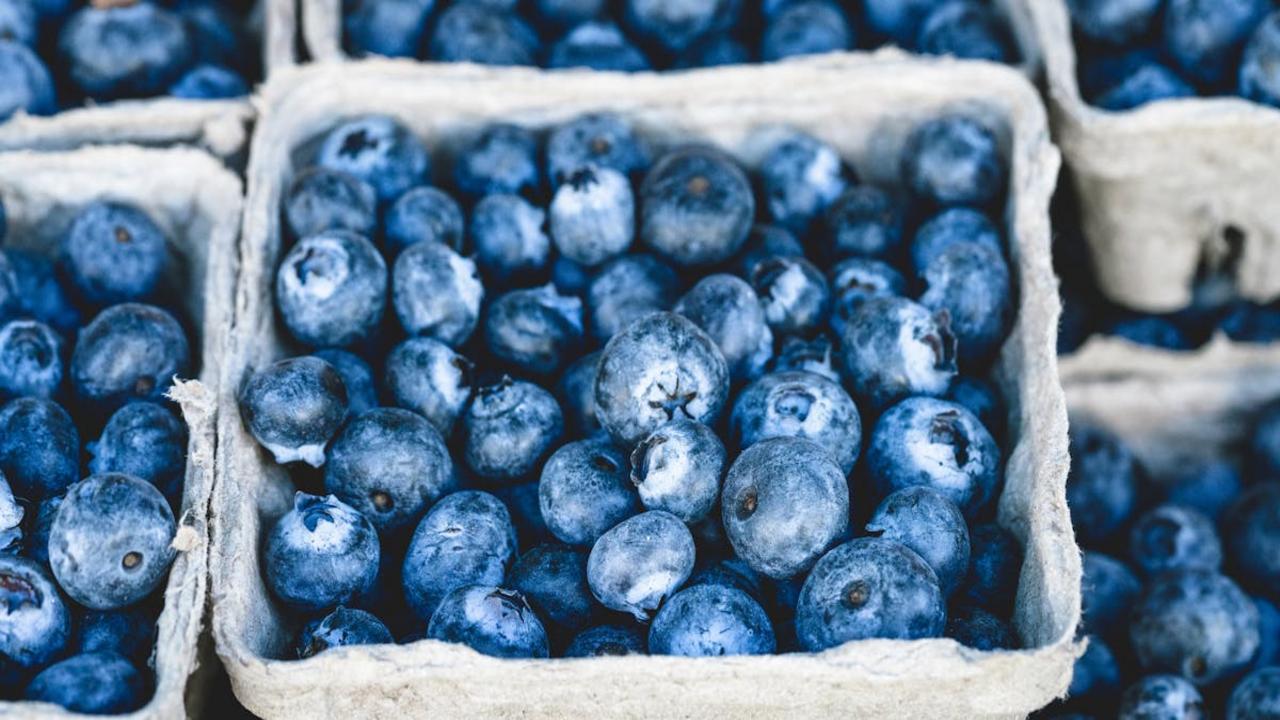
Those gorgeous little purple gems we casually toss into our morning smoothies and pancakes were once a luxury that only the wealthy could afford! Wild blueberries grew naturally in North America, but cultivating them commercially took decades of careful development. The first successful blueberry farm didn’t appear until 1916 in New Jersey, and even then, these antioxidant powerhouses commanded premium prices that put them out of reach for most families. You had to have serious money to enjoy these sweet-tart beauties on your breakfast table.
Today, I love how accessible blueberries have become – you can find them fresh, frozen, or dried in practically every grocery store. What makes me appreciate them even more is knowing how packed they are with vitamins, fiber, and those incredible antioxidants that support brain health and fight inflammation. Whether you’re folding them into muffin batter, adding them to your yogurt, or eating them straight from the container (guilty as charged!), these nutritional superstars prove that sometimes the best things really do come in small packages. The fact that we can now enjoy them year-round feels like such a gift!
Foie Gras
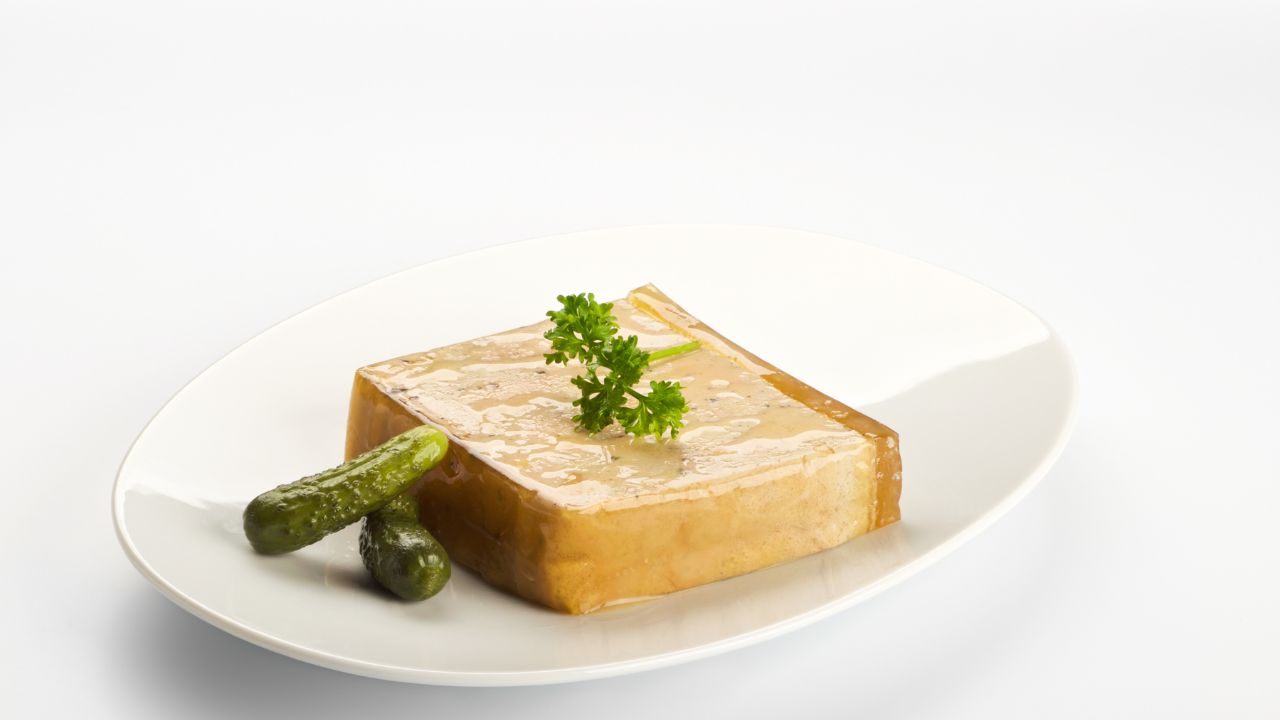
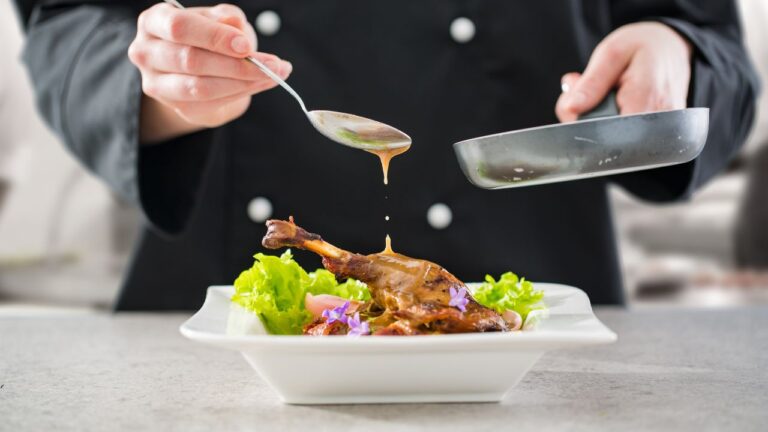
Foie gras represents one of the most dramatic shifts from aristocratic luxury to modern accessibility in food history. This rich, buttery delicacy made from duck or goose liver was once exclusively served at royal banquets and wealthy estates across France. The intensive production process and limited supply made foie gras so expensive that only nobility could afford to enjoy its silky texture and complex flavor. French aristocrats considered it the ultimate symbol of refined taste and sophistication.
Today, you can find foie gras in specialty grocery stores, high-end markets, and even some regular supermarkets during holiday seasons. While still pricey compared to everyday ingredients, it’s become accessible to home cooks who want to create restaurant-quality dishes in their own kitchens. Many people now serve foie gras at special dinner parties or holiday gatherings, turning what was once a royal privilege into a celebration ingredient. The democratization of this luxurious food shows how modern production methods and global trade have transformed exclusive delicacies into attainable treats for adventurous home chefs.
Saffron
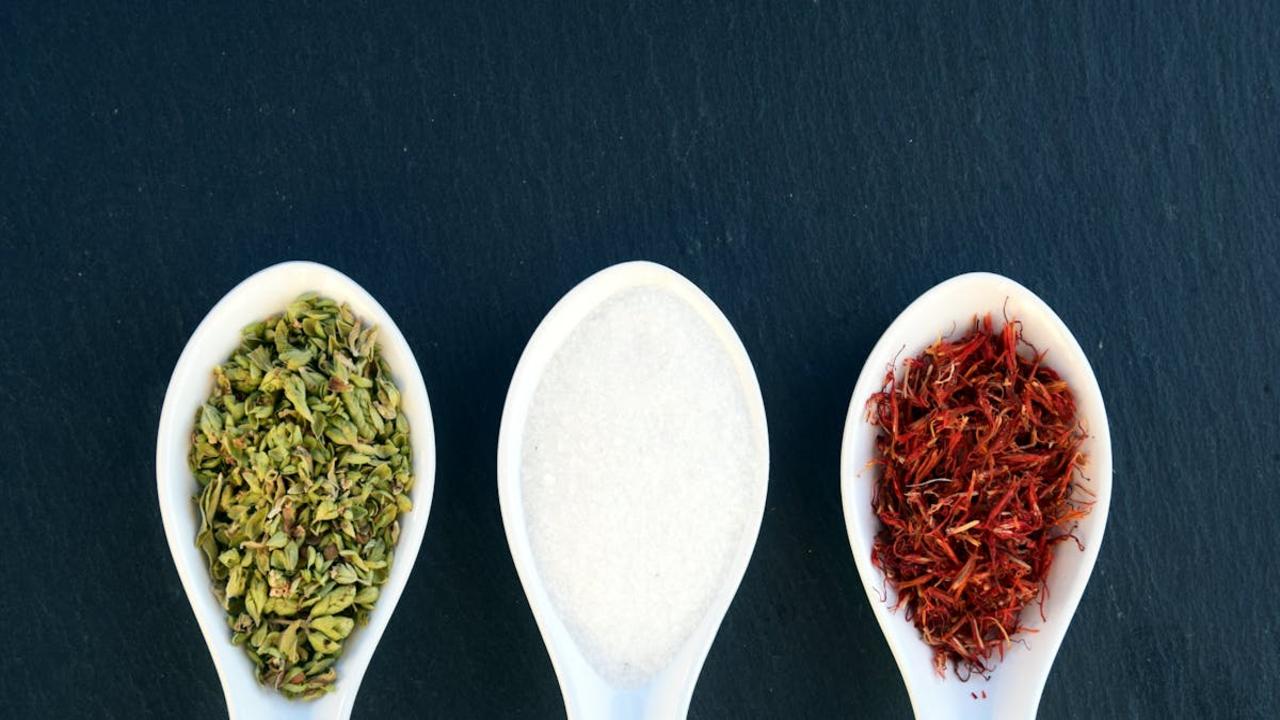
You know that tiny pinch of golden threads that transforms your risotto from ordinary to extraordinary? That’s saffron, and believe me, this spice has quite the regal history! For centuries, saffron commanded prices higher than gold itself, making it accessible only to royalty and the extremely wealthy. The labor-intensive process of harvesting just three delicate stigmas from each crocus flower meant that even a small amount required tremendous effort and resources. Persian kings, Roman emperors, and medieval nobles coveted this precious spice for both its distinctive flavor and its status symbol appeal.
Today, while saffron still carries a premium price tag, modern farming techniques and global trade have made this golden treasure much more accessible to home cooks like you and me. I love adding just a pinch to my paella or rice dishes – the warm, honey-like flavor with subtle metallic notes creates such depth and complexity. The beautiful golden color it imparts makes every dish look restaurant-worthy! Start with just a few threads steeped in warm liquid, and you’ll discover why this spice was once worth more than its weight in precious metals. Trust me, a little goes a long way with this magnificent ingredient.
Truffles
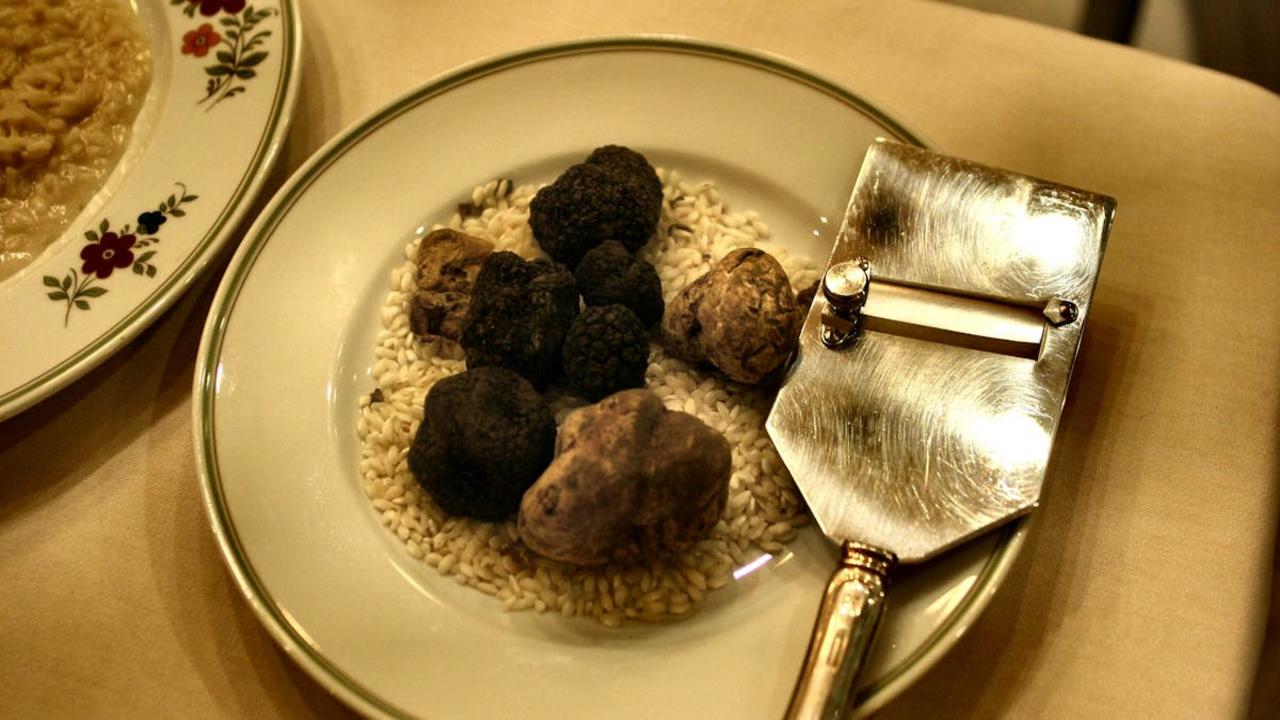
Picture this: you’re wandering through a fancy restaurant menu, and suddenly you spot truffle pasta priced at $40. Your wallet might cry a little, but here’s the thing – truffles have always been the ultimate luxury ingredient! These mysterious underground fungi were once so rare and expensive that only European nobility could afford them. Back in medieval times, peasants who discovered truffles would sell them to aristocrats for enough money to feed their families for weeks. The scarcity made them more valuable than gold by weight in some regions.
Today, you can find truffle oil at your local grocery store for under $15, and many restaurants offer truffle-infused dishes at reasonable prices. While fresh truffles still command high prices, the democratization of truffle products means you can add that earthy, umami-rich flavor to your weeknight pasta without breaking the bank. I love drizzling truffle oil over roasted vegetables or stirring it into scrambled eggs for an instant gourmet upgrade. The next time you’re feeling fancy, grab a bottle of truffle oil and transform your simple risotto into something that would make those medieval nobles jealous!
Oysters
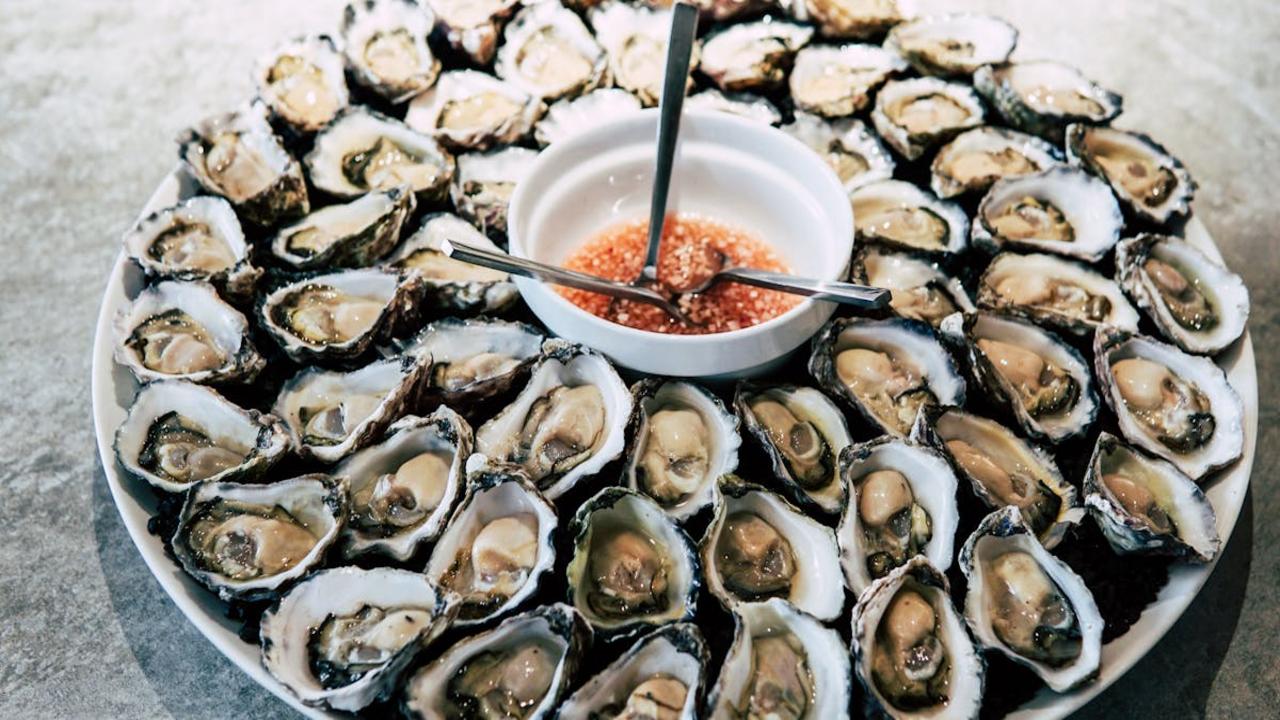
Can you believe oysters were once the food of working-class families and street vendors? Back in the 19th century, these briny gems were so abundant in American coastal waters that they sold for pennies. New York City alone had thousands of oyster carts lining the streets, serving up fresh shellfish to anyone with a few coins. Poor families regularly enjoyed oyster stews, and taverns offered them as free bar snacks to keep customers drinking. The saying “the world is your oyster” actually reflected how accessible and plentiful these mollusks truly were for everyday people.
Today, you’ll pay premium prices for what your great-great-grandmother might have considered peasant food. Overharvesting, pollution, and habitat destruction transformed oysters from abundant street food into luxury dining. A dozen fresh oysters at a fancy restaurant can easily cost $30 or more, while specialty varieties like Kusshi or Blue Point command even higher prices. The irony hits hard when you realize that modern aquaculture and sustainable farming practices have made oysters more controlled and expensive than ever. Next time you’re savoring these ocean treasures, remember you’re eating what was once the most democratic food in America – now reserved for special occasions and those willing to splurge on what nature once provided freely.
Pineapple
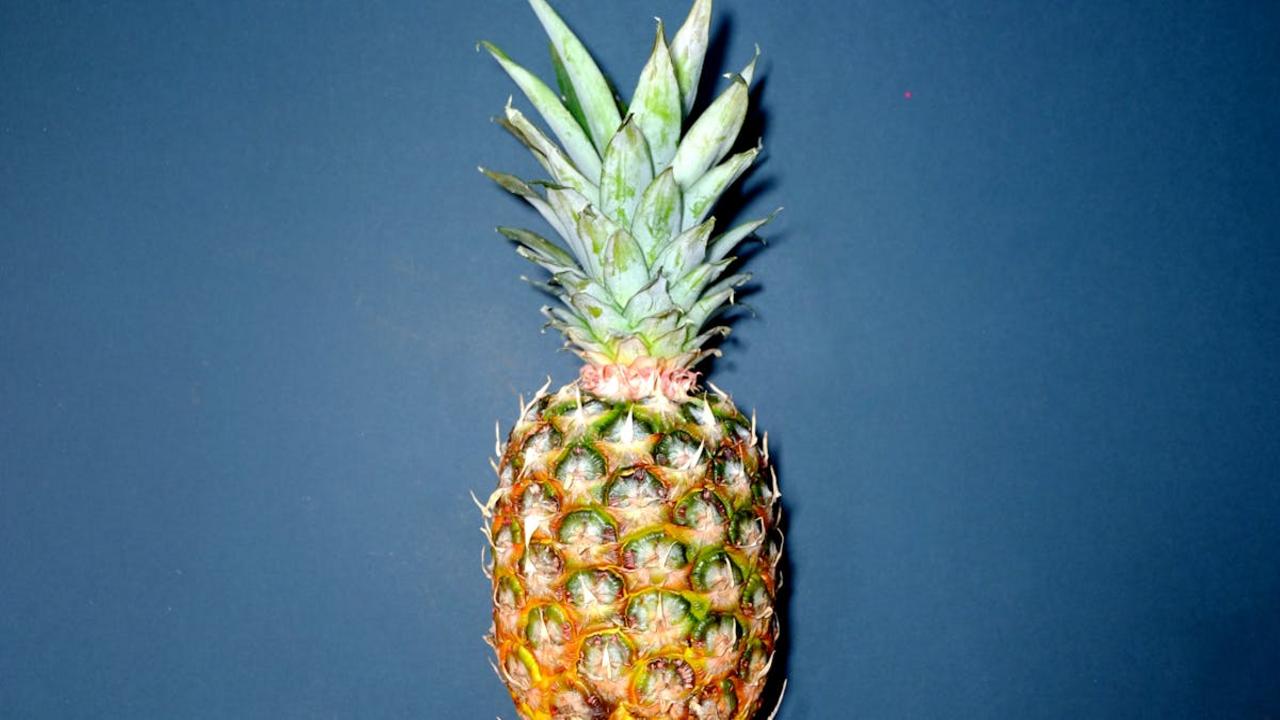
Picture this: centuries ago, pineapples were such rare treasures that wealthy Europeans would literally rent them for dinner parties! These golden fruits were so expensive that a single pineapple could cost the equivalent of thousands of dollars today. The journey from tropical plantations to European tables took months by ship, making them the ultimate status symbol. Rich families would display pineapples at their gatherings, and guests would admire them like precious jewels before they were whisked away to the next event.
Today, you can grab a fresh pineapple at your local grocery store for just a few dollars, and honestly, I get excited every time I see those spiky crowns in the produce section! This tropical powerhouse packs incredible nutritional benefits – it’s loaded with vitamin C, manganese, and bromelain, an enzyme that helps with digestion and reduces inflammation. I love incorporating pineapple into my morning smoothies or grilling rings of it for a caramelized side dish that pairs beautifully with savory proteins. The sweet-tart flavor adds brightness to everything from salsas to stir-fries, making it one of my favorite ingredients for creating balanced, flavorful meals that nourish both body and soul.
Artichokes
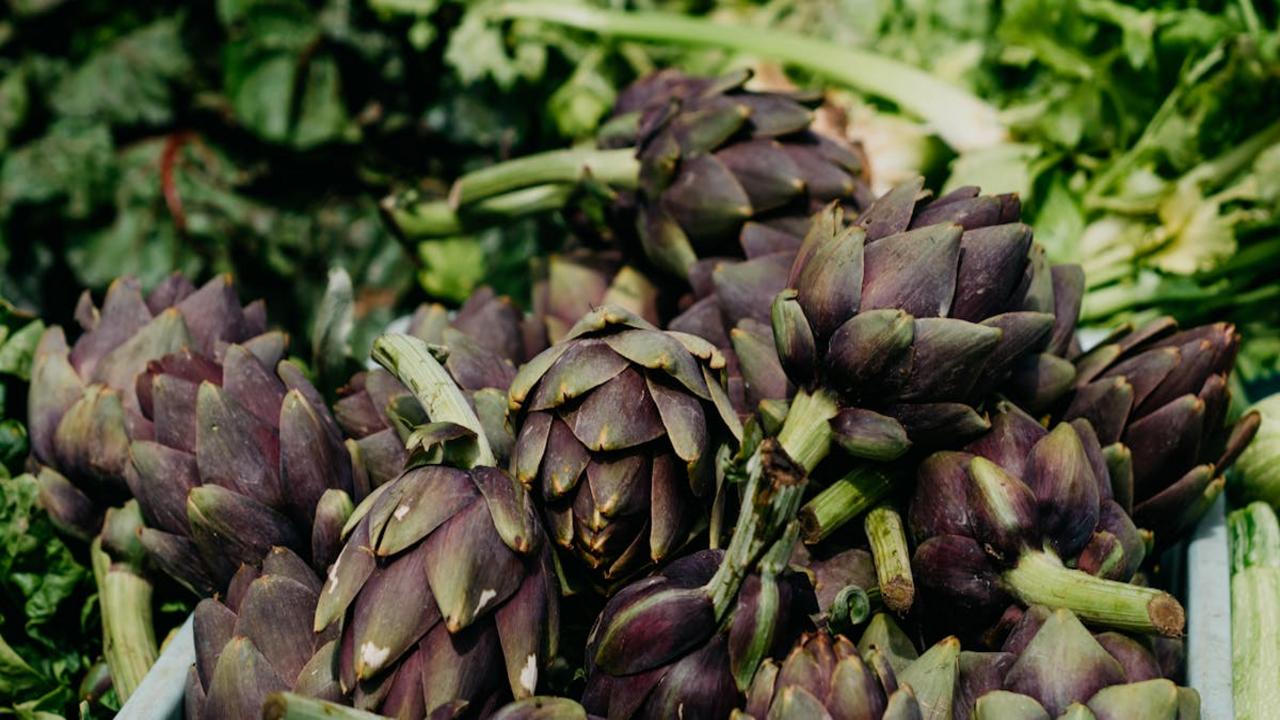
These spiky, thistle-like vegetables were once so precious that only European aristocrats could afford them! Back in ancient Rome, artichokes commanded outrageous prices and were considered such a delicacy that they appeared exclusively on the tables of emperors and wealthy merchants. The complex growing process and limited cultivation areas made them incredibly rare, turning what we now consider a healthy weeknight side dish into a symbol of ultimate luxury and refinement.
Today, you can grab a bag of artichokes at your local grocery store without breaking the bank, and honestly, I’m so grateful for that! These nutritional powerhouses pack fiber, antioxidants, and folate into every tender leaf. I love steaming them whole with a squeeze of lemon and serving them with a simple garlic aioli for dipping – it turns dinner into an interactive, fun experience that feels fancy but costs practically nothing. The fact that something once reserved for royalty now graces our everyday tables reminds me how food history constantly surprises us with its twists and turns.
Lobster
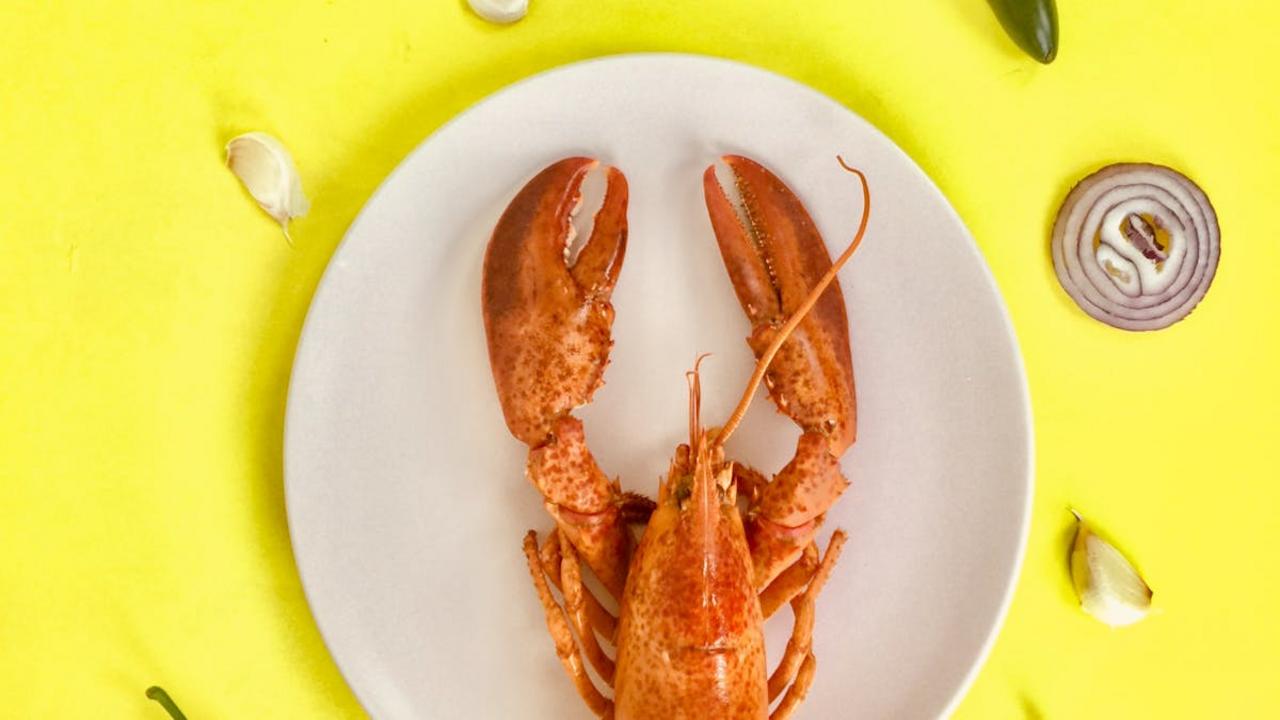
Can you believe that lobster was once considered prison food? Back in colonial America, this ocean treasure was so abundant that Massachusetts actually passed laws limiting how often inmates could be fed lobster – no more than three times a week! The crustaceans would wash up on beaches in piles, and people thought feeding them to prisoners was cruel and unusual punishment. How times have changed! What we now consider the ultimate luxury dining experience was literally bottom-feeder food that embarrassed wealthy colonists.
The transformation happened during the mid-1800s when clever marketing and improved transportation turned this “poor man’s protein” into a status symbol. Railroad companies started serving lobster to passengers, marketing it as an exotic delicacy from the mysterious depths of the ocean. Suddenly, what fishermen once used as fertilizer and fish bait became the star of fancy dinner parties. Today, you’ll pay premium prices for fresh lobster at restaurants, and cooking one at home feels like celebrating something special. I love how this shows that food trends can completely flip – sometimes the most humble ingredients just need the right moment to shine!
Coffee
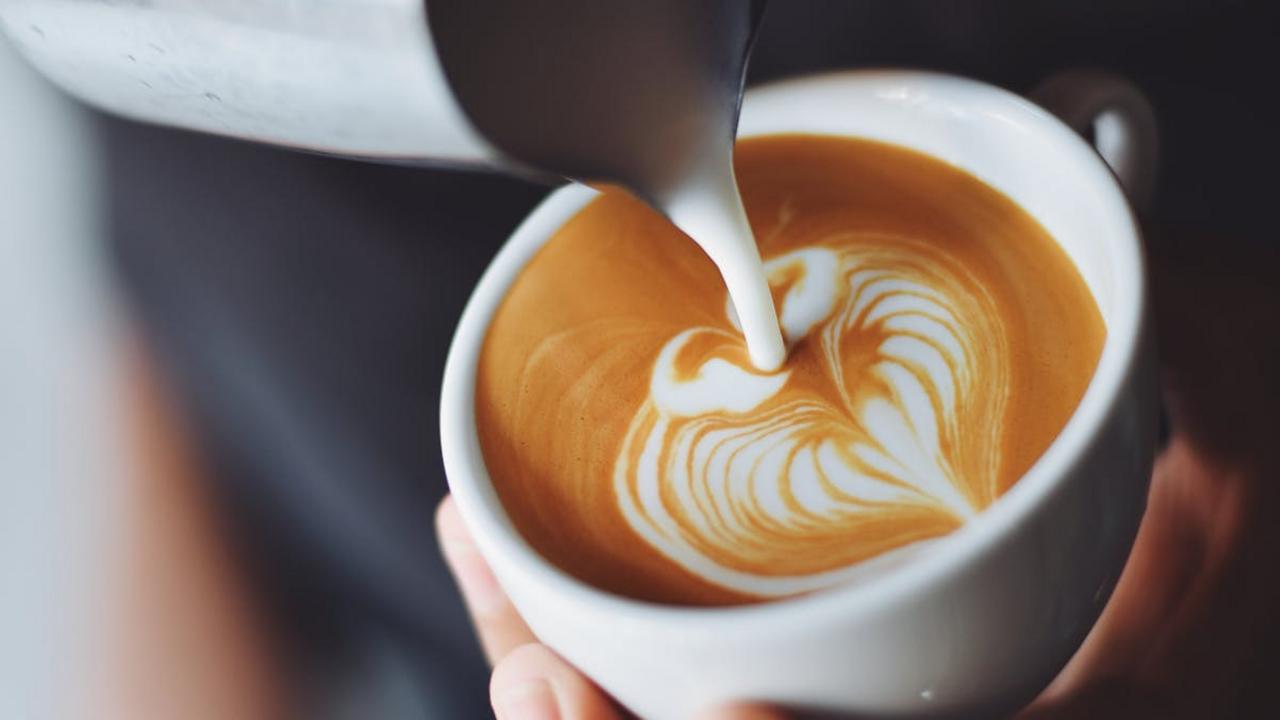
Can you imagine starting your morning without that perfect cup of coffee? Well, for centuries, this beloved beverage was actually a luxury that only the wealthy could afford! Coffee first made its way to Europe in the 17th century through Venetian merchants, and back then, a single cup could cost more than what most people earned in a day. The beans had to travel thousands of miles from places like Ethiopia and Yemen, making them incredibly expensive. European aristocrats would gather in fancy coffeehouses, sipping this exotic drink while discussing politics and business – it was basically the original networking spot for the rich and powerful.
What really changed everything was the colonial expansion and the establishment of coffee plantations in places like Java, Ceylon, and eventually the Americas. Suddenly, coffee production ramped up, and prices started dropping dramatically. By the 19th century, coffee had transformed from an aristocratic indulgence into something regular folks could enjoy daily. Now here we are today, where you can grab a decent cup for just a few dollars, and many of us can’t even function without our morning brew! It’s wild to think that something so ordinary in our daily routine was once a symbol of wealth and status. Your kitchen counter coffee maker would have been the envy of kings just a few hundred years ago!
Chocolate
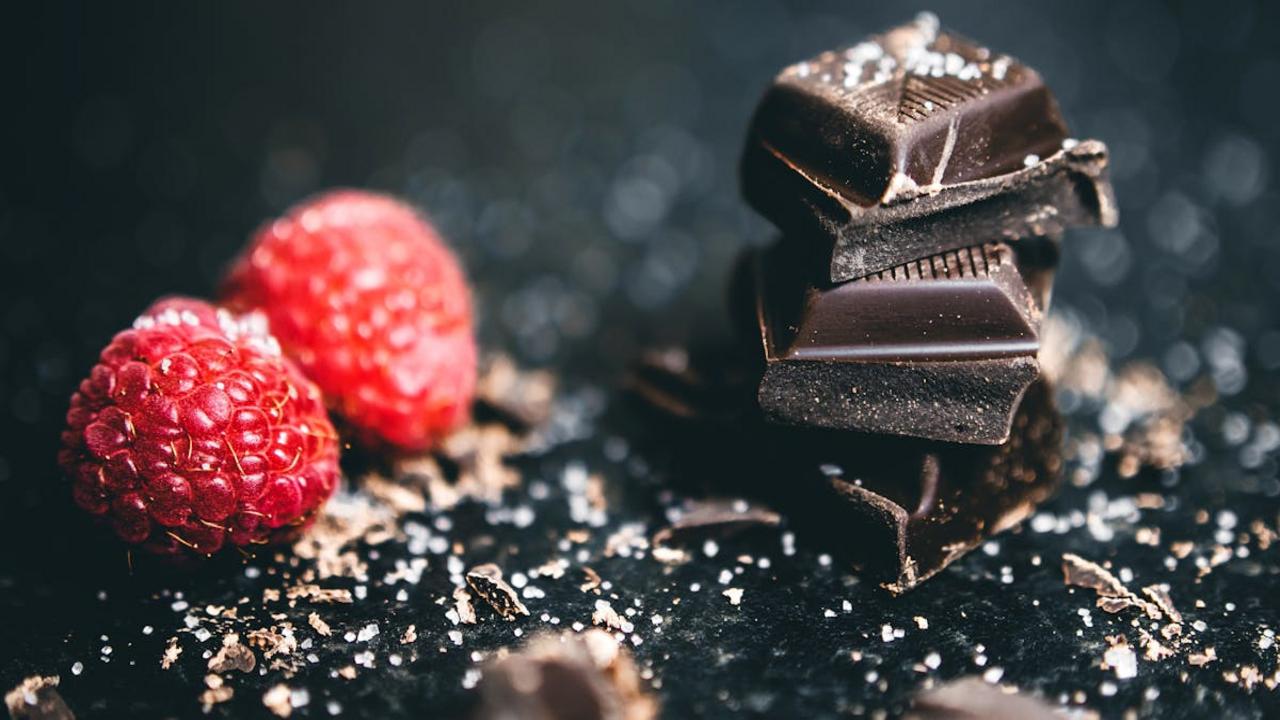
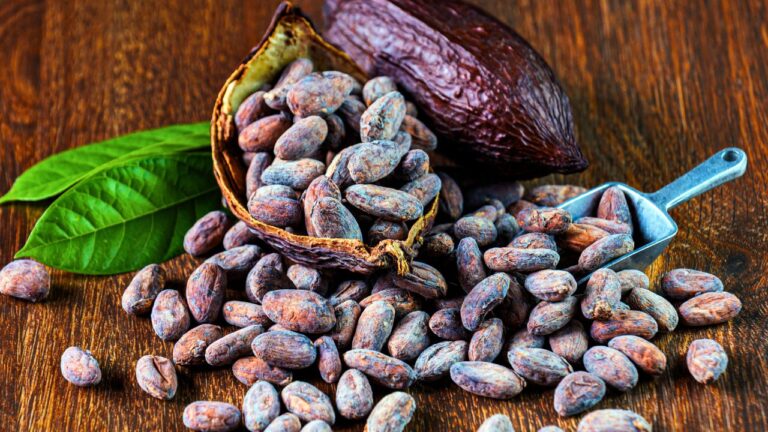
Can you imagine a time when chocolate was so precious that only royalty and the wealthy elite could afford it? Back in ancient Mesoamerica, cacao beans were literally used as currency, and the Aztecs believed chocolate was a gift from the gods. When Spanish conquistadors brought this “brown gold” to Europe in the 16th century, it remained an exclusive luxury for centuries. The complex process of importing cacao beans from distant colonies, combined with the labor-intensive preparation methods, made chocolate incredibly expensive. Only the aristocratic families could indulge in this exotic treat, often serving it as a bitter drink mixed with spices in their grand salons.
Fast forward to today, and you can grab a chocolate bar for just a few dollars at any corner store! The industrial revolution completely transformed chocolate production, making it accessible to everyone. Mass production techniques, improved transportation, and the invention of milk chocolate by companies like Cadbury and Nestlé brought prices down dramatically. Now you can whip up decadent brownies, melt chocolate for strawberry dipping, or simply enjoy a square of dark chocolate as an afternoon treat. What once symbolized ultimate luxury has become one of our most beloved everyday ingredients, proving that sometimes the best things in life really can become affordable for all of us to enjoy.
Quinoa
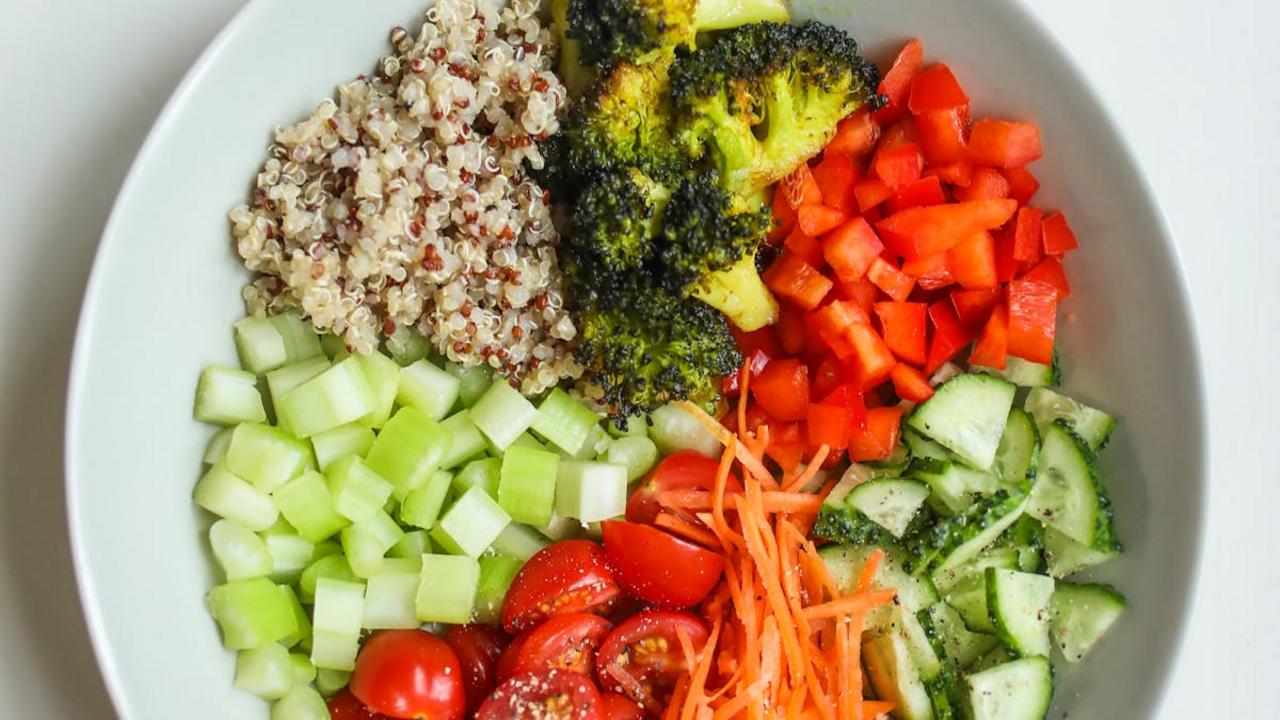
Picture this: you walk into your local grocery store today and grab a bag of quinoa without thinking twice. But just a couple of decades ago, this tiny superfood seed would have cost you a small fortune! Quinoa was once so expensive and rare in Western markets that only the wealthy could afford to sprinkle it into their salads or blend it into their morning smoothie bowls. Back in the early 2000s, you’d find quinoa tucked away in specialty health food stores with price tags that made your wallet weep – sometimes costing three to four times more than premium rice varieties.
What makes quinoa’s transformation even more fascinating is its incredible backstory. For thousands of years, indigenous communities in South America treasured quinoa as their “chisaya mama” or “mother of all grains” – though technically it’s a seed, not a grain! When health-conscious foodies and nutritionists discovered quinoa’s complete protein profile and gluten-free nature, demand skyrocketed across North America and Europe. Now you can find this protein-packed powerhouse in nearly every grocery store, and I love how it cooks up fluffy and nutty in just 15 minutes. Mix it with roasted vegetables, toss it into soups, or use it as a breakfast bowl base – quinoa has truly democratized nutritious eating for everyone!
Avocado
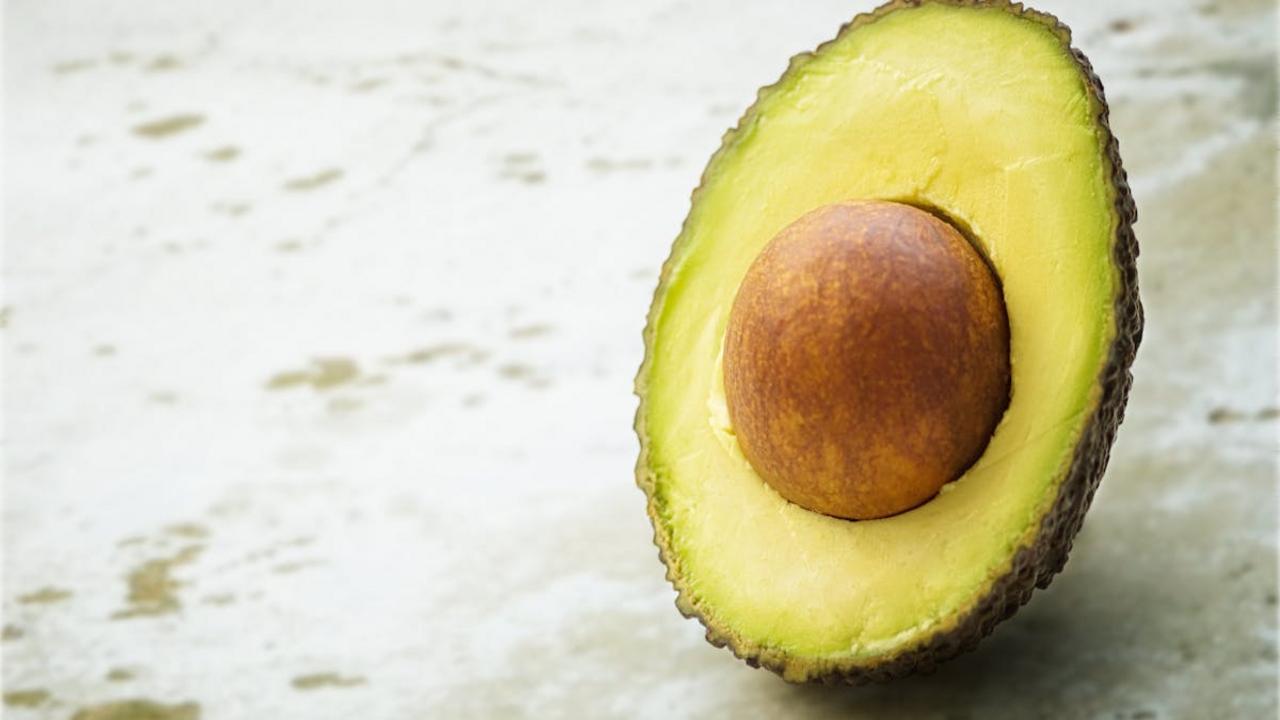
Can you imagine a time when avocados were considered an exotic luxury that only wealthy people could afford? Back in the early 1900s, this creamy green fruit was so rare and expensive in North America that it earned the nickname “alligator pear” and was marketed as a sophisticated delicacy for the upper class. Grocery stores would display avocados like precious gems, with price tags that made most families think twice about adding them to their shopping carts.
Today, you can grab a bag of avocados at almost any grocery store for just a few dollars, making this nutritional powerhouse accessible to everyone. The transformation happened gradually through improved transportation, better growing techniques, and clever marketing campaigns that introduced avocados to mainstream American kitchens. Now you can enjoy this heart-healthy fruit packed with good fats, fiber, and potassium in everything from toast to smoothies, salads to guacamole. What once graced only the tables of the wealthy has become a daily staple that fits perfectly into your healthy eating routine, proving that sometimes the best foods eventually find their way to everyone’s plate.
Sushi
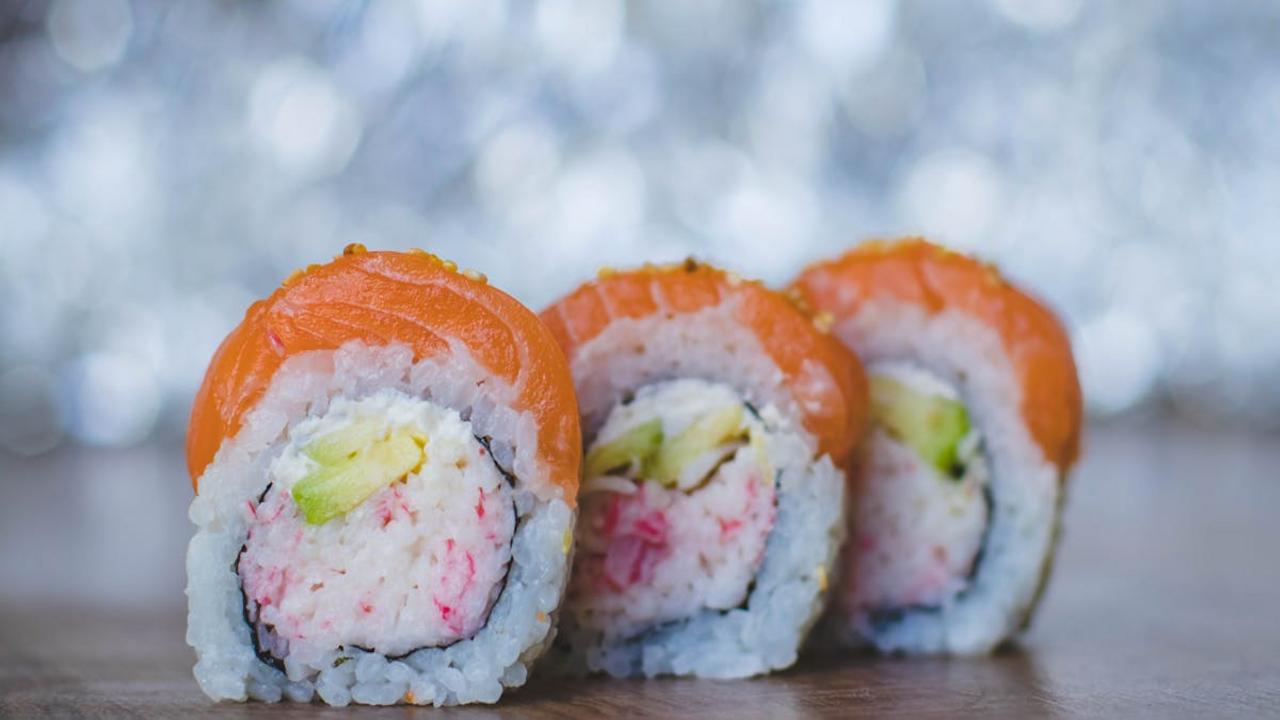
You probably grab sushi for lunch without thinking twice about it, but this beloved Japanese dish was once the ultimate luxury food reserved for Japan’s wealthy elite. During the Edo period, sushi started as an expensive street food that only the upper classes could afford regularly. The fresh fish, skilled preparation, and precise techniques required made it a status symbol that ordinary people could only dream of enjoying. High-quality fish like tuna was particularly prized, and the best sushi chefs commanded prices that kept their creations far out of reach for most families.
Fast-forward to today, and you can find sushi rolls at your local grocery store for under ten dollars! The global spread of sushi culture, combined with modern refrigeration and transportation methods, has made this once-exclusive food accessible to everyone. While truly premium sushi still costs a pretty penny at high-end restaurants, everyday versions have become so mainstream that they’re perfect for quick meals, office lunches, or casual dinner plans. The transformation from elite luxury to everyday convenience shows how food traditions can evolve while still maintaining their special place in our hearts and kitchens.