15 Flavor-Packed Curries From Across India You Absolutely Must Try
Indian curries go way beyond the basic chicken tikka masala you’ll find at most restaurants. Each region of India brings its own unique spices, cooking methods, and ingredients to create distinct curry varieties that tell stories of local traditions and family recipes passed down through generations.
From the rich, creamy butter chicken of Punjab to the fiery Kolhapuri chicken from Maharashtra, and the coconut-infused Malabar prawn curry of Kerala – every dish packs bold flavors that will transform your understanding of Indian food. The diversity ranges from meaty classics to vegetarian delights like paneer tikka masala and Kashmiri dum aloo.
Ready to discover authentic Indian curries? Here are 15 incredible dishes that showcase the true breadth and depth of Indian cooking. Whether you love mild and creamy or hot and spicy, there’s a curry here that will become your new favorite comfort food.
Bihari Litti Chokha
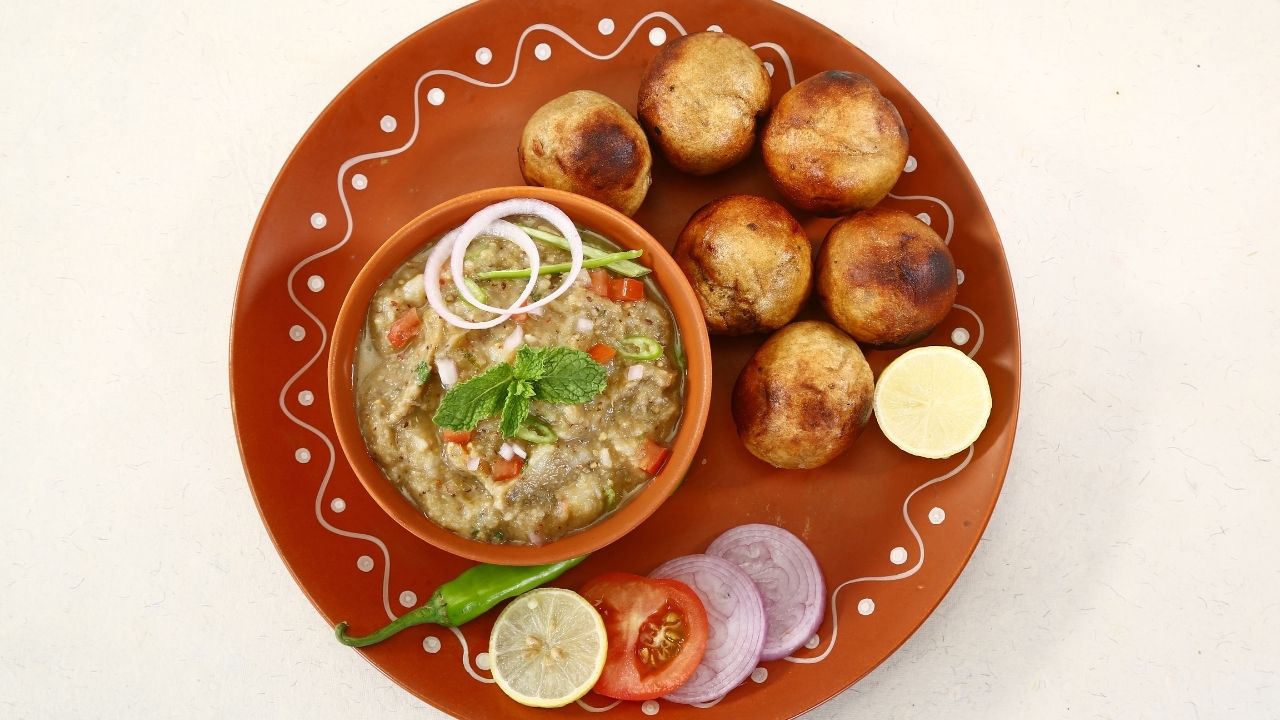
You’ll find this rustic dish from Bihar packs a punch with its wholesome combination of roasted wheat dough balls (litti) and mashed vegetables (chokha). The littis are filled with a spicy mixture of roasted gram flour, herbs, and spices, then cooked over coal or wood fire until they turn golden brown. The smoky aroma of the littis combined with the tangy chokha – a blend of roasted eggplant, tomatoes, and potatoes mashed with raw onions, garlic, and mustard oil – creates an unforgettable meal that will transport you straight to the heart of Bihar.
While many people consider this a curry, Litti Chokha stands out as a unique preparation that breaks away from traditional curry formats. The genius lies in how the crispy exterior of the litti gives way to a spicy, nutty filling, while the chokha adds a creamy, smoky contrast. I recommend breaking the litti, dipping it in ghee, and mixing it with the chokha for the most authentic experience. This protein-rich, fiber-packed meal remains a favorite among locals and food enthusiasts who appreciate its bold flavors and satisfying textures.
Punjabi Chole
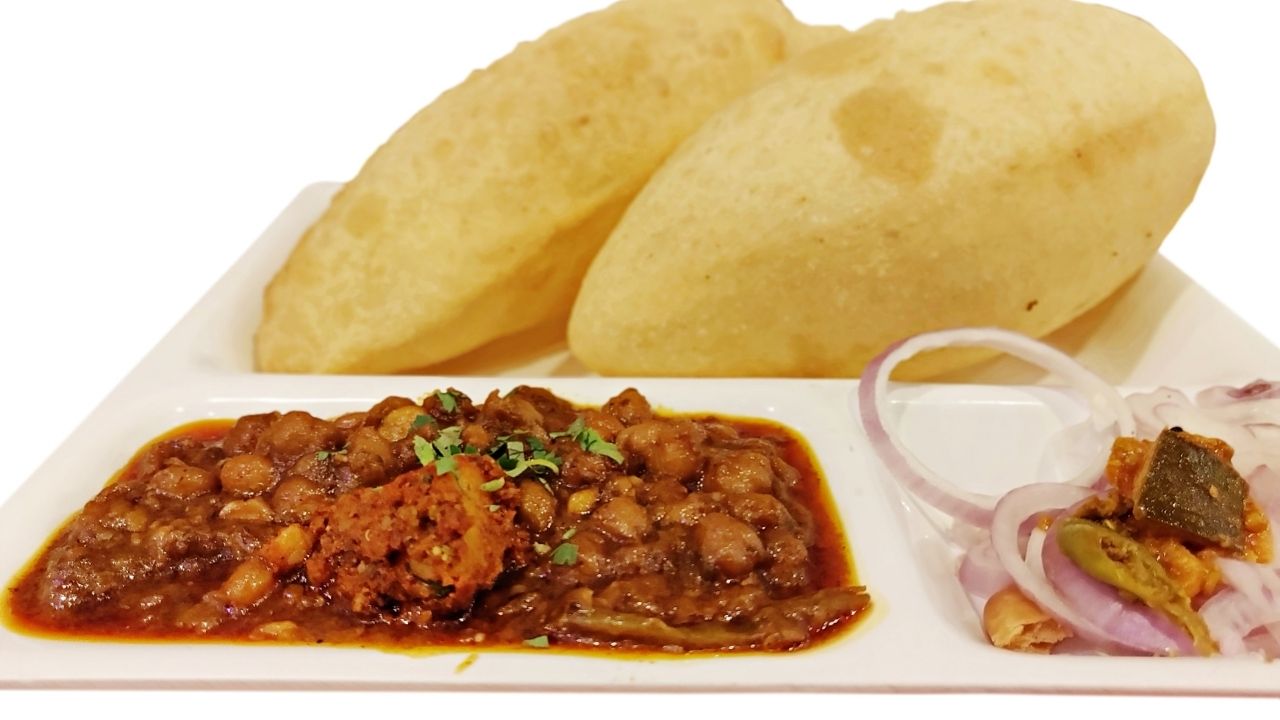
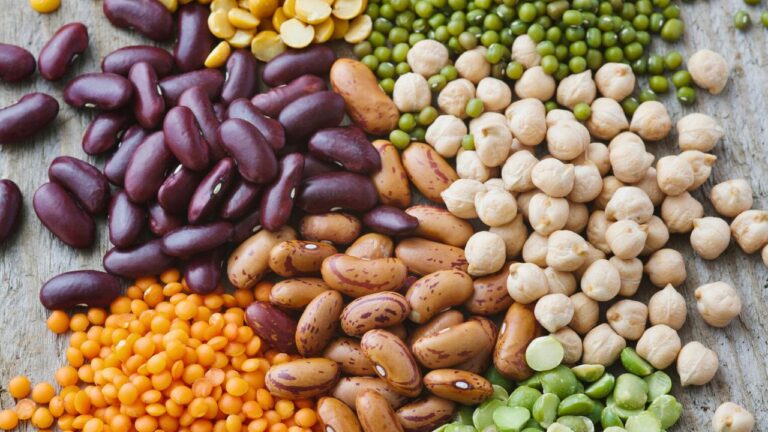
Get ready for the most popular chickpea curry from Punjab that will make your kitchen smell like a North Indian restaurant! I start my Punjabi Chole by soaking dried chickpeas overnight, then pressure cooking them until they’re perfectly tender. The real magic happens when I blend aromatic spices like cinnamon, cardamom, and bay leaves with fresh ginger-garlic paste. The deep brown color comes from tea bags and dried amla (Indian gooseberry), giving this curry its signature restaurant-style look.
What makes this dish extra special is how the chickpeas soak up the rich onion-tomato gravy that’s loaded with warm spices. I serve my Punjabi Chole piping hot with fluffy bhature (deep-fried bread) or steamed rice. A sprinkle of raw onions, fresh cilantro, and a squeeze of lemon brightens up the whole dish. This protein-rich comfort food brings back memories of bustling street food stalls in Delhi, where vendors would serve endless portions to hungry customers lined up for their daily fix.
Kerala Beef Curry
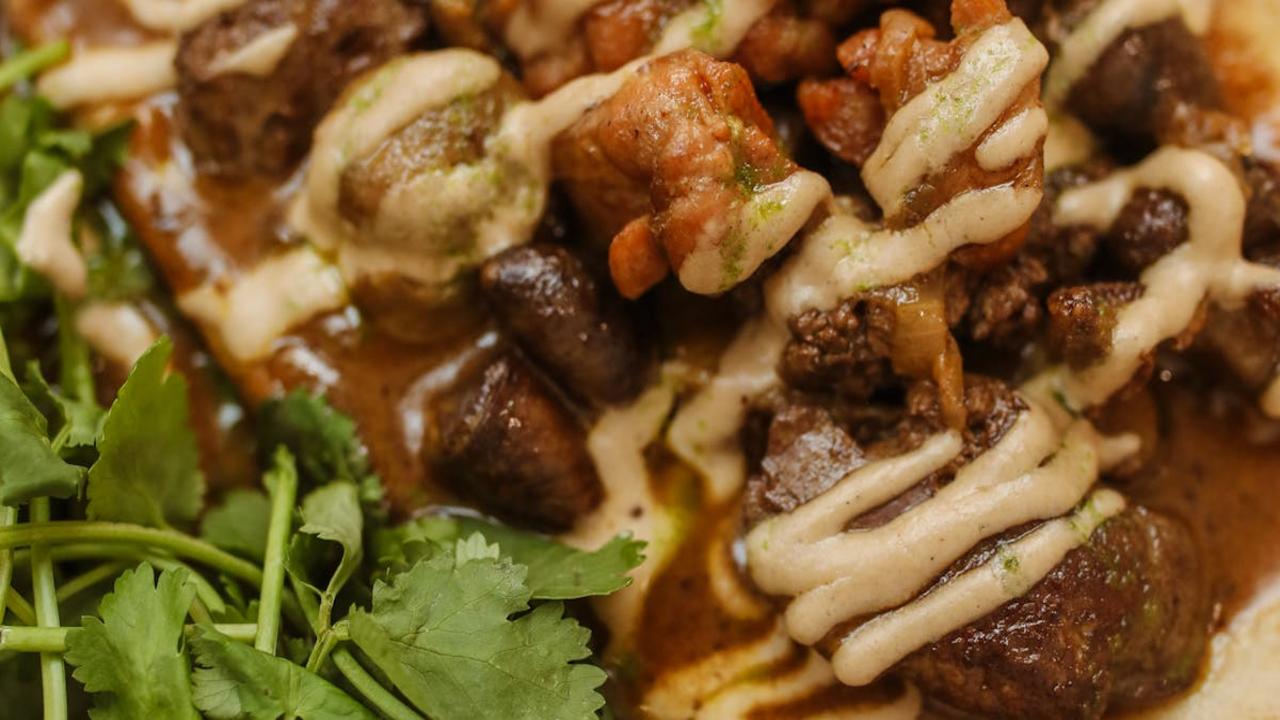
This rich beef curry from Kerala stands out with its dark, roasted spices and coconut-based gravy that’s both bold and comforting. I love how the tender chunks of beef soak up the aromatic blend of black pepper, cinnamon, cardamom, and curry leaves. The magic happens when you slow-cook the meat until it becomes incredibly tender, while the gravy thickens to coat each piece perfectly. Adding fresh coconut and a splash of coconut milk brings a subtle sweetness that balances the heat from the spices.
You’ll find this curry in many Christian households across Kerala, where it’s often served with flaky Malabar parottas or steamed rice. What makes this dish extra special is the unique combination of roasted coconut, shallots, and garlic that forms its base. The curry leaves and coconut oil add an authentic South Indian touch that you can’t replicate with any substitutes. Don’t skip the final tempering of curry leaves and mustard seeds in hot oil – it adds an incredible layer of flavor and that signature Kerala finish.
Hyderabadi Mirchi Ka Salan
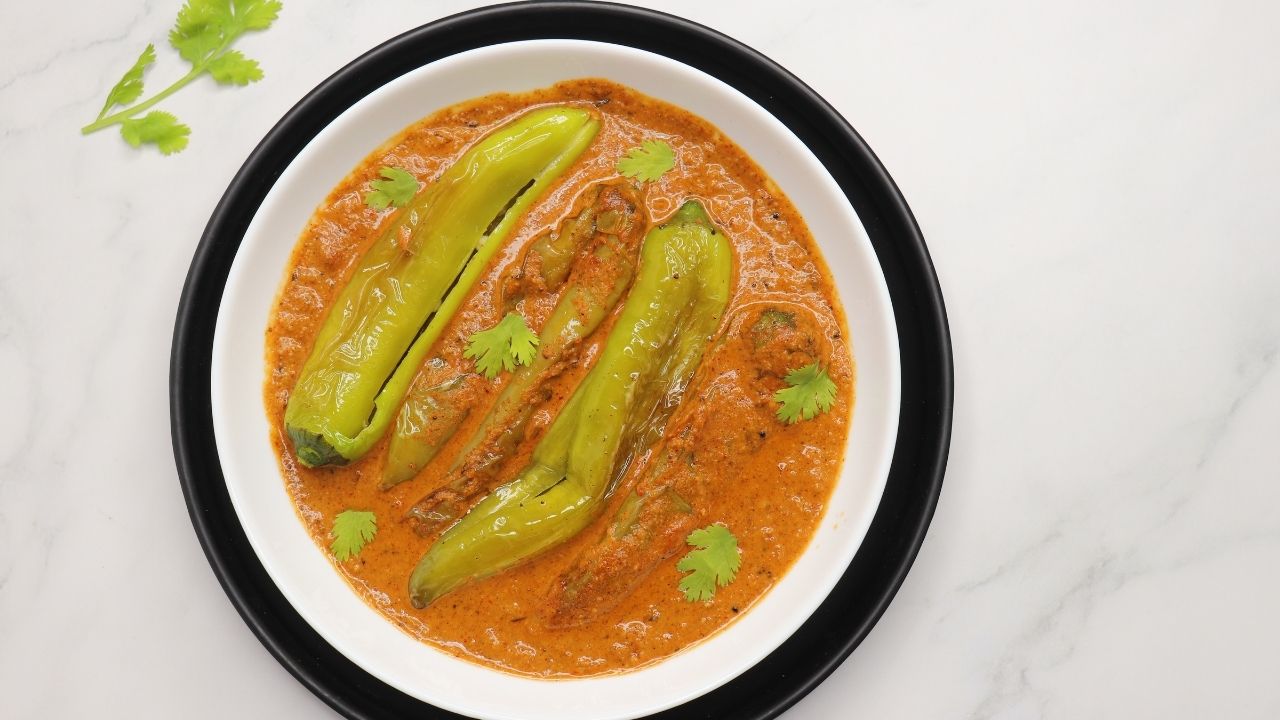
This iconic curry from Hyderabad brings together large green chilies and a rich, nutty gravy that will make you reach for seconds. The magic lies in the perfect balance of peanuts, sesame seeds, and coconut that create a thick, creamy sauce coating tender green chilies. I’ve found that the initial heat from the chilies mellows beautifully during cooking, while the gravy adds layers of complexity with its blend of spices like cumin, coriander, and tamarind.
You’ll often find Mirchi Ka Salan served alongside biryani in Hyderabad, but it stands strong as a main dish too. The preparation involves carefully slit green chilies that are fried until slightly blistered, then simmered in the aromatic peanut-sesame gravy until they absorb all the flavors. This curry has a special place in Hyderabadi households, where families pass down their secret spice ratios through generations. Pour it over steamed rice or scoop it up with hot naan – either way, you’ll understand why this dish remains a cornerstone of Hyderabadi cuisine.
Kolhapuri Chicken
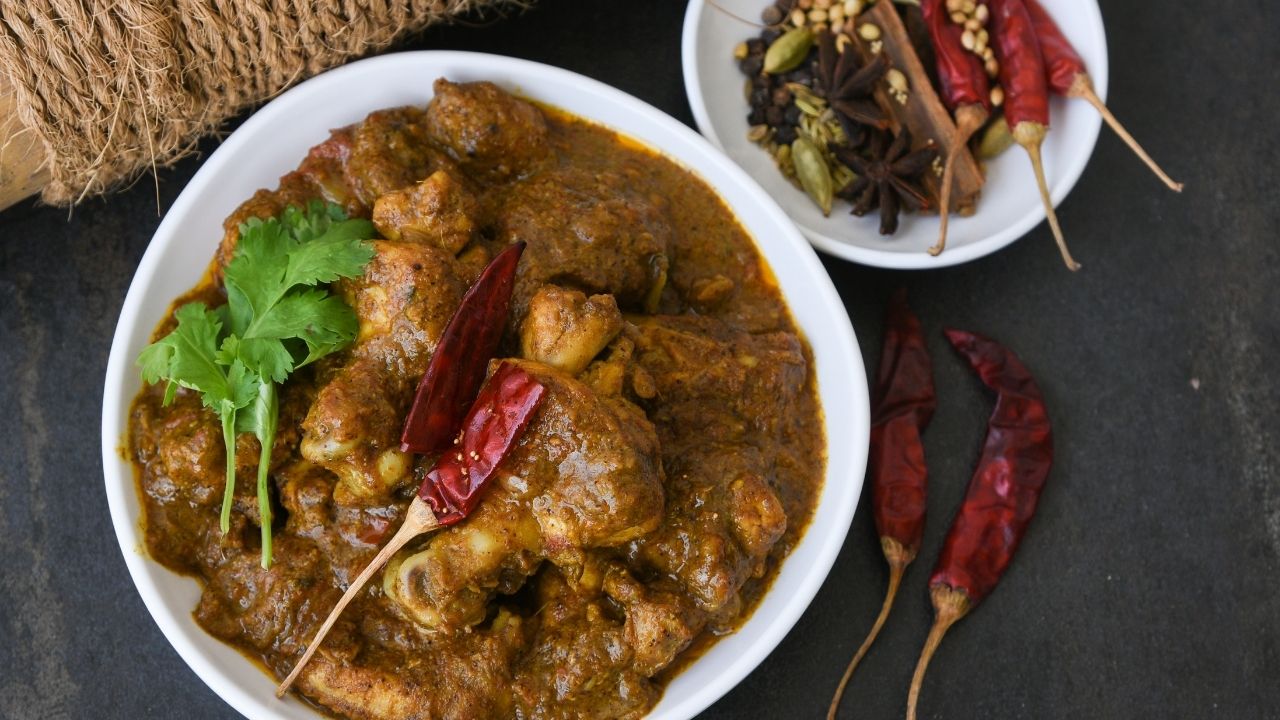
If you want a curry that will make your eyes water (in the best way possible!), you need to meet Kolhapuri Chicken. This fiery dish from Maharashtra packs such an intense punch that even spice enthusiasts might need a glass of milk nearby! The magic lies in its signature Kolhapuri masala – a bold blend of dried red chilies, peppercorns, coriander, and other whole spices that are roasted and ground fresh. The chicken soaks up this robust masala mix, creating deep layers of heat and flavor that make this curry unforgettable.
What makes this curry extra special is how the locals prepare it – slow-cooking the marinated chicken in earthen pots to help the meat absorb every bit of the complex spice blend. The gravy gets its rich consistency from freshly grated coconut and poppy seeds, while a splash of coconut milk helps balance the heat without dulling the flavors. I love serving this with hot butter naan or steamed rice, plus a side of cooling cucumber raita to give your taste buds a little break between those gloriously spicy bites!
Kadhi Pakora
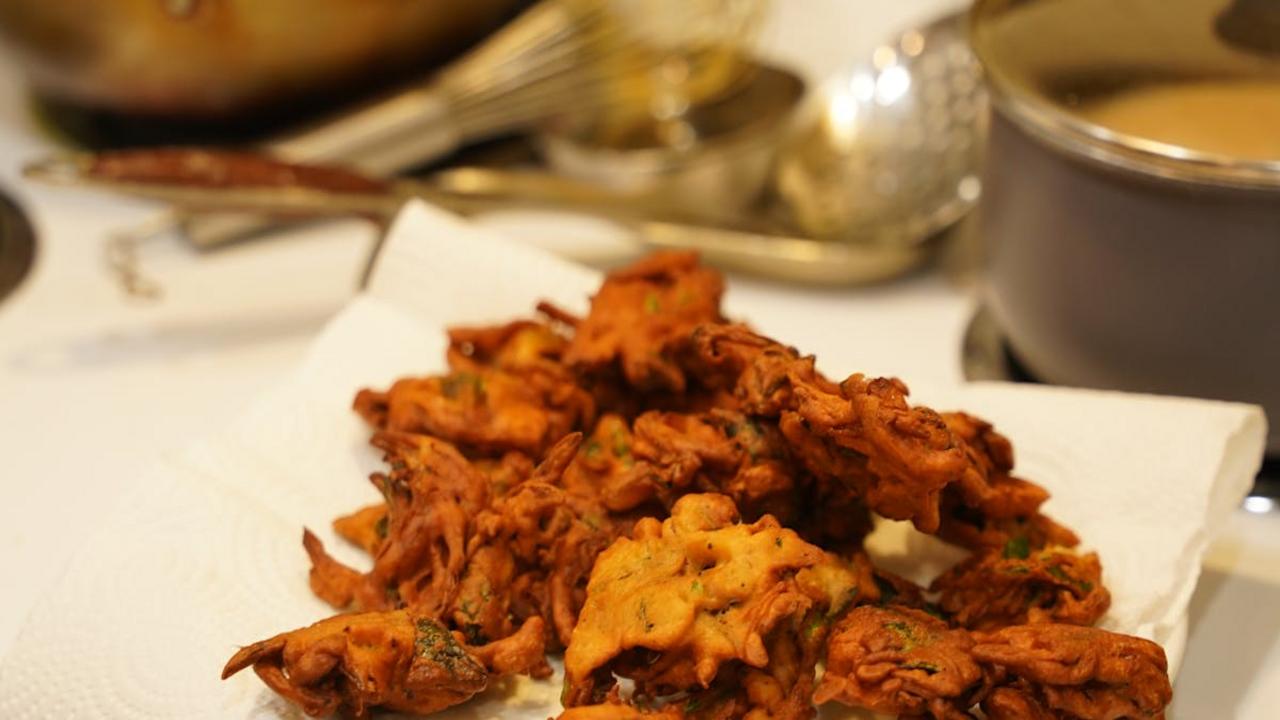
You’ll find comfort and warmth in every spoonful of Kadhi Pakora, a beloved North Indian dish that pairs perfectly with steamed rice. The star of this curry lies in its tangy yogurt-based gravy, thickened with chickpea flour (besan) and brightened with turmeric. Deep-fried gram flour dumplings called pakoras float in this sunny yellow sauce, soaking up all the wonderful flavors. I make this dish at least once a week – the combination of sour, creamy, and crispy elements creates such a satisfying meal.
The magic of Kadhi Pakora comes from the careful balance of spices like cumin, coriander, and fenugreek that blend with curry leaves and green chilies. The pakoras maintain their texture even after simmering in the curry, giving you delightful bites of crunch amid the smooth gravy. My favorite part? The way the curry slowly thickens as it cooks, creating a rich, velvety consistency that clings to each grain of rice. This dish brings back memories of rainy afternoons at my grandmother’s house, where a hot bowl of Kadhi Pakora would make everything better.
Malabar Prawn Curry
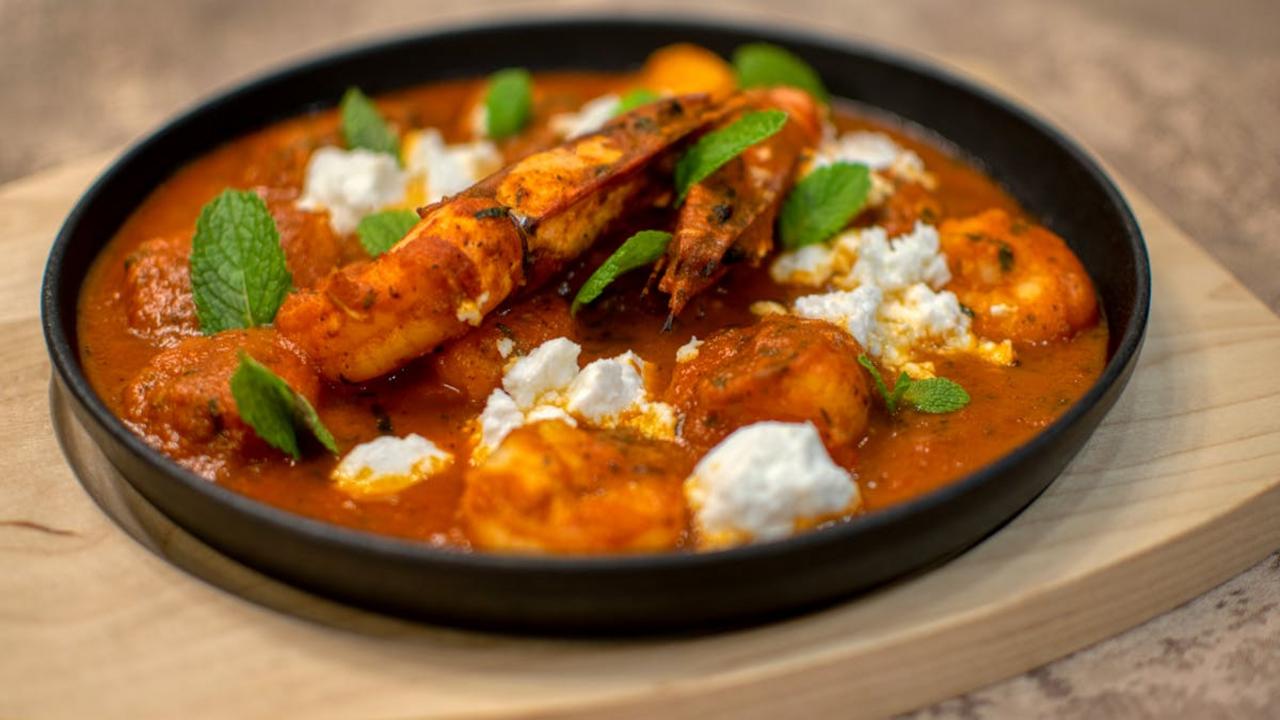
From the vibrant coastal region of Kerala comes the Malabar Prawn Curry, a rich and tangy dish that captures the authentic flavors of South India. Fresh prawns swim in a luscious coconut milk gravy, brightened with the warmth of Kashmiri chilies and the tang of kokum (a fruit that adds a distinct sourness). The curry gets its signature orange-red color from these chilies, while curry leaves, ginger, and garlic create deep layers of flavor that make this dish truly unforgettable.
You’ll find this curry in many households along Kerala’s coastline, where families pass down their own special versions through generations. What makes this curry stand out is the perfect balance of spices – some recipes include black pepper, coriander, and fenugreek seeds, all freshly ground to release maximum flavor. The coconut milk adds a creamy sweetness that mellows the heat from the chilies, making it incredibly satisfying with steamed rice or appams (rice hoppers). This curry brings together the best of Kerala’s coastal ingredients and cooking techniques in one bowl.
Bengali Kosha Mangsho
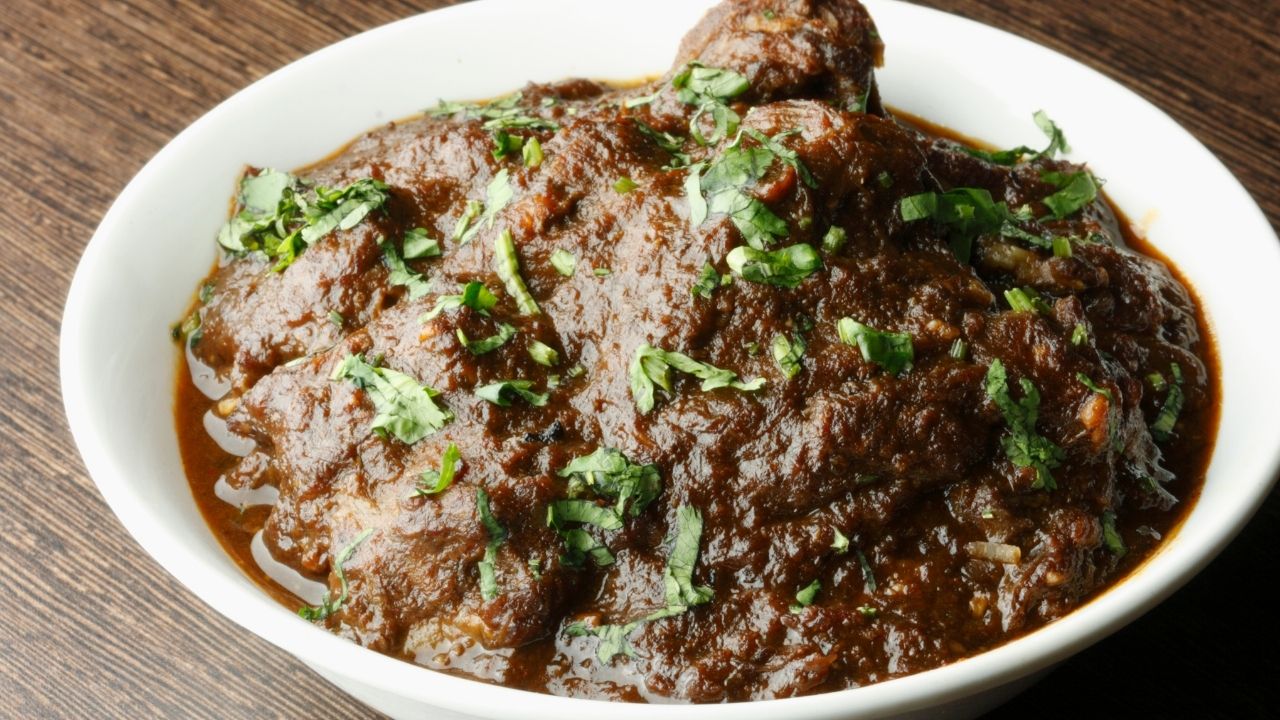
I can’t get enough of this rich Bengali mutton curry that holds such a special place in Bengali households! The meat gets slow-cooked with yogurt, ginger, garlic, and aromatic spices until it becomes incredibly tender and dark brown in color. The term “kosha” means to slow cook until the meat takes on a deep, intense color – and that’s exactly what makes this dish so exceptional. You’ll find the gravy thick and clingy, coating each piece of meat with layers of complex flavors.
The key to perfect Kosha Mangsho lies in the patient process of bhuna – continuously stirring the meat over low heat until the oil separates from the masala. The addition of potato chunks adds another dimension to this hearty dish, soaking up all those magnificent spices. While many people serve this with rice, I love to pair it with hot, flaky parathas or fluffy luchi (Bengali deep-fried bread). The combination of tender meat, rich gravy, and bread creates such a satisfying meal that will transport you straight to the streets of Kolkata!
Chettinad Chicken Curry
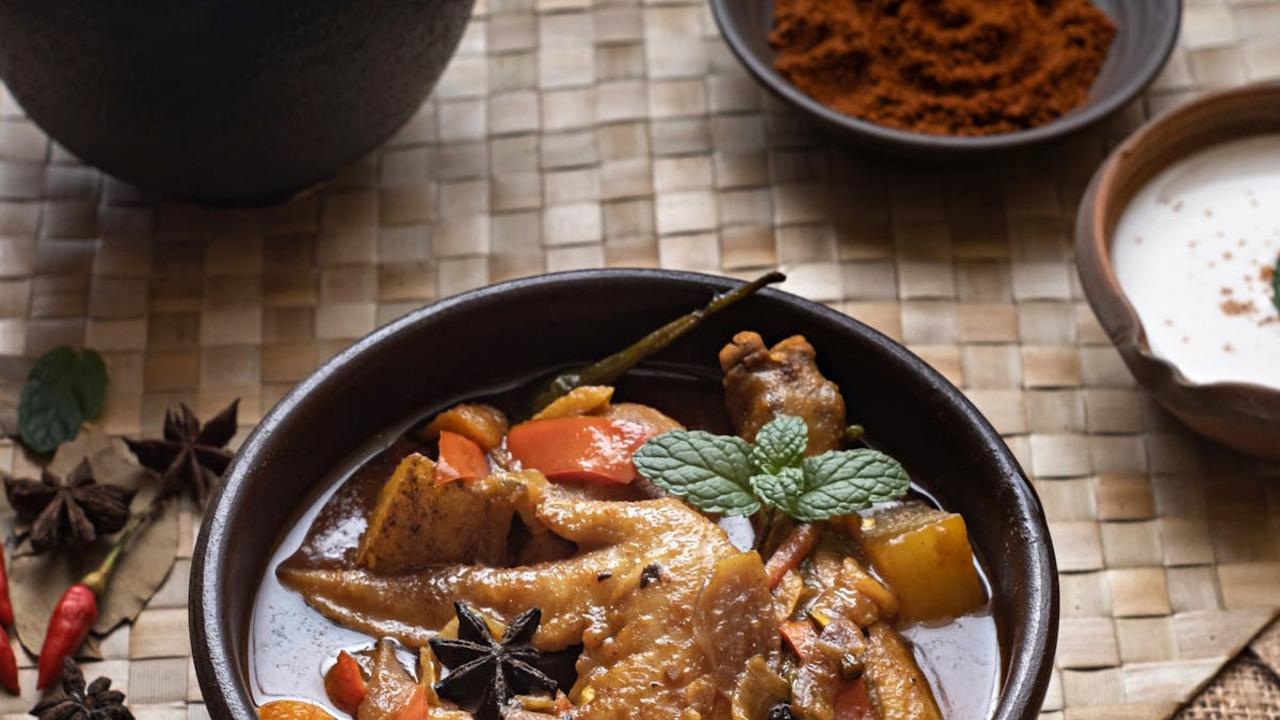
Want to turn up the heat with a bold, aromatic curry that packs a serious punch? Chettinad chicken curry from Tamil Nadu brings together an incredible mix of freshly ground spices like star anise, fennel seeds, peppercorns, and cinnamon that create deep, complex flavors in every bite. The secret lies in roasting and grinding whole spices yourself – trust me, it makes a world of difference! The curry sauce gets its rich body from coconut milk and its distinctive reddish color from native Kashmiri chilies.
I love how this dish represents the fierce and fiery personality of Chettinad cuisine. The chicken pieces are tender and juicy after simmering in the thick, spice-laden gravy that coats each morsel perfectly. While many people think this curry will set their mouth on fire, it actually has a beautiful balance of heat and flavor that keeps you coming back for more. Serve it with flaky parotta or steamed rice to soak up every last drop of that incredible sauce. The leftovers get even better the next day as the spices continue to develop!
Kashmiri Dum Aloo
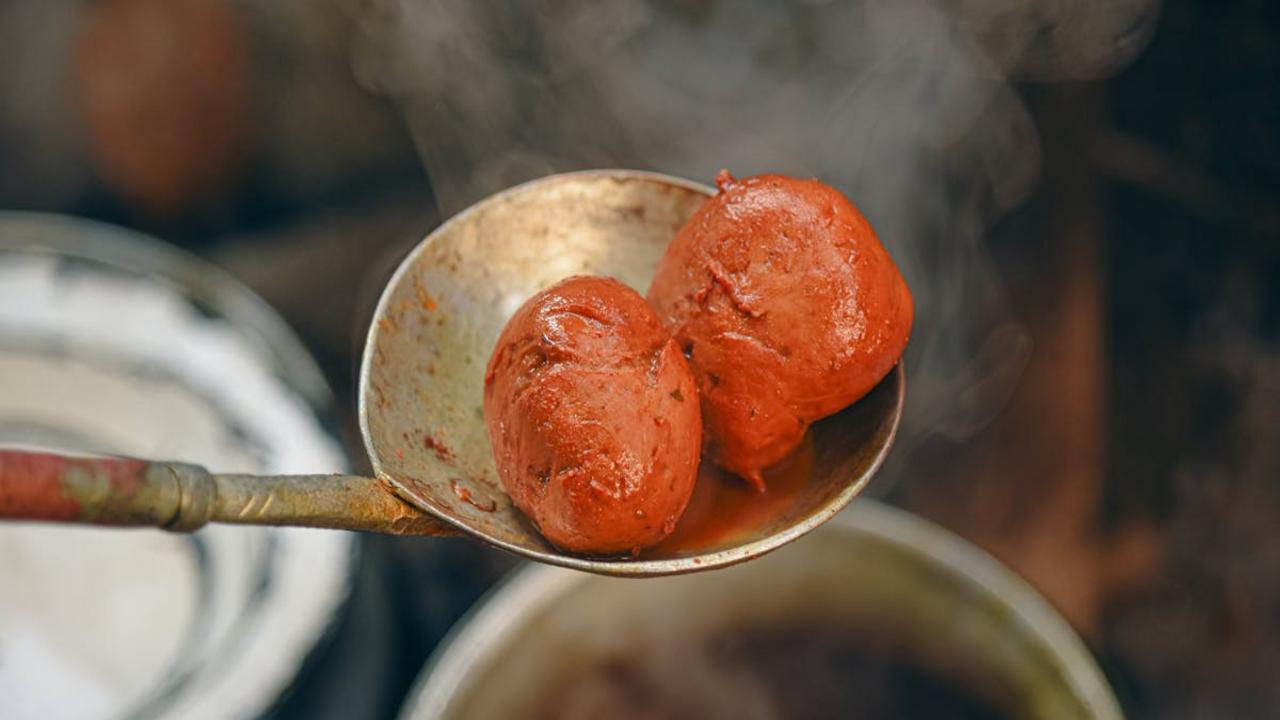
You’ll find pure comfort in every bite of Kashmiri Dum Aloo, a rich potato curry that captures the essence of Kashmir’s bold flavors. Small, baby potatoes simmer in a thick gravy made from yogurt, fennel seeds, ginger, and a mix of warming Kashmiri spices. The deep red color comes from the signature Kashmiri red chilies, which add more color than heat to this beloved dish. What makes this curry extra special is the ‘dum’ cooking method, where the pot stays sealed with dough, allowing the potatoes to slowly cook in their own steam.
I always recommend picking the smallest potatoes you can find for this curry – they’ll soak up more of the fragrant sauce and give you that authentic texture. The magic happens when you fry the potatoes until golden before adding them to the gravy, creating a crispy exterior that holds up beautifully in the sauce. The yogurt-based gravy brings a subtle tanginess that balances the earthiness of the potatoes and the warmth of the spices. Serve this with hot rice or fresh naan to mop up every last drop of that incredible sauce.
Mangalorean Chicken Sukka
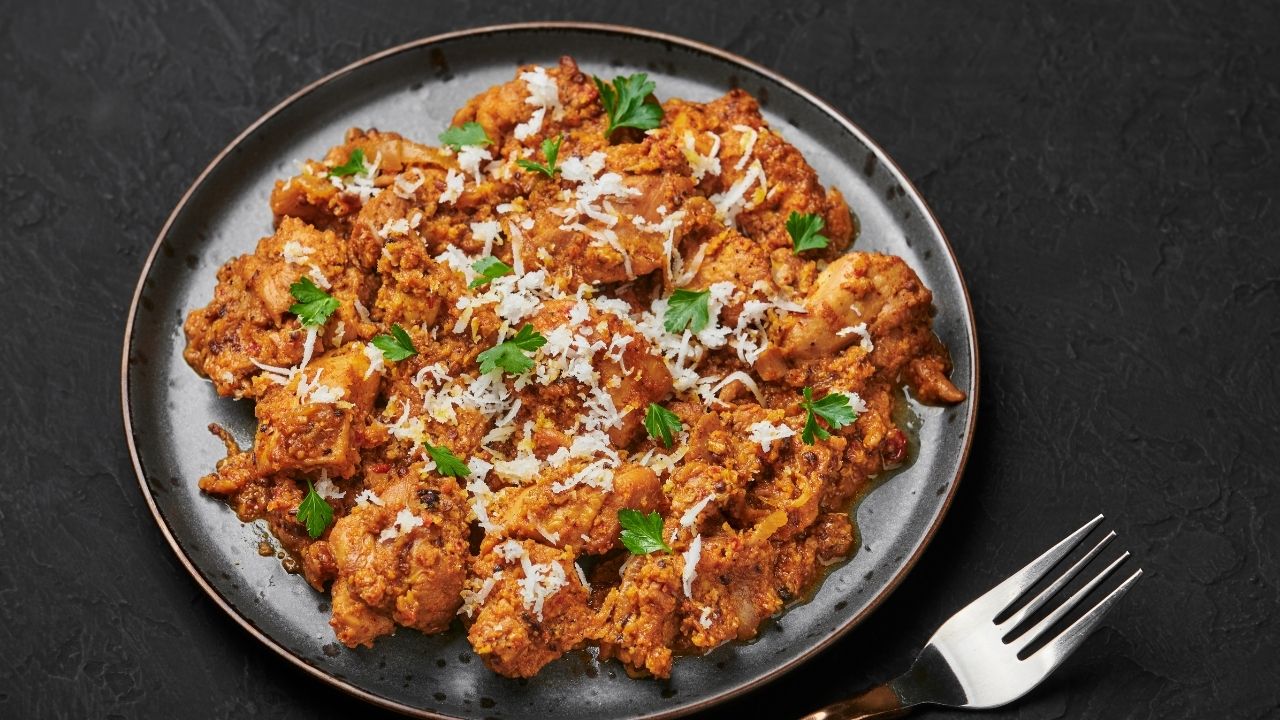
I adore the bold flavors of Mangalorean Chicken Sukka, a dry curry that brings the coastal essence of Karnataka straight to your plate. This fiery dish combines tender chicken pieces with freshly ground spices like red chilies, coriander, cumin, and the signature addition of grated coconut. The meat gets a rich coating of these aromatic spices, creating a deep reddish-brown color that signals the intense flavor punch waiting for you. The preparation involves slow-cooking the chicken until it absorbs every bit of the spice mixture, making each bite a celebration of authentic Mangalorean cooking.
What makes this dish truly special is the careful balance of heat and coconut sweetness – a combination that defines many coastal Indian recipes. The roasted spices create a wonderful aroma that fills your kitchen, while the grated coconut adds texture and helps mellow out the heat from the chilies. You’ll find this dish served in many homes and restaurants across Mangalore, often paired with neer dosa or steamed rice. The dry nature of this curry means the spices stick to the meat perfectly, giving you maximum flavor in every mouthful.
Goan Fish Curry
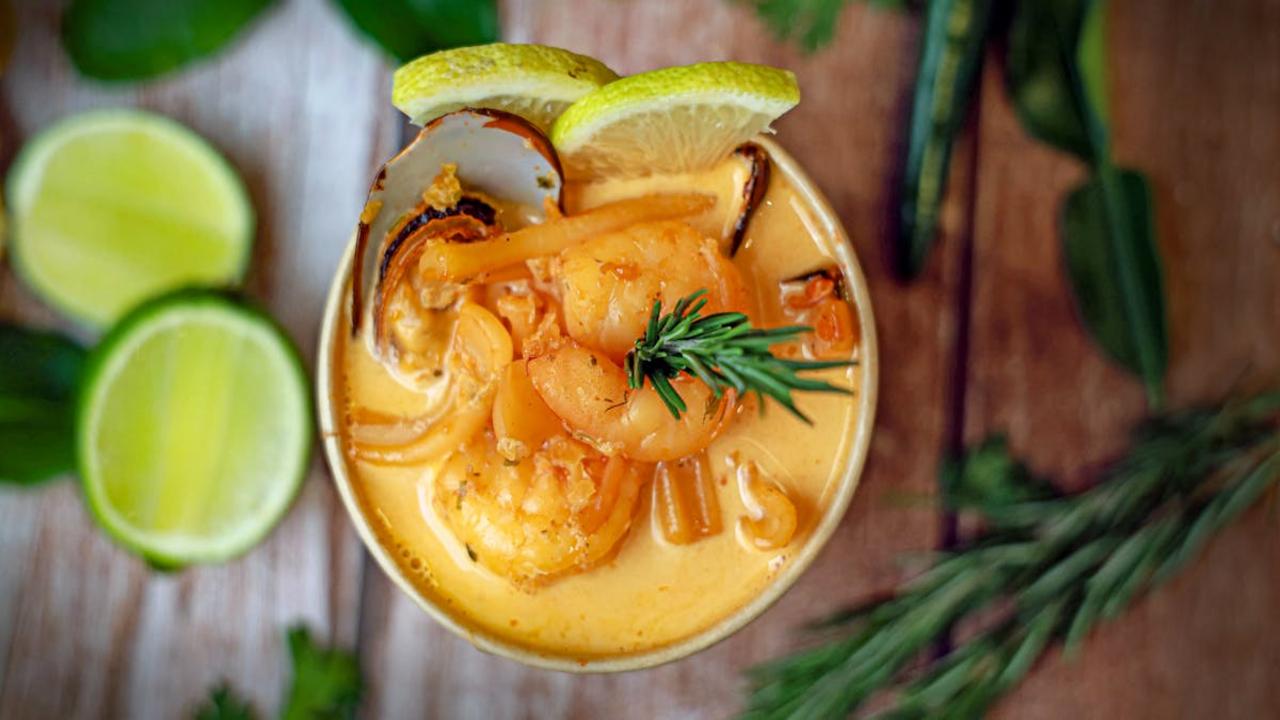
The sun-soaked beaches of Goa have given India one of its most treasured seafood dishes – the bright orange-red Goan fish curry. This coastal masterpiece combines fresh catch of the day (usually kingfish, pomfret, or mackerel) with a rich coconut base and a blend of spices that’ll transport you straight to a beachside shack. The magic lies in the kokum, a fruit that adds a subtle tanginess, while fresh red chilies bring the perfect amount of heat without overwhelming the delicate fish.
I make this curry at least once a month, and the secret is to cook it in an earthen pot which adds an extra layer of rustic flavor. The gravy should be thin enough to soak into your rice but thick enough to coat the fish pieces perfectly. What makes this curry stand out is how the coconut milk balances the heat from the spices, creating a smooth, velvety sauce that’s both comforting and exciting. Serve it with steamed rice or fresh poi (Goan bread), and you’ll understand why this dish remains a staple in Goan households.
Paneer Tikka Masala
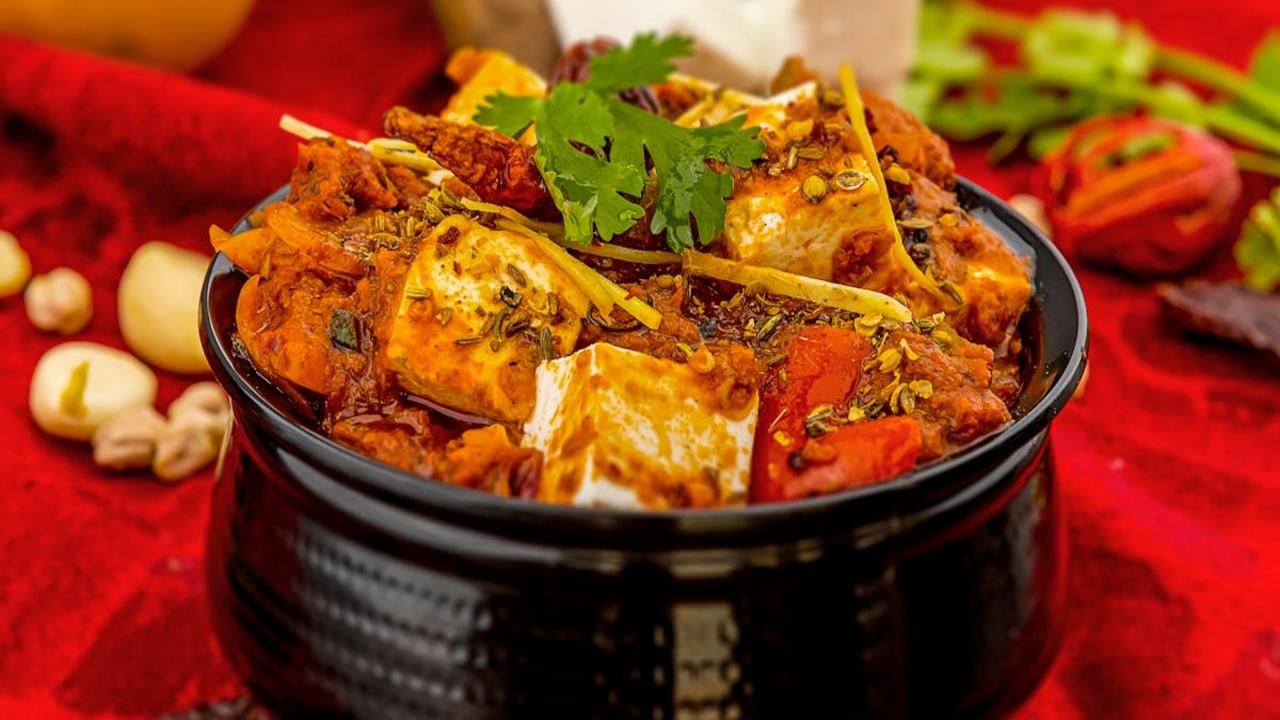
You’ll adore this rich and creamy North Indian dish that brings tender paneer (Indian cottage cheese) to life in a vibrant, tomato-based gravy. The paneer cubes get marinated in yogurt and spices like garam masala, turmeric, and red chili powder before being grilled to smoky perfection. The charred, slightly crispy exterior of the paneer adds an irresistible texture that perfectly balances the silky, aromatic sauce made with tomatoes, onions, cream, and a blend of warming spices.
This vegetarian favorite holds a special place in Indian restaurants worldwide, and for good reason – it offers a beautiful mix of textures and bold flavors that will make you reach for seconds. The sauce hits all the right notes with its combination of tangy tomatoes, sweet caramelized onions, and fragrant spices like cardamom, cinnamon, and fenugreek leaves. Serve it hot with naan bread or jeera rice to soak up every last drop of that magnificent orange-hued gravy. I promise you’ll want to add this comforting dish to your regular rotation!
Rogan Josh
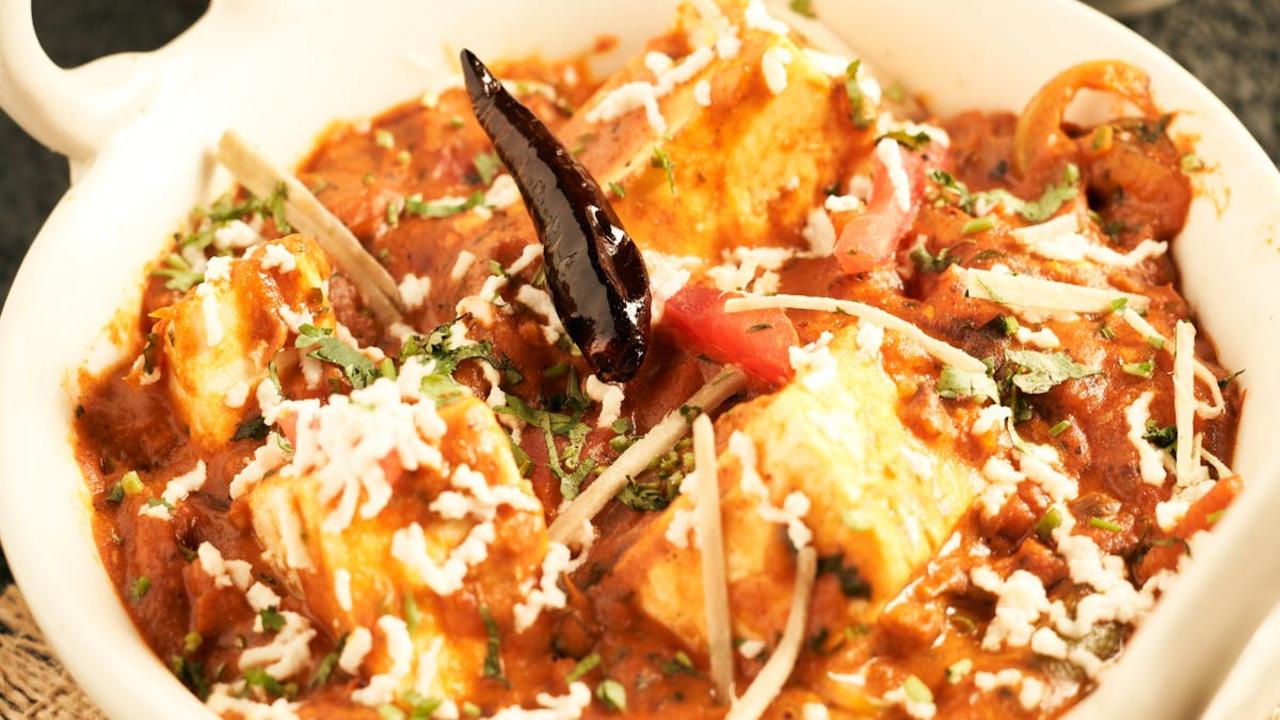
You’ll find the rich red gravy of Rogan Josh beckoning you from almost every Kashmiri restaurant menu. This deeply aromatic lamb curry gets its signature color from generous amounts of Kashmiri red chilies, which pack more color than heat. The meat slowly cooks with yogurt, onions, and a blend of warm spices like cardamom, cinnamon, and cloves until it becomes wonderfully tender. The name “Rogan Josh” comes from Persian words – “rogan” meaning oil and “josh” meaning heat or passion.
I always recommend making Rogan Josh when you want to impress dinner guests – the aroma alone will have everyone gathering in your kitchen! While traditional recipes call for lamb, you can adapt it with goat meat or even beef. The key lies in allowing the meat to simmer on low heat, letting it absorb all those beautiful spices. Pair this rich curry with hot naan bread or steamed rice, and don’t forget a side of cooling raita. The leftovers actually get better the next day as the flavors deepen even more.
Butter Chicken
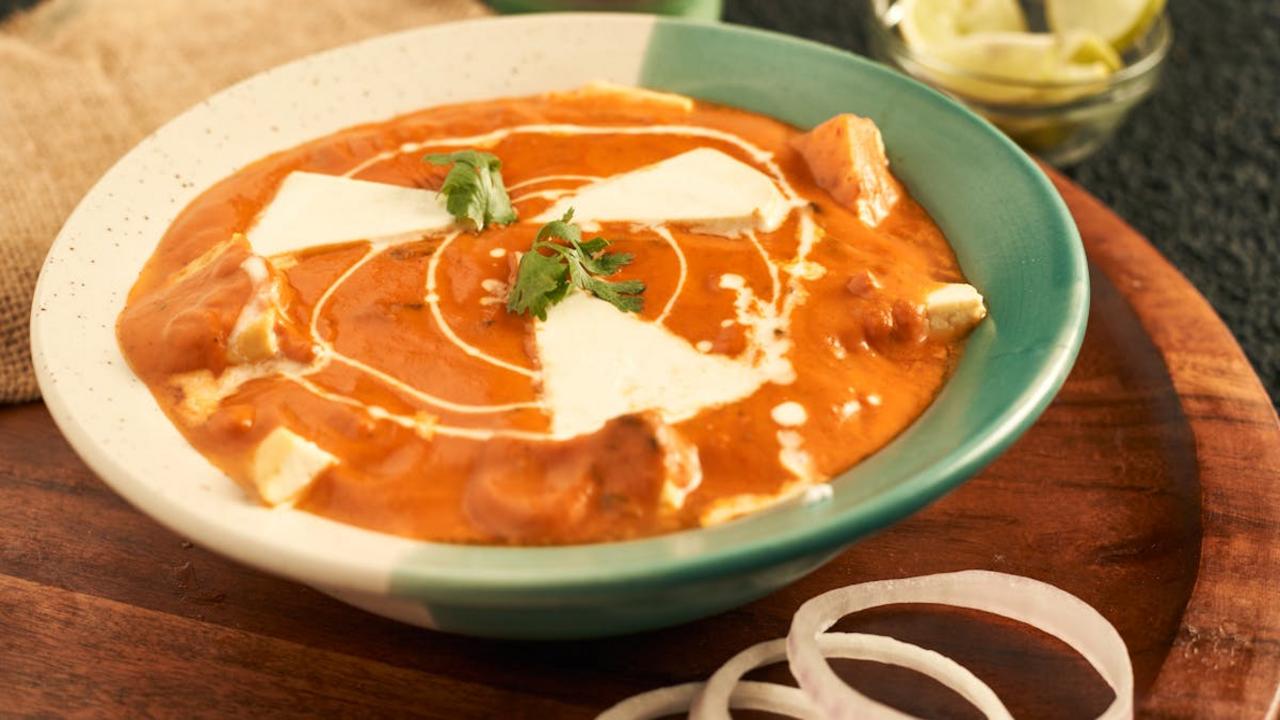
You’ll find Butter Chicken (Murgh Makhani) at the heart of North Indian cooking, and I can’t help but get excited every time I make this rich, creamy curry. The tender chicken pieces swim in a velvety tomato-based sauce that combines cream, butter, and a blend of warming spices. What makes this dish truly special is the two-step cooking process – first marinating the chicken in yogurt and spices, then cooking it in that luxurious sauce that has everyone reaching for extra naan bread.
While many think Butter Chicken is an ancient recipe, it actually originated in Delhi during the 1950s at Moti Mahal restaurant. The chef created it as a way to use leftover tandoori chicken by simmering it in a buttery tomato gravy. Now you’ll find countless variations across India and beyond, but the key to an authentic version lies in balancing the tang of tomatoes with just enough cream and butter to create that signature orange hue. The aromatic blend of ginger, garlic, garam masala, and fenugreek leaves adds depth that makes this dish a true comfort food favorite.