12 American Dining Habits That Leave International Guests Stunned
Ever noticed how your perfectly normal dining habits might raise eyebrows across borders? Americans have developed their own unique food culture that can leave international visitors completely baffled. From the way we hold our forks to our generous ice portions, these everyday practices spark confusion and sometimes even shock among our global friends.
Your standard restaurant experience – asking for a doggy bag, tipping the server, or splitting the check – could make visitors from certain countries do a double-take. What we consider polite or practical often clashes with deep-rooted dining traditions elsewhere. Take Japan, where eating while walking shows disrespect for food, or France, where drowning your meal in extra sauce borders on offensive.
These cultural differences highlight how food goes beyond just eating – it’s a window into society’s values and expectations. While Americans value efficiency and individual choice, many other cultures prioritize tradition and communal dining experiences. Ready to discover which American dining habits make our international guests scratch their heads in wonderment?
Drinking coffee during meal (Italy)
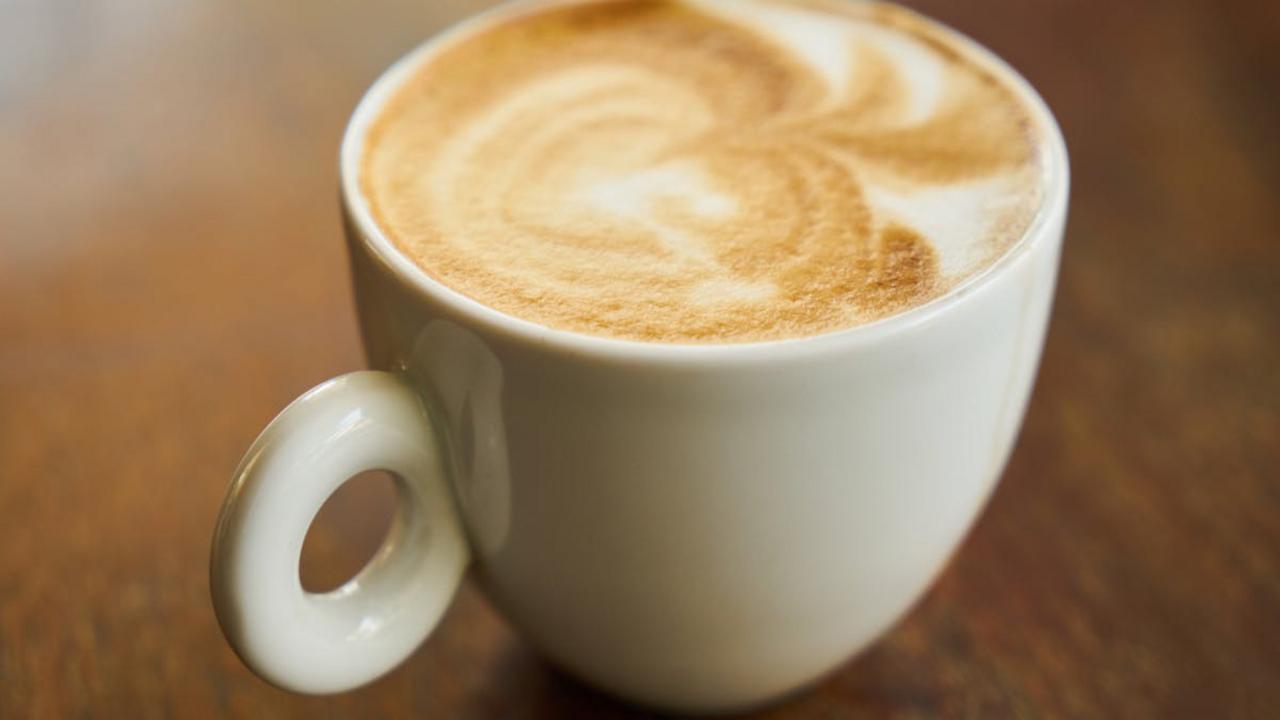
You might think sipping your cappuccino while munching on your pasta is perfectly normal, but pull this move in Italy and you’ll get some serious side-eye from the locals. In Italian culture, coffee during a meal is a big no-no – they believe it messes with your digestion and overpowers the flavors of your food. Instead, Italians drink their coffee either before the meal (but never cappuccino after breakfast) or as a digestivo after they’ve finished eating. Your morning coffee routine at the local diner would make an Italian grandmother clutch her pearls!
The coffee rules in Italy run deeper than just timing – they’re practically carved in stone. Want to order a latte with your pizza? Prepare for your waiter to look at you like you’ve just committed a cardinal sin. Italians keep their coffee consumption strictly scheduled: espresso in the morning, maybe a quick shot after lunch, and definitely one after dinner. The idea of washing down your meatballs with a big cup of joe would make them shudder. It’s just one of those cultural differences that makes American dining habits stick out like a sore thumb in the land of pasta and pizza.
Adding extra sauces (France)
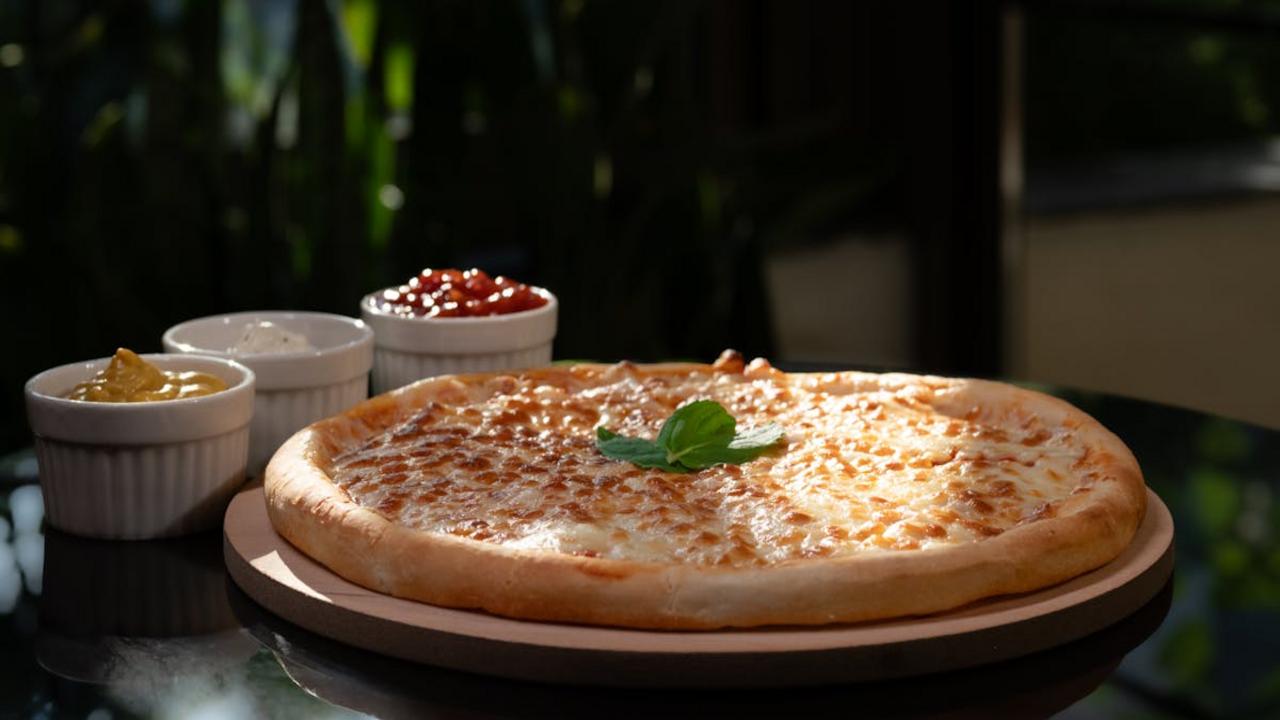
You’ll find French diners practically gasping in horror when Americans reach for extra ketchup, mayo, or BBQ sauce at restaurants. In France, chefs consider their dishes perfectly balanced and seasoned – adding more sauce borders on insulting! I once watched my French friend Antoine nearly faint when my cousin slathered ketchup all over his perfectly cooked steak-frites at a Parisian bistro. The waiter shot us such a disapproving look, I wanted to hide under the checkered tablecloth.
The French philosophy centers on respecting the chef’s vision and the natural flavors of each ingredient. They believe a properly prepared dish needs no additional condiments – the sauce should complement, not drown, the food. Meanwhile, Americans love customizing their meals with extra dips and dollops of various sauces, creating flavor combinations that would make a French chef weep. The cultural divide runs so deep that many high-end French restaurants don’t even keep ketchup on the premises, forcing sauce-loving Americans to go without their beloved condiments.
Starting meal before everyone is served (India)
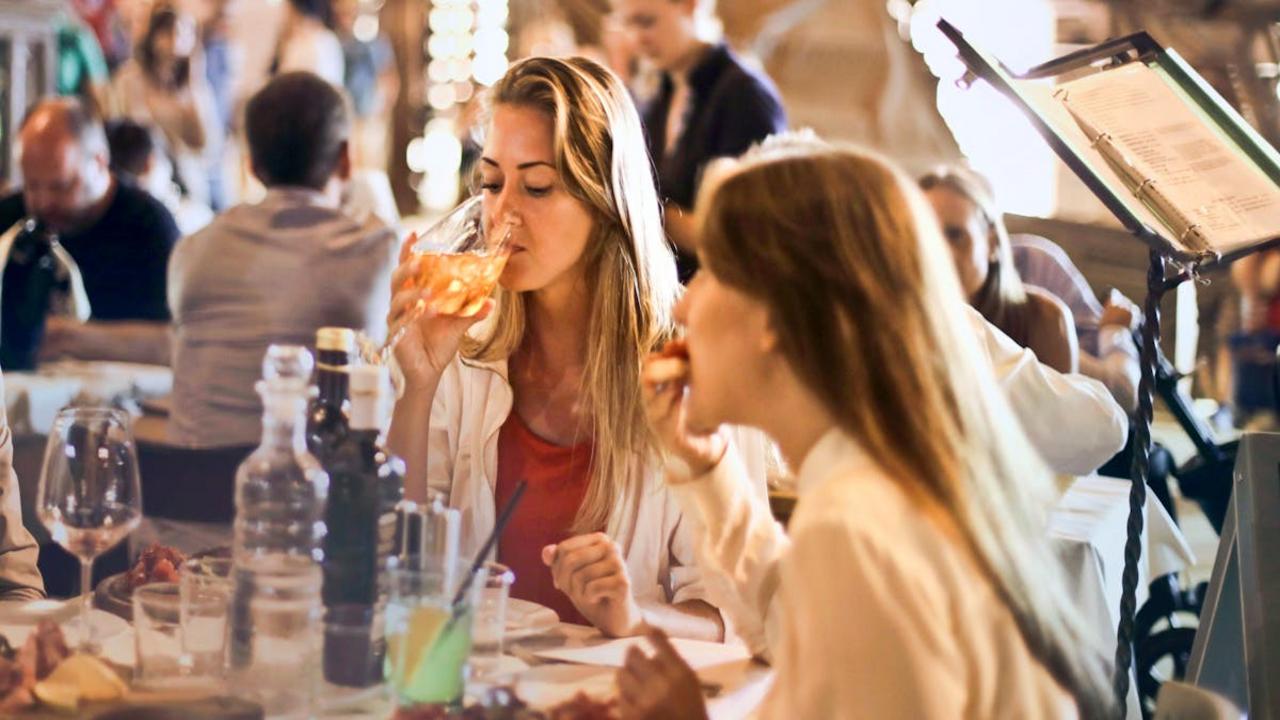
You’ll spot this stark cultural difference at any American restaurant – we often dig into our food the moment it lands in front of us, while our plates are still steaming. In India, this would make your dining companions’ jaws drop! Indian dining culture follows a beautiful tradition of waiting until everyone at the table has their meal before taking that first bite. This practice shows respect and unity among diners, making the meal a shared experience rather than just individual eating.
I learned this lesson the hard way during a dinner with my Indian friend Priya’s family in Mumbai. I grabbed my fork the second my curry arrived, only to notice everyone else sitting patiently with their hands in their laps. Priya gently explained that in Indian households, the act of eating together marks an important social bond. The wait builds anticipation and creates a moment of connection when everyone starts simultaneously. Now, whenever I catch myself reaching for my fork too early at restaurants, I remember that meaningful lesson about patience and togetherness around the table.
Eating pizza with hands (Italy)

You’ll find plenty of Italian visitors doing double-takes at American pizzerias when they watch diners pick up their slices with bare hands. While Americans consider eating pizza with hands completely normal, many Italians stick to proper cutlery – fork and knife – to tackle their pies. The cultural shock goes both ways though – I’ve seen American tourists in Naples looking utterly confused when handed silverware with their Margherita pizza. The hand-eating habit stems from New York’s pizza culture, where busy workers needed a quick, utensil-free way to eat on the go.
The debate between hands versus utensils has sparked countless friendly arguments between Italians and Americans. Many Italian restaurants in the US now serve pizza pre-cut into slices (another American innovation that bewilders Italian visitors), making it even more tempting to grab and fold. Meanwhile, traditional Italian pizzas often come whole and unsliced, perfect for the knife-and-fork approach. Fun fact: Some high-end pizzerias in Italy will actually provide you with pizza scissors instead of a regular knife – now that’s what I call fancy pizza dining!
Adding ice to drinks (France)
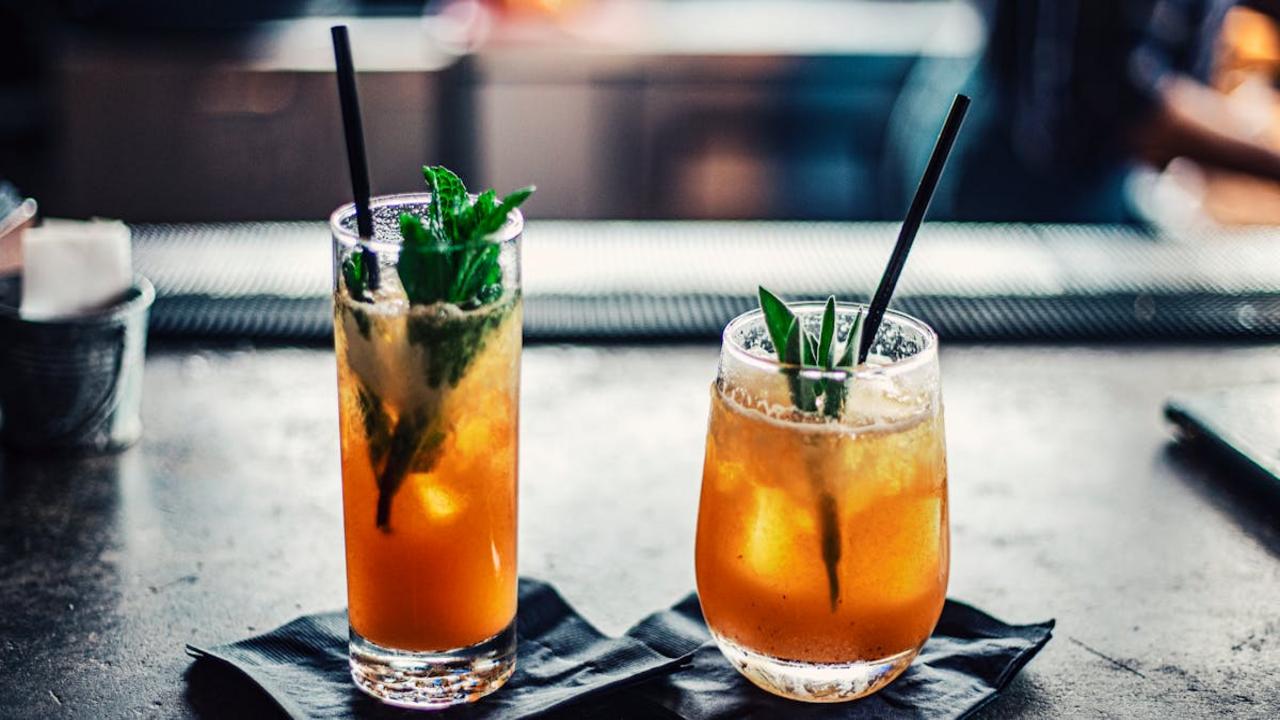
You’ll find a stark divide between American and French drinking habits the moment you order a beverage. Americans love their drinks icy cold, with glasses filled to the brim with ice cubes. Meanwhile, my French friends practically gasp in horror at the sight of all that frozen water diluting their precious drinks. “Mon Dieu!” they exclaim, genuinely baffled by our obsession with arctic-temperature beverages. The French prefer their drinks only slightly chilled, arguing that excessive cold numbs your ability to truly appreciate the flavors.
This cultural clash goes beyond personal preference – it’s rooted in historical and practical differences. American restaurants started going ice-crazy in the 1800s when artificial ice production became widespread, using it to show off their modern capabilities. French establishments stuck to their traditional ways, serving drinks at “cave temperature” (around 55°F/13°C). Even today, if you request “lots of ice” in Paris, you’ll likely receive exactly three cubes and a slightly puzzled look from your server. The French logic? Why water down an expertly crafted beverage that someone put real effort into making?
Asking for takeout boxes (Spain)
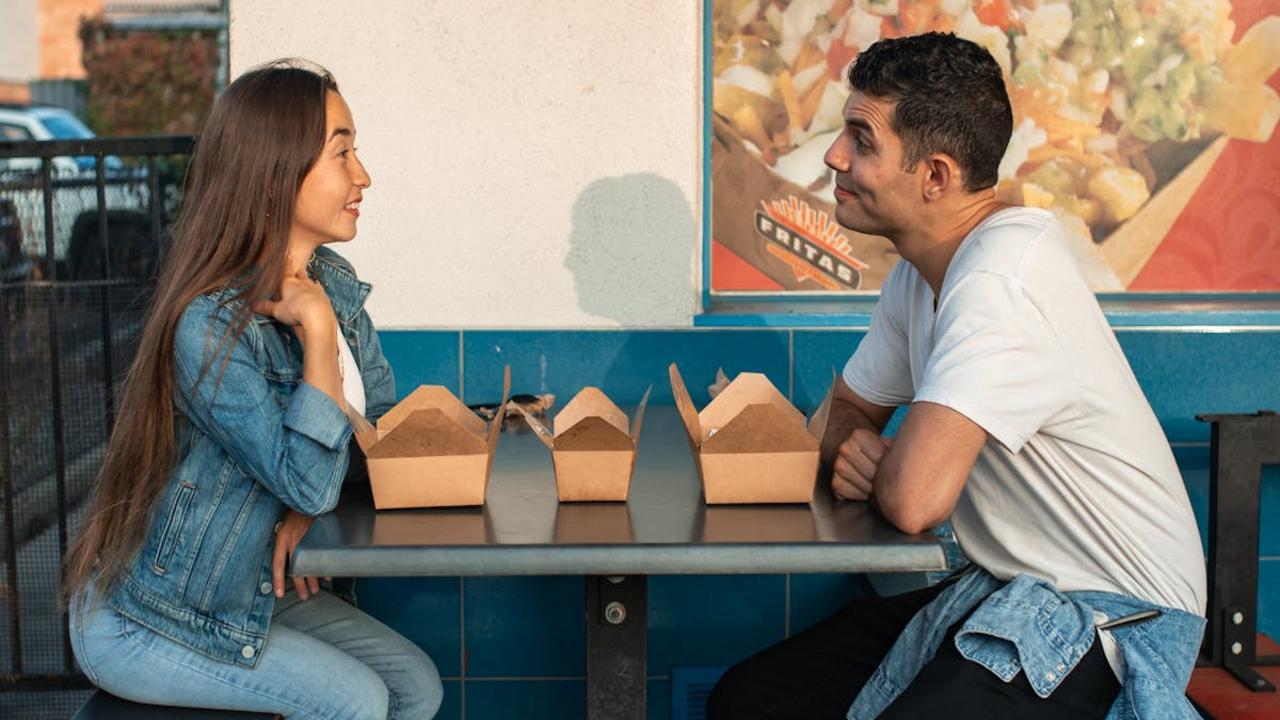
Picture this: You’ve just finished a fantastic meal at a Spanish restaurant, and you can’t possibly finish that last bit of paella. In America, you’d simply ask for a doggy bag without thinking twice. But try that in Spain, and you’ll get some seriously confused looks! Spanish dining culture considers asking for leftovers to take home almost offensive. Your Spanish friends might interpret this as a sign that you didn’t enjoy the meal or that you’re being somewhat cheap – definitely not the impression you want to make during a nice dinner out.
The Spanish philosophy centers around savoring each meal in the moment, treating restaurants as social spaces where time stands still. While Americans love our takeout culture (we even pack up fancy steakhouse leftovers!), Spaniards prefer to order exactly what they’ll eat during their often hours-long dining experiences. If you find yourself at a Spanish restaurant, skip the awkward moment of asking for a to-go box. Instead, order smaller portions or share plates with friends – your server and fellow diners will appreciate your cultural awareness!
Splitting the bill (Italy)

If you’ve ever dined with Italian friends, you might have noticed their bewildered expressions when you pull out your phone calculator to split the bill. In Italy, dividing the check into exact amounts feels cold and impersonal – it’s almost like putting a price tag on friendship! Italians typically follow an unspoken rule: either one person treats the group, or they roughly divide the total by throwing in similar amounts without obsessing over who ordered what. The idea of calculating down to the last penny can make them cringe!
Your Italian dining companions will find it particularly bizarre when you meticulously calculate individual tax and tip amounts. The American habit of breaking down a $127.84 bill into precise $31.96 portions per person seems unnecessarily mathematical to them. In their view, meals should focus on connection and joy, not accounting exercises. They’d rather toss in $35 each and call it a day, preserving the warm, casual atmosphere of the dinner. This cultural difference often leads to amusing moments where Italian visitors watch in amazement as Americans transform into human calculators at meal’s end.
Using fork as primary utensil (Korea)
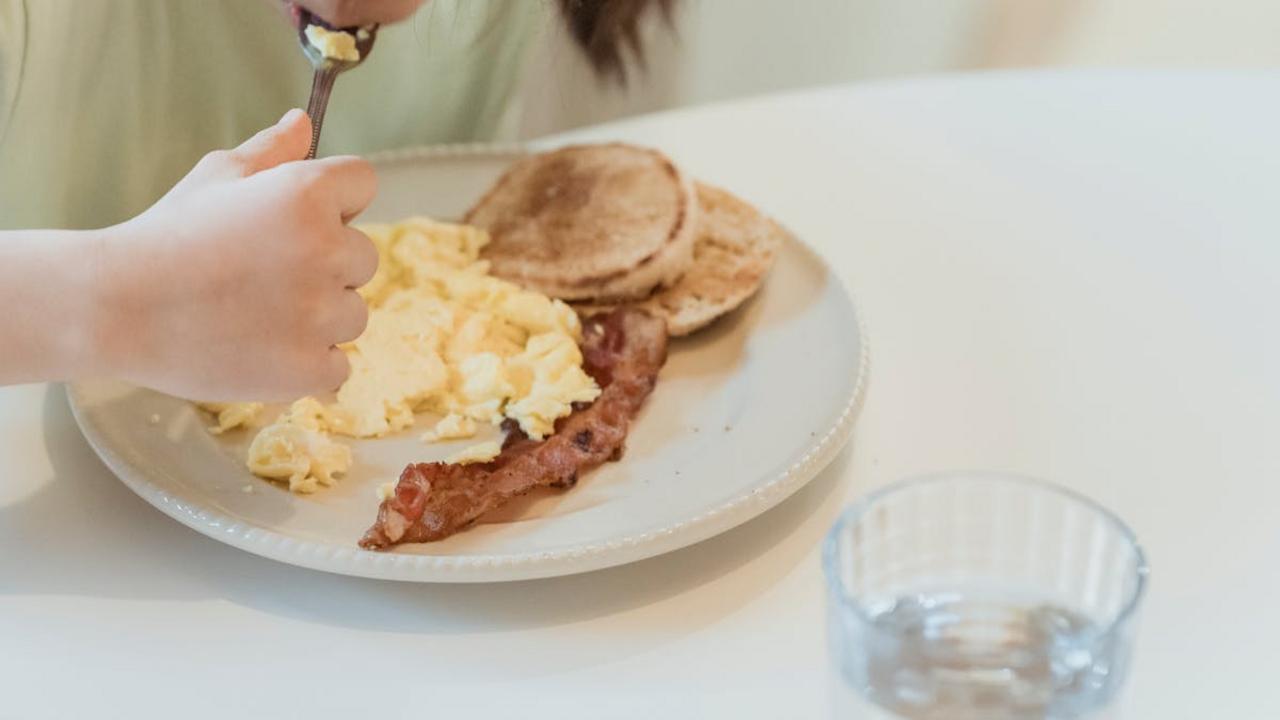
Americans love their forks! We grab that trusty four-pronged utensil for everything from salads to steaks, but this habit throws many Korean diners for a loop. In Korea, chopsticks and spoons rule the dining table – the spoon tackles rice and soups while chopsticks handle pretty much everything else. My Korean friend Jin always chuckles when she sees me stabbing at my bibimbap with a fork, reminding me that I’m missing out on the traditional way to mix those gorgeous vegetables and gochujang sauce.
The fork-first American approach stands out even more at Korean barbecue spots, where metal chopsticks shine as the star utensils. These sleek tools make perfect sense – they’re heat-resistant, precise, and ideal for flipping those sizzling pieces of bulgogi on the grill. Plus, Korean metal chopsticks have a special weight and balance that makes them extra fancy. So next time you’re at a Korean restaurant, ditch the fork and join the chopstick revolution – your Korean dining companions will beam with pride, and you’ll look like a pro handling those banchan side dishes!
Holding fork in right hand (Europe)
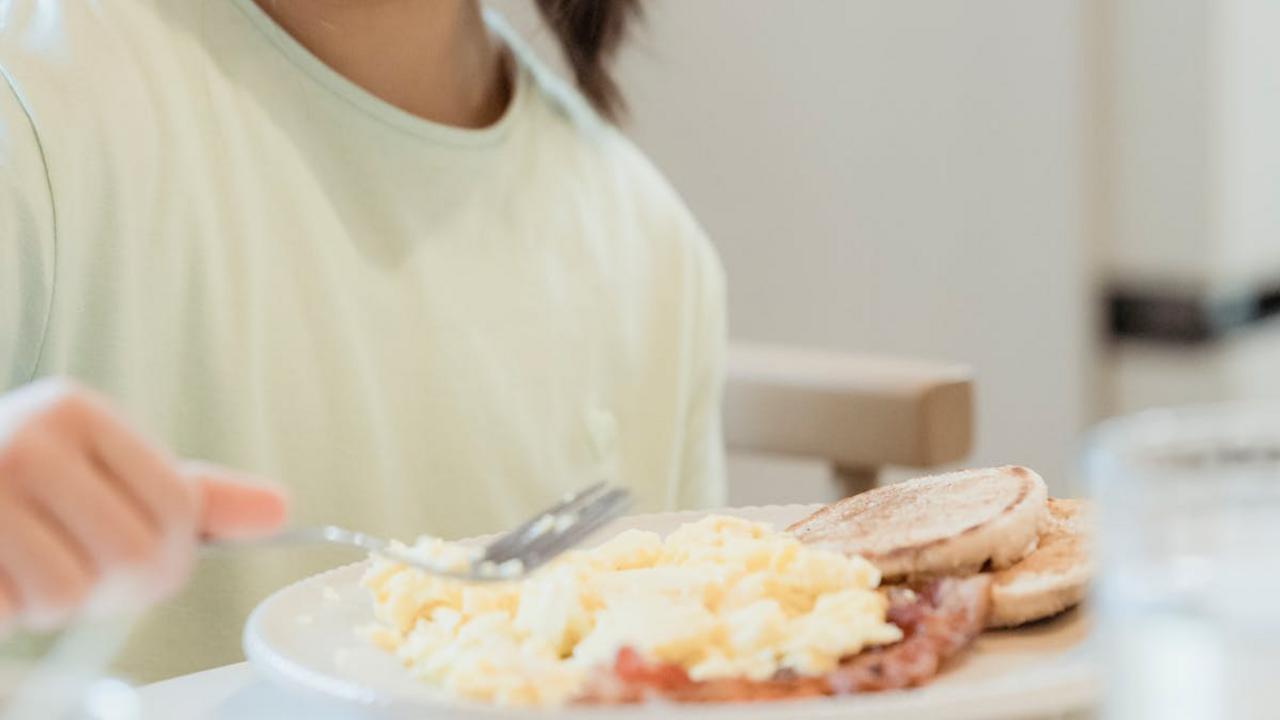
You’ll spot one of the biggest dining differences between Americans and Europeans right at the dinner table – how we hold our forks! While Americans typically keep their fork in their right hand and switch it to the left when using a knife, Europeans stick to what they call the “continental style.” They hold their fork in their left hand throughout the meal, keeping the knife in their right. This simple difference often leaves European visitors baffled at American tables, wondering why we do this seemingly inefficient dance with our silverware.
The American fork-switching habit started in the 1800s when colonists wanted to break away from European customs. While it might look awkward to our friends across the pond, we’ve turned it into our own cultural quirk. I once had a French friend watch me eat steak at a restaurant, and she couldn’t stop giggling at my fork gymnastics. “Why make eating more complicated?” she asked. The truth is, neither way is wrong – it’s just one of those funny cultural differences that make dining with international friends so entertaining. Europeans keep their fork steady in their left hand, while we Americans give our utensils a little workout between bites!
Finishing entire meal (Russia)
Russians often raise their eyebrows at Americans who insist on cleaning their plates at restaurants. In Russian culture, leaving a bit of food behind shows respect and signals you’re satisfied – not wasteful or rude as many Americans might think. I learned this cultural difference the hard way during dinner with my Russian friend Natasha, who gasped when I scraped every last morsel from my plate. She explained that in Russia, finishing everything means you’re still hungry and your host didn’t provide enough food!
This stark difference traces back to traditional Russian hospitality, where hosts load guests’ plates with mountains of food to show generosity. By leaving a small portion untouched, guests communicate they couldn’t possibly eat another bite – the ultimate compliment to their host’s abundance. Meanwhile, Americans grow up hearing “clean your plate, think of the starving children” and feel guilty about any waste. Next time you dine with Russian friends, try leaving that last bite of kotleta or spoonful of borscht – your hosts will beam with pride knowing they’ve fed you well.
Tipping waitstaff (China)
If you’ve ever dined with friends from China, you’ve probably noticed their shocked expressions when you whip out your phone to calculate the tip. In China, tipping remains a foreign concept – you won’t find locals adding 15-20% to their bills at restaurants. Chinese restaurants pay their staff full wages, making tips unnecessary. Many Chinese visitors to America find themselves baffled by our tipping culture, often wondering why restaurants don’t just include service charges in the menu prices.
The confusion goes both ways! American tourists in China sometimes stubbornly insist on leaving tips, only to have restaurant staff chase them down the street to return the “forgotten” money. Some high-end restaurants in major Chinese cities have started accepting tips from international guests, but most locals still consider it odd or even rude. The stark difference in tipping cultures often leads to amusing situations where Chinese visitors in America under-tip or skip tipping altogether, while American tourists in China can’t shake off their ingrained tipping habits.
Eating while walking (Japan)
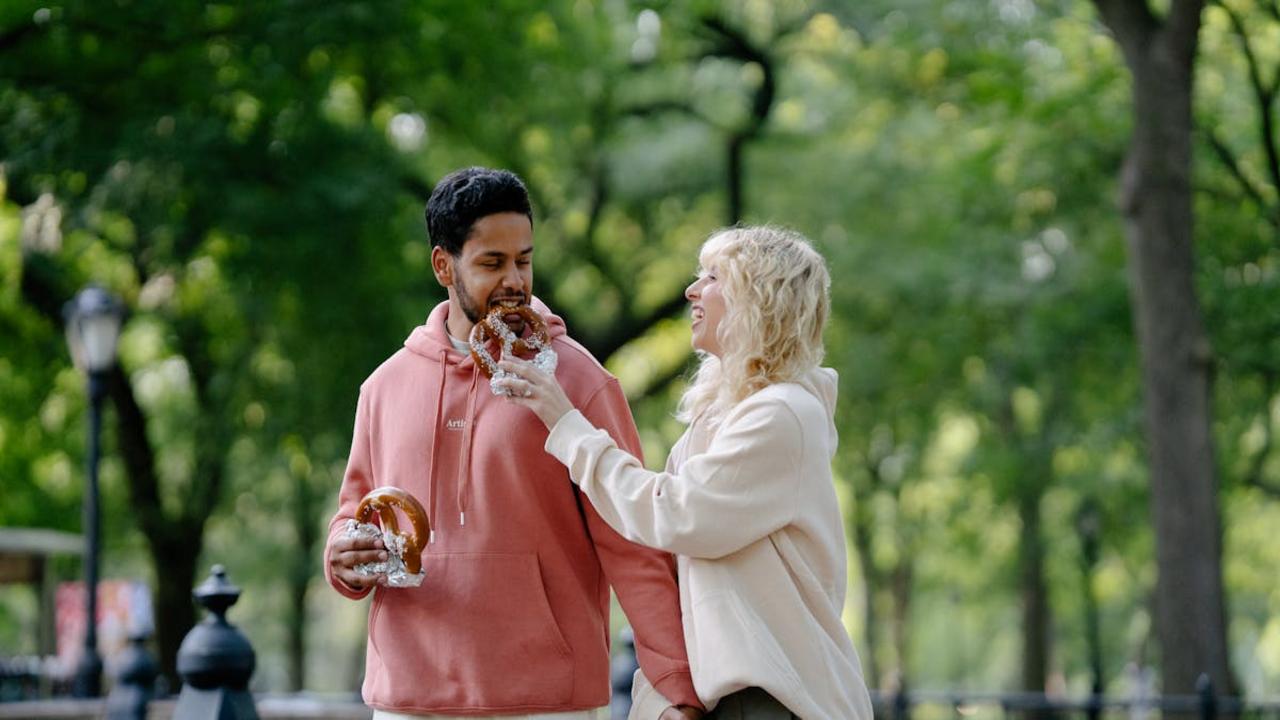
If you’ve ever scarfed down a hot dog while rushing between meetings or munched on a bagel during your morning commute, you might shock your Japanese friends. In Japan, eating while walking (known as “tabearuki”) goes against social etiquette and can make you stand out like a tourist wearing socks with sandals. The Japanese consider meals a time for mindfulness and appreciation – something you just can’t achieve while dodging pedestrians with a burger in hand.
Your typical New York minute might involve inhaling a slice of pizza on the go, but in Japan, you’ll rarely spot anyone eating outside designated areas. Even food vendors design their snacks to be enjoyed at their stalls. The only exception? Ice cream cones get a pass, though you’ll still see most locals standing still while enjoying their frozen treats. This cultural difference runs so deep that some Japanese schools teach children about proper eating manners, which strictly forbid walking while munching on snacks.