14 Popular American Foods That Are Banned in Other Countries
American grocery aisles overflow with convenient, colorful foods that make daily cooking easier. But many of these staples contain ingredients that other countries refuse to allow in their food supply. What seems normal here—bright orange cheese, fluffy white bread, perfectly pink salmon—often hides additives and treatments that raise serious health concerns abroad.
These aren’t obscure ingredients in specialty products. We’re talking about everyday foods: the bread for your morning toast, the chicken in your dinner salad, the milk you pour over cereal. Countries across Europe, Asia, and beyond have studied these additives and decided the risks outweigh any benefits. Their governments have drawn clear lines about what belongs in food and what doesn’t.
Understanding what you’re actually eating matters more than ever. These bans aren’t arbitrary—they’re based on research linking certain ingredients to health problems ranging from digestive issues to more serious conditions. Let’s look at fourteen common American foods that much of the world has decided to keep off their plates, and why you might want to reconsider them too.
Bleached Flour
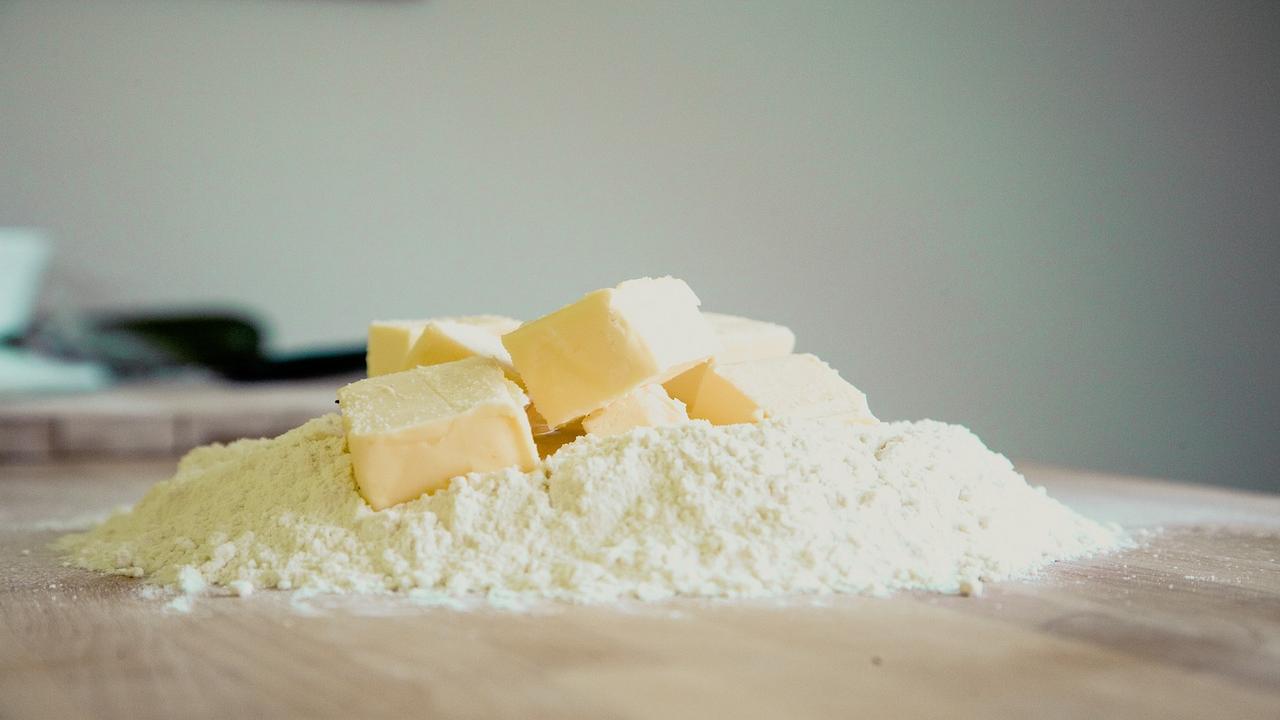
Walk into any American supermarket and you’ll find rows of bright white flour that looks almost too pristine to be natural—because it isn’t. Bleached flour gets its stark white color from chemical agents like chlorine gas, benzoyl peroxide, and potassium bromate, substances that speed up the aging process and whiten the flour far beyond what nature intended. While these chemicals make for consistent baking results and that picture-perfect white bread, they’re banned across Europe, China, and several other countries. The European Union doesn’t mess around when it comes to food safety, and they’ve determined that these bleaching agents pose potential health risks that simply aren’t worth the cosmetic benefits. The concerns range from respiratory issues to possible links with thyroid problems and even cancer risks with certain agents like potassium bromate.
Here’s what gets me about this whole situation—unbleached flour works just as beautifully in your kitchen, and honestly, the slight cream color it brings to your baked goods is a sign of real, minimally processed grain. I’ve been using unbleached flour for years now, and my cakes rise just fine, my cookies spread perfectly, and my bread develops that gorgeous golden crust you want. Sure, bleached flour might give you slightly more tender results in certain recipes because the bleaching process breaks down the protein structure, but that difference is so minimal that most home bakers won’t even notice. The trade-off for avoiding those harsh chemicals is absolutely worth it. Your body doesn’t need to process synthetic bleaching agents just so your cake can be a shade whiter. Switch to unbleached varieties, and you’ll be choosing flour that’s been aged naturally, maintaining more nutrients and flavor while keeping those questionable chemicals out of your pantry. Your grandmother probably baked with naturally aged flour and created magnificent results—you can too.
Chlorine Washed Chicken
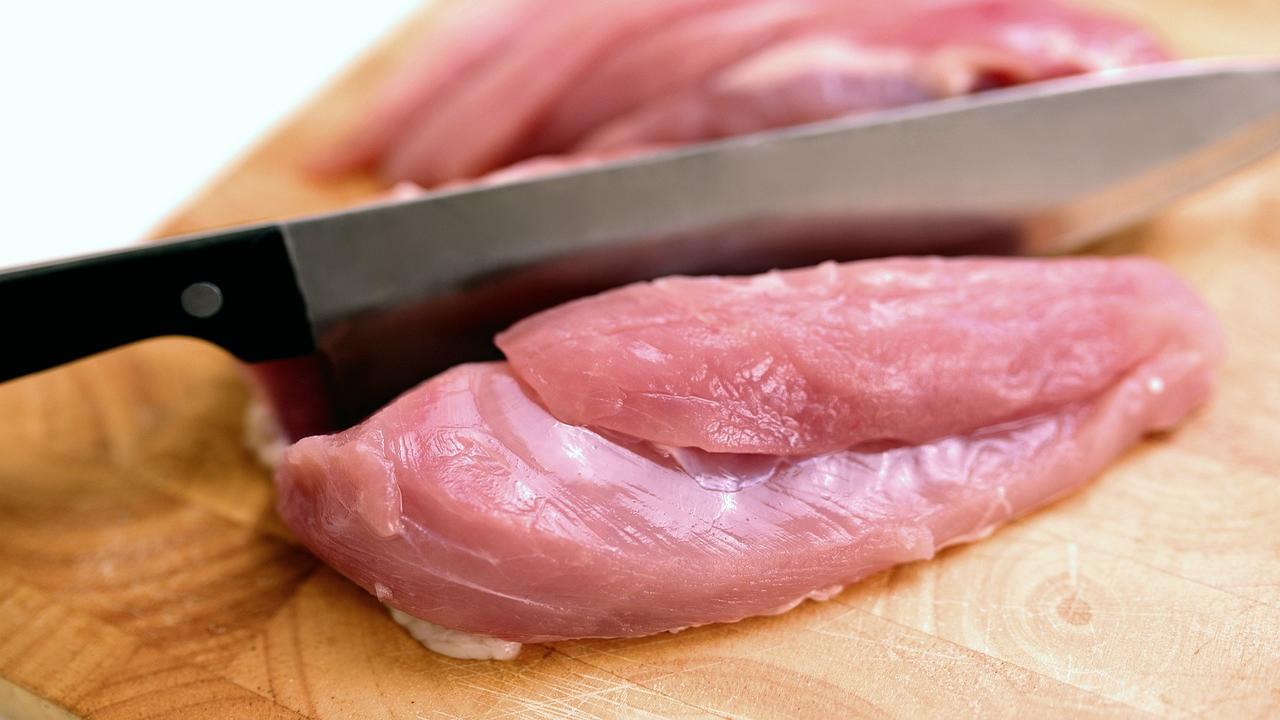
Picture this: you’re at the grocery store, reaching for that package of chicken breasts, and what you don’t see is the chlorine bath it took before landing in your cart. In the United States, poultry producers routinely wash chicken carcasses in chlorinated water to kill bacteria like salmonella and E. coli. Sounds practical, right? But here’s the thing—the European Union has banned this practice since 1997. Their concern isn’t just about the chlorine itself, but what it represents: a band-aid solution that masks deeper problems in factory farming conditions. Instead of relying on chemical washes at the end, European standards require better hygiene throughout the entire production process, from farm to processing plant.
I’ve shifted toward buying organic, pasture-raised chicken whenever possible, not just for taste but for peace of mind about what my family consumes. The reality is that chlorine washing allows producers to maintain lower standards during raising and slaughtering, knowing they can chemically treat the meat later. Countries like Russia, China, and Switzerland have also rejected imports of chlorine-washed poultry, viewing it as a shortcut that compromises food quality. When you choose chicken from farms that prioritize cleanliness from the start, you’re supporting a system that values animal welfare and genuine food safety over quick fixes. Your dinner deserves better than a chemical rinse to make it safe.
Growth Hormone in Cattle
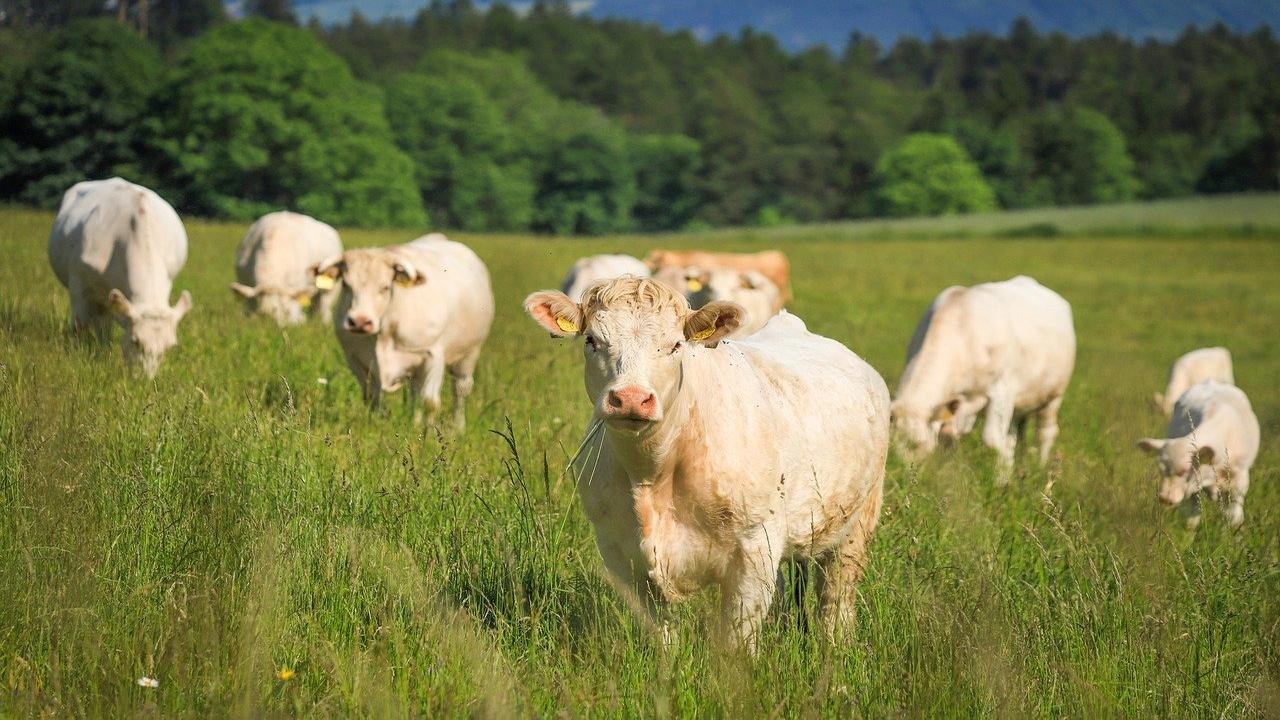
Walk into any American grocery store and grab a steak, and there’s a good chance that beef came from cattle treated with synthetic growth hormones. The U.S. beef industry routinely uses these hormones to help cattle grow faster and produce leaner meat, which sounds efficient until you consider what other countries think about it. The European Union banned American beef treated with growth hormones back in 1989, and they haven’t budged since. Countries like Australia, New Zealand, and Canada have similar restrictions or outright bans because of health concerns tied to hormone residues in meat.
The worry centers on how these synthetic hormones—particularly ones that mimic estrogen and testosterone—might affect human health when consumed regularly. Research suggests potential links to early puberty in children, hormone-related cancers, and reproductive issues, though the FDA maintains these hormones are safe at approved levels. Here’s the thing: your body doesn’t always distinguish between natural hormones and synthetic ones, and when you’re eating hormone-treated beef several times a week, those residues add up. If you want to sidestep this entirely, look for beef labeled “organic” or “grass-fed,” since U.S. organic standards prohibit growth hormones. Your body will thank you for choosing meat that doesn’t come with a side of synthetic chemicals.
BHA and BHT Preservatives
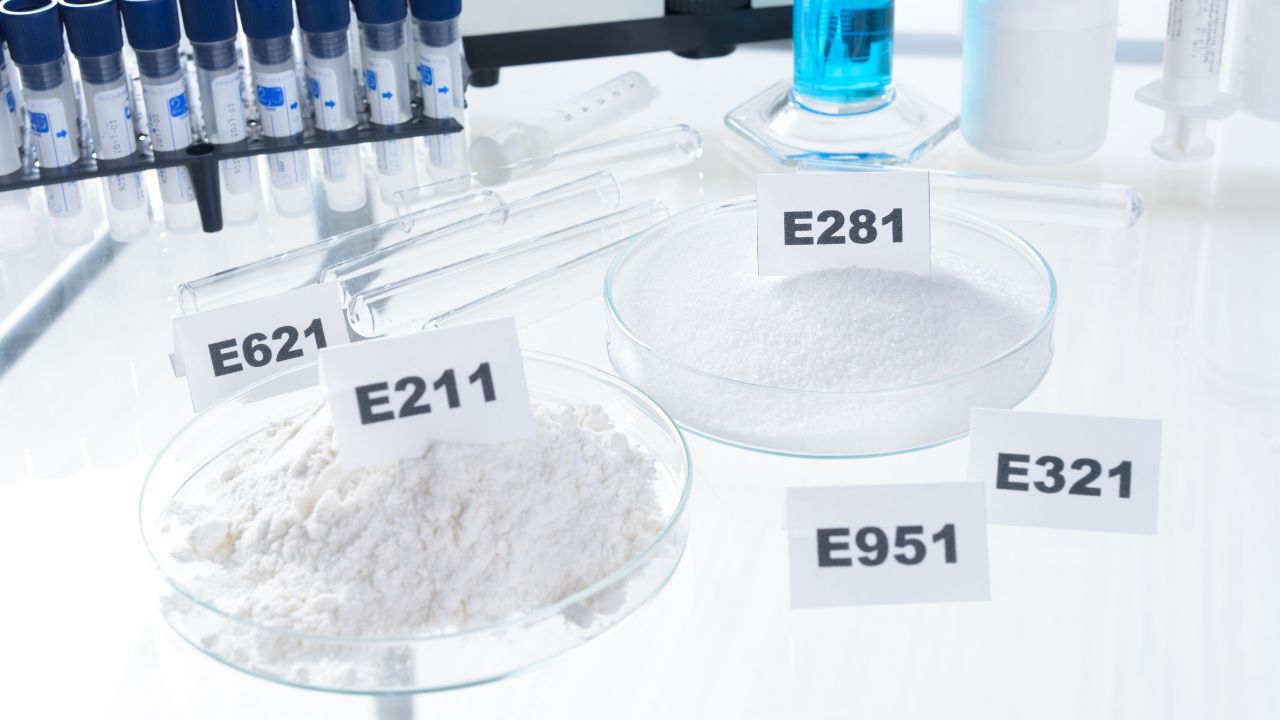
BHA (butylated hydroxyanisole) and BHT (butylated hydroxytoluene) are synthetic preservatives you’ll find in countless American snack foods, cereals, and packaged goods. They keep fats from going rancid and extend shelf life dramatically. Walk down any grocery aisle and you’ll spot these compounds on ingredient lists for everything from potato chips to breakfast cereals. The problem? Countries including Japan, the United Kingdom, and much of the European Union have either banned or severely restricted these preservatives due to concerns about potential carcinogenic effects. Studies have linked BHA and BHT to tumor development in animal testing, which prompted many nations to adopt a precautionary approach.
I’ve spent years advocating for fresh, minimally processed ingredients precisely because of additives like these. When you cook from scratch, you control what goes into your food—no mysterious acronyms required. Natural preservation methods exist that our grandparents used for generations: proper storage, consuming foods at their peak, and using natural antioxidants like vitamin E. The convenience of extended shelf life comes at a cost your body shouldn’t have to pay. If you’re reading labels and spot BHA or BHT, consider it a signal to put that package back and choose whole foods instead. Your future self will thank you for prioritizing ingredients that actually nourish rather than just preserve.
Artificial Food Dyes
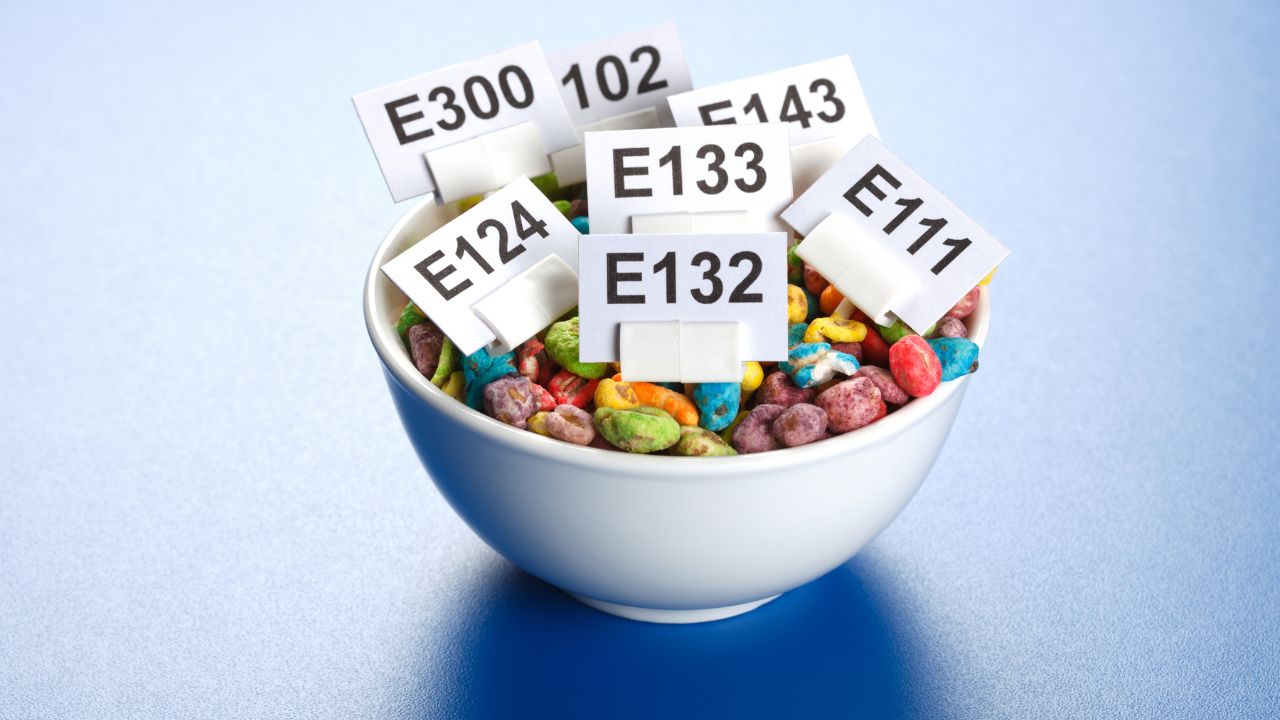
Take a walk down any American grocery aisle and you’ll spot artificial food dyes in everything from cereals to candies, soft drinks to salad dressings. These synthetic colors—Red 40, Yellow 5, Yellow 6, and others—make processed foods look more appealing, but they’ve been banned or require warning labels in countries like Norway, Austria, and throughout much of the European Union. Research has linked these petroleum-based dyes to hyperactivity in children and potential allergic reactions. I stopped using them years ago when I realized how easy it was to create natural color in my cooking—beet juice for pink, turmeric for yellow, spirulina for blue. The difference isn’t just visual; it’s about knowing exactly what goes into your body.
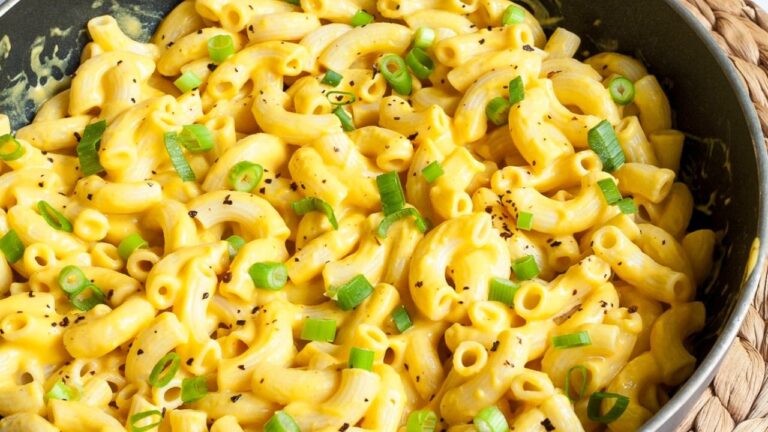
What gets me is how unnecessary these artificial dyes are. Food doesn’t need to be neon orange to taste good. When I make homemade mac and cheese, that rich golden color comes from real aged cheddar, not a chemical compound designed in a lab. The same goes for frosting—mashed raspberries or concentrated fruit powders create gorgeous hues without the potential health risks. European countries recognized this years ago and either banned these dyes outright or required manufacturers to include warnings about possible effects on children’s behavior. Meanwhile, American food companies continue using them freely. Making the switch to natural ingredients takes minimal effort and gives you complete control over what you’re feeding your family. Your body deserves better than laboratory-created colors that serve no purpose beyond marketing appeal.
Olestra/Olean Fat Substitute
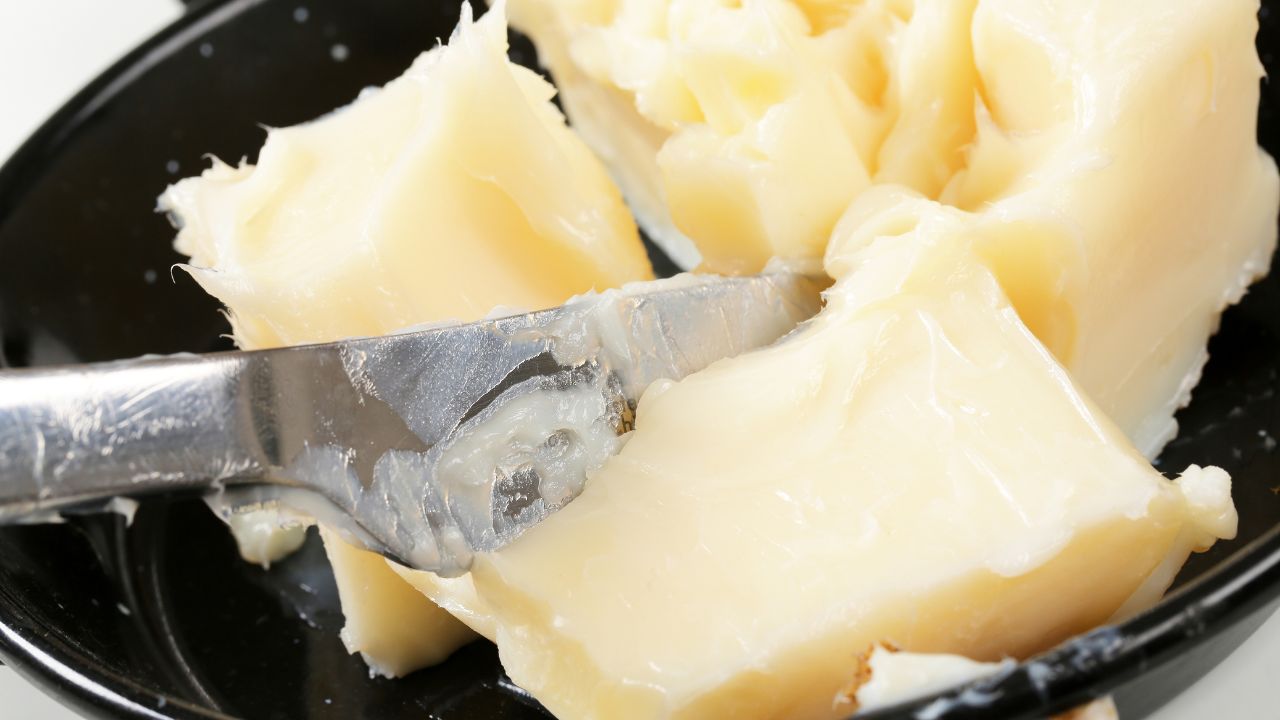
You know that satisfying crunch of potato chips without the guilt? That’s where Olestra, marketed as Olean, comes in—or used to, at least. This synthetic fat substitute promised all the flavor with zero fat absorption, which sounds like a dream for anyone watching their waistline. I remember when these products first hit shelves in the late ’90s, creating quite the buzz. The problem is, your body doesn’t recognize Olestra as food, so it passes right through without being digested. While that might sound beneficial at first, the reality is far less appealing. The European Union and Canada took one look at the research and said “no thanks,” banning it outright from their food supply.
What really concerns me about Olestra is how it interferes with your body’s ability to absorb fat-soluble vitamins like A, D, E, and K—nutrients you actually need for healthy skin, strong bones, and proper immune function. Plus, the digestive issues it causes aren’t exactly dinner table conversation material, but let’s just say the side effects earned it quite the reputation. Instead of relying on synthetic substitutes, I’d rather cook with real ingredients in moderation. A small serving of genuinely satisfying food made with quality olive oil or avocado will nourish your body far better than a whole bag of fake-fat chips that leaves you feeling depleted and uncomfortable.
Azodicarbonamide Bread Additive

You grab a soft sandwich loaf from your grocery store shelf, and there’s a good chance it contains azodicarbonamide—a dough conditioner that makes bread fluffy and extends shelf life. This chemical shows up in everything from burger buns to packaged rolls across American bakeries. What’s shocking is that this same substance appears in yoga mats and shoe soles as a foaming agent. Europe banned it years ago after studies linked it to respiratory issues and potential carcinogenic effects. Australia and Singapore followed suit, with Singapore even threatening jail time for anyone caught using it in food production. The European Food Safety Authority determined that the risks outweigh any benefits in bread-making.
I switched to baking my own bread after learning about this additive, and honestly, homemade loaves taste infinitely better without chemical shortcuts. You control every ingredient that goes into your dough—just flour, water, yeast, salt, and maybe some olive oil. The texture might be denser than those pillowy store-bought loaves, but that’s real bread talking back to you. If baking from scratch feels too time-consuming, look for brands that clearly label their products as azodicarbonamide-free. Many artisan bakeries and health-focused companies have already removed this ingredient from their recipes, proving that you don’t need industrial chemicals to create delicious bread that stays fresh for days.
Genetically Modified Papaya
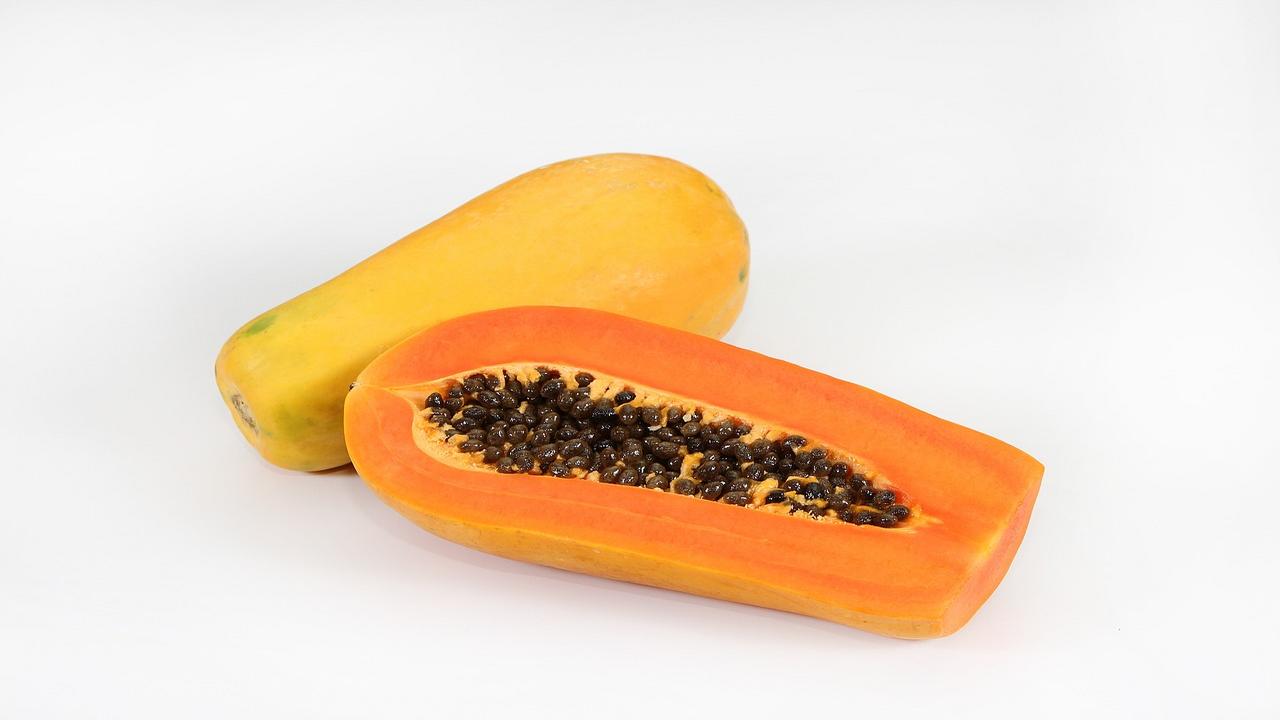
Picture biting into a sweet, orange-fleshed papaya at breakfast, completely unaware that what you’re eating has been genetically engineered to resist a devastating plant virus. In Hawaii, most papayas you’ll find are genetically modified—specifically designed to combat the ringspot virus that nearly wiped out the state’s papaya industry in the 1990s. While this GM variety saved Hawaiian farmers and became a success story in American agriculture, the European Union takes a different stance. They’ve banned these genetically modified papayas from their markets, citing concerns about long-term health effects and environmental impacts that haven’t been fully studied. Japan and Australia have followed suit with strict regulations or outright bans.
The controversy centers on how these papayas were altered at the genetic level to carry viral genes that make them resistant to disease. For many countries, this crosses a line—they prefer a precautionary approach to foods that have been fundamentally changed in laboratories. American regulatory agencies maintain that GM papayas are safe to eat, backed by decades of consumption without documented health issues. Yet other nations argue that we simply don’t have enough long-term data to make that call definitively. If you’re buying papayas in the US, especially from Hawaii, you’re almost certainly getting the GM version unless specifically labeled organic. The debate continues to rage between those who see genetic modification as a practical solution to agricultural problems and those who believe we shouldn’t be tinkering with nature’s blueprint—particularly when the consequences might not reveal themselves for generations.
Arsenic Laced Chicken
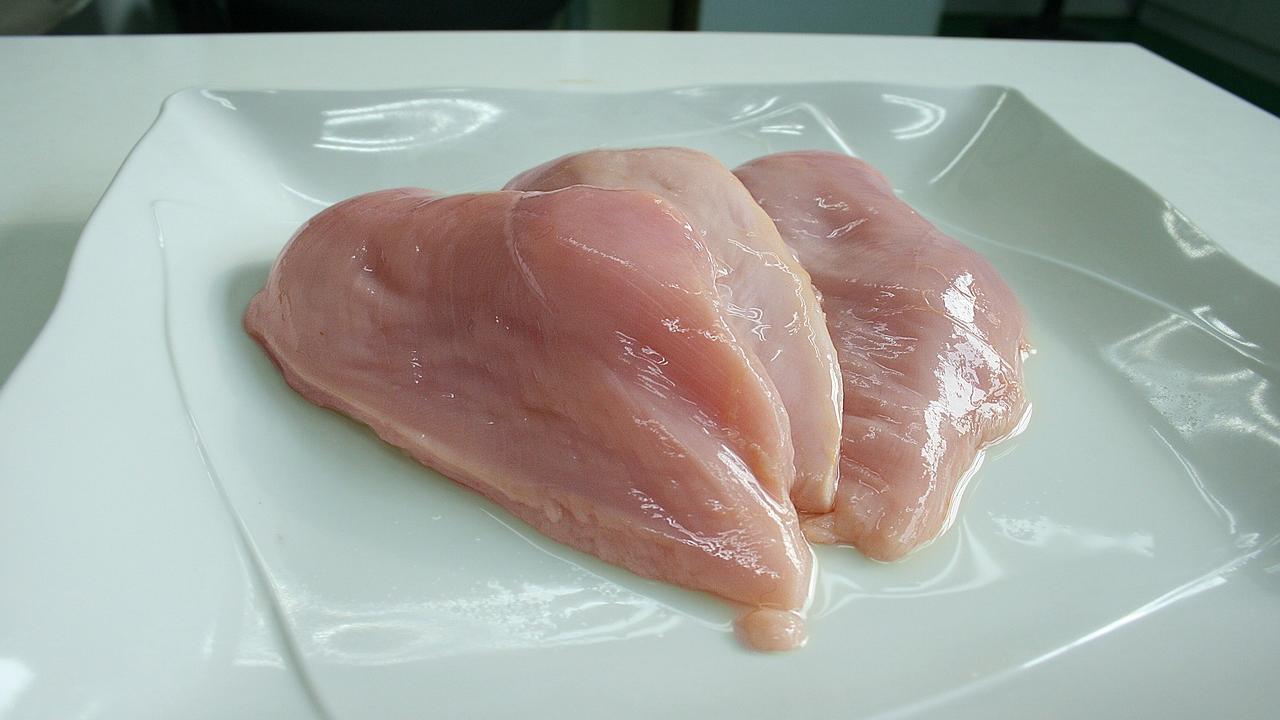
Picture this: you’re grilling up some chicken for dinner, thinking you’re making a wholesome meal for your family. But here’s something that might make you pause—some American chicken contains arsenic-based compounds in its feed. Yes, you read that right. Certain farmers use roxarsone, an arsenic-containing drug, to promote growth and give chicken meat that appealing pink color we’ve come to expect at the supermarket. While the FDA maintains these levels are safe, the European Union isn’t buying it. They’ve banned arsenic in poultry feed entirely because studies link it to cancer and other serious health issues. Countries like Australia and New Zealand have followed suit, refusing to take any chances with this toxic element in their food supply.
What really gets me is that we don’t need arsenic to raise healthy chickens. I’ve visited farms that produce beautiful, naturally-raised birds without any of these additives, and the meat tastes better anyway. The pink color? That should come from proper breeding and care, not from chemical enhancement. When I buy chicken now, I always look for organic or certified arsenic-free options. Sure, they cost a bit more, but knowing I’m not serving my family trace amounts of a known carcinogen makes that extra dollar worth every penny. If other countries can raise chickens without resorting to arsenic, why can’t we? It’s time to demand better standards and support farmers who prioritize our health over cosmetic appeal.
RBGH and RBST Milk
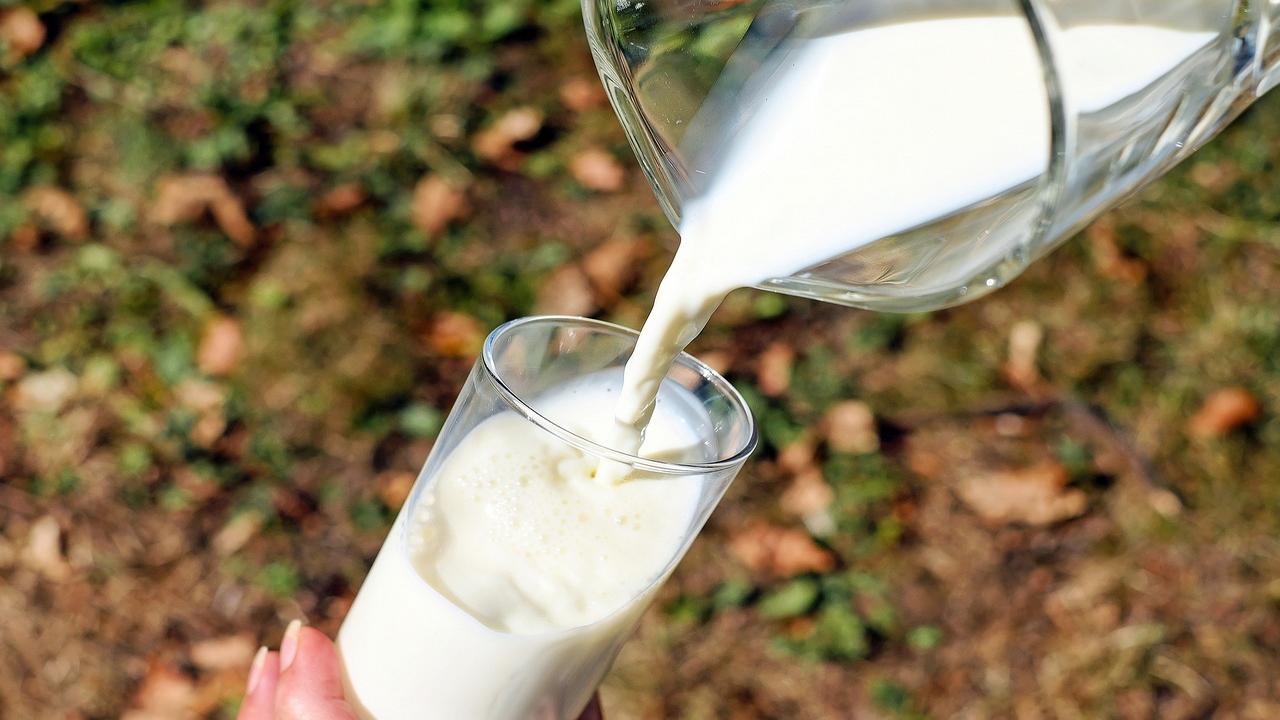
When you pick up a gallon of milk at the grocery store, you probably aren’t thinking about growth hormones, but that’s exactly what’s lurking in many conventional dairy products here in America. Recombinant bovine growth hormone (rBGH) and recombinant bovine somatotropin (rBST) are synthetic hormones injected into cows to boost milk production. The European Union, Canada, Australia, New Zealand, and Japan have all banned these hormones over health concerns, particularly the increased levels of insulin-like growth factor (IGF-1) in treated milk, which some studies have linked to certain cancers. These countries decided the potential risks to human health weren’t worth the economic benefits of increased milk yields.
I always reach for organic or rBGH-free milk because I want to know exactly what’s going into my body and the dishes I create. The good news is that more American dairy producers are moving away from these hormones, responding to consumer demand for cleaner products. You’ll often see labels that proudly state “rBGH-free” or “no artificial hormones,” which means you can still enjoy your morning latte, homemade yogurt, or creamy pasta sauces without worrying about synthetic additives. Reading labels takes just a few extra seconds, but it makes a real difference in choosing milk that aligns with what you’d want for your family—pure, wholesome dairy that doesn’t compromise on quality or safety.
Potassium Bromate in Bread
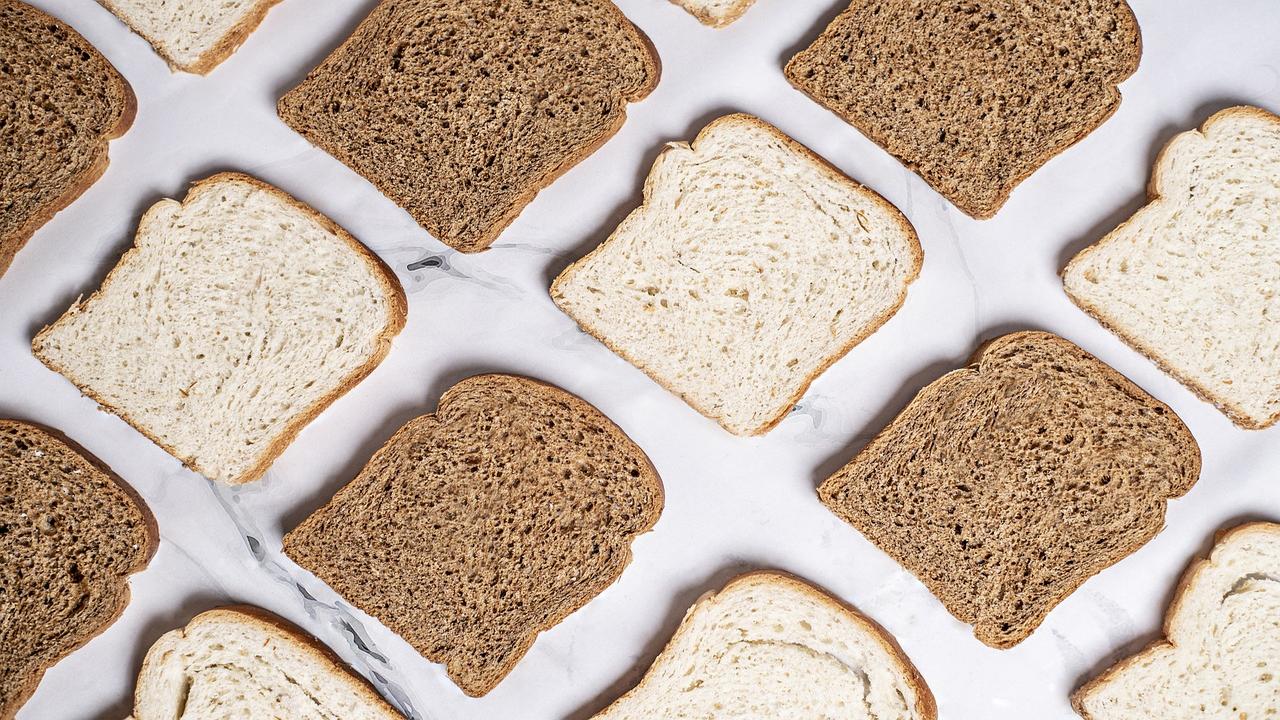
Potassium bromate works as a dough conditioner in commercial bread production, giving loaves that perfect, uniform texture and pristine white color. Bakers love it because it strengthens dough and speeds up the rising process. But here’s what most people don’t realize: this chemical has been linked to potential cancer risks and kidney damage in laboratory studies. While the FDA still permits its use in the United States with certain restrictions, countries including the European Union, Canada, China, and Brazil have completely banned potassium bromate from their food supply. These nations decided the health risks simply weren’t worth the cosmetic benefits it provides to bread.
The good news? You can easily avoid potassium bromate by choosing organic bread or baking your own at home. Most artisan bakeries skip this additive entirely, relying instead on traditional fermentation methods and natural ingredients to achieve excellent texture. When you make bread from scratch using just flour, water, yeast, and salt, you get beautiful results without any questionable chemicals. Your homemade loaves might not look as perfectly uniform as mass-produced bread, but they’ll taste infinitely better and give you complete control over what goes into your body. Check ingredient labels carefully—if you see “potassium bromate” or “bromated flour” listed, put that loaf back on the shelf and find a cleaner option.
Flame Retardant Drinks (BVO)
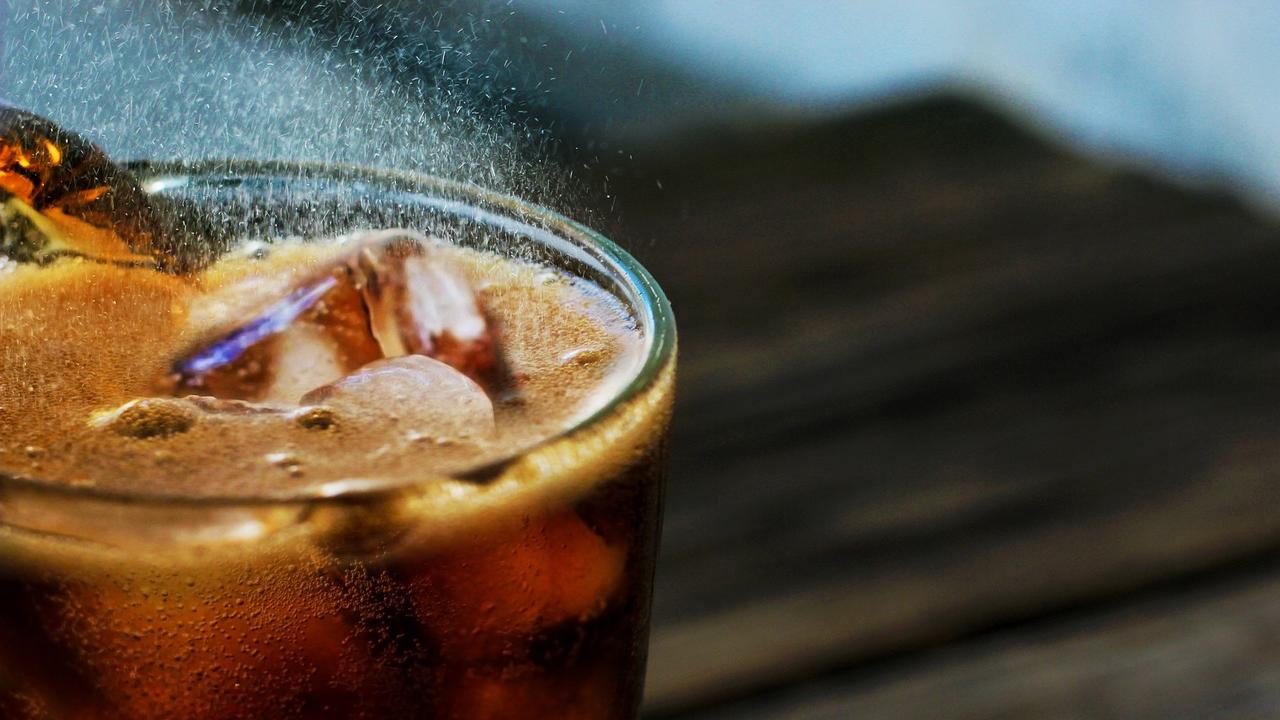
Here’s something that might shock you: that bright, citrusy soda you’re sipping could contain the same chemical used to fireproof your couch. Brominated vegetable oil, or BVO, keeps the artificial flavoring suspended in your drink so it doesn’t float to the top. Sounds innocent enough, right? But here’s the catch—this ingredient is banned throughout Europe and Japan because studies link it to neurological problems, skin lesions, and memory loss. The chemical builds up in your body over time, which is exactly why countries with stricter food safety standards said no thanks. Yet American beverage companies continue adding it to popular sports drinks and citrus sodas, despite safer alternatives being readily available.
Reading ingredient labels has become my obsession, and discovering BVO in everyday drinks was a real wake-up call. The irony isn’t lost on me that we’re literally drinking flame retardant while thinking we’re just having a refreshing beverage. Making your own flavored waters and natural sodas at home takes minutes—fresh citrus juice, sparkling water, and a touch of honey or maple syrup create something infinitely better without questionable chemicals. Your body deserves better than ingredients designed for furniture, not food. The more we choose real ingredients over processed alternatives, the more we vote with our wallets for safer products. Start questioning what’s in your glass, because the difference between what Americans consume and what other countries allow is genuinely alarming.
Ractopamine Treated Meat
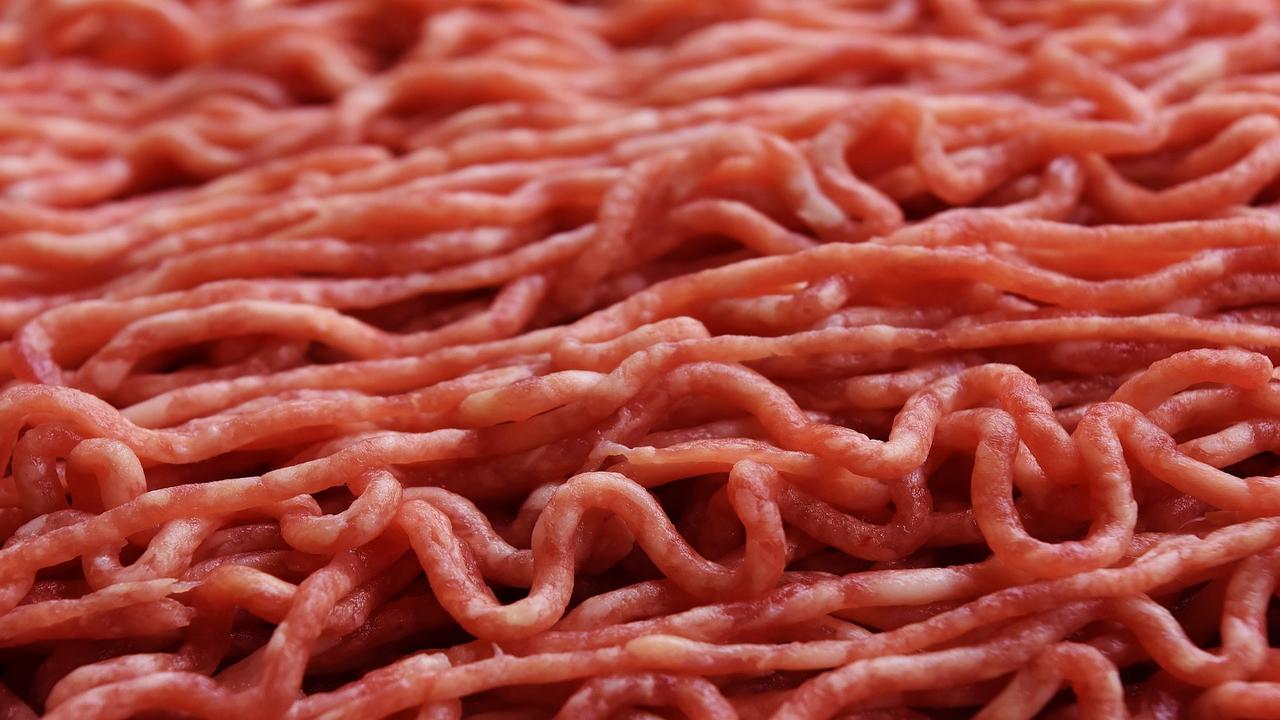
Ractopamine is a feed additive used in American livestock farming to promote lean muscle growth in pigs, cattle, and turkeys. While it helps farmers produce leaner meat more efficiently, over 160 countries have banned its use, including the European Union, China, and Russia. These nations cite concerns about potential health risks to consumers, as residues of the drug can remain in the meat you bring home from the grocery store. The science behind this ban centers on studies suggesting possible cardiovascular effects and other health complications, though the FDA maintains that ractopamine is safe at approved levels.
When you’re cooking meat at home, you won’t be able to tell whether it contains ractopamine residues just by looking at it. This invisible additive represents a fundamental difference in how various countries approach food safety and animal agriculture. If you want to avoid ractopamine-treated meat, look for organic, grass-fed, or imported options from countries where the substance is banned. Many home cooks now choose pasture-raised meats not just for ethical reasons, but because these animals are raised without synthetic growth promoters. The extra cost might seem steep, but you’re investing in cleaner protein sources that align more closely with how meat has been produced for centuries before industrial farming practices took hold.
Farm Raised Salmon
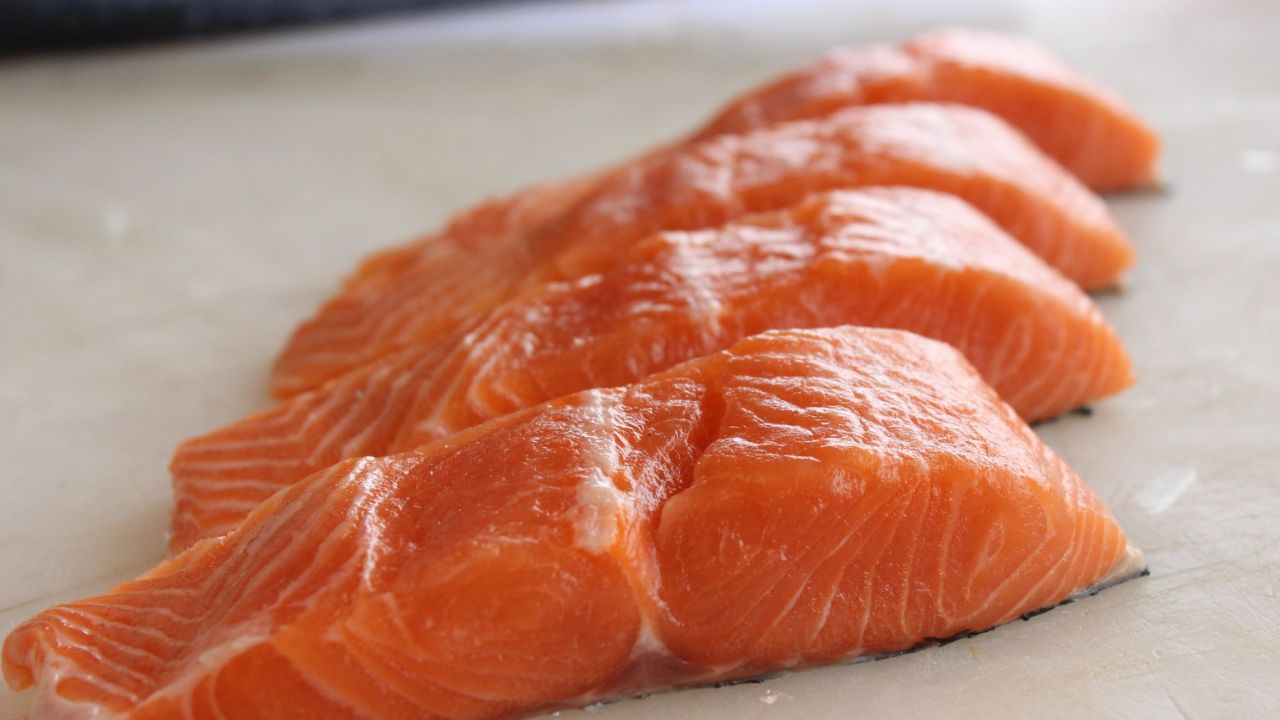
Farm raised salmon might look perfect on your plate with that rosy pink color, but here’s something most people don’t know—that gorgeous hue often comes from synthetic astaxanthin, a chemical colorant that’s banned in Australia and New Zealand. Wild salmon gets its pink color naturally from eating krill and shrimp, but farm raised fish eat pellets that need artificial coloring added to achieve that same appealing shade. Without these additives, the flesh would be an unappetizing gray. Beyond the color issue, farmed salmon raised in crowded conditions often receive antibiotics and growth hormones to prevent disease and speed up production, which is why these countries have said no to this farming practice.
If you’re shopping for salmon, look for wild-caught varieties from Alaska or the Pacific Northwest instead. Yes, wild salmon costs more, but you’re getting fish that lived naturally, ate its proper diet, and developed that beautiful color on its own. The flavor difference is noticeable too—wild salmon has a cleaner, more robust taste compared to the sometimes muddy or bland flavor of farmed fish. Check labels carefully at your grocery store, and don’t be shy about asking your fishmonger questions about where the salmon comes from and how it was raised. Your body deserves real food that hasn’t been artificially enhanced to look appealing, and wild salmon delivers the omega-3 fatty acids and nutrients you’re actually seeking without the chemical additives.