12 Classic Foods That Changed So Much They’re Unrecognizable
Many of the foods we eat today look nothing like their ancient ancestors. Through centuries of selective breeding and cultivation, humans have transformed wild plants and ingredients into the familiar foods that fill our plates. From bitter watermelons to seed-filled bananas, the evolution of our favorite foods tells a fascinating story of human ingenuity.
Take bananas, for instance. The sweet, seedless fruit you peel for breakfast was once packed with hard seeds and had minimal flesh. Or consider carrots – those orange roots in your garden started as small purple roots in Afghanistan. Even tomatoes, a staple in countless recipes, were once feared as deadly nightshades before becoming the juicy, red fruits we know today.
The changes in our food reflect broader shifts in agriculture, culture, and taste preferences. Some transformations happened gradually over millennia, while others occurred rapidly through modern farming techniques. Understanding these changes helps us appreciate how far our food has come and where it might go next.
Bananas Used to Have Large Seeds
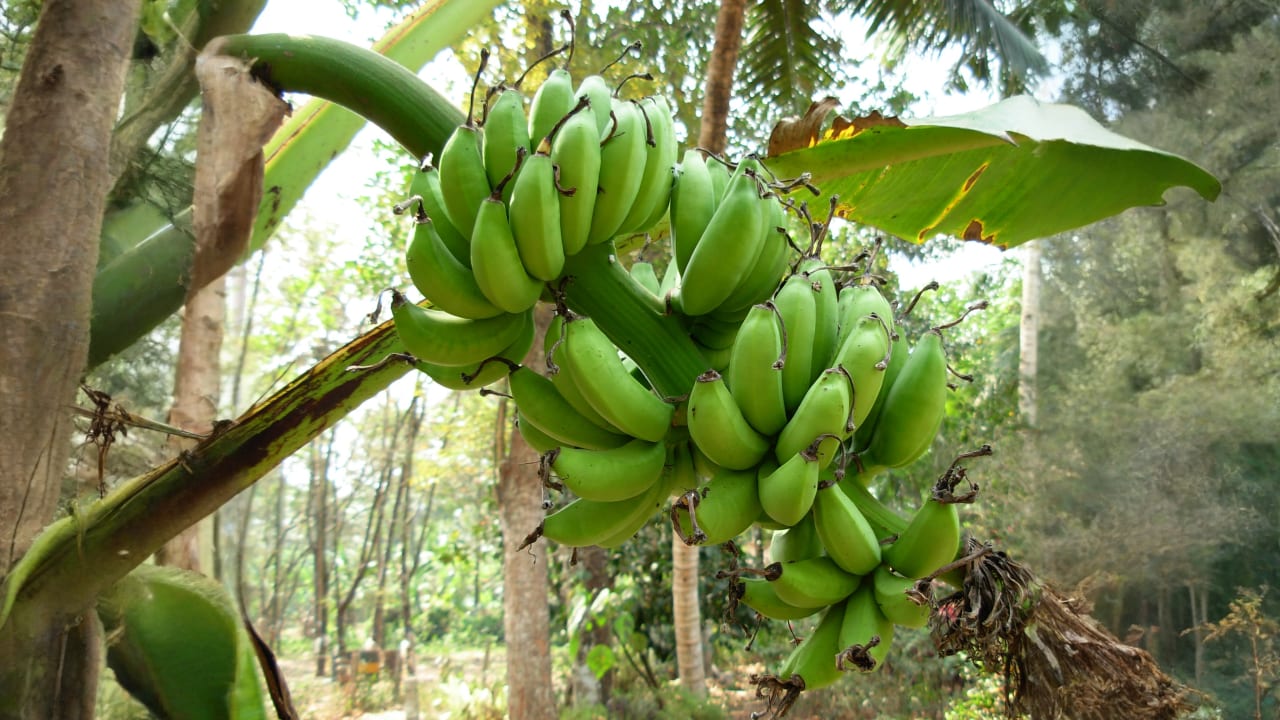
Picture this: you’re craving a banana smoothie, but first you need to spend ten minutes picking out massive, rock-hard seeds from your fruit. That’s exactly what our ancestors dealt with! Wild bananas originally contained seeds so large they made the fruit almost inedible. These weren’t the tiny black specks you sometimes see in today’s bananas – we’re talking about seeds the size of peas that could crack your teeth. I often think about this when I’m tossing bananas into my morning oat bowls or blending them into my favorite West African-inspired plantain pancakes.
The bananas we love today exist because of thousands of years of careful cultivation and selection. Farmers gradually bred bananas to be seedless, creating the sweet, creamy fruit that’s become such a kitchen staple worldwide. This transformation fascinates me because it shows how food evolves alongside our cooking needs. Now I can mash bananas into my homemade energy balls, slice them over warm quinoa porridge, or blend them into creamy nice cream without worrying about breaking a tooth. It makes me appreciate how much easier it is to create wholesome, from-scratch meals when our ingredients work with us, not against us.
Carrots Were Originally Purple
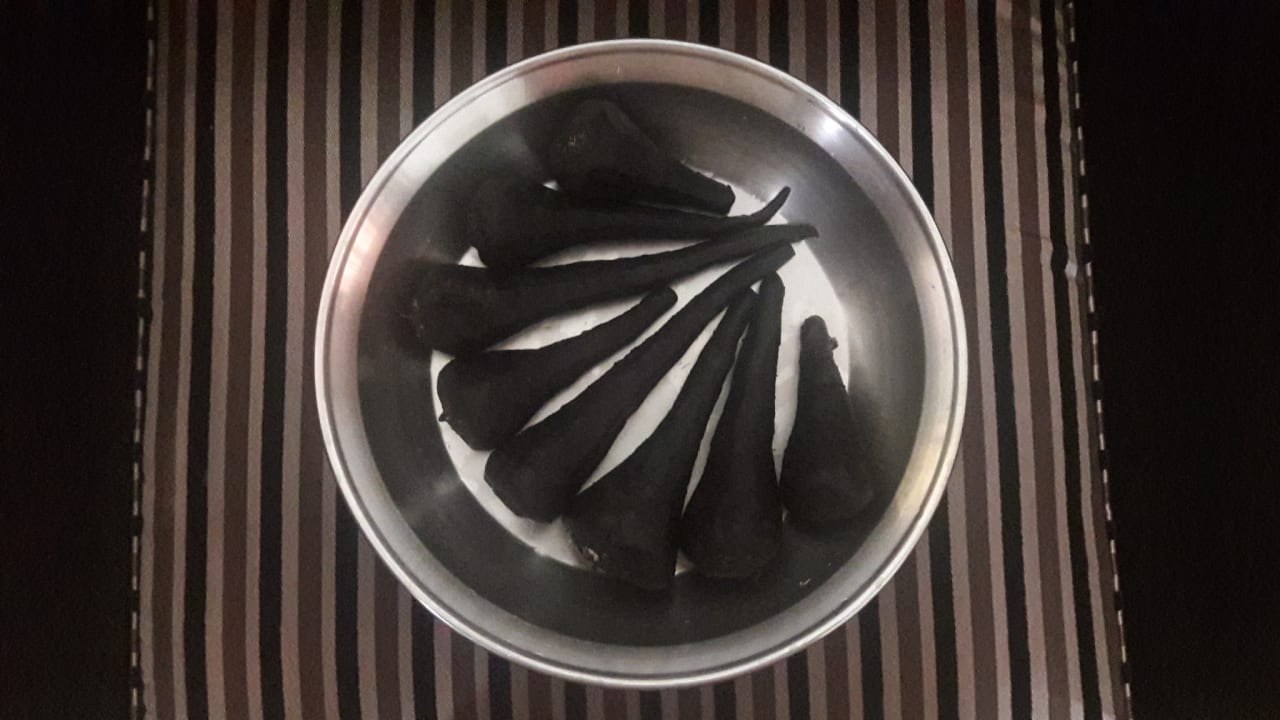
Picture this: you walk into your kitchen, ready to prep vegetables for dinner, and reach for what you think are carrots—except they’re deep purple, almost black. That’s exactly what people would have grabbed centuries ago! The bright orange carrots we know and love today are actually a relatively recent invention. Originally, carrots came in purple, white, and yellow varieties, with purple being the most common. These ancient carrots had the same sweet, earthy flavor we adore, but they looked completely different from what fills our grocery store bins.
Dutch farmers in the 17th century changed everything when they began selectively breeding carrots to create the orange variety we recognize today. Some say they did this to honor the Dutch royal family, the House of Orange, though food historians debate this story. What I find fascinating is how this transformation happened through patient cultivation—no genetic modification, just generations of farmers choosing the most orange carrots to replant. You can still find purple carrots at farmers markets and specialty stores, and I encourage you to try them! They bring the same nutritional benefits as orange carrots, plus extra anthocyanins (the same compounds that make blueberries blue). I love roasting them with a drizzle of olive oil and fresh thyme—they turn the most gorgeous deep color and add visual drama to any plate.
Watermelons Were Bitter and Small
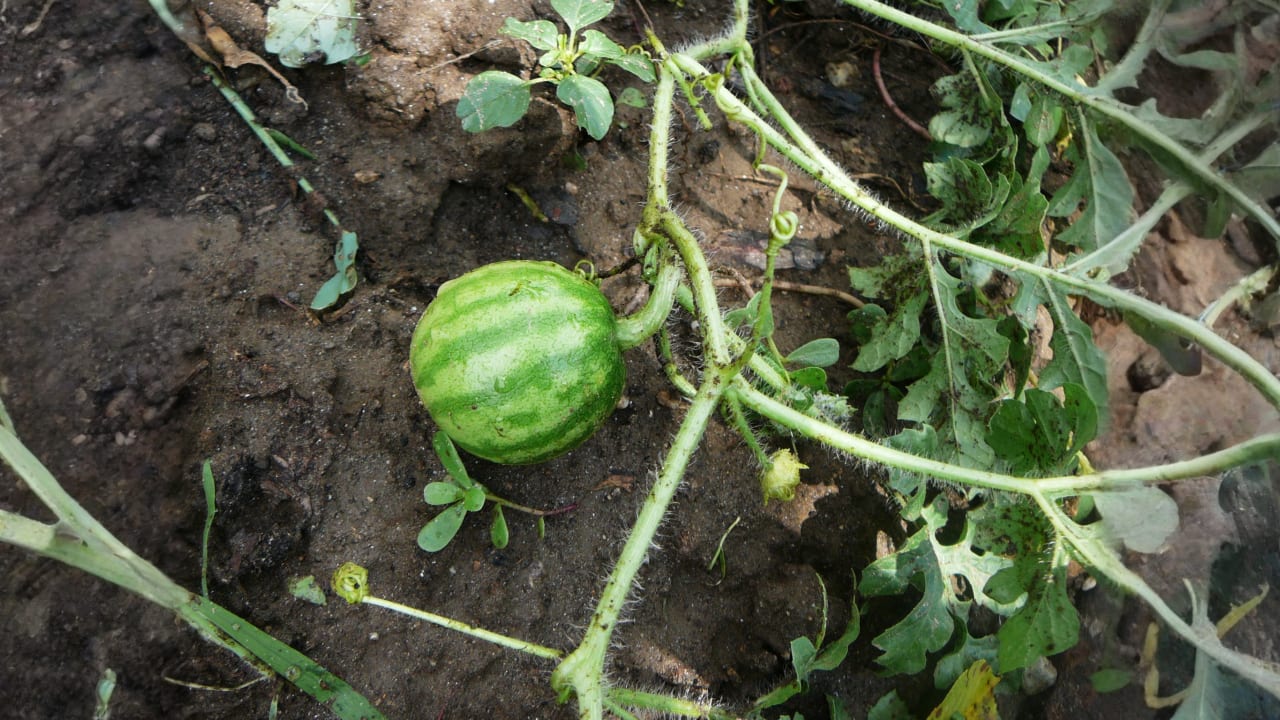
Can you imagine biting into a watermelon expecting that sweet, refreshing burst we all crave, only to get hit with bitter, almost inedible flesh? That’s exactly what our ancestors dealt with for thousands of years. Wild watermelons from Africa were tiny – about the size of a tennis ball – and packed with bitter compounds that made them practically unpalatable. These early melons contained high levels of cucurbitacin, the same compound that makes wild cucumbers taste terrible. Ancient Egyptians valued them more for their water content during long desert journeys than for any sweetness.
Through centuries of careful cultivation and selective breeding, farmers gradually transformed these bitter little orbs into the massive, sugar-sweet giants we know today. I find this transformation absolutely fascinating because it shows how patience and persistence in growing can completely revolutionize an ingredient. Modern watermelons can weigh 20-30 pounds and contain natural sugars that make them perfect for everything from fresh salsas to grilled summer sides. Next time you slice into one of these beauties for a recipe, remember you’re enjoying thousands of years of agricultural innovation that turned a barely edible wild fruit into one of summer’s most beloved treats.
Tomatoes Were Feared as Poisonous
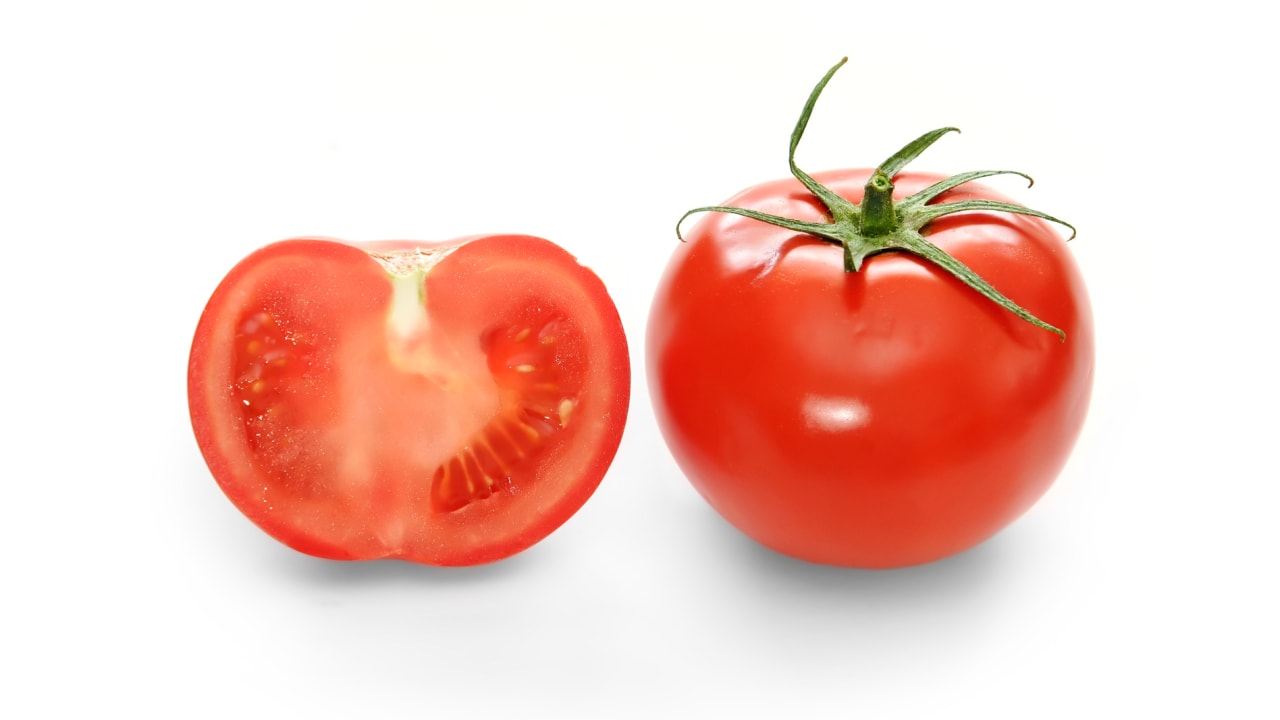
Can you believe that tomatoes, the foundation of so many beautiful dishes I create today, were once considered deadly poison? For centuries in Europe, wealthy families avoided them completely because people would literally die after eating tomatoes from pewter plates. The truth? Lead poisoning from the acidic tomatoes leaching lead from expensive dinnerware killed people, not the tomatoes themselves. Meanwhile, poor families ate tomatoes from wooden plates and stayed perfectly healthy, but nobody connected those dots for the longest time.
I find this history fascinating because it shows how fear can completely transform our relationship with food. Today, I grow cherry tomatoes on my windowsill and use them in everything from fresh salsas to slow-roasted pasta sauces. The irony hits me every time I slice into a perfectly ripe heirloom tomato – this “poison” now anchors Mediterranean cuisine, Mexican cooking, and countless healthy recipes I share with you. From feared fruit to global staple, tomatoes prove that sometimes the most nourishing ingredients need time to find their rightful place in our kitchens and hearts.
Avocados Had Giant Pits and Little Flesh
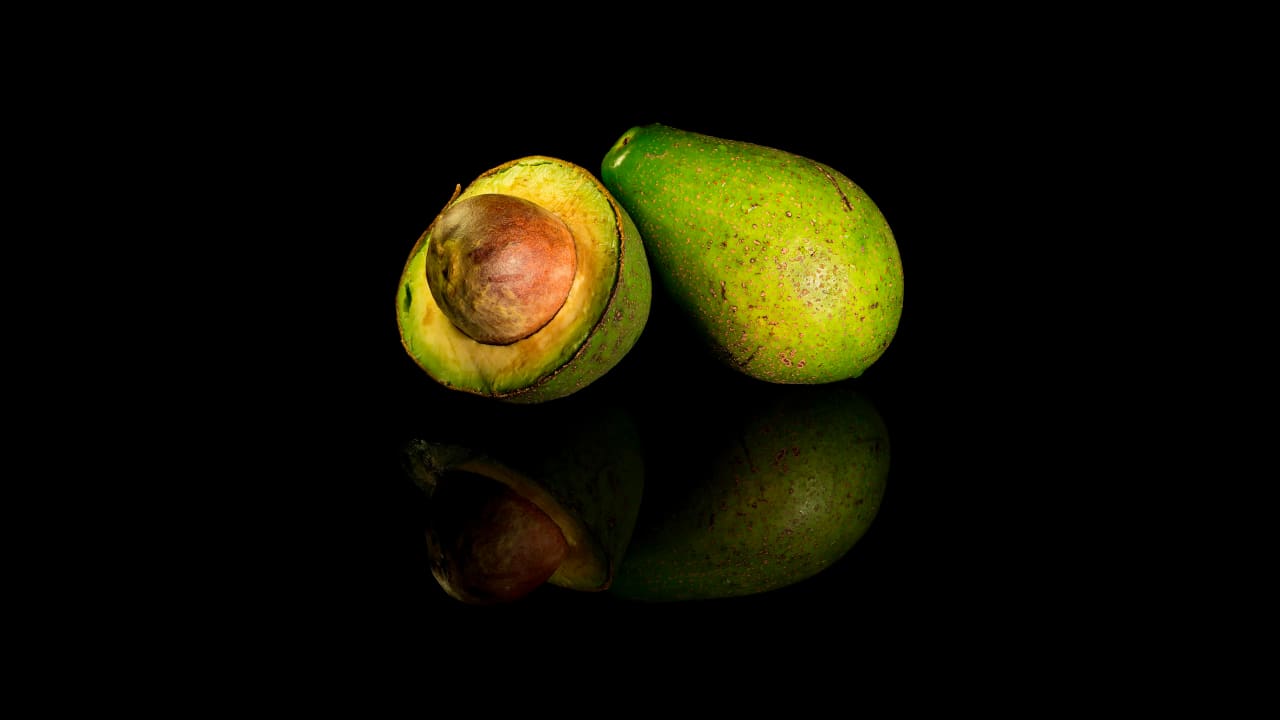
Picture this: you’re at the farmers market, eyeing those perfect avocados for your weekend toast, but thousands of years ago, your ancestors would have walked right past the original version. Wild avocados were nothing like the creamy, generous fruits we know today. These ancient varieties carried massive pits that took up most of the space inside, leaving just a thin layer of flesh around the edges. You’d crack one open and find maybe a tablespoon of that green goodness we crave so much now.
The transformation happened through centuries of careful cultivation by indigenous peoples in Central and South America, who selected the best specimens and gradually developed varieties with more flesh and smaller pits. Today’s avocados give us that perfect ratio of creamy texture to pit size that makes them so versatile in my kitchen. I love how this evolution mirrors my own cooking philosophy—taking something basic and transforming it into something extraordinary through patience and intention. Whether I’m mashing them into guacamole with lime and fresh cilantro or slicing them over warm quinoa bowls, modern avocados offer the generous, buttery richness that makes plant-based meals so satisfying and nourishing.
Strawberries Were Tiny White Berries
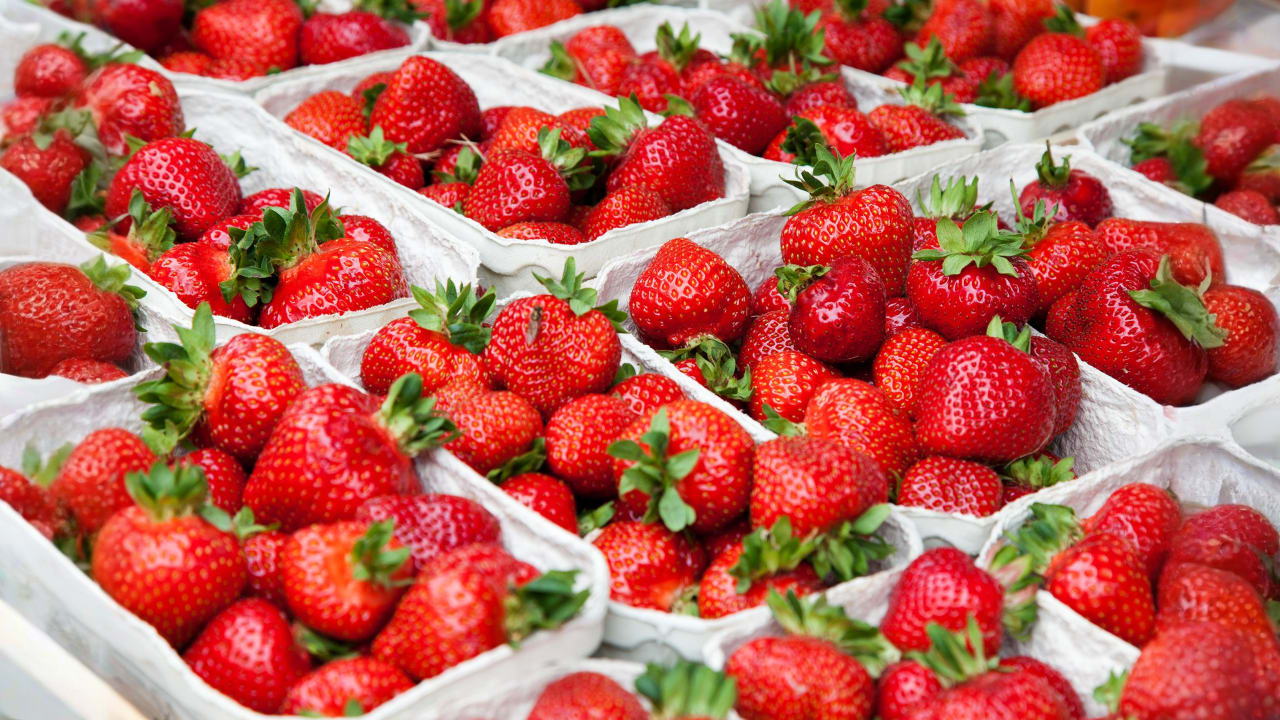
Picture this: you’re wandering through a medieval European forest, and you spot what locals call “strawberries” – tiny white berries no bigger than your pinky nail. These weren’t the plump, ruby-red giants we toss into our morning smoothies or slice over pancakes today. The original wild strawberries were petite, pale, and packed with an intense flavor that would make your eyes widen with surprise. I remember the first time I found wild strawberries during a hiking trip in the Alps – those little cream-colored gems delivered more concentrated sweetness than any supermarket berry ever could. They were nature’s candy, hidden among forest floors across Europe and Asia.
Fast-forward to the 18th century, and French gardeners changed everything by crossbreeding European wild strawberries with larger varieties from the Americas. What we buy at farmers markets today represents centuries of careful selection for size, color, and shelf life. Sometimes I wonder what we traded away for convenience – those original berries might have been smaller, but they carried flavors so complex and bright that one tiny berry could transform an entire dish. When I make my grandmother’s strawberry compote, I always add a touch of wild berry jam to honor those ancient flavors. Modern strawberries give us abundance and accessibility, but knowing their humble white origins reminds me why I always seek out the smallest, most fragrant berries I can find.
Apples Were Sour Crabapples
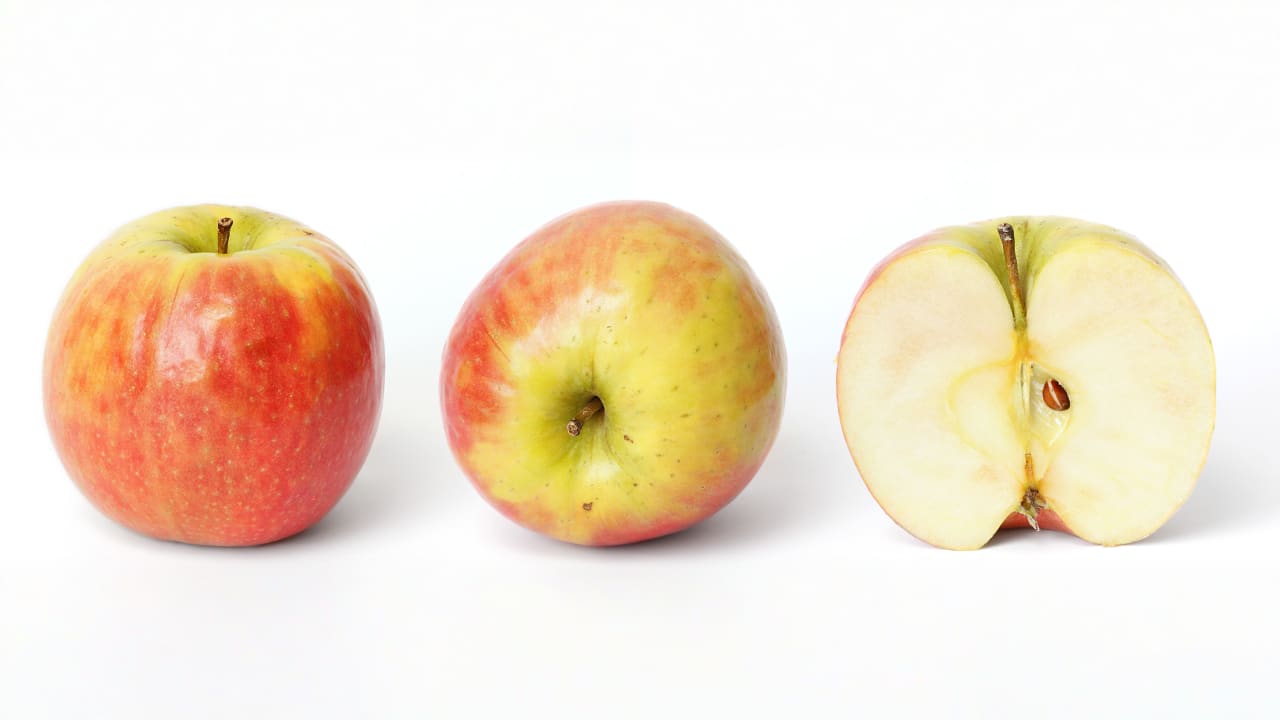
Through centuries of careful selection and cultivation, farmers gradually bred apples for sweetness, size, and texture. This process created the incredible diversity we see in modern grocery stores – from tart Granny Smiths perfect for my weekend apple crisps to sweet Red Delicious that my kids devour straight from the tree. What fascinates me most is how this transformation mirrors my own cooking philosophy: taking something raw and seemingly unpalatable, then coaxing out its hidden potential through patience and technique. Even today, I love incorporating different apple varieties into my recipes, appreciating how each brings its own character to everything from morning smoothie bowls to rustic galettes that fill my kitchen with the most incredible aromas.
Potatoes Were Toxic Purple Tubers
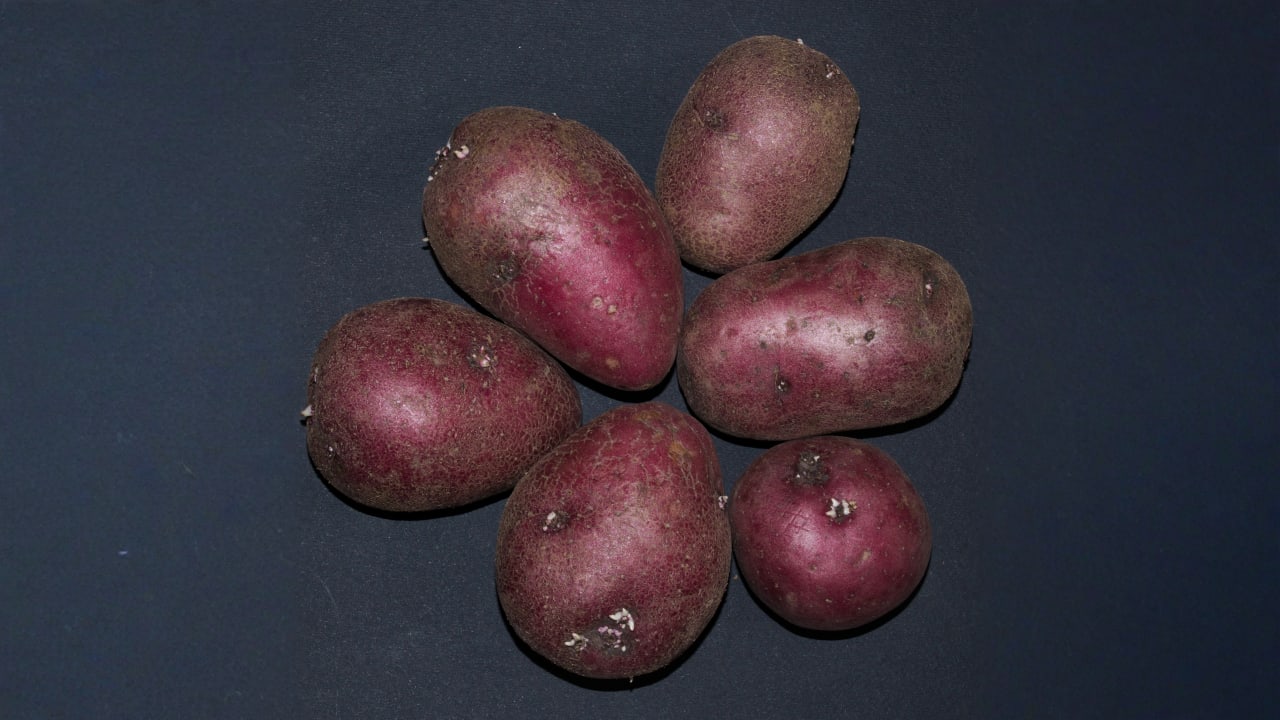
You know how I always tell you to trust your ingredients and understand their stories? Well, potatoes have quite the tale! Those beautiful, creamy spuds we toss into our favorite curries and roast until golden weren’t always the safe, starchy comfort we know today. The original wild potatoes in South America were small, bitter, and intensely purple – but here’s the kicker – they contained dangerous levels of solanine, a natural toxin that could make you seriously ill. Indigenous peoples of the Andes developed incredible techniques to process these toxic tubers, including freeze-drying them at high altitudes and soaking them in clay-lined pools to leach out the harmful compounds.
What amazes me as someone who loves working with whole, unprocessed ingredients is how thousands of years of careful selection transformed these risky little purple nuggets into the versatile, nutritious potatoes I reach for almost daily. The Incas and other Andean cultures didn’t just survive on these processed potatoes – they thrived, creating a food source so reliable it supported entire civilizations. Today’s potatoes still carry traces of that ancient DNA, but selective breeding has given us varieties with minimal toxins and maximum flavor. Next time you’re peeling potatoes for that weekend family dinner, take a moment to appreciate the incredible human ingenuity that made this simple act possible – and maybe leave the skins on for extra nutrients and that connection to their wild ancestry!
Chocolate Was a Bitter Ceremonial Drink

Picture this: you’re sitting in an ancient Mayan temple, and someone hands you a frothy, bitter drink made from ground cacao beans mixed with spices like chili peppers and vanilla. No sugar, no milk—just pure, intense cacao that would make your modern hot chocolate taste like candy water. This was chocolate for thousands of years, and honestly, I think we lost something magical when we turned it into the sweet treats we know today. The Aztecs called it “xocolatl,” meaning “bitter water,” and they treated it like liquid gold, literally using cacao beans as currency and reserving the drink for nobility and religious ceremonies.
What amazes me most is how this transformation completely changed our relationship with cacao. When Spanish conquistadors brought chocolate to Europe in the 16th century, they couldn’t handle the intense bitterness, so they started adding sugar and honey. Fast-forward to today, and we’ve created chocolate bars loaded with so much sugar that we’ve basically forgotten what real cacao tastes like. I love experimenting with raw cacao in my kitchen—adding it to smoothies, making unsweetened chocolate elixirs with warming spices like cinnamon and cayenne. When you taste pure cacao, you understand why ancient civilizations considered it food of the gods. The complexity, the earthiness, the way it awakens every sense—it’s nothing like the processed chocolate we grab from store shelves.
Pizza Had No Tomato Sauce
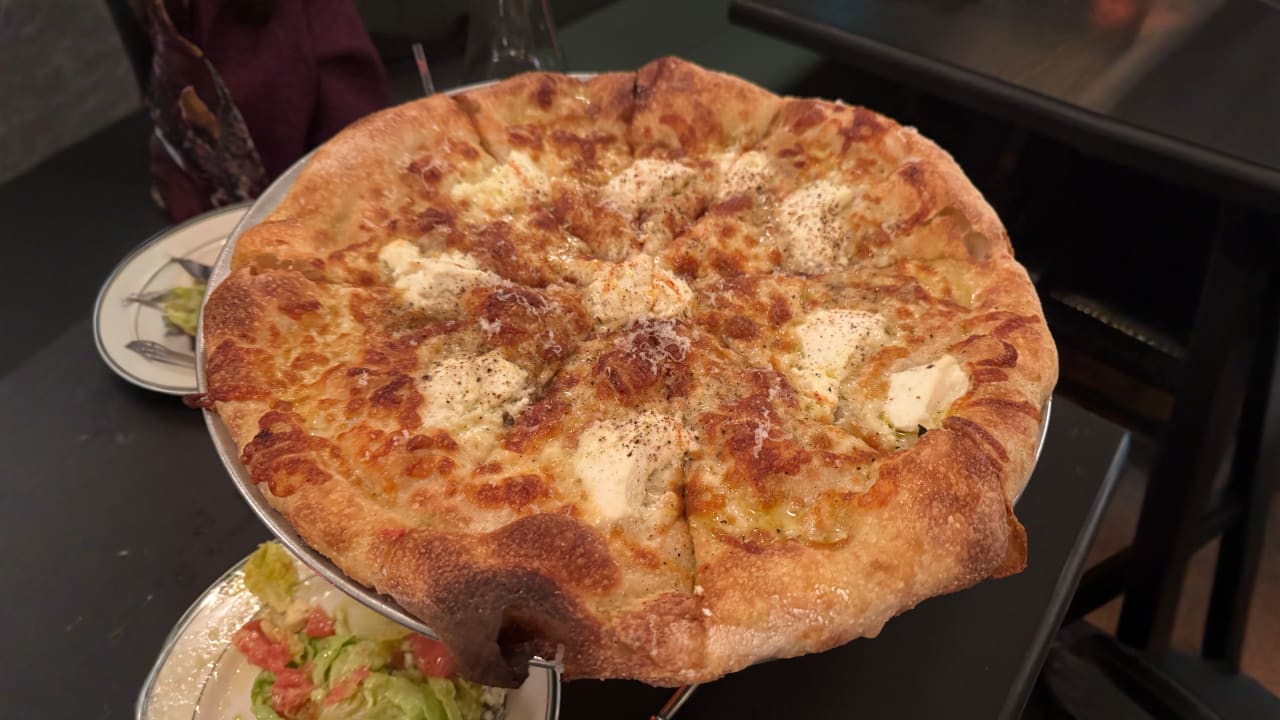
Picture this: you’re in ancient Rome, and someone offers you pizza. What arrives isn’t the saucy, cheesy masterpiece you know today—it’s flatbread topped with olive oil, garlic, and maybe some herbs. The pizza we adore started as simple focaccia-style bread that working-class Romans ate as cheap, filling fuel. No tomato sauce existed because tomatoes hadn’t even made their way to Europe yet! When I think about recreating these ancient flavors in my kitchen, I get excited about how something so basic could transform into today’s beloved dish.
The tomato revolution didn’t happen until the 16th century when Spanish explorers brought these “golden apples” from the Americas. Even then, Europeans feared tomatoes for centuries, believing they were poisonous! It wasn’t until the late 1700s that Neapolitan bakers started adding tomato sauce to their flatbreads, creating what we recognize as modern pizza. I love experimenting with both versions—sometimes I’ll make traditional white pizza with just good olive oil, fresh herbs, and quality cheese, honoring those ancient roots. There’s something magical about understanding how our favorite foods evolved from such humble, practical beginnings into the comfort foods we treasure today.
Ketchup Was Medicine Made from Fish

Friends, when I first learned that our beloved tomato ketchup started as a fermented fish sauce prescribed by doctors, my mind was completely blown! Picture this: ancient Chinese cooks created “ke-tsiap,” a pungent, salty condiment made from pickled fish and spices that traders believed could cure everything from indigestion to diarrhea. British sailors brought this medicinal marvel back home in the 1600s, where it morphed through countless iterations—mushroom ketchup, walnut ketchup, even oyster versions—before anyone thought to add tomatoes.
What fascinates me most about this transformation is how it mirrors my own cooking philosophy: taking something unexpected and creating something completely new. Those early American cooks in the 1800s who finally added tomatoes were doing exactly what I do in my kitchen—experimenting fearlessly with ingredients that seem unrelated. Today’s sweet, thick ketchup bears zero resemblance to its fishy ancestor, yet both share that same umami-rich quality that makes food irresistible. This reminds me why I always keep fish sauce in my pantry—that same ancient wisdom about fermented flavors still creates magic in modern cooking, just like those original medicine makers knew centuries ago.
Lobster Was Prison Food for the Poor
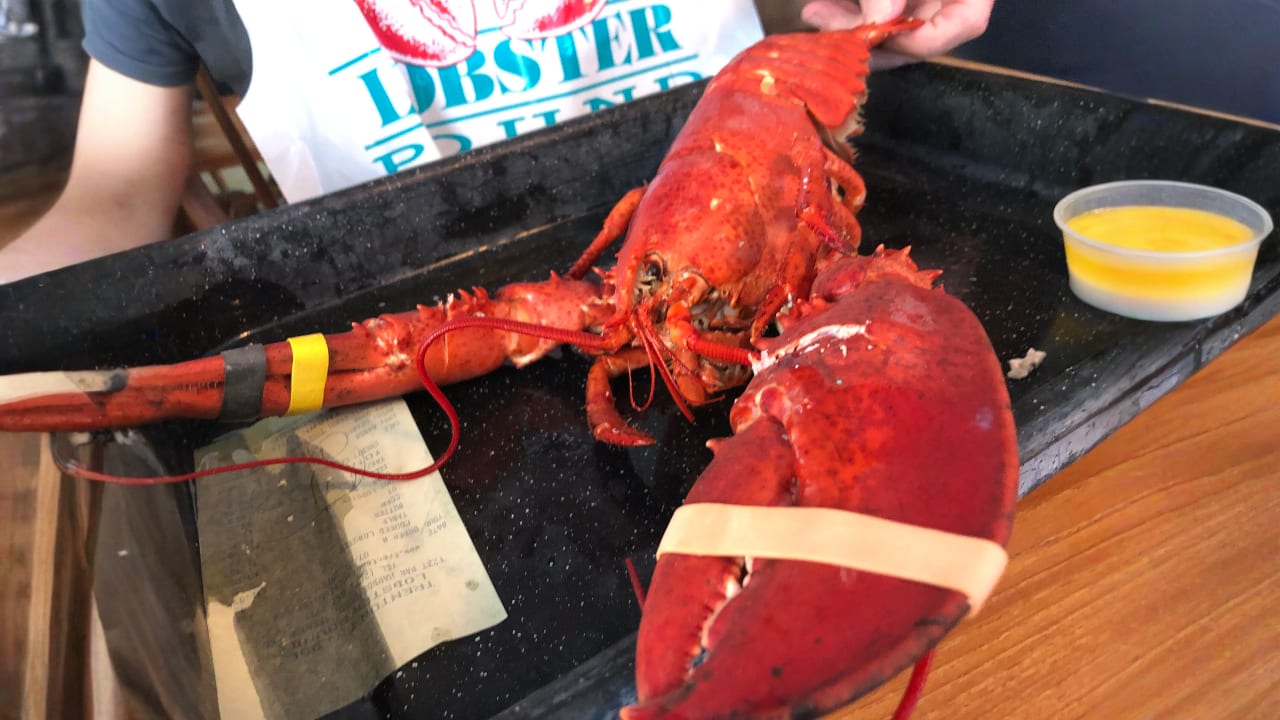
Can you believe that lobster—the same crustacean we now pay premium prices for at fancy restaurants—was once considered so lowly that feeding it to prisoners was deemed cruel and unusual punishment? Back in colonial America, these sea creatures washed up on shores in massive piles, and people saw them as nothing more than giant sea bugs. Massachusetts even passed laws limiting how often you could serve lobster to prisoners because it was considered inhumane to feed it to them more than three times a week. The wealthy wouldn’t touch these “cockroaches of the sea,” and honestly, I understand why when you think about how they prepared them back then.
What transformed this despised protein into today’s luxury item was brilliant marketing and better cooking techniques. The railroad companies in the 1800s started serving lobster to unsuspecting inland travelers who had never seen one before, marketing it as an exotic delicacy from the mysterious ocean depths. They figured out that proper cooking—steaming instead of boiling whole lobsters into mush—made all the difference in texture and flavor. Now when I prepare lobster at home, I think about this incredible transformation and how perception shapes our relationship with food. Sometimes the most overlooked ingredients just need the right treatment and presentation to reveal their true potential, much like how I approach cooking with underappreciated vegetables or forgotten grains in my own kitchen.