12 Surprising Foods That Turn Every Bite Into a Nature Adventure
Your next bite connects you to an intricate web of natural wonders that would blow your mind. From the microscopic armies of beneficial bacteria in your gut to the mysterious influence of moonlight on crop growth, every meal tells a fascinating story of our relationship with Mother Nature.
I discovered this mind-bending connection between food and nature while munching on foraged blackberries last summer. Those juicy berries didn’t just satisfy my hunger – they opened my eyes to an incredible world where plant defenses create bold flavors and wild yeasts capture the essence of local environments.
The food on your plate right now links you to ancient foraging instincts, complex root systems that mirror human anatomy, and countless tiny organisms working in perfect harmony. Ready to see these 12 everyday foods in a completely new light? Your adventure through nature’s pantry starts now.
Bees and food web interdependence
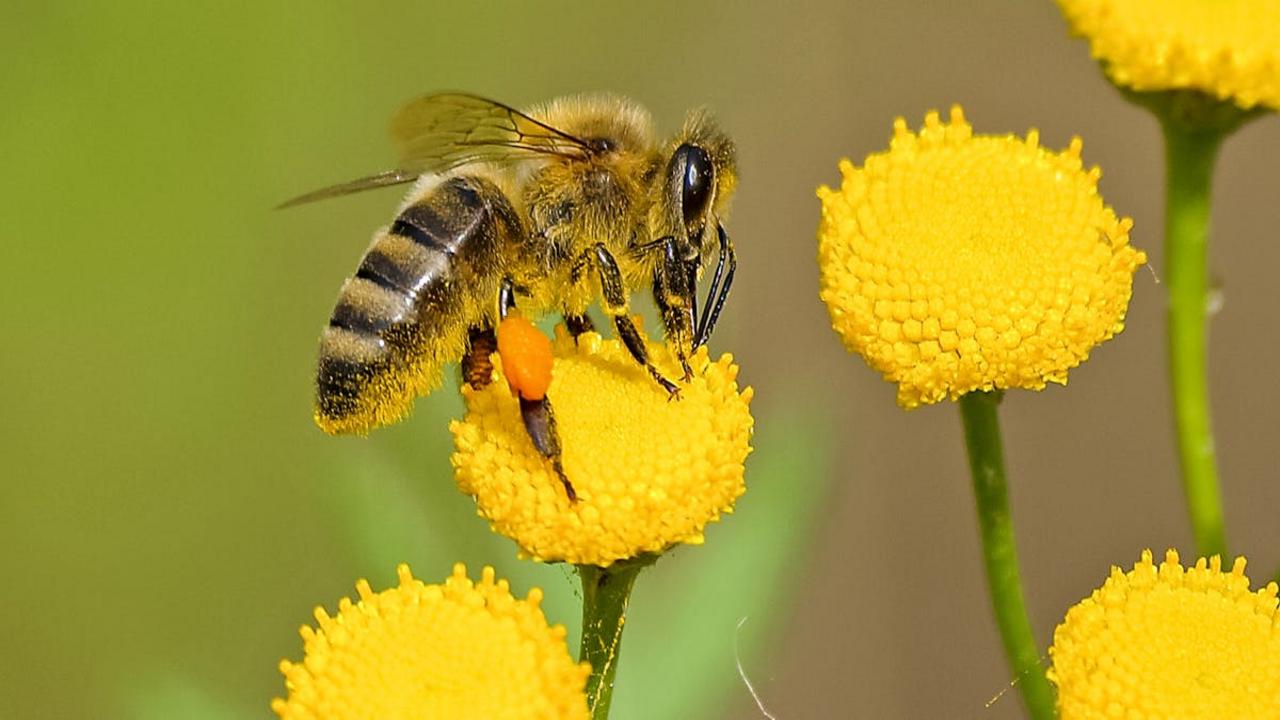
You know what blows my mind every time I bite into an almond or savor a juicy apple? I have a tiny, buzzing friend to thank for that delicious moment! One out of every three bites of food you eat exists because of bees and their pollination magic. These little workers don’t just make honey – they’re the unsung heroes behind your morning coffee, those chocolate cravings, and even the cotton in your favorite t-shirt. Without bees pollinating our crops, we’d wave goodbye to about 70% of the foods we munch on daily.
Here’s the wild part – bees create this amazing ripple effect in nature that goes way beyond your plate. Think of them as nature’s matchmakers, connecting plants to create seeds and fruits that feed everything from tiny songbirds to mighty bears. This interconnected food web is like a giant game of dominoes – remove the bees, and the whole system starts to wobble. That’s why every spoonful of honey you drizzle on your toast isn’t just sweet – it’s a reminder of how one small insect keeps our whole food system buzzing along. Next time you crunch into an apple, give a little mental high-five to the bees who made it possible!
Wild yeast captures local environment
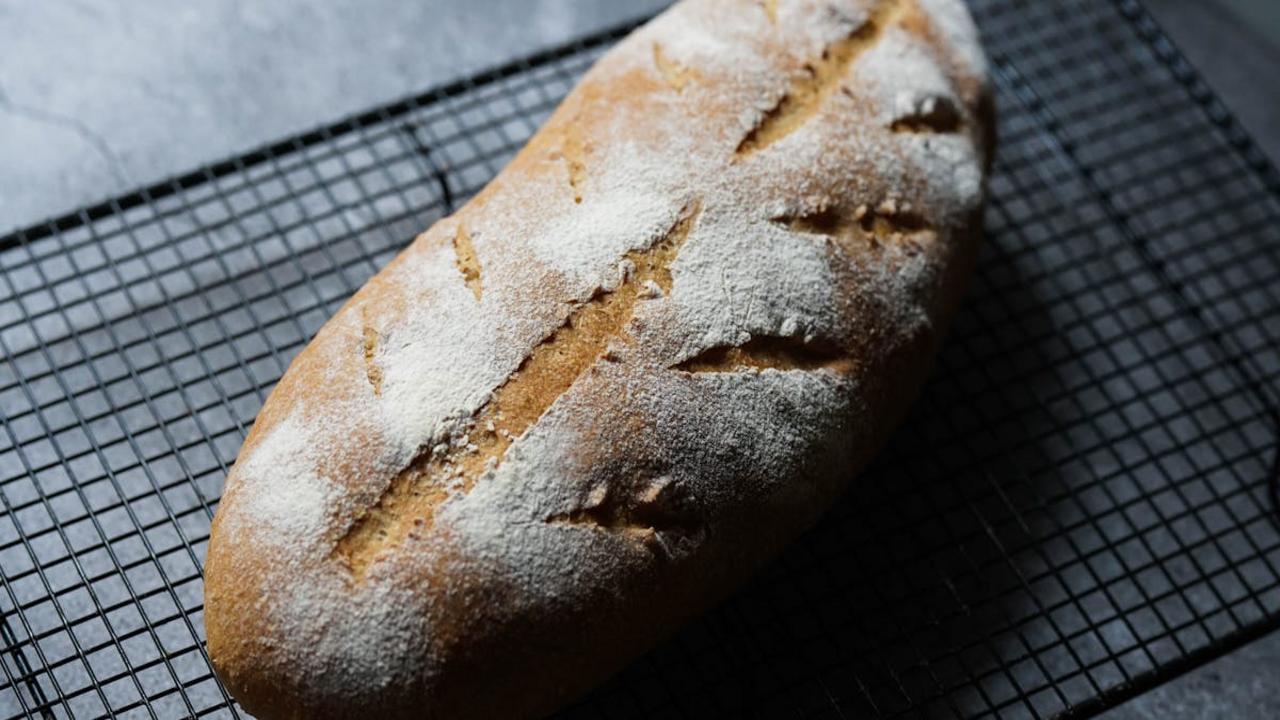
Your sourdough starter carries more local pride than a neighborhood block party! Wild yeast floating around your kitchen right now holds the unique character of your area – from the microbes in the air to the native flora outside your window. Every time you make bread with your homegrown starter, you’re creating something completely unique to your location. Think of it as your kitchen’s personal signature, like a microbial fingerprint that can’t be replicated anywhere else in the world.
I once met a baker in San Francisco who kept a starter from 1973 – talk about commitment! She swore the foggy Bay Area air gave her sourdough that classic tangy bite you can’t get anywhere else. And she’s right – the specific blend of wild yeasts and bacteria in your local environment shapes the flavor, aroma, and texture of your bread. Your starter could capture traces of nearby apple orchards, wine country breezes, or salty ocean air. Next time you feed your bubbly pet (yes, that’s what bread nerds call their starters), remember you’re nurturing a tiny ecosystem that tells the story of your home.
Seed dispersal through animal consumption
Ever wonder why birds can’t resist those bright berries, or why monkeys go bananas for, well, bananas? Mother Nature has a clever trick up her sleeve – she’s turned animals into her personal gardening crew! When animals munch on fruits and berries, they’re actually helping plants spread their seeds far and wide. Think of it as nature’s version of UberEats, except the delivery drivers are furry, feathered, or sometimes even scaly. The seeds pass through their digestive systems unharmed and get deposited (with a natural fertilizer bonus!) in new locations, ready to sprout and grow.
I once watched my friend’s parrot demolish a pomegranate, making an absolute mess but inadvertently demonstrating this amazing process. The truth is, many of our favorite fruits evolved specifically to catch animals’ attention – that’s why they’re colorful, sweet, and packed with nutrients. Tomatoes, blackberries, and figs all rely on this method. Even elephants play a part, spreading large seeds across African savannas through their droppings. A single elephant can transport seeds up to 65 kilometers away from their original source! So next time you bite into a juicy fruit, remember you’re participating in one of nature’s oldest distribution systems.
Moon phases affect plant growth and harvest
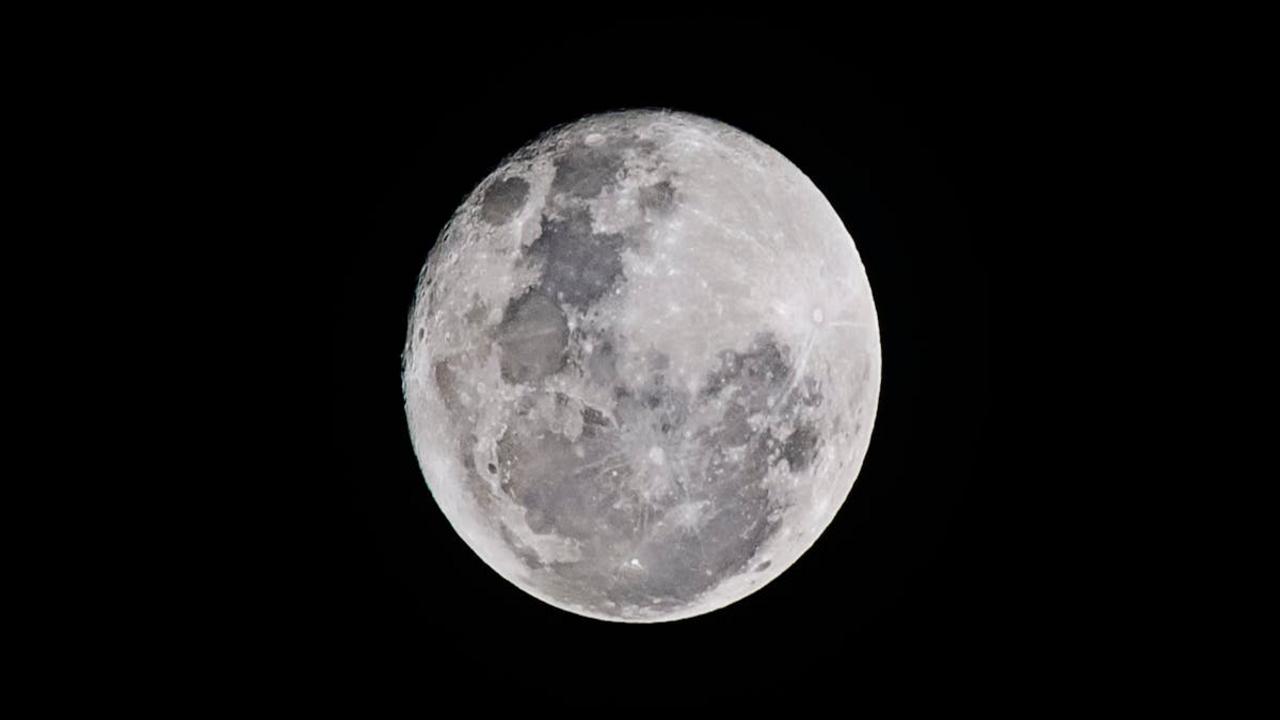
You know that friend who swears by planting their tomatoes during a full moon? Well, they might be onto something! Recent studies show that the moon’s gravitational pull affects not just ocean tides but also water movement in soil and plants. Your veggies and herbs grow differently based on lunar phases – during the waxing moon (when it gets fuller), seeds soak up more water and plants shoot up faster. And here’s the kicker: root vegetables like potatoes and carrots actually bulk up more during the waning moon!
I tried this moon-synced gardening thing with my backyard basil patch, and the results blew my mind. By timing my planting two days before the full moon, my herbs grew twice as bushy as my previous attempts. Ancient farmers weren’t just making this stuff up – they tracked lunar cycles because it worked! Now I keep a moon calendar in my garden shed and plan my planting schedule around it. My neighbors think I’ve gone full moonbat, but my overflowing herb garden speaks for itself. Want bigger, juicier tomatoes? Try planting them during the waxing moon and watch nature work its magic!
Plant defense mechanisms shape flavors
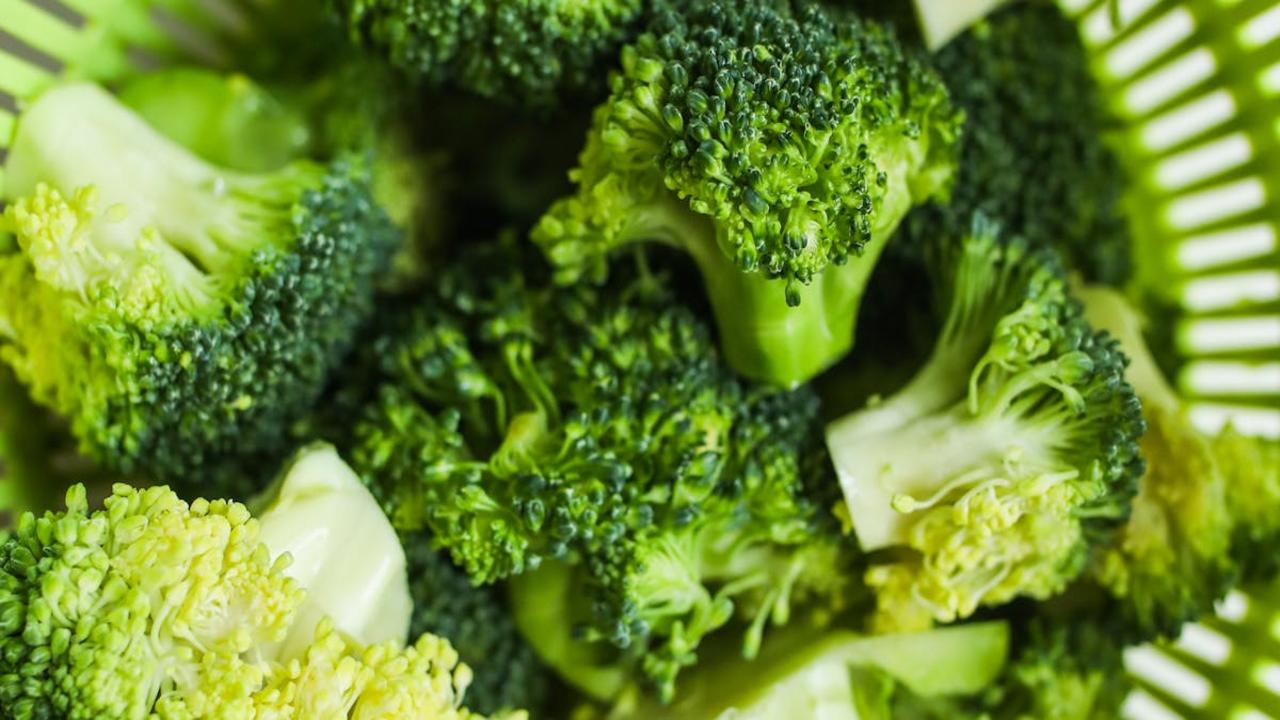
You know that fiery kick from wasabi or the sharp bite of black pepper? Those intense flavors aren’t just there to make your dinner more exciting – they’re actually chemical weapons! Plants developed these compounds to fight off hungry insects and animals. What’s wild is that many of these defensive chemicals trigger the exact sensations that make us crave these foods. Take mustard greens, for example – their pungent punch comes from glucosinolates, compounds that would send most bugs running but make us humans reach for seconds.
Mother Nature really pulled a fast one here – what started as plant armor became our flavor goldmine. The capsaicin in chili peppers would normally scream “don’t eat me!” to mammals, but we’ve turned that burn into a global spice obsession. Even the bitter notes in coffee and dark chocolate trace back to compounds meant to make predators think twice. Next time you bite into a peppery arugula leaf or savor some horseradish heat, remember you’re tasting millions of years of plant evolution on your plate. Pretty cool how we transformed these botanical defense systems into crave-worthy flavors!
Natural food dyes from flowers and insects
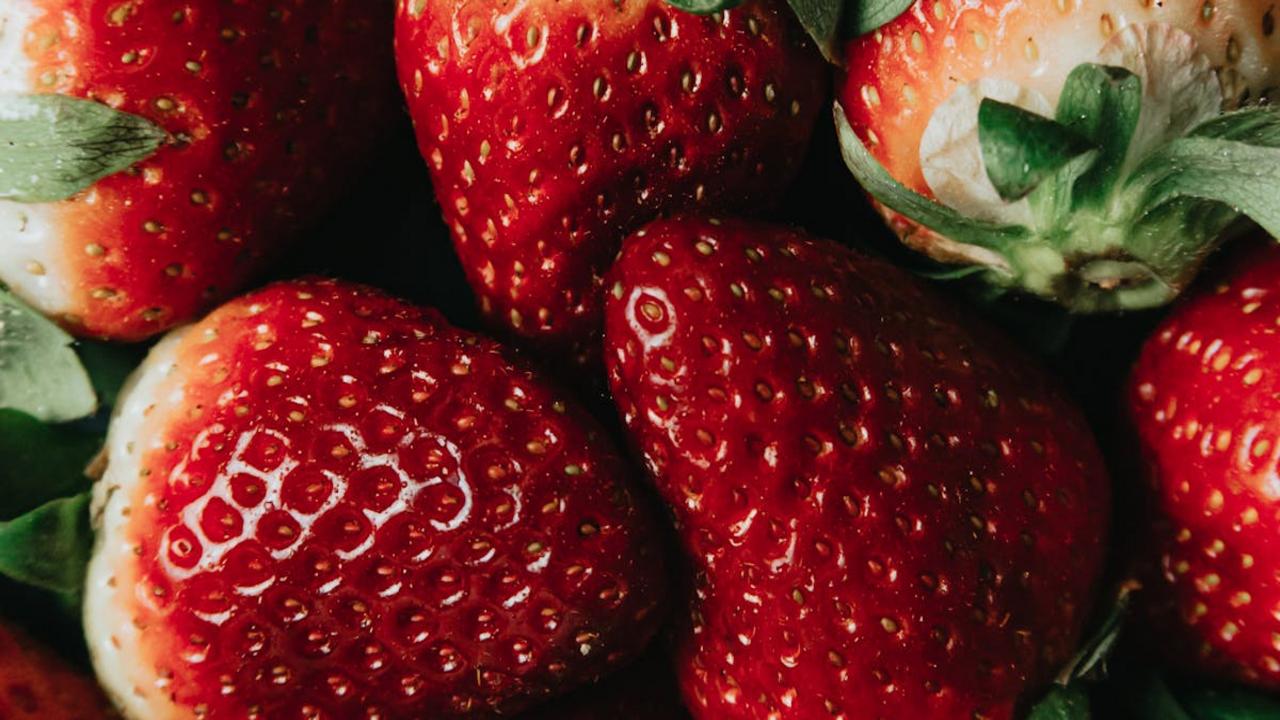
Who knew that gorgeous red strawberry smoothie might get its vibrant color from crushed bugs? Yes, you read that right! Cochineal insects, tiny crawlers that feed on prickly pear cacti, create a natural red dye called carmine that adds a stunning splash of color to many foods. And it’s not just bugs – your favorite purple candies or drinks often get their royal hue from butterfly pea flowers, while saffron threads paint your paella with a golden yellow glow. Mother Nature truly runs the most fantastic paint store!
Next time you munch on that pink frosted donut or sip a ruby-tinted drink, check the label for these natural color sources. Blue spirulina algae gives your smoothie bowl that Instagram-worthy ocean blue, while turmeric root transforms everything it touches into sunshine yellow. Unlike artificial dyes, these natural colorants pack bonus health benefits – beetroot powder doesn’t just make your cake pink, it loads it with antioxidants too! Who says playing with your food can’t be both beautiful and nutritious? Your plate becomes a canvas, painted with nature’s own palette.
Fermentation connects microscopic ecosystems
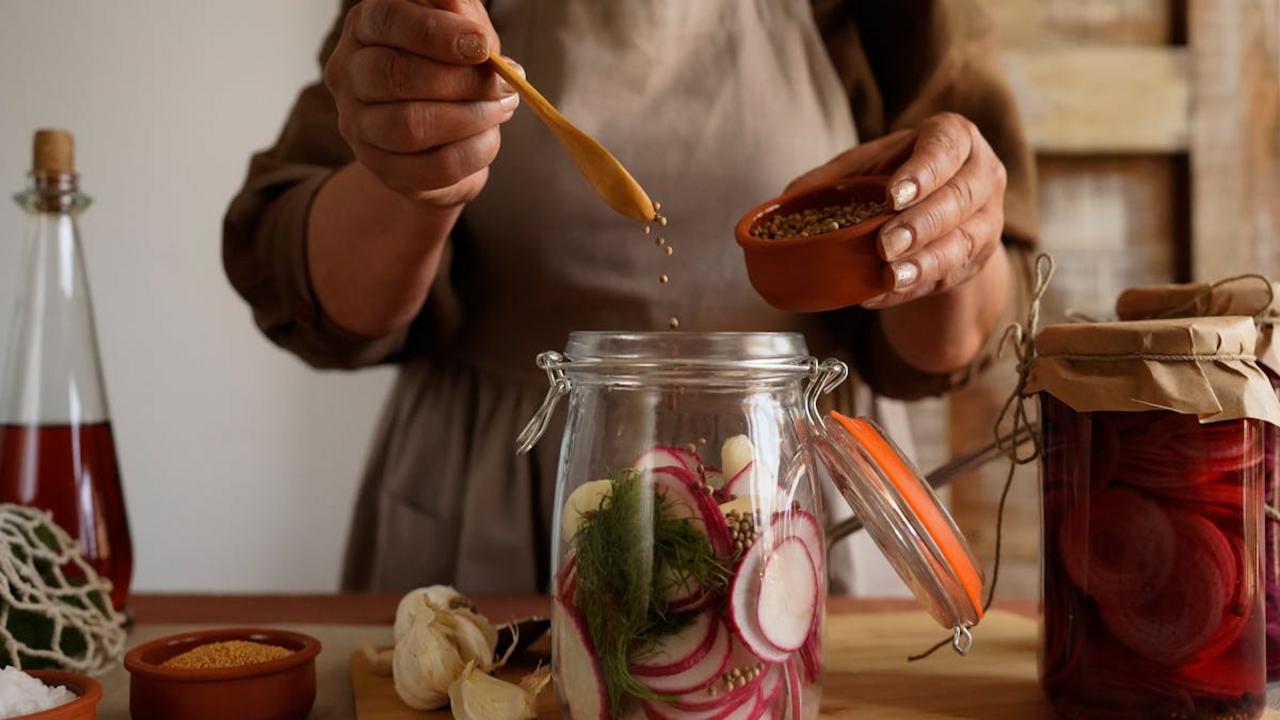
Did you know your jar of sauerkraut contains billions of tiny microorganisms throwing the wildest party imaginable? Every time you open that lid, you’re peeking into a microscopic world where beneficial bacteria transform ordinary cabbage into tangy, probiotic-rich goodness. The same goes for your kombucha, kimchi, and that funky fish sauce in your pantry – they’re all teeming with helpful microbes doing their fermentation dance. Think of it as nature’s original food preservation method, where good bacteria work overtime to create incredible flavors while keeping the bad guys at bay.
Making your own fermented foods at home feels like running a tiny science experiment in your kitchen. You start with simple ingredients like vegetables, salt, and water, then watch as natural bacteria create magic over days or weeks. The bubbles that form, the changing aromas, and the gradual transformation of textures – it’s like having a front-row seat to nature’s most impressive chemistry show. Plus, these fermented foods create a direct link between your gut and the environment, since the same microorganisms that make your pickles tangy also keep soil healthy and help plants grow. Who knew your favorite sandwich topping could connect you to such a vast network of life?
Root systems mirror human blood vessels
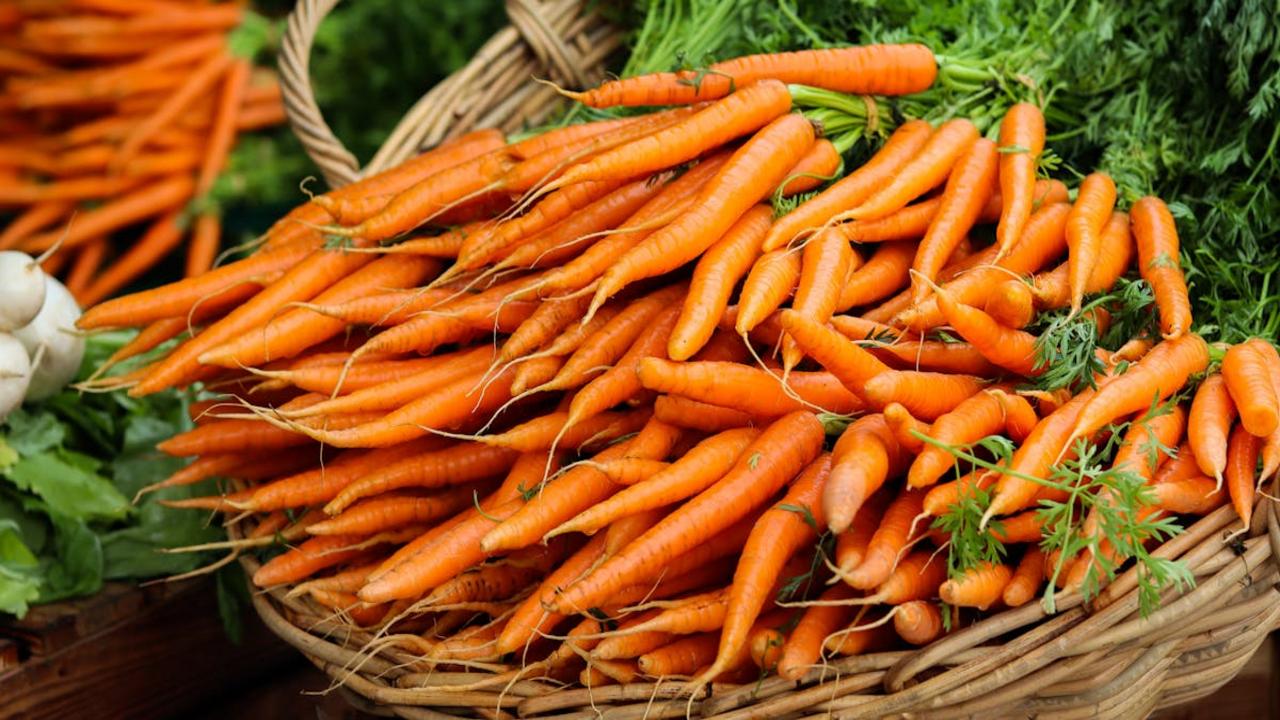
I couldn’t believe my eyes when I first learned that carrots, parsnips, and other root vegetables grow in patterns nearly identical to our blood vessels! Nature loves efficiency, and both root systems and blood vessels follow the same branching rules to distribute nutrients. Next time you pull up a whole carrot or beetroot from your garden, take a close look at those tiny hair-like roots – they’re following the same mathematical principles that keep blood flowing through your body. The similarity is so striking that scientists now study root systems to understand cardiovascular health better.
My favorite way to showcase this natural wonder is to buy whole root vegetables with their delicate tendrils still attached. Last week, I found gorgeous purple carrots at the farmers’ market and roasted them whole, letting those tiny roots crisp up into nature’s version of potato chips. The vendor told me some cultures believe eating root vegetables strengthens your circulatory system because of this mirrored pattern. While that might be garden folklore, these vegetables do pack plenty of nutrients that support heart health. Plus, there’s something magical about eating food that reminds us how connected we are to nature’s grand design.
Food scraps feeding garden compost cycle
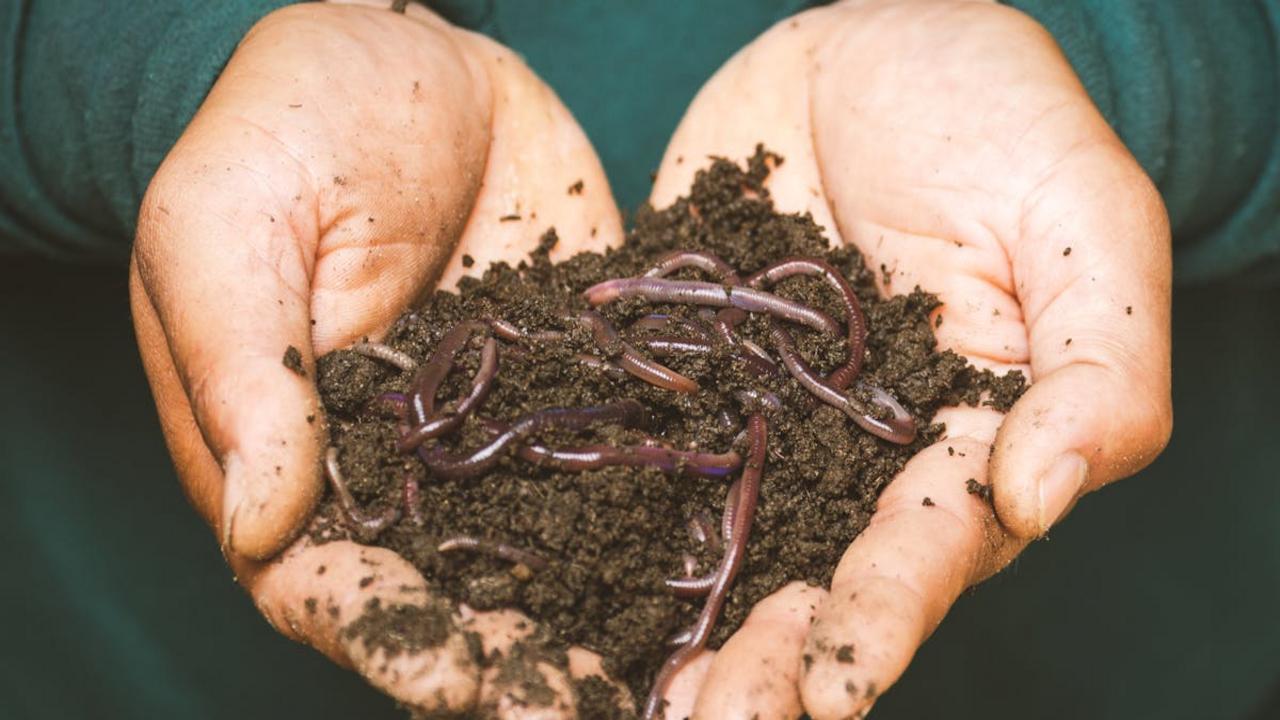
Your banana peels and apple cores aren’t trash – they’re garden gold! I’ve turned my kitchen waste into a thriving backyard ecosystem where yesterday’s coffee grounds become tomorrow’s tomatoes. The magic happens right in my compost bin, where layers of fruit and veggie scraps mix with dried leaves to create rich, dark soil that my plants absolutely love. My neighbors used to give me weird looks when I’d collect their fallen leaves, but now they bring their food scraps to my “garden restaurant” too!
The transformation from kitchen waste to black gold takes about 3-4 months in my setup. I’ve learned some tricks along the way – like chopping scraps into smaller pieces speeds up decomposition, and mixing “greens” (food waste) with “browns” (leaves, paper) creates the perfect recipe. My favorite part? Watching my sad wilted lettuce and carrot tops become part of this amazing cycle. Now every time I peel an orange or crack an egg, I smile knowing these “leftovers” will feed next season’s garden feast. Your garbage disposal might be convenient, but your garden will thank you for choosing the compost path instead!
Soil microbiome influences gut health
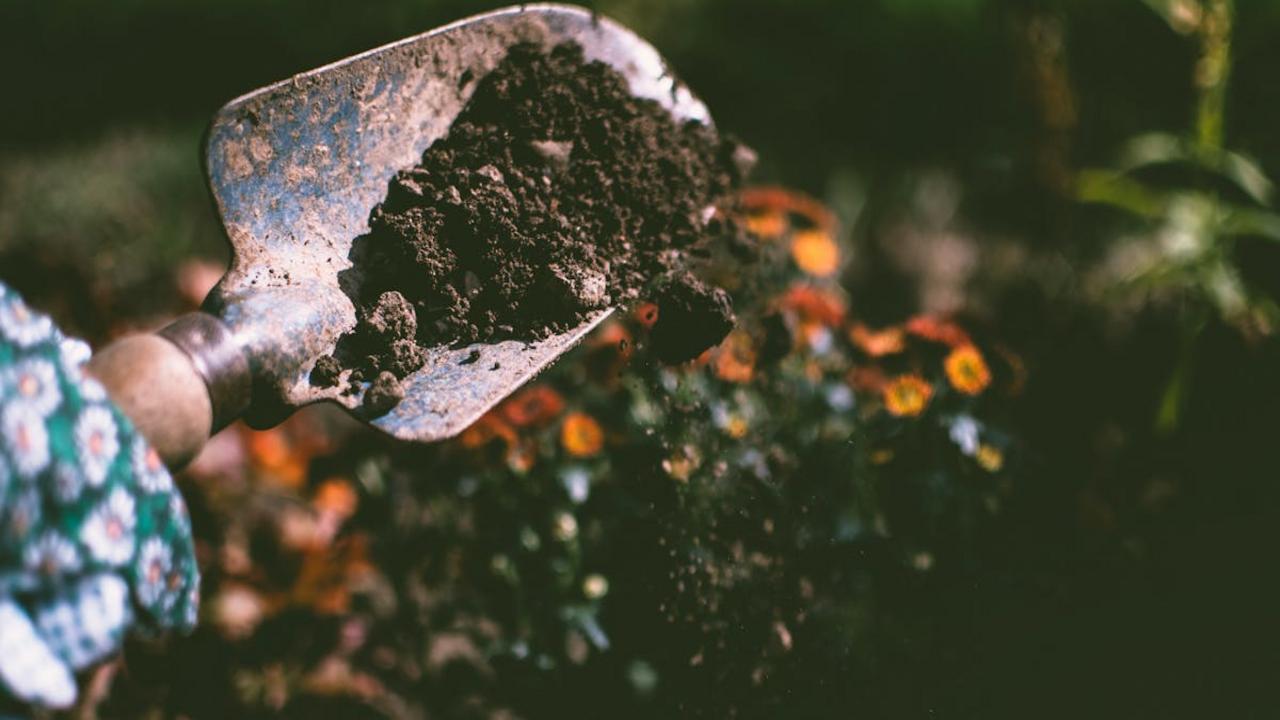
You know that earthy smell after rain? That’s your first clue to the incredible world beneath our feet! The soil microbiome – those tiny bacteria and fungi living in dirt – plays a huge role in your gut health through the foods you eat. Think of it like this: when you munch on organic carrots or potatoes pulled straight from rich soil, you’re getting a bonus dose of beneficial microorganisms that boost your digestive system. These microscopic soil dwellers help plants create more nutrients and natural compounds that end up right on your dinner plate.
Here’s the fun part – research shows kids who grow up playing in the dirt and eating home-grown veggies often develop stronger immune systems than their squeaky-clean counterparts. The soil microbes stick around on minimally-washed produce (yes, that bit of dirt is actually good for you!) and interact with your gut bacteria in ways that improve your overall health. So next time you’re at the farmers market, pick up some root vegetables with a little earth still clinging to them. Your gut will thank you for this dirty little secret to better health!
Seasonal eating aligns with Earth’s rhythms
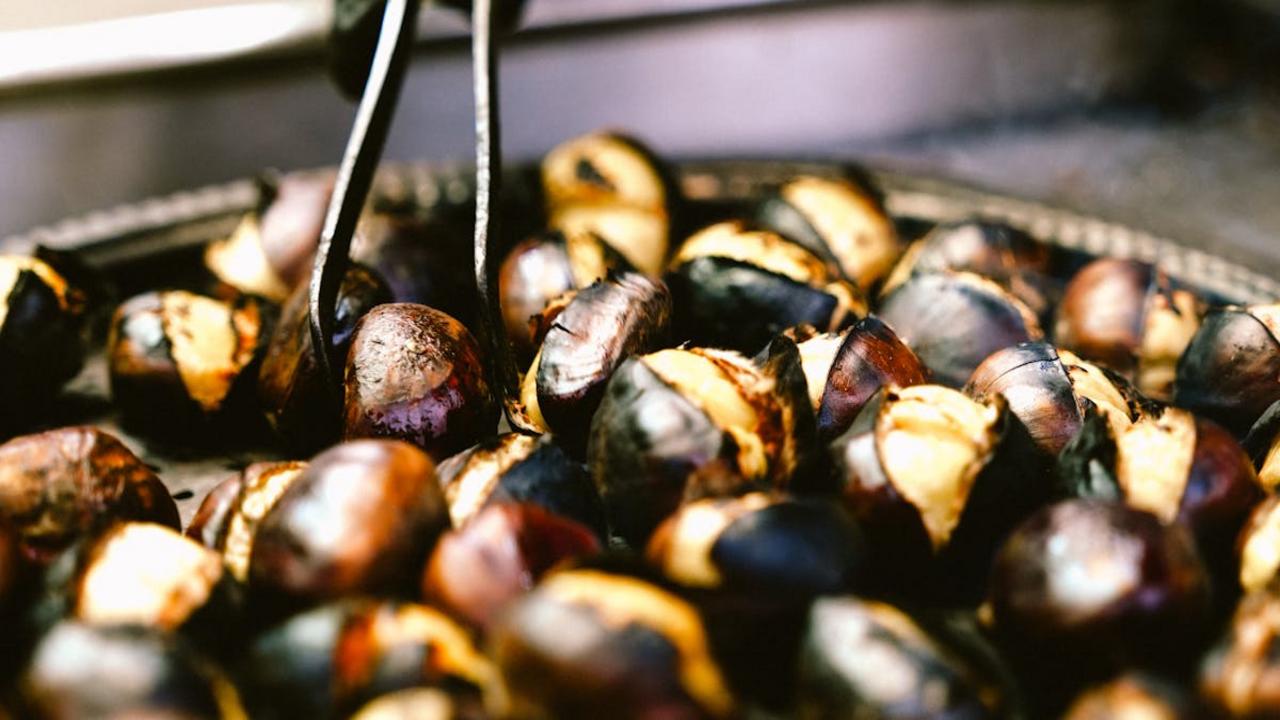
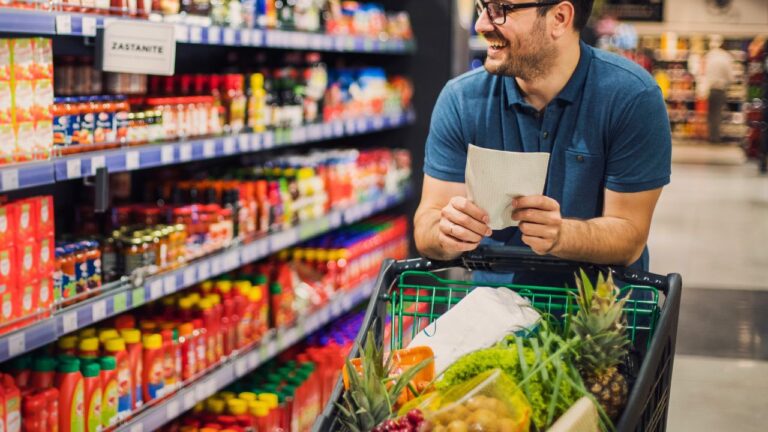
Have you noticed how strawberries simply burst with sweetness in June but taste like cardboard in December? That’s Mother Nature giving us a nudge about seasonal eating! Your great-grandparents knew this secret – they’d fill their plates with whatever the local farms produced each month. Think juicy tomatoes in August, crisp apples in October, and hearty root vegetables during those chilly winter months. I’ve found my grocery bills drop significantly when I shop according to nature’s calendar, plus the food packs way more flavor and nutrients.
Consider this – each season brings exactly what your body needs at that moment. Summer offers water-rich fruits to keep you hydrated, while autumn delivers beta-carotene-packed squashes to boost your immune system before winter. Want to get started? Check your local farmer’s market or join a CSA (Community Supported Agriculture) program. You’ll connect with local farmers, discover new ingredients, and maybe even find yourself pickling excess vegetables like a pro. Your meals will transform into direct reflections of the world around you, making every bite a celebration of nature’s perfect timing.
Foraging awakens ancient instincts
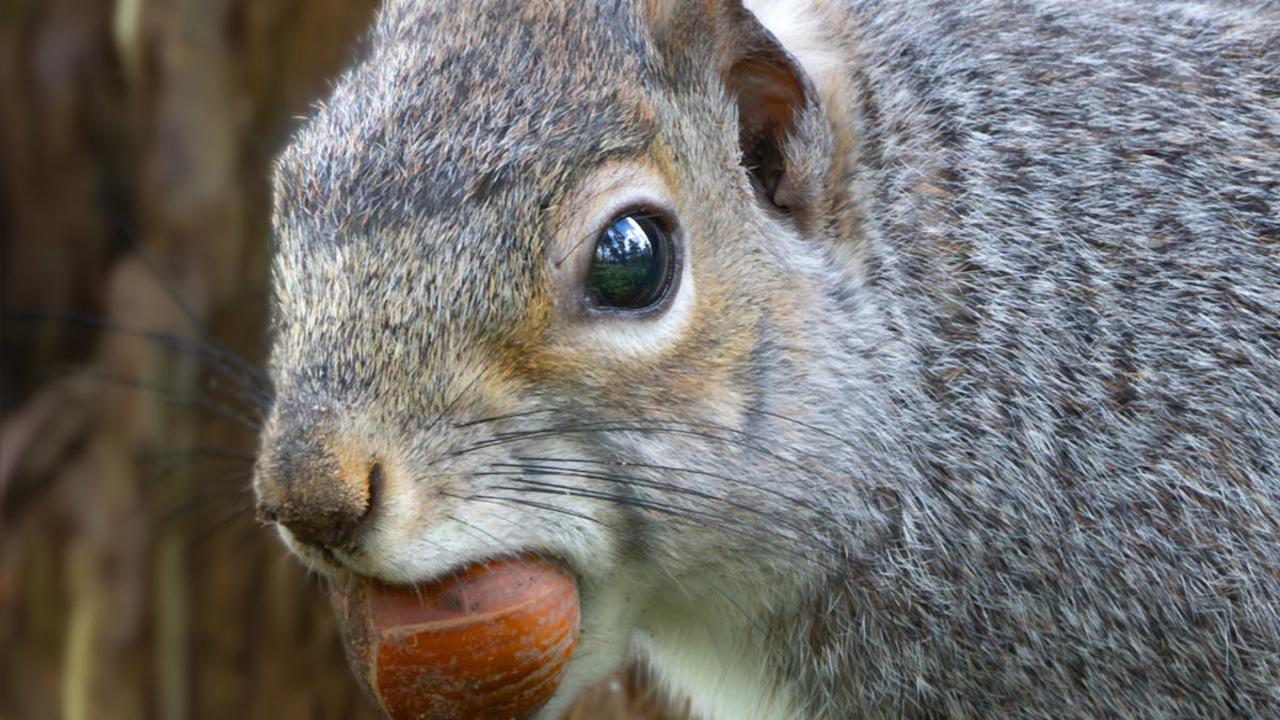
Every time I grab my wicker basket and head into the woods to hunt for wild mushrooms or berries, I feel this primal buzz kick in – like my DNA suddenly remembers what my ancestors did thousands of years ago. You know that heightened awareness you get? The way your eyes scan the forest floor more carefully, how you notice subtle color changes in leaves, and pick up on tiny movements around you? That’s your inner hunter-gatherer waking up! I’ve watched complete beginners transform from hesitant newbies into confident foragers within hours, their natural instincts taking over as they spot their first patch of wild garlic or chanterelles.
The coolest part? Science backs up this whole reconnection thing. Your brain actually fires up ancient neural pathways when you forage – the same ones your ancestors used to find food and avoid poisonous plants. Think about it: every berry you pick, every edible plant you identify triggers a satisfaction that runs deeper than just finding free food. Last week, I took my nephew foraging for blackberries, and watching his face light up when he found his first ripe cluster? Pure magic. He didn’t need anyone to teach him which ones were ready – he just knew, reaching for the darkest, plumpest berries like a tiny foraging pro.