14 Famous ‘Italian’ Dishes That Aren’t Actually from Italy
You know that moment when someone drops a food fact that completely shatters your reality? Well, grab your fork and prepare for some serious Italian identity confusion. Those beloved dishes you’ve been ordering at “authentic” Italian restaurants? Half of them would make a nonna from Naples scratch her head in bewilderment.
America’s love affair with Italian food created something beautiful yet bizarre – a parallel Italian universe where cream sauce drowns perfectly good pasta and meatballs swim alongside spaghetti. We took inspiration from the motherland and ran wild with it, creating dishes that would puzzle even the most adventurous Italian chef.
Before you panic about your favorite restaurant being a fraud, remember this: food evolution happens everywhere. These Italian-American creations tell their own delicious story of immigration, adaptation, and pure American ingenuity. Sometimes the “fake” stuff tastes pretty darn amazing anyway.
Penne alla Vodka
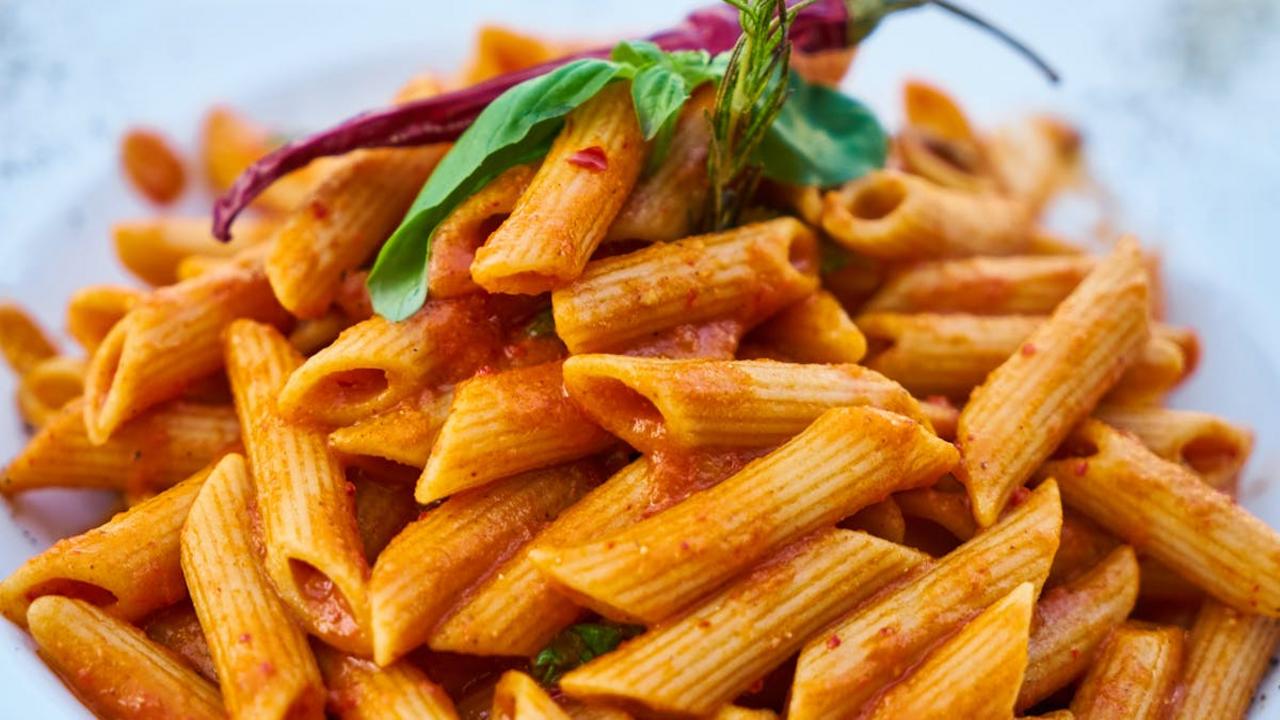
Picture this: you’re at your favorite Italian-American restaurant, confidently ordering penne alla vodka while practicing your best “Ciao bella!” accent. Plot twist – actual Italians are probably scratching their heads wondering what the heck you’re talking about! This creamy, tomato-based pasta dish swimming in vodka-infused sauce? Pure American invention, my friend. The truth is, traditional Italian cooking rarely combines cream with tomatoes, and they’d sooner put pineapple on pizza than dump vodka into their pasta sauce.
The dish likely emerged in Italian-American kitchens during the 1970s, possibly created by homesick immigrants who decided to jazz up their pasta with whatever spirits they had on hand. Some food historians point to a New York restaurant called Orsini as the birthplace, while others credit various Italian-American chefs who were experimenting with fusion before fusion was even a thing. The vodka supposedly helps marry the acidic tomatoes with the rich cream, creating a smooth, pink sauce that’s become a staple at suburban dinner tables across America. Funny thing is, many Italian restaurants in Italy now serve it specifically for confused American tourists who insist on ordering this “authentic” dish!
Marinara Sauce (as we know it today)
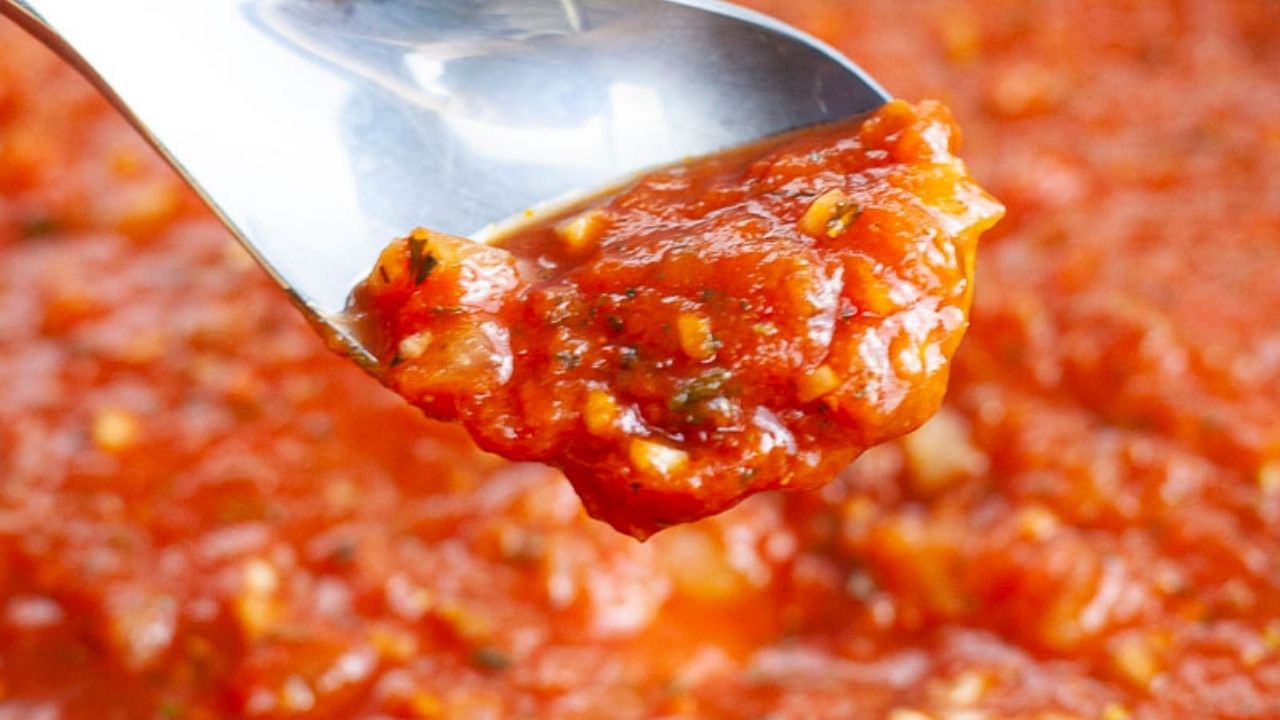
Picture this: you’re standing in front of the pasta sauce aisle at your local grocery store, reaching for that familiar jar of chunky, herb-loaded marinara sauce packed with onions, garlic, and enough oregano to make your kitchen smell like an Italian grandmother’s dream. Plot twist – that thick, complex sauce you know and love? It’s about as authentically Italian as deep-dish pizza. True Italian marinara is actually a simple, almost austere creation that would make your American version blush with embarrassment. The original consists of just tomatoes, garlic, olive oil, and maybe a whisper of basil – no onions, no sugar, no lengthy ingredient list that reads like a botanical garden inventory.
The real kicker is that authentic marinara wasn’t even meant for pasta in the first place! Italian fishermen created this quick-cooking sauce (the name literally means “sailor-style”) to slap on bread or fresh seafood during long voyages. Meanwhile, American-Italian immigrants took one look at this minimalist masterpiece and thought, “You know what this needs? Everything.” They loaded it up with ingredients that would make a purist weep – bell peppers, mushrooms, wine, and enough seasoning to wake the dead. Don’t get me wrong, your beloved chunky marinara is absolutely delicious, but calling it Italian is like calling a New York bagel authentic French bread. Both are wonderful, but one has definitely taken some creative liberties with the original blueprint.
Shrimp Scampi
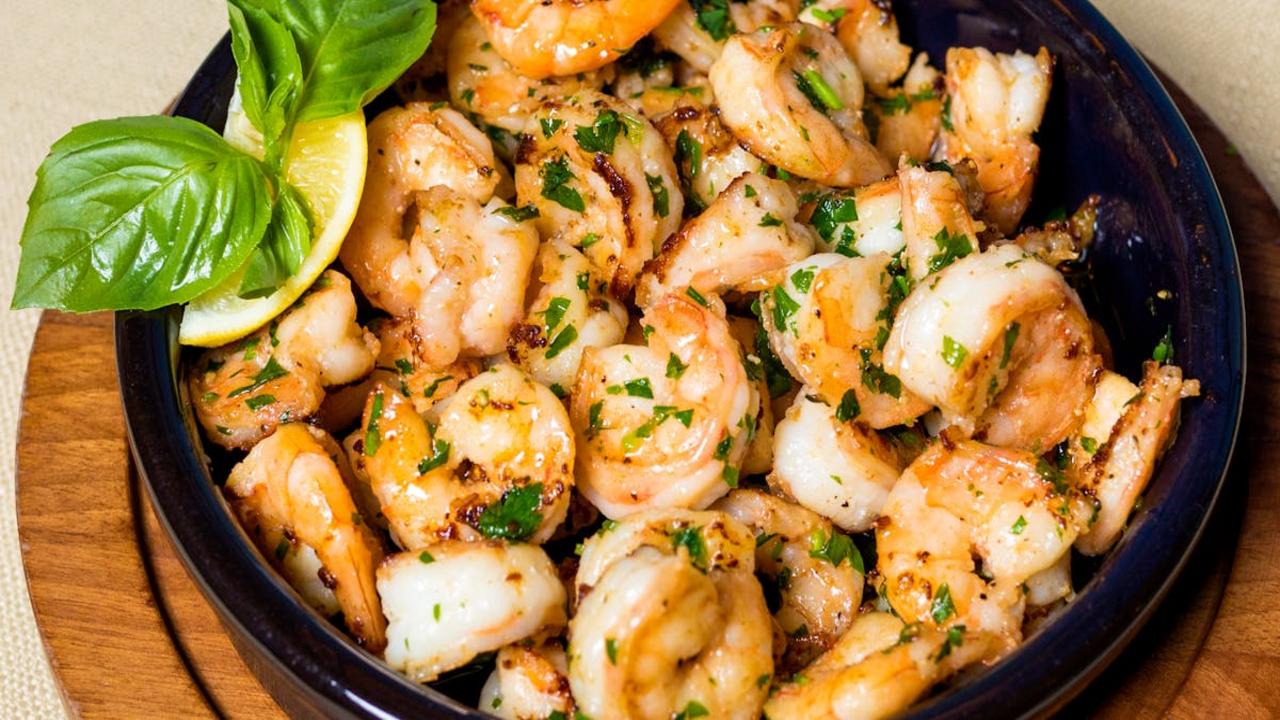
Picture this: you’re scrolling through an Italian restaurant menu, and there it is—Shrimp Scampi, sitting pretty between the Chicken Parmigiana and Fettuccine Alfredo. Your mouth starts watering as you imagine those plump shrimp swimming in garlicky, buttery goodness. But here’s the plot twist that’ll knock your socks off: authentic scampi doesn’t even contain shrimp! In Italy, “scampi” refers to langostines—those skinny, lobster-like crustaceans that look nothing like the curvy shrimp we Americans adore. Italian scampi dishes typically feature these delicate creatures simply prepared with olive oil, garlic, and white wine, creating something completely different from what lands on your plate at Olive Garden.
The American version we know and love is basically an Italian-American invention that took the name and ran wild with it. Some brilliant chef in the mid-20th century decided regular shrimp deserved the scampi treatment, and honestly? We’re not complaining. The dish became so popular in Italian-American restaurants that most people assume it’s straight from the old country. Meanwhile, if you walked into a Roman trattoria and ordered “shrimp scampi,” you’d probably get a confused look and maybe a gentle correction about crustacean terminology. But you know what? Sometimes the best dishes happen when cultures collide and create something entirely new—even if it means giving a seafood identity crisis in the process!
Italian Dressing
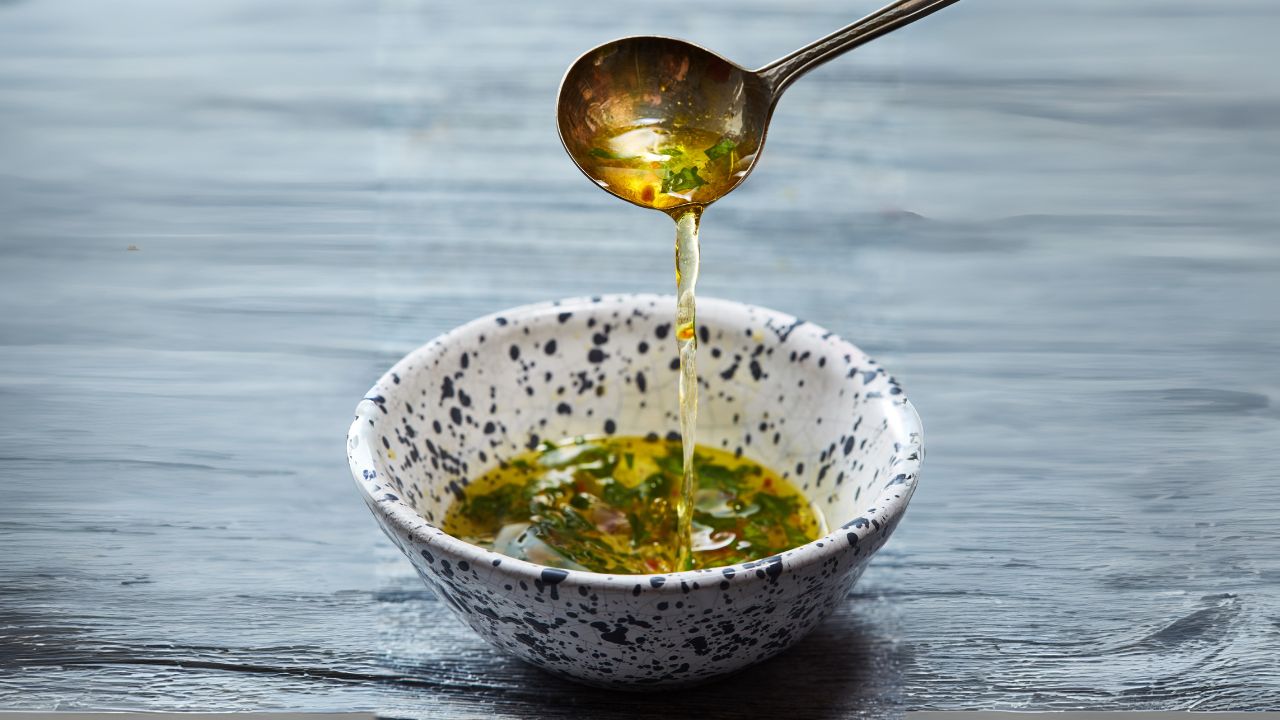
Picture this: you’re standing in the salad dressing aisle, reaching for that trusty bottle of “Italian” dressing, thinking you’re adding a touch of Mediterranean magic to your greens. Plot twist! That tangy, herb-filled concoction has about as much connection to Italy as pineapple pizza does to Naples (which is to say, none at all). This American invention first appeared in the 1950s, created by food manufacturers who apparently thought Italians needed help making their own salad dressings. The irony is thick enough to coat lettuce leaves.
Real Italians would probably chuckle at our bottled creation because their salad philosophy is beautifully simple: good olive oil, fresh lemon juice or vinegar, a pinch of salt, and maybe some herbs if they’re feeling fancy. No emulsifiers, no high fructose corn syrup, no mysterious “natural flavors” hiding in the ingredient list. They dress their salads moments before eating, never drowning the poor vegetables in advance. The closest thing you’ll find to our “Italian” dressing in actual Italy might be a basic vinaigrette, but even then, they’d probably wonder why anyone would want to make salad dressing sweet and store it for months.
Pasta Primavera
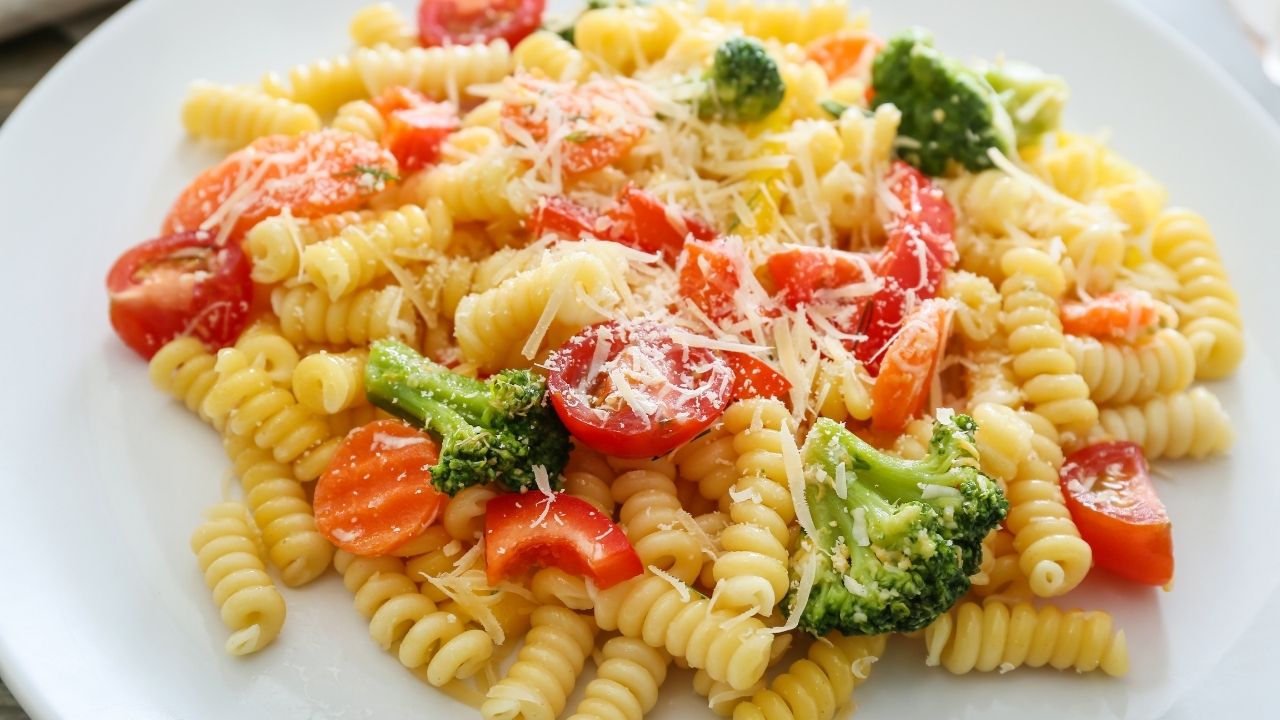
Hold onto your forks, pasta lovers, because this creamy vegetable-laden dish that screams “I’m sophisticated Italian cuisine!” actually comes from Manhattan’s Le Cirque restaurant in 1975. Chef Sirio Maccioni created this colorful concoction during a summer vacation in Nova Scotia when he tossed together fresh vegetables with pasta and cream. The name might sound authentically Italian (primavera means “spring” in Italian), but you won’t find this dish gracing tables in Rome or Florence. Italian nonnas would probably raise their eyebrows at the heavy cream sauce drowning those perfectly good vegetables, since traditional Italian cooking celebrates each ingredient’s natural flavors rather than masking them.
What makes this “faux-talian” creation even more amusing is how quickly Americans adopted it as gospel Italian cooking. The dish became so popular that restaurants across the country started serving their own versions, each one drifting further from any semblance of Italian tradition. True Italian pasta dishes with vegetables typically feature olive oil, garlic, and maybe a splash of pasta water – not the heavy cream sauce that defines American Pasta Primavera. The irony is delicious: a dish named for Italian spring became a symbol of American excess, loaded with cream and whatever vegetables happened to be lurking in the walk-in cooler. Still tastes fantastic though, even if it makes Italian chefs weep into their espresso!
Lobster Fra Diavolo
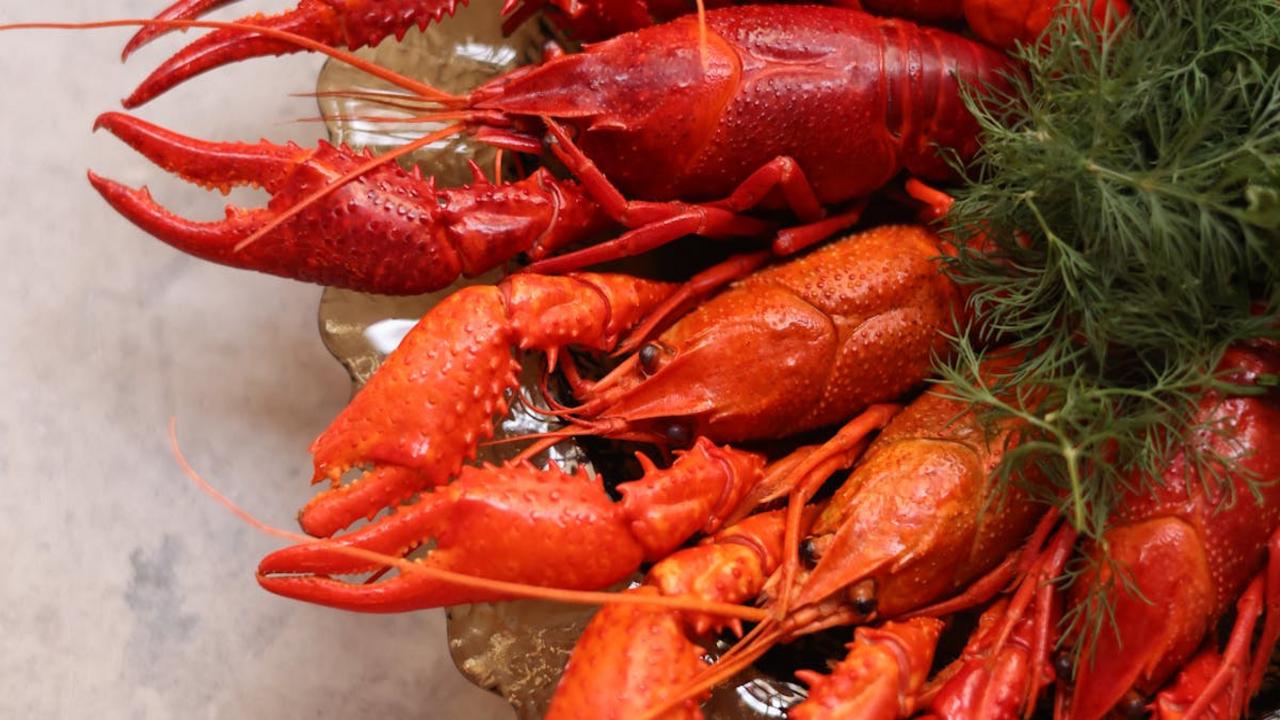
You know that spicy, garlicky lobster dish that makes you sweat just looking at the menu? The one with the dramatic Italian name that sounds like it came straight from a Neapolitan grandmother’s kitchen? Well, plot twist – Lobster Fra Diavolo is about as Italian as apple pie! This saucy seafood creation actually sprouted up in Italian-American restaurants across the East Coast, probably sometime in the early 1900s. Italian immigrants took their “fra diavolo” sauce concept (which literally means “brother devil” – how metal is that?) and decided to jazz it up with some fancy American lobster because, hey, when in Rome… or rather, when in New York!
The genius behind this dish lies in its beautiful cultural fusion – Italian immigrants knew how to make things spicy and delicious, but they also knew their new American customers loved lobster. So they created this fiery tomato-based sauce loaded with garlic, red pepper flakes, and white wine, then dumped a whole lobster on top like the food equivalent of a mic drop. If you actually ordered “Lobster Fra Diavolo” in Italy today, your waiter would probably give you the same confused look you’d get if you asked for a side of ranch dressing. But who cares about authenticity when you’re cracking shells and slurping up that spicy, buttery goodness? Sometimes the best dishes happen when traditions collide!
Cioppino
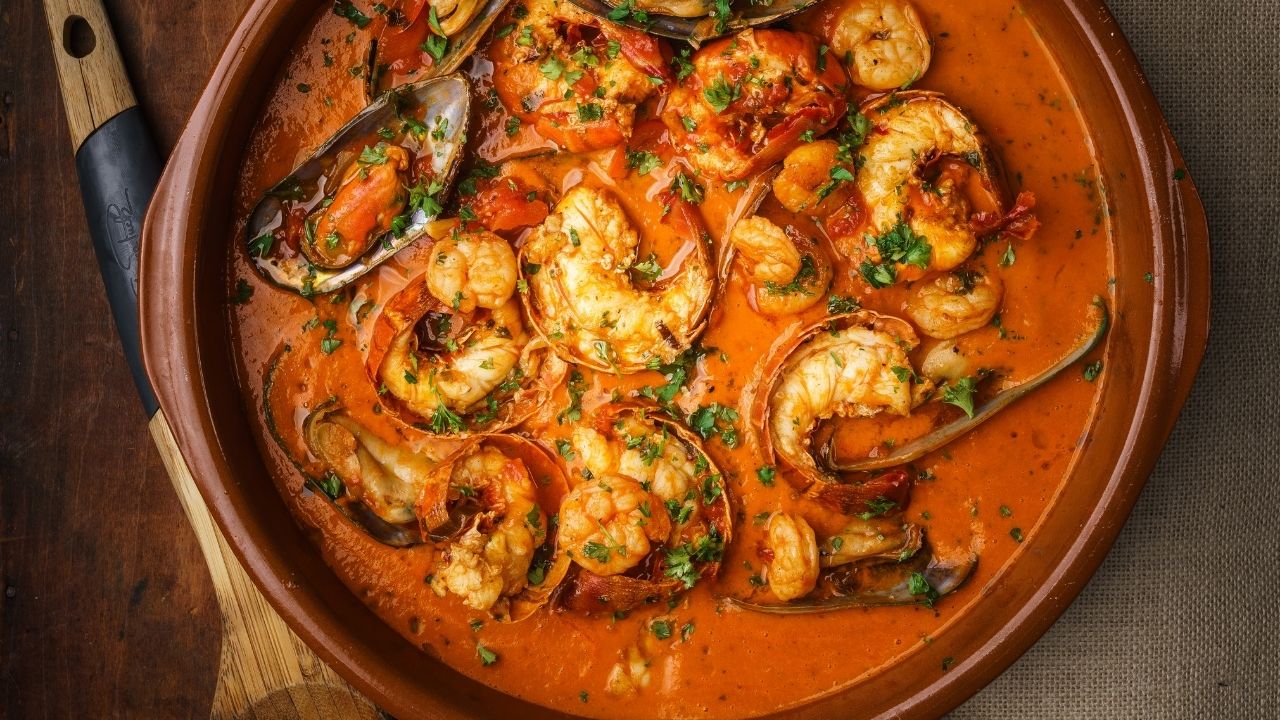
Picture this: you’re sitting in a cozy San Francisco restaurant, slurping up a magnificent seafood stew that screams “Italia!” from every spoonful. The waiter proudly tells you about this ancient Italian recipe passed down through generations. Plot twist – this glorious mess of dungeness crab, clams, mussels, and fish swimming in a tomato-wine broth was actually born right here in America! Cioppino is as Italian as apple pie, which is to when you think about it, pretty perfect irony.
Italian fishermen working the docks of San Francisco in the late 1800s created this masterpiece from whatever seafood they couldn’t sell that day. They’d toss everything into one pot with tomatoes, wine, and herbs, creating what became the ultimate “clean out the cooler” stew. The name itself comes from “ciuppin,” a Ligurian word meaning “to chop,” which makes total sense when you see how roughly everything gets thrown together. Today, you’ll find cioppino on menus from Fisherman’s Wharf to fancy restaurants nationwide, all claiming Italian heritage while serving up pure American ingenuity. The best part? You need a bib, wet wipes, and zero shame about getting messy – just like the original fishermen intended.
Garlic Bread
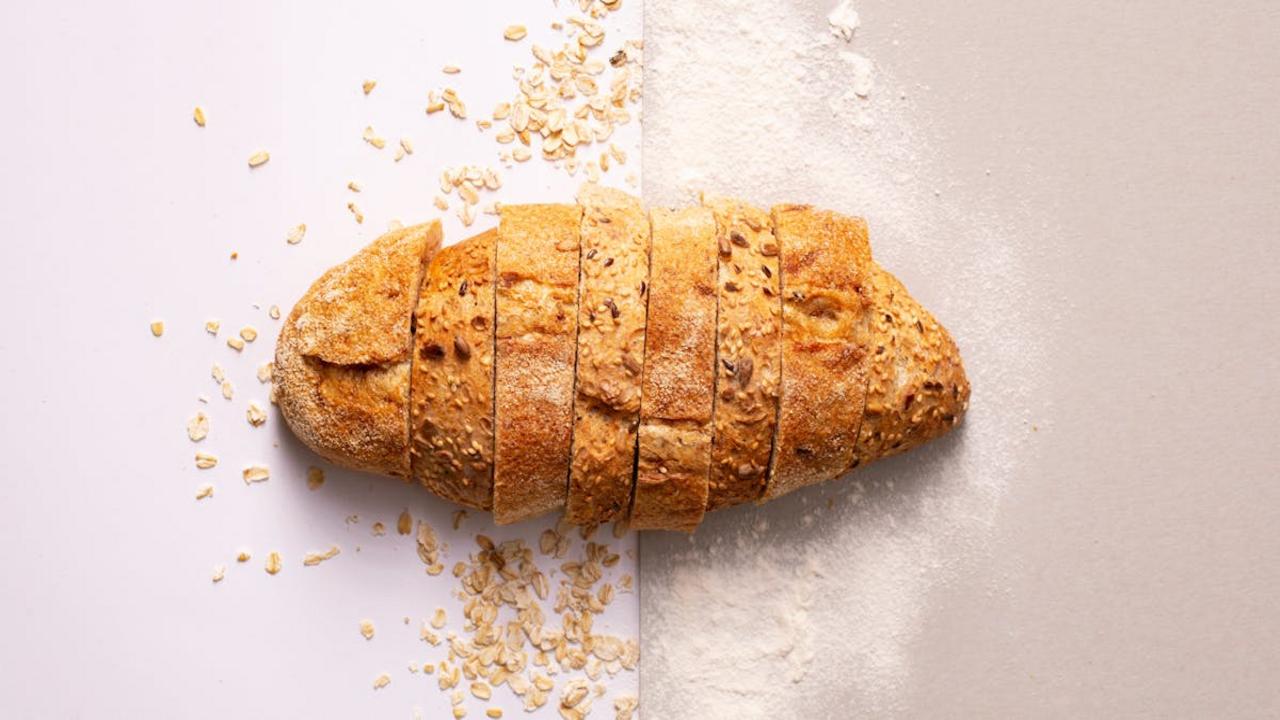
Here’s a plot twist that’ll make your nonna spin in her grave faster than a pasta fork: garlic bread isn’t Italian! I know, I know – you’re probably staring at your local Italian restaurant’s menu right now, questioning everything. But the truth is, this buttery, garlicky masterpiece is actually an Italian-American invention, born in the good old USA sometime in the 1940s. Traditional Italian bread culture revolves around simple, crusty loaves meant to soak up sauces, not drowning perfectly good bread in butter and garlic before it even meets your plate.
Real Italians would probably raise an eyebrow at our obsession with slathering butter on bread – they prefer their garlic fresh and their bread pristine. In Italy, you might get bruschetta (toasted bread rubbed with raw garlic and drizzled with olive oil), but that’s a completely different beast. American garlic bread, with its soft interior and crispy, buttery exterior loaded with minced garlic and parsley, became the perfect sidekick to spaghetti and meatballs in Italian-American households. So next time you’re munching on that gloriously greasy slice, remember you’re experiencing pure American ingenuity – we took Italian ingredients and made them louder, cheesier, and infinitely more indulgent.
Pepperoni
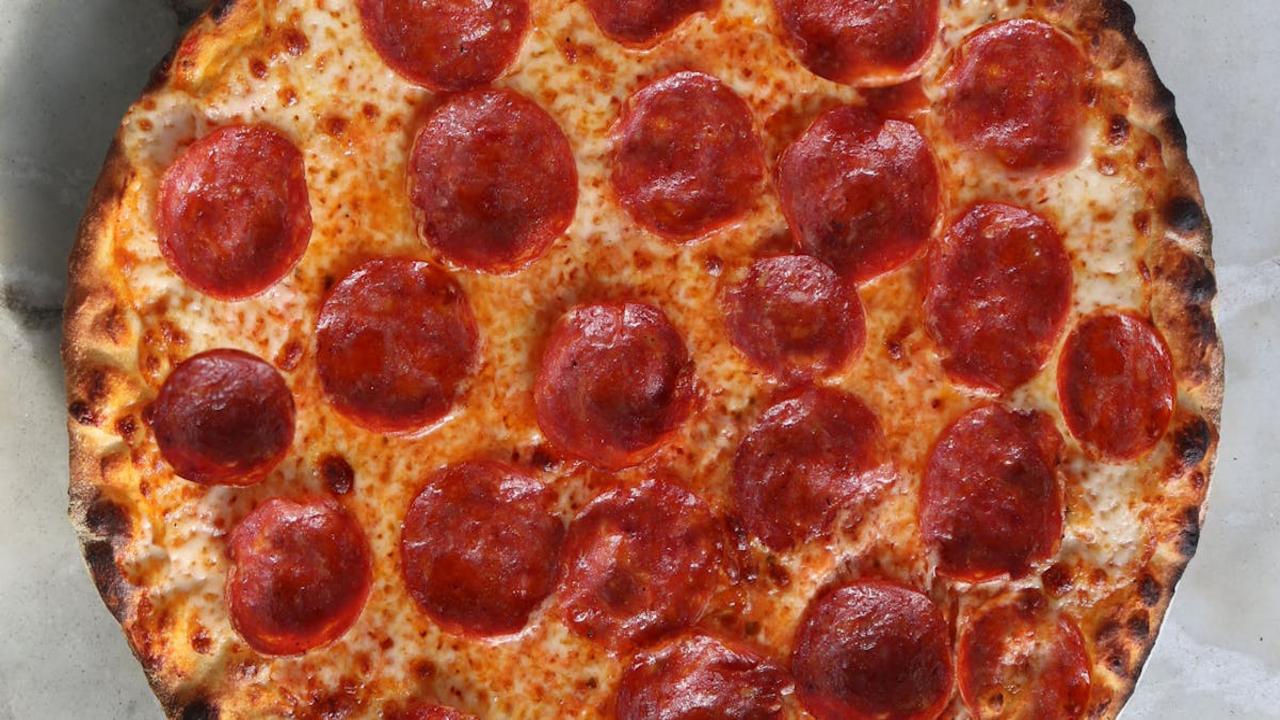
Hold onto your pizza boxes, because I’m about to blow your mind: pepperoni is as American as apple pie and baseball! You know that spicy, greasy, perfectly round slice of heaven that tops your favorite pizza? Yeah, that beautiful creation was born right here in the good old USA, likely in the early 1900s by Italian-American immigrants who were probably homesick and craving something familiar yet new. The word “pepperoni” comes from the Italian “peperoni,” which actually means bell peppers – not the cured meat we know and obsess over. Talk about lost in translation!
Italian-American butchers crafted this spicy salami using a blend of pork and beef, seasoning it with paprika and chili peppers to give it that signature kick and gorgeous red color that makes your mouth water just thinking about it. Meanwhile, if you waltz into a pizzeria in Italy and ask for pepperoni, you’ll get a pizza topped with sweet bell peppers and probably earn some confused looks from locals. The closest thing Italians have to our beloved pepperoni is salame piccante, but trust me, it’s not quite the same magical experience. American pepperoni has that perfect balance of smokiness, spice, and fat that creates those irresistible little grease cups when it cooks – pure pizza perfection that we can proudly claim as our own delicious invention.
Rainbow Cookies

Those gorgeous tri-colored treats you see in every Italian-American bakery? Plot twist: Italy has never heard of them! Rainbow cookies (or Italian rainbow cookies, as we love to call them) are about as authentically Italian as chicken parmigiana pizza. These almond-flavored layers of cake, jam, and chocolate coating were actually born in the hearts and ovens of Italian immigrants right here in America. The red, white, and green layers were meant to honor the Italian flag, which is sweet and patriotic, but completely unknown in the old country.
What makes this even more amusing is how seriously we take these cookies in the States. You walk into any respectable Italian-American bakery, and there they are, sitting pretty in their display case like little edible flags. The process involves baking three separate almond sponge cakes, dyeing them with food coloring, slathering apricot jam between the layers, wrapping the whole thing in plastic wrap to compress overnight, then coating it all in dark chocolate. Meanwhile, your Italian nonna is probably wondering why anyone would turn perfectly good marzipan into a construction project. But hey, sometimes the best traditions are the ones we create ourselves, even if we have to cross an ocean to do it!
Italian Wedding Soup
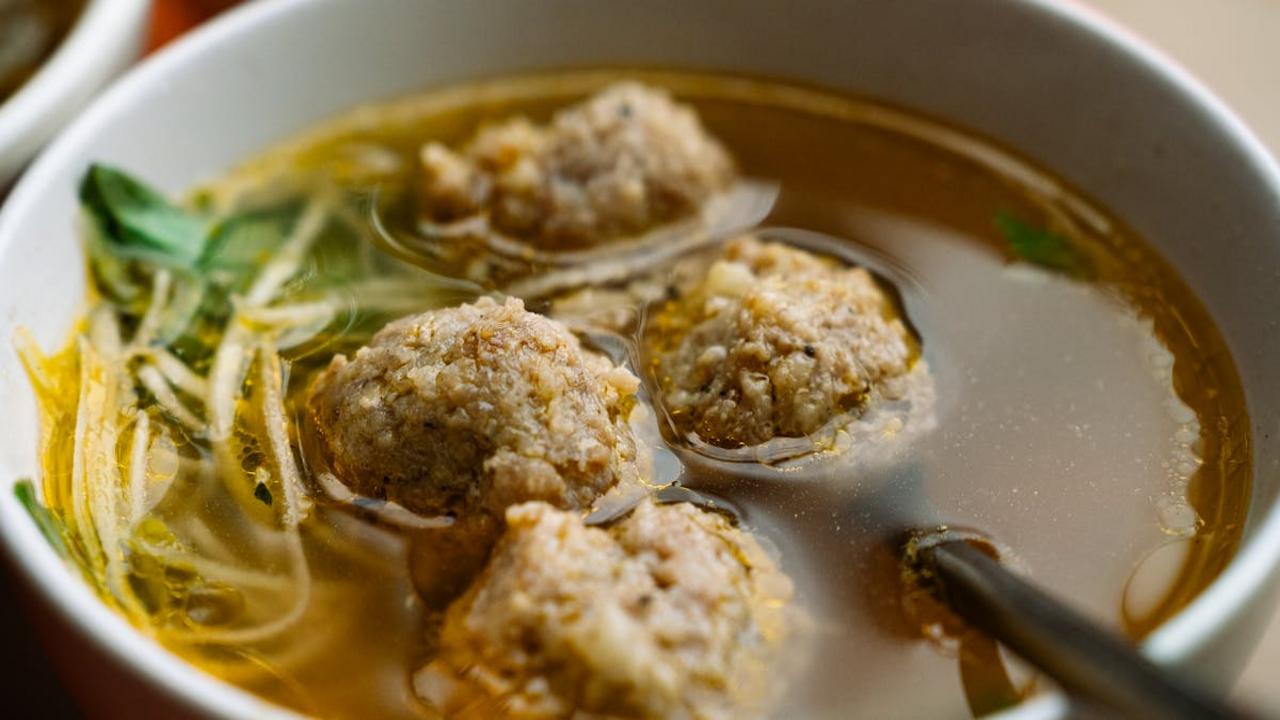
Despite its romantic name that conjures images of Tuscan ceremonies and grandmothers stirring massive pots for celebrating families, Italian Wedding Soup never graced a single Italian matrimonial feast. This hearty bowl of comfort actually sprang from Italian-American kitchens in the early 1900s, where resourceful immigrants created something entirely new from Old World memories. The name comes from “minestra maritata,” which translates to “married soup” – referring to how perfectly the greens and meat blend together, not because anyone actually served it at weddings. You can almost picture some clever Italian-American cook laughing at how Americans would interpret that name!
What makes this soup so addictive is its perfect harmony of tiny meatballs, tender pasta, and fresh spinach swimming in a rich chicken broth that tastes like a warm hug from your favorite aunt. The traditional version features escarole rather than spinach, but most American versions swap it out because, honestly, escarole can be a tough sell at the grocery store. Each spoonful delivers that satisfying contrast between the hearty meatballs (usually a mix of beef, pork, and veal) and the bright, slightly bitter greens. Making it at home means you can control the meatball size – go tiny for elegant dinner parties or golf ball-sized for maximum comfort food impact.
Spaghetti and Meatballs
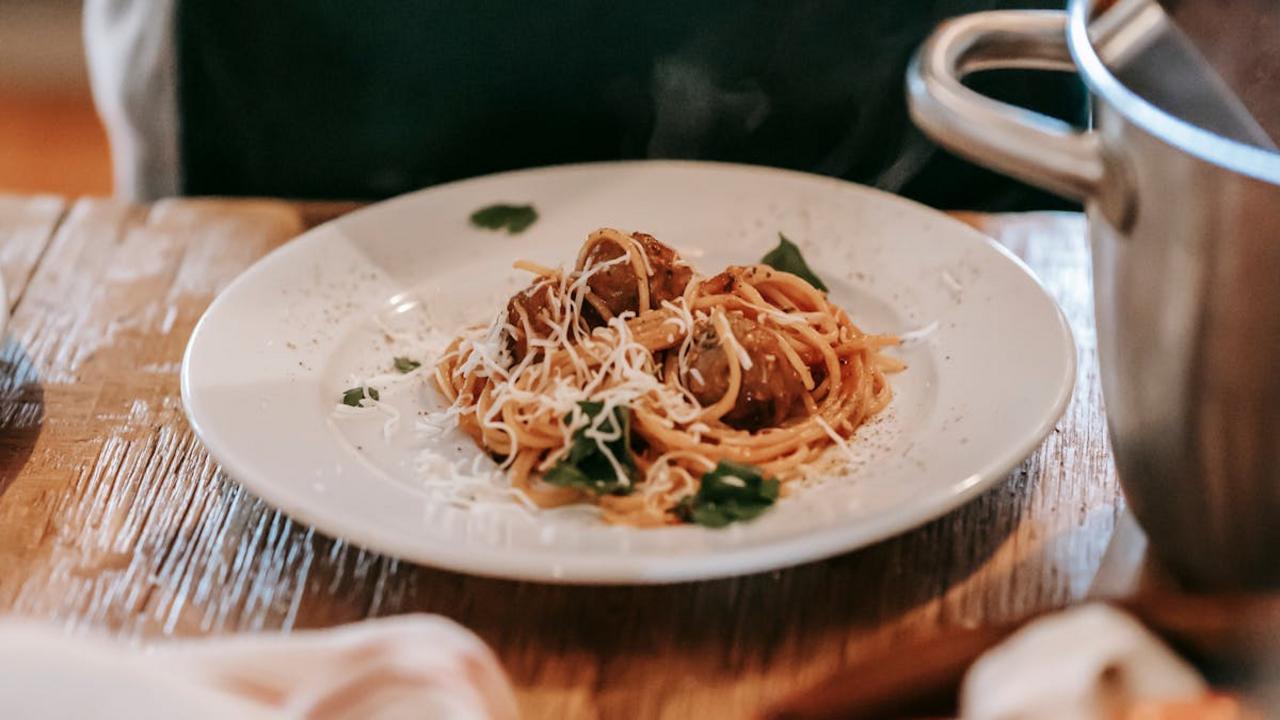
Picture this: you’re in a cozy Italian trattoria in Rome, confidently ordering spaghetti and meatballs, only to watch your waiter’s face scrunch up in polite confusion. Here’s the plot twist that’ll knock your socks off – this beloved “Italian” classic is about as authentically Italian as pineapple pizza! Traditional Italian cuisine keeps pasta and meat courses strictly separated, like feuding relatives at a family dinner. In Italy, you’d get your spaghetti with a simple tomato sauce, garlic, and herbs, followed by meatballs (called polpette) served solo as a second course. The mashup happened when Italian immigrants landed in America and discovered beef was suddenly affordable – something that was pure luxury back home.
Those clever Italian-American grandmothers in the early 1900s started piling generous, softball-sized meatballs on top of spaghetti because, honestly, why have two separate dishes when you can create one glorious, sauce-covered mountain of comfort? The result became so iconic that most Americans still believe it’s straight from the boot-shaped peninsula. Meanwhile, actual Italians serve their polpette small and dainty, about the size of walnuts, often swimming in broth or paired with vegetables. So next time you twirl that fork full of spaghetti and meatballs, remember you’re eating a beautiful piece of American immigrant history – just don’t expect to find it on menus in the old country!
Caesar Salad
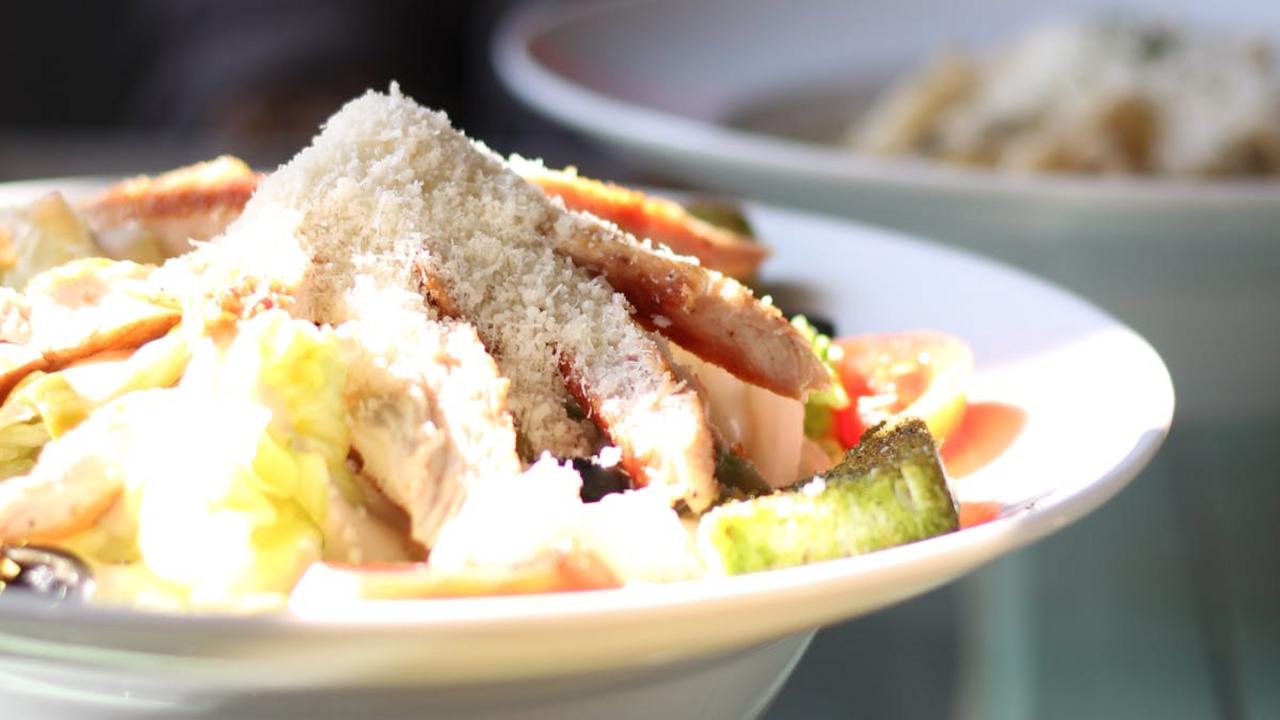
You know what makes me chuckle? The number of people who order Caesar salad at Italian restaurants, probably thinking they’re honoring Julius himself. Plot twist: this crispy, garlicky masterpiece didn’t come from Rome or anywhere near the Mediterranean. Nope, Caesar salad was born in the 1920s in Tijuana, Mexico, created by an Italian immigrant named Caesar Cardini who ran a hotel restaurant. Legend has it that on a busy Fourth of July weekend in 1924, Cardini was running low on ingredients and threw together what he had: romaine lettuce, garlic, lemon juice, Worcestershire sauce, parmesan cheese, croutons, and raw eggs. He tossed everything tableside with theatrical flair, and boom – a classic was born!
The genius of Caesar salad lies in its simplicity and that perfect balance of salty, tangy, and creamy flavors. Those anchovies hiding in the dressing? They’re doing the heavy lifting, adding that mysterious umami depth that makes you crave more. The raw egg creates that silky coating that clings to every leaf, while the garlic punches you right in the face (in the best possible way). Here’s a fun fact: Cardini’s original recipe didn’t even include anchovies – that came later when chefs started experimenting. Today, you can find Caesar salad variations everywhere from upscale steakhouses to fast-food joints, but the best ones still follow that original Mexican-Italian fusion formula that accidentally created one of America’s most beloved salads.
Chicken Alfredo
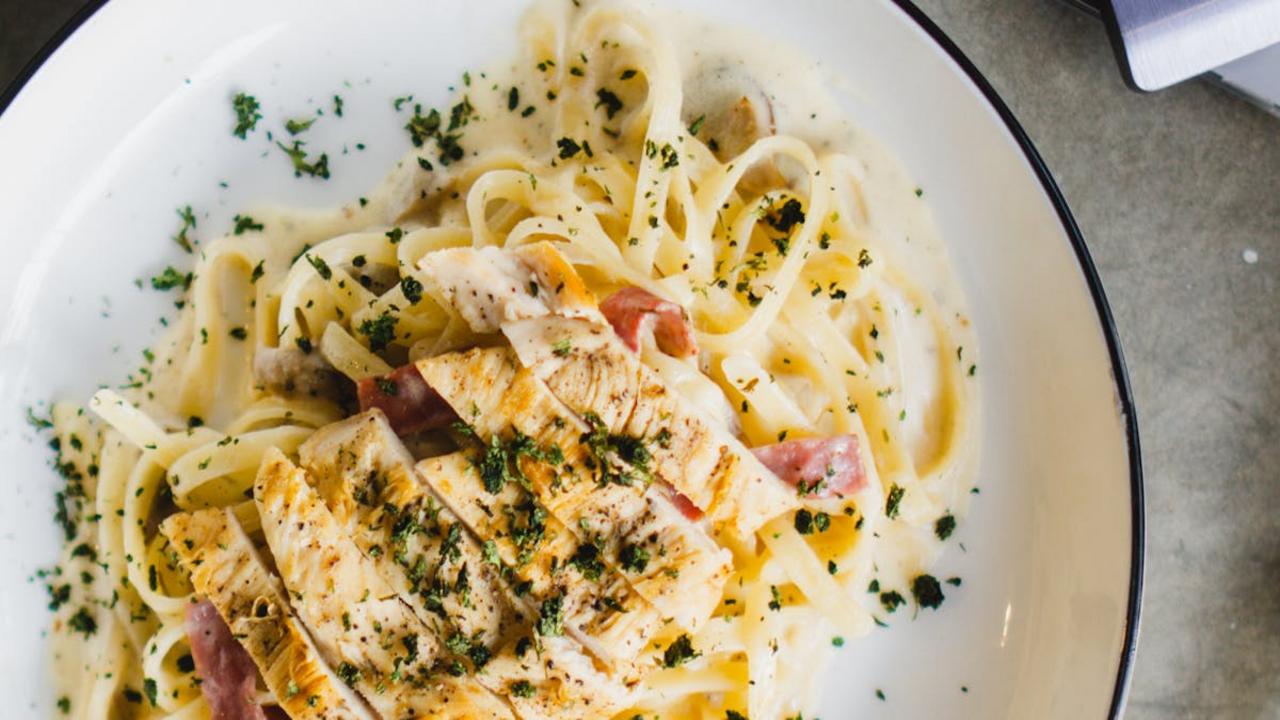
Here’s a plot twist that’ll make your nonna spin faster than a pasta fork: Chicken Alfredo isn’t Italian at all! This creamy, indulgent dish that Americans treat like the holy grail of Italian comfort food would actually make most Romans scratch their heads in confusion. The original Fettuccine Alfredo, created by restaurateur Alfredo di Lelio in Rome back in 1908, was simply fresh pasta tossed with butter and Parmigiano-Reggiano cheese—no cream, no chicken, no fuss. Alfredo whipped up this simple recipe to help his pregnant wife regain her appetite, and honestly, butter and cheese solving life’s problems sounds about right to me!
But then Hollywood happened! When silent film stars Mary Pickford and Douglas Fairbanks visited Alfredo’s restaurant during their 1920s honeymoon, they fell head over heels for the dish and brought the recipe back to America. That’s where things got wonderfully weird—American chefs decided the original needed more pizzazz and started adding heavy cream, grilled chicken, and sometimes even broccoli. Today’s American version is essentially comfort food wearing an Italian disguise, and you know what? I’m not mad about it. Sure, it’s about as authentically Italian as pineapple pizza, but sometimes you need a bowl of creamy, cheesy goodness that hugs you from the inside out.