MIL Demanded a Daily Menu of Chicken Tenders. She Called Me ‘Snotty’ for Marinating Steaks.
It’s a time-honored rule of etiquette: when you are a guest in someone’s home, you treat your hosts and their space with gratitude and respect. This is especially true when family opens their doors during a difficult time. It’s an act of kindness that should be met with kindness in return.
However, one woman recently took to the internet to share a story that turns this simple courtesy on its head. She and her husband generously invited her mother-in-law to live with them, only to be met with shocking disrespect in her own living room.
The Incident
The story begins with a gesture of compassion. A woman and her husband relocated for his job and invited his mother to join them. The mother-in-law was going through a difficult divorce and had to retire early for health reasons. The couple hoped she could help with future children, and they agreed on a simple division of labor: the wife would cook, and the mother-in-law would clean.
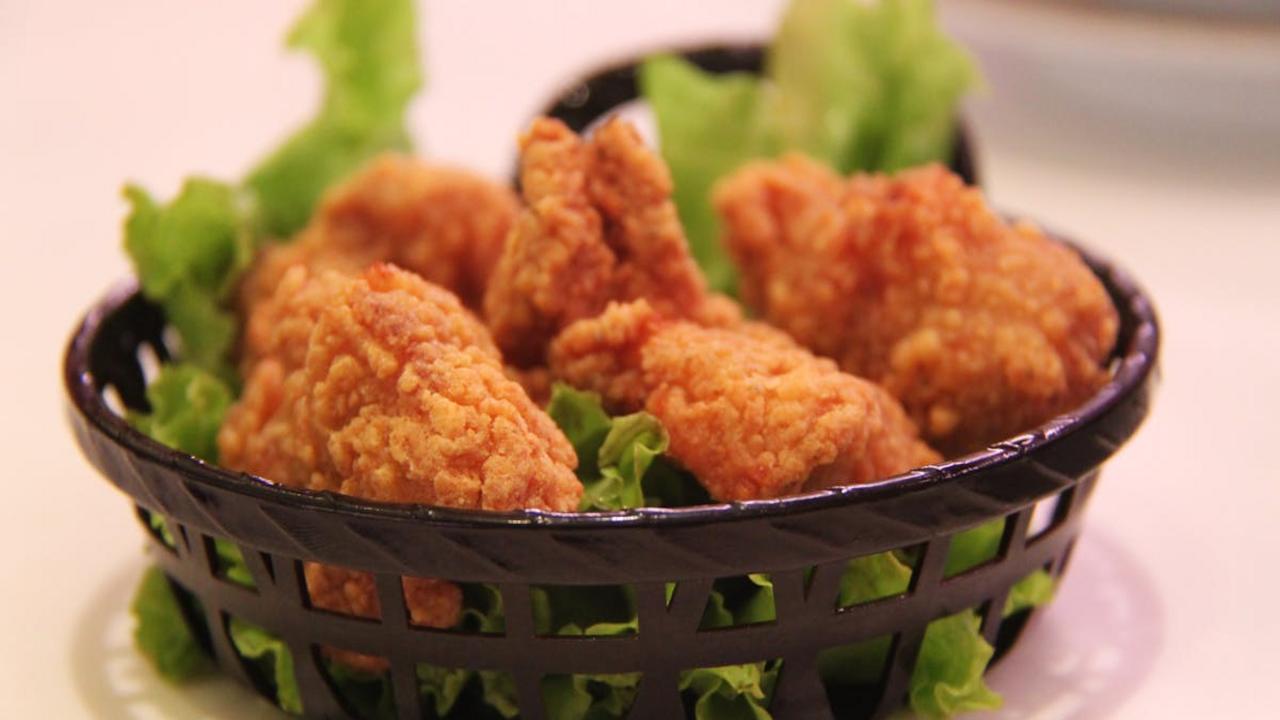
But the arrangement quickly became strained. The mother-in-law proved to be obsessively particular, from steam-mopping the walls weekly to dictating a bland, child-like menu of “chicken tenders, fries, or mac ‘n’ cheese.” The wife found herself unable to use basic ingredients like onions or garlic, and dinner had to be on the table by 6:30 p.m. sharp.
Things came to a head one afternoon when the wife’s friend was visiting. As the wife rested on the couch while steaks marinated for dinner, her mother-in-law, who was eating food the wife had prepared, suddenly called her “snotty and a brat.” The outburst was so unexpected that both the wife and her friend initially thought it was a joke. It wasn’t.

The reason for this shocking insult? The mother-in-law felt the wife wasn’t helping her clean—an activity that was her sole responsibility under their agreement. Now, after a month of tense silence, the woman’s husband is asking her to apologize to his mother just to keep the peace.
The Internet Reacts
As you can imagine, the internet had plenty to say about this family drama, and readers were overwhelmingly on the wife’s side. The reactions fell into a few distinct camps.
First was the “Absolutely Not” crowd. These commenters were furious on the wife’s behalf, pointing out the breathtaking audacity of the mother-in-law’s behavior. One person bluntly stated, “I can see why she’s getting divorced. She’s a major pain in the ass who is used to getting her way on everything, all the time.”
Another user summed up the absurdity of the husband’s request, asking, “So, how exactly do you word an apology to someone for THEM calling YOU names?”
Next came the “This is a Bigger Problem” camp. These readers looked past the name-calling and saw an unsustainable living situation. They felt the insult was merely a symptom of a much deeper issue of boundaries and respect. One commenter offered this wise perspective: “This isn’t about whether you apologize… it’s about facing the reality that you and your husband miscalculated badly and now need to find a way out of this living arrangement.”
Another agreed, saying it was time for an “‘expectations vs reality’ conversation. She is living with you. It’s not her home.”

Finally, there was the “Petty Revenge” crowd. While most offered sober advice, a few couldn’t help but suggest a more pointed approach to send a message. One of the most popular suggestions was wonderfully passive-aggressive: “Pick up some brochures of assisted living places and leave them in your bedroom where she would find while cleaning. See if reality sets in.”
The Etiquette Verdict
Let’s be perfectly clear: this is not a simple misunderstanding. This is a fundamental breach of respect. When you are invited to live in someone else’s home, you are a guest, regardless of family ties. To insult your host—in front of her company, no less—is simply appalling behavior that should never be tolerated.
The golden rule for any long-term houseguest is to lead with gratitude, not demands. You adapt to the household, not the other way around. The husband’s desire to “keep the peace” by forcing an apology is deeply misguided. True peace doesn’t come from ignoring disrespect; it comes from addressing it directly and re-establishing boundaries.
A Question for Our Readers
What do you think? Should the wife apologize just to smooth things over in her home, or does she need to stand her ground until she receives the apology she is rightfully owed?
Ready for the next level of insight? Discover more in my latest article here.