15 Ingenious Survival Dishes People in Extreme Poverty Eat Around the World
Food tells the most honest stories of human resilience. Across the globe, communities facing extreme poverty have created remarkable dishes that maximize every ingredient, stretching minimal resources into filling, nutritious meals. These aren’t just recipes—they’re survival strategies wrapped in cultural traditions.
From Central America’s humble rice and beans to Ethiopia’s tangy injera with shiro, these 15 dishes showcase how necessity births culinary genius. Many of these foods rely on shelf-stable starches paired with small amounts of protein, creating complete nutrition systems that have sustained generations through hardship.
What strikes me most about these survival dishes? Their flavors punch far above their price tags. The Mexican family making tortillas from scratch or the Senegalese cook transforming fish scraps into aromatic thieboudienne proves that human creativity shines brightest when resources are scarce. These dishes don’t just fill stomachs—they feed souls.
Chili with Squash (Native American Tribes)
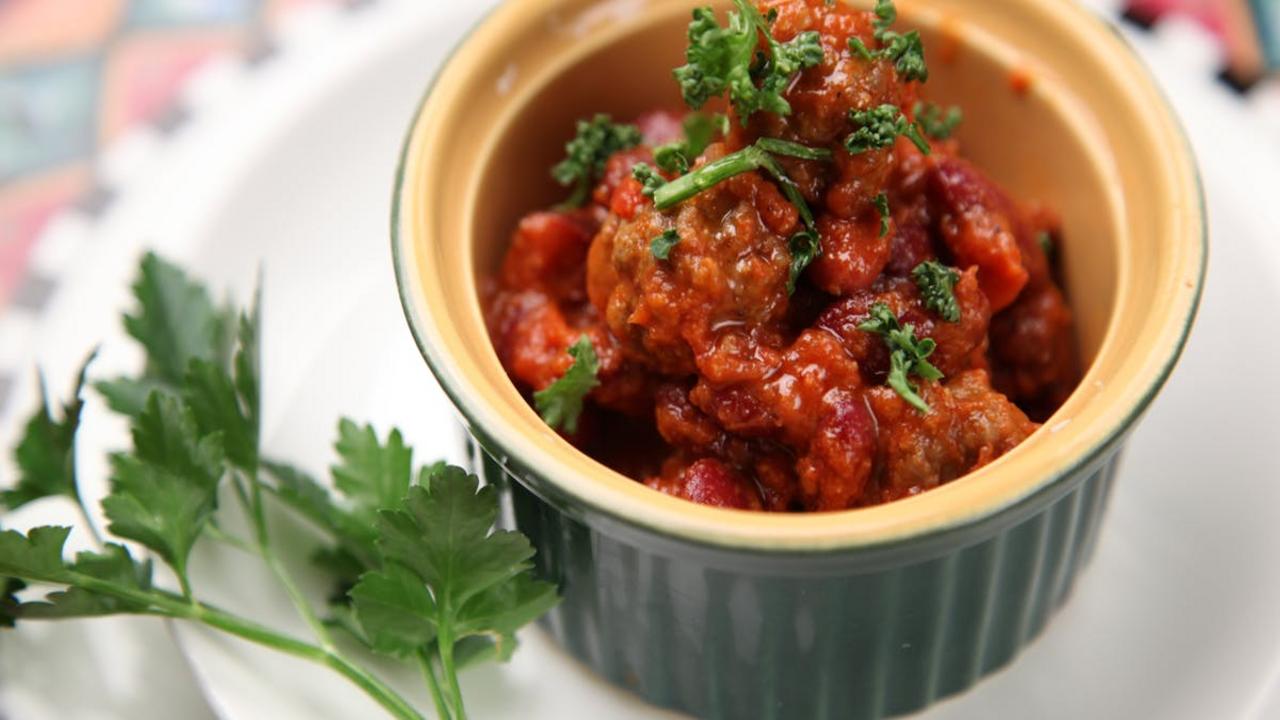
Long before anyone invented the term “comfort food,” Native American tribes across the Southwest perfected a dish that could stretch ingredients further than your grandmother’s budget. This brilliant combination of chili peppers and squash wasn’t just thrown together on a whim – it represents centuries of agricultural wisdom and survival know-how. Tribes like the Pueblo, Hopi, and Navajo discovered that these two crops grew beautifully together in the harsh desert climate, creating what we now call companion planting. The chili peppers actually help protect the squash plants from pests, while the broad squash leaves provide shade for the pepper roots. Talk about nature’s perfect partnership!
The beauty of this dish lies in its incredible flexibility – you can make it with whatever squash you have on hand, from acorn to butternut to those weird warty ones that show up at farmers markets. The peppers bring heat and vitamins while the squash adds natural sweetness and fills your belly without breaking the bank. Modern cooks often add beans or corn to bulk it up even more, but the traditional version keeps things simple and focused. You’ll simmer roasted chilies with chunks of squash until everything gets soft and the flavors meld into something that tastes like a warm hug from your ancestors. Pro tip: save the squash seeds and roast them for a crunchy snack – waste not, want not!
Plantain and Beans (Caribbean)
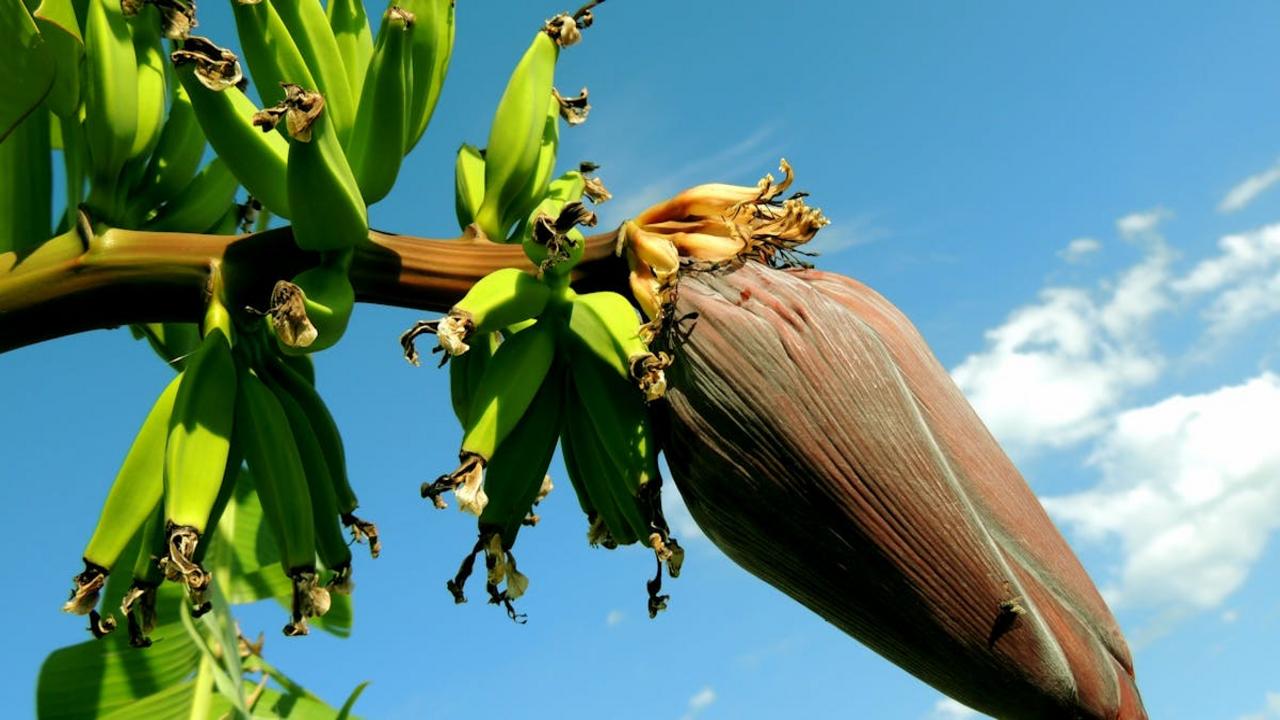
Picture this: you’re broke, hungry, and staring into your nearly empty pantry in Jamaica or Trinidad. What do you find? A couple of overripe plantains turning black on the counter and a bag of dried kidney beans that’s been sitting there since who-knows-when. Most people might panic, but Caribbean folks? They’re already heating up the pot for one of the most satisfying poverty meals on the planet. This dynamic duo transforms from humble ingredients into a feast that’ll make you forget you’re eating on a shoestring budget. The plantains caramelize beautifully when they’re past their prime, releasing natural sugars that pair perfectly with the earthy, protein-packed beans.
Here’s where it gets interesting: this isn’t just survival food – it’s accidentally genius nutrition. Those mushy plantains everyone throws away? They’re loaded with potassium and vitamins, while the beans bring serious protein and fiber to the party. Caribbean grandmothers have been perfecting this combination for generations, often adding whatever aromatics they can scrape together – maybe some garlic, onion, or a precious scotch bonnet pepper for heat. You cook the beans until they’re creamy, mash up those sweet plantains, and suddenly you’ve got a meal that tastes like it cost twenty dollars instead of two. Pro tip: if you ever find yourself with aging plantains, don’t toss them – they’re about to become your new favorite comfort food.
Injera with Shiro (Ethiopia)
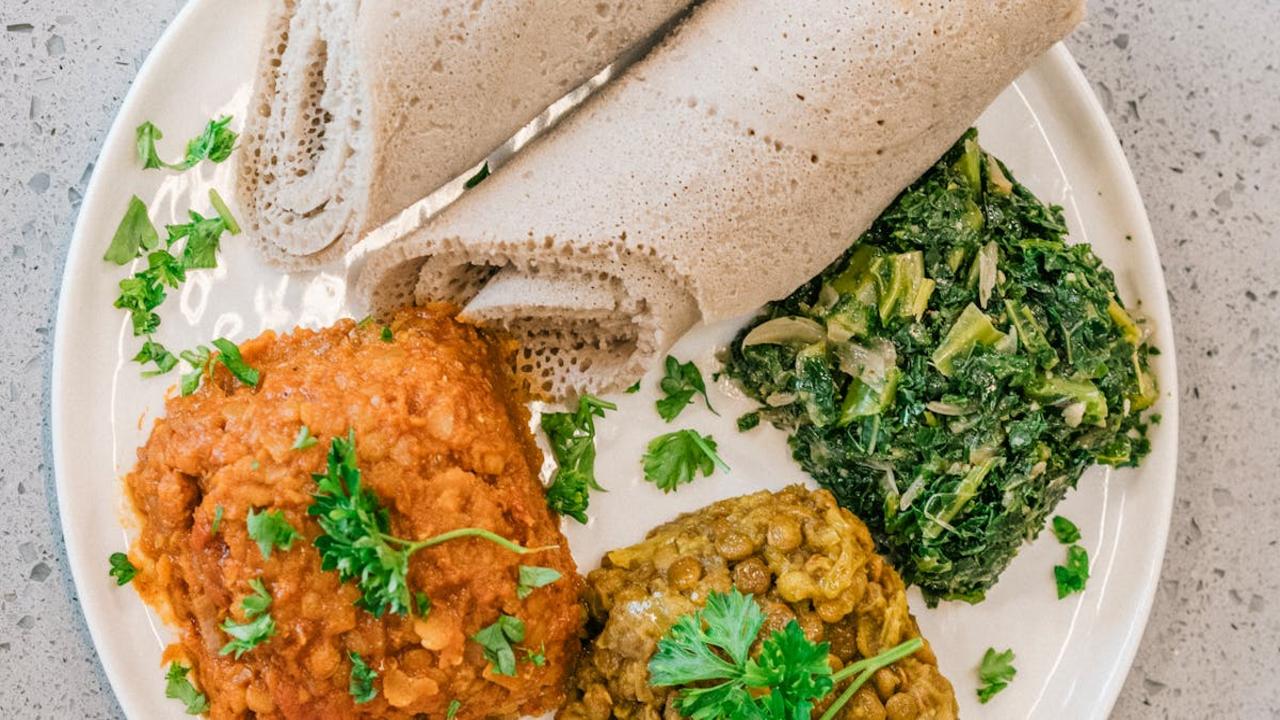
Picture this: you’re sitting in an Ethiopian home, and your host places before you what looks like a giant, spongy pancake dotted with a thick, beige stew that resembles chunky hummus. Welcome to injera with shiro, Ethiopia’s brilliant answer to feeding a family on practically nothing! Injera, made from teff flour (a tiny grain that’s basically the overachiever of the cereal world), ferments for days until it develops this wonderfully tangy flavor that’ll make your mouth pucker in the best possible way. The bread doubles as both your plate and utensil – talk about efficiency that would make Marie Kondo weep with joy.
Now, shiro is where the magic really happens. This thick paste starts with ground chickpeas or broad beans, gets jazzed up with berbere spice (Ethiopia’s secret weapon that contains more spices than you have in your entire kitchen), and transforms humble legumes into something that tastes like it took hours to prepare. During tough times, families stretch this protein-packed wonder with extra water and whatever vegetables they can find, creating a meal that costs pennies but delivers satisfaction by the bucketload. You tear off pieces of the spongy injera and scoop up the shiro with your hands – no forks needed, just good old-fashioned finger food that connects you directly to thousands of years of Ethiopian dining tradition.
Khichdi (India)
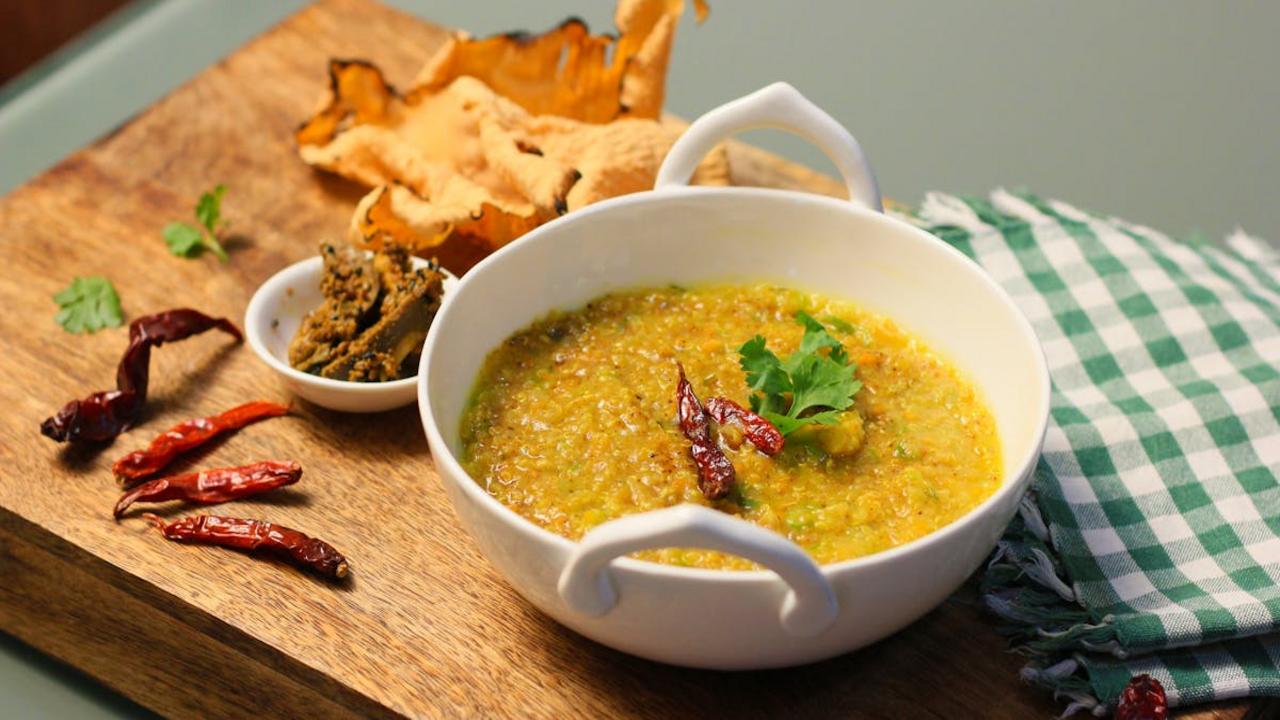
Picture this: you’ve got nothing but rice, lentils, and maybe a pinch of turmeric hiding in your pantry. What do you do? If you’re in India, you make khichdi – the ultimate comfort food that’s saved countless families from empty stomachs and broken budgets. This humble one-pot wonder transforms the simplest ingredients into something that feels like a warm hug from your grandmother. I’ve watched street vendors in Mumbai whip up steaming bowls of this golden goodness for just a few rupees, and trust me, it hits different when you’re hungry and homesick.
Here’s the genius part: khichdi doesn’t just fill you up, it actually provides complete protein by combining rice and lentils – your body gets all the amino acids it needs without breaking the bank. During times of illness or economic hardship, this dish becomes a lifeline. The basic recipe calls for equal parts rice and moong dal (split yellow lentils), cooked together with water, salt, and turmeric until it reaches a porridge-like consistency. Some families jazz it up with whatever vegetables they can find – a lonely onion, some wilted greens, or leftover curry. The beauty lies in its flexibility and the fact that even kids who turn their noses up at vegetables will slurp this down without complaint.
Barley Soup (Tibet)
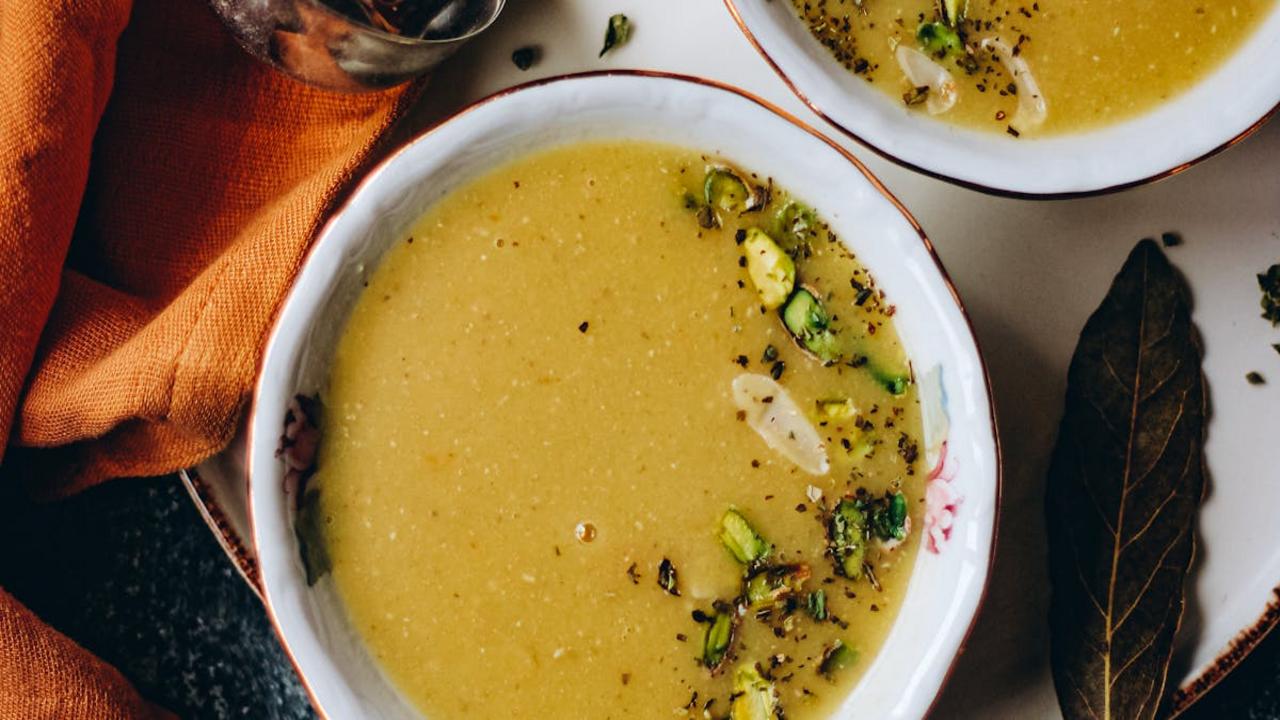
Picture this: you’re perched on the world’s rooftop at 14,000 feet, where the air is so thin you can barely catch your breath, and your stomach is growling louder than a yak in distress. Enter Tibet’s lifesaving barley soup, or “thenthuk” as locals call it – a humble bowl that transforms simple highland barley into liquid gold. Tibetan families have perfected this recipe over centuries, turning their staple grain into a warming, filling soup that laughs in the face of bitter mountain winds. The secret lies in roasting the barley first, which creates a nutty flavor that makes your mouth water even when you’re battling altitude sickness.
What makes this soup absolutely genius is how it stretches a handful of barley into a meal that feeds the whole family. Tibetan cooks throw in whatever vegetables they can grow in their harsh climate – maybe some turnips, radishes, or dried peas – and if they’re lucky, a few scraps of yak meat join the party. The thick, hearty consistency sticks to your ribs like a warm hug from your grandmother, providing the energy needed for those demanding mountain days. Pro tip: if you want to try making this at home, toast your barley until it smells like popcorn at a movie theater – that’s when you know you’re doing it right!
Jollof Rice (West Africa)
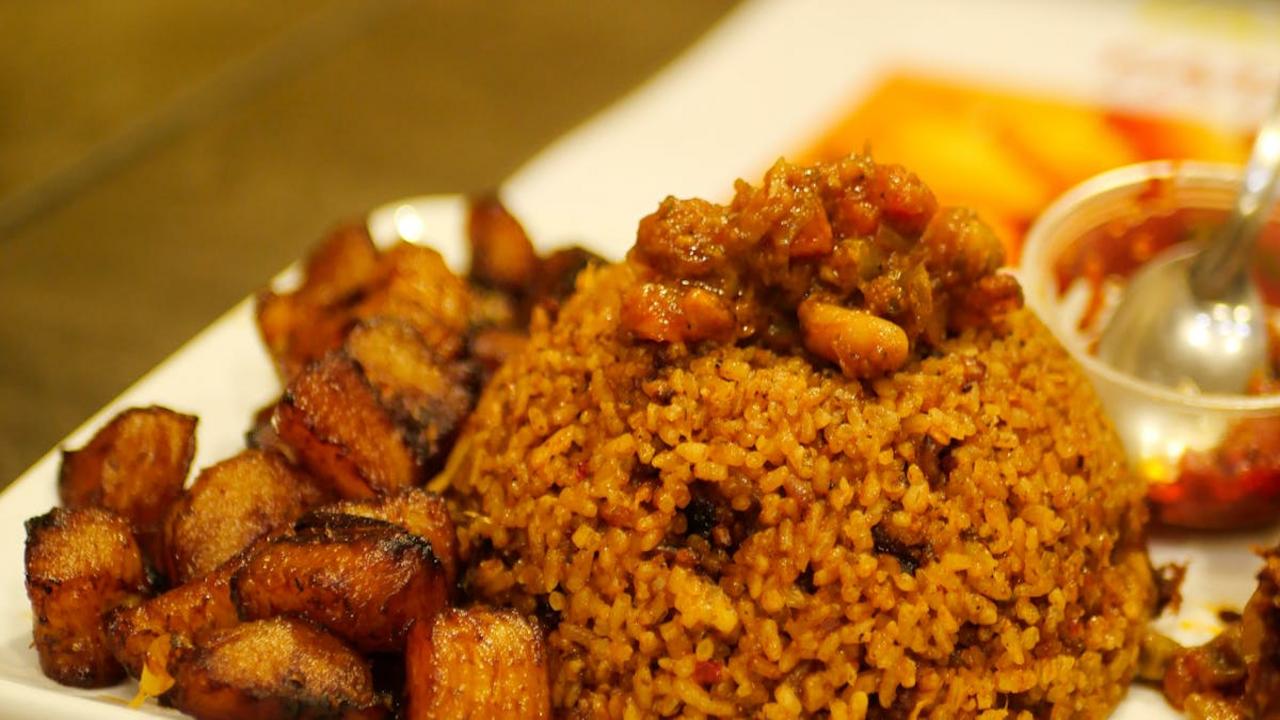
You know that friend who claims they can make the “world’s best” version of a classic dish? Well, meet an entire region of West Africa having that exact argument about Jollof rice. Nigeria, Ghana, and Senegal have been locked in the most delicious diplomatic dispute for decades, each insisting their version reigns supreme. This one-pot wonder transforms humble rice into something magical with tomatoes, onions, and whatever spices you can scrape together. Originally born from necessity rather than fancy chef schools, Jollof proves that brilliant food comes from making something extraordinary out of practically nothing.
What makes this dish absolutely genius for survival cooking? Everything goes into one pot, so you’re not washing a mountain of dishes when clean water might be scarce. You can throw in whatever protein you have—chicken, fish, beans, or honestly, just more vegetables if that’s what’s available. The rice absorbs all those tomato and spice flavors, creating a complete meal that stretches ingredients further than you’d think possible. Plus, it tastes even better the next day (if there are any leftovers), making it perfect for families who need meals that work overtime. The best part? You’ll start your own heated debates about whose grandmother made it better.
Thieboudienne (Senegal)
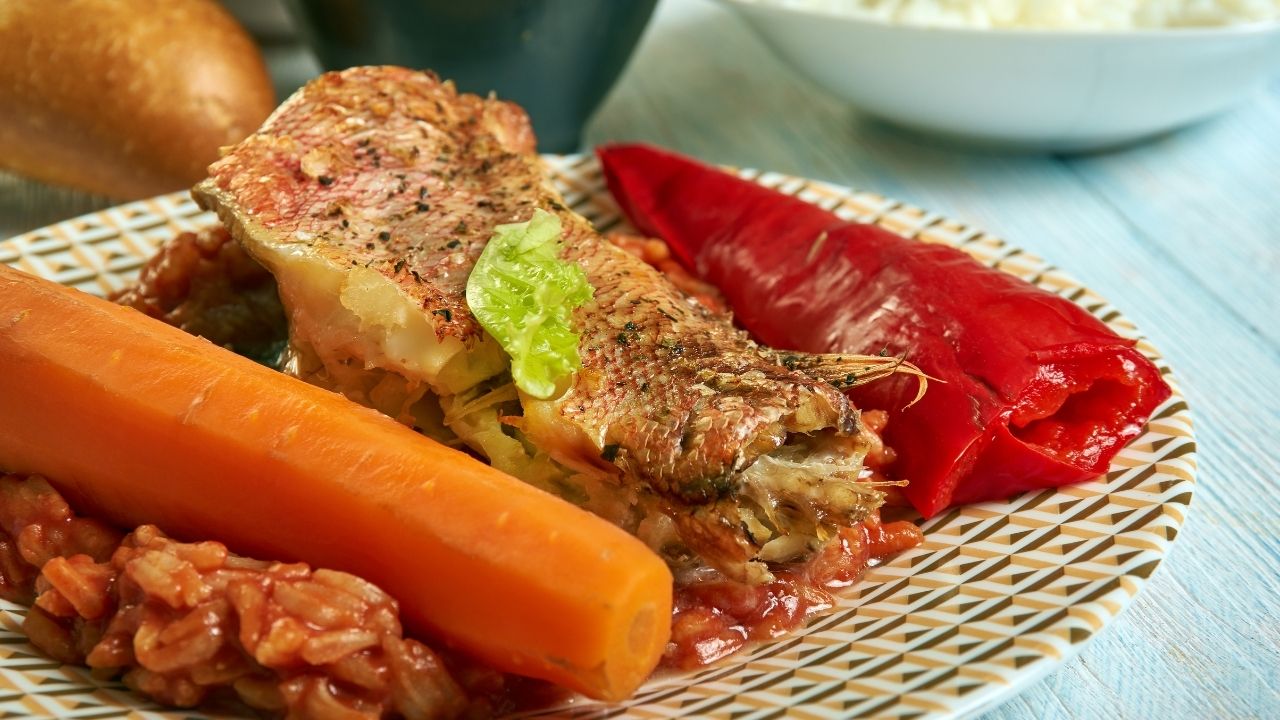
Picture this: you’re in Senegal, and someone hands you a plate of what looks like the most gorgeous rice dish you’ve ever seen, complete with fish, vegetables, and a sauce so red it could stop traffic. That’s thieboudienne (pronounced “cheh-boo-jen”), and it’s basically Senegal’s national dish doing double duty as both comfort food and survival genius. This one-pot wonder transforms simple ingredients like rice, fish, tomatoes, and whatever vegetables you can find into something that feeds an entire family without breaking the bank. The secret lies in the cooking method – everything steams together in one big pot, so the rice absorbs all those incredible flavors while stretching every ingredient to its maximum potential.
What makes this dish absolutely brilliant is how it turns necessity into pure magic. Senegalese cooks figured out centuries ago that if you cook broken rice (the cheaper stuff that didn’t make the export cut) with fish scraps, tomato paste, and seasonal vegetables, you get a meal that’s both filling and nutritious. The traditional version uses thiof fish, but honestly, any firm fish works – even fish heads and bones add incredible flavor to the rice. You’ll often see families gathering around one large bowl, eating with their hands in the traditional style, and trust me, there’s something beautiful about watching people share a meal that was born from making the most of what little they had. It’s resourcefulness served with a side of pure deliciousness.
Millet Porridge (Sahel Region)
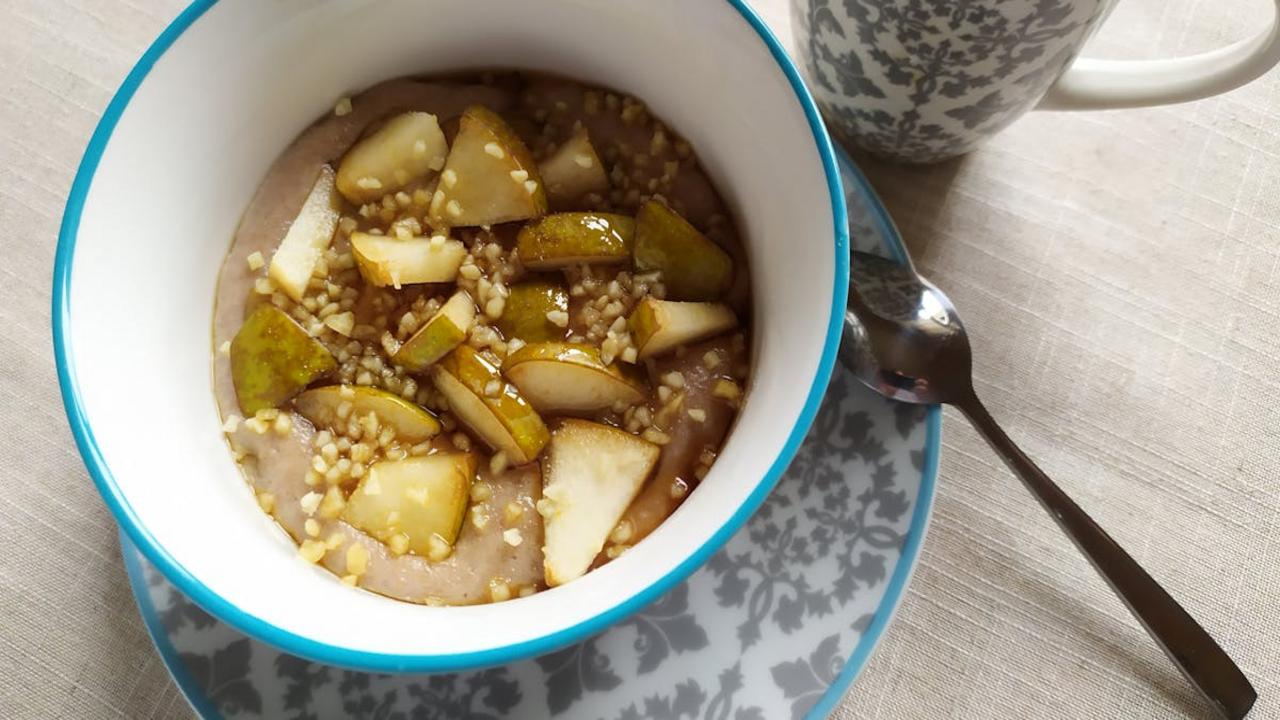
Picture this: you’re in the blazing heat of the Sahel, where the sun could fry an egg on a rock, and you need something that’ll keep you going without breaking the bank. Enter millet porridge – the unsung hero of African survival cuisine that’s been keeping families fed for centuries! This grainy goldmine grows where other crops throw in the towel, thriving in sandy soils with barely a drop of water. I’ve watched grandmothers in Mali work magic with just a handful of these tiny seeds, transforming them into a creamy, satisfying bowl that could make you forget you’re eating one of the world’s most drought-resistant grains.
The beauty of millet porridge lies in its chameleon-like personality – it adapts to whatever you’ve got lying around. Got a bit of peanut paste? Stir it in for richness. Found some wild greens? Throw them into the pot. Even a sprinkle of salt makes this humble grain sing with flavor. What gets me every time is how versatile this little powerhouse really is – you can serve it thick as oatmeal for breakfast, thin it out as soup for dinner, or even let it cool and slice it like polenta. The whole cooking process becomes a meditation: slowly stirring, watching the grains swell and soften, creating something nourishing from almost nothing. It’s proof that sometimes the simplest ingredients make the most extraordinary meals.
Dal Bhat (Nepal)
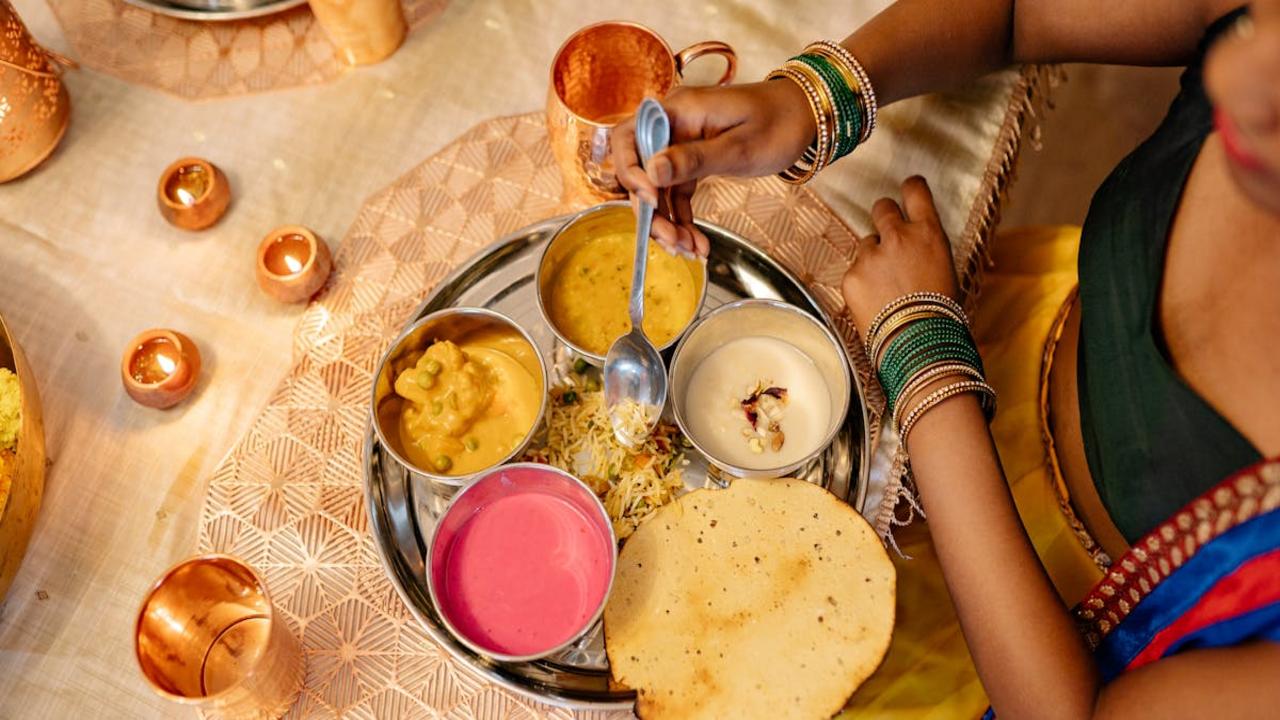
Picture this: you’re trekking through the Himalayas, stomach rumbling like an avalanche, and someone mentions “dal bhat.” Your tired brain might think they’re offering you some exotic mountain delicacy, but surprise! They’re actually serving up Nepal’s most beloved comfort food combo that’s been keeping folks fed for centuries. Dal bhat literally translates to “lentil rice,” and honestly, that’s exactly what you get – but don’t let the simplicity fool you. This dynamic duo packs more nutritional punch than a yak kick, combining protein-rich lentils with energy-giving rice in a marriage so perfect, even the most skeptical food critic would shed a tear of joy.
What makes dal bhat absolutely genius is its “tarkari” sidekick – basically whatever vegetables you can scrounge up, pickled radish, and maybe some spicy achar if you’re feeling fancy. Nepali families have mastered the art of stretching this meal like a yoga instructor, making one pot feed an entire household while somehow leaving everyone satisfied. The beauty lies in its infinite adaptability: got some wilted greens? Toss them in. Find a lonely potato rolling around? Perfect! Even better, traditional Nepali hospitality means you’ll probably get unlimited refills – because apparently, letting someone leave your table hungry is basically a crime against humanity. Smart, filling, and served with enough love to warm you through a Himalayan winter, dal bhat proves that sometimes the most ingenious solutions are hiding in plain sight.
Cassava Porridge (Sub-Saharan Africa)
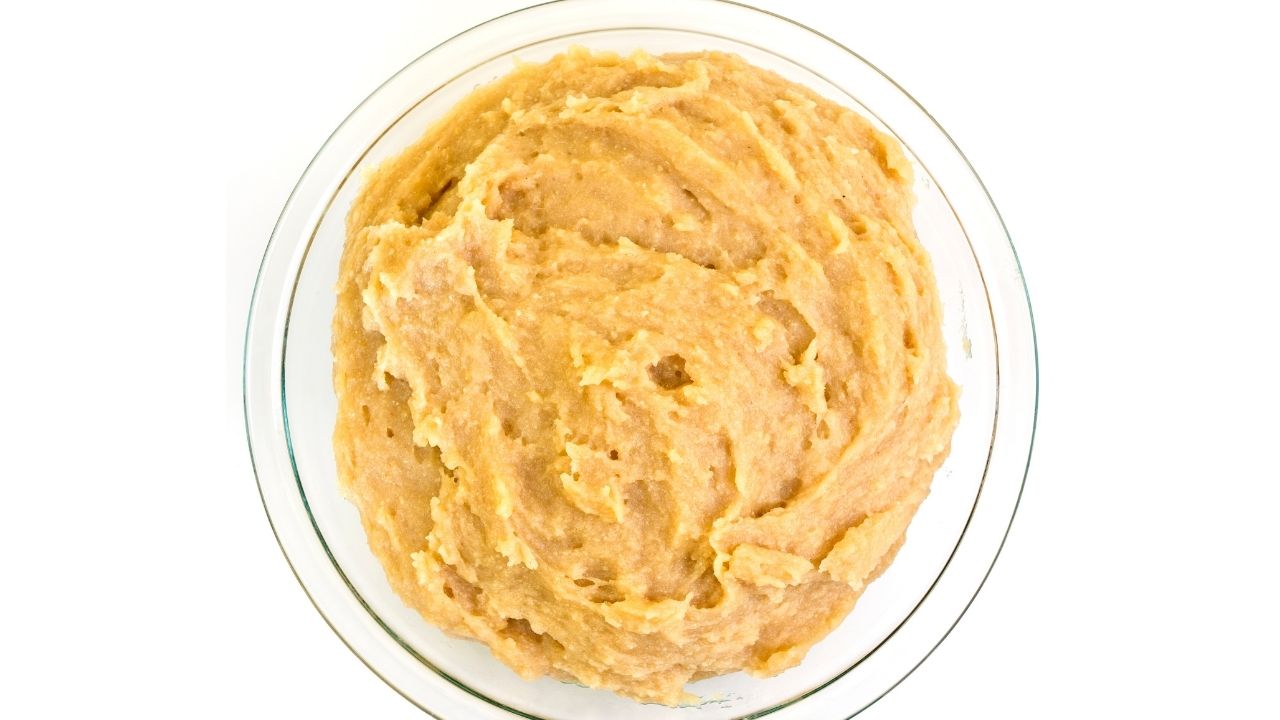
Meet cassava, the humble root that’s basically the Superman of the starch world! This unassuming tuber feeds over 800 million people across Sub-Saharan Africa, and honestly, it deserves a medal for being so ridiculously reliable. When everything else fails – drought hits, crops wither, wallets empty – cassava just sits there in the ground like “Hey, I’m still here!” You can harvest it whenever you want, store it for ages, and turn it into porridge that’ll keep your family fed for days. The root contains enough carbs to power a small village, plus it grows in soil so poor that other plants would pack their bags and leave.
Making cassava porridge is wonderfully simple: peel the roots, dry them in the sun until they’re crispy, then pound them into flour. Mix with water and cook until you get a smooth, filling porridge that tastes mildly nutty and surprisingly satisfying. Some families jazz it up with whatever they have – a pinch of salt, some greens, maybe a bit of groundnut paste if they’re feeling fancy. The beauty lies in its flexibility: thick for breakfast, thin for dinner, sweet or savory depending on your mood. Plus, cassava has this amazing ability to expand in your stomach, so a small bowl makes you feel genuinely full. It’s like nature’s own hunger-fighting superhero!
Lentils and Rice (South Asia)
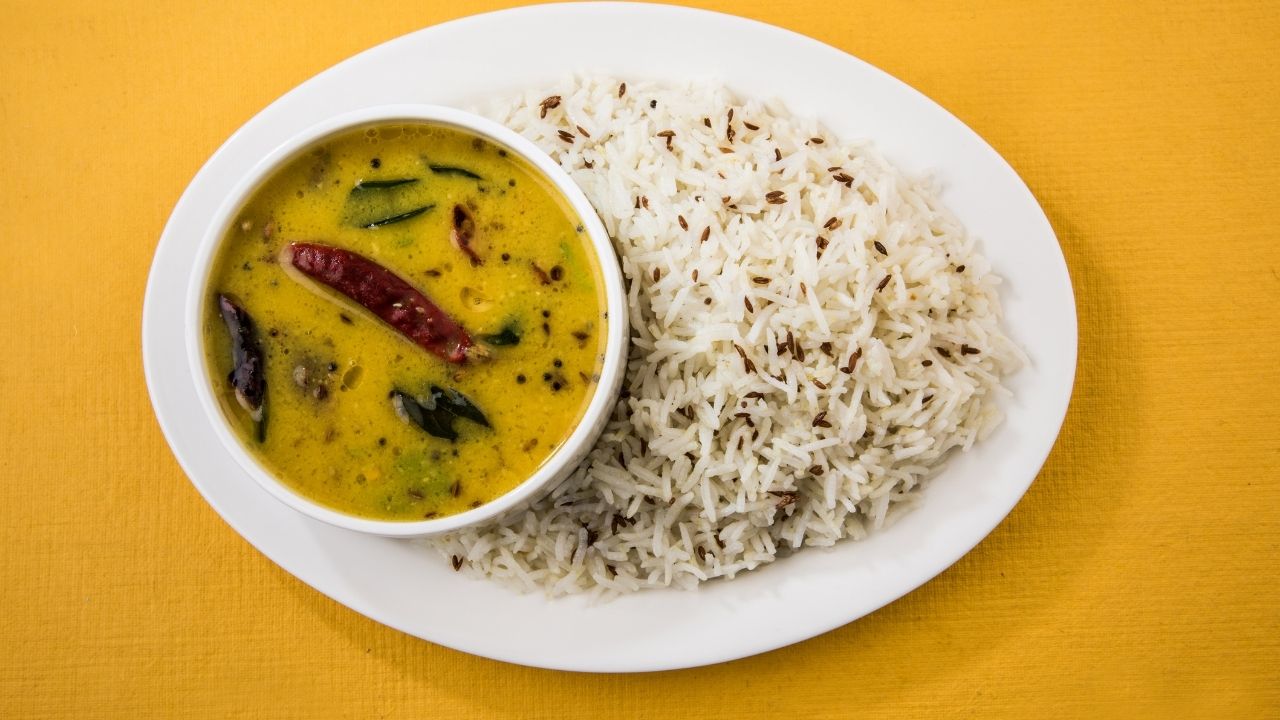
You know what they say about simple combinations creating magic? Well, lentils and rice together form what nutritionists call a “complete protein” – basically nature’s way of giving you all the amino acids your body craves without breaking the bank. In South Asia, this dynamic duo goes by many names: dal chawal in Hindi, dal bhat in Bengali, or simply “the meal that keeps millions alive.” I’ve watched street vendors in Mumbai serve steaming portions for pennies, and honestly, the aroma alone could make you weep with joy. The beauty lies in its flexibility – throw in some turmeric, cumin, maybe a rogue chili if you’re feeling fancy, and suddenly your survival meal becomes a flavor festival.
What makes this combination absolutely brilliant is how it stretches further than your favorite yoga pants after Thanksgiving dinner. One cup of lentils can feed a family of four when paired with rice, and both ingredients store for months without refrigeration. In rural Bangladesh, families often survive entire monsoon seasons on variations of this dish, adding whatever vegetables they can forage or grow. The cooking method? Dead simple: boil everything together until soft, season with whatever spices you have, and boom – you’ve got a meal that’s more nutritious than half the expensive superfood bowls trending on social media. Plus, unlike those fancy quinoa salads, this actually fills you up and doesn’t cost your firstborn child to make.
Ugali (East Africa)
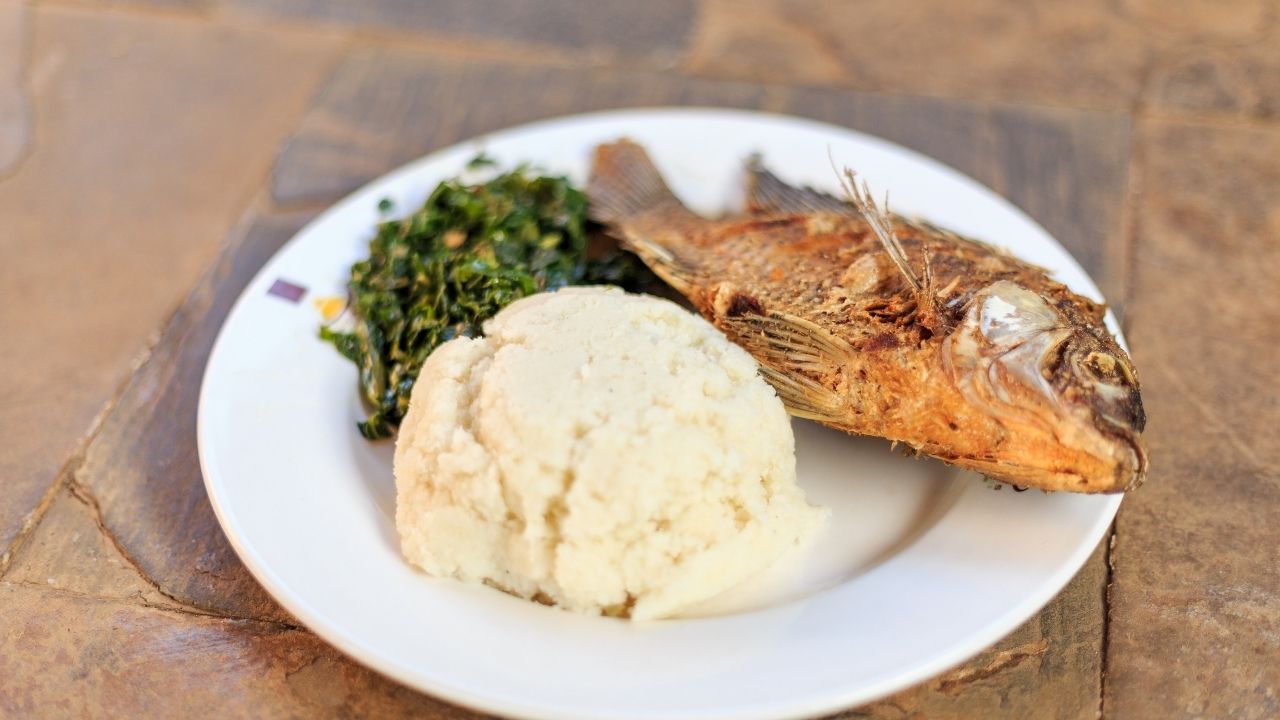
Picture this: you’re standing in a bustling Kenyan market, and everywhere you look, people are talking about ugali like it’s the superhero of the food world. And honestly? They’re not wrong! This humble cornmeal porridge has been keeping East African families fed for generations, made from just maize flour and water. What makes ugali absolutely brilliant is its simplicity—you literally cannot mess this up unless you somehow forget how to boil water. The texture should be thick enough that you can mold it with your hands, kind of like edible Play-Doh that actually tastes good. Kenyans, Tanzanians, and Ugandans swear by this stuff, and after one bite, you’ll understand why it’s practically a national treasure in multiple countries.
Here’s where ugali gets really interesting: it’s not just food, it’s a utensil! You tear off a piece, roll it into a ball, then use it to scoop up stews, vegetables, or meat. It’s like having your plate and your spoon all rolled into one genius invention. The beauty of ugali lies in how it stretches a small amount of expensive protein or vegetables into a filling meal for an entire family. One cup of maize flour can feed four people easily, making it incredibly budget-friendly. Plus, it’s naturally gluten-free, which means even your trendy health-conscious friends can enjoy it without launching into their usual dietary restrictions speech. Trust me, once you master the art of ugali-making, you’ll have a foolproof backup plan for those “what’s for dinner?” panic moments.
Maíz Tortillas (Mexico)
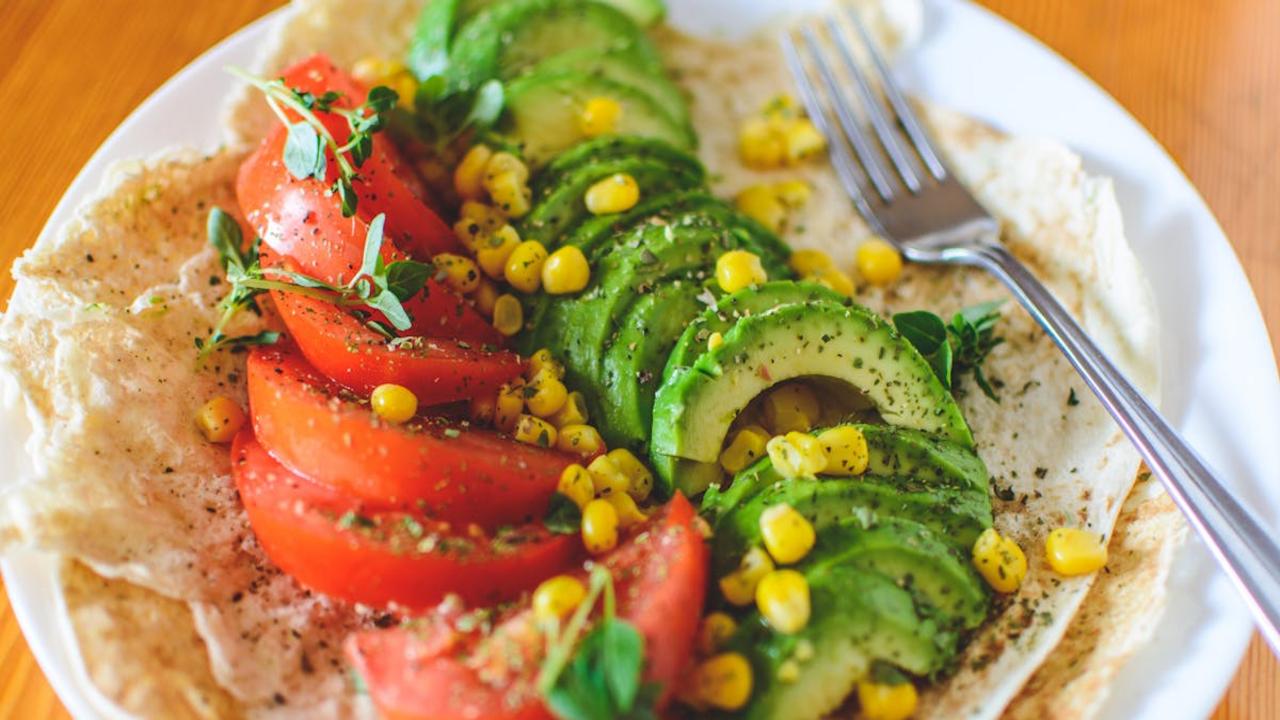
You know what’s absolutely genius about Mexican survival cooking? When you’ve got nothing but dried corn kernels and maybe some lime ash (if you’re lucky), you can still create something that’ll keep your family fed and happy. Traditional maíz tortillas aren’t just flat bread – they’re edible plates, wraps, and pure comfort rolled into one. The ancient process of nixtamalization transforms tough corn kernels into masa through soaking in alkaline water, creating a complete protein that sustained entire civilizations. Pretty impressive for what looks like a simple pancake, right?
Here’s the beautiful thing about tortillas: they’re practically indestructible and infinitely adaptable. Got leftover beans? Wrap them up. Found some wild greens? Tortilla time. Even when you’re down to your last bit of masa, you can stretch it thin, cook it on a hot comal (or any flat surface), and suddenly you’ve got edible currency that trades well with neighbors. Mexican families have perfected the art of making dozens at once, stacking them in baskets where they stay warm and pliable for hours. The rhythmic pat-pat-pat of hands shaping masa becomes a meditative soundtrack to survival, proving that sometimes the simplest foods carry the deepest wisdom.
Fufu and Egusi Soup (West Africa)
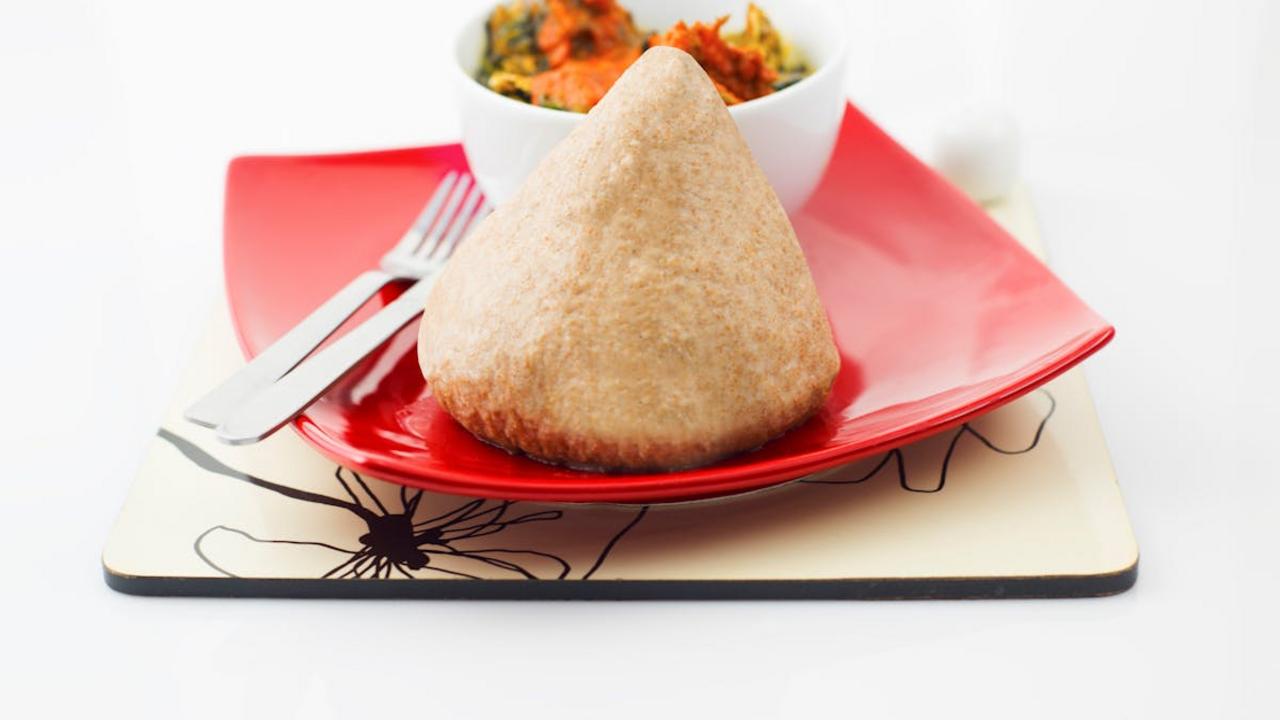
Picture this: you’re broke, hungry, and standing in your kitchen with nothing but cassava, plantain, or yam staring back at you. What do you do? If you’re in West Africa, you grab that starchy goodness and pound it into submission until it becomes fufu – a stretchy, dumpling-like ball that’s basically the superhero of survival foods. This isn’t just any old carb fest; fufu requires some serious arm strength to make properly. You pound and fold, pound and fold, until your ingredients transform into something so elastic it could probably bounce off the walls. The beauty of fufu lies in its simplicity and the fact that it fills you up faster than you can say “I’m still hungry.”
Now, here’s where things get interesting – fufu rarely travels alone. Meet its trusty sidekick, egusi soup, a thick, hearty concoction made from ground melon seeds that somehow manages to taste like pure comfort in a bowl. Even when times are tough, people find ways to throw in whatever leafy greens they can scrounge up, maybe some dried fish if they’re lucky, and create something that would make your grandmother weep with joy. The genius part? You don’t need fancy utensils. You just pinch off a piece of fufu, roll it into a ball, dip it in the egusi, and pop it in your mouth. It’s finger food at its finest, and honestly, eating it any other way feels like cheating. This dynamic duo proves that sometimes the most resourceful cooking comes from having almost nothing to work with.
Rice and Beans (Central America)
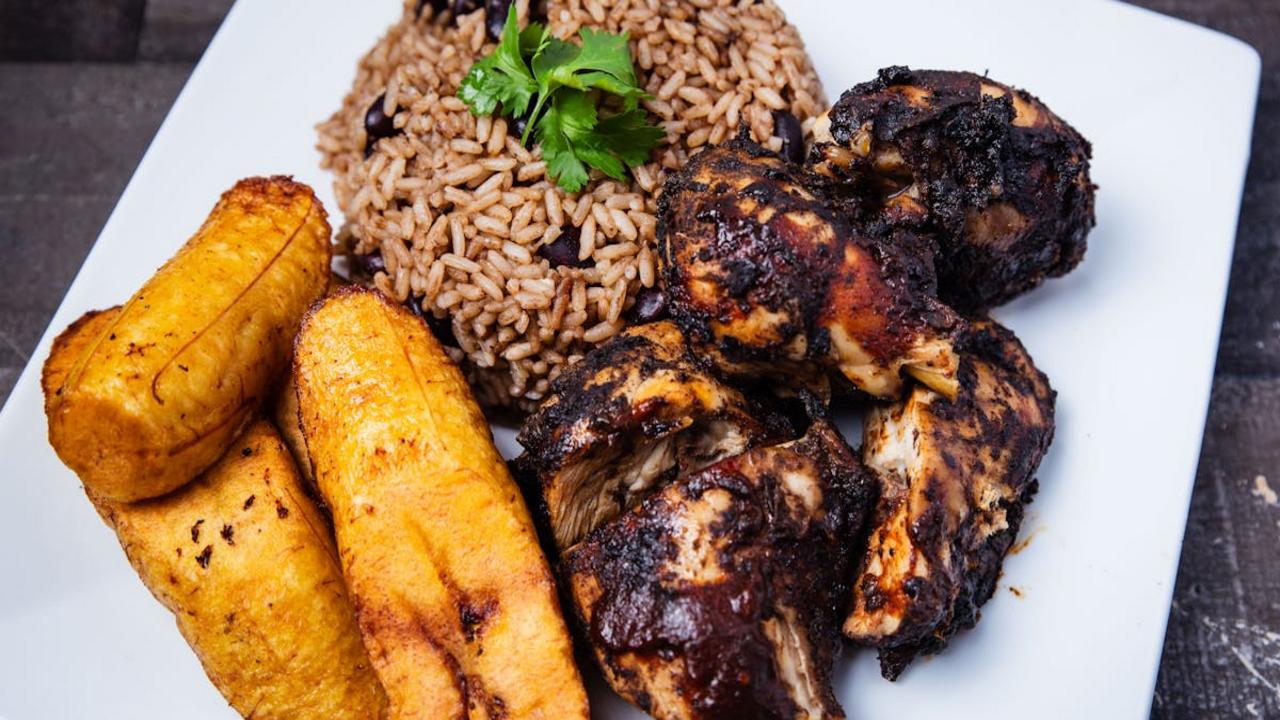
You know that moment when your bank account hits single digits and you’re staring into your nearly empty pantry? That’s when rice and beans become your best friend, your therapist, and your saving grace all rolled into one humble meal. In Central America, this dynamic duo isn’t just poverty food—it’s practically a national anthem you can eat. From Guatemala’s “casamiento” (literally meaning “marriage,” because these two ingredients are meant to be together forever) to Costa Rica’s beloved “gallo pinto,” every country puts their own spin on this protein-packed powerhouse that costs less than your morning coffee.
The magic happens when you combine these two simple ingredients because together they form a complete protein that rivals any expensive steak. Your body gets all nine essential amino acids it needs to function, which is basically nutritional wizardry disguised as peasant food. Throw in some onions, garlic, maybe a dash of cumin or cilantro if you’re feeling fancy, and you’ve got yourself a meal that’ll keep you satisfied for hours without breaking the bank. The best part? You can make a massive pot for under five dollars and eat like royalty for days, proving that sometimes the most brilliant solutions are hiding right there in your kitchen cupboard.