14 Throwback Grocery Items That Revolutionized Home Cooking and Snacking
The grocery aisles of yesterday gave birth to convenience foods that completely transformed how we cook and snack at home. These innovative products didn’t just save time—they changed entire family routines and introduced new flavors to kitchen tables across America. From quick breakfast solutions to effortless dinner options, these items made cooking accessible to busy families everywhere.
You might remember some of these iconic foods from your childhood, but their impact goes far deeper than nostalgia. Each product solved real problems for home cooks, whether that meant feeding a family quickly on weeknight or creating treats without extensive baking knowledge. These innovations democratized cooking, giving everyone the tools to create satisfying meals and snacks.
Today, we can appreciate how these throwback items paved the way for modern convenience foods while learning from their legacy. Understanding their revolutionary impact helps us make better choices about balancing convenience with nutrition in our own kitchens, creating meals that nourish both body and soul.
Frozen Fish Sticks

You know that familiar crunch followed by flaky, tender fish? That’s the magic frozen fish sticks brought to dinner tables across America starting in the 1950s. These golden rectangles transformed how families approached weeknight meals, turning what used to be a complicated seafood dinner into something any parent could master in under 20 minutes. I love how they made fish accessible to kids who might otherwise turn their noses up at anything that swam in the ocean. The genius wasn’t just in the convenience – it was in creating a bridge between processed food and real nutrition, giving busy families a way to serve protein without the stress.
What really gets me excited about fish sticks is how they’ve evolved over the decades while keeping that same simple promise. Today’s versions often feature wild-caught fish, whole grain breading, and cleaner ingredient lists that would make your grandmother proud. They’re still perfect for those hectic Tuesday nights when you need dinner on the table fast, but now you can feel genuinely good about what you’re serving. Pair them with roasted vegetables or a fresh salad, and you’ve got a balanced meal that satisfies everyone from picky toddlers to health-conscious adults.
Instant Noodles
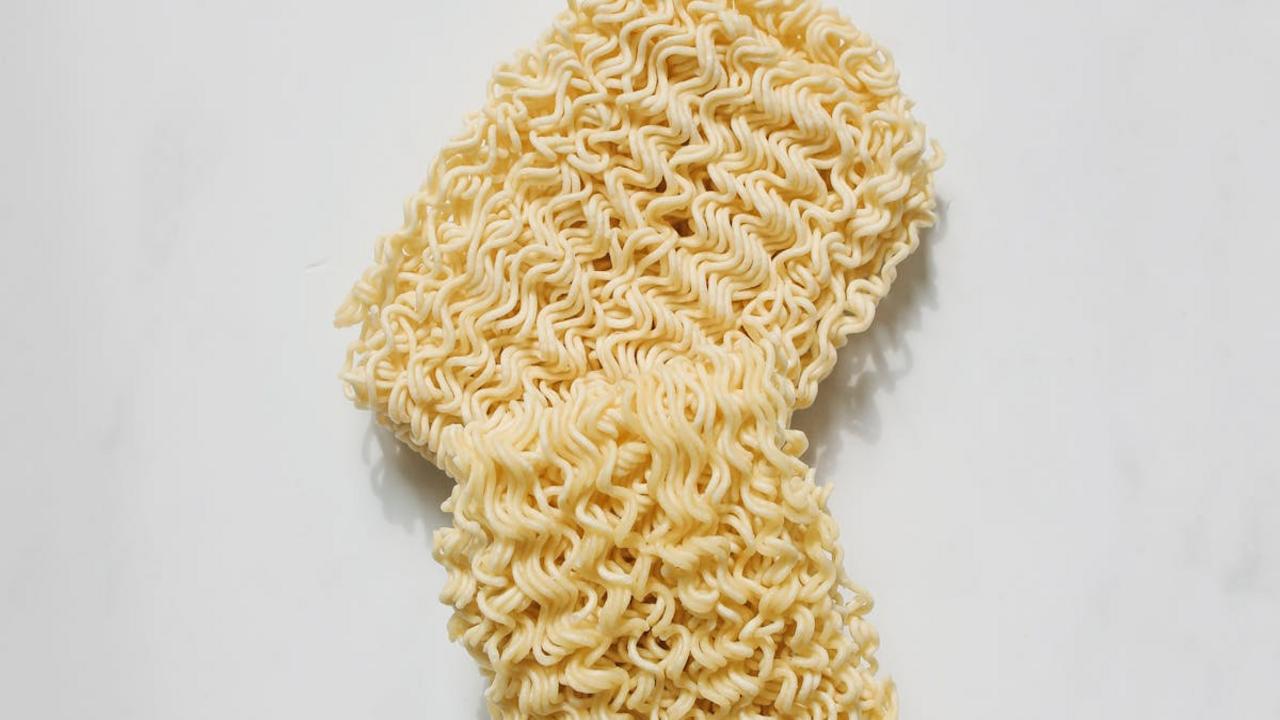
Picture this: it’s 1958, and Momofuku Ando creates something that would forever change how we think about quick meals. Instant noodles burst onto the scene like a culinary superhero, rescuing busy families and hungry college students everywhere. These magical little bricks transformed from dry, compact squares into steaming bowls of comfort in just three minutes. I remember my first encounter with instant ramen – watching those curly noodles bloom in hot water felt like pure kitchen magic. What started as a simple solution for post-war Japan quickly became a global phenomenon that crossed every cultural boundary imaginable.
Today, you’ll find instant noodles in pantries worldwide, each region adding its own delicious twist to the basic formula. From spicy Korean varieties that pack serious heat to creamy Japanese tonkotsu flavors, these convenient meals have evolved far beyond their humble beginnings. Smart home cooks discovered they could jazz up basic instant noodles with fresh vegetables, a soft-boiled egg, or leftover proteins, turning a simple snack into a satisfying meal. The beauty of instant noodles lies in their versatility – they’re your blank canvas for creativity, whether you’re craving something comforting after a long day or need a quick base for a more elaborate dish.
Pop Tarts
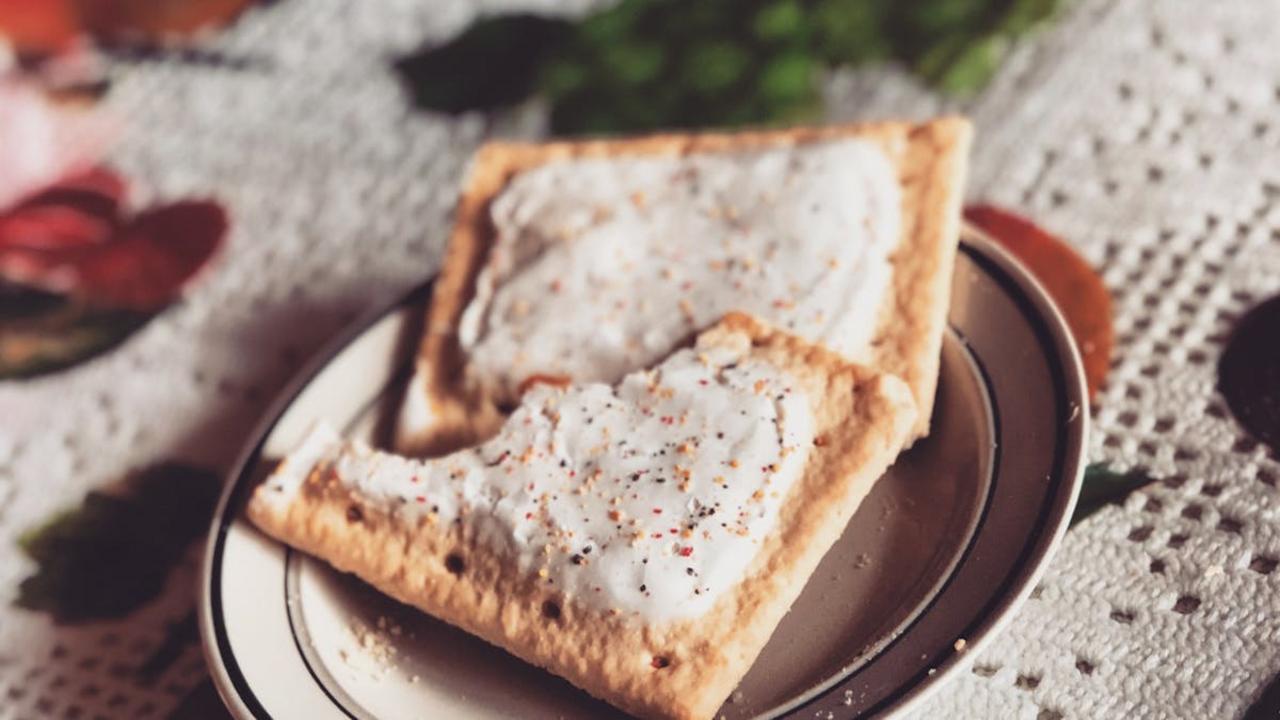
When Kellogg’s introduced Pop Tarts in 1964, they completely transformed breakfast and snacking for busy families everywhere. You could grab these foil-wrapped pastries straight from the box, pop them in the toaster for a quick warm treat, or eat them cold on the go. The original four flavors – strawberry, blueberry, brown sugar cinnamon, and apple currant – gave families an instant breakfast solution that kids actually wanted to eat. These rectangular pastries with their sweet filling and colorful frosting became the perfect answer for hectic mornings when traditional breakfast prep just wasn’t possible.
What made Pop Tarts truly revolutionary was how they bridged the gap between convenience food and comfort food. You didn’t need any cooking skills, special equipment, or even a plate – just grab one and you’re set. The genius lay in their versatility; they worked equally well as a quick breakfast, after-school snack, or late-night treat. While they might not align with today’s focus on whole foods and balanced nutrition, Pop Tarts opened our eyes to the concept of portable, shelf-stable convenience foods that could satisfy our sweet cravings instantly. They paved the way for countless other grab-and-go breakfast options we see today.
Velveeta Cheese
You know that smooth, creamy cheese that melts like a dream and never gets grainy? That’s Velveeta for you! This processed cheese product hit grocery store shelves in 1928 and completely changed how families approached comfort food at home. While food purists might turn their noses up at it, I have to give credit where credit’s due – Velveeta solved the age-old problem of cheese sauces breaking or becoming lumpy. Suddenly, anyone could whip up a perfect cheese dip for movie night or create that silky mac and cheese that kids actually wanted to eat.
What made Velveeta so revolutionary was its reliability and versatility in the kitchen. You could melt it in the microwave without worry, add it to soups for instant creaminess, or create those beloved queso dips that became party staples. Sure, it’s not aged cheddar or fresh mozzarella, but it served a different purpose entirely – bringing families together over warm, cheesy comfort foods that actually worked every single time. I’ve seen countless home cooks gain confidence in their kitchens simply because they knew they could count on Velveeta to deliver consistent results, whether they were making a quick grilled cheese or experimenting with new casserole recipes.
Cool Whip

Cool Whip transformed dessert-making when it hit grocery shelves in 1967, giving home cooks an instant solution for creamy, fluffy toppings without the fuss of whipping cream by hand. This frozen whipped topping became a kitchen staple because you could grab it from the freezer, let it thaw, and have perfect dollops ready for your strawberry shortcake or chocolate pie in minutes. I love how this product made elaborate desserts accessible to busy families who wanted something special without spending hours in the kitchen.
Beyond just topping desserts, Cool Whip opened up a whole world of no-bake treats that became legendary at potluck dinners and family gatherings. Think fluffy fruit salads, creamy chocolate mousse made with just pudding mix and Cool Whip, or those beloved layered desserts that looked fancy but took zero baking skills. While I always encourage making fresh whipped cream when you have time, Cool Whip deserves credit for democratizing dessert-making and helping countless home cooks create memorable sweet moments with their families. It proved that sometimes convenience products can actually bring more joy to your kitchen routine.
Cake Mix
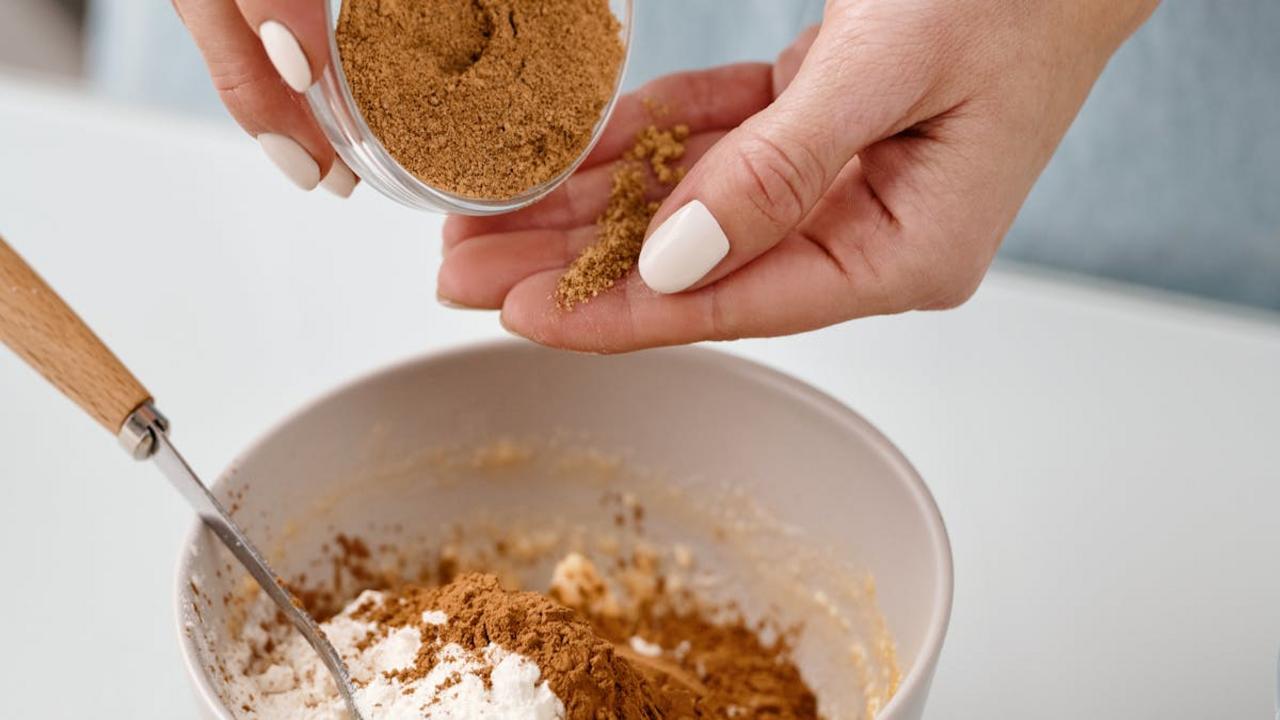
Cake mix transformed home baking forever when it first appeared on grocery shelves in the 1930s. Before this revolutionary product, making a cake from scratch meant measuring multiple ingredients, creaming butter by hand, and hoping your ratios were perfect. Suddenly, families could create delicious desserts with just a few simple additions like eggs, oil, and water. The convenience factor was incredible – you could whip up a birthday cake on a Tuesday night without the stress of complex measurements or technique worries.
What makes cake mix so brilliant is how it democratized baking for everyone. Your grandmother might have been intimidated by complicated recipes, but cake mix gave her confidence in the kitchen. Today’s versions offer endless creativity opportunities – you can add pudding for extra moisture, substitute applesauce for oil, or mix in fresh berries for a homemade twist. Many professional bakers actually start with quality cake mixes as their base, proving that convenience doesn’t mean sacrificing flavor. This pantry staple remains a reliable foundation for everything from simple weeknight treats to elaborate celebration cakes that bring families together around the dinner table.
Wonder Bread
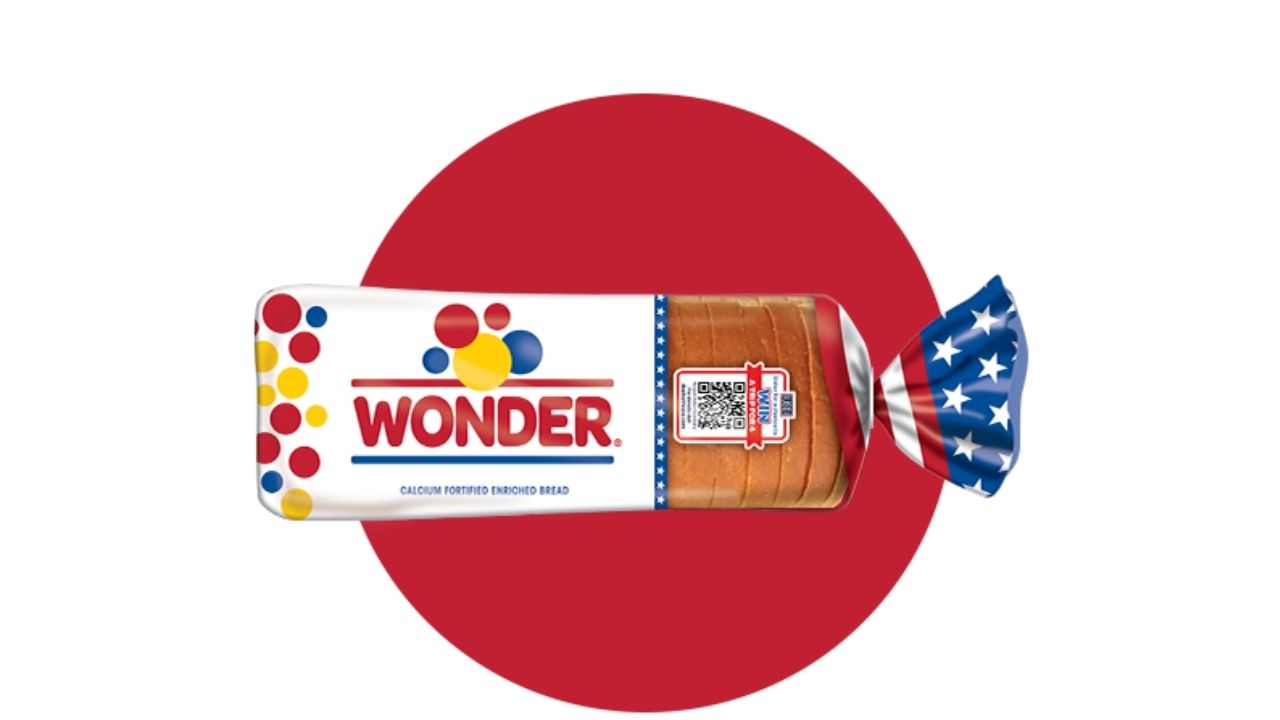
You know that soft, pillowy white bread that practically melts in your mouth? Wonder Bread changed everything when it hit grocery shelves in 1921. This wasn’t just bread – it was a revolution wrapped in colorful polka-dot packaging! Before Wonder Bread, most families either baked their own loaves or bought dense, heavy bread from local bakeries. Suddenly, you could grab a consistently soft, pre-sliced loaf that stayed fresh for days. The convenience factor was absolutely incredible for busy families, and kids everywhere fell head over heels for those perfect squares that made the most amazing peanut butter and jelly sandwiches.
What really made Wonder Bread special was how it transformed everyday cooking and snacking in American homes. You could make French toast that turned golden and custardy, create bread pudding that was impossibly tender, or toast it to crispy perfection for breakfast. The uniform slices meant consistent results every single time – no more thick chunks or paper-thin pieces! While we’ve learned so much about nutrition since then, there’s no denying that Wonder Bread made meal planning simpler for generations of home cooks. It gave families a reliable foundation for countless meals, from quick weekday lunches to comfort food dinners that brought everyone together around the table.
Kraft Mac and Cheese
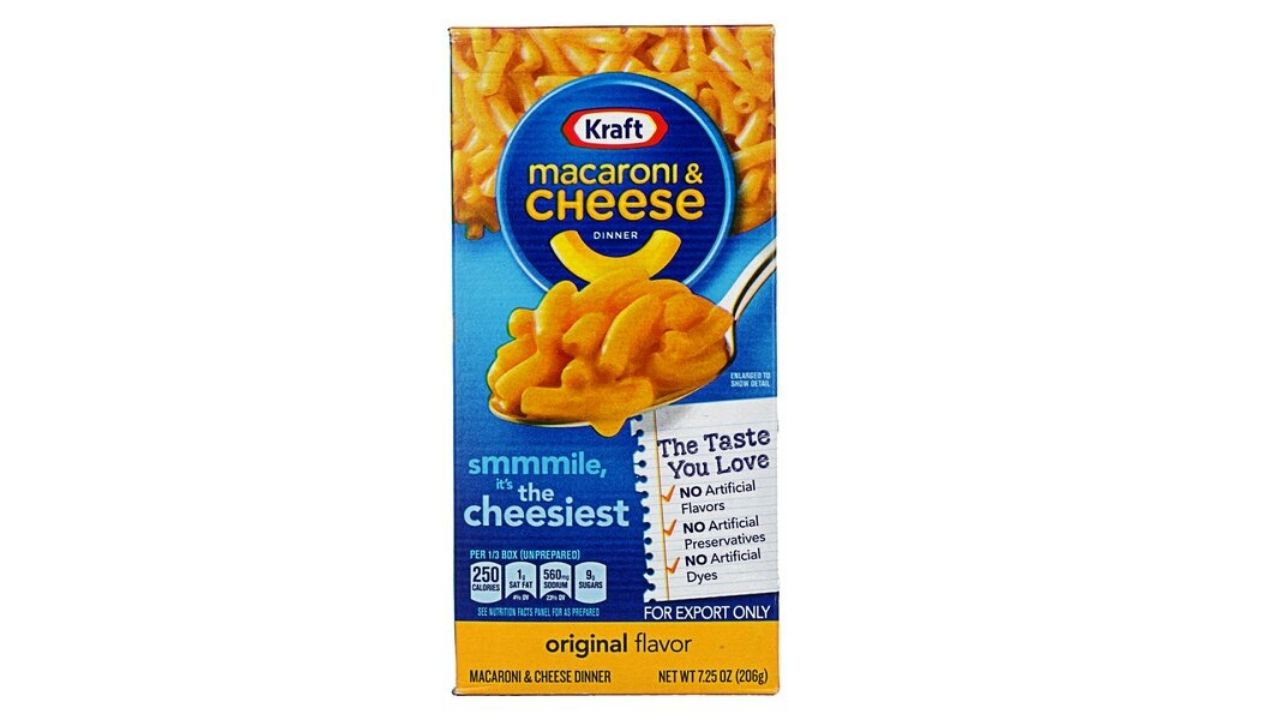
Picture this: it’s 1937, and families across America are discovering a bright blue box that would forever change weeknight dinners. Kraft Mac and Cheese didn’t just revolutionize convenience cooking – it created an entirely new category of comfort food that spans generations. What started as a Depression-era solution for affordable, filling meals quickly became the go-to dish for busy parents, college students, and anyone craving that perfect combination of creamy cheese and tender pasta. The genius lies in its simplicity: just boil, drain, and stir in that iconic orange powder that transforms ordinary macaroni into something magical.
I love how this humble box meal taught so many people their first cooking skills. Kids learned to boil water, measure ingredients, and follow basic instructions while creating something delicious. Sure, we’ve all graduated to making mac and cheese from scratch with real cheese and wholesome ingredients, but there’s something beautifully nostalgic about that original formula. Today’s home cooks often use it as a base, adding roasted vegetables, herbs, or protein to create more balanced meals. The true revolution wasn’t just in convenience – it was in showing families that cooking could be accessible, quick, and still bring everyone together around the dinner table.
Frozen Orange Juice

Remember those little cylindrical cans of frozen orange juice concentrate that transformed breakfast tables across America? You’d pop open that metal container, dump the bright orange slush into a pitcher, add three cans of water, and stir until magic happened. This simple innovation made fresh-tasting orange juice accessible year-round, giving families a consistent source of vitamin C without the worry of fresh oranges going bad in the fridge. The concentrated format meant you could store multiple cans in your freezer, ready to whip up a pitcher whenever you needed it.
What made frozen orange juice concentrate truly special was how it democratized good nutrition for busy households. Before this convenient option, getting quality orange juice meant either squeezing fresh oranges daily or settling for expensive bottled varieties. The frozen concentrate bridged that gap perfectly, offering restaurant-quality taste at a fraction of the cost. Plus, you could control the strength – want it more intense? Use less water. Prefer it milder? Add extra water to suit your family’s preferences. This flexibility made it a staple in homes everywhere, turning the simple act of making orange juice into a small daily ritual that brought families together around the breakfast table.
Tang

Tang burst onto the scene in 1959 as a powdered drink mix that promised astronaut-approved nutrition in every glass. This bright orange powder became synonymous with space-age living when NASA selected it for their Gemini missions, making Tang the official drink of astronauts. You could transform plain water into a vitamin C-packed beverage with just a few spoonfuls, and suddenly every kid wanted to drink what the space heroes were sipping. The convenience factor was revolutionary – no refrigeration needed, no spoilage concerns, and you could make exactly the amount you wanted without waste.
While Tang might not align with today’s whole foods philosophy, it taught an entire generation about the power of fortified foods and convenient nutrition. The drink mix contained more vitamin C than orange juice, making it a practical choice for busy families who wanted to ensure their children received important nutrients. You can still find Tang on grocery shelves today, and while fresh fruit remains the gold standard, this throwback reminds us how food innovation has shaped our approach to nutrition and convenience. It paved the way for today’s powdered superfood mixes and instant smoothie packets that busy health-conscious families rely on for quick, nutrient-dense options.
Spam
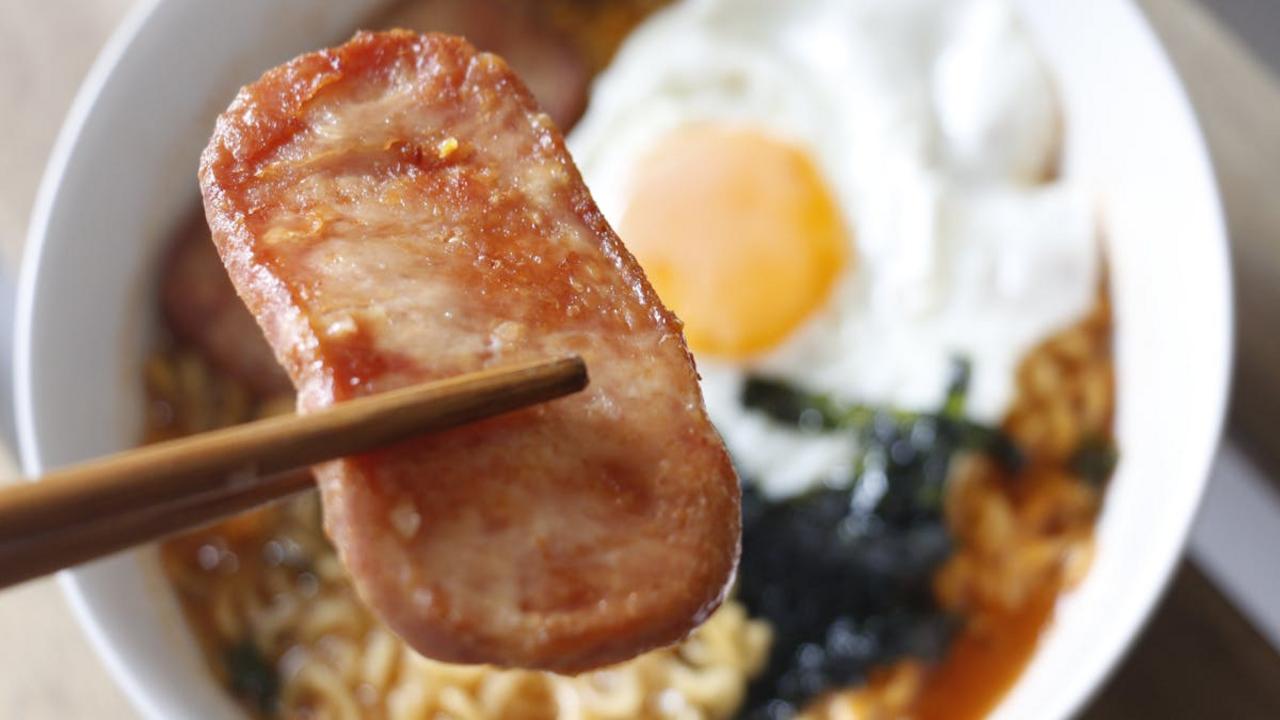
You know what’s wild? This humble canned meat that started as military rations completely transformed how Americans think about quick, protein-packed meals. Spam burst onto grocery shelves in 1937 and became an instant hit during World War II, feeding soldiers and families alike when fresh meat was scarce. What makes this pink mystery meat so special isn’t just its incredible shelf life – it’s how it democratized cooking by giving everyone access to affordable protein that could be prepared in countless ways.
From crispy breakfast hash to late-night fried rice, Spam taught home cooks that convenience doesn’t mean sacrificing flavor. Hawaiian families turned it into musubi, Korean cooks created budae jjigae, and American families discovered that this versatile protein could stretch budgets while still delivering satisfying meals. Sure, it might not win any health food awards, but Spam proved that sometimes the most unexpected ingredients become kitchen staples. It’s fascinating how one simple canned product changed the way we approach weeknight dinners and emergency meal planning – showing us that innovation in food often comes from necessity, not fancy techniques.
Jello

When Jello first shimmied its way into American kitchens in 1897, it transformed dessert making from a labor-intensive process into something magical and accessible. Before this colorful wonder, creating gelatin desserts required boiling animal bones for hours – imagine spending your entire afternoon just to make one wiggly treat! Jello changed everything by offering instant gratification in a neat little packet. You simply mixed the powder with hot water, added cold water, and watched science work its magic right before your eyes.
What made Jello truly revolutionary was how it democratized fancy desserts for everyday families. Suddenly, mothers across America could create stunning molded salads, layered parfaits, and whimsical shapes that looked like they belonged in fancy restaurants. The creative possibilities seemed endless – from suspended fruit cocktails to savory aspic molds that became dinner party showstoppers. Jello didn’t just give us dessert; it gave us edible entertainment that brought families together around the dinner table, watching in wonder as these translucent creations took shape in the refrigerator.
TV Dinners
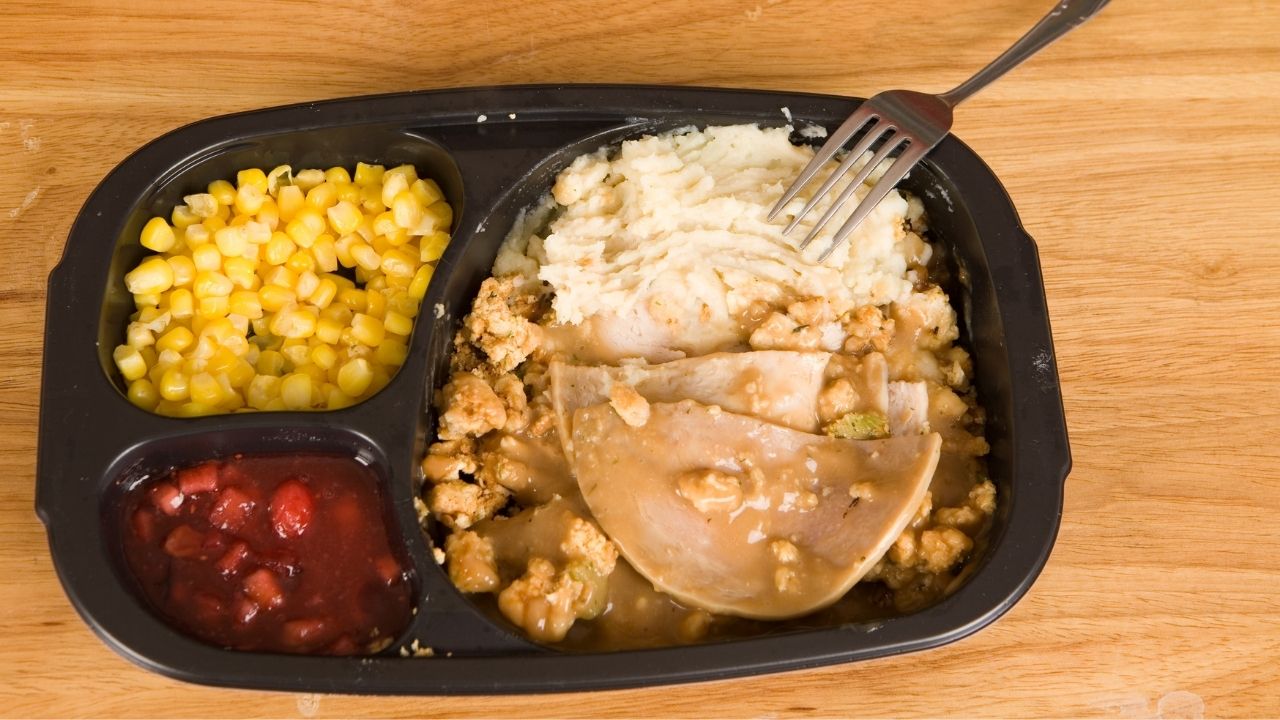
When Swanson introduced the first TV dinner in 1953, they transformed how American families approached weeknight meals forever. Picture this: you come home after a long day, pop a compartmentalized aluminum tray in the oven, and within 25 minutes, you have turkey, mashed potatoes, and green beans ready to eat. No chopping, no multiple pots, no cleanup nightmare. These frozen meals gave busy parents a lifeline during the post-war boom when convenience became king. The genius lay in the portion control and balanced meal concept – protein, starch, and vegetables all portioned out perfectly.
While today we might cringe at the sodium content and processed ingredients, TV dinners sparked a revolution in home cooking that we still feel today. They introduced portion control concepts that health-conscious cooks now apply with fresh ingredients. You can recreate that convenience factor by batch-cooking your own “TV dinners” – divide proteins, whole grains, and roasted vegetables into containers for quick reheating. The original TV dinner taught us that balanced meals don’t have to be complicated, and sometimes the best innovation comes from making good nutrition accessible to everyone, regardless of cooking skills or time constraints.
Instant Coffee
Instant coffee completely transformed the way we think about our morning brew and busy lifestyles. Before this revolutionary powder hit the shelves, making coffee meant grinding beans, brewing pots, and waiting around – not exactly practical for rushed mornings or quick caffeine fixes. Suddenly, you could have a steaming cup ready in seconds with just hot water and a spoon! This game-changing convenience made coffee accessible to everyone, from college students cramming for exams to office workers needing that afternoon pick-me-up.
What makes instant coffee so brilliant is how it opened doors for creative coffee lovers everywhere. You can easily adjust the strength to your liking, mix it into smoothies for an energy boost, or use it in baking recipes for rich mocha flavors in cakes and cookies. I love how it became the foundation for so many coffee shop favorites at home – just add some milk and sweetener, and you’ve got your own custom creation. While coffee snobs might turn their noses up, instant coffee democratized the coffee experience and gave busy families a reliable way to start their days with warmth and energy.