12 Unexpected Benefits of Sharing Family Dinners Weekly That Will Boost Health Happiness and Bonding
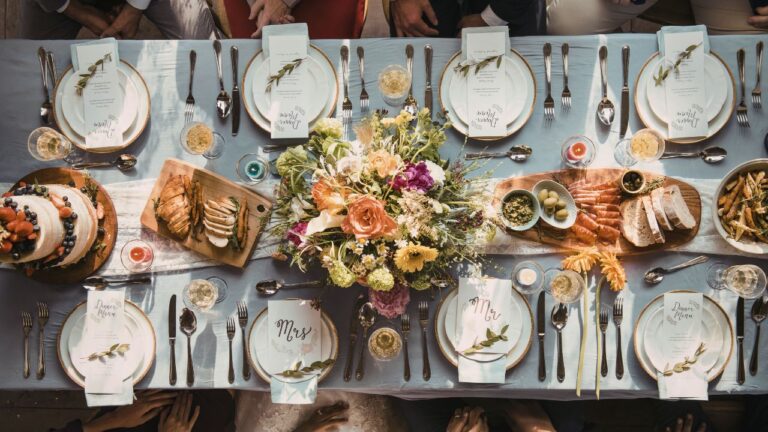
Family dinners pack more magic than a sprinkle of fairy dust on your favorite dish. Beyond the obvious joy of filling hungry bellies, these weekly gatherings create a special kind of chemistry that transforms ordinary meals into extraordinary moments. Your dining table becomes the heart of the home, where stories flow as freely as the gravy boat.
Think of family dinner as your secret weapon for building stronger bonds, boosting mental health, and creating memories that stick around longer than that mystery container in the back of your fridge. Research shows kids who eat with their families regularly score better grades, make healthier food choices, and develop sharper social skills.
Ready to supercharge your family dinner game? I’ve uncovered 12 surprising perks that will make you want to rush home, grab those plates, and gather everyone around the table. From stress-busting benefits to cultural discoveries, these weekly feasts offer more good stuff than your grandma’s secret recipe book.
Encouraging Sharing of Responsibilities

Want to know my favorite dinner table hack? Turn family meals into a team sport! By dividing up dinner duties – from menu planning to cleanup – you’ll create a beautiful rhythm of shared responsibility that makes the whole experience more fun and meaningful. My nephew Tommy used to groan about setting the table until we made it into his “special job” complete with funky napkin folding challenges. Now he races to get there first! Your kids can help with age-appropriate tasks like washing vegetables, measuring ingredients, or learning basic knife skills under supervision.
The magic really happens when everyone has their own role to play. You’ll watch your kids beam with pride as they master new kitchen skills and contribute to the family meal. My sister started a rotating “Chef of the Week” system where each family member gets to plan and lead one dinner preparation. Her daughter Sarah, once reluctant to help, now scours cookbooks for recipes to “wow” the family during her turn. These shared responsibilities teach valuable life skills, build confidence, and show children how cooperation makes everything better – from cooking to cleaning to creating lasting family bonds.
Facilitating Family Meetings
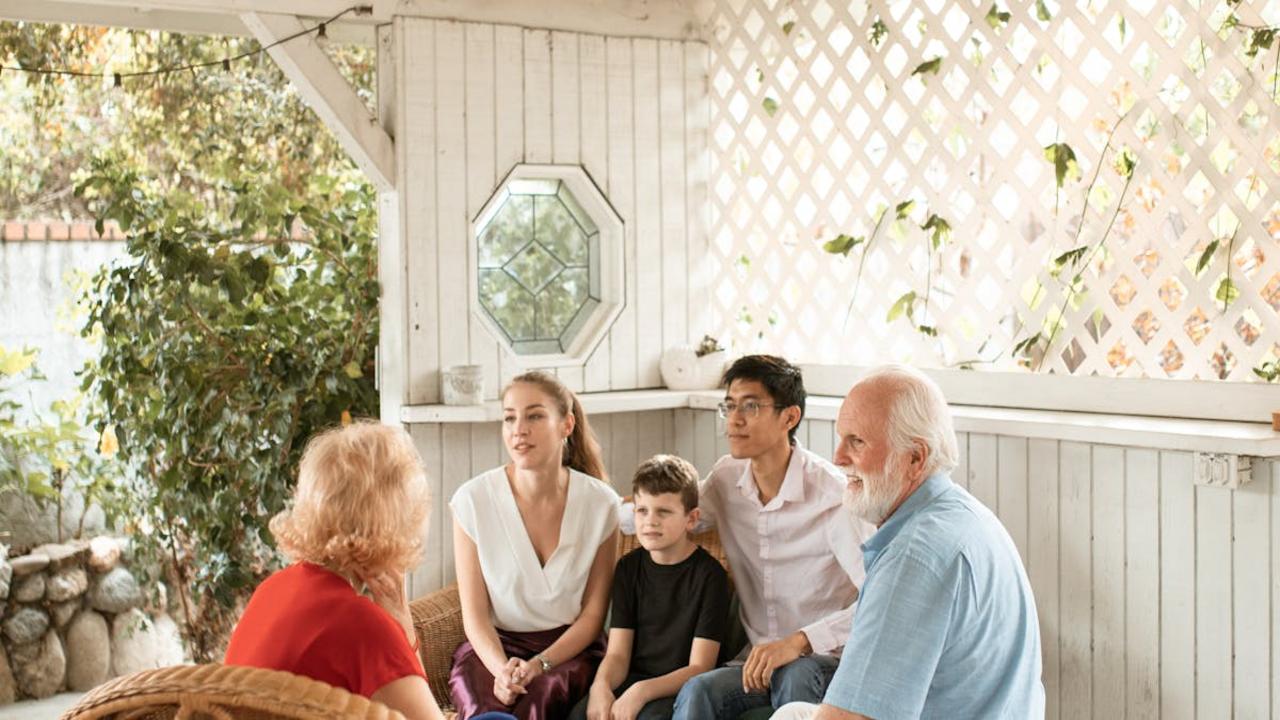
Who knew your dining table could double as a family boardroom? Weekly dinners create the perfect laid-back setting to hash out everything from upcoming soccer schedules to planning that long-overdue beach vacation. I’ve noticed families who turn mealtime into mini-meetings end up avoiding those dreaded “Why didn’t anyone tell me?” moments. You can tackle homework concerns, coordinate weekend plans, or brainstorm solutions to sibling squabbles while passing the mashed potatoes – talk about multitasking at its finest!
Make these dinner discussions fun by adding a dash of creativity to your family pow-wows. Try giving each family member a designated “spotlight moment” to share their news, or create a rotating “meeting chairperson” role where kids take turns leading the conversation. One of my favorite families keeps a quirky “Talk Topics” jar in the middle of their table, filled with conversation starters like “If you could be any kitchen appliance, what would you be?” These casual chats help everyone stay in the loop while keeping the atmosphere light and entertaining. Plus, your kids will learn valuable communication skills without even realizing it – now that’s what I call a win-win situation!
Strengthening Family Rituals

Your weekly family dinners will become cherished traditions faster than you can say “pass the potatoes!” Think about those little moments that make your crew unique – maybe it’s Dad’s signature dance while flipping pancakes or your sister’s ridiculous food puns that make everyone groan-laugh. These seemingly small habits transform into powerful family rituals that stick with you forever. My friend Sarah’s family always starts their meals by sharing three good things that happened that day, and now her kids automatically launch into their “good things” even during quick breakfast runs!
These consistent dinner rituals create a cozy security blanket of predictability that your family will crave. You’ll notice your kids relaxing into the familiar rhythm – from setting the table to the weird way your youngest insists on arranging their peas. Research shows families who maintain regular dinner customs report stronger bonds and better communication. Plus, these rituals become your family’s special “secret sauce” – the unique traditions that make your gatherings distinctly yours. Whether it’s Taco Tuesday complete with mandatory silly hats or Sunday pot roast where everyone gets to add their favorite vegetable, these rituals weave themselves into your family’s DNA.
Celebrating Seasonal Ingredients
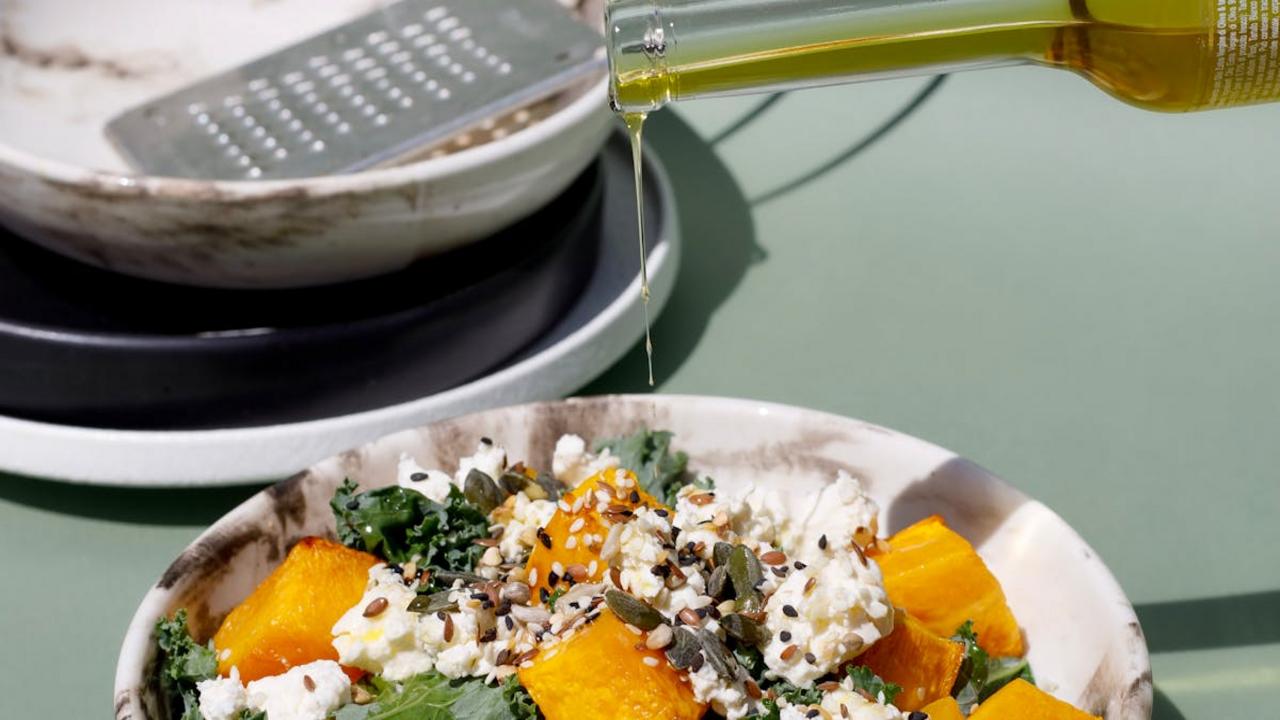
Seasonal ingredients bring more than just fresh flavors to your weekly family dinners – they pack a secret superpower of connection! Every time you grab those crisp autumn apples or juicy summer tomatoes from your local market, you’re actually tapping into a time-honored tradition that makes meals more meaningful. My neighbor Sarah turned her Thursday dinners into a fun “seasonal ingredient showcase” where her kids now race to spot what’s new at the farmer’s market. Last week, her 8-year-old proudly identified rainbow chard and declared it “dragon food” – now the whole family devours it!
Your weekly menu becomes an exciting treasure hunt when you follow nature’s calendar. Spring brings tender asparagus and sweet peas, summer delivers zucchini and fragrant herbs, fall offers squash and mushrooms, while winter presents hearty root vegetables and citrus fruits. These seasonal rotations not only save you money (cheaper when abundant!) but also create lasting family memories. Plus, you’ll teach your kids about agriculture, weather patterns, and local food systems without them even noticing – they’ll be too busy enjoying their “dragon food” and seasonal goodies to realize they’re learning!
Opportunity for Mindful Eating

You know that feeling when you’re scarfing down lunch at your desk while frantically typing emails? Yeah, that’s the opposite of mindful eating! Family dinners create a dedicated space where you can actually notice each bite, savor the flavors, and tune into your body’s hunger signals. I learned this the fun way when my family made it a rule to put phones away during dinner – suddenly we could all notice how Mom’s lasagna had the perfect cheese-to-sauce ratio, and how the garlic bread filled the room with its irresistible aroma. This intentional focus on food transforms a rushed meal into a full sensory experience.
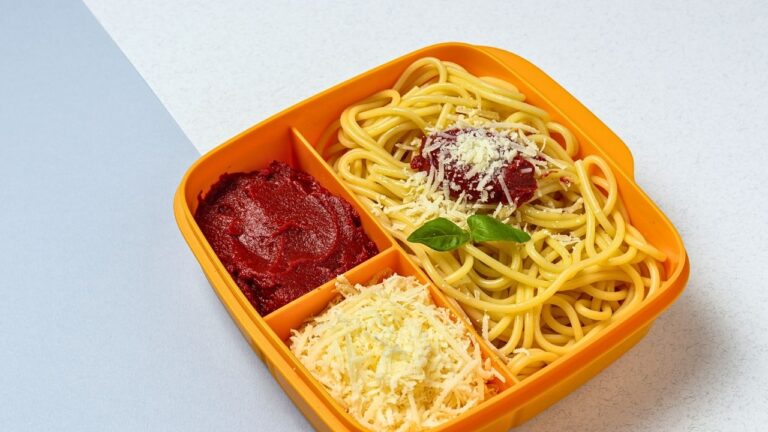
The best part? Mindful eating at family dinners naturally spills over into other meals. You’ll start noticing how different foods affect your energy, mood, and satisfaction levels. My nephew once declared he had “happy taste buds” after slowly enjoying his spaghetti instead of inhaling it in two minutes flat! Research shows that people who eat mindfully tend to maintain healthier weights, digest food better, and feel more satisfied with smaller portions. Plus, you’ll finally appreciate that your sister-in-law’s famous chocolate cake really does have 27 distinct spices – she wasn’t exaggerating!
Promoting Nutritional Awareness
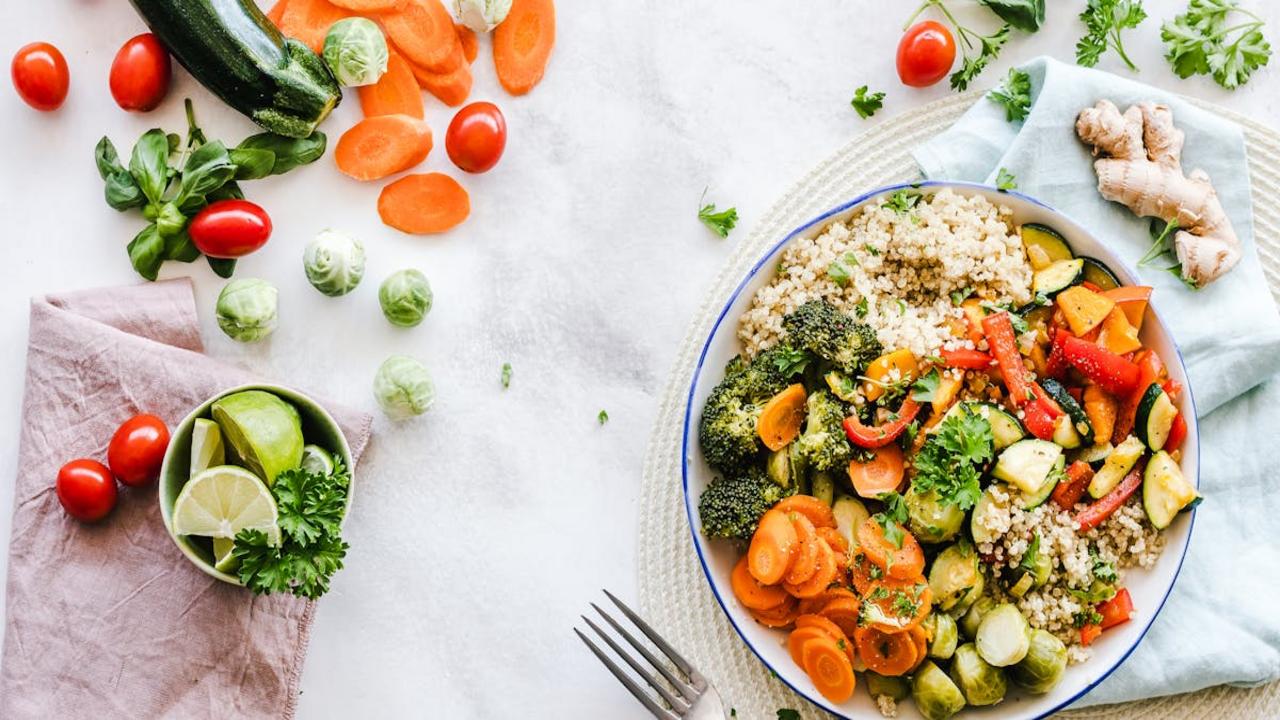
You’ll notice something magical happens when you gather around the dinner table – your kids start picking up smart eating habits without you having to lecture them! Through regular family meals, your little ones watch you pile your plate with colorful veggies, choose whole grains, and practice proper portion control. Research shows children who eat with their families 3+ times weekly make better food choices and understand nutrition basics more than their peers who don’t share meals together. Think of your dinner table as your personal nutrition classroom, where teaching happens naturally through observation and conversation.
The dinner table transforms into a place where you can chat about where food comes from, what different ingredients do for our bodies, and why balanced meals matter. Your curious 8-year-old might ask why you’re eating quinoa instead of white rice, giving you the perfect chance to explain protein and fiber benefits. Or your teen athlete could bring up wanting to eat better for sports performance, opening the door to discuss fueling our bodies properly. These casual conversations about nutrition stick with kids far better than formal lectures ever could. Plus, you get to model mindful eating habits – like eating slowly and stopping when full – which your children will naturally mirror over time.
Encouragement for Culinary Creativity
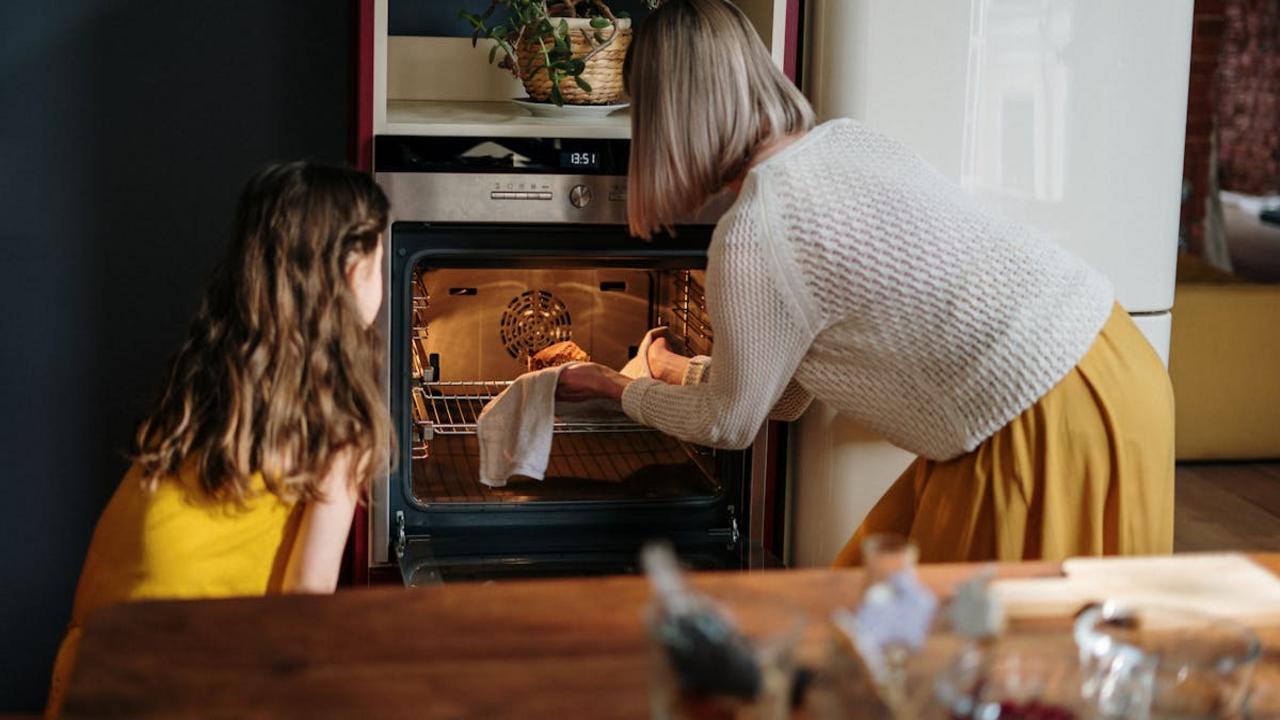
Family dinners can transform into mini cooking competitions that spark everyone’s inner chef! I’ve watched my own nieces and nephews go from mac-and-cheese specialists to adventurous cooks who now whip up homemade sushi rolls and experimental pasta sauces. Weekly dinners give each family member a chance to show off their kitchen skills and try new recipes without the pressure of perfection. Your teenage son might surprise you with his secret pizza dough recipe, or your spouse could unveil an amazing curry they learned from YouTube.
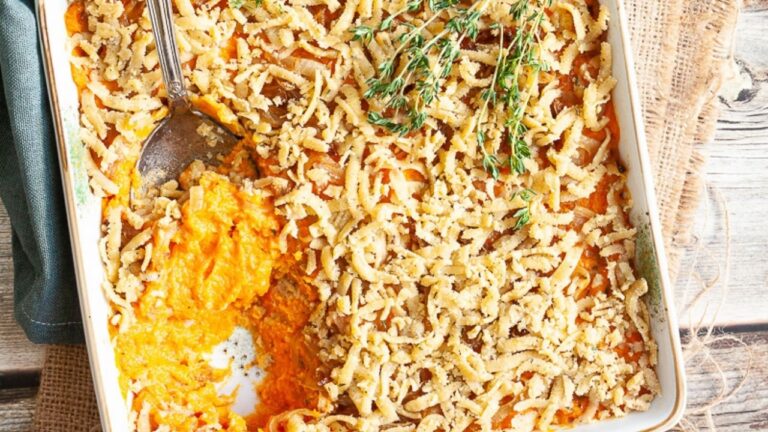
The kitchen becomes a playground where mixing unexpected ingredients leads to delicious discoveries. Last month, my friend’s 10-year-old daughter created a bizarre but surprisingly tasty combination of sweet potatoes, cinnamon, and black beans that became their new Tuesday night staple. Family dinners open up opportunities for everyone to contribute ideas, swap cooking tips, and build confidence in the kitchen. You’ll notice how your kids start requesting cooking duties, experimenting with spices, and proudly sharing their creations on social media. Before you know it, your weekly dinners will feature an exciting rotation of dishes that reflect each family member’s unique creativity.
Stress Relief for Busy Parents

Hey, busy parents! You know those nights when you’re juggling work emails, soccer practice, and what feels like a million other tasks? Well, I’ve got some fantastic news – your regular family dinners act like a magical stress-busting remedy. Picture this: you sit down at the table, take a deep breath, and actually feel your shoulders drop as you pass the mashed potatoes. Research from Cornell University shows that parents who eat with their kids at least four times a week report 28% lower stress levels than those who don’t. It’s like hitting a reset button on your hectic day!
The best part? You don’t need to cook a fancy five-course meal to get these benefits. Even ordering pizza and gathering around the table works wonders! The simple act of sitting down, sharing food, and chatting about your day triggers the release of oxytocin – your body’s natural chill pill. Plus, knowing you have this dedicated time to reconnect with your kids each week takes the pressure off trying to squeeze in quality time elsewhere. One mom told me she stopped feeling guilty about missing afternoon school events because she knew she’d catch up on all the gossip at dinner. Now that’s what I call a win-win situation!
Creating Family Memories

You know that warm, fuzzy feeling you get when you remember Mom’s infamous spaghetti mishap of ’98 or Dad’s experimental “mystery meat” casserole? Those hilarious dinner table moments stick with us forever! Weekly family dinners create a treasure trove of shared stories, inside jokes, and unforgettable moments that bind families together. Your kids won’t just remember what they ate – they’ll remember how hard everyone laughed when little Tommy told his first knock-knock joke or the time Grandpa accidentally wore his dentures upside down during Thanksgiving dinner.
These shared meals go beyond simple nostalgia – they build a family’s unique identity and culture. Each dinner adds another chapter to your family’s story, complete with its own cast of characters, plot twists, and running gags. I’ve seen families who still crack up over decades-old dinner table incidents, like the Great Meatball Roll of 2005 or the Legendary Milk-Spitting Competition. These memories become the golden threads that weave through your family tapestry, creating bonds that last generations and stories that get better with each retelling at future family gatherings.
Enhancing Communication Skills

You know that moment when your teenager actually puts down their phone and starts talking about their day? That’s the magic of family dinner time! Regular shared meals create natural opportunities for everyone to practice speaking, listening, and expressing themselves without the pressure of formal settings. I’ve noticed how my own kids have grown more articulate and confident in sharing their thoughts during our nightly dinners – from my shy 8-year-old now enthusiastically describing her art projects to my teen son opening up about school drama between bites of lasagna.
Family meals help develop key social skills that benefit kids (and adults!) far beyond the dining table. Through dinner conversations, children learn to read social cues, take turns speaking, ask meaningful questions, and show empathy – skills that serve them well in school, friendships, and future careers. Plus, these regular interactions help parents pick up on subtle changes in their kids’ lives or spot potential issues early. Just last week, our seemingly random chat about cafeteria food led to discovering my daughter was struggling with a friendship issue at school. Who knew spaghetti could spark such important conversations?
Opportunity for Cultural Education

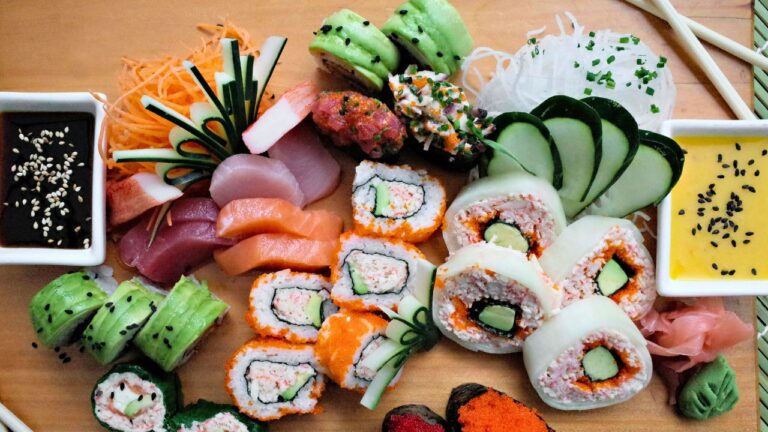
Your dinner table can transform into a vibrant classroom where kids and adults learn about different cultures through food, stories, and traditions. You’ll create memorable teaching moments when you prepare dishes from your heritage or experiment with recipes from around the world. I love watching my nephew’s eyes light up as he learns about his grandmother’s Mexican roots through her tamale-making techniques, or how my own kids now know more about Japanese customs after we started our weekly sushi-rolling nights.
Food opens doors to meaningful conversations about geography, history, and social customs that stick with family members far better than any textbook could teach. Your kids might discover why Italians eat late dinners, why Chinese families share circular dishes, or the significance behind Jewish holiday meals. These dinner discussions plant seeds of cultural awareness and respect that grow naturally through shared experiences. My family now keeps a world map in the dining room, and we mark each country whose cuisine we’ve tried – it’s become our delicious version of geography lessons!
Gathering and Bonding Time
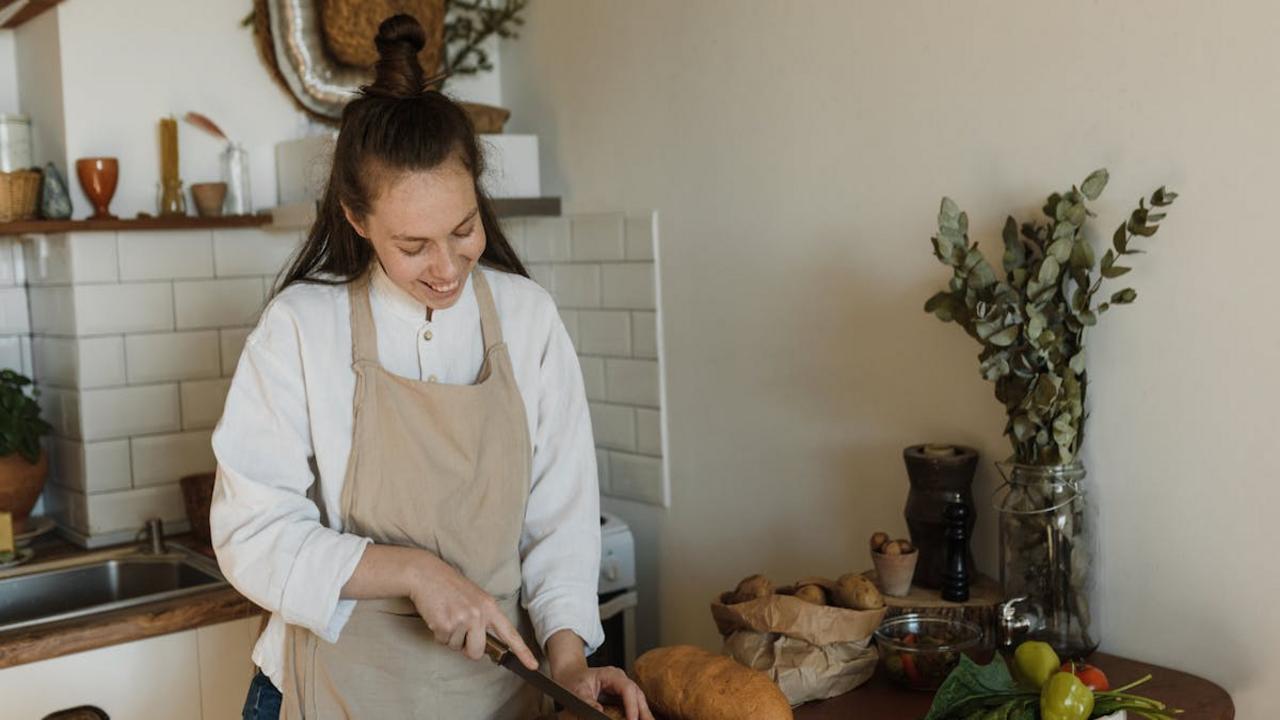
You know that magical moment when everyone drops their phones, forgets about work drama, and actually talks to each other? That’s what happens at family dinners! I’ve noticed in my own family how these weekly sit-downs create this cozy bubble where genuine connections bloom. My teenage nephew finally spilled about his first crush over mom’s lasagna, and my usually-quiet dad turned into a storytelling machine, sharing hilarious tales from his college days that had us all in stitches. These dinner table confessions and belly laughs build stronger family bonds than any forced “family meeting” ever could.
Think of family dinner as your weekly relationship tune-up – minus the awkward therapy bills! The simple act of passing dishes around, asking for the salt, or fighting over the last dinner roll creates dozens of micro-interactions that strengthen your family’s social fabric. I watched my own kids go from eye-rolling teens to engaged participants once we made Sunday dinners non-negotiable. Now they race to grab their favorite seats, eager to share school gossip or debate the latest Marvel movie. The best part? These casual conversations often lead to deeper discussions about values, dreams, and even tough topics that might never surface during our rushed everyday interactions.