14 Iconic Foods That Shaped Generations and the Delicious Stories Behind Each Bite
From quick TV dinners to the latest bubble tea craze, certain foods mark different decades and create lasting memories. These iconic treats shaped how we eat, socialize, and think about food – becoming more than just sustenance but cultural touchstones that connect us across generations.
Each item tells a unique story about innovation, convenience, and changing tastes. The rise of processed foods in the 1950s brought TV dinners to American homes, while the 1980s and 90s saw lunch boxes packed with Capri Sun pouches and Dunkaroos. Now, social media stars like avocado toast and bubble tea define modern food trends.
From wartime necessities like Spam to modern health movements like kombucha, these 14 foods capture distinct moments in our shared history. They remind us how food brings people together and reflects the spirit of each era – whether through space-age innovation, playful marketing, or the search for better health.
Bubble tea
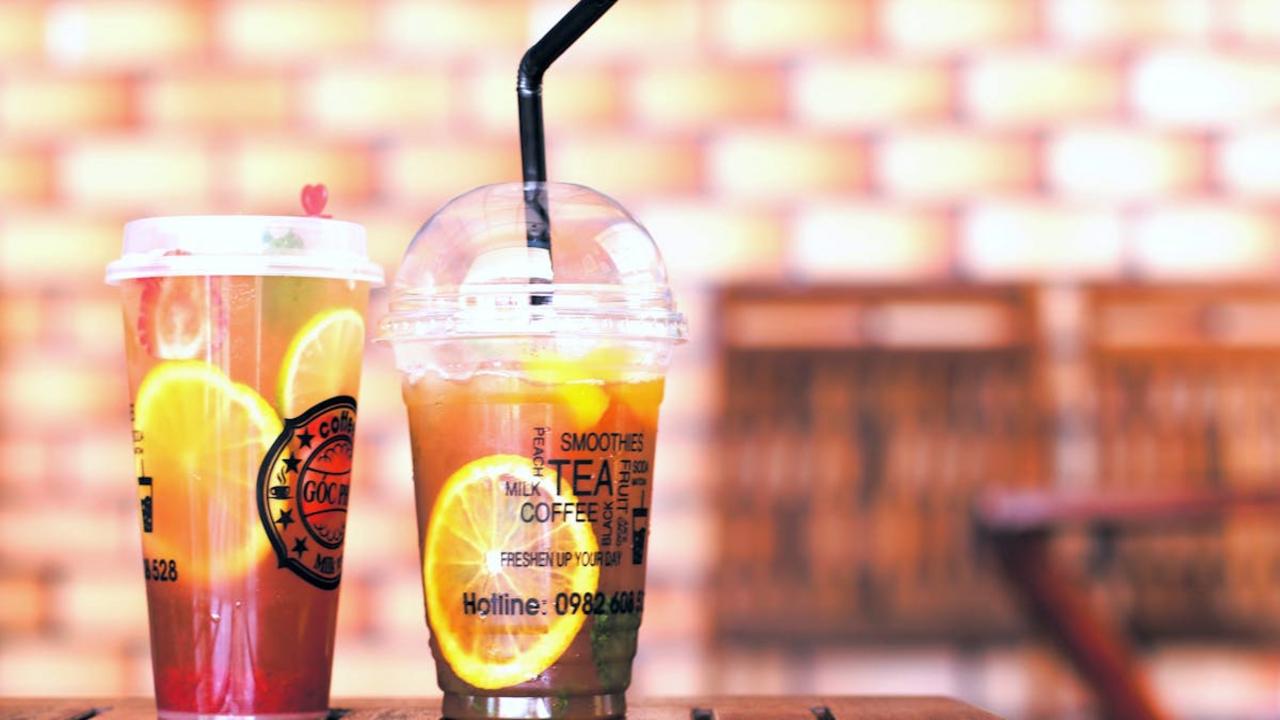
I discovered bubble tea in the late 1980s while exploring Taiwan’s street food scene, and this drink has grown into a worldwide phenomenon. The drink originated in Taichung, Taiwan, where tea shop owner Liu Han-Chieh first combined cold black tea with chewy tapioca pearls and sweet milk. Those dark, bouncy pearls sitting at the bottom of a tall cup quickly became the signature element that sets bubble tea apart from other beverages. The combination of smooth, creamy tea and chewy boba pearls creates an addictive textural experience that keeps people coming back for more.
What makes bubble tea so special goes beyond just the drink itself – it represents how Asian food culture has influenced global tastes. You’ll find endless variations today, from classic milk tea to fruit-based options topped with cheese foam. The tapioca pearls require careful cooking to achieve that perfect chewy texture – not too soft, not too firm. Modern bubble tea shops have expanded the menu with creative toppings like grass jelly, red beans, and popping boba filled with fruit juices. This evolution shows how a simple Taiwanese invention transformed into a customizable drink that speaks to younger generations’ desire for unique food experiences.
Avocado toast
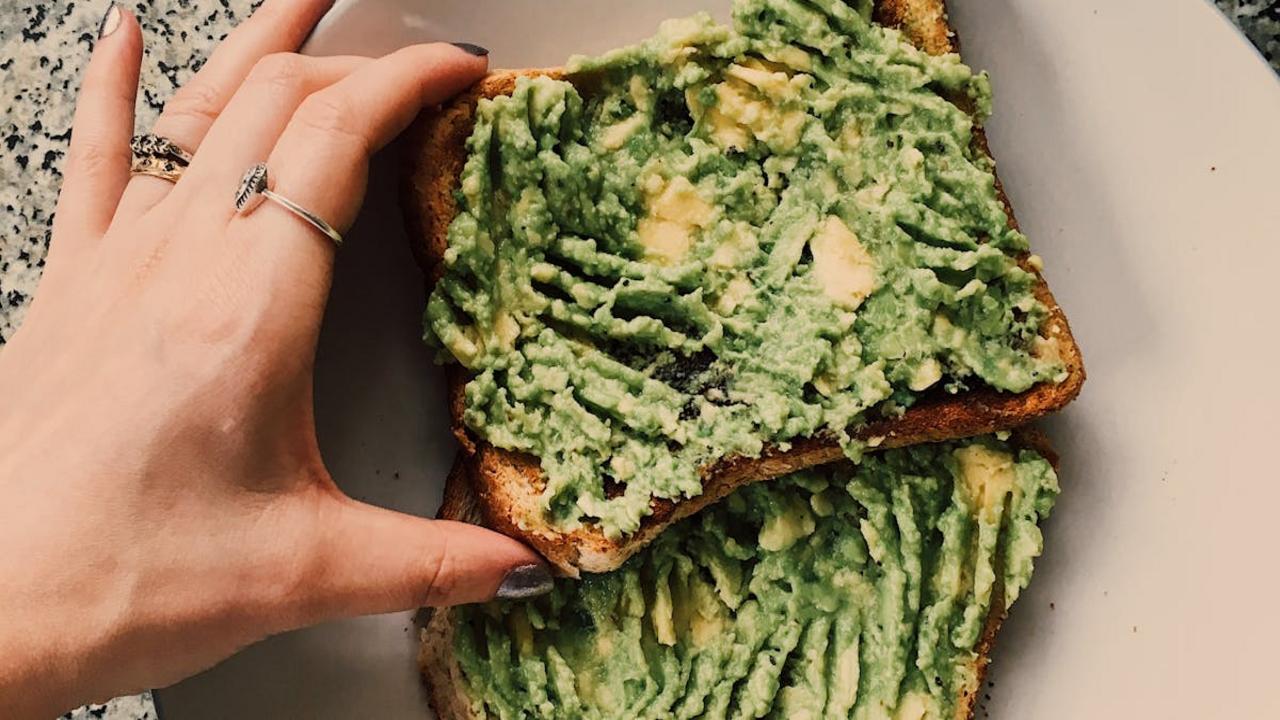
Who knew smashing ripe avocados on toasted bread would become such a defining food trend of the 2010s? This simple yet revolutionary breakfast creation took social media by storm around 2013, becoming a symbol of millennial dining culture. While avocado toast existed before its viral moment, Australian chef Bill Granger helped popularize it by adding it to his Sydney café menu in 1993. The dish gained momentum through Instagram, where its vibrant green color and endless topping variations made it incredibly photogenic.
Beyond its social media fame, avocado toast represents a shift toward fresh, customizable breakfast options. You’ll find countless versions – from minimal salt and pepper to elaborate toppings like poached eggs, microgreens, or chili flakes. The dish sparked debates about millennial spending habits and even got blamed for preventing young people from buying homes! Despite the controversy, avocado toast remains a beloved breakfast staple, combining creamy avocado richness with crunchy toast for a satisfying and nutritious meal that transcends its trendy origins.
Kombucha
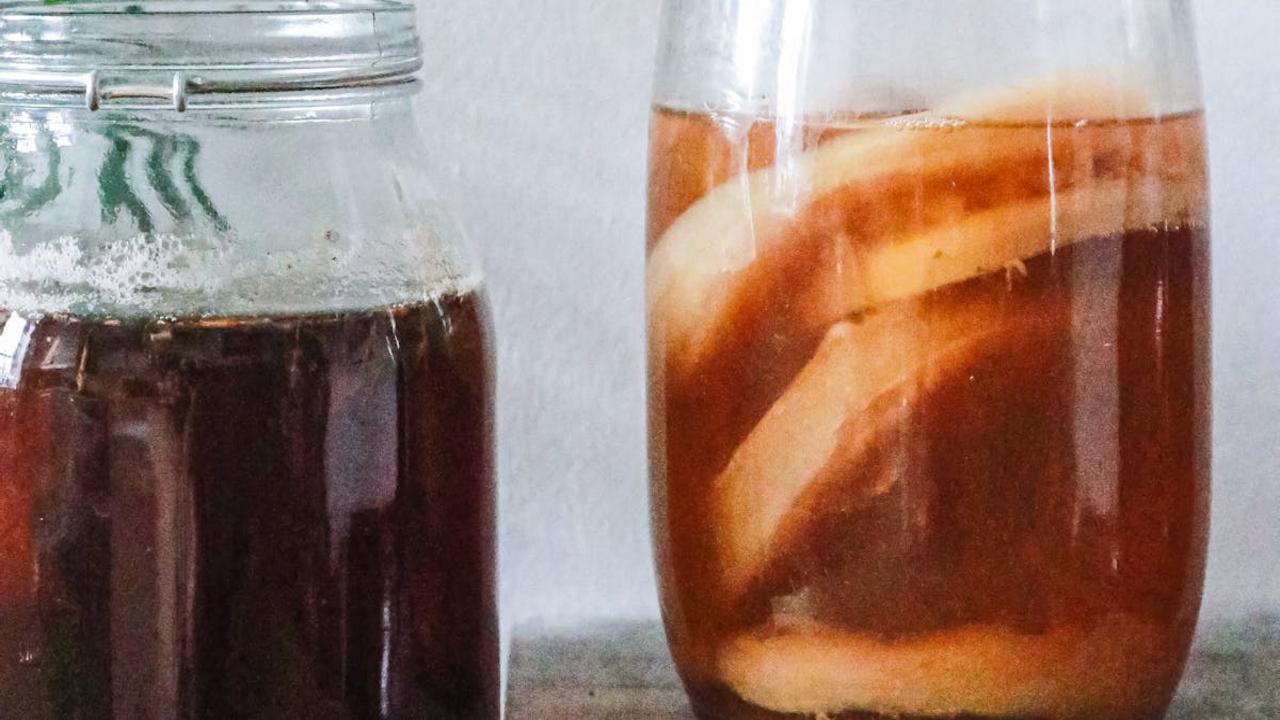
I remember the first time I made kombucha in my kitchen – watching the SCOBY (Symbiotic Culture of Bacteria and Yeast) float mysteriously in sweetened tea, transforming it into a fizzy, tangy drink that would make my store-bought versions pale in comparison. This ancient fermented beverage, with roots tracing back to Northeast China around 220 B.C., has captivated modern health enthusiasts with its probiotic benefits and refreshing buzz. The natural fermentation process creates beneficial compounds like B vitamins, enzymes, and organic acids that support gut health and immunity.
The beauty of kombucha lies in its adaptability – you can infuse it with countless flavors from fresh fruits to herbs and spices. My personal favorite combination blends fresh ginger and turmeric root with a touch of black pepper, creating an immunity-boosting elixir that’s both medicinal and delicious. The DIY kombucha movement has sparked a creative revolution in home brewing, with people sharing SCOBYs (affectionately called “mothers”) and trading brewing tips across communities. This simple combination of tea, sugar, and time has created a vibrant culture of health-conscious drink makers who value both tradition and innovation.
Sunny D

Growing up in the ’90s, I couldn’t resist reaching for that bright orange bottle of Sunny D in my fridge. The sweet citrus drink captured kids’ hearts with its bold marketing and unique taste that wasn’t quite orange juice but wasn’t quite artificial either. The drink actually originated in 1963 when two Florida dads wanted to create a more affordable alternative to orange juice – mixing citrus juices with sugar, corn syrup, and vitamins. The result? A beverage that defined countless childhood memories of summer days and after-school snacks.
While health-conscious parents today might skip the sugary drink, Sunny D remains an nostalgic icon that sparks instant recognition across generations. The brand adapted through the decades, adjusting its formula and expanding flavor options while maintaining that signature tangy-sweet profile. Modern versions contain more real juice and fewer artificial ingredients, though the classic taste stays largely unchanged. This evolution shows how even controversial childhood favorites can grow alongside changing consumer preferences while keeping their core identity intact.
Hot Pockets
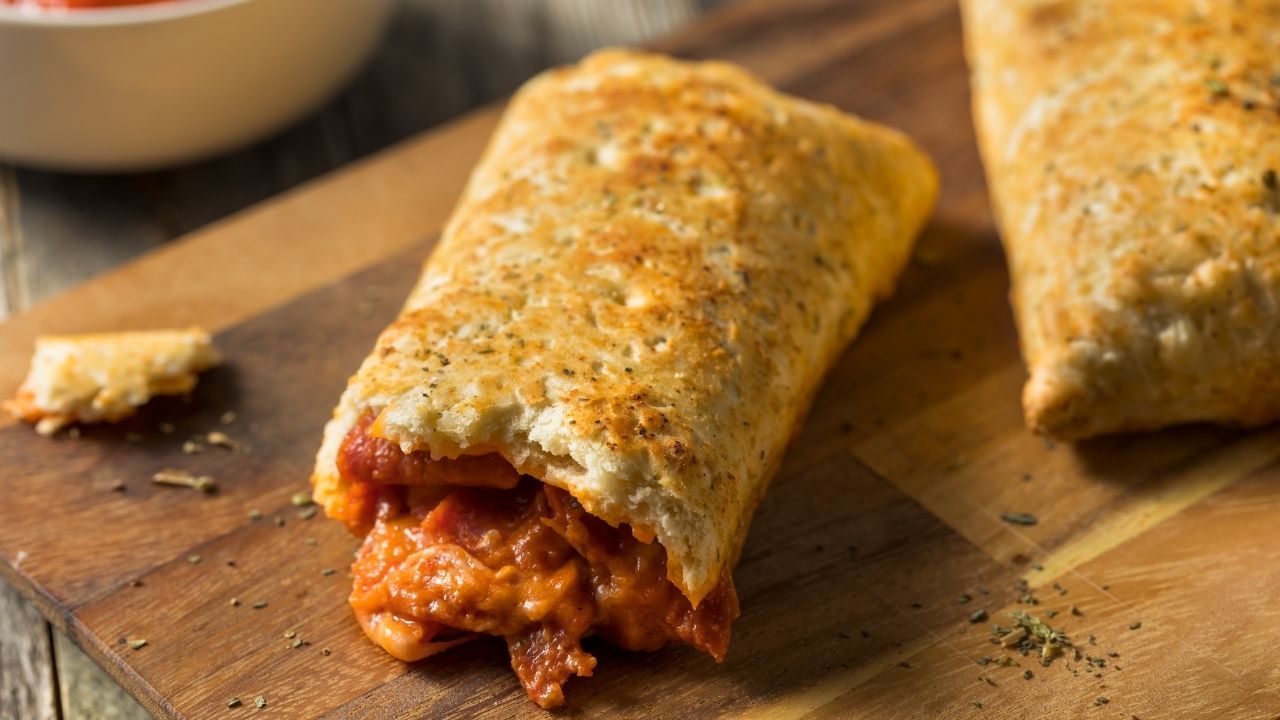
I remember coming home from school in the 1980s and finding those warm, crispy Hot Pockets waiting in the microwave. Chef America introduced these handheld sandwiches in 1983, giving busy families a quick meal option that kids could make themselves. With a flaky crust and gooey cheese filling, Hot Pockets captured the hearts of millions, especially during the rise of microwaveable convenience foods. The original Ham & Cheese flavor started it all, but soon pepperoni pizza, meatballs, and countless other varieties filled freezer aisles nationwide.
Nestlé bought Hot Pockets in 2002 for $2.6 billion, expanding its reach and menu offerings. The brand’s catchy commercials, featuring the memorable “Hot Pockets!” jingle, made them a cultural phenomenon. Stand-up comedian Jim Gaffigan even built entire routines around these microwaveable snacks. While some criticize processed foods, Hot Pockets remain a nostalgic comfort food that defined after-school snacking for Generation X and Millennials. Today, you’ll find premium ingredients and healthier options, but that signature crispy-yet-soft texture still brings back memories of simpler times.
Dunkaroos
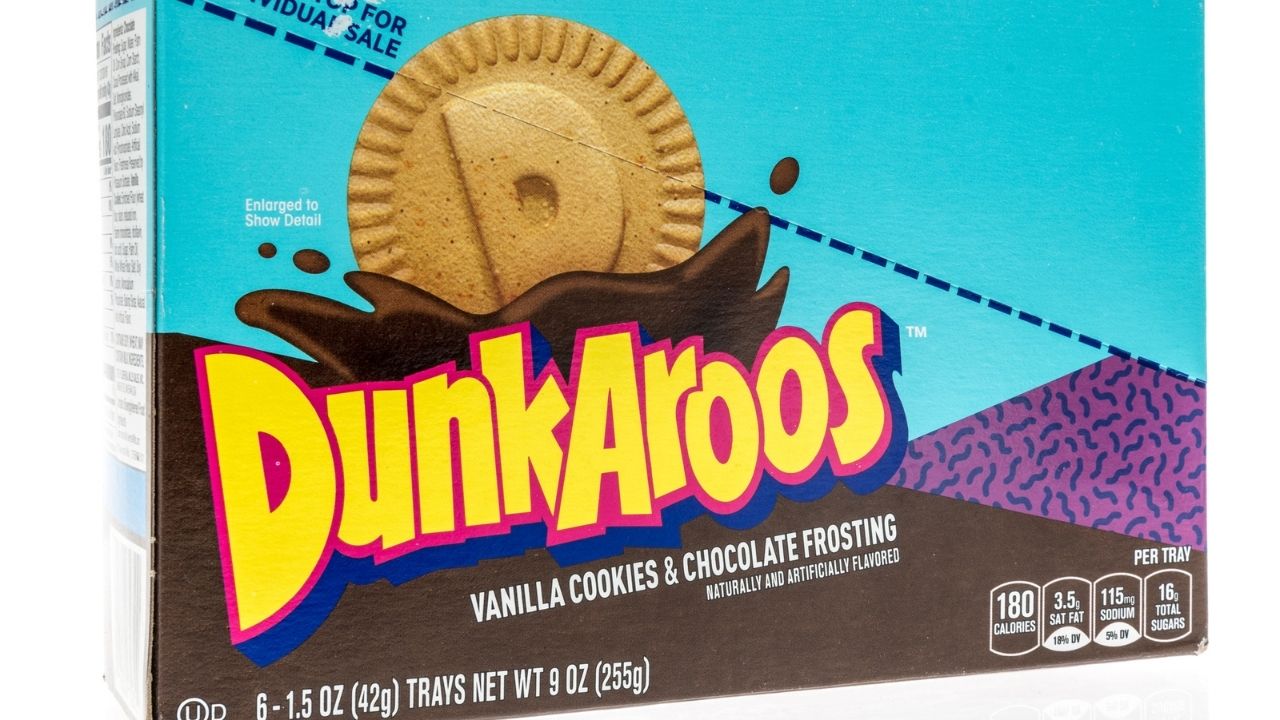
I remember the pure excitement of opening my lunchbox in the 1990s to find those beloved Dunkaroos waiting inside. Betty Crocker created these snack packs in 1988, combining vanilla cookies with creamy frosting dip in fun flavors like vanilla, chocolate, and strawberry. The ritual of dunking those kangaroo-shaped cookies into sweet frosting made snack time an interactive adventure. Each pack came with its own tiny tray of colorful frosting, sparking trades and negotiations among friends at the lunch table.
The original Dunkaroos disappeared from US stores in 2012, leading to a passionate underground market where fans would import them from Canada. General Mills heard our nostalgic cries and brought back vanilla cookies with vanilla sprinkle frosting in 2020. Now you can find them again in grocery stores nationwide, though some devoted fans claim the new recipe doesn’t match the magic of the original 90s version. Still, biting into that familiar cookie-frosting combo instantly transports me back to those carefree childhood afternoons.
Kid Cuisine
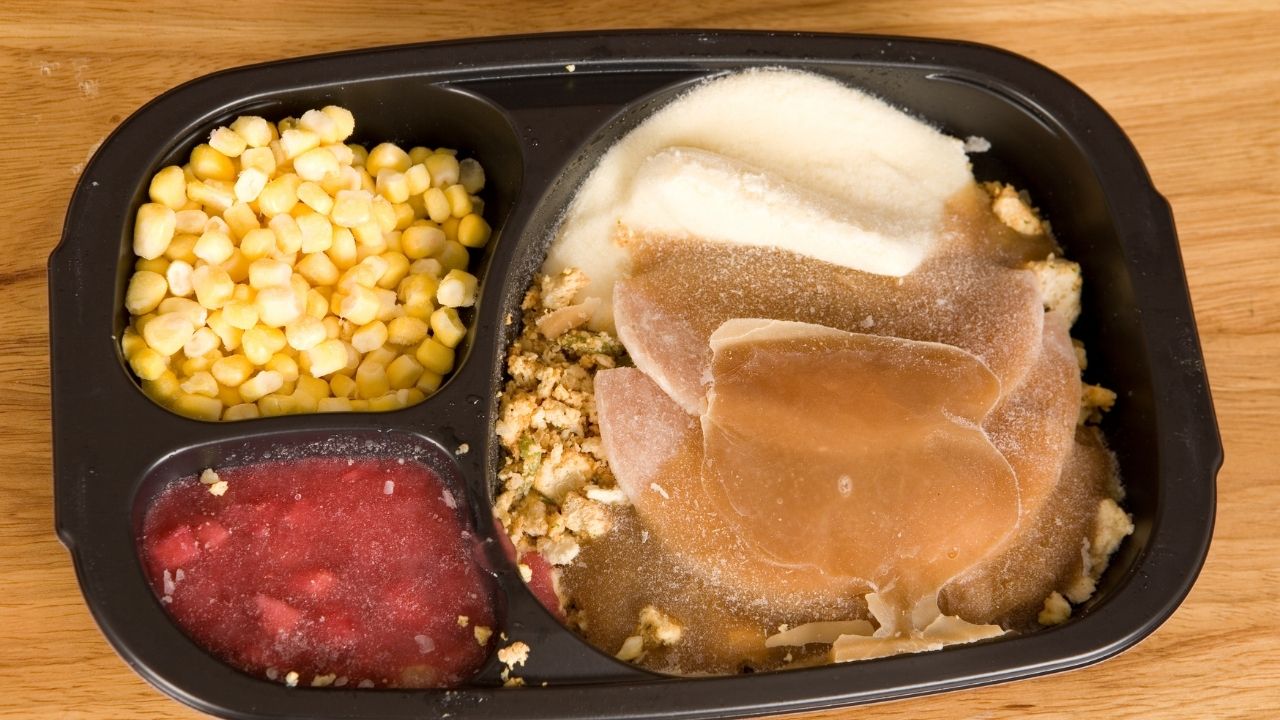
Ah, Kid Cuisine! These frozen TV dinners made countless 90s kids jump with excitement at dinnertime. The bright blue box with that cool penguin mascot promised pure fun on a divided tray. From the crispy popcorn chicken to the sweet corn and pudding dessert, every compartment held something special. Parents loved how quick and easy they were to prepare, while we kids couldn’t wait to dig into those perfectly portioned meals designed just for us.
Kid Cuisine went beyond just being convenient food – it created lasting memories for an entire generation. Remember those limited-edition trays with our favorite cartoon characters? Or racing to finish the main course just to get to that gooey chocolate pudding or rainbow sprinkle brownie? The brand knew exactly what kids wanted and delivered it in every microwave-ready package. Today, Kid Cuisine still brings nostalgia to those who grew up loving these playful frozen meals, even though many of us now cook our own dinners from scratch.
Lunchables
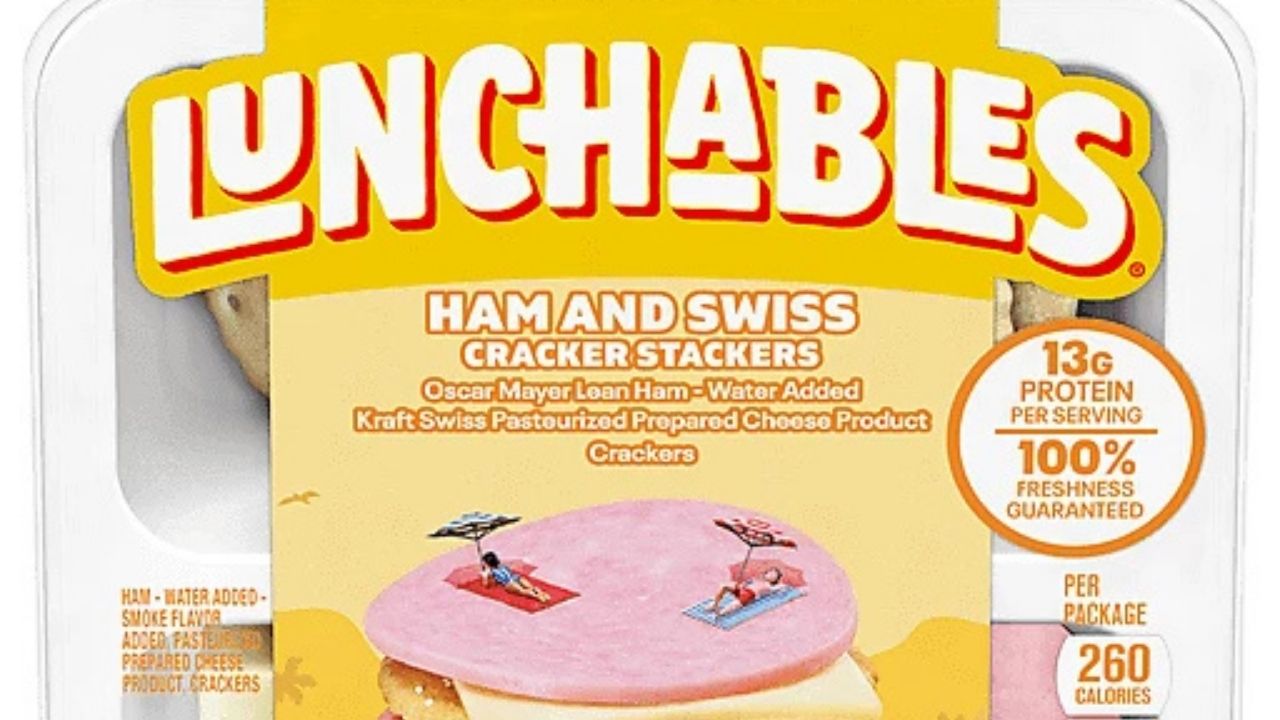
Remember those bright yellow boxes that made you the coolest kid in the cafeteria? Oscar Mayer introduced Lunchables in 1988, revolutionizing packed lunches forever. The genius behind these pre-portioned meals came from Bob Drane, who noticed busy parents needed quick lunch solutions for their kids. The original lineup featured crackers, meat, and cheese that kids could stack themselves – putting them in control of their meal and making lunchtime fun. The DIY aspect turned ordinary lunch into an interactive experience, while the portable packaging made it convenient for parents.
Through the 1990s and early 2000s, Lunchables expanded beyond simple crackers and meat to include pizza, nachos, and even breakfast options. The brand became such a cultural phenomenon that many millennials now recreate “adult Lunchables” with upgraded cheese, meats, and crackers. While nutritionists criticized the high sodium and processed ingredients, there’s no denying how these packaged meals shaped an entire generation’s lunchtime memories. Today, you’ll find healthier versions with fresh fruits and whole grains, though many still crave that nostalgic combination of crackers, processed meat, and yellow cheese.
Capri Sun
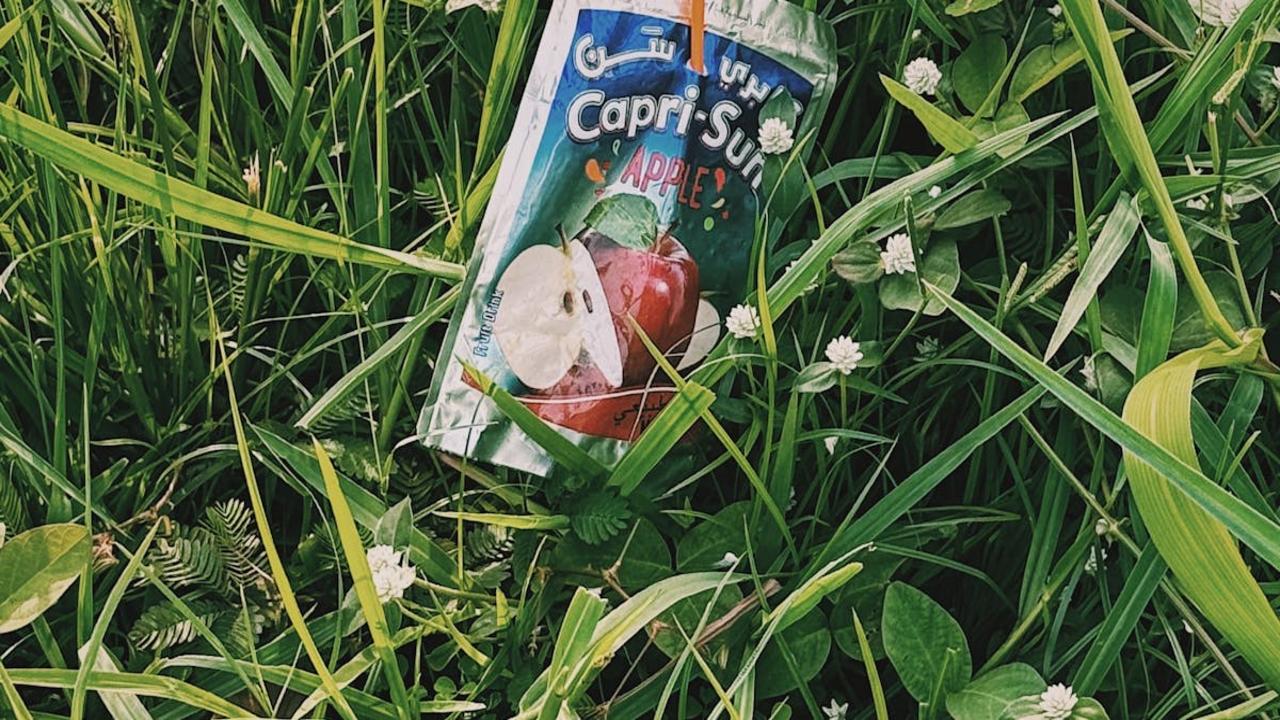
I distinctly remember those shiny silver pouches with the bright yellow straws that defined countless childhood snack times in the 1980s and beyond. Capri Sun burst onto the American market in 1981, though its story began in Germany in 1969 when Hans-Peter Wild created the drink. The innovative pouch design and natural fruit juice blend offered kids something different from standard juice boxes, while parents appreciated the portable, mess-free format. The distinct metallic packaging became so iconic that kids would flip the empty pouches inside out and blow them up like silver balloons.
Through the decades, Capri Sun maintained its appeal by introducing new flavors while keeping classics like Pacific Cooler and Fruit Punch. The brand adapted to changing consumer preferences, reducing sugar content and removing artificial sweeteners. Yet the fundamental magic remains unchanged – that satisfying push of the straw through the foil, the cool rush of fruity sweetness, and the fun of squeezing every last drop from the pouch. For many millennials and Gen-Z kids, Capri Sun wasn’t just a drink – it represented independence, playground trading currency, and the sweet taste of childhood freedom.
Fruit Roll-Ups
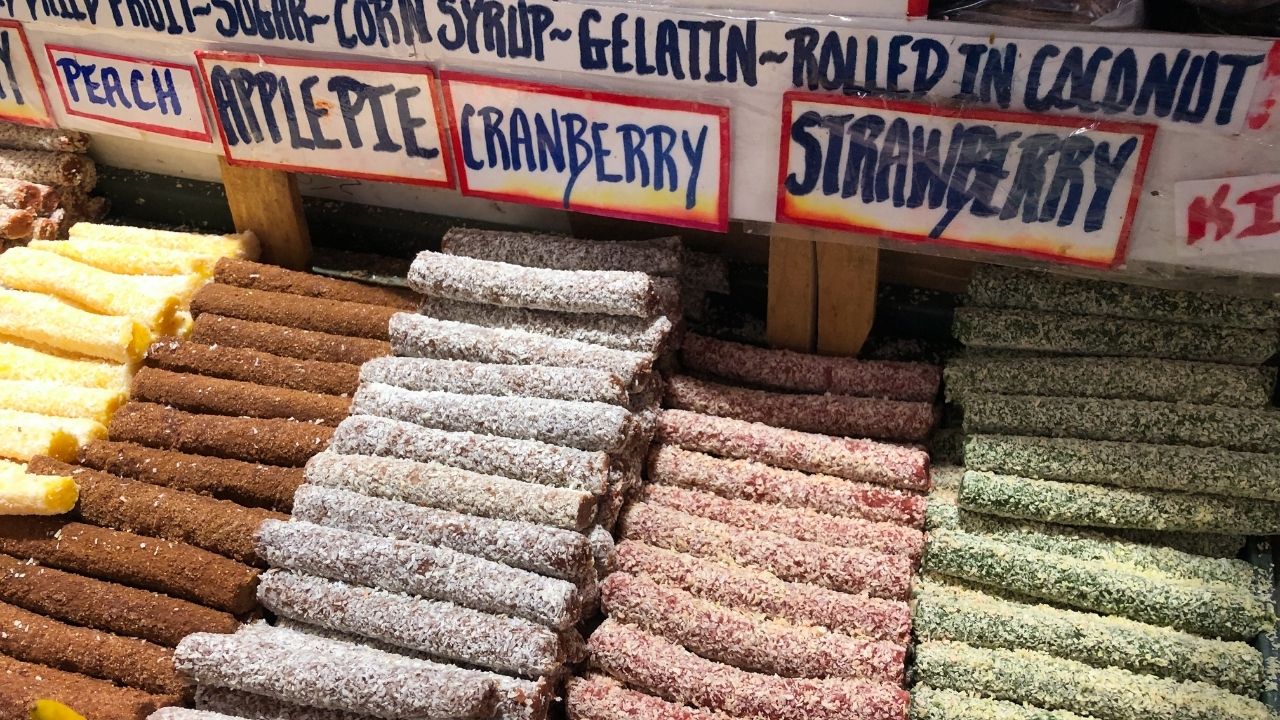
Growing up in the 90s, Fruit Roll-Ups brought pure joy to my lunchbox! These colorful, stretchy fruit snacks became a playground sensation, where we’d unroll them carefully, press them against our teeth for temporary tattoos, and create funky shapes before eating them. General Mills introduced these sweet treats in 1983, and they quickly became the cool kid’s snack of choice. The genius part? The individual wrapper packaging made them perfect for trading with friends – I remember swapping my strawberry ones for the coveted berry punch flavor.
The original concept came from a centuries-old Middle Eastern treat called ‘leather fruit’ – dried fruit pulp rolled into sheets. General Mills modernized this idea by adding natural and artificial flavors, creating a shelf-stable snack that maintained its flexibility and fun factor. While today’s health-conscious parents might skip these sugary treats, Fruit Roll-Ups remain a nostalgic symbol of carefree childhood days. The brand continues to release new flavors and patterns, keeping their playful spirit alive for new generations of kids who love to punch out shapes and make memories with every sweet, chewy bite.
Tang
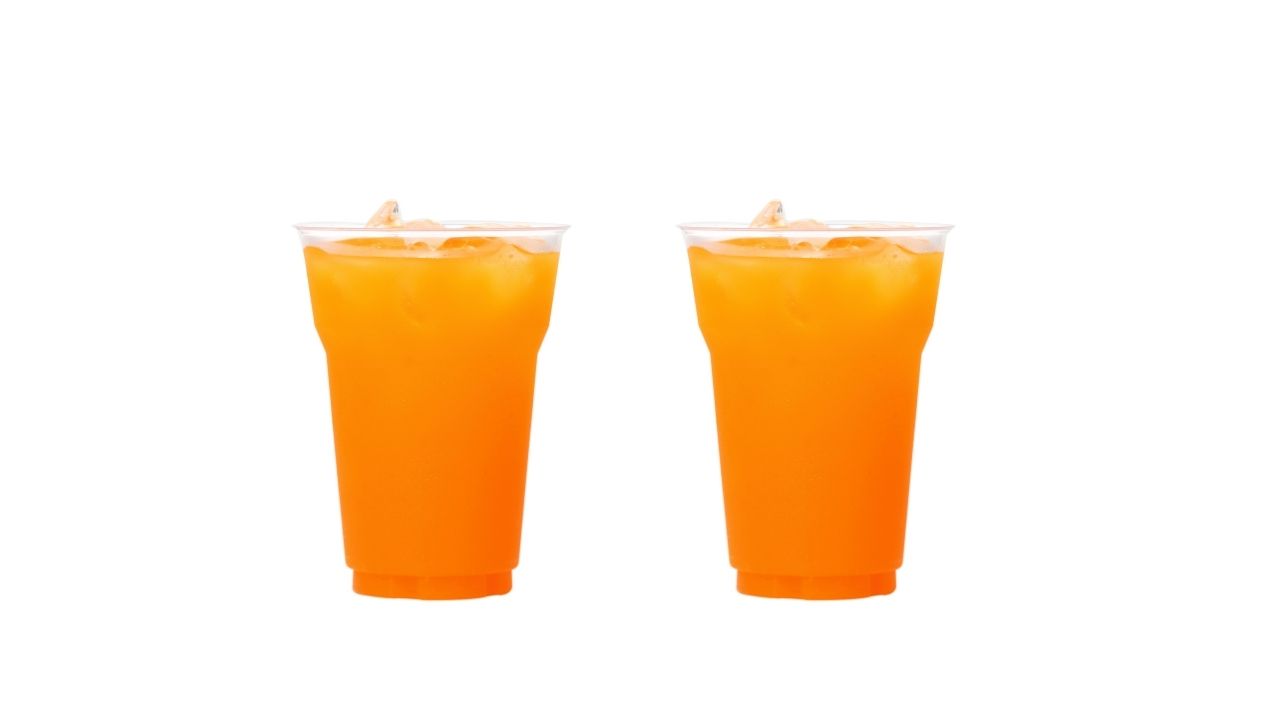
The bright orange powder that revolutionized breakfast drinks in the 1960s started as a space-age innovation. NASA included Tang in John Glenn’s Mercury spaceflight, instantly making it a symbol of American innovation and progress. Kids across the country begged their parents for this vitamin C-packed drink that promised to turn plain water into a sweet, citrusy treat. The convenience and novelty of Tang made it a pantry staple, transforming how families thought about breakfast beverages.
While Tang’s popularity peaked during the Space Age, its influence on American food culture runs deep. The drink mix showed how food technology could create convenient alternatives to fresh ingredients – just add water and stir! Though many remember Tang’s artificial orange flavor fondly, it represents a broader shift toward processed foods that defined mid-century eating habits. Today, you’ll still find Tang on store shelves, though its space-age glamour has faded into nostalgic comfort food territory. The Tang story captures how marketing, technology, and changing American lifestyles intersected to create an enduring food icon.
Jell-O molds
You’ll find Jell-O molds at the heart of every 1950s and ’60s American gathering, where these wiggly creations took center stage at potlucks and family dinners. My grandmother kept her copper molds hanging proudly in her kitchen, ready to transform simple fruit-flavored gelatin into stunning centerpieces. She would layer different colors, suspend fresh fruit inside, and even add mayonnaise or cream cheese for those adventurous savory versions that defined mid-century entertaining.
The rise of Jell-O molds coincided with the post-war boom in convenience foods and home refrigeration. These jiggly treats represented modernity and innovation in American kitchens – the bright colors and unusual combinations (think lime Jell-O with shredded vegetables or seafood) symbolized progress and prosperity. While today we might raise an eyebrow at some of those bold flavor experiments, Jell-O molds remain a nostalgic reminder of an era when homemakers transformed simple ingredients into show-stopping displays of creativity and hospitality.
Spam
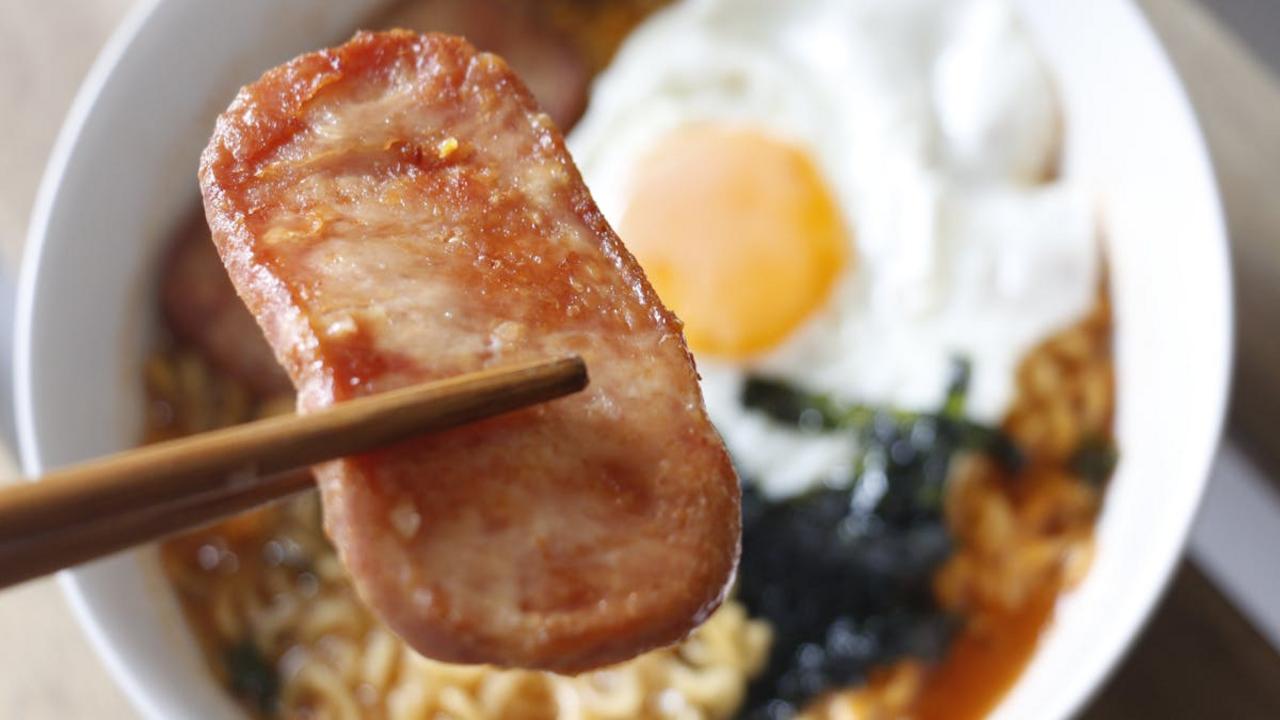
I often marvel at how a simple canned meat product became such a cultural icon. During World War II, Spam provided reliable protein for American troops and later found its way into countless households. The combination of pork shoulder, ham, salt, water, potato starch, and sodium nitrite created a versatile meat that didn’t need refrigeration – a true innovation for 1937. Through smart marketing and practical benefits, Spam became a pantry staple that transcended its military roots.
What fascinates me most about Spam is how different cultures have adopted it into their traditional dishes. In Hawaii, you’ll find Spam musubi – grilled Spam on rice wrapped in nori, while South Koreans created budae jjigae (army stew) featuring Spam, instant noodles, and kimchi. In the Philippines, Spam shows up in breakfast plates alongside garlic rice and eggs. The pink meat block some originally mocked has proven its staying power through generations, becoming comfort food for millions around the world.
TV dinners
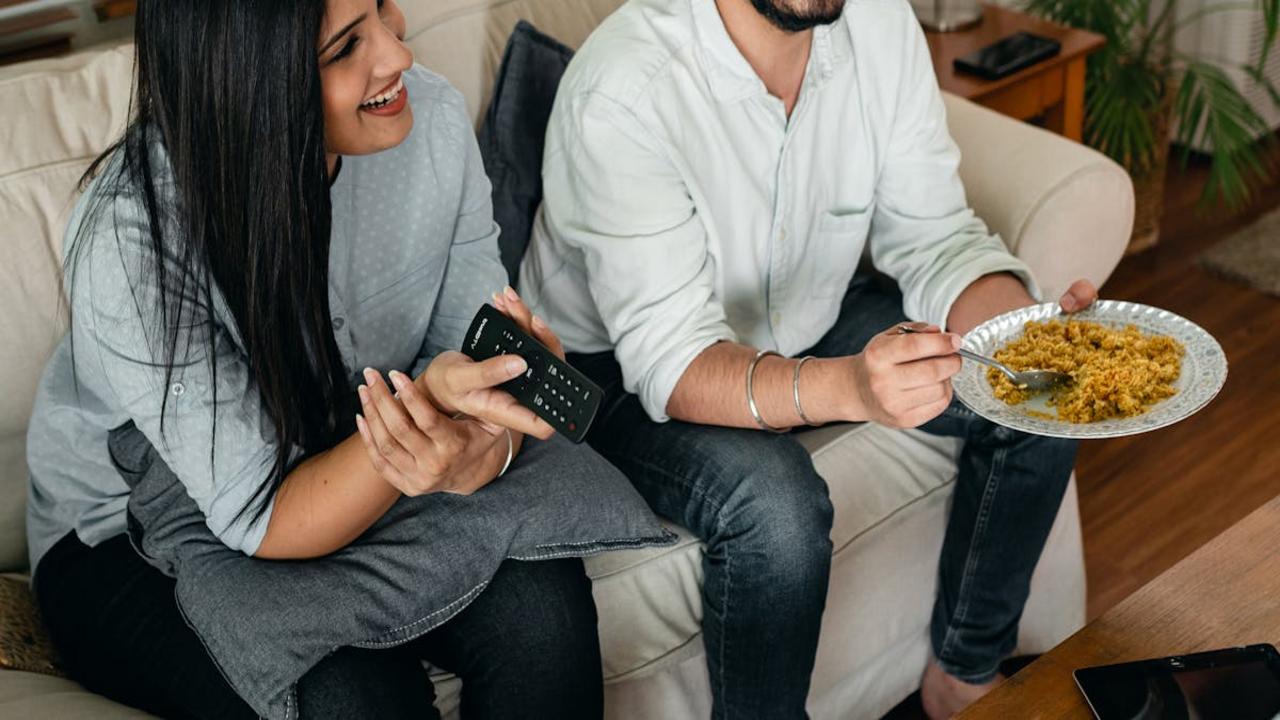
The TV dinner revolution began in 1954 when Swanson made mealtime easier for busy American families. After Thanksgiving that year, Swanson found itself with 260 tons of leftover turkey and needed a solution fast. Taking inspiration from airplane meals, they created pre-packaged dinners in aluminum trays with separate compartments for meat, vegetables, and dessert. These convenient meals synced perfectly with the rise of television entertainment, letting families eat while watching their favorite shows.
I remember my grandmother telling me stories about how TV dinners changed weeknight meals in the 1950s and 60s. The iconic aluminum trays, the ritual of peeling back the foil, and the excitement of those perfectly portioned compartments became part of American food culture. While many of us now prefer cooking from scratch, TV dinners marked a significant shift in how Americans thought about convenience and mealtime. They paved the way for today’s prepared meals, though I always encourage adding fresh ingredients and personal touches to make them more nutritious and flavorful.