14 American Chinese Menu Classics You Won’t Find in China
You know that moment when you order your favorite Chinese takeout and wonder if people in Beijing are eating the same thing? Well, I have news for you—they’re probably not! Most dishes we consider “Chinese food” in America were actually created right here, born from immigrant ingenuity and local tastes.
These adaptations tell beautiful stories of families making the best with available ingredients, creating something entirely new while honoring their heritage. Think about it: fortune cookies from San Francisco bakeries, General Tso’s chicken from New York kitchens.
Understanding these origins changes how I approach cooking at home. Instead of chasing authenticity, I celebrate fusion and creativity—the same spirit that birthed these beloved dishes we’re about to discover together.
Duck Sauce
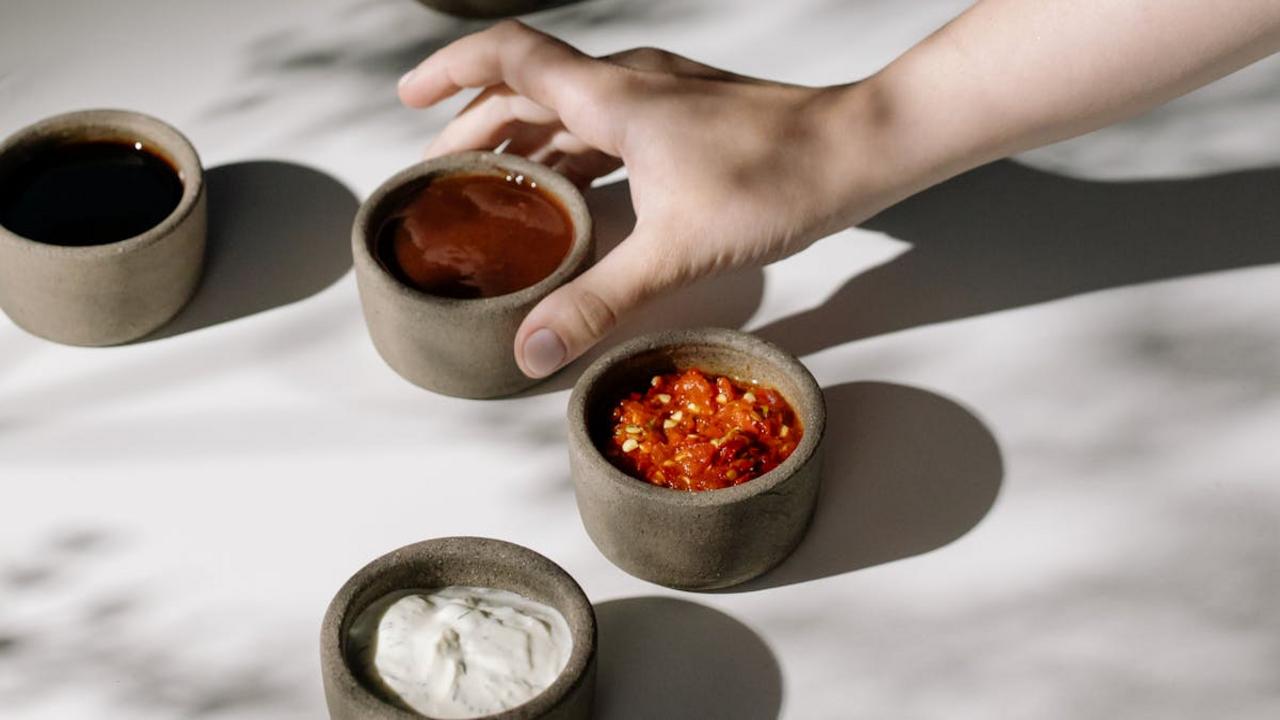
That bright orange-yellow sauce sitting in packets at your local Chinese takeout spot? Yeah, that’s duck sauce, and I can tell you right now – you won’t find this sweet, tangy condiment anywhere in China. This American creation typically combines apricot preserves, vinegar, and a handful of spices to create something that’s more like a fruity chutney than anything you’d see in traditional Chinese cooking. Most versions you buy from stores pack in high fructose corn syrup and artificial preservatives, which honestly makes my home cook heart a little sad.
Here’s what I love doing instead – I make my own version using fresh apricots or peaches when they’re in season, adding a splash of rice vinegar and a tiny bit of ginger for warmth. You can control every ingredient, skip the processed sugars, and create something that actually complements your homemade stir-fries and dumplings. The beauty of making duck sauce from scratch means you can adjust the sweetness and tang to match your family’s preferences, plus you know exactly what’s going into those little bowls on your dinner table. Trust me, once you taste the fresh version, those packets will never call your name again.
Spring Rolls
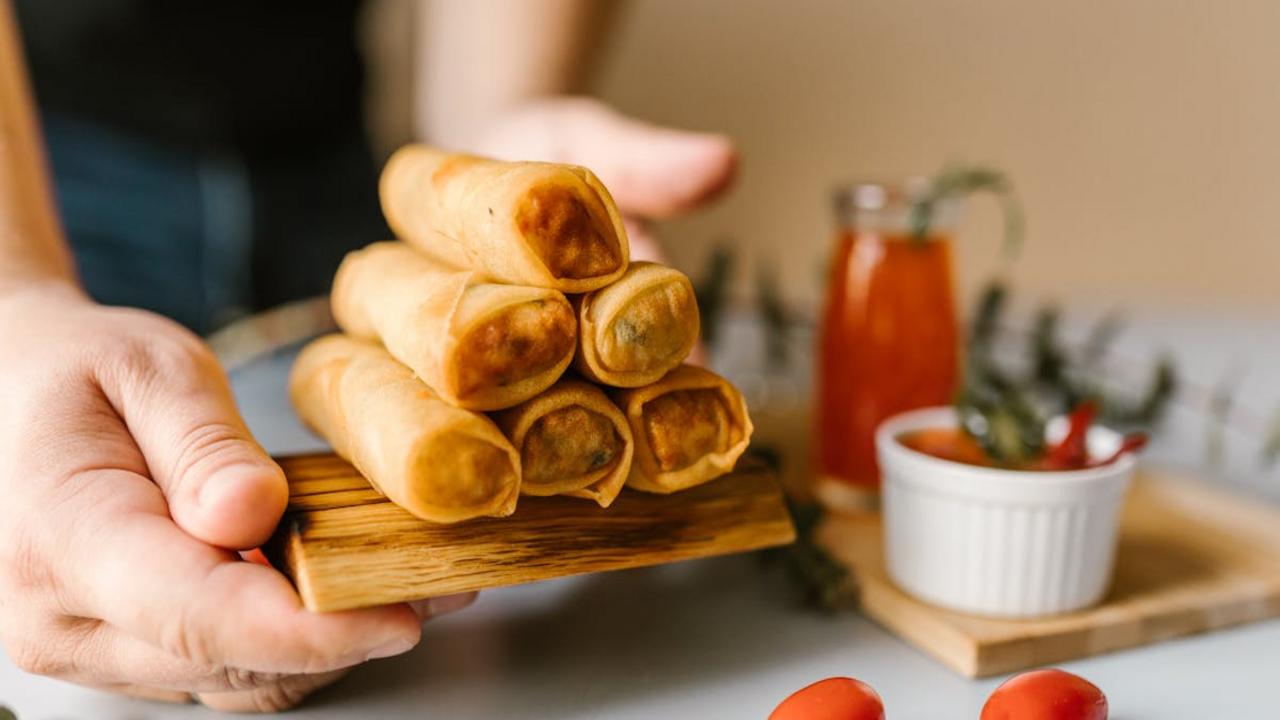
You know that crispy golden cylinder filled with cabbage and carrots that arrives at your table in most American Chinese restaurants? That’s not quite the spring roll you’d encounter in China. While fresh spring rolls do exist in Chinese cuisine—think delicate rice paper wrapped around herbs and vegetables—the deep-fried version dominating American menus became a completely different creation. I’ve watched friends order these thinking they’re getting something authentically Chinese, but what they’re really enjoying is an American adaptation that prioritizes that satisfying crunch over traditional preparation methods.
What I find fascinating about making spring rolls at home is how you can honor both traditions while creating something uniquely yours. Skip the processed filling mixes and create your own blend using fresh vegetables like shredded cabbage, julienned carrots, and perhaps some mushrooms sautéed with ginger and garlic. You can even make them without deep frying—I love using rice paper for fresh versions or baking the wrapped rolls until they’re golden and crispy. The beauty lies in understanding that authenticity doesn’t always mean sticking rigidly to one tradition, but rather creating something nourishing and delicious that brings people together around your table.
Lemon Chicken
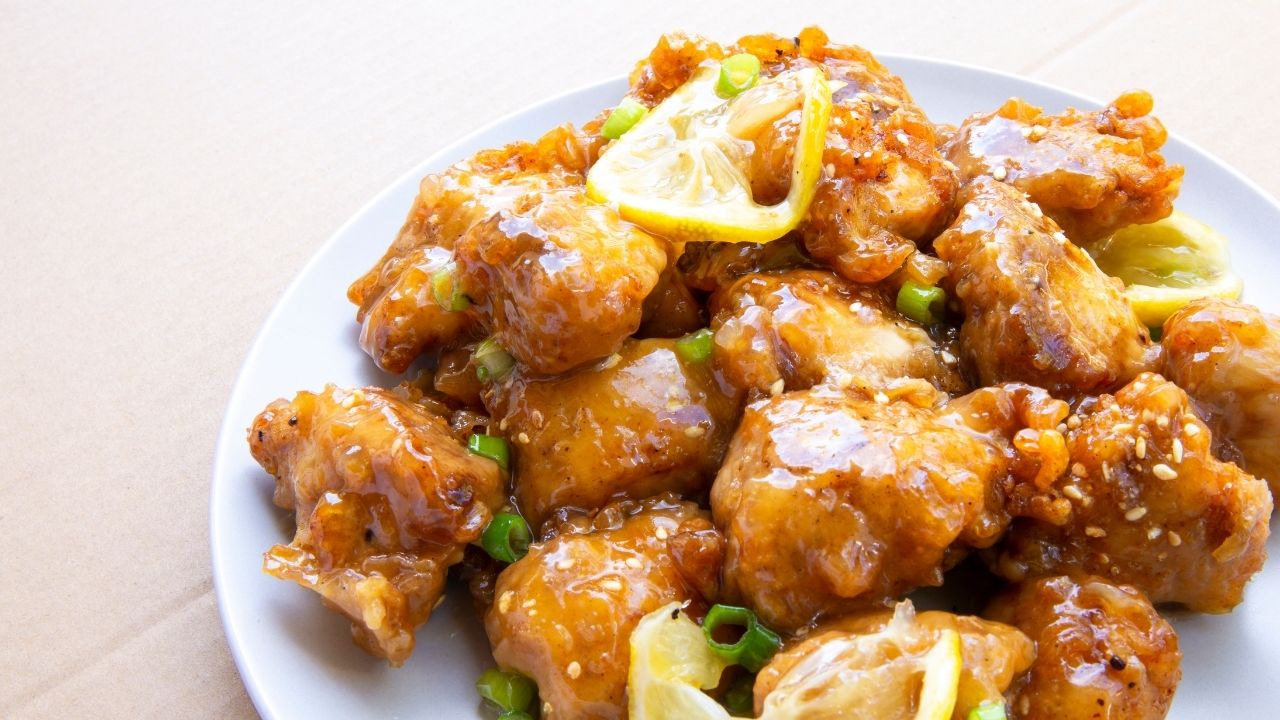
You know that glossy, golden-battered chicken drowning in sweet-and-sour lemon sauce you get at American Chinese restaurants? That’s pure American invention, my friend. Traditional Chinese cooking rarely pairs chicken with lemon in this syrupy, candy-like way. Instead, Chinese cuisine tends to use citrus more subtly – maybe a splash of rice wine or a hint of orange peel in braised dishes. The American version transforms chicken into something closer to dessert than dinner, with its thick, cornstarch-heavy sauce that coats everything in sugary perfection.
Here’s what I love about making lemon chicken at home – you can actually control what goes into that sauce! Skip the high-fructose corn syrup and artificial colors that most restaurants use. I make mine with fresh lemon juice, a touch of honey, and real chicken stock for depth. The key is getting your oil temperature just right for that crispy coating, then tossing everything together while it’s still hot so the sauce clings beautifully. You can even add some fresh ginger and garlic to bridge the gap between American comfort food and authentic Chinese flavors. Trust me, once you taste homemade lemon chicken with real ingredients, you’ll never go back to the takeout version.
Kung Pao Chicken
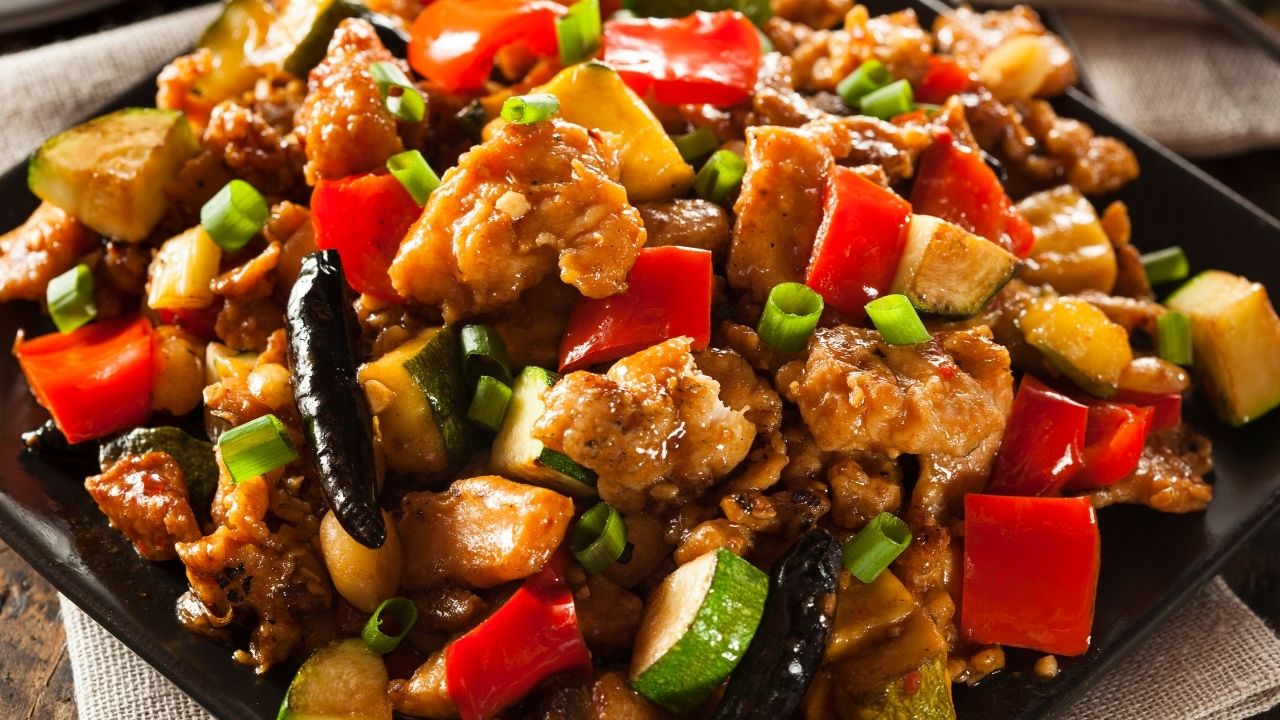
You know that moment when you bite into what you think is authentic Chinese food, only to realize it’s something completely different? That’s Kung Pao Chicken for you! This dish carries the name of a Sichuan original, but the American version transforms into something entirely its own. While true Gong Bao Ji Ding from Sichuan province celebrates the numbing heat of Sichuan peppercorns and dried chilies, our American adaptation leans heavily on a sweet-and-sour profile with peanuts taking center stage. The sauce becomes thick and glossy, coating tender chicken pieces alongside bell peppers and onions—ingredients you’d rarely find in the traditional recipe.
I love making my own version at home because you can control exactly what goes into that sauce. Skip the corn syrup and artificial colors that many restaurants use, and instead build your flavor base with fresh ginger, garlic, and a touch of rice vinegar. The beauty of cooking this yourself means you can add back some of that authentic heat with dried chilies while keeping the familiar sweetness that makes this dish so comforting. Toast your peanuts fresh, dice your vegetables uniformly, and you’ll create something that honors both the American adaptation and the spirit of home cooking—where every ingredient serves a purpose and nothing comes from a packet.
Sesame Chicken
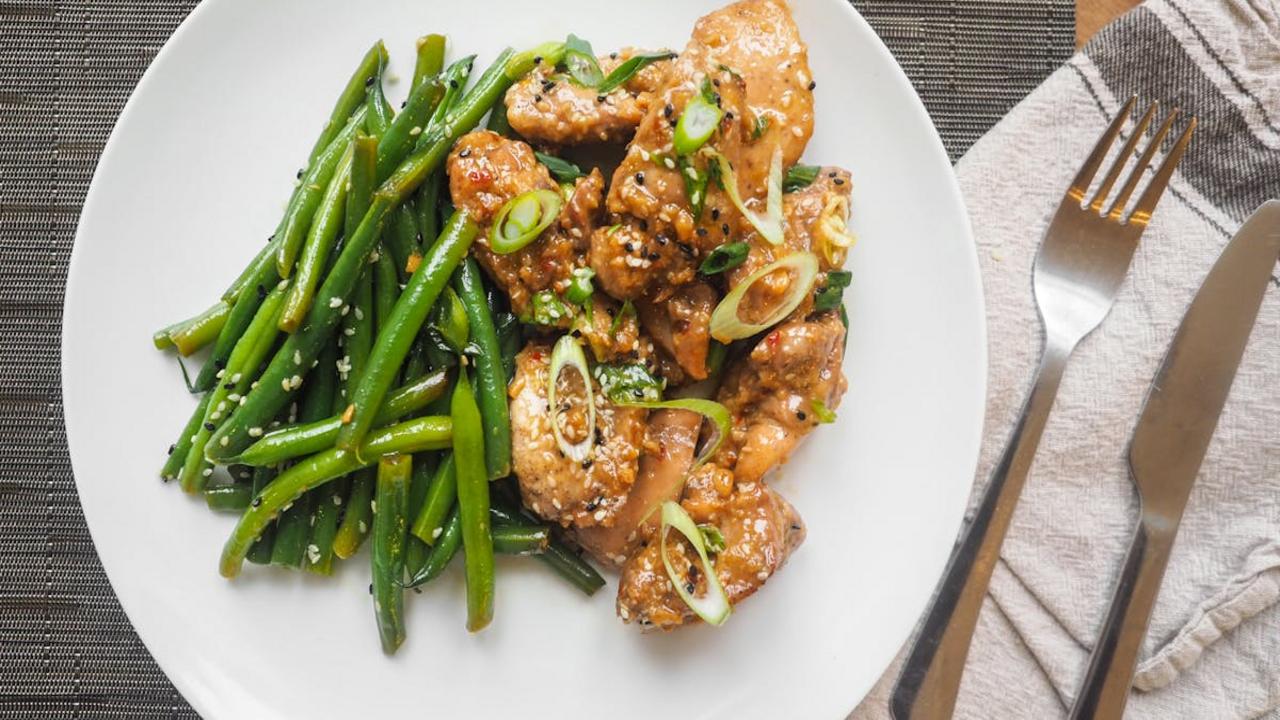
You know that golden, crispy chicken drowning in glossy sweet sauce that you order from your local Chinese takeout? That’s sesame chicken, and I hate to break it to you, but you won’t find anything like it wandering through the streets of Beijing or Shanghai. This American invention took the concept of sweet and sour flavors and cranked up the sugar to eleven, creating something that would make traditional Chinese cooks scratch their heads in confusion. The dish typically features battered and fried chicken pieces coated in a sauce that’s more candy than condiment, sprinkled with sesame seeds for that “authentic” touch.
Here’s what gets me excited though – you can absolutely make a healthier version at home that still satisfies that craving! I skip the heavy batter and instead lightly coat chicken thighs in cornstarch and egg, then pan-fry them until golden. For the sauce, I balance rice vinegar with just a touch of honey, add fresh ginger and garlic, and finish with toasted sesame oil and seeds. The result? Something that bridges the gap between what your brain expects and what your body actually wants to eat. Trust me, once you taste homemade sesame chicken that doesn’t leave you in a sugar coma, you’ll never go back to the takeout version.
Orange Chicken
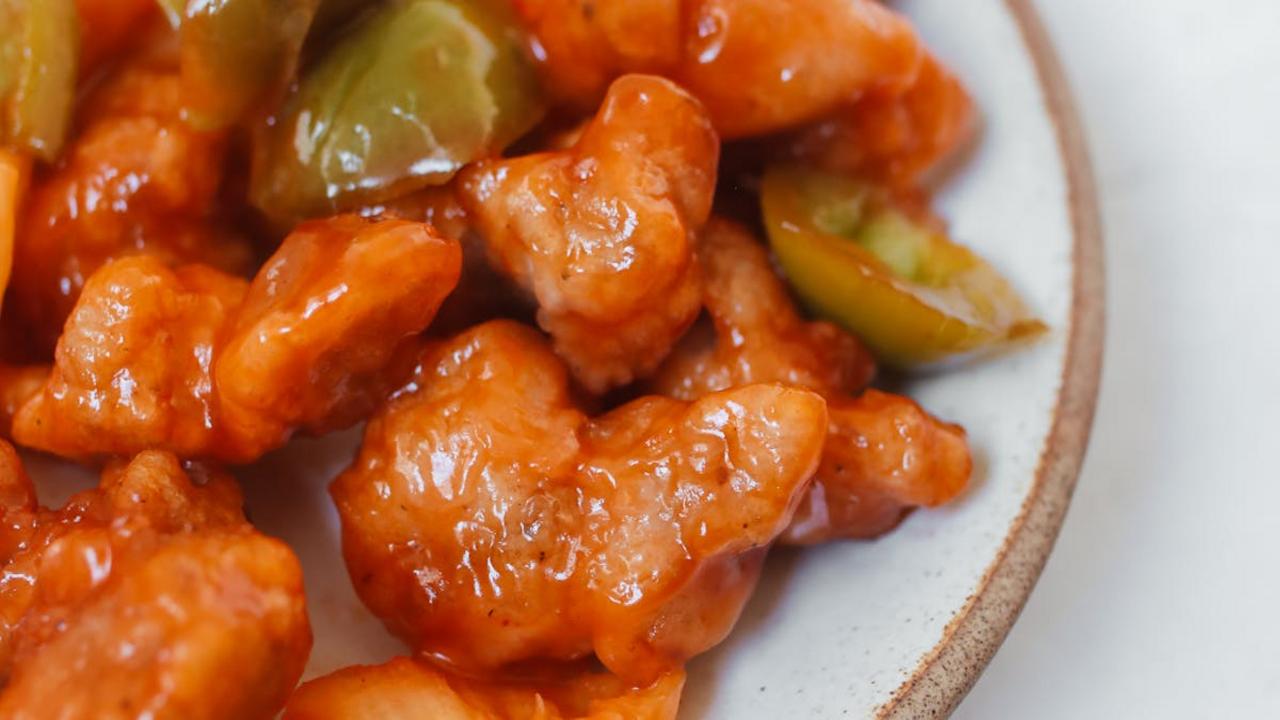
You know that glossy, sweet-and-tangy orange chicken from your local Chinese takeout? Here’s the thing – you won’t spot this dish anywhere in traditional Chinese kitchens. This American creation was actually born in a Panda Express test kitchen back in 1987, crafted by chef Andy Kao who wanted something that would appeal to American palates. The dish combines crispy battered chicken pieces with a sauce that’s more candy-sweet than authentically Chinese, loaded with sugar, orange juice concentrate, and enough food coloring to make it glow.
Now, I’m not here to shame anyone’s comfort food choices, but making your own version at home opens up so many possibilities! Instead of the heavily processed original, try using fresh orange juice and zest, a touch of honey or maple syrup for sweetness, and some ginger and garlic for depth. You can control the sugar content and skip the artificial additives while still getting that satisfying sweet-savory combination. Toss it with some steamed broccoli and brown rice, and you’ve transformed a guilty pleasure into something that actually nourishes your body. The best part? Your kitchen will smell absolutely incredible while you’re cooking it.
Sweet and Sour Chicken
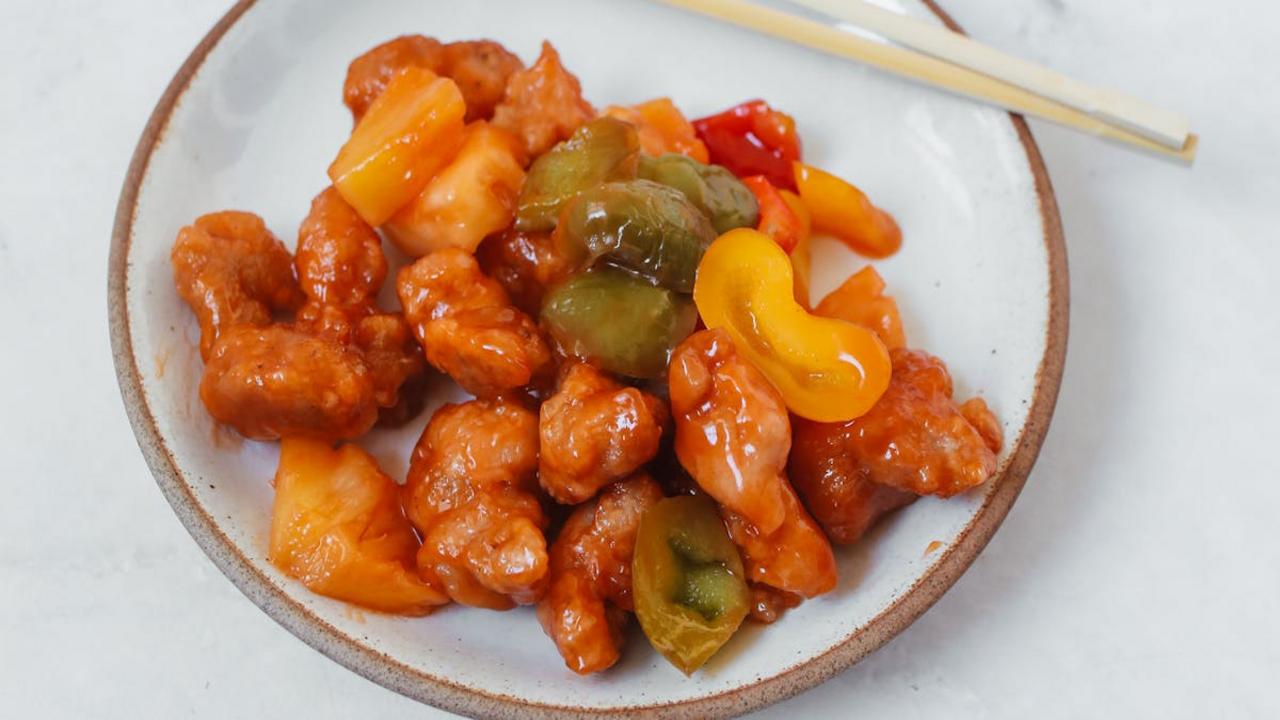
You know that glossy, candy-colored sauce coating chunks of battered chicken? That’s pure American-Chinese genius right there! I’ve spent countless evenings perfecting my own version of this dish, and honestly, it’s become one of my go-to comfort foods when I want something that hits all the right notes. The traditional Chinese approach to sweet and sour focuses more on fish or pork with a lighter, more balanced sauce, but American kitchens transformed this into something completely different – and frankly, pretty magnificent in its own way.
What I love about making sweet and sour chicken at home is how you can control that sticky sauce without relying on corn syrup or artificial colors. I use fresh pineapple juice, rice vinegar, and a touch of honey to create that perfect balance, then thicken it naturally with a cornstarch slurry. The key is getting your oil temperature just right for the chicken – around 350°F – so you get that crispy exterior that holds up against all that saucy goodness. Skip the neon red food coloring and let the natural ingredients shine through; your homemade version will taste so much brighter and cleaner than any takeout container.
Egg Foo Young
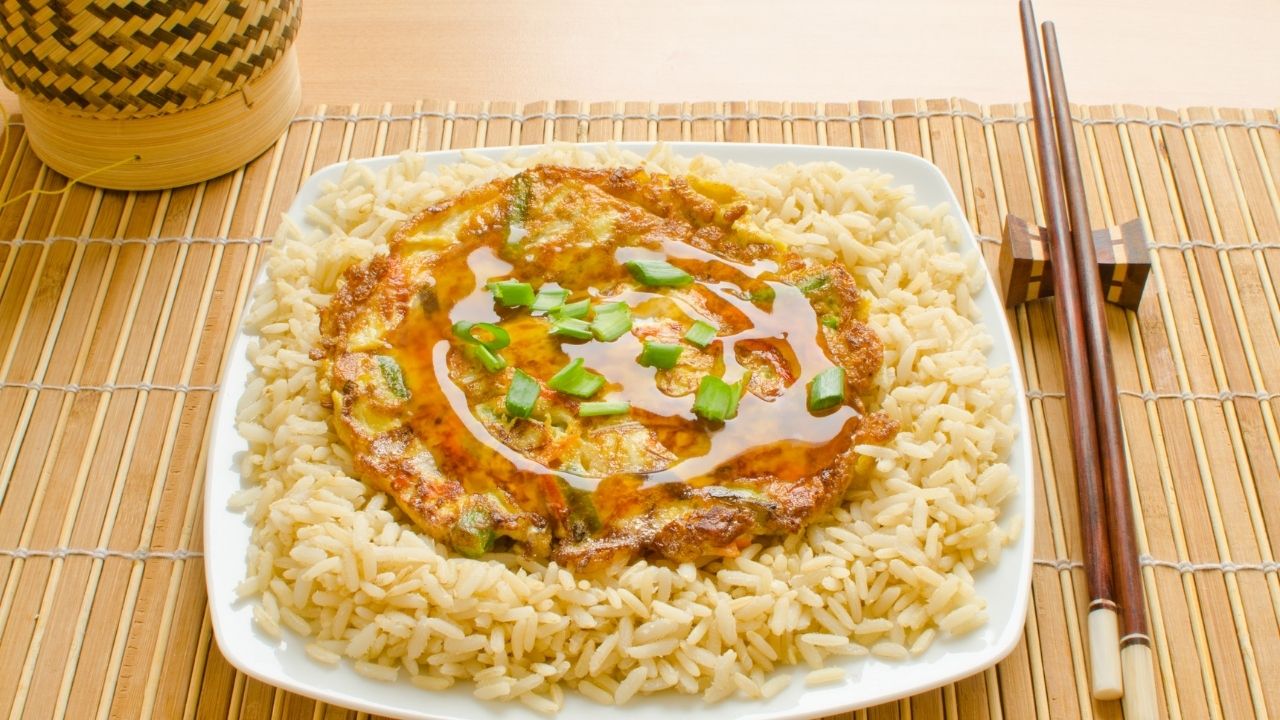
You know what always makes me smile? Watching people’s faces light up when they bite into a perfectly fluffy Egg Foo Young patty. This American-Chinese creation transforms simple beaten eggs into something magical – think of it as an omelet’s adventurous cousin who decided to go swimming in a savory brown gravy. I love how this dish takes basic pantry ingredients and creates comfort food that feels both familiar and exotic. The beauty lies in its flexibility: you can fold in leftover roasted chicken, crisp vegetables from your garden, or even those mushrooms sitting in your fridge waiting for purpose.
What truly captivates me about Egg Foo Young is how it represents the immigrant experience on a plate. Chinese cooks in America took their knowledge of egg cookery and adapted it using available ingredients, creating something entirely new yet deeply satisfying. I always make mine from scratch, whisking farm-fresh eggs with finely chopped scallions, bean sprouts, and whatever protein speaks to me that day. The key is getting your pan hot enough so the eggs puff up beautifully while staying tender inside. That golden-brown exterior gives way to a creamy center that soaks up every drop of that glossy, umami-rich gravy – pure comfort in every bite.
Beef with Broccoli
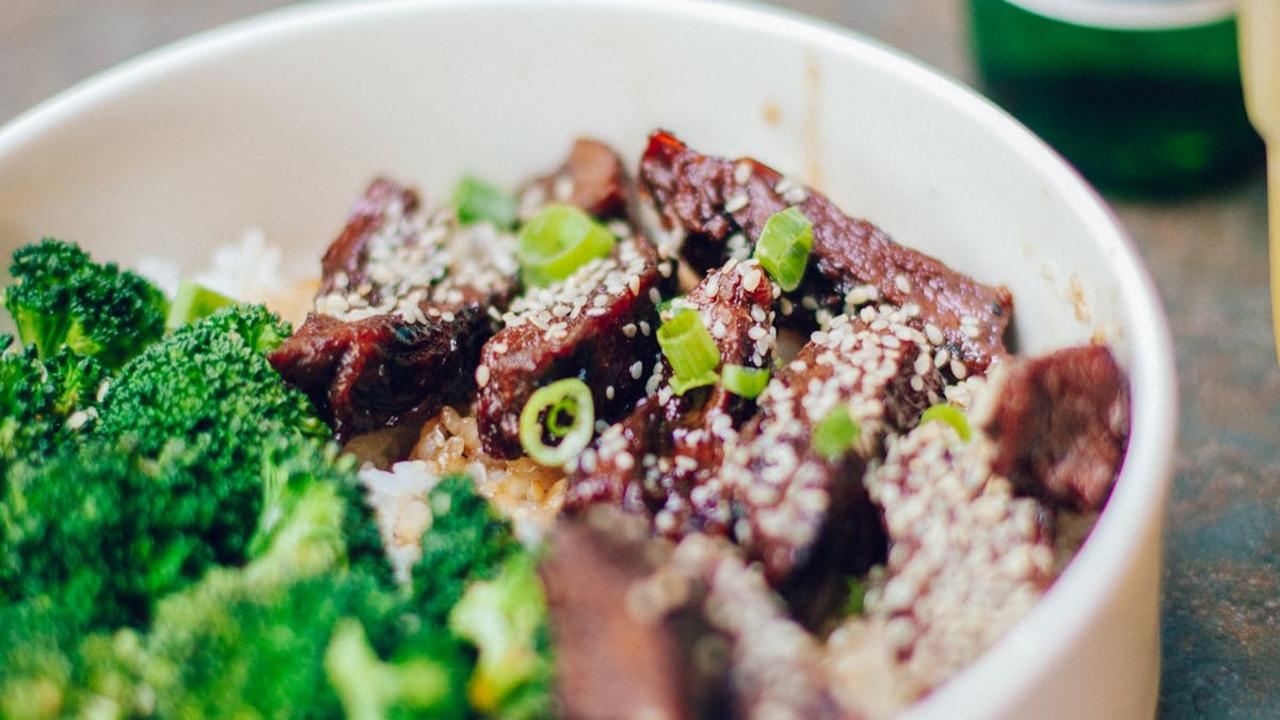
You know that glossy, savory beef with broccoli from your neighborhood Chinese takeout? I hate to break it to you, but walk into any restaurant in Beijing or Shanghai, and you’ll be met with blank stares if you ask for this American invention. Traditional Chinese cooking treats beef as a luxury ingredient, often reserved for special occasions, and when it does appear, it’s typically prepared in ways that honor the meat’s natural flavor rather than drowning it in thick, cornstarch-heavy sauces. The combination of beef and broccoli specifically became popular in American Chinese restaurants during the 1960s, when restaurateurs needed to create familiar, approachable dishes for American palates.
Here’s what I love about making this dish at home: you can control every single ingredient and create something infinitely better than takeout. I start with thin-sliced flank steak, marinate it briefly in soy sauce and a touch of cornstarch for tenderness, then stir-fry it quickly over high heat. Fresh broccoli gets blanched until bright green and still crisp, then everything comes together with a simple sauce of garlic, ginger, soy sauce, and just enough cornstarch to create that signature glaze. Skip the MSG-laden packets and processed additives – this homemade version delivers all the comfort food satisfaction while keeping your ingredients clean and your sodium levels in check.
Chop Suey
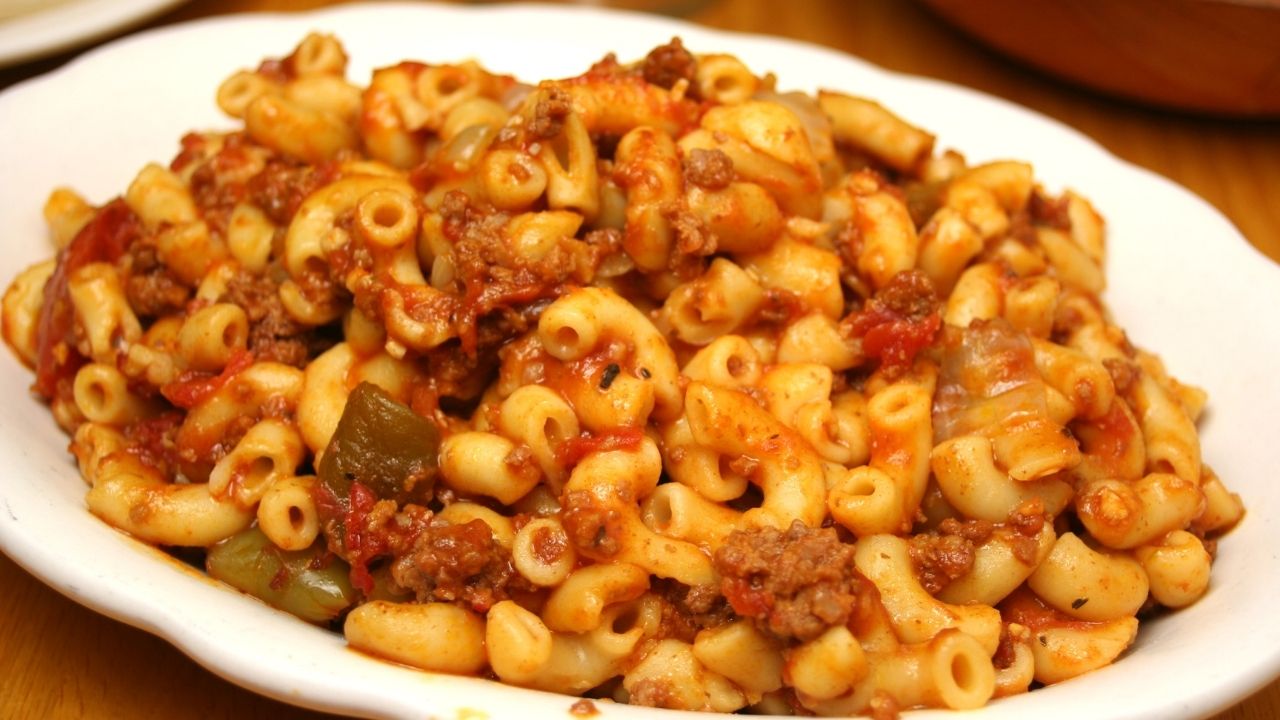
You know what’s fascinating about chop suey? This dish that so many people think represents authentic Chinese cuisine actually tells the story of Chinese immigrants adapting to American kitchens with whatever ingredients they could find. When I first learned this, it completely changed how I view fusion cooking in my own kitchen. Chop suey literally means “mixed bits” in Cantonese, and that’s exactly what it is – a beautiful hodgepodge of vegetables, meat, and bean sprouts all tossed together in a light sauce. The genius lies in its simplicity and flexibility, something I try to bring to my own cooking every day.
What I love most about chop suey is how it represents the immigrant spirit of making something delicious from whatever you have on hand. The dish typically features celery, onions, bean sprouts, and sometimes water chestnuts for crunch, all unified by a savory-sweet sauce that’s nothing like what you’d find in traditional Chinese cooking. Instead of complex fermented bean pastes or aged soy sauces, American chop suey relies on accessible ingredients like soy sauce, cornstarch, and a touch of sugar. This approach speaks to my heart because it shows how food evolves when we cook with intention rather than strict rules – creating nourishing meals that satisfy both hunger and soul.
Moo Shu Pork
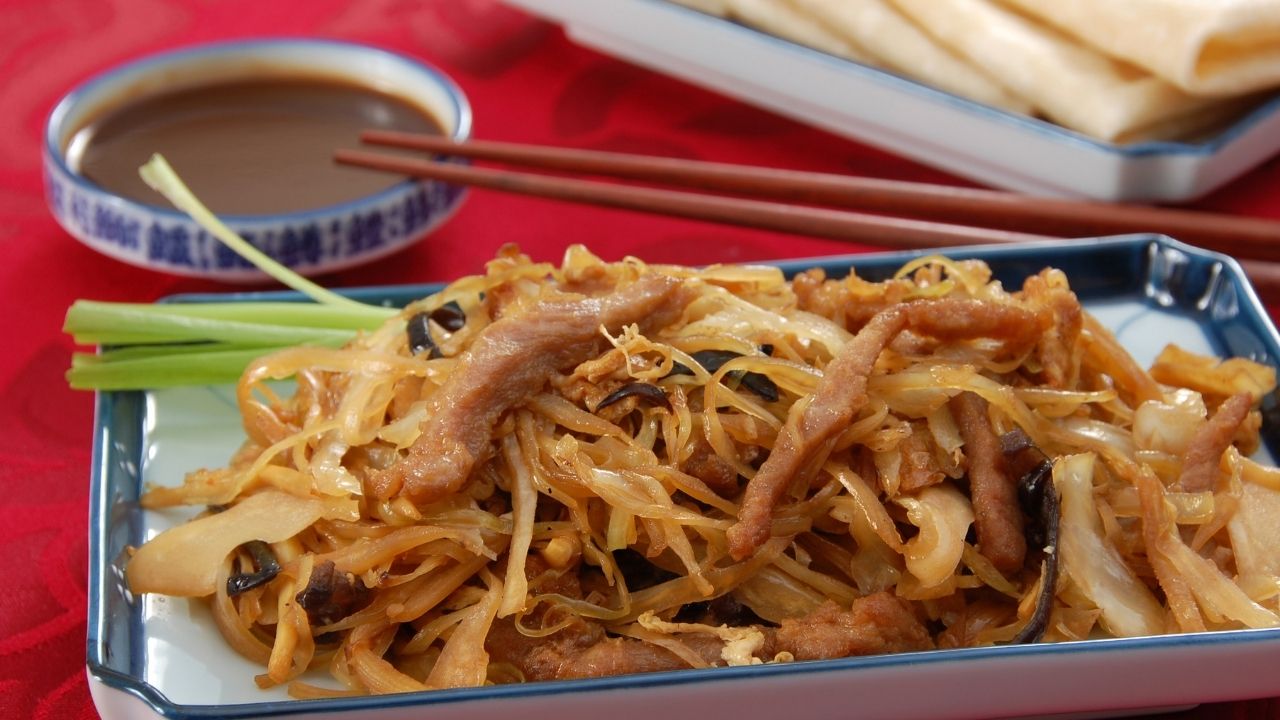
You know what I find fascinating about moo shu pork? This dish represents everything beautiful about food adaptation – taking core cooking principles from one culture and creating something entirely new for different palates. The traditional Chinese version focuses on wood ear mushrooms and scrambled eggs, but American Chinese restaurants transformed it into this hearty, saucy creation wrapped in thin pancakes that feels more like a savory burrito. I love making my own version at home because you can control the sodium and skip the overly sweet sauces that dominate takeout versions.
When I prepare moo shu pork in my kitchen, I start with thinly sliced pork shoulder marinated in fresh ginger, garlic, and a splash of rice wine. The magic happens when you stir-fry everything quickly over high heat – the pork stays tender, the cabbage maintains its crunch, and those scrambled eggs create the perfect creamy texture. Instead of store-bought pancakes loaded with preservatives, I make simple flour tortillas from scratch using just flour, water, and a pinch of salt. The whole meal comes together in under thirty minutes, and you get this incredible balance of textures and flavors that makes everyone at your table happy.
Crab Rangoon
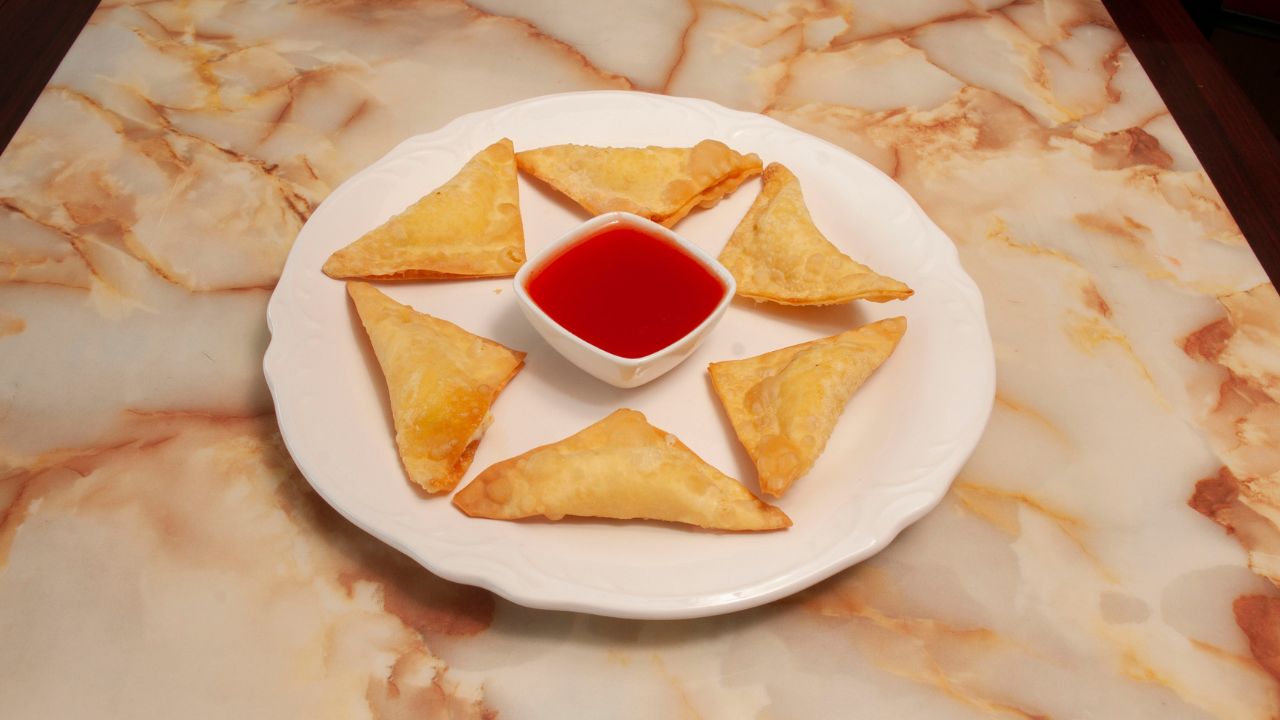
You know that moment when you bite into a crispy, golden wonton wrapper and hit that creamy, slightly sweet filling? That’s Crab Rangoon for you – a purely American invention that would leave most Chinese diners scratching their heads. I make these at home regularly, and trust me, they’re nothing like what you’d find wandering through the streets of Beijing or Shanghai. The combination of cream cheese, imitation crab, and those paper-thin wonton wrappers creates something that’s more Midwest comfort food than authentic Chinese cuisine.
What I love about making Crab Rangoon from scratch is how you can control exactly what goes inside. Skip the processed imitation crab and use real crab meat – or better yet, try my version with flaked salmon and a touch of fresh herbs. I mix in some finely chopped scallions, a hint of garlic, and sometimes even a squeeze of fresh lemon juice to brighten things up. The beauty lies in that contrast between the crunchy exterior and the rich, creamy center. While you won’t find these little triangular parcels in China, they’ve become such an American takeout staple that honestly, who cares about authenticity when they taste this good?
Fortune Cookies
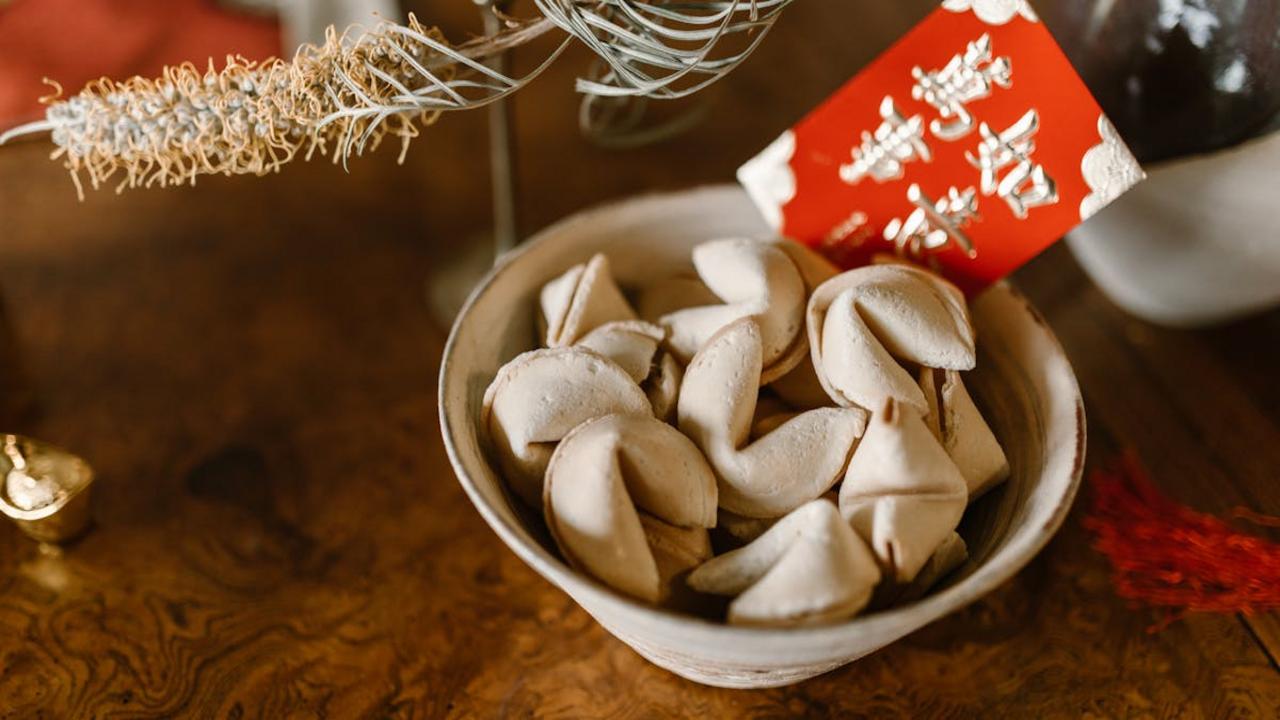
You know what’s funny? Every time I finish a meal at an American Chinese restaurant, I crack open that golden, curved cookie expecting some ancient wisdom from the East. But here’s the thing – fortune cookies are about as Chinese as my grandmother’s apple pie! These crispy treats actually originated right here in America, likely created by Japanese immigrants in California during the early 1900s. I’ve traveled through China extensively, documenting street food and home cooking traditions, and I can tell you with certainty that no one’s handing out fortune cookies after dinner in Beijing or Shanghai.
What really gets me excited about fortune cookies is how they represent the beautiful fusion that happens when cultures blend in America’s melting pot. Instead of seeing them as “inauthentic,” I view them as a perfect example of culinary innovation born from immigrant creativity. When I make them at home – and yes, you absolutely can! – I love experimenting with the basic flour, sugar, and egg white base. Try adding a touch of vanilla extract or almond essence, or even fold in some finely ground sesame seeds for extra flavor. The real magic happens when you write your own fortunes, turning a simple dessert into a meaningful moment of connection with your family and friends.
General Tso’s Chicken
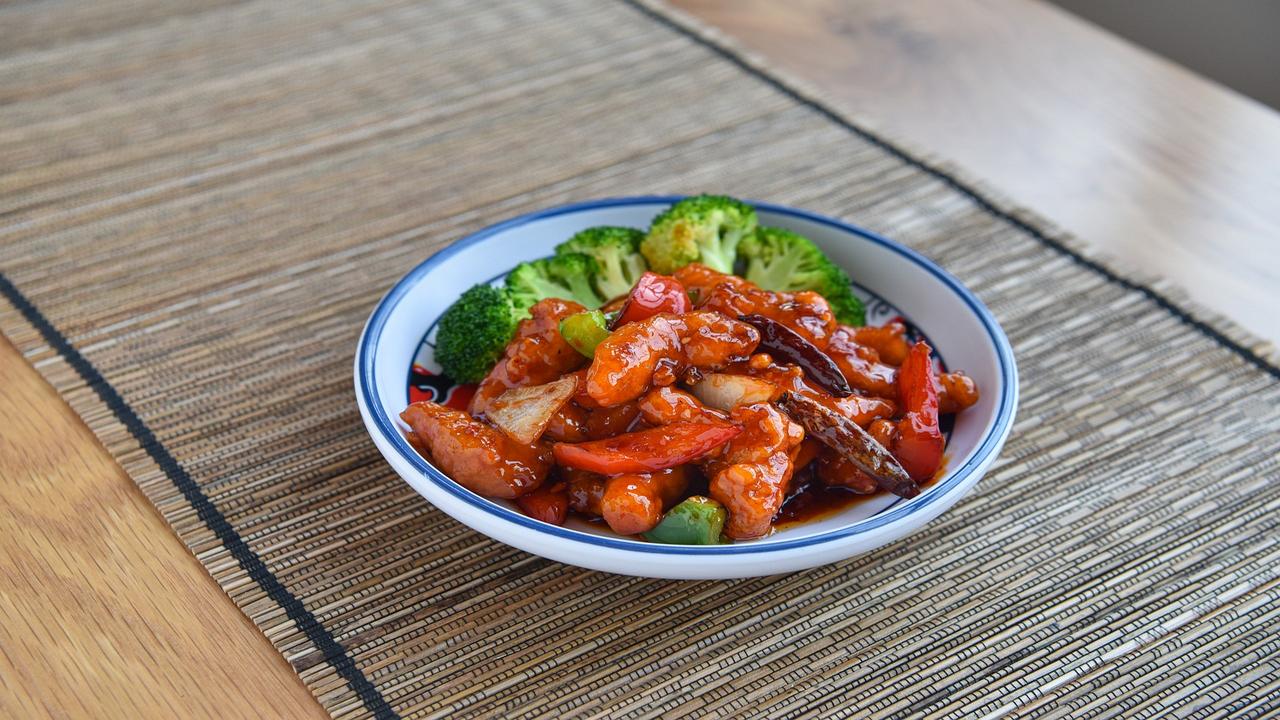
You know what’s fascinating about General Tso’s Chicken? This sticky, sweet, and spicy creation has absolutely nothing to do with the actual Chinese general it’s named after! I’ve spent years perfecting my own version at home, and trust me, once you make this from scratch, you’ll never order the takeout version again. The magic happens in that glossy sauce – a perfect balance of soy sauce, rice vinegar, sugar, and just enough heat to wake up your palate. Most restaurant versions rely heavily on corn syrup and artificial flavors, but I love building mine with fresh ginger, garlic, and a touch of honey for natural sweetness.
What really gets me excited about making General Tso’s at home is how you can transform simple chicken thighs into something extraordinary with just a few pantry staples. I always opt for dark meat because it stays tender and juicy, and I coat it in a light cornstarch mixture before pan-frying – no deep fryer needed! The key is getting that sauce consistency just right – thick enough to coat the chicken beautifully but not so thick it becomes gloppy. I often add fresh scallions and a sprinkle of sesame seeds at the end, because those little touches make all the difference between restaurant food and something that feels like it came from your own heart and kitchen.