15 Fruits and Vegetables With Surprisingly Long Shelf Lives
Ever tossed perfectly good produce because you couldn’t eat it fast enough? I’m raising my hand too! The good news? Many fruits and veggies can stick around way longer than you’d think. No more sad, wilted spinach or mushy berries making you feel guilty about food waste.
From pomegranates that practically laugh at time to rutabagas that seem immortal in your crisper drawer, these 15 long-lasting heroes deserve a spot in your kitchen. Some can hang out for weeks or even months with minimal fuss. Your grocery budget will thank you!
I’ve rounded up the champions of produce longevity – those fruits and vegetables that won’t pressure you into immediate meal planning. Think of them as your kitchen’s reliable roommates, always there when you need them. Ready to meet the marathon runners of the produce world?
Parsnips
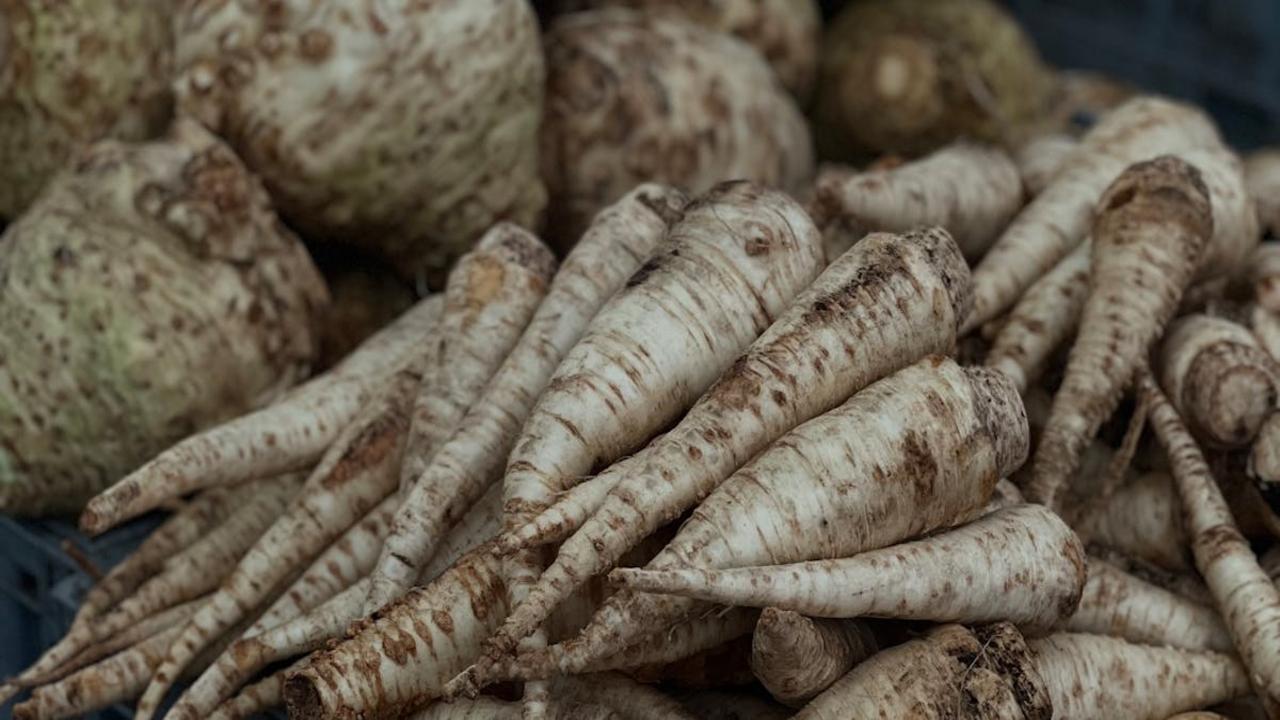
Picture this: you’re digging through your crisper drawer three weeks after grocery shopping, expecting to find a vegetable graveyard, but there they are – your parsnips, still firm and ready for action! These cream-colored root vegetables are basically the introverts of the produce world, quietly hanging out in cool, dark places for months without making a fuss. While their carrot cousins start looking sad and bendy after a couple weeks, parsnips can last 2-4 months in your refrigerator if you store them properly in a perforated plastic bag. They’re like that reliable friend who never cancels plans – always there when you need them, never dramatic about storage conditions.
Here’s where parsnips get really interesting: they actually get sweeter after exposure to cold temperatures, which means they’re one of the few vegetables that improve with age (take notes, people!). This natural sugar conversion happens because the cold triggers the plant to convert starches into sugars as a survival mechanism. You can roast them with honey and thyme for a side dish that tastes like autumn decided to caramelize itself, or throw them into winter stews where they add an earthy sweetness that makes your kitchen smell like a cozy farmhouse. Pro tip: don’t peel them until you’re ready to cook – that skin acts like nature’s own storage wrap, keeping all the good stuff locked inside.
Rutabaga
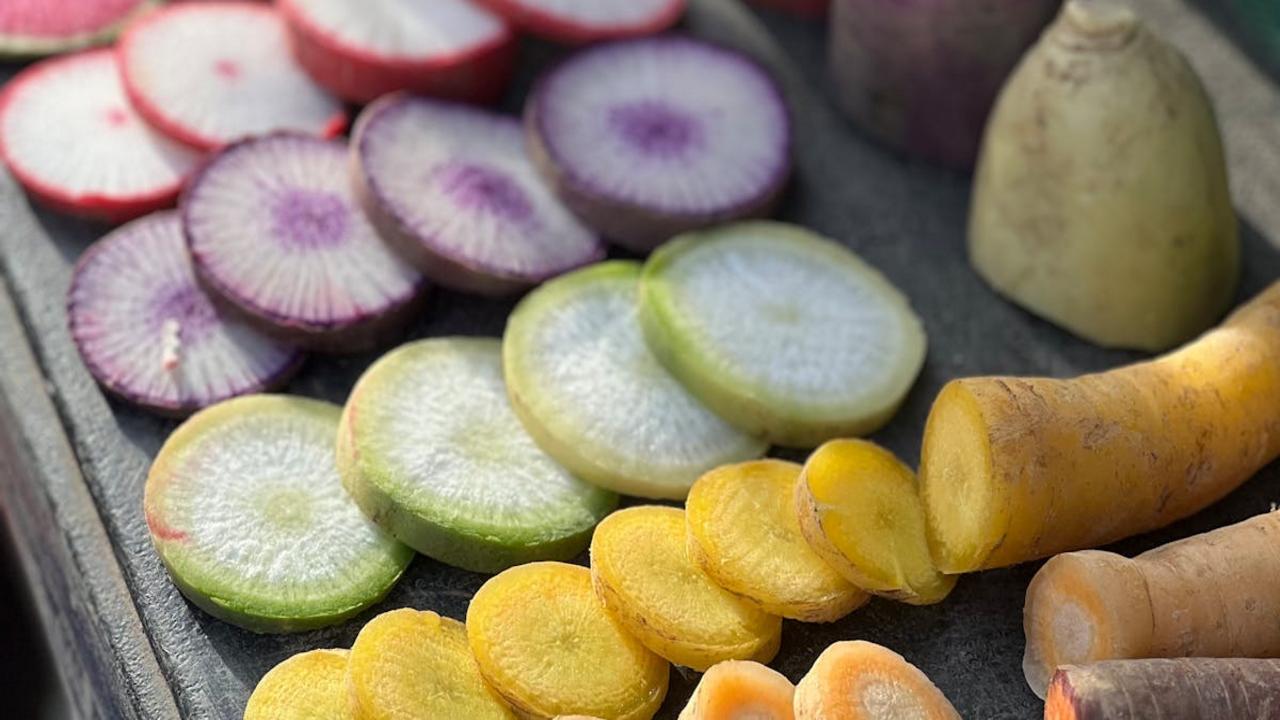
Meet the rutabaga, that purple-topped, yellow-bottomed root vegetable that looks like it wandered into the produce aisle from some medieval fantasy novel. This hardy beast can sit in your refrigerator for an impressive 2-3 months without batting an eye, making it the marathon runner of the vegetable world. While most veggies throw in the towel after a few weeks, rutabagas just keep on keeping on, their waxy skin acting like nature’s own protective coating. You can store them in your crisper drawer or even in a cool, dark pantry spot, and they’ll maintain their firm texture and earthy-sweet flavor for months.
Don’t let this humble root fool you with its unglamorous appearance – rutabagas pack a serious nutritional punch and transform into pure comfort food gold when cooked properly. Try roasting chunky wedges with olive oil and rosemary until they caramelize into crispy-edged perfection, or mash them with butter and a splash of cream for a lighter alternative to potatoes. The best part? You can buy rutabagas in bulk during fall harvest season, knowing they’ll stick around long enough to see you through winter’s darkest days. Think of them as your reliable vegetable friend who never cancels plans and always shows up when you need them most.
Celery
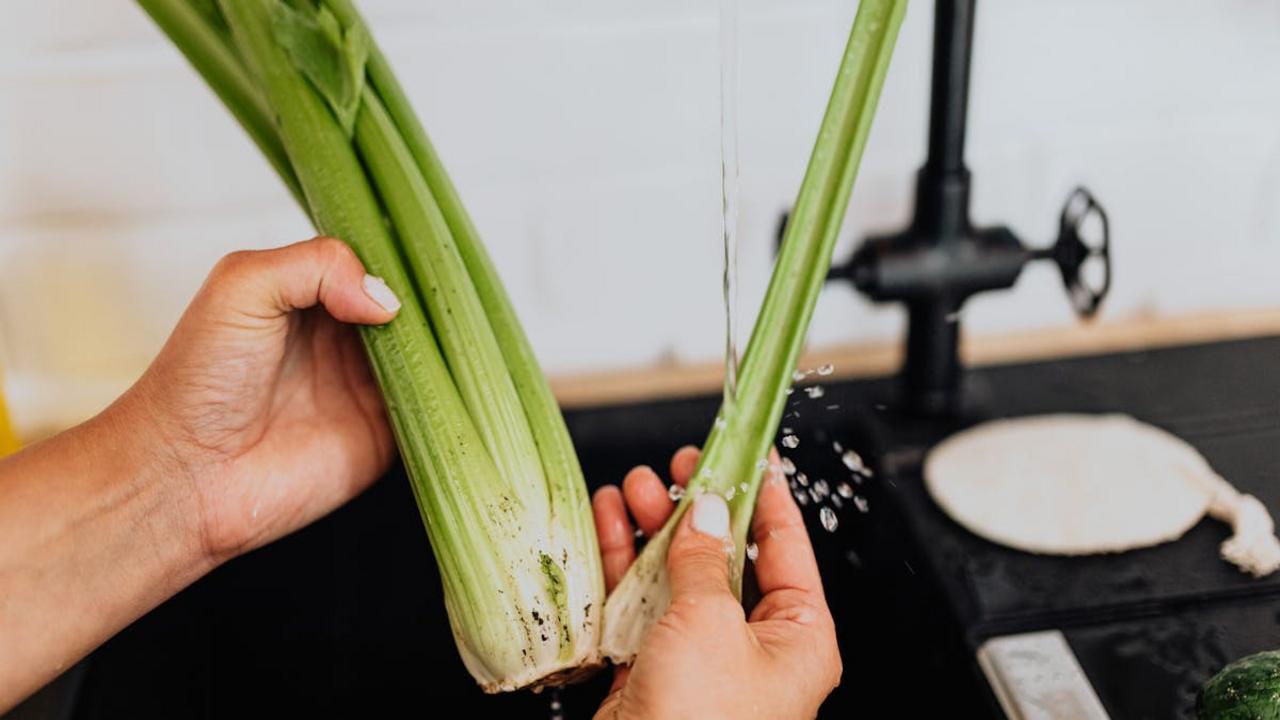
Celery might look like the underdog of the produce aisle—those pale green stalks sitting there all humble and unassuming—but this crunchy champion has some serious staying power that’ll make you rethink everything you know about vegetable longevity. While most greens wilt faster than your motivation on a Monday morning, celery can hang out in your crisper drawer for up to four weeks if you treat it right. The secret? Wrap those stalks in aluminum foil instead of plastic bags. I know, I know—it sounds like something your grandmother would do, but grandma knew her stuff! The foil allows the celery to breathe while keeping moisture locked in, preventing that dreaded rubbery texture that makes celery taste like disappointment.
Here’s where celery gets really interesting: those stringy bits you hate? They’re actually the plant’s way of staying fresh longer. Those fibrous strands act like tiny water pipes, keeping the stalks hydrated from root to leaf. And speaking of leaves, don’t toss them! Those feathery green tops pack more flavor than the stalks themselves and make incredible additions to soups, stocks, and salads. Store your celery standing upright in a jar of water (like a bouquet of very boring flowers), and watch it perk up like it just had its morning coffee. Pro tip: if your celery starts looking a bit sad, give it an ice bath for thirty minutes—it’ll bounce back crispier than ever, ready to add that satisfying crunch to everything from peanut butter snacks to bloody marys.
Carrots
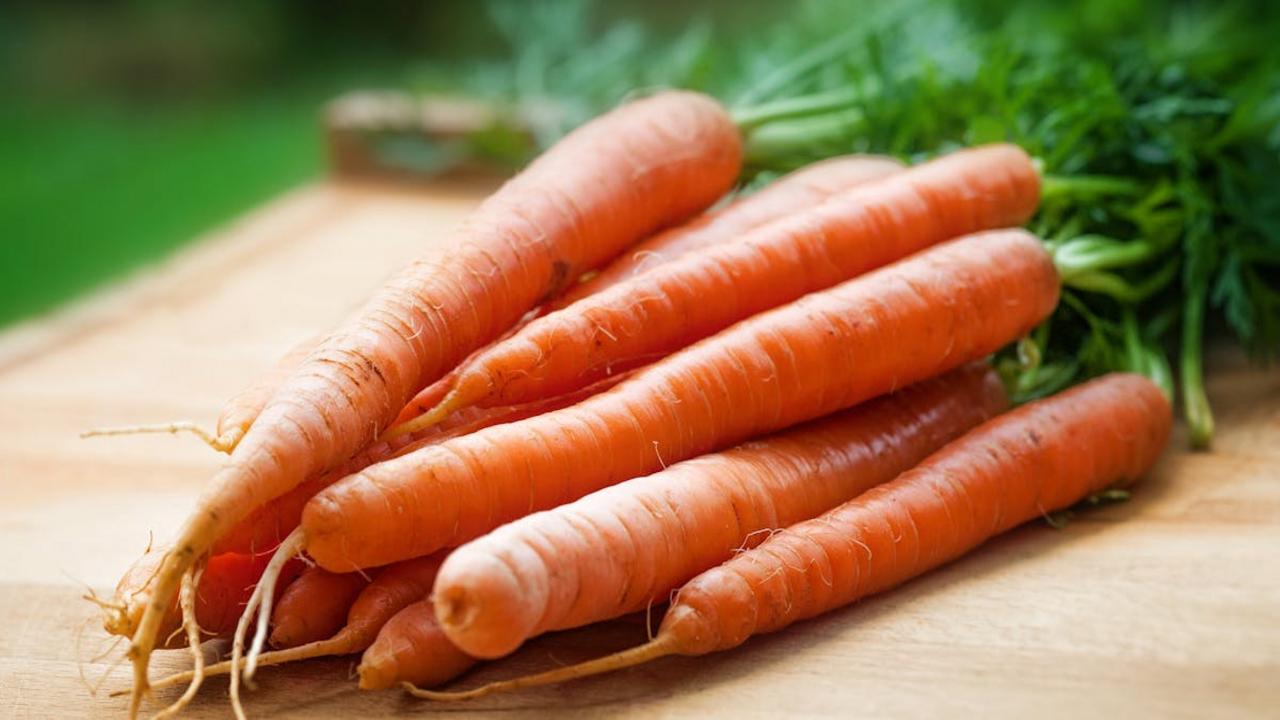
You know those bags of carrots sitting in your fridge right now? The ones you bought three weeks ago with grand intentions of making a healthy stir-fry? Well, here’s some fantastic news: they’re probably still perfectly fine! Carrots are basically the marathon runners of the vegetable drawer, capable of staying fresh for an impressive 3-4 weeks in your refrigerator. These orange beauties contain natural preservatives and have a sturdy structure that laughs in the face of time. Just pop them in the crisper drawer, and they’ll hang out there longer than that leftover pizza you forgot about.
The secret to carrot longevity lies in proper storage – keep them away from moisture-loving fruits like apples (which release ethylene gas that makes vegetables age faster), and store them in a perforated plastic bag or wrapped in a damp paper towel. If you notice them getting a bit bendy, don’t panic! A quick ice water bath for 30 minutes will perk them right back up, making them crunchy again. And here’s a fun fact: baby carrots are just regular carrots that have been carved down to size, so they actually have a shorter shelf life than their full-sized siblings because all that processing removes their protective outer layer. Stock up on the big guys, and you’ll have reliable snacking ammunition for weeks!
Beets
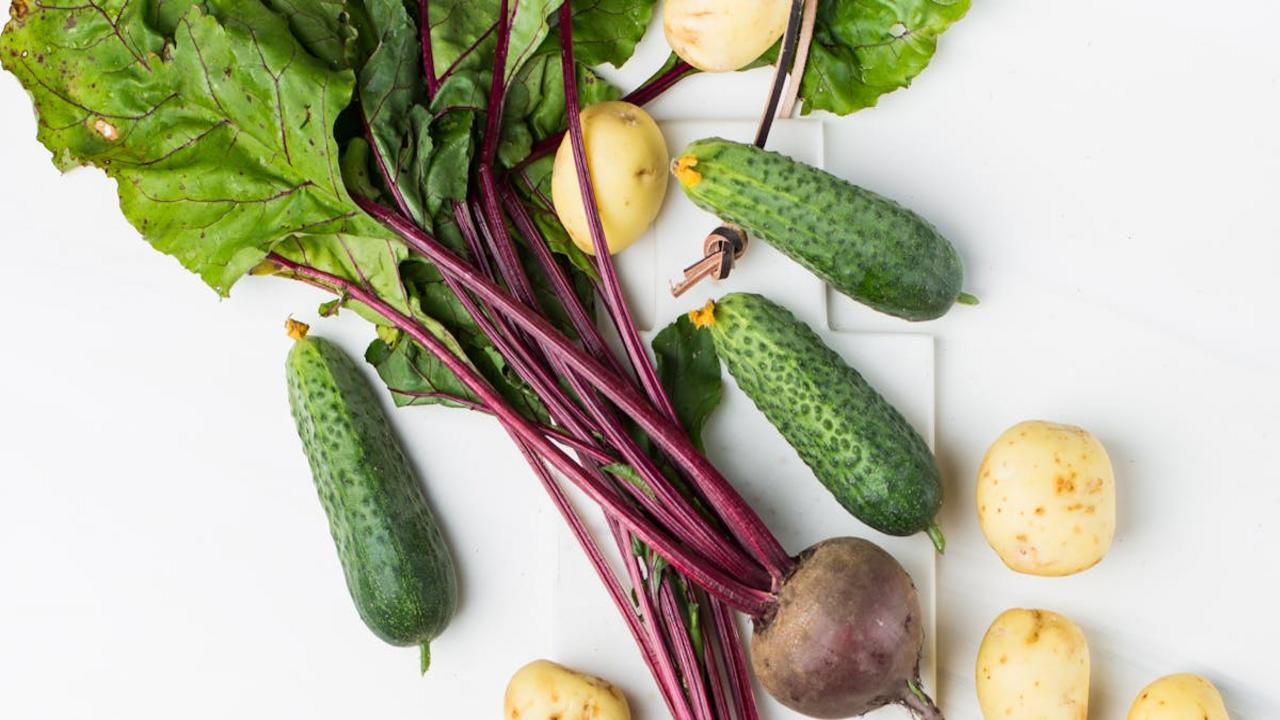
Picture this: you buy a bag of beets with good intentions, planning to roast them for dinner, then life happens and they sit in your cridge drawer like forgotten rubies. Three weeks later, you expect to find sad, wrinkled disappointments, but surprise! Those gorgeous crimson orbs are still firm and ready for action. Beets are basically the marathon runners of the vegetable world – they can hang out in your refrigerator for up to four weeks without breaking a sweat, and if you store them properly in a cool, dark place with their leafy tops removed, they’ll reward your patience by staying fresh and sweet.
Here’s the kicker: beets actually get sweeter with time, unlike your college roommate who got progressively more annoying. The natural sugars concentrate slightly during storage, making older beets perfect for roasting until they’re candy-like and caramelized. I once found a bunch of beets hiding behind a jar of pickles for nearly a month, and they made the most incredible beet hummus – bright pink, earthy, and absolutely Instagram-worthy. Pro tip: keep those beet greens separate and use them within a few days for sautéing, because while the roots are playing the long game, the leaves are sprinting toward wilted oblivion.
Cabbage
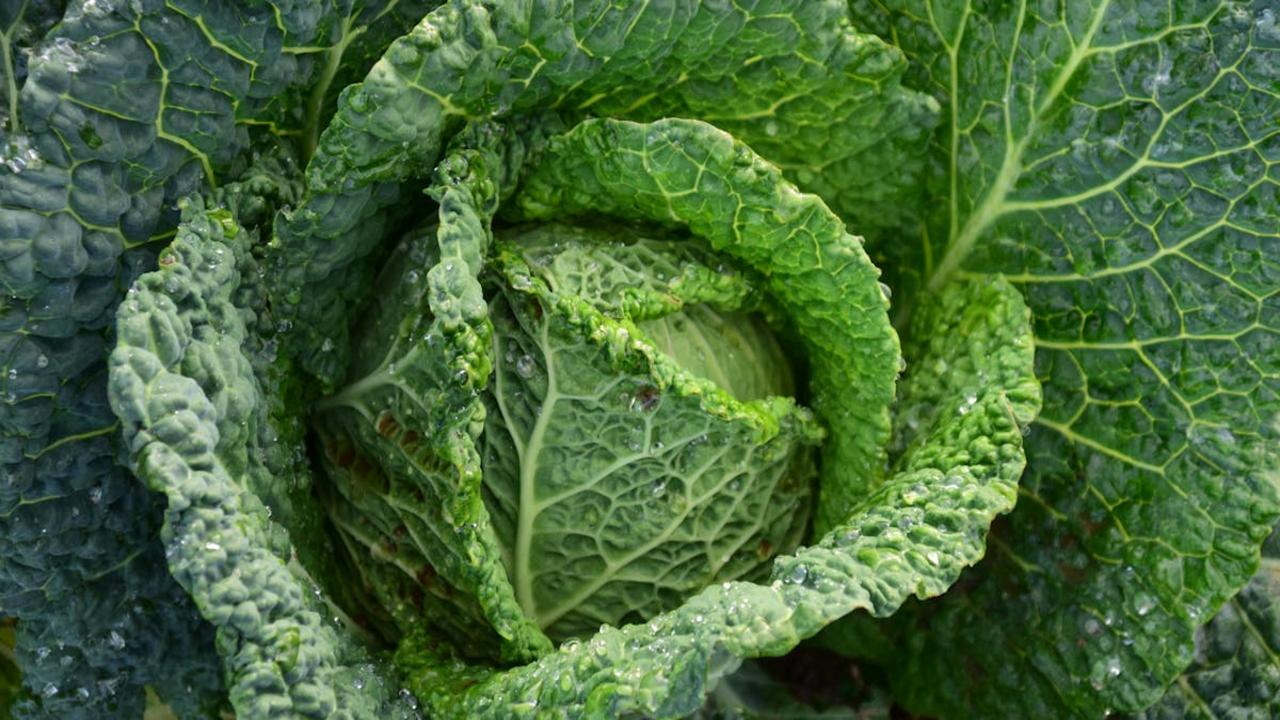
Cabbage sits in your crisper drawer like that reliable friend who never cancels plans—steady, dependable, and ready to stick around for the long haul. This leafy heavyweight can last up to two months in your refrigerator when stored properly, making it the marathon runner of the produce world. While other vegetables wilt and surrender after a week, cabbage just shrugs and keeps on keeping on. The secret lies in its dense, tightly packed leaves that create their own protective fortress against moisture loss and decay. Store it unwashed in a perforated plastic bag, and this green (or purple!) champion will outlast your New Year’s resolutions.
Here’s something that’ll make you appreciate cabbage even more: this humble vegetable once prevented scurvy on long sea voyages, earning it legendary status among sailors who knew a thing or two about food preservation. Today, you can transform this storage superstar into everything from crispy coleslaw to fermented sauerkraut (which lasts even longer!), or toss it into soups and stir-fries where it adds satisfying crunch. The best part? Even after weeks in storage, cabbage maintains its nutritional punch, delivering vitamin C, fiber, and that distinctive peppery bite that makes your taste buds wake up and pay attention.
Winter squash
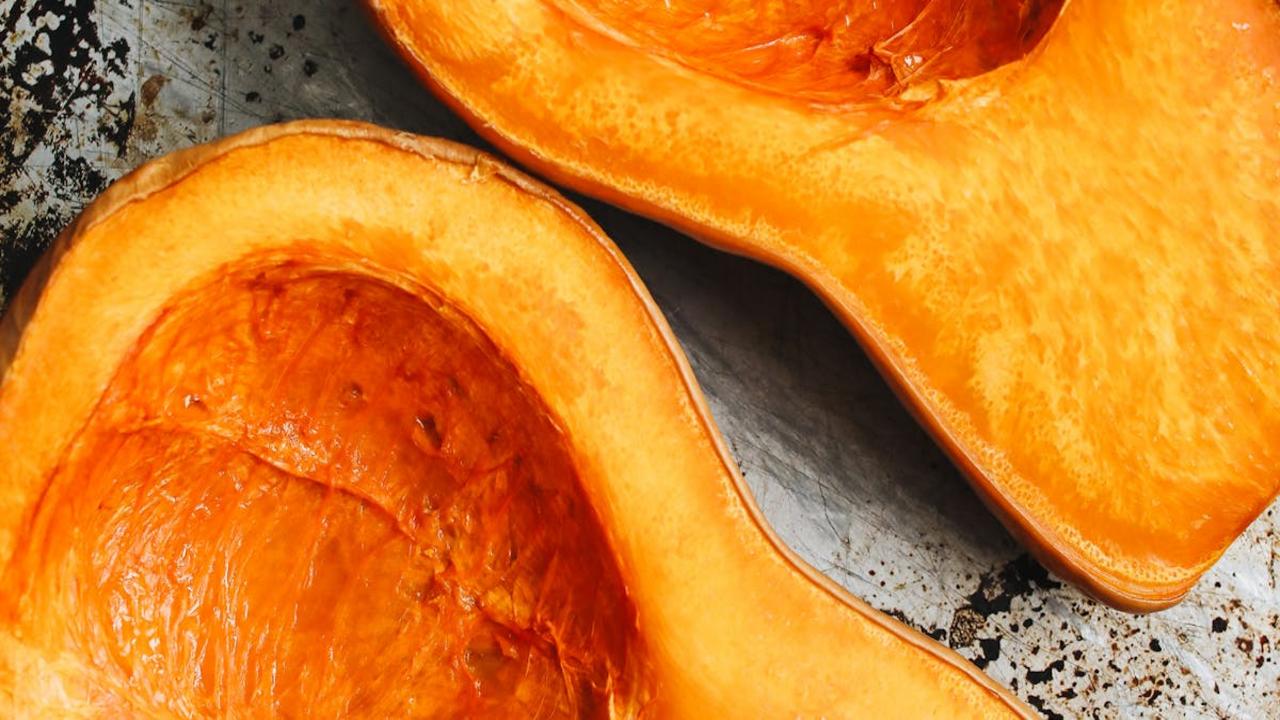
Winter squash sits in your pantry like that friend who never overstays their welcome—except they actually stick around for months and you’re genuinely happy about it. These sturdy beauties can hang out in a cool, dark corner of your kitchen for anywhere from two to six months, depending on the variety. Butternut squash leads the pack as the marathon runner of storage, often lasting well into spring if you treat it right. The secret lies in their thick, protective skin that acts like nature’s own Tupperware, keeping moisture in and spoilage out.
You know you’ve got a keeper when your acorn squash still feels firm and heavy weeks after Halloween decorations come down. Store these golden treasures in a single layer where air can circulate around them—no plastic bags needed! The moment you spot a soft spot or notice the stem area getting mushy, that’s your cue to transform it into soup, roasted cubes, or my personal favorite: butternut squash mac and cheese that’ll make your neighbors suddenly very friendly. Pro tip: once you cut into any winter squash, treat it like fresh produce and use it within a week.
Quince

Meet the quince—that bumpy, golden fruit that looks like a pear had a really rough night and decided to get a tan. This ancient beauty might appear past its prime straight from the tree, but don’t let those fuzzy, irregular curves fool you. Quinces are basically the tortoises of the fruit world, laughing at your perishable apples while they sit pretty in your pantry for up to two months without breaking a sweat. Raw quinces taste about as appealing as biting into a cotton ball soaked in lemon juice, but here’s where the magic happens—cook them, and they transform into something absolutely divine.
The secret to quince longevity lies in their rock-hard texture and natural preservatives that make them nearly indestructible at room temperature. Store them in a cool, dry place, and they’ll outlast most of your other produce by weeks. When you’re ready to work with these golden gems, poach them in wine with cinnamon and honey, or turn them into the most heavenly jam you’ve ever tasted. Fun fact: in ancient Greece, newlyweds shared quinces as a symbol of love and fertility—probably because anything that lasts this long must know something about commitment. Your grandmother’s quince preserves weren’t just delicious; they were practically time capsules of flavor.
Pears
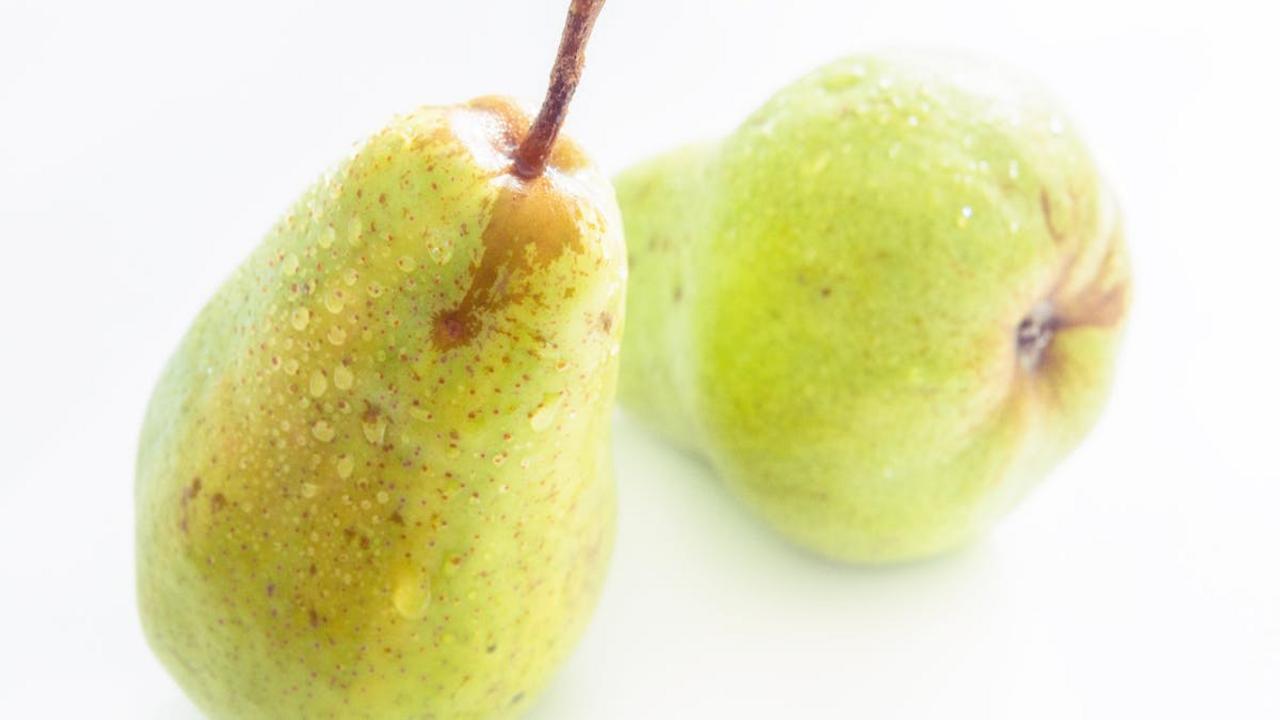
Pears are like the mysterious cousins of the fruit world – you never quite know when they’re ready to party. One day they’re hard as rocks, and the next morning you wake up to find them perfectly soft and sweet, as if fruit fairies visited overnight. This magical transformation happens because pears ripen from the inside out, which means you need to master the gentle neck squeeze test. Press lightly near the stem – if it gives just a bit, you’ve hit the jackpot. Store unripe pears at room temperature, and they’ll slowly transform over several days into buttery perfection.
Once ripe, pears can hang out in your refrigerator for up to a week, making them surprisingly reliable companions for your fruit bowl adventures. The secret to their longevity lies in their thick skin and dense flesh, which protect them from bruising better than their apple friends. Bosc pears are particularly tough cookies, lasting longer than their Bartlett siblings. Pro tip: if you buy a bag of rock-hard pears, pop them in a paper bag with a banana – the ethylene gas will speed up the ripening process. Just remember to check on them daily, because pears have zero chill when they decide it’s time to go from perfect to mushy in what feels like five minutes flat.
Watermelon
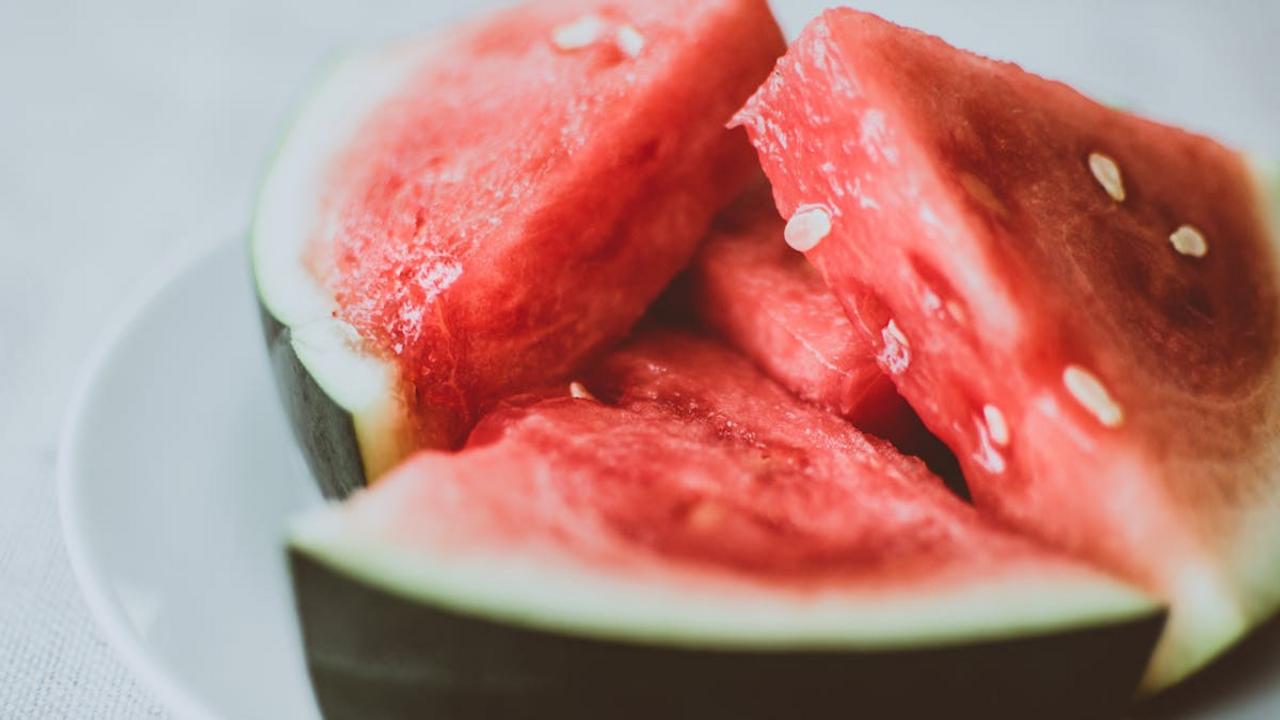
That massive green globe sitting on your counter isn’t going anywhere fast, and honestly, that’s the best news you’ll hear all week! A whole watermelon can camp out in your kitchen for up to two weeks at room temperature, making it the marathon runner of the fruit world. I once bought a watermelon in June thinking I’d devour it immediately, only to rediscover it three weeks later still perfectly firm and ready for action. The thick rind acts like nature’s own Tupperware, protecting all that juicy goodness inside from the world’s attempts to make it go bad.
Once you crack that bad boy open though, the clock starts ticking – but even then, you’ve got a solid 3-5 days in the fridge before things get sketchy. Store your cut watermelon in airtight containers or wrap it tightly in plastic wrap to keep it from absorbing your refrigerator’s eau de leftover pizza. Pro tip from someone who’s made this mistake: don’t store watermelon next to strong-smelling foods unless you want your morning fruit salad to taste mysteriously like onions. The high water content that makes watermelon so refreshing also makes it a flavor sponge, so treat it with the respect it deserves!
Apples
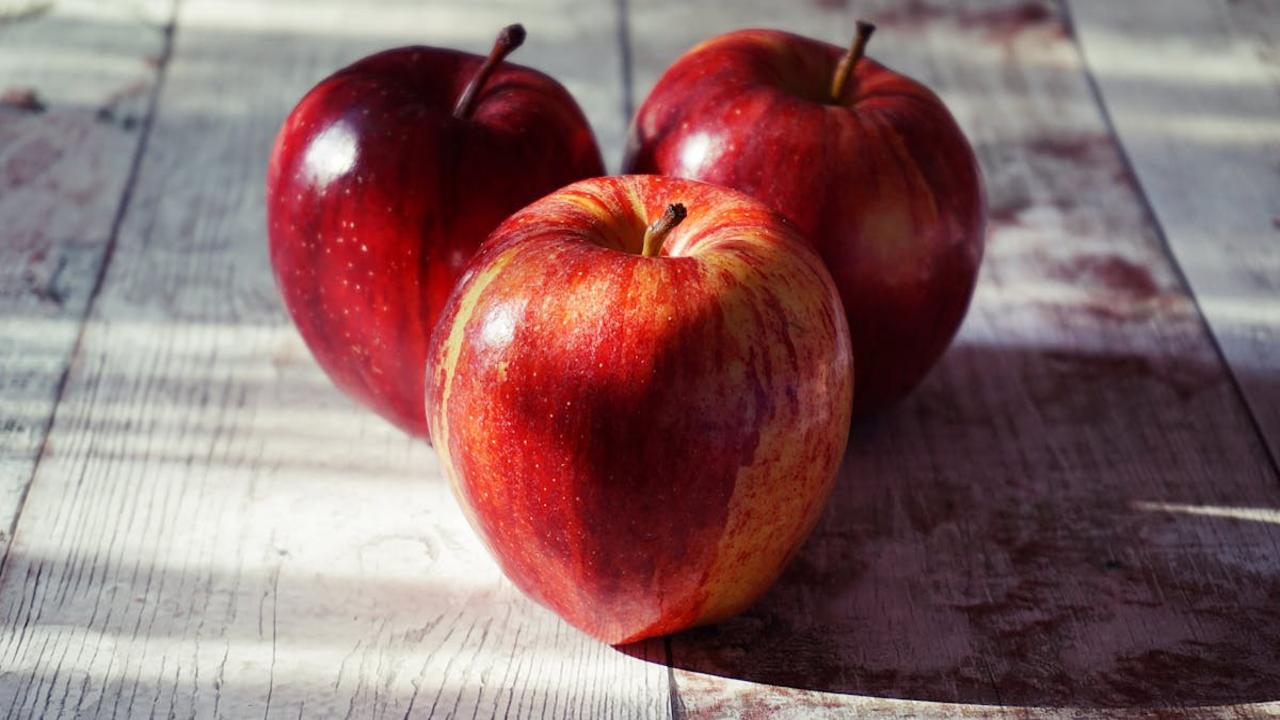
Your grandmother’s apple stash wasn’t just old-fashioned wisdom—it was pure genius! These crunchy spheres of joy can hang out in your crisper drawer for up to two months without throwing a tantrum. The secret lies in their natural waxy coating and the magic of controlled atmosphere storage, which basically puts them in a fruity version of suspended animation. Honeycrisp, Granny Smith, and Fuji varieties are the marathon runners of the apple world, outlasting their delicate cousins like Red Delicious by weeks.
Here’s a quirky fact that’ll blow your mind: apples continue to ripen after you pick them, releasing ethylene gas like tiny fruit factories. This means they can actually make your other produce go bad faster—talk about being a bad influence! Store them separately from your bananas and avocados unless you want to host an unintentional fruit funeral. Pro tip: that slightly wrinkled apple hiding in the back of your fridge? Don’t toss it yet! Those beauties are perfect for baking, where their concentrated sweetness transforms ordinary pie into something that would make your neighbors mysteriously appear at your door with empty plates.
Cranberries
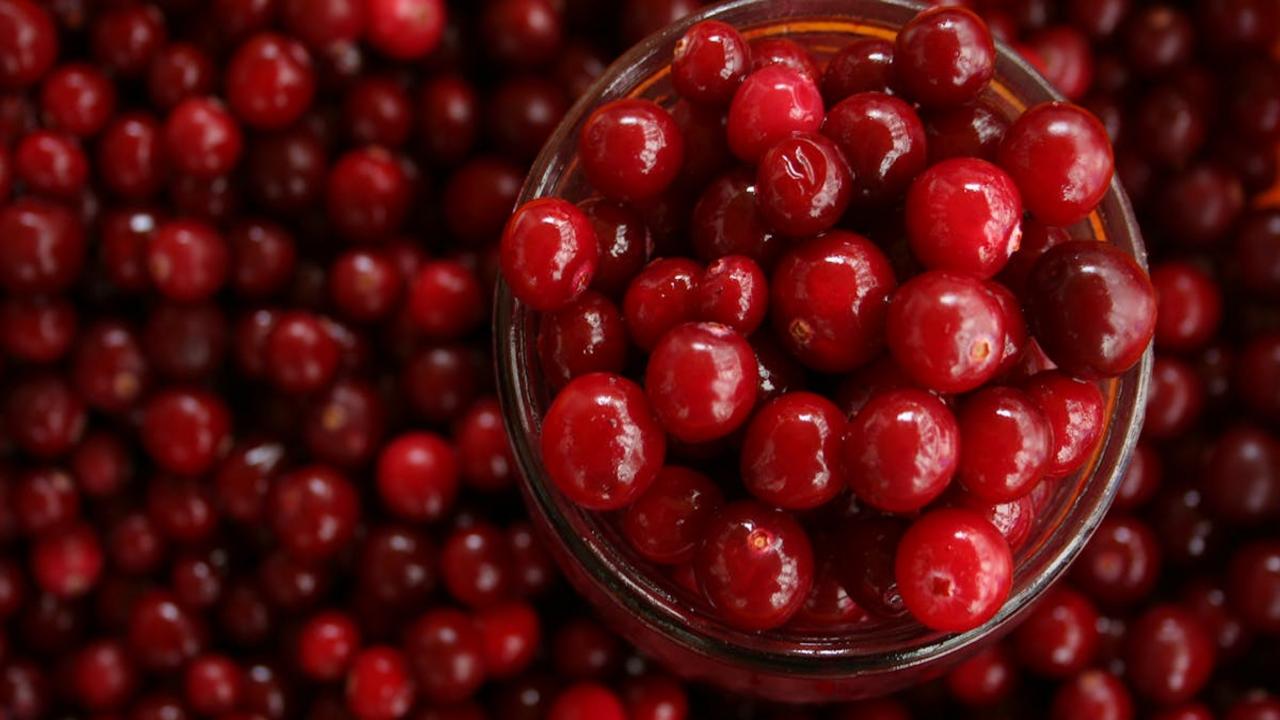
Fresh cranberries are basically the marathon runners of the produce world – these ruby-red gems can sprint through your fridge for up to two months without breaking a sweat! I discovered this happy accident after forgetting a bag of cranberries buried behind my leftover Thanksgiving turkey. Two months later, they were still firm, glossy, and ready for action. These tart little powerhouses laugh in the face of time thanks to their naturally waxy coating and acidic nature, which creates a hostile environment for bacteria. Store them in their original bag in your refrigerator’s crisper drawer, and they’ll maintain their bounce-back-when-dropped freshness for weeks on end.
What makes cranberries even more impressive is their freeze-forever superpower – toss them in the freezer and they’ll stay perfect for up to a year! I love keeping a stash for spontaneous muffin emergencies or when I need to add some festive flair to my morning yogurt. Pro tip: rinse them just before using, not before storing, because excess moisture is their kryptonite. These bog berries originally grew wild in marshy areas, which explains their incredible staying power – they evolved to survive harsh conditions. Whether you’re making homemade cranberry sauce that puts the canned stuff to shame or just want a healthy snack that packs a pucker-worthy punch, cranberries prove that good things really do come to those who wait.
Citrus fruits
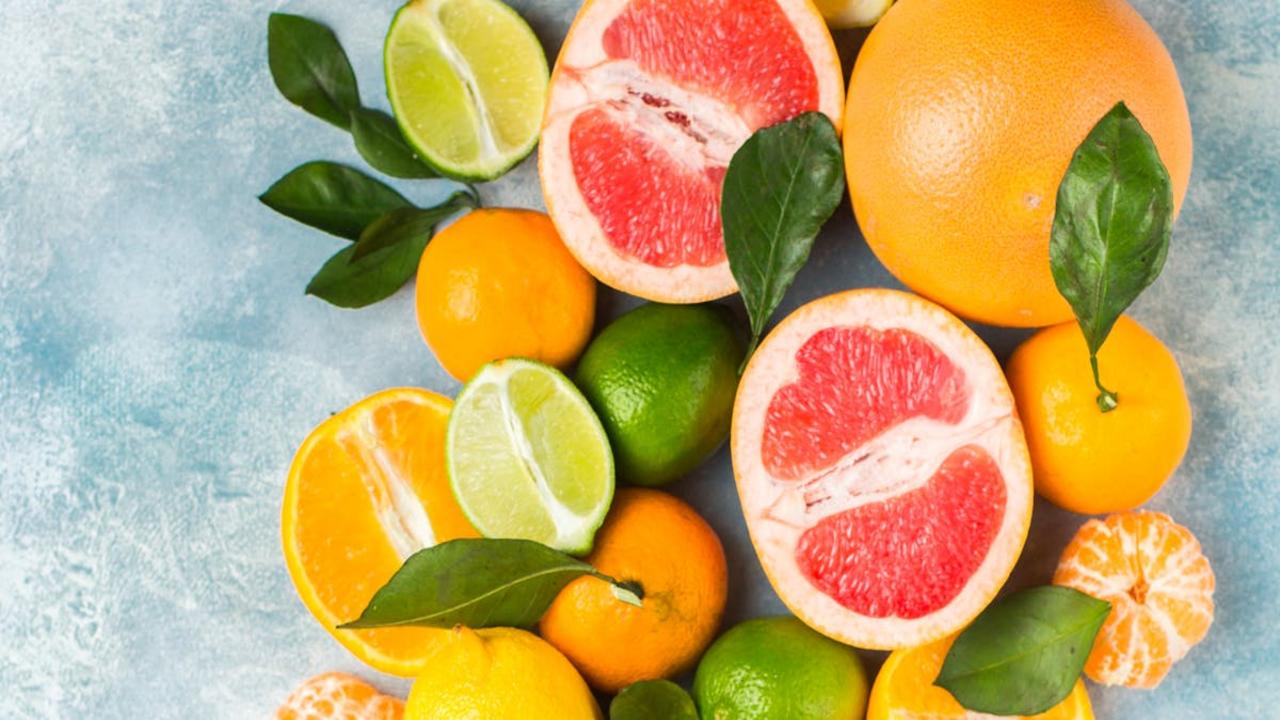
Citrus fruits are basically the marathon runners of the produce world – they just keep going and going! These zesty champions can hang out on your counter for up to two weeks, and if you tuck them into the refrigerator, they’ll stick around for a solid month or even longer. The secret lies in their thick, waxy peels that act like natural armor, protecting the juicy treasure inside from moisture loss and bacterial invaders. Oranges, lemons, limes, and grapefruits all share this superpower, making them perfect for those of us who buy groceries with the best intentions but sometimes forget about that bag of produce until we rediscover it weeks later.
Here’s a fun fact that’ll make you appreciate these citrus warriors even more: sailors used to rely on citrus fruits during long sea voyages not just for their vitamin C content, but because they were some of the only fresh foods that wouldn’t turn into moldy disasters after months at sea. Your kitchen counter isn’t quite as harsh as the high seas, but the principle remains the same. Pro tip from someone who’s learned the hard way – store your citrus fruits loose rather than in plastic bags, and keep them away from other fruits that produce ethylene gas (looking at you, bananas). This way, your lemons will still be perfectly plump and ready for that impromptu guacamole session or emergency lemon water detox you’ll inevitably decide you need at 2 AM.
Dragon fruit
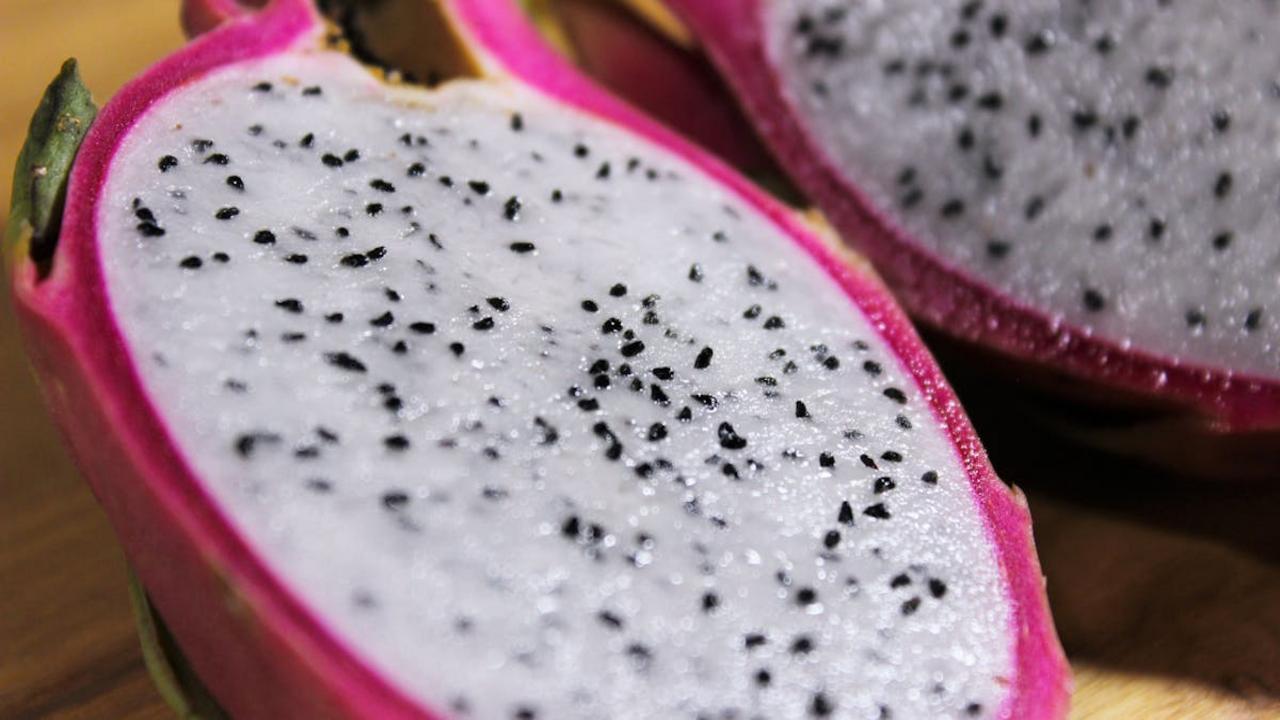
This alien-looking beauty sits in your fruit bowl like a hot pink grenade that somehow escaped from a sci-fi movie. Dragon fruit, or pitaya if you want to sound fancy at parties, can hang around for up to two weeks at room temperature without batting an eyelash. The secret lies in its thick, waxy skin that acts like natural armor against the elements. You’ll know it’s ready to eat when it gives slightly to pressure, like a perfectly ripe avocado. Store it in your refrigerator, and this spiky superstar can last up to a month, making it the marathon runner of the tropical fruit world.
Don’t let its dramatic exterior fool you – dragon fruit tastes surprisingly mild, like a cross between a kiwi and a pear with tiny black seeds that crunch like sesame seeds. The white or magenta flesh scoops out easily with a spoon, making it perfect for smoothie bowls, fruit salads, or just eating straight from the shell like nature’s own ice cream container. Pro tip: buy them when they’re still firm and let them ripen on your counter. Your patience will be rewarded with a fruit that not only photographs beautifully for your Instagram feed but also delivers a refreshing treat that lasts way longer than those delicate berries that seem to turn to mush the moment you bring them home.
Pomegranate
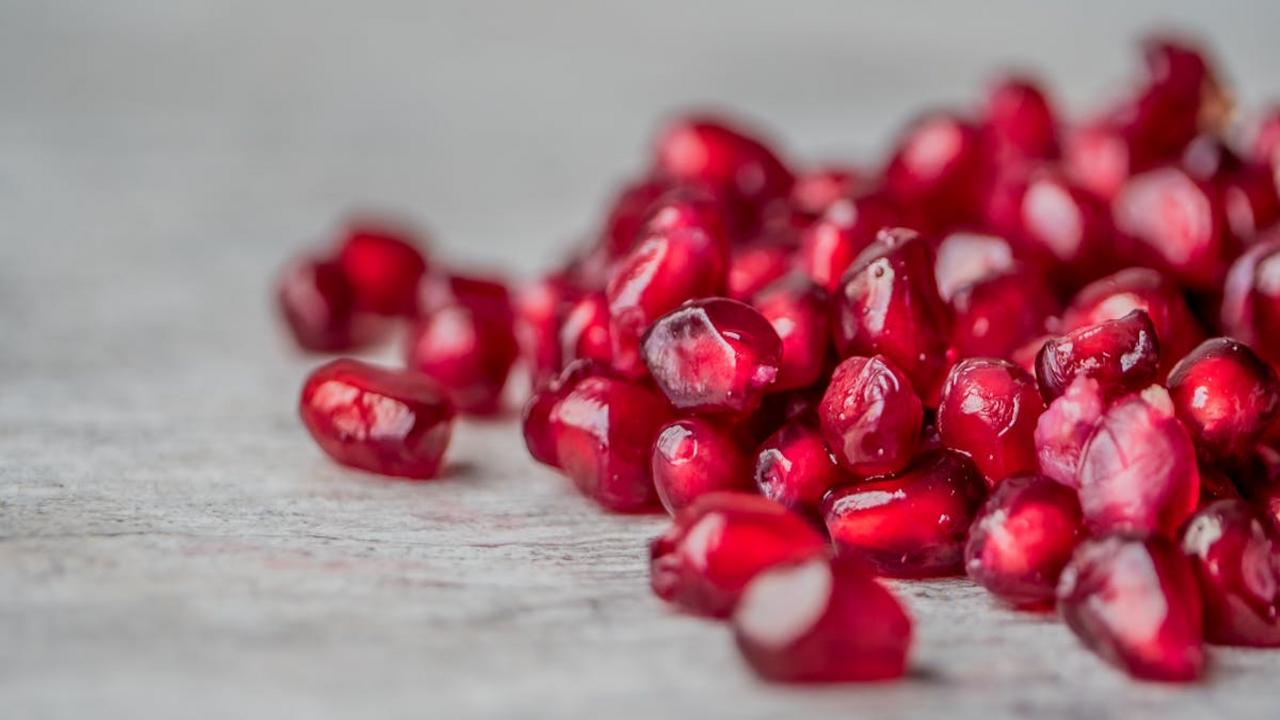
This ruby-jeweled beauty laughs in the face of time, sitting pretty in your fridge for up to two months like it’s got nowhere else to be. Pomegranates are basically the superheroes of the produce world – their thick, leathery skin acts like armor, protecting those gorgeous arils inside from spoilage. You know how some fruits throw dramatic tantrums the moment you bring them home? Not pomegranates. They’re the cool, collected type who keep their composure while everything else around them turns to mush. Store them in your refrigerator’s crisper drawer, and they’ll reward your patience with their sweet-tart perfection long after you’ve forgotten you bought them.
Here’s the best part: those little seed sacs inside are like tiny flavor bombs that refuse to quit. Even when the outer skin starts looking a bit weathered (think distinguished, not decrepit), the seeds inside remain plump and juicy. I once found a pomegranate hiding behind a bag of carrots for six weeks, and it was still absolutely perfect inside. The trick to maximizing their shelf life? Keep them whole until you’re ready to eat them – once you crack that protective shell, you’ve got about a week to enjoy the bounty. Pro tip: those seeds freeze beautifully too, so you can sprinkle winter sunshine on your yogurt all year long.