14 Chef-Approved Tricks to Make Pricey Ingredients Go Further
I’ve spent enough time hanging around professional kitchens to know chefs have secret weapons against sky-high grocery prices. Those $8 vanilla beans and $30 olive oils? Professional cooks know exactly how to stretch these luxury items without sacrificing flavor. And now, you can too!
From the humble garlic to pricey saffron, professional kitchens run on efficiency. The tricks I’ve gathered from top chefs will help you squeeze every penny from expensive ingredients. Why pay full price for premium items when you can make them last twice as long?
Your wallet might be thin, but your dishes don’t have to taste that way. These 14 chef-approved strategies will transform how you shop, store, and use those splurge-worthy ingredients. The best part? Many of these tricks cost nothing to implement – just a little know-how from the pros who do this every day.
Sign Up for Store Loyalty Programs

Listen, I know loyalty programs sound about as exciting as watching paint dry, but hear me out – they’re basically free money disguised as plastic cards and phone apps. Those little rewards points stack up faster than dirty dishes after hosting a dinner party, and before you know it, you’re scoring serious discounts on that fancy truffle oil you’ve been eyeing. Smart chefs don’t just shop; they strategically collect points like they’re building a flavor empire, one purchase at a time.
Here’s where it gets really good: many stores offer special member-only sales on premium ingredients that would normally make your wallet weep. I once snagged organic grass-fed beef at 40% off just because I flashed my membership card – talk about turning a splurge into smart shopping! Plus, some programs send you personalized coupons based on your buying habits, so if you’re always grabbing high-quality olive oil, they’ll start throwing deals your way. It’s like having a personal shopping assistant who actually wants to save you money instead of spending it.
Check Clearance Sections

You know that slightly shady corner of every grocery store where the “manager’s special” stickers live? That’s your new best friend, my thrifty foodie companion! I spent years walking past those clearance sections like they were cursed, thinking discounted food meant compromised quality. Boy, was I wrong! Those markdown sections are treasure troves of premium ingredients that simply hit their “best by” dates or got slightly banged up in transport. I once scored a pound of wild-caught salmon for three dollars because the package had a tiny tear in the plastic wrap. That fish tasted like victory served with a side of smugness.
The secret to clearance shopping success lies in timing and flexibility. Hit the store early morning or late evening when staff restocks these sections with fresh markdowns. You’ll find everything from organic produce to artisanal cheeses to expensive cuts of meat at fraction of their original prices. Sure, that duck breast might need to be cooked tonight instead of next week, but that just means you’re having an impromptu fancy dinner! Keep an open mind and let the deals dictate your menu. I’ve discovered some of my favorite recipes this way, like when discounted lamb shanks inspired my now-famous rosemary braised masterpiece. Your wallet will thank you, and your dinner guests will never know you paid clearance prices for gourmet ingredients.
Ask for Price Matching
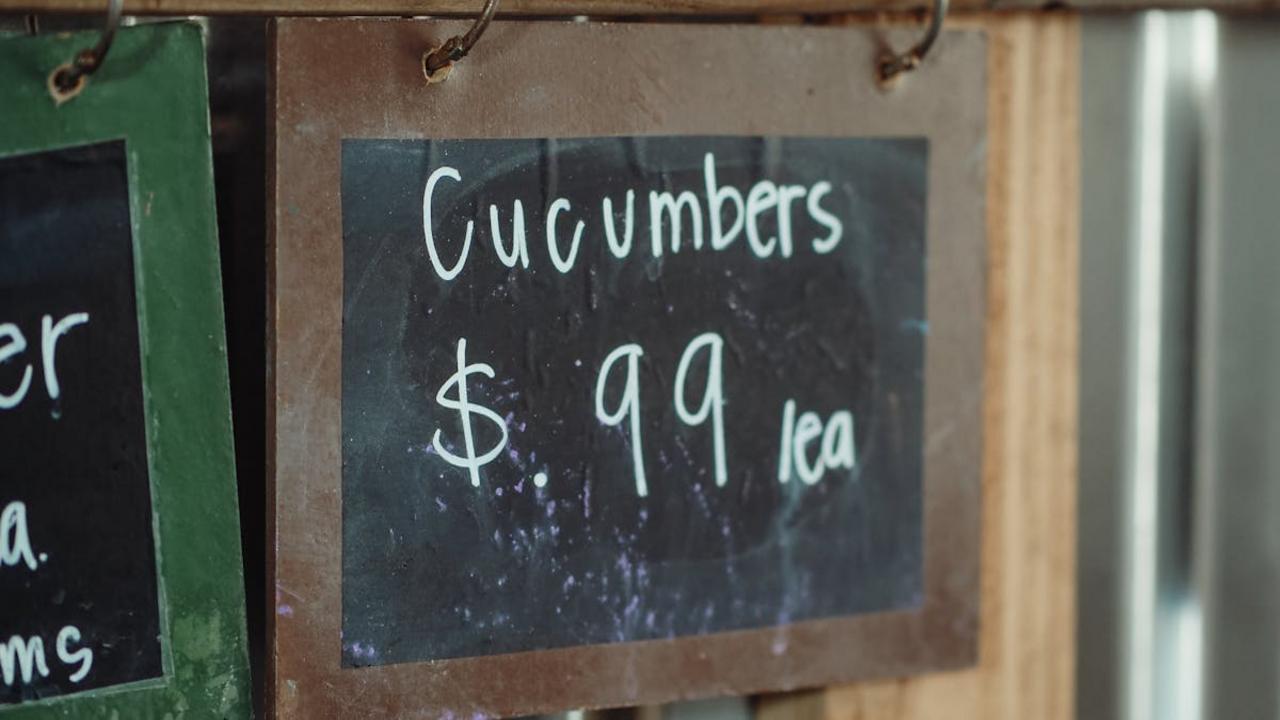
Here’s a little secret that’ll make you feel like you’ve cracked the grocery store code: most places will match competitor prices if you just ask! I discovered this magical superpower purely by accident when I was clutching a flyer advertising $12-per-pound truffle oil at the fancy market while standing in my regular grocery store staring at the same bottle for $18. The cashier cheerfully matched the price, and I walked out feeling like I’d just pulled off the heist of the century. Major chains like Whole Foods, Target, and even some smaller specialty stores have price-matching policies buried in their customer service fine print – they’re just waiting for savvy shoppers to speak up.
The key is doing your homework before you shop. Snap photos of those glorious sale prices on premium ingredients like aged balsamic vinegar, imported cheeses, or that fancy sea salt you’ve been eyeing. Keep competitor flyers handy on your phone, and don’t be shy about presenting them at checkout. Fun fact: some stores will even match online prices from major retailers, which means you can score that $25-per-ounce saffron for the price you found on Amazon without waiting for shipping. The worst they can say is no, but more often than not, they’ll honor the match to keep you as a customer. Your wallet will thank you, and you’ll have more budget left over for that bottle of wine to pair with your fancy feast!
Compare Unit Prices
Listen, I used to be that person who grabbed the first fancy truffle oil I saw, thinking “expensive equals better,” until my wallet started sobbing quietly in my purse. Then my chef friend Marcus taught me the grocery store equivalent of reading fine print – comparing unit prices like a mathematical food detective. You know those tiny numbers on shelf tags that show price per ounce or pound? They’re your secret weapon against marketing tricks that make a 4-ounce bottle of vanilla extract seem reasonable at $12 when the 8-ounce version costs $18. I now whip out my phone calculator in grocery aisles like I’m solving world hunger, and honestly, it’s saved me hundreds of dollars.
The magic happens when you realize that buying bigger isn’t always better, and sometimes the store brand sitting right next to the fancy packaging contains identical ingredients at half the cost. Take saffron – that golden treasure that costs more per gram than actual gold. The tiny 0.1-ounce container might seem economical at $8, but the 0.25-ounce version at $15 gives you way more bang for your buck. I keep a running list on my phone of unit prices for my favorite ingredients, so I can spot genuine deals versus grocery store sleight of hand. Plus, there’s something deeply satisfying about knowing you paid $3 per ounce for premium olive oil instead of $12, especially when both bottles probably came from the same Mediterranean hillside.
Look for Imperfect Produce
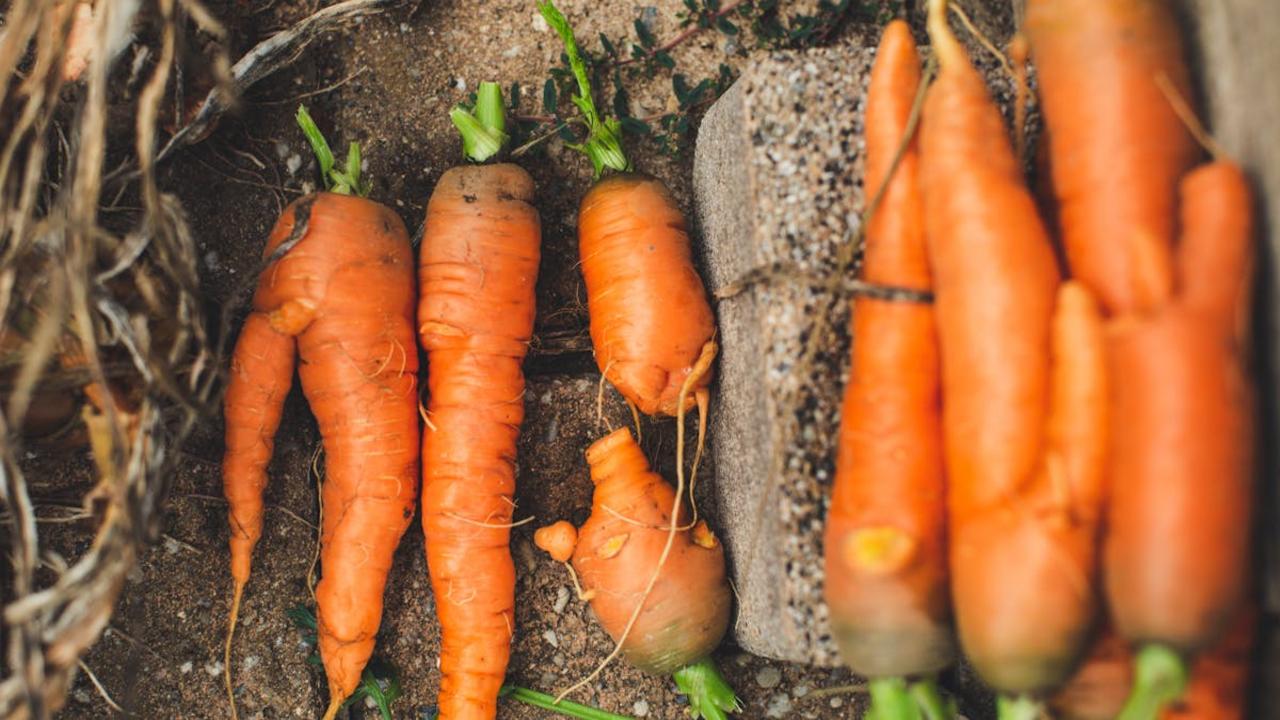
You know that wonky carrot with three legs and a crooked smile? The tomato that looks like it escaped from a Tim Burton movie? That’s your ticket to ingredient luxury without the wallet damage! Imperfect produce costs about 30-50% less than its picture-perfect siblings, yet delivers the exact same flavor punch. I once bought a bag of “ugly” bell peppers that looked like they’d been through a boxing match – turns out they made the most gorgeous roasted red pepper soup I’ve ever created. The secret? Once you chop, dice, or puree these beauties, nobody can tell they started life looking like vegetable rebels.
Smart chefs have been shopping the “seconds” bin for decades because they know something the rest of us are just catching on to: flavor doesn’t care about Instagram-worthy looks. That gnarly butternut squash might have a few bumps and bruises, but it’ll roast into the same creamy, caramelized perfection as its symmetrical cousins. Plus, you’re basically getting premium ingredients at discount prices – it’s like finding designer clothes at a thrift store, except you get to eat your bargain! Many grocery stores now have dedicated imperfect produce sections, and some even offer subscription boxes that deliver these perfectly flawed gems right to your door.
Use Substitutes
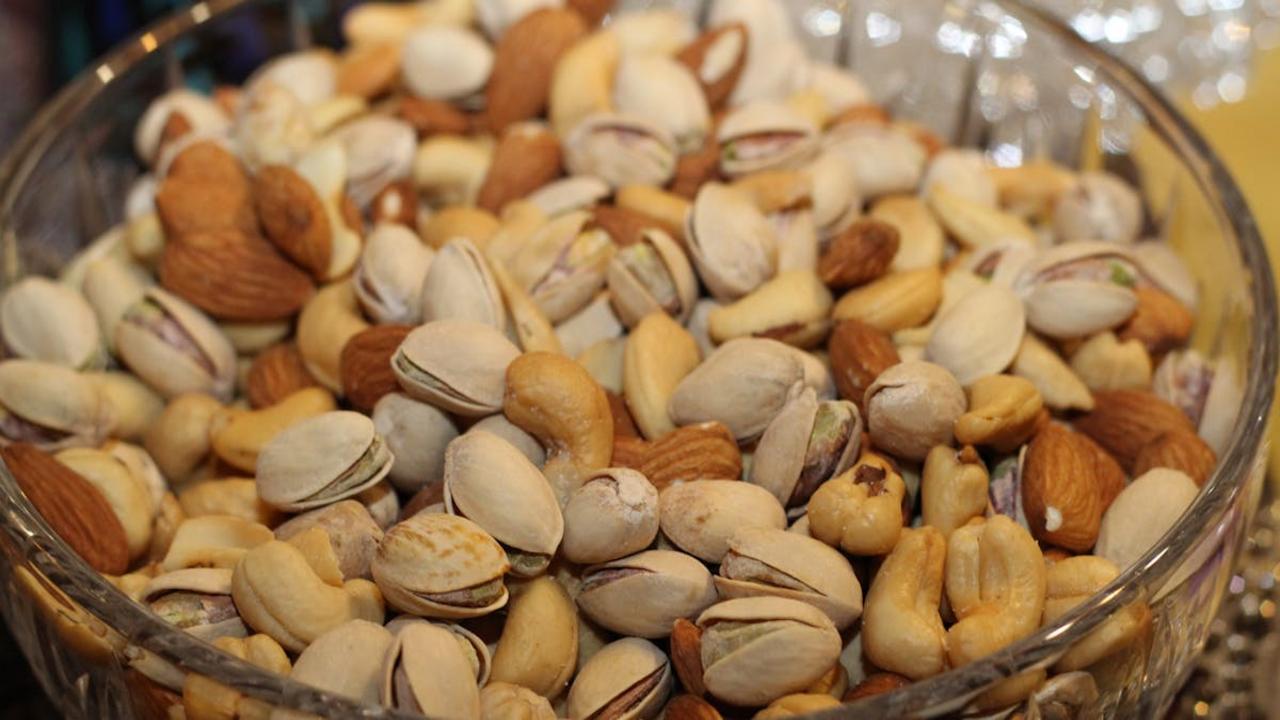
Listen, I get it – you’re standing in the grocery store staring at a $30 piece of wagyu beef like it’s made of literal gold, and your wallet is giving you the evil eye. Here’s where the magic of substitution swoops in like a culinary superhero! Smart chefs know that sometimes the best flavor comes from thinking outside the expensive box. That gorgeous saffron you can’t afford? Turmeric mixed with a pinch of paprika gives you that golden color and earthy warmth without requiring a second mortgage. True story: I once watched a chef at a tiny bistro in Lyon create the most incredible “truffle” pasta using mushroom powder, garlic, and a secret weapon – nutritional yeast – that had diners convinced they were eating the real deal.
The beauty of substitution lies in understanding what each ingredient actually brings to the party. Expensive vanilla beans? Scrape out the seeds from one pod and mix them with vanilla extract to stretch that precious flavor across multiple desserts. Need that umami punch of aged Parmesan but your budget screams “no way”? Combine regular Parmesan with a spoonful of white miso paste – boom, instant depth and complexity for a fraction of the cost. I learned this trick from a James Beard winner who confessed she uses this combo in her restaurant’s famous risotto. The secret is knowing that most “luxury” ingredients have humble cousins that, with a little creativity and maybe an extra spice or two, can deliver nearly identical results. Your taste buds won’t know the difference, but your bank account definitely will!
Buy Seasonal Items
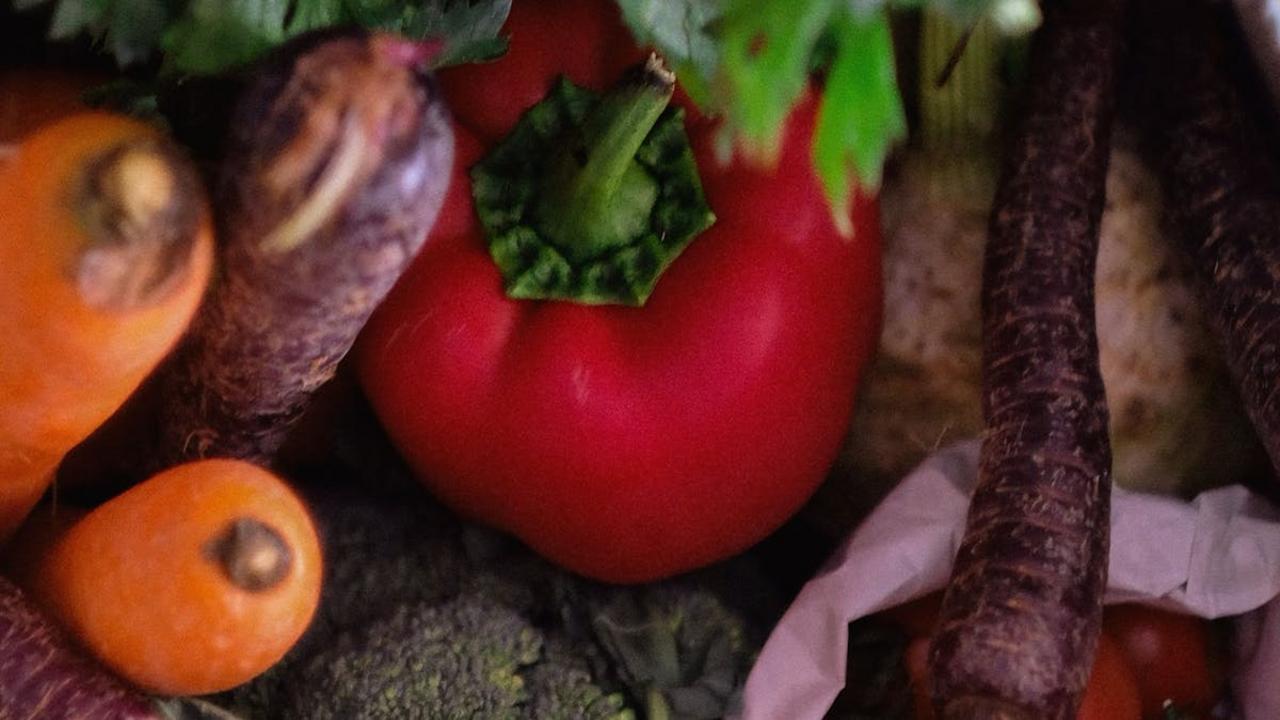
Your wallet will thank you for this brilliant move, and your dinner guests will think you’re some kind of food wizard. Seasonal shopping isn’t just about being trendy – it’s about timing the market like a savvy investor, except instead of stocks, you’re dealing with strawberries and asparagus. When produce hits peak season, prices drop faster than a soufflé in a thunderstorm. Summer tomatoes cost pennies compared to their sad, flavorless winter cousins that taste like disappointment wrapped in red skin. Spring asparagus practically begs you to take it home, while fall squash varieties pile up at farmers markets like orange and green treasures waiting to be discovered.
The secret lies in understanding nature’s timing and planning your fancy meals accordingly. Those $8-per-pound morel mushrooms in spring? They’re worth every penny because they disappear faster than free samples at Costco. Smart chefs build their menus around what’s abundant, not what sounds impressive on paper. You can create a stunning dinner party featuring peak-season ingredients for half the cost of forcing exotic, out-of-season items onto your table. Plus, seasonal ingredients taste infinitely better – there’s a reason your grandmother’s summer peach cobbler lives rent-free in your food memories while that January peach you bought tasted like wet cardboard with commitment issues.
Choose Store Brands

Listen, I get it—walking past those fancy labels with their gold foil and promises of artisanal perfection feels like betraying your inner foodie. But here’s the secret chefs have been whispering about for decades: store brands often come from the exact same factories as their bougie counterparts! That generic vanilla extract sitting modestly on the bottom shelf? It’s probably made by the same company that produces the premium version selling for three times the price. The only difference is the packaging and your wallet’s opinion about itself afterward.
Smart chefs know that choosing store brands for pantry staples like flour, sugar, baking soda, and basic spices can free up serious cash for the ingredients that truly matter—like that gorgeous piece of fish or those perfect heirloom tomatoes. Many store brands actually exceed FDA standards and undergo the same rigorous testing as name brands. Plus, grocery chains stake their reputations on these products, so they’re not messing around with quality. Save your splurging for items where brand really makes a difference, like aged balsamic vinegar or specialty cheeses. Your bank account will thank you, and your dishes will taste just as spectacular!
Search for Online Deals

Listen, I know what you’re thinking – hunting for deals online sounds about as exciting as watching paint dry on a rainy Tuesday. But hear me out! The internet has become your secret weapon for scoring those fancy ingredients that usually make your wallet weep. I once found Himalayan pink salt for 60% off because some warehouse had too much inventory and needed to clear it out fast. The same salt that costs $15 at my local gourmet shop? I snagged it for $6, and it arrived at my door faster than my neighbor’s cat can knock over my herb garden. Online retailers often have flash sales, bulk discounts, and clearance sections that physical stores simply can’t match due to overhead costs.
The real magic happens during off-peak seasons and holiday sales – that’s when truffle oil, saffron, and premium vanilla beans go from “mortgage payment” prices to “treat yourself” territory. Sign up for newsletters from specialty food sites, set price alerts on comparison shopping apps, and bookmark those warehouse club websites that sell restaurant-quality ingredients in larger quantities. I’ve built an entire spice collection this way, scoring everything from cardamom pods to sumac at prices that would make a restaurant supply manager jealous. Pro tip: many online spice companies offer sample sizes for a fraction of the cost, so you can experiment with exotic flavors without committing to a full container of something that might taste like dirt mixed with regret.
Join Wholesale Clubs

Listen, I used to think wholesale clubs were just places where families of twelve bought toilet paper by the pallet, but then I discovered their secret weapon: bulk premium ingredients at prices that won’t make you weep into your wallet. Picture this: you walk into Costco and find yourself face-to-face with a two-pound container of saffron threads for less than what you’d pay for a tiny pinch at the grocery store. Sure, you’ll have enough saffron to last until the next ice age, but think of all the paella parties you can throw! These warehouse wonderlands stock everything from massive blocks of aged Parmigiano-Reggiano to restaurant-sized bottles of truffle oil that would normally cost you a kidney.
The trick is splitting these behemoth purchases with your foodie friends or that neighbor who always “borrows” your good olive oil anyway. I once convinced three friends to go in on a five-pound bag of vanilla beans from Sam’s Club, and we each walked away with enough pods to vanilla-fy our baking for months. Pro tip: bring a cooler and some ziplock bags because you’ll want to portion everything immediately. Yes, you might look slightly unhinged dividing forty pounds of butter into smaller packages in the parking lot, but your future self will thank you when you’re making croissants at 2 AM without breaking the bank.
Find Local Farmers Markets
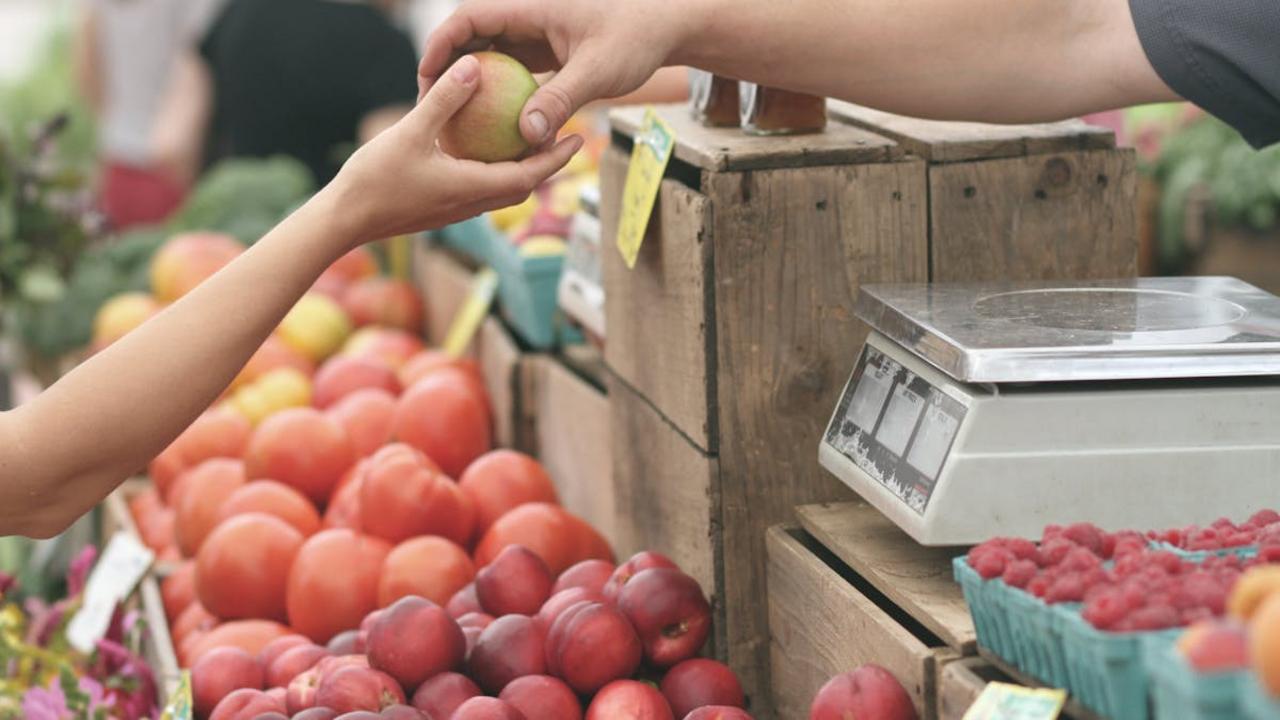
You know that feeling when you walk into a grocery store and your wallet starts weeping at the sight of $8 asparagus? Well, here’s your rescue mission: farmers markets are like treasure hunts where the treasure is actually affordable, gorgeous produce that makes your fancy restaurant dishes sing. I discovered this secret weapon when I spotted organic heirloom tomatoes for half the supermarket price, and the farmer threw in free basil because I complimented his dog. These markets aren’t just about saving money—they’re about getting ingredients so fresh they practically have morning dew still clinging to them, which means maximum flavor impact from every precious dollar you spend.
The best part about farmers markets goes beyond the budget-friendly prices: you’re getting produce at peak ripeness that will stretch further in your cooking because the flavors are so concentrated. That $3 bunch of carrots from the farmer who grew them with love will give you more bang for your buck than those sad, rubbery supermarket specimens that taste like crunchy water. Plus, many vendors offer end-of-day discounts that would make a coupon enthusiast weep with joy. Did you know that farmers markets typically offer produce that’s been harvested within 24-48 hours, compared to grocery store produce that might be weeks old? Your expensive recipes deserve ingredients that haven’t traveled more miles than most people’s vacation photos!
Purchase Frozen Alternatives

Your wallet doesn’t need to cry every time you crave those beautiful wild blueberries or pristine shrimp that cost more than your monthly streaming subscriptions combined. Here’s a secret that fancy restaurant chefs whisper about in walk-in coolers: frozen ingredients often pack the same nutritional punch as their fresh counterparts, sometimes even more! Take frozen spinach – it gets flash-frozen at peak ripeness, locking in more iron and vitamins than that sad bag of fresh greens wilting in your crisper drawer. Plus, you can buy a massive bag of frozen berries for the price of a tiny clamshell of fresh ones, and they won’t judge you for eating ice cream at 2 AM while they wait patiently in your freezer.
The magic happens because frozen seafood, vegetables, and fruits get processed immediately after harvest or catch, preserving their peak flavor and texture. That bag of frozen wild-caught salmon? It was probably swimming in Alaskan waters just days before landing in your grocery cart, while that “fresh” fish at the counter might have been on a scenic tour of three different distributors. Smart chefs stock their freezers with frozen peas (perfect for risottos), frozen berries (smoothie heroes and pie fillings), and frozen shrimp (ready for pasta night in minutes). You’ll save serious cash while keeping restaurant-quality ingredients on hand whenever inspiration strikes your kitchen creativity.
Shop at International Markets

Your neighborhood international market might just become your new best friend in the fight against expensive ingredients. While you’ve been paying premium prices at fancy grocery stores for a small jar of harissa paste, the Middle Eastern market down the street has been selling massive containers for half the price. These hidden gems stock authentic spices, specialty oils, and rare ingredients that would cost you a fortune elsewhere. I once found real vanilla beans from Madagascar for $3 each at an Ethiopian market, while my regular supermarket wanted $8 for two sad, dried-up pods that looked like they’d been sitting there since the Clinton administration.
The secret lies in turnover and authenticity – these markets cater to communities who actually cook with these ingredients daily, so everything stays fresh and fairly priced. That exotic fish sauce you need for your pho? The Vietnamese grocery has five different brands, all under $4. Fresh curry leaves, black cardamom, or dried chiles that would send your regular grocery budget into cardiac arrest suddenly become accessible. Plus, you’ll discover ingredients you never knew existed, like tamarind paste or sumac berries, opening up whole new flavor profiles without breaking the bank. The owners often become your unofficial cooking consultants too, sharing tips on how to use unfamiliar ingredients that transform your kitchen adventures.
Buy in Bulk
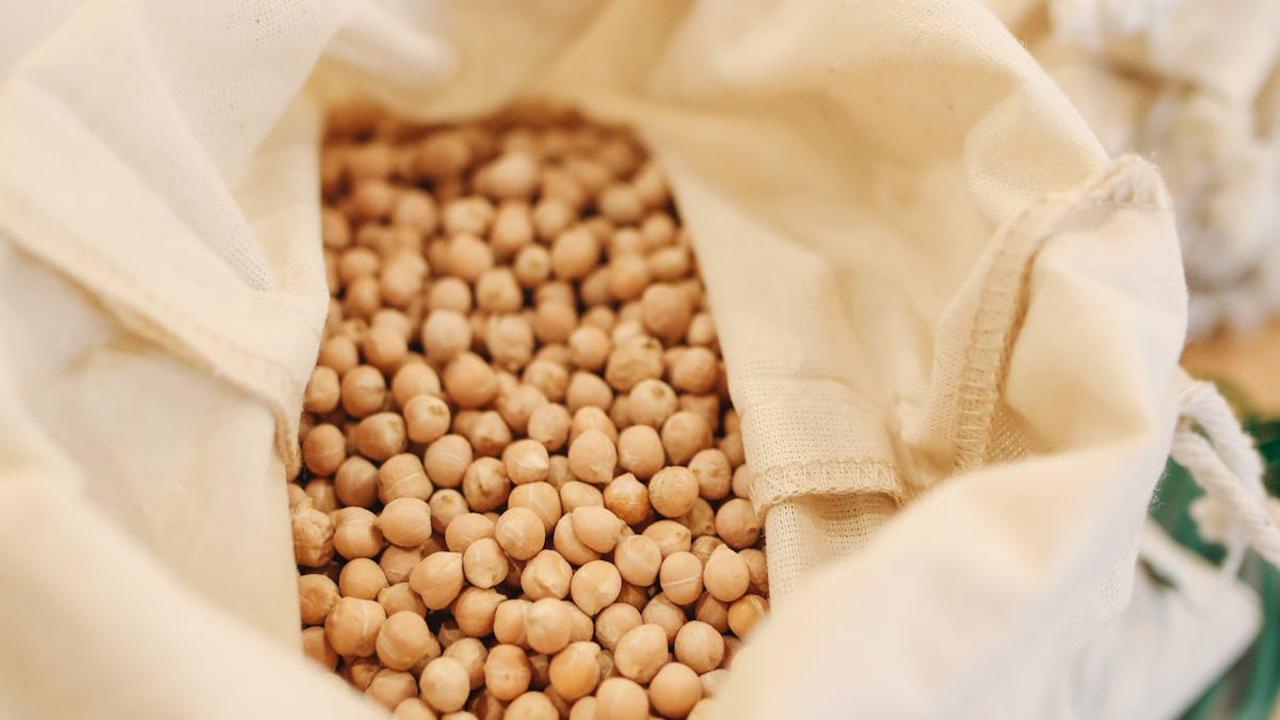
You know that moment when you’re standing in Costco with a 50-pound bag of flour, wondering if you’ve officially lost your mind? Don’t worry—you haven’t! Buying expensive ingredients in bulk is like having a secret superpower that makes your wallet sing happy songs. That massive container of saffron threads might seem intimidating at first, but here’s the beautiful truth: per-gram pricing drops dramatically when you go big. Professional kitchens figured this out decades ago, which is why they can afford to use premium ingredients without declaring bankruptcy. You’re basically joining an exclusive club of smart shoppers who understand that vanilla beans, aged balsamic vinegar, and quality olive oil become surprisingly affordable when purchased in restaurant-sized quantities.
The real magic happens in your freezer and pantry, where proper storage transforms bulk buying from overwhelming to genius-level meal planning. Those extra vanilla beans? They’ll infuse sugar for months, creating liquid gold for your baking adventures. That enormous block of Parmigiano-Reggiano can be grated, frozen in portions, and sprinkled on everything from pasta to popcorn for the next six months. Smart storage containers become your best friends—invest in airtight bins, vacuum sealers, and freezer-safe bags to keep your bulk treasures fresh. You’ll find yourself reaching for premium ingredients more freely because you know there’s plenty in reserve, which naturally elevates every single dish you create.