10 Amish Comfort Food Classics You Will Want to Try at Least Once
Picture this: you’re driving through Pennsylvania Dutch country, and the aroma of fresh-baked bread drifts through your car window. That’s your first hint that Amish comfort food doesn’t mess around. These folks have perfected the fine balance between hearty and heavenly, creating dishes that stick to your ribs and warm your soul.
Forget your fancy fusion restaurants – Amish kitchens operate on a simple philosophy: real ingredients, time-honored techniques, and enough butter to make Paula Deen weep with joy. Their recipes have survived generations without Instagram or food blogs, proving that truly great food speaks for itself through satisfied stomachs and happy families.
From sweet treats that’ll send you into sugar-induced bliss to savory dishes that redefine comfort, these ten classics represent centuries of kitchen wisdom. Each bite tells a story of community, tradition, and the belief that food should nourish both body and spirit. Ready to discover what real comfort food looks like?
Dutch Apple Dumplings
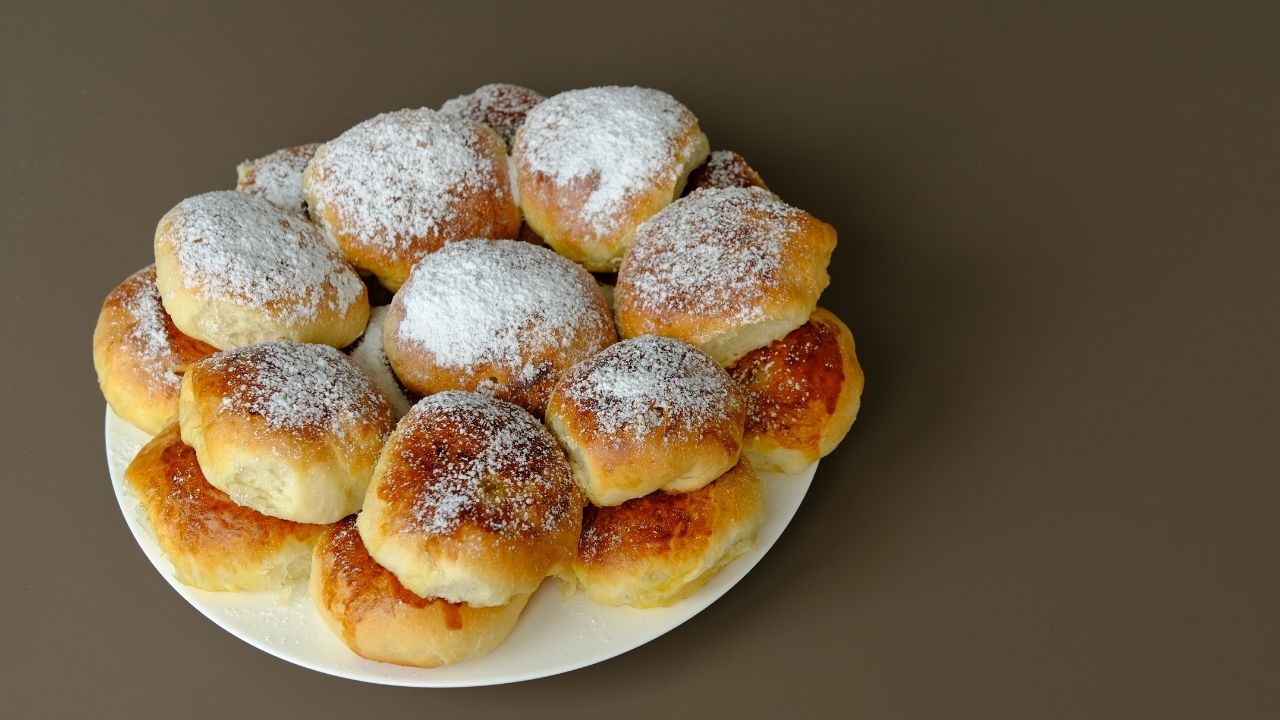
Picture this: you’re holding what looks like a perfectly wrapped present, except instead of ribbon and paper, it’s tender pastry cradling a whole apple that’s been stuffed with cinnamon, sugar, and enough butter to make your cardiologist weep. Dutch apple dumplings represent the Amish commitment to turning simple ingredients into something that’ll make you question every dessert decision you’ve ever made. These aren’t your grandmother’s apple turnovers – we’re talking about entire apples getting the royal treatment, wrapped in flaky pastry like edible gift boxes that happen to smell like heaven decided to open a bakery.
The magic happens when these beauties hit the oven and transform into golden orbs of pure comfort. The apple steams inside its pastry cocoon, creating its own little flavor explosion while the outside develops that perfect crispy-yet-tender texture that makes you want to propose marriage to whoever made them. Amish cooks often serve these warm with a drizzle of cream or a scoop of vanilla ice cream, because apparently they believe in living dangerously. Fun fact: the Pennsylvania Dutch (who aren’t actually Dutch, but German – don’t ask me why) have been perfecting this recipe since the 1700s, which means they’ve had centuries to figure out exactly how much cinnamon makes people lose their minds with joy.
Pickled Tongue
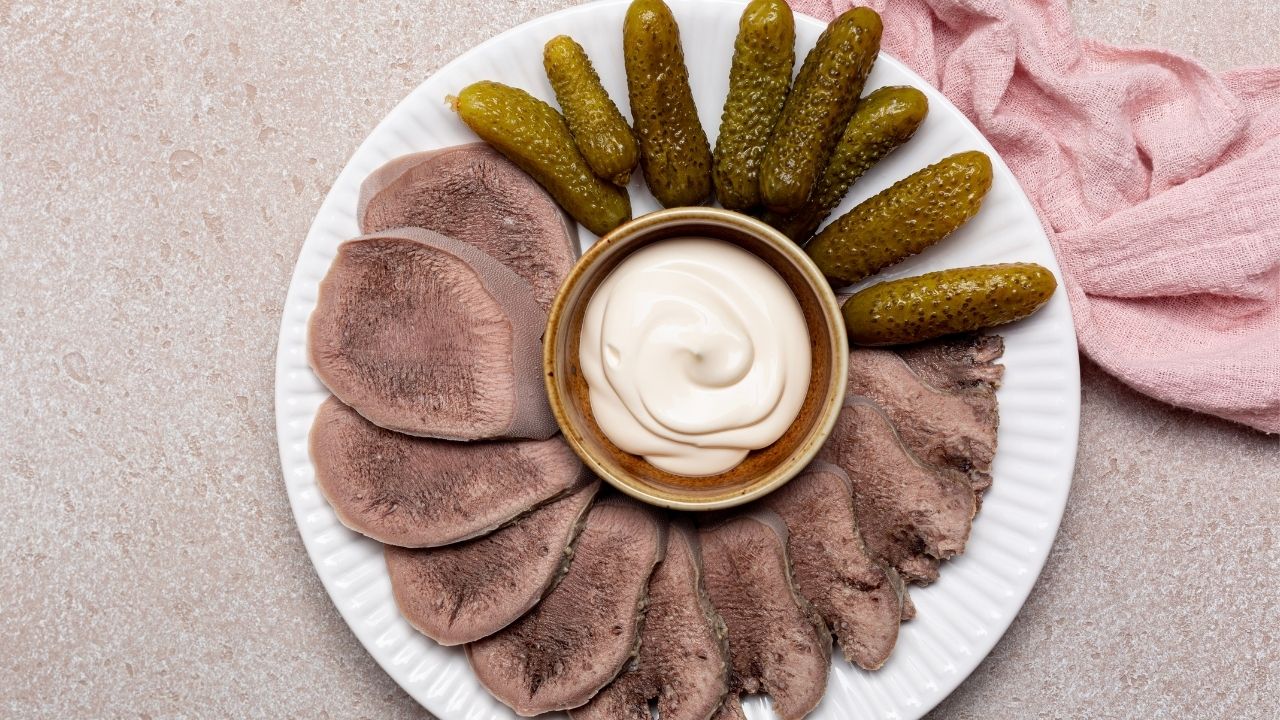
Before you wrinkle your nose and scroll past this one, hear me out! Pickled tongue might sound like something your great-great-grandmother threatened you with when you misbehaved, but the Amish have turned this humble organ meat into something surprisingly tender and flavorful. Think of it as the ultimate nose-to-tail eating before that phrase became trendy in fancy restaurants. The Amish pickle beef tongue in a brine loaded with vinegar, spices, and enough salt to make your blood pressure monitor beep indignantly. What you get is meat so soft you could cut it with a butter knife, with a tangy kick that’ll wake up every receptor in your mouth.
Now, I know what you’re thinking – “Emily, have you completely lost your marbles?” But stick with me here! This isn’t some bizarre Fear Factor challenge; it’s actually quite delicious once you get past the mental hurdle. The texture resembles a cross between corned beef and the most tender pot roast you’ve ever had, while the pickling process adds this bright, acidic punch that cuts through the richness beautifully. Amish families often serve it thinly sliced on fresh bread with a smear of mustard, turning what could be an intimidating protein into the world’s most conversation-starting sandwich. Trust me, once you try it, you’ll understand why this peculiar preservation method has stuck around for generations – and you might even find yourself bragging about your adventurous palate at dinner parties.
Fry Pies

Picture this: you’re walking through an Amish market, and suddenly you spot these golden, half-moon pastries that look like they just jumped out of a fairy tale. That’s a fry pie, my friend – basically a handheld slice of heaven that makes regular pies look like they need to step up their game. These beauties are essentially fruit-filled pockets of dough that get dunked in hot oil until they turn crispy and golden, creating the most satisfying contrast between the crunchy exterior and the molten fruit center inside. Apple reigns supreme as the classic filling, but you’ll also find cherry, peach, and sometimes even savory versions that’ll make your head spin with joy.
The genius of fry pies lies in their portability – no fork required, no messy plate to balance, just pure handheld bliss that you can eat while wandering around a farmers market or sitting on your front porch. The Amish have been perfecting this technique for generations, and trust me, they’ve got it down to a science. The dough needs to be just thick enough to hold all that fruity goodness without breaking, but thin enough to get properly crispy when it hits that oil. Fair warning though: these little devils are molten lava hot on the inside, so take small bites unless you want to experience what it feels like to breathe fire like a dragon.
Corn Fritters
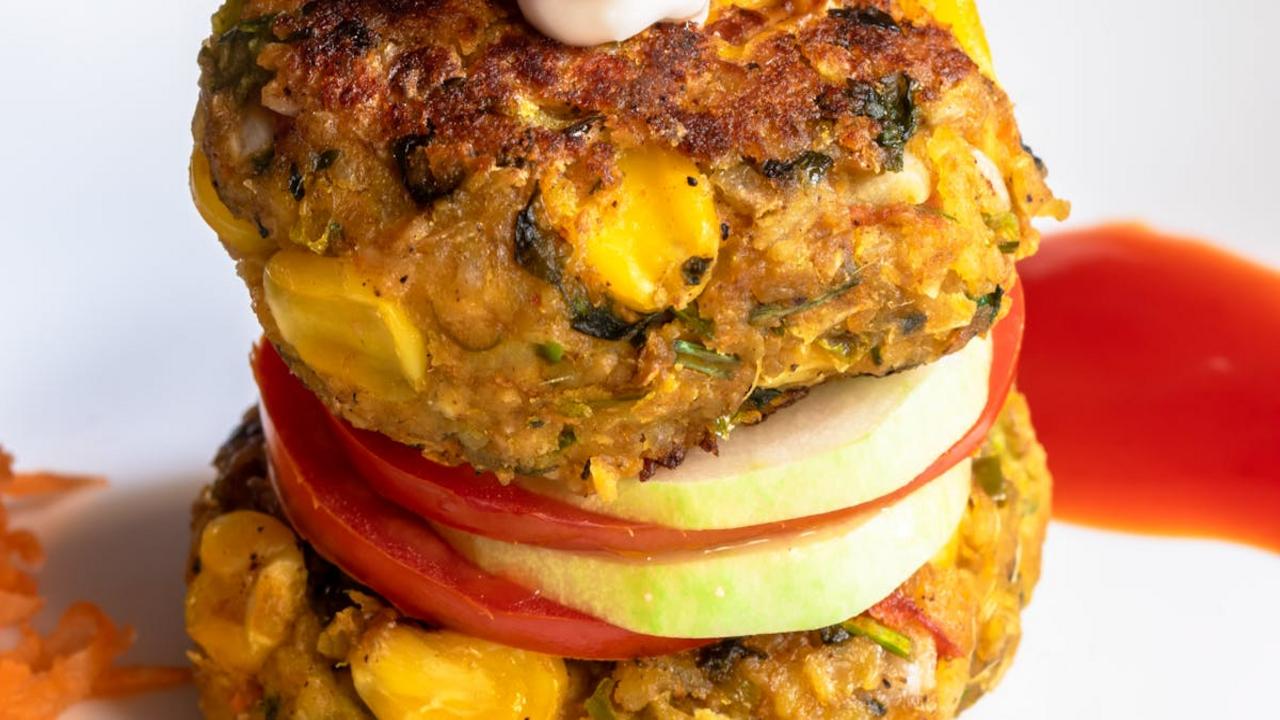
Picture this: you’re sitting at a wooden table that’s seen more family gatherings than a wedding photographer, and someone plops down a plate of golden, crispy orbs that look like they fell straight from heaven’s deep fryer. These corn fritters aren’t just food—they’re edible sunshine with a crunch that could wake the dead. The Amish have perfected this simple combination of fresh corn kernels, flour, and eggs into something so addictive, you’ll find yourself sneaking into the kitchen at midnight for “just one more.” What makes them truly special is that hint of sweetness from the corn playing tag with the savory batter, creating a flavor party in your mouth that nobody invited but everyone’s thrilled about.
The beauty of corn fritters lies in their complete lack of pretension—no fancy techniques or exotic ingredients required, just honest-to-goodness comfort food that hugs you from the inside out. Fresh corn works best (obviously), but don’t beat yourself up if you grab a can from the pantry during those desperate winter months when fresh corn is as rare as a quiet toddler. Drop spoonfuls of batter into hot oil and watch them puff up like tiny golden clouds, then serve them hot with a drizzle of maple syrup or honey. Pro tip: make extra because these disappear faster than your good intentions on a Monday morning, and trust me, there’s nothing sadder than an empty fritter plate and a houseful of disappointed faces.
Amish Peanut Butter Spread
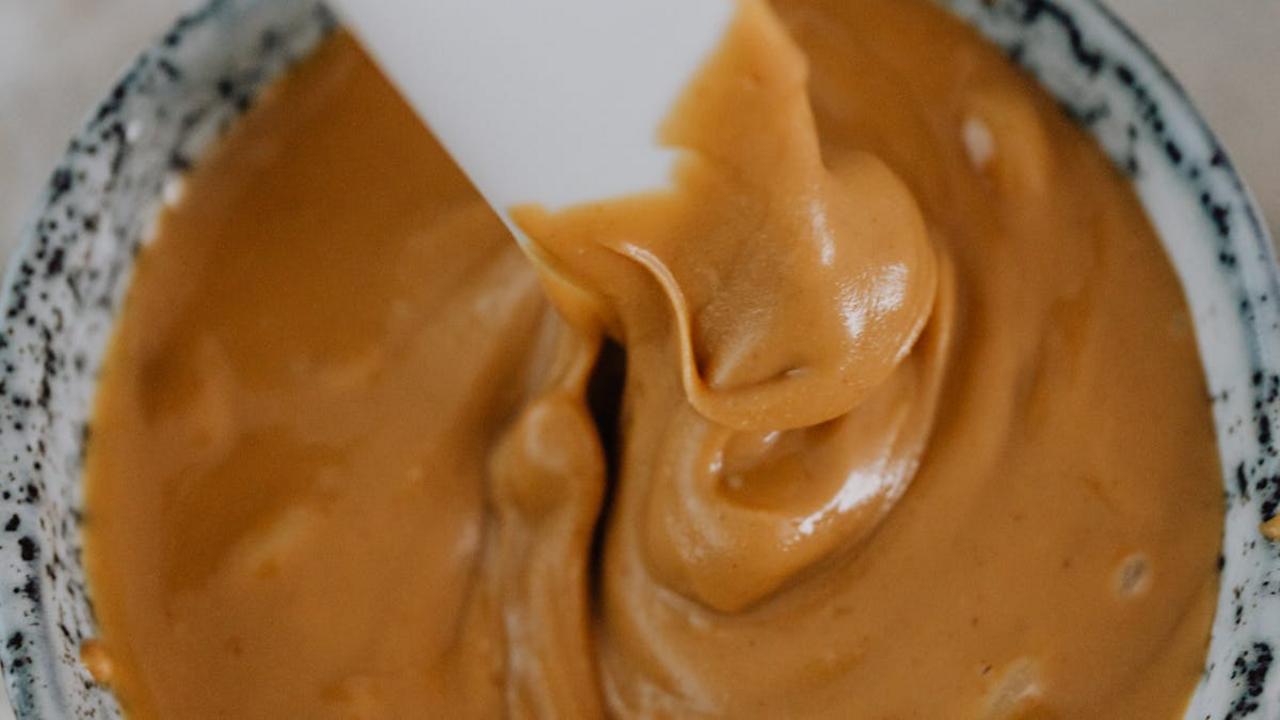
Picture this: you’re wandering through an Amish market, and suddenly you spot a jar that looks like someone took regular peanut butter and decided to throw a party with marshmallow fluff and corn syrup. That’s Amish peanut butter spread, and trust me, it’s nothing like the stuff you slather on your morning toast. This creamy, cloud-like concoction has the texture of frosting but the soul of comfort food. The Amish have been whipping up this sweet spread for generations, originally creating it as a way to make peanut butter stretch further during lean times. What started as practical penny-pinching turned into pure genius.
The beauty of this spread lies in its versatility and sheer indulgence factor. You can dollop it on fresh bread, use it as a dip for apple slices, or simply eat it straight from the jar when nobody’s watching (we’ve all been there). The traditional recipe calls for equal parts peanut butter, marshmallow cream, and light corn syrup, whipped together until it reaches that perfect cloud-nine consistency. Some Amish families add a touch of vanilla or even honey for extra flavor complexity. Fair warning though: once you try this heavenly creation, your regular peanut butter will seem as exciting as cardboard. It’s basically childhood happiness captured in a jar, and honestly, who couldn’t use more of that?
Beet Eggs
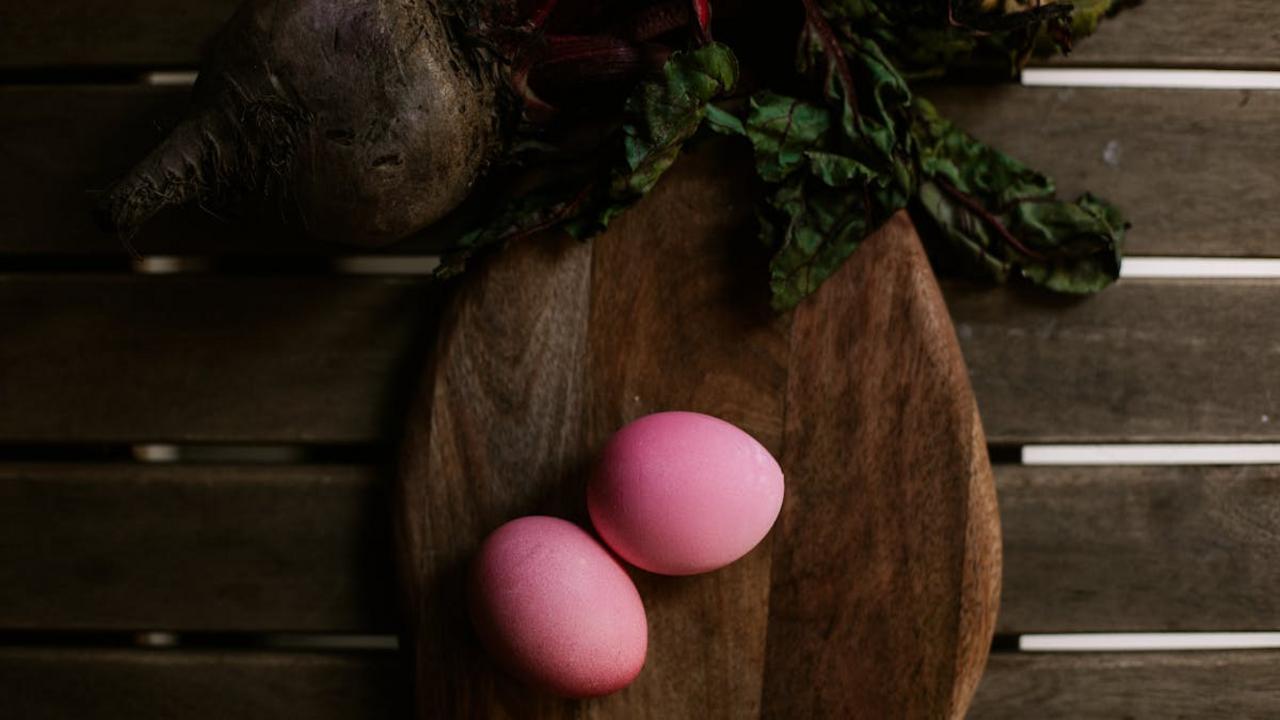
Picture this: you crack open what you think is a regular hard-boiled egg, only to discover it’s been transformed into something that looks like it belongs in a fairy tale. That’s the magic of beet eggs, where ordinary peeled hard-boiled eggs take a luxurious bath in pickled beet juice until they turn the most gorgeous shade of magenta. The Amish have been making these ruby-red beauties for generations, and honestly, they knew what they were doing. The eggs absorb not just the stunning color but also a sweet-tangy flavor that makes your regular deviled eggs seem downright boring in comparison.
Making beet eggs is easier than convincing your cat to stay off the kitchen counter. You simply boil your eggs, peel them while they’re still warm (trust me on this timing), then let them swim in leftover beet pickling liquid or a quick mixture of beet juice, vinegar, sugar, and spices. After 24 hours, you’ve got yourself Instagram-worthy eggs that pack a punch of flavor. The best part? Kids absolutely lose their minds over these purple eggs – suddenly, protein becomes the coolest thing on their plate. Pro tip: save some of that beautiful pink beet liquid to pickle other vegetables, because waste not, want not, and your refrigerator will thank you for the pop of color.
Shoofly Pie
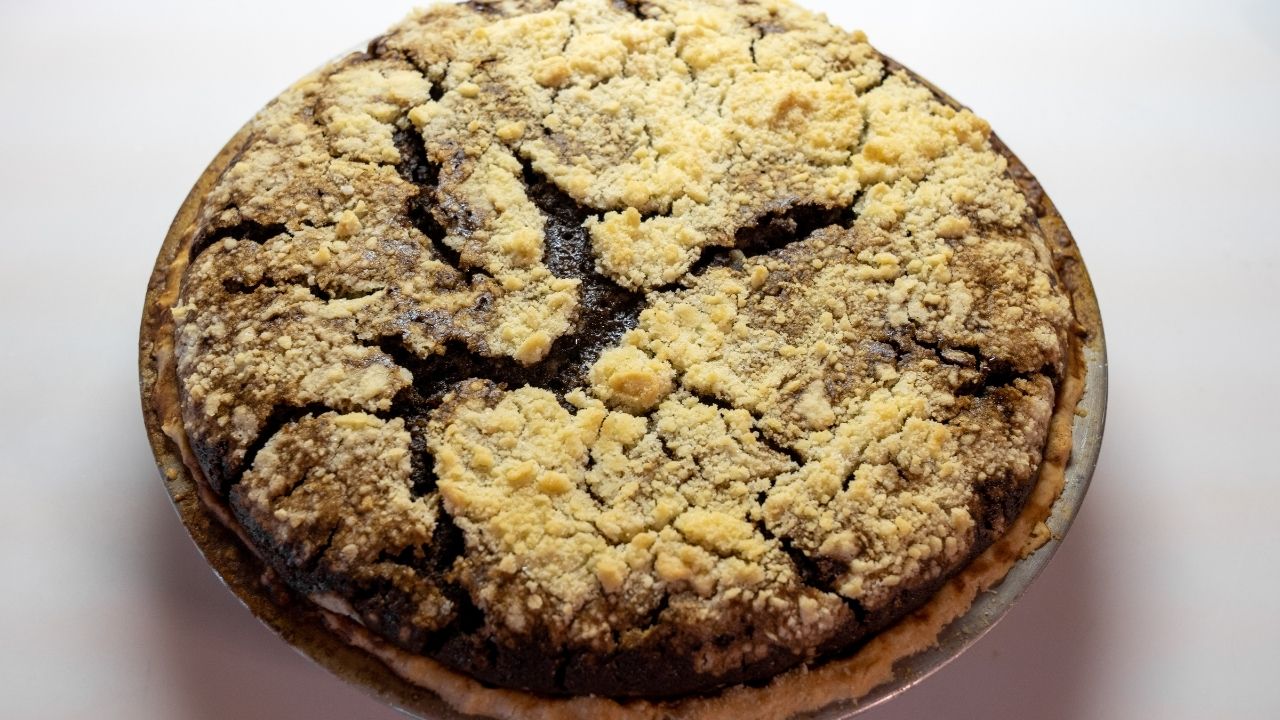
Shoofly Pie stands as Pennsylvania Dutch dessert royalty, and honestly, you’ve never experienced anything quite like it. Picture this: a molasses-based filling that’s part cake, part custard, all magic, topped with a crumbly mixture that’ll make you question every other dessert you’ve ever called “favorite.” The name comes from the fact that flies literally couldn’t resist this sweet masterpiece – bakers had to constantly shoo them away from cooling pies on windowsills. Smart flies, if you ask me! This isn’t your typical fruit pie situation; instead, you get this wonderfully dense, sticky-sweet creation that tastes like childhood memories you wish you had.
The genius behind Shoofly Pie lies in its humble origins – Amish cooks created this beauty using pantry staples when fresh fruit wasn’t available. Molasses, flour, brown sugar, and a handful of basic ingredients transform into something that defies explanation. You’ll find two main camps: wet-bottom (where the molasses creates a gooey layer) and dry-bottom (more cake-like throughout). Both versions will knock your socks clean off, though wet-bottom devotees swear their version reigns supreme. Fair warning: one slice leads to another, and before you know it, you’re standing in your kitchen at midnight, fork in hand, wondering where half the pie disappeared to.
Schnitz un Knepp
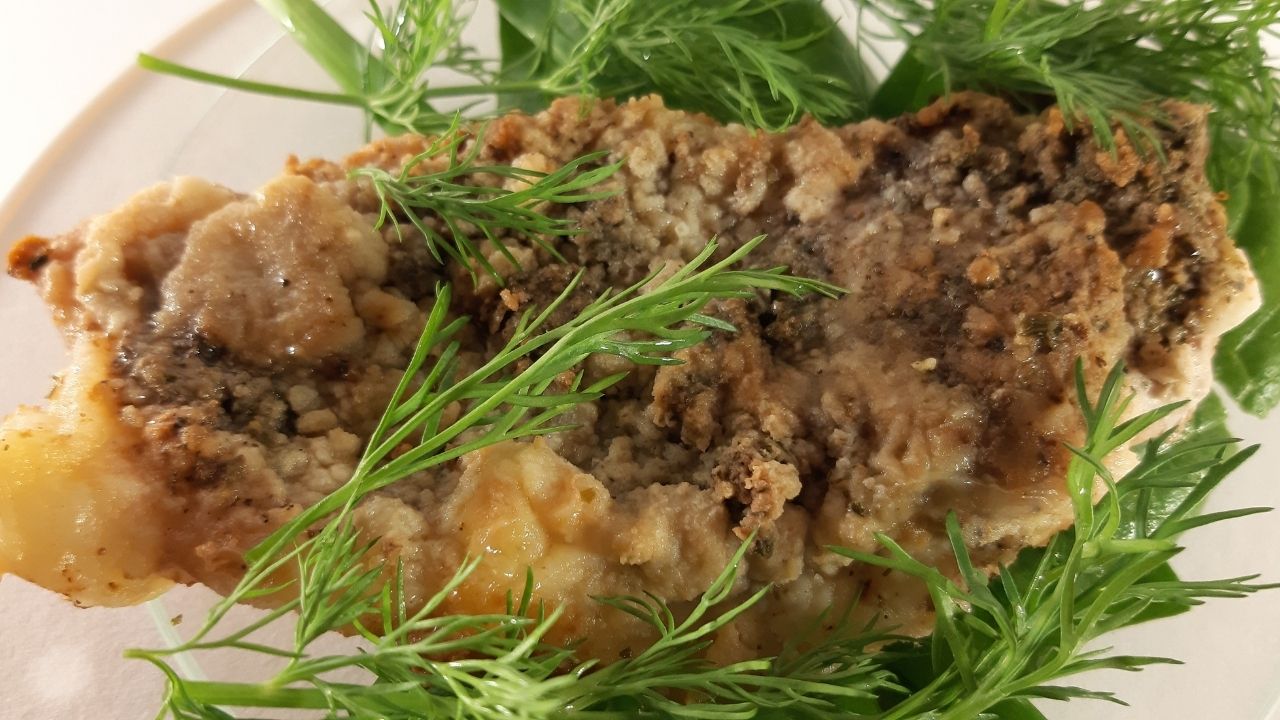
If you’ve never heard of Schnitz un Knepp, you’re missing out on what might be the most wonderfully named comfort food in Amish cooking. This Pennsylvania Dutch classic translates to “dried apples and dumplings,” but don’t let that simple description fool you—this dish packs more soul-warming power than a grandmother’s hug on a snowy day. Picture tender ham simmering away with sweet-tart dried apples, creating a broth so rich and aromatic that neighbors start mysteriously appearing at your door around dinnertime. The magic happens when fluffy dumplings get dropped right into that bubbling pot, soaking up all those incredible flavors while they puff up like little edible clouds.
What makes this dish absolutely brilliant is how it transforms humble pantry staples into something extraordinary. Amish cooks traditionally made this during apple harvest season, drying their surplus fruit to create meals that could sustain families through harsh winters. You’ll find yourself amazed at how the dried apples plump back up, becoming jammy and sweet while balancing the salty richness of the ham. The dumplings—oh, those glorious dumplings—are like pillowy sponges that capture every drop of that complex, fruity-savory broth. Fair warning: once you try this one-pot wonder, you’ll understand why Amish families have been making it for generations, and you’ll probably start planning your next batch before you’ve finished your first bowl.
Chicken Corn Soup

This isn’t your grandmother’s chicken noodle soup, unless your grandmother happened to be Amish and knew the secret to creating liquid gold in a pot. Chicken corn soup stands as the ultimate comfort food champion in Amish kitchens, where whole kernels of sweet corn swim alongside tender shreds of chicken in a broth so rich it could probably cure whatever ails you. The magic happens when homemade egg noodles join the party, creating a symphony of textures that’ll make you question why anyone ever invented canned soup in the first place.
What makes this soup particularly genius is how Amish cooks transform simple ingredients into something that tastes like a warm hug from the inside out. They often use corn straight from their own fields, chicken from their own coops, and noodles rolled by hand on well-worn wooden tables. The result is a soup so satisfying that one bowl rarely suffices, and you’ll find yourself ladling out seconds before you’ve even finished your first helping. Pro tip: if you make this at home, prepare to become the neighborhood hero because the aroma alone will have people mysteriously appearing at your door with empty bowls and hopeful expressions.
Soft Pretzels
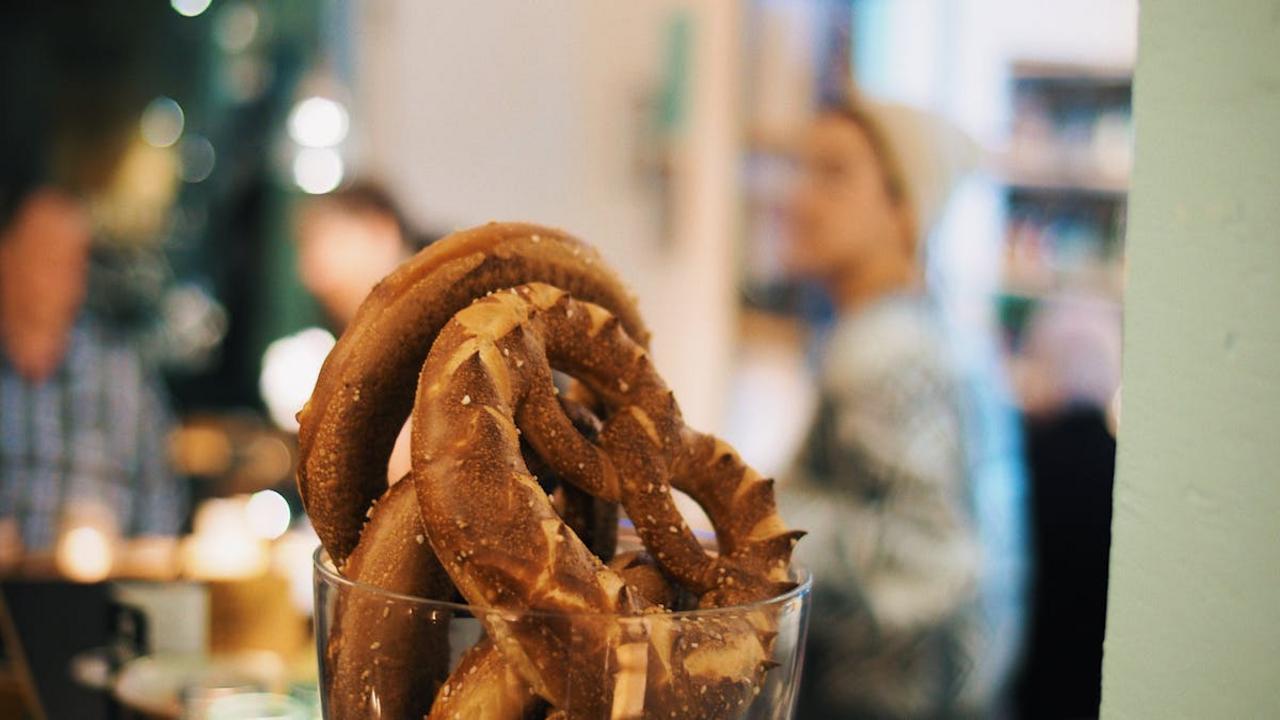
Picture this: you’re walking through an Amish farmer’s market, and suddenly the most magnificent aroma hits you like a warm, carb-loaded hug. That’s the magic of authentic Amish soft pretzels calling your name! These twisted beauties aren’t your mall food court imposters – they’re thick, chewy masterpieces with a golden-brown exterior that crackles just enough to let you know you’re in for something special. The Amish have been perfecting this recipe for generations, and honestly, they’ve nailed it better than a Pennsylvania Dutch barn raising.
What makes these pretzels absolutely irresistible is their perfect balance of chew and tenderness, achieved through a traditional technique involving a quick boil in baking soda water before baking. This creates that distinctive shiny crust while keeping the inside pillowy soft. Fun fact: Amish families often make these by the dozen every Saturday, and kids compete to see who can twist theirs into the most perfectly symmetrical shape. Served warm with coarse salt or sweet cinnamon sugar, these pretzels will make you question every other carb you’ve ever eaten. Trust me, once you bite into one of these golden beauties, your relationship with bread will never be the same!