14 Coffee Chain Items You Should Skip According To Baristas And Regulars
Coffee chains tempt us with endless options, but not everything behind that glass case deserves your money. I’ve talked to baristas and regulars who’ve seen it all, and they’re ready to share which items consistently disappoint. From overpriced water bottles to pastries that taste like cardboard, these spots often prioritize convenience over quality.
Your morning ritual should fuel your day, not drain your wallet on mediocre products. Many chain offerings rely heavily on processed ingredients and artificial flavors that mask poor quality. Understanding what to avoid helps you make smarter choices and actually enjoy what you’re consuming.
This guide breaks down fourteen items that insiders consistently recommend skipping. Whether you’re grabbing breakfast on the go or treating yourself to an afternoon pick-me-up, knowing these pitfalls saves you from buyer’s remorse. Your taste buds and bank account will thank you for being more selective about what ends up in your order.
Protein boxes
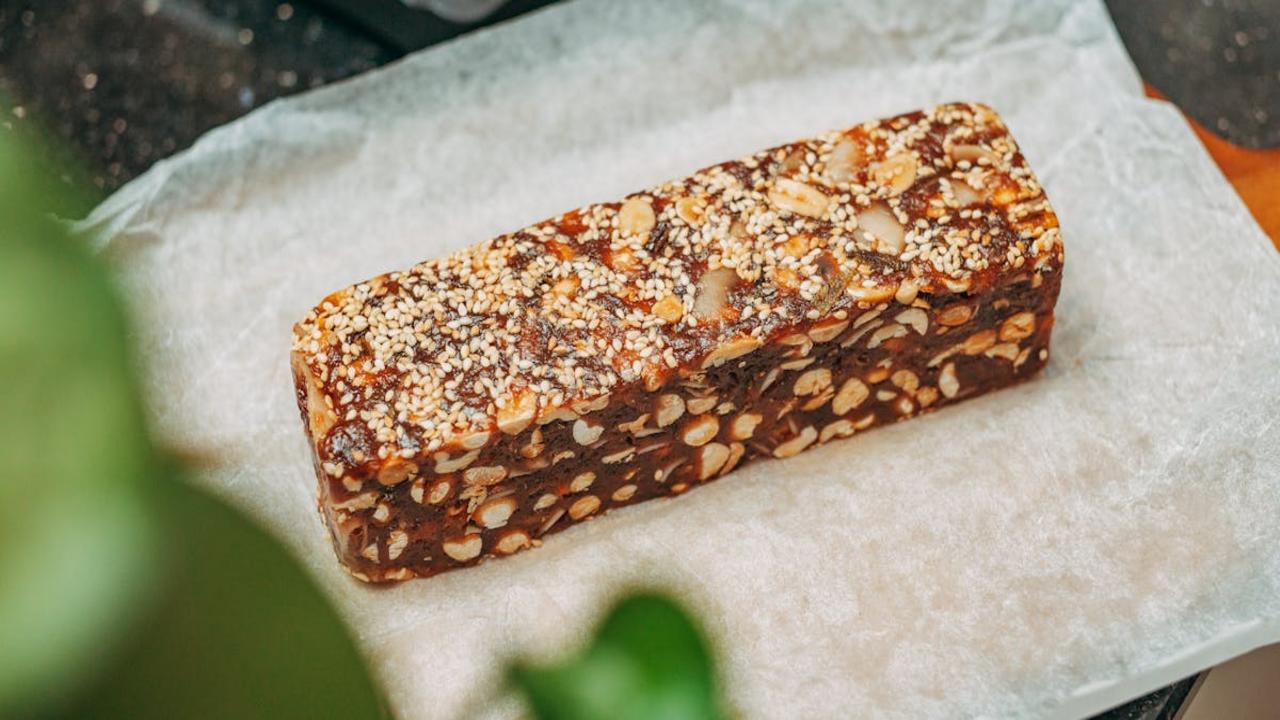
You know those protein boxes sitting in the refrigerated case at your favorite coffee shop? The ones that promise convenience and nutrition in a neat little package? Here’s the thing—they’re often overpriced for what you’re getting, and the quality doesn’t always match the cost. Baristas and regulars who’ve watched countless customers grab these boxes will tell you the same story: the cheese tastes rubbish, the crackers go stale, and those hard-boiled eggs have seen better days. You’re paying premium prices for ingredients that probably cost pennies when you buy them yourself at the grocery store. The vegetables often look sad and wilted, and the whole thing feels more like an afterthought than a proper meal.
Instead of dropping ten dollars on a protein box that leaves you unsatisfied, take fifteen minutes at home to prep your own. Grab some fresh vegetables, quality cheese you actually enjoy, nuts you love, and maybe some hummus or a homemade dip. Pack it in a container the night before, and you’ve got something fresher, tastier, and more satisfying. You control the portions, the quality, and most importantly, you know exactly what’s going into your body. Your wallet thanks you, and your taste buds definitely thank you. Plus, there’s something genuinely satisfying about creating your own balanced snack rather than relying on mass-produced options that sit under fluorescent lights all day.
Low-fat muffins
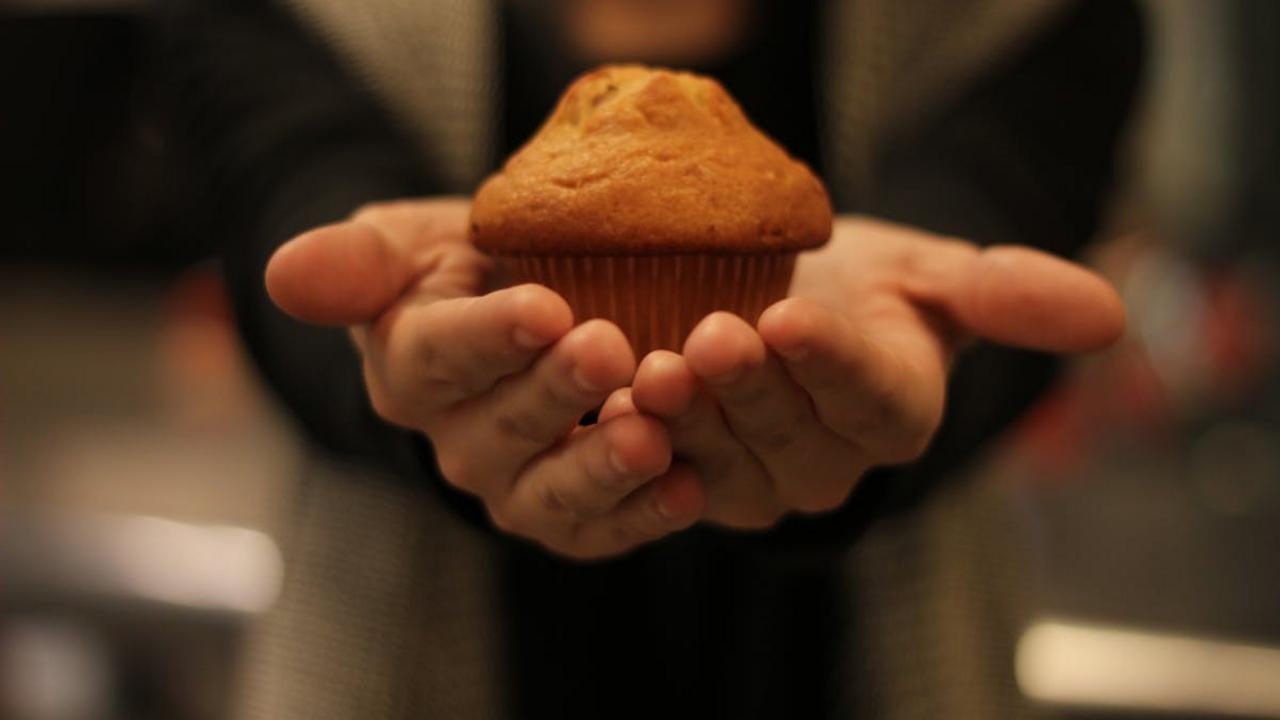
Walk past those low-fat muffins sitting under their plastic dome at the coffee counter. Trust me on this one—baristas who’ve watched these things sit for days will tell you the same. When you strip the fat from a muffin, you’re not creating something healthier; you’re creating a dense, gummy hockey puck that depends on extra sugar and stabilizers to mask the texture problems. The whole low-fat trend convinced us we were making better choices, but your body needs good fats to feel satisfied and energized. That coffee shop muffin labeled “low-fat” often packs more sugar than its full-fat cousin just to make it remotely palatable.
If you’re craving something with your morning coffee, grab a piece of fruit or save your appetite for a real muffin you can make at home. Mix whole wheat flour with mashed banana, Greek yogurt, and a handful of nuts. You’ll create something actually nourishing that doesn’t pretend to be healthy by removing the very ingredient that gives baked goods their tender crumb and keeps you full until lunch. Those pre-packaged, shelf-stable muffins have been sitting there precisely because the lack of fat means they can survive longer—not a great selling point when you’re trying to fuel your body with real food. Your morning deserves better than a compromise that satisfies neither your taste buds nor your nutritional needs.
Personalized tumblers

Those personalized tumblers sitting on the shelf near the register might catch your eye with their promise of keeping your drink at the perfect temperature, but veteran baristas will tell you they’re rarely worth the investment. The markup on these branded cups is astronomical—you’re paying premium prices for what’s essentially standard insulated drinkware with a coffee shop logo slapped on it. Regular customers who’ve bought into the hype often share stories of lids that crack within weeks, seals that fail after a few months of washing, or thermal properties that don’t live up to the marketing claims. The quality just doesn’t match what you’d get from a dedicated drinkware company at half the price.
What makes this even more frustrating is that most coffee chains heavily promote these tumblers as eco-friendly alternatives to disposable cups, yet they rarely last long enough to offset their environmental impact. You’re better off investing in a quality tumbler from a reputable brand that specializes in temperature retention and durability. Those will actually save you money over time and genuinely reduce waste. If you truly want to support your favorite coffee spot while being environmentally conscious, ask about their reusable cup discount program instead—many chains offer a small discount when you bring your own container, regardless of the brand. That approach saves you cash on every visit without the upfront cost of an overpriced tumbler that might end up in a landfill sooner than you’d expect.
Spices or condiments

You know those little shaker bottles of cinnamon, nutmeg, or cocoa powder sitting near the coffee station? Here’s something you need to hear: those containers rarely get the attention they deserve. I’ve watched baristas refill them from bulk containers that have been open for months, sometimes longer. The spices lose their potency over time, especially when exposed to air and light constantly. What you’re sprinkling on your cappuccino might be more dust than flavor. Even worse, those open containers collect moisture from steam wands and breathing space, creating a breeding ground for bacteria. The shakers themselves often go uncleaned for weeks, with residue building up around the holes and inside the cap.
Instead of reaching for those questionable shakers, I’d suggest bringing your own small container of fresh spices if you’re particular about your coffee toppings. Fresh cinnamon makes a world of difference—the aroma alone tells you everything. If you’re stuck at the coffee shop without your stash, skip the spices entirely and appreciate your drink as-is. The same goes for honey bears and syrup pumps that sit out all day. Those dispensers accumulate sticky residue that attracts everything from fruit flies to dust particles. Ask for packaged condiments instead, or better yet, sweeten your coffee at home where you control the quality. Your immune system will thank you, and honestly, you’ll taste the difference when you use fresh, properly stored ingredients that haven’t been sitting under harsh café lighting for indefinite periods.
Decaf coffee
Decaf coffee might seem like a safe bet when you want the ritual without the buzz, but baristas often cringe when you order it at chain coffee shops. The reality is that decaf sits in those pots for hours, slowly transforming into something more akin to burnt tire water than actual coffee. Most chains don’t move through their decaf inventory quickly enough because, let’s face it, fewer people order it. What you end up drinking is stale, over-extracted liquid that’s been sitting under a heat lamp, losing whatever flavor it had to begin with. It’s the coffee equivalent of reheating yesterday’s leftovers in the microwave five times over.
Here’s what really gets me: the decaffeination process itself strips away so much of what makes coffee special in the first place—those complex, nuanced flavors you actually want to taste. Then chain shops compound the problem by using lower-quality beans for their decaf offerings, banking on the assumption that if you’re ordering decaf, you probably won’t notice or care. But you deserve better than that! If you genuinely need to avoid caffeine, invest in good decaf beans from a specialty roaster and brew them fresh at home. Your taste buds will thank you, and you’ll actually enjoy what’s in your cup instead of choking down something that tastes like it was brewed during the previous administration.
Bottled juices

Those bottled juices sitting in the refrigerated display case at your coffee shop might seem like a healthy choice, but trust me, they’re worth skipping. Most of these juices are loaded with added sugars and preservatives, stripping away any nutritional value they might have once had. The fruit inside often sits pasteurized and processed for extended shelf life, meaning you’re basically drinking sugar water with a vitamin label slapped on it. Even the ones marketed as “fresh-pressed” or “cold-pressed” have usually been sitting around far longer than you’d think, losing nutrients by the day. You’re better off grabbing a piece of actual fruit or making your own juice at home where you control what goes in.
Think about it this way: when you buy bottled juice, you’re paying premium prices for something that took minimal effort to produce in massive batches. That same money could buy you fresh oranges or apples that you can eat whole, getting all the fiber and nutrients your body actually needs. I make big batches of fresh juice on Sunday mornings when citrus is in season, storing some in glass jars for the week ahead. The difference in taste and how your body feels afterward is night and day. Those coffee shop bottles are convenient, sure, but convenience shouldn’t come at the cost of your health or your wallet.
Breakfast sandwiches
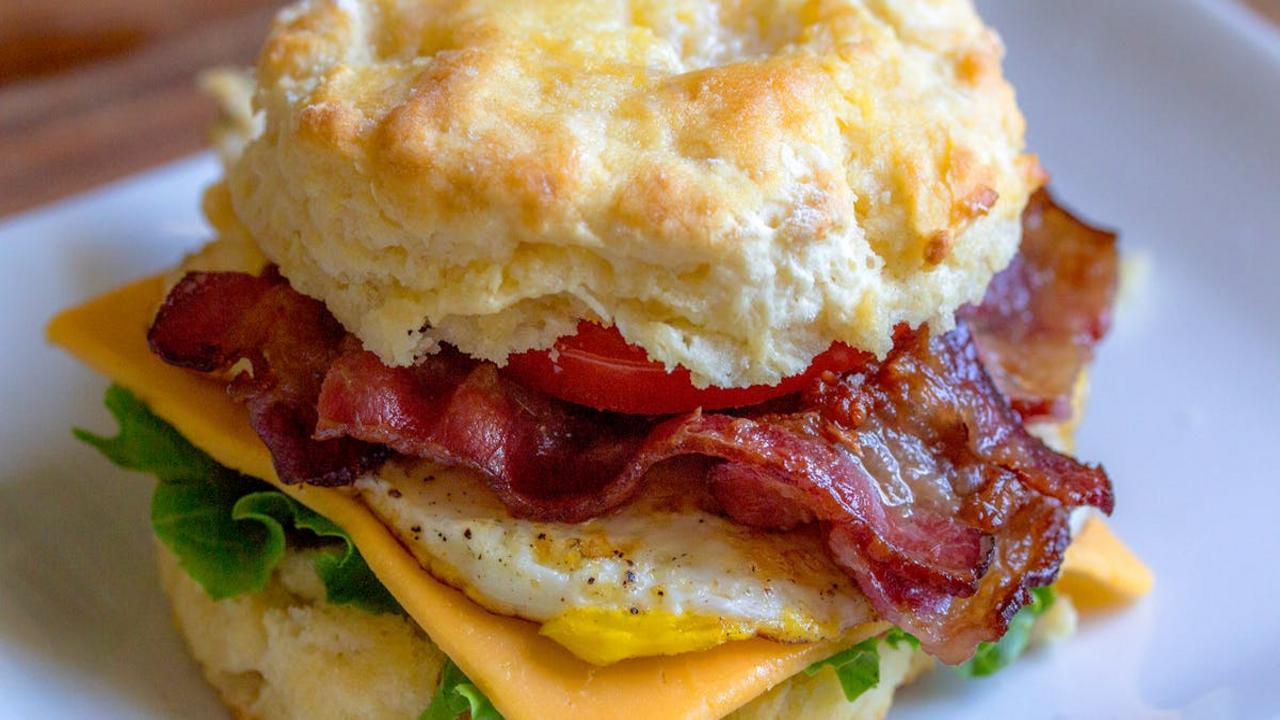
You walk into your favorite coffee shop, craving something quick and satisfying for breakfast. Those pre-made sandwiches sitting under the heat lamp look convenient, right? Here’s what I’ve learned from baristas and regular customers: those breakfast sandwiches have usually been sitting there far longer than you’d think. The eggs are often rubbery, the cheese barely melts, and the bread loses its texture after being wrapped in plastic and reheated multiple times. One barista confessed that some locations prep these sandwiches hours before opening, meaning what you’re eating could be from yesterday’s batch. The quality just doesn’t match what you could make yourself in the same amount of time it takes to wait in line.
Instead of settling for a mediocre sandwich, grab a fresh bagel or croissant from the bakery case and pair it with your coffee. You’ll save money and get something that actually tastes fresh. If you need protein, many shops now offer yogurt parfaits or fresh fruit cups that haven’t been sitting under artificial heat. Better yet, spend five minutes at home making your own breakfast sandwich with real eggs, quality cheese, and bread you actually enjoy. You control the ingredients, avoid preservatives, and start your day with something made with care rather than convenience. Your body deserves better than reheated eggs on stale bread, and your taste buds will thank you for choosing fresher options that don’t compromise on flavor or nutrition.
Hot chocolate
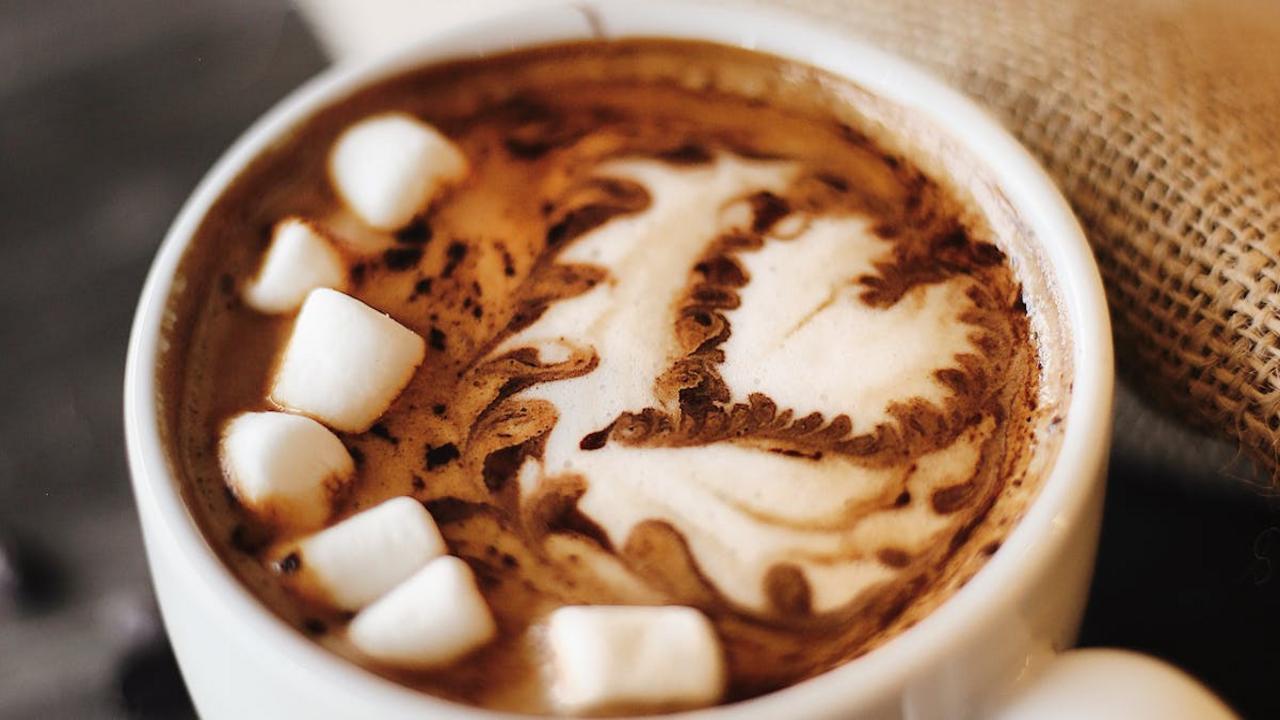
Most coffee chain hot chocolates are essentially sugar bombs masquerading as cozy winter drinks. You’re paying premium prices for what amounts to powdered mix stirred into steamed milk, loaded with artificial flavors and enough sugar to make your teeth ache. The typical grande hot chocolate from major chains contains upwards of 40 grams of sugar—that’s nearly 10 teaspoons in a single drink. Baristas will tell you straight: these aren’t made with real chocolate. They’re using pre-made syrups and powders that bear little resemblance to actual cocoa. You’re essentially drinking liquid candy with a hefty price tag attached.
Making real hot chocolate at home takes five minutes and gives you control over quality and sweetness. Grate quality dark chocolate into warm milk, add a touch of vanilla, maybe a pinch of cinnamon, and you’ve got something infinitely better than what you’d get from a chain. You can adjust the sweetness to your preference, use the milk you actually like, and know exactly what’s going into your body. The difference between real melted chocolate and powder is profound—one is rich and silky, the other is just sweet. Skip the overpriced powder packet dressed up as hot chocolate and make yourself the real thing at home.
Smoothies
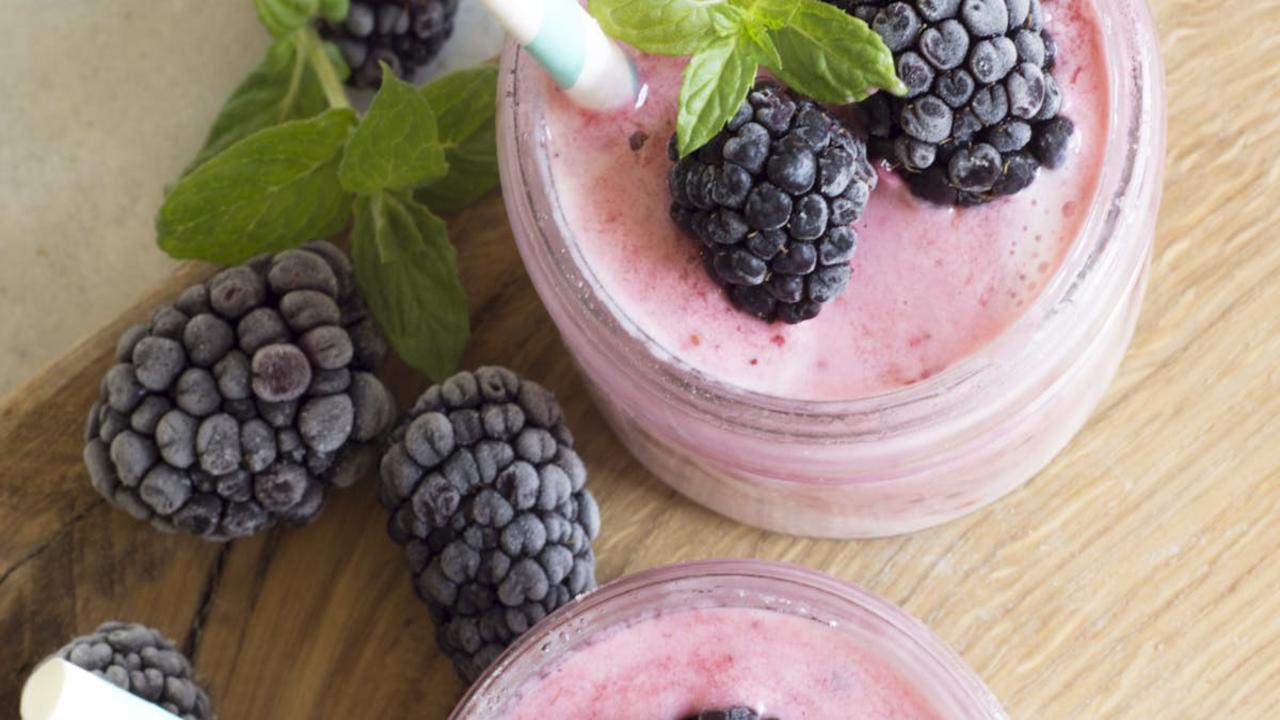
Here’s the thing about coffee shop smoothies—they’re often masquerading as health drinks when they’re really sugar bombs in disguise. I’ve watched baristas pump syrup after syrup into those blenders, and what you end up with is essentially a milkshake pretending to be nutritious. The fruit bases are usually pre-sweetened concentrates, not fresh produce, and they’re loaded with added sugars that spike your blood glucose faster than you can say “vitamin boost.” Most chain smoothies pack anywhere from 50 to 80 grams of sugar per serving, which is more than double your daily recommended intake. That’s not nourishment—that’s a sugar rush followed by an inevitable crash.
Instead of dropping eight bucks on a questionable smoothie, grab your blender at home and make the real deal. Throw in a frozen banana for creaminess, a handful of spinach or kale that you won’t even taste, some fresh or frozen berries, a scoop of protein powder if you want staying power, and your choice of milk or yogurt. You control every ingredient, you know exactly what’s going into your body, and you save money while actually getting those nutrients you’re after. The difference between a homemade smoothie and a chain version is like comparing a garden salad to a candy bar—sure, they’re both technically food, but only one is actually doing your body any favors. Your morning routine deserves better than glorified ice cream passed off as wellness.
Pastries
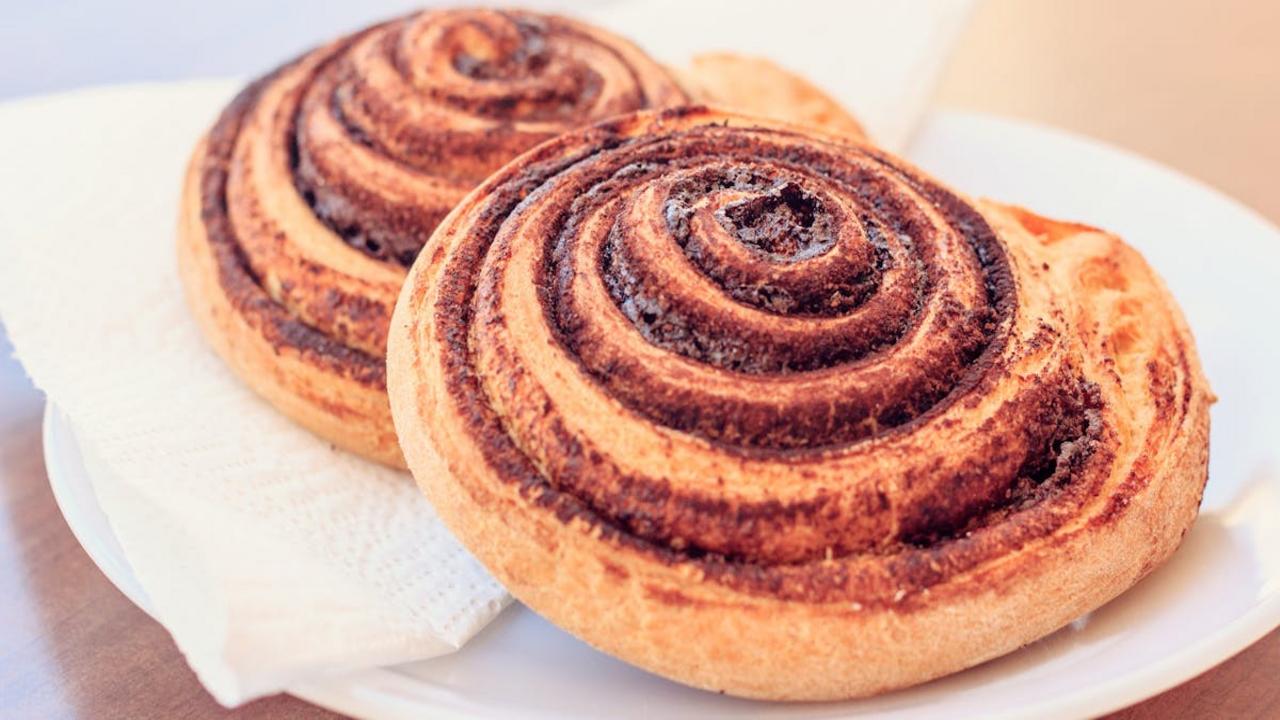
Those glossy pastries sitting in the display case might look tempting, but baristas will tell you they’re often the stalest items in the shop. Most coffee chains don’t bake fresh daily—they receive frozen goods that get reheated in the morning, sometimes sitting under heat lamps for hours. That buttery croissant you’re eyeing was probably frozen weeks ago, and the chocolate chip muffin has been gathering moisture in its plastic wrapper since dawn. Your morning treat deserves better than that rubbery texture and artificial preservatives.
Skip the chain pastry and hit up your local bakery instead, or better yet, make your own at home. Fresh-baked goods have an entirely different character—crispy exteriors, tender crumbs, real butter flavor. Even a simple homemade scone takes fifteen minutes of hands-on time and costs a fraction of what you’d pay for a stale chain version. If you’re grabbing coffee on the go, pair it with fresh fruit or nuts you’ve packed yourself. Your body will thank you for avoiding those refined sugars and preservatives, and your taste buds won’t miss that disappointing, mass-produced texture. Real food made with real ingredients always wins.
Instant coffee blends
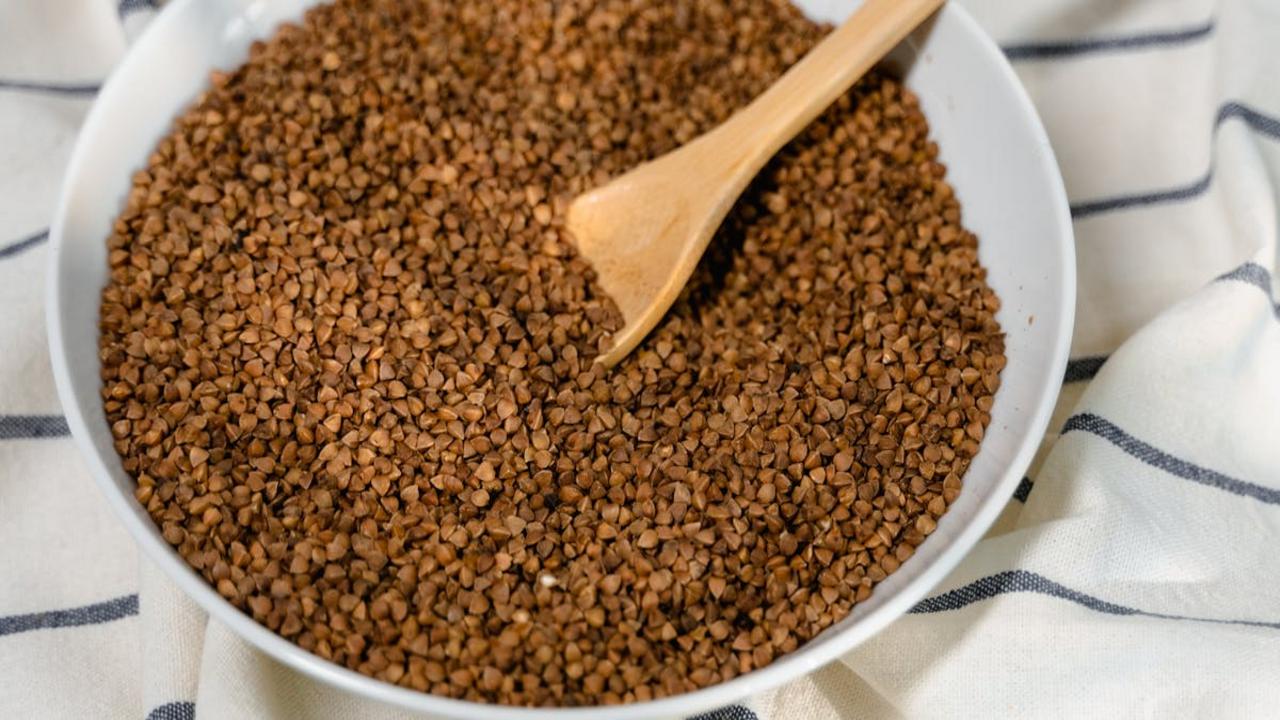
I get it—you’re rushed, you need caffeine fast, and that instant coffee sitting on the shelf seems like the perfect solution. But here’s the truth: those instant blends at coffee chains are where flavor goes to die. They’re made from freeze-dried or spray-dried crystals that have been stripped of everything that makes coffee enjoyable. What you’re left with is a flat, bitter drink that tastes more like burnt cardboard than actual coffee. Even worse, these blends often contain added sugars, artificial flavors, and mysterious ingredients you can’t pronounce. You’re paying premium prices for what’s essentially a chemistry experiment masquerading as your morning pick-me-up.
Look, making real coffee doesn’t have to be complicated or time-consuming. A simple pour-over takes three minutes, and the difference in taste is staggering. You’ll actually smell those aromatic oils, taste the subtle notes in the beans, and feel like you’re drinking something crafted with care rather than reconstituted powder. If time is genuinely tight, grab a regular brewed coffee instead—even the most basic drip coffee at a chain is leagues better than instant. Your body deserves real ingredients, not processed shortcuts that leave you feeling unsatisfied and reaching for another cup an hour later. Save your money and your taste buds by skipping anything labeled “instant” on the menu.
Plastic bottled water

Buying plastic bottled water at a coffee shop feels convenient until you realize you’re paying a massive markup for something you can get at home for pennies. Baristas shake their heads when customers drop several dollars on a single bottle—it’s one of those purchases that makes zero sense financially. You’re essentially paying for packaging and branding when the same filtered water often comes from the tap anyway. Most coffee chains mark up their bottled water by 500% or more, making it one of their highest profit-margin items. That money could go toward an actual beverage that required skill and quality ingredients to prepare.
Beyond the cost issue, there’s the environmental impact that regulars have grown increasingly concerned about. Every plastic bottle you buy adds to the massive waste problem, especially when most coffee shops offer perfectly good filtered water for free or at a minimal charge. Smart customers bring their own reusable bottles and simply ask for a water refill—most baristas are happy to oblige. If you need water on the go, invest in a quality reusable bottle and fill it before you leave home. Your wallet and the planet will thank you, and you’ll avoid supporting one of the most overpriced items on the menu.
Pre-packaged snacks
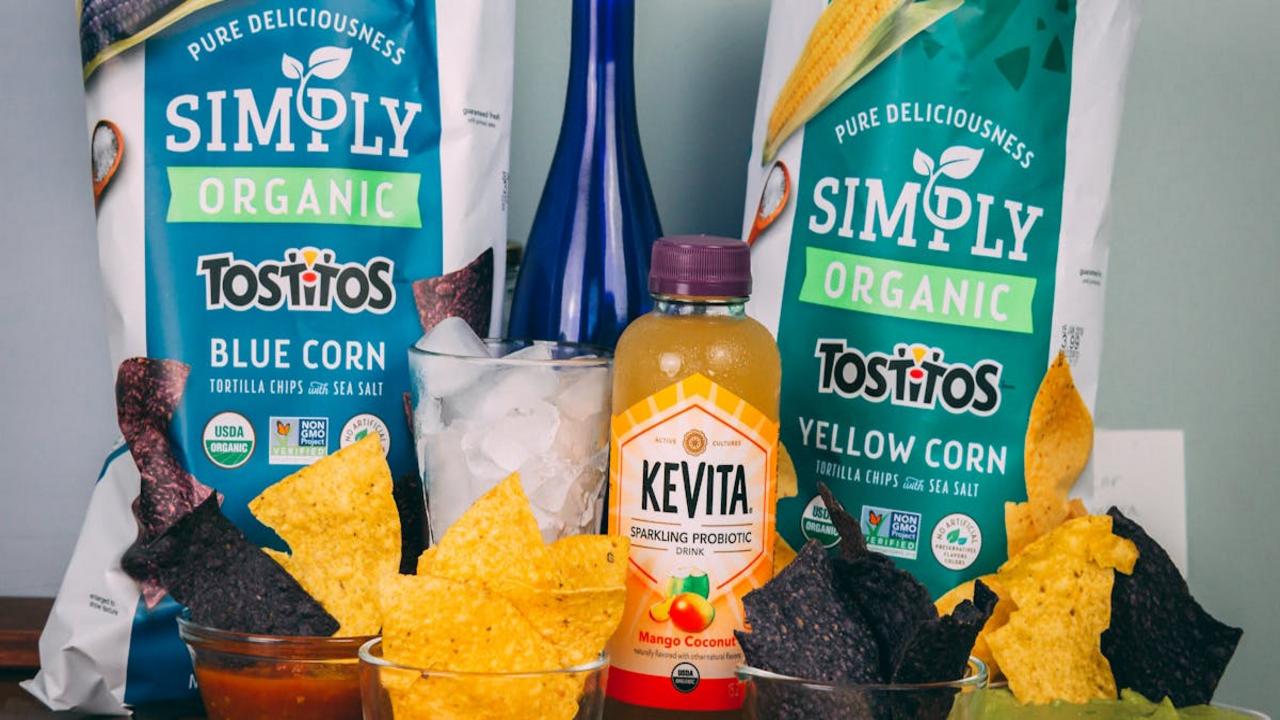
You know what gets me every time I walk into a coffee shop? Those glossy pre-packaged snacks sitting by the register, practically begging you to grab them with your latte. But here’s the thing—most baristas will tell you straight up that these items have been sitting there forever, and they’re not exactly fresh. The markup on these snacks is astronomical, and you’re paying premium prices for something you could get at any grocery store for half the cost. Plus, they’re loaded with preservatives and additives that keep them shelf-stable for months. If you’re genuinely hungry, skip these processed options and either bring your own homemade snack from home or ask if the shop has anything made fresh that day.
I’m all about real food that nourishes your body, and these packaged items just don’t cut it. The ingredients list reads like a chemistry experiment—things you can’t pronounce and definitely wouldn’t cook with in your own kitchen. Instead of reaching for that cellophane-wrapped muffin or cookie, take five minutes before you leave home and pack some fresh fruit, homemade energy balls, or even a simple sandwich. Your wallet will thank you, and your body will feel so much better without all that processed junk. Coffee shops bank on convenience, but with just a tiny bit of planning, you can have something genuinely satisfying that doesn’t come with a side of regret.
Flavored syrup add-ons

Those pump bottles of flavored syrups sitting behind the counter might seem like an easy way to jazz up your coffee, but I’m going to be straight with you—most of them are just liquid sugar with artificial flavoring. Baristas consistently point out that customers don’t realize how much syrup actually goes into each drink. A standard serving can pack anywhere from 15 to 25 grams of sugar per pump, and most beverages get three to five pumps. That’s a staggering amount of added sweetness that masks the actual flavor of your coffee while sending your blood sugar on a rollercoaster ride. Instead of reaching for vanilla, caramel, or hazelnut syrups, try asking for a sprinkle of cinnamon or nutmeg. These spices add depth and warmth without the chemical aftertaste.
Regular coffee drinkers who’ve worked to reduce their sugar intake often share that once they quit the syrup habit, they discovered what good coffee actually tastes like. Your palate adjusts faster than you’d think. If you need sweetness, bring a small container of raw honey or real maple syrup from home—you’ll use far less because the flavor is genuine and satisfying. Some shops now offer sugar-free options, but these typically contain artificial sweeteners that come with their own set of concerns. The truth is, quality coffee beans have natural flavor notes that shine through when you give them space to breathe. Save yourself the empty calories and chemical load by skipping the syrup pumps altogether.