12 Classic American Meals Americans Can’t Stop Arguing About
Americans love food almost as much as they love arguing about it. From pizza toppings to condiment choices, we’ve turned our dining tables into debate stages. These 12 dishes spark heated conversations across dinner tables and social media feeds nationwide—some people swear by them while others wouldn’t touch them with a ten-foot fork.
Hawaiian pizza divides households with its controversial pineapple, while the very mention of beans in chili can start a Texas-sized showdown. Ranch dressing on pizza? That question alone has ended friendships. And don’t even get me started on black licorice—that polarizing candy has created distinct love-it-or-hate-it camps with very few fence-sitters.
What makes these food fights so fascinating is how personal they become. Our food preferences connect deeply to our identities, family traditions, and regional pride. Chicago natives defend deep dish with religious fervor, while thin-crust devotees mock it as “tomato soup in a bread bowl.” These delicious disagreements reveal something uniquely American: our passion for food only matches our passion for telling others they’re eating it wrong.
Brussels Sprouts
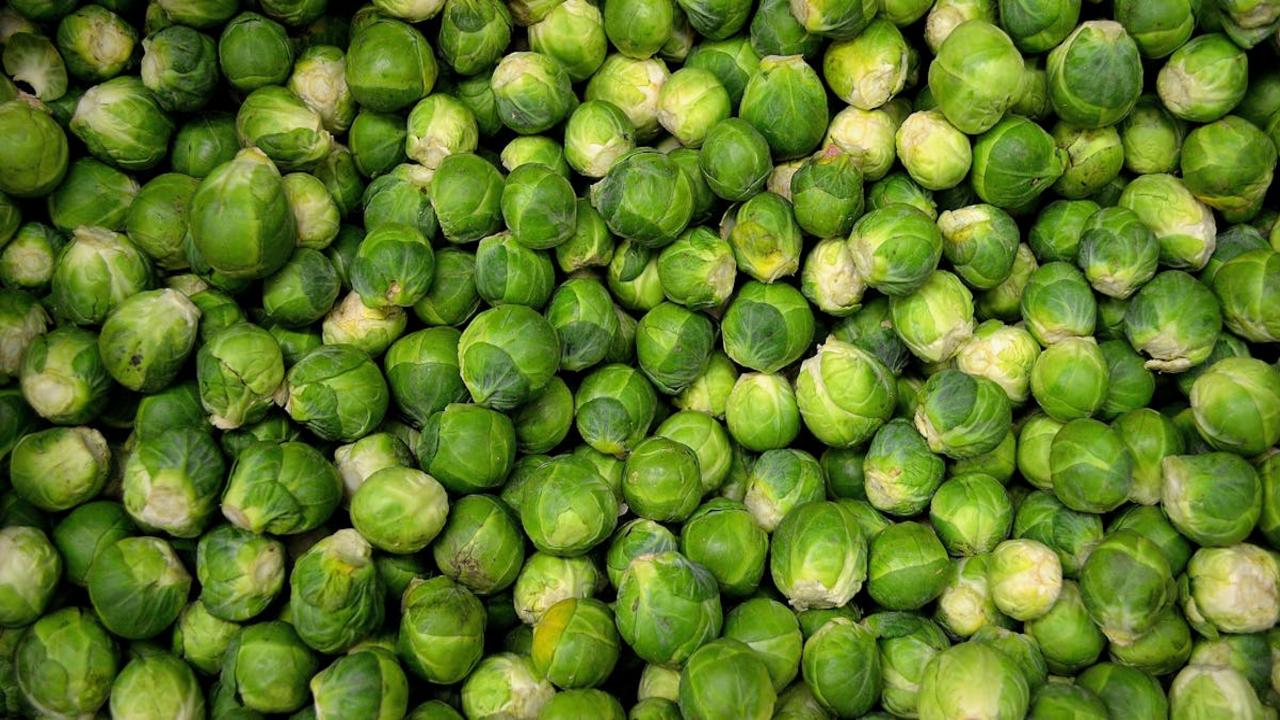
You either worship these tiny green cabbages or you’d rather eat cardboard—there’s absolutely no middle ground with Brussels sprouts! These miniature vegetables have sparked more dinner table wars than politics and religion combined. Kids have hidden them under mashed potatoes for generations, while food snobs claim roasting them with bacon transforms them into pure magic. The truth? Brussels sprouts contain compounds called glucosinolates that create their notorious bitter punch, but here’s the kicker—newer varieties bred in the 1990s actually contain 50% fewer of these bitter chemicals than the ones your grandmother forced down your throat.
The great Brussels sprouts debate really boils down to preparation technique, and boy, do people have opinions! Team Roasted swears by high heat, olive oil, and a generous sprinkle of salt to create those crispy, caramelized edges that even skeptics can’t resist. Meanwhile, Team Raw argues that shaved Brussels sprouts make the perfect crunchy salad base with lemon and parmesan. Then you’ve got the bacon brigade who believes everything tastes better with pork fat (they’re not wrong). Fun fact: these little green globes grow on stalks like tiny alien trees, and Belgium didn’t even invent them despite their name—they likely originated in ancient Rome!
Cilantro
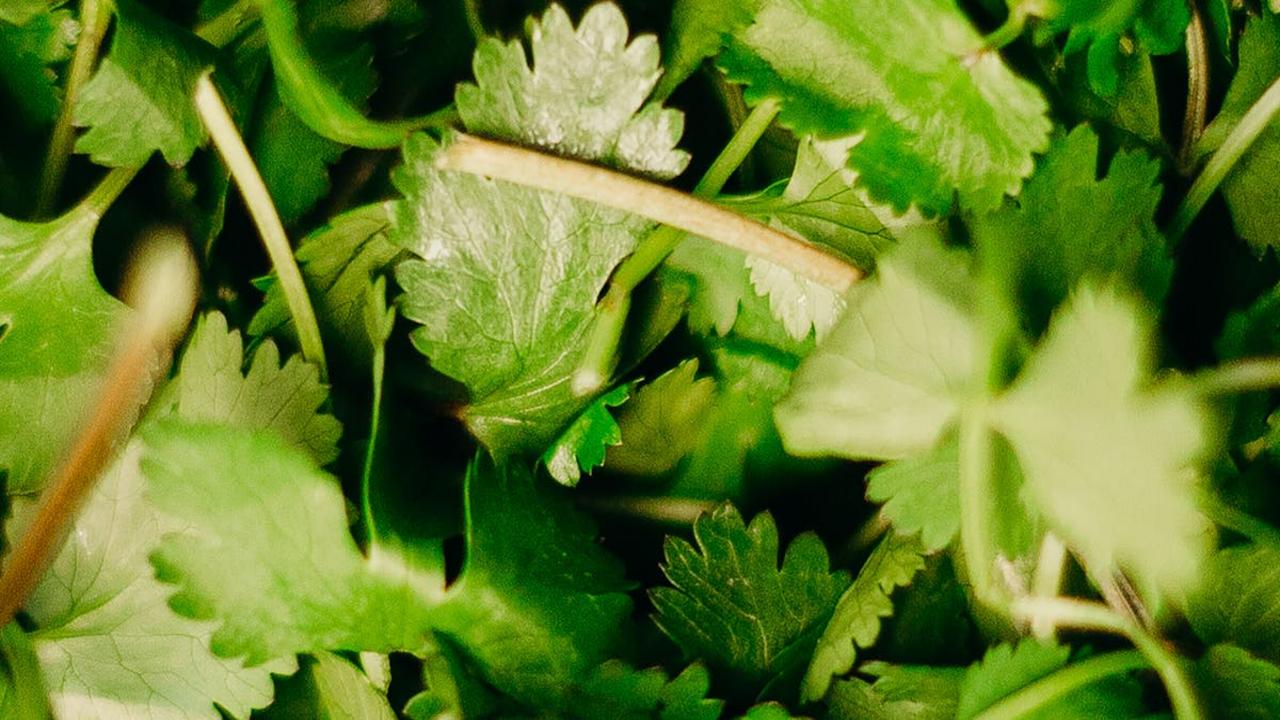
You know what’s wild? Cilantro manages to be both America’s most beloved herb and its most despised green leafy villain all at once. This feathery little troublemaker has sparked more dinner table debates than politics and religion combined. Some folks swear it tastes like fresh sunshine mixed with lime zest, while others insist it’s nothing but soapy sadness masquerading as food. The crazy part? Science backs up both camps! About 14% of people carry a genetic variation that makes cilantro taste like dish soap, so when your uncle claims his tacos taste like Dawn detergent, he’s not being dramatic—his DNA is literally sabotaging his Mexican food experience.
Mexican restaurants across America have become unintentional battlegrounds over this polarizing herb. You’ve got Team Cilantro loading up their burritos with extra green goodness, while Team Soap frantically waves their hands and shouts “NO CILANTRO!” like they’re warding off vampires. The herb shows up everywhere—Vietnamese pho, Indian chutneys, Middle Eastern salads—making it impossible for cilantro haters to escape. Pro tip: if you’re cooking for a crowd, always keep cilantro on the side. Trust me, you don’t want to be responsible for ruining someone’s guacamole dreams with your genetic lottery ticket gone wrong.
Black Licorice
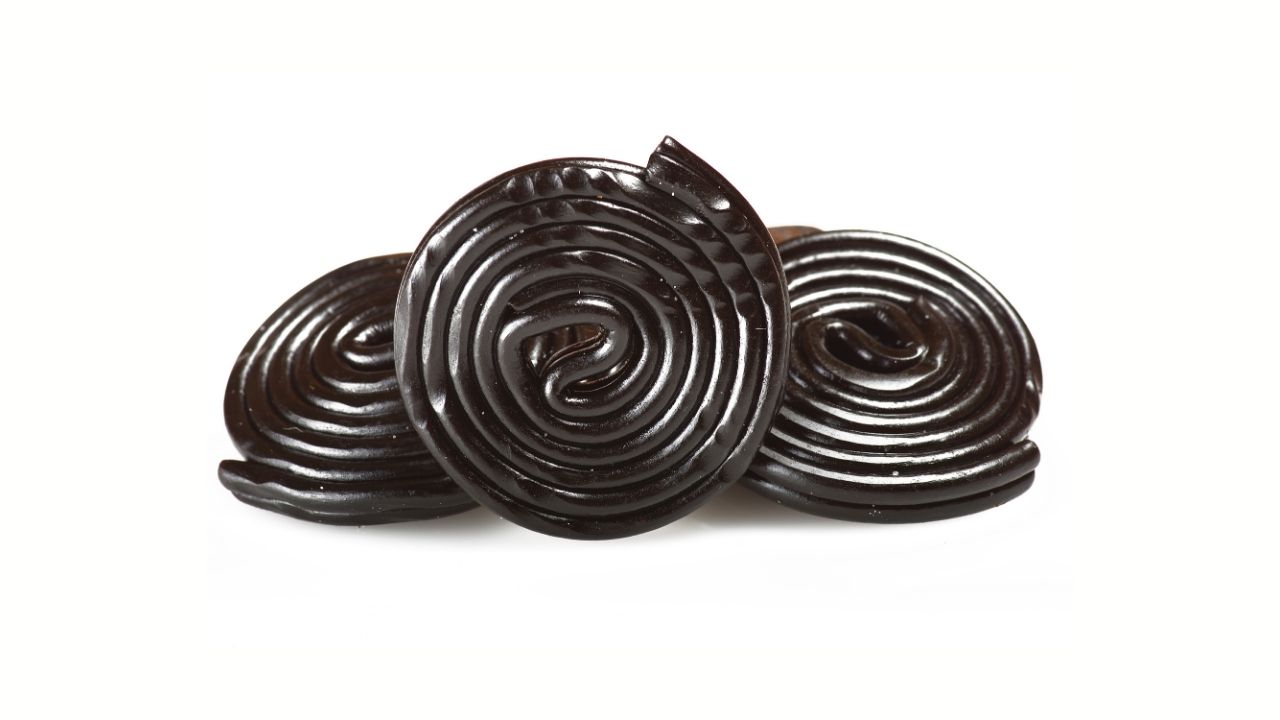
Here’s where things get truly divisive—black licorice doesn’t even qualify as a classic American meal, yet somehow it sparks more heated debates than pineapple on pizza! You either worship at the altar of anise or you think it tastes like someone mixed medicine with rubber bands. There’s absolutely no middle ground with this polarizing candy. Scientists have actually discovered that your genes determine whether you can detect the compound that makes black licorice taste amazing or absolutely revolting. So next time Uncle Bob claims you’re “wrong” for loving those chewy black ropes, remind him that DNA literally programmed your preferences!
The funny thing about black licorice is how it divides entire families down generational lines. Grandparents often adore it (probably because they survived the Great Depression and learned to appreciate strong flavors), while kids take one bite and dramatically spit it out like they’ve been poisoned. Meanwhile, certain European countries consume black licorice ice cream, black licorice salt, and even black licorice pizza—proving that Americans are actually pretty tame in their licorice controversies. Pro tip: if you’re hosting a party and want to guarantee leftovers, just put out a bowl of black licorice candies. Half your guests will avoid them entirely, leaving more for the true believers!
Ranch on Pizza
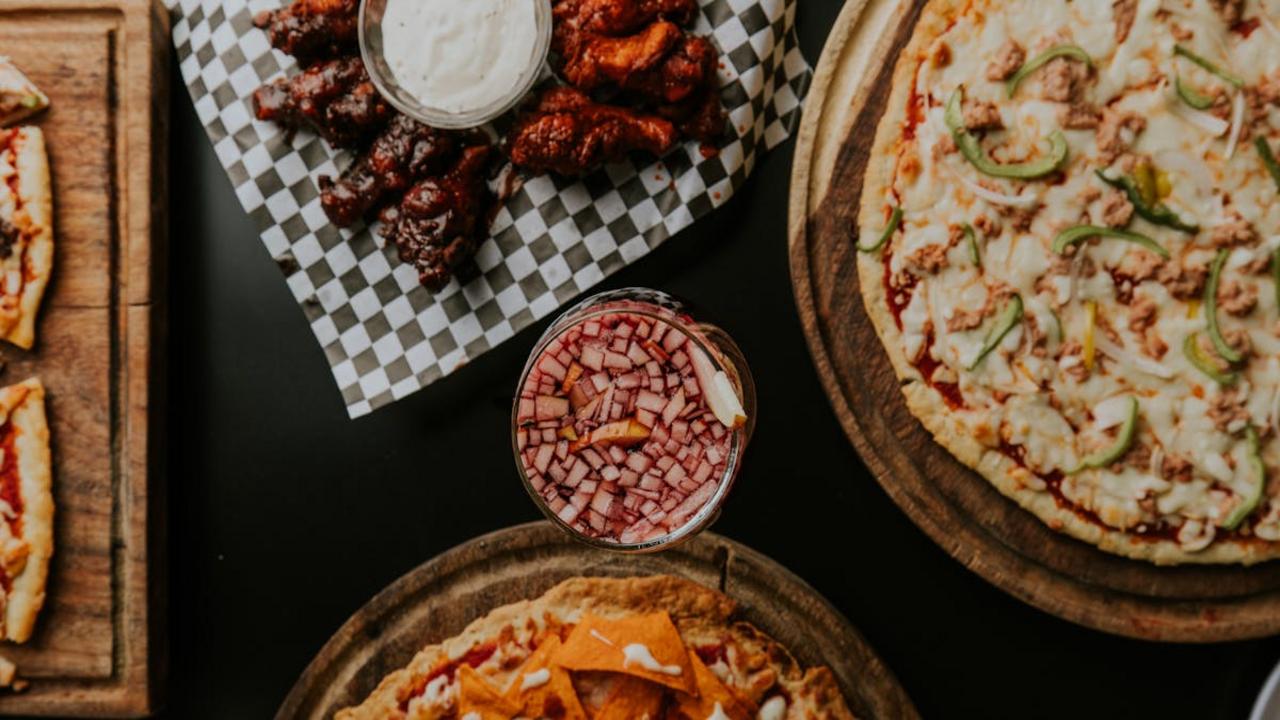
You know that moment when someone at the dinner table casually reaches for the ranch bottle and starts drizzling it all over their perfectly good slice of pepperoni pizza? Yeah, that’s when the room goes silent and friendships hang in the balance. Ranch on pizza has become America’s most divisive food debate, splitting families faster than you can say “Hidden Valley.” The Midwest champions this creamy combination like it’s their constitutional right, while East Coast pizza purists clutch their chests in horror, muttering about the sanctity of tomato sauce and cheese. I’ve watched grown adults get into heated arguments over whether ranch belongs anywhere near a pizza box, and honestly, it’s both hilarious and slightly terrifying.
Here’s the thing though – ranch dressing was actually invented in 1972 by a plumber-turned-cowboy named Steve Henson at his dude ranch in California (hence the name, genius!). Fast forward fifty years, and Americans consume more ranch than ketchup, which explains why we’ve collectively decided to dunk everything from carrots to pizza crusts into this buttermilk-based glory. The anti-ranch brigade argues that good pizza doesn’t need any additional flavor enhancers, but ranch defenders fire back with valid points about dry crusts and personal preference. Pro tip: if you’re going to join Team Ranch, at least use the good stuff – none of that watery bottle nonsense. Make it from scratch with real buttermilk, mayo, and herbs, because if you’re going to scandalize pizza traditionalists, you might as well do it right.
Chili with Beans
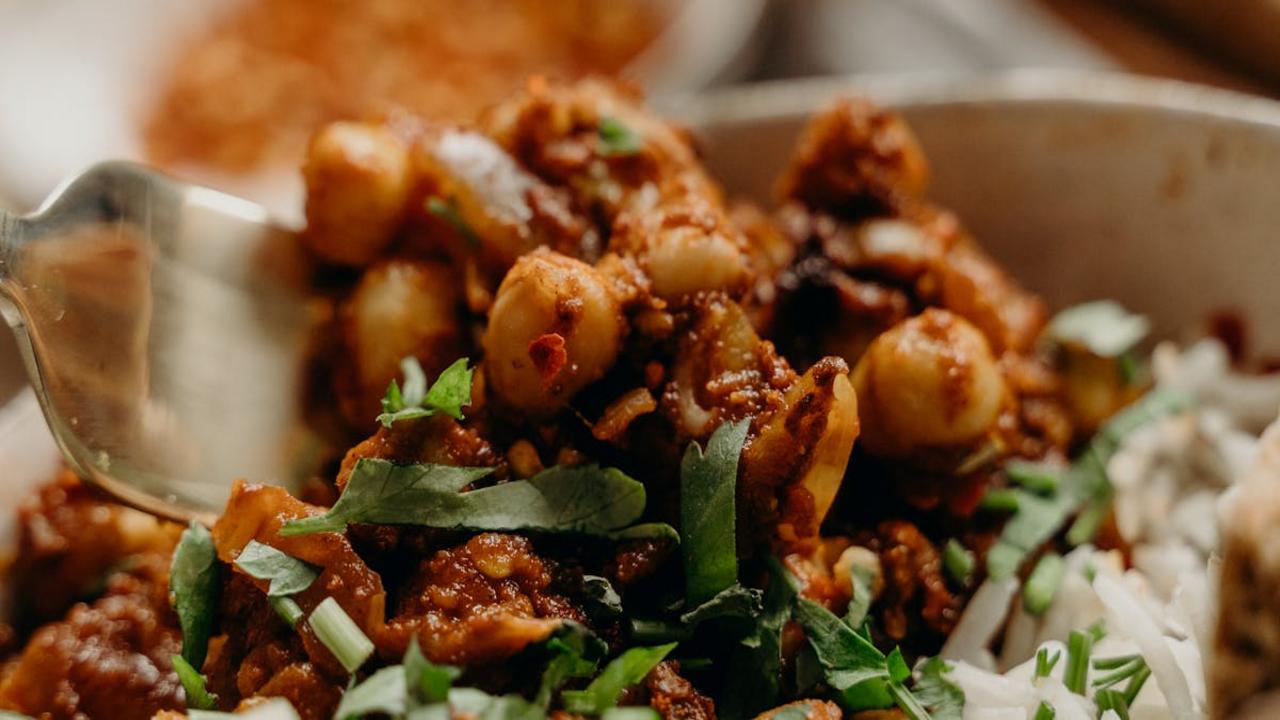
Oh boy, here we go with the granddaddy of all food fights! Mention beans in chili around a Texan, and you might as well have suggested putting pineapple on pizza while wearing socks with sandals. Texas purists will tell you that authentic chili con carne contains zero legumes – just meat, chilies, and spices simmering in perfect harmony. They’ve got competitions with strict “no beans allowed” rules, and some folks get so worked up about this topic that family reunions have been known to turn into heated debates faster than you can say “kidney bean.”
Meanwhile, the rest of America cheerfully tosses black beans, pintos, and kidneys into their pots with absolutely zero guilt. And honestly? Those beans stretch the meal, add protein, and create a hearty comfort food that fills you up without breaking the bank. Plus, beans have been buddies with chili peppers in Mexican cooking for thousands of years, so there’s some serious historical precedent here. Whether you’re Team Bean or Team No-Bean, we can all agree that arguing about chili ingredients while eating a steaming bowl is one of America’s most deliciously ridiculous traditions.
Raisins in Cookies
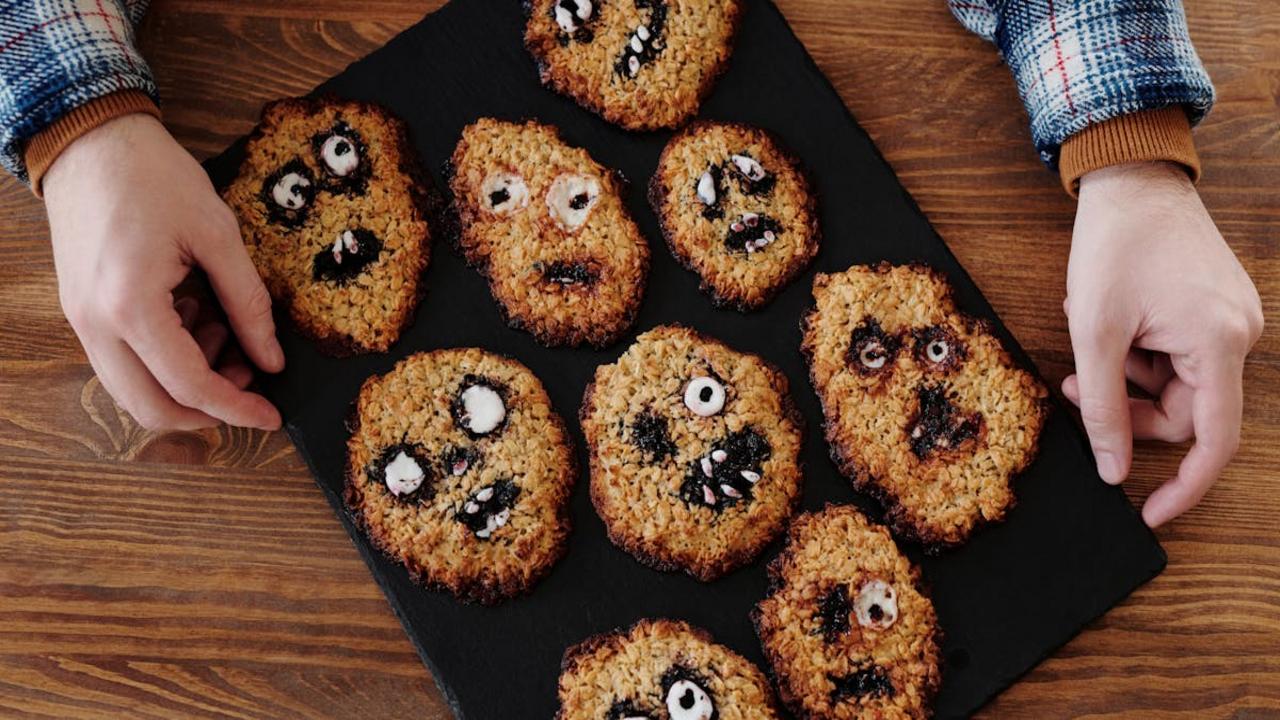
Nothing quite splits a room faster than the great oatmeal raisin versus chocolate chip debate. Picture this: you reach for what looks like a perfect chocolate chip cookie, take that first anticipatory bite, and BAM—wrinkled fruit hits your teeth instead of melty chocolate. The betrayal runs deep, my friends. Oatmeal raisin cookies have been masquerading as their more popular cousins since the dawn of bake sales, leaving a trail of disappointed cookie lovers in their wake. Yet somehow, these chewy imposters have managed to maintain a devoted following who genuinely prefer their sweet, fruity bursts over traditional chocolate.
The raisin cookie controversy runs so hot that some bakeries now label their treats with warning signs—no joke! But here’s the thing about raisins in cookies: they actually bring serious moisture and natural sweetness that chocolate chips can’t match. Those little California sun-dried grapes plump up beautifully during baking, creating pockets of concentrated flavor that complement oats and cinnamon perfectly. Pro tip from someone who’s made peace with both camps: add a pinch of orange zest to your oatmeal raisin dough, and watch even the most hardened chocolate chip loyalists grudgingly admit these cookies have merit. The secret lies in using plump, high-quality raisins—none of those sad, shriveled specimens that taste like disappointment.
Root Beer Float
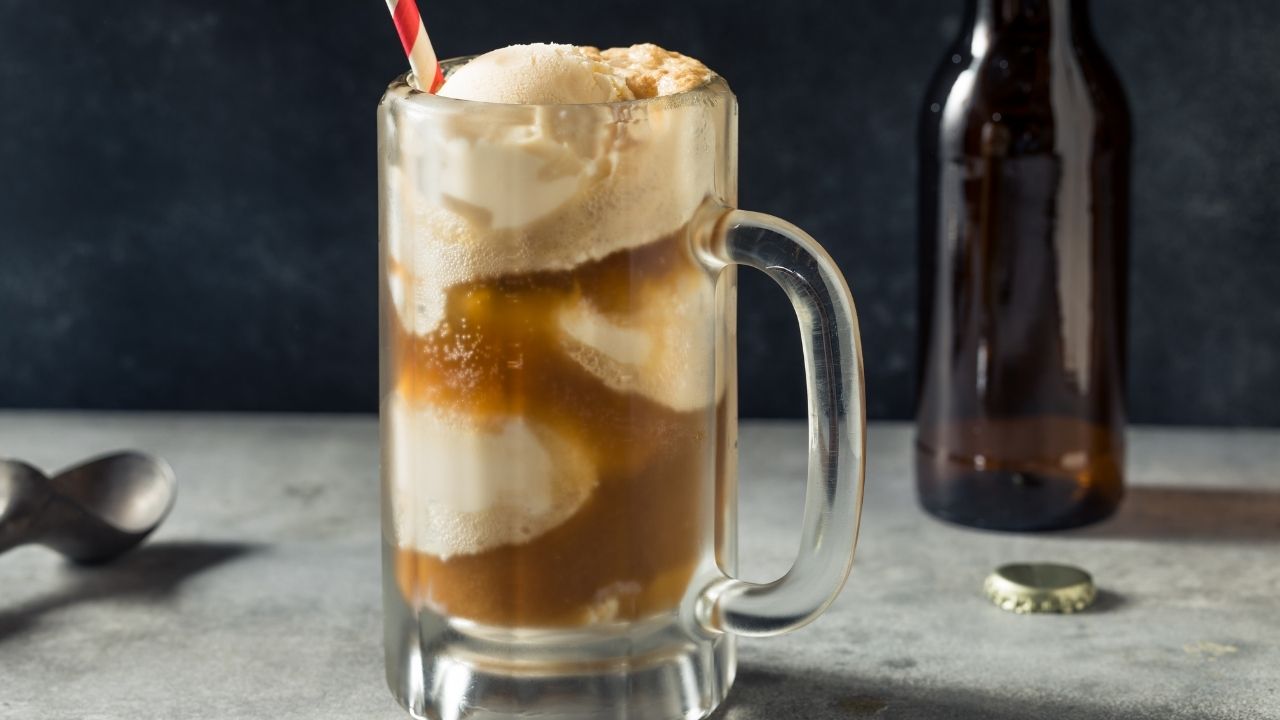
You know that moment when someone mentions root beer floats and suddenly half the room starts arguing about whether A&W or Barq’s makes the superior base? Welcome to America’s frothiest food fight! This simple combination of root beer and vanilla ice cream seems innocent enough, but mention your brand preferences at a summer barbecue and watch friendships crumble faster than a stale cookie. Some people swear by using frozen mugs (the purists), while others insist room temperature glasses prevent the ice cream from freezing solid (the rebels). Then there’s the great scoop debate: do you plop that vanilla goodness in first, or pour the root beer and let physics do its magical fizzy dance?
Here’s where things get really heated – the ratio warriors have entered the chat. One camp demands equal parts root beer to ice cream, creating what I like to call the “balanced approach.” Meanwhile, the ice cream maximalists pile in three scoops and call it dessert, while the root beer purists use just enough ice cream to create that perfect foam crown. Fun fact: this beloved treat actually started as a “Black Cow” back in 1893, invented by Frank J. Wisner in Colorado. The man was clearly onto something, because more than a century later, we’re still passionately defending our float-making techniques like they’re family recipes. Whether you’re team “stir it up” or team “let it separate naturally,” one thing remains true – that first sip always tastes like childhood summers.
American Cheese
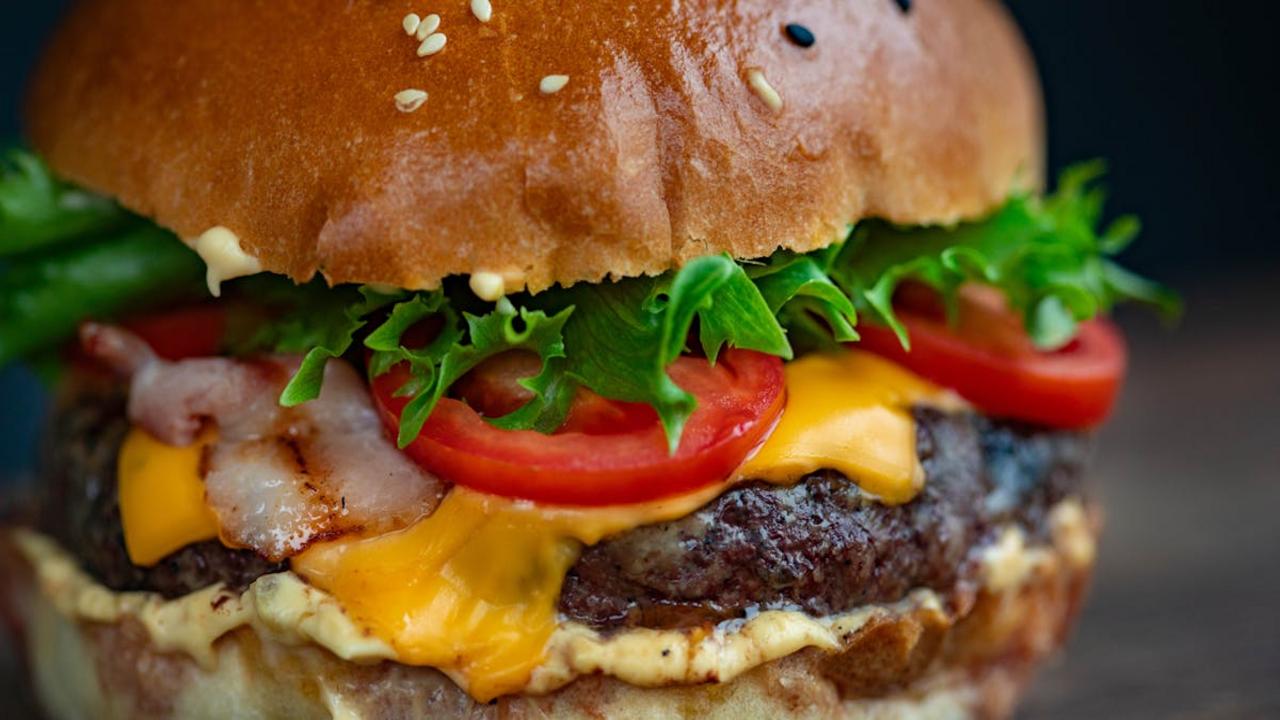
Oh, American cheese – the processed rectangle that divides dinner tables faster than politics at Thanksgiving! You know the one: that perfectly square, unnaturally orange slice that your mom packed in every single sandwich throughout your childhood. Some folks worship at the altar of its melty perfection, while others turn their noses up like they just caught a whiff of expired milk. Here’s the thing though – this controversial cheese product (yes, the FDA makes them call it “cheese product”) was actually invented back in 1916 by a Canadian-American named James Lewis Kraft. Plot twist! The man revolutionized lunch boxes everywhere by creating a shelf-stable cheese that could survive a nuclear apocalypse and still melt beautifully on your grilled cheese.
Now, before you cheese snobs start rolling your eyes, hear me out. American cheese has superpowers that your fancy aged cheddar simply can’t match. It melts like a dream because of those emulsifiers (sodium phosphate, if you’re curious), creating that gloriously gooey texture that makes a proper cheeseburger possible. Try melting a chunk of Vermont sharp cheddar on your burger – it’ll separate faster than your parents’ divorce! Sure, it might not have the complex flavor profile of a aged Gruyère, but sometimes you just need that mild, creamy, nostalgic taste that screams “Saturday morning cartoons and mom’s mac and cheese.” The real question isn’t whether it’s “real” cheese – it’s whether you’re brave enough to admit you still love it.
Meatloaf
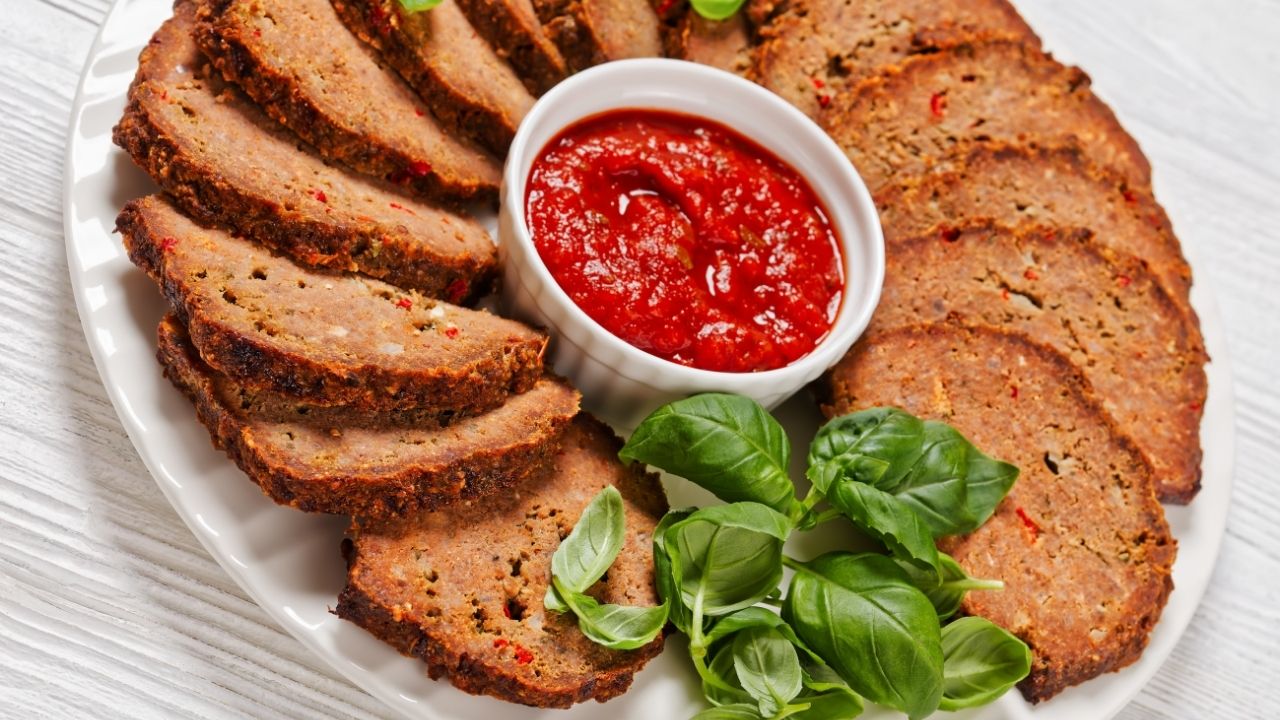
Oh, meatloaf! The humble brick of ground beef that somehow manages to split families faster than a Thanksgiving political discussion. You’ve got the ketchup glazers going head-to-head with the brown gravy purists, while the secret ingredient camp whispers about everything from crushed saltines to actual oatmeal. Some families swear by their grandmother’s recipe that includes a mysterious “splash of this and pinch of that,” which translates to complete chaos when you’re trying to recreate it. The shape alone sparks heated debates – free-form rustic loaf or perfectly molded in a pan? Don’t even get me started on the meatloaf sandwich controversy the next day.
Here’s a fun fact that’ll make you chuckle: meatloaf became wildly popular during the Great Depression because it stretched expensive meat with cheaper fillers, but now we argue about which premium ingredients make it “authentic.” The beauty of meatloaf lies in its democratic nature – every cook thinks theirs is the definitive version. Some add hard-boiled eggs for surprise factor, others mix multiple meats like they’re conducting a protein orchestra. The real magic happens when you slice into that perfect piece and it doesn’t crumble into sad meat confetti all over your plate. Whether you’re team glaze or team naked, meatloaf remains America’s most lovably contentious comfort food, proving that even the simplest dishes can ignite the fiercest kitchen battles.
Deep Dish Pizza
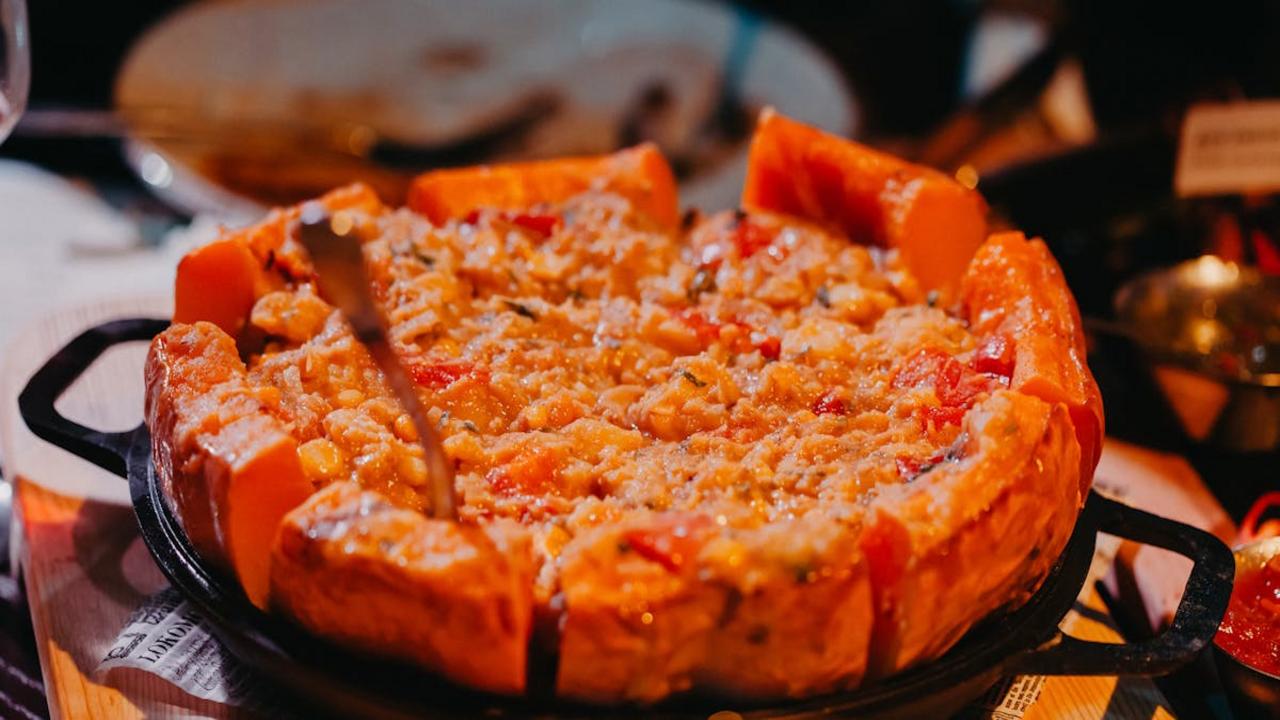
Chicago’s deep dish pizza sparks more heated debates than a Cubs versus White Sox argument at family dinner. This towering masterpiece—more casserole than pizza, according to furious New Yorkers—stands proud with its buttery, flaky crust rising like edible skyscrapers around molten cheese and chunky tomato sauce. You can’t just grab a slice and fold it; this beast requires a fork, knife, and serious commitment. The cheese gets buried under the sauce (scandalous!), creating what some call pizza perfection and others deem pizza heresy. Lou Malnati’s and Giordano’s have been feuding over supremacy since the 1970s, while pizza purists from both coasts shake their heads in unified horror.
What makes this controversy even juicier? Deep dish wasn’t even invented by a true Chicagoan—Ike Sewell, who opened Pizzeria Uno in 1943, was actually from Texas! The man basically said “everything’s bigger in Texas” and applied it to pizza in Illinois. Each slice packs enough calories to fuel a marathon, with some estimates reaching 500 calories per triangular chunk of cheesy heaven. You’ll wait 25-45 minutes for your pie to emerge from the oven, golden and bubbling like a delicious volcano. Love it or hate it, deep dish pizza refuses to apologize for being extra—much like Chicago itself.
Chicken and waffles
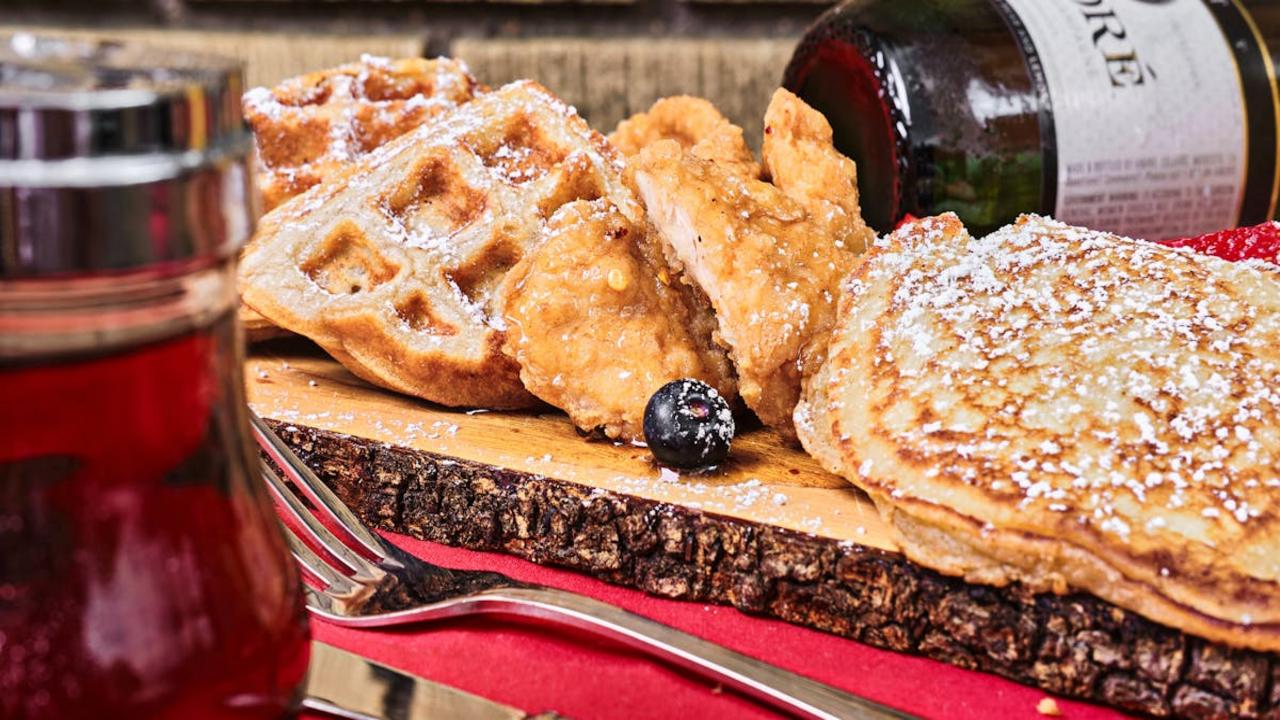
Oh, chicken and waffles – the dish that makes food purists clutch their pearls and demand to speak to the manager of American cuisine. This beautiful chaos of crispy fried chicken perched atop golden waffles has been causing dinner table drama since the late 1800s. Some folks think it’s a Southern comfort food classic, while others insist it belongs to Harlem’s jazz clubs, where musicians would roll in after late-night gigs craving something that straddled the line between breakfast and dinner. The truth? Both camps are right, which only makes the arguments more delicious.
What really gets people fired up is the syrup situation – do you drizzle that maple goodness over everything like you’re blessing a food baptism, or do you keep the chicken and waffles in separate corners like a divorced couple at a wedding? Then there’s the chicken preparation debate: buttermilk-brined and perfectly seasoned, or just whatever frozen nuggets you’ve got lurking in your freezer? I’ve watched grown adults nearly come to blows over whether hot sauce belongs anywhere near this combination. The beauty lies in its ridiculous perfection – salty meets sweet, crunchy meets fluffy, and somehow your brain just accepts that this magnificent mess makes total sense on a plate.
Hawaiian Pizza
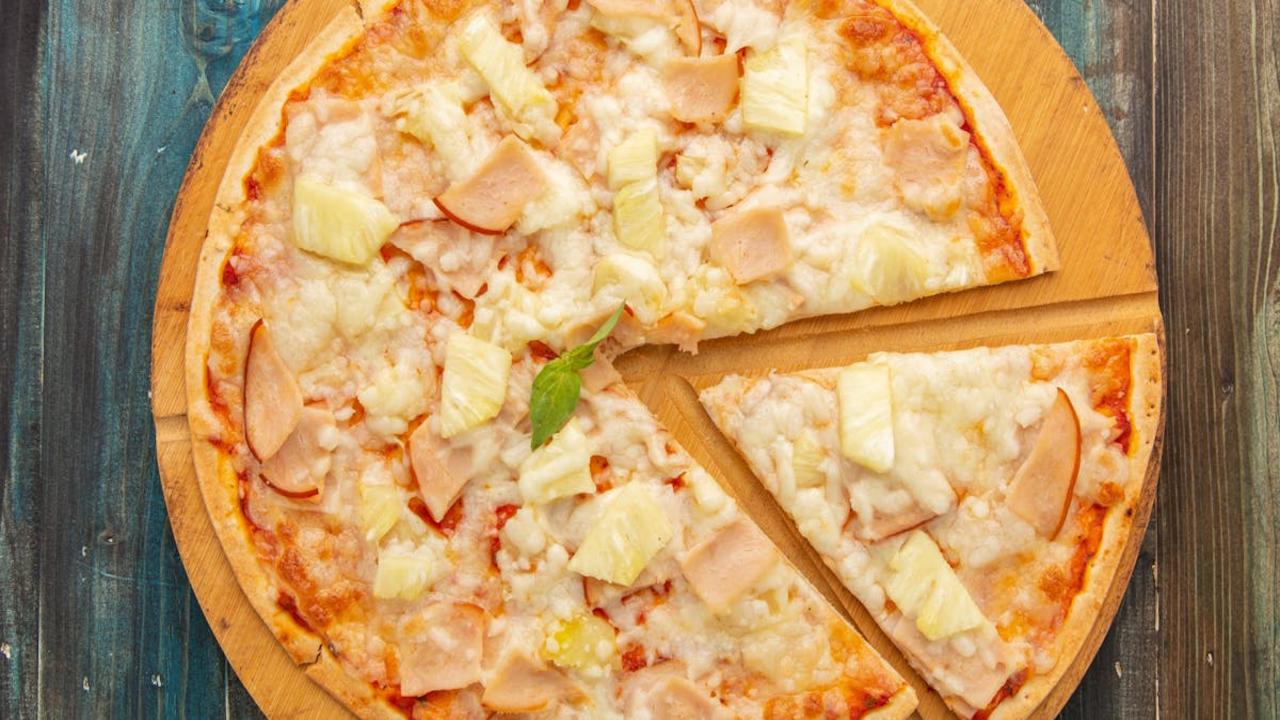
You know that moment when someone mentions Hawaiian pizza and the entire room divides faster than a middle school dance? Yeah, that’s the power of pineapple on pizza, my friends. This sweet and savory battlefield was actually invented by a Greek-Canadian chef named Sam Panopoulos in 1962 at his restaurant in Ontario. The man just wanted to try something different with ham and pineapple, and accidentally created the most controversial pizza topping in human history. What’s wild is that Hawaiians didn’t even invent it – and many of them think the whole thing is ridiculous too!
Here’s what gets me: people who lose their minds over pineapple on pizza will happily devour cranberries on turkey, apples with pork, or grape jelly on a peanut butter sandwich without batting an eye. The combination of sweet pineapple with salty ham creates this beautiful contrast that your mouth either craves or completely rejects – there’s no middle ground. Pro tip from someone who’s witnessed actual friendships end over this: if you’re ordering for a group, just get half Hawaiian and half something safe like pepperoni. Trust me, you’ll save yourself from becoming an accidental mediator in what might be America’s most passionate food fight.