13 Shelf-Stranded Ingredients You Bought for One Recipe
We’ve all been there—you spot an exciting recipe that calls for something exotic, you buy the ingredient with the best intentions, and then it sits in your pantry collecting dust. Those one-hit wonders take up space while you wonder what on earth to do with them next. But here’s the good news: these ingredients don’t have to languish in obscurity.
Think of this as your rescue mission for those forgotten flavor bombs. Each of these specialty items has way more potential than that single recipe you originally bought it for. With a little creativity and some fresh ideas, you can transform them from shelf-dwellers into regular stars of your cooking routine.
Whether it’s that jar of preserved lemons or the packet of sumac you splurged on, there are countless ways to breathe new life into these ingredients. You’ll discover they’re not just fancy additions—they’re versatile players that can transform everyday dishes into something memorable. Ready to raid your pantry and get cooking?
Liquid smoke

Liquid smoke often sits abandoned after that one ambitious BBQ recipe you tried months ago. This concentrated flavoring packs an intense smoky punch, which makes it tricky to use up quickly. Most recipes call for just a few drops, leaving you with nearly a full bottle that slowly collects dust. The good news? This ingredient deserves way more love than it gets. You can add a tiny splash to marinades for grilled vegetables, stir it into bean soups for depth, or brush it onto roasted mushrooms for that authentic smokehouse flavor. It works wonders in vegan dishes too, giving plant-based proteins that savory, meaty quality without firing up an actual grill.
Stop letting that bottle languish in your pantry when it has so much potential. Try mixing a few drops into your favorite tomato sauce for pasta, or add it to homemade salad dressings for an unexpected twist. You can even incorporate it into deviled eggs, potato salad, or mac and cheese to give these comfort foods a sophisticated upgrade. The key is remembering that less is more—start with one or two drops and taste as you go. Store it properly in a cool, dark place, and it’ll last for years. Once you start experimenting, you’ll wonder why you haven’t been using it all along. This little bottle transforms ordinary dishes into something special without any extra cooking equipment or complicated techniques.
Amchur (dried mango powder)
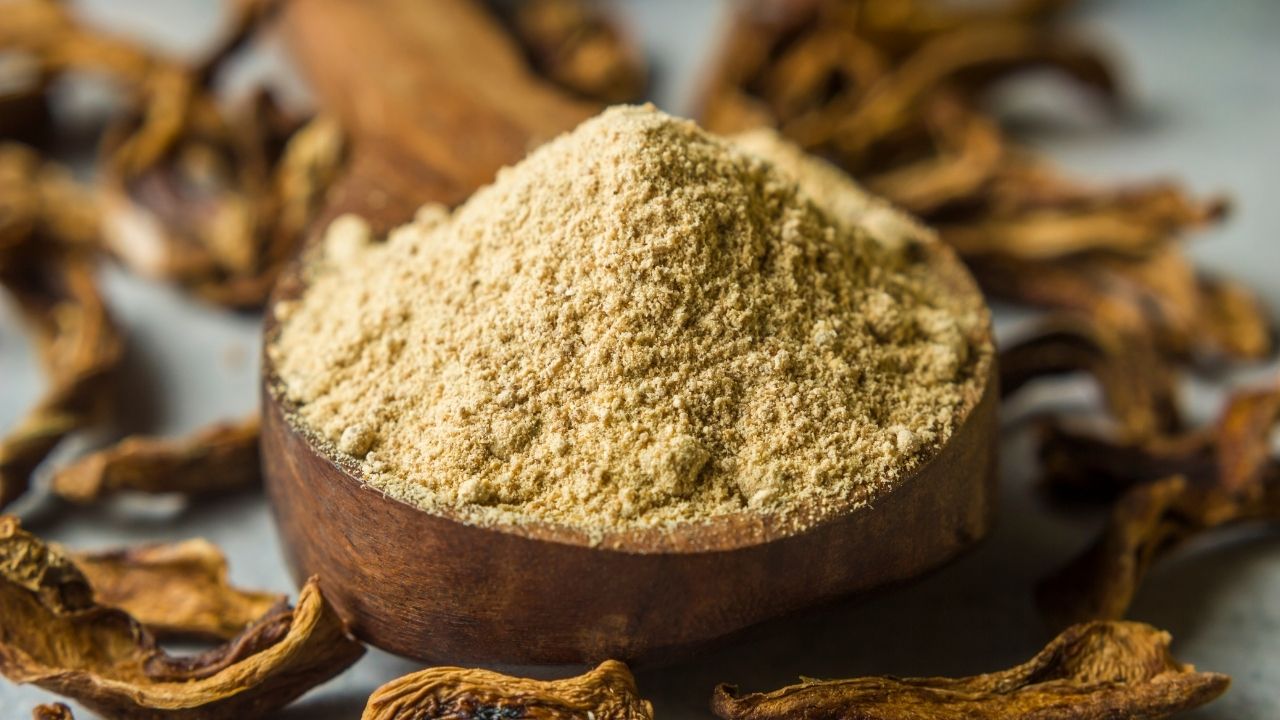
Remember that Indian recipe you tried last month that called for amchur? This tangy, slightly sweet powder made from dried unripe mangoes is brilliant for adding a citrusy punch without extra moisture. It’s a staple in Indian cooking, but chances are it’s been sitting in your spice cabinet ever since. The good news? This stuff has incredible staying power and way more uses than you might think. Sprinkle it over roasted vegetables before they go into the oven, or mix it into your marinade for grilled chicken or fish. It brings that bright, acidic note that makes everything taste more complex and interesting.
Try whisking amchur into yogurt-based dressings or dips for a tangy twist that’s different from lemon juice. You can also dust it over fresh fruit salads, particularly papaya or pineapple, for an unexpected flavor boost. Mix it into chickpea flour batter for pakoras or fritters, or stir a pinch into lentil soups and stews. The powder works beautifully in dry rubs for meat and vegetables too. Since it doesn’t add liquid, amchur is perfect for keeping things crispy while delivering that sour kick your dish needs. Keep it in an airtight container away from light, and it’ll maintain its potency for months.
Szechuan peppercorns
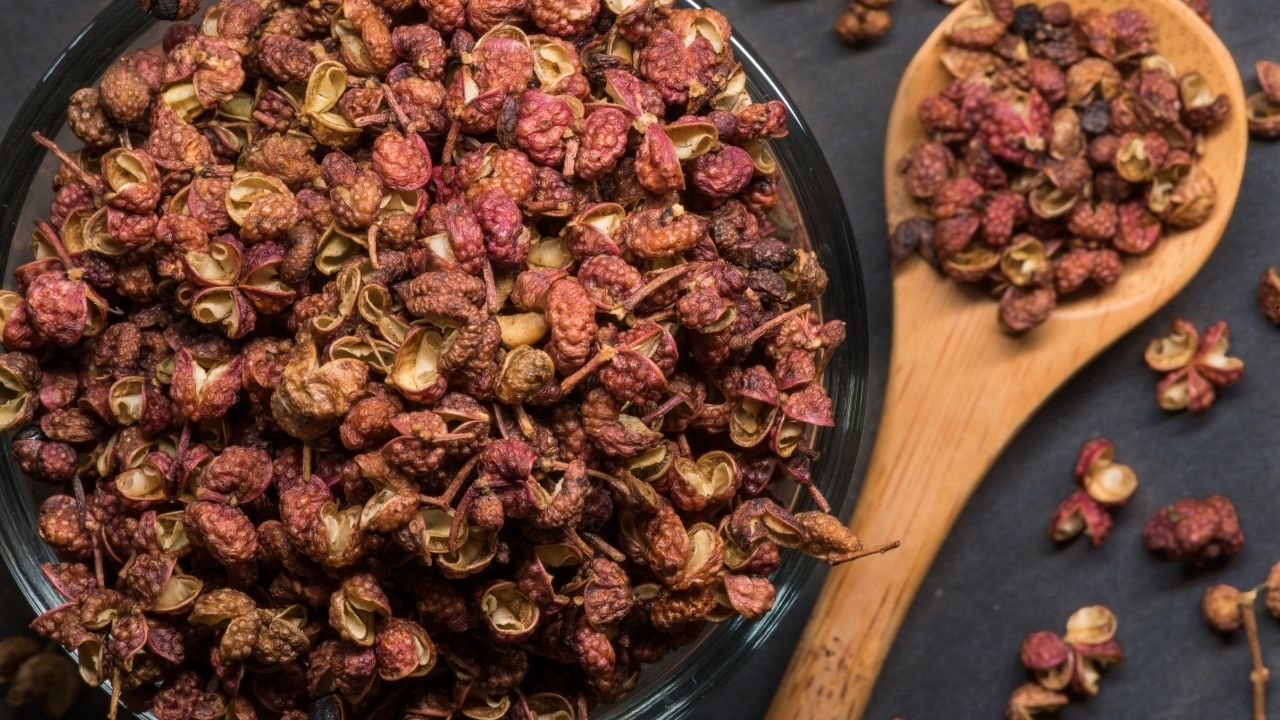
You picked up that little jar of Szechuan peppercorns for an authentic mapo tofu recipe, and now they’re sitting in your spice cabinet, looking lonely and forgotten. These aren’t your regular black peppercorns—they bring a unique numbing sensation called “málà” that makes your mouth tingle in the most interesting way. The flavor is citrusy, slightly floral, and creates that signature buzzing feeling on your tongue that’s completely different from regular heat. If you’ve only used them once, you’re missing out on their incredible versatility in dishes beyond Chinese cuisine.
Toast these little powerhouses in a dry pan for a minute to wake up their aromatic oils, then grind them fresh over roasted vegetables, popcorn, or even chocolate desserts for an unexpected twist. Try mixing ground Szechuan peppercorns with salt to create a finishing sprinkle for grilled meats, fish, or crispy potatoes. They work beautifully in marinades for chicken or tofu, and you can even add a pinch to fruit salads or cocktails for a sophisticated kick. The numbing quality actually helps balance rich, fatty foods, making them perfect for duck, pork belly, or creamy soups. Keep them in an airtight container away from light, and they’ll maintain their potency for about a year—plenty of time to experiment with this fascinating spice that deserves way more attention in your cooking routine.
Preserved lemons
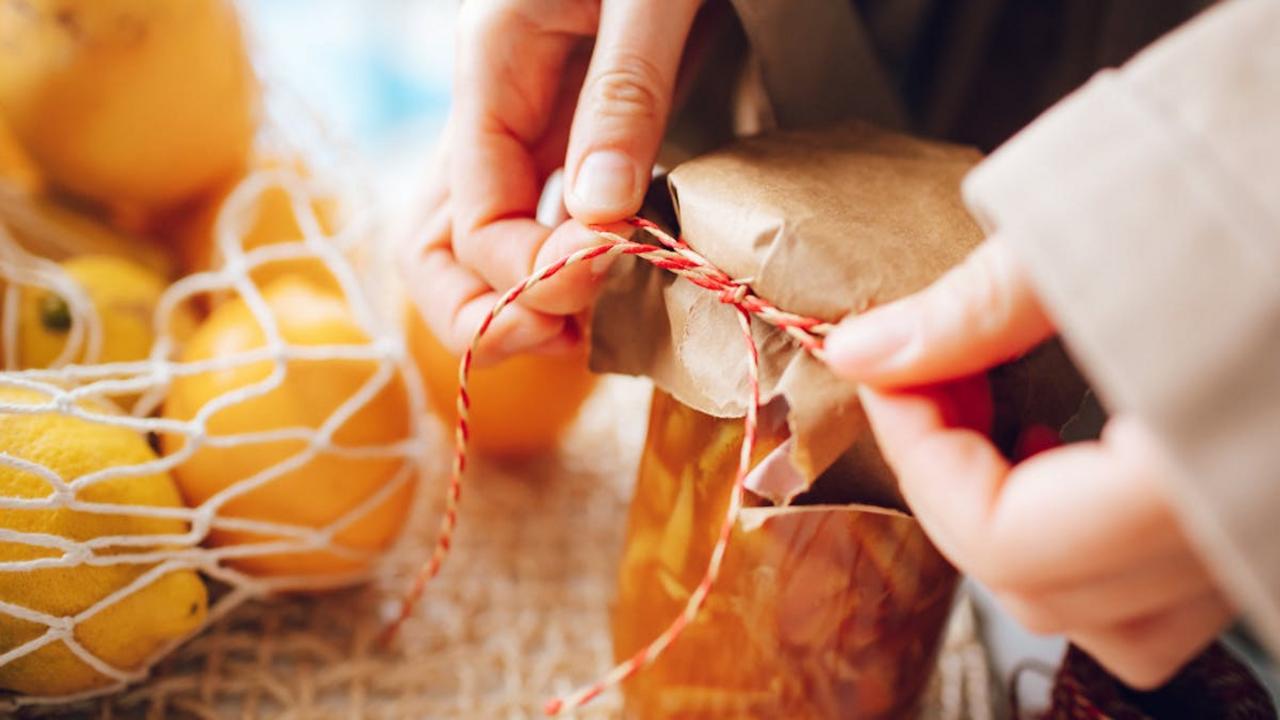
You grabbed that jar of preserved lemons because a Moroccan tagine recipe called for it, and now it’s been sitting in your fridge for months, right? Don’t let those briny, intensely flavored beauties go to waste! Preserved lemons bring a unique punch of salty, fermented citrus that can transform everyday dishes. The entire lemon gets preserved in salt and its own juices, creating a soft, mellow texture where even the rind becomes edible. They’re not just for North African cuisine—think bigger! Chop them finely and stir into pasta with garlic and olive oil, or blend a wedge into your next batch of hummus for an unexpected twist that’ll have everyone asking what your secret ingredient is.
Try mixing minced preserved lemon into compound butter to melt over grilled fish or chicken, or toss chunks into roasted vegetables for a bright, savory kick. They also work wonders in grain salads—just a tablespoon of the finely chopped rind mixed with quinoa, herbs, and chickpeas creates a refreshing lunch that feels restaurant-quality. The brine itself is liquid gold too! Use it as a marinade for chicken thighs or whisk it into vinaigrettes for an instant flavor boost. Once you start experimenting, you’ll realize these preserved gems deserve a permanent spot in your refrigerator rotation rather than collecting dust in the back corner.
Asafoetida
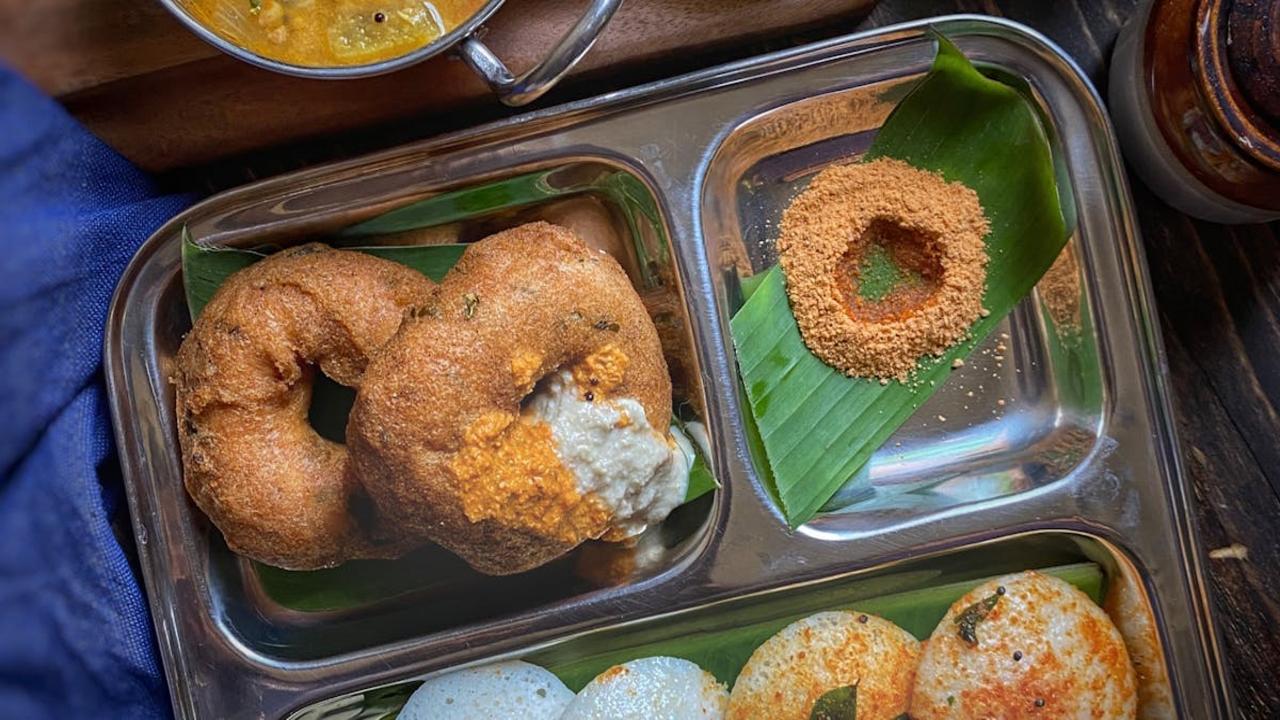
Picture this: you’re making an authentic Indian dal recipe, and the ingredient list calls for a pinch of asafoetida. You head to the specialty store, buy that small jar, use maybe an eighth of a teaspoon, and then it sits in your spice cabinet for months (or years) collecting dust. This pungent resin, also called hing, has an incredibly strong smell that can take over your entire kitchen if you’re not careful. The good news? A little goes a long way, which means that jar will last you forever if you actually remember to use it.
Here’s what makes asafoetida worth keeping around: it adds a savory, onion-garlic depth to dishes without using actual alliums. This makes it perfect for people following certain dietary restrictions or those who want to add complexity to vegetarian dishes. Try adding a tiny pinch to scrambled eggs, roasted vegetables, or homemade popcorn for an unexpected flavor boost. You can also mix it into lentil soups, rice dishes, or even pasta sauces. The key is to cook it briefly in oil or ghee to mellow out that intense raw smell and bring out its umami-rich, almost mushroom-like qualities. Store it in an airtight container away from other spices, and you’ll have a secret weapon for adding restaurant-quality depth to your home cooking.
Kaffir lime leaves
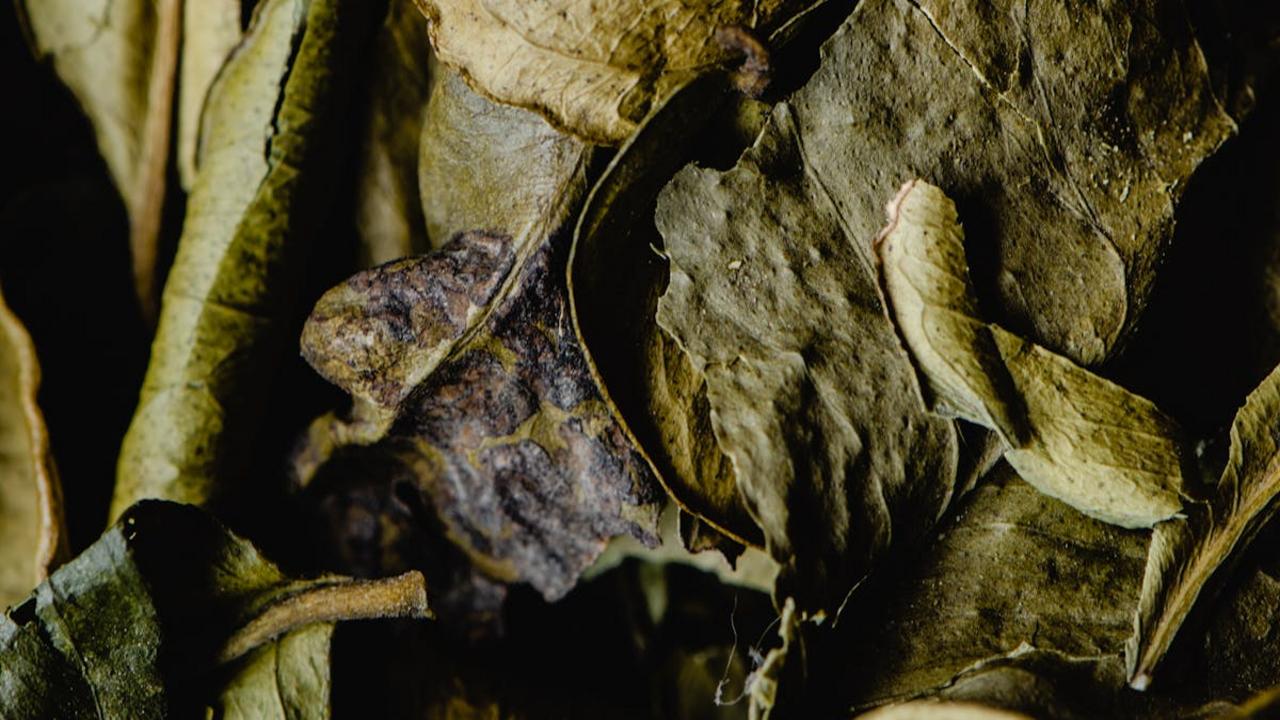
These intensely aromatic leaves caught your eye in an Asian grocery store while hunting down ingredients for that perfect Thai curry. Their glossy, double-lobed appearance seemed exotic and essential. You grabbed a bag, used three leaves for your Tom Yum soup, and now the rest sit forgotten in your freezer, slowly developing freezer burn. The problem? Most Western recipes don’t call for them, and their unique citrusy-floral flavor doesn’t translate well as a substitute in dishes that weren’t designed around their distinctive profile.
But here’s your second chance! Those leaves pack incredible flavor and deserve better than freezer exile. Toss a couple into your rice cooker next time you make jasmine rice—the subtle fragrance transforms ordinary grains into something restaurant-worthy. Steep them in simple syrup for cocktails or lemonade, creating a tropical twist that’ll impress your friends. Make a quick curry paste by blending the leaves with garlic, ginger, and coconut milk, then freeze in ice cube trays for instant flavor bombs. You can even add finely shredded leaves to fish marinades or chicken stir-fries. The key is using them sparingly since their flavor intensifies with cooking. Store extras in the freezer in an airtight container, and they’ll maintain their potency for months, ready whenever inspiration strikes.
Blue spirulina powder
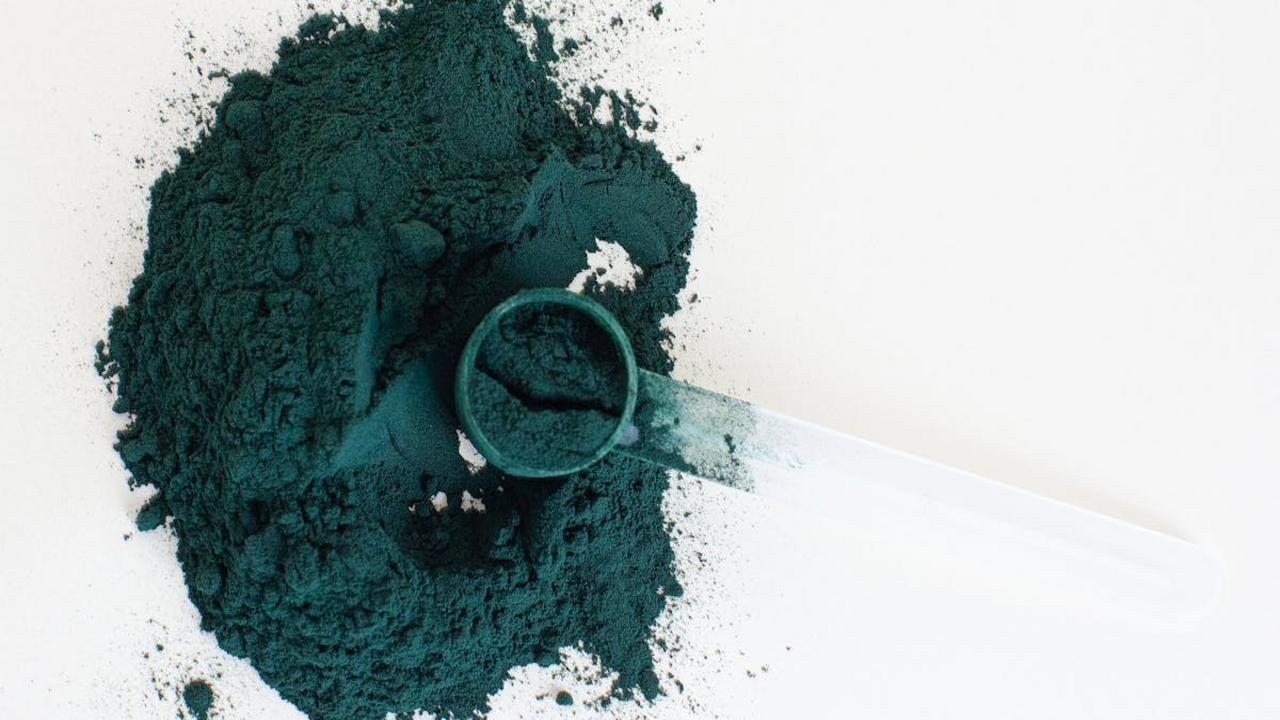
You grabbed that tiny jar of blue spirulina powder because you wanted to make those Instagram-worthy smoothie bowls with that stunning ocean-blue color. The powder did its job beautifully, transforming your breakfast into something that looked straight out of a tropical paradise. But now that jar sits in your pantry, and you’re scratching your head wondering what else you can possibly do with this vibrant blue algae powder. The good news is that blue spirulina isn’t just a one-trick pony for smoothie bowls.
Start mixing this powder into your morning oatmeal, yogurt parfaits, or even homemade energy balls for a pop of color and a dose of antioxidants. You can blend it into homemade salad dressings for a unique twist, or stir a small amount into pancake or waffle batter to surprise your family with blue breakfast treats. Blue spirulina also works wonderfully in chia puddings, protein shakes, and even homemade popsicles during warmer months. If you’re feeling adventurous, try adding it to cake frostings or cookie dough for naturally colored baked goods that don’t rely on artificial dyes. The flavor is incredibly mild compared to regular green spirulina, so it won’t overpower your recipes. Keep experimenting with small amounts until that jar is empty and you’ve discovered just how versatile this superfood powder can be in your everyday cooking.
Yuzu kosho

Yuzu kosho came home with you after you spotted it in that trendy Japanese recipe, didn’t it? This vibrant green or red paste combines yuzu citrus peel, chili peppers, and salt into something that’s simultaneously bright, spicy, and wonderfully complex. You used maybe a teaspoon for that ramen bowl or grilled fish, and now the little jar sits there, slightly intimidating. But here’s what you need to know: this condiment is incredibly versatile once you get comfortable with it. Think of it as your secret weapon for adding instant depth and zing to almost any protein or vegetable dish.
Start mixing a small amount into mayonnaise or yogurt for a knockout sandwich spread or dip that’ll make your vegetables disappear. Stir it into salad dressings with olive oil and rice vinegar for an instant upgrade, or whisk it into marinades for chicken, pork, or tofu before grilling. You can even add a dab to pasta dishes, grain bowls, or stir-fries when you want that punchy citrus-heat combination. The key is starting small—yuzu kosho packs serious flavor, so a little goes a long way. Once you start experimenting, you’ll wonder how you ever cooked without it sitting right there on your counter.
Lavender buds

Lavender buds sat in your pantry after you made that fancy shortbread recipe, and now they’re collecting dust while you wonder what else to do with them. These fragrant purple flowers aren’t just for baking—they can transform both sweet and savory dishes in your kitchen. Try mixing a small pinch into your honey for drizzling over yogurt or fresh fruit, or steep them with your favorite tea for a calming afternoon drink. You can also add them to homemade sugar scrubs or sachets for your drawers, giving those buds a purpose beyond the kitchen.
If you’re ready to cook with lavender again, remember that a little goes a long way—too much can make your food taste soapy. Grind the buds with sea salt to create an aromatic seasoning for roasted chicken or lamb, or infuse them into cream for panna cotta or ice cream. Mix them into your lemonade syrup for a floral twist on the classic summer drink, or blend them with butter and spread on warm scones. Lavender pairs beautifully with lemon, berries, and even dark chocolate, so don’t be afraid to experiment. Your neglected buds deserve another chance to shine in your cooking.
Fermented bean paste
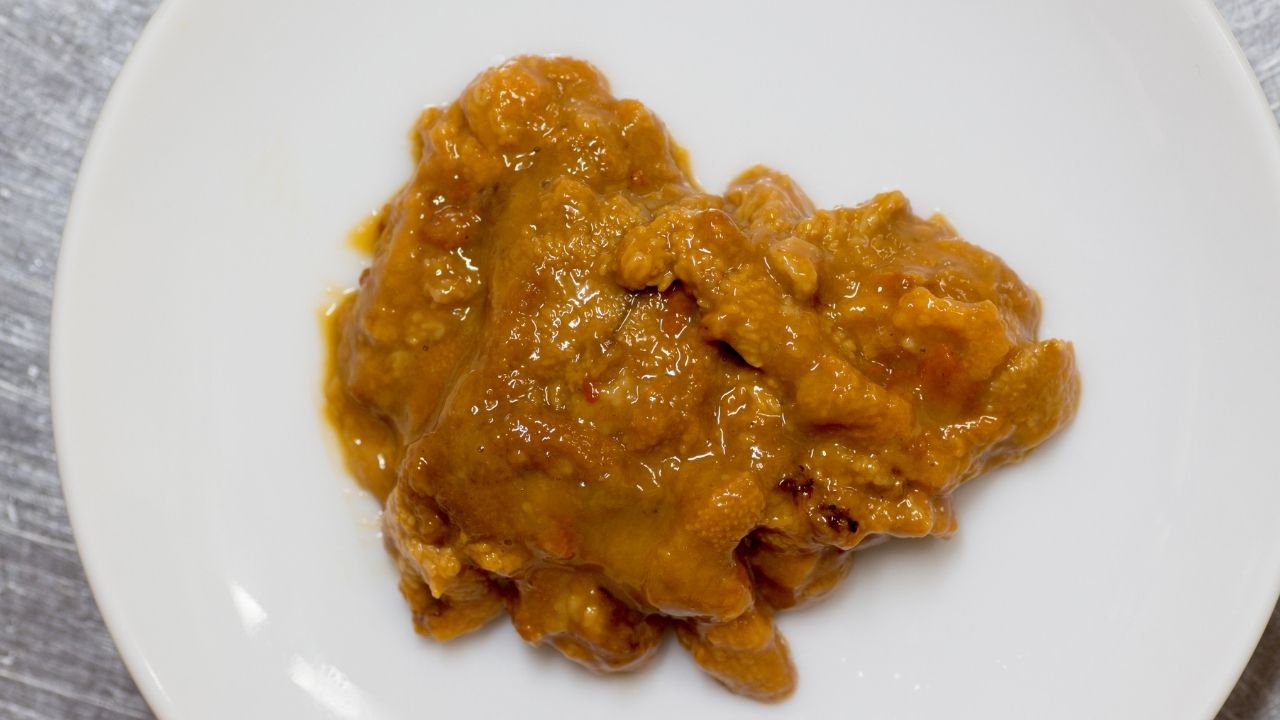
Fermented bean paste sits in your fridge like a mysterious jar of potential, purchased for that one authentic Asian recipe you were determined to master. This ingredient packs serious umami punch and adds incredible depth to dishes like mapo tofu, Korean stews, or miso-based soups. The problem? Most recipes call for just a tablespoon or two, leaving you with enough paste to last through several seasons. That concentrated, salty-sweet flavor profile might seem intimidating once that original recipe is behind you, and suddenly you’re staring at this jar wondering what else could possibly need it.
Here’s your solution: treat fermented bean paste like your secret weapon for instant flavor. Mix a spoonful into salad dressings for an unexpected savory kick, stir it into marinades for grilled vegetables or tofu, or whisk it into simple broths to create satisfying noodle soups in minutes. You can even blend it with a bit of oil and garlic to create a quick glaze for roasted Brussels sprouts or cauliflower. The beauty of this ingredient is its incredible staying power—properly sealed and refrigerated, it keeps for months. Once you start experimenting beyond that original recipe, you’ll discover that this paste deserves a permanent spot in your flavor-building arsenal, transforming ordinary weeknight dinners into something special.
Black garlic
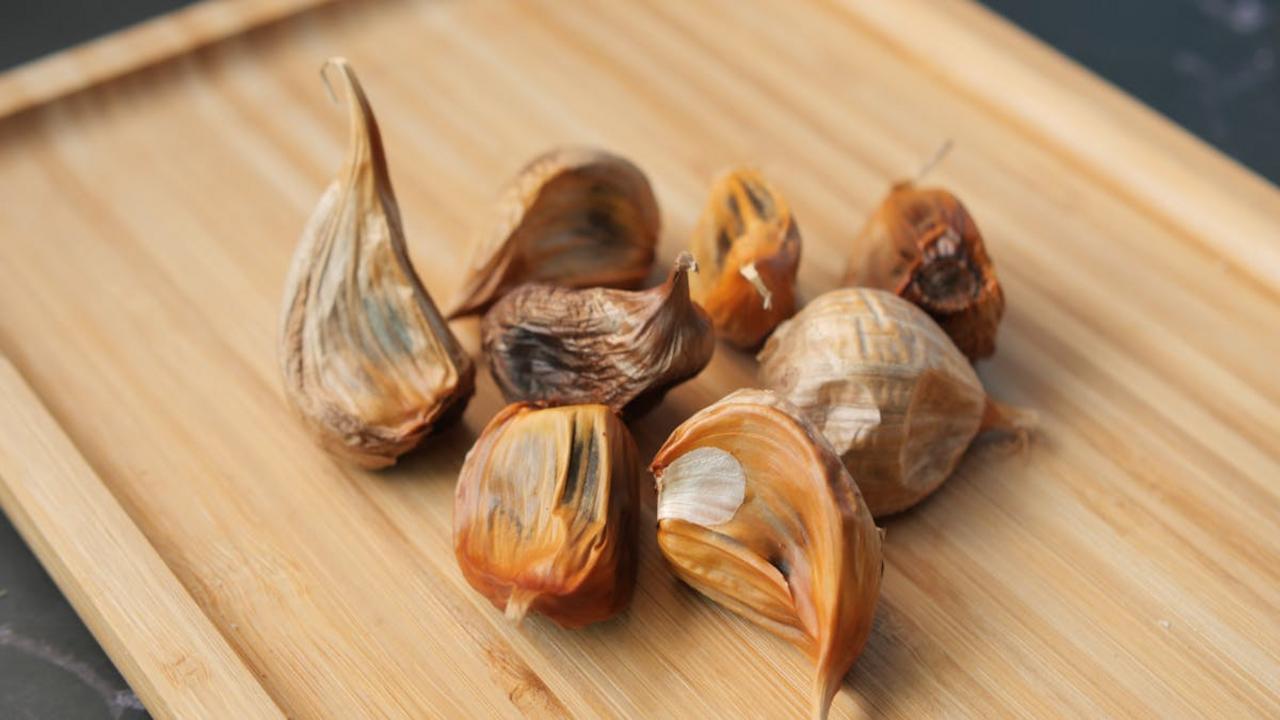
Black garlic sounds like something you’d need for an elaborate Asian fusion dish, but after making that one recipe, those precious bulbs sit in your pantry like mysterious little treasures waiting for their moment. Here’s the thing—this ingredient is actually way more versatile than you think! The fermentation process transforms regular garlic into something milder, sweeter, and almost molasses-like in flavor. Instead of letting it collect dust, try mashing a clove into softened butter for an incredible compound butter that’ll make your morning toast feel gourmet. Spread it on grilled steak, toss it with roasted vegetables, or swirl it into mashed potatoes for an instant upgrade.
You can also get creative with black garlic in your everyday cooking without following any specific recipe. Blend it into salad dressings for depth, mix it into mayonnaise for next-level sandwich spreads, or even add a clove to your smoothies if you’re feeling adventurous—trust me, it adds an unexpected umami kick that works surprisingly well with fruits. The sweet, complex flavor pairs beautifully with cheese boards too, so slice it thin and serve it alongside aged cheddar or brie at your next gathering. Since black garlic keeps for months in the fridge, there’s no rush to use it all at once, but once you start experimenting, you’ll find yourself reaching for it more often than you’d expect!
Sumac
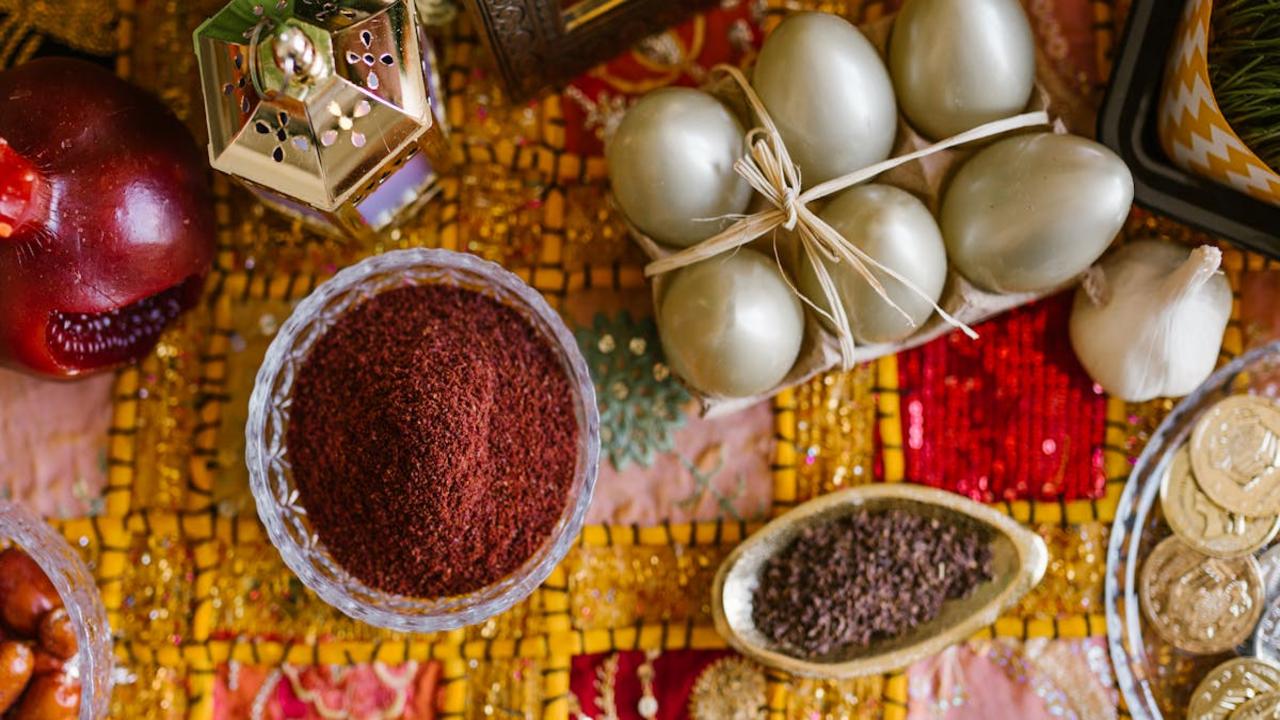
That jar of sumac you grabbed for a specific Middle Eastern recipe probably sits unopened in your spice cabinet now. This tangy, burgundy-colored spice comes from dried and ground sumac berries, and it offers a bright, lemony flavor without any added moisture. You bought it to make fattoush salad or za’atar spice blend, but now you’re wondering what else you can do with this vibrant powder. The good news is that sumac is incredibly versatile and can transform everyday dishes with its citrusy punch.
Sprinkle sumac over roasted vegetables like cauliflower, carrots, or Brussels sprouts for an instant flavor boost that adds complexity without extra calories. Mix it into yogurt-based dips and dressings to brighten them up, or dust it over grilled chicken, fish, or lamb before serving for a restaurant-quality finish. You can even add a pinch to your morning scrambled eggs or avocado toast for a unexpected twist. Sumac works beautifully in marinades too—combine it with olive oil, garlic, and herbs to create a zesty coating for proteins. Once you start experimenting with this ingredient, you’ll discover it’s not just for one recipe; it’s a secret weapon that brings acidity and depth to countless dishes in your regular cooking rotation.
Dried hibiscus petals

Remember that adventurous afternoon when you stumbled upon a recipe for agua de Jamaica and grabbed a bag of dried hibiscus petals? Those gorgeous ruby-red flowers promised tart, cranberry-like flavor and a stunning magenta hue. You made that refreshing drink once, maybe twice, and now that bag sits in your pantry, forgotten behind the oats and flour. Here’s your wake-up call: these petals deserve so much more than collecting dust. They’re packed with vitamin C and antioxidants, plus they bring a tangy brightness that transforms ordinary dishes into something special. Think beyond beverages and get creative with what you’ve got.
Start infusing those petals into your morning routine by steeping them in hot water for a vibrant herbal tea, either solo or mixed with green tea and honey. Grind them into a fine powder and add to homemade granola, yogurt parfaits, or even sprinkle over oatmeal for a pop of color and zing. You can also simmer the petals with sugar and water to create a simple syrup that works beautifully in cocktails, lemonades, or drizzled over pancakes and vanilla ice cream. For savory applications, try adding rehydrated petals to rice while it cooks for a gorgeous pink pilaf, or blend them into salad dressings for unexpected depth. Some home bakers even incorporate hibiscus powder into cake batters and frostings for natural coloring and a subtle fruity note. Those petals have serious staying power in your pantry, so there’s no rush, but why not put them to work?