14 Kitchen Habits That Make Safe Foods Risky
Your kitchen should be your safe haven for creating nourishing meals, but some everyday habits might be putting you and your family at risk. Even the freshest ingredients and most wholesome recipes can become dangerous when we unknowingly practice risky food handling techniques.
Many of these habits feel so natural that we never question them. You wash your produce, store leftovers promptly, and keep your kitchen clean – yet bacteria can still find ways to multiply and spread through seemingly innocent actions.
Understanding these common mistakes helps you cook with confidence while keeping your loved ones healthy. Small changes in how you handle, store, and prepare food can make a huge difference in preventing foodborne illness without compromising the joy of cooking.
Stacking hot foods in deep containers
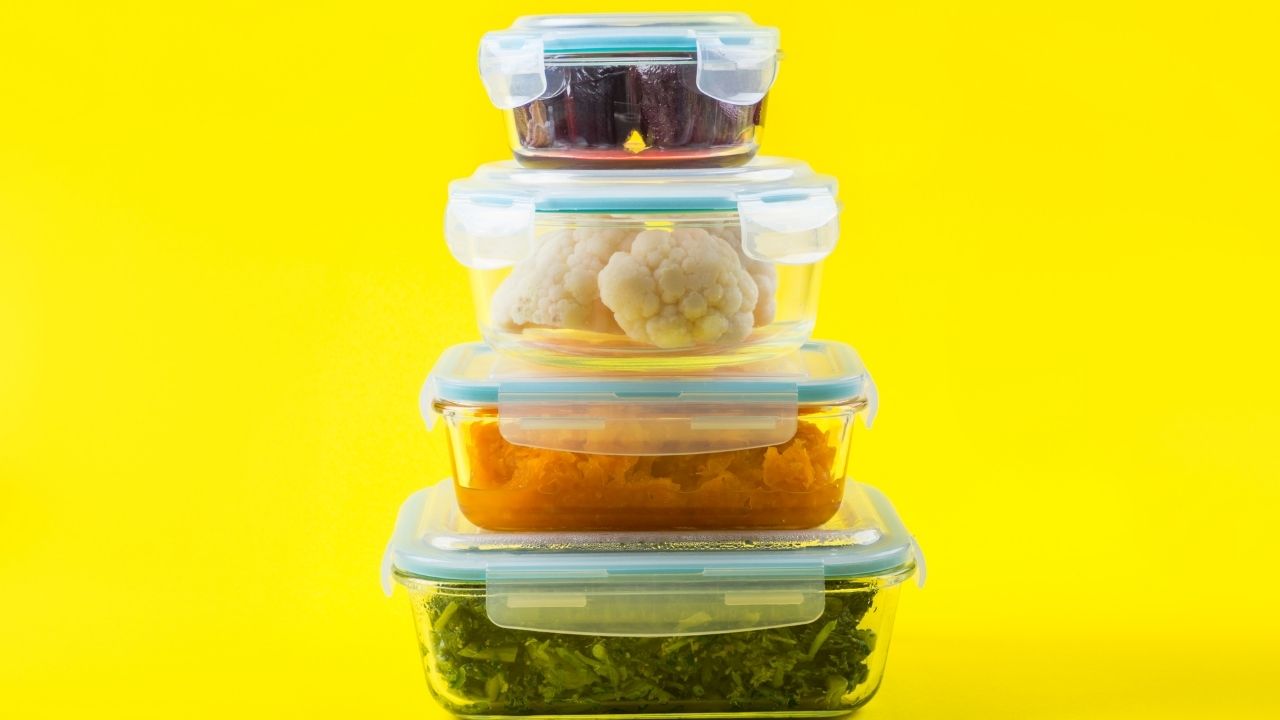
You know that moment when you’ve just finished cooking a big batch of your favorite soup or stew, and you want to pack it away quickly? I get it – those deep containers seem perfect for storing large quantities. But here’s what happens when you stack hot food in those tall, deep containers: the center stays dangerously warm for hours while the edges cool down. This creates what food safety experts call the “danger zone” – that perfect temperature range where bacteria throw their own little party and multiply rapidly. Your delicious homemade meal becomes a breeding ground for foodborne illness without you even knowing it.
The solution is simpler than you might think! Instead of using one massive container, divide your hot foods into several shallow containers – no more than two inches deep. This allows the heat to escape quickly and evenly, getting your food out of that risky temperature zone fast. You can also place these shallow containers in an ice bath or spread them out in your refrigerator with some space between each one for air circulation. Trust me, taking this extra step means you can enjoy your leftovers with complete confidence, knowing they’re safe and just as delicious as when you first made them.
Not calibrating refrigerator temperature
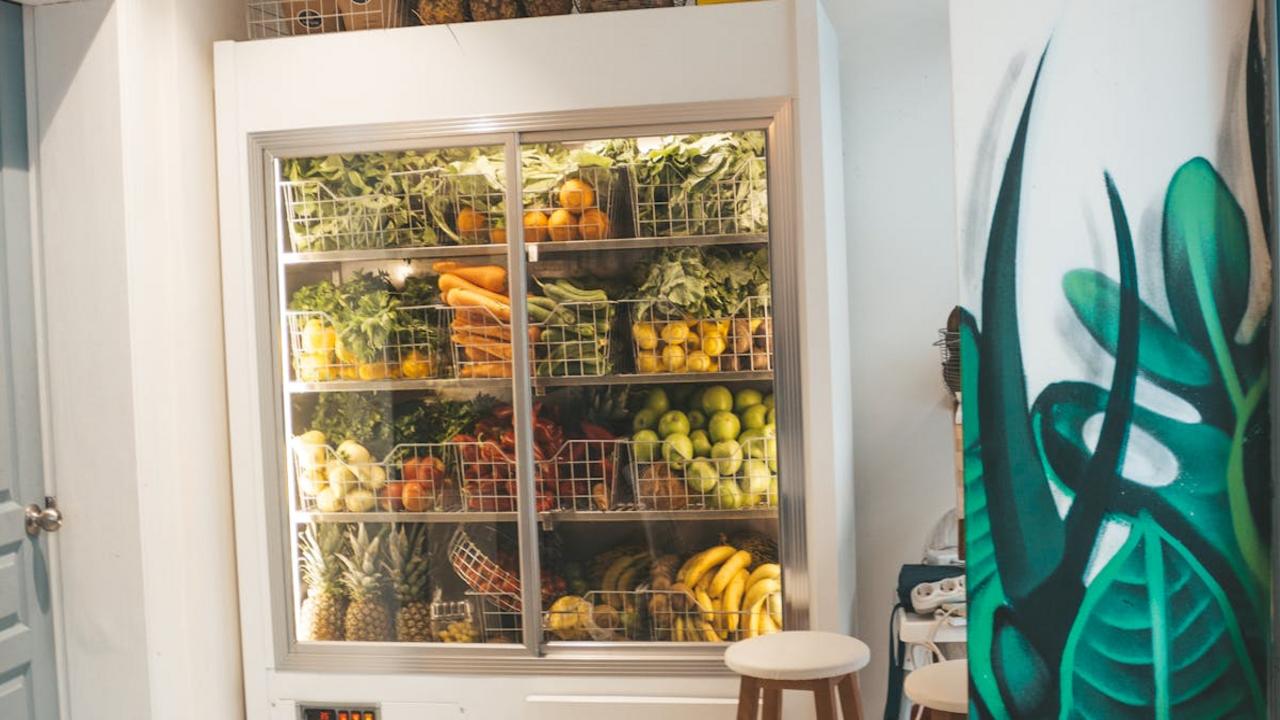
Your refrigerator works incredibly hard to keep your food fresh and safe, but if you’re not checking its temperature regularly, you might be setting yourself up for foodborne illness without even knowing it. The ideal fridge temperature sits between 37°F and 40°F – any warmer and bacteria start throwing their own little party in your leftovers. I see so many home cooks who assume their fridge is doing its job properly, but refrigerator thermostats can drift over time, and that innocent-looking dial might not be telling the whole truth about what’s happening inside.
Grab an inexpensive refrigerator thermometer from any grocery store and place it in the center of your middle shelf – this gives you the most accurate reading of your fridge’s actual temperature. Check it weekly, and if you notice the temperature creeping above 40°F, adjust that dial accordingly. Trust me, this simple habit will save you from discovering spoiled milk the hard way or, worse, dealing with food poisoning from seemingly fresh ingredients. Your family’s health depends on this cool, controlled environment, so don’t leave it to chance – make temperature monitoring part of your regular kitchen routine!
Storing onions and garlic in plastic bags
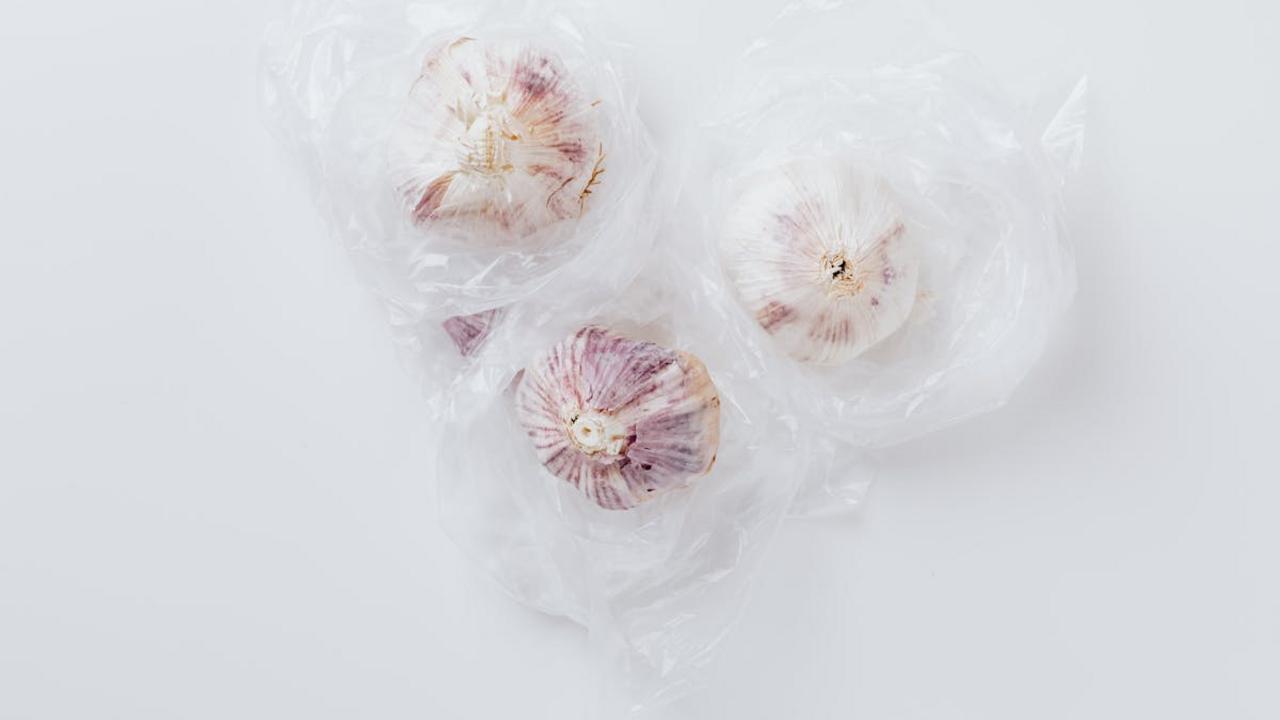
I see this mistake happening in kitchens everywhere, and honestly, it breaks my heart because those beautiful onions and garlic bulbs deserve so much better! When you trap these aromatic powerhouses in plastic bags, you’re creating a humid environment that encourages sprouting, mold growth, and rapid deterioration. The lack of air circulation becomes their worst enemy, turning what should be pantry staples into mushy, potentially unsafe ingredients that can harbor harmful bacteria.
Your onions and garlic want to breathe freely in cool, dry spaces with good ventilation – think mesh bags, baskets, or even just loose in a pantry drawer. I keep mine in a wooden bowl on my counter, and they stay fresh for weeks! The key is avoiding moisture buildup, which plastic bags trap like nobody’s business. Give these flavor champions the respect they deserve with proper storage, and they’ll reward you with longer shelf life, better taste, and safer cooking ingredients that won’t leave you wondering if that soft spot means trouble.
Using the same cutting board for all foods
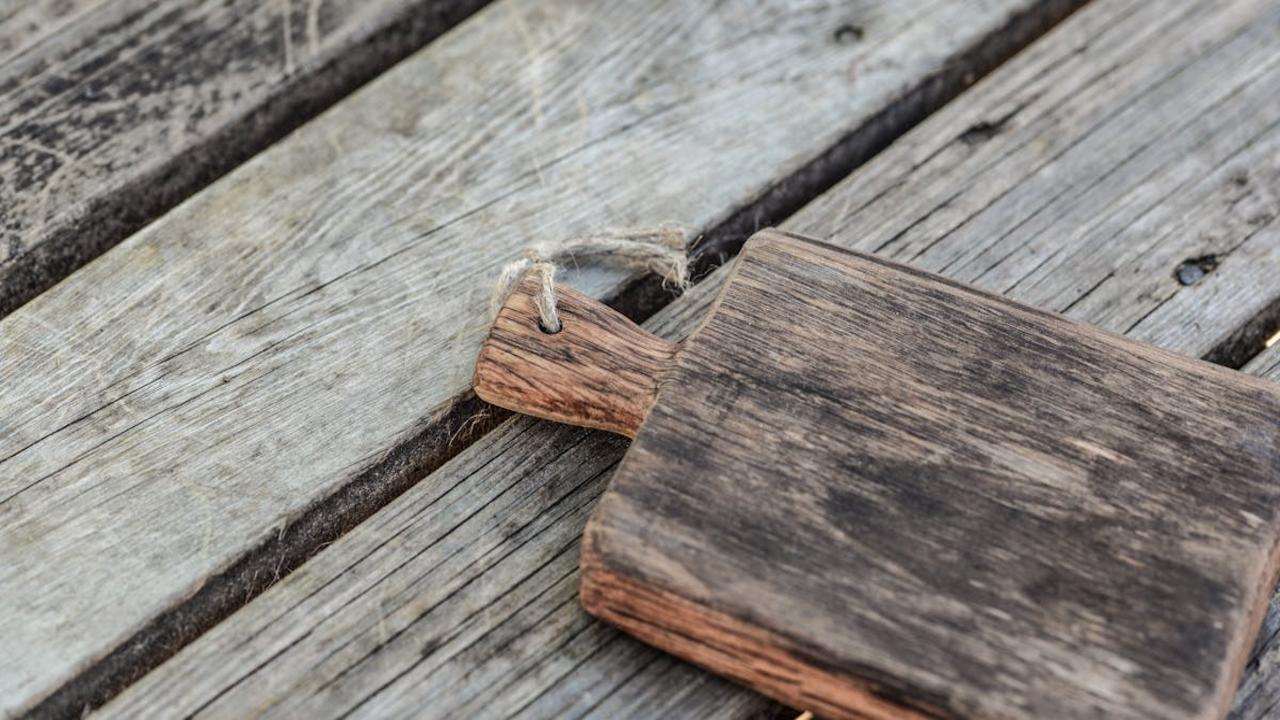
I see this mistake happen in kitchens everywhere, and it makes me want to shout from the rooftops about cross-contamination! Using one cutting board for everything – raw chicken, fresh vegetables, cooked meats, and fruits – creates a dangerous breeding ground for bacteria. When you slice raw poultry on a board and then chop lettuce for your salad on that same surface, you’re transferring harmful pathogens like salmonella and E. coli directly onto foods you’ll eat without cooking. This simple oversight can turn a healthy meal into a recipe for foodborne illness.
The solution is beautifully straightforward: designate different boards for different food categories. I keep color-coded boards in my kitchen – red for raw meat, green for vegetables, and blue for cooked foods. If you only have one board, wash it thoroughly with hot, soapy water between each use, especially after handling raw proteins. Bamboo and plastic boards work wonderfully for this system since they’re easy to sanitize. This small change in your prep routine protects your family’s health while keeping all those gorgeous, fresh flavors exactly where they belong – in your delicious, safe meals!
Not changing or sanitizing kitchen sponges regularly
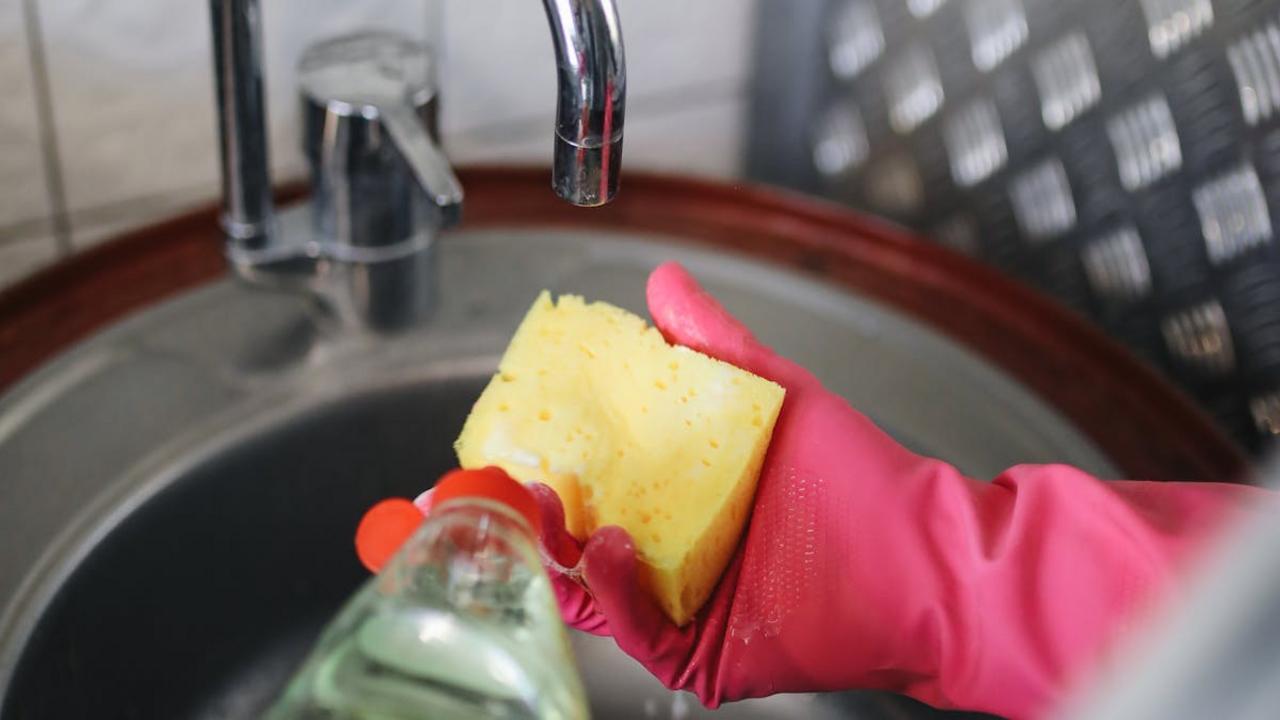
Your trusty kitchen sponge might be working against you! That innocent-looking cleaning tool sitting by your sink can become a bacteria playground faster than you’d expect. Kitchen sponges create the perfect storm for harmful microorganisms – they’re moist, warm, and constantly exposed to food particles. Studies show that kitchen sponges can harbor more bacteria than toilet seats, including dangerous pathogens like Salmonella and E. coli. When you use that same dirty sponge to wipe down counters or clean dishes, you’re actually spreading germs around your kitchen instead of removing them.
The good news? This problem has simple solutions that fit right into your daily routine. Replace your kitchen sponges every week, or sanitize them daily by microwaving them damp for 60 seconds or running them through your dishwasher’s hot cycle. You can also soak them in a bleach solution for a minute, then rinse thoroughly. Consider keeping separate sponges for different tasks – one for dishes, another for counters, and never mix the two. Color-coding makes this system foolproof! Your kitchen will stay genuinely clean, and you’ll protect your family from unnecessary foodborne illness risks.
Thawing meat on the counter
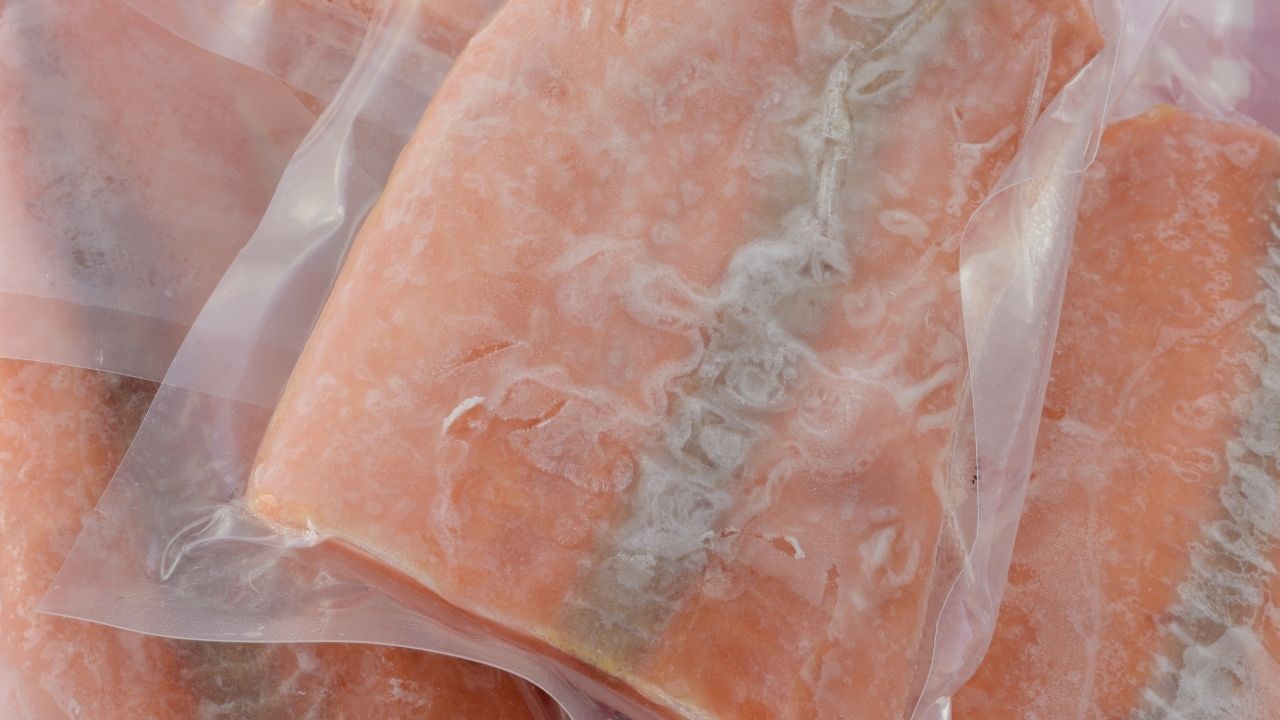
I see this happening in kitchens everywhere, and I totally get why people do it – you forgot to move that chicken from the freezer to the fridge last night, and now you need it ready for dinner. But leaving meat to thaw on your counter creates a dangerous temperature zone where bacteria multiply rapidly. The outer layers of your meat warm up while the inside stays frozen, giving harmful bacteria like salmonella and E. coli the perfect breeding ground they need to flourish.
Your safest bet is planning ahead and moving frozen meat to your refrigerator 24 hours before you need it. If you’re in a time crunch, submerge the sealed meat in cold water, changing the water every 30 minutes – this method keeps everything at safe temperatures while speeding up the process. You can also use your microwave’s defrost setting if you’re cooking the meat immediately afterward. These methods might require a bit more attention, but they keep your family safe from foodborne illness while still getting dinner on the table.
Reusing oil multiple times for deep frying
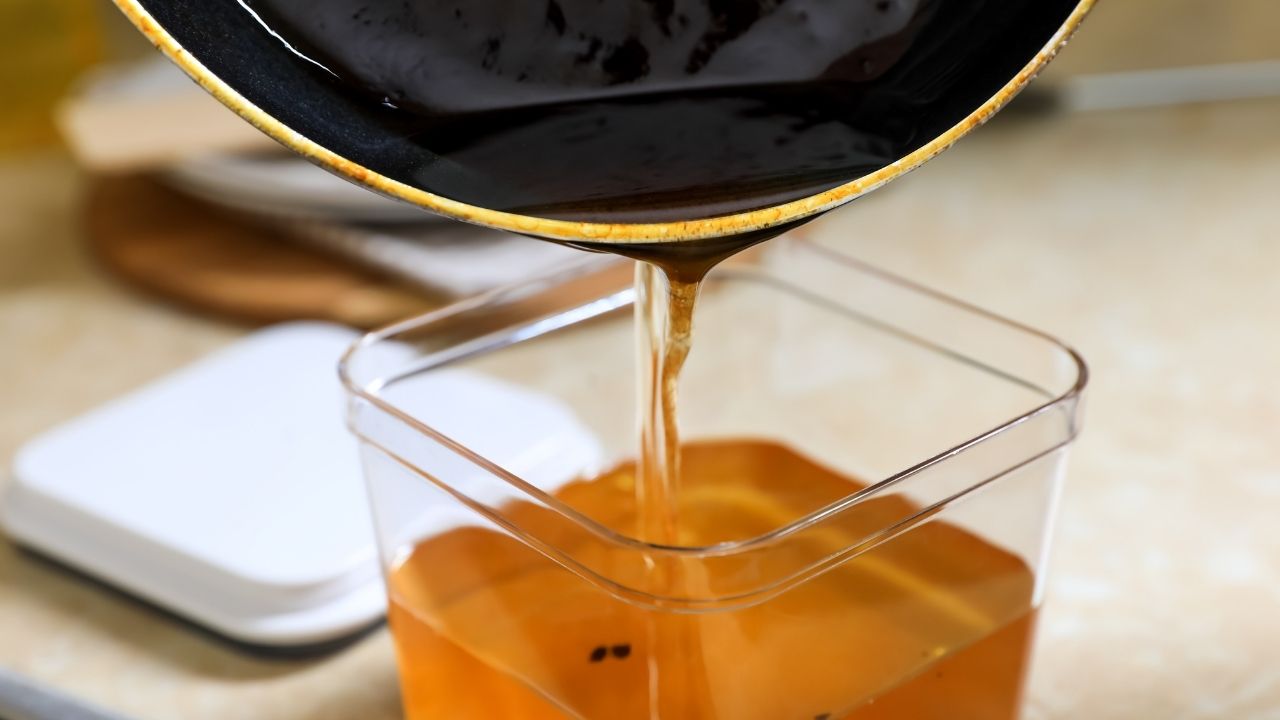
I get it – good frying oil costs money, and tossing it after one use feels wasteful. But here’s the reality: every time you heat oil for deep frying, it breaks down chemically and becomes a breeding ground for harmful compounds. After multiple uses, that golden oil transforms into something that can actually make you sick. The repeated heating creates toxic substances like aldehydes and free radicals, which your body doesn’t appreciate one bit. Plus, old oil absorbs flavors and odors from previous cooking sessions, meaning your fresh batch of donuts might taste like last week’s fish.
You’ll know your oil has overstayed its welcome when it starts smoking at lower temperatures, develops a dark color, or takes on a rancid smell. Smart home cooks change their frying oil after 2-3 uses maximum, depending on what they’ve cooked and how hot the oil got. Store your oil properly between uses – strain it through a fine mesh to remove food particles and keep it in a cool, dark place. Trust me, your stomach and your taste buds will thank you for starting fresh with clean oil more often than you think you need to.
Letting cooked food sit at room temperature too long
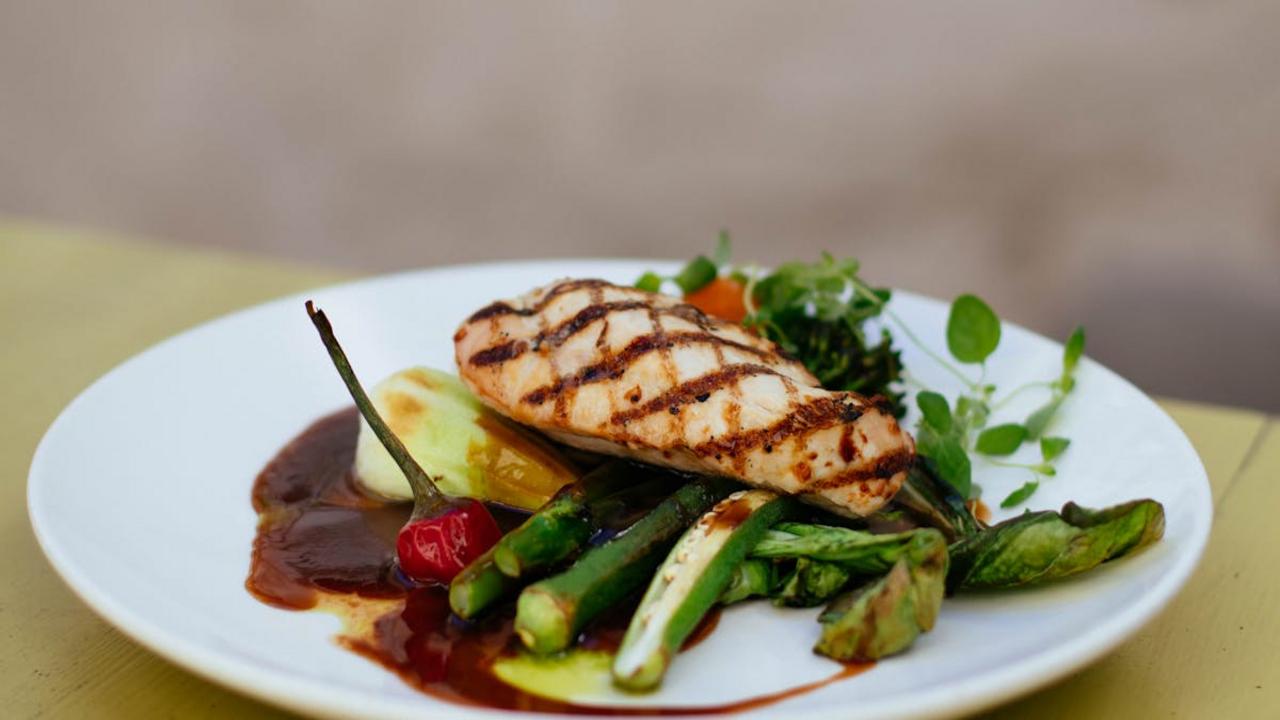
I get it – you’ve just finished cooking a beautiful dinner, and the last thing you want to think about is rushing to put everything away. But here’s the thing: leaving your perfectly cooked food sitting out at room temperature creates the perfect playground for bacteria to multiply. The “danger zone” sits between 40°F and 140°F, and bacteria can double every 20 minutes in this temperature range. Your delicious lasagna or roast chicken becomes a potential health hazard faster than you might think.
The golden rule I always follow is the two-hour rule – never leave cooked food out for more than two hours, and if your kitchen temperature is above 90°F, cut that time to just one hour. I know it sounds strict, but food safety doesn’t have to kill your dinner party vibe! Set a gentle timer on your phone as a friendly reminder, or better yet, make putting food away part of your post-meal routine. Your future self will thank you for taking these simple steps, and your family will stay healthy and happy around your dinner table.
Rinsing raw chicken
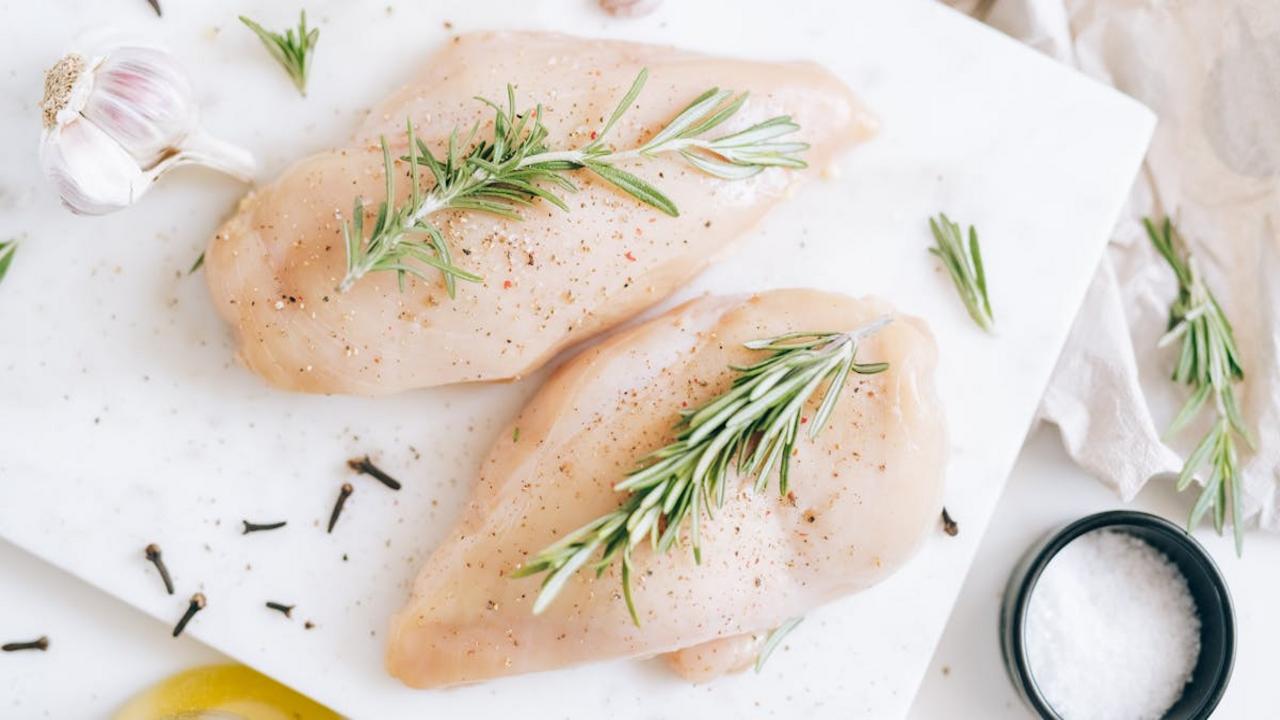
I know you’ve probably heard this from your grandmother or seen it in countless cooking shows, but rinsing raw chicken before cooking is actually one of the riskiest kitchen habits you can practice! When you rinse that raw poultry under running water, you’re essentially creating a bacteria splash zone around your sink. Those tiny water droplets carry harmful pathogens like salmonella and campylobacter up to three feet away from your sink, contaminating your countertops, dish towels, and anything else nearby.
Here’s the good news – you don’t need to rinse chicken at all! Proper cooking temperatures will eliminate any bacteria present on the meat, making that pre-rinse completely unnecessary. Instead of reaching for the faucet, take your chicken straight from the package to your cutting board, then wash your hands thoroughly with soap and warm water for at least 20 seconds. Save yourself the extra cleanup time and reduce your risk of foodborne illness by skipping this outdated practice. Your kitchen will be safer, and you’ll have more time to focus on creating delicious, perfectly seasoned chicken dishes that your family will love.
Not washing avocado skin before cutting
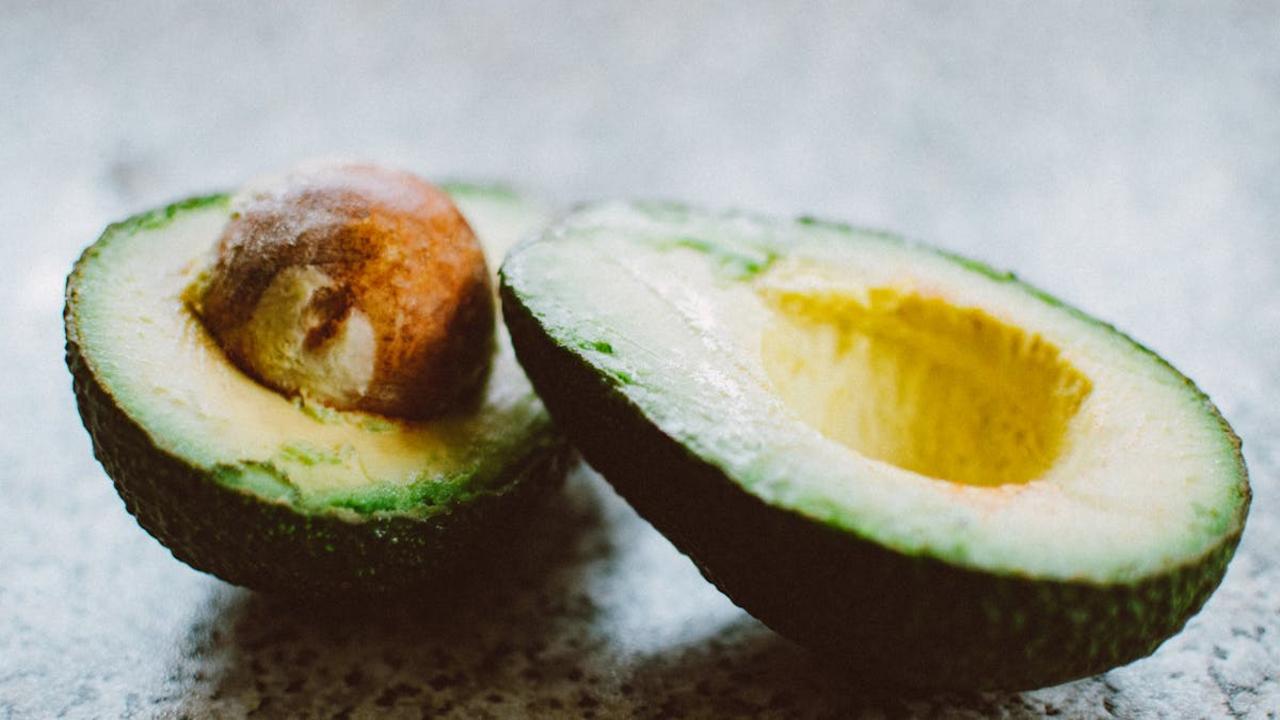
Here’s something that might shock you: that beautiful avocado sitting on your counter could be carrying harmful bacteria right on its skin! Even though we don’t eat the peel, any nasties lurking on the outside surface get transferred straight to the creamy flesh inside when your knife slices through. Salmonella, E. coli, and other unwelcome guests love to hang out on produce surfaces, and avocados are no exception. The moment your knife cuts through that skin, it’s like creating a direct highway for bacteria to travel from the outside to the good stuff inside.
The fix is so simple it feels almost silly – just give that avocado a quick rinse under cool running water and gently scrub with your hands or a clean brush before you slice into it. I know it seems unnecessary since you’re tossing the skin anyway, but this 30-second step can save you from a nasty bout of food poisoning. Think of it this way: you’re protecting all that perfect, buttery goodness from contamination. Plus, clean avocados just feel better to work with, and you’ll have total peace of mind knowing your guacamole or avocado toast is starting from the safest possible place.
Storing tomatoes and potatoes together
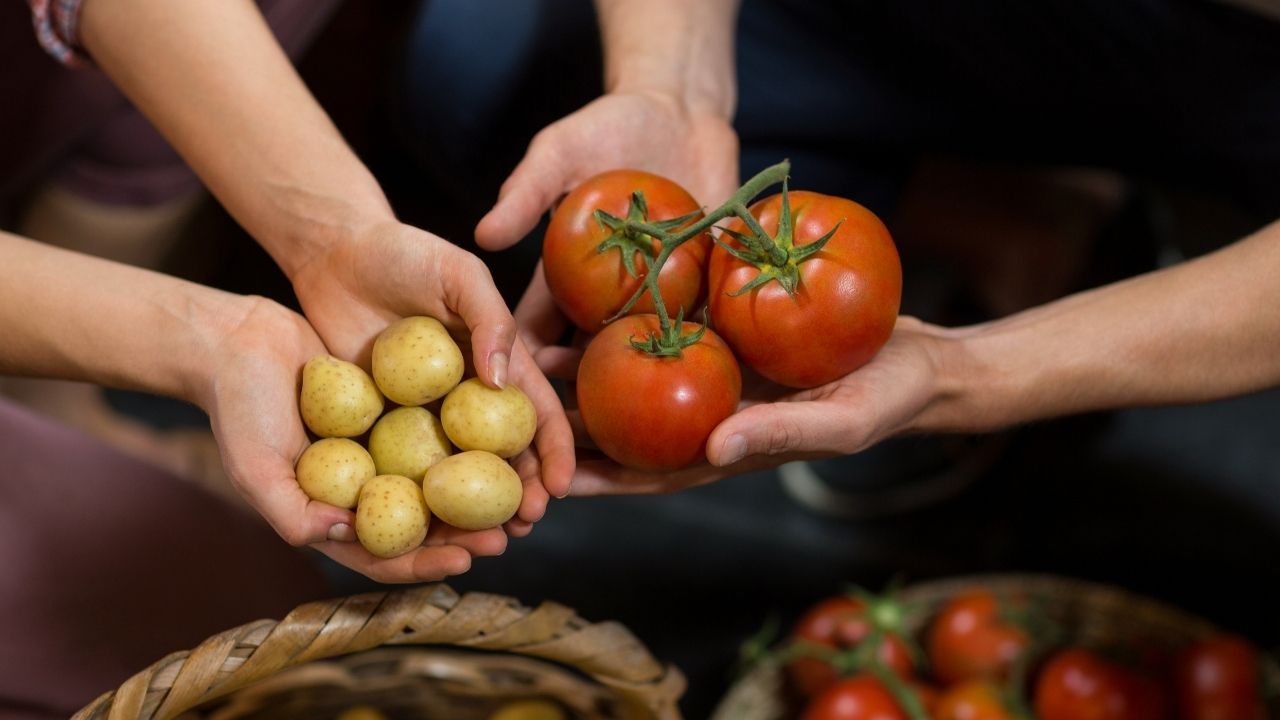
You know that basket where you toss all your fresh produce together? Stop right there! Keeping tomatoes and potatoes side by side creates a dangerous situation that most home cooks don’t realize. Potatoes naturally produce solanine, a toxic compound that increases when exposed to light and certain conditions. When you store them near tomatoes, which also contain solanine and other compounds, you’re creating a concentrated environment that can make both foods more harmful than they should be.
Here’s what happens: potatoes release ethylene gas, which causes tomatoes to ripen too quickly and develop higher concentrations of potentially toxic alkaloids. Meanwhile, the moisture from ripening tomatoes creates conditions that encourage potato sprouting and green spots – both signs of dangerous solanine buildup. Keep your potatoes in a cool, dark, dry place away from other produce, and store your tomatoes at room temperature on the counter, separated from everything else. Your family’s safety depends on giving these two popular ingredients their own space to stay fresh and safe.
Reusing marinades without boiling
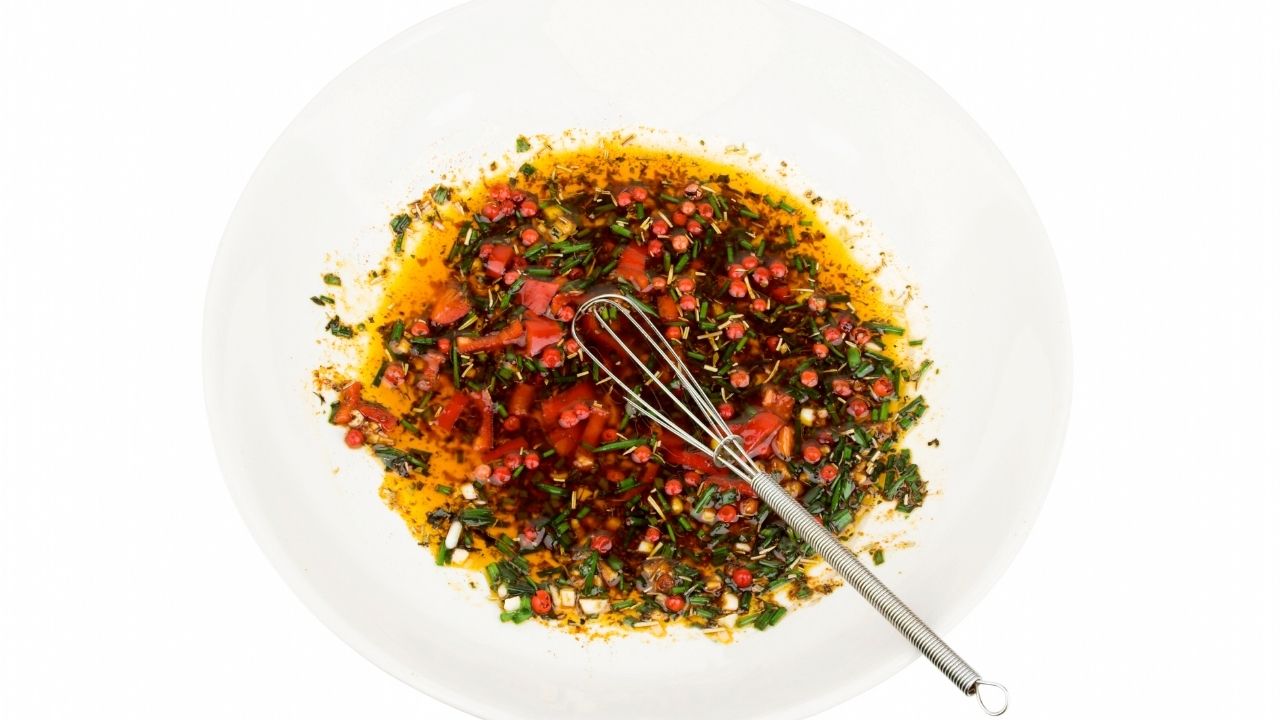
I’ve watched countless home cooks make this mistake, and trust me, it’s one that can turn your delicious meal into a food safety nightmare. When you marinate raw meat, poultry, or seafood, that marinade becomes contaminated with harmful bacteria from the raw proteins. Simply brushing it on your cooked food or using it as a sauce without proper treatment puts you and your family at serious risk for foodborne illness. Those bacteria don’t just disappear because the meat is now cooked – they’re still lurking in that flavorful liquid you’re tempted to reuse.
Here’s the good news: you can absolutely save that marinade and turn it into something amazing! The key is bringing it to a rolling boil for at least one minute to kill any dangerous bacteria. Once you’ve boiled it properly, you can reduce it into a glossy glaze, whisk it into a pan sauce, or drizzle it over your finished dish. I love making extra marinade specifically for this purpose – just set aside a portion before adding your raw proteins, and you’ll have a safe, bacteria-free version ready to go. This way, you get all those wonderful flavors without any of the risks.
Improper storage of leftovers above 40°F

Your leftover lasagna from last night might taste amazing, but storing it at room temperature or in a warm fridge can turn your delicious meal into a bacterial playground. When you keep leftovers above 40°F, harmful bacteria like Salmonella and E. coli multiply rapidly, doubling every 20 minutes in what food safety experts call the “danger zone.” I’ve seen too many home cooks get sick because they thought their kitchen counter was fine for overnight storage, or their fridge wasn’t quite cold enough to keep food safe.
The simple fix? Get yourself a reliable refrigerator thermometer and make sure your fridge stays at or below 40°F consistently. Pack your leftovers into shallow containers so they cool down quickly, and get them into the fridge within two hours of cooking (one hour if your kitchen is warmer than 90°F). Trust me, spending a few extra minutes properly storing your food will save you from potential food poisoning and help you enjoy those tasty leftovers worry-free. Your future self will thank you for taking this small but important step!
Cross contamination between raw meat and produce
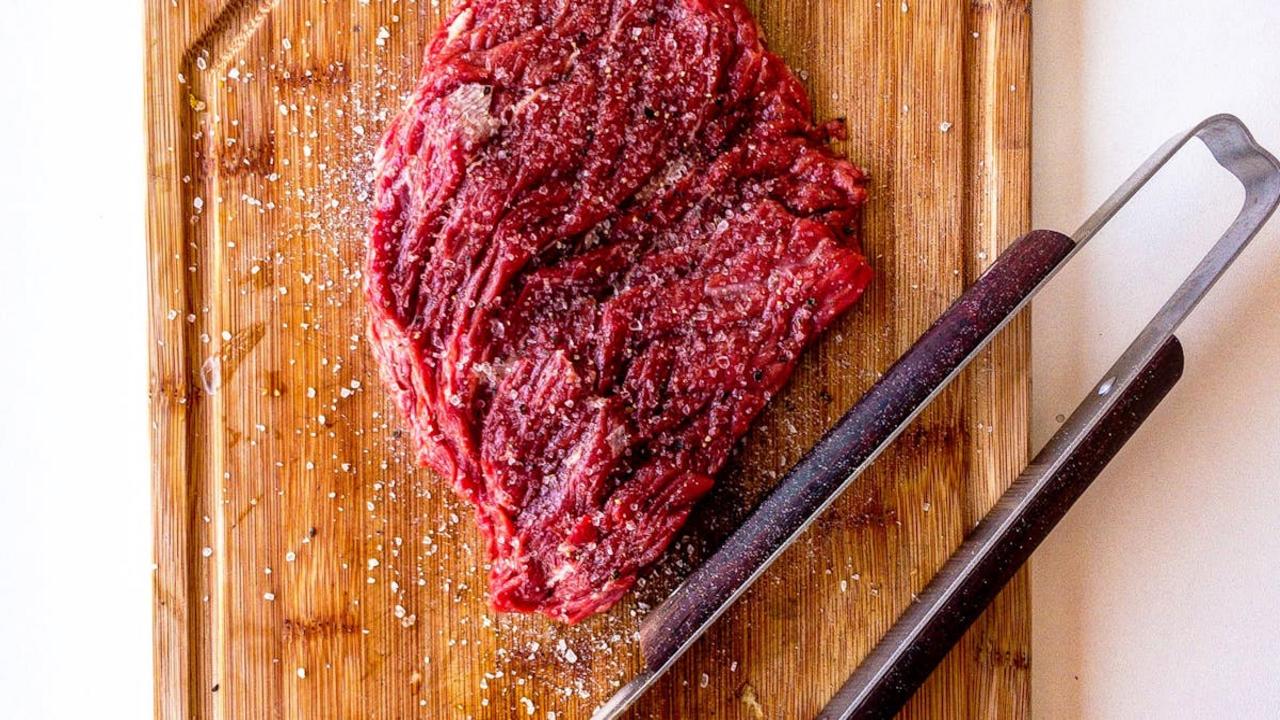
Picture this: you’re prepping your favorite chicken stir-fry, chopping vegetables right after handling raw chicken on the same cutting board. Without realizing it, you’ve just created a perfect storm for foodborne illness! Cross contamination happens when bacteria from raw meat transfers to fresh produce, turning your healthy vegetables into potential health hazards. Those invisible pathogens like Salmonella and E. coli don’t discriminate – they’ll happily jump from your chicken to your bell peppers faster than you can say “food poisoning.”
The good news? Preventing cross contamination is incredibly simple once you know the rules! Always use separate cutting boards – I keep one exclusively for raw meat and another for fruits and vegetables. Wash your hands thoroughly with soap and warm water after touching raw meat, and don’t forget to sanitize your counters and utensils too. If you only have one cutting board, prep your vegetables first, then tackle the meat. Trust me, taking these small steps will keep your family safe while preserving all those wonderful nutrients in your fresh produce. Your stomach will thank you later!