14 Iconic American Foods That Were Actually Born Abroad
Grab your fork and prepare for a mind-bending food revelation! Those quintessentially American dishes sitting on your dinner table? Most of them packed their bags from distant lands before claiming citizenship in our hearts and stomachs.
From General Tso’s chicken (which would confuse actual Chinese cooks) to apple pie (sorry, England called dibs first), American cuisine reads like an international passport stamped with delicious lies. We’ve mastered the art of cultural food adoption better than any other nation.
These fourteen beloved foods prove that America’s greatest strength isn’t inventing dishes—it’s perfecting them. We take global recipes, add our special touch of excess and innovation, then claim them as our own with the confidence of someone wearing cowboy boots to a tea party.
Buffalo Wings
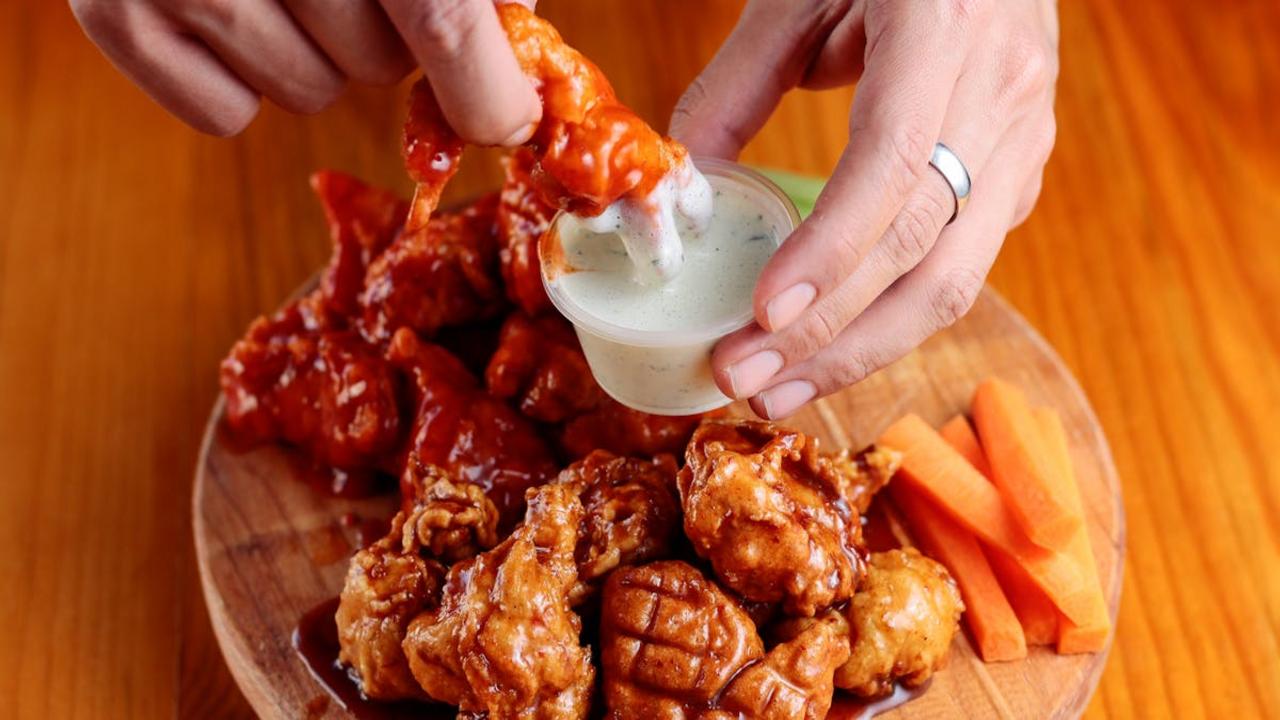
Picture this: you’re at your favorite sports bar, sauce-stained napkins scattered around your table like confetti, and your fingers are practically glowing orange from that magical buffalo coating. But here’s the kicker—buffalo wings aren’t actually from Buffalo, New York! Plot twist alert! These saucy little devils were born in 1964 at the Anchor Bar in Buffalo (okay, so maybe they ARE from Buffalo), but the genius behind them was Teressa Bellissimo, an Italian-American woman who basically saved late-night snacking forever. She whipped up this masterpiece when her son showed up with hungry friends, and she needed something quick that wouldn’t require fancy plates or utensils.
The beauty of buffalo wings lies in their perfect chaos—you can’t eat them gracefully, and that’s exactly the point! Teressa’s original recipe was brilliantly simple: hot sauce, butter, and chicken wings that she deep-fried and served with celery sticks and blue cheese dressing. The Italian influence shows up in the cooking technique and the way she treated food as love language, turning humble chicken wings into an American obsession. Today, you’ll find buffalo wing variations from Korean-style to honey sriracha, but that original Italian-American fusion created something so addictive that we’ve dedicated entire restaurant chains to perfecting the art of finger-licking, napkin-destroying wing consumption.
German Chocolate Cake
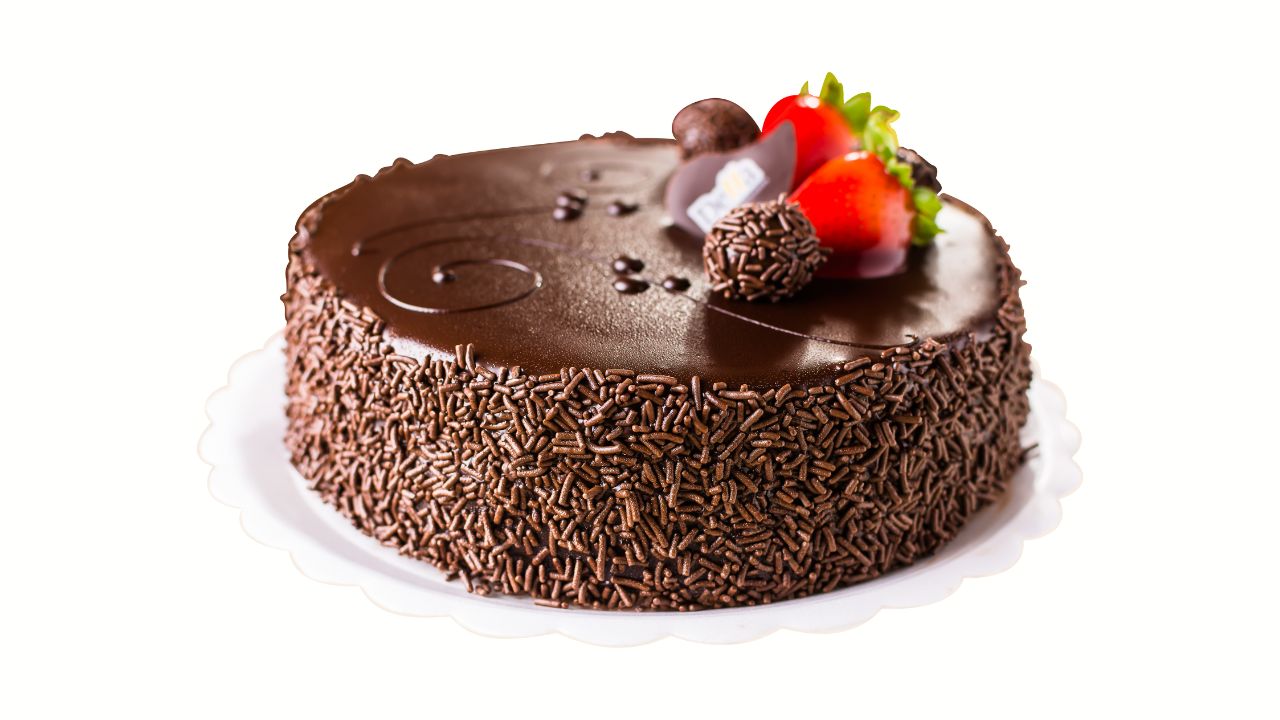
Here’s a plot twist that’ll make your head spin faster than a KitchenAid mixer on high speed: German Chocolate Cake has absolutely nothing to do with Germany! This beloved American dessert gets its name from Samuel German, a sweet-toothed genius who worked for Baker’s Chocolate Company in the 1850s. Sam developed a special dark baking chocolate that was sweeter than regular baking chocolate, and the company decided to honor him by slapping his last name right on the wrapper. Talk about job perks! The chocolate became known as “German’s Sweet Chocolate,” and when a Texas homemaker named Mrs. George Clay whipped up her famous cake recipe using this chocolate in 1957, newspapers across the country started calling it “German’s Chocolate Cake.” Somewhere along the way, that possessive apostrophe got lost in translation, and suddenly everyone thought this towering beauty came straight from Bavaria.
The real magic happens in that signature coconut-pecan frosting that makes this cake absolutely irresistible. Forget those boring buttercream rosettes – this baby gets crowned with a rich, gooey mixture of egg yolks, evaporated milk, butter, vanilla, shredded coconut, and chopped pecans that’s cooked on the stovetop until it reaches pure perfection. The contrast between the moist chocolate layers and that nutty, tropical topping creates a flavor combination that’ll make you question every other cake you’ve ever eaten. Fun fact: the original recipe caused such a frenzy that sales of German’s Sweet Chocolate jumped by 73% almost overnight! Mrs. Clay probably had no idea her kitchen experiment would become one of America’s most requested birthday cakes, fooling generations into thinking they were enjoying a slice of European sophistication.
Bagels
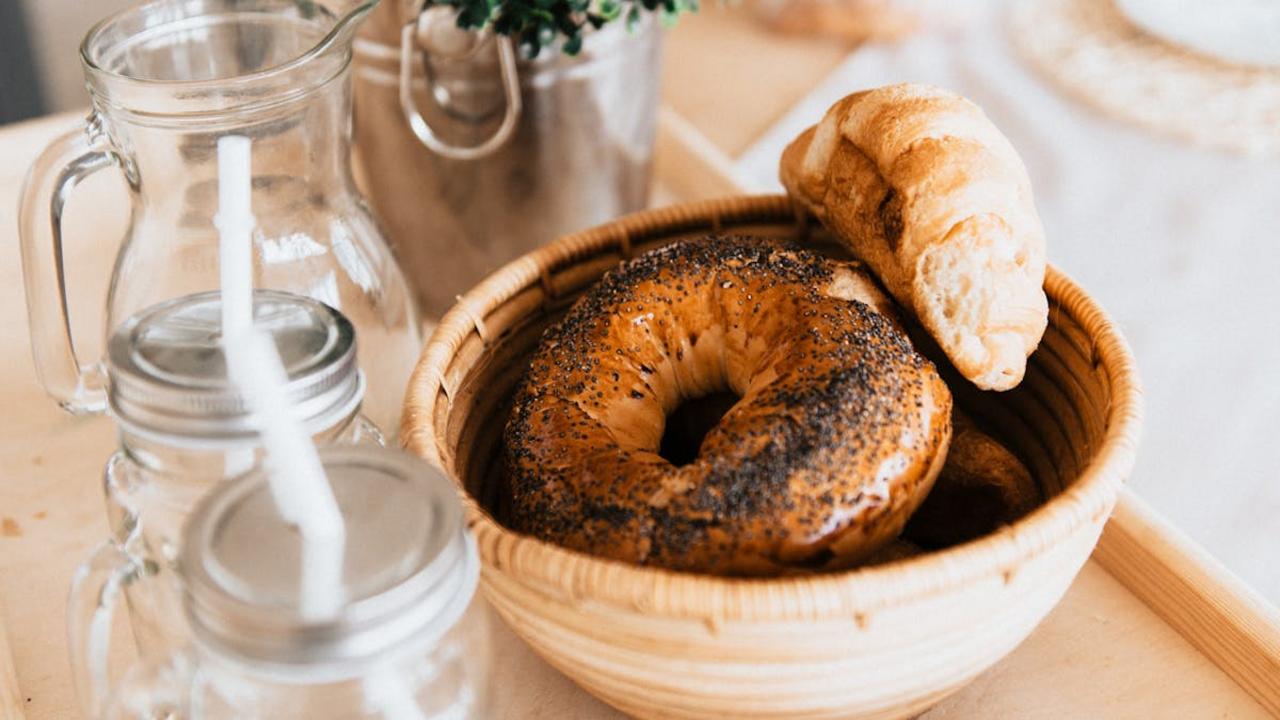
Picture this: you’re biting into a perfectly chewy bagel, cream cheese oozing from the sides, and you’re thinking “God bless America!” Well, hold that patriotic thought because bagels sailed across the Atlantic from Poland centuries ago. These ring-shaped beauties originated in Kraków around 1610, where Jewish bakers created them as a tribute to King Jan Sobieski after he saved Austria from Turkish invasion. The word “bagel” comes from the Yiddish “beygel,” which traces back to the German “beugel” meaning ring or bracelet. Talk about a bread with royal connections!
Jewish immigrants brought their bagel-making secrets to New York’s Lower East Side in the late 1800s, where they found their true calling in American breakfast culture. Those early bagel bakers formed an exclusive union so tight that recipes were guarded like state secrets, and only sons of members could join the ranks. Fast-forward to today, and you can grab a bagel anywhere from gas stations to gourmet shops, with flavors ranging from everything seasoning to blueberry madness. The traditional boiling-then-baking method gives authentic bagels their signature chewy interior and slightly crispy exterior – though sadly, many modern versions skip the boiling step and miss that perfect texture entirely.
Macaroni and Cheese
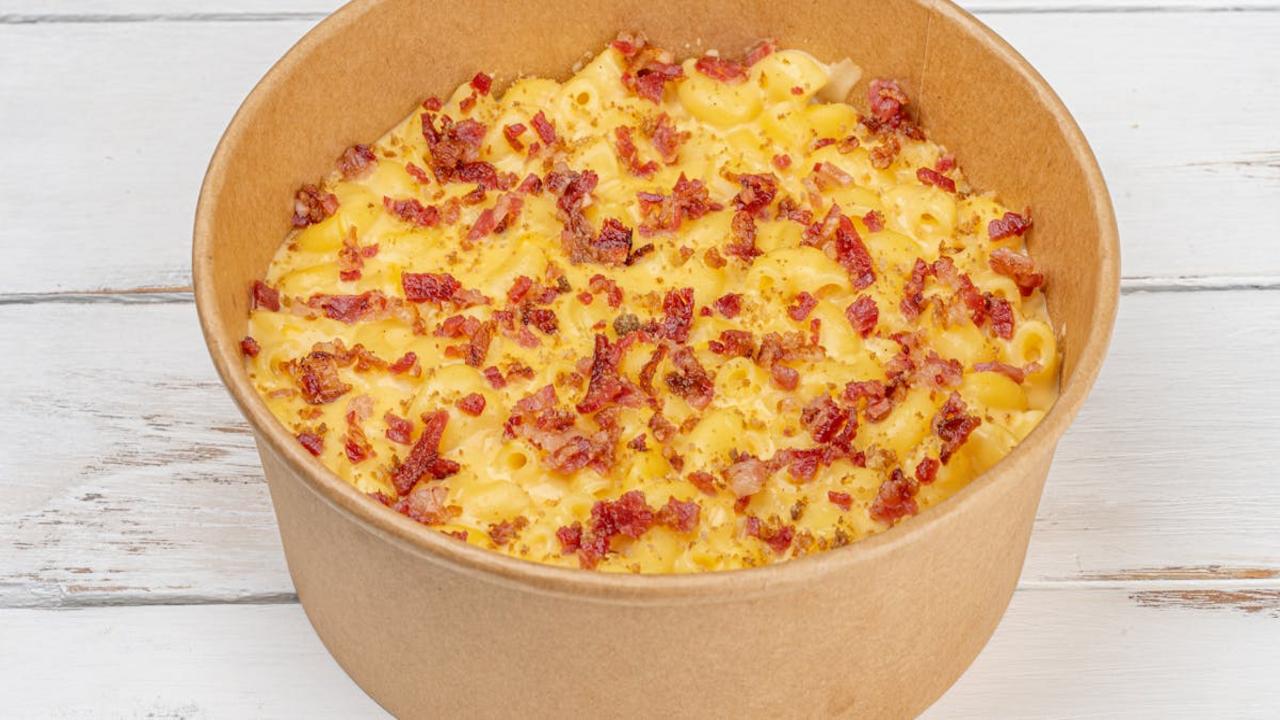
You know that gooey, cheesy comfort food that screams “America!” from every orange-tinted bite? Well, plot twist: macaroni and cheese actually packed its bags in Italy centuries ago before making its grand American debut. The pasta part of this dynamic duo traces back to medieval Italy, while the cheese sauce concept likely originated in Northern Europe. But here’s where it gets fun – Thomas Jefferson, that founding father with surprisingly sophisticated taste buds, encountered a fancy version during his European travels and became absolutely obsessed. He even imported a pasta machine and served his guests what he called “macaroni pie” at White House dinners, complete with parmesan and butter.
The transformation from Jefferson’s elegant dinner party dish to the boxed wonder we know today happened thanks to good old American innovation and a serious case of cheese democratization. During the Great Depression, Kraft introduced their boxed version in 1937 for just 19 cents, and suddenly every family could afford this creamy indulgence. The bright orange color we associate with mac and cheese? That’s pure American invention – we cranked up the artificial coloring because apparently, we decided cheese needed to look more aggressively cheesy. Now you can find everything from truffle mac at fancy restaurants to the microwave cups that college students survive on, but that original Italian-inspired comfort food DNA remains beautifully intact in every single bite.
French Fries
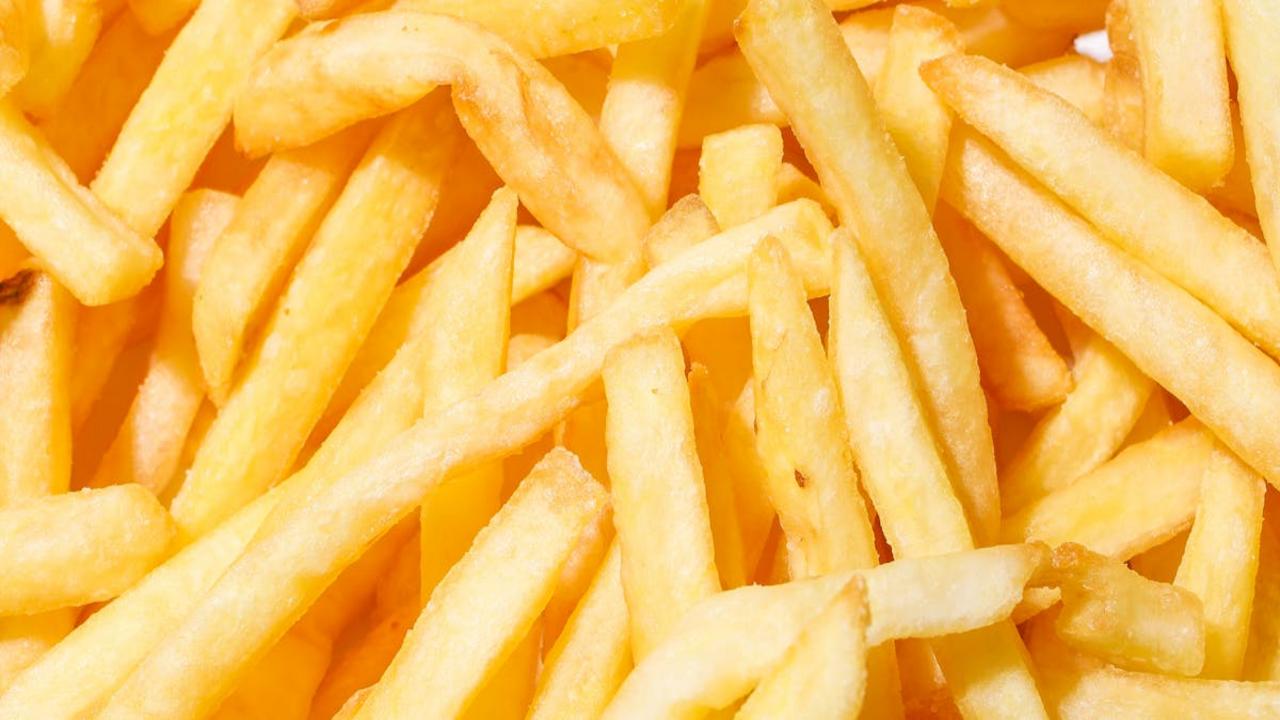
Hold onto your ketchup bottles, because I’m about to shatter your American food dreams: French fries aren’t French! These golden, crispy sticks of pure joy actually originated in Belgium, where locals have been frying up potato strips since the 1600s. The confusion comes from World War I, when American soldiers stationed in Belgium tasted these magical potato creations. Since the Belgian soldiers spoke French, our boys dubbed them “French fries” and brought the name back home. Meanwhile, the Belgians are probably still rolling their eyes at us for getting it wrong after all these years.
Now here’s where it gets really interesting – Belgians take their fries so seriously that they have UNESCO protection for their traditional preparation methods. They double-fry their potatoes in beef fat, creating an impossibly fluffy interior with that perfect golden crunch. Americans took this Belgian masterpiece and ran wild with it, turning fries into everything from loaded potato skins to poutine-inspired creations. You can find them at every corner of America, from McDonald’s drive-throughs to fancy gastropubs serving truffle-dusted versions that cost more than your lunch. The irony? Belgium still makes better fries than anyone else, but we’ve somehow convinced the world they’re an American invention.
Pizza
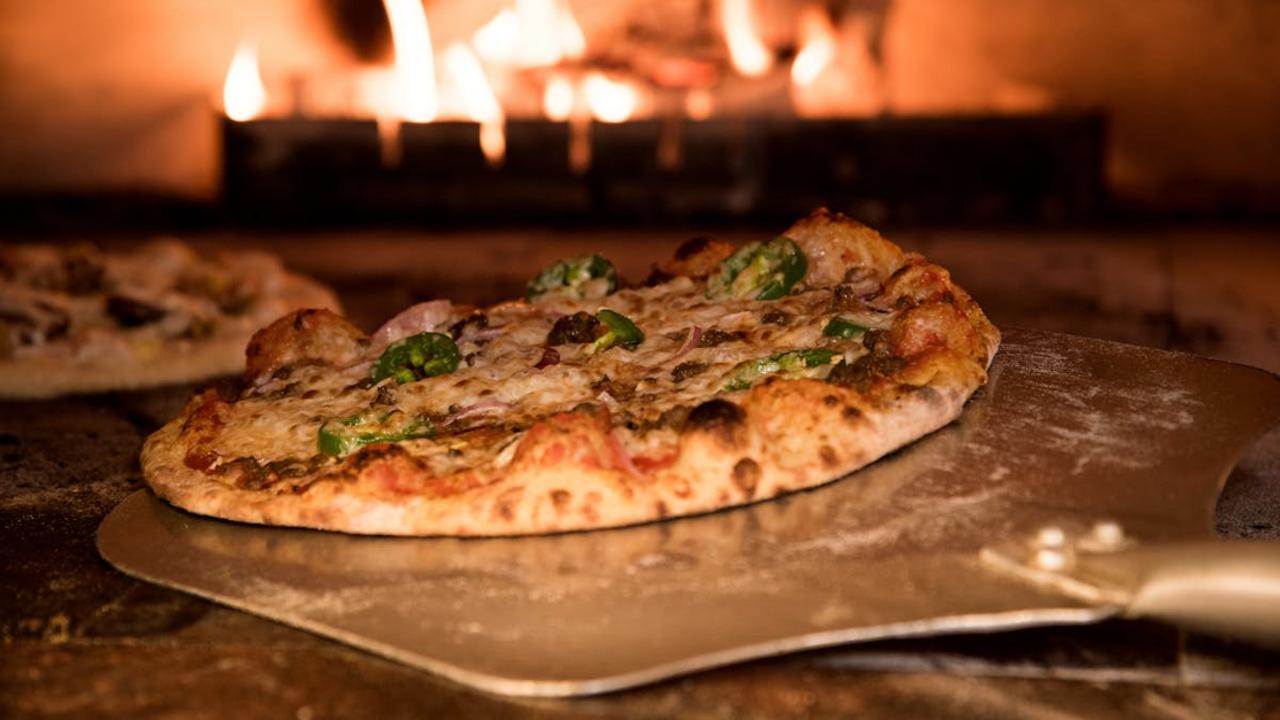
Hold onto your cheese-covered dreams because I’m about to shatter your world: pizza isn’t American! I know, I know – you’re probably thinking about that greasy slice you devoured at 2 AM from Tony’s corner joint, but plot twist! Our beloved pizza traces its roots back to Naples, Italy, where it started as flatbread topped with tomatoes, oil, and garlic. The Margherita pizza, with its red tomatoes, white mozzarella, and green basil representing the Italian flag, was supposedly created in 1889 for Queen Margherita of Savoy. Italian immigrants brought this magnificent creation to American shores in the late 1800s, and we’ve been obsessing over it ever since.
Now here’s where things get interesting – while Italians invented pizza, Americans absolutely revolutionized it into something completely bonkers and wonderful. We took that simple Neapolitan concept and said, “Hold my beer,” then proceeded to pile on pepperoni, create deep-dish monsters in Chicago, and somehow convince ourselves that pineapple belongs on pizza (fight me, Hawaii). The first pizzeria in America opened in New York City in 1905, and by the 1950s, frozen pizza hit grocery stores because apparently we needed pizza available 24/7. Today, Americans consume about 3 billion pizzas annually – that’s roughly 46 slices per person per year, which honestly seems low to me!
Peanut Butter
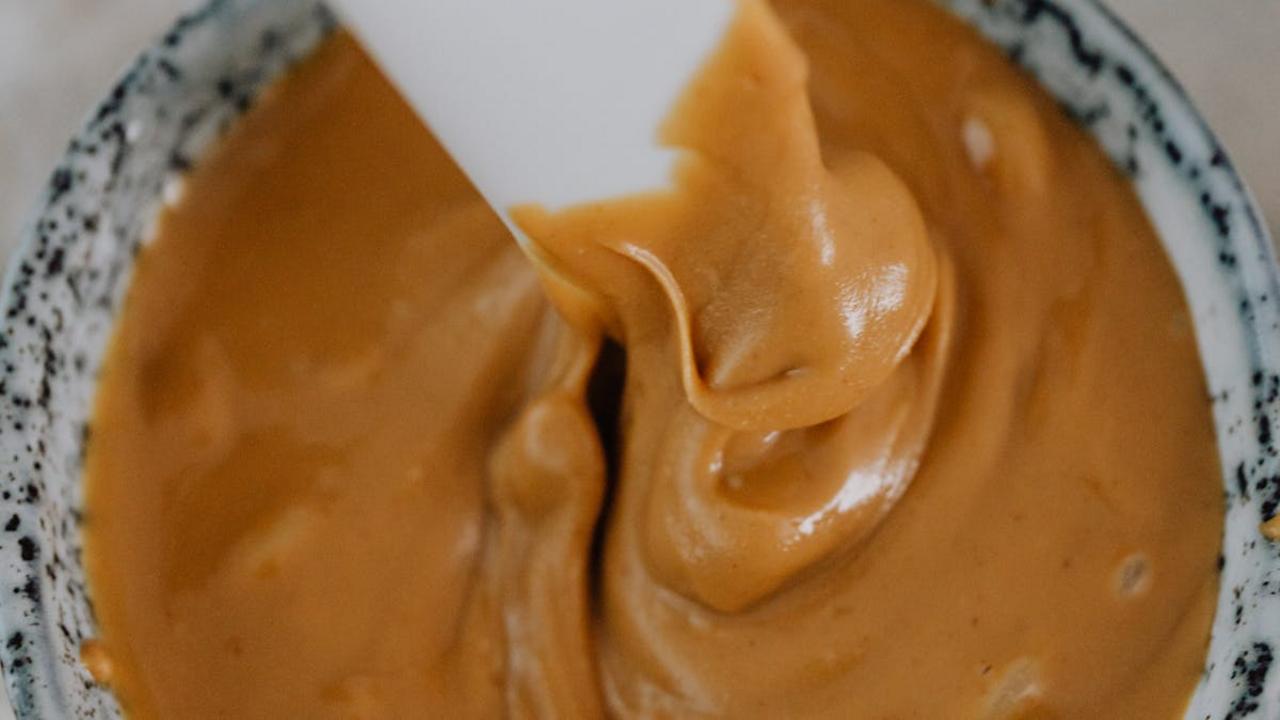
Here’s a plot twist that’ll make your next PB&J taste different: America’s most beloved sandwich spread actually traces its creamy roots back to ancient civilizations. The Aztecs and Incas were grinding peanuts into paste centuries before the first European ever set foot in the New World. They mixed their ground peanuts with cocoa and honey, creating what was essentially the world’s first Reese’s cup in paste form. Meanwhile, across the globe, African cultures had been making their own versions of peanut paste for generations, proving that great minds (and hungry stomachs) really do think alike when it comes to making legumes delicious.
Dr. John Harvey Kellogg – yes, the cereal guy – gets credit for patenting a “nut butter” process in 1895, but he was just putting a fancy American stamp on something humans had been perfecting for millennia. The real magic happened when someone figured out how to make it smooth enough to spread without tearing your bread to shreds, and shelf-stable enough to survive in your pantry longer than a goldfish. Today, Americans consume about three pounds of peanut butter per person annually, which means we’ve taken this ancient food and made it so thoroughly our own that most people assume we invented it. That’s some serious cultural appropriation of the most delicious kind!
Pretzels
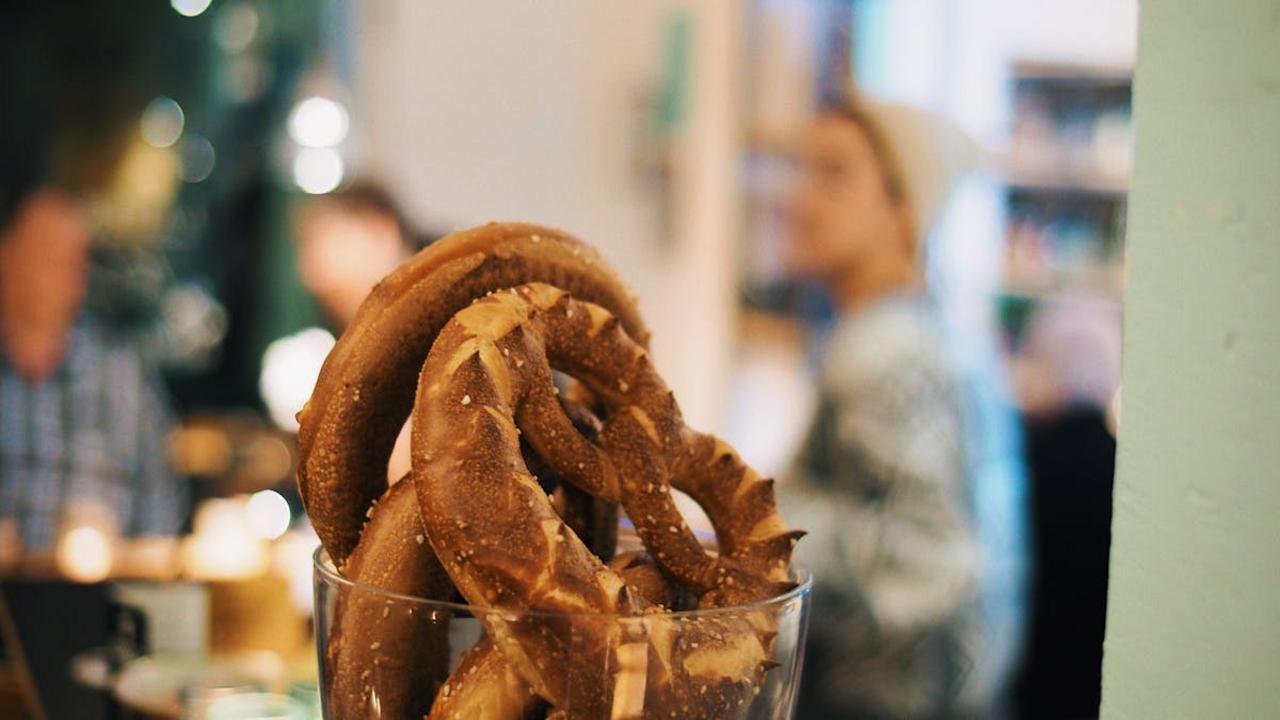
Those twisted, salty knots of dough that you grab at baseball games and street corners? Yeah, they’re about as German as lederhosen and Oktoberfest. Monks in medieval Europe created these twisted treats around 610 AD, originally calling them “pretiola” (meaning “little rewards”). Legend says a monk shaped leftover bread dough to represent arms crossed in prayer, giving these snacks to children who memorized their prayers correctly. Talk about positive reinforcement with carbs! The three holes supposedly symbolized the Holy Trinity, making pretzels one of the most religious snacks you can munch on while watching the Yankees.
German and Swiss immigrants brought their pretzel-making magic to Pennsylvania in the 1700s, where the snack found its forever home. Philadelphia became America’s unofficial pretzel capital, and honestly, they take this stuff seriously – you can’t walk two blocks without stumbling into someone hawking warm, mustard-slathered pretzels from a cart. The Pennsylvania Dutch perfected the soft pretzel we know today, while Germans kept the hard pretzel tradition alive. Whether you’re team soft-and-chewy or team crunchy-and-breakable, you’re basically participating in a centuries-old European tradition that somehow became as American as apple pie (which, spoiler alert, also isn’t originally American).
Spaghetti and Meatballs
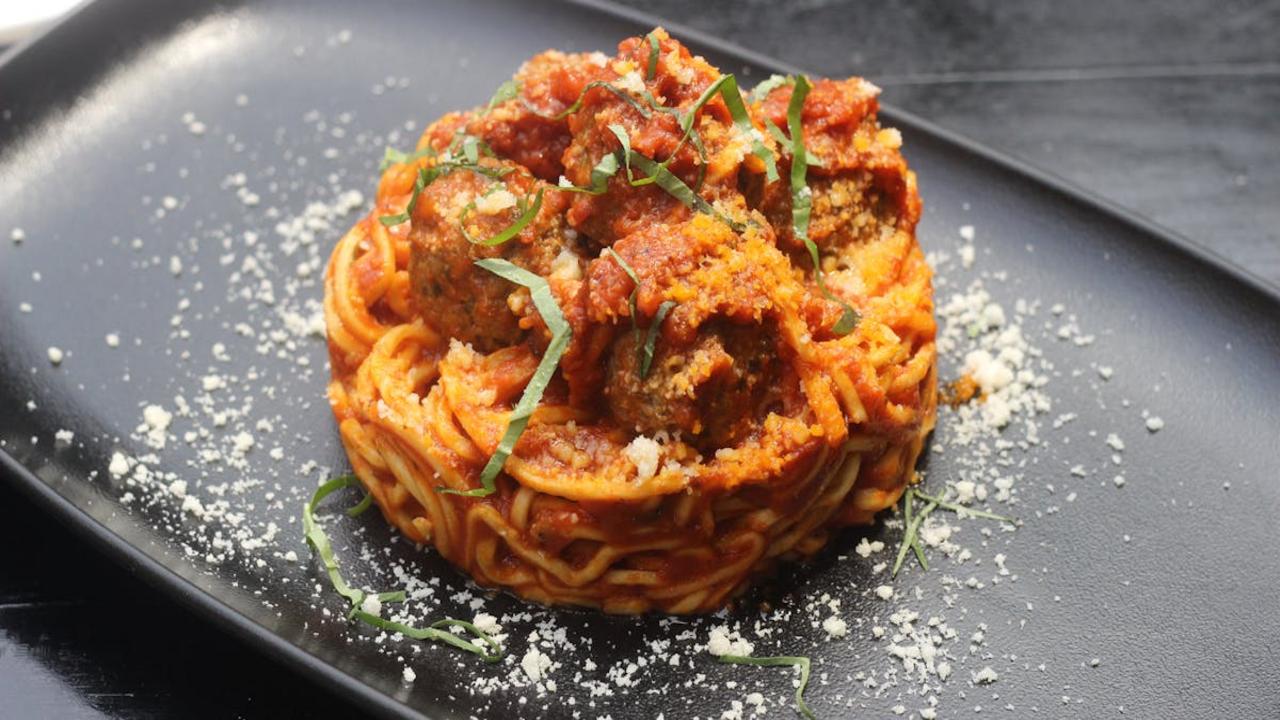
Here’s a truth that might shock your Italian nonna: those beautiful, sauce-covered spheres of meat sitting atop your favorite pasta never actually existed in Italy. Traditional Italian cooking keeps pasta and meat courses completely separate—imagine serving your main course and side dish on the same plate at a fancy dinner party! Italian immigrants arriving in America during the late 1800s discovered something magical: meat was affordable here. Back home, meat was a luxury reserved for special occasions, but in America, they could finally afford to combine their beloved pasta with generous portions of ground beef, creating this now-iconic dish that makes every red-checkered tablecloth restaurant feel like home.
The genius of spaghetti and meatballs lies in its pure American practicality—why eat multiple courses when you can pile everything into one satisfying bowl? Italian-Americans took their traditional polpette (which were typically served as a separate course or in soup) and married them with spaghetti, creating something entirely new. Today, if you order spaghetti and meatballs in Rome, you’ll get puzzled looks and possibly directions to the nearest American-themed restaurant. But here’s the beautiful irony: this “fake” Italian dish has become so authentically American that it appears on dinner tables from coast to coast, proving that sometimes the best traditions are the ones we create ourselves when we’re brave enough to break the rules.
Hamburgers
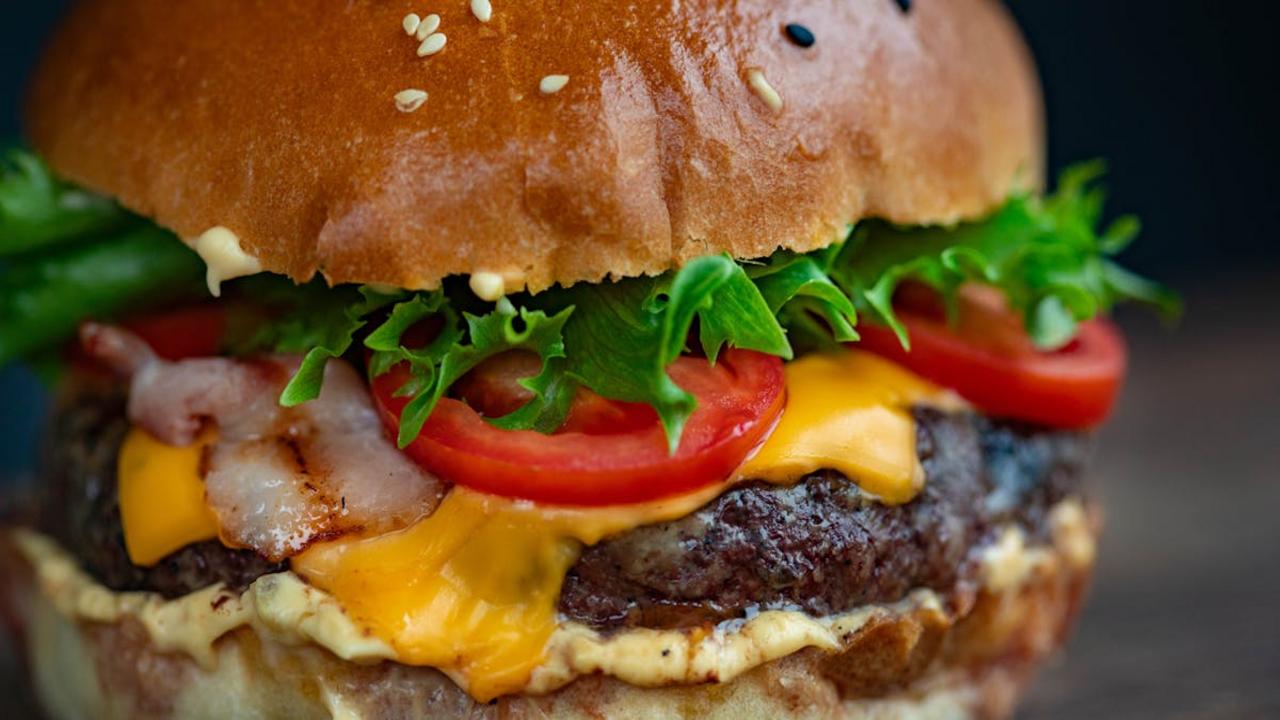
Brace yourself for this plot twist: America’s most beloved burger actually packed its bags in Germany before crossing the Atlantic! The hamburger gets its name from Hamburg, where German immigrants first served up seasoned raw beef patties called “Hamburg steak.” These clever folks brought their meaty creation to American shores in the 1800s, and some genius decided to slap it between two pieces of bread. You can practically hear the collective “aha!” moment echoing through history. The transformation from fancy European beef dish to backyard barbecue superstar happened faster than you can say “hold the pickles.”
Now here’s where things get deliciously messy – everyone and their grandmother claims they invented the modern hamburger! Charlie Nagreen in Wisconsin swears he created it in 1885 to help customers eat with one hand at a county fair. Meanwhile, the Menches Brothers in Hamburg, New York (coincidence much?) tell a completely different story about running out of pork sausage and improvising with beef. Then there’s Louis Lassen in Connecticut, flipping patties and claiming burger fame since 1900. Honestly, trying to pin down the exact hamburger origin story feels like herding cats, but one thing’s certain – this German-American mashup became the ultimate symbol of American fast food, conquering drive-throughs and backyard grills from coast to coast!
Apple Pie
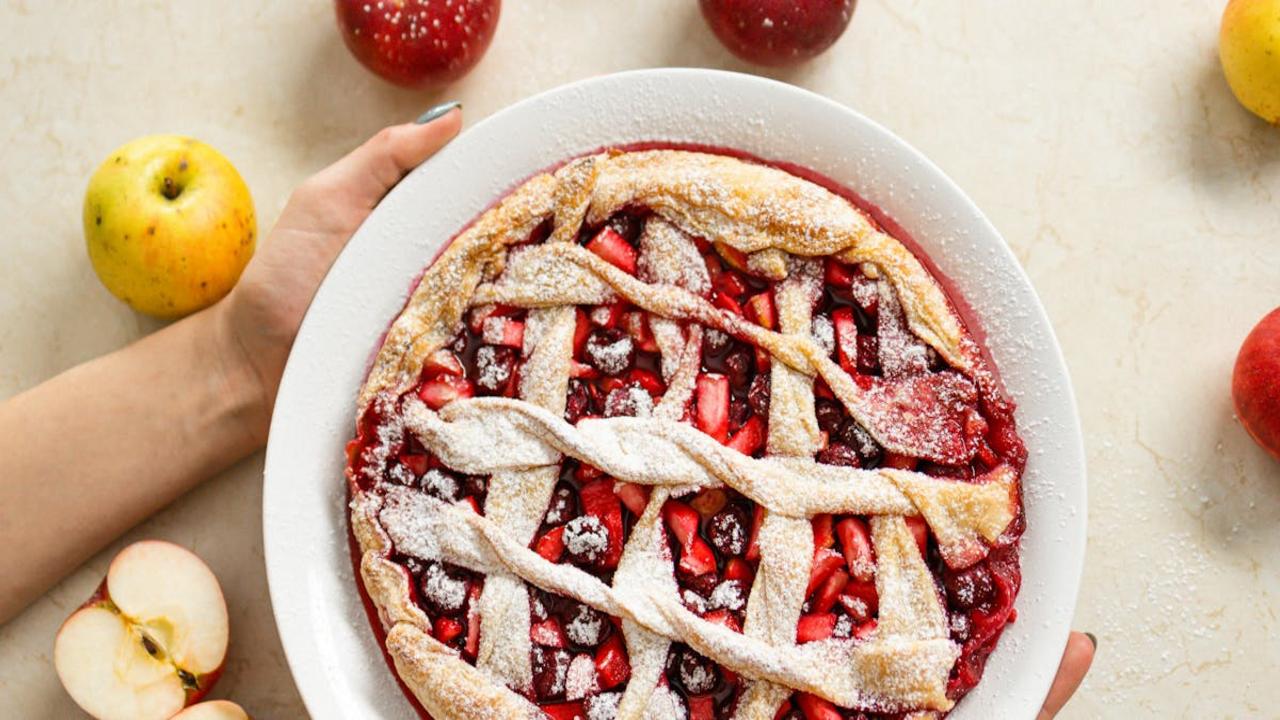
Nothing screams “America” quite like apple pie, right? Well, plot twist – this supposedly all-American dessert actually packed its bags in medieval England before hopping across the pond! The first recorded apple pie recipes date back to 1381 in England, where resourceful cooks discovered that wrapping apples in pastry created pure magic. Those early English versions were quite different from today’s sweet treats, often featuring a thick, inedible “coffyn” crust that served more as a cooking vessel than something you’d actually want to munch on.
The real kicker? America didn’t even have the right apples for pie-making when European settlers first arrived! The native crabapples were too tart and tiny, so colonists had to import apple varieties from Europe. Talk about bringing your own snacks to the party! It wasn’t until the 1600s that apple orchards really took off in the New World, thanks partly to legendary figures like Johnny Appleseed (who, fun fact, mostly planted apples for hard cider, not pies). By the 1700s, American cooks had perfected their own versions, making the crust flakier and the filling sweeter than their English predecessors. So while we may not have invented apple pie, we certainly made it our own – and honestly, isn’t that the most American thing of all?
Hot Dogs
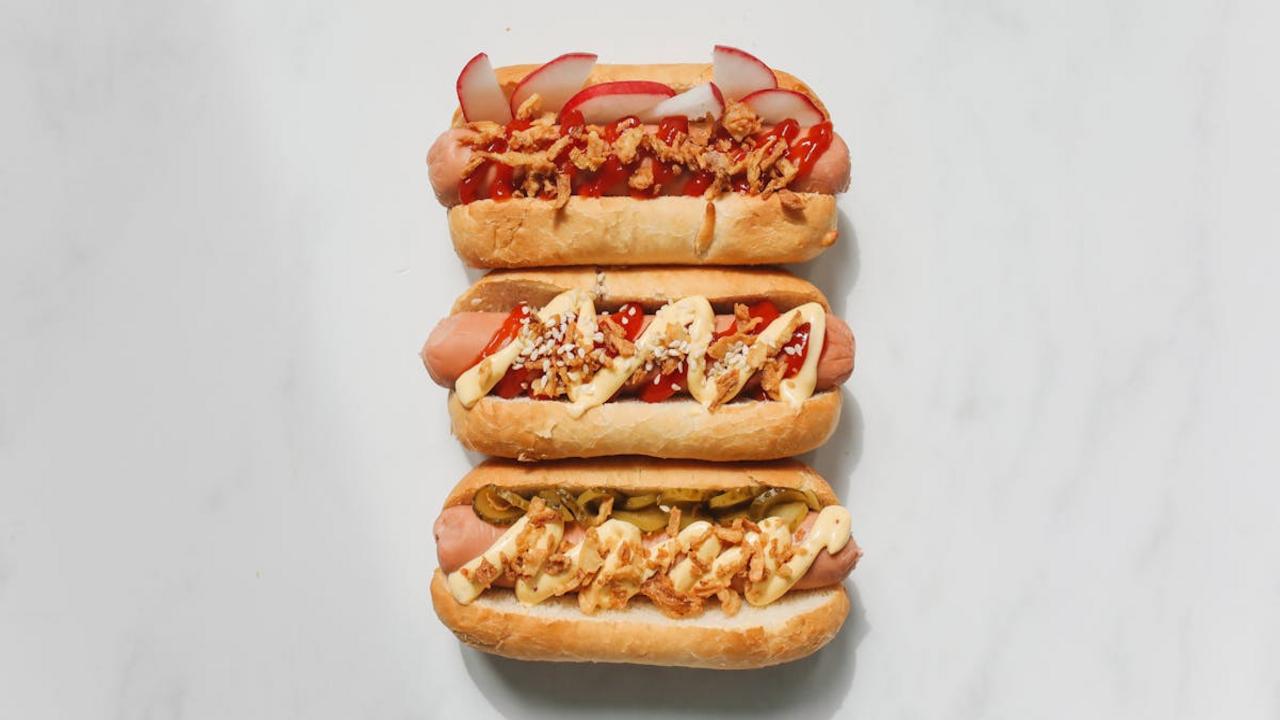
You probably think hot dogs scream “America!” louder than a Fourth of July barbecue, but surprise! These beloved ballpark snacks actually started their lives as German sausages called frankfurters and wieners. German immigrants brought their sausage-making magic to America in the 1800s, and somehow we ended up claiming ownership of what’s essentially a German bratwurst in a bun. The whole “hot dog” name supposedly came from a cartoonist who couldn’t spell “dachshund” properly when drawing about the sausages that reminded him of the elongated German breed. Talk about a linguistic accident that stuck around!
Now here’s where things get wonderfully weird: we’ve completely reinvented the hot dog into something Germans would barely recognize. We pile them high with mustard, ketchup (yes, I said ketchup, and no, I’m not apologizing), relish, onions, and whatever else strikes our fancy. Chicago has its own sacred hot dog formula that forbids ketchup entirely – they’ll practically excommunicate you for that culinary sin. Meanwhile, New York pushes the classic mustard and sauerkraut combo that actually stays closer to the German roots. Whether you’re team stadium mustard or team controversial ketchup, remember that every bite connects you to centuries of German sausage craftsmanship that somehow became as American as apple pie.
Fortune Cookies
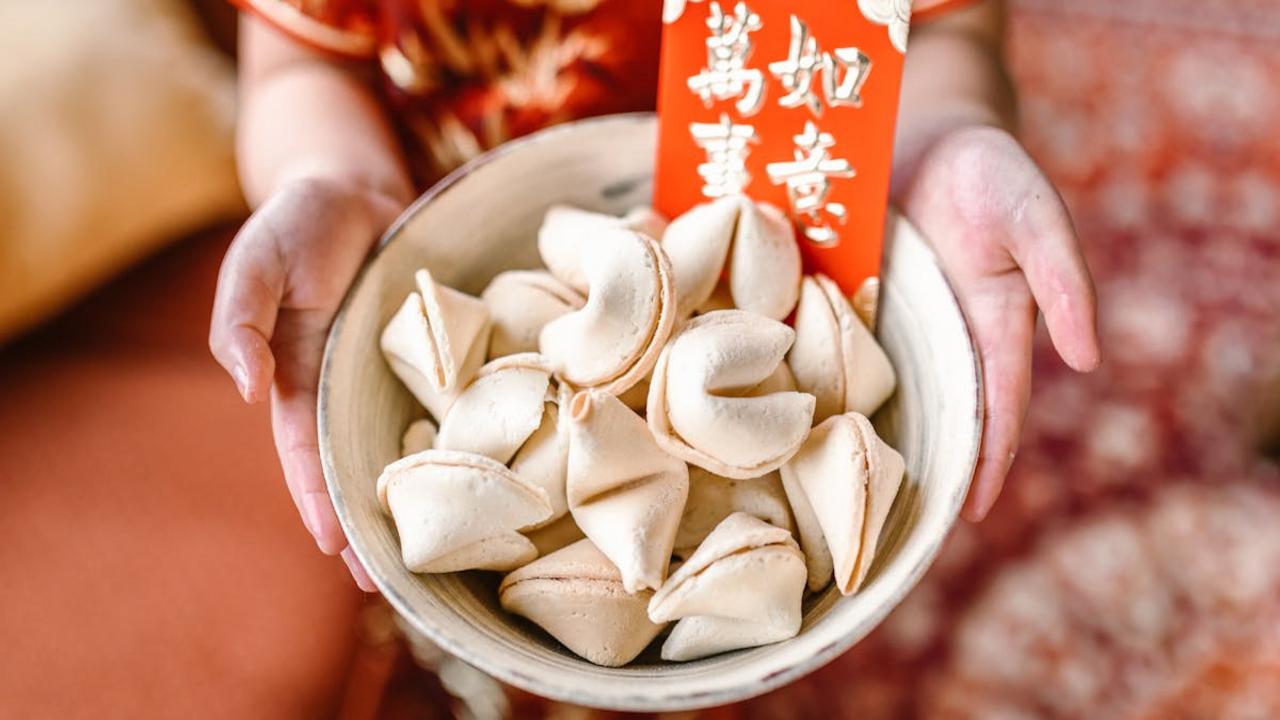
Picture this: you’re sitting in your favorite Chinese restaurant, eagerly cracking open that golden-brown cookie to discover what wisdom awaits inside. Plot twist – those fortune cookies sitting on your table have about as much connection to ancient Chinese tradition as pineapple pizza does to Italy! These crispy prophets of doom (and occasionally good news) actually originated right here in America, likely in California during the early 1900s. Japanese immigrants probably created the first versions, inspired by traditional Japanese crackers called tsujiura senbei, which contained fortunes tucked inside. But somehow, somewhere along the way, Chinese restaurants adopted them, and now Americans collectively consume over 3 billion fortune cookies annually, blissfully unaware of their true heritage.
The most hilarious part? If you walk into an authentic Chinese restaurant in China and ask for fortune cookies, you’ll get the same bewildered look you’d receive if you ordered “General Tso’s chicken” (spoiler alert: that’s another American invention). Fortune cookies became so synonymous with Chinese-American dining that they’re practically mandatory – like getting breadsticks at Olive Garden or free chips at a Mexican restaurant. The Wonton Food company in New York churns out about 4.5 million fortune cookies daily, each one containing those wonderfully vague predictions that somehow always seem to apply to your life. “You will find happiness in unexpected places” – yeah, like discovering your fortune cookie isn’t actually Chinese!
General Tsos Chicken
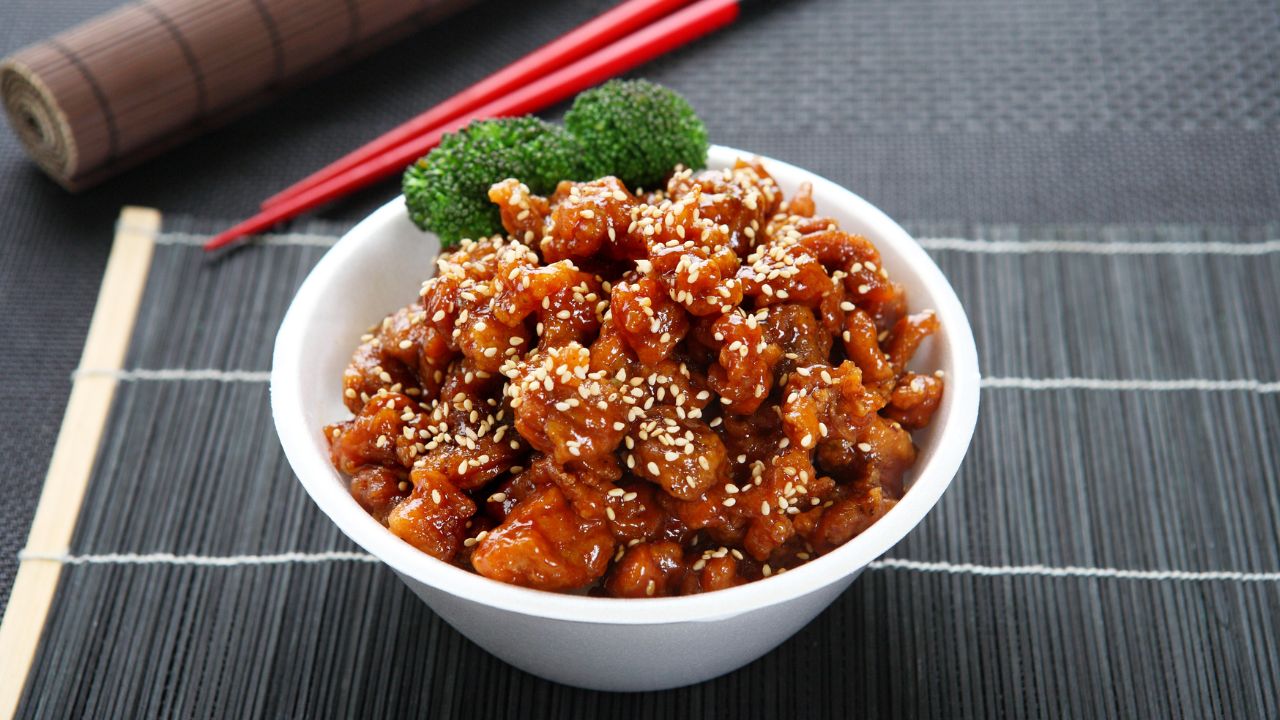
Here’s a plot twist that’ll knock your socks off: General Tso’s chicken, that sticky-sweet, crispy-coated champion of American Chinese takeout menus, has absolutely nothing to do with the actual General Tso. The real Zuo Zongtang was a 19th-century Chinese military leader who probably never touched a single piece of battered chicken in his entire life. This dish we’ve claimed as our own actually sprang to life in the 1970s when Taiwanese chef Peng Chang-kuei moved to New York and decided to create something that would make Americans swoon. He took a traditional Hunan dish, cranked up the sweetness, dialed down the heat, and voilà – a star was born.
What makes this whole story even more delicious is that when Peng later opened a restaurant back in Taiwan, locals rejected his famous creation because it was too sweet for their palates. Meanwhile, Americans were practically licking their plates clean and ordering seconds. The irony is beautiful: we took a dish that China didn’t want and made it so popular that most people think it’s an ancient Chinese recipe. Today, you can find this glossy, mahogany-colored masterpiece in virtually every strip mall Chinese restaurant across America, served with that perfect balance of tangy sauce and tender chicken that somehow manages to satisfy both your sweet tooth and your protein cravings in one magnificent bite.