14 Iconic Foods That Define Generations and Why They Still Matter
Food shapes our identities and connects us to specific moments in time. From TV dinners that revolutionized mealtime in the 1950s to bubble tea captivating Gen Z, certain foods serve as cultural touchstones that instantly transport you back to childhood lunchtimes or after-school snacks.
These iconic foods tell our collective story through the decades. The convenience of Spam during wartime scarcity, the bright artificial tang of Capri Sun in countless lunchboxes, and the Instagram-worthy avocado toast all mark distinct chapters in American food culture. Each item carries memories and nostalgia that continue to influence how we eat today.
While nutrition standards and food trends evolve, these generation-defining foods maintain their relevance. Some have adapted with healthier ingredients, while others remain unchanged, preserved by nostalgia. Whether you grew up dunking Dunkaroos or brewing kombucha, these 14 foods transcend mere sustenance—they’re edible time capsules that continue to matter in our food landscape.
Bubble tea
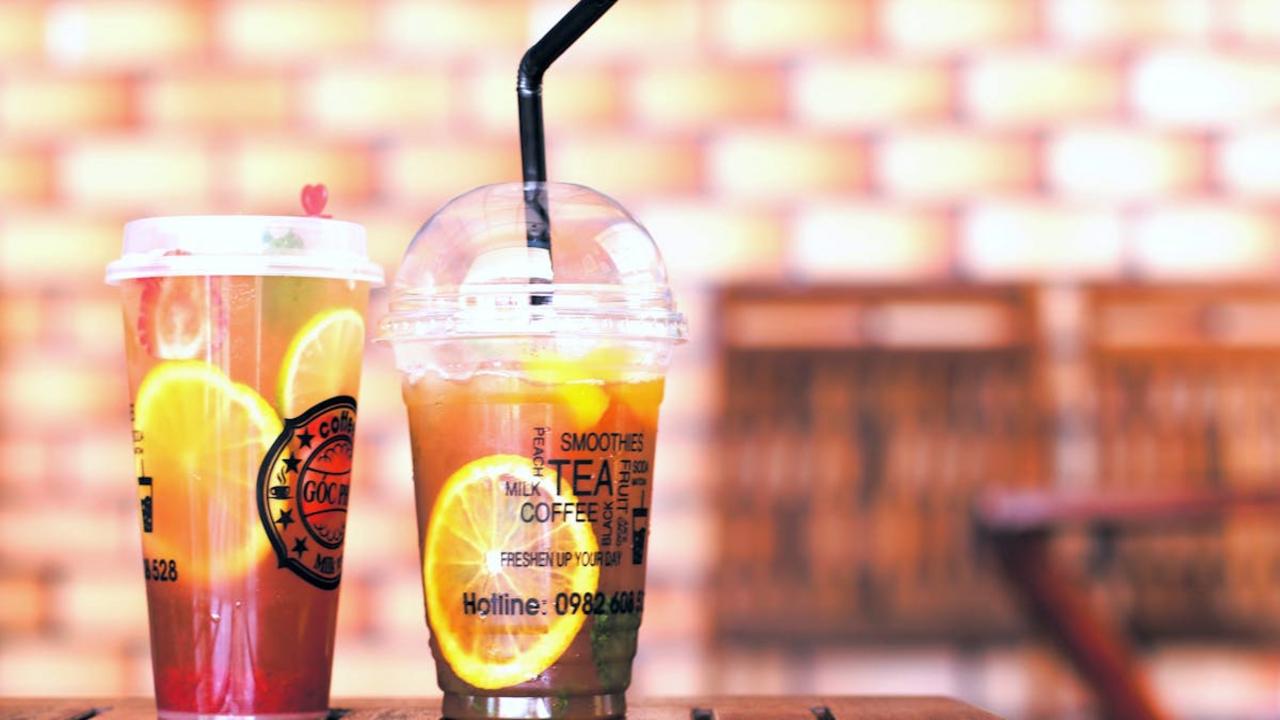
You know that satisfying pop when you bite down on those chewy tapioca pearls? That’s bubble tea working its magic on an entire generation! This Taiwanese invention from the 1980s has completely transformed how we think about beverages, turning a simple drink into an interactive experience. What started as a creative experiment by tea shop owners has grown into a global phenomenon that speaks to our love for customization and fun textures. From classic black milk tea with pearls to fruity variations with popping boba, bubble tea offers endless combinations that let you create your perfect drink every single time.
The beauty of bubble tea lies in how it brings people together – you’ll find friends bonding over their favorite flavors and sharing Instagram-worthy photos of colorful drinks topped with those iconic wide straws. Beyond the social media appeal, bubble tea represents something deeper about modern food culture: our desire for personalization and new experiences. You can control everything from sweetness levels to ice amount, making each drink uniquely yours. Plus, with options like fresh fruit teas, matcha variations, and even healthier alternatives using natural sweeteners, bubble tea has evolved to meet our changing preferences while maintaining that playful spirit that made it famous in the first place.
Avocado toast
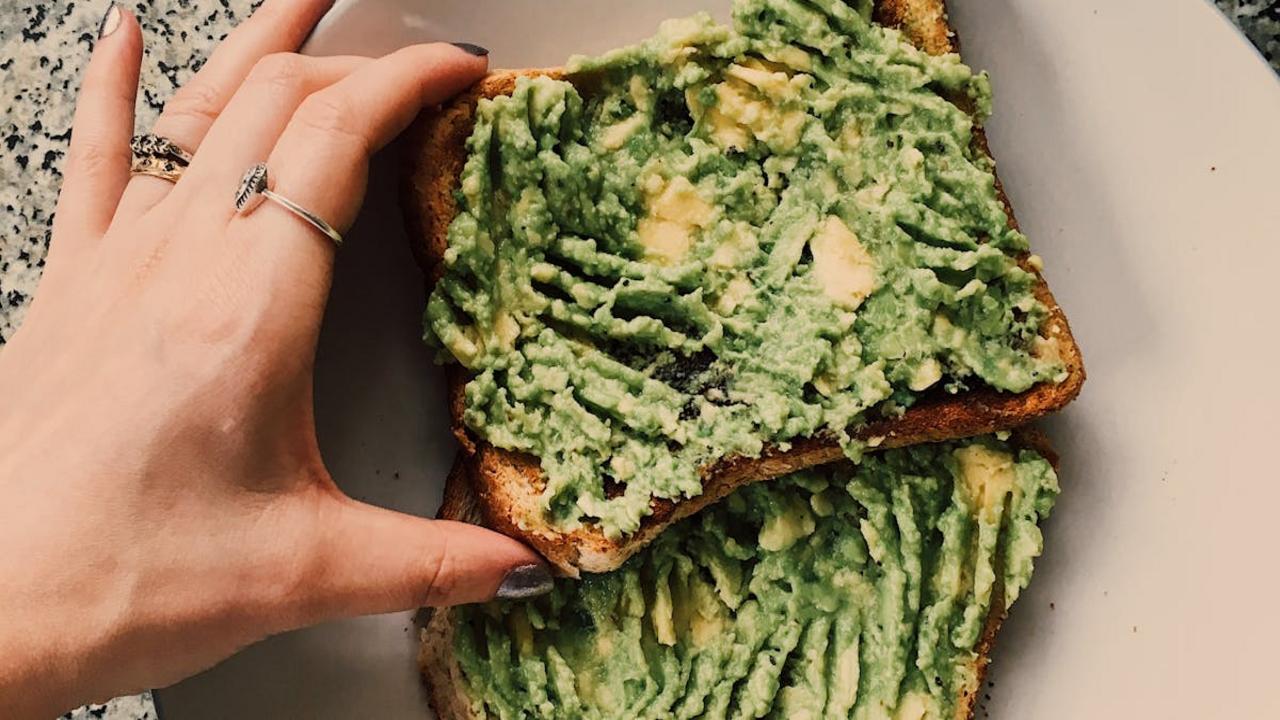
You know that moment when a simple combination becomes a cultural phenomenon? That’s exactly what happened with avocado toast! This creamy, satisfying breakfast took the world by storm in the 2010s, becoming the unofficial symbol of millennial food culture. What started as a basic open-faced sandwich transformed into an Instagram-worthy canvas that sparked countless debates about generational spending habits. But beyond the social media buzz, avocado toast represents something deeper – our collective shift toward fresh, wholesome ingredients and mindful eating habits that actually nourish our bodies.
The beauty of avocado toast lies in its perfect simplicity and endless versatility. You can keep it classic with just mashed avocado, lime juice, and a sprinkle of salt on sourdough, or get creative with toppings like cherry tomatoes, hemp seeds, or a perfectly poached egg. The creamy texture of ripe avocados pairs beautifully with crunchy bread, creating a satisfying contrast that keeps you full for hours. Plus, you’re getting healthy fats, fiber, and potassium – nutrients that support heart health and steady energy levels. Whether you’re rushing out the door or enjoying a leisurely weekend brunch, this green goodness proves that sometimes the most impactful foods are also the most straightforward ones.
Kombucha
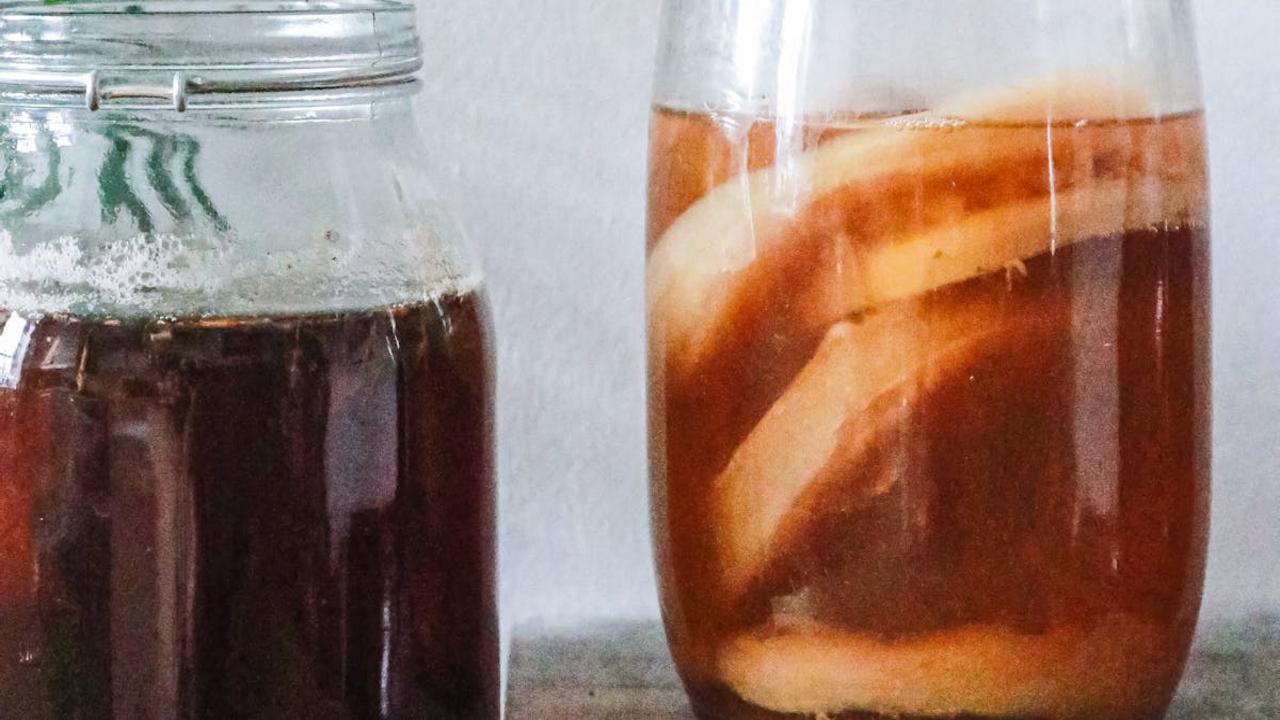
Remember when kombucha first hit mainstream grocery stores and everyone was either obsessed or completely bewildered by this fizzy, tangy drink? This fermented tea has become the poster child for the wellness-focused millennial and Gen Z generations, representing a shift toward functional beverages that do more than just quench your thirst. What started as an ancient fermentation tradition has transformed into a billion-dollar industry, with flavors ranging from classic ginger to exotic hibiscus-mint blends that make your regular soda seem boring.
I love how kombucha perfectly captures our generation’s desire to make healthier choices without sacrificing flavor or fun. The probiotics in this bubbly drink support gut health, while the natural fermentation process creates those satisfying bubbles that make it feel like a treat. You can easily brew your own at home with just tea, sugar, and a SCOBY (that rubbery pancake-looking culture), turning your kitchen into a mini fermentation lab. Whether you grab a bottle from the store or start your own brewing adventure, kombucha shows how traditional foods can evolve to meet modern health-conscious lifestyles while still delivering that satisfying zing we crave.
Sunny D

Remember those bright orange bottles that practically glowed in the grocery store cooler? Sunny D burst onto the scene in the 1990s and quickly became the drink every kid begged their parents to buy. This citrus-flavored beverage wasn’t just a drink – it was liquid sunshine that promised adventure and energy in every sip. You’d find it at every sleepover, packed in lunch boxes, and cooling kids down after hours of playing outside. The tangy, sweet flavor hit differently than regular orange juice, and that electric orange color made it feel almost magical.
While Sunny D might not align with today’s focus on natural ingredients and reduced sugar, it holds a special place in generational memory. Many of us who grew up in the ’90s can still recall that distinct taste and the way it made ordinary moments feel more exciting. Now, as adults who prioritize wholesome nutrition, we can appreciate how this drink shaped our childhood experiences while making more mindful choices for our own families. Sometimes the most impactful foods aren’t the healthiest ones – they’re the ones that create lasting memories and connect us to specific moments in time.
Hot Pockets
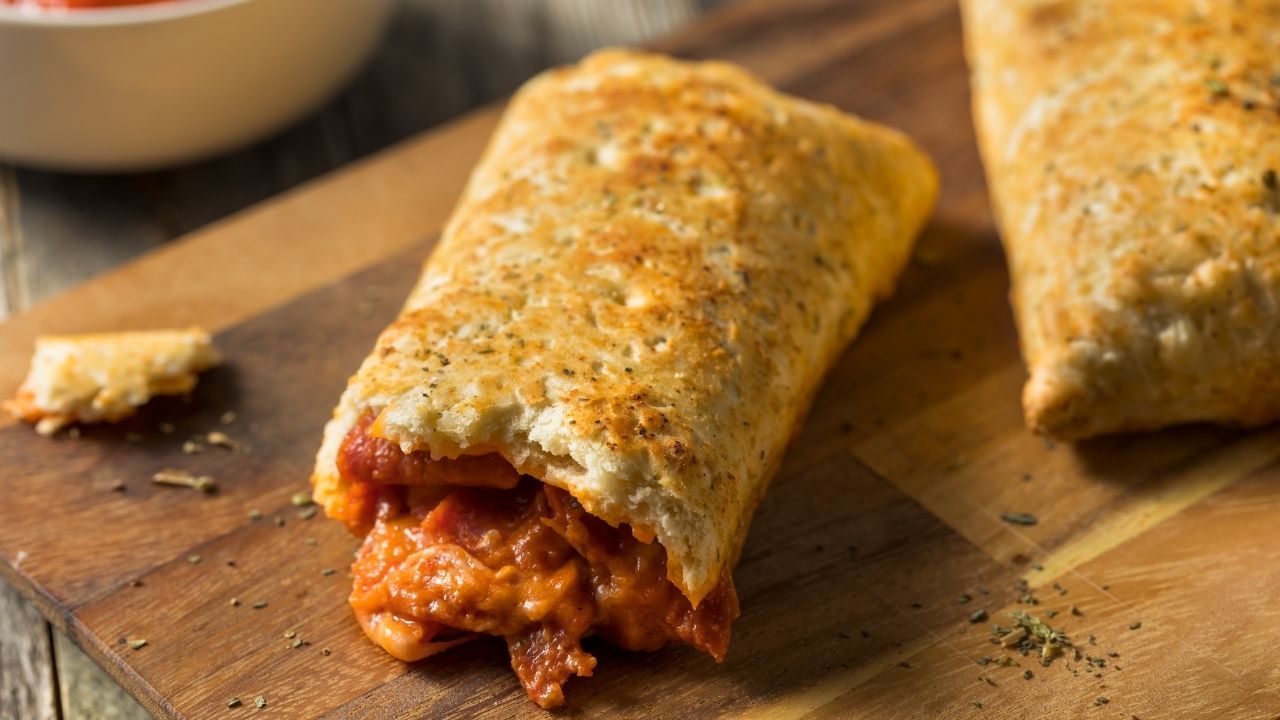
Hot Pockets became the ultimate convenience food for Gen X kids and millennials who grew up rushing between after-school activities and late-night study sessions. These microwaveable pastries filled with cheese, pepperoni, or ham and cheese offered a quick solution when hunger struck and time was short. You probably remember that first bite – scalding hot filling that could burn your tongue, followed by the perfectly warm middle, and then the inevitable cold center that somehow escaped the microwave’s reach. Despite their reputation for uneven heating, Hot Pockets carved out a permanent spot in freezer sections and college dorm rooms across America.
While nutritionists might cringe at their sodium content and processed ingredients, Hot Pockets represent something deeper than just convenient calories. They symbolize the shift toward grab-and-go eating that defined busy families in the 1990s and 2000s. These portable pockets taught an entire generation that meals didn’t always need to happen at a dinner table – you could eat one while walking to class, during a commercial break, or even while gaming with friends. Today’s food landscape includes healthier frozen options and meal prep trends, but Hot Pockets remain a nostalgic comfort food that reminds us of simpler times when a two-minute microwave meal felt like pure magic.
Dunkaroos
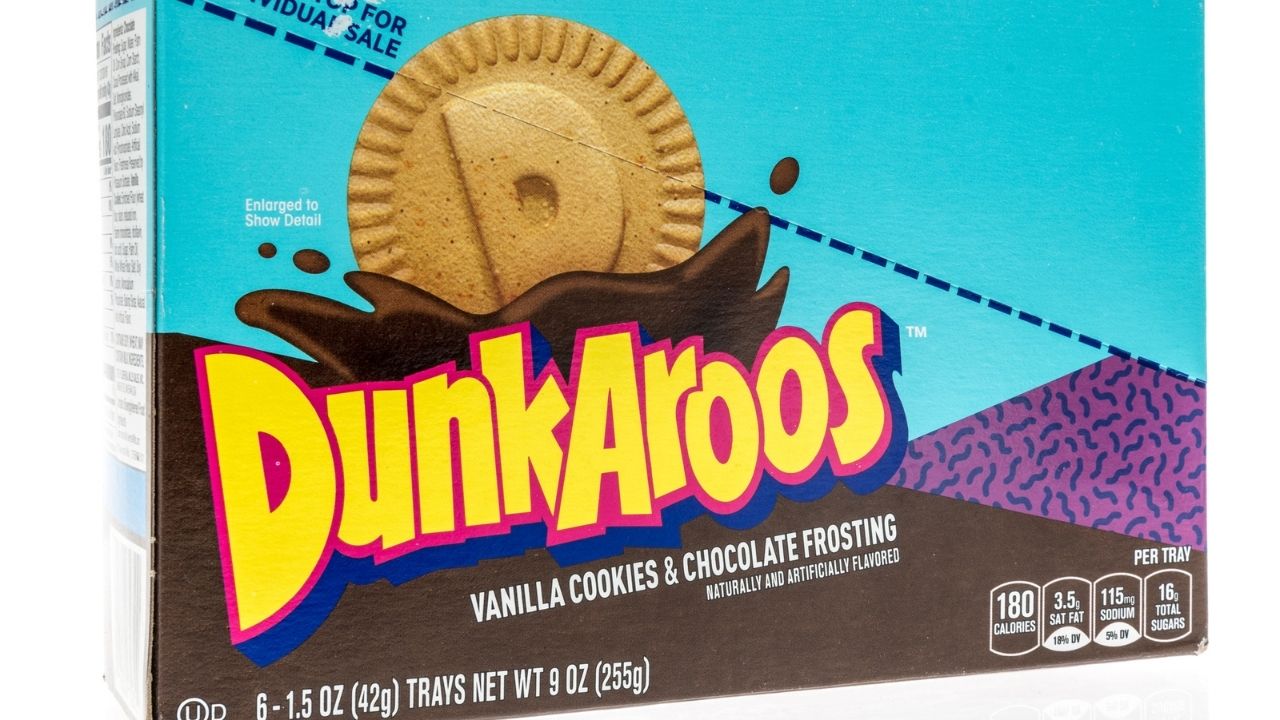
Remember those magical moments when snack time felt like pure joy? Dunkaroos brought that exact feeling to countless kids in the ’90s and early 2000s. These small packages contained graham cookies shaped like kangaroos paired with rainbow chip frosting for dipping, creating an interactive snacking experience that made ordinary afternoons feel special. You’d carefully portion out your frosting, making sure each cookie got the perfect amount of sweet coating, turning a simple snack into a fun ritual that defined after-school moments.
What made Dunkaroos so memorable wasn’t just the sugar rush – it was the hands-on experience they provided. In today’s world of mindful eating, you can recreate this nostalgic treat with healthier ingredients. Try making your own version using whole grain graham crackers and Greek yogurt mixed with a touch of honey and mini dark chocolate chips. This way, you get that same playful dipping experience while adding protein and reducing processed sugars. The beauty of Dunkaroos lies in how they remind us that food can be both nourishing and fun, encouraging us to bring more joy and creativity into our everyday eating habits.
Kid Cuisine
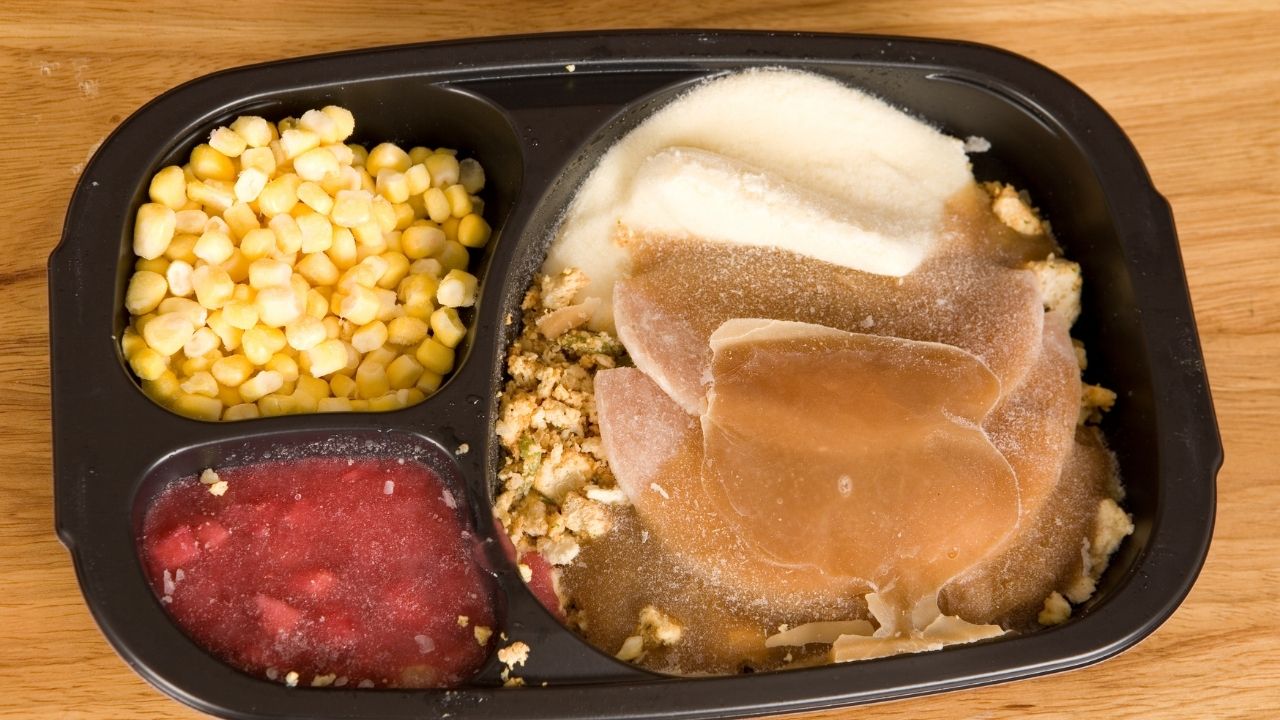
Kid Cuisine holds a special place in many hearts as the frozen dinner that made mealtime feel like a celebration. You know the one – those colorful boxes with cartoon characters promising chicken nuggets, mac and cheese, and a brownie all in one convenient tray. For busy parents in the 90s and early 2000s, these meals offered a quick solution that actually got kids excited about dinner. The penguin mascot became as recognizable as any Saturday morning cartoon character, and opening that compartmentalized tray felt like unwrapping a present.
While nutritionists might cringe at the sodium levels and processed ingredients, Kid Cuisine taught an entire generation that food could be fun and interactive. Those little compartments introduced kids to the concept of balanced meals – protein, starch, vegetable, and dessert – even if the execution wasn’t exactly farm-to-table quality. Today’s parents who grew up with these meals often find themselves torn between nostalgia and their desire to feed their own children more wholesome options. Yet there’s something to be said for a meal that sparked joy and independence in young eaters, teaching them they could handle “grown-up” responsibilities like heating their own dinner.
Lunchables
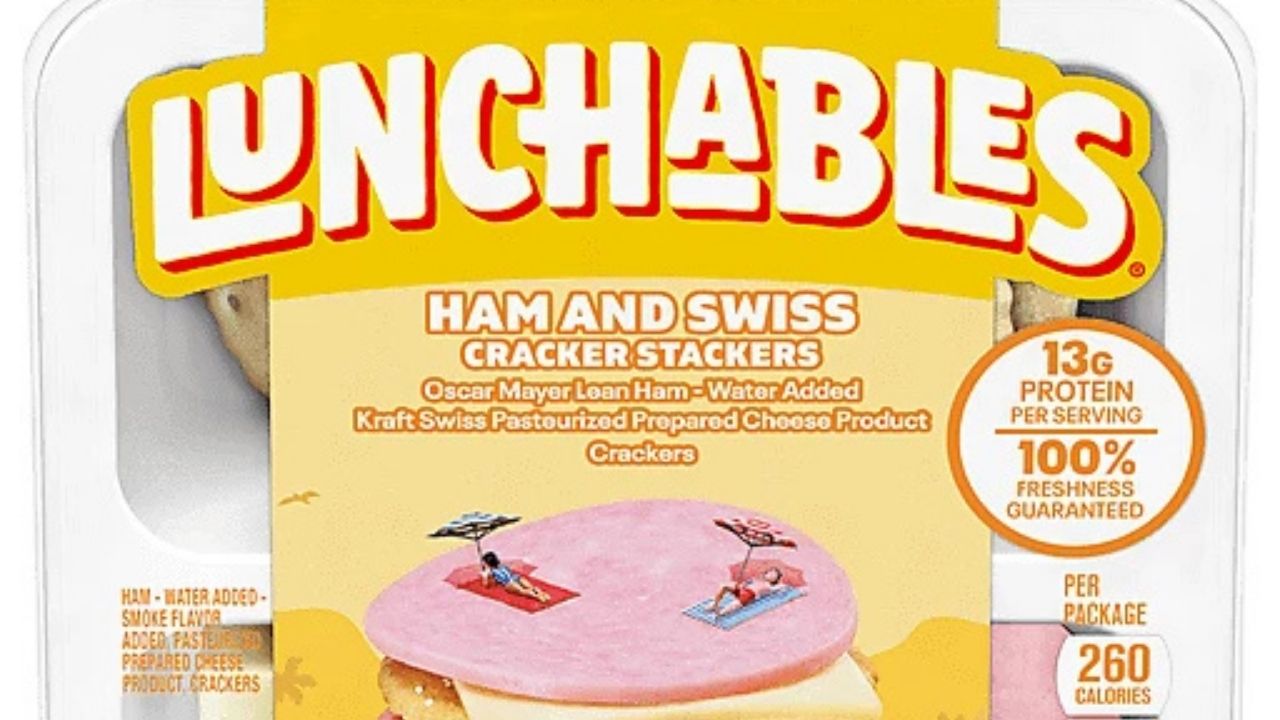
Remember those plastic compartments filled with crackers, cheese, and tiny circles of pepperoni that made your elementary school lunch feel like a treasure chest? Lunchables became the holy grail of ’90s and early 2000s lunch boxes, transforming ordinary school days into interactive food experiences. These convenient meal kits gave kids the power to build their own mini pizzas or stack their perfect cracker sandwiches, creating a sense of independence that felt revolutionary at eight years old. The bright yellow packaging promised fun and freedom from boring cafeteria food.
While nutritionists might raise eyebrows at the sodium content and processed ingredients, Lunchables represent something deeper than just convenience food – they symbolize childhood autonomy and the joy of discovery. Today’s parents might choose to recreate healthier versions at home using whole grain crackers, real cheese slices, and nitrate-free deli meats, maintaining that same excitement while boosting nutritional value. The concept remains brilliant: give kids control over their meal assembly and watch their enthusiasm for eating grow. Whether you’re packing one for nostalgia or creating a homemade version, these little compartmentalized meals remind us that food can be both nourishing and playful.
Capri Sun
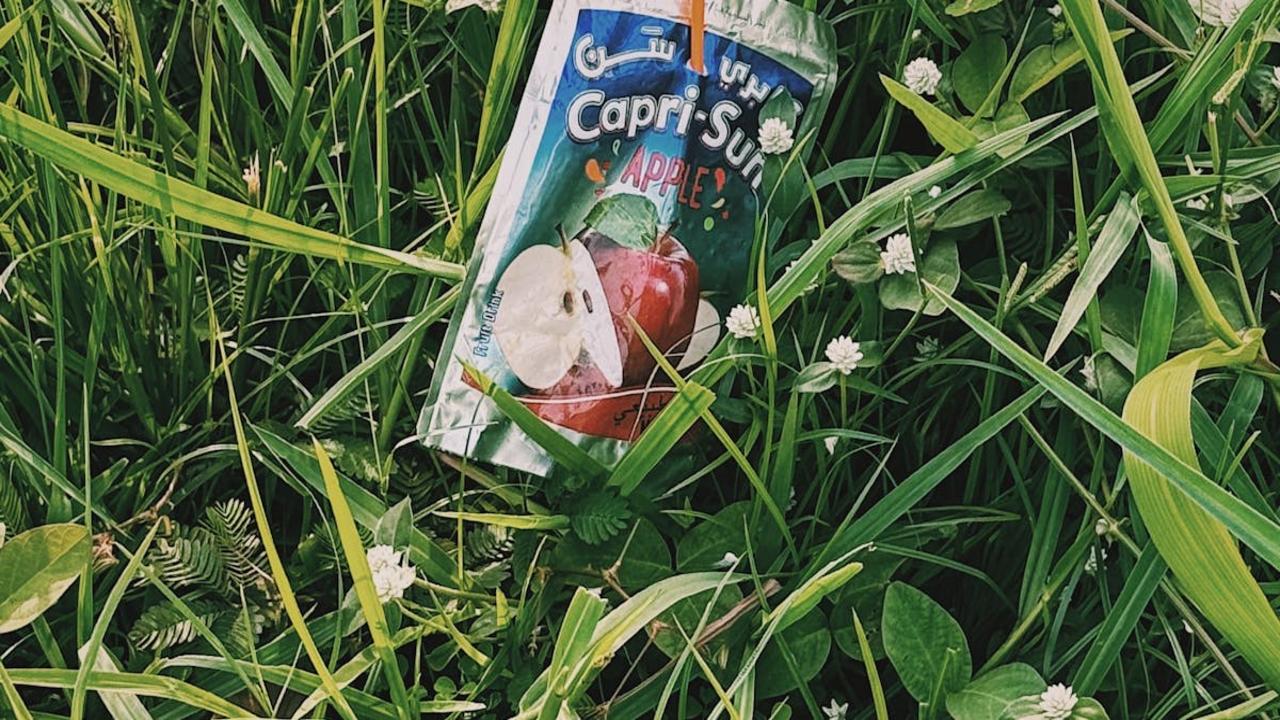
Remember those shiny silver pouches that became the unofficial currency of elementary school lunch trades? Capri Sun burst onto the scene in the 1980s and quickly became the drink that defined childhood for millions of kids. You probably have vivid memories of stabbing that tiny straw through the foil pouch – sometimes missing completely and creating a sticky mess, other times triumphantly breaking through to reach that sweet, fruity nectar inside. The brand made drinking fun with flavors like Pacific Cooler and Tropical Punch, turning hydration into an adventure that parents could feel good about.
What makes Capri Sun so memorable isn’t just the nostalgic packaging or the satisfying pop of piercing the pouch – it’s how this simple drink created shared experiences across generations. Kids today still get that same excitement when they hear the crinkle of the package, and parents find themselves transported back to their own school days when they pack these pouches in lunch boxes. The brand has evolved over the years, introducing organic options and reducing sugar content, proving that sometimes the most iconic foods can adapt while keeping their magic alive. Capri Sun taught us that the best refreshments come with a side of joy and a whole lot of childhood wonder.
Fruit Roll-Ups
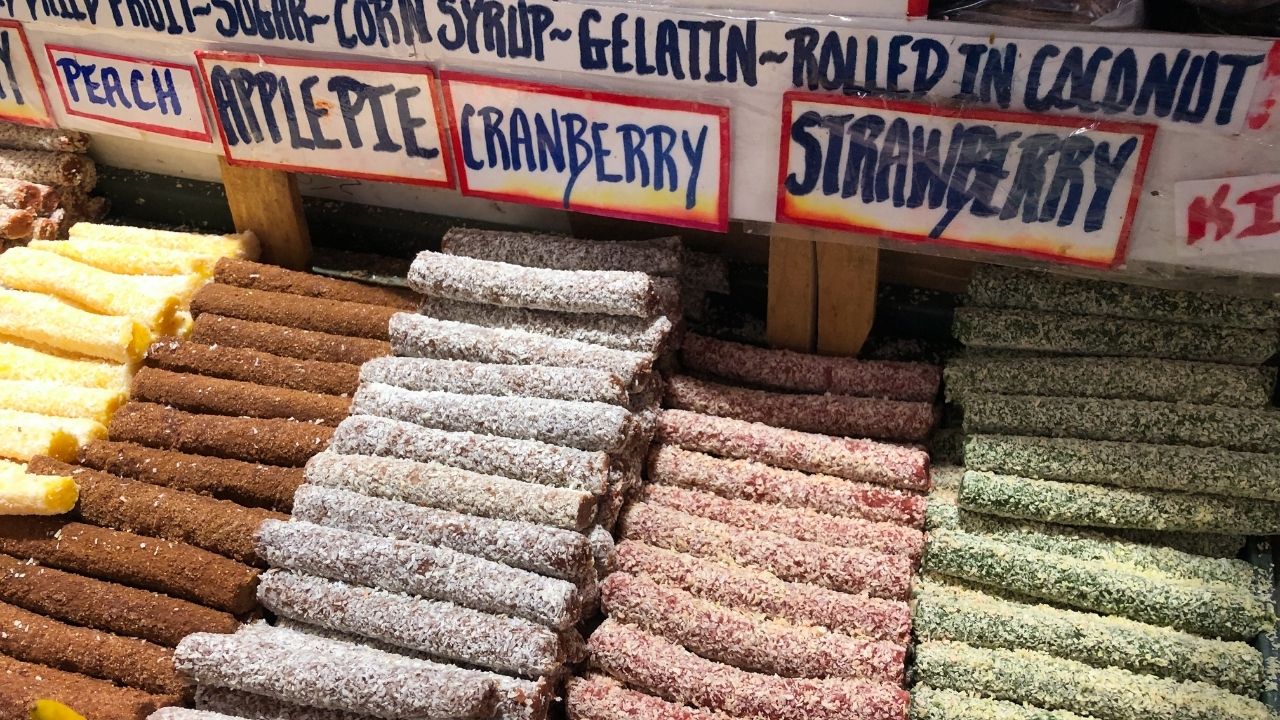
Remember those colorful sheets of fruity goodness that came wrapped in plastic and made snack time feel like pure magic? Fruit Roll-Ups burst onto the scene in the 1980s and instantly became the snack that defined childhood for an entire generation. You’d carefully peel back that plastic, unroll the vibrant sheet, and suddenly have a portable piece of sweetness that you could eat in strips, roll into balls, or even stick to your tongue for maximum fun. These chewy treats weren’t just food – they were entertainment, conversation starters, and the perfect trading currency in school cafeterias across America.
What makes Fruit Roll-Ups so special isn’t just the nostalgia factor, though that certainly plays a huge role. They represent a time when snacks could be both functional and fun, teaching kids that food doesn’t always have to be serious. Today, you can create your own healthier versions at home using real fruit purees, a dehydrator or low oven, and a bit of patience. Try blending strawberries with a touch of honey, spreading the mixture thin on parchment paper, and letting it slowly dry into your very own homemade fruit leather. Your kids will love the process just as much as the final product, and you’ll love knowing exactly what ingredients went into their snack.
Tang
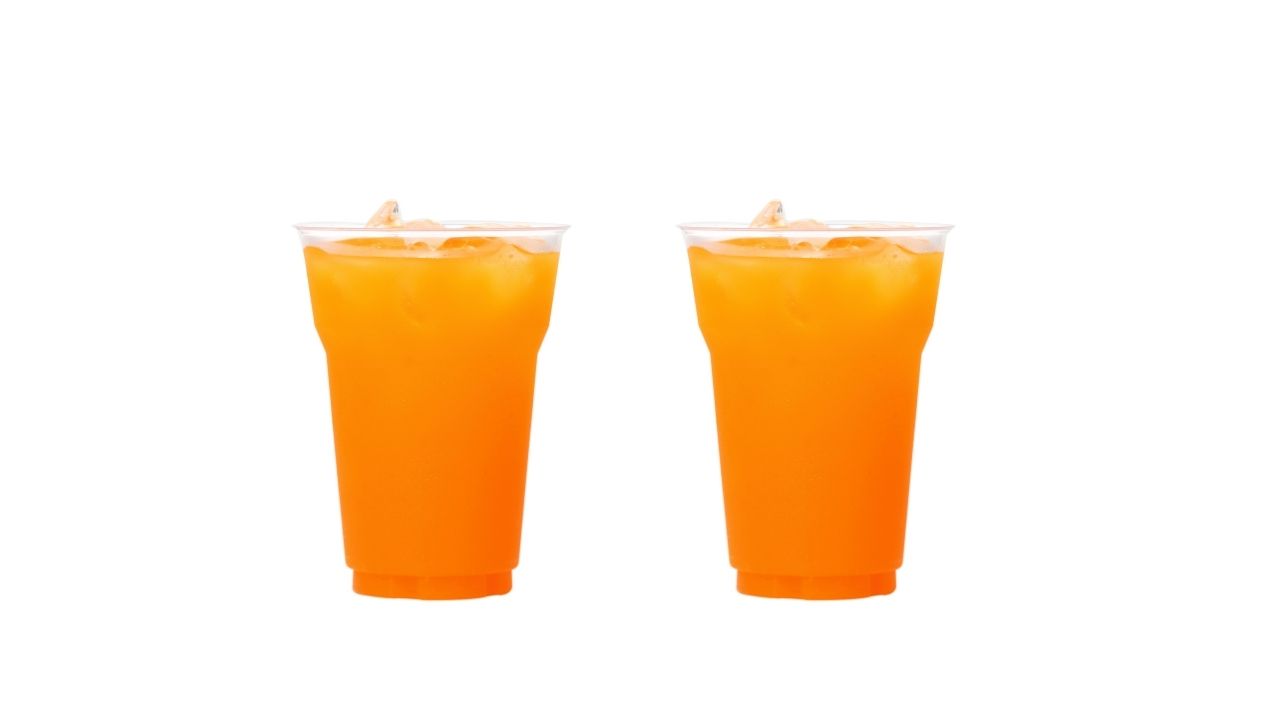
Tang burst onto the American scene in 1959, but it wasn’t until NASA chose this bright orange powder for their space missions that it became a household sensation. Suddenly, every kid wanted to drink what the astronauts drank! This sweet, vitamin C-packed beverage became synonymous with the space age optimism of the 1960s and 70s. You mixed it with water, watched it turn that signature neon orange, and felt like you were part of something bigger than your own kitchen. Tang represented the future – convenient, scientific, and somehow magical in its transformation from powder to drink.
While Tang might seem like a relic from a bygone era, its impact on how we think about convenience foods remains significant. This drink taught generations that nutrition could come in unexpected packages, long before we had protein powders and vitamin-enriched everything. Today’s health-conscious families might cringe at the artificial colors and sweeteners, but Tang opened doors to conversations about fortified foods and making nutrition accessible. You can still find it in stores today, and honestly, there’s something nostalgic and fun about mixing up a pitcher for your kids – just maybe balance it with some fresh fruit and water throughout the day!
Jell-O molds
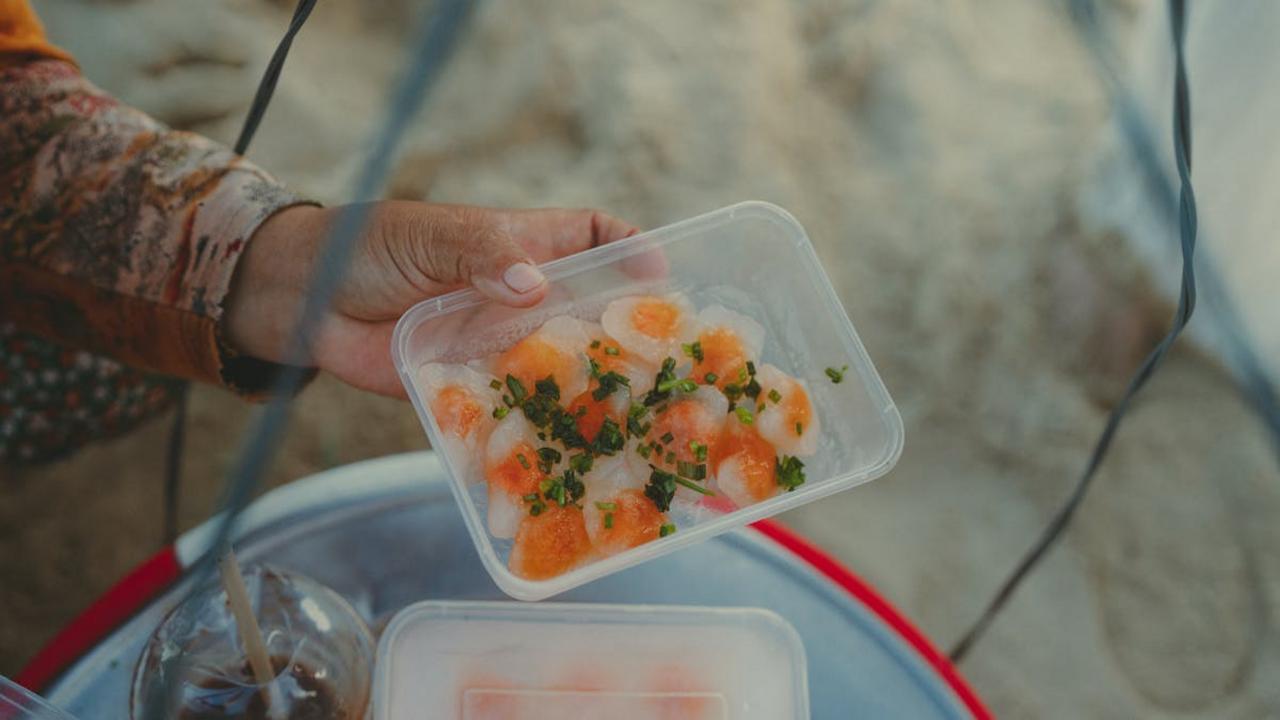
Remember those wobbly, rainbow-colored masterpieces that graced every potluck table in the 1950s and 60s? Jell-O molds weren’t just desserts – they were edible sculptures that transformed ordinary gelatin into conversation starters. Your grandmother probably had a collection of aluminum molds in her kitchen cabinet, each one capable of creating perfect rings, bundt shapes, or elaborate tiered creations. These jiggly wonders represented the height of entertaining sophistication, whether filled with fruit cocktail, shredded carrots, or – if you were feeling adventurous – tuna and mayonnaise combinations that somehow worked perfectly together.
Today’s home cooks might chuckle at the idea of suspended pineapple chunks in lime gelatin, but Jell-O molds taught us something valuable about presentation and creativity in the kitchen. They showed us that food could be playful, colorful, and completely unexpected while still bringing families together around the dinner table. Modern versions using natural fruit juices and agar-agar offer healthier alternatives that maintain that same sense of wonder and fun. You can create stunning layered effects with fresh berries, herbs, and even vegetables, proving that this retro favorite still has a place in contemporary kitchens where creativity meets nutrition.
Spam
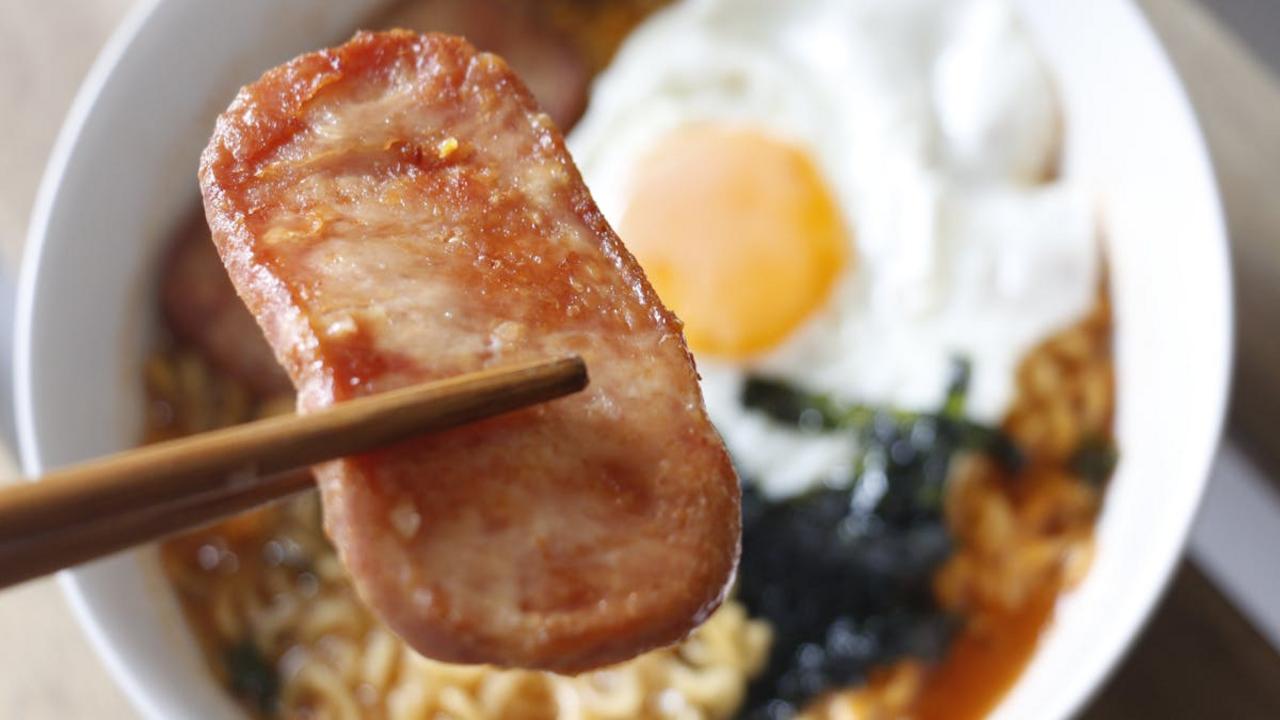
You know that distinctive blue can sitting in your pantry? Spam has been feeding families since 1937, and honestly, it deserves way more respect than it gets! This canned pork product became a lifeline during World War II, when fresh meat was scarce and soldiers needed portable protein. What started as wartime necessity transformed into comfort food for entire generations. From the Greatest Generation who relied on it during rationing to Baby Boomers who grew up with Spam sandwiches, this humble canned meat tells the story of American resilience and resourcefulness.
Here’s what makes Spam so brilliant – it’s shelf-stable, versatile, and surprisingly nutritious when you use it mindfully. One serving gives you about 16 grams of protein, plus B vitamins that support your energy levels. Try slicing it thin and pan-frying until golden for a crispy addition to breakfast hash, or dice it into fried rice for that satisfying umami punch. In Hawaii, Spam musubi has become such a beloved staple that locals consume more Spam per capita than anywhere else in America! The key is treating Spam like bacon – a little goes a long way, and proper cooking brings out its best flavors while reducing the sodium impact.
TV dinners
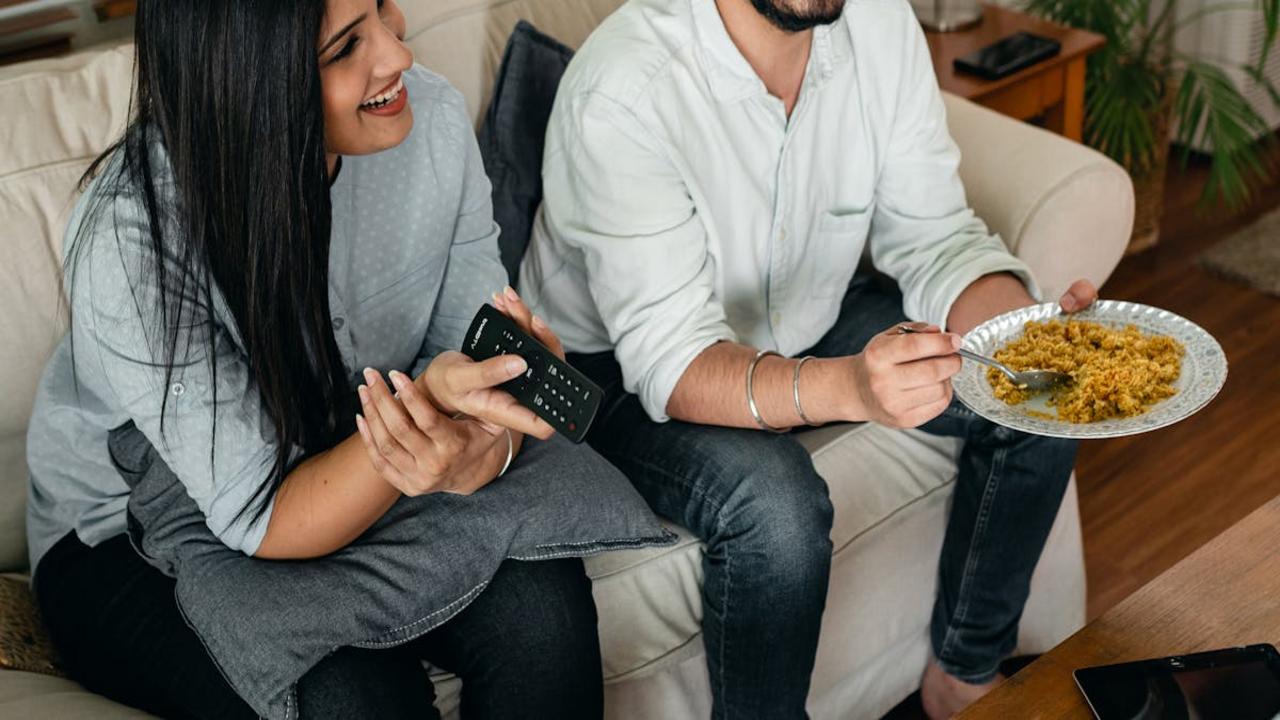
TV dinners revolutionized American dining in the 1950s, giving busy families a convenient way to enjoy complete meals without hours of cooking. These compartmentalized aluminum trays filled with meat, vegetables, and sides became the symbol of modern convenience during the post-war boom. I remember my grandmother telling me how these frozen meals felt like magic – you could have Thanksgiving dinner any night of the week! While the original Swanson TV dinners weren’t exactly health food, they represented something bigger: the changing dynamics of family life and women entering the workforce in greater numbers.
Today’s frozen meal options have come such a long way from those early aluminum trays. You can find organic, gluten-free, and nutrient-packed versions that actually taste amazing and support your wellness goals. I love how modern brands focus on whole ingredients, balanced nutrition, and sustainable packaging. Sure, homemade meals are wonderful, but sometimes you need that reliable backup plan in your freezer. The key is choosing options with recognizable ingredients and plenty of vegetables – think of them as your kitchen safety net rather than your daily go-to. TV dinners taught us that convenience and good nutrition don’t have to be mutually exclusive.