15 Restaurant Dishes Chefs Say You Should Never Order
Ever wondered why chefs avoid certain menu items when dining out? I’ve chatted with kitchen pros who spilled their secrets about the dishes they’d never touch – and their insights will change how you order forever. From Monday’s fish (potentially days old!) to that fancy truffle oil drizzle (often synthetic), there’s a whole menu of red flags you might be missing.
The truth about restaurant food isn’t always appetizing. That Kobe beef burger? Probably not authentic Kobe. Your brunch scrambled eggs? Made hours before you arrived. And that hollandaise sauce sits dangerously in the temperature danger zone, making it a food safety nightmare according to many chefs.
Seasonal awareness matters too. Ordering oysters outside “R” months or out-of-season seafood means you’re getting less-than-fresh options shipped from far away. Even comfort food favorites like Chicken Parmesan and Fettuccine Alfredo make chefs cringe – they’re often pre-made, reheated dishes that don’t showcase a restaurant’s real skills.
Oysters during non-“R” months
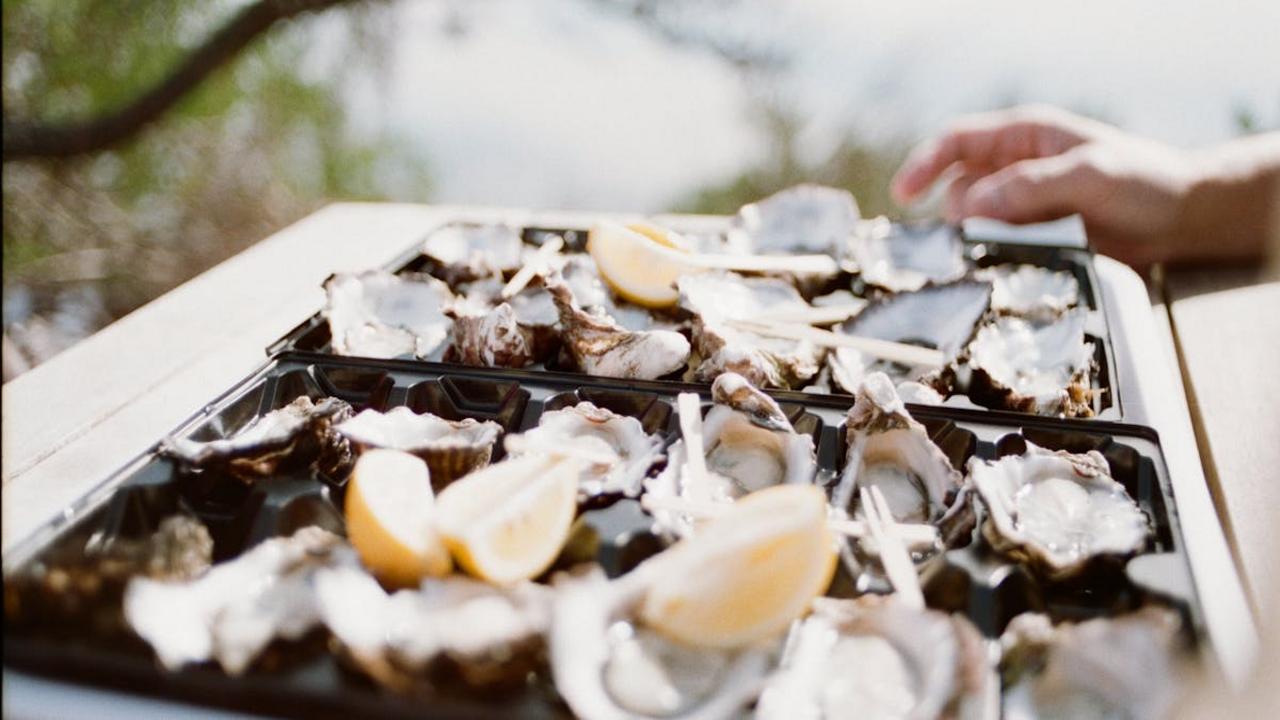
Listen, I get it – you’re sitting at that swanky raw bar in July, the sun’s beating down, and those glistening oysters are calling your name like sirens from their icy bed. But here’s the deal: your grandmother wasn’t just being superstitious when she warned about eating oysters during months without an “R” in their name. May through August spell trouble for these briny beauties, and it’s not just old wives’ tales talking. During warmer months, oysters spawn like crazy, which makes their texture all mushy and weird – think less “ocean kiss” and more “salty snot.” Plus, warmer waters create the perfect breeding ground for bacteria that can turn your romantic dinner into a very unsexy date with food poisoning.
The real kicker? Modern refrigeration means you *can* technically eat oysters year-round now, but why would you want to? Summer oysters taste like they’ve been through emotional trauma – they’re stressed, tired from all that spawning, and honestly just not bringing their A-game to your plate. Smart restaurants know this and either skip oysters entirely during hot months or charge you premium prices for imported ones from colder waters. Save your money and your stomach – wait for September to roll around when those mollusks have had their summer vacation and are ready to party again. Trust me, your September self will thank you when you’re slurping down plump, creamy perfection instead of whatever sad, milky disappointment summer serves up.
Specials that sound too inventive
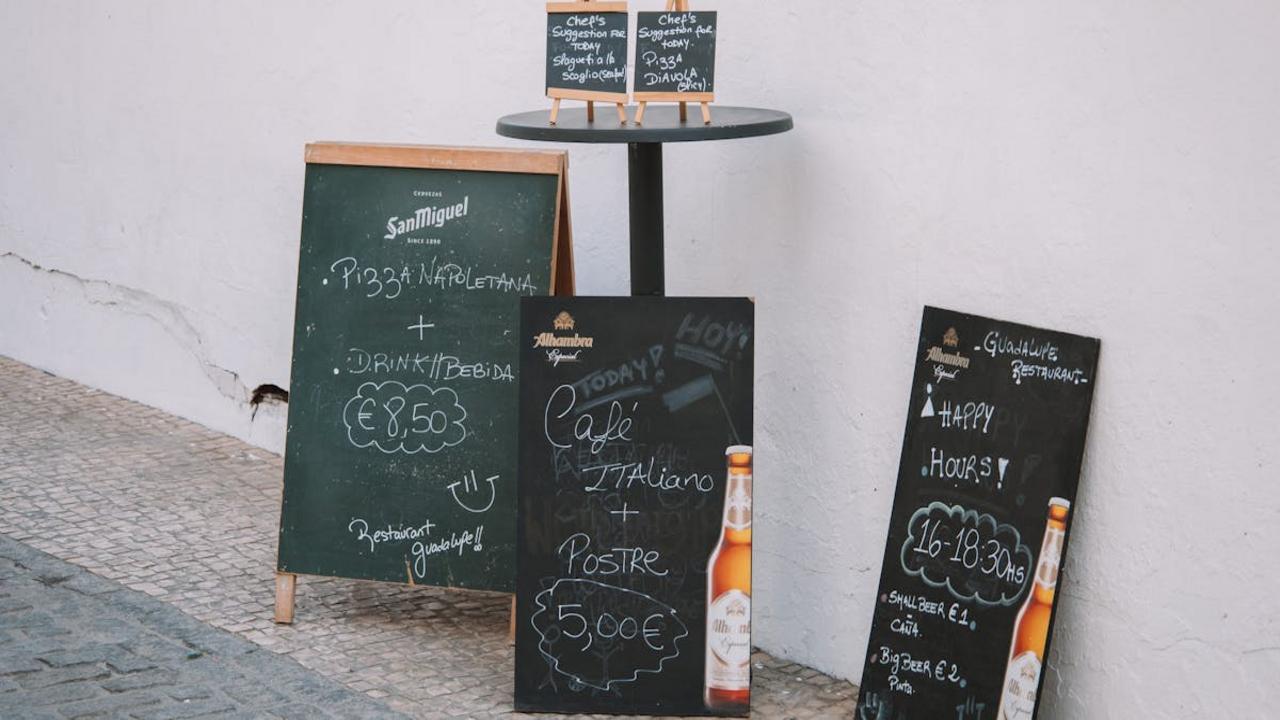
You know that feeling when you’re scanning a menu and suddenly encounter something like “Deconstructed Caesar Salad Spheres with Molecular Parmesan Dust and Edible Flower Confetti”? Your brain does a little hiccup, right? Chefs warn that overly creative specials often mask fundamental problems in the kitchen. When restaurants get too experimental with their daily offerings, they’re usually trying to use up ingredients that are about to go bad or covering up their inability to execute classic dishes properly. Think about it – if they can’t nail a simple roasted chicken, do you really trust them with foam made from beetroot extract?
These Frankenstein creations typically arrive at your table looking like modern art projects that forgot they were supposed to be food. I once ordered a “reimagined” mac and cheese that turned out to be three sad noodles drowning in what tasted like melted crayon mixed with nutritional yeast. The server explained it with the enthusiasm of someone describing a space mission, but my wallet felt lighter and my stomach remained disappointingly empty. Stick with specials that sound like actual food your grandmother might recognize – maybe with one interesting twist. Save the molecular gastronomy experiments for restaurants that specialize in them, not places that also serve chicken tenders on the same menu.
Fettuccine Alfredo
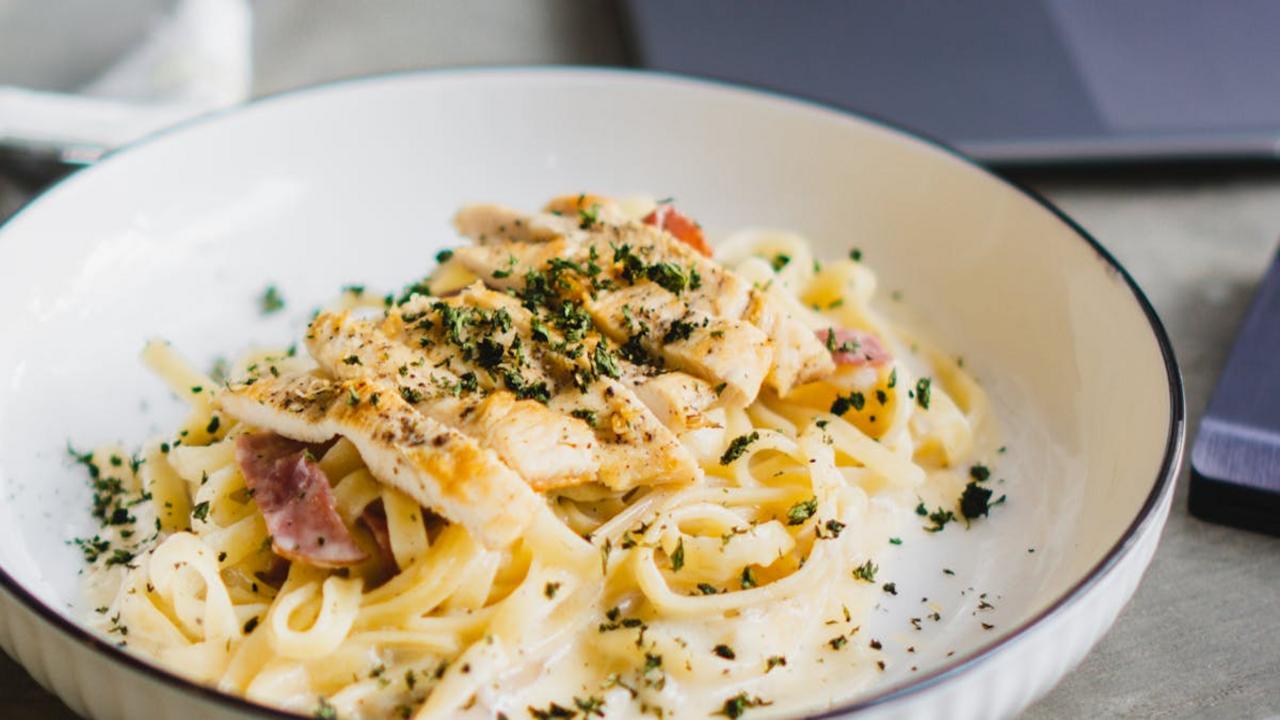
Here’s the thing about Fettuccine Alfredo that’ll make you chuckle: authentic Italian restaurants don’t even serve it! This creamy, butter-laden pasta dish is about as Italian as fortune cookies are Chinese. The original recipe from Rome’s Alfredo di Lelio contained just butter, Parmigiano-Reggiano, and pasta water—no cream in sight. What you’re getting at most American restaurants is basically noodles swimming in what I like to call “edible concrete.” The heavy cream sauce sits in your stomach like a brick, and frankly, after three bites, you’ll wonder why you thought eating a bowl of dairy was a good life choice.
Restaurant kitchens love this dish because it’s cheap to make and has a huge markup, but here’s the dirty secret: they often use pre-made alfredo sauce from industrial-sized containers that have been sitting around longer than your last relationship. The pasta frequently gets overcooked to mush, and the sauce separates faster than you can say “lactose intolerance.” If you’re craving something creamy and indulgent, ask for carbonara instead—at least that dish has some personality with its pancetta and perfectly cooked eggs. Trust me, your taste buds and your digestive system will thank you for avoiding this particular white whale of the pasta world.
Fried chicken at a diner
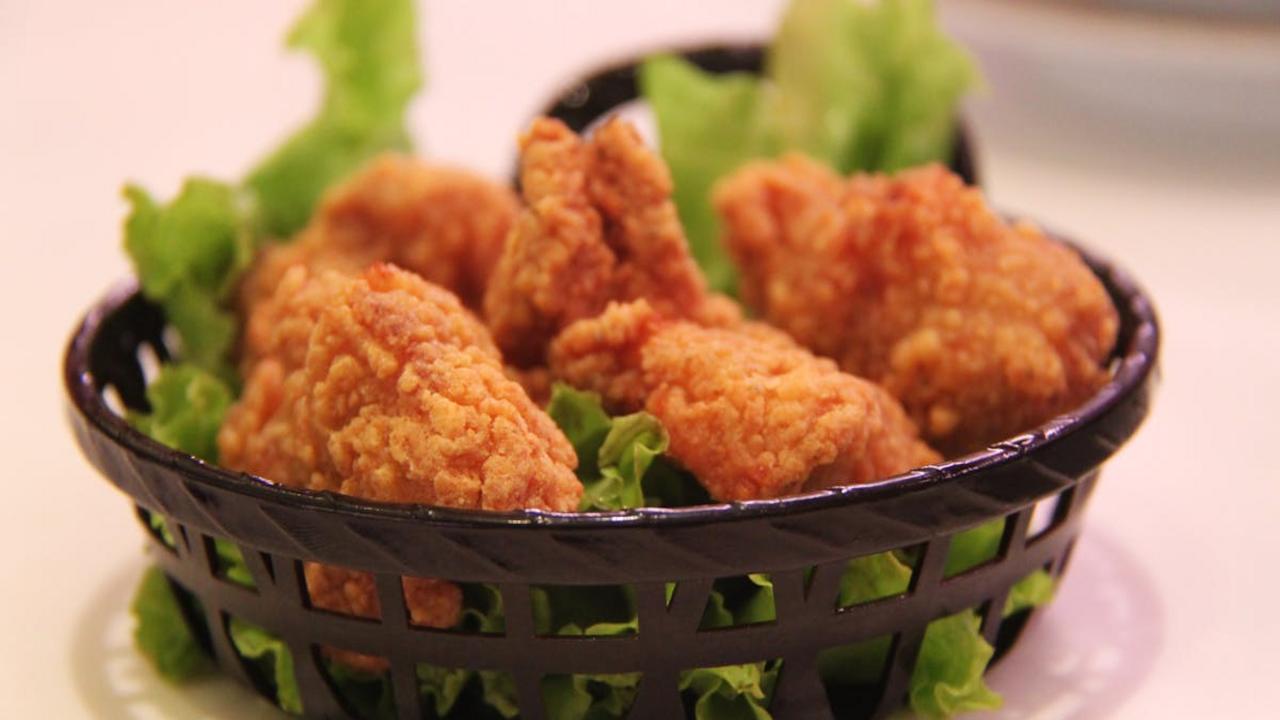
Listen, I get it – you walk into that chrome-lined diner at 2 AM, fluorescent lights buzzing overhead, and suddenly that fried chicken on the menu looks like salvation on a plate. But here’s the thing: most diners treat their fryer oil like a family heirloom, passing it down through generations without ever changing it. That golden coating you’re craving? It’s probably been swimming in oil that’s seen more action than a soap opera villain. The chicken sits under heat lamps longer than passengers wait for delayed flights, turning what should be crispy perfection into something resembling edible cardboard with the texture of disappointment.
Professional chefs avoid diner fried chicken because they know the dirty secret – most establishments don’t have the volume to justify fresh oil changes, and that bird you’re eyeing has likely been keeping warm since the Clinton administration (okay, maybe just since lunch, but it feels eternal). The breading becomes soggy, the meat dries out, and you’re left paying premium prices for what amounts to cafeteria food. Instead, stick to diner classics like pancakes or burgers – items that get made fresh and don’t require the delicate timing that proper fried chicken demands. Your stomach will thank you, and you won’t spend the next morning questioning your life choices while reaching for the antacids.
Sushi at a buffet
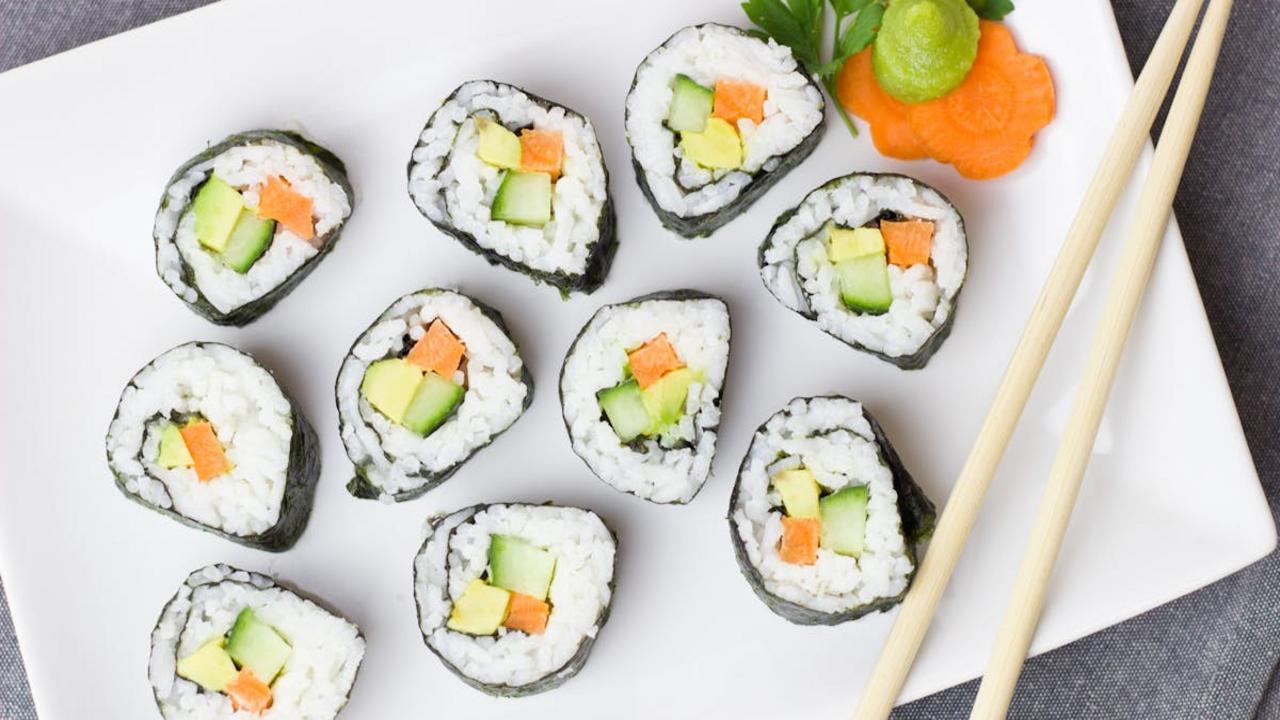
Picture this: you walk into a buffet and spot that gleaming sushi display under those heat lamps, looking like little fishy soldiers lined up for battle. Here’s the thing – sushi and buffets go together about as well as pineapple on pizza (and yes, I’m prepared to die on that hill). Raw fish sitting under warm lights for hours? That’s not sushi, that’s a science experiment waiting to happen. Fresh sushi should practically melt in your mouth, not taste like it’s been doing laps around a warming tray since the Clinton administration.
Professional sushi chefs spend years perfecting their craft, learning how to select the freshest fish and rice temperature that’s just right – not too warm, not too cold, but perfectly body temperature. Buffet sushi, on the other hand, gets made in bulk hours before you arrive, then sits there like sad little rice boats slowly dying under fluorescent lights. The rice gets hard, the nori (seaweed) gets chewy, and don’t even get me started on what happens to that avocado. Save your money and your stomach – if you want real sushi, go to a proper sushi bar where they make it fresh to order. Your digestive system will thank you later!
Brunch scrambled eggs
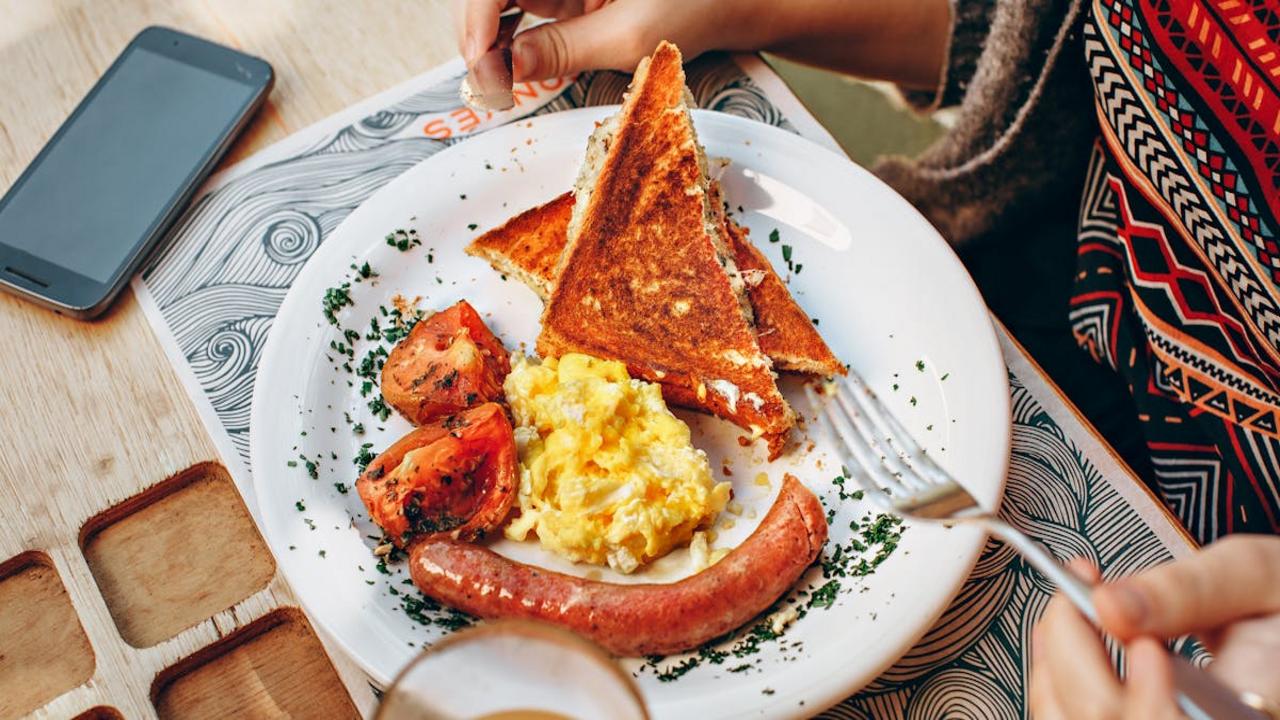
You know that dreamy Sunday brunch scene where you’re sipping mimosas and eyeing those fluffy scrambled eggs on the menu? Stop right there, friend! Those innocent-looking eggs have been sitting in a steam tray longer than your last relationship lasted. Chefs across the country confess that brunch scrambled eggs are often pre-made hours before service, then reheated until they achieve the texture of rubber erasers. The eggs you’re paying premium prices for were probably scrambled at 6 AM and have been slowly dying under heat lamps while you were still in your pajamas.
Here’s the kicker: restaurants batch-cook these eggs because they can’t afford to make them fresh for every single order during the weekend rush. The result? Dry, overcooked protein that bears no resemblance to the silky, creamy scrambles you make at home in your bathrobe. Smart diners know to order eggs any other way – poached, fried, or Benedict-style – because these require fresh preparation and can’t be pre-made. Your stomach (and your wallet) will thank you for skipping the sad, reheated eggs and choosing something that actually gets cracked fresh when you order it.
Iceberg wedge salad
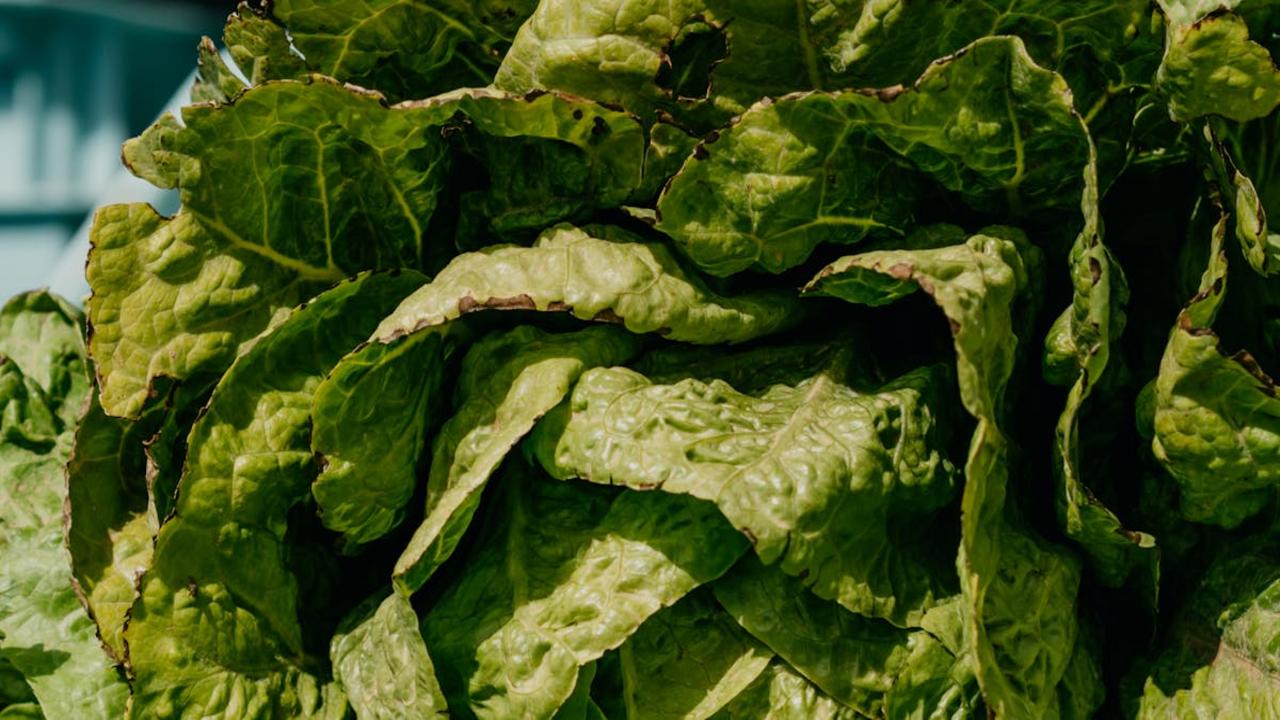
Look, I get it – the iceberg wedge salad seems like a safe harbor in the stormy sea of restaurant ordering. You’re sitting there, overwhelmed by fancy menu descriptions that sound like they were written by someone who took too many creative writing classes, and suddenly you spot it: four simple words that promise comfort and familiarity. But here’s the thing your server will never tell you – that innocent-looking wedge is basically the restaurant equivalent of paying premium prices for a head of lettuce that’s been sitting around longer than your last relationship.
Chefs roll their eyes at this dish because it requires zero skill, zero creativity, and zero effort. You’re literally paying $12-15 for a quarter of a head of iceberg lettuce that someone drizzled with blue cheese dressing and sprinkled with bacon bits. The iceberg itself has about as much nutritional value as the napkin it’s served on, and most restaurants prep these babies hours in advance, letting them sit under heat lamps until they achieve that perfect wilted-yet-still-crunchy texture that screams “I’ve been waiting for you since the lunch rush.” Your money would be better spent on literally any other salad on the menu – or hey, wild idea – just buy your own head of lettuce and pocket the $10 difference.
Soup of the day
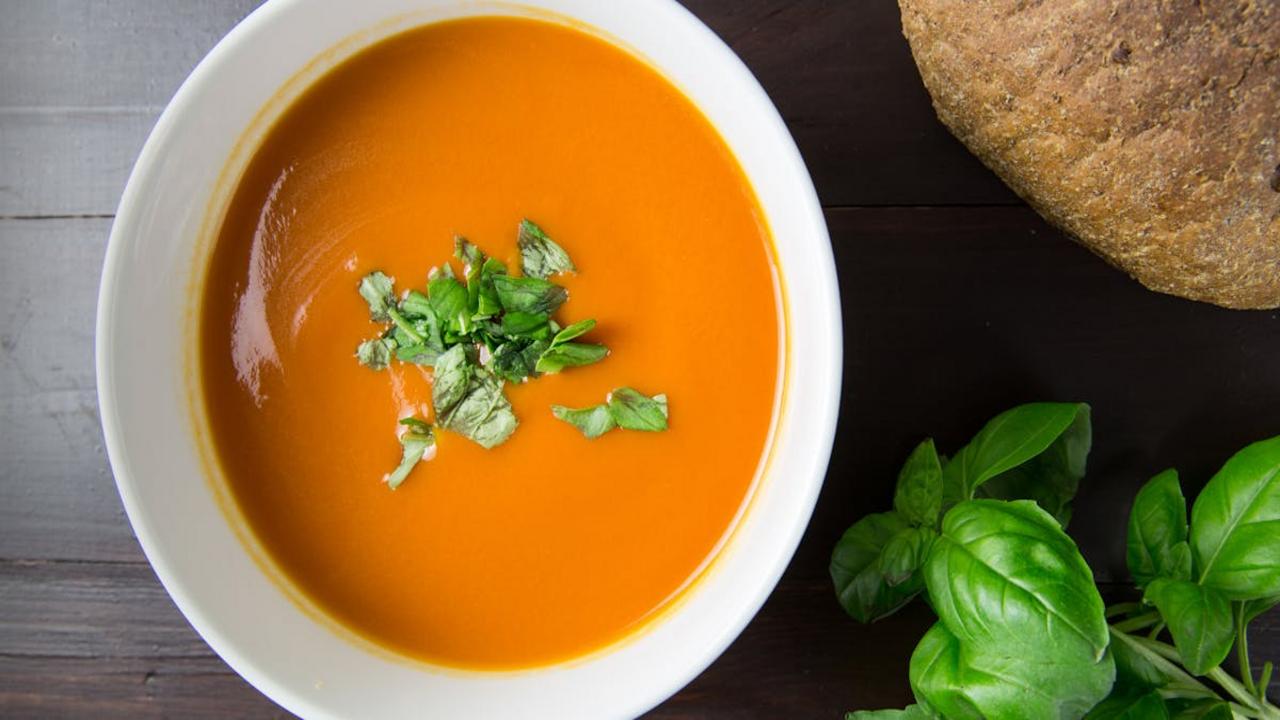
Picture this: you waltz into a restaurant, scan the menu, and there it sits like a mysterious riddle wrapped in a ladle—”Soup of the Day.” Sounds fresh and special, right? Wrong! Here’s what most chefs won’t admit: that magical daily creation is probably yesterday’s leftover vegetables swimming in a broth made from whatever’s about to expire. The “soup of the day” has become restaurant code for “we need to use up all this stuff before the health inspector shows up.” Your server might describe it with poetic flourishes about “seasonal ingredients” and “chef’s inspiration,” but chances are high that inspiration struck while staring at wilted celery and questioning carrots in the walk-in cooler.
The real kicker? Most restaurants batch-cook these soups days in advance and reheat them repeatedly, turning what should be a comforting bowl of warmth into a science experiment in texture breakdown. Those tender vegetables you’re expecting? They’ve been through more heat cycles than a washing machine. Plus, soup sits around longer than any other menu item—it’s the marathon runner of the kitchen, enduring hours under heat lamps while other dishes sprint to your table. Smart diners know to stick with soups that appear on the regular menu year-round; those recipes get perfected through repetition and made fresh because they’re consistent sellers, not desperate attempts to clean out the prep station.
Chicken Parmesan
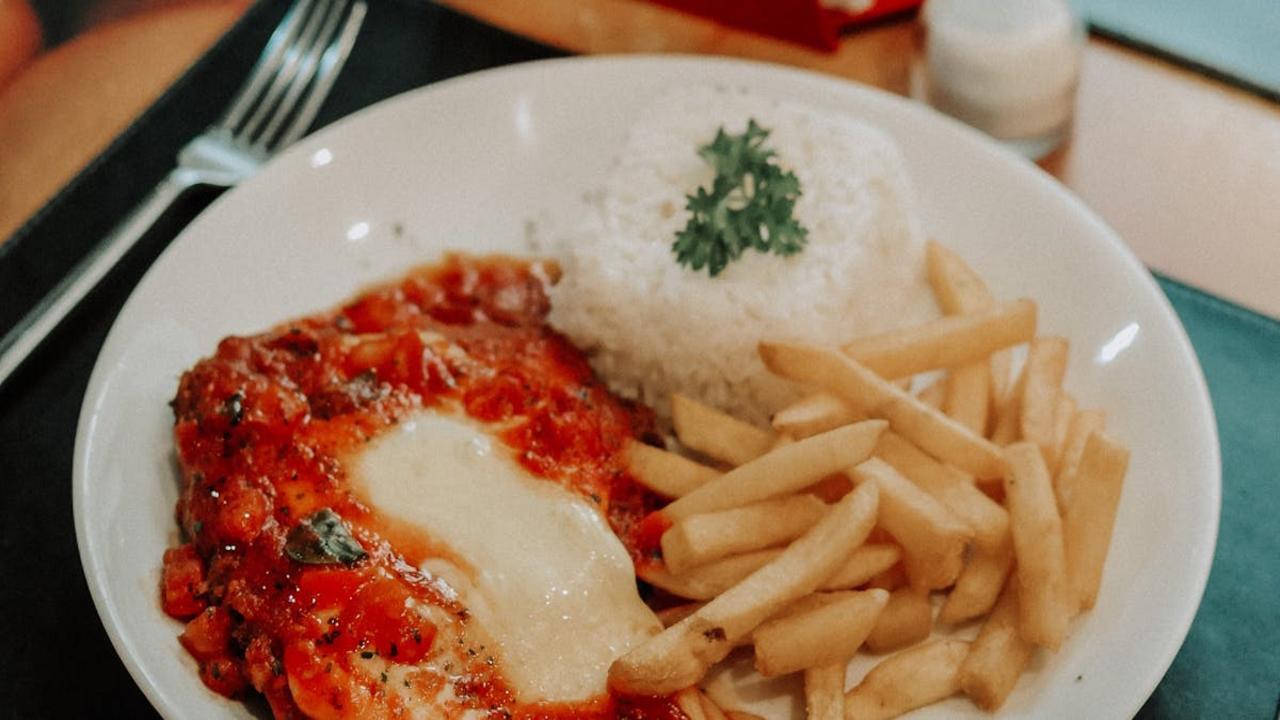
Here’s the thing about chicken parmesan at most restaurants: they’re serving you a sad, frozen piece of poultry that’s been sitting under heat lamps longer than your last relationship lasted. Picture this – a rubbery chicken breast that bounces when you poke it, drowning in a sea of cheap marinara sauce that tastes suspiciously like it came straight from a jar marked “industrial grade.” The breading? Don’t get me started. It’s usually soggy from steam, flaking off like dandruff from a stressed-out scarecrow. Most places prepare dozens of these puppies hours ahead of service, then reheat them faster than you can say “mozzarella mishap.”
The real kicker is that chicken parm should be crispy, golden perfection – think of your Italian grandmother’s version where the breading crackles between your teeth and the cheese stretches like edible confetti. Instead, you’re getting something that resembles a science experiment gone wrong, complete with cheese that’s either burned to a crisp or still cold in the middle because they microwaved it. Fun fact: authentic chicken parmigiana actually originated in Australia (plot twist!), but somehow American restaurants managed to turn this simple beauty into a steam-table tragedy. Save your money and make it at home – your chicken deserves better than restaurant limbo.
Anything with a truffle oil drizzle
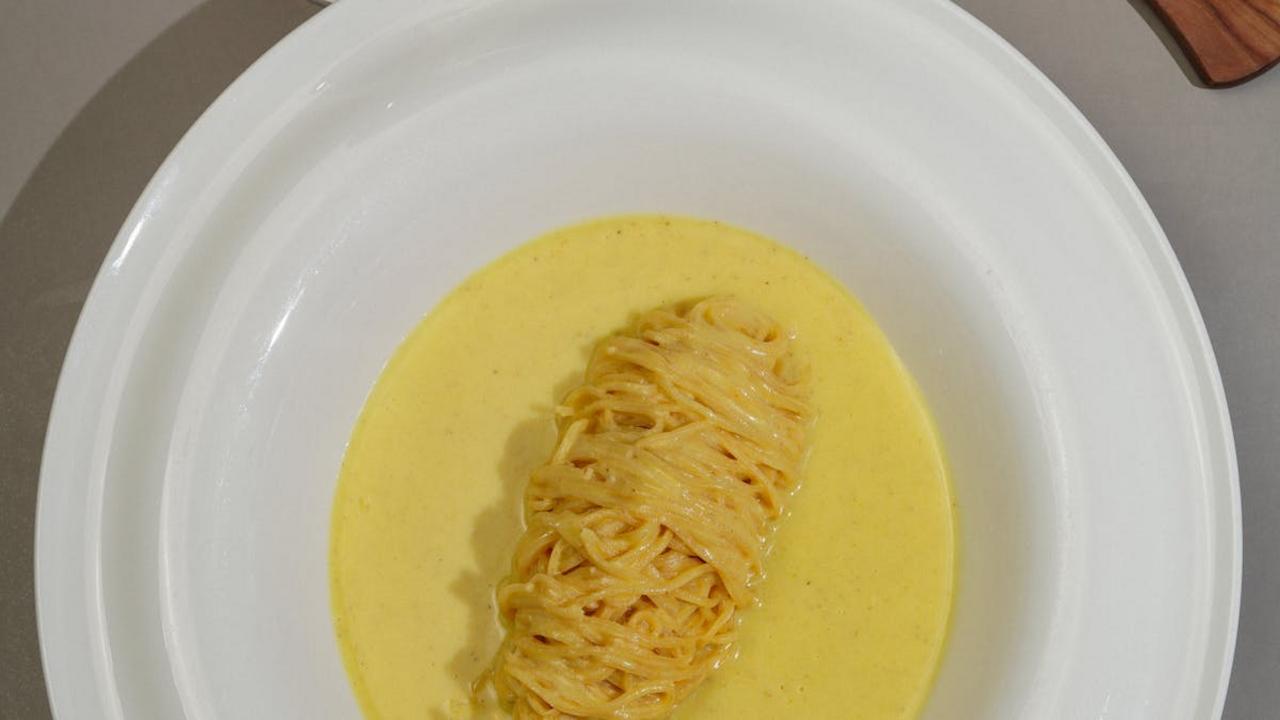
Oh honey, if I had a dollar for every time I’ve seen truffle oil seductively drizzled over mediocre pasta or bland risotto, I’d own my own restaurant by now! Here’s the dirty little secret that chefs whisper about behind kitchen doors: most “truffle oil” contains zero actual truffles. That’s right—what you’re tasting is synthetic 2,4-dithiapentane, a chemical compound that mimics truffle flavor but delivers all the subtlety of a neon sign. Real truffles cost hundreds of dollars per pound, so restaurants use this artificial impostor to create the illusion of luxury while charging premium prices. It’s like buying a Rolex and discovering it’s actually a fancy-looking calculator.
The bigger problem? Truffle oil doesn’t just fake sophistication—it murders whatever dish it touches. Picture this: you order a beautiful plate of handmade gnocchi, and then BAM! The chef drowns it in this overpowering, one-note flavor that bulldozes every other ingredient into submission. Good food should be a symphony, not a solo performance by an obnoxious chemical compound. Professional chefs know that truffle oil is the equivalent of wearing cologne to a wine tasting—it obliterates nuance and screams “amateur hour.” Save your money and ask for extra parmesan instead; your palate will thank you for choosing authentic flavor over fake fancy.
Kobe beef burger
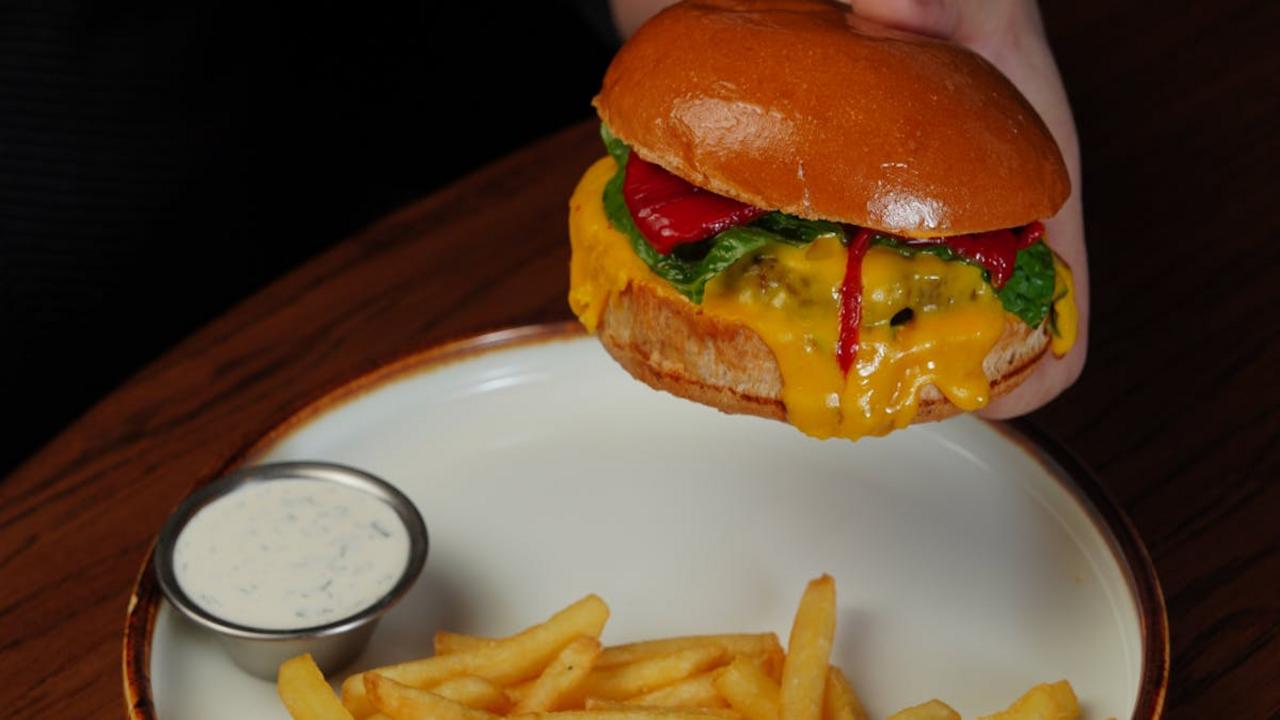
Picture this: you’re staring at a menu boasting a $40 Kobe beef burger, and your wallet starts weeping before you even place the order. Here’s the thing – authentic Kobe beef comes from specific Wagyu cattle raised in Japan’s Hyogo Prefecture, and it’s so regulated that only about 3,000 head qualify each year. Most restaurants claiming to serve “Kobe” burgers are actually using American Wagyu or regular beef with fancy marketing. Even if they somehow got their hands on the real deal, grinding up this marbled masterpiece into burger meat is like using a Stradivarius violin as a cricket bat.
The irony gets even juicier when you consider that Kobe beef’s signature characteristic – those gorgeous fat marbles that melt at room temperature – completely disappears once you grind and cook it. You’re paying premium prices for what becomes indistinguishable from high-quality ground chuck once it hits the grill. Smart chefs know that burger perfection comes from the right fat-to-lean ratio and proper seasoning, not from pulverizing expensive steak. Save your money and order a regular burger made with love, or better yet, splurge on an actual Kobe steak if you want to experience what all the fuss is about!
Caesar salad with anchovy
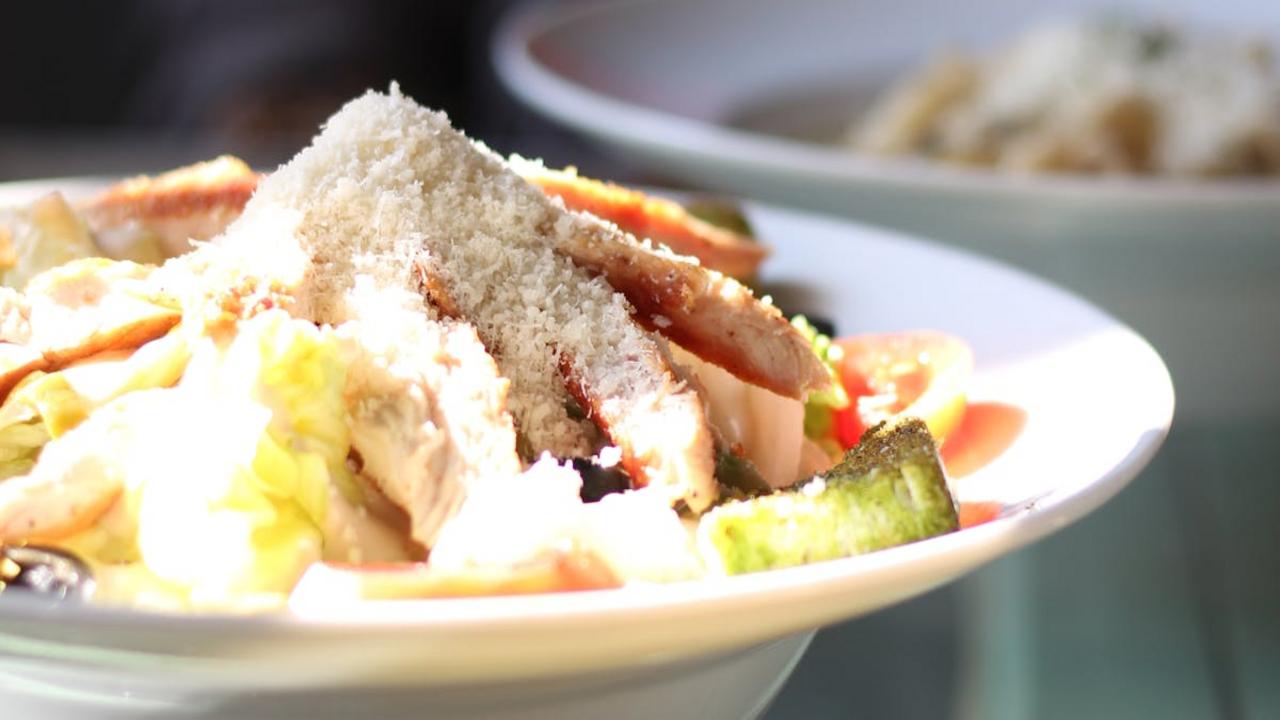
You know that moment when you’re scanning a menu and spot “Caesar salad with anchovy” and think, “Oh, how authentic!”? Well, hold your horses there, foodie friend. Most restaurant anchovies have been swimming in industrial-grade salt brine longer than some Hollywood marriages last. These little fish often arrive as sad, overly salty shadows of their former selves, turning your fresh romaine into a sodium bomb that could make your blood pressure monitor weep. The thing is, proper anchovies should add a subtle umami depth, not taste like you’re licking the Dead Sea.
Here’s the kicker: many restaurants use the cheapest anchovy fillets they can find, which means you’re getting fish that tastes more like concentrated ocean water than the complex, nutty flavor good anchovies bring to the party. Smart chefs know that quality anchovies cost more than a decent bottle of wine per jar, so they either skip them entirely or use the bargain-basement versions that make your Caesar taste like it took a dip in pickle juice. Your best bet? Ask your server if they use white anchovies (the good stuff) or just stick to the classic version without the fishy gamble. Trust me, your taste buds will thank you later.
Out-of-season seafood
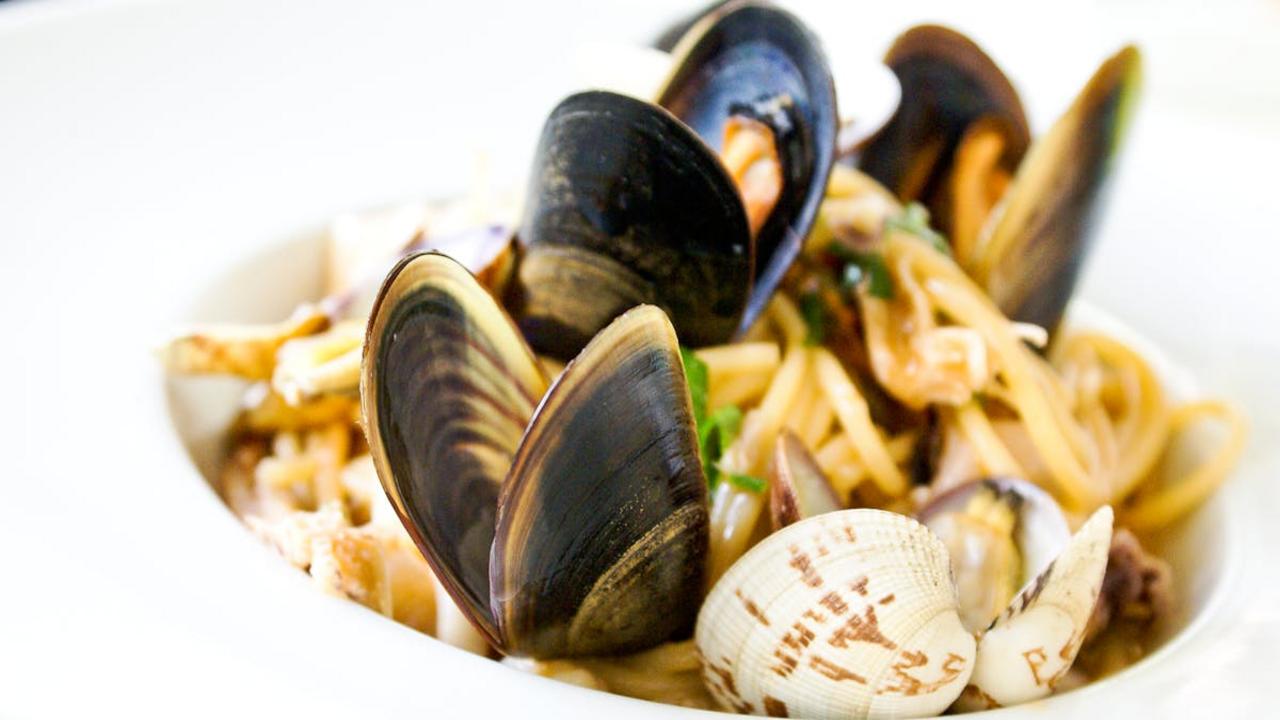
Picture this: you’re craving lobster in July, but you’re nowhere near Maine’s rocky coast. That gorgeous crustacean on your plate? It probably took a world tour before landing on your table, losing flavor and freshness with every mile. Chefs who know their stuff will tell you that ordering seafood during its off-season is like asking for yesterday’s newspaper – technically available, but missing all the good stuff. Your “fresh” salmon might have been frozen longer than your last relationship lasted, and that scallop could have more frequent flyer miles than a flight attendant.
Smart diners follow the seasons like their grandmother followed soap operas – religiously and with good reason. Oysters famously follow the “R” rule (only eat them in months containing the letter R), which keeps you safe from warm-weather bacteria and ensures peak brinyness. Spring brings soft-shell crabs that practically melt in your mouth, while fall delivers plump mussels bursting with oceanic goodness. Ask your server what’s actually in season, or better yet, befriend restaurants that change their seafood offerings based on what the boats brought in that day. Your taste buds will thank you, your wallet might too, and you’ll avoid that sad, rubbery disappointment that comes from eating a lobster that’s been on ice longer than the Titanic.
Hollandaise sauce dishes
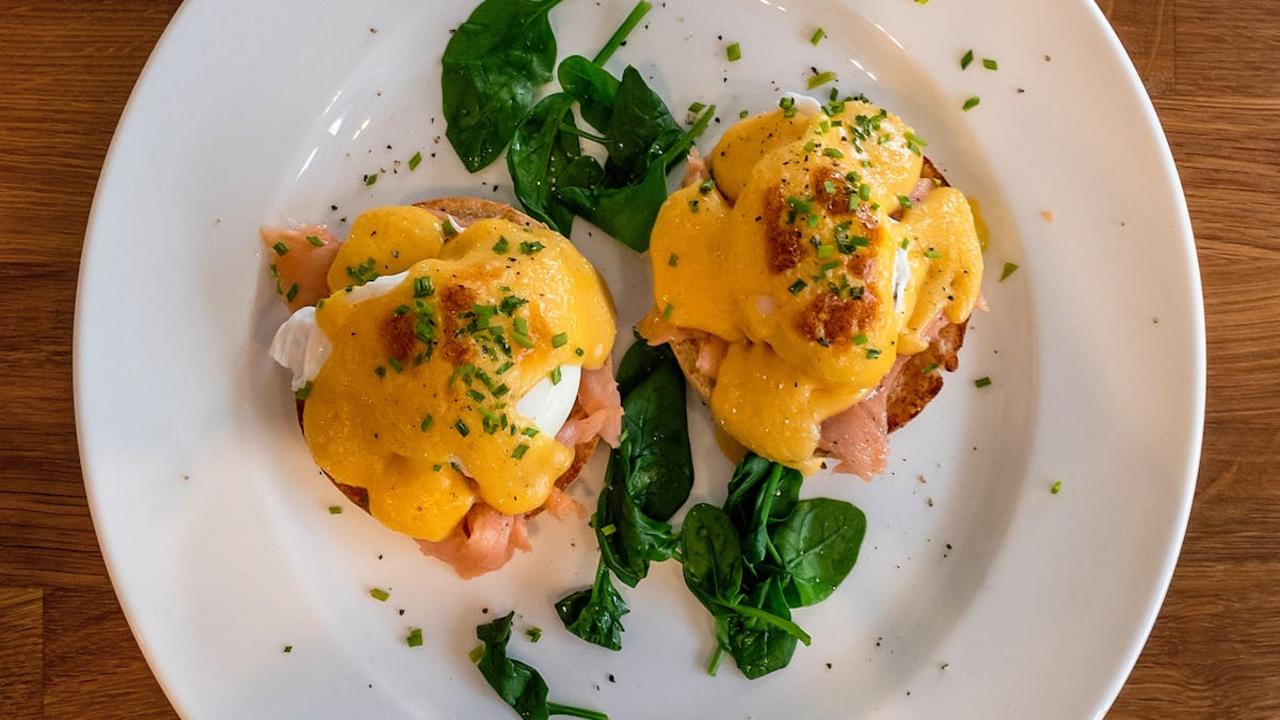
Oh, hollandaise sauce – that silky, buttery dream that turns boring eggs Benedict into brunch royalty. But here’s the thing your server won’t mention: that golden goddess sitting on your plate might be harboring some seriously sketchy secrets. Most restaurants don’t make hollandaise fresh for every order because, frankly, it’s a temperamental diva that breaks faster than your New Year’s resolutions. Instead, they often keep it warm in steam tables for hours, creating the perfect breeding ground for bacteria. Fun fact: hollandaise contains raw egg yolks, and when those yolks hang out at lukewarm temperatures for too long, they become a salmonella playground that would make a microbiologist weep.
The real kicker? Many places use powdered hollandaise mix instead of the real deal, which is like comparing instant coffee to a perfectly pulled espresso shot. You’re paying premium brunch prices for what’s basically fancy mayonnaise with commitment issues. Even worse, that sauce has probably been sitting under heat lamps longer than you’ve been waiting for your table. Professional chefs know this dirty little secret, which is why they rarely order hollandaise-heavy dishes when dining out. If you absolutely must have your eggs Benedict fix, hit up places that make it to order – your stomach (and your taste buds) will thank you for avoiding that sketchy sauce situation.
Fish on a Monday
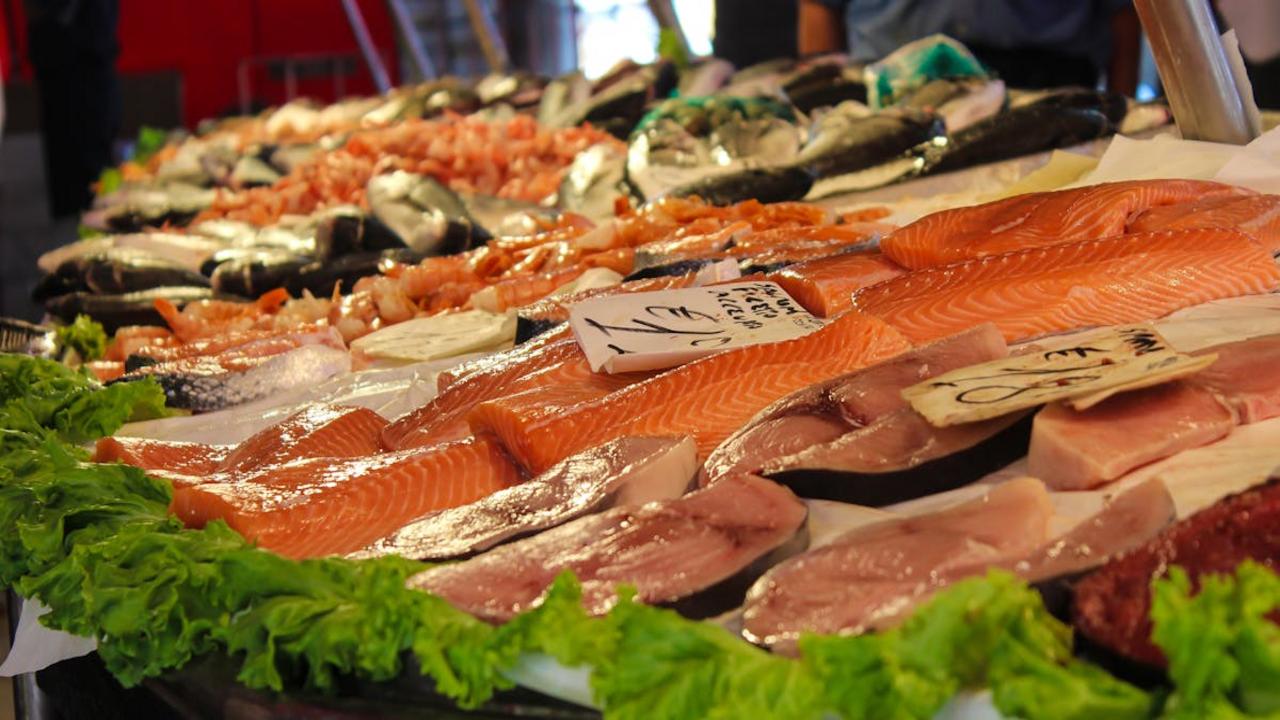
You walk into that cozy bistro on Monday evening, scanning the menu with hungry eyes, and there it is—the catch of the day, looking all fresh and tempting. Stop right there, my friend! Professional chefs across the country will tell you that Monday fish is like last week’s gossip: nobody really knows where it came from or how long it’s been sitting around. Most restaurants receive their seafood deliveries Thursday through Saturday, which means that “fresh” halibut you’re eyeing has been chilling in the cooler since before the weekend rush hit.
Here’s the thing about fish—it doesn’t age like fine wine or get better with time like your grandmother’s soup recipes. While some restaurants do get Monday deliveries (bless their organized little hearts), many spots are still working through their weekend inventory. You don’t want to be the person who discovers that the salmon tastes more like low tide than ocean breeze! Instead, save your seafood cravings for Tuesday through Friday when the deliveries are fresh and the fish counter actually sparkles with that just-caught gleam. Your stomach will thank you, and you won’t spend Tuesday morning wondering if that questionable texture was supposed to be there.