14 Sneaky Menu Tactics Restaurants Use to Upsell You Junk
Ever noticed how you walk into a restaurant planning to order a salad but end up with a massive burger, fries, and a milkshake? That’s no accident. Restaurants spend big money designing menus that make you crave their most profitable items – and they’re really good at it.
From strategic item placement to clever pricing tricks, these menu mind games target your wallet through your stomach. Those “healthy choice” symbols? They might just push you toward pricier options. Those mouthwatering photos? They’re perfectly staged to make you hungrier than you really are.
I’ve spent years studying restaurant psychology and uncovered 14 sneaky tactics they use to influence your choices. Once you know these tricks, you’ll spot them everywhere – from fancy steakhouses to casual diners. Get ready to become a smarter, more budget-conscious diner who won’t fall for these menu manipulation games.
Misleading Health Claims
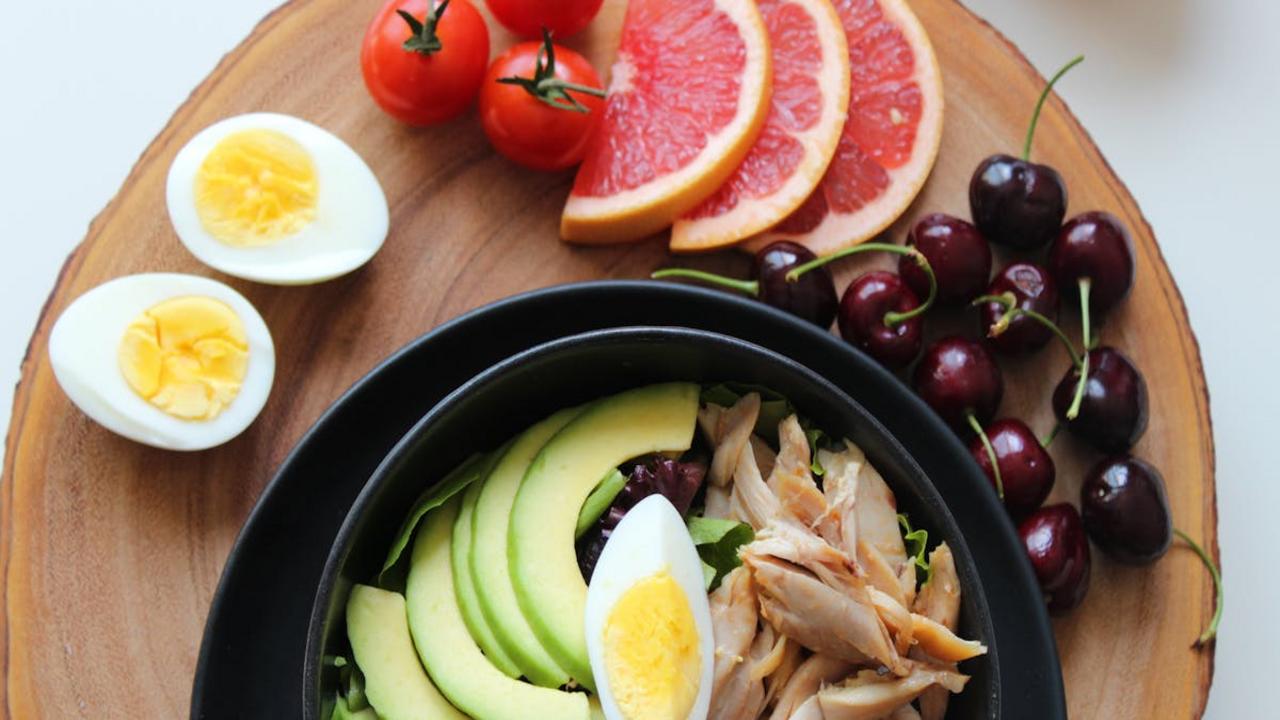
Oh, the tricks restaurants play with those “healthy” menu claims! You’ve seen them – those sneaky little symbols next to dishes marking them as “light,” “low-cal,” or my personal favorite, “guilt-free.” Here’s the kicker: many of these claims lack any real nutritional backing. I once ordered a “light” salad at a chain restaurant only to discover it packed more calories than a burger, thanks to its sugar-loaded dressing and candied nuts. The word “healthy” on a menu can mean absolutely anything the restaurant wants it to mean – there’s no regulation police watching over these claims.
The deception goes deeper with phrases like “farm-fresh” (which could mean it came from any farm, any time) or “organic-inspired” (what does that even mean?). Watch out for those “superfood” bowls too – just because they throw in some kale or quinoa doesn’t automatically make them healthy. I’ve caught restaurants marking dishes as “protein-packed” when they barely contained enough protein for a snack. Your best defense? Ask specific questions about ingredients and preparation methods, and remember – if it sounds too good to be true, it probably belongs in the “marketing fluff” category.
Portion Size Games
You know that moment when you’re staring at a menu and can’t decide between the regular or large portion? Restaurants love playing this psychological game with you! They’ll strategically price the larger portion just a bit higher than the regular size, making you think “hey, for just $3 more, I can get double the food!” But here’s the kicker – that extra-large portion often contains way more calories than you need, and the restaurant makes a killing on the markup since bulk ingredients cost them pennies.
I caught onto this trick at my local burger joint last week. Their regular fries cost $3.99, while the “mega” portion was $5.49. The bigger size looked like a bargain, but that mountain of fries had enough calories for three people! The real winner? The restaurant, who paid maybe 50 cents for those extra potatoes while pocketing an additional $1.50 from customers who fell for the supersizing trap. Next time you see these portion games on the menu, stick to your guns and order the regular size – your wallet and waistline will thank you.
Decoy Menu Items
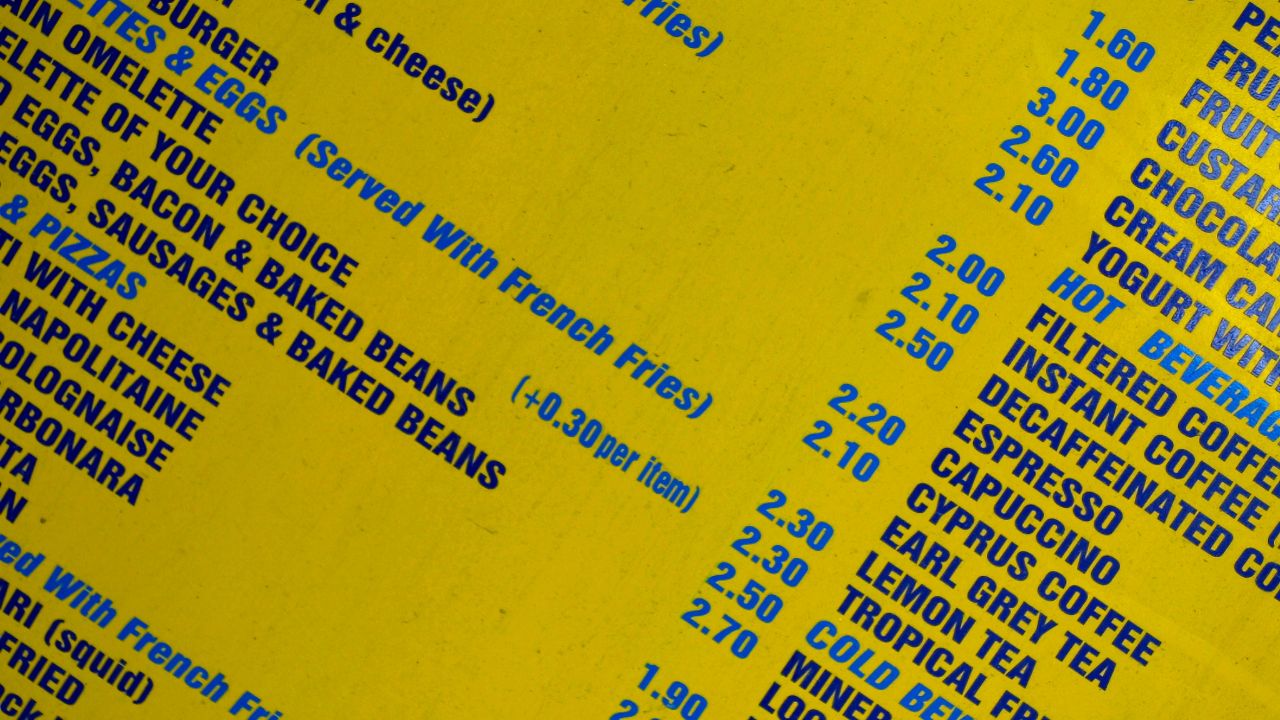
Ever notice that ridiculously expensive steak or lobster dish on the menu that makes everything else look like a bargain? That’s no accident – restaurants deliberately place high-priced “decoy” items to make other dishes seem more reasonable by comparison. I recently spotted a $95 Wagyu beef burger at a local spot, which made the $28 regular burger suddenly feel like a steal. This sneaky psychological trick works because your brain automatically creates price anchors and comparisons, making mid-range items more appealing.
The decoy strategy goes beyond just expensive items too. Many restaurants strategically place dishes they don’t actually want to sell much of – maybe a bland chicken sandwich or basic pasta – right next to their moneymaker meals. The boring option makes the signature dishes look more exciting and worth the extra dollars. Next time you’re at a restaurant, try spotting these decoy items. You’ll start seeing them everywhere, from that overpriced bottle of wine to the gold-leaf covered dessert that nobody really orders but makes the chocolate cake look perfectly priced.
Family Style Suggestions
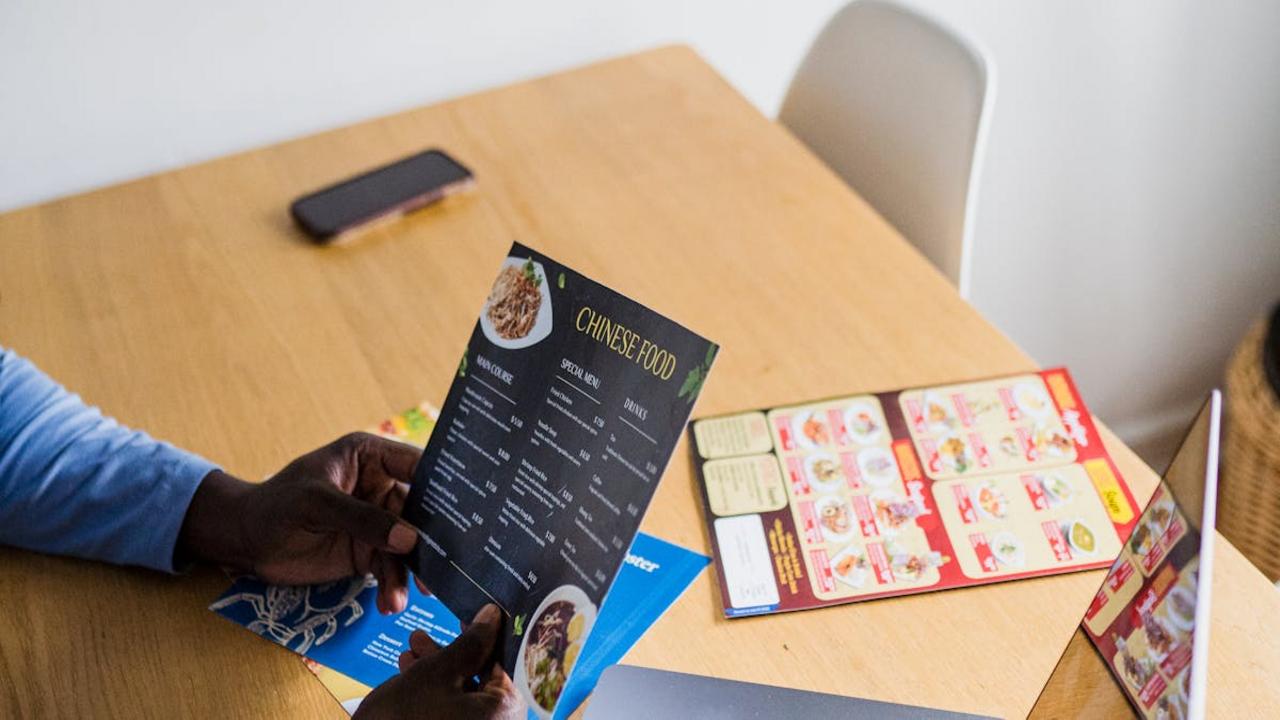
You know that warm, fuzzy feeling when everyone shares food around the table? Restaurants bank on that emotional connection when they push “family style” dining options. While splitting large portions sounds budget-friendly, these shared plates often pack a sneaky premium markup. A regular pasta dish might cost $18, but the “family portion” for 4 people mysteriously rings up at $85 instead of the expected $72. The restaurants count on your desire for that cozy sharing experience to distract from the inflated price tag.
I recently caught this trick at my local Italian spot where the “Family Feast” included portions that actually fed fewer people than advertised. The menu claimed it would serve 4-6 people, but the amount of food barely satisfied 3 of us. Smart restaurants know that most groups won’t do the per-person math in advance. They play up the nostalgic family dinner angle while quietly charging more than if everyone ordered individual plates. Next time you see those family style suggestions, grab your calculator first – you might save money ordering separate entrées instead.
Menu Color Psychology
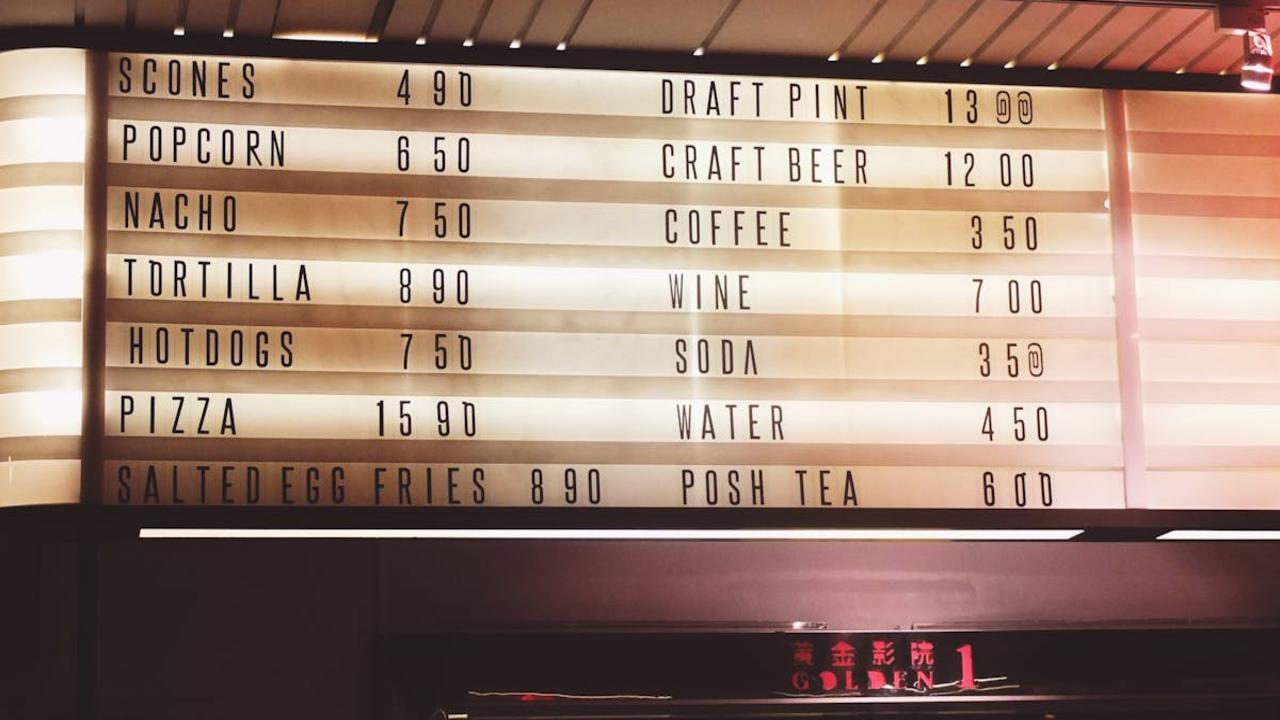
I bet you’ve never noticed how restaurant menus play mind games with your wallet through clever color choices! Red and yellow grab your attention and make you hungry (hello, McDonald’s!), while fancy restaurants often stick to sophisticated earth tones and deep blues to justify those $50 steaks. Your brain processes these colors before you even read the menu descriptions, creating specific emotional responses that influence what you order. The next time you see a bright yellow menu item, remember that’s no accident – restaurants want you to notice it!
Menu designers know green subconsciously signals “healthy” to your brain, so they’ll highlight salads and vegetarian options in various shades of sage and forest green. Meanwhile, they’ll emphasize rich desserts with warm browns and deep reds to trigger cravings. Even the background color matters – white space around menu items makes them appear more premium and worth the higher price tag. So next time you open a menu, take a second to notice which colors draw your eye first – you might catch the restaurant playing these psychological tricks on you!
Combo Deal Illusions
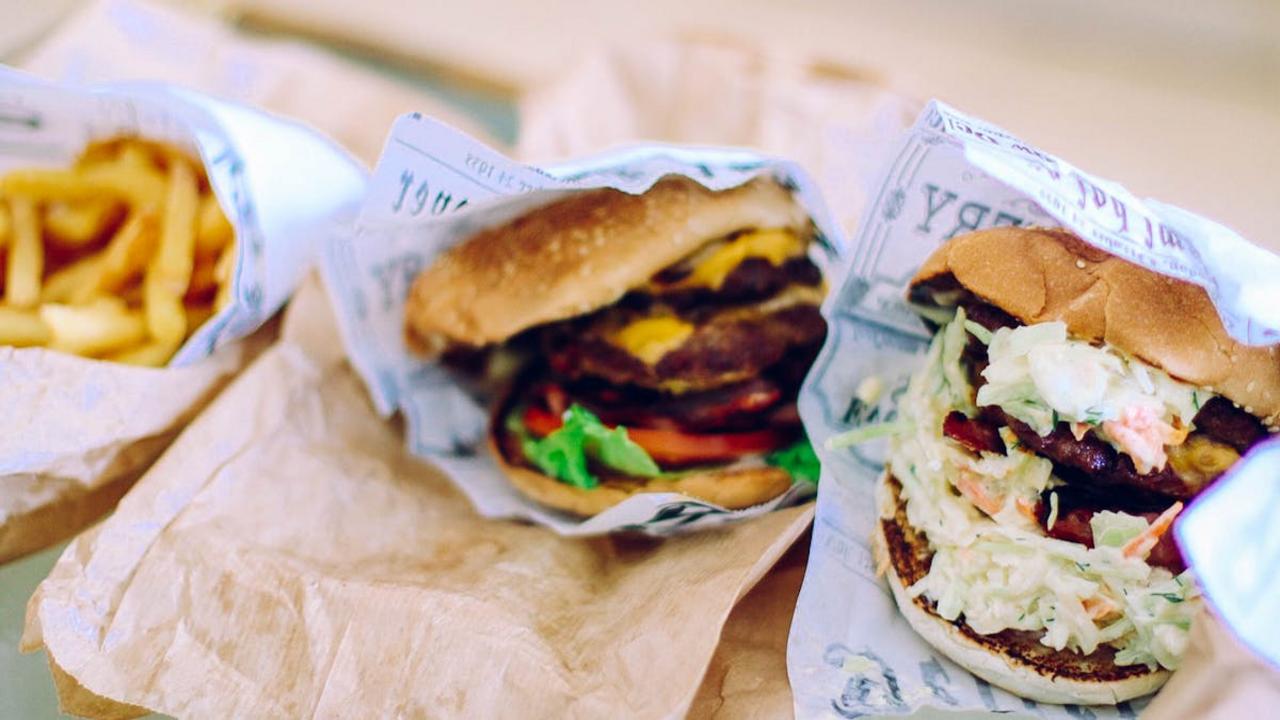
You know that moment when you spot a combo meal deal that seems too good to pass up? I hate to burst your bubble, but restaurants often jack up individual item prices to make their combos look like amazing bargains. Picture this: a burger for $9, fries for $5, and a drink for $4 separately – that’s $18 total. Then they dangle the combo in front of you for $15, making you feel like you’re scoring a sweet deal. But here’s the kicker – that burger probably only costs them $2 to make, and those fries? Mere pennies.
I recently caught myself falling for this trap at my local burger joint. The menu board showed this “incredible value” combo with a burger, fries, and shake for $16.99. Right next to it, the individual prices totaled $22. What a steal, right? Wrong! After chatting with a friend in restaurant management, I learned they deliberately inflate standalone prices to push customers toward combos, which still give them a hefty profit margin. Plus, these combo deals often include items you might not have ordered otherwise – like that large fries you didn’t really want but got anyway because “it’s part of the deal.”
Limited Time Offers
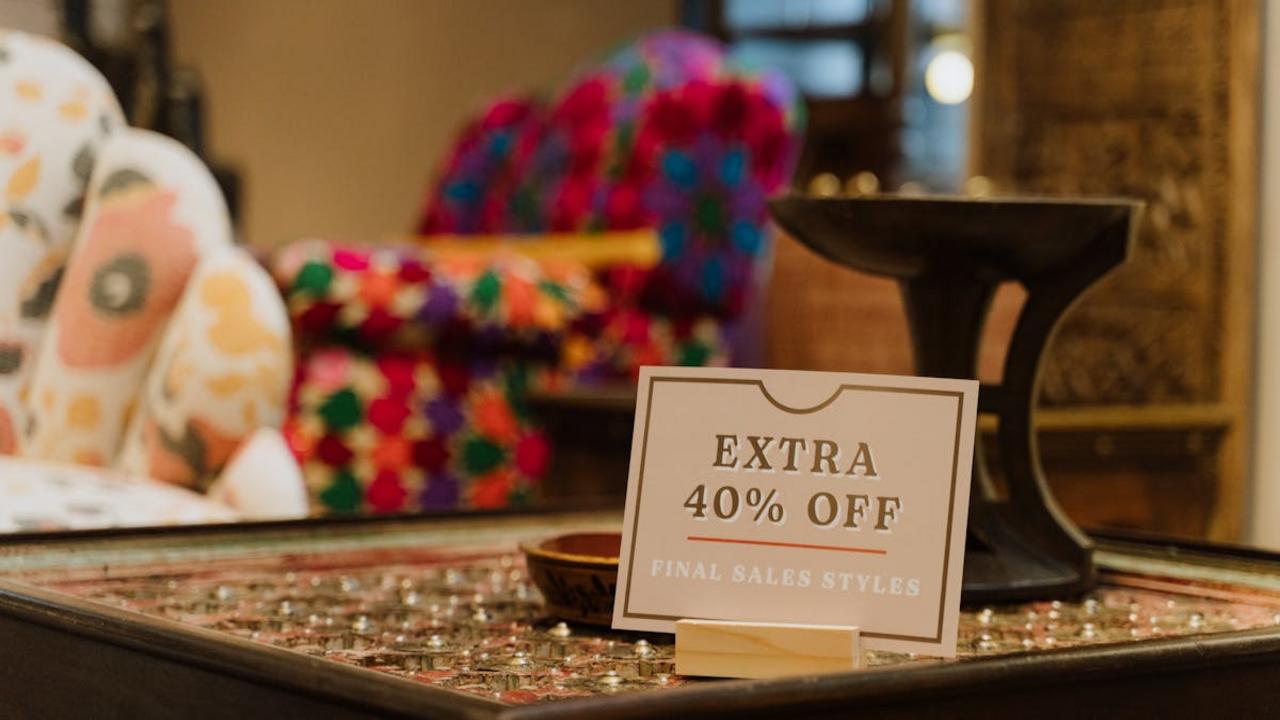
Oh, you’ve seen those flashy “LIMITED TIME ONLY!” signs splashed across restaurant menus, right? Let me break down this classic marketing move that makes you want to order that triple-decker bacon burger with extra cheese right NOW. Restaurants bank on FOMO (fear of missing out) to push these special items, knowing you’ll feel that psychological urgency to grab something before it disappears forever. Think McDonald’s McRib or Starbucks’ Pumpkin Spice Latte – they’re not just menu items, they’re calculated seasonal events designed to make you spend more.
The genius behind limited-time offers lies in their ability to create artificial scarcity. When you spot that “Only Available This Week!” banner, your brain automatically assigns more value to that item than the regular menu options. Plus, these special offers often feature higher-priced items with fancy toppings or premium ingredients. Next time you see a “Special Edition” menu item, ask yourself: “Would I want this if it wasn’t going away?” Remember, there’s a reason why the McRib keeps making mysterious comebacks – because temporary scarcity works like magic on our wallets!
Menu Item Placement
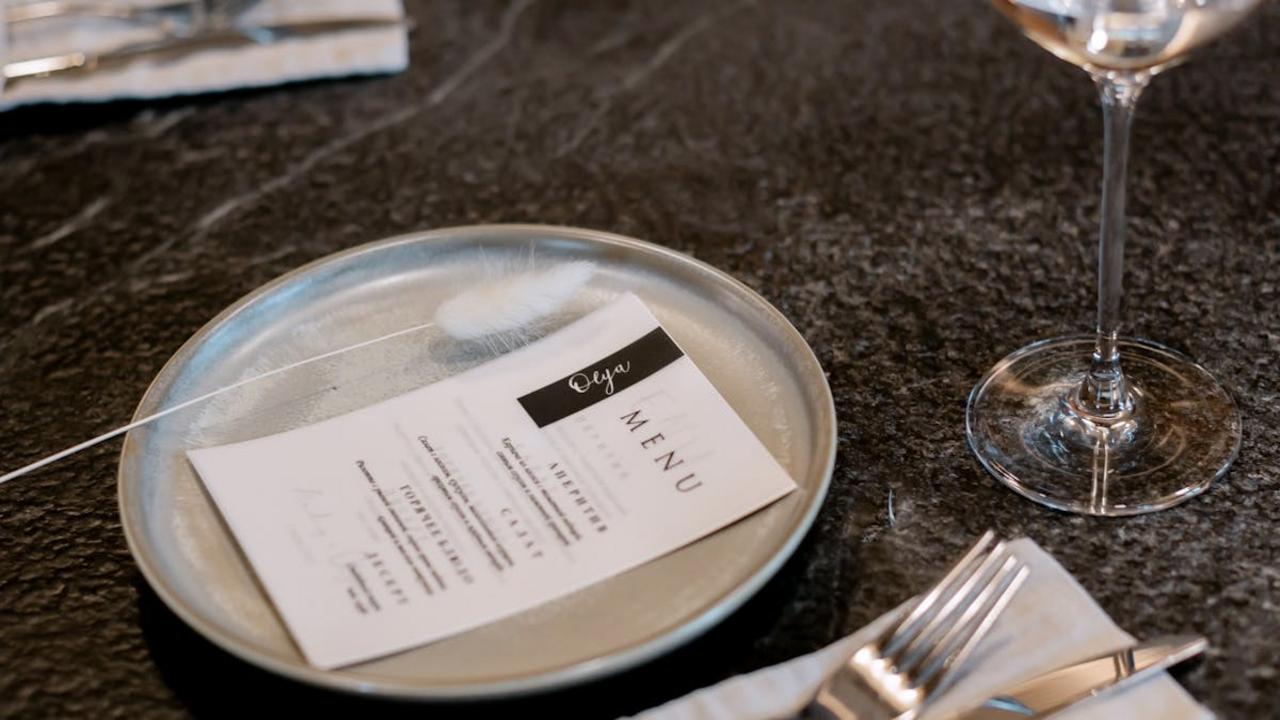
Ever notice how your eyes naturally float to that fancy steak or luxurious lobster tail in the top right corner of the menu? That’s no accident, my friends! Restaurants know we tend to look there first, so they strategically place their highest-margin items in that prime real estate. Think of it as the penthouse apartment of menu design – only instead of skyline views, you get $45 surf-and-turf specials that make your wallet weep.
The sneaky psychology goes deeper than just the top right corner though. Restaurants often box certain dishes or highlight them with fancy fonts and colors to draw your attention. They’ll sandwich the priciest dishes between two reasonable options, making that $32 chicken parmesan suddenly seem like a bargain. Next time you dine out, try reading the menu from bottom to top or left to right – you might find yourself making completely different choices that keep both your stomach and bank account happy!
Strategic Food Photos
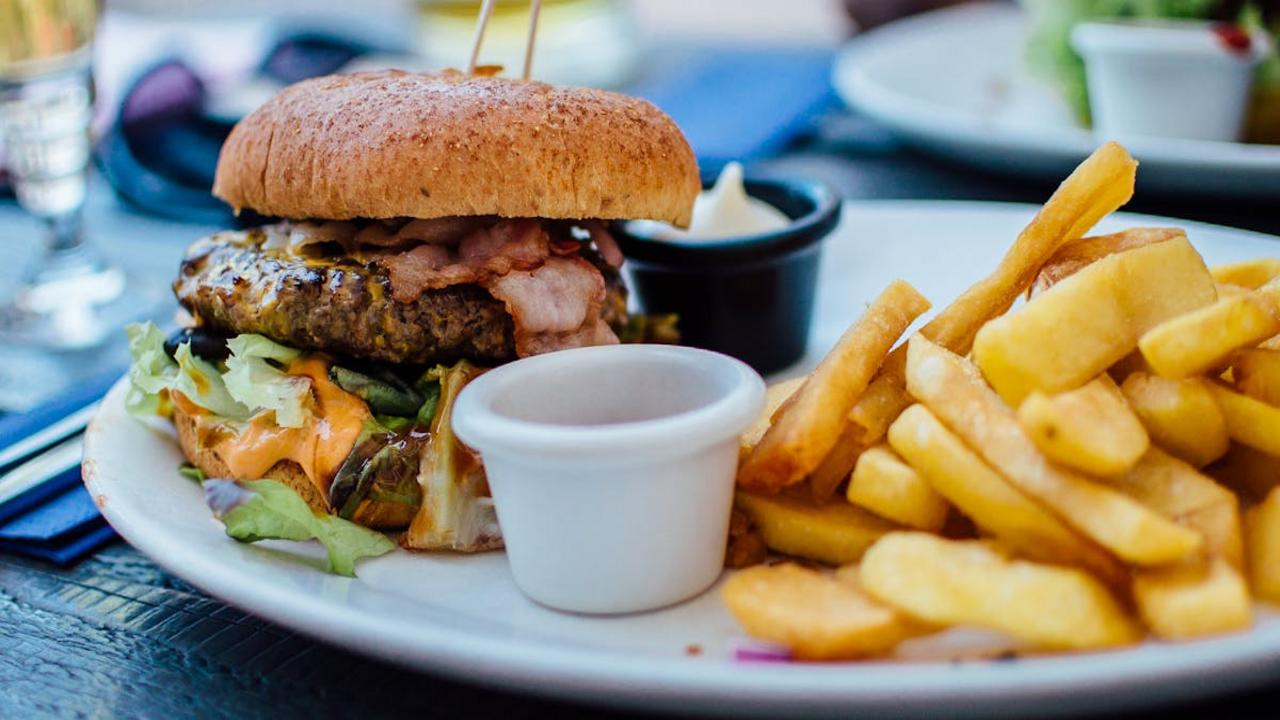
Your eyes dart across the menu, and BAM – there it is! That gorgeous, perfectly-lit photo of a juicy burger with melty cheese cascading down the sides. Restaurant menus strategically place these mouthwatering photos to grab your attention and influence your ordering decisions. Studies show you’re 30% more likely to order an item if it has an appealing photo next to it. These images often feature the highest-margin dishes, not necessarily the tastiest or most popular ones.
Think those photos show exactly what you’ll get? Think again! Professional food photographers spend hours staging each shot with tricks like motor oil instead of syrup on pancakes, or glycerin to make meat glisten. They’ll position the most colorful ingredients front and center, use special lighting to enhance texture, and even digitally edit colors to make everything pop. Next time you spot a gorgeous menu photo, remember – just like dating profile pics, what you see isn’t always what you get!
Anchor Pricing
You know that super-expensive lobster dish at the top of the menu? The one that makes your wallet cry a little? That’s no accident, my friend! Restaurants strategically place these high-ticket items to make everything else look like a bargain by comparison. I once watched my budget-conscious uncle Bob gleefully order a $45 steak, thinking he got a “deal” because it sat right under the $75 surf-and-turf special. The psychology behind anchor pricing runs deep – that first expensive item anchors your perception of value, making lower-priced options feel more reasonable.
Think of it like shopping for a TV where the $3,000 model makes the $1,500 one feel like a steal. Restaurants apply this same trick by positioning premium items prominently, often in the menu’s top right corner where your eyes naturally land first. And here’s the kicker – even if nobody orders that $90 wagyu beef burger, its presence alone boosts sales of other high-margin items. Next time you dine out, notice how that $28 pasta suddenly feels totally reasonable after spotting the $65 Chilean sea bass above it!
Hidden Dollar Signs
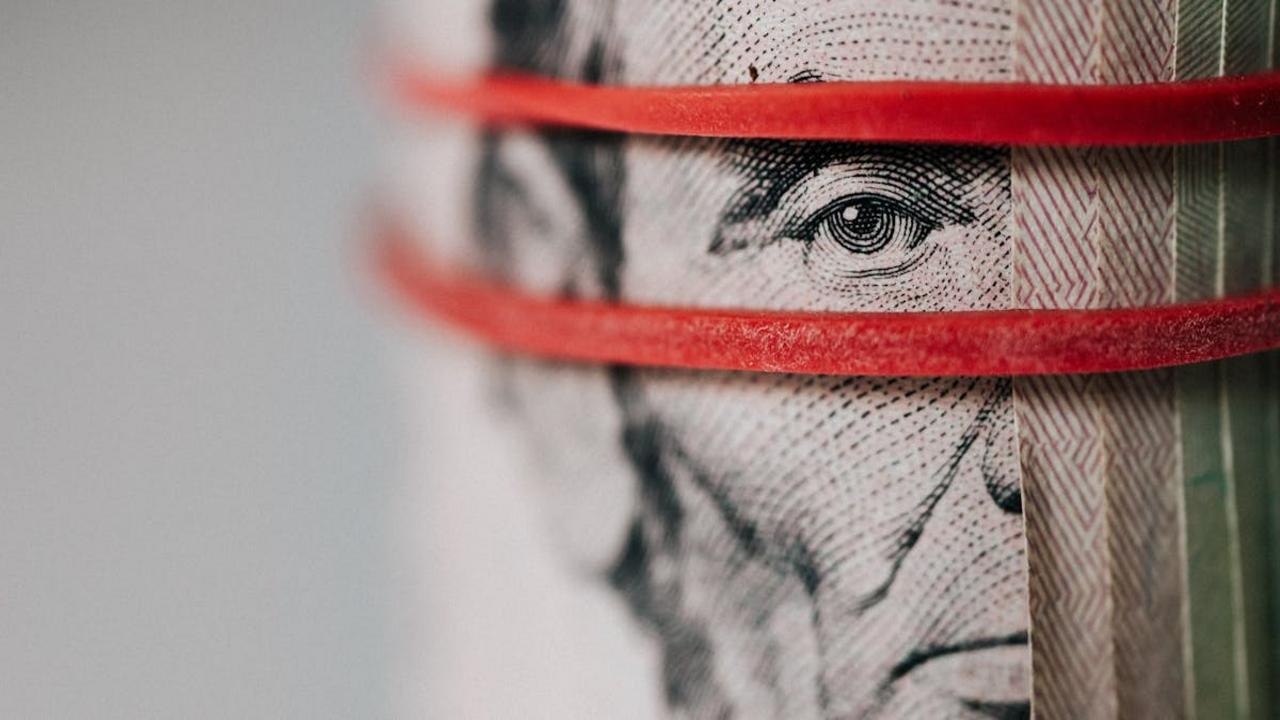
Next time you grab a menu at your favorite restaurant, notice something peculiar – those pesky dollar signs have vanished! Restaurants deliberately remove currency symbols from their prices to minimize the “pain of paying.” Think about it: “24” looks way less threatening than “$24,” right? I noticed this clever trick at a fancy Italian place last week and caught myself ordering that extra-fancy truffle pasta without batting an eye. The psychology behind this simple tweak runs deep – studies show that people spend more money when menus display plain numbers without dollar signs.
Menu designers bank on your brain’s natural response to numbers versus monetary symbols. Your mind processes “18” more like an abstract figure rather than actual money leaving your wallet. Many upscale restaurants take this tactic further by spelling out prices (“Twenty-Four”) or tucking them discreetly at the end of dish descriptions. The next time you dine out, watch how seamlessly they’ve masked those dollar signs – and maybe think twice before ordering that marked-up bottle of wine that suddenly seems less expensive written as “65” instead of “$65”!
Fancy Descriptions
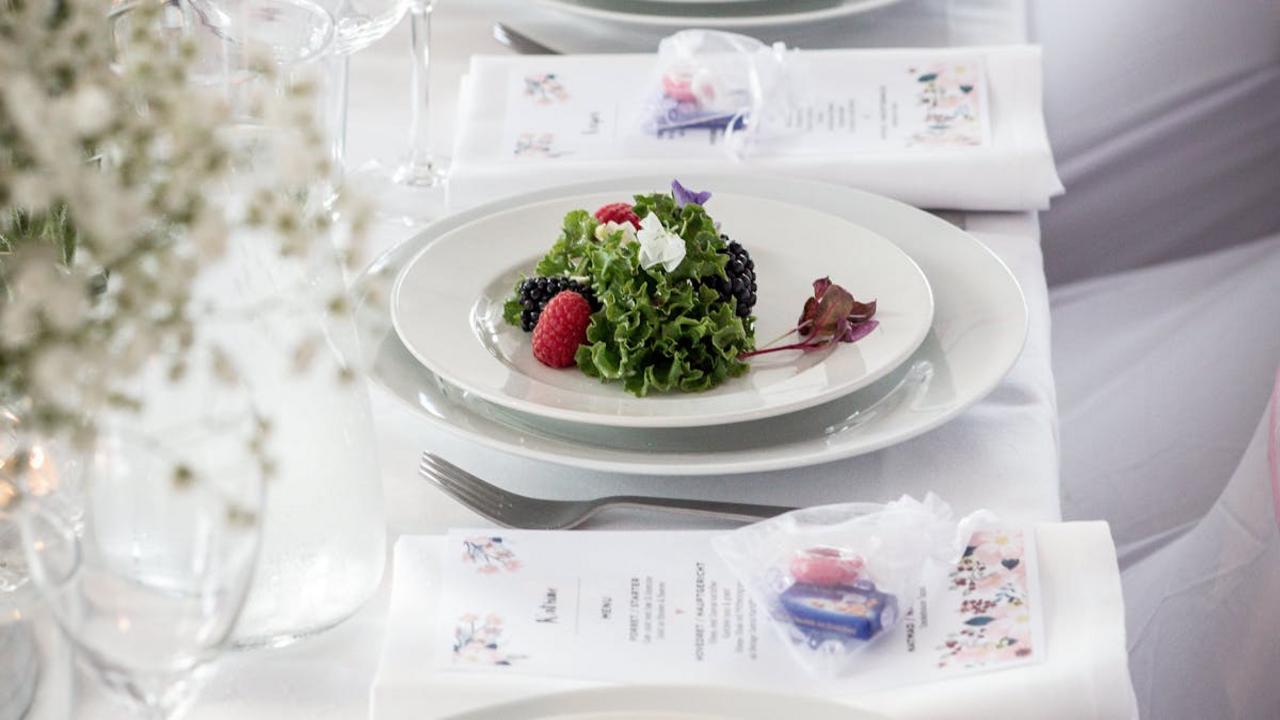
I can’t help but chuckle at the flowery menu descriptions that make a simple chicken sandwich sound like it descended from culinary heaven. You know what I mean – those menus that transform regular mashed potatoes into “cloud-like potato puree infused with farm-fresh dairy and aromatic herbs.” Restaurants bank on the fact that fancy words make food more appealing and justify higher prices. My favorite example? A local bistro that called their hot dog a “hand-crafted artisanal blend of premium selected meats nestled in a golden-baked brioche vessel.” It was still just a hot dog!
Research shows these fancy descriptions actually work – people spend up to 27% more when items have elaborate names. That plain vanilla ice cream becomes “Madagascar bourbon vanilla bean gelato” and suddenly everyone wants to pay double. I spotted this trick at a cafe yesterday where “garden-fresh cucumber slices” were really just… regular cucumbers. But here’s the kicker – studies found that people even rate the exact same food as tastier when it has a fancier description. So next time you see “pan-seared” instead of “fried” or “house-made” instead of “we cooked it here,” remember you’re probably paying extra for those fancy words!
Eye Movement Tracking
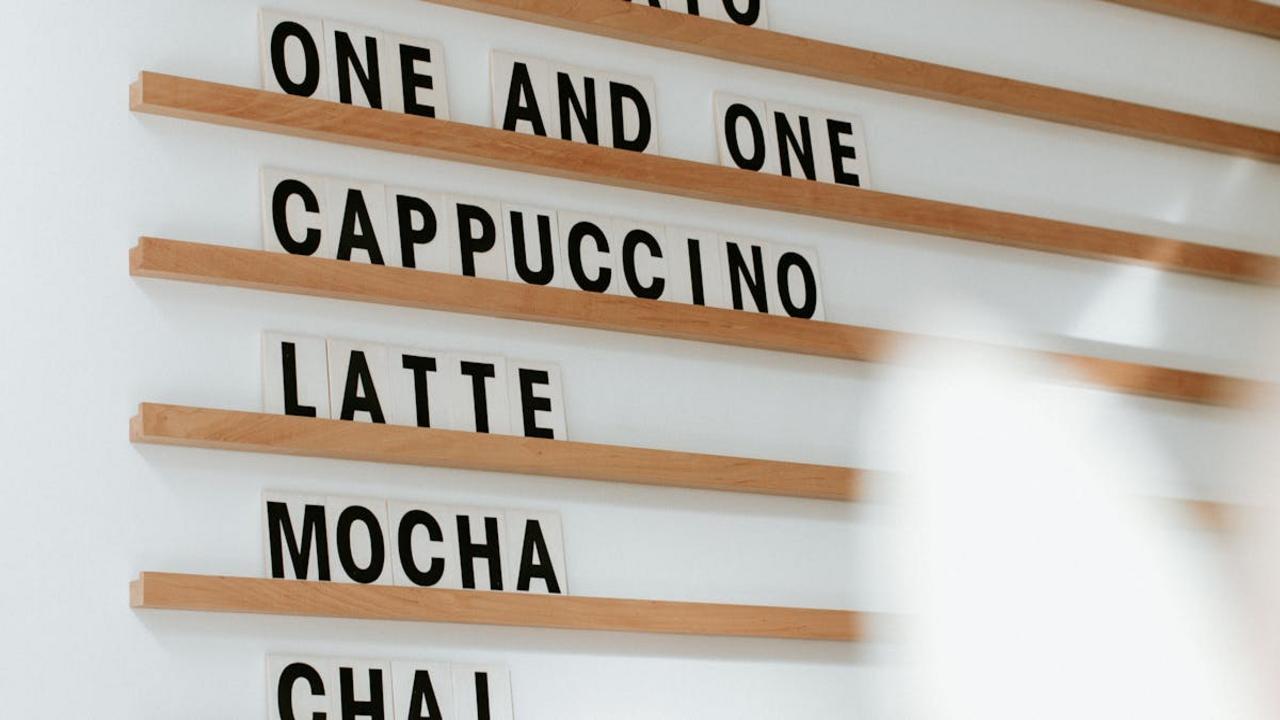
Your eyes follow a predictable path when scanning a menu – restaurants know this and use it against your wallet! Studies show most diners first look at the top right corner of a menu, making it prime real estate for those overpriced appetizers and fancy cocktails. Next, your gaze naturally drifts to the center, where you’ll find the priciest entrées strategically placed. I noticed this sneaky tactic at my local steakhouse last week – their $45 ribeye sat right in the menu’s sweet spot!
Menu designers go beyond simple placement – they’ll add bold borders, colorful icons, or photographs around these high-profit items to grab your attention. Think of it like a treasure map, except the X marks what they want you to order! Your brain automatically focuses on these visual elements, making you more likely to choose them over cheaper options. The next time you open a menu, try scanning it backwards or starting from the bottom – you might discover some hidden gems at better prices that the restaurant didn’t want you to notice first.
Menu Layout Manipulation
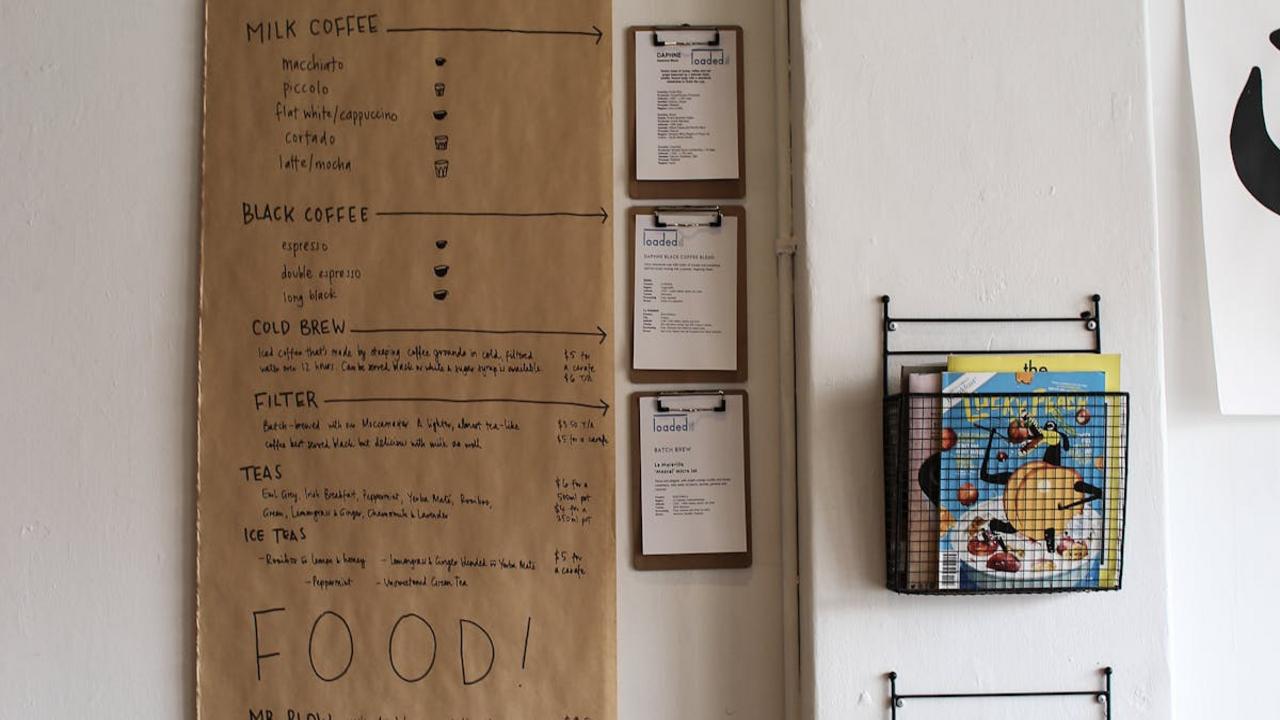
Ever notice how restaurant menus guide your eyes exactly where they want them to go? Those clever restaurateurs use smart design tricks to highlight their most profitable items. They’ll place the money-makers in the menu’s “golden triangle” – the first and last items you see, plus that sweet spot in the upper right corner. They’ll even throw in fancy boxes, bold fonts, and eye-catching colors to make certain dishes jump off the page and straight into your order.
I recently caught myself falling for this trick at my local bistro – that beautifully framed pasta dish with the gorgeous photo was calling my name! But here’s the kicker: these highlighted items often have the highest profit margins, not necessarily the best value or taste. The next time you open a menu, try scanning it in a zigzag pattern instead of following their visual breadcrumbs. You might discover some hidden gems tucked away in those quiet corners where they’ve stashed the reasonably priced, equally delicious options.