15 Delicious Everyday Foods That Boost Your Good Cholesterol
Your heart will thank you for adding these HDL-boosting foods to your daily meals. Good cholesterol (HDL) works hard to remove harmful LDL cholesterol from your bloodstream, and the right foods can naturally increase your HDL levels. From breakfast staples to savory dinner ingredients, these 15 foods make it simple to support your heart health.
I’ve gathered the most delicious and accessible foods that pack a powerful punch for your cardiovascular system. Each option brings its own unique mix of nutrients – from heart-healthy fats in avocados to antioxidant-rich berries. The best part? You’ll find most of these foods right in your local grocery store.
Adding these foods to your menu doesn’t mean bland or boring meals. You can whip up countless tasty combinations while improving your cholesterol levels. Through simple swaps and additions to your regular recipes, you’ll create meals that both your taste buds and heart will love.
Green Tea
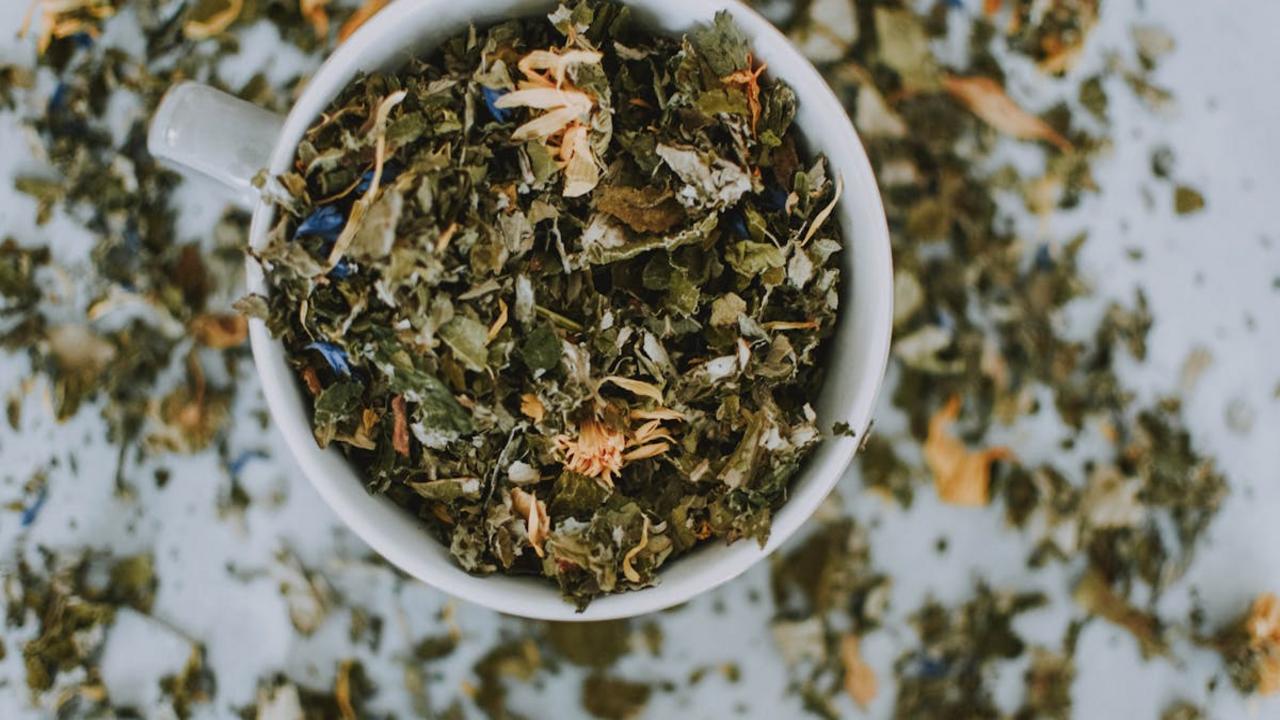
I can’t say enough good things about green tea and its amazing ability to boost your HDL (good) cholesterol levels! This ancient beverage contains powerful compounds called catechins that work double-duty – they help increase your good cholesterol while simultaneously lowering the bad kind. The standout catechin in green tea, EGCG (epigallocatechin gallate), acts like a tiny superhero in your body, fighting inflammation and protecting your heart health with every sip you take.
You’ll get the most benefits from drinking 3-4 cups of green tea daily, and I recommend going for loose leaf varieties over tea bags for maximum antioxidant content. Try swapping your morning coffee for a bright cup of green tea, or enjoy it iced during warm afternoons. The mild, earthy flavor pairs beautifully with a squeeze of lemon, which actually helps your body absorb more of those beneficial compounds. If you’re sensitive to caffeine, opt for decaf versions – they still contain many of the same heart-healthy properties.
Dark Chocolate
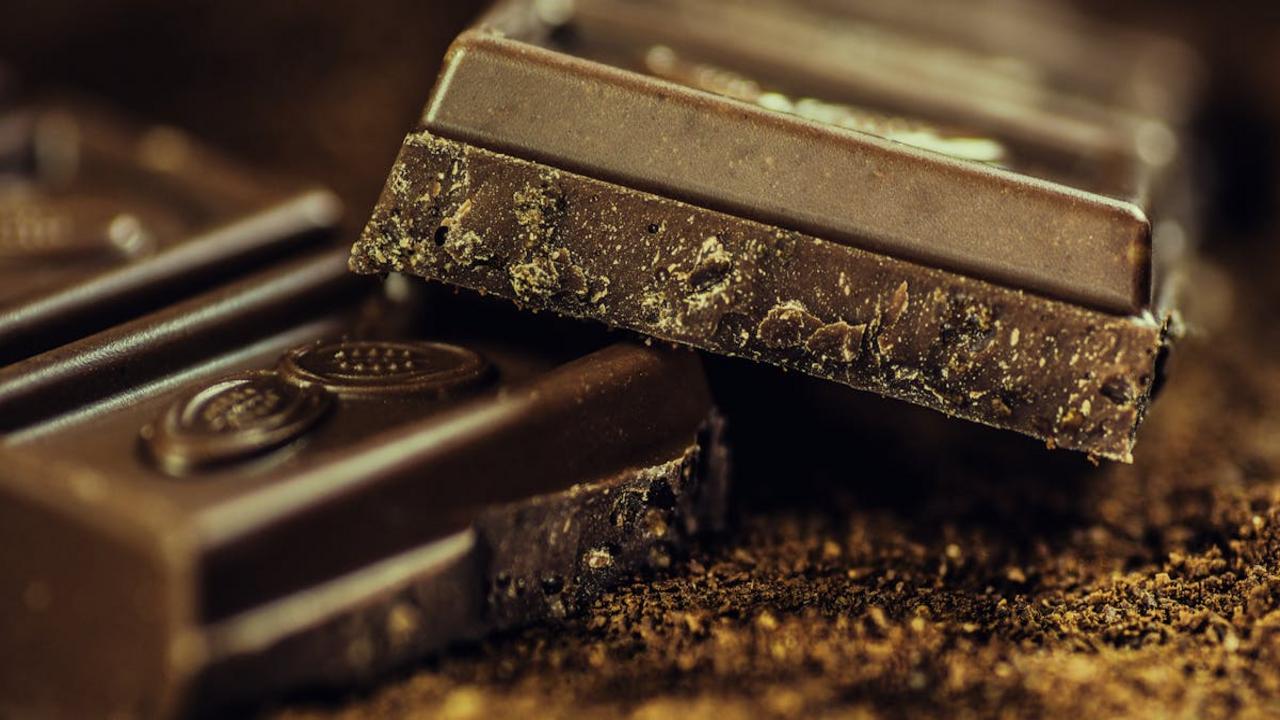
I’ve got wonderful news for all you chocolate lovers – dark chocolate can help boost your HDL (good) cholesterol levels! The cocoa in dark chocolate contains powerful antioxidants called flavonoids that support heart health and improve blood circulation. You’ll want to choose dark chocolate with at least 70% cocoa content to get the maximum benefits. Just remember to keep your portions moderate – about 1-2 squares per day will give you those heart-healthy perks without overdoing the calories.
Dark chocolate makes such a perfect guilt-free treat because it satisfies your sweet cravings while delivering real health benefits. I love adding small chunks to my morning oatmeal or melting it with strawberries for a quick dessert. The rich, complex flavor of high-quality dark chocolate brings so much satisfaction that you’ll feel content with just a small amount. You can also look for dark chocolate that includes nuts like almonds or hazelnuts for extra heart-healthy fats and protein. Your heart (and taste buds) will thank you for making this simple switch from milk chocolate to dark!
Broccoli
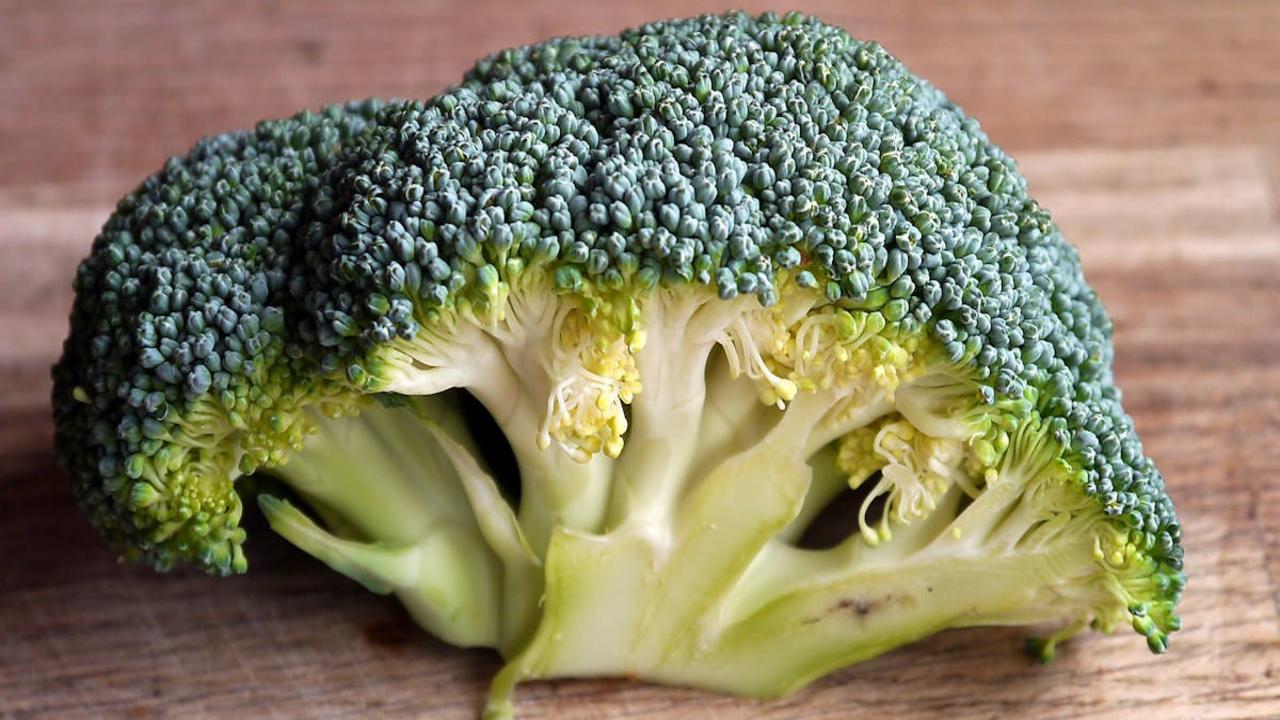
I always keep broccoli on hand in my kitchen because it’s a powerhouse for raising HDL (good) cholesterol levels. This green superstar contains high amounts of fiber and antioxidants that work together to improve your heart health. The soluble fiber in broccoli binds to bile acids in your digestive system, which prompts your liver to pull cholesterol from your bloodstream to make more bile acids – this natural process helps boost your good cholesterol numbers.
You’ll get the most cholesterol-boosting benefits from broccoli by eating it lightly steamed or roasted, which preserves its nutritional value while bringing out its natural sweetness. I love tossing broccoli florets with olive oil and garlic before roasting them until they’re slightly crispy on the edges. The combination of broccoli’s nutrients with heart-healthy olive oil creates a perfect duo for improving your cholesterol profile. Plus, one cup of broccoli provides over 100% of your daily vitamin C needs, supporting your overall cardiovascular health.
Spinach
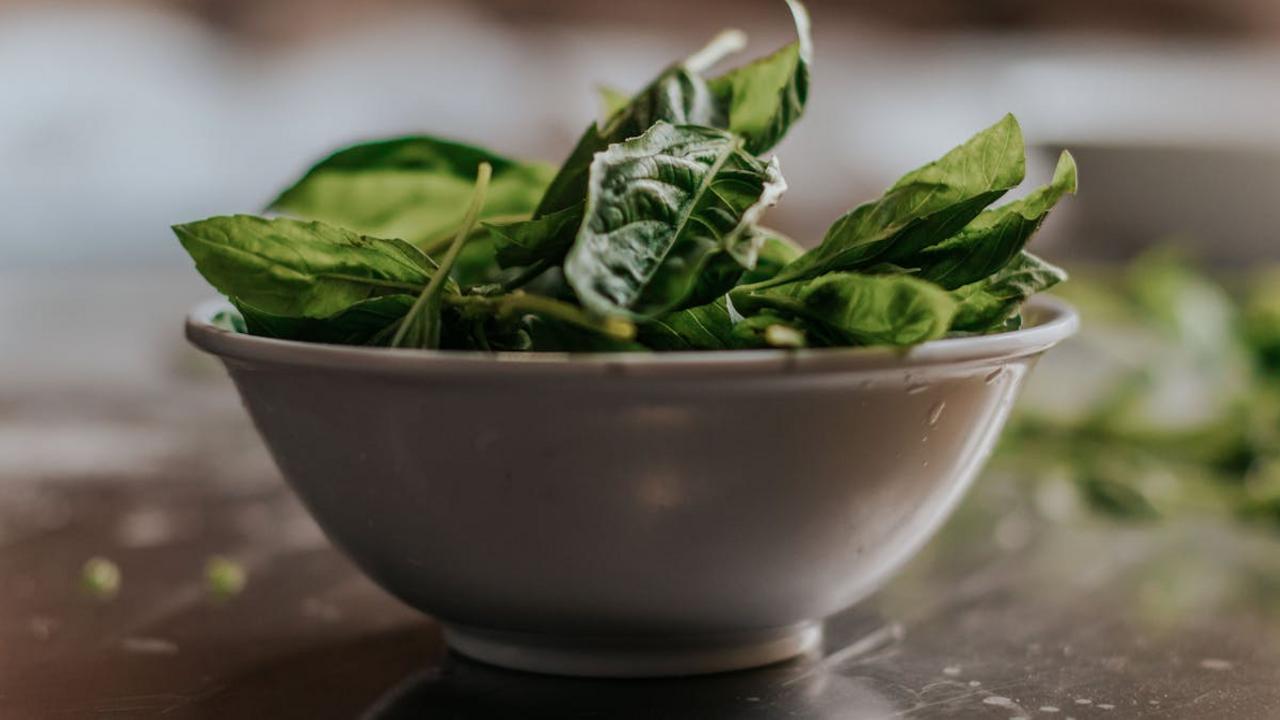
I love adding fresh spinach to my daily meals because it packs such a powerful punch for heart health! This leafy green contains high amounts of lutein, which studies show can increase your HDL (good) cholesterol levels by up to 12%. Plus, spinach gives you a healthy dose of fiber, potassium, and folate – all working together to help your body maintain healthy cholesterol numbers. You can easily toss raw spinach into your morning smoothie or add it to your lunchtime sandwich for an instant nutrition boost.
My favorite way to get more spinach into my diet is by sautéing it with a touch of olive oil and garlic, which actually helps your body absorb its nutrients better. The combination of heart-healthy fats from the olive oil and the natural compounds in spinach creates a perfect duo for boosting your good cholesterol. I recommend buying organic spinach when possible and storing it in the refrigerator with a paper towel to absorb excess moisture – this keeps it fresh longer so you can enjoy its cholesterol-improving benefits throughout the week.
Berries

I love adding a handful of colorful berries to my morning routine – whether it’s blueberries, strawberries, raspberries, or blackberries. These sweet little powerhouses pack a serious punch for your HDL (good) cholesterol levels. The high fiber content, particularly soluble fiber, helps remove excess bad cholesterol from your bloodstream. Plus, berries contain antioxidants called anthocyanins that give them their vibrant colors and protect your heart by reducing inflammation and preventing the buildup of plaque in your arteries.
You’ll find countless ways to include these nutritious gems in your daily meals. Toss them into your morning yogurt or oatmeal, blend them into smoothies, or mix them into your favorite salad for a burst of flavor. I recommend buying frozen berries when fresh ones aren’t in season – they’re just as nutritious and more budget-friendly. For the best heart-healthy benefits, aim for at least 1/2 cup of mixed berries daily. Your heart will thank you for making these sweet, juicy fruits a regular part of your diet!
Oranges
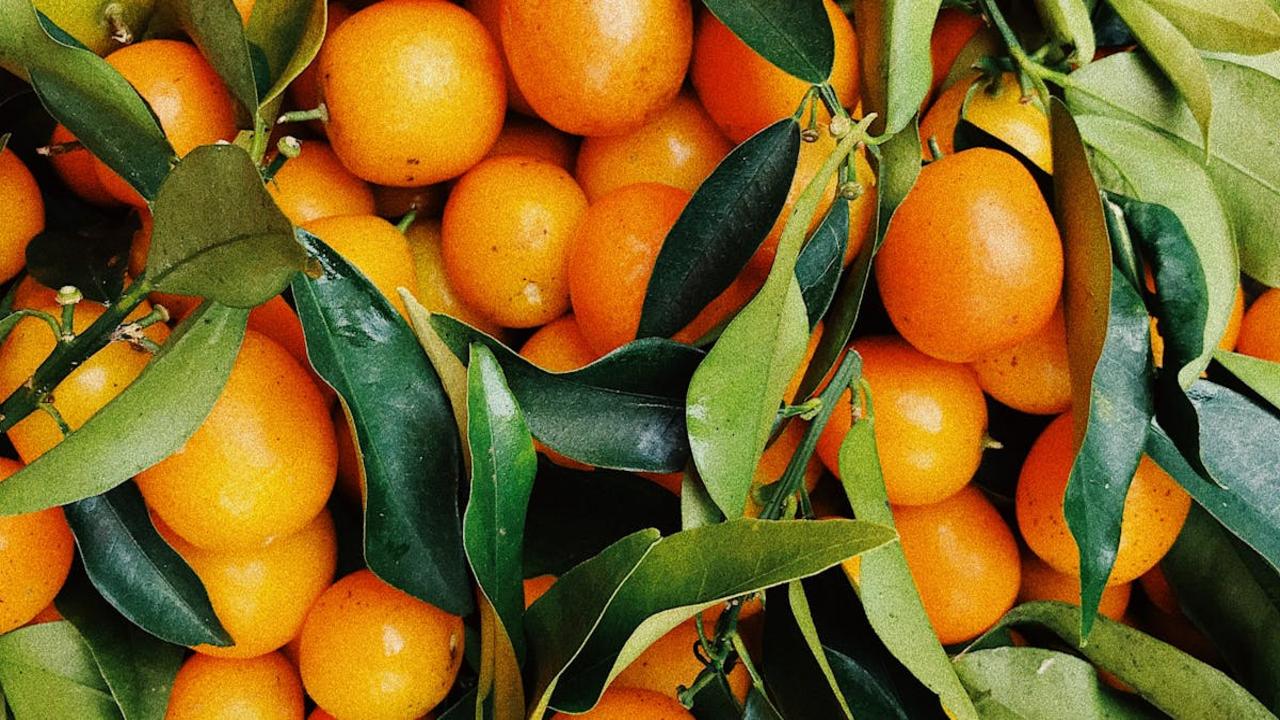
I absolutely love starting my day with a juicy orange – and you’ll be happy to know these sweet citrus fruits can help boost your HDL (good) cholesterol levels! The high content of flavonoids, particularly hesperidin, makes oranges a heart-healthy powerhouse. These compounds work together with vitamin C to reduce inflammation in your arteries and help your body maintain healthy cholesterol balance. Plus, the soluble fiber in oranges, called pectin, binds to cholesterol in your digestive system and helps remove it from your body.
You can add oranges to your diet in so many delicious ways beyond just eating them fresh. Try adding orange segments to your morning yogurt bowl, tossing them in salads for a bright burst of flavor, or blending them into smoothies. I recommend choosing whole oranges over juice since the fiber content makes a big difference in cholesterol management. The natural sweetness and refreshing taste make oranges an easy addition to your daily routine – aim for one medium orange per day to support your heart health goals while enjoying their wonderful flavor.
Apples
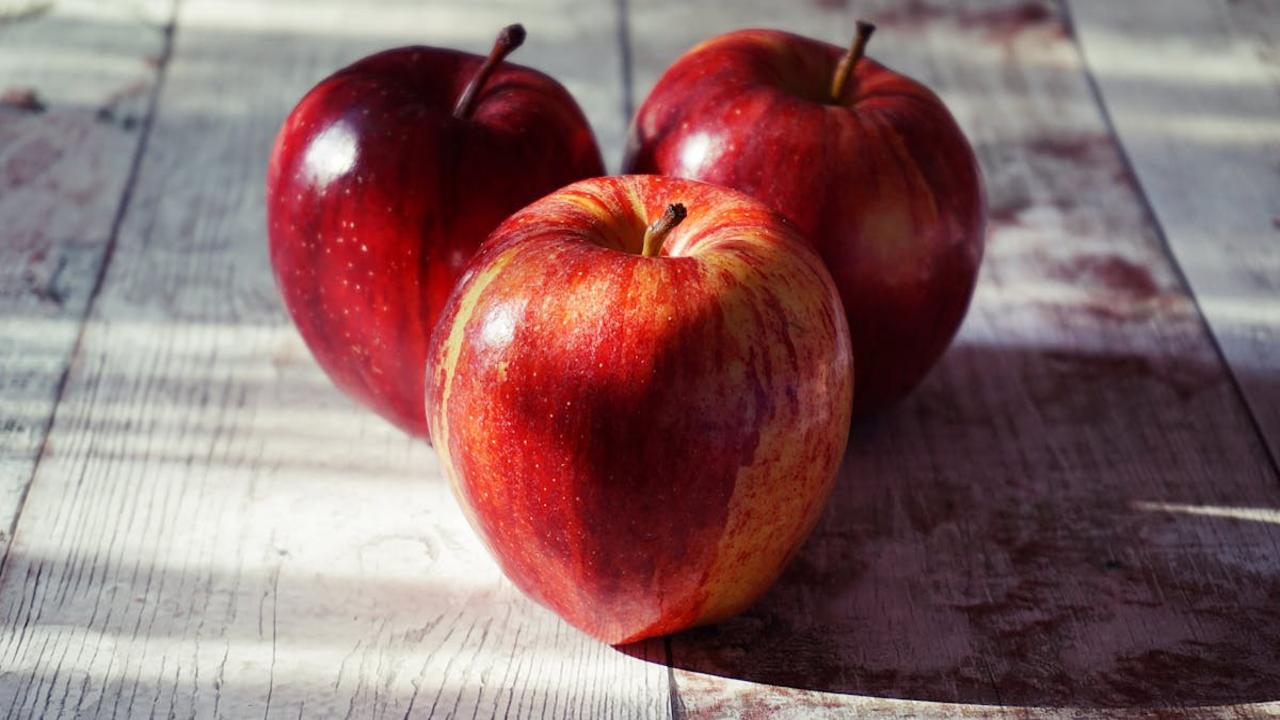
I can’t think of a more perfect snack than a crisp, juicy apple – and your heart will thank you for it! These sweet fruits pack a powerful punch for your HDL (good) cholesterol levels thanks to their high soluble fiber content, particularly pectin. The pectin binds with cholesterol in your digestive system and helps remove it from your body before it can enter your bloodstream. Plus, apples contain polyphenols, natural compounds that work together with the fiber to boost your heart health even more.
You’ll find endless ways to add more apples into your daily meals. Chop them up into your morning oatmeal, slice them thin for sandwiches, or bake them with a sprinkle of cinnamon for a warm dessert. I love keeping a bowl of apples on my kitchen counter – they’re not just pretty to look at, but they remind me to grab one for an afternoon pick-me-up. The combination of fiber and natural sugars gives you steady energy without the crash, making apples the perfect good-cholesterol-boosting snack that keeps you satisfied between meals.
Lentils
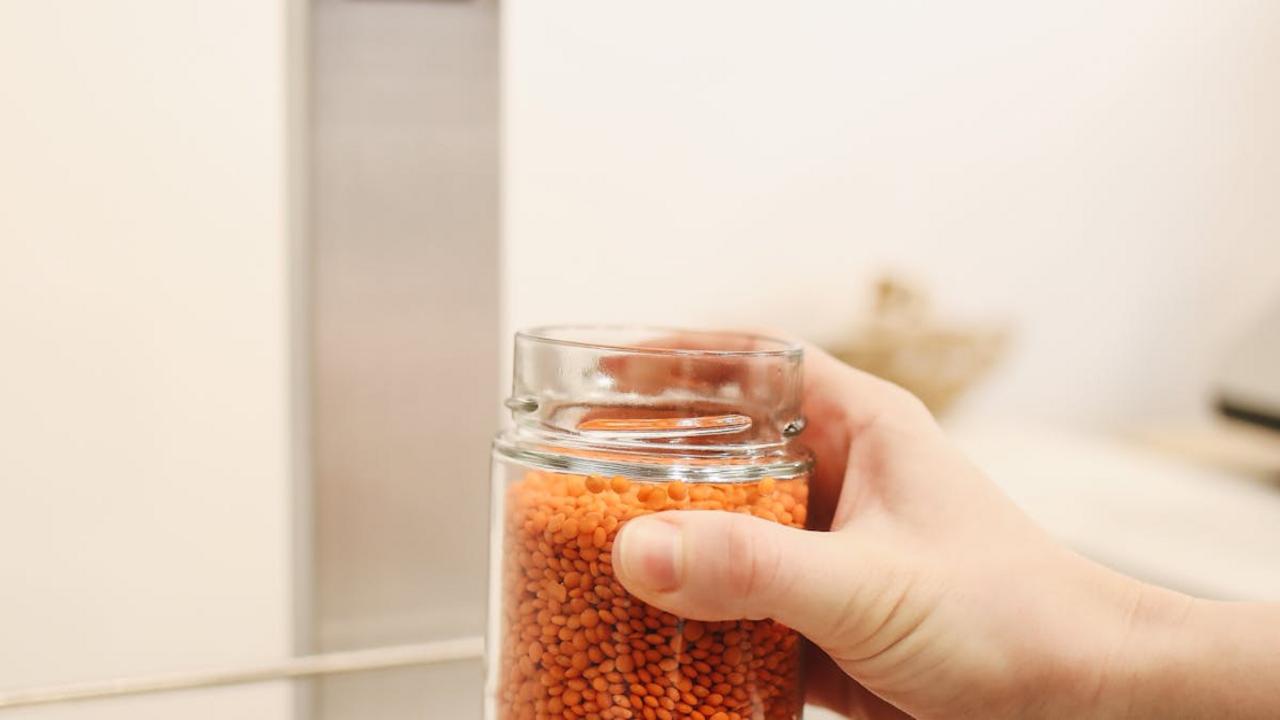
I always keep lentils stocked in my pantry because they’re such fantastic little powerhouses for heart health! These tiny legumes pack a serious punch of soluble fiber, which directly helps your body produce more HDL (good) cholesterol. You’ll get about 15 grams of fiber in just one cup of cooked lentils, along with protein and minerals that work together to keep your cholesterol levels balanced. Red, green, or brown – each variety brings its own unique benefits to your heart-healthy diet.
You can add lentils to just about anything – soups, salads, rice dishes, or even blend them into dips. I love making a warm lentil salad with olive oil, fresh herbs, and a squeeze of lemon juice – it’s a perfect lunch that keeps me satisfied for hours while supporting my cholesterol goals. Plus, lentils are budget-friendly and quick to cook, taking only about 20 minutes to become tender. They don’t need pre-soaking like other legumes, making them an easy addition to your weeknight dinner rotation.
Brown Rice
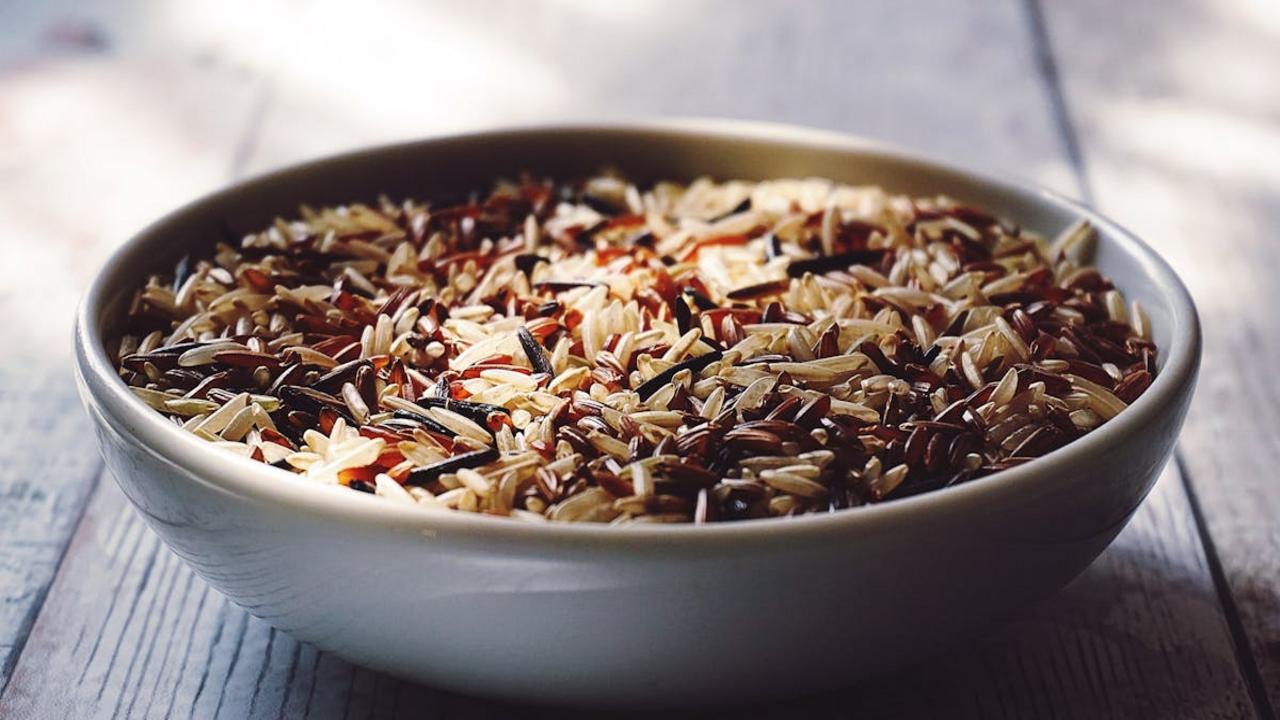
I absolutely love how brown rice can help boost your HDL (good) cholesterol while keeping you satisfied and healthy! Unlike its refined white counterpart, brown rice keeps its nutritious bran and germ layers intact, giving you a rich source of fiber, minerals, and heart-healthy compounds. The fiber in brown rice binds to cholesterol in your digestive system, helping your body naturally eliminate excess amounts. Plus, the antioxidants found in brown rice work to protect your heart and maintain healthy cholesterol ratios.
You’ll find brown rice super versatile in your kitchen – I use it as a base for stir-fries, Buddha bowls, and even breakfast porridge! The nutty flavor adds depth to any dish, while its chewy texture makes meals more filling and satisfying. To get the most cholesterol-balancing benefits, try swapping white rice with brown rice at least 2-3 times per week. A simple trick I learned: cook a big batch on weekends and store portions in the freezer – this makes healthy eating so much easier during busy weekdays. Your heart will thank you for making this simple yet powerful dietary change!
Barley
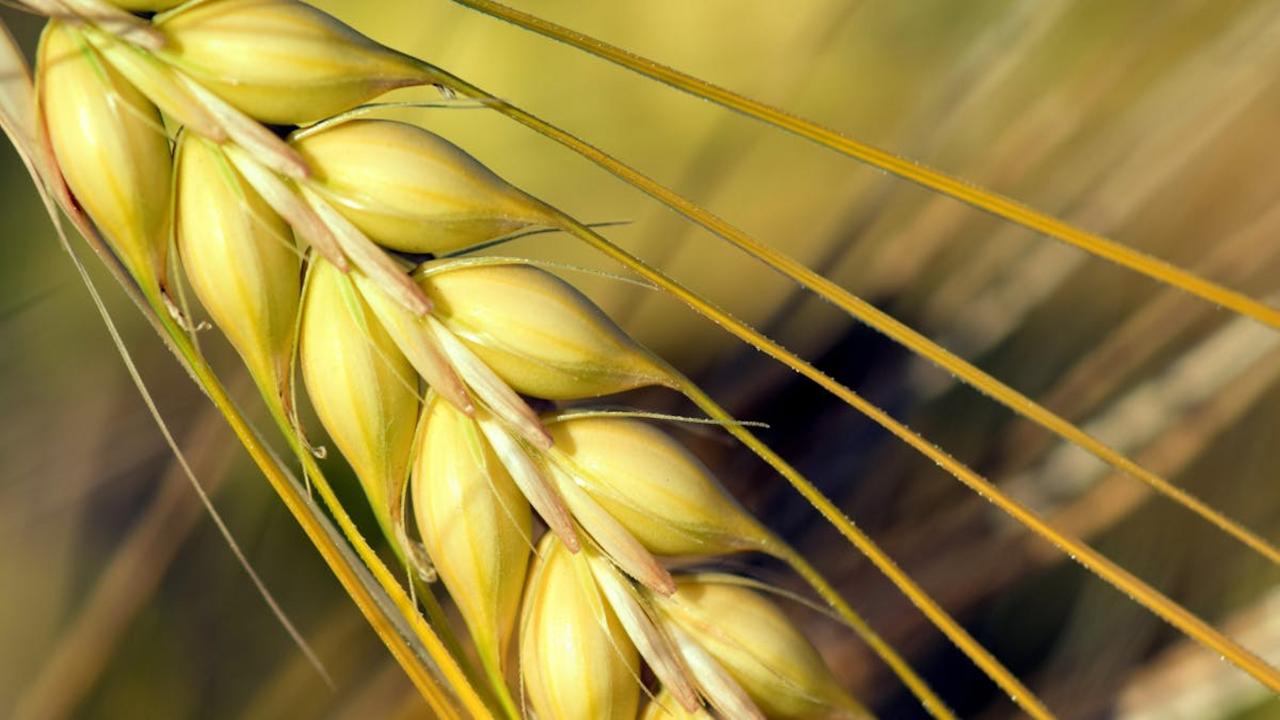
You’ll love adding barley to your meals – this amazing whole grain does wonders for your HDL cholesterol levels while bringing a delightful nutty flavor to your dishes. I’ve found that barley contains a special type of fiber called beta-glucan that directly helps your body produce more good cholesterol. Plus, this versatile grain packs loads of minerals like selenium and copper that support your overall heart health and keep your immune system running strong.
My favorite way to enjoy barley is by tossing it into hearty soups or using it as a base for grain bowls. You can cook it just like rice, and it adds such a wonderful chewy texture to any meal. Consider swapping your regular rice or pasta with barley a few times a week – your heart will thank you! Pro tip: make a big batch at the start of the week and store it in your fridge. This way, you’ll always have this cholesterol-friendly grain ready to add to salads, stir-fries, or even breakfast porridge.
Oatmeal
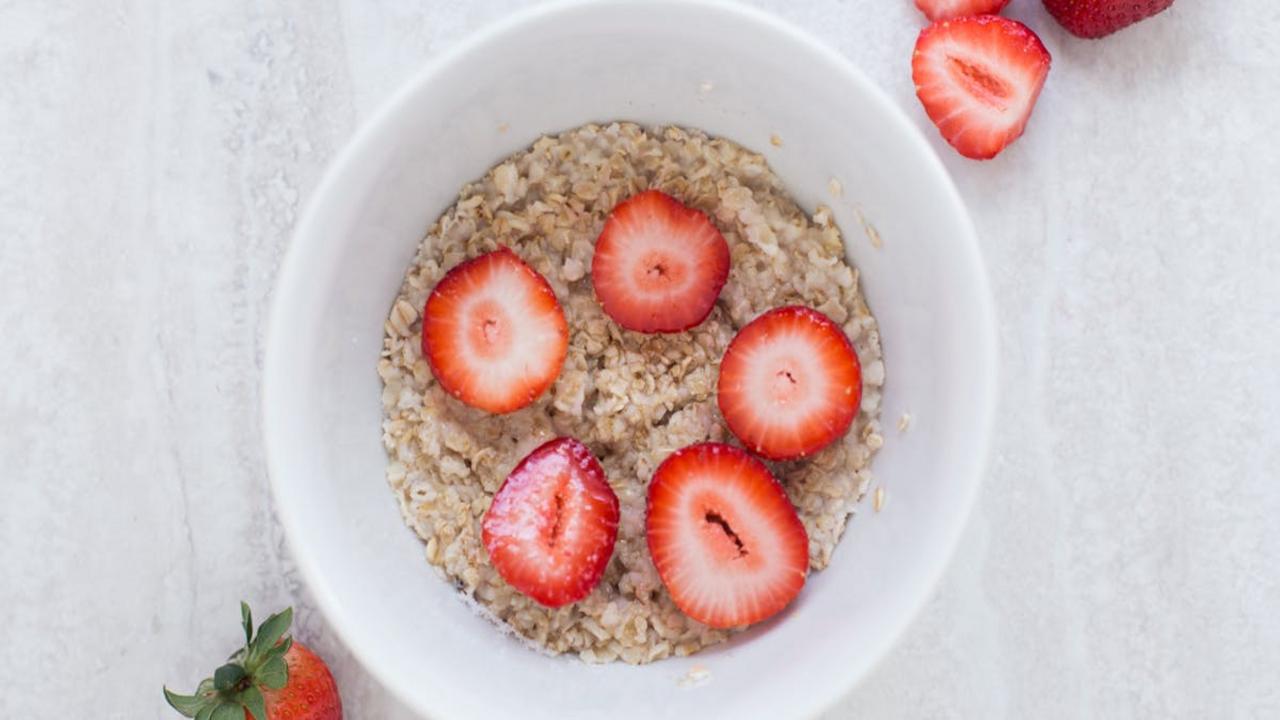
Starting your day with a warm bowl of oatmeal can make a real difference in your HDL (good) cholesterol levels. The beta-glucan fiber in oats actively helps remove excess LDL cholesterol from your bloodstream while boosting those beneficial HDL numbers. I love adding fresh berries, a drizzle of honey, and a sprinkle of nuts to my morning oatmeal – not just for the amazing flavor but also because these toppings pack their own cholesterol-fighting benefits!
You’ll find different types of oats at your local store – from steel-cut to rolled and quick-cooking varieties. Each type offers the same heart-healthy benefits, so pick the one that fits your morning schedule best. Steel-cut oats give you a chewy, nutty texture and take about 20-30 minutes to cook, while quick oats can be ready in just minutes. I recommend making a big batch on Sunday and reheating portions throughout the week – this simple meal prep trick makes it super easy to maintain healthy cholesterol levels without much daily effort.
Salmon
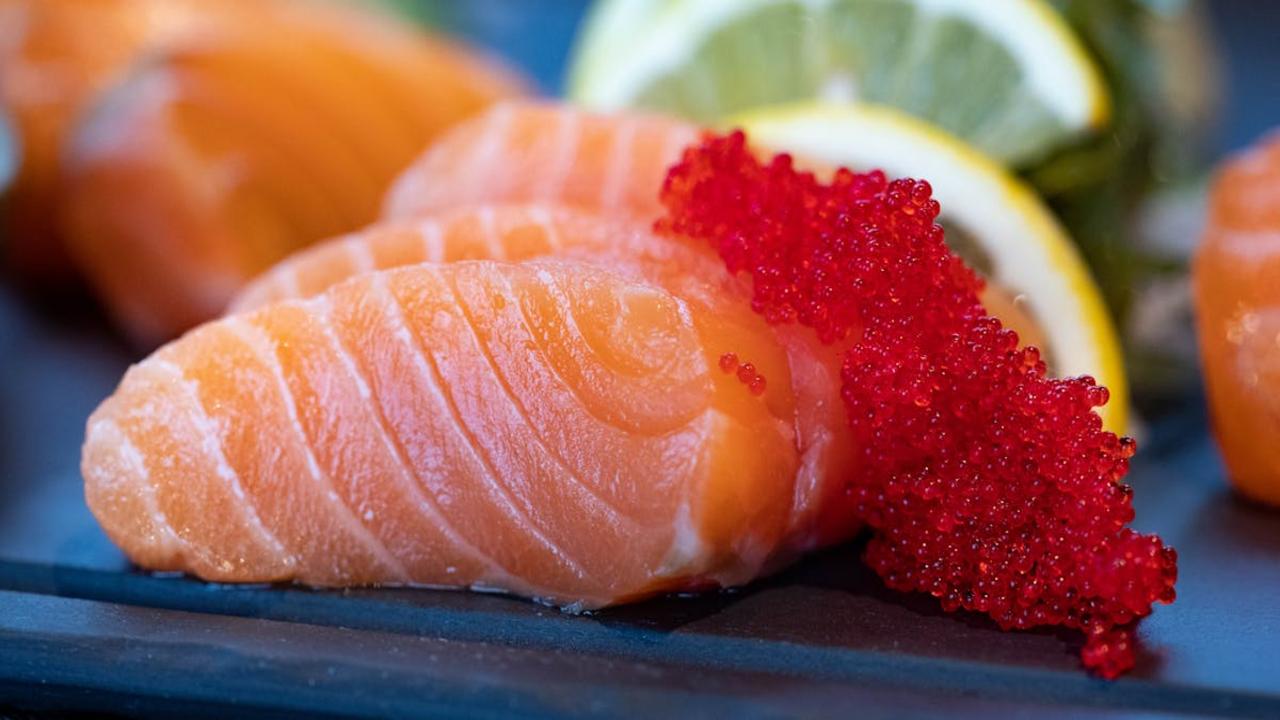
I can’t recommend salmon enough as your heart-healthy protein superstar! This fatty fish stands out as one of nature’s richest sources of omega-3 fatty acids, which directly boost your HDL (good) cholesterol levels. The pink-fleshed fish contains high amounts of healthy monounsaturated fats that help reduce inflammation in your body while supporting heart health. You’ll find both wild-caught and farm-raised options at your local market, with wild salmon offering a more intense flavor and deeper color.
You can prepare salmon in countless quick and simple ways – grill it with lemon and herbs, bake it with a honey-mustard glaze, or pan-sear it for a crispy exterior. I recommend eating salmon 2-3 times per week to see the best results for your cholesterol levels. For extra nutritional benefits, keep the skin on while cooking – it contains additional omega-3s and creates a natural barrier that keeps the flesh moist. Plus, the skin turns wonderfully crispy when cooked properly, adding a delightful texture to your meal.
Nuts
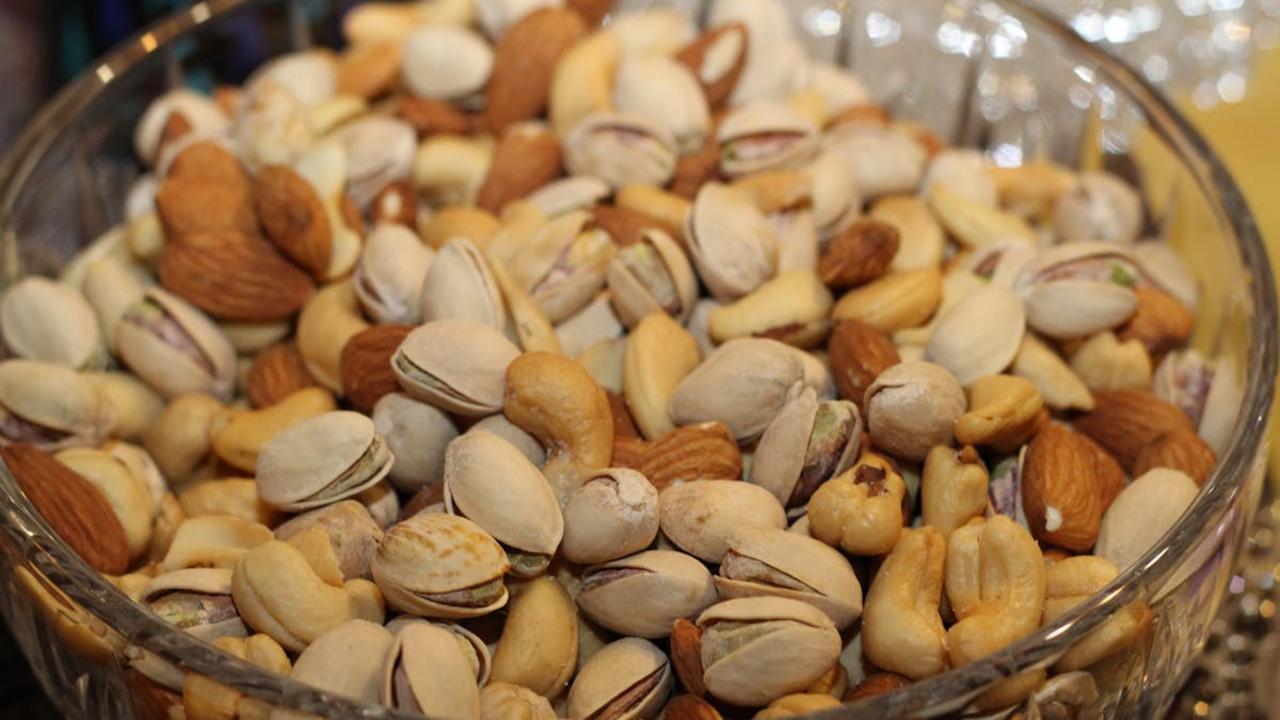
I keep a jar of mixed nuts on my kitchen counter for quick, healthy snacking – and you should too! Nuts like almonds, walnuts, pistachios, and macadamias pack a powerful punch for your HDL (good) cholesterol levels. The combination of healthy fats, fiber, and plant sterols in nuts works together to improve your cholesterol ratio naturally. My favorite way to add more nuts to my day is by sprinkling them on my morning oatmeal or tossing them into my afternoon salad.
The great thing about nuts is how versatile they are in cooking. You can toast them to bring out their natural oils and enhanced flavors, grind them into butter for spreads, or chop them up as crunchy toppings. Research shows eating just a handful (about 1.5 ounces) of nuts daily can boost your HDL cholesterol by up to 5%. I recommend buying raw, unsalted nuts and storing them in an airtight container in your fridge – this keeps their healthy oils fresh and prevents them from going rancid. Plus, the satisfying crunch and protein content will help keep you full between meals!
Avocados
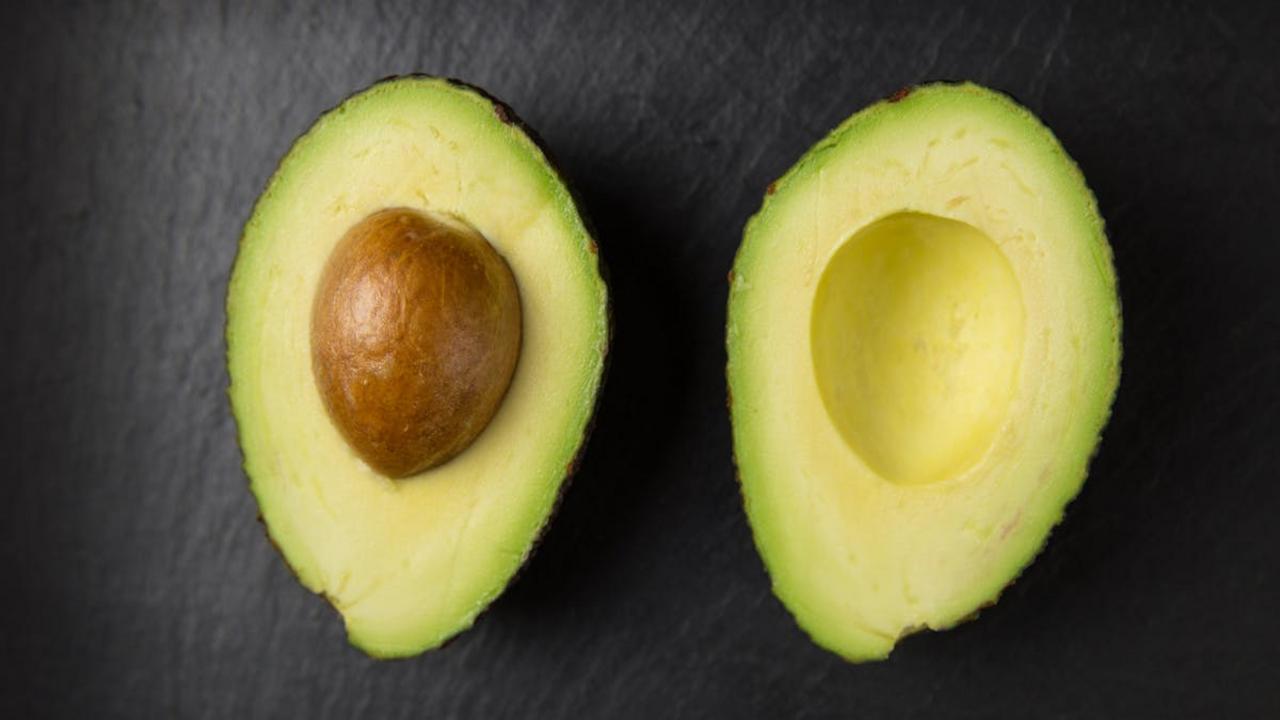
I can’t help but get excited about avocados – these creamy green fruits pack a powerful punch for your HDL (good) cholesterol levels! Rich in heart-healthy monounsaturated fats and fiber, avocados will help your body maintain optimal cholesterol balance while keeping you feeling satisfied. You can add them to your morning toast, blend them into smoothies, or dice them up for a fresh salad topping. The natural oils in avocados also help your body absorb other nutrients better, making them a perfect partner for many healthy meals.
My favorite way to enjoy avocados is by making a quick guacamole with lime juice, diced tomatoes, and a pinch of salt – it’s simple yet so satisfying! The combination of healthy fats and fiber in avocados helps slow down digestion, which means you’ll stay full longer and maintain steady energy levels throughout your day. Research shows that eating one avocado daily can increase your HDL cholesterol levels by up to 11%. Plus, they’re loaded with potassium, vitamin K, vitamin C, and B vitamins, making them a true nutritional powerhouse for your heart health.
Olive Oil
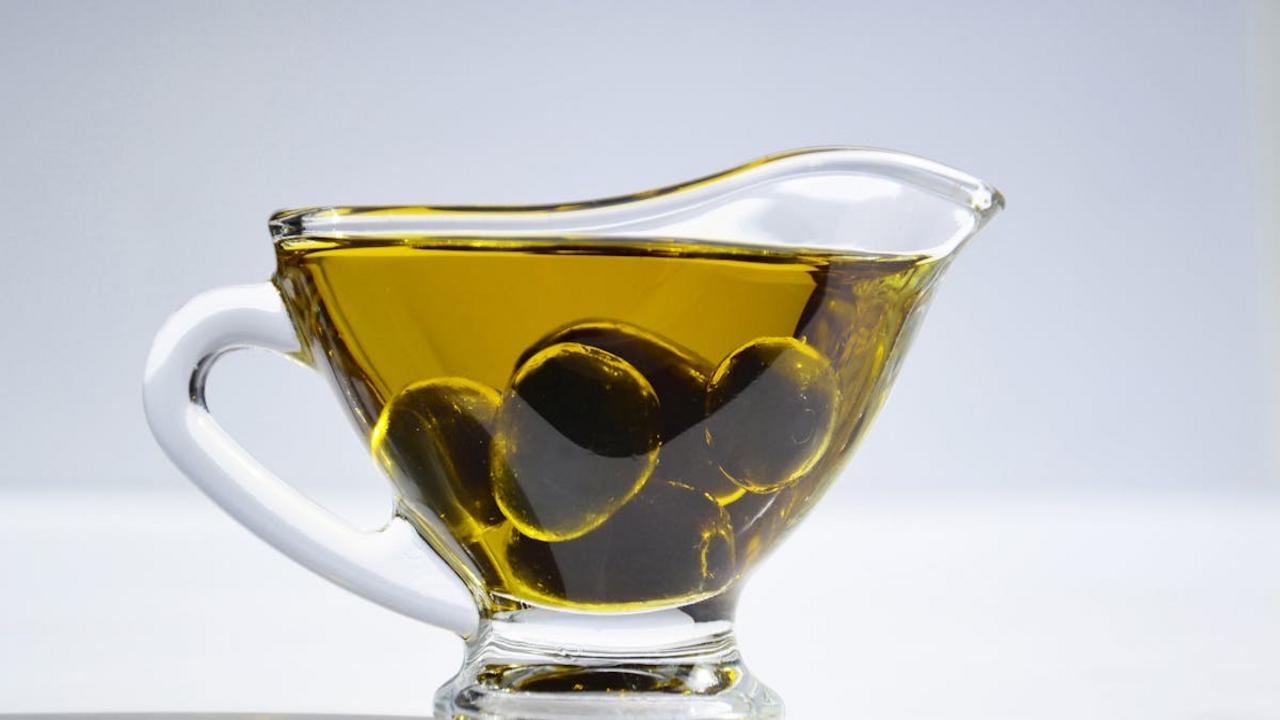
I’ve found that adding olive oil to your daily meals can do wonders for your HDL (good) cholesterol levels. This golden liquid contains heart-healthy monounsaturated fats and powerful antioxidants that work together to boost your cardiovascular health. You can easily incorporate olive oil into your diet by drizzling it over salads, using it to sauté vegetables, or mixing it with balsamic vinegar for a quick and healthy bread dip. The key is to choose extra virgin olive oil, which offers the highest concentration of beneficial compounds.
My favorite way to make the most of olive oil’s cholesterol-boosting benefits is to replace other cooking fats with this Mediterranean staple. Start your morning by adding a tablespoon to your breakfast smoothie – you won’t notice the taste but will get all the benefits. For lunch and dinner, try roasting vegetables with a generous coating of olive oil, which not only enhances their flavor but also helps your body absorb their fat-soluble vitamins better. Remember to store your olive oil in a cool, dark place to preserve its beneficial properties and prevent it from going rancid.