15 Foods You Thought Were American But Aren’t
You know that moment when you bite into what you think is a classic American dish, only to discover its roots stretch across oceans? I’ve experienced this countless times in my kitchen, and it never stops fascinating me. Many foods we consider quintessentially American actually traveled here from distant lands, carrying stories and traditions that shaped our modern plates.
Take hot dogs, hamburgers, or apple pie – these icons of American cuisine have surprising international origins. As someone who loves creating recipes from scratch, I find these food histories incredibly inspiring. They remind me that cooking has always been about adaptation and creativity.
Understanding where our favorite foods truly come from helps us appreciate the beautiful fusion that defines American cooking today. These global influences make our kitchens richer and our meals more meaningful.
Pancakes
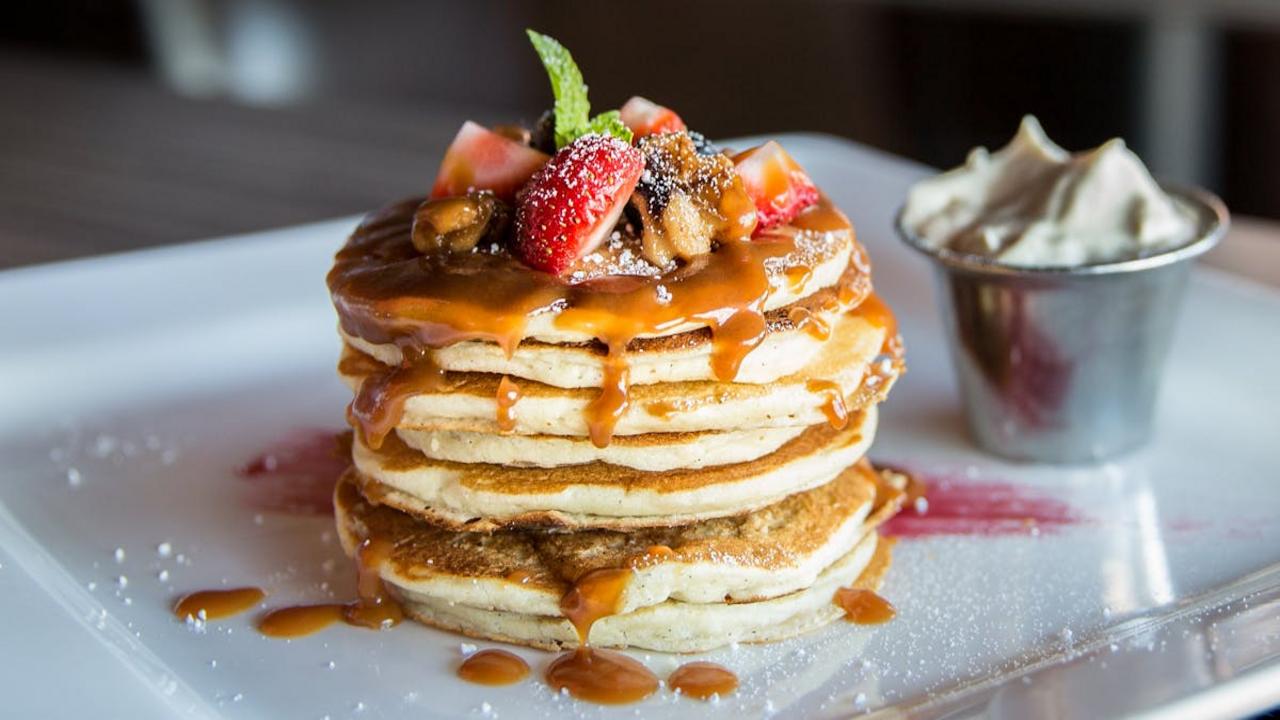
You know what gets me every time I’m flipping pancakes on a Sunday morning? How we’ve claimed this breakfast staple as purely American when these golden beauties have been gracing tables across the globe for thousands of years! Ancient Greeks and Romans were already mastering their own versions, mixing wheat flour with olive oil, honey, and curdled milk. The French gave us crepes, the Dutch brought us pannenkoeken, and even ancient civilizations in Asia were creating similar flat cakes on hot stones. Each culture developed their own twist, but the basic concept of cooking batter on a flat surface? That’s universal human ingenuity right there.
What I love about making pancakes from scratch is how this simple technique connects us to cooks throughout history. I skip the boxed mixes and go straight for real ingredients – fresh eggs, whole grain flour, a splash of buttermilk, maybe some mashed banana for natural sweetness. The beauty lies in how forgiving this dish is; you can fold in blueberries, add a pinch of cinnamon, or even experiment with buckwheat flour for earthier notes. Every culture that adopted pancakes made them their own, and that’s exactly what I encourage you to do in your kitchen. Start with the basics, then let your creativity guide you toward something uniquely yours.
Pickles
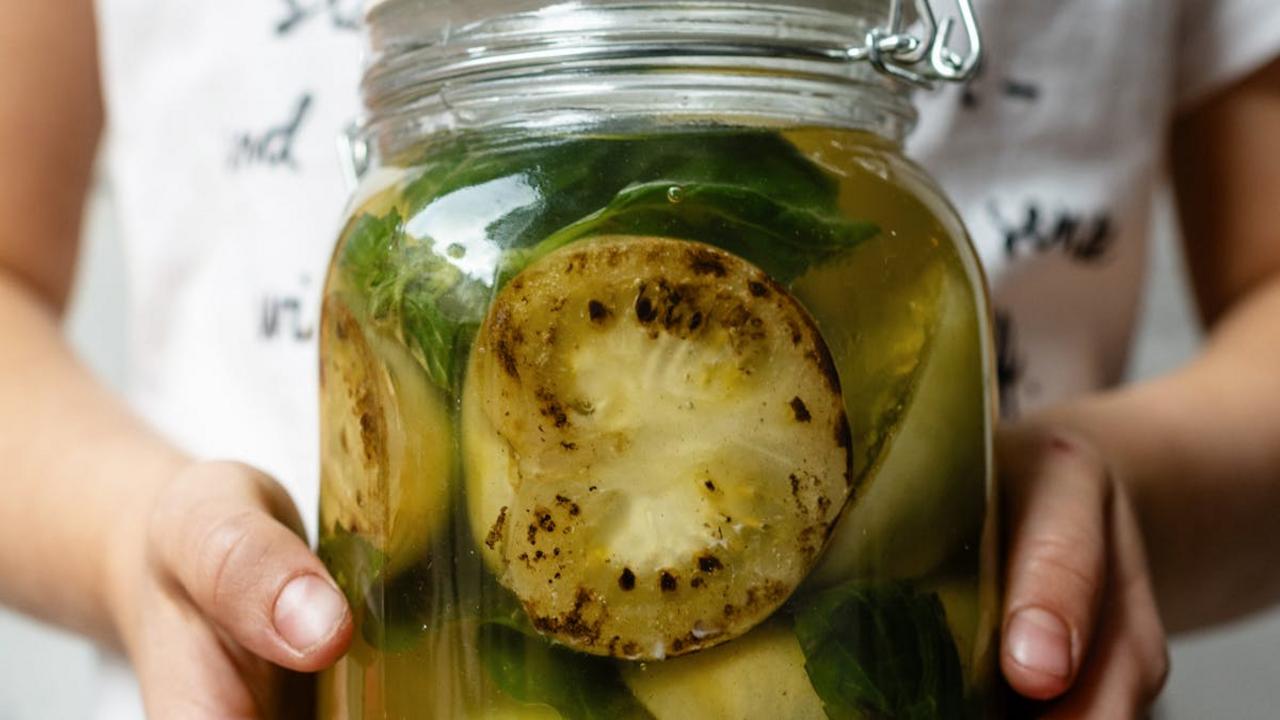
You grab that jar of dill pickles from your fridge, thinking you’re enjoying a classic American snack, but here’s something that might shock you – pickles trace back thousands of years to ancient Mesopotamia and Egypt! Those crispy, tangy vegetables we love weren’t born in American kitchens but traveled here through European immigrants who brought their preservation traditions. The process of pickling vegetables in brine actually started as a survival method, helping people store food through harsh winters and long journeys.
What I find beautiful about pickles is how they represent the perfect marriage of necessity and flavor – something I always try to achieve in my own kitchen. Making pickles at home connects you to this ancient practice while giving you complete control over ingredients, ditching the artificial colors and preservatives found in many store-bought versions. I love experimenting with different vegetables beyond cucumbers – try pickling carrots, radishes, or even green beans with fresh dill, garlic, and a touch of turmeric for that gorgeous golden color. The fermentation process creates beneficial probiotics that support gut health, turning a simple preservation technique into a nutritional powerhouse that your body will thank you for.
Worcestershire Sauce
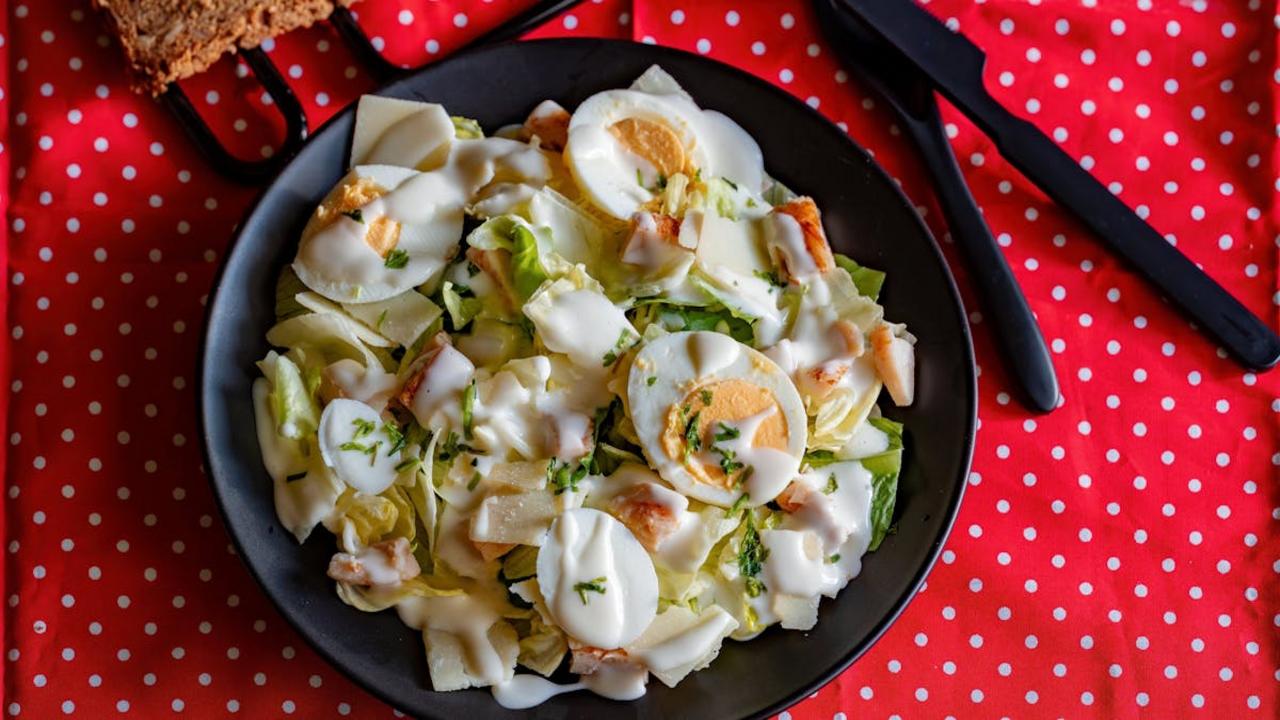
You know that bottle of dark, tangy sauce sitting in your pantry right now? The one with the impossible-to-pronounce name that transforms your burgers and marinades into something magical? Well, I hate to break it to you, but Worcestershire sauce didn’t originate in some American kitchen. This fermented wonder actually comes straight from England, created in the 1830s by two chemists named John Wheeley Lea and William Henry Perrins in Worcester (hence the name). They accidentally stumbled upon this complex blend of anchovies, vinegar, molasses, tamarind, and spices while trying to recreate a sauce recipe from India.
What makes me love this sauce even more is how it perfectly represents what I’m always talking about – the beauty of global flavors coming together in unexpected ways. Those English chemists took inspiration from Indian cuisine and created something entirely new, just like how I encourage you to mix influences from different cultures in your own cooking. Instead of reaching for processed flavor enhancers, try adding a splash of real Worcestershire to your homemade salad dressings, stir-fries, or even that pot of soup simmering on your stove. The umami depth it brings is absolutely incredible, and knowing its true British-Indian heritage makes every drop taste even better.
Barbecue Sauce
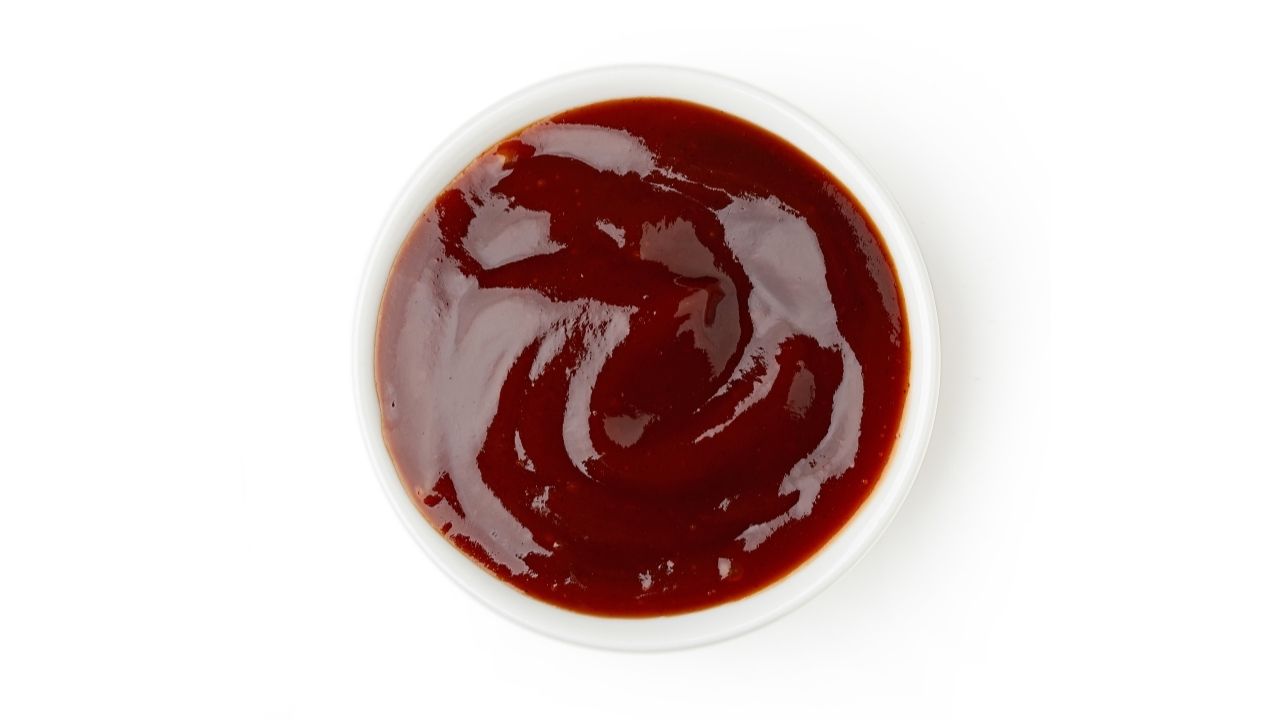
You know that tangy, smoky sauce you slather on ribs and brush onto grilled chicken? While we Americans have perfected our regional styles—from Kansas City’s molasses-thick sweetness to Carolina’s vinegar bite—barbecue sauce actually traces its roots back to ancient civilizations. The Romans mixed garum (fermented fish sauce) with honey and spices to glaze their grilled meats, while Chinese cooks were creating complex soy-based glazes centuries before Columbus ever set sail. Even the tomato-based sauces we consider quintessentially American borrowed heavily from European techniques of preserving and flavoring with acidic fruits.
What makes this story even more interesting is how barbecue sauce became this beautiful fusion of global influences right in our own backyard. African enslaved people brought their knowledge of slow-cooking techniques and spice blending, Native Americans contributed local ingredients like molasses and peppers, and European colonists added their preservation methods. When I make barbecue sauce from scratch now, I love thinking about this incredible melting pot of flavors—maybe starting with a base of apple cider vinegar (thank you, German settlers), adding some brown sugar or maple syrup, then building layers with smoked paprika, garlic, and whatever hot peppers are growing in my garden. Each batch becomes this personal tribute to centuries of cooks who shared their techniques across cultures.
Macaroni and Cheese
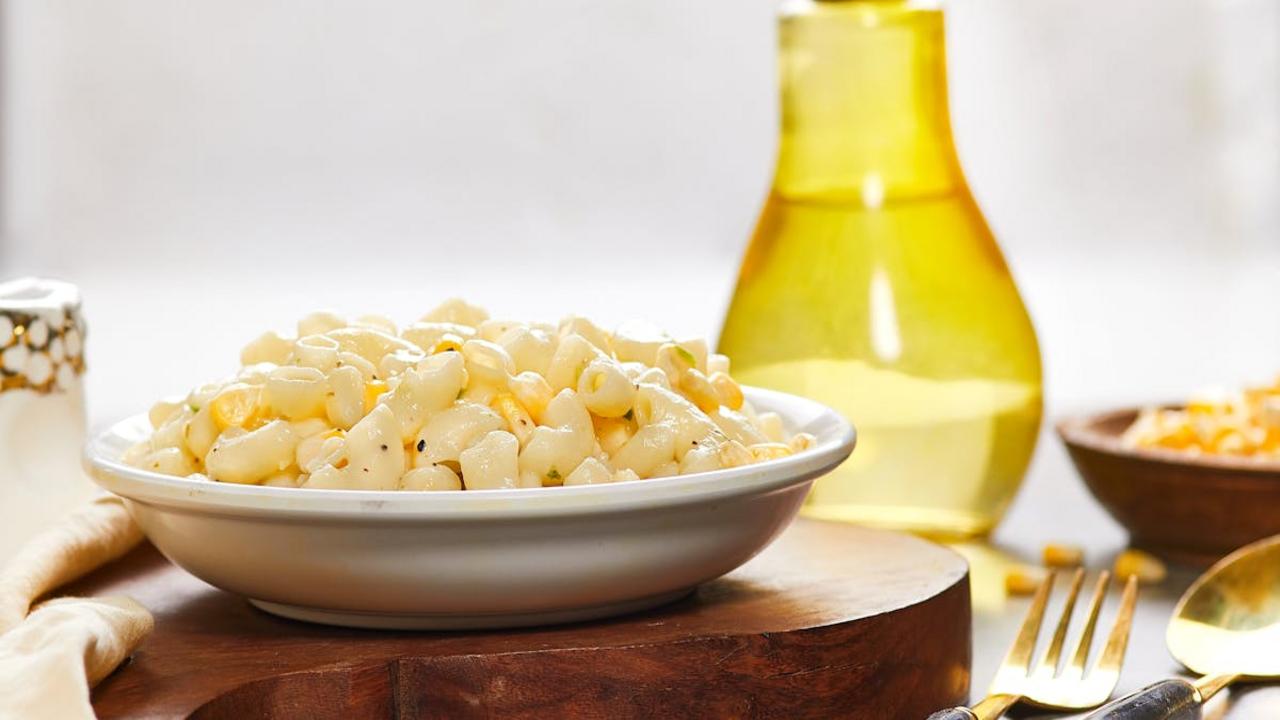
You know that creamy, cheesy comfort food that screams “American childhood”? Well, I hate to break it to you, but macaroni and cheese actually traces its roots back to medieval Europe. The combination of pasta and cheese sauce first appeared in Italian cookbooks during the 13th century, and similar recipes showed up across France and England centuries before it ever reached American shores. Thomas Jefferson gets credit for popularizing it here after he experienced a version during his travels to Paris and Italy in the 1780s.
What I find fascinating is how this dish transformed once it landed in America – we made it our own in the most beautiful way. While the European versions were often more refined affairs served at fancy dinner parties, Americans turned it into the ultimate comfort food that brings families together around the dinner table. Now, instead of reaching for that bright orange boxed version (you know the one!), try making it from scratch with real aged cheddar and a touch of nutmeg – the way those early cooks intended. The difference will amaze you, and your kitchen will smell absolutely incredible while it bakes.
Cheesecake
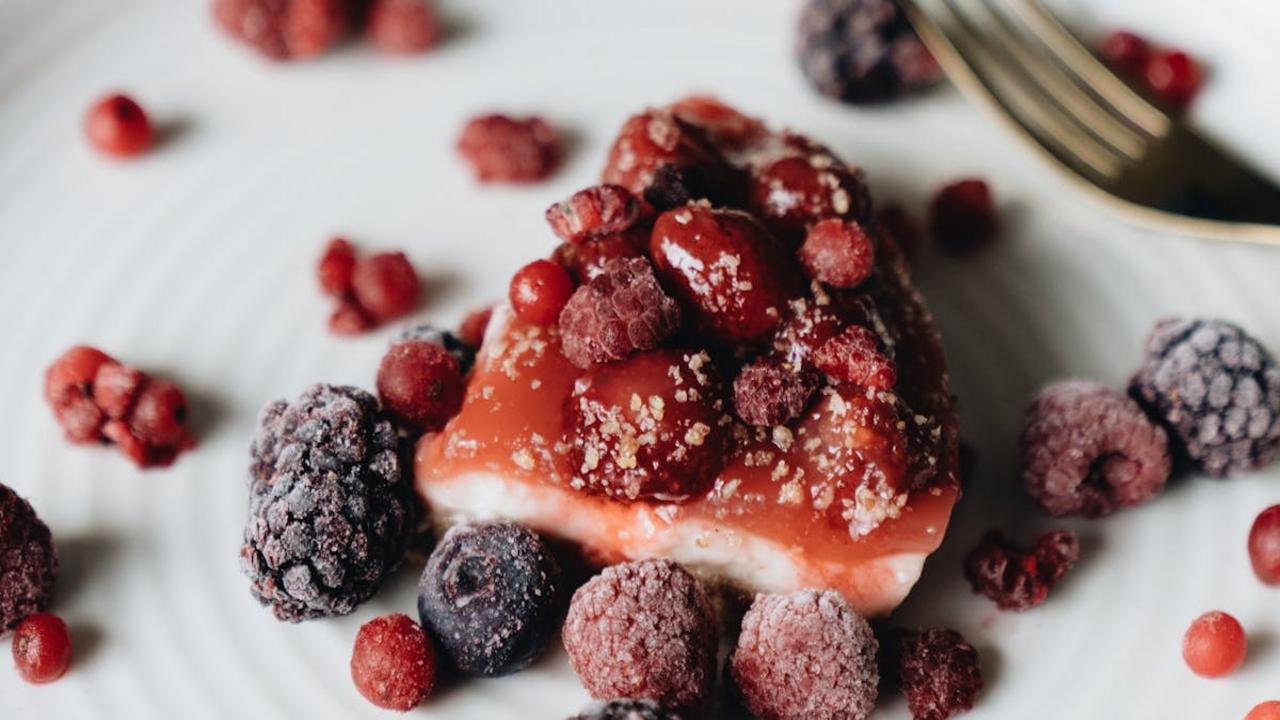
You know that rich, creamy cheesecake sitting in your fridge right now? The one you picked up from the local deli or baked using your grandmother’s “classic American” recipe? Well, I hate to break it to you, but cheesecake has roots that stretch back thousands of years to ancient Greece! The Greeks were serving up a simple version made with fresh cheese, honey, and wheat flour long before New York even existed on any map. They believed this sweet treat gave their Olympic athletes strength and energy – now that’s what I call functional food at its finest.
What we think of as traditional American cheesecake actually evolved through centuries of cultural exchange and adaptation. When European immigrants brought their cheese-making traditions to America, they transformed the original Greek concept using local ingredients like cream cheese, which wasn’t invented until 1872. I love making my own version at home using Greek yogurt and a touch of maple syrup instead of processed sugar – it connects me to those ancient origins while keeping things wholesome and nourishing. The beauty of cheesecake lies in how each culture has made it their own, from Italian ricotta versions to Japanese cotton cheesecakes, proving that the best recipes are living, breathing things that grow with us.
Coleslaw
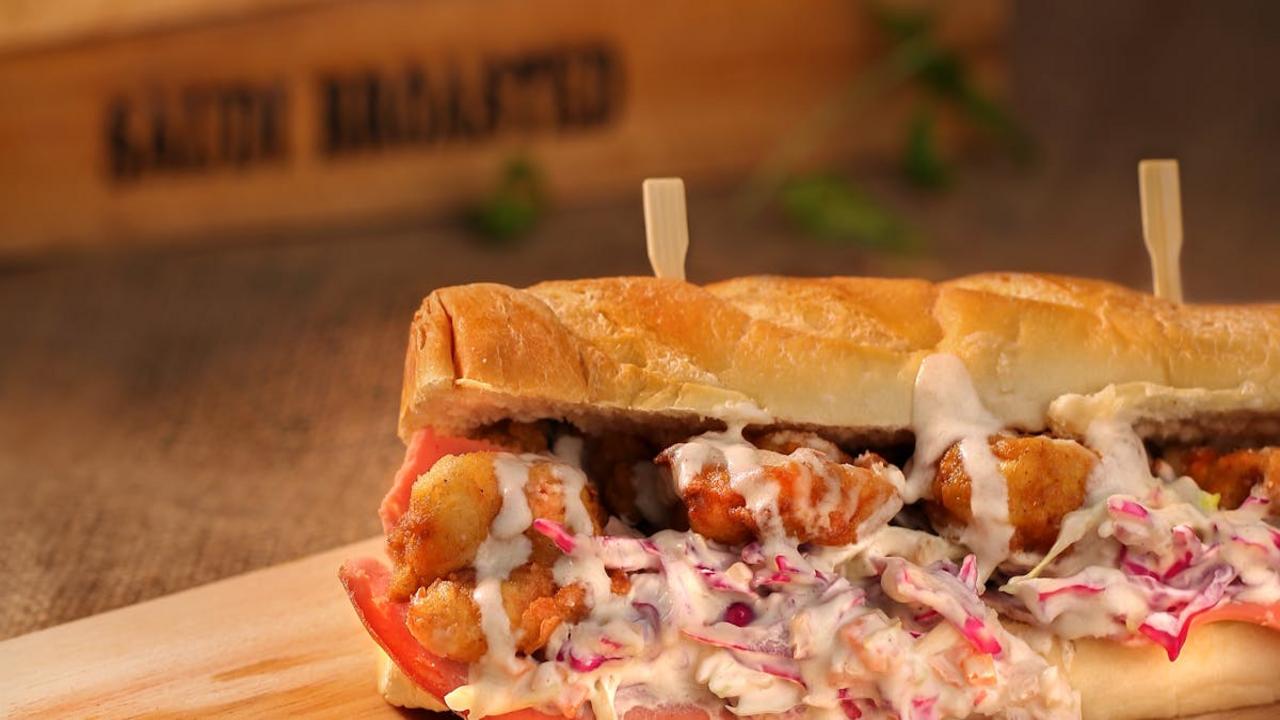
You know that creamy, crunchy side dish that shows up at every American barbecue and picnic? Well, coleslaw actually traces its roots back to ancient Rome, where they mixed cabbage with vinegar and eggs. The Dutch really perfected it though, calling it “koolsla” – literally “cabbage salad.” When Dutch settlers brought this recipe to America in the 1600s, it slowly transformed into what we recognize today. I love how this simple concept traveled across continents, picking up local tweaks along the way.
What makes me appreciate coleslaw even more is how perfectly it represents my cooking philosophy – taking basic, whole ingredients and creating something greater than the sum of its parts. Fresh cabbage, carrots, and a simple dressing become this vibrant, satisfying dish that complements so many meals. I always make mine from scratch, skipping those processed store-bought versions loaded with preservatives. Try mixing shredded purple and green cabbage with a light vinaigrette made from apple cider vinegar, a touch of honey, and fresh herbs – it brings out the natural sweetness in the vegetables while keeping things clean and nourishing.
Peanut Butter
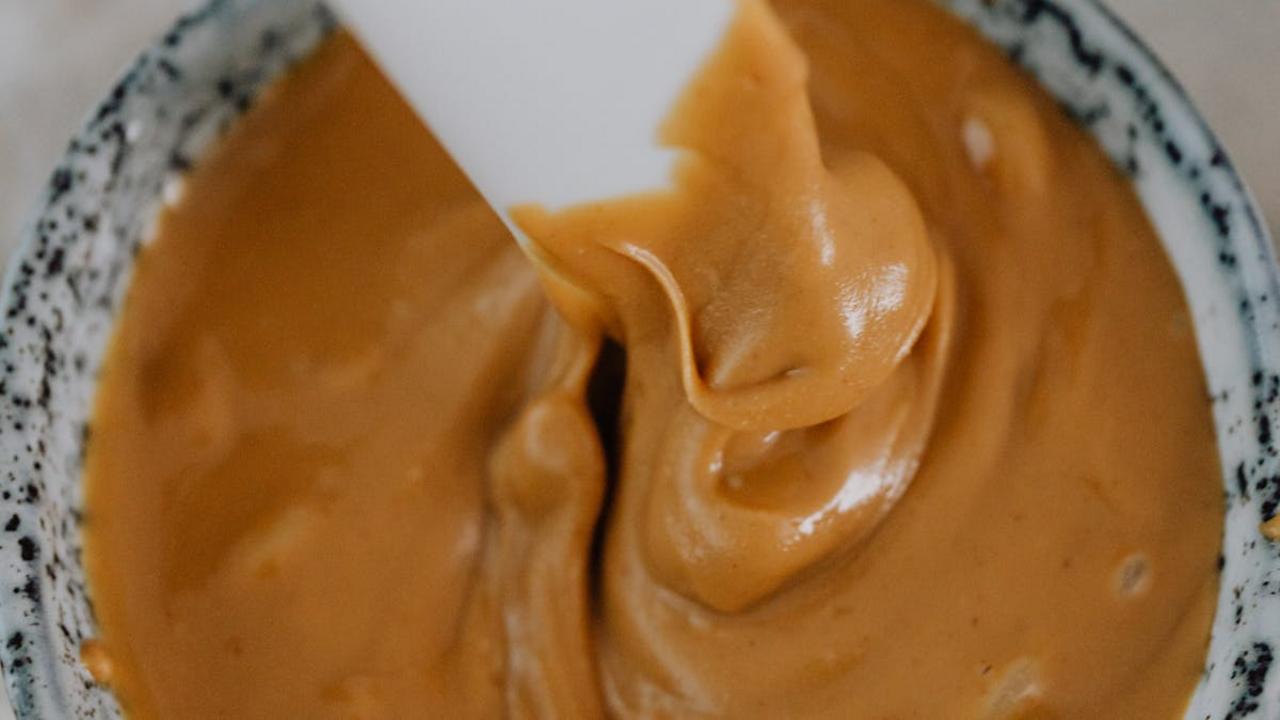
You know that creamy, nutty spread you’ve been slathering on toast since childhood? I hate to break it to you, but peanut butter didn’t start in American kitchens. The Aztecs and Incas were grinding peanuts into paste centuries before Europeans even knew peanuts existed. They created this protein-rich mixture as a practical way to preserve nuts and add substance to their meals. When I think about those ancient cooks working with stone tools to create something so satisfying, it reminds me why I love making my own nut butters at home – there’s something deeply satisfying about transforming simple ingredients through patience and technique.
While Dr. John Harvey Kellogg patented a process for creating peanut butter in 1895, and various American inventors refined the methods, the concept itself traveled here from Central and South America. I always encourage people to make their own peanut butter because you can control exactly what goes in – just roasted peanuts and maybe a pinch of salt. Skip those processed versions loaded with sugar and hydrogenated oils. Throw some peanuts in your food processor, let it run for about five minutes, and watch magic happen. The oils release naturally, creating that perfect creamy texture our ancestors discovered long ago. It’s proof that the best foods often have the simplest origins.
Doughnuts

You know that perfect Sunday morning when you’re craving something sweet and comforting? I used to think doughnuts were as American as apple pie – until I discovered their fascinating Dutch roots! The original “olykoeks” (oily cakes) came with Dutch settlers to New Amsterdam in the 1600s. These weren’t the ring-shaped beauties we know today, but dense, nutmeg-spiced balls of dough fried in pork fat. The Dutch brought this treat across the Atlantic, and it slowly transformed into what we recognize now.
What really gets me excited about this history is how it mirrors my own cooking philosophy – taking traditional techniques and making them your own! Those early Dutch settlers were doing exactly what I do in my kitchen: adapting recipes based on available ingredients and personal preferences. The hole in the center? That brilliant innovation came later, ensuring even cooking throughout. When I make doughnuts from scratch now, I think about those resourceful cooks who used simple ingredients like flour, eggs, and spices to create something magical. Try making your own version with whole wheat flour and natural sweeteners – you’ll taste the difference that real ingredients make compared to processed alternatives.
Fried Chicken
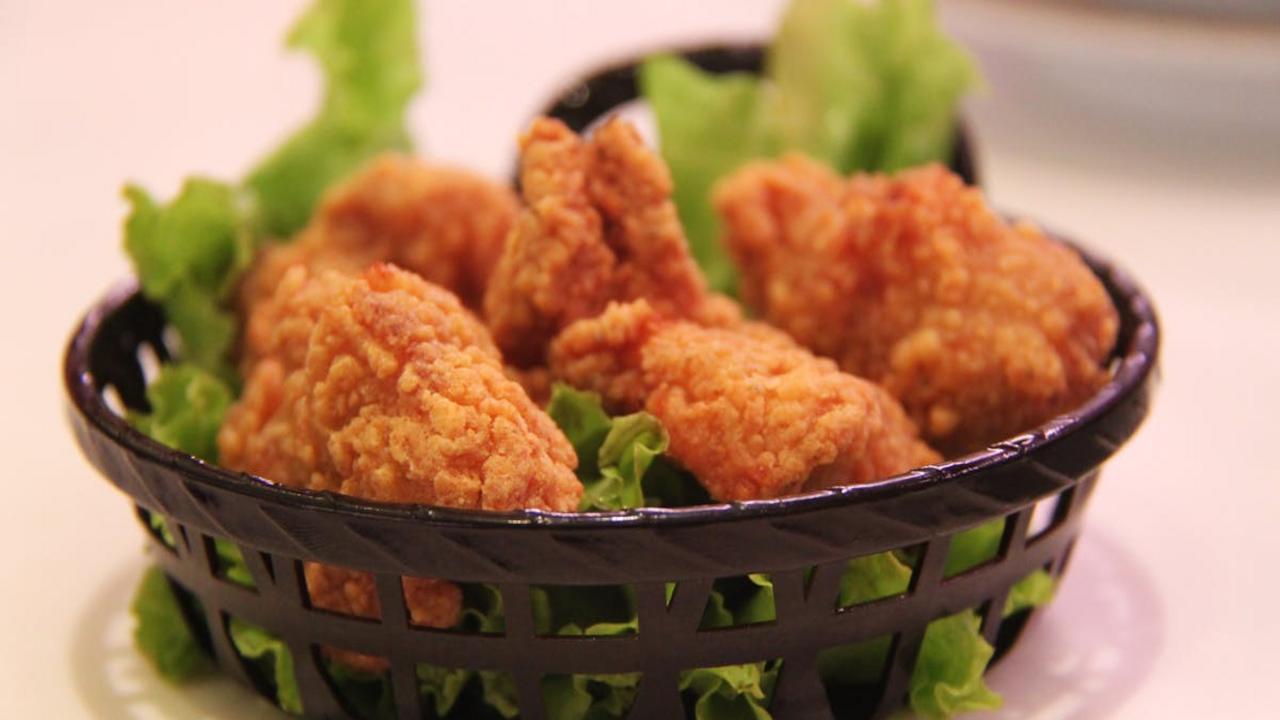
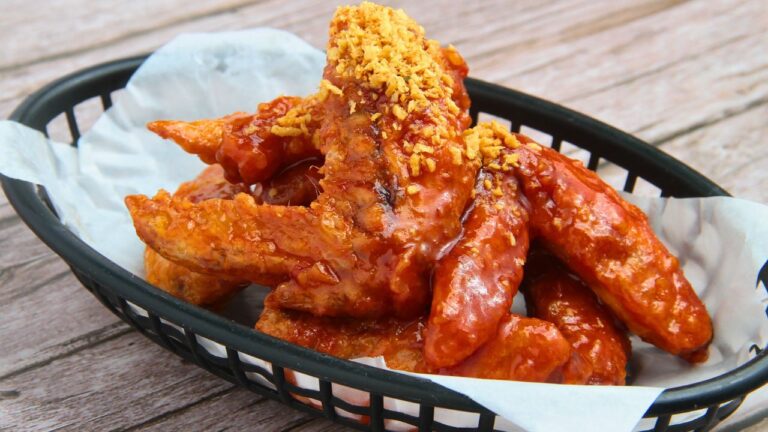
You know that crispy, golden fried chicken we claim as purely American? Well, I hate to break it to you, but our beloved Southern comfort food has roots that stretch far beyond the Mason-Dixon line. The technique of frying chicken actually comes from Scottish immigrants who brought their method of deep-frying poultry in fat to the American colonies. Meanwhile, enslaved Africans contributed their own seasoning techniques and spice knowledge, creating the flavor profiles we associate with Southern fried chicken today. This beautiful fusion of cooking methods and seasonings from different continents is what gave birth to the dish we now consider quintessentially American.
What fascinates me most about fried chicken’s history is how it shows the power of cultural exchange in creating something entirely new. When I make fried chicken at home, I love experimenting with different spice blends – sometimes I’ll add berbere from Ethiopian cuisine or incorporate Asian five-spice for unexpected depth. The basic technique remains the same: seasoned flour, proper oil temperature, and patience. But the seasonings tell stories of different cultures coming together. Making it from scratch means you control every ingredient, avoiding the processed additives found in fast-food versions while honoring the rich cultural heritage that created this iconic dish.
Ketchup
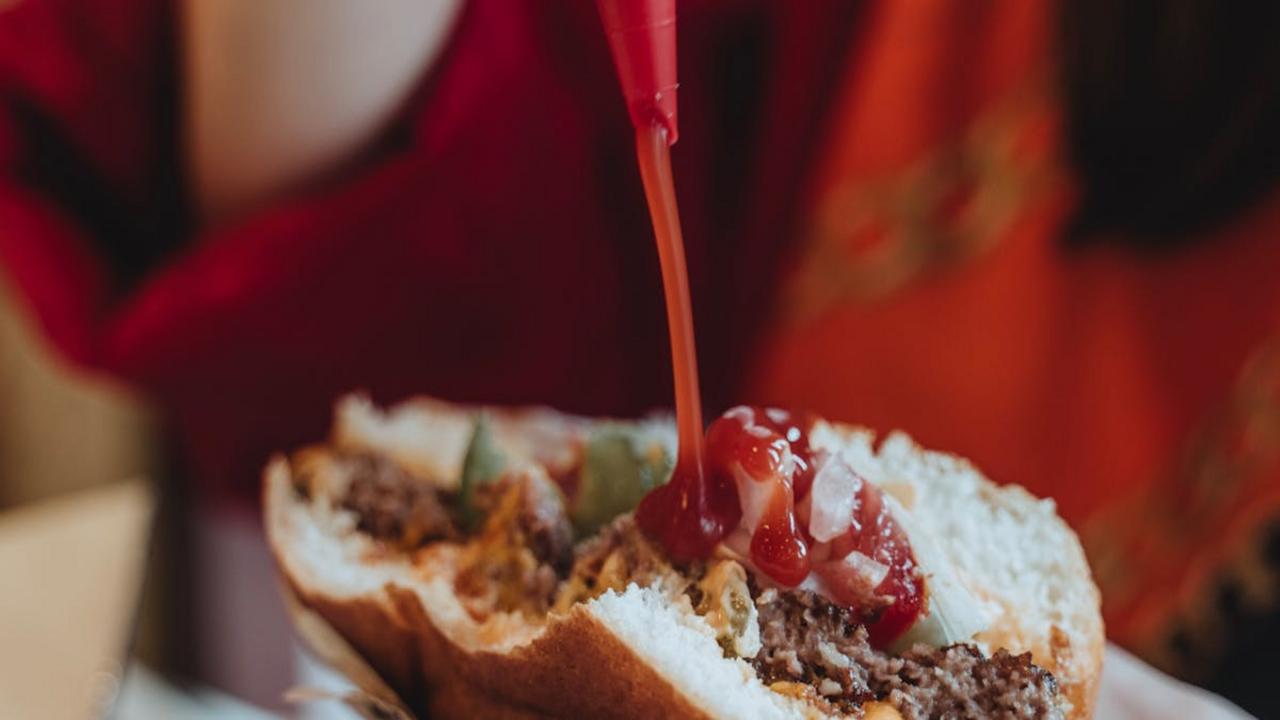
You know that bottle of ketchup sitting in your fridge right now? The one you probably think is as American as apple pie? Well, friend, I have some news that might surprise you. This beloved condiment actually traces its roots back to ancient China, where a fermented fish sauce called “kê-tsiap” was born. Chinese traders and British sailors eventually brought this umami-rich sauce to the West, where it underwent quite the transformation over the centuries.
What fascinates me most about ketchup’s story is how it evolved from those original fish-based sauces into the tomato-forward version we know today. Early American versions actually used mushrooms, walnuts, and even oysters before tomatoes became the star ingredient in the mid-1800s. As someone who loves experimenting with homemade condiments in my kitchen, I find it incredible how this simple sauce connects us to thousands of years of flavor innovation. Making your own ketchup from fresh tomatoes, onions, and spices gives you complete control over the sugar content and preservatives – plus, the depth of flavor you can achieve with slow-simmered tomatoes and carefully balanced vinegar is absolutely worth the effort.
Apple Pie
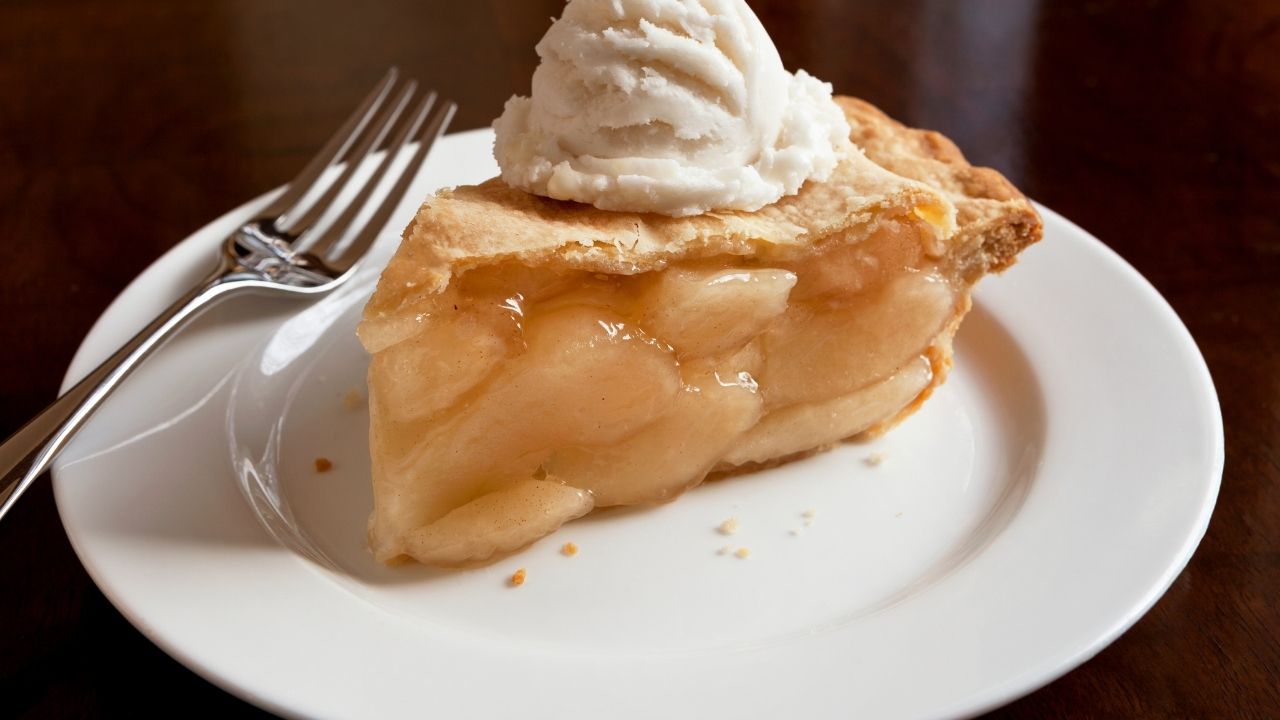
You know how we Americans love to claim apple pie as our own? Well, I hate to break it to you, but this beloved dessert actually has its roots in medieval England! The first recorded apple pie recipes date back to 1381, centuries before European settlers even set foot on American soil. Those early English versions were quite different from what we know today – they often used hard pastry cases called “coffins” that weren’t meant to be eaten, just to hold the filling during baking. The Dutch also had their own apple tart traditions, and German settlers brought their apple strudel techniques to America.
What makes this story even more interesting is that apples themselves aren’t native to North America – they came over with European colonists too! So when I make my apple pie from scratch, using fresh apples from the local orchard and a buttery, flaky crust made with real butter instead of processed alternatives, I’m actually participating in a beautiful fusion of Old World techniques adapted to New World ingredients. The American twist came through our abundant apple varieties and the way we perfected that tender, sweet filling with cinnamon and nutmeg. Try making your next apple pie with a mix of tart Granny Smith and sweet Honeycrisp apples – the contrast creates depth that processed pie fillings simply can’t match.
Hamburger
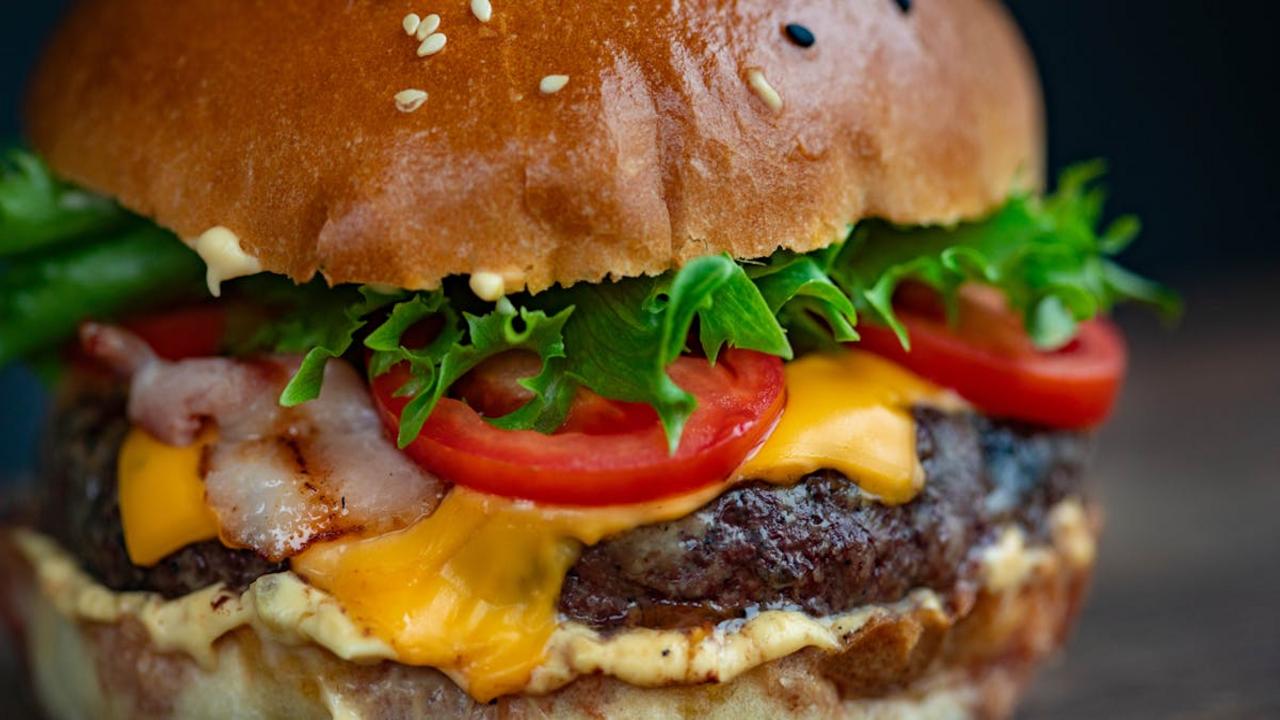
You know what always gets me? How we’ve claimed the hamburger as this quintessentially American creation when its roots actually trace back to Hamburg, Germany. Those German immigrants brought their Hamburg steak – seasoned raw beef that they’d eventually cook – to American shores in the 1800s. The genius happened when someone decided to slap that cooked patty between two pieces of bread, creating what we now worship at backyard barbecues across the country.
What I love about making burgers at home is how you can honor both that German foundation and American innovation. I grind my own beef blend – usually chuck with a touch of short rib for richness – and season it simply with salt, pepper, and maybe some finely minced onion, just like those Hamburg steaks. Skip the processed patties and create something real in your kitchen. The beauty lives in that perfect balance: a well-seasoned patty, fresh vegetables, and good bread. It’s funny how this “American” icon actually represents the melting pot perfectly – taking the best of one culture and making it your own through love and creativity.
French Fries
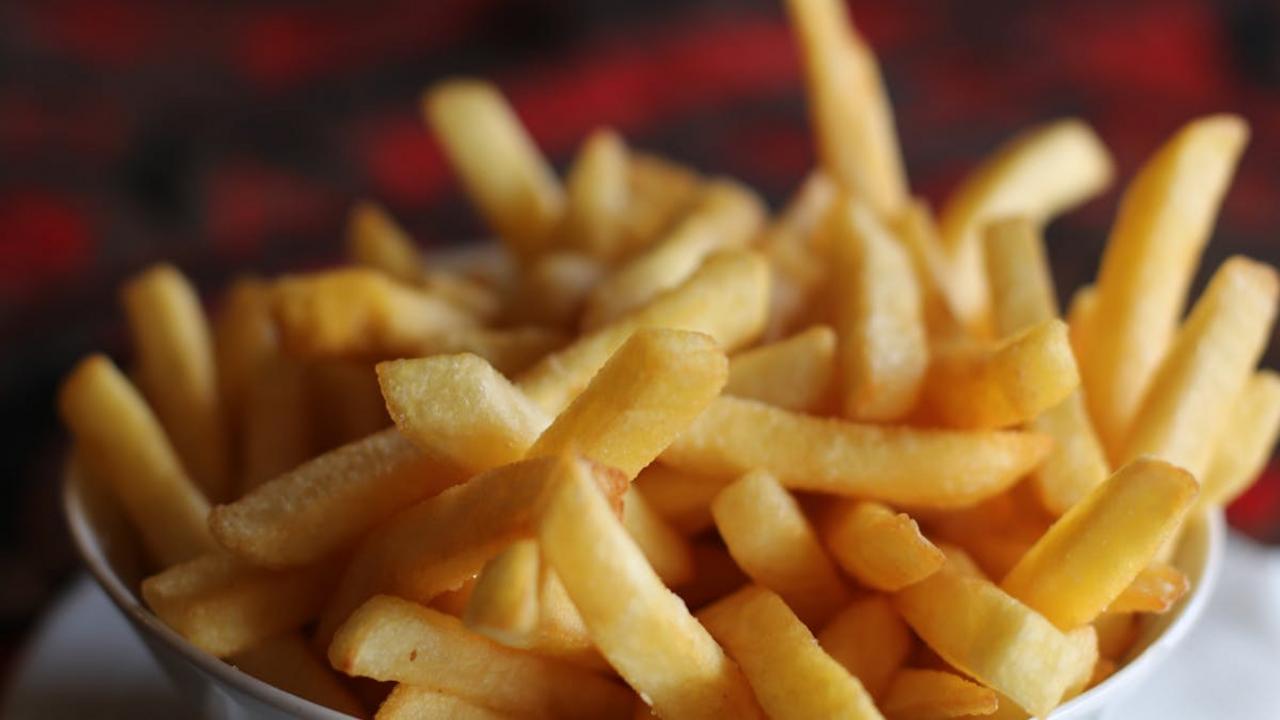
You know what surprised me the most when I started researching food origins? French fries aren’t French at all! These golden, crispy strips that we automatically associate with American fast food actually come from Belgium. Belgian street vendors were selling fried potato strips in the late 1600s, long before they became a staple at American burger joints. The confusion likely started during World War I when American soldiers stationed in Belgium tasted these incredible fried potatoes and called them “French” fries because French was the dominant language in that region of Belgium.
What I love about making fries at home is how you can control every single ingredient. Instead of reaching for frozen bags loaded with preservatives, I grab russet potatoes, slice them thick, and double-fry them in coconut oil or avocado oil. The first fry at a lower temperature cooks them through, and the second at high heat creates that perfect crispy exterior. I season mine with sea salt, fresh rosemary, or even a sprinkle of nutritional yeast for that umami kick. Trust me, once you make fresh fries from scratch, you’ll never go back to the processed versions – and you’ll appreciate the Belgian ingenuity that gave us this incredible comfort food.
Hot Dogs

You know that classic American ballpark experience with a hot dog in hand? Well, I hate to break it to you, but hot dogs actually trace their roots back to Germany! These savory sausages evolved from German wursts – specifically frankfurters from Frankfurt and wieners from Vienna. German immigrants brought their sausage-making traditions to America in the 1800s, and we transformed them into the iconic hot dogs we know today. The name “hot dog” supposedly came from a cartoonist who couldn’t spell “dachshund sausage” – how’s that for American innovation on a German foundation?
Now, here’s where I get excited about making hot dogs from scratch in your own kitchen! Skip those mystery-meat processed versions and create your own using quality ground meat, natural casings, and spices you can actually pronounce. I love mixing grass-fed beef with a touch of pork, adding garlic, paprika, and mustard seeds for that authentic German flavor. You can even make plant-based versions using mushrooms and lentils that’ll surprise everyone at your next cookout. Making your own hot dogs means you control every ingredient – no weird preservatives, just pure, wholesome goodness that honors both the German tradition and your family’s health.