15 Iconic Local Ingredients That Shape the Flavors of U.S. Regional Food
From rugged coastlines to sun-baked deserts, America’s food map tells a story through its local ingredients. These regional treasures create distinctive flavors you simply won’t find anywhere else. The wild huckleberries of Montana taste nothing like their cultivated cousins, while Hatch chiles from New Mexico pack a unique heat that locals celebrate with annual festivals.
Each ingredient on our list carries cultural significance beyond its flavor. New Englanders have gathered fiddleheads each spring for generations, while Louisiana cooks transform humble mirlitons into family recipes passed down for decades. These foods connect communities to their land and history in powerful ways.
You’ll notice how geography shapes these ingredients – from Alaska’s king crab thriving in icy waters to Hawaii’s tropical breadfruit. This diversity reflects America’s varied landscapes and the ingenuity of regional cooks who’ve created distinctive cuisines from what grows naturally around them. Let’s discover these 15 iconic ingredients that define American regional cooking!
Breadfruit – Hawaii
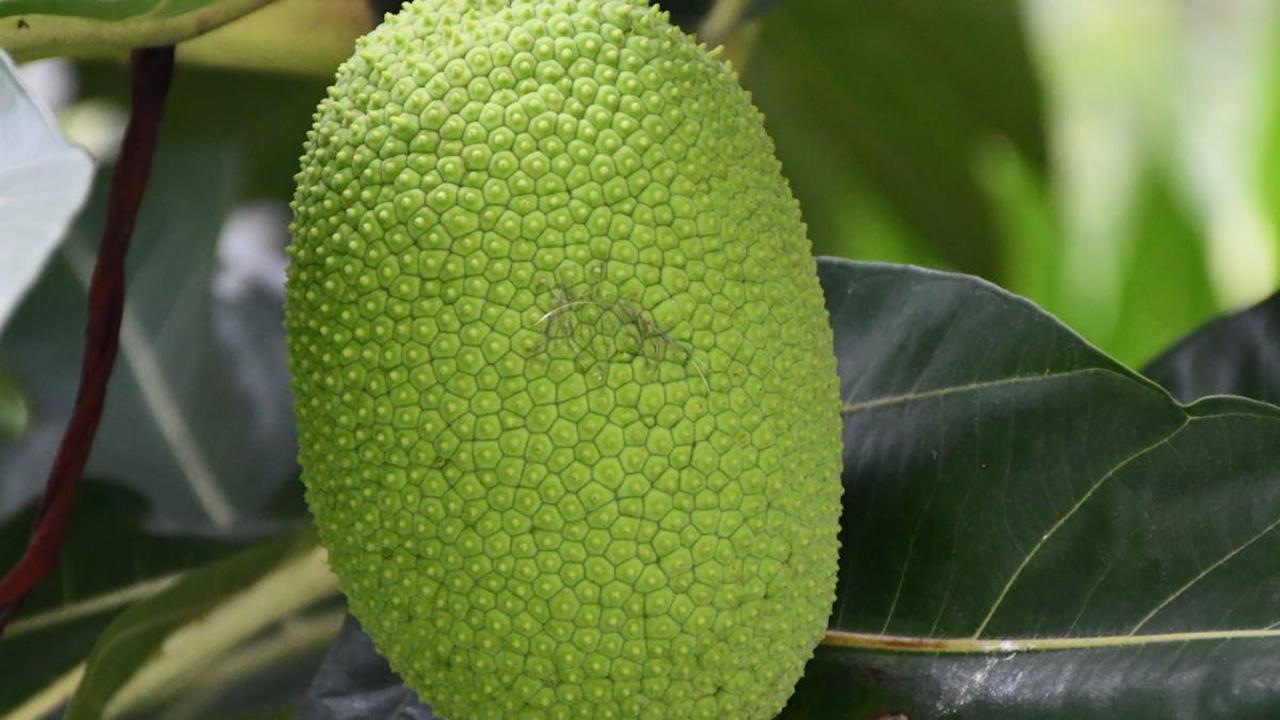
Breadfruit brings tropical magic to Hawaiian plates, and I’m here to share why this starchy wonder deserves a spot in your kitchen! This green, football-sized fruit grows abundantly across the islands, where locals have been cooking with it for generations. You can roast it, boil it, or even turn it into flour – breadfruit adapts to whatever cooking method you choose. Its mild, potato-like flavor makes it incredibly versatile, whether you’re preparing traditional poi or modern fusion dishes.
What makes breadfruit truly special is how it connects Hawaiian families to their roots while offering incredible nutrition. Packed with fiber, potassium, and vitamin C, this fruit provides sustained energy that keeps island communities thriving. You’ll find it transformed into everything from crispy chips to creamy puddings, proving that healthy eating never has to be boring. Try roasting breadfruit with coconut oil and sea salt for a simple side dish that captures the spirit of Hawaiian cooking – your family will love discovering this nutritious alternative to regular starches!
Salmonberries – Alaska
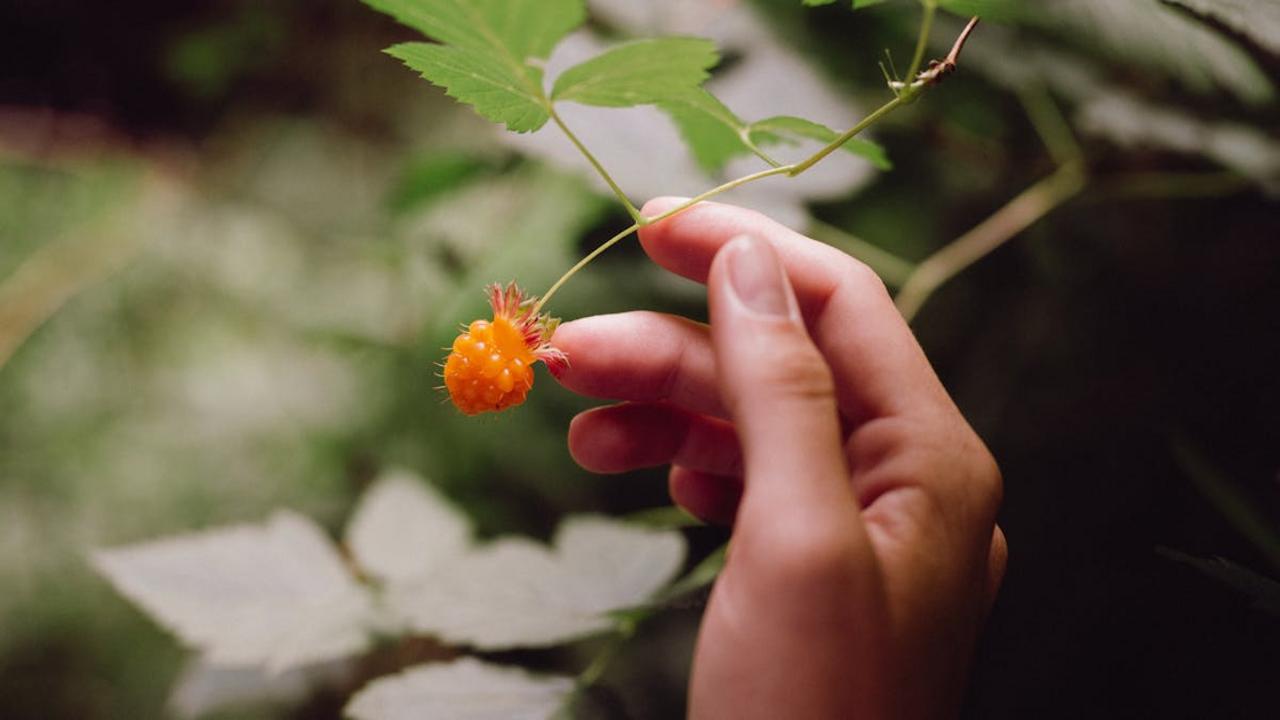
These gorgeous orange-to-red berries grow wild across Alaska’s coastal regions and have been a cornerstone of indigenous Alaskan cuisine for thousands of years. You’ll find salmonberries ripening in late spring and early summer, creating vibrant patches of color against Alaska’s rugged landscape. Native communities have long celebrated these berries not just for their sweet-tart flavor, but for their impressive nutritional profile packed with vitamin C, antioxidants, and natural sugars that provided energy during long hunting and fishing expeditions.
What makes salmonberries truly special is their unique texture and flavor that sits somewhere between a raspberry and a cloudberry, with notes that can range from honey-sweet to pleasantly tart depending on ripeness and growing conditions. Alaskan cooks treasure these berries in everything from traditional akutaq (Eskimo ice cream) mixed with seal oil and fish to modern jams, pies, and even salmonberry wine. You can often spot locals foraging for these gems along riverbanks and in open woodlands, continuing a tradition that connects modern Alaskans to the land’s natural bounty. Their short season makes them precious, so when salmonberry time arrives, Alaskan families make the most of every handful they can gather.
King Crab – Alaska
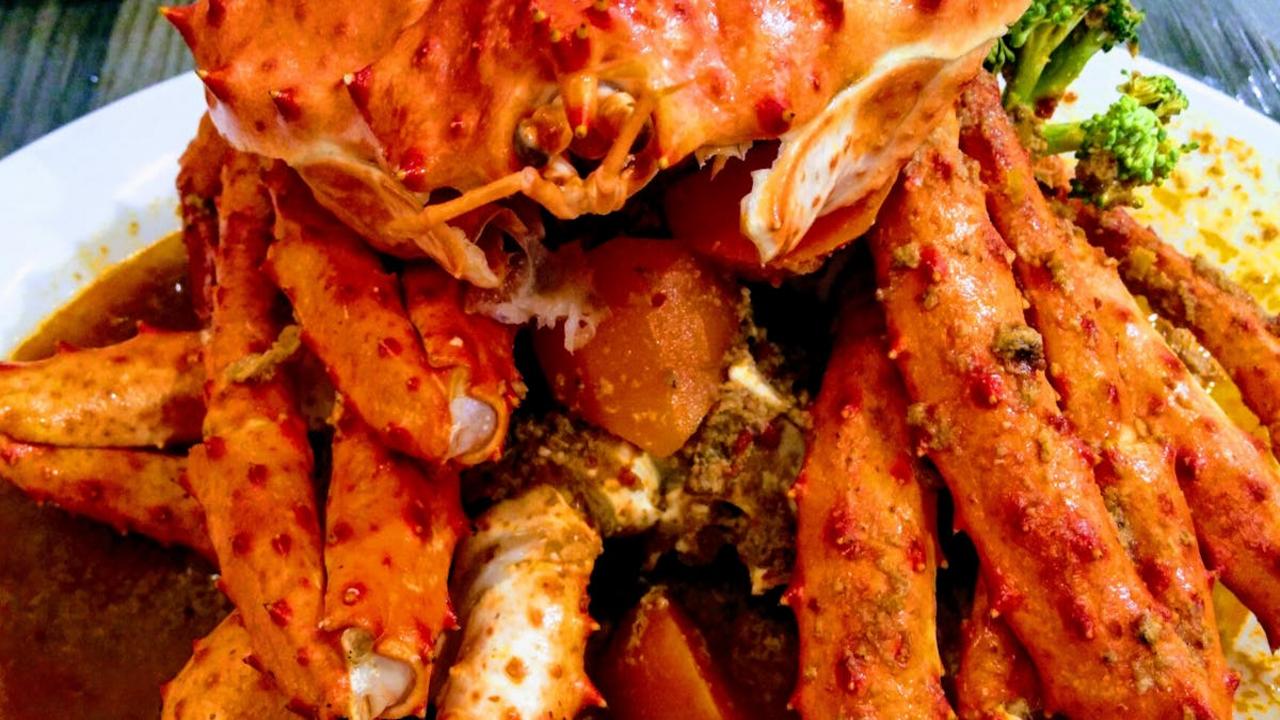
Alaska’s king crab stands as one of the most prized seafood treasures in American cuisine, and honestly, once you taste those sweet, succulent chunks of meat, you’ll understand why fishermen brave the icy waters of the Bering Sea to bring them to your table. These magnificent crustaceans can grow massive – we’re talking legs that span three feet! The meat inside is incredibly tender and naturally sweet, with a texture that’s both firm and delicate. What I love most about king crab is how the cold Alaskan waters give it such a clean, pure flavor that needs very little enhancement to shine.
You don’t need fancy techniques to make king crab sing on your plate – sometimes the simplest preparations create the most memorable meals. Steam those gorgeous legs with a touch of lemon and herbs, or crack them open and dip the meat in melted butter with fresh garlic. The natural sweetness pairs beautifully with citrus, and I always keep some Old Bay seasoning handy for that perfect coastal touch. King crab transforms any dinner into a special occasion, whether you’re celebrating with family or treating yourself to something extraordinary. Trust me, this Alaskan gem will make you appreciate just how incredible fresh, quality seafood can be.
Ground Cherry – Great Plains
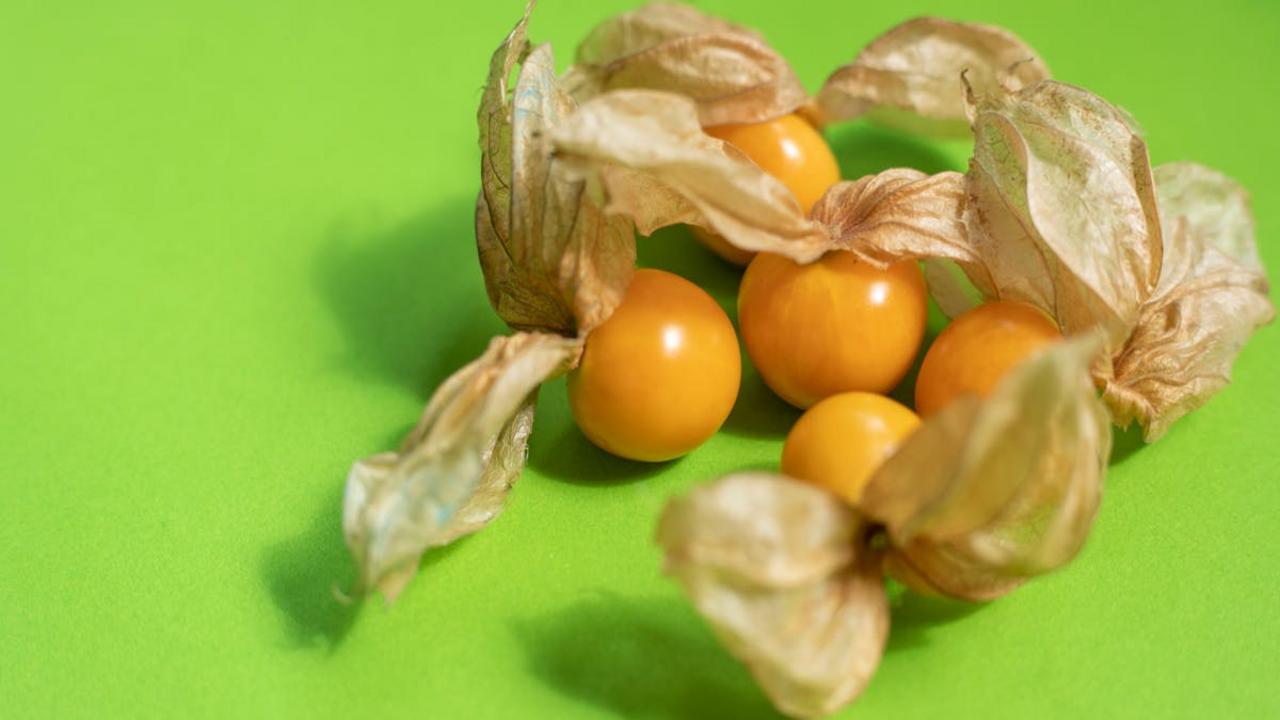
Ground cherries might look like tiny golden lanterns wrapped in papery husks, but these little treasures pack a flavor punch that’s been captivating Great Plains cooks for generations. Native to the region’s prairies, these sweet-tart gems taste like a magical cross between a cherry and a pineapple, with hints of vanilla that make your mouth sing. You’ll find them growing wild across Nebraska, Kansas, and the Dakotas, where they’ve been a beloved local secret long before fancy restaurants started putting them on dessert plates. The indigenous peoples of the Great Plains knew their value centuries ago, and today’s home cooks are rediscovering why these golden beauties deserve a spot in your kitchen.
What makes ground cherries so special is their incredible versatility – you can pop them fresh into your mouth like nature’s candy, or transform them into jams, pies, and salsas that’ll have your neighbors begging for recipes. I love how they add a bright, tropical note to savory dishes too, especially when you toss them into grain salads or pair them with roasted meats. The best part? They store beautifully in their natural husks for weeks, making them perfect for preserving that Great Plains summer sunshine well into fall. Try them in your next batch of muffins or fold them into yogurt – once you taste these prairie gems, you’ll understand why Great Plains families have been treasuring them for so long.
Tasso Ham – Louisiana
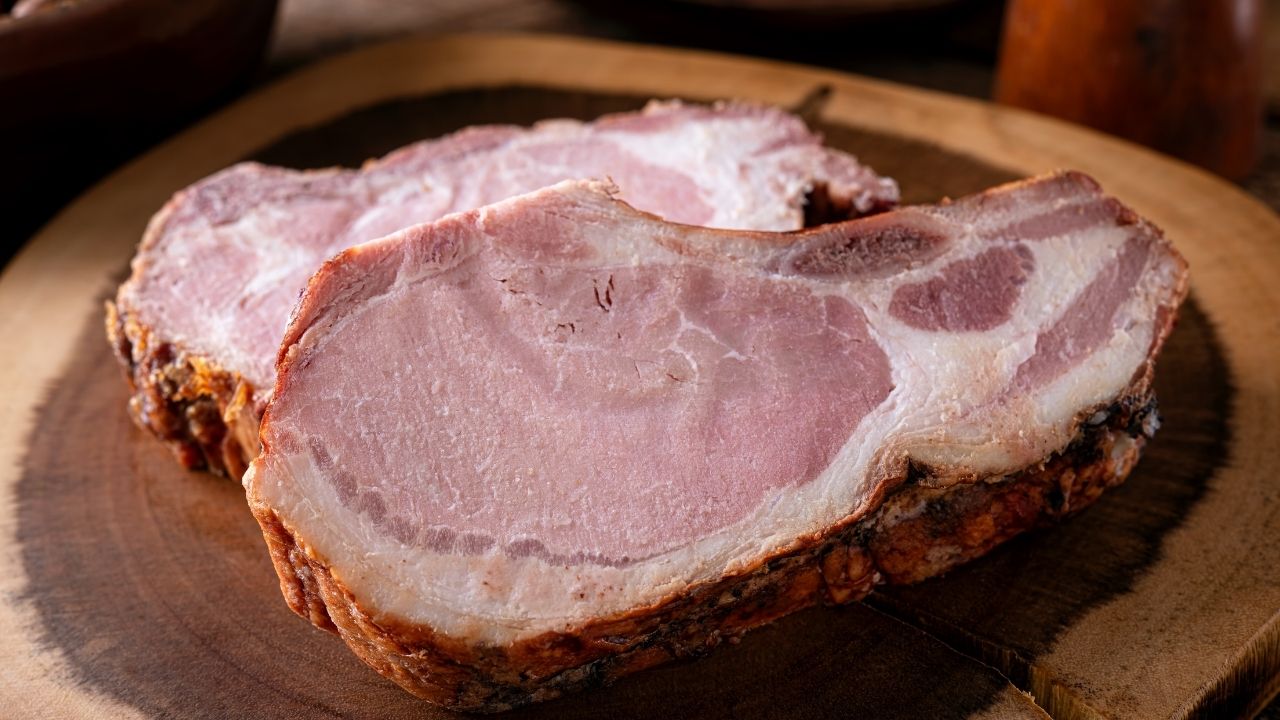
Tasso ham brings a smoky, spicy punch that transforms every Louisiana dish it touches. This incredibly flavorful cured pork shoulder gets rubbed with a bold blend of Creole seasonings before spending time in the smokehouse, creating an ingredient that’s more seasoning than standalone meat. You’ll find tasso adding depth to jambalaya, red beans and rice, and gumbo, where just a small amount delivers huge flavor impact. Unlike regular ham, tasso carries serious heat from cayenne and paprika, making it the secret weapon that gives authentic Louisiana cooking its distinctive kick.
What makes tasso so special is how it concentrates flavor while adding that signature smokiness Louisiana cooks crave. You don’t eat tasso by itself – instead, you use it like a powerful seasoning agent that infuses your entire dish with rich, meaty goodness. Try dicing small amounts into your favorite rice dishes, soups, or even pasta sauces for an instant Louisiana makeover. The beauty of cooking with tasso lies in its ability to turn simple ingredients into something extraordinary, proving that sometimes the most humble cuts of meat, when treated with respect and proper seasoning, become the backbone of an entire regional cuisine.
Mirlitons – Louisiana
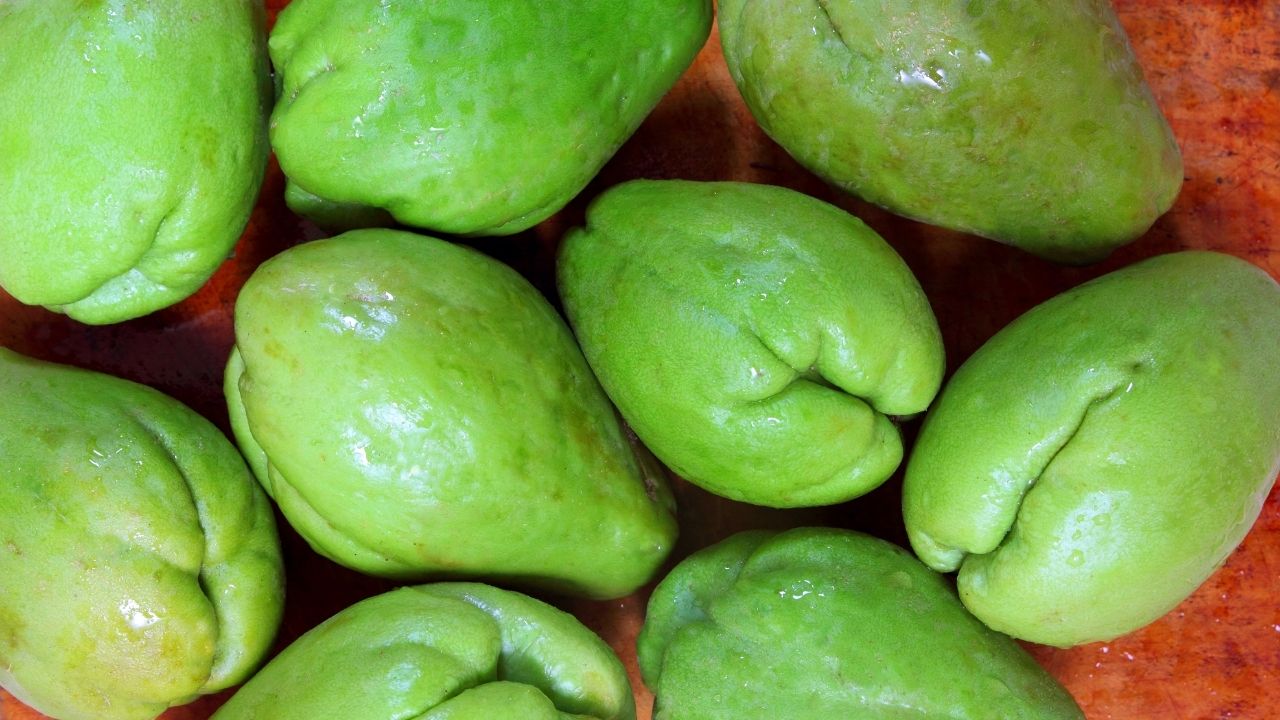
You know what makes Louisiana cooking so special? It’s ingredients like mirlitons that most people outside the Bayou State have never even heard of! These pale green, pear-shaped squash (also called chayote in other parts of the world) are absolute treasures in Creole and Cajun kitchens. With their mild, slightly sweet flavor and crisp texture, mirlitons remind me of a cross between a cucumber and a zucchini. What I love most about them is how they soak up whatever flavors you pair them with – whether that’s holy trinity vegetables, seafood, or rich seasonings that define Louisiana cooking.
The most famous way to prepare mirlitons is definitely the stuffed version – you hollow out the cooked squash and fill it with a savory mixture of the scooped-out flesh, onions, bell peppers, celery, and often shrimp or crabmeat. But don’t stop there! I encourage you to try them in simple sautés, gratins, or even pickled as a tangy side dish. They’re incredibly nutritious too, packed with vitamin C, fiber, and potassium while being naturally low in calories. If you can find mirlitons at your local market (they’re becoming more available outside Louisiana), grab them and give this versatile vegetable a try – you’ll discover why generations of Louisiana cooks have treasured this humble ingredient.
Scrapple – Mid Atlantic
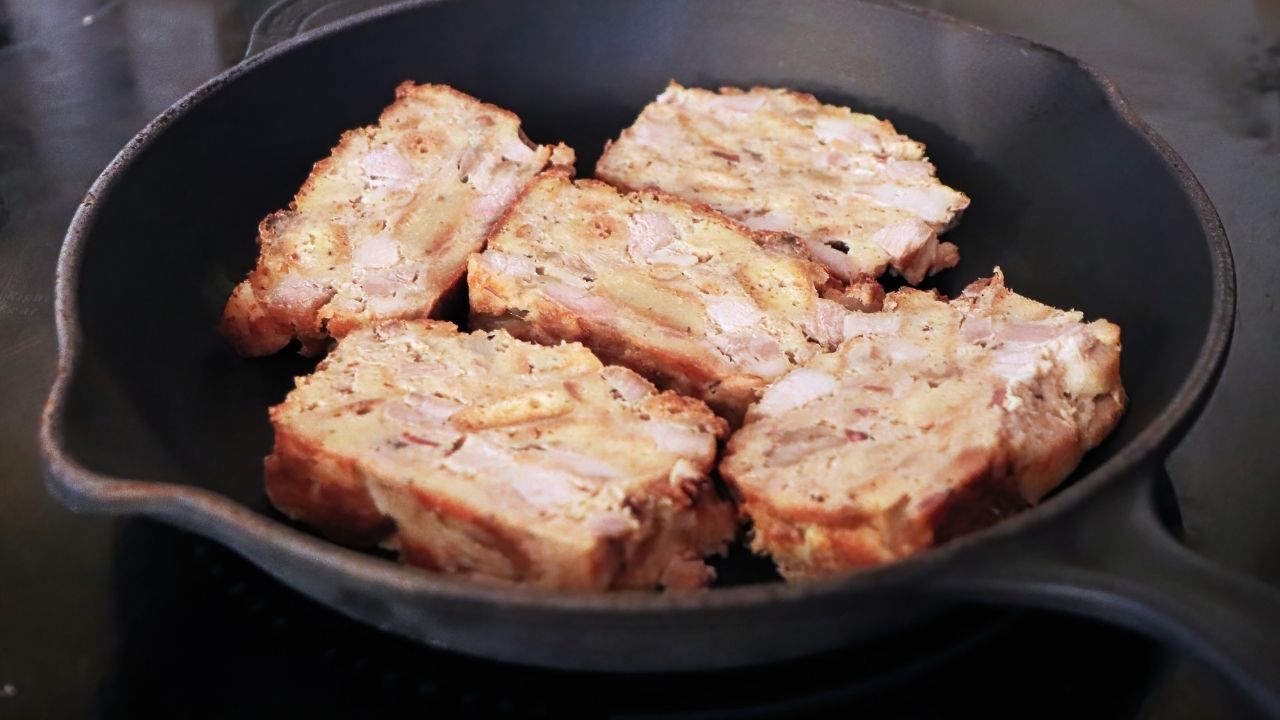
You know that feeling when you bite into something completely unexpected and your whole perspective shifts? That’s exactly what happens with scrapple, the Mid Atlantic’s most misunderstood breakfast hero. This cornmeal-based loaf might look humble on your plate, but it packs decades of German-American ingenuity into every slice. Born from the practical wisdom of Pennsylvania Dutch settlers who refused to waste any part of the pig, scrapple combines ground pork scraps with cornmeal and spices, then gets formed into a loaf that slices beautifully for pan-frying.
What makes scrapple so special isn’t just its resourceful origins – it’s the incredible texture transformation that happens in your skillet. The exterior crisps up golden and crunchy while the inside stays creamy and savory, creating this perfect contrast that keeps you coming back for more. I love how each family recipe varies slightly, with some adding sage, others preferring black pepper, and many including secret spice blends passed down through generations. Whether you’re visiting a Philadelphia diner or cooking at home, scrapple connects you to centuries of Mid Atlantic food traditions while delivering serious comfort food satisfaction on your breakfast table.
Chokecherries – Midwest
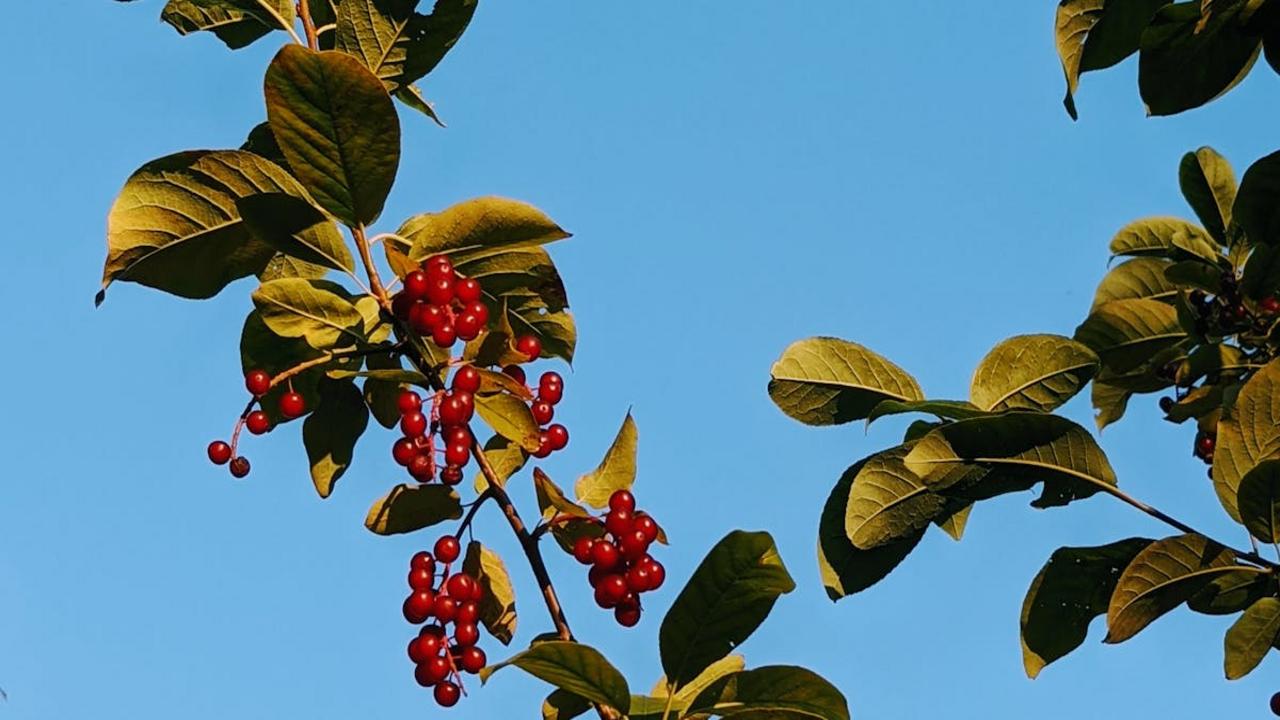
Growing up in Minnesota, I remember my grandmother teaching me to spot chokecherry trees along country roads every late summer. These deep purple, astringent berries pack an incredibly tart punch that’ll make your mouth pucker, but don’t let that fool you – they’re absolute gold for Midwestern cooks who know how to work with them. Native Americans have been using chokecherries for centuries, turning them into pemmican and medicinal teas, and today’s home cooks continue this tradition by transforming these wild treasures into jellies, syrups, and wines.
What makes chokecherries so special is their high pectin content, which means they practically turn themselves into perfect jam without any added thickeners. You’ll find them thriving from the Dakotas down to Kansas, and smart foragers know to wait until after the first frost when the berries develop their best flavor. The key to working with chokecherries is cooking them gently and straining out those bitter pits – once you do, you’ll have a gorgeous, ruby-red syrup that tastes like concentrated summer. Try drizzling chokecherry syrup over pancakes or mixing it into cocktails for a truly authentic Midwestern flavor that connects you directly to the prairie landscape.
Wild Rice – Midwest
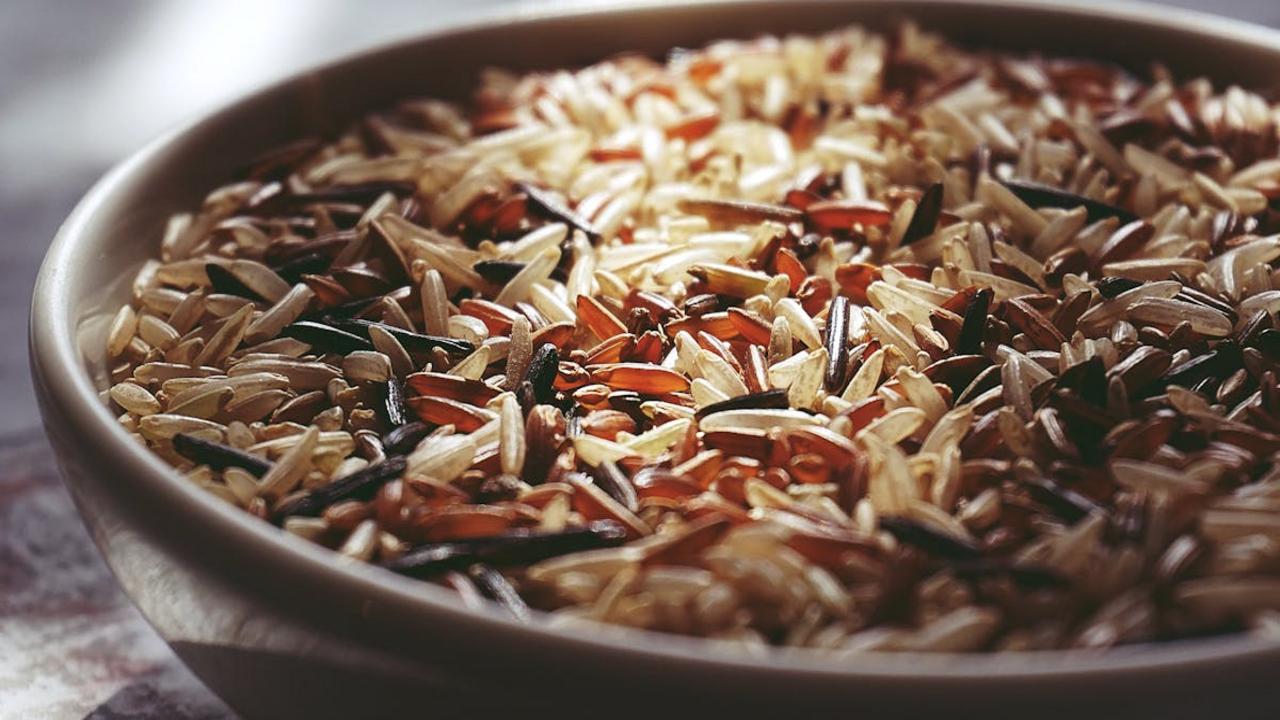
Wild rice holds a special place in Midwest kitchens, and honestly, once you try this nutty, chewy grain, you’ll understand why it’s been a staple for centuries! This isn’t actually rice at all – it’s the seed of an aquatic grass that grows naturally in the pristine lakes of Minnesota, Wisconsin, and parts of Canada. Native American communities have harvested wild rice by hand in traditional canoes for generations, making it one of North America’s most authentic indigenous foods. The process remains largely unchanged, with harvesters gently bending the grass over their canoes and tapping the seeds into the boat with wooden paddles.
What makes wild rice so incredible in your cooking is its robust, almost smoky flavor and satisfying texture that holds up beautifully in soups, salads, and stuffings. I love how it transforms simple dishes – toss it with dried cranberries and toasted pecans for a perfect fall salad, or simmer it into hearty wild rice soup with vegetables and herbs. The grain takes longer to cook than regular rice, usually 45-60 minutes, but the wait pays off with its distinctive pop and chewiness. Plus, wild rice packs more protein and fiber than most grains, making it a nutritious foundation for countless Midwest comfort foods that warm you from the inside out during those long winter months.
Mayhaw Berries – Southeast
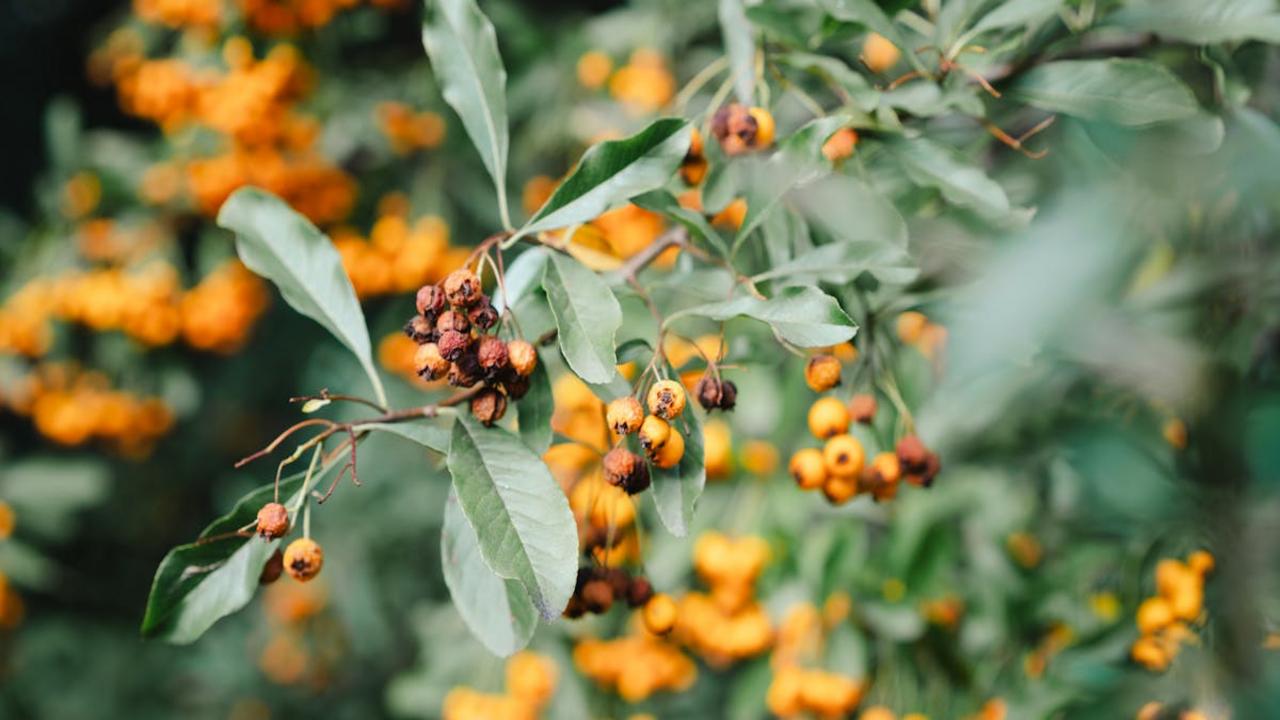
You probably haven’t heard of mayhaw berries, but trust me – these little crimson gems are pure Southern magic! Growing wild in the wetlands and swamps of Louisiana, Texas, Georgia, and surrounding states, mayhaws ripen for just a few precious weeks each May. Local families have been gathering these tart, cranberry-like fruits for generations, often wading through shallow waters or using long poles to shake the berries from overhanging branches. The harvest feels like a treasure hunt, and honestly, that’s exactly what it is!
What makes mayhaws so special isn’t just their fleeting season – it’s how they transform into liquid gold. These berries create the most incredible jellies and preserves you can imagine, with a perfect balance of sweet and tangy that’ll make your morning biscuit sing. The pectin content in mayhaws is naturally high, so they set beautifully without any additives. Beyond jelly, creative Southern cooks fold them into pies, cobblers, and even savory sauces for wild game. If you ever spot fresh mayhaws at a farmers market, grab them immediately – you’re holding a piece of authentic Southern food heritage that connects you directly to the land and waters of the Deep South.
Quahog Clams – New England
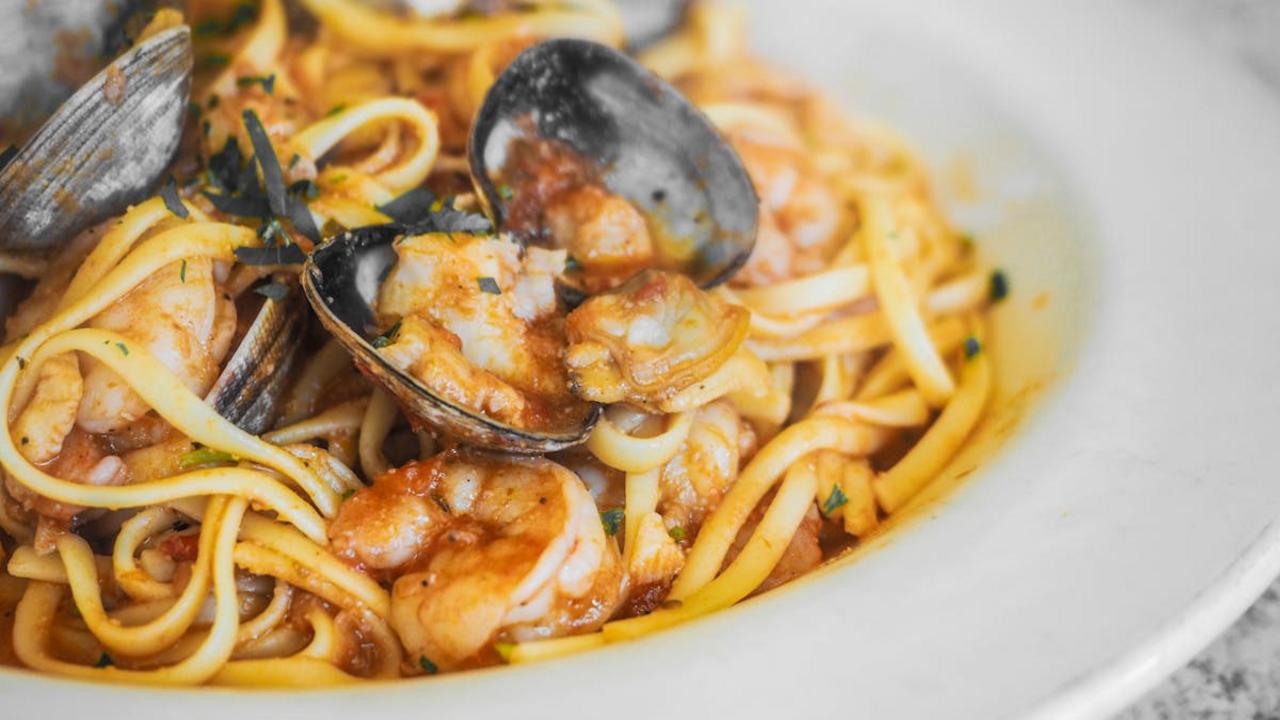
These hefty clams define New England’s coastal identity more than any other shellfish! Quahogs – pronounced “KO-hogs” by locals – are the meaty, briny treasures that make chowder possible. You’ll find them buried deep in sandy New England shores, where they grow slowly and develop their distinctive sweet-salty flavor. The larger quahogs become “chowder clams” with their tough texture perfect for chopping, while the smaller ones stay tender enough for eating raw on the half shell. Their thick, sturdy shells have been used by Native Americans for centuries to make wampum beads, showing just how deeply these mollusks connect to the region’s history.
Nothing beats the satisfaction of shucking fresh quahogs yourself – though I totally understand if you want to buy them pre-shucked! Their rich, oceanic juice adds incredible depth to New England clam chowder, while the meat provides that signature chewy bite we all crave. You can stuff the larger shells with breadcrumb mixtures for classic stuffies, or chop the meat into fritters for a crispy treat. The smaller littlenecks and cherrystones work beautifully steamed with white wine and garlic, creating a simple yet elegant meal that captures the pure taste of New England’s waters.
Fiddleheads – New England
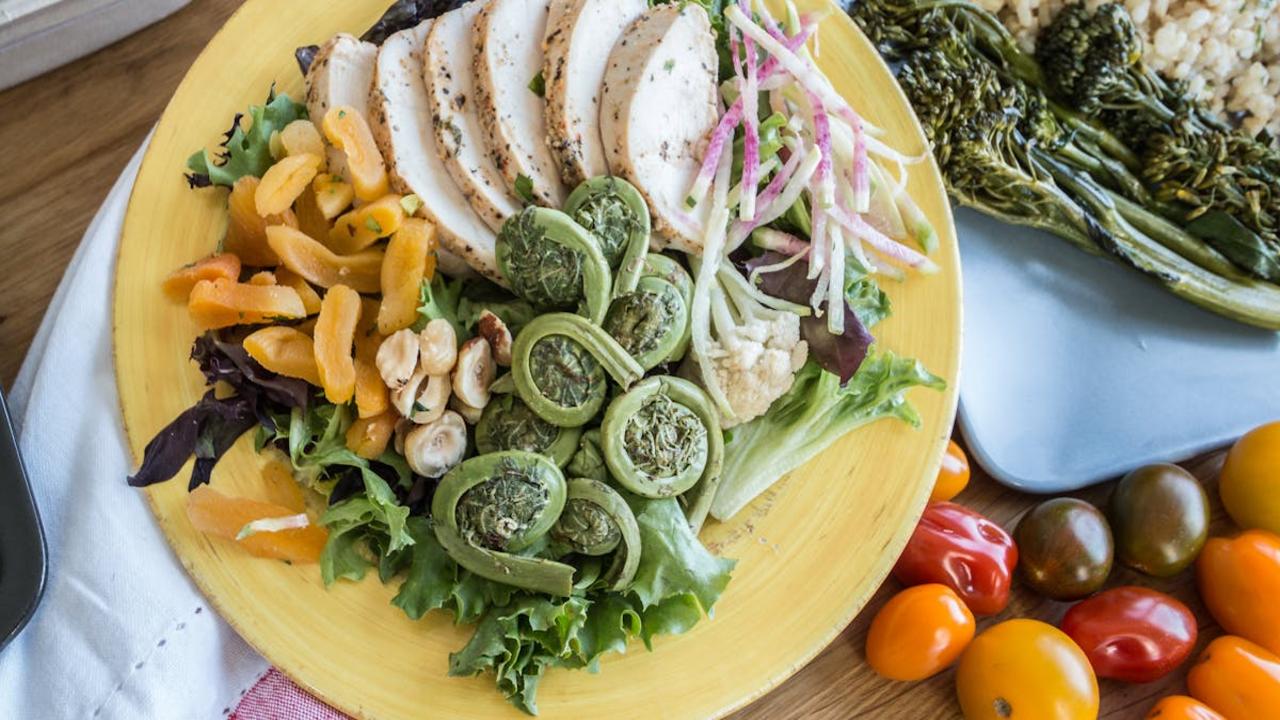
Spring in New England brings one of nature’s most unique vegetables straight to your dinner table – fiddleheads! These tightly coiled fern fronds look like tiny green scrolls and taste like a beautiful cross between asparagus and green beans with just a hint of nuttiness. You can only find fresh fiddleheads for a few precious weeks each year, usually from late April through early June, making them a true seasonal treasure that locals eagerly anticipate.
Before you cook these beauties, you need to clean them thoroughly by removing the brown papery scales and giving them a good rinse. Never eat them raw – always blanch or sauté fiddleheads to bring out their best flavor and ensure they’re safe to enjoy. Try them simply sautéed with garlic and butter, tossed into spring pasta dishes, or added to your favorite stir-fry. Their tender texture and distinctive taste make them perfect for showcasing the fresh, earthy flavors that define New England’s spring cooking traditions.
Hatch Green Chiles – Southwest
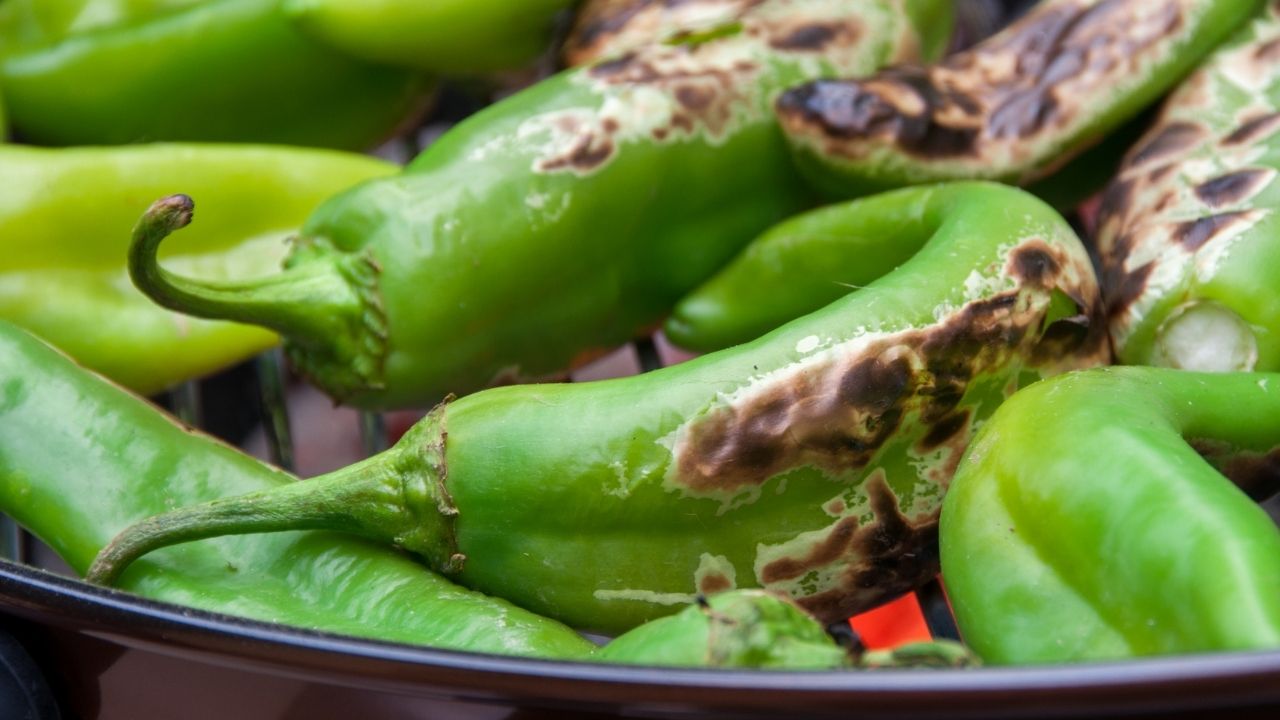
Every August, the small town of Hatch, New Mexico transforms into chile heaven, and trust me, you can smell the magic miles away! These legendary green chiles grow in the high desert’s perfect storm of hot days, cool nights, and mineral-rich soil that creates their signature smoky-sweet flavor with just the right kick. You’ll find families lining up at roadside stands, buying chiles by the gunny sack to roast over open flames – it’s practically a religious experience down there. The Hatch chile isn’t just an ingredient; it’s the heart and soul of Southwestern cooking, bringing warmth and depth to everything from breakfast burritos to green chile stew.
What makes these chiles so special goes beyond their famous heat level – they pack incredible complexity with earthy, almost wine-like notes that develop during the roasting process. You can use them fresh for a bright, vegetal bite, or char them until the skin blisters and peels away, revealing tender flesh with concentrated flavors that’ll make your kitchen smell absolutely divine. Local cooks know that Hatch chiles freeze beautifully after roasting, so you can capture that peak-season flavor all year long. Whether you’re stuffing them with cheese for classic rellenos or blending them into creamy sauces, these chiles bring that authentic Southwest sunshine to your plate every single time.
Geoduck Clams – Pacific Northwest
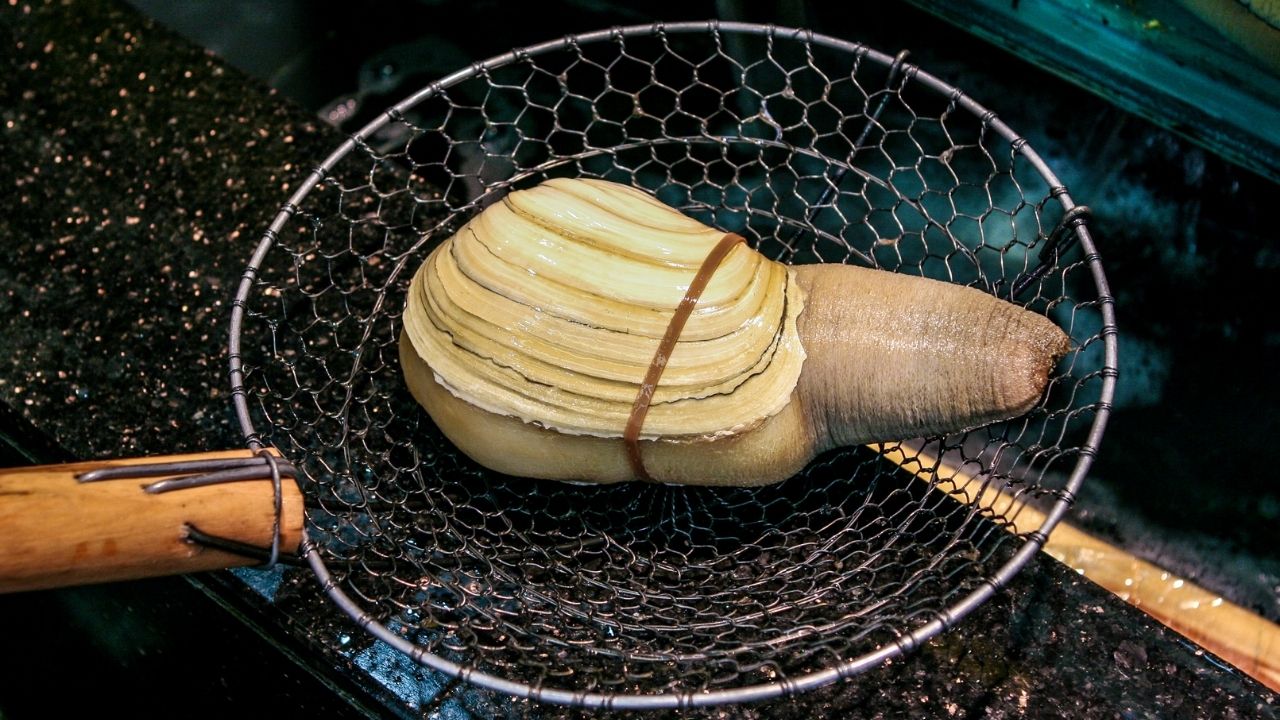
You know what makes Pacific Northwest seafood so special? Those giant, quirky geoduck clams that look like something from another planet! These massive bivalves can live over 100 years and grow to weigh several pounds, making them the largest burrowing clams in the world. Don’t let their unusual appearance fool you – geoducks pack an incredible sweet, briny flavor that locals have treasured for generations. The meat has this amazing tender-yet-firm texture that works beautifully in both raw preparations and cooked dishes.
I love how versatile geoducks are in the kitchen! You can slice the siphon thin for sashimi-style dishes, or chop up the body meat for hearty chowders and stir-fries. The key is working quickly since geoduck meat can get tough if you overcook it. Many Pacific Northwest chefs celebrate this local treasure by keeping preparations simple – maybe just a quick sear with garlic and herbs, or tossing raw slices with citrus and sea salt. If you ever get your hands on fresh geoduck, treat it with respect and let that sweet ocean flavor shine through!
Wild Huckleberries – Pacific Northwest
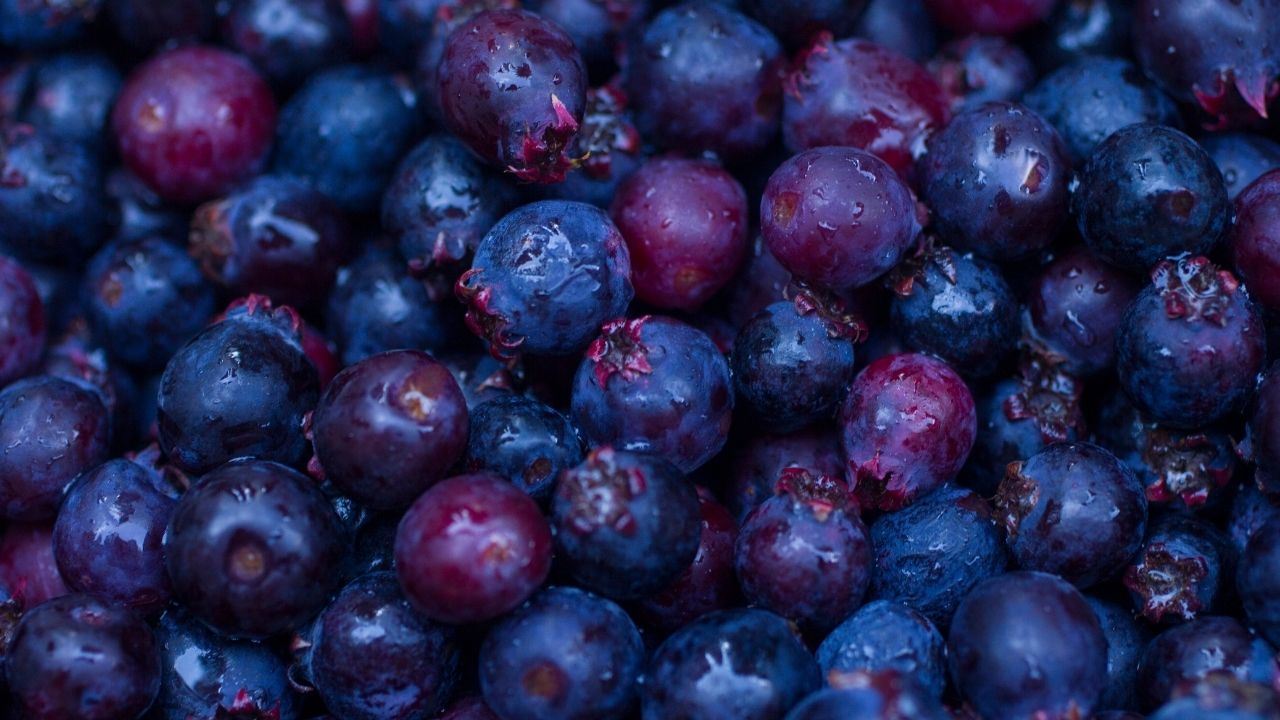
You know that magical moment when you bite into something that tastes like pure wilderness? That’s exactly what wild huckleberries bring to Pacific Northwest cuisine! These tiny purple gems grow naturally in the mountainous regions of Washington, Oregon, and Idaho, creating flavors that commercial blueberries simply can’t match. Wild huckleberries pack an intense, complex sweetness balanced with just the right amount of tartness – imagine the most concentrated berry flavor you’ve ever experienced, then multiply it by ten. Native American tribes have treasured these berries for centuries, and once you try them fresh from the bush, you’ll understand why they’re considered liquid gold in this region.
What makes wild huckleberries so special in Pacific Northwest cooking is their incredible versatility and seasonal significance. Local chefs and home cooks eagerly await huckleberry season each summer, incorporating them into everything from pancakes and muffins to savory game dishes and craft cocktails. The berries’ natural pectin content makes them perfect for jams and syrups that capture that fleeting summer sweetness all year long. You’ll find huckleberry ice cream at roadside stands, huckleberry pie at family diners, and even huckleberry-glazed salmon at upscale restaurants. Their concentrated flavor means a little goes a long way, turning simple recipes into something truly memorable and distinctly Northwestern.