10 Underrated Regional US Comfort Foods Worth a Road Trip
America’s back roads hide some of the most mouthwatering comfort foods you’ve never heard of. While everyone knows about deep-dish pizza and Philly cheesesteaks, what about Beef on Weck sandwiches dripping with jus or the decadent open-faced Hot Brown from Kentucky? These regional treasures remain beloved local secrets, passed down through generations at diners and family kitchens.
I’ve crisscrossed the country hunting down dishes that make locals swoon but remain mysteries to outsiders. From Cincinnati’s breakfast meat Goetta to the mysteriously named City Chicken (spoiler: no chicken involved!), these foods tell stories about immigration, ingenuity, and the distinctive character of American regions.
Pack your stretchy pants and hit the highway! This food adventure will take you from coal country pierogies in Pennsylvania to the spicy simplicity of New Mexico’s Frito Pie served right in the bag. Each dish offers a delicious history lesson about the place it calls home—and trust me, they taste infinitely better where they originated.
Michigan Coney Dogs
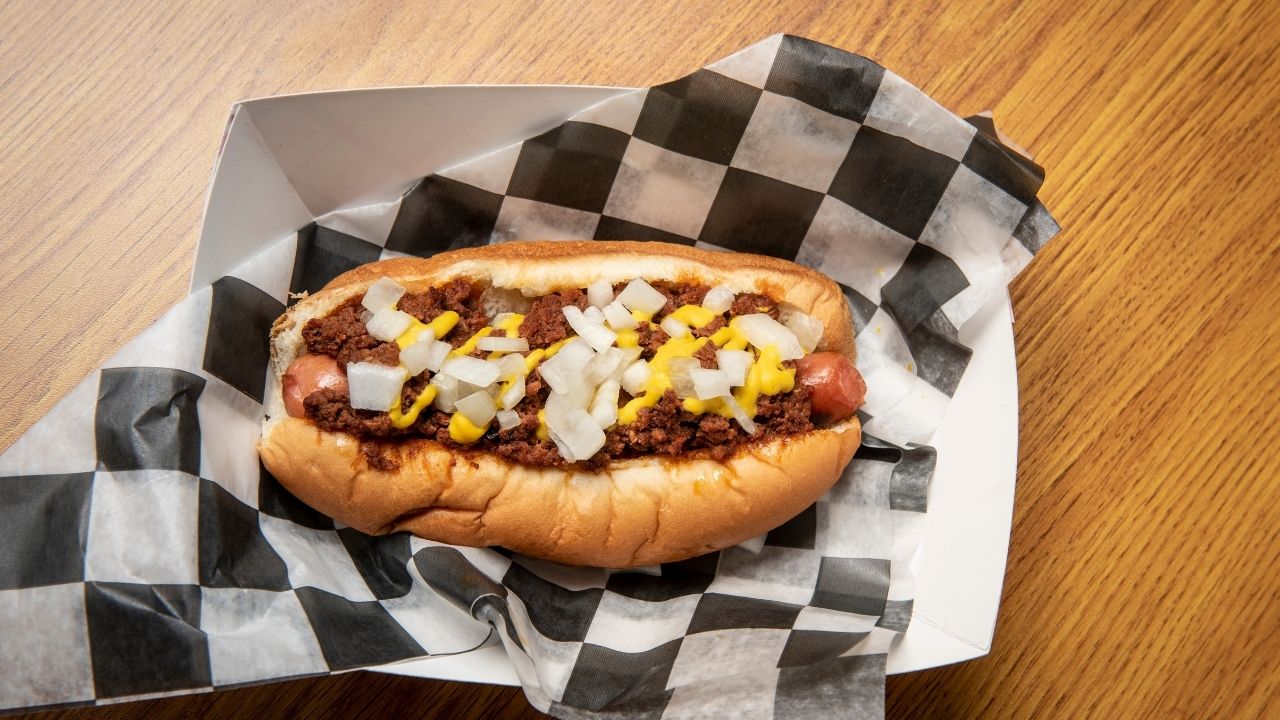
Detroit’s coney dog isn’t just a hot dog with chili—it’s a full-contact sport disguised as lunch. Picture this: a natural-casing hot dog nestled in a steamed bun, smothered in a mysterious meat sauce that locals guard more fiercely than state secrets, topped with diced white onions and a perfect yellow mustard zigzag. The sauce is the star here, a Greek-influenced concoction that’s more like a spiced meat gravy than traditional chili. Lafayette Coney Island and American Coney Island sit practically next door to each other in downtown Detroit, and asking a Michigander which one’s better is like asking them to pick their favorite child—you’re going to get a passionate, heated response either way.
What makes this regional obsession truly special is its immigrant story wrapped in working-class practicality. Greek immigrants brought their own twist to the American hot dog in the early 1900s, creating something uniquely Detroit. The “coney sauce” contains no beans (don’t you dare suggest adding them), and the onions must be white and diced small enough that they don’t overwhelm the perfect bite ratio. You’ll find coney shops scattered across Michigan like beautiful, greasy lighthouses, each claiming their recipe is the most authentic. Pro tip: order yours “with everything” and eat it fast—these babies get messy quick, and that’s half the fun. The locals eat them for breakfast, lunch, dinner, and probably midnight snacks too.
Coal Region Pierogies
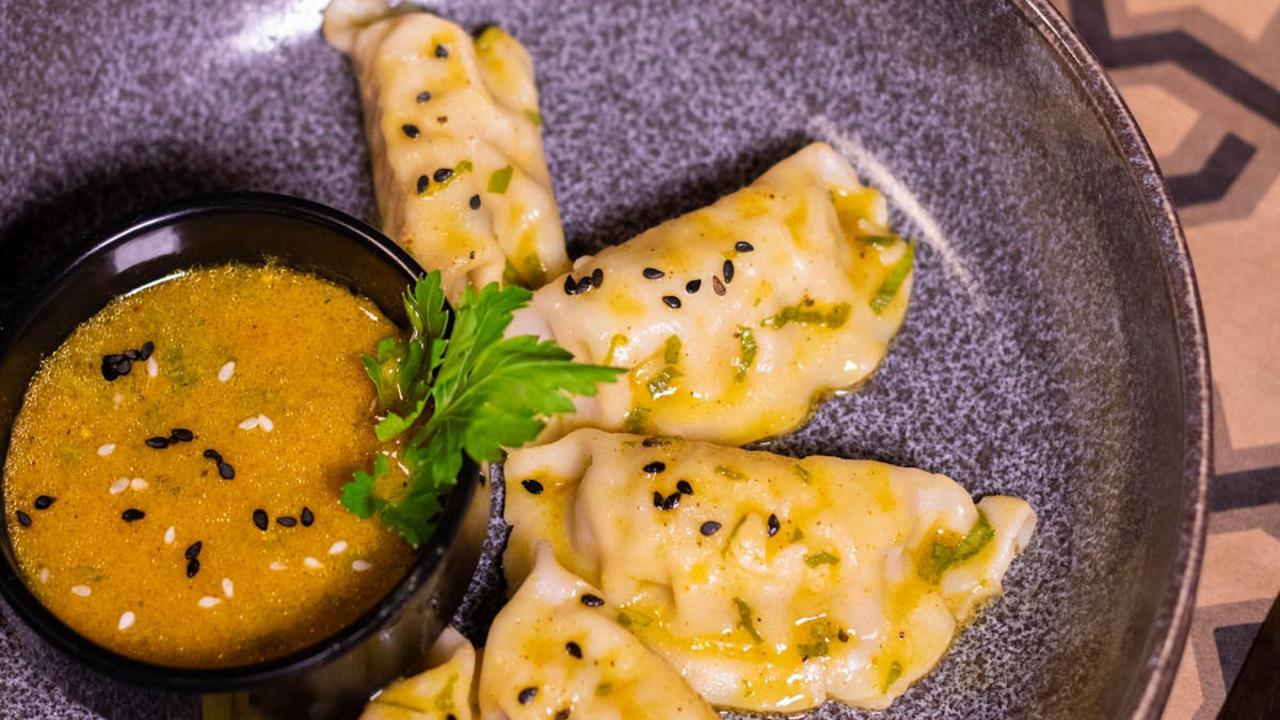
Picture this: you’re driving through northeastern Pennsylvania’s coal mining towns, past weathered company houses and slag heaps that tell stories of America’s industrial backbone. Then you smell it—the intoxicating aroma of butter-fried onions and potato-stuffed dough wafting from a church basement or fire hall. Welcome to pierogi country, where Polish immigrants brought their dumpling magic and transformed it into pure Pennsylvania comfort food. These aren’t your grocery store frozen disasters; Coal Region pierogies are handmade masterpieces, typically stuffed with creamy mashed potatoes and sharp cheddar, then boiled and pan-fried until golden brown.
What makes Coal Region pierogies special isn’t just the recipe—it’s the ritual. Local churches and volunteer fire companies host pierogi dinners that feel more like family reunions than fundraisers. You’ll find yourself squeezed between a retired miner and someone’s babcia (that’s grandma in Polish), all of you demolishing plates of these pillowy pockets served with caramelized onions and sour cream. The secret? These communities have been perfecting their techniques for generations, with each church claiming theirs are the best. Pro tip: always order extra for the road because you’ll be dreaming about them for weeks. Some places even sell them frozen by the dozen—smart locals stock their freezers like they’re preparing for the apocalypse.
Johnny Marzetti
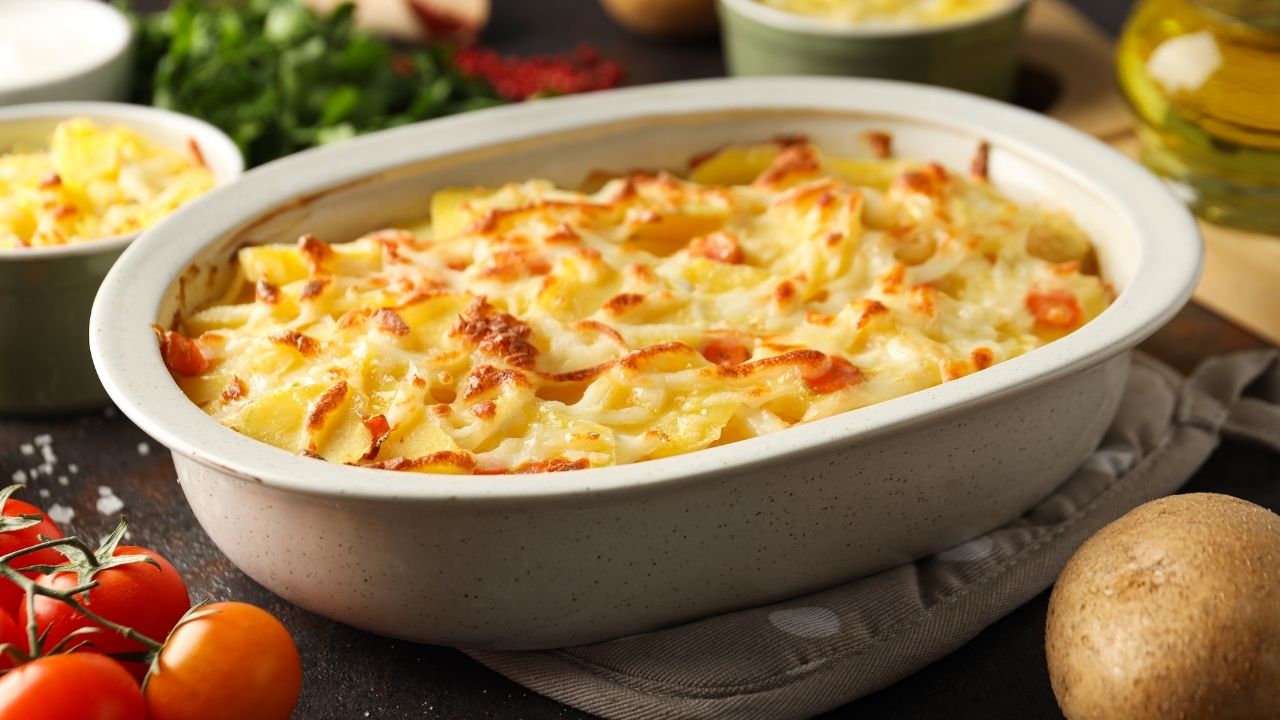
You probably haven’t heard of Johnny Marzetti unless you’ve spent serious time in Ohio, but trust me—this casserole deserves way more recognition than it gets. Born in Columbus back in the 1920s at Marzetti’s Restaurant (yes, the same folks who make that salad dressing you grab at the grocery store), this hearty dish is basically the Midwest’s answer to lasagna, but with way less fuss and zero pretension. Picture this: ground beef, egg noodles, tomato sauce, and enough cheese to make your cardiologist weep, all baked together until bubbly and golden. It’s the kind of food that makes you understand why Ohioans are so darn loyal to their home state.
What makes Johnny Marzetti special isn’t just the comfort factor—it’s the story behind every bite. Teresa Marzetti created this masterpiece to feed hungry customers affordably during the Great Depression, proving that sometimes the best innovations come from necessity rather than fancy culinary school training. The beauty lies in its simplicity: you can throw together a pan using whatever vegetables are lurking in your fridge, and it’ll still taste like a warm hug from your favorite aunt. Modern versions often include mushrooms, peppers, or corn, but purists swear by the original formula. Fair warning though—once you try authentic Johnny Marzetti in Columbus, every other casserole will seem like it’s trying too hard.
City Chicken
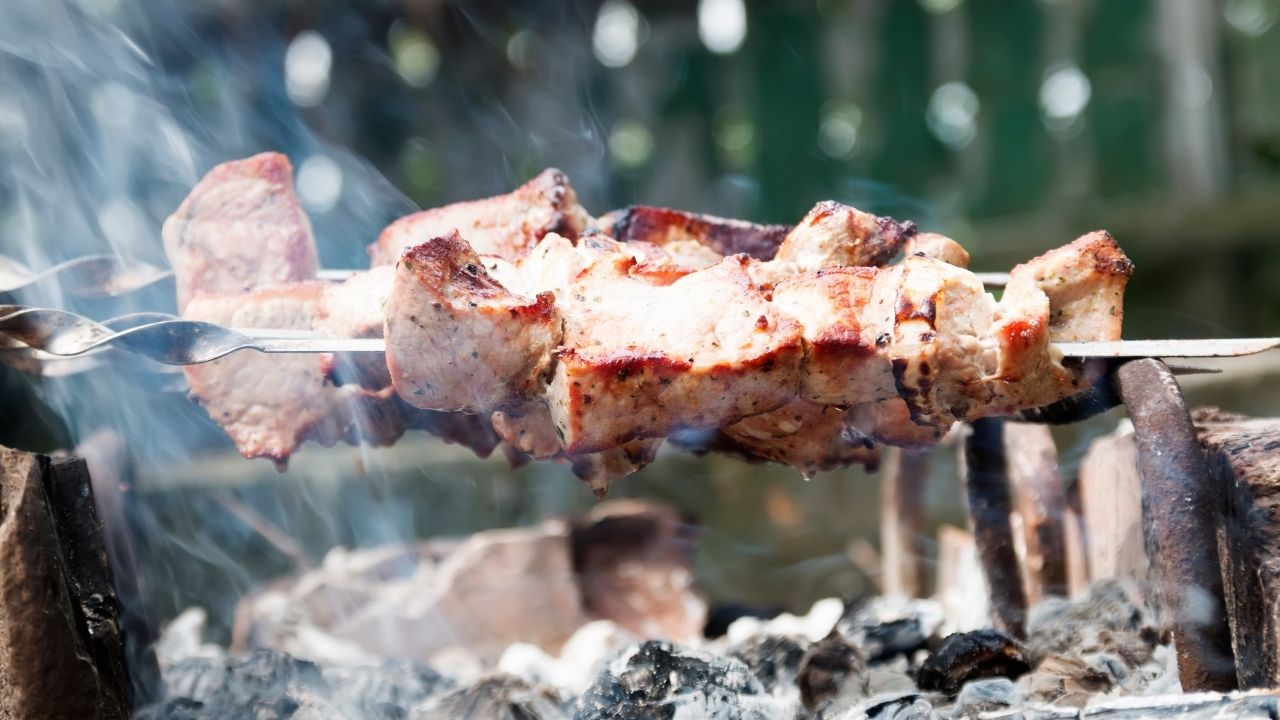
Picture this: you walk into a Pittsburgh diner, scan the menu, and spot “City Chicken” listed right between the meatloaf and mac and cheese. Your brain does a double-take because, plot twist—there’s absolutely zero chicken involved! This Depression-era masterpiece consists of cubes of pork and veal threaded onto wooden skewers, breaded, and fried until golden. The name came from clever home cooks who wanted to make their humble ingredients sound more exotic, because apparently “meat on a stick” didn’t have the same ring to it. You’ll find this quirky creation dominating dinner tables across western Pennsylvania, northeastern Ohio, and pockets of Michigan, where families have been passing down their secret breading techniques for generations.
The beauty of City Chicken lies in its simplicity and the fact that it tastes way better than its misleading name suggests. Each skewer delivers tender, juicy meat wrapped in a crispy coating that’ll make you question why anyone bothers with actual chicken anymore. The traditional preparation involves dredging those meat cubes in flour, dipping them in beaten eggs, rolling them in breadcrumbs, then either pan-frying or baking until they reach crispy perfection. Some families swear by adding a splash of milk to their egg wash, while others insist on seasoning their breadcrumbs with paprika and garlic powder. Pro tip: if you’re making this at home, soak those wooden skewers first—nobody wants splinters with their comfort food!
Frito Pie
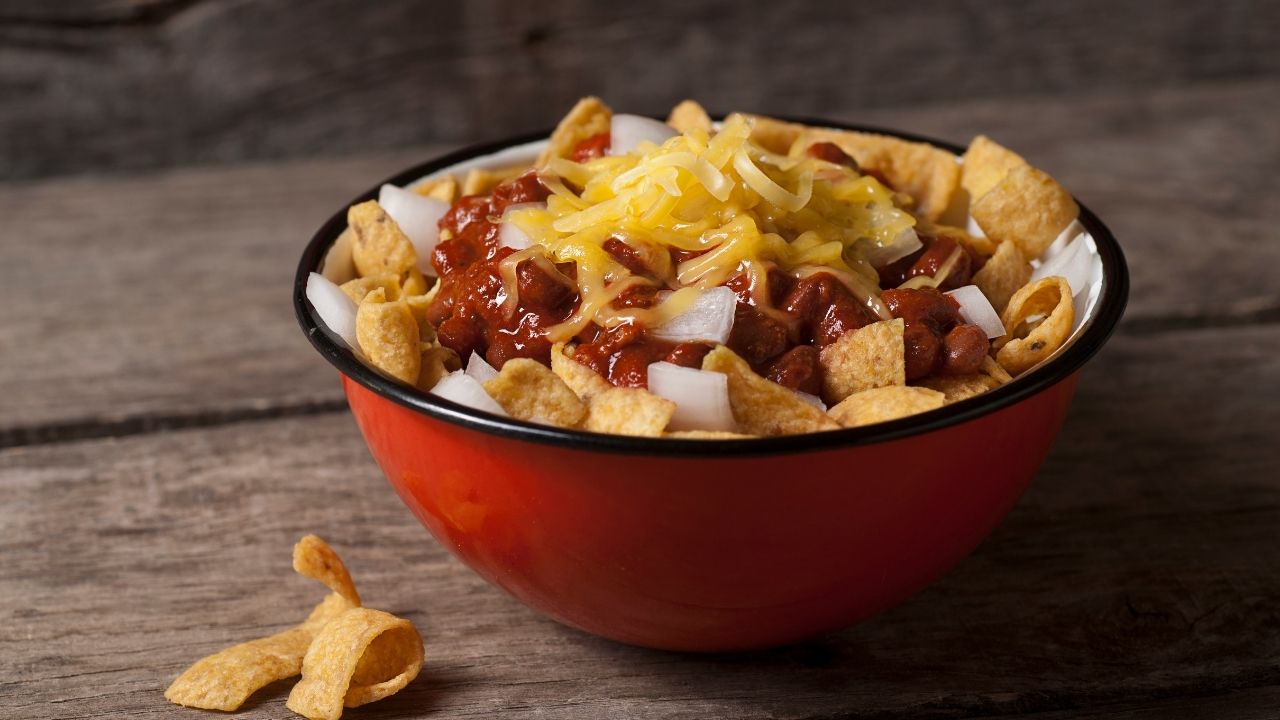
Picture this: you’re standing in a gas station somewhere in New Mexico, staring at what looks like a bag of corn chips that’s been through a tornado of toppings. Welcome to Frito Pie, the Southwest’s most gloriously messy contribution to American comfort food. This isn’t some fancy restaurant creation—it’s pure roadside genius born from the simple question, “What if we turned a bag of chips into a complete meal?” The original version gets served right in the Fritos bag, because apparently someone figured out that dishes are overrated. You split open that crinkly orange package, dump in chili, cheese, onions, and whatever else your heart desires, grab a plastic fork, and dig in like you’re excavating treasure.
Now, I know what you’re thinking—this sounds like drunk college food. But here’s the thing: Frito Pie has serious street cred. The Woolworth’s lunch counter in Santa Fe claims they invented it back in the 1960s, though locals will argue about its origins until the sun sets over the Sangre de Cristo mountains. The beauty lies in its simplicity and complete lack of pretension. Each bite delivers that perfect crunch-to-goo ratio, with the corn chips providing structural integrity while everything else creates a symphony of Southwestern flavors. Pro tip: if you really want to do this right, find a place that makes their own green chile. Your taste buds will thank you, even if your car’s upholstery might not survive the experience.
Pork Roll
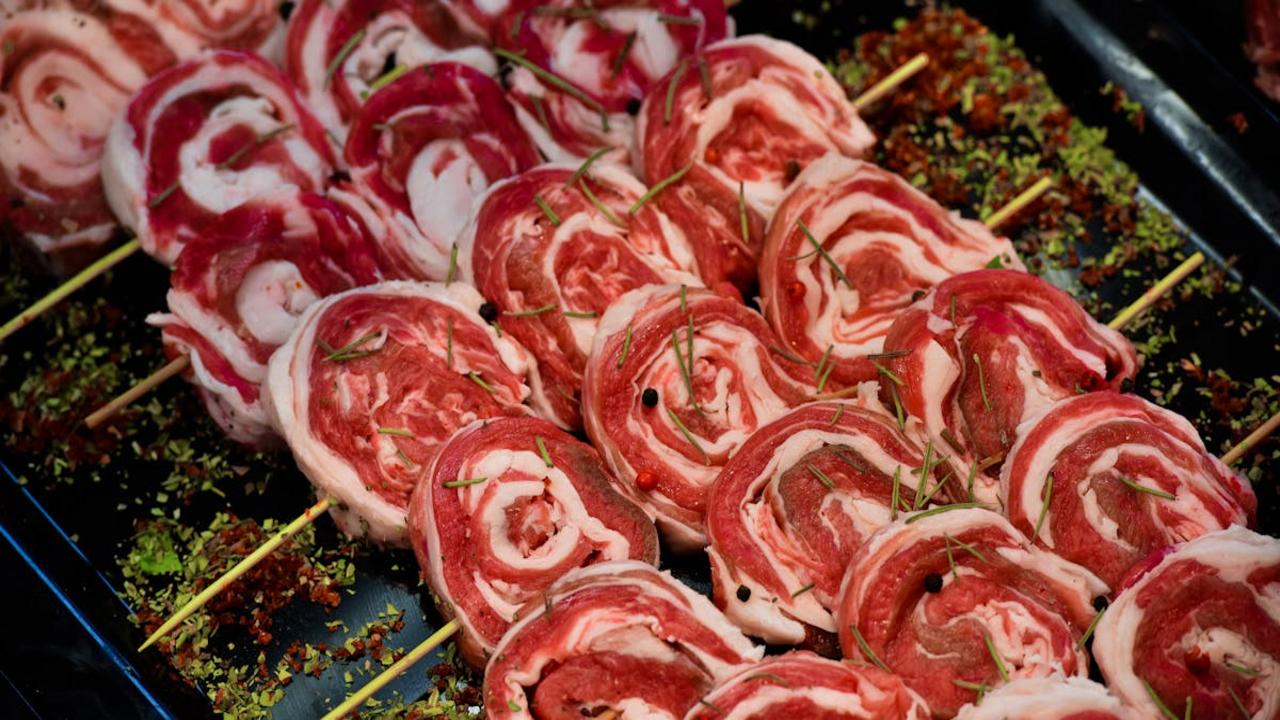
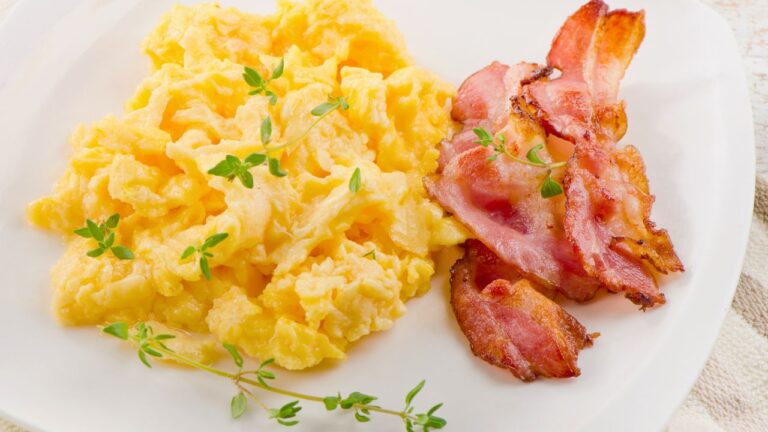
New Jersey’s breakfast crown jewel isn’t bacon or sausage—it’s pork roll, a mysteriously processed meat cylinder that locals defend with more passion than their beloved boardwalks. This salty, smoky mystery meat comes sliced into rounds and griddled until the edges curl up like tiny meat bowls, creating what Jersey natives call “cupping.” You’d think something that looks like oversized pepperoni would be questionable, but one bite of this crispy-edged, tender-centered delight on a hard roll with egg and cheese will convert even the most skeptical breakfast purist. The brand war between Taylor Ham (North Jersey) and Pork Roll (South Jersey) runs so deep that dating apps have been known to break up couples over this linguistic divide.
Here’s the beautiful irony: this “ham” contains no actual ham, which somehow makes it even more endearing to its devoted fanbase. Created in 1856 by John Taylor in Trenton, this pork shoulder concoction has survived food trends, health crazes, and countless attempts by other states to replicate its magic. The secret lies in the specific blend of spices and the casing process that gives each slice its signature snap when you bite into it. You can’t just waltz into any deli outside the tri-state area and expect to find this treasure—it’s geographically stubborn, rarely venturing beyond Pennsylvania’s borders. Pack a cooler if you’re heading home because your friends will never forgive you for returning empty-handed from pork roll country.
Goetta
Cincinnati has given America some truly questionable gifts—like that chili they pour over spaghetti—but goetta? Now that’s pure genius hiding in plain sight. This German-American breakfast sausage combines ground pork, beef, and steel-cut oats into a mixture that sounds about as appetizing as wet cardboard but tastes like breakfast heaven decided to throw a party in your mouth. The oats aren’t just filler; they’re the secret weapon that creates goetta’s signature texture—crispy on the outside, creamy on the inside, like the breakfast equivalent of a perfect crème brûlée.
You can’t just waltz into any old grocery store and grab goetta off the shelf (trust me, I’ve tried in approximately seventeen states). This regional treasure stays loyal to its Ohio River Valley roots, which means if you want the real deal, you’re planning a road trip to Cincinnati. Glier’s Goetta Company has been perfecting their recipe since 1946, and watching them slice and pan-fry those gray logs into golden-brown coins of joy is nothing short of magical. Pair it with eggs, stack it on toast, or—if you’re feeling particularly rebellious—eat it straight from the pan while standing in your pajamas at 7 AM. No judgment here.
Mississippi Pot Roast
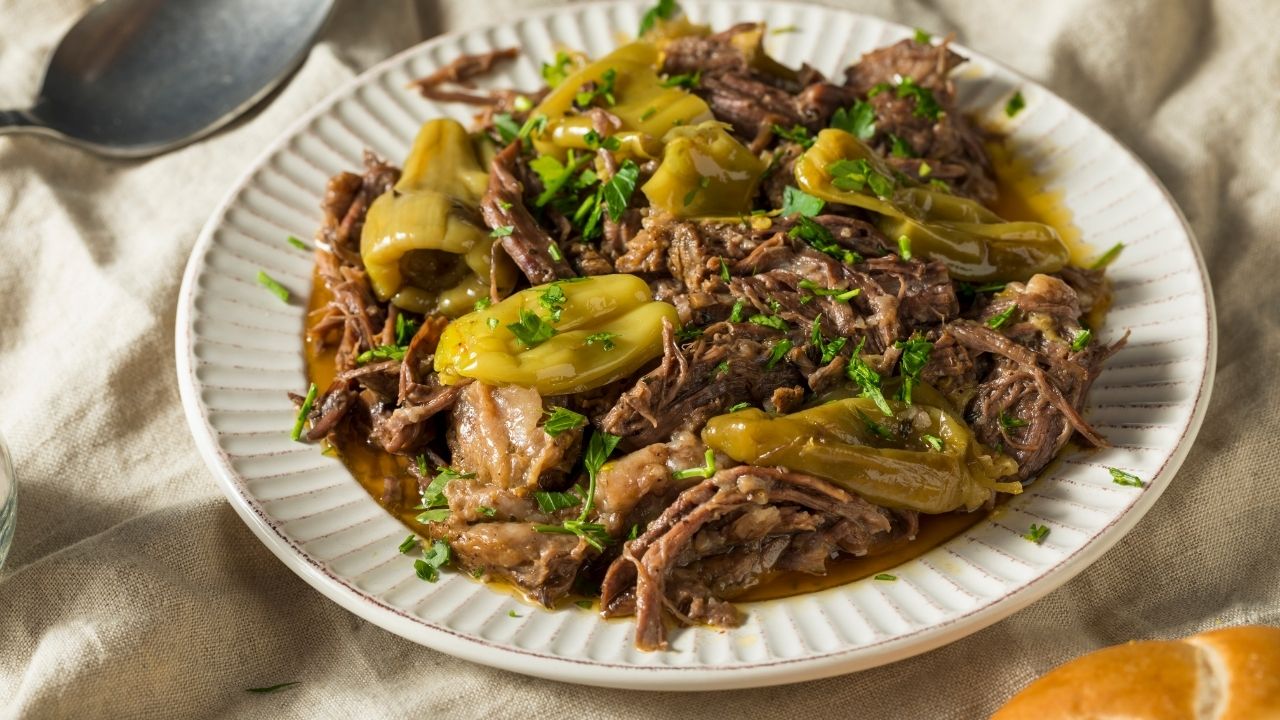
You know that feeling when your grandmother’s recipe gets a modern makeover and somehow becomes even better? That’s exactly what happened with Mississippi Pot Roast, a dish that sounds like it should come with a side of sweet tea and front porch wisdom. This magical creation involves nothing more than a chuck roast, a packet of ranch dressing mix, a packet of au jus gravy mix, a stick of butter, and a handful of pepperoncini peppers. Toss it all in a slow cooker, walk away for eight hours, and return to find what can only be described as edible gold. The beauty lies in its ridiculous simplicity—no browning, no fancy techniques, just dump-and-go perfection that makes you question why you ever bothered with complicated recipes.
Robin Chapman created this masterpiece in the 1990s in Ripley, Mississippi, and bless her heart, she shared it freely instead of guarding it like a state secret. The pepperoncini peppers work their tangy magic throughout the cooking process, creating a flavor profile that’s simultaneously familiar and surprising. The ranch and au jus packets might make food purists clutch their pearls, but one bite of this fork-tender, incredibly flavorful meat will convert even the snootiest critics. Serve it over mashed potatoes, rice, or crusty bread—honestly, you could probably eat it with a spoon straight from the pot and nobody would judge you. This dish proves that sometimes the best comfort food comes from the most unexpected combinations.
Hot Brown
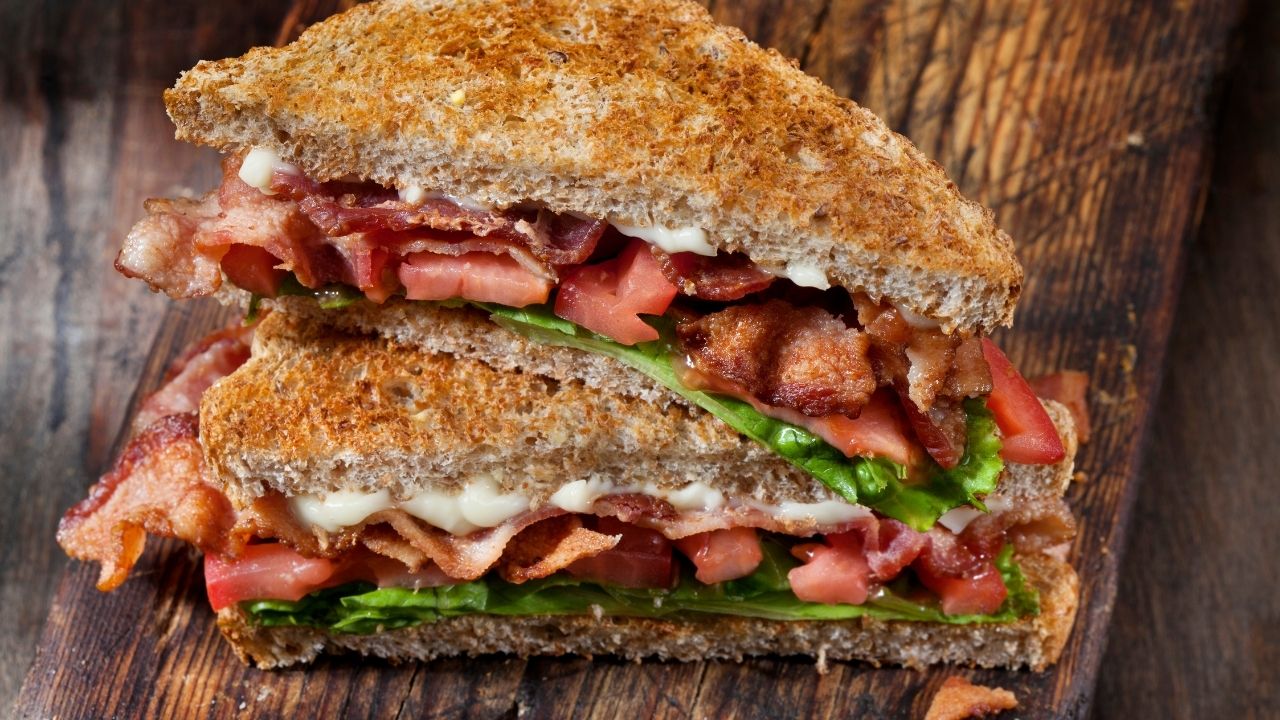
Picture this: you’re sitting in Louisville’s legendary Brown Hotel in 1926, and chef Fred Schmidt just invented what would become Kentucky’s most famous dish that isn’t fried chicken. The Hot Brown sounds deceptively simple—open-faced turkey sandwich drowning in cheese sauce with crispy bacon on top—but don’t let that fool you. This isn’t your sad leftover turkey situation. We’re talking thick slabs of roasted turkey piled high on toast, then smothered in a rich Mornay sauce that’s basically cheese heaven in liquid form, topped with strips of bacon and a sprinkle of paprika for that Instagram-worthy finish.
Here’s the thing about Hot Browns: they were originally created as a late-night snack for tired dancers at the hotel’s dinner parties, because apparently even in the 1920s, people needed carb-loaded comfort food after a night out. The dish became so popular that it spread throughout Kentucky faster than gossip at a church potluck. Today, you’ll find variations everywhere from fancy Louisville restaurants to small-town diners, each claiming their version is the “authentic” one. Pro tip: skip the knife and fork debate—this messy masterpiece is meant to be attacked with gusto, not eaten daintily.
Beef on Weck
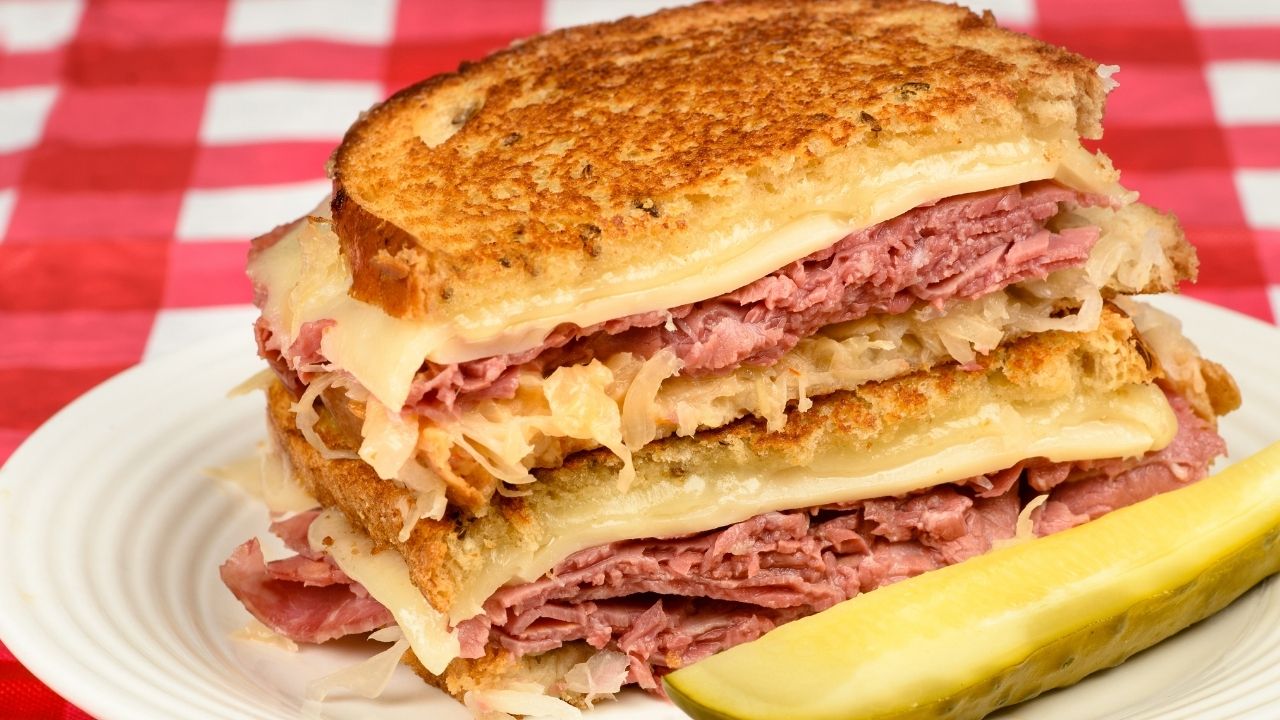
Buffalo’s Beef on Weck stands as one of America’s most wonderfully ridiculous regional specialties, and I mean that in the most loving way possible. Picture this: tender, slow-roasted beef piled high on a kimmelweck roll – that’s a crusty Kaiser roll topped with coarse salt and caraway seeds that looks like it got caught in a particularly fancy snowstorm. The whole contraption gets dunked in beef jus (or “au jus” if you’re feeling French), creating a sandwich that’s part comfort food, part edible napkin destroyer. You can’t eat this thing gracefully, and frankly, that’s the entire point.
The sandwich originated in the 1800s when German immigrants brought their love of salty, seeded rolls to western New York, where they met up with America’s obsession with roast beef. Local legend claims Charlie the Butcher perfected the recipe, though dozens of Buffalo joints will fight you on that detail. What makes Beef on Weck truly special isn’t just the jus-soaked mess factor – it’s the way that salty, caraway-studded roll perfectly balances the rich beef. Pro tip: always ask for extra jus and maybe wear clothes you don’t mind getting splattered. This sandwich doesn’t just feed you; it baptizes you into the Buffalo food scene with maximum delicious chaos.