15 Unexpected Global Origins of Classic American Foods
Think those classic American foods you’ve grown up with actually started in the USA? The origin stories of many beloved American dishes trace back to distant corners of the world, shaped by centuries of cultural exchange and immigration.
From the German roots of hot dogs to the ancient Chinese origins of ketchup, these foods have evolved through generations of cooking and adaptation. Each dish carries fascinating tales of transformation – how global flavors and techniques merged with local ingredients to create what we now consider quintessentially American.
Your favorite comfort foods hold incredible stories of cultural fusion and innovation. Ready to discover the unexpected birthplaces of 15 American classics? The real histories behind these everyday staples will change how you see what’s on your plate.
Pancakes
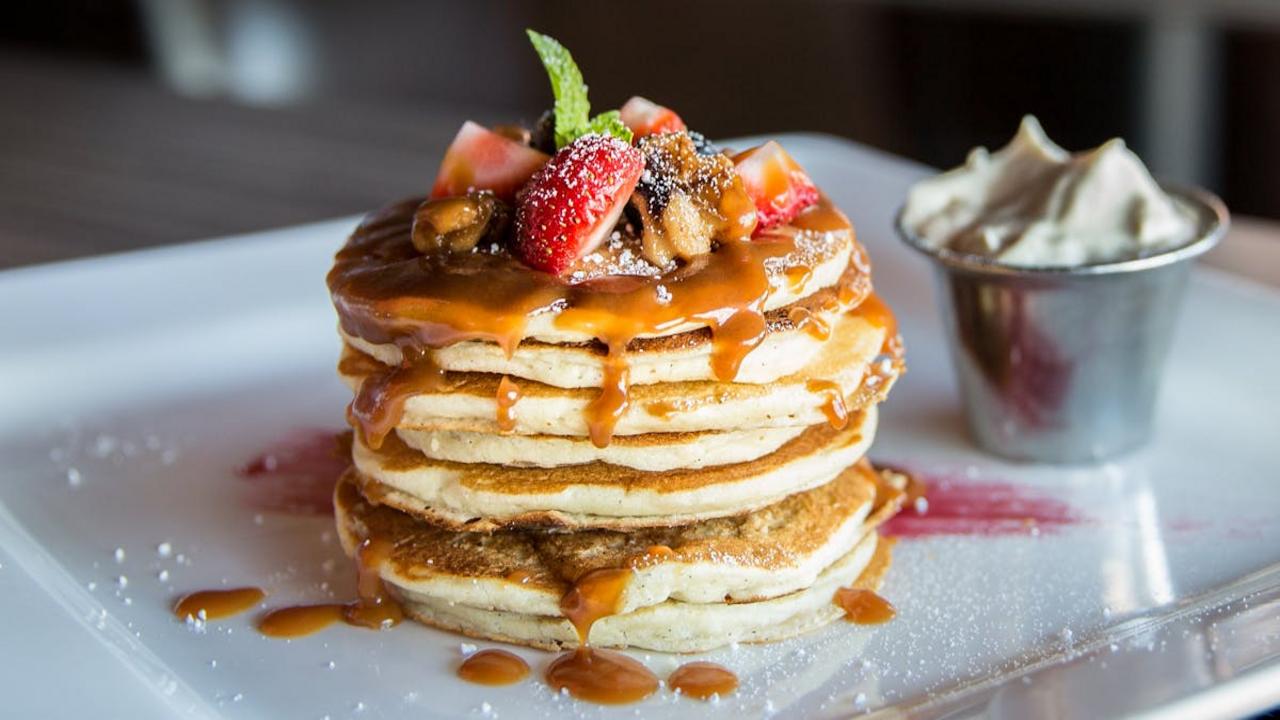
I love sharing fascinating food origins with my readers, and pancakes have such an incredible backstory! While many Americans picture fluffy stacks drowned in maple syrup as a purely American creation, these beloved breakfast treats actually trace back to Ancient Greece. The Greeks made a breakfast food called “tagenias,” which consisted of wheat flour, olive oil, honey, and curdled milk – the earliest form of what we now know as pancakes. These flat cakes spread across Europe, with each culture adding its own twist to the basic recipe.
Your weekend brunch favorite continued to transform through the centuries, with Dutch settlers bringing their version called “pannenkoeken” to America in the 1600s. Native Americans had already developed their own cornmeal-based version, which they shared with early colonists. This cultural blend sparked the creation of our modern American pancake – thick, fluffy, and perfect for soaking up butter and syrup. I find it amazing how this simple combination of flour, eggs, and milk has united breakfast tables across continents and centuries, becoming a cherished part of American breakfast culture while maintaining its global roots.
Pickles
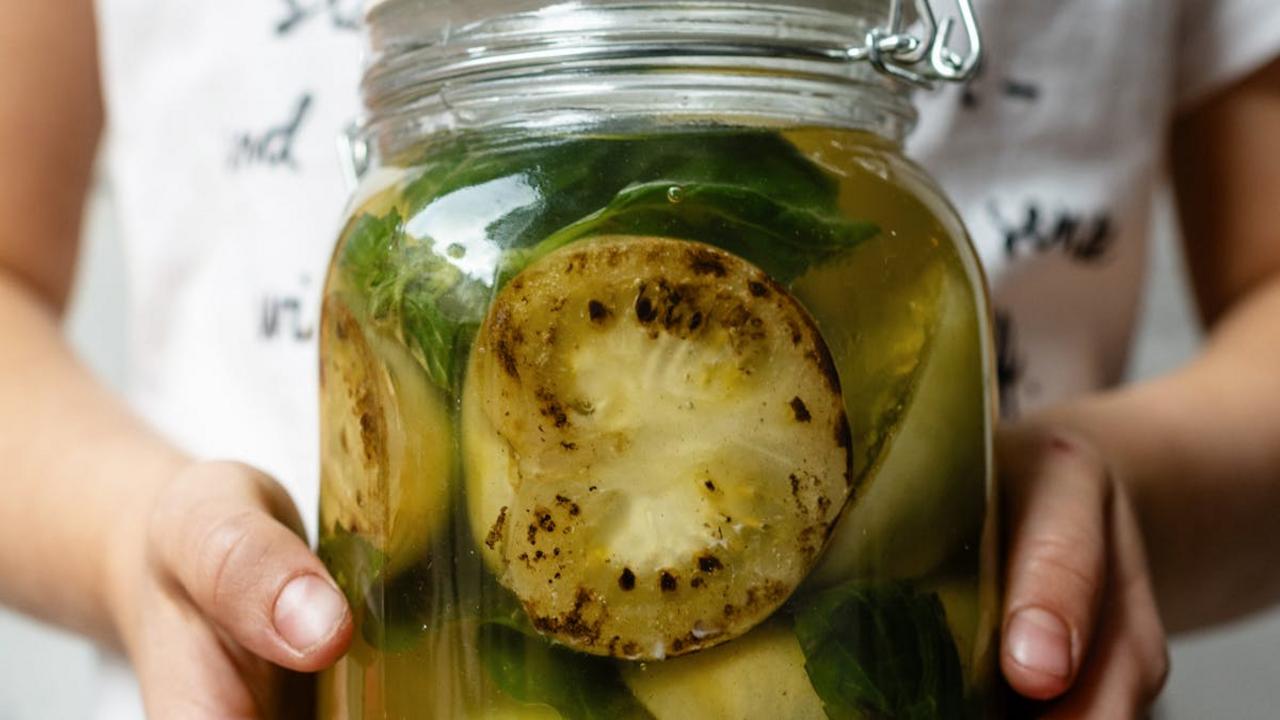
You might think pickles are as American as baseball and hot dogs, but these tangy, crunchy delights actually trace their roots back to ancient Mesopotamia! Around 2400 BCE, merchants in the Tigris Valley started preserving cucumbers in salty brine, creating what we now know as pickles. The preservation technique quickly spread through India, across Asia, and eventually made its way to Europe where Dutch and German immigrants brought their pickle-making traditions to the New World in the 17th century.
I find it fascinating how pickles became a quintessential American food staple through Jewish delis in New York City. These neighborhood fixtures popularized kosher dill pickles, which differ from other varieties by adding garlic and dill to the brine. Today, Americans munch through 20 billion pickles annually – that’s about 9 pounds per person! You’ll find them alongside sandwiches, burgers, and even straight from the jar as a satisfying snack. Next time you crunch into a pickle, remember its 4,000-year journey from ancient Iraq to your local deli counter.
Worcestershire Sauce

You might think Worcestershire sauce has British roots given its name, but this beloved condiment actually traces back to India! In the 1830s, Lord Marcus Sandys returned to England from his time as Governor of Bengal and missed the complex flavors of Indian sauces. He asked two chemists, John Lea and William Perrins, to recreate his favorite sauce. Their first attempt was awful and they stored the barrels in their cellar, completely forgetting about them for months.
When they rediscovered those barrels, something magical had happened – fermentation had transformed the mixture into a rich, savory sauce with deep umami notes. This happy accident led to the creation of Lea & Perrins Worcestershire sauce, which became an instant hit across Britain and America. The original recipe remains a closely guarded secret, but we know it contains anchovies, molasses, tamarind, onions, garlic, and various spices. Today, you’ll find this versatile sauce adding depth to everything from Bloody Marys to marinades in kitchens worldwide.
Barbecue Sauce
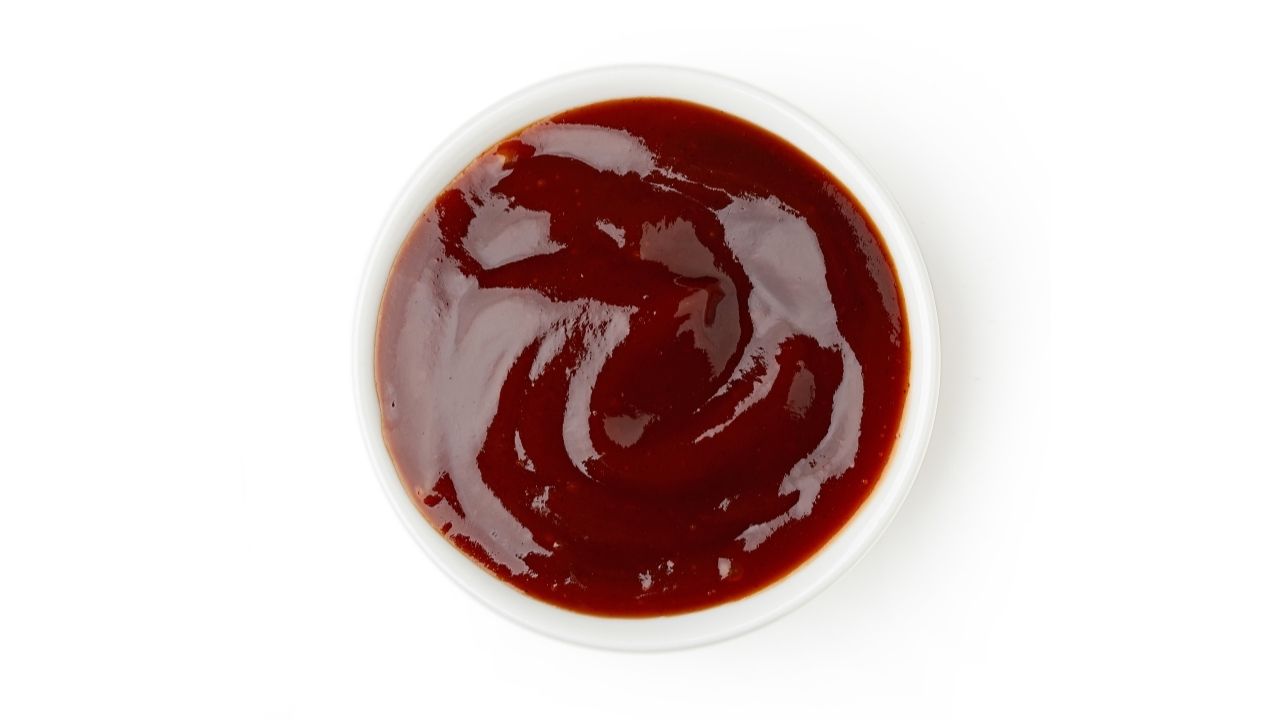
Your favorite sweet and tangy barbecue sauce has roots that go back to early Caribbean cooking traditions! Native tribes in the Caribbean made the first versions by mixing hot peppers, herbs, and lime juice to preserve and flavor their meat. When European colonists arrived in the Americas, they brought their own meat preservation methods and mixed them with these Caribbean techniques. This blend of cultural influences created the foundation for what we now know as American barbecue sauce.
The transformation into today’s familiar barbecue sauce happened in different regions across America, with each area adding its own spin. In Memphis, they went heavy on the molasses for a thick, sweet sauce. North Carolina kept it simple with vinegar and peppers. Kansas City made it rich and thick with tomatoes and brown sugar. The mustard-based sauces in South Carolina? That came from German settlers who brought their love of mustard to the American South. What started as a basic meat preservative in the Caribbean turned into a beloved American condiment with countless regional variations.
Macaroni and Cheese
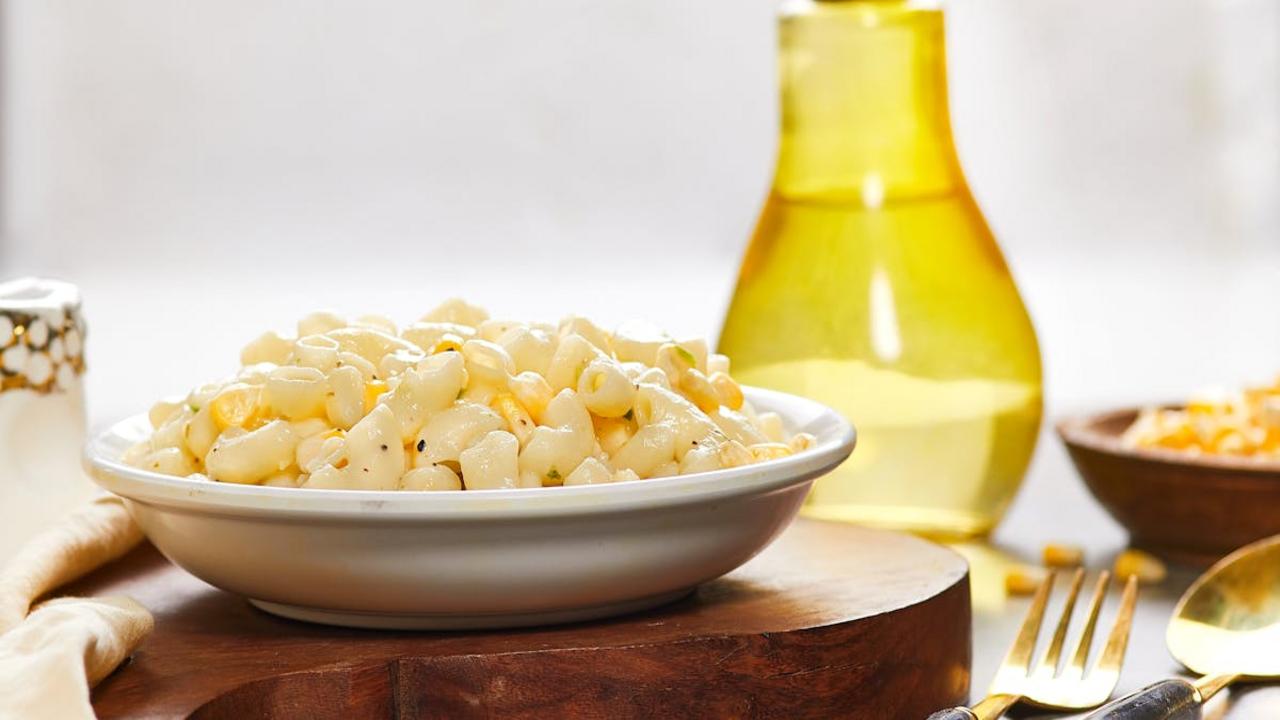
You might think mac and cheese is as American as apple pie, but this creamy comfort food actually traces its roots back to 14th century England! The first recorded recipe appeared in a medieval English cookbook called “Forme of Cury,” which featured a dish of fresh pasta and cheese sauce. The recipe made its way across Europe, with different regions adding their own twists, before Thomas Jefferson popularized it in America after trying it in France. He loved it so much that he brought back a pasta machine and served the dish at presidential dinners.
The version of mac and cheese we know today gained momentum in 1937 when Kraft introduced their boxed version during the Great Depression. The company saw an opportunity to create an affordable, filling meal that could feed a family of four for just 19 cents. The bright orange powder cheese sauce became a signature element, though it was far from the original recipe’s natural cheese blend. Today, both homemade and boxed versions remain American family favorites, with countless variations from adding breadcrumbs and bacon to mixing in different cheese combinations.
Cheesecake
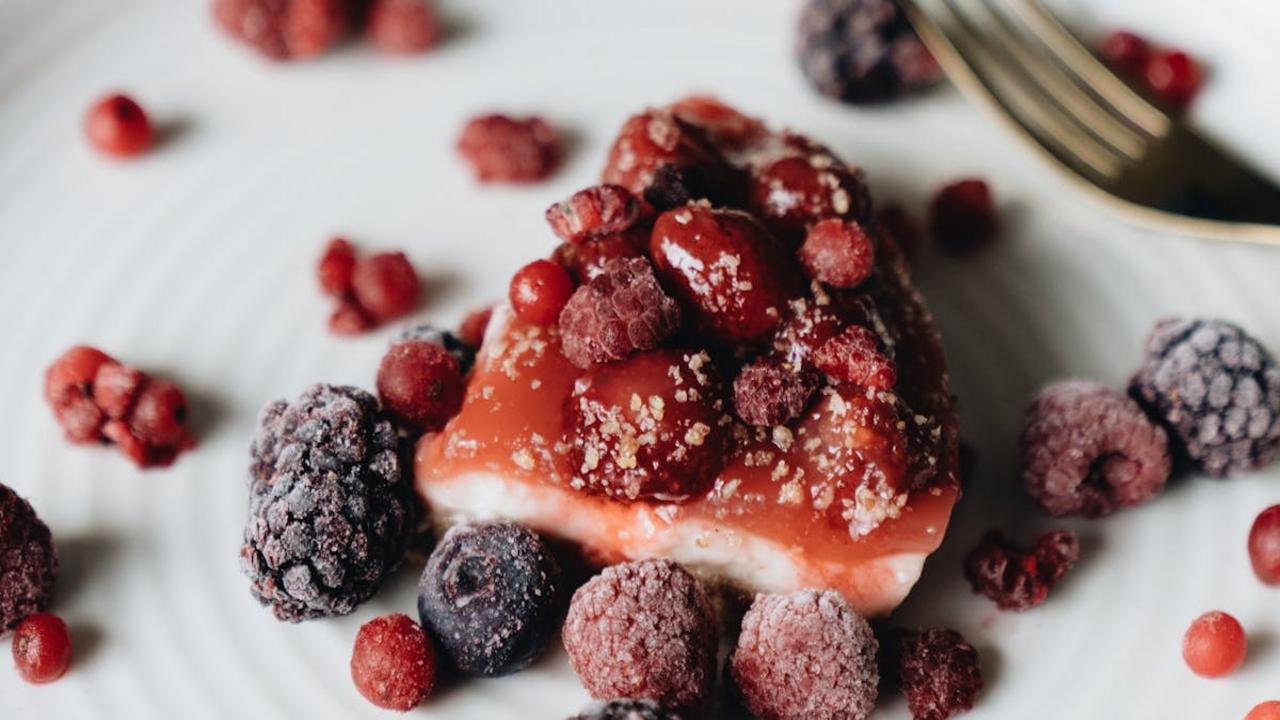
You might think cheesecake started in New York City, but this creamy dessert actually goes back to ancient Greece! The Greeks created the first cheesecake over 4,000 years ago, and athletes even ate it during the first Olympic games in 776 BC. The Greeks made their version with simple ingredients like cheese, honey, and wheat flour. When the Romans conquered Greece, they spread this dessert throughout Europe, adding their own twists with crushed cheese and eggs.
The American cheesecake we know today got its start when European immigrants brought their family recipes to the United States. In 1872, a dairy farmer accidentally invented cream cheese while trying to replicate a French cheese – this happy accident became the foundation of modern cheesecake. New York-style cheesecake took shape in the 1900s. You can thank Arnold Reuben (yes, the same guy behind the Reuben sandwich!) for making the first New York cheesecake in his restaurant, using cream cheese, eggs, and a graham cracker crust that we still love today.
Coleslaw
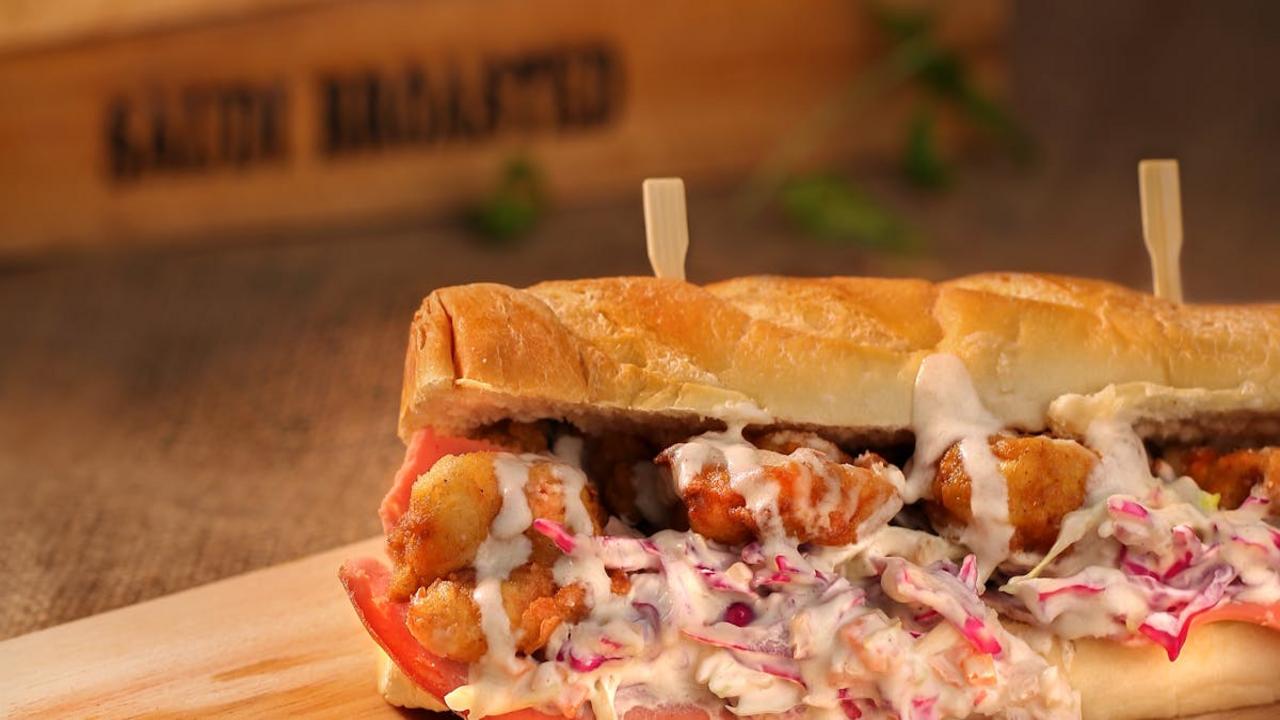
You might think coleslaw is as American as apple pie, but this crunchy cabbage salad traces its roots back to ancient Rome and got its modern form in the Netherlands. Dutch settlers brought their “koolsla” (meaning cabbage salad) to New Amsterdam (now New York) in the 1700s. The original Dutch recipe featured shredded cabbage dressed with a tangy melted butter, oil, and vinegar mixture – quite different from the creamy mayo-based version most Americans know today.
I love sharing how this humble side dish has evolved through centuries of American backyard barbecues and family picnics. The mayo-based dressing became popular in the early 1900s when commercial mayonnaise hit grocery store shelves. Today, you’ll find countless regional variations across the US – from the vinegar-based Memphis style to the mustard-heavy Carolina versions. Some folks add carrots, others toss in apples or raisins, making coleslaw a perfect example of how immigrant foods transform into distinctly American dishes through generations of home cooks putting their own spin on traditional recipes.
Peanut Butter
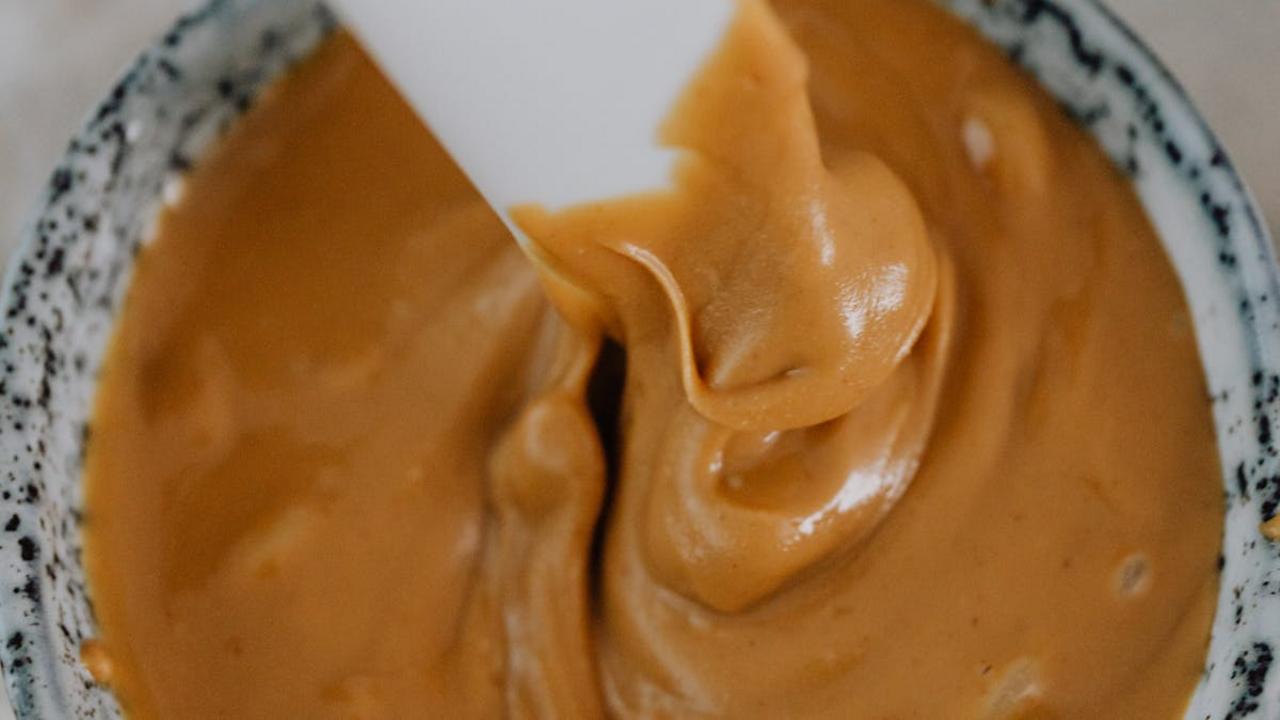
You might think peanut butter was born in the USA, but this creamy spread has fascinating roots in ancient Aztec civilization! The Aztecs created a paste by grinding roasted peanuts into a thick, protein-rich mixture as early as 1500 BCE. While George Washington Carver often gets credit for inventing peanut butter, it was actually Dr. Ambrose Straub of St. Louis who patented the first peanut butter-making machine in 1903, revolutionizing how we make this pantry staple.
The modern, smooth peanut butter we know today really took shape in the late 1920s through Joseph Rosefield’s invention of partial hydrogenation – a process that keeps the oil from separating. This breakthrough gave us that perfectly spreadable consistency we love. And while Americans now consume over $800 million worth of peanut butter annually, many don’t know that this beloved sandwich spread first gained popularity at fancy tea rooms in New York City, where it was served as an upscale appetizer to wealthy patrons!
Doughnuts

You might think doughnuts originated in America, but these beloved sweet treats actually trace back to the Dutch settlers who brought “olykoeks” (oil cakes) to New Amsterdam (now New York) in the 1600s. These early versions weren’t the ring-shaped delights we know today – they were simple fried dough balls filled with nuts, fruit, or other sweet fillings. The Dutch bakers would fry their dough in hot pork fat until golden brown, creating what would become the foundation for modern doughnuts.
The iconic hole in the middle? That came later, thanks to a New England ship captain named Hanson Gregory in 1847. He claimed to hate the raw, doughy center of traditional olykoeks and used a pepper tin to punch out the middle. This simple modification made the doughnuts cook more evenly and created the classic shape we love today. The popularity of doughnuts exploded during World War I when American soldiers in France received them as comfort food from Salvation Army volunteers, nicknamed “Doughnut Lassies,” who served them fresh from mobile kitchens near the frontlines.
Fried Chicken
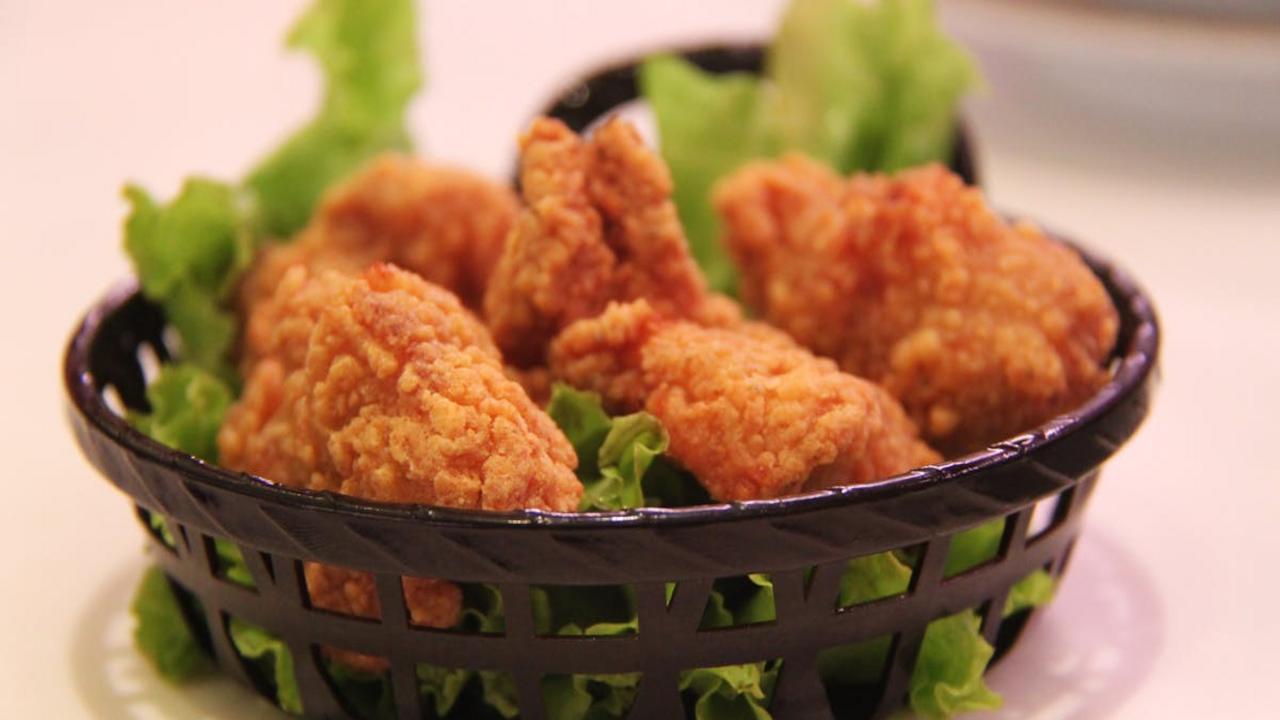
You might think fried chicken is as American as apple pie, but this crispy comfort food actually has its roots in Medieval Scotland! The Scots were the first Europeans to deep-fry their chicken in fat, bringing this cooking method to the American South through immigration in the 17th and 18th centuries. African cooks later revolutionized the dish by adding their own seasoning blends and perfecting the coating techniques, creating the foundation for what we now know as Southern fried chicken.
The combination of Scottish cooking methods and African flavors gave birth to an American icon that would go on to define Southern cuisine. The preparation became especially significant during the Civil Rights Movement, where Black-owned fried chicken restaurants served as safe gathering spaces for activists. Today, you’ll find countless variations of fried chicken across the US, from Nashville hot to Korean-style – but the basic technique of coating chicken in seasoned flour and frying it in hot oil remains true to its multicultural origins.
Ketchup
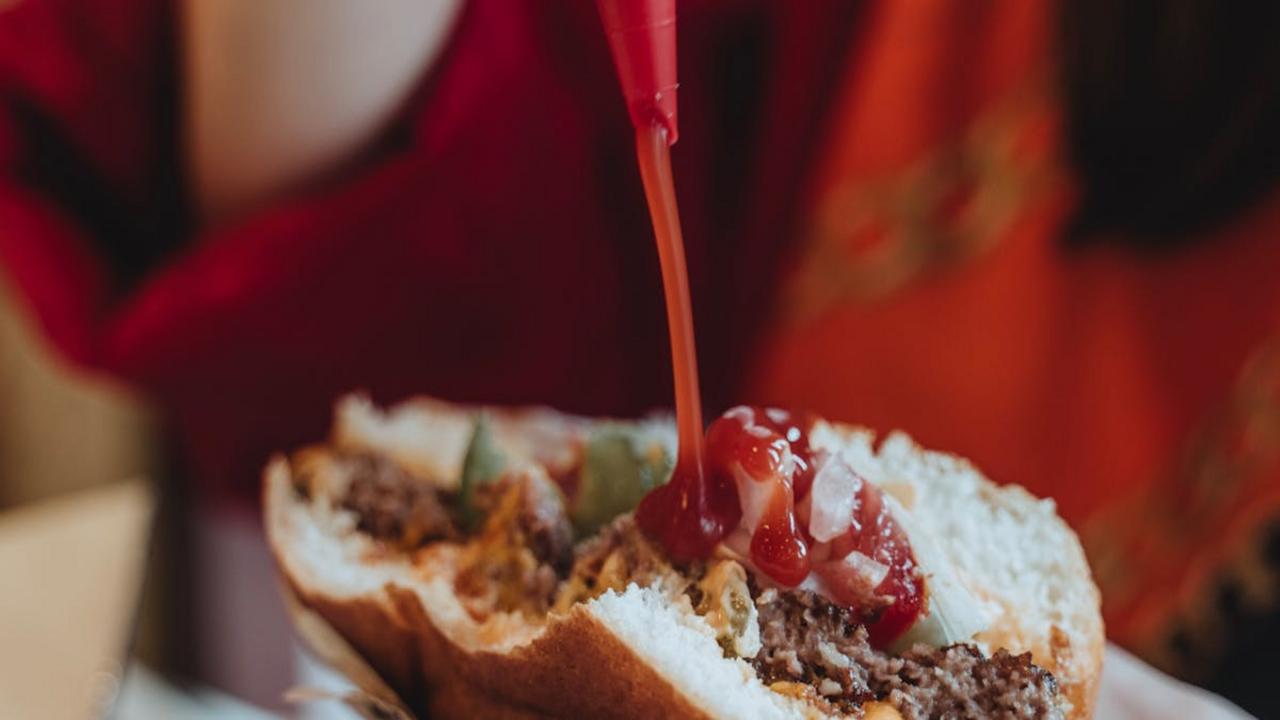
I bet you thought ketchup was as American as apple pie, right? This beloved condiment actually traces its roots back to ancient China! The original version, called “kê-tsiap” in the Hokkien Chinese dialect, wasn’t the sweet tomato sauce we know today – it was a fermented fish sauce made from anchovies. British sailors discovered this tangy condiment during their trading voyages in the 1600s and brought it back to England, where people started experimenting with different ingredients like mushrooms, walnuts, and oysters.
The transformation into the tomato-based sauce we love today happened in the United States during the 1800s. You can thank Pittsburgh-based Henry J. Heinz for perfecting the recipe we know now – he created a version using tomatoes, vinegar, and spices that became an instant hit. He started bottling his ketchup in 1876, introducing innovative clear glass bottles so customers could see the product’s quality. Next time you grab that bottle of ketchup for your fries or burger, remember its fascinating journey from Asian fish sauce to America’s favorite condiment!
Apple Pie
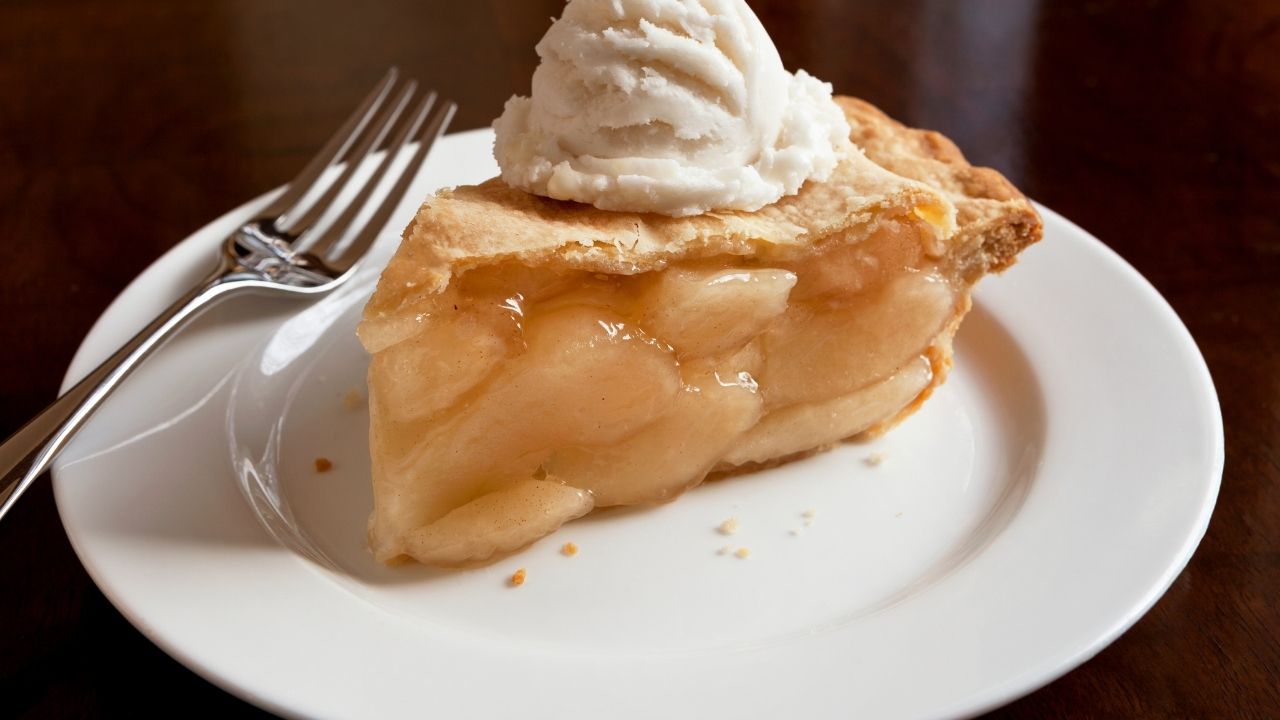
I bet you always thought apple pie was as American as… well, apple pie! The truth is, this beloved dessert has English roots dating back to the 1300s. The original English recipes didn’t even include sugar – they focused on the natural sweetness of apples, mixed with spices like cinnamon and nutmeg. Dutch bakers later added their own twist with the lattice-top crust design, which many Americans now consider the classic look for this dessert.
While early American colonists brought apple pie recipes from England, they had to wait for their apple orchards to grow before they could make their own versions. Once apple trees flourished in the colonies, Americans started creating regional variations with different apple varieties and sweeteners like maple syrup or molasses. The phrase “as American as apple pie” gained popularity during World War II, when soldiers would tell journalists they were fighting for “mom and apple pie” – cementing this dessert’s place in American culture, despite its European beginnings.
Hamburger
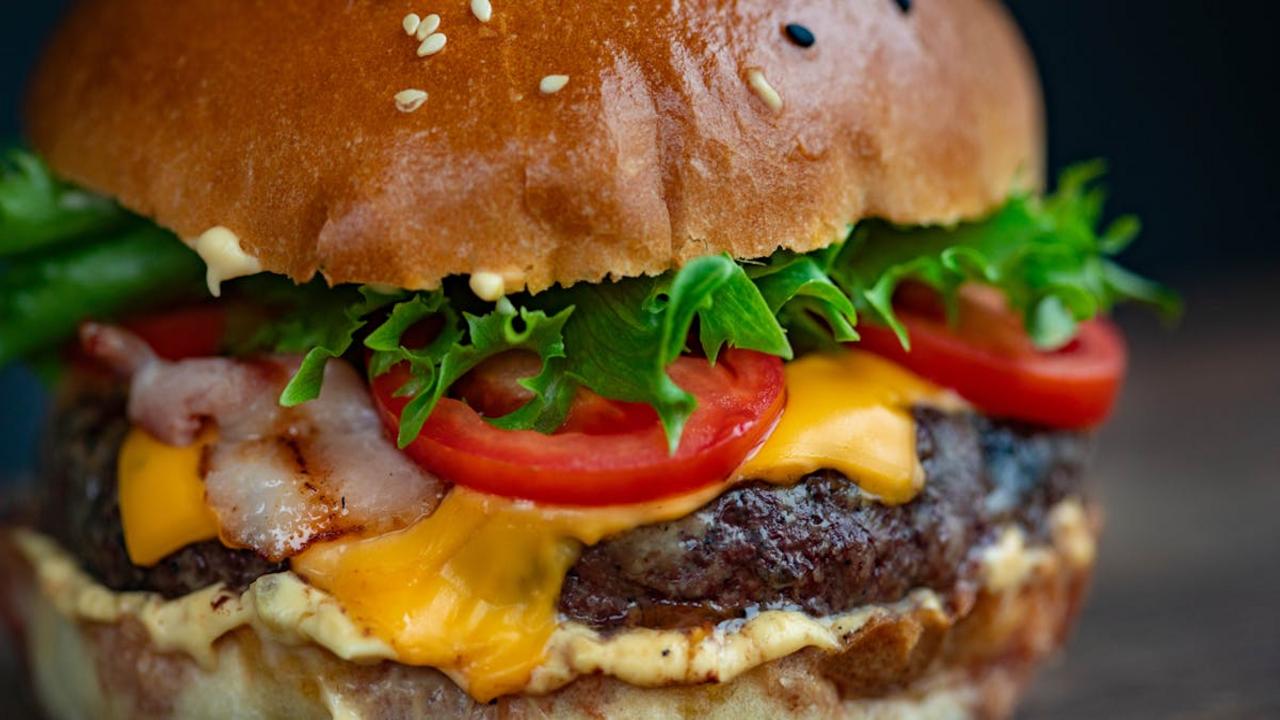
You might think the hamburger got its start in America, but this beloved sandwich actually traces its roots back to Hamburg, Germany in the late 1700s. German immigrants brought with them a dish called “Hamburg steak” – a patty of ground beef mixed with garlic, onions, and breadcrumbs. The port city of Hamburg was famous for its high-quality beef, and sailors who passed through would often carry this portable meal on their voyages.
The transformation from Hamburg steak to the modern hamburger happened right here in America during the late 1800s. While several places claim to have invented the hamburger sandwich, many food historians point to the 1904 St. Louis World’s Fair as the moment when this German-inspired meat patty met the bun. From street vendors to diners, entrepreneurs started serving the meat between two slices of bread, creating what would become an American fast-food icon. Today, Americans eat nearly 50 billion hamburgers annually, and this German-American creation has become a global sensation.
French Fries
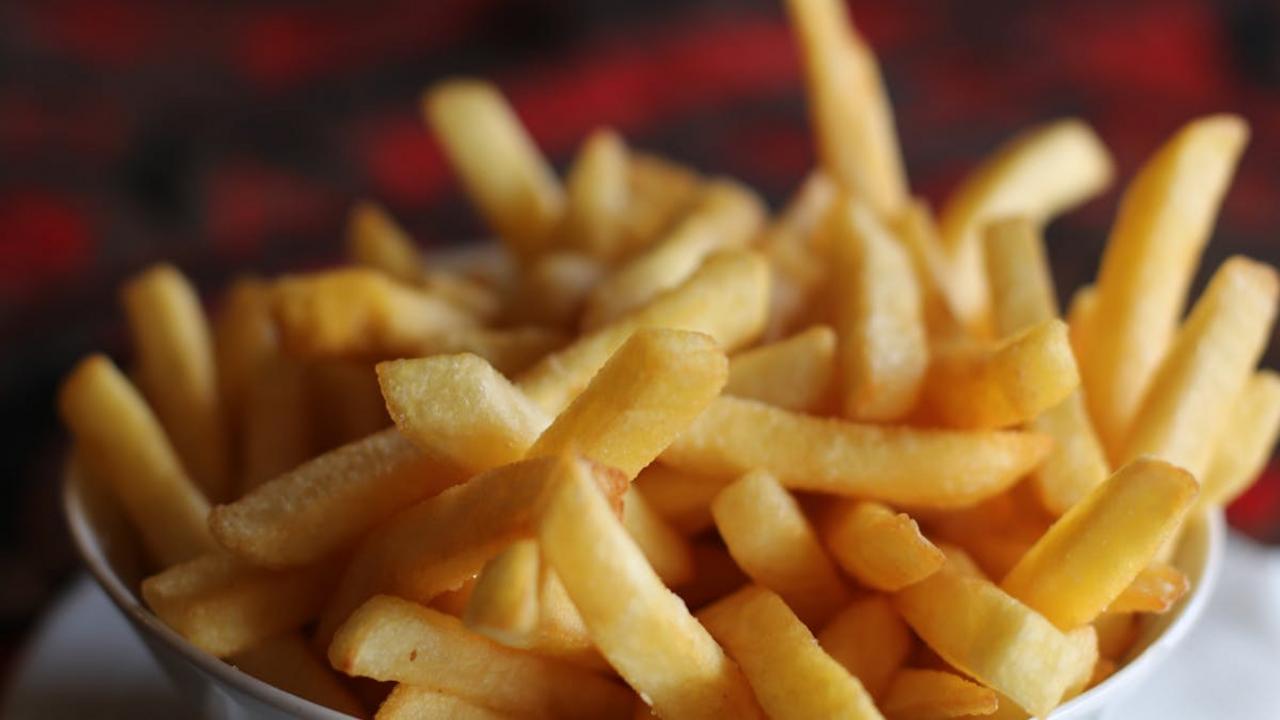
Would you believe that those crispy, golden fries you love didn’t actually originate in France? The true story leads us to Belgium, where locals have been frying up potatoes since the late 1600s. Belgian lore suggests that poor villagers near the Meuse River would catch small fish and fry them for food. During harsh winters when the river froze and fishing became impossible, they turned to cutting potatoes in the shape of tiny fish and frying them instead – giving birth to what we now know as French fries.
The name “French fries” caught on when American soldiers stationed in Belgium during World War I tasted these fried potatoes. Since French was the official language of the Belgian army at the time, the soldiers dubbed them “French fries,” and the name stuck back home in America. Today, Belgians still take immense pride in their fry-making heritage, with over 5,000 friteries (fry shops) spread across the country. They serve their fries in paper cones with a mind-boggling selection of sauces, making the American ketchup-only tradition seem rather plain in comparison.
Hot Dogs

You might think of hot dogs as quintessentially American, but these beloved sausages actually trace their roots back to Germany! The modern hot dog started as “frankfurters” in Frankfurt and “wieners” in Vienna (Wien), Austria. German immigrants brought their sausage-making traditions to America in the 1800s, where butcher Charles Feltman began selling sausages in rolls on Coney Island in 1871. This simple yet genius idea took off, and soon hot dogs became the go-to food at baseball games, street carts, and backyard barbecues across the nation.
The hot dog’s connection to baseball solidified its status as an American icon. In 1893, Chris Von de Ahe, owner of the St. Louis Browns baseball team, noticed how fans loved eating sausages while watching games. He started selling them at his ballpark, creating a tradition that spread to stadiums nationwide. Today, Americans eat over 20 billion hot dogs each year! While we’ve added our own toppings and styles – from Chicago’s loaded dogs to New York’s mustard and sauerkraut – the basic concept remains true to its European origins. Next time you bite into a hot dog at a ballgame, remember you’re enjoying a piece of German-Austrian heritage that found its true home in America.