14 Grocery Items With Jaw-Dropping Price Tags That Could Empty Your Wallet
Ever stood in a grocery store aisle, staring at a price tag that made your eyes pop? Get ready for some serious sticker shock. From the world’s priciest spice to fish that costs more than a car, these 14 luxury food items will make your regular grocery bill look like pocket change.
Your morning coffee splurge won’t seem so bad after you see what coffee beans digested by palm civets cost. And that fancy honey you bought last week? It’s practically a bargain compared to the rare Manuka variety from New Zealand. These items aren’t just food – they’re status symbols that command astronomical prices.
Some of these foods need special licenses to sell, others grow only in remote corners of the world, and a few are so rare they’re almost mythical. Hold onto your wallet as we dive into the most expensive groceries money can buy – if you can find them at all.
Pine nuts
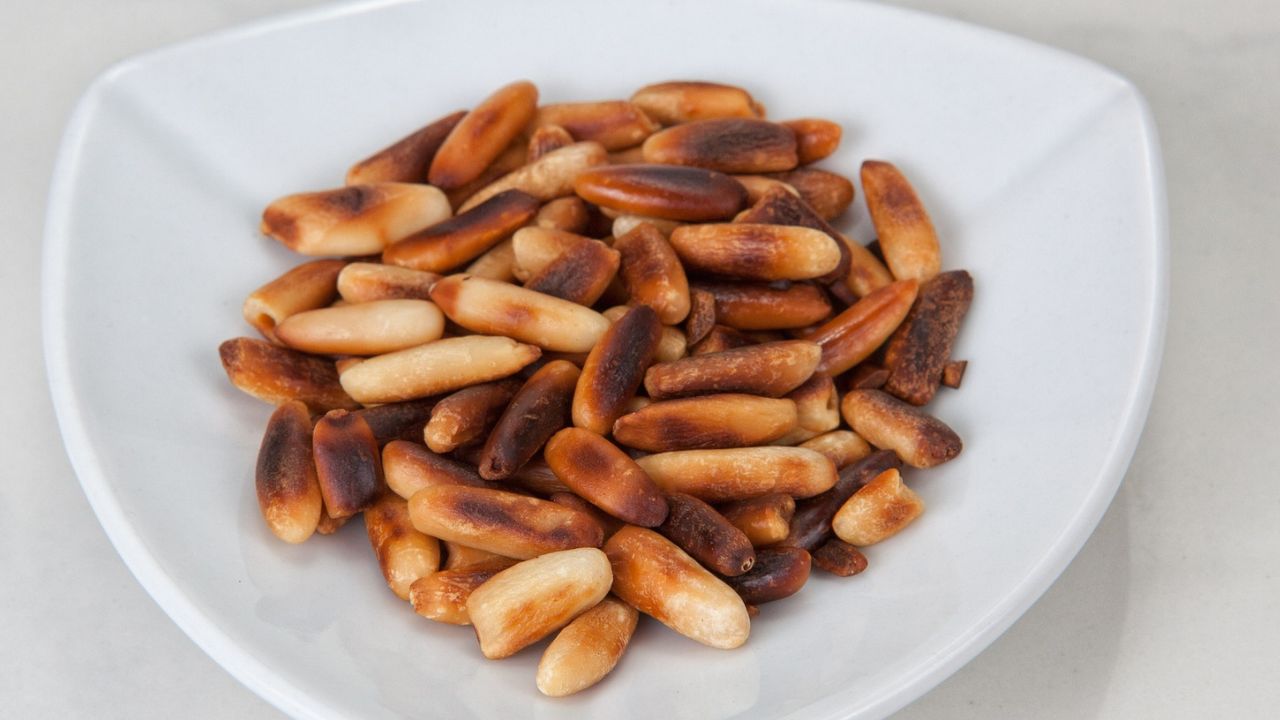
Oh, those tiny, buttery pine nuts – the crown jewels of the nut world that’ll make your bank account weep! I nearly fainted at the grocery store yesterday when I spotted these little beauties going for $30 per pound. But here’s the kicker – these pricey nuggets take 15-25 years to grow and harvest from pine trees, making them the divas of all nuts. Each pine cone only gives up about 100 nuts, and workers must gather them by hand, which explains why you need a small fortune to add them to your pesto.
Despite their eye-watering price tag, pine nuts pack a nutritional punch that’ll make your wallet’s sacrifice worthwhile. These small-but-mighty nuts contain heart-healthy fats, protein, and minerals like magnesium and zinc. My favorite money-saving trick? Buy them in small quantities and toast them before using – the heat brings out an intense, nutty flavor that means you can use less while still getting that signature pine nut impact. Store them in your freezer to prevent them from going rancid, because nothing hurts more than finding a spoiled $15 bag of pine nuts hiding in your pantry!
Beluga Caviar
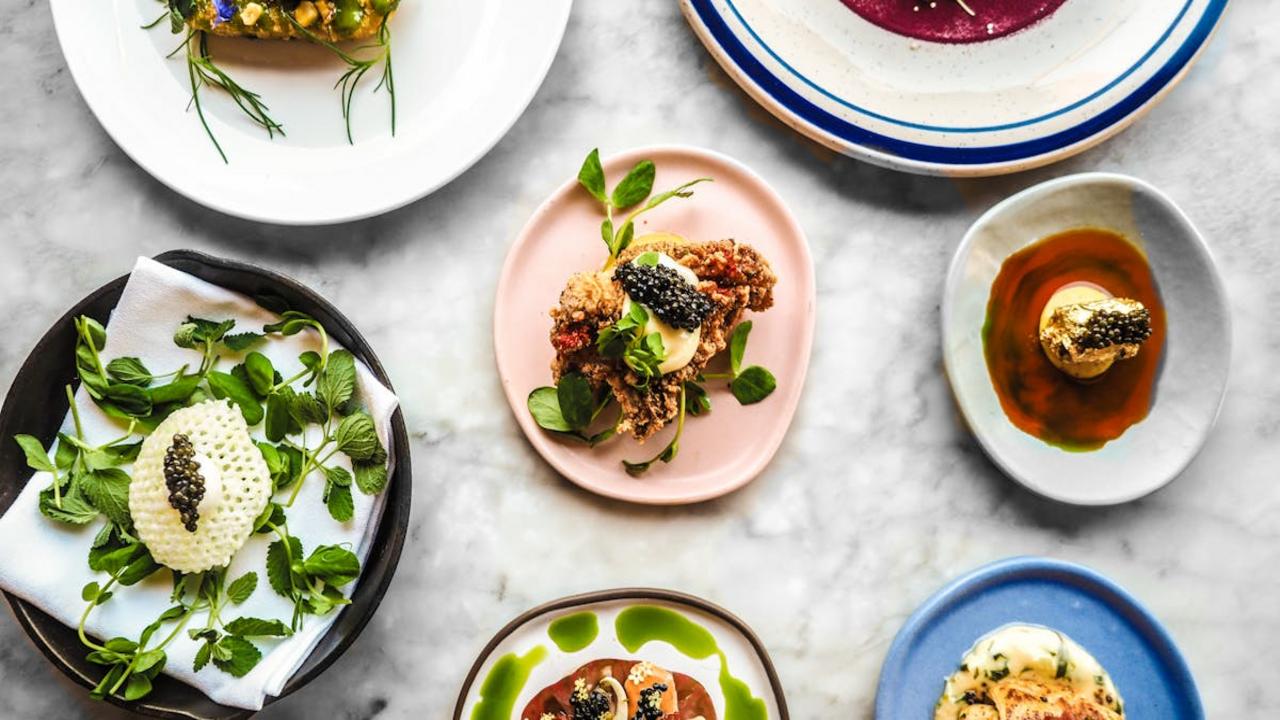
Hold onto your wallet, because Beluga caviar will make your credit card weep! These tiny black pearls from the Beluga sturgeon cost a whopping $3,500 to $5,000 per pound, making them one of the priciest foods on Earth. The astronomical price tag comes from the rarity of true Beluga sturgeon, which can take up to 20 years to mature and produce eggs. Thanks to overfishing and strict regulations, genuine Beluga caviar remains a symbol of luxury that only the ultra-wealthy can regularly enjoy. You’ll find these delicate fish eggs served at the world’s most exclusive restaurants, often with mother-of-pearl spoons (metal can affect their flavor).
The crazy part? A single female Beluga sturgeon can carry up to 400 pounds of roe, but catching these prehistoric-looking fish has become nearly impossible. Most Beluga caviar now comes from farmed sturgeon, though the price remains sky-high due to the time and effort required to raise these fish. If you want to try this delicacy without breaking the bank, consider its cheaper cousins like Osetra or Sevruga caviar. They’ll still cost you a pretty penny, but at least you won’t need to sell your car to experience the buttery, briny goodness that makes caviar so special.
White Alba Truffles
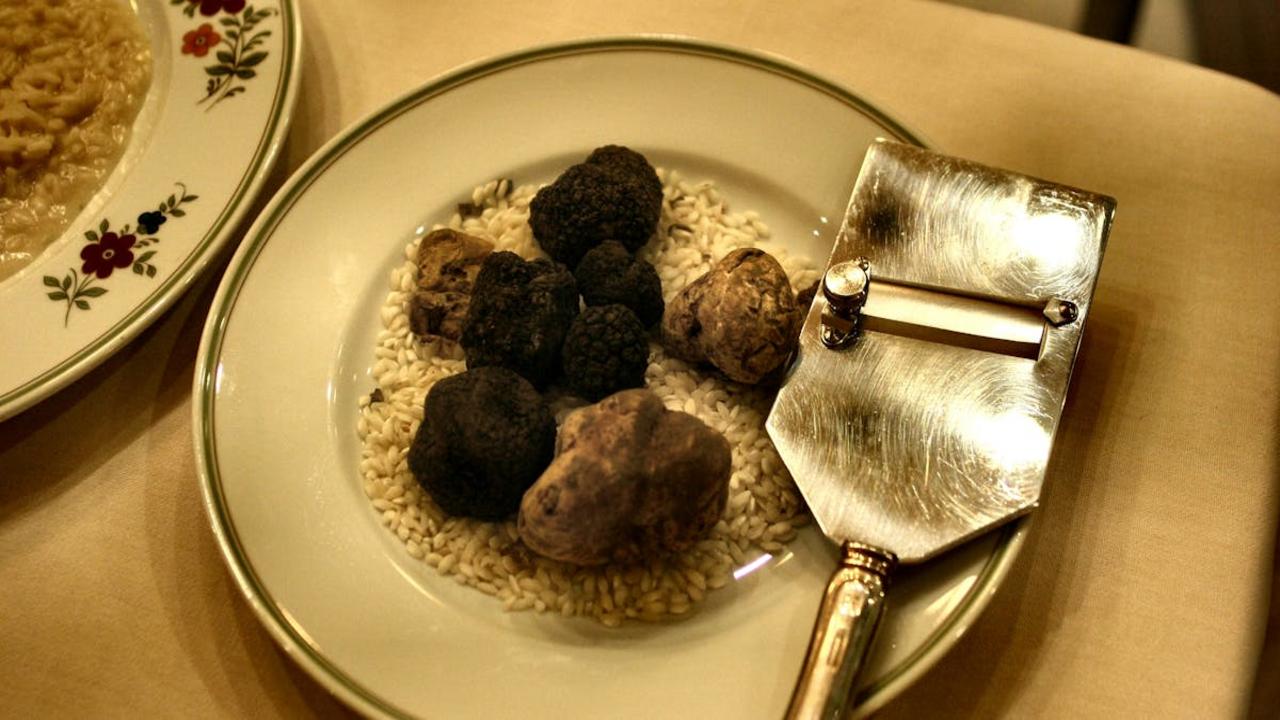
If you think diamonds are expensive, wait until you meet the white Alba truffle! These rare fungi from Italy’s Piedmont region can cost you up to $3,600 per pound. Picture this: a tiny white knob of fungus that looks like something your kid might dig up in the backyard, but actually ranks as one of the most expensive foods on Earth. I once watched a chef shave paper-thin slices of Alba truffle onto a simple pasta dish, and the bill jumped by $200 faster than you can say “check, please!”
The price tag makes more sense when you consider how hard these fancy fungi are to find. You can’t farm white Alba truffles – they only grow wild under specific oak trees in Italy between September and December. Trained dogs (who replaced pigs because the pigs kept eating the truffles!) sniff them out in the dead of night. The intense aroma reminds me of garlic, earth, and honey mixed together. One small shaving can transform a basic risotto into a $100 dish at fancy restaurants. If you spot these babies at your local grocery store, you might need to take out a small loan just to bring one home!
Yubari King Melons
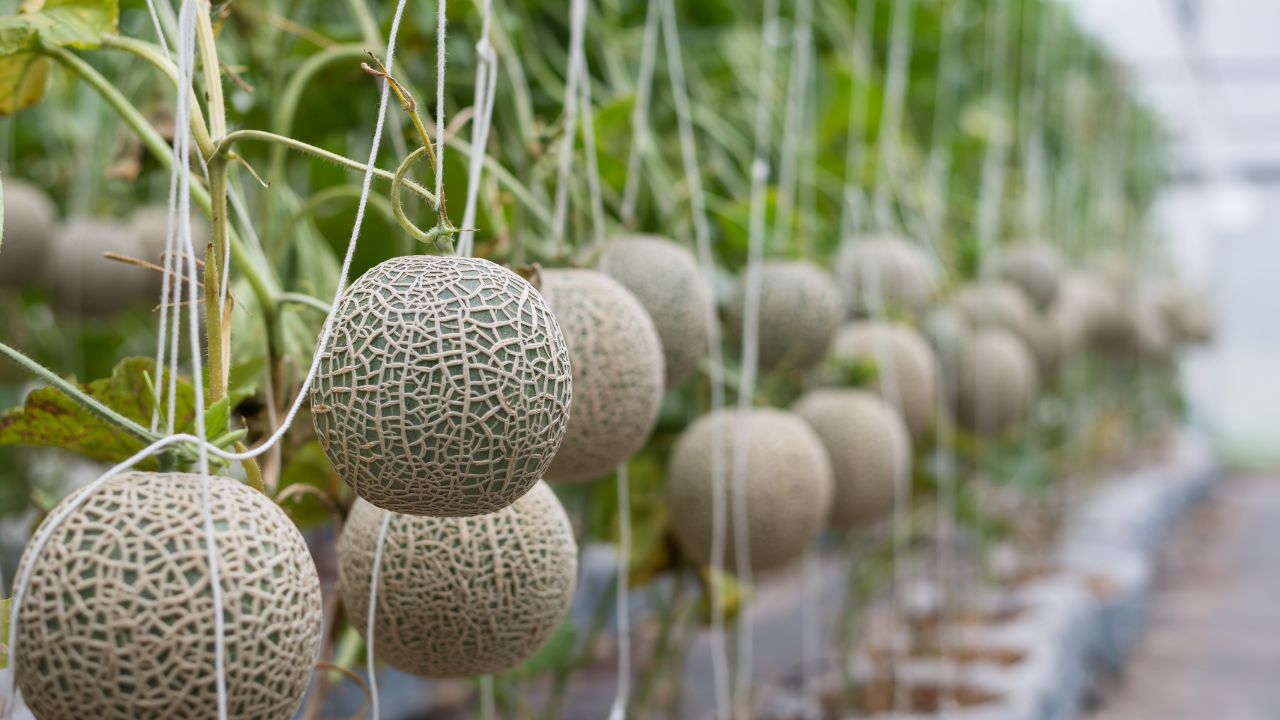
Hold onto your grocery carts, folks! The Yubari King Melon from Japan will make your regular cantaloupe look like pocket change. These ultra-premium fruits can fetch up to $23,000 per pair at luxury fruit auctions. Why so expensive? These perfectly round melons grow in the small city of Yubari, Hokkaido, under strict conditions that would make a helicopter parent blush. Farmers treat each melon like royalty – hand-pollinating the flowers, massaging the growing fruit daily, and even putting little hats on them to prevent sunburn. The result? A melon with exact symmetry, a perfectly smooth rind, and sugar content that’ll make your desserts jealous.
In Japan, these melons aren’t just fruit – they’re status symbols and luxury gifts. The first harvest of the season creates such a frenzy that wealthy buyers battle it out at auctions, pushing prices into the stratosphere. The flesh inside is incredibly sweet and juicy, with a melt-in-your-mouth texture that some fans say borders on spiritual experience. A single bite might cost you hundreds of dollars, but hey, at least you can brag about eating the world’s most expensive melon! Just don’t expect to find these royal fruits at your local supermarket – unless you shop where billionaires do their grocery runs.
Fugu (Pufferfish)
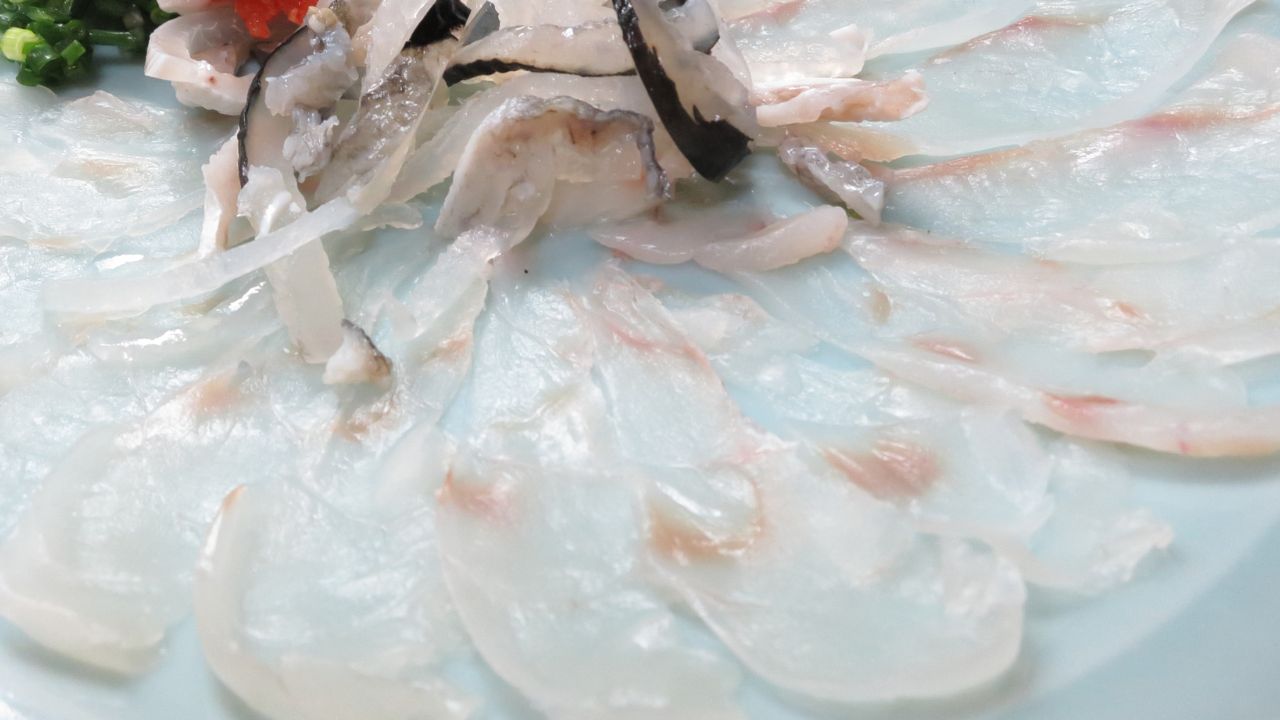
You might think spending $200-$400 on a single fish dinner sounds fishy, but that’s exactly what you’ll pay for fugu (pufferfish) at high-end Japanese restaurants. This notorious delicacy demands such a steep price tag because only specially licensed chefs can prepare it – and for good reason! One wrong cut into the toxic organs could be fatal. The training to become a fugu chef takes years of rigorous study and practice, making these skilled professionals quite rare and their services expensive.
The actual meat of the pufferfish isn’t toxic at all – it’s a white, lean protein with a subtle flavor and unique texture that fans describe as “clean” and “pure.” Most diners who splurge on fugu do it for the thrill and bragging rights rather than the taste alone. The fish often appears in paper-thin sashimi arrangements called “usuzukuri,” which can cost upward of $40 per small plate. If you’re curious about trying this dangerous delicacy, start saving now – a full fugu course at an upscale restaurant could set you back more than your monthly grocery budget!
Moose Milk Cheese
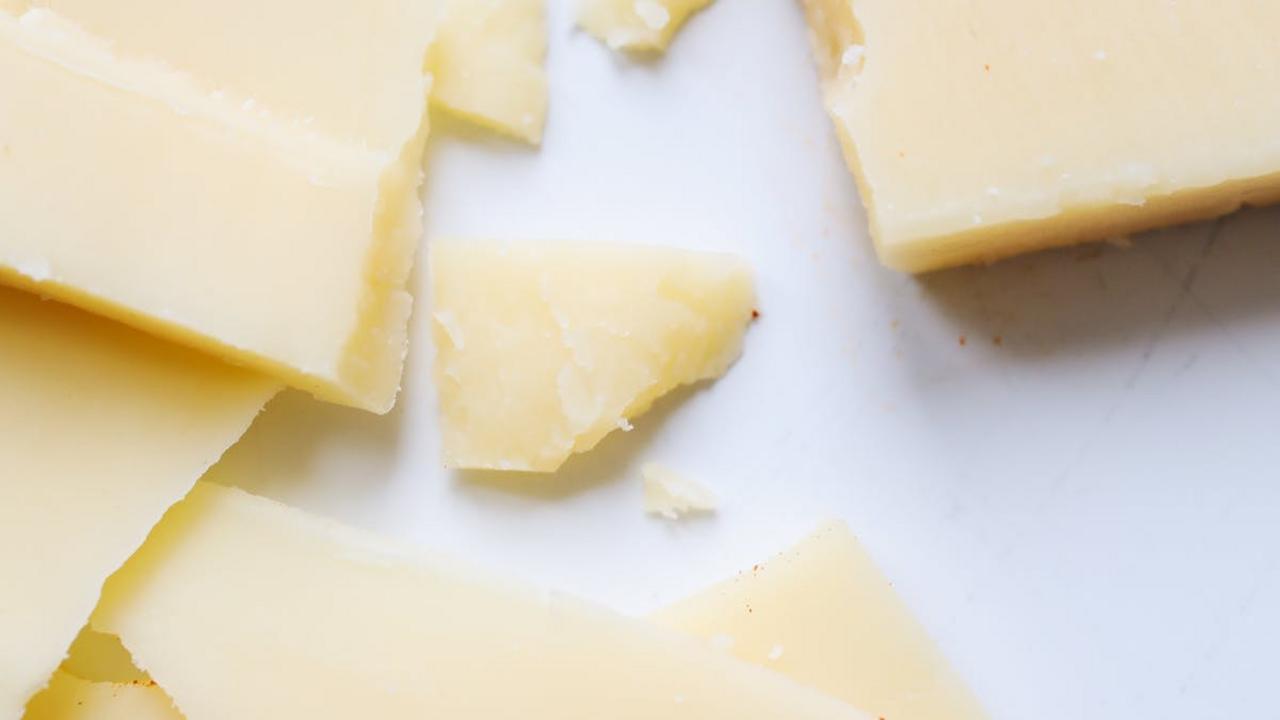
Hold onto your wallet, because moose milk cheese will make you do a double-take at its price tag! At a whopping $500 per pound, this ultra-rare cheese ranks among the priciest dairy products on Earth. The Elk House farm in Sweden makes only about 660 pounds of this white gold annually, thanks to their small herd of three moose who give milk only from May through September. Each moose produces tiny amounts of milk – around 1.3 gallons daily, compared to a cow’s 7 gallons. Plus, milking these massive creatures takes nerves of steel!
The cheese itself has a creamy, caramel-like flavor with subtle notes of grass and herbs – a flavor profile that matches its astronomical price point. The scarcity drives the cost sky-high, making it a true luxury item found mainly in high-end Swedish restaurants or through private orders from the farm itself. The moose (named Gullan, Haelga, and Juna) live free-range on the farm, munching on natural vegetation and producing milk only when they feel like it. No pressure from farmers here – these ladies run the show on their own terms, which adds to the mystique and exclusivity of their precious milk.
Bluefin Tuna
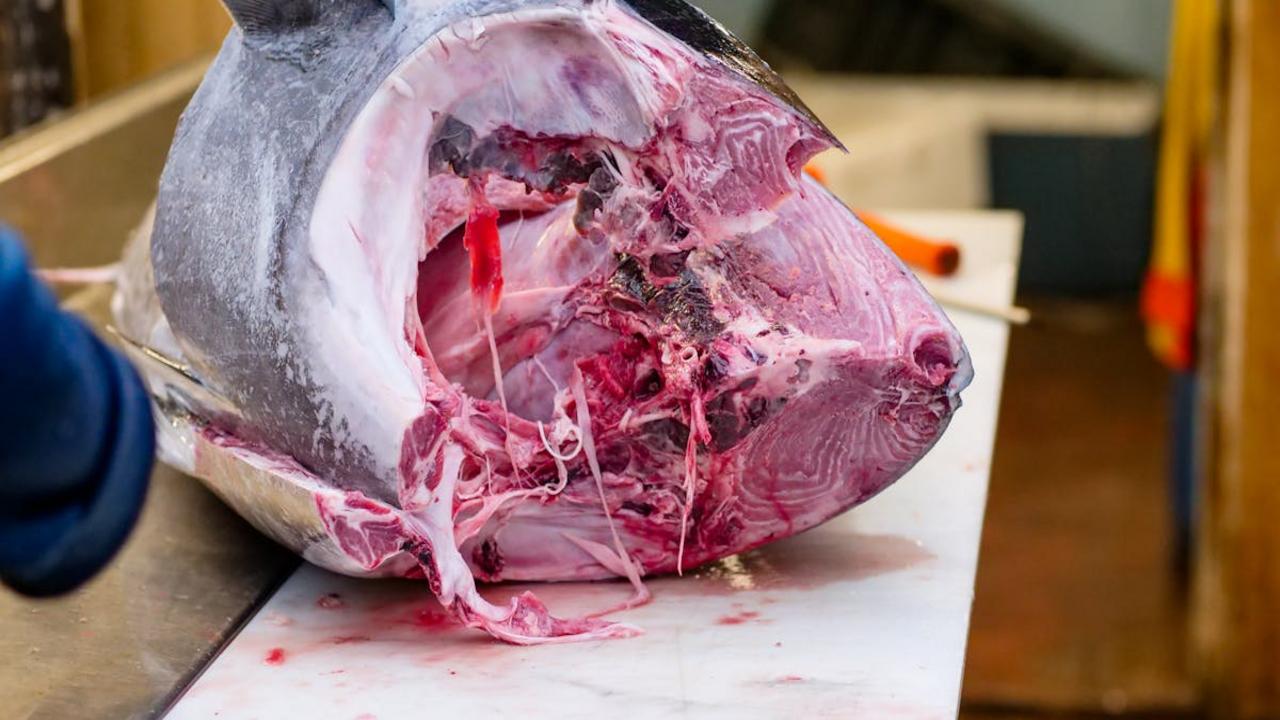
You might need to sit down for this one – a single bluefin tuna can sell for hundreds of thousands of dollars! In 2019, a Japanese sushi restaurant owner paid a record-breaking $3.1 million for one fish at Tokyo’s Tsukiji fish market. These magnificent creatures can weigh up to 1,000 pounds and pack some of the most prized meat in the seafood world. The fatty belly section, known as ‘toro,’ commands the highest prices, with some restaurants charging $24 per piece for a single piece of sushi.
The astronomical price tag stems from a perfect storm of factors. Wild bluefin populations have dropped by 97% due to overfishing, making them increasingly rare. Japanese buyers compete fiercely for the best specimens, driving prices through the roof. The fish’s complex biology adds to its value – they’re warm-blooded (unlike most fish) and can accelerate faster than a Porsche 911. Their unique physiology creates that buttery texture and rich flavor that sushi fans go nuts for. If you spot bluefin tuna at your local market for less than $200 per pound, you’ve found yourself a bargain!
Kobe Beef
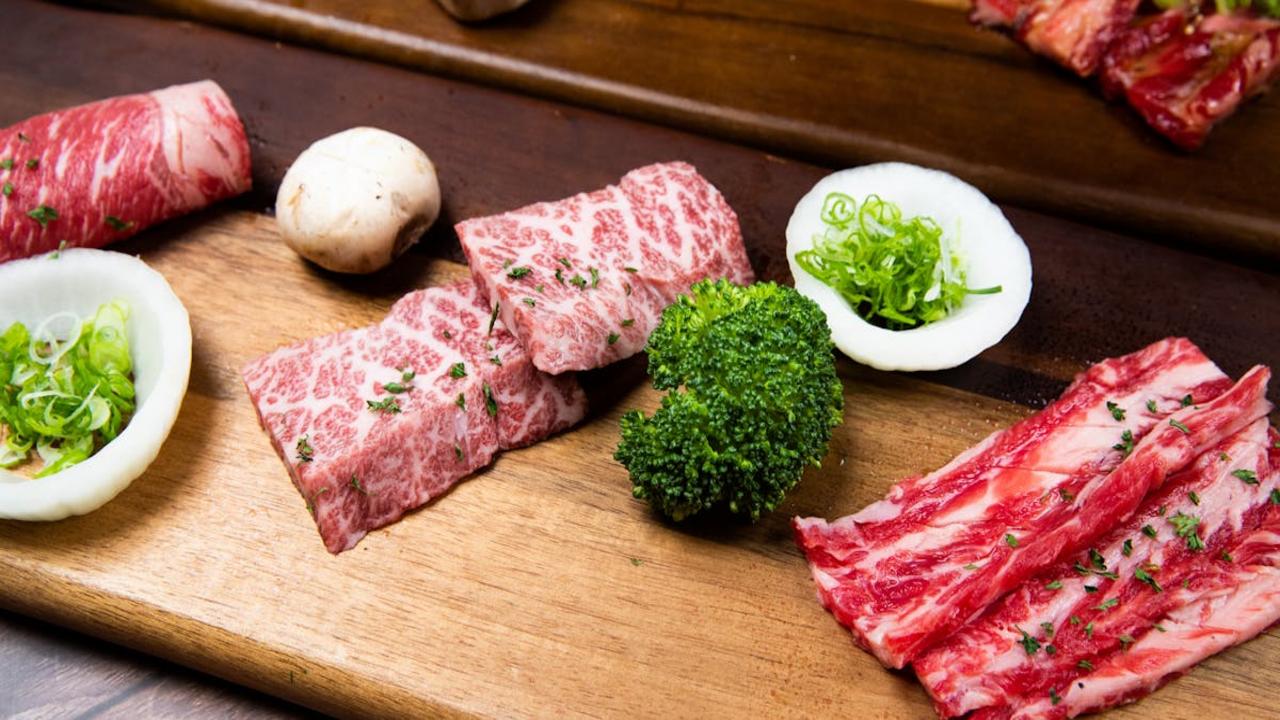
Oh my goodness, you haven’t lived until you’ve experienced the melt-in-your-mouth magic of real Kobe beef! This ultra-premium Japanese meat will make your wallet weep – we’re talking $200 to $400 per pound at your local specialty butcher. The cattle live like royalty, drinking beer, getting regular massages, and lounging around to create that signature marbling that makes Kobe beef so incredible. But here’s the kicker – most “Kobe” you see on menus isn’t authentic! True Kobe beef only comes from Tajima-gyu cattle raised in Japan’s Hyogo Prefecture.
I nearly fainted when I spotted genuine A5 Kobe beef at my local gourmet market – the price tag read $529 for a single pound! The intense marbling patterns looked like beautiful white snowflakes dancing through the deep red meat. Fun fact: Japan only exports about 3,000 cattle annually that qualify as authentic Kobe beef. The strict regulations make this beef so rare and expensive that many fancy restaurants don’t even bother stocking it. If you want to treat yourself to this buttery, tender delicacy, start saving those pennies now – your bank account will need some serious padding!
Iberico Ham
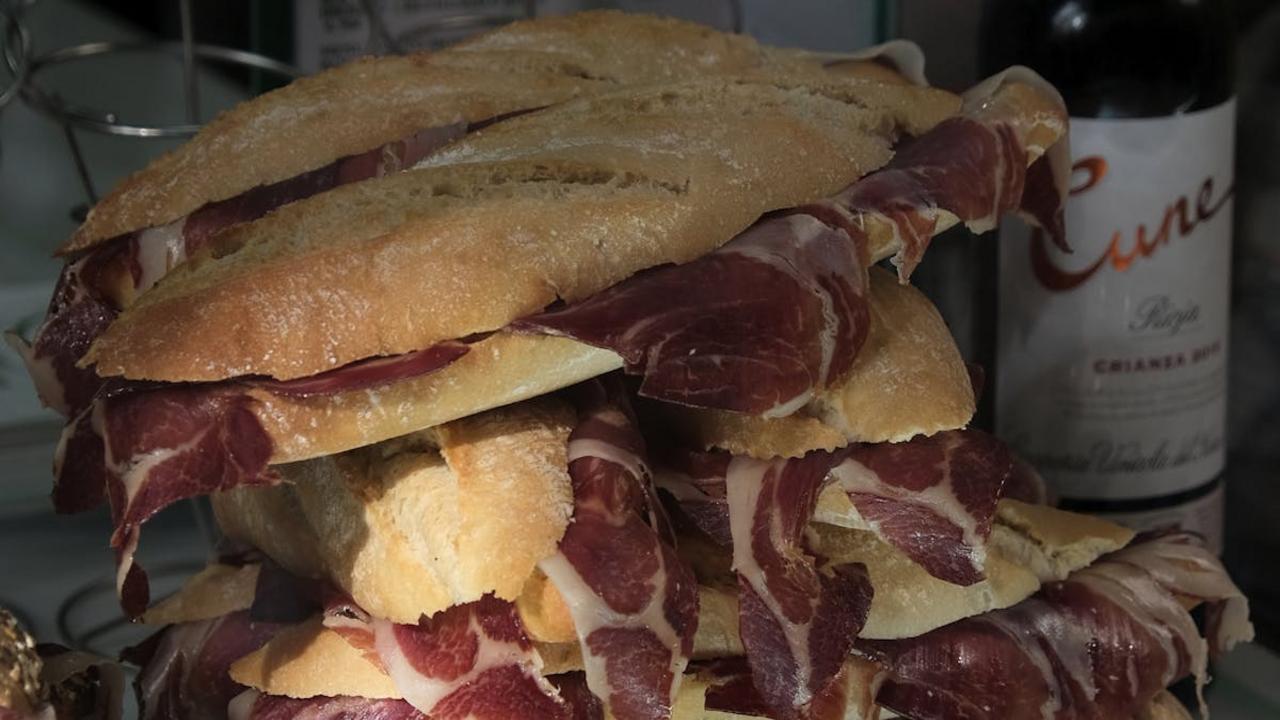
Oh my goodness, you haven’t lived until you’ve tried Iberico ham – but prepare your wallet for a shock! This ultra-premium Spanish ham from black Iberian pigs can cost up to $1,500 per leg and $200+ per pound for sliced portions. The astronomical price tag comes from these fancy pigs’ lifestyle – they roam free in oak forests, munching on acorns that give the meat its distinctive nutty flavor. The meat has beautiful marbling throughout, creating a melt-in-your-mouth texture that will make you question every other ham you’ve ever eaten.
The production process adds another layer to the premium pricing. These pampered pigs must be at least 75% pure Iberian breed, and the curing process takes 24-48 months – that’s up to four years of waiting! Only specific regions in Spain can produce authentic Iberico ham, and each leg gets its own certification number, like a designer handbag. I once splurged on a few precious slices at a Spanish deli, and the rich, complex flavor lingered in my memory far longer than the sting of the price tag. If you’re ready to blow your grocery budget on one extraordinary item, this ham deserves your consideration.
Manuka Honey
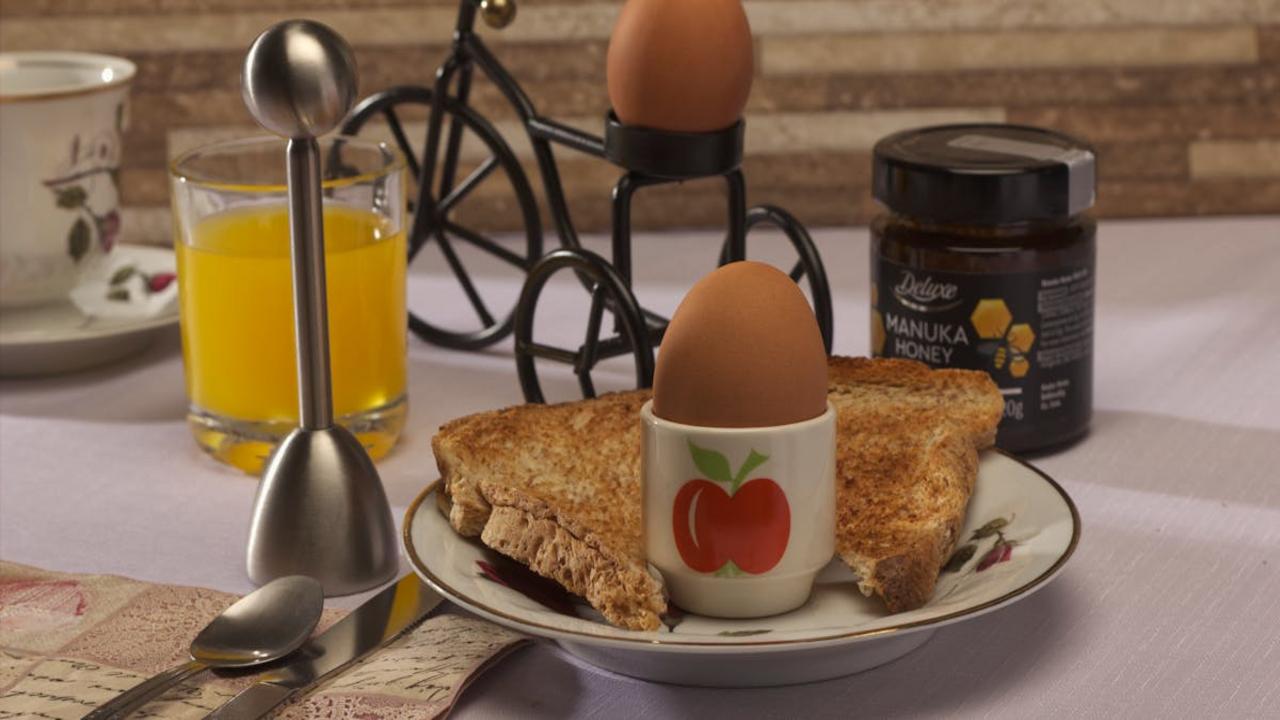
You might need to sit down for this one – a small jar of premium Manuka honey can set you back anywhere from $40 to $200! This liquid gold from New Zealand isn’t your average bear-shaped honey bottle. The bees collect nectar specifically from the Manuka bush, creating a honey packed with unique compounds like methylglyoxal (MGO) that give it powerful antibacterial properties. The higher the MGO rating, the more you’ll pay – and some specialty jars with ratings over 800 MGO can cost as much as a fancy dinner for two!
The price tag makes more sense when you consider how rare and labor-intensive Manuka honey production is. The Manuka bush only blooms 2-6 weeks per year, and beekeepers must transport their hives to remote areas where these plants grow wild. Plus, every batch needs lab testing to verify its potency and purity. People buy it not just for spreading on toast but also for its supposed healing benefits – from soothing sore throats to treating minor wounds. Though if you’re going to drop $100 on honey, you might want to savor it by the teaspoon rather than slather it on your morning English muffin!
Kopi Luwak Coffee
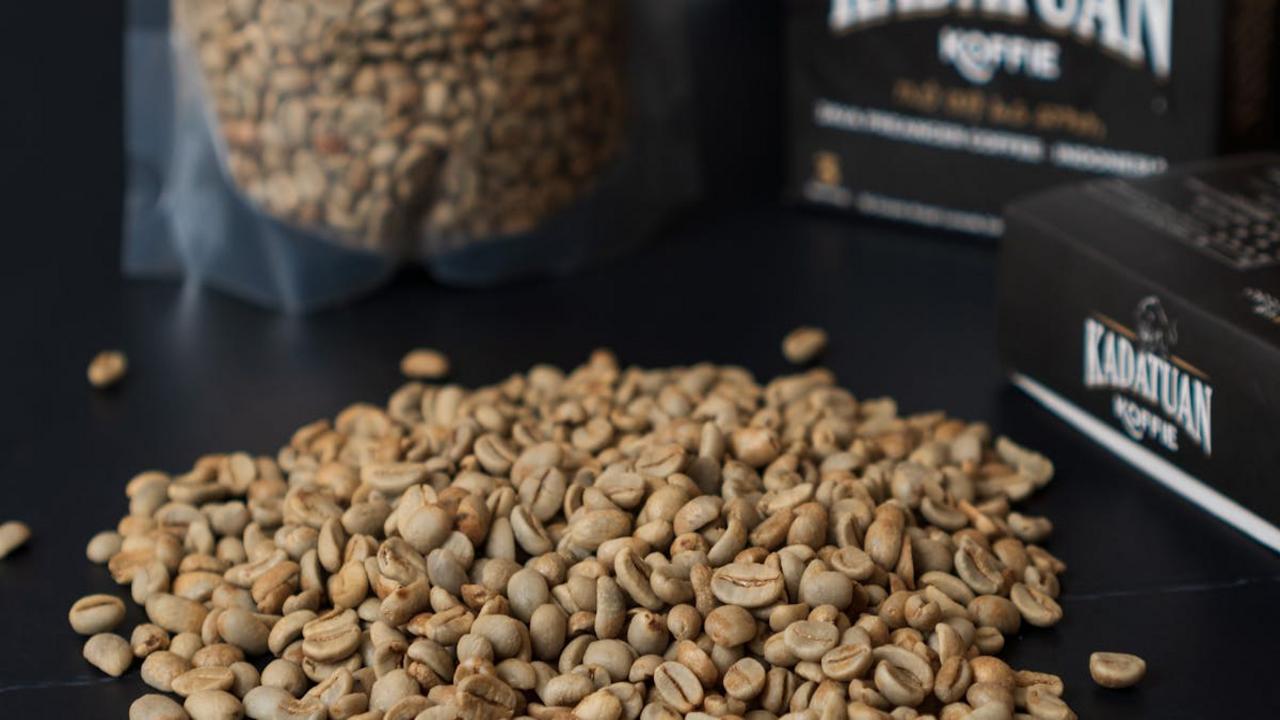
Hold onto your coffee mugs, folks! Kopi Luwak, the world’s priciest coffee, will set you back a jaw-dropping $100-$600 per pound. The reason? These coffee beans take a rather unusual route to your cup – they pass through the digestive system of Asian palm civets, small cat-like creatures that munch on only the ripest coffee cherries. The civets’ digestive enzymes break down the beans, creating a uniquely smooth and less bitter brew that coffee enthusiasts swear by. I’ve watched my coffee-obsessed friend Sarah spend her entire month’s grocery budget on a single bag of these golden beans!
The astronomical price tag comes from the intensive labor and time required to collect these special beans from civet droppings in Indonesian forests. Workers must clean, roast, and sort each bean by hand. The limited supply adds to the exclusivity – only about 1,000 pounds of authentic Kopi Luwak make it to the market each year. Some coffee shops charge up to $50 for a single cup! While the price makes my wallet weep, I must admit the rich caramel notes and chocolate undertones make this coffee unlike anything you’ll find at your local cafe.
Vanilla Beans
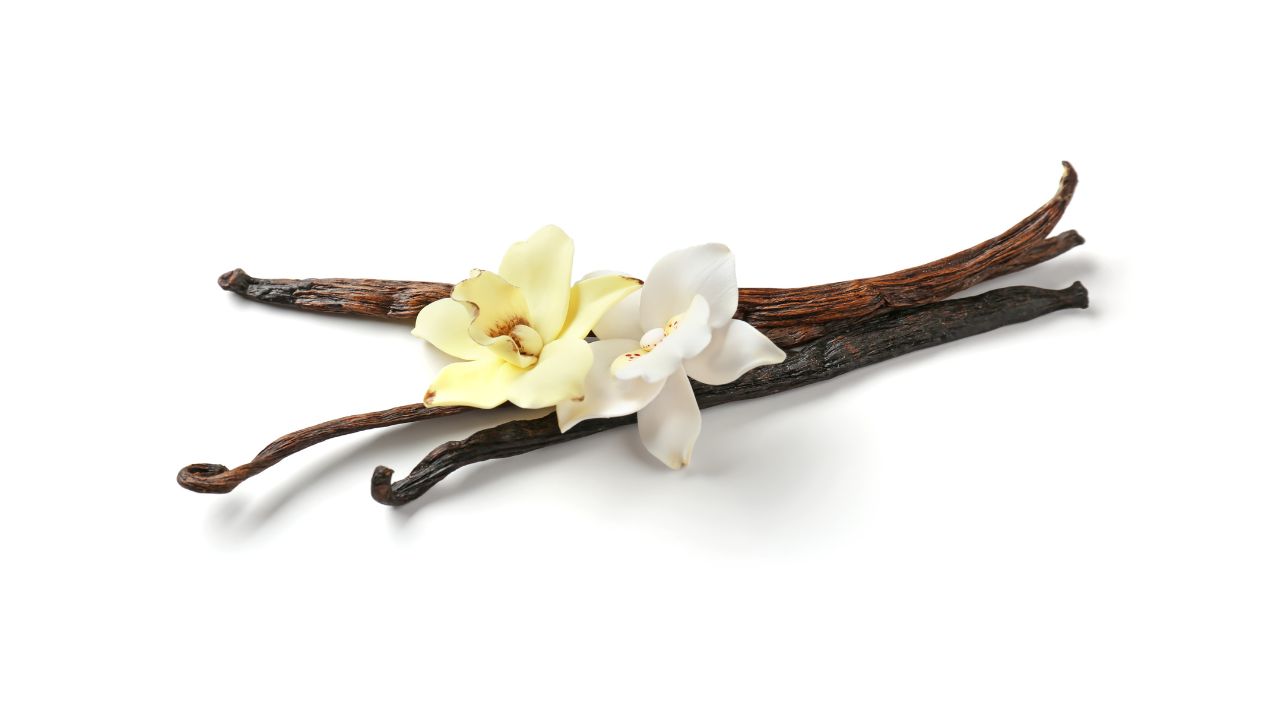
If you’ve ever wondered why pure vanilla extract costs so much, wait until you see the price of actual vanilla beans! These fragrant pods from orchid flowers can cost you up to $600 per pound. Madagascar, the world’s biggest producer of vanilla, has faced numerous natural disasters and market fluctuations, causing prices to skyrocket. You’ll need to shell out anywhere from $8 to $15 for a single bean pod at your local grocery store – and yes, that’s just ONE bean!
The steep price makes sense when you consider it takes nearly three years for vanilla orchids to mature and produce beans. Each flower blooms for only one day and must be hand-pollinated within 12 hours – talk about high maintenance! Many home bakers opt for artificial vanilla flavoring instead, which costs a fraction of the price. But if you want that rich, complex vanilla flavor in your crème brûlée or homemade ice cream, only real vanilla beans will do. My tip? Split one bean lengthwise and scrape out those tiny seeds – a little goes a long way in adding that unmistakable vanilla magic to your desserts.
Matsutake Mushrooms
Hold onto your grocery cart, because these fancy fungi will make your wallet weep! Matsutake mushrooms, the coveted Japanese delicacy, can command prices up to $2,000 per pound. These elusive mushrooms only grow in specific conditions under red pine trees, and their rarity has skyrocketed since the 1970s due to an invasive pest that destroyed many of their natural habitats. In Japan, they represent good fortune and happiness, making them a prized gift during autumn festivals. I once spotted these beauties at a specialty market and nearly fainted at the price tag – a single mushroom cost more than my weekly grocery budget!
What makes these mushrooms worth their weight in gold? The intense pine-spice aroma and unique flavor stand unmatched in the mushroom world. Japanese chefs revere them for their firm, meaty texture and ability to enhance any dish without overpowering it. They shine in simple preparations – think clear soups, rice dishes, or just grilled with a dash of soy sauce. Though the price tag might seem outrageous, matsutake hunters spend weeks searching dense forests, often returning empty-handed. So next time you see these mushrooms behind the glass case, remember you’re looking at the Rolls-Royce of the fungi kingdom!
Saffron
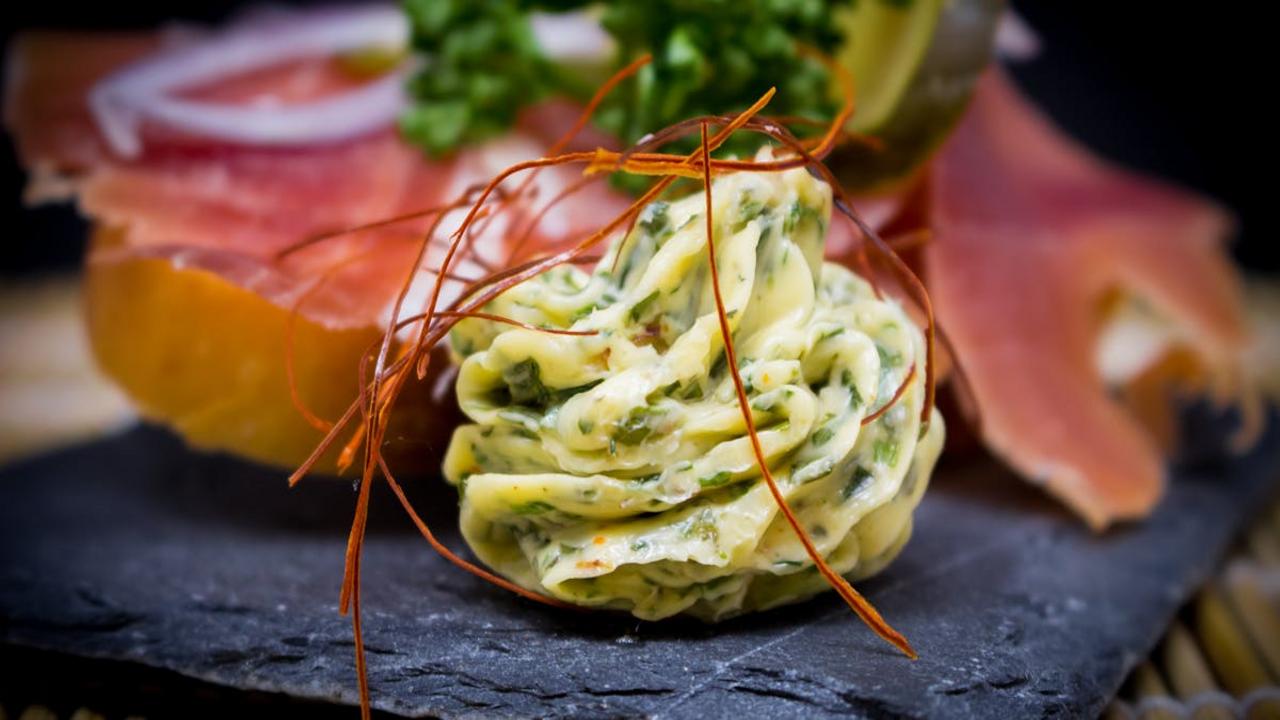
You might need to sit down for this one – saffron tops the charts as the world’s most expensive spice, with prices soaring up to $11,000 per pound! Each thread comes from the crimson stigmas of purple crocus flowers, and you’ll need about 170,000 flowers to produce just one pound of saffron. The labor-intensive harvesting process explains the eye-watering price tag – workers must carefully hand-pick each delicate stigma during a very brief annual flowering period, usually in the early morning hours before the blooms wilt.
The good news? You only need a tiny pinch of these golden-red threads to transform your dishes with its distinct honey-like flavor and that gorgeous yellow color. Spanish paella, Persian rice dishes, and Indian biryanis showcase this precious spice beautifully. Just watch out for fake saffron – if someone offers you a suspiciously cheap deal, they’re probably trying to sell you colored corn silk or safflower. Real saffron should smell sweet and floral, and when you drop a thread in warm water, it should slowly release its color without immediately turning the water yellow.