12 Bizarre Food Laws from Around the Globe You Won’t Believe Are Real
Food laws around the world can be absolutely bonkers! While you’re casually munching your morning toast, governments somewhere are drafting legislation about cucumber curvature and pasta authenticity. These aren’t just quirky suggestions either—break these rules and you could face serious fines or even jail time.
From Singapore’s war on chewing gum to France’s ketchup crusade, politicians have surprisingly strong opinions about what goes in your mouth. Some laws protect tradition, others chase public health goals, and a few just make you wonder what prompted someone to write “no triangular samosas” into legal code.
Get ready to discover twelve food laws so weird they sound fictional. These real regulations prove that when bureaucrats meet breakfast, lunch, and dinner, the results can be wonderfully ridiculous. Your next meal will never look quite the same!
Cheeseburger License Requirement in Denmark
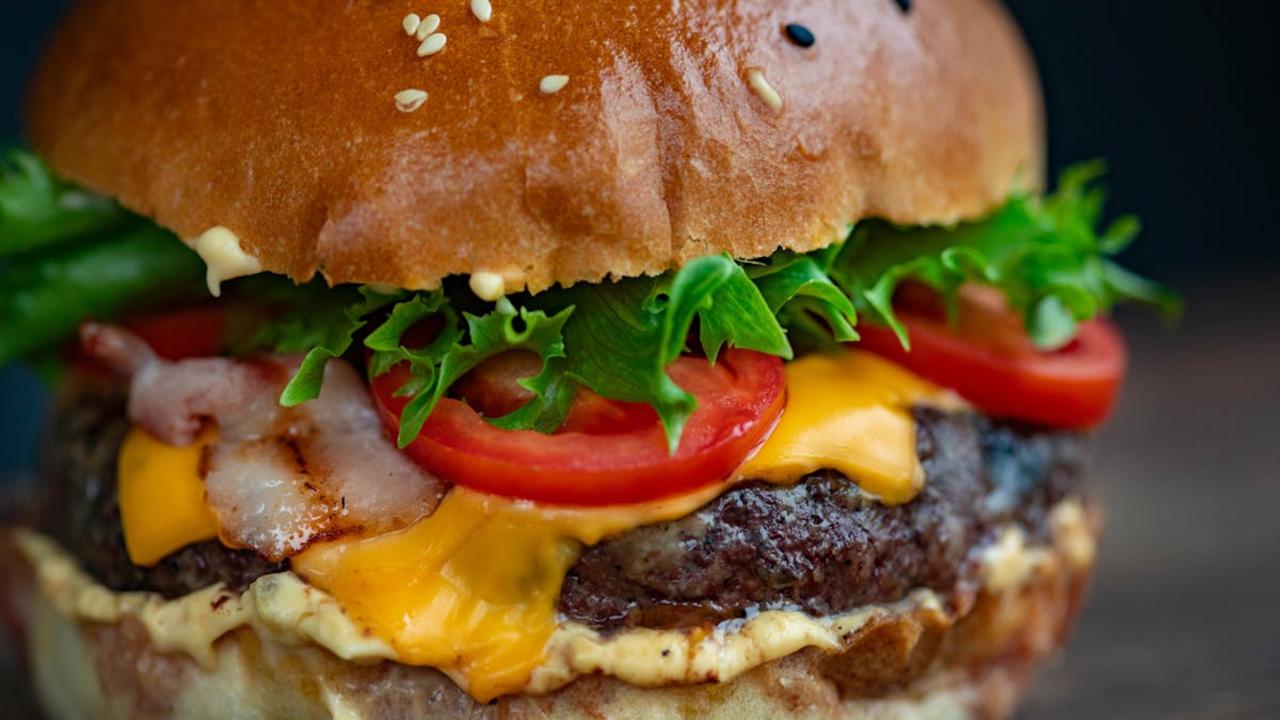
Picture this: you’re craving a juicy cheeseburger in Copenhagen, but hold your horses – the restaurant can’t just slap some cheese on that patty without proper paperwork! Denmark takes its cheese regulations so seriously that establishments need a special license to serve anything with melted cheese on top. This isn’t some medieval law forgotten in dusty books; it’s a real requirement that stems from Denmark’s strict food safety standards and their obsession with dairy quality control.
The Danish authorities aren’t messing around when it comes to cheese handling, and honestly, I kind of respect the dedication. Restaurants must prove they can properly store, melt, and serve cheese at the correct temperatures to avoid any foodborne nasties. While this might sound absolutely bonkers to us burger-loving folks, it means every cheeseburger you bite into has been crafted by someone who literally went through cheese school. Next time you’re in Denmark and order that perfectly gooey cheeseburger, just remember – that melted cheddar comes with a certificate of authenticity that would make any dairy farmer weep tears of pride!
Unnatural Ice Cream Color Ban in Wales

Wales has officially decided that your ice cream can’t look like a rainbow threw up on it, and honestly, I’m kind of here for it. The Welsh government banned artificially colored ice cream that doesn’t match its natural flavor – so no more neon green vanilla or electric blue strawberry scoops that could probably glow in the dark. This law exists because apparently someone thought kids needed protection from ice cream that looked like it belonged in a science lab rather than a cone. The rule specifically targets colors that have nothing to do with the actual ingredients, which means your mint chocolate chip can still be green, but your vanilla better stay creamy white or face the legal consequences.
Picture this: you’re strolling through Cardiff with your family, excited for a sweet treat, only to discover that the ice cream parlor can’t serve you that magnificent purple “vanilla” scoop you’ve been craving. The Welsh authorities figured that food should actually look like what it claims to be – revolutionary concept, right? This regulation forces ice cream makers to get creative with natural ingredients if they want colorful products, leading to some genuinely innovative flavors that actually justify their vibrant hues. While some might call this law overly restrictive, I think there’s something refreshingly honest about ice cream that doesn’t lie to your eyes before it hits your tongue.
Absinthe Prohibition in the United States
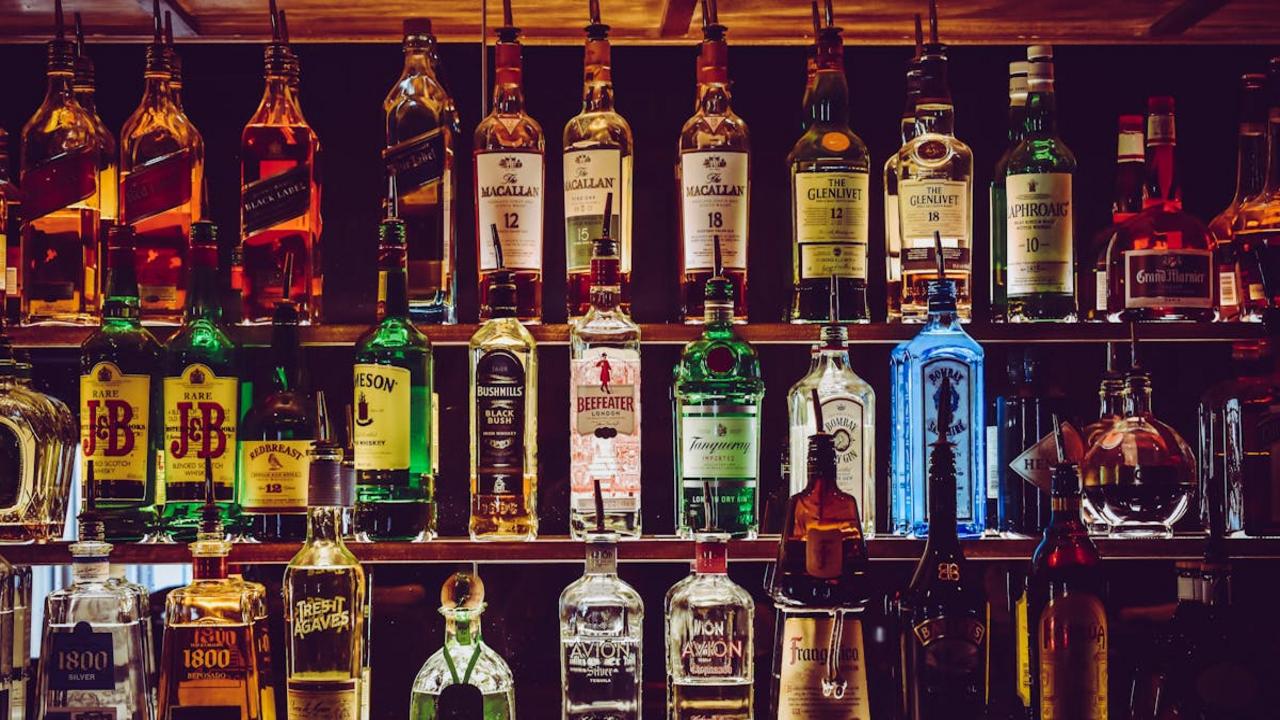
Picture this: you’re sipping what was once called “the green fairy” – a mystical, emerald-colored spirit that supposedly made artists see visions and drove people absolutely mad. Absinthe, with its wormwood-infused recipe and theatrical preparation ritual involving sugar cubes and ornate spoons, became the scapegoat for all sorts of social problems in early 20th-century America. The government banned this licorice-flavored liqueur in 1912, convinced it was turning citizens into hallucinating lunatics. Never mind that the “madness” probably came from the industrial alcohol and toxic additives bootleggers mixed in – absinthe took the blame for everything from domestic violence to declining birth rates.
Here’s the kicker: modern science has proven that authentic absinthe won’t make you any crazier than regular booze. The thujone compound in wormwood that everyone feared? You’d need to drink gallons to feel any psychoactive effects, and you’d die from alcohol poisoning first. The ban lasted nearly a century until 2007, when American distillers finally convinced regulators that properly made absinthe was just another strong spirit with a fancy presentation. Now you can legally buy bottles that would have landed your great-grandfather in jail, complete with the traditional louche effect that turns the clear green liquid cloudy white when you add ice water. Sometimes the most dangerous thing about a drink is the moral panic surrounding it!
Curved Cucumber Regulations in the European Union
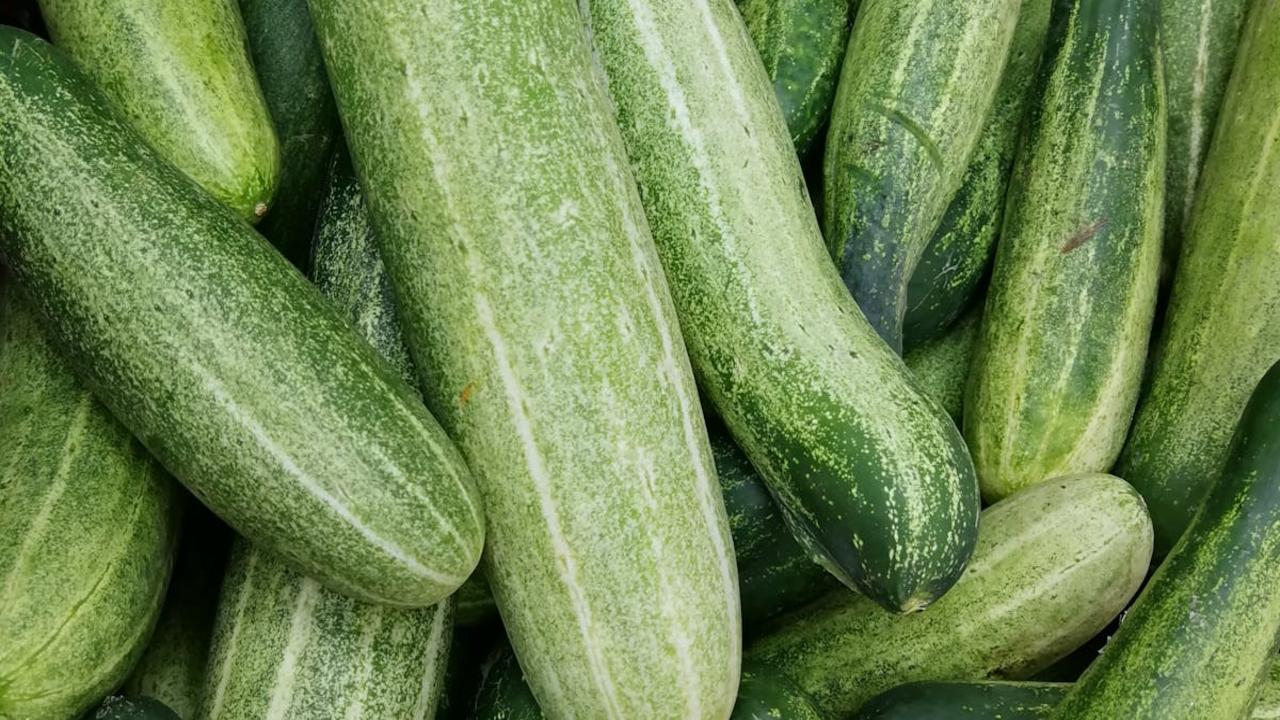
Picture this: you’re strolling through a European market, eyeing the produce section, when suddenly you notice something peculiar—every single cucumber looks like it was crafted by a geometry teacher obsessed with straight lines. That’s because the European Union once had regulations that literally dictated how curvy your cucumbers could be! From 1988 to 2009, Commission Regulation 1677/88 specified that cucumbers could only have a bend of 10 millimeters per 10 centimeters of length. Any cucumber that dared to curve beyond this measurement was deemed “Class II” quality or, in extreme cases of rebellious curvature, completely banned from sale.
The logic behind this seemingly absurd rule was actually rooted in practical concerns—straight cucumbers pack more efficiently in boxes, reducing transportation costs and food waste. But imagine being the poor inspector whose job involved measuring cucumber curves with a ruler! The regulation became such a symbol of bureaucratic overreach that it sparked countless jokes about EU meddling in mundane matters. Thankfully, common sense prevailed in 2009 when the EU relaxed these standards, allowing wonky cucumbers to reclaim their rightful place on grocery shelves. Now you can enjoy your perfectly imperfect, naturally curved cucumbers without worrying about whether they meet some arbitrary geometric standard—though I still chuckle thinking about those cucumber quality control officers armed with measuring tape!
Samosa Restrictions in Somalia
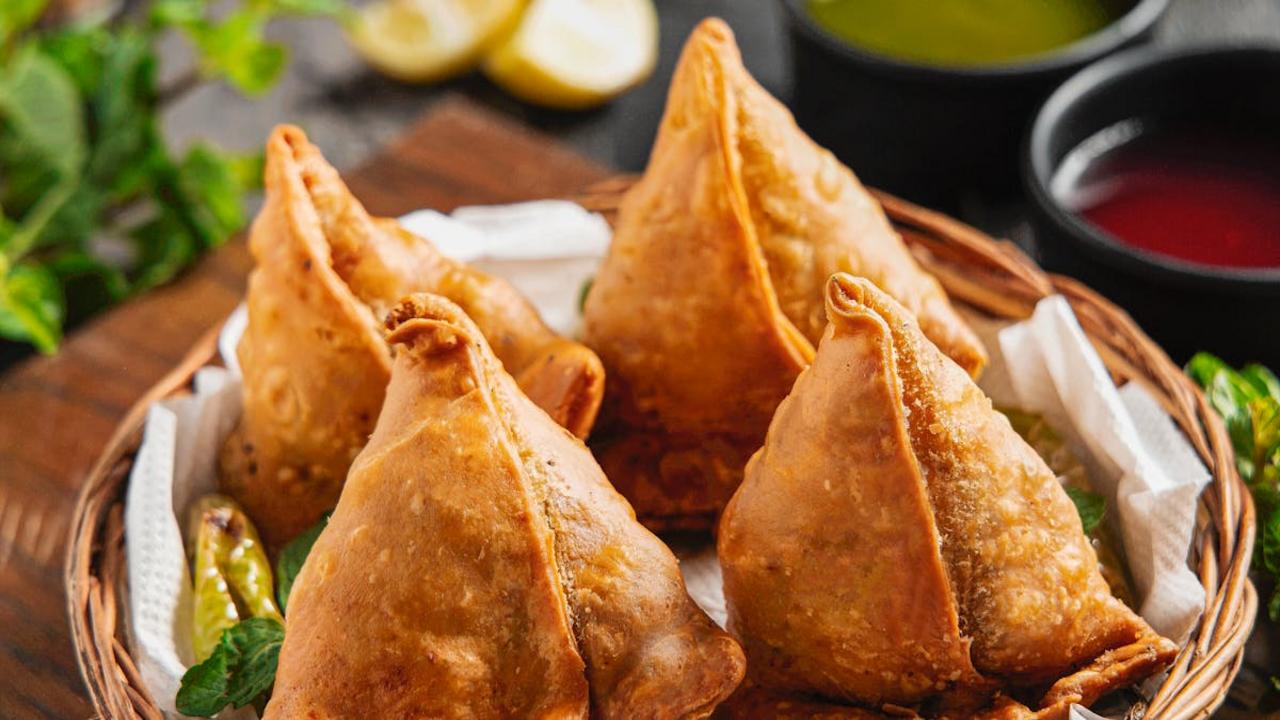
Picture this: you’re craving that perfect triangular pocket of crispy pastry filled with spiced potatoes and peas, but suddenly the government says “nope!” That’s exactly what happened in Somalia back in 2011, when the militant group Al-Shabaab banned samosas because they believed the three-cornered shape resembled the Christian Trinity. Yes, you read that right – a beloved street snack became a religious controversy! The ban left countless Somali food vendors scratching their heads and wondering how a simple geometric shape could cause such an uproar. Street corners that once sizzled with the sounds of samosas frying suddenly fell silent, and hungry customers had to find alternative snacks to satisfy their cravings.
The irony here is absolutely delicious – samosas actually originated in Central Asia and traveled through trade routes to become a staple across Africa, the Middle East, and South Asia. They’re about as multicultural as food gets! During the ban, creative cooks started making round or rectangular versions, proving that good food finds a way around even the most bizarre restrictions. Thankfully, this particular food law didn’t last forever, and today you can once again find proper triangular samosas bubbling away in oil across Somalia. Sometimes I wonder if the officials who made this decision had ever actually tasted a properly spiced samosa – because honestly, once you bite into that golden, flaky exterior and hit that burst of cumin and coriander, religious geometry becomes the last thing on your mind!
Illegal Watering Down Beer in Germany
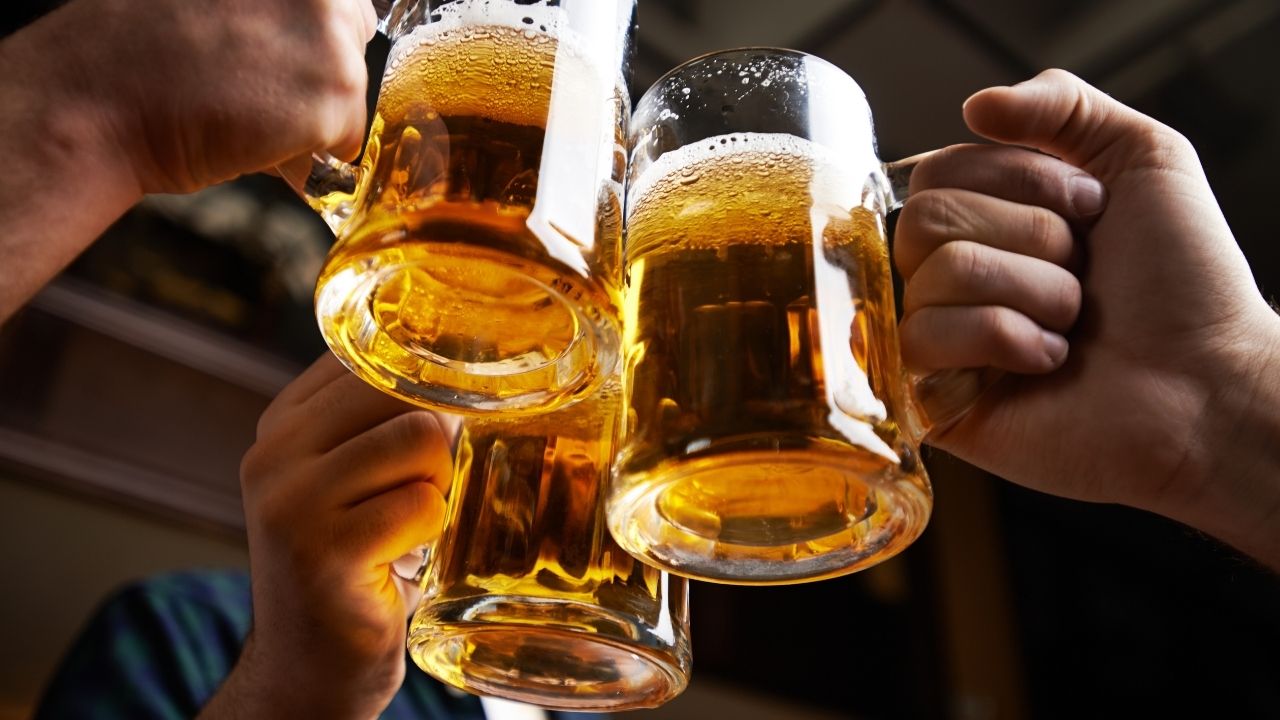
Germans don’t mess around when it comes to their beer, and I mean it! The Reinheitsgebot, or German Beer Purity Law, has been keeping brewers honest since 1516 (yes, you read that right – this law is older than Shakespeare!). This legendary piece of legislation declares that beer can only contain four ingredients: water, hops, malt, and yeast. Try sneaking anything else into your brew – including extra water to stretch your profits – and you’ll face serious legal consequences. German authorities take this so seriously that they conduct regular inspections and chemical analyses to catch cheaters.
What makes this law absolutely fascinating is how it transformed German beer culture into something almost sacred. Picture this: while other countries were adding rice, corn, or mysterious chemicals to their beers, German brewers were perfecting their craft within these strict boundaries. The result? Some of the world’s most respected beers that actually taste like, well, beer! Modern German brewers wear this restriction like a badge of honor, proving that sometimes the best creativity comes from working within limits. So next time you crack open a genuine German beer, remember you’re drinking liquid history that’s been legally protected for over 500 years!
Butter Alternatives Ban in New Zealand’s South Island
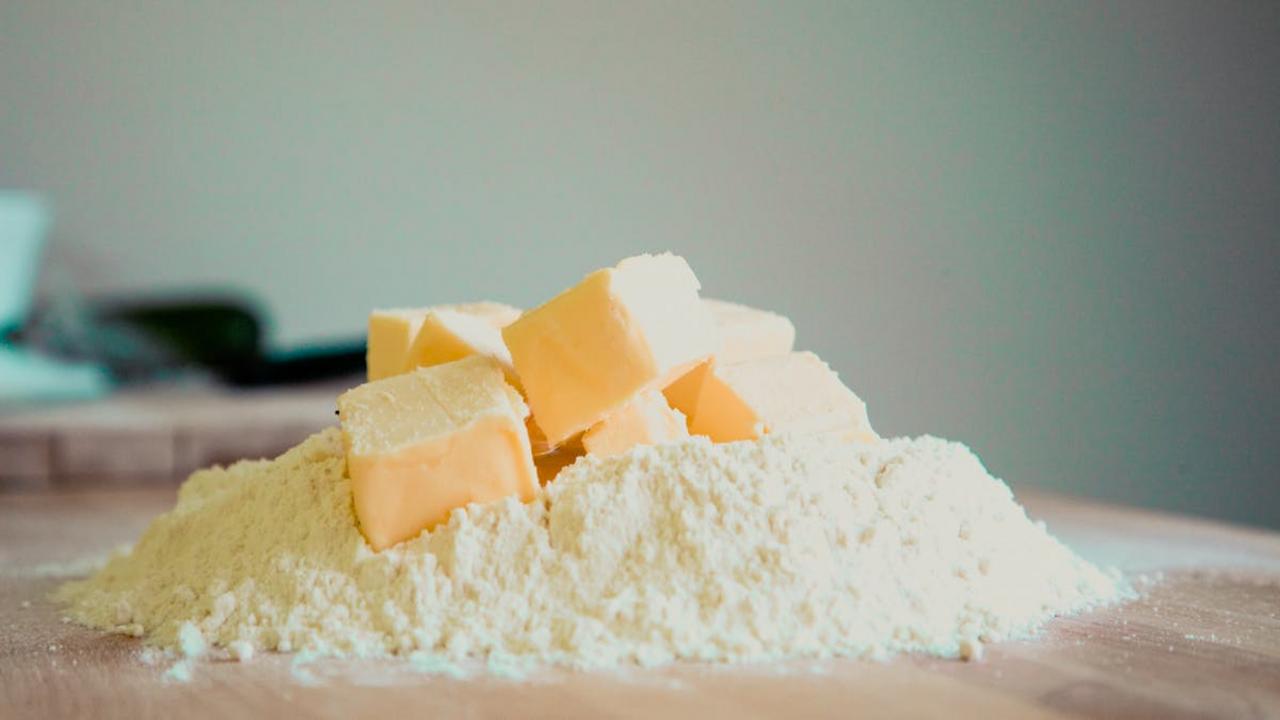
Picture this: you’re spreading what you think is butter on your morning toast in New Zealand’s South Island, but wait—that creamy yellow goodness might actually land you in hot water! Back in the day, South Island had some seriously strict laws about butter substitutes, and I’m talking about regulations so intense they’d make your head spin. The local dairy industry wielded enough power to basically ban margarine and other butter wannabes from store shelves. You couldn’t even import the stuff without jumping through more hoops than a circus performer. Talk about protecting your turf with the intensity of a mama bear guarding her cubs!
The whole situation was so absurd that people would smuggle margarine across the Cook Strait like it was liquid gold or contraband whiskey. Families planning trips to North Island would stock up on the forbidden spread, hiding tubs of margarine in their luggage like they were running some kind of dairy underground railroad. The irony? New Zealand produces some of the world’s finest butter, so you’d think they’d be confident enough not to worry about a little competition. But no—they wanted to make absolutely sure that every single pat of fat on every piece of bread was the real McCoy, straight from those happy grass-fed cows dotting their pristine pastures.
Raw Milk Restrictions in Canada
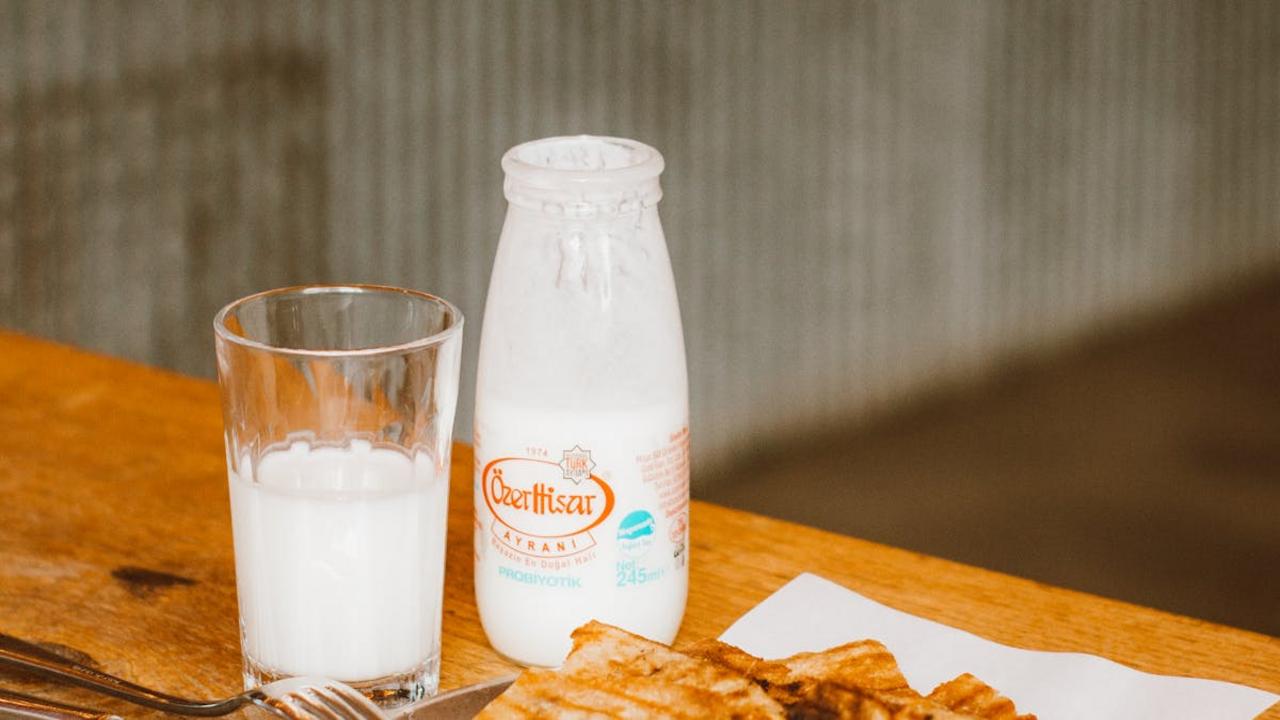
Oh Canada, land of maple syrup, hockey, and surprisingly strict dairy laws! You might think our northern neighbors would be all about that fresh-from-the-cow goodness, but think again. Canada has some of the toughest raw milk restrictions in the world, making it illegal to sell unpasteurized milk for human consumption across the entire country. We’re talking serious business here – violators can face fines up to $250,000 and even prison time! Meanwhile, you can legally buy raw milk in many U.S. states, making cross-border milk smuggling a surprisingly real phenomenon.
The irony gets thicker than cream when you consider that Canadian farmers can drink their own raw milk all day long – they just can’t share the wealth with their neighbors. Some dairy enthusiasts have gotten creative, joining “cow-share” programs where they technically own a piece of a cow and receive their “share” of the milk. It’s like a dairy time-share, but with more mooing and legal loopholes! Food safety officials argue pasteurization prevents dangerous bacteria, while raw milk advocates swear by its superior taste and health benefits. Either way, if you’re craving that straight-from-the-udder experience in Canada, you better own your own cow or prepare for some serious rule-bending!
Horse Meat Prohibition in the United States
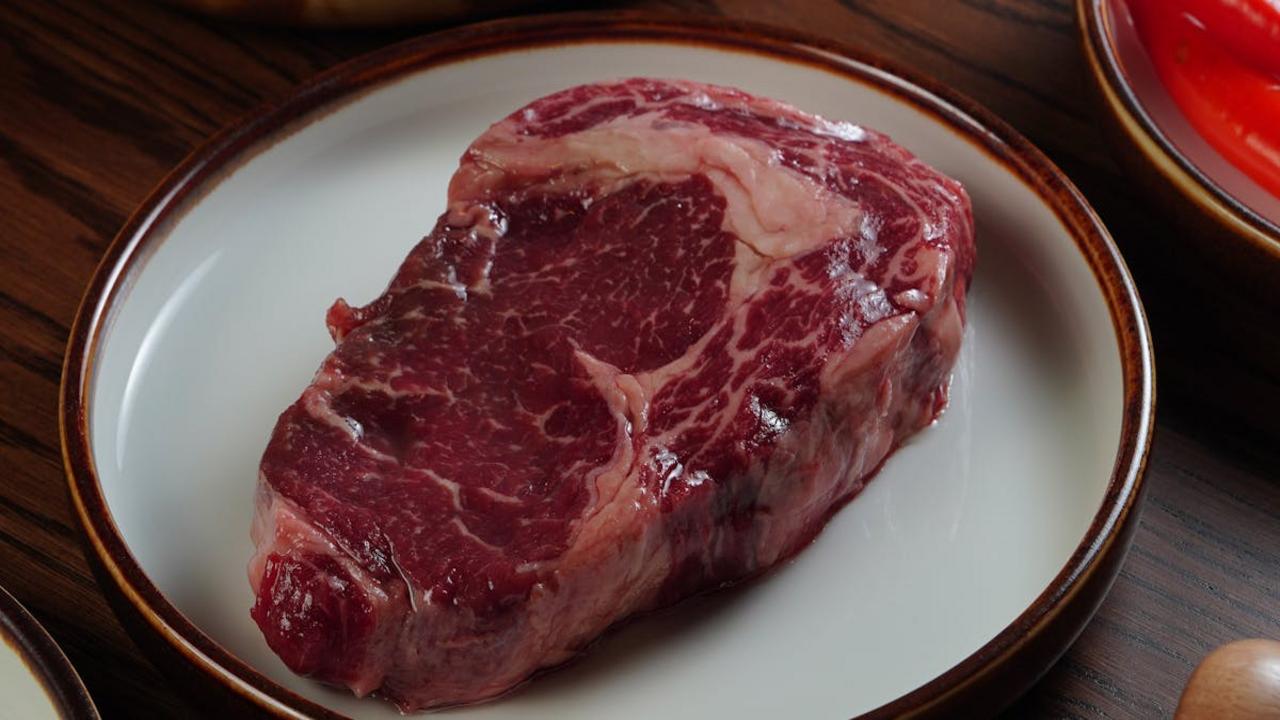
You know what’s wild? While you can legally own a horse, ride a horse, and bet on horses in America, you absolutely cannot eat one. The United States has some seriously strict laws about horse meat consumption that go way beyond your typical food safety regulations. Since 2007, federal funding for horse meat inspections has been banned, which effectively makes it impossible to sell horse meat commercially. But here’s the kicker – technically, eating horse meat isn’t illegal if you can somehow get your hands on inspected meat, which is about as likely as finding a unicorn in your backyard.
This whole horse meat taboo stems from our deep cultural connection with these majestic animals as companions rather than dinner. Unlike countries such as Belgium, where horse meat shops still exist and serve up equine steaks to adventurous diners, Americans have drawn a firm line in the stable sand. The irony? We happily munch on cows, pigs, and chickens without batting an eye, but suggest a horse burger and watch people’s faces turn green faster than a spoiled avocado. Some states have even passed their own laws specifically banning horse slaughter, making this one of the most emotionally charged food prohibitions in the country.
Pasta Shape Regulations in Italy
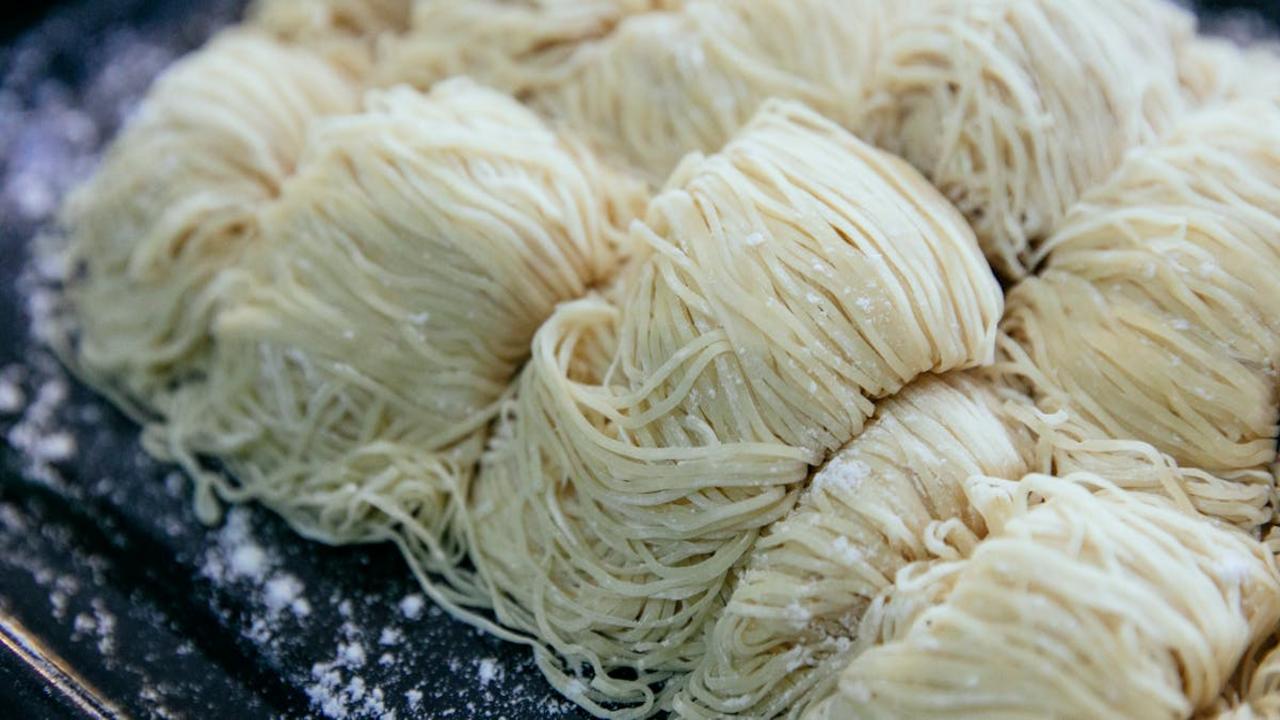
Picture this: you’re standing in an Italian grocery store, confidently reaching for what you think is linguine, only to discover you’ve accidentally grabbed bavette. In Italy, this isn’t just a case of “close enough”—it’s practically a crime against tradition! The country takes its pasta shapes so seriously that specific regulations govern how each variety must be made, measured, and named. We’re talking about laws that dictate the exact width of spaghetti (between 1.65 and 1.85 millimeters, thank you very much) and the precise thickness that separates angel hair from capellini. Italian authorities don’t mess around when it comes to protecting their pasta heritage, and honestly, can you blame them?
The most amusing part? Try selling “fake” penne in Italy and watch bureaucrats descend faster than Italians on free gelato. These regulations exist because pasta shapes aren’t random—each one serves a specific purpose in the grand symphony of Italian cooking. Rigatoni’s ridges grab thick sauces, while smooth penne lisce lets delicate flavors shine through. The government protects these distinctions with the same fervor they’d use to guard the Mona Lisa. So next time you casually toss any old tube-shaped pasta into your cart and call it penne, remember that somewhere in Italy, a pasta inspector just felt a disturbance in the force. These laws ensure that when you order cacio e pepe with tonnarelli, you get exactly what generations of nonnas intended—not some imposter noodle masquerading as the real deal.
Ketchup Ban in French School Cafeterias
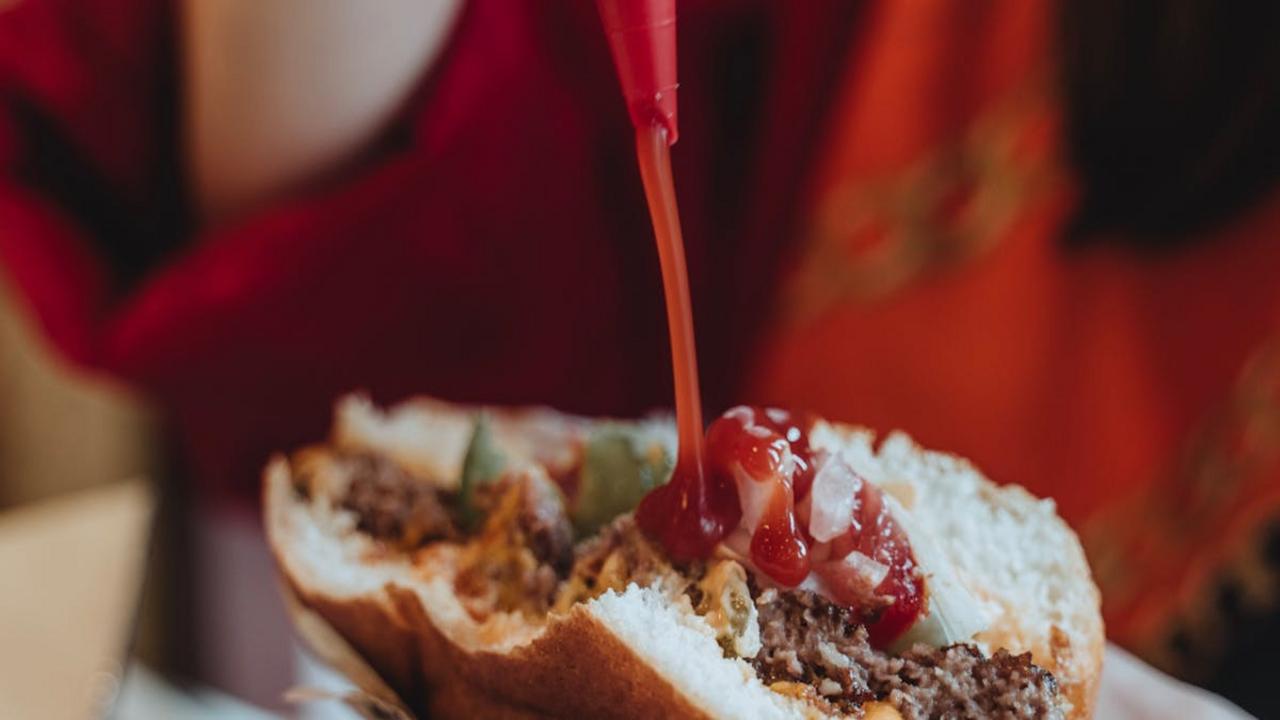
Picture this: you’re a French student sitting down to your school lunch of perfectly prepared coq au vin or ratatouille, and you reach for the ketchup bottle to douse your meal in that familiar red sauce. Well, mon ami, you’re out of luck! France has banned ketchup in school cafeterias, except when served alongside French fries (which can only appear on menus once per week). This isn’t some random bureaucratic whim – it’s a serious cultural protection mission. French officials declared war on the American condiment in 2011, claiming it was corrupting young French palates and threatening their rich food heritage.
The French take their food culture so seriously that they’d rather have students go sauce-less than watch them drown traditional dishes in what they consider liquid blasphemy. Imagine telling a room full of American kids they can’t have ketchup with their meals – you’d probably face a full-scale rebellion! But French children are expected to appreciate the natural flavors of their carefully prepared meals, learning to savor each ingredient without masking it under a blanket of tomato-based sweetness. Schools now focus on teaching students about proper food pairings and developing sophisticated palates from an early age. It’s basically boot camp for future food critics, minus the ketchup!
Chewing Gum Ban in Singapore

Picture this: you’re strolling through the pristine streets of Singapore, admiring the spotless sidewalks and gleaming buildings, when suddenly you realize something’s missing. No black dots of ancient gum decorating the pavement! That’s because Singapore pulled off what seemed impossible back in 1992 – they actually banned chewing gum. Yes, you read that right. The island nation decided that sticky situations were literally too sticky to handle, and honestly, I can’t argue with their logic when you see how immaculate their public spaces look.
The ban started after gum kept jamming the doors of their shiny new Mass Rapid Transit system, causing delays that made punctual Singaporeans absolutely furious. Now, if you’re caught smuggling in a pack of Trident, you could face a hefty fine of up to $100,000! Don’t panic though – they’ve softened up slightly since then. You can now get therapeutic gum from pharmacies if you register your name and address, because apparently even Singapore recognizes that sometimes you really need that minty fresh breath. Just remember, if you’re visiting, leave your Hubba Bubba dreams at customs and stick to their famous laksa instead!